
Navigating city streets in the United States can feel like a test of patience, skill, and luck, especially when it comes to parking.
Urban environments often mean tight spots, aggressive parallel parking, and limited visibility, which can turn even the simplest errand into a stressful experience.
But not all vehicles are created equal when it comes to handling city parking challenges. Some cars are engineered with urban life in mind, compact dimensions, excellent maneuverability, advanced camera systems, and responsive steering.
Others, by contrast, can transform downtown trips into a series of hair-pulling moments, thanks to wide turning radii, poor visibility, or bulky dimensions.
Here, we break down five city-parking champs that make urban life a breeze and five headache makers that can turn a quick grocery run into a logistical nightmare.
City-Parking Champs
ompact dimensions, nimble handling, and smart design features can turn the stress of parallel parking and congested lots into a smooth, even enjoyable experience.
In this roundup, we highlight the vehicles that excel in urban maneuverability, cars that are perfectly suited to tight city spaces, whether you’re darting between errands, commuting to work, or hunting for that elusive curbside spot. These are the true city-parking champs, combining practicality, agility, and convenience in every block.
1. Honda Fit
The Honda Fit has long been a favorite among city dwellers for its near-perfect combination of size, versatility, and clever design. Measuring just under 161 inches in length, the Fit slips into tight spots that would leave larger sedans or SUVs struggling.
Its “Magic Seat” system allows the rear seats to fold flat or flip upright, creating space for oddly shaped cargo without sacrificing maneuverability.
Beyond size, the Fit’s tight turning radius around 17 feet makes parallel parking almost effortless. Its compact footprint, combined with responsive steering and optional rearview camera, cements its reputation as one of the most city-friendly subcompacts on the market.
The 2020 Honda Fit is almost like a magical clown car, with an uncanny ability to carry far more cargo than its small footprint suggests. This subcompact hatchback also offers more passenger space than most would expect, and its multi-way folding rear seat is central to its remarkable versatility.
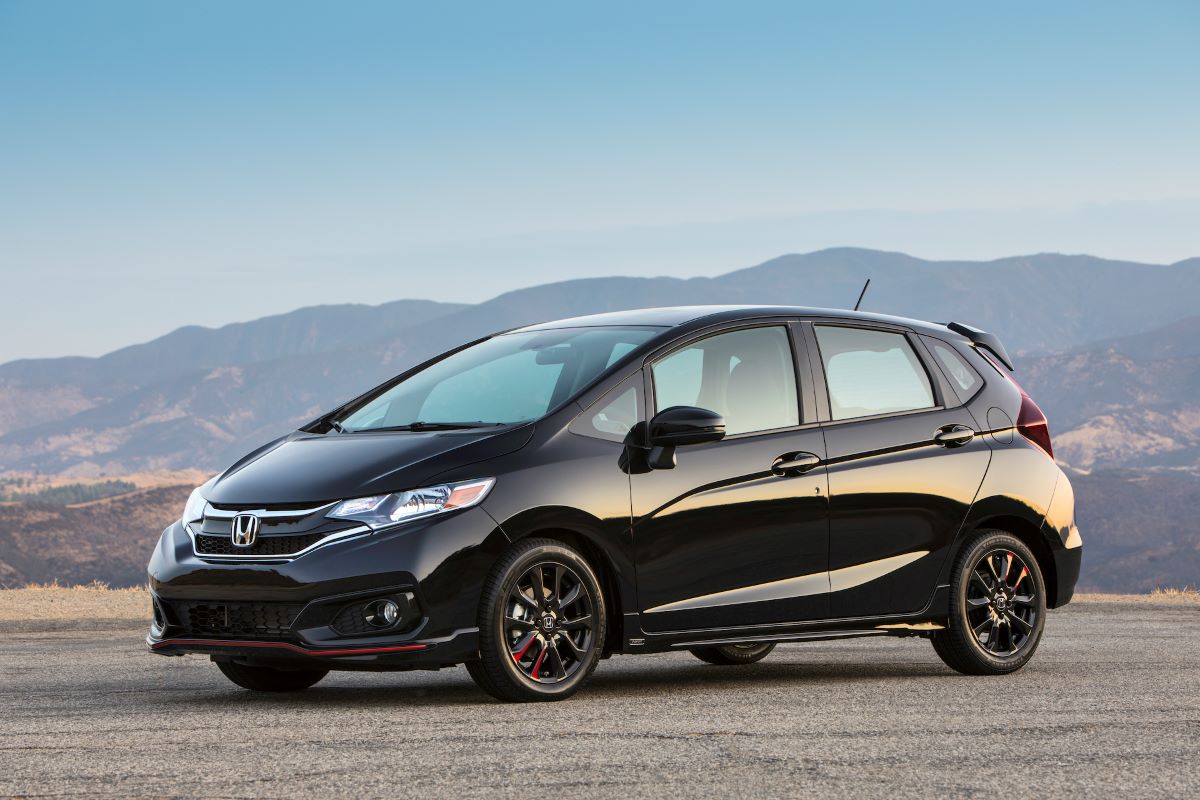
While this generation lacks the lively, fun-to-drive character of earlier Fits, it still delivers a fuel-efficient engine and a smooth ride. That said, the buzzy engine and somewhat unremarkable interior materials remind buyers that this is a budget-friendly vehicle. Even so, the 2020 Fit remains one of the most practical and versatile small cars available.
Fit buyers face just one real powertrain choice: a six-speed manual transmission or a CVT, with the latter reducing horsepower to 128. At higher engine speeds, the motor can feel buzzy.
The manual provides greater control and lets drivers extract more performance, while the CVT tends to dull the engine and is less engaging to operate. The Fit’s ride quality is a bright spot, offering a nearly supple experience over most road imperfections, particularly on the base LX with its larger tires.
Handling, however, is less impressive. The soft suspension leads to noticeable body roll in corners, and the steering provides little feedback or precision compared with previous generations. Overall, the Fit is competent, but not particularly fun to drive.
Also Read: 8 Underrated SUVs That Are Better Than Popular Models
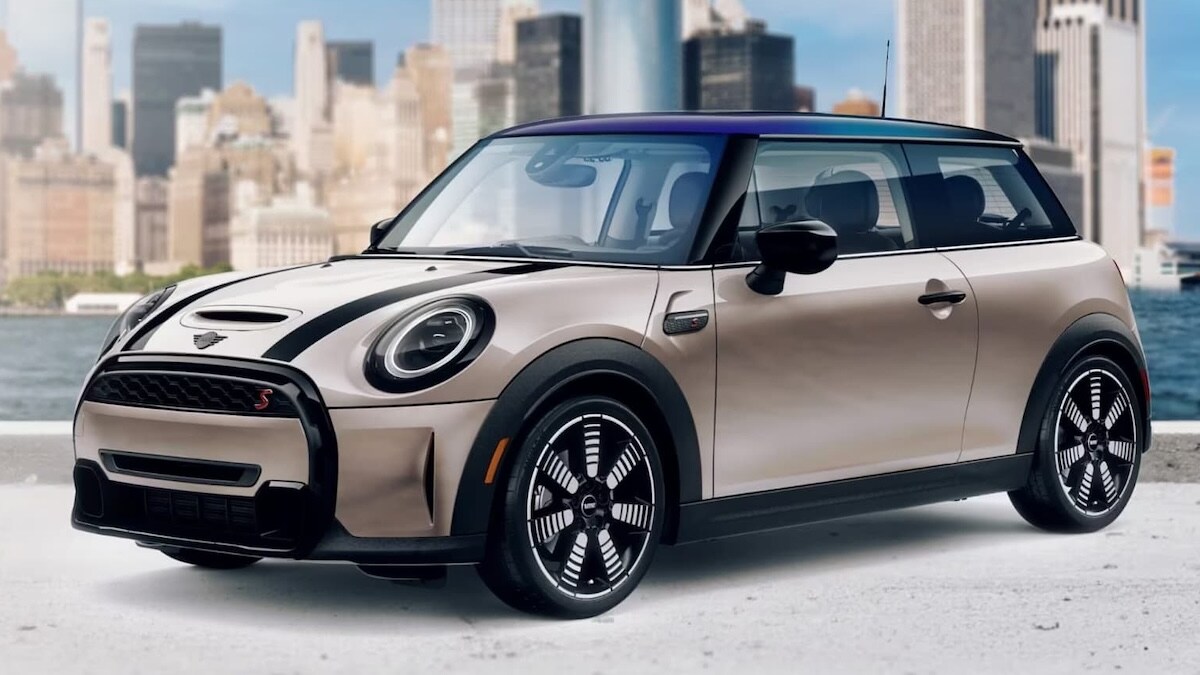
2. Mini Cooper Hardtop
Few vehicles are as synonymous with city parking as the Mini Cooper. Its short wheelbase and sharp steering allow it to dart into spaces that other cars can only dream about.
The Mini Hardtop, in particular, combines iconic styling with practicality, offering excellent forward and rear visibility while maintaining a nimble feel.
Parking in dense metropolitan areas, like New York or San Francisco, becomes less about strategy and more about instinct with a Mini.
Optional parking sensors and rearview cameras further enhance its already excellent urban maneuverability, making it a true champ for city living.
Though far from flawless, the 2024 Mini Cooper Hardtop in any of its variants is a spirited little car that tends to deliver more enjoyment than frustration.
While it’s no longer as tiny as its predecessors, it remains a remarkably small hatchback with instantly recognizable retro styling. Every version carries a hint of that trademark go-kart-like handling, making the Mini genuinely fun to drive.
However, there are trade-offs. The interior’s whimsical design comes at the expense of ergonomics and button placement, and the infotainment system feels at least a generation behind competitors in its class.
The same can be said for the Mini’s driver-assist safety features. Additionally, the short wheelbase and flat handling contribute to a fairly firm ride that may be uncomfortable for some buyers.
Value may also be a consideration. If a sporty small hatchback is the goal, vehicles like the Toyota Corolla or Honda Civic offer more features for less money.
But for those specifically drawn to the Mini, the Cooper Hardtop is likely to bring plenty of satisfaction. Just be mindful not to experience buyer’s remorse by passing up the next-generation model.
The 2024 Cooper Hardtop is available with three gasoline powertrains, all driving the front wheels. Most trims come standard with a six-speed manual transmission, while seven- and eight-speed dual-clutch automatic options are offered depending on the model.
Beyond the gasoline options, Mini also produces the electric Cooper SE, though both the SE and the performance-oriented John Cooper Works variant are exclusive to the two-door Hardtop.
3. Toyota Corolla Hatchback
The Toyota Corolla Hatchback blends compact size with modern technology to simplify city parking. Its relatively small footprint and tight turning radius make maneuvering in downtown environments less stressful.
Advanced driver-assist features, such as blind-spot monitoring, rear cross-traffic alert, and a backup camera, add a layer of confidence when negotiating tight spaces.
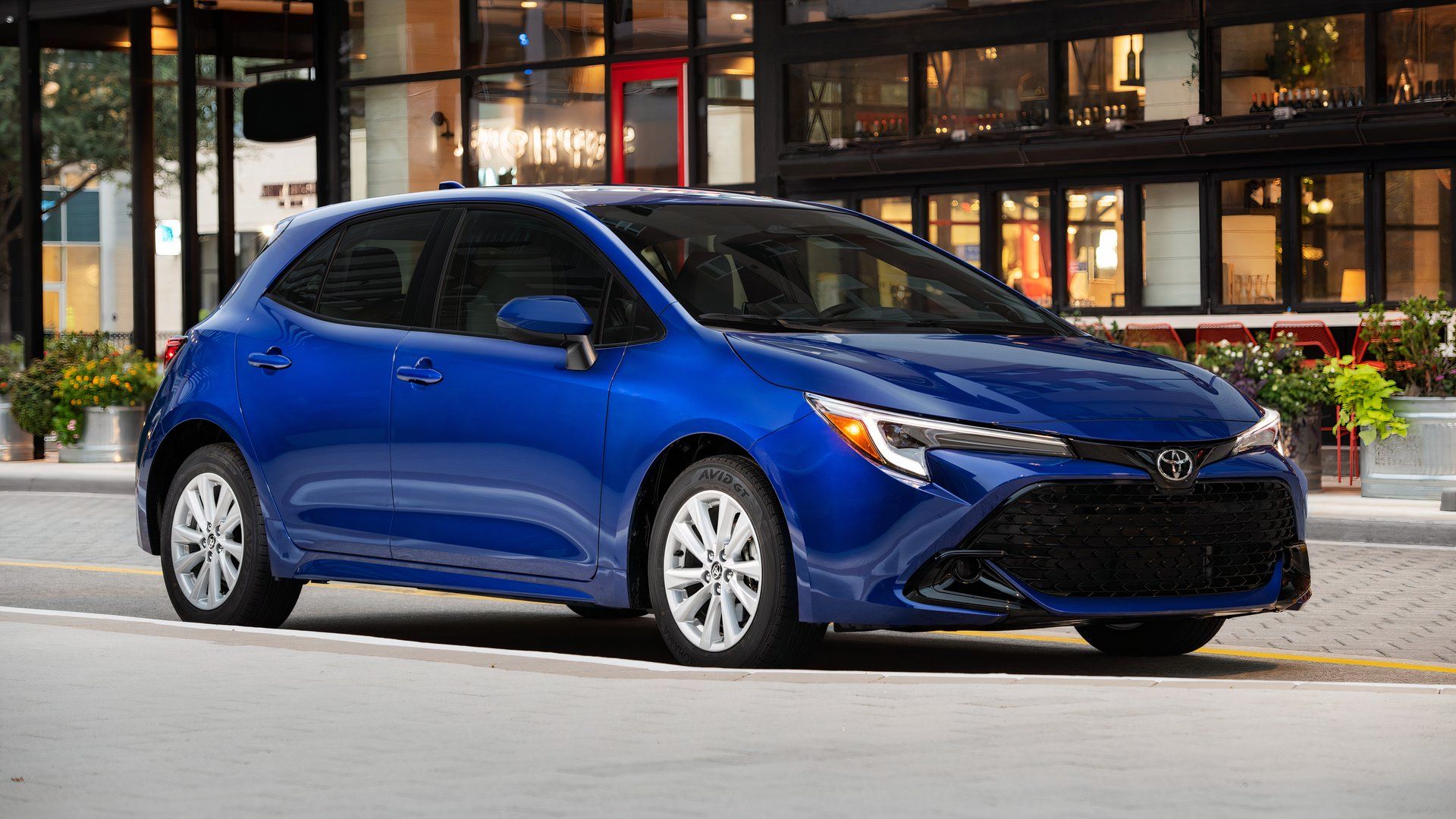
Unlike traditional sedans, the hatchback design also allows for more flexible cargo arrangements without increasing the overall dimensions, which is a bonus for city dwellers who often juggle groceries, deliveries, and weekend gear.
4. Hyundai Kona
The Hyundai Kona has quickly become a favorite in the subcompact SUV segment, largely because it marries SUV practicality with city-friendly dimensions.
At just 164 inches long and boasting a turning circle of about 33 feet, the Kona is surprisingly agile for an SUV.
Its elevated seating position provides excellent visibility for tight parking scenarios, while its small footprint allows it to fit into spaces typically reserved for smaller cars.
Add available parking sensors and a rearview camera, and the Kona transforms from a compact SUV into a reliable urban parking ally.
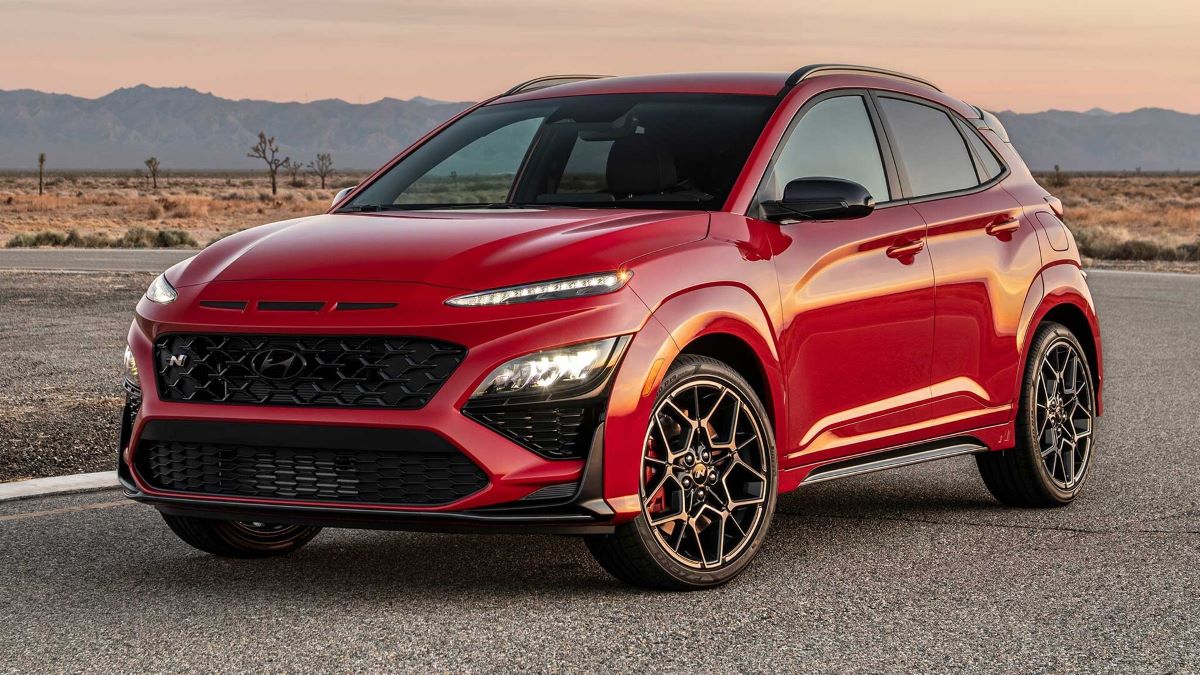
Hyundai has gradually refined the dual-clutch automatic transmission paired with the turbocharged engine over the years, making it one of the better options in its class. That said, drivers may occasionally notice a slight hesitation when pulling away from a stop.
In corners, the Kona proves surprisingly composed and confident. While the steering doesn’t deliver much road feel, this is a fun and engaging small SUV to drive. The brakes perform well, bringing the Kona to a smooth stop around town while offering average performance in emergency-braking situations.
5. Kia Soul
The Kia Soul has always stood out, and its quirky design isn’t just for looks it has real city parking benefits. With a boxy shape, short length, and high roofline, the Soul offers unmatched visibility for urban maneuvering.
Parallel parking and tight garage entrances are easier thanks to its upright seating and wide windshield view.
Furthermore, its optional forward-collision and parking sensors provide extra confidence in dense traffic situations. The Kia Soul proves that funky styling can coexist with practicality, making it a top choice for anyone who navigates city streets regularly.
The 2.0-liter engine in the Soul doesn’t deliver lightning-fast acceleration, but the little SUV feels perfectly nimble around town. Steering is natural, and the Soul’s cornering abilities exceed what you might expect from a vehicle in this segment.
In most situations, the CVT automatic behaves much like a traditional automatic transmission.The Soul completed the 0-60 mph sprint in 8.5 seconds, which is a respectable showing for a small SUV.
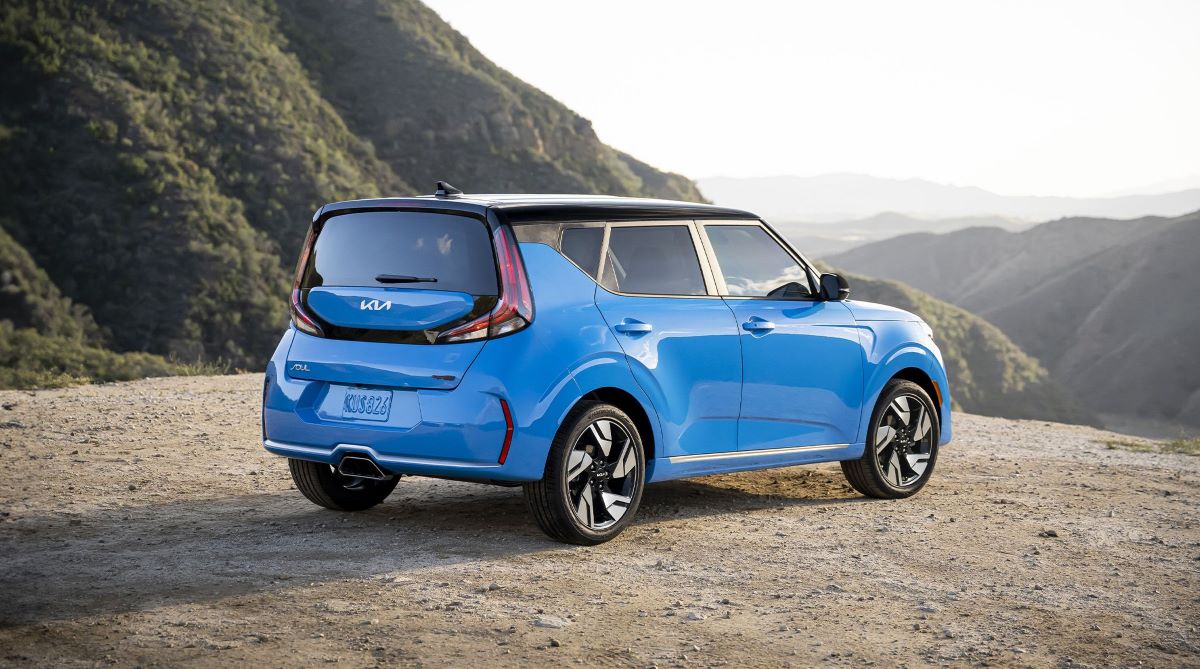
Steering effort is light but builds naturally as you move away from center, and the Soul corners with agility similar to sportier rivals like the Mazda CX-30 and Mini Countryman.
Braking is strong in panic situations, though the only notable drawback is the slightly touchy brake pedal at low speeds, which may take some adjustment. Unlike certain other subcompact SUVs, the Soul does not offer an all-wheel-drive option.
Cargo capacity is a highlight, with a deep rear well that provides more storage space than most small SUVs. While the 24.2 cubic feet of volume is impressive, a pronounced hump at the base of the rear seats when folded limits the practicality for larger items.
Inside, storage space is solid for the class, with numerous bins and cubbies for front passengers. Installing a car seat can be challenging despite a roomy back seat because the anchors are deeply inset, making them harder to access quickly.
Additionally, the base Soul trim’s nonadjustable rear headrests make access to the tether anchors on the back of the rear seatbacks more cumbersome.
Also Read: 5 SUVs That Stay Calm in Sudden Stops vs 5 SUVs That Nose-Dive
City-Parking Headache Makers
Not every car is cut out for life in tight urban streets. Oversized dimensions, limited visibility, and cumbersome turning radii can make city driving and parking a daily headache.
From parallel parking nightmares to frustratingly wide blind spots, some vehicles turn simple city errands into a test of patience. In this roundup, we highlight the cars that are the least suited for cramped urban environments, the true city-parking headache makers that challenge even the most experienced drivers.
1. Ford F-150
While the Ford F-150 is a staple in the American truck market, it is far from ideal for urban parking. Measuring up to 250 inches in its extended cab and long bed configurations, squeezing it into a typical city parking spot is a serious challenge.
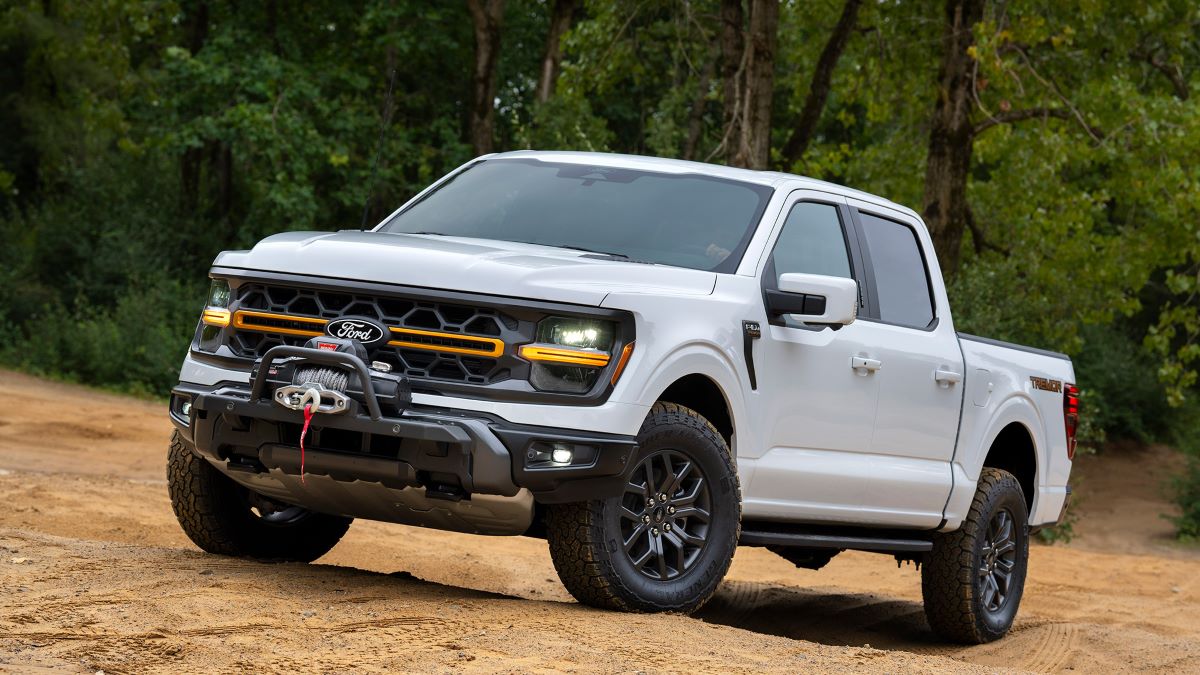
Its wide turning radius, which can exceed 44 feet, makes tight corners and parallel parking a slow, stressful process.
Even modern technology like backup cameras and sensors cannot fully compensate for its sheer size. For city dwellers, the F-150 is better suited for suburban or rural life, where parking isn’t a daily obstacle.
2. Chevrolet Suburban
Another classic American giant, the Chevrolet Suburban, poses significant challenges in dense urban environments. At nearly 225 inches long and more than 80 inches wide, it is one of the largest non-commercial vehicles on the road.
Maneuvering in crowded city streets, narrow lots, or parking garages is cumbersome, often requiring multiple adjustments just to fit into a standard spot.
While its cabin space and towing capacity are impressive, the Suburban’s size makes it a consistent headache for city parking, especially in older neighborhoods with tight streets.
Chevrolet’s massive Suburban SUV has been transporting people and cargo across America since 1935. While its original Carryall predecessors were rough-and-ready, truck-based wagons, the 2025 Suburban is a far cry from those humble beginnings.
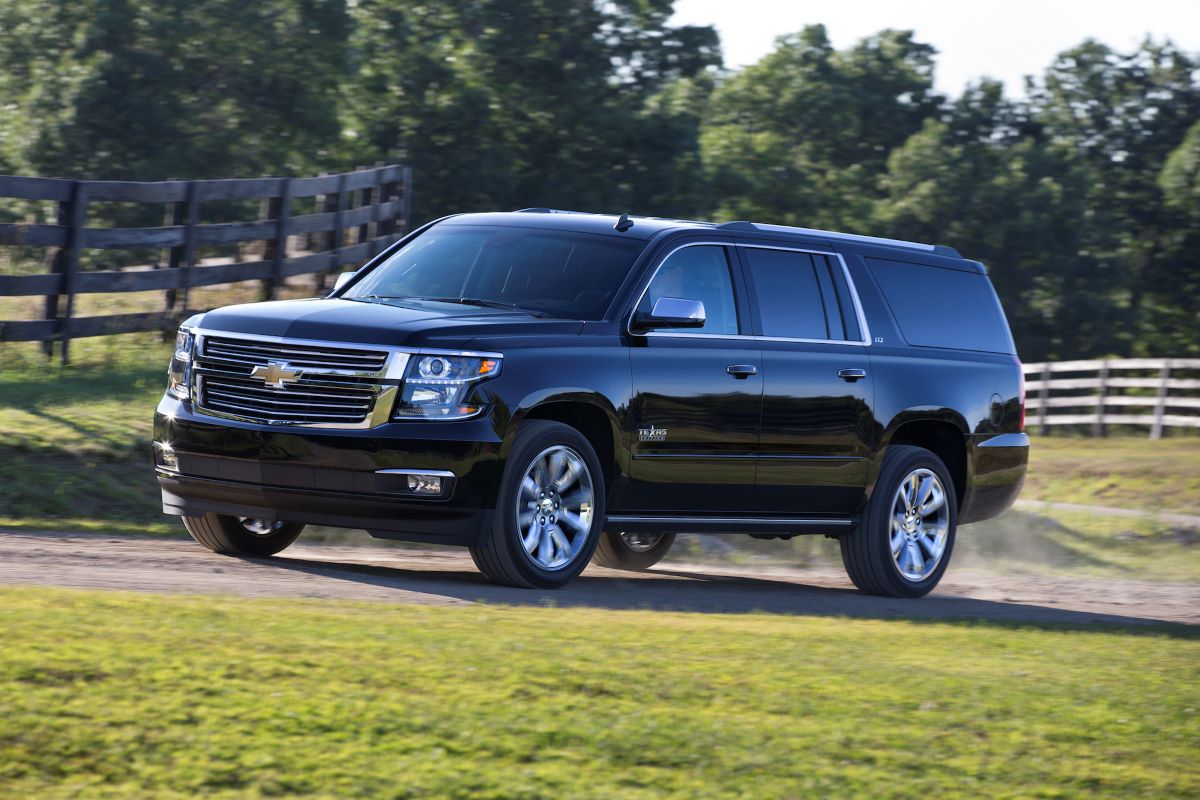
The model boasts room for up to nine passengers across three rows, a feature-rich infotainment system with internet connectivity, strong towing capability, a refined on-road ride, and an array of luxury amenities.
Sharing its platform with the shorter Tahoe, the Suburban’s extended wheelbase provides extra space for both occupants and cargo.
Buyers can choose between two gasoline V-8 engines or a diesel inline-six, all paired with a 10-speed automatic transmission.
Despite being the longest-standing nameplate in its segment, the Suburban faces stiff competition from other large SUVs, including the Ford Expedition Max and the Jeep Wagoneer L. While those rivals can tow heavier loads, neither matches the Suburban’s composure and grace on the road.
3. Cadillac Escalade
The Cadillac Escalade is synonymous with luxury, but luxury doesn’t equate to city-friendly parking. Stretching over 210 inches and with a wide body, the Escalade demands extra space and precision when parking in tight areas.
Its high driving position offers good visibility, but the sheer bulk often leads to awkward maneuvering, particularly in angled or parallel parking scenarios.
Even with 360-degree cameras and parking assistance technology, city streets can quickly become stressful territory for Escalade drivers.
The Escalade, Cadillac’s flagship luxury SUV, makes a bold statement with its tech-filled, three-row design. For 2025, it receives styling updates that bring it more in line with Cadillac’s EV lineup, including the Escalade IQ and Lyriq.
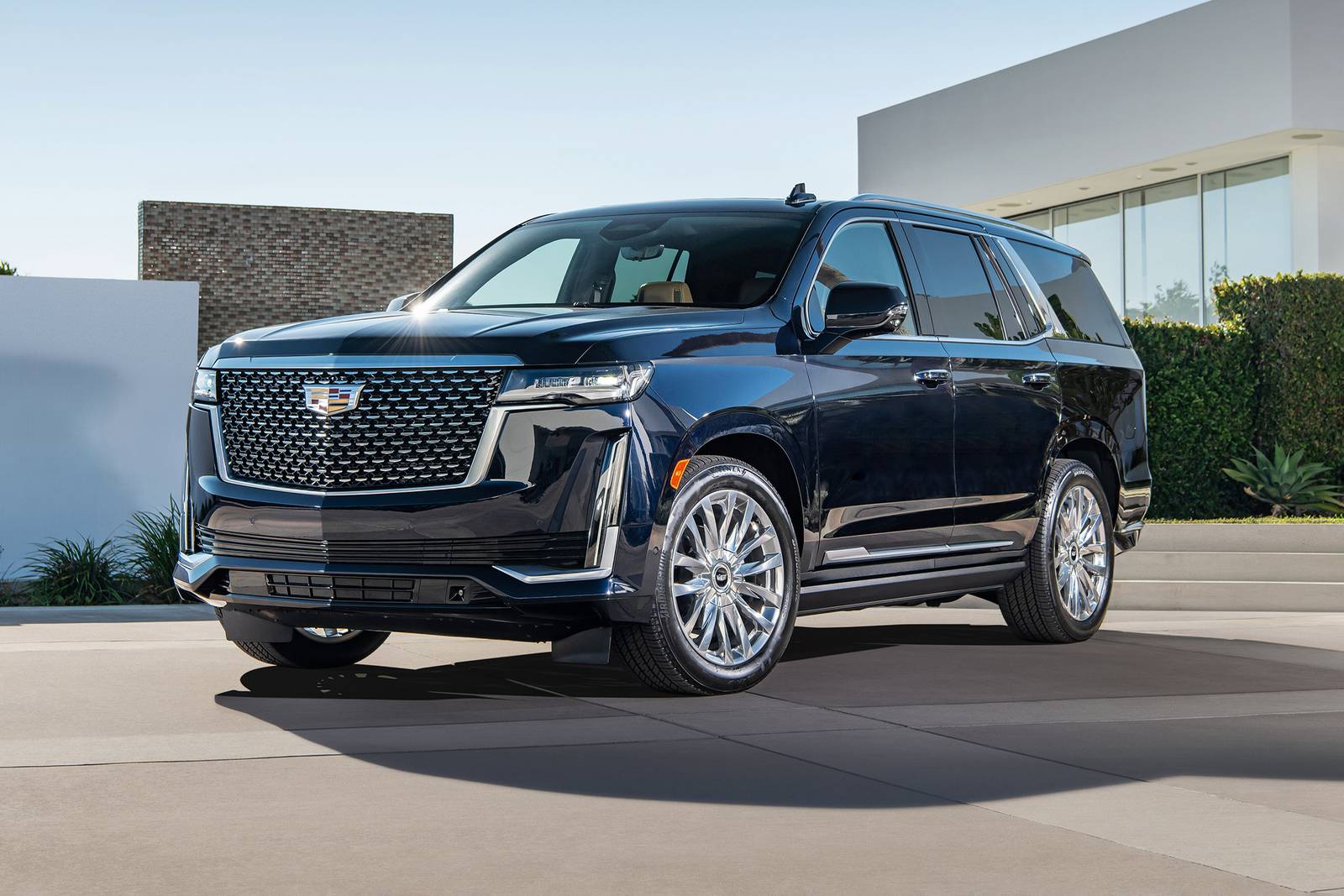
Despite its traditional body-on-frame architecture borrowed from the Chevrolet Tahoe and Suburban, the Escalade’s primary mission remains ferrying up to eight passengers in high-end comfort.
It competes with other large luxury SUVs such as the Lincoln Navigator, Jeep Grand Wagoneer, and Lexus LX600, all of which offer a similar mix of size, amenities, and pricing.
Although hefty, the Escalade delivers confident handling and a plush, passenger-friendly ride. The signature dash-spanning curved OLED display returns, now extending across the full width of the dashboard. Those needing extra cargo space behind the third row can choose the extended-wheelbase ESV model.
Power comes standard from a 420-hp 6.2-liter V-8, while enthusiasts who miss the roar of a Camaro ZL1 can opt for the Escalade-V, which boasts a supercharged 682-hp V-8 that delivers thrilling acceleration and a commanding exhaust note.
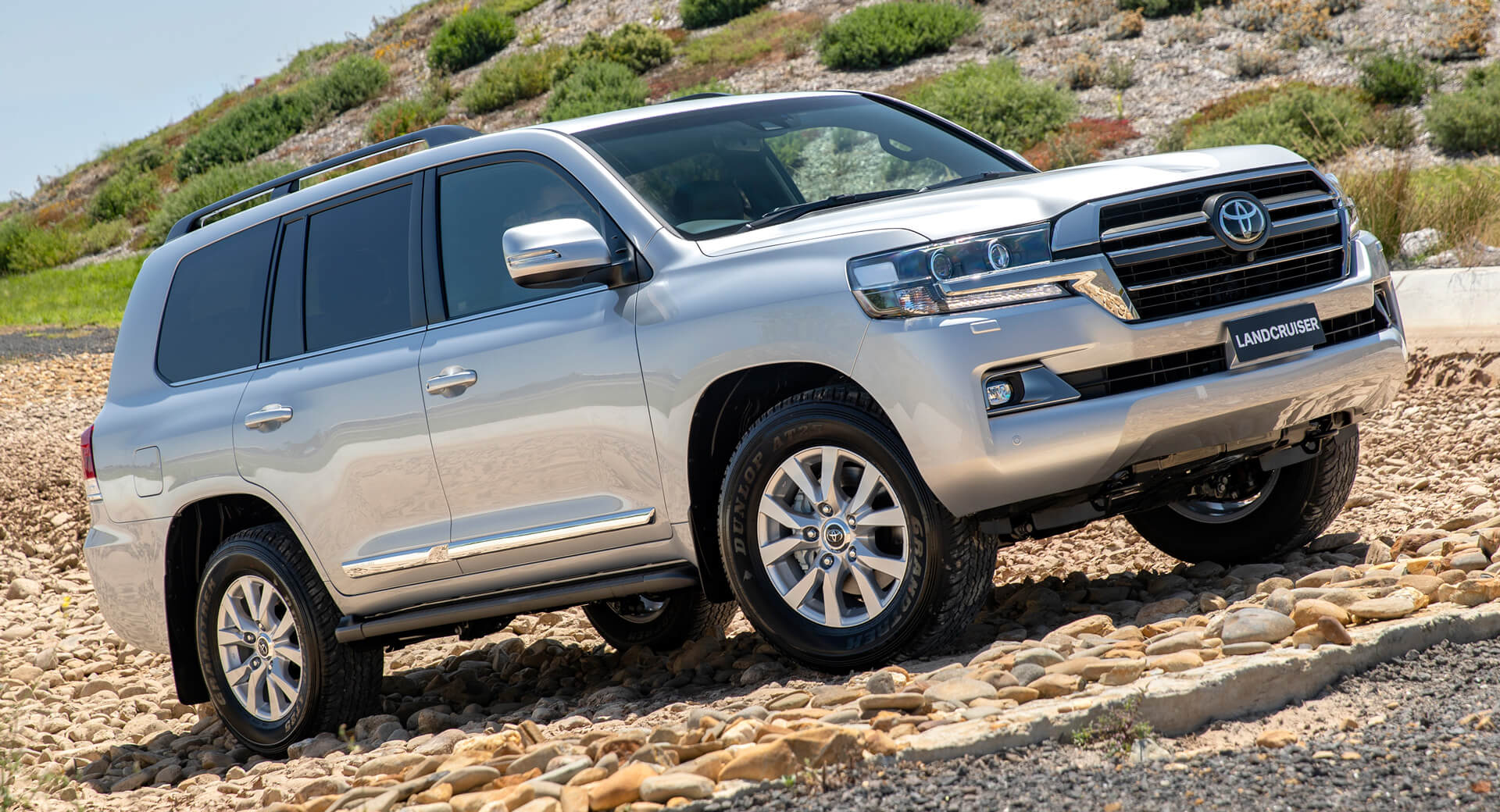
4. Toyota Land Cruiser
The Toyota Land Cruiser, a legendary off-road SUV, struggles in the city despite its impressive performance credentials. Its long wheelbase and wide stance, combined with a turning radius exceeding 38 feet, make quick urban maneuvers a challenge.
Visibility can be limited in tight spots, and parallel parking requires careful judgment. While it excels on rugged terrain and highways, the Land Cruiser is a classic example of a vehicle better suited for open roads than crowded city blocks.
In our testing, the Land Cruiser managed zero to 60 mph in a modest 8.2 seconds, trailing behind its Land Rover Defender 110 competitor. For everyday driving, the hybrid powertrain delivers smooth and responsive performance, though highway passing may leave you wishing for additional power.
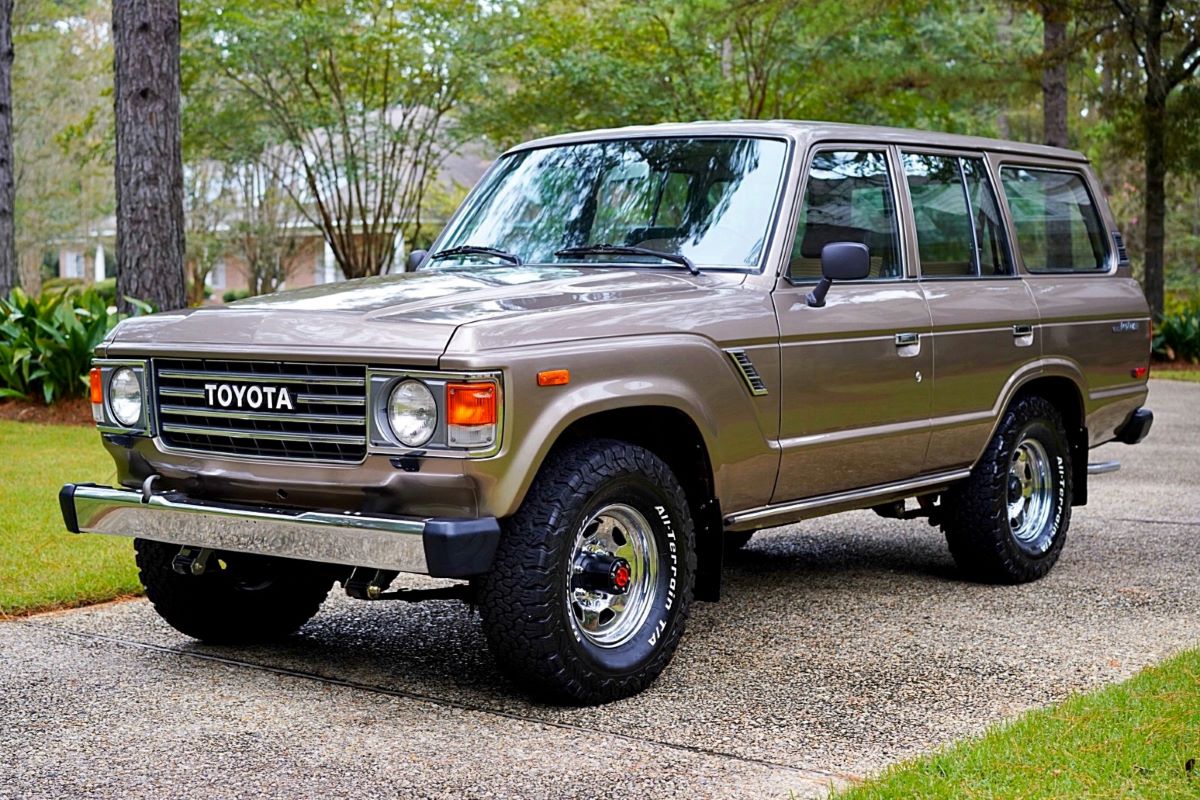
The steering feels somewhat heavy and offers limited feedback, while sudden braking produces noticeable nosedive. Though the Land Cruiser isn’t particularly agile, it handles bumps and rough roads more composedly than extreme off-roaders like the Ford Bronco and Jeep Wrangler.
Its off-road capabilities are solid, but more ground clearance and more aggressive all-terrain tires would benefit those planning to tackle challenging trails.
Value is difficult to defend. The Land Cruiser’s high starting price, tight rear seating, and awkward cargo configuration make it hard to justify when compared with more capable rivals.
That said, the interior is well-appointed with excellent build quality, and lower trim levels can be upgraded for enhanced capability without too much difficulty.
Safety technology is plentiful, with features like adaptive cruise control, lane-keeping assistance, and Proactive Driving Assist, which scans the road ahead and automatically slows the vehicle for curves and traffic. While effective, this system can sometimes overreact, which some drivers may find frustrating.
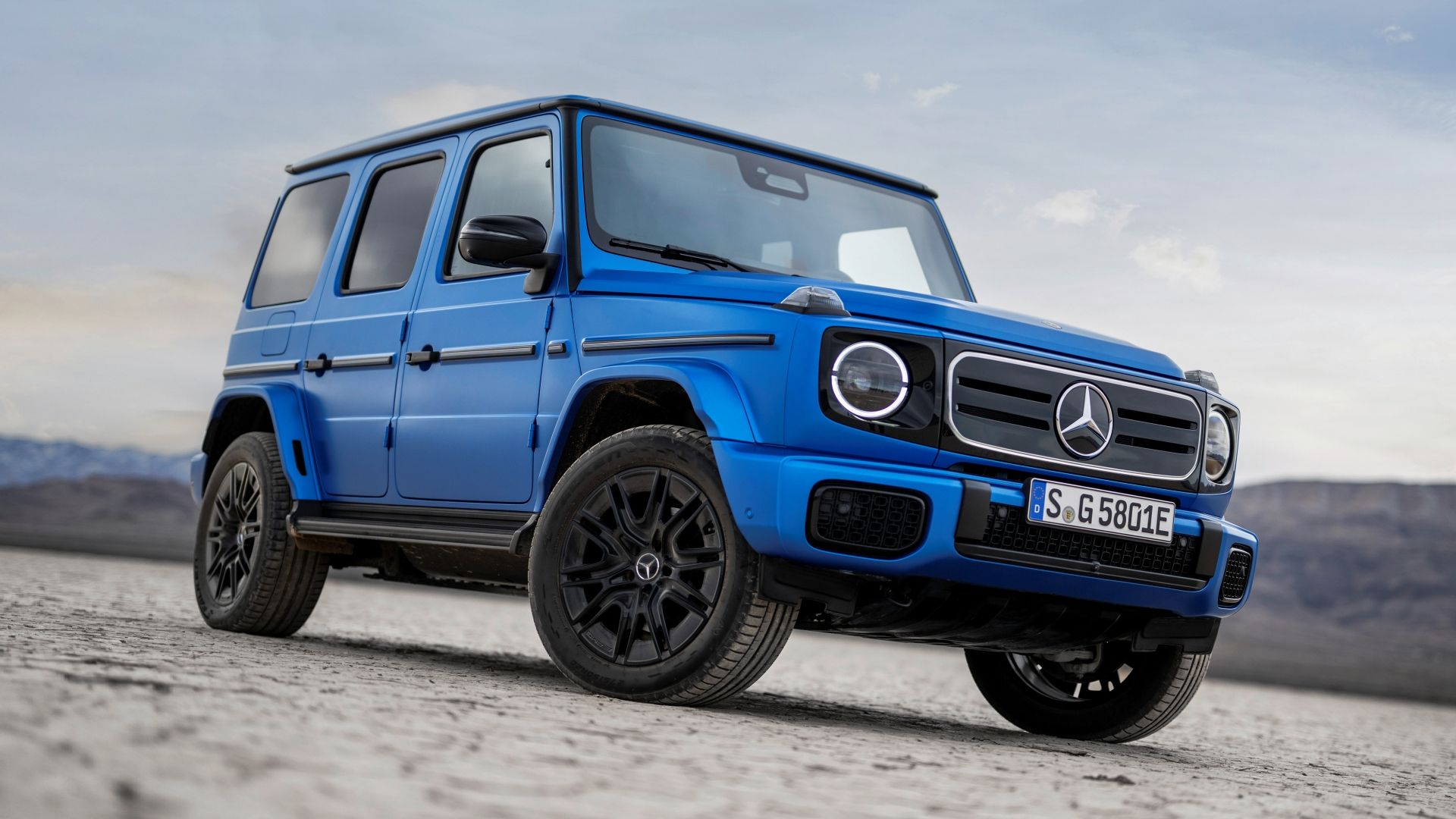
5. Mercedes-Benz G-Class
The Mercedes-Benz G-Class, often called the “G-Wagon,” blends luxury and rugged capability, but it is notoriously difficult to park in urban settings.
Its boxy design, high height, and wide footprint contribute to a turning radius that’s difficult to manage in tight spaces.
While parking sensors and cameras help, its unusual proportions make it a challenge for drivers accustomed to standard-sized SUVs or sedans. Navigating narrow city streets or compact parking garages often turns into a test of patience rather than convenience.
Choosing a city-friendly vehicle goes beyond personal style or performancebit’s about practicality, maneuverability, and peace of mind.
Compact cars like the Honda Fit, Mini Cooper, and Toyota Corolla Hatchback prove that you can have both comfort and convenience, allowing drivers to park with confidence in dense urban environments.
We tested the G 550 equipped with the inline-six engine. After years of experiencing G-Wagens with V8 power, the new engine feels somewhat underwhelming in terms of its sound, though performance has improved.
Our test G 550 accelerated to 60 mph in 5.1 seconds and completed the quarter mile in 13.7 seconds, both faster than the previous V8-powered G 550 we evaluated.
Braking performance has also seen significant gains, with the G 550 stopping from 60 mph in an impressive 108 feet. On a handling course, the SUV’s limitations were evident, thanks to pronounced body roll and tires that offer limited grip.
The G 550 rides with a slightly truck-like quality, which helps smooth out bumps and keeps the chassis from feeling busy over rough pavement.
The seats are well-cushioned and supportive, though perhaps overly so. They are narrow for an SUV of this size, and the adjustable side bolsters do not extend enough to accommodate even relatively slim drivers comfortably.
Road and traffic noise is pleasantly subdued, and the engine settles into a deep, unobtrusive rumble at cruising speeds. That said, wind noise is noticeable on the freeway, likely due to the G-Class’s upright, boxy styling.
Practicality is not a strong suit for the G-Class. The side-hinged cargo door requires space to operate, though it is positioned for curbside access.
The load floor is high and shallow, restricted on the sides by bulky bodywork, and the second-row seat does not fold flat. This creates a ledge that prevents long or large items from sliding easily into the cargo area. Cabin storage for everyday items is also limited for a vehicle of this size.
For families, installing child seats is made easier by accessible anchor points. However, lifting children and their seats into the cabin can be challenging. Larger rear-facing seats or infant convertibles may require front passengers to scoot forward more than they might prefer.
Similarly, nimble subcompact SUVs like the Hyundai Kona and Kia Soul demonstrate that small SUVs can be practical allies for city parking without sacrificing utility.
Conversely, large trucks and luxury SUVs such as the Ford F-150, Chevrolet Suburban, Cadillac Escalade, Toyota Land Cruiser, and Mercedes-Benz G-Class highlight the difficulties of navigating modern city streets.
While these vehicles shine in other areas like towing, off-road performance, or interior luxury, their size and turning requirements make parking a daily struggle.
For urban drivers, understanding these differences can make the choice between a stress-free trip to the grocery store or a harrowing parallel parking challenge.
Ultimately, the best city-parking vehicles combine small footprints, excellent visibility, responsive steering, and helpful technology. While luxury and power have their place, in dense city settings, practicality often wins the day.
Whether you’re tackling tight parking lots in Chicago, navigating narrow streets in Boston, or squeezing into San Francisco garages, choosing the right vehicle can transform your daily driving experience from stressful to effortless.
