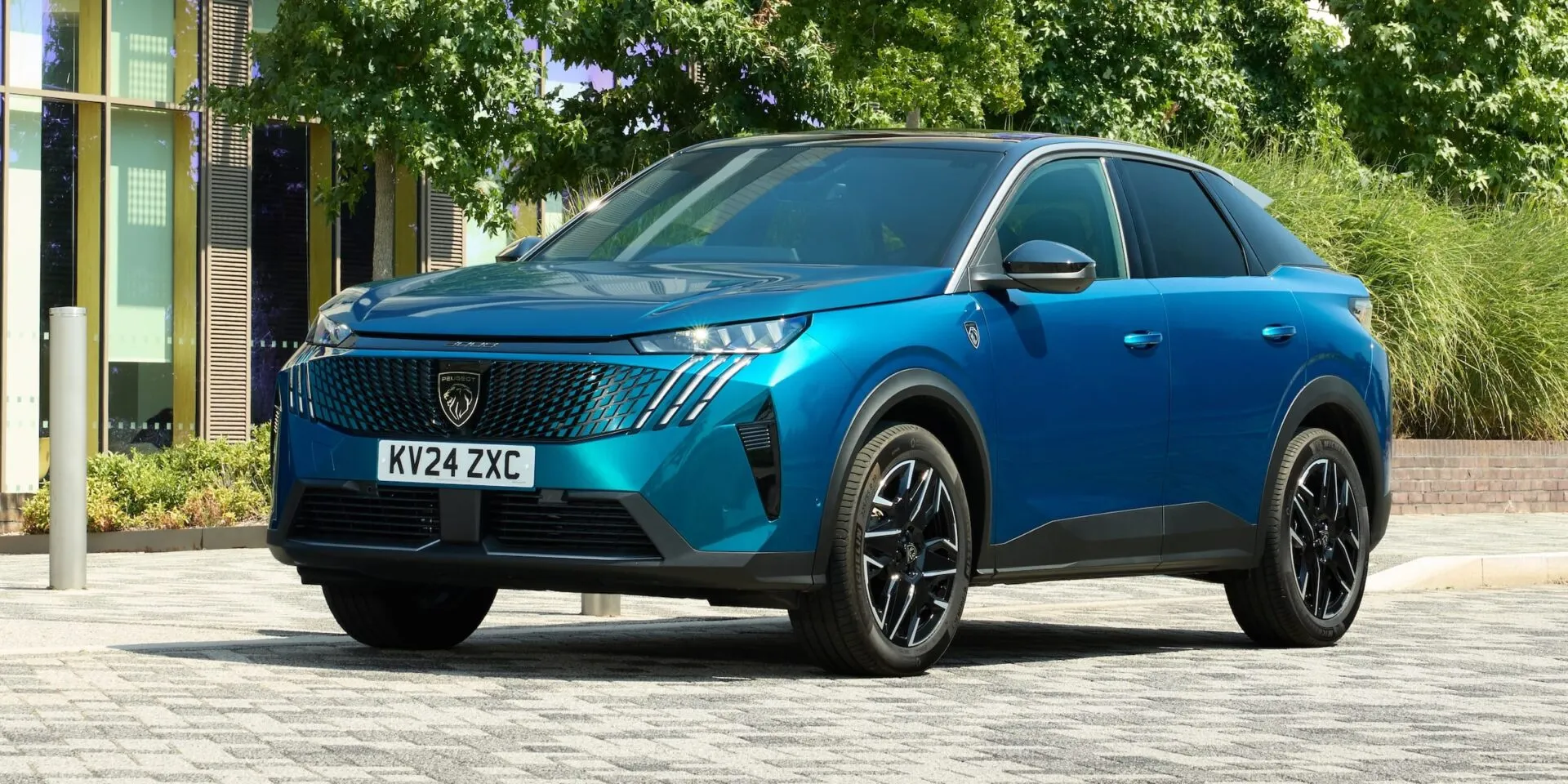
Fuel economy is one of the most important things people think about when buying a small car. While manufacturers often list high mileage numbers, the real-world fuel economy sometimes tells a different story.
Weather, driving habits, traffic, and road quality can affect how much fuel a car actually uses. Some small cars, however, stay very close to their claimed numbers and impress drivers with honest everyday mileage. These cars provide savings, low maintenance costs, and practical daily driving without sacrificing comfort or safety.
Also read:10 Compact SUVs That Return Real-World 30+ MPG Without Drama
1) Toyota Corolla
The Toyota Corolla is one of the most trusted small cars for fuel efficiency. Drivers appreciate that real-world mileage stays close to official ratings. Many owners report between thirty-five and forty miles per gallon during regular city and highway driving.
The lightweight and efficient engine helps the Corolla perform well in everyday situations. The car is built for balance rather than power. It does not feel underpowered in traffic, but it avoids wasting fuel, especially during slow stops and starts.
Toyota also uses smart transmission tuning to improve mileage. The gear shifts are smooth and gentle, helping the engine stay at the right level. This makes the driving experience calm and quiet while supporting better fuel economy on everyday routes.
Many drivers like that the Corolla does not require special driving habits to achieve good mileage. Even without careful acceleration or eco-driving tricks, the fuel numbers remain impressive. This makes the car suitable for students, families, and still first-time buyers.
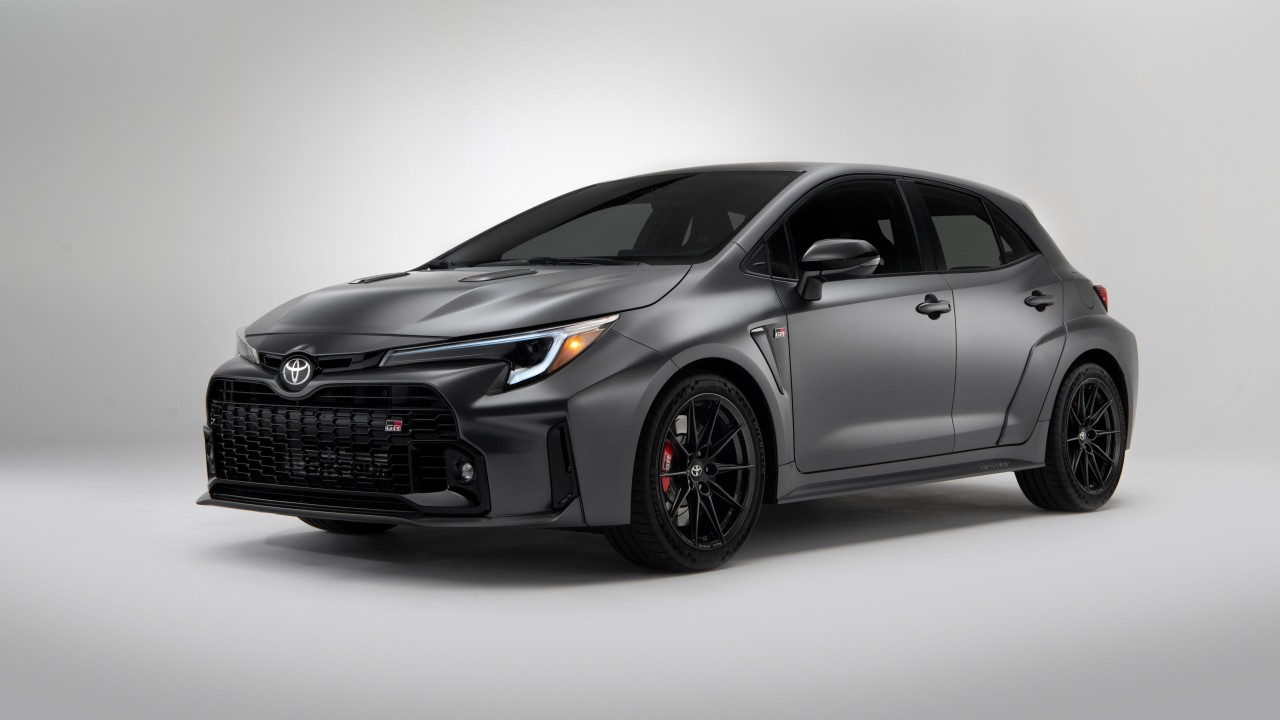
The hybrid version delivers even better real-world performance. Some owners see more than fifty miles per gallon. The electric motor supports the gasoline engine during acceleration and low-speed movement, reducing fuel use and helping the car feel smooth and modern.
Maintenance also plays a role in keeping mileage strong. The Corolla is known for low-cost service and long-lasting components. Simple tasks like replacing filters and keeping the tires inflated help the fuel efficiency remain steady through many years of use.
Toyota designed the body to be aerodynamic, which means it cuts through air smoothly. Less wind resistance leads to less effort from the engine, especially during highway speeds. This design reduces extra fuel use without affecting comfort, stability, or safety.
2) Honda Civic
The Honda Civic is another small car known for honest real-world gas mileage. Many owners report between thirty-four and thirty-eight miles per gallon in mixed driving. The Civic performs well in city traffic and still delivers strong efficiency during long highway trips.
Honda uses a lightweight but responsive engine that balances power with fuel savings. It does not feel slow when merging onto highways or passing other vehicles. At the same time, it avoids unnecessary fuel use during normal daily driving situations.
Many Civic models include a turbocharged engine, which may sound like it uses more fuel. However, when driven gently, the turbo simply helps the engine work efficiently. This design gives drivers power when needed, without constantly wasting extra gasoline.
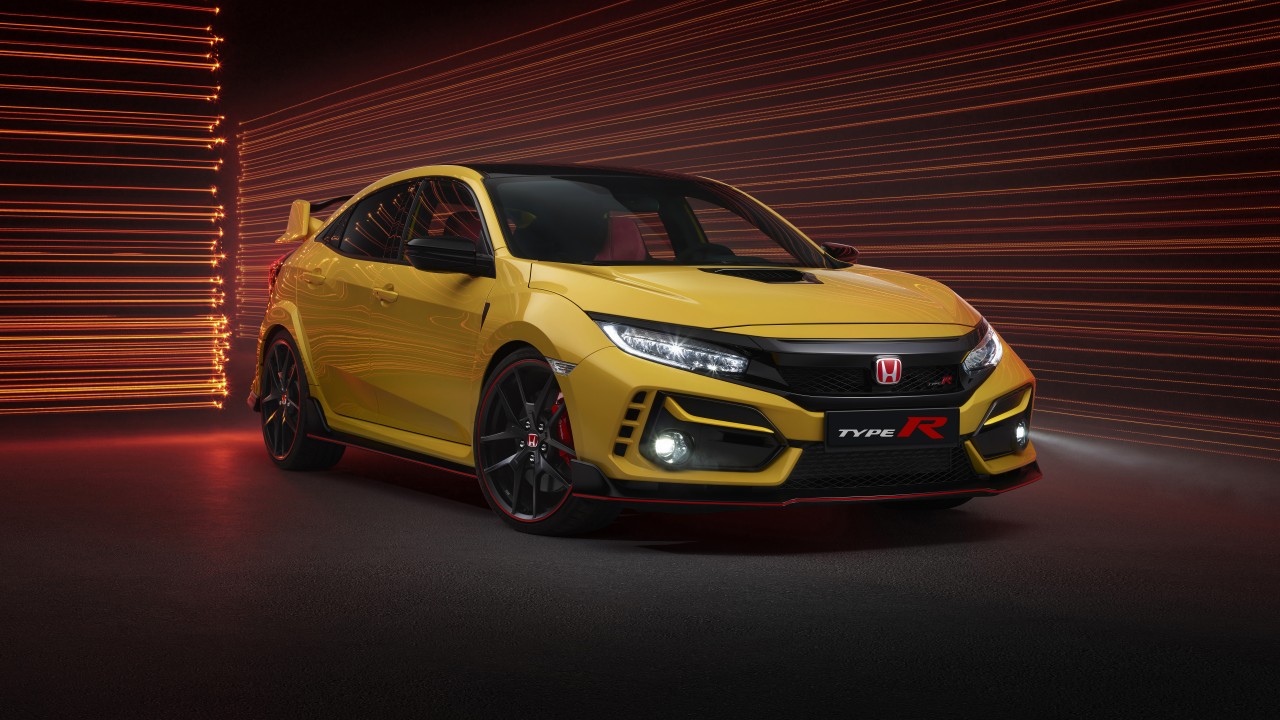
The transmission also plays an important role in maintaining fuel efficiency. The continuously variable transmission, or CVT, keeps the engine at its best operating level. This smooth setup helps avoid heavy engine strain and keeps fuel use predictable and controlled.
Honda includes several driving modes, including an Eco mode. When activated, the car adjusts throttle response and climate control settings to reduce fuel consumption. Drivers still experience comfortable driving, but with noticeable savings during long commutes and crowded traffic.
Maintenance needs are simple and affordable. Keeping the tires properly inflated, replacing air filters, and following oil change schedules help the Civic maintain peak fuel performance. Many mechanics also note that Honda engines remain efficient even after high mileage.
3)Hyundai Elantra
The Hyundai Elantra is well-known for its honest and dependable real-world fuel economy. Many drivers report achieving between thirty-seven and forty miles per gallon during everyday travel.
This strong efficiency makes the Elantra a great choice for commuting, errands, and long-distance driving.
Hyundai designed the Elantra with a smooth and efficient engine that works well in mixed conditions. It is not overly powerful, but it provides enough strength for regular driving without wasting fuel. The car feels stable, predictable, and easy to control.
The Elantra often includes a continuously variable transmission, or CVT, which helps maintain fuel efficiency.
This transmission adjusts smoothly to driving conditions, avoiding unnecessary engine strain. As a result, fuel use remains steady whether driving slowly in the city or faster on highways.
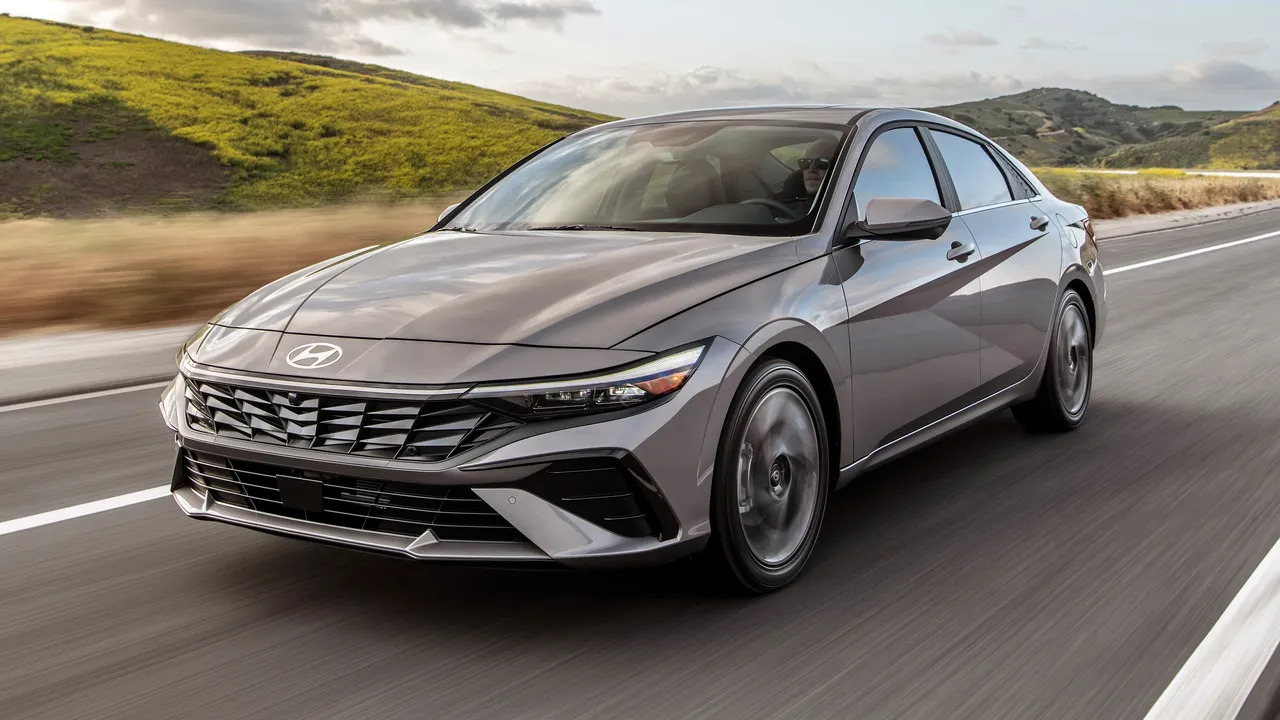
Aerodynamics also help the Elantra achieve strong mileage. The car has a sleek body shape that reduces wind resistance.
This means the engine does not need to push as hard when traveling at higher speeds, allowing the car to remain fuel-efficient on longer journeys.
Maintenance for the Elantra is straightforward, and keeping the car in good condition helps preserve fuel efficiency. Simple tasks like changing filters, checking oil, and rotating tires contribute to consistent mileage throughout years of ownership.
Inside the cabin, fuel monitoring tools help drivers track efficiency in real time. These displays make it easy to understand how acceleration, braking, and speed affect mileage. Over time, many owners automatically adjust habits to save even more fuel.
4) Toyota Yaris
The Toyota Yaris is one of the most fuel-efficient small cars in real-world driving. Many owners report getting more than forty miles per gallon during normal city and highway use. Its lightweight design helps the car run efficiently without wasting unnecessary fuel.
The Yaris engine is small but well-tuned for everyday driving. It does not feel fast or sporty, but it offers enough power for commuting, errands, and relaxed highway travel. The focus is clearly on saving fuel rather than strong acceleration.
Toyota uses reliable engineering to ensure consistent mileage. The transmission shifts smoothly and keeps the engine operating efficiently.
This smart tuning allows drivers to experience good fuel economy even when the road conditions change or traffic becomes slow and unpredictable.
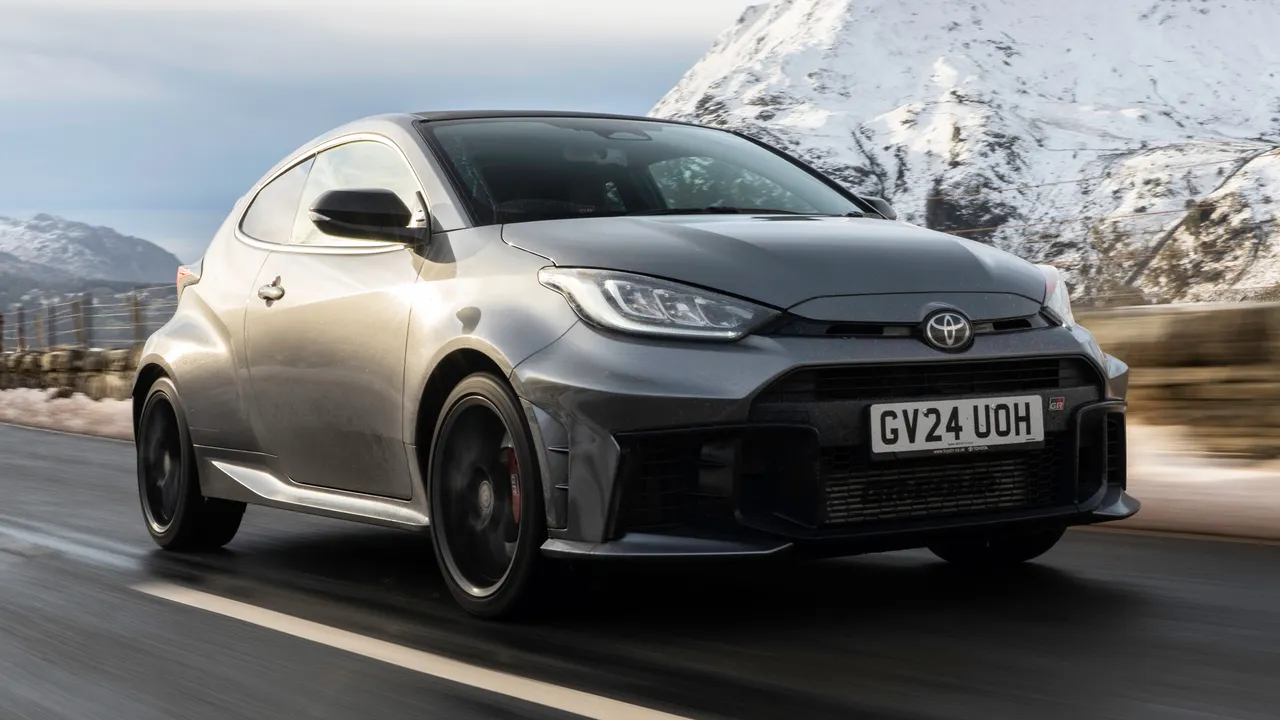
The Yaris performs especially well in city driving, where many cars usually waste fuel. Its compact size and efficient engine help it move through traffic without burning extra gasoline. This makes the car a smart option for urban environments and busy roads.
Some models include advanced technology such as stop-start systems, which turn off the engine when the car is stopped. This feature helps save fuel during long traffic lights or heavy traffic, without affecting comfort or ease of driving.
Drivers like the Yaris because it delivers excellent mileage without requiring special driving habits. Even if someone accelerates quickly or drives casually, the fuel economy numbers stay close to expectations. This makes the car practical and friendly for everyday users.
5) Mazda3
The Mazda3 is a small car that offers a good balance between fun driving and honest fuel economy. Many owners report achieving between thirty-three and thirty-six miles per gallon during everyday driving, making it efficient while still enjoyable behind the wheel.
Mazda uses its Skyactiv engine technology to improve real-world fuel efficiency. This technology focuses on better combustion and lower weight, allowing the car to use less fuel without losing performance. The result is smooth driving with dependable and predictable mileage.
Many drivers appreciate that the Mazda3 feels sporty without sacrificing efficiency. The steering is sharp, and the engine responds quickly. Even with this lively character, fuel use stays close to official ratings when driven normally or during longer travel.
The automatic transmission is designed to shift smoothly and intelligently, helping the engine run at the most efficient level. This tuning prevents unnecessary fuel use, even on steep hills, during heavy traffic, or when carrying extra weight inside the vehicle.
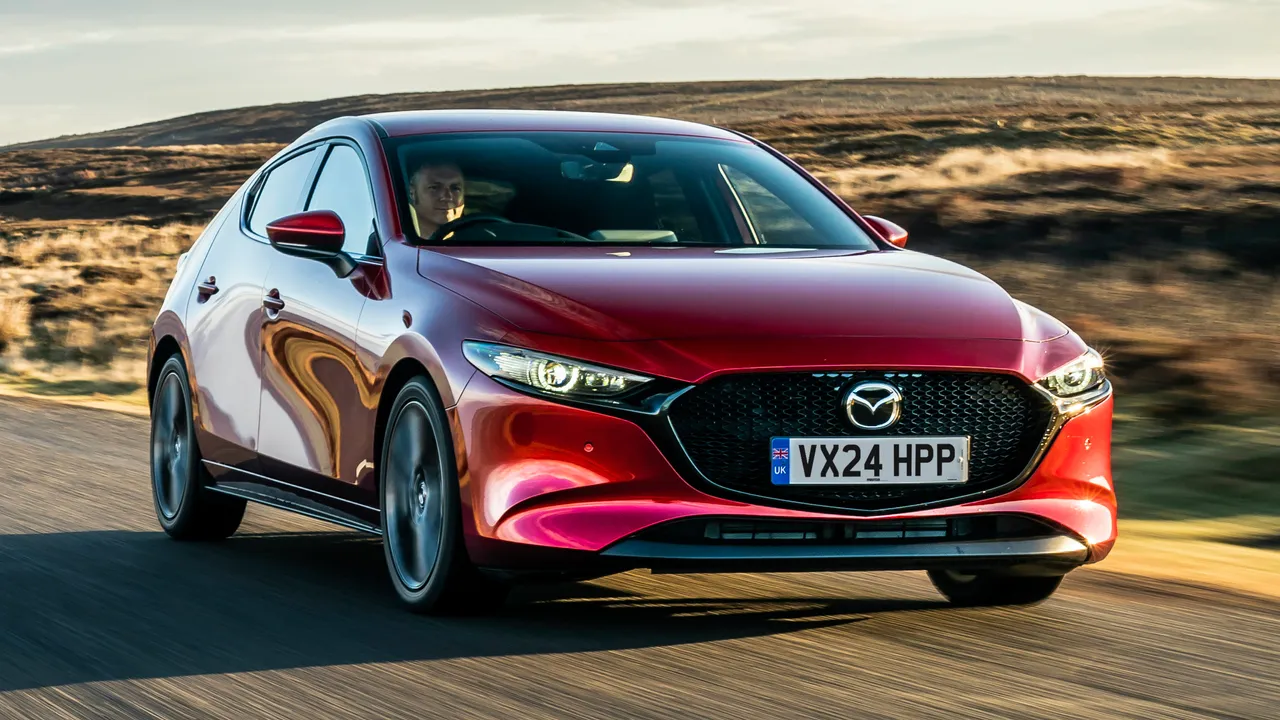
Aerodynamics also help the Mazda3 achieve strong everyday mileage. Its sleek and modern body reduces wind drag, especially at highway speeds. Less air resistance means the engine works less, helping the car stay efficient during extended travel or fast-moving road conditions.
Mazda includes helpful driving modes, including an Eco mode, which supports fuel savings by adjusting throttle response. Even in this mode, the car does not feel sluggish, and most drivers notice steady savings during long commutes or stop-and-go traffic.
Also read: 10 Best Small SUVs With Big Cargo Space
6) Kia Rio
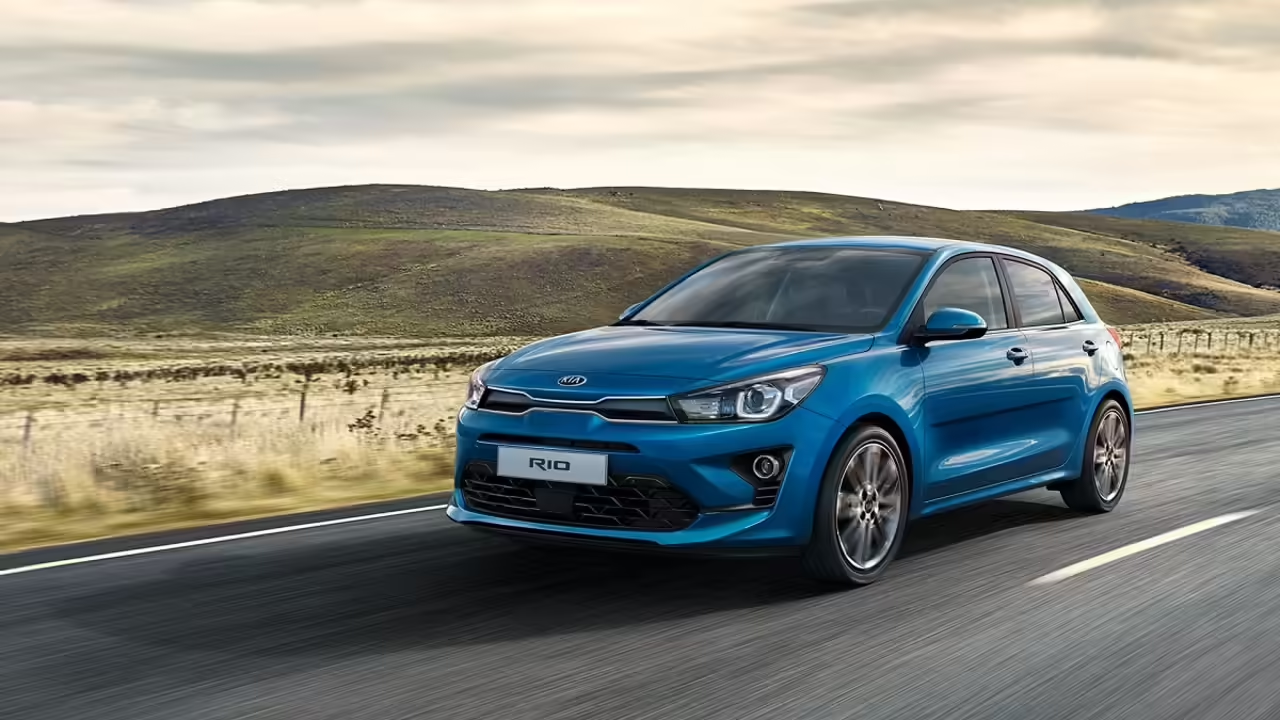
The Kia Rio is a small and efficient car known for delivering honest real-world mileage. Many owners report achieving between thirty-four and thirty-seven miles per gallon during everyday driving. Its simple design focuses on fuel savings, reliability, and practical daily use.
Kia designed the Rio with an efficient automatic or manual transmission option. Both versions shift smoothly, supporting steady fuel economy regardless of road conditions.
Drivers appreciate that the transmission reacts calmly rather than aggressively, helping maintain consistent mileage without extra effort.
The lightweight body of the Kia Rio also supports better fuel efficiency. With less weight to move, the engine does not need to work as hard. This design makes the car feel agile in city traffic while keeping fuel consumption low.
The interior includes helpful fuel monitoring tools that allow drivers to track their driving efficiency. These screens make it easier to understand how different habits affect fuel usage, encouraging smoother acceleration and smarter driving patterns over time.
The Rio performs well in mixed climate conditions, and fuel economy remains stable even with air conditioning or heating. Seasonal changes do not dramatically reduce mileage, helping drivers maintain dependable savings throughout the year.
7) Nissan Versa
The Nissan Versa is a small car known for delivering dependable real-world fuel economy. Many owners report between thirty-six and forty miles per gallon during everyday driving.
Its honest mileage makes it a popular choice among commuters, students, and budget-focused drivers.
The engine is efficient and tuned for smooth everyday use rather than strong acceleration. While it may not feel fast, it performs well in normal traffic and steady highway travel. This balanced design helps reduce fuel consumption without affecting basic driving comfort.
Nissan uses a continuously variable transmission, or CVT, in most Versa models. This transmission helps the engine stay efficient by avoiding unnecessary high revs. As a result, drivers enjoy smooth acceleration and consistent fuel savings during long trips or city travel.
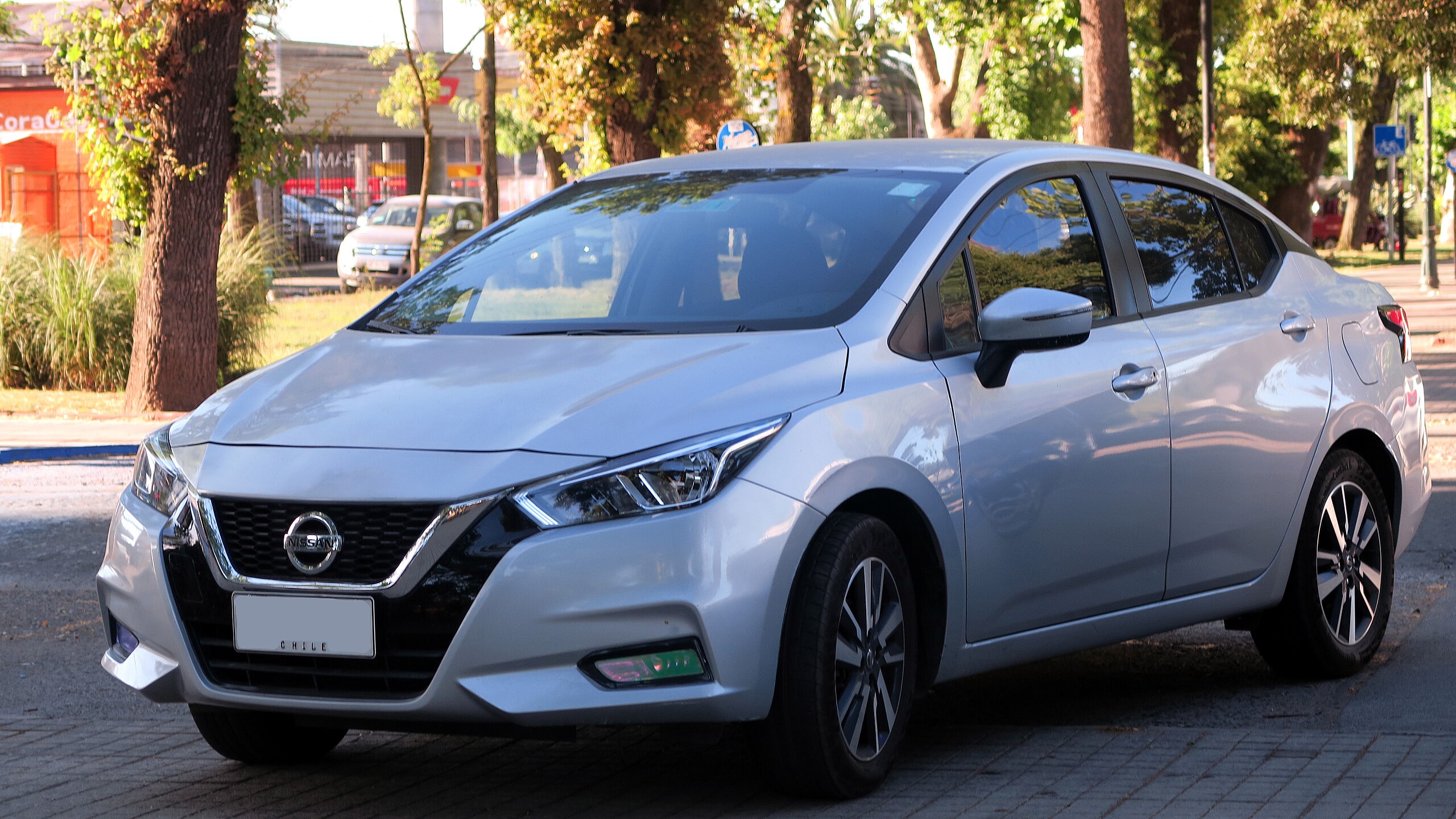
The lightweight structure of the Versa helps support its high efficiency. The engine does not need to work as hard to move the car, especially at lower speeds. This design improves fuel economy during stop-and-go driving, which is common in busy cities.
The interior includes helpful fuel monitoring screens that allow drivers to track efficiency in real time. Seeing how acceleration and braking affect mileage encourages better driving habits. Over time, many owners naturally improve fuel efficiency without extra effort.
The Versa performs well across different weather conditions. Whether using air conditioning in hot weather or heating in winter, fuel economy remains stable.
Drivers appreciate that extreme weather does not significantly reduce mileage compared to some other small cars.
Owners often praise the Versa for being easy to drive and affordable to operate. It does not require special fuel-saving techniques, and mileage remains close to official numbers during regular everyday driving. This consistency builds trust among long-term users.
8) Honda Fit
The Honda Fit is a popular small car known for excellent real-world fuel economy. Many owners report between thirty-five and thirty-nine miles per gallon while driving in normal mixed conditions. This makes the Fit a great choice for daily commuting and longer highway travel.
The engine is small but efficient, offering enough power for city driving without using extra fuel. It does not feel overly fast, but it responds smoothly when merging into traffic or climbing gentle hills. This balance helps maintain consistent mileage.
Honda’s continuously variable transmission, or CVT, also supports strong fuel economy. The CVT keeps the engine in its most efficient range, reducing fuel waste.
Drivers notice smooth acceleration and reliable efficiency even during traffic, busy intersections, and frequent stop-and-go situations.
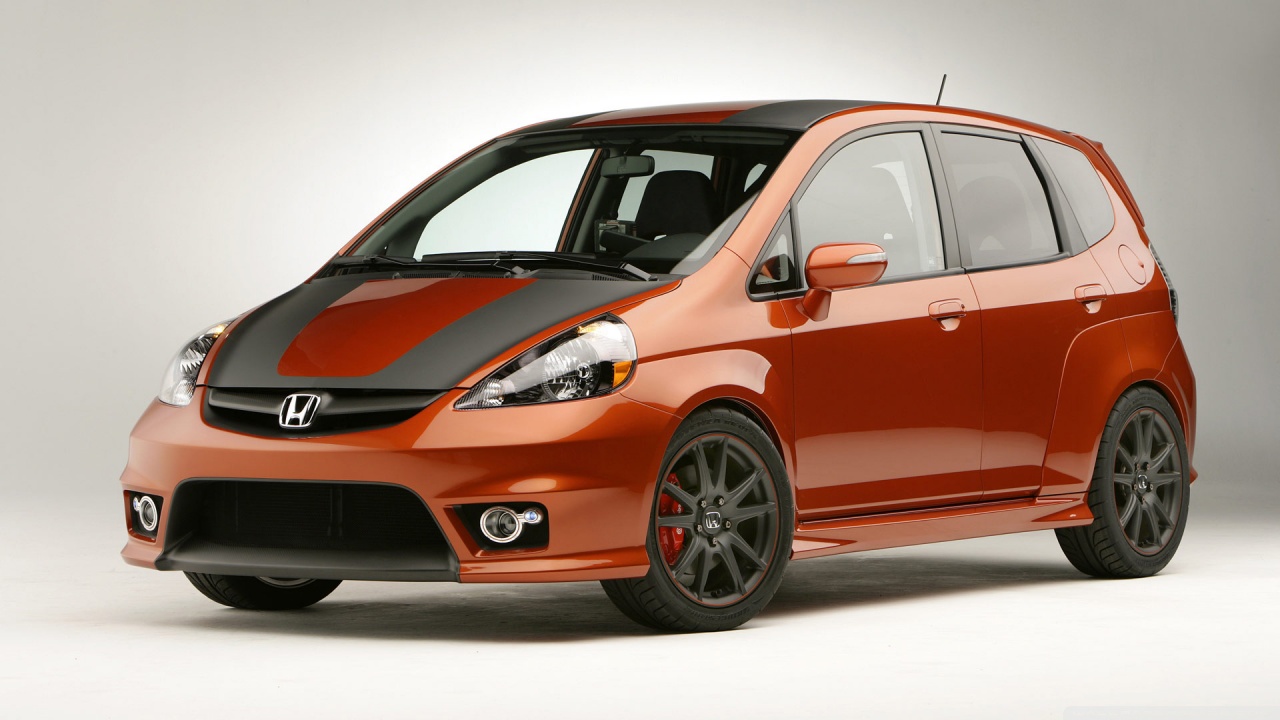
The lightweight body and clever engineering help the Fit stay fuel-efficient in different environments.
Whether driving through city streets or cruising on highways, the engine does not work harder than necessary. This design supports stable fuel numbers during everyday travel.
Some models include Eco Assist technology, which adjusts throttle response and encourages efficient driving. The car uses visual indicators to help owners understand how driving style affects fuel use. These small reminders help develop natural fuel-saving habits over time.
Maintenance is simple and affordable, helping the Fit retain its fuel economy long-term. Regular oil changes, proper tire pressure, and replacement of air filters are easy tasks that keep the engine running efficiently and prevent unnecessary fuel consumption.
9) Chevrolet Spark
The Chevrolet Spark is one of the smallest cars on the road, and its size helps deliver strong real-world fuel economy. Many owners report between thirty-three and thirty-seven miles per gallon during normal mixed driving, making it a smart choice for everyday commuters.
The Spark’s small engine is designed to be efficient rather than powerful. While it may not accelerate quickly, it performs well in city driving, tight streets, and short highway trips. This simple approach helps reduce fuel use during everyday travel.
The lightweight build further supports efficiency. With less weight to move, the engine does not need to work hard. This design makes the Spark easy to maneuver in traffic while keeping fuel consumption stable and predictable in different driving situations.
The automatic transmission shifts smoothly to help maintain mileage. It keeps the engine running at efficient levels and avoids unnecessary fuel burn. Drivers appreciate that the Spark remains calm and controlled even during stop-and-go traffic or busy morning commutes.
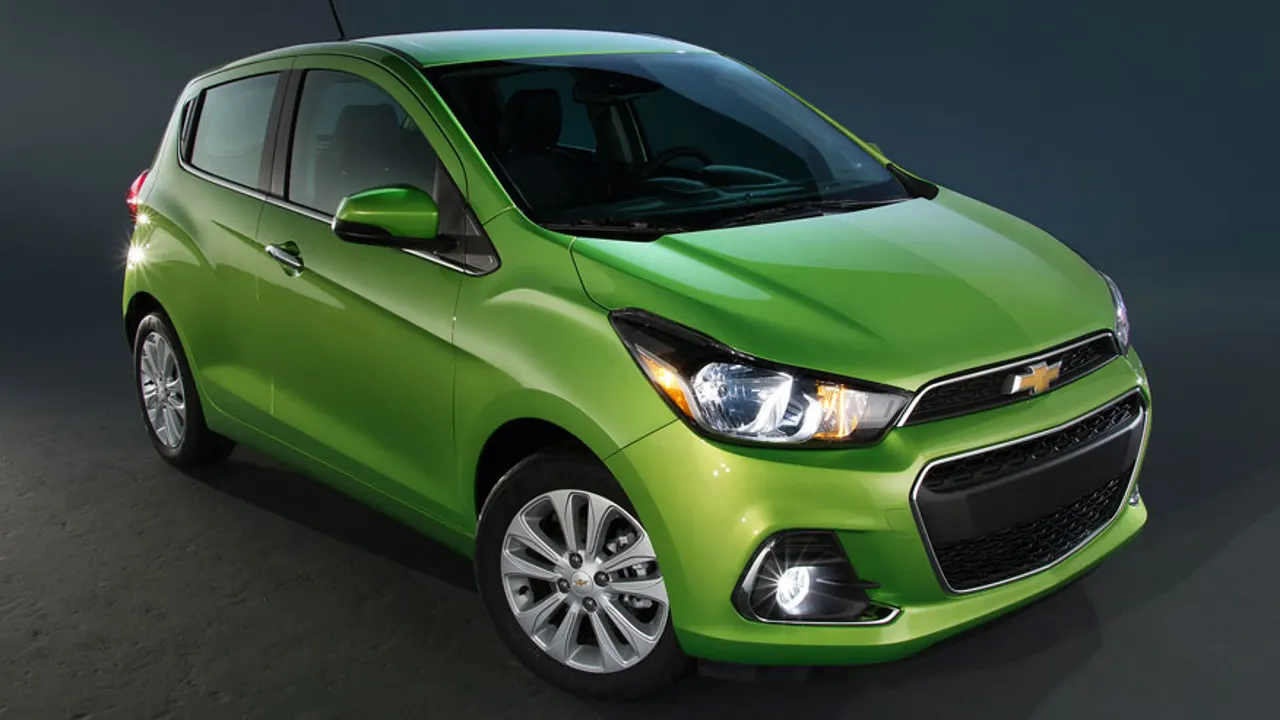
Some models include useful driving technology like fuel monitoring and Eco mode. When activated, Eco mode adjusts settings to support better fuel usage.
Most drivers notice small improvements during regular commuting, especially when traveling in crowded or low-speed conditions.
Maintenance plays an important role in keeping real-world fuel economy strong. The Spark requires simple and affordable service. Tasks like oil changes, filter replacements, and proper tire pressure help preserve its efficiency and support long-term savings for budget-focused drivers.
Inside the cabin, the Spark includes screens that show real-time fuel use and driving efficiency. These tools help drivers understand how braking, speed, and acceleration affect mileage, allowing gradual improvement in habits over time without major effort.
The Spark performs reasonably well in different weather conditions. Fuel economy remains stable even when using heating or air conditioning. This predictable performance helps drivers feel confident about long-distance or seasonal travel without worrying about big changes in fuel use.
10) Volkswagen Golf
The Volkswagen Golf is a popular small car known for offering dependable real-world fuel economy.
Many owners report achieving between thirty-two and thirty-five miles per gallon during mixed city and highway driving. Its efficiency remains consistent without requiring special fuel-saving techniques.
The Golf uses a well-balanced engine that offers smooth and responsive power. It feels stronger than many small cars, yet it avoids wasting fuel during everyday driving. This combination of performance and efficiency makes the Golf appealing to many different drivers.
Volkswagen’s efficient transmission tuning also supports better fuel use. Gear changes are smooth and controlled, helping the engine stay in its most efficient operating range. Drivers notice steady mileage whether driving through traffic, cruising on highways, or navigating busy intersections.
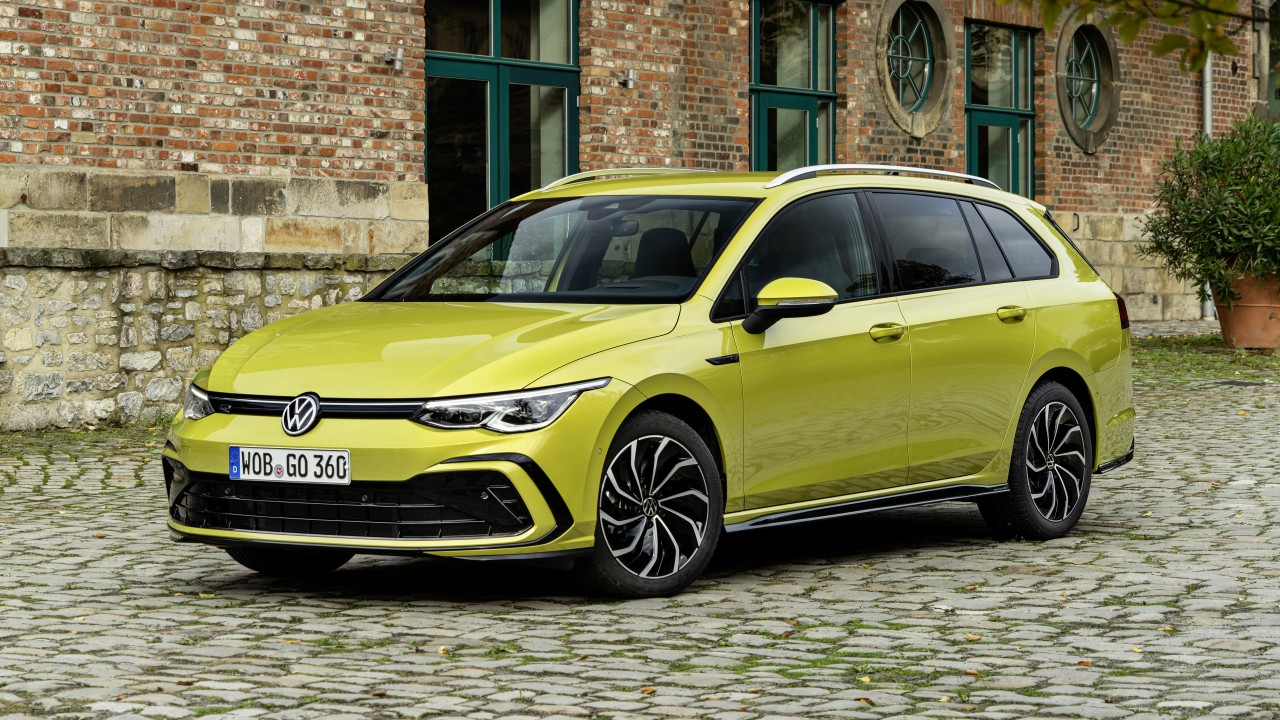
The aerodynamic design helps the Golf cut through air with less resistance. This reduces the workload on the engine, especially at higher speeds. As a result, highway mileage remains strong and predictable, even during long-distance travel with passengers or light cargo.
Some versions include driving modes such as Eco mode, which helps reduce fuel use by adjusting throttle response and air conditioning settings. This feature is especially helpful for city commuters facing frequent stops, slow movement, and heavy traffic.
Maintenance plays a key role in keeping the Golf fuel-efficient long-term. Regular oil changes, clean air filters, and properly inflated tires help the engine operate smoothly. Many owners find that proper care keeps fuel numbers steady even after high mileage.
Inside the cabin, the Golf offers helpful fuel monitoring screens that provide real-time feedback. These displays show how speed, braking, and acceleration affect mileage. Drivers can easily make small adjustments that gradually improve efficiency during everyday travel.
The Golf performs consistently across different climates and road conditions. Even when using the heater or air conditioner, fuel economy remains stable. This dependable performance makes the car suitable for both warm and cold environments throughout the year.
Many owners appreciate that the Golf offers a comfortable and solid driving feel while still being efficient. It does not feel cheap or overly basic, yet it delivers honest fuel savings during regular daily driving and longer trips.
Also read:10 Cars With the Best Lane Keep Tuning Under 30000