In an automotive world where screens keep stretching wider and software updates matter almost as much as horsepower, ease of use has become one of the biggest modern comfort features.
For many drivers in the U.S., a vehicle’s infotainment system can make or break the ownership experience especially for families, commuters, and older drivers who want technology that simplifies driving, not complicates it.
Some brands understand this perfectly, offering clean menus, fast responses, and physical buttons for commonly used functions. Others bury essential settings behind layers of menus or overload the display with distracting touch-only controls.
This list breaks down five cars that deliver delightfully simple screens anyone can pick up in minutes, followed by five that require patience, time, or a tech-savvy mindset to navigate.
Whether you’re car shopping for yourself, a parent, or just comparing which brands “get it,” knowing which models truly respect your time can help you make a smarter choice.
Cars With Simple Screens Anyone Can Use
n today’s world of cars, it often feels like every new model comes loaded with a screen that could double as a spaceship control panel. Touchscreens with endless menus, confusing gestures, and hidden settings have become the norm, leaving some drivers frustrated and distracted.
But not every car needs to be complicated to be enjoyable. Some manufacturers have embraced simplicity, designing infotainment systems that are intuitive, easy to navigate, and stress-free.
These are the cars with screens anyone can use, no tech degree required, no endless swiping or hunting through submenus. In this article, we’ll explore models that prioritize clarity and functionality, making driving and controlling your car’s features a breeze.
1. Toyota Camry
The Toyota Camry continues to be one of the easiest cars in America to live with, and its infotainment system is a big reason why.
Toyota keeps a consistent interface across its lineup, meaning the icons look familiar even if you upgrade or downsize. The menu layout is wide, not deep drivers rarely need more than one or two taps to reach what they need.
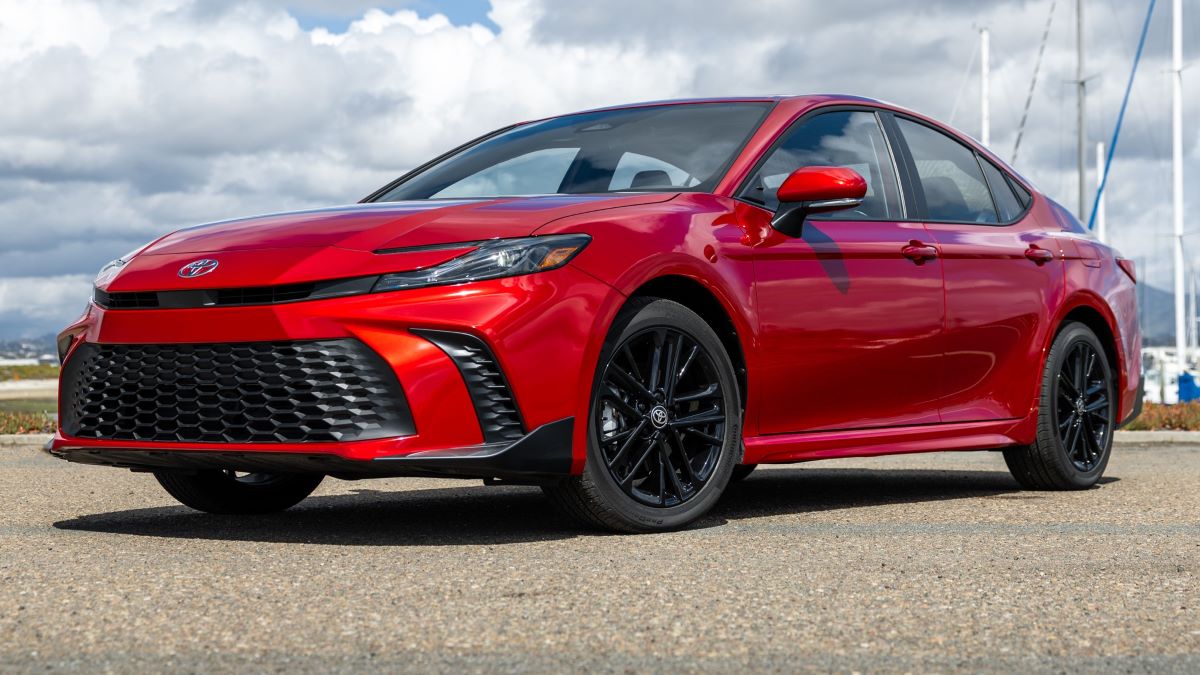
Better yet, Toyota includes physical knobs for volume and tuning, plus real buttons for home, menu, and back.
That means even tech-averse drivers or those with poor touchscreen accuracy can make adjustments without frustration. For commuters, it’s a simple, clean setup that helps keep eyes on the road.
2. Subaru Forester
Subaru has long prioritized function over flash, and the Forester’s interface reflects that philosophy.
The base and mid trims use a modestly sized screen with large icons, plenty of contrast, and most importantly tons of physical redundancy.
Even when you move to the larger Starlink display, Subaru avoids clutter. The system loads quickly, responds predictably, and avoids hiding core functions like seat heaters or drive modes behind touchscreen menus.
It’s a “what you see is what you get” layout ideal for older drivers, outdoorsy owners, and anyone sick of learning curved-glass command centers.
Despite its Sport moniker, the Forester trim level we tested falls short of expectations. Every Forester is powered by a modest 180-horsepower 2.5-liter four-cylinder engine.
Even with our test driver pressing the pedal, the Forester required 9.2 seconds to reach 60 mph and struggled to exceed 85 mph in the quarter mile.
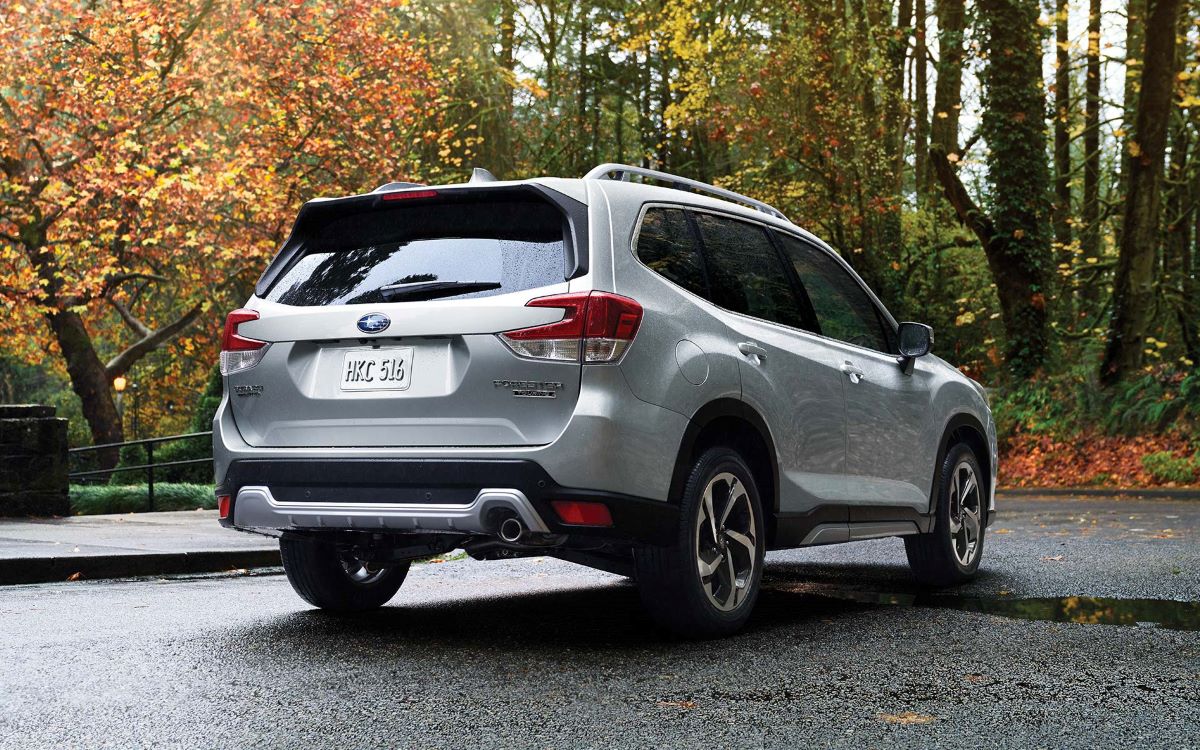
Several editors remarked on the drivetrain’s sluggish acceleration and lethargic response in city driving, making freeway merges in LA far more stressful than necessary. While SUVs aren’t required to be fast, the Forester consistently feels underpowered.
Ride quality is another letdown, it’s bouncy, pitches excessively, and generally lacks sophistication. The driver assistance systems also feel rudimentary, the adaptive cruise control takes its time to resume speed, and the lane centering system doesn’t perform as promised.
Handling and braking are somewhat better; there’s acceptable grip and emergency stopping capability, though it remains merely average.
For those venturing onto unpaved roads, the Forester does hold an advantage over many rivals, yet several compact SUVs are now providing similar off-road capability to Subaru’s.
The Forester’s standard all-wheel drive and other features make it a reasonable value. However, in areas like performance, fuel efficiency, and overall refinement, it falls short.
Most competitors in the segment offer all-wheel drive at comparable prices, along with higher-quality interiors, improved cargo capacity, and more modern technology.
Subaru’s warranty coverage is standard, providing three years/36,000 miles of bumper-to-bumper protection and five years/60,000 miles for the powertrain. Roadside assistance is available for three years/36,000 miles, and no complimentary maintenance is included.
Also Read: 10 Honda Civic Years Still Popular With Daily Drivers
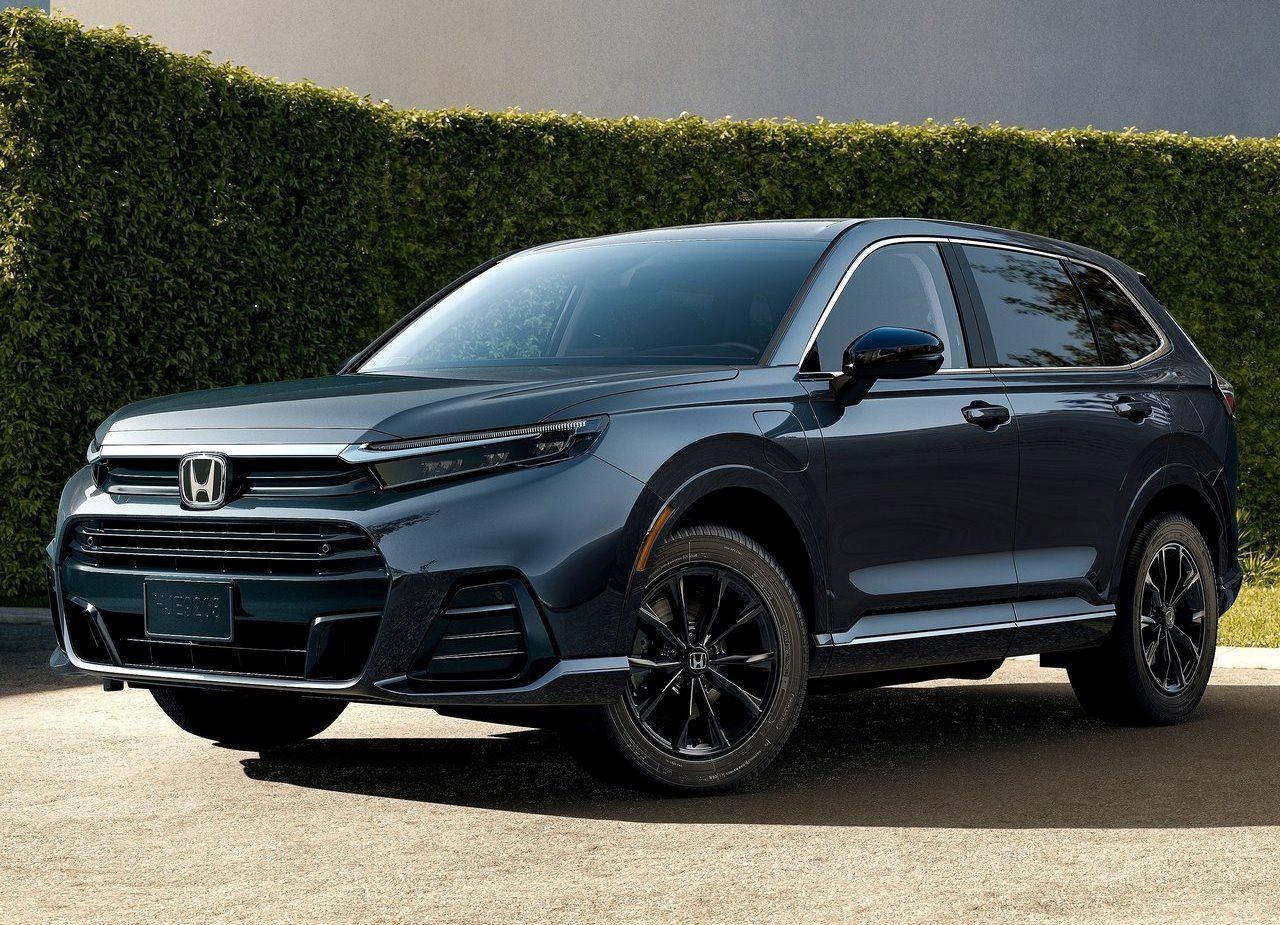
3. Honda CR-V
Honda’s current infotainment approach strikes one of the best usability balances in the industry. The CR-V’s screen isn’t oversized, but it’s bright, clean, and intuitive.
Honda uses plain-English labels, a logical home screen, and a familiar smartphone-style layout. It takes only a few minutes for most drivers to grasp how everything works.
Most trims also retain a physical volume knob after Honda briefly removed it years ago and faced major backlash which shows the brand actually listens to customers.
With wireless Apple CarPlay and Android Auto included, the CR-V minimizes friction and maximizes convenience. It’s the kind of tech setup that simply disappears into the background of everyday driving.
The 2023 Honda CR-V debuts with a completely redesigned exterior and interior, aiming to stand out in the fiercely competitive compact-SUV segment.
Inside, the cabin features a stylish design inspired by the Civic compact car, paired with modern technology such as an available 9.0-inch touchscreen that supports wireless Apple CarPlay and Android Auto.
Every CR-V also comes equipped with a suite of standard driver-assistance features, including adaptive cruise control, blind-spot monitoring, and lane-keeping assist.
Power comes from a 190-hp turbocharged four-cylinder engine, while an optional hybrid powertrain produces 204 hp.
4. Kia Soul
Kia may offer some high-tech flagship screens on models like the EV9, but the Soul stands out for keeping things incredibly simple.
The infotainment software is nimble, linear, and easy to scroll through with minimal distractions. The icons are oversized, the contrast is excellent, and the menu structure remains consistent even across different trims.
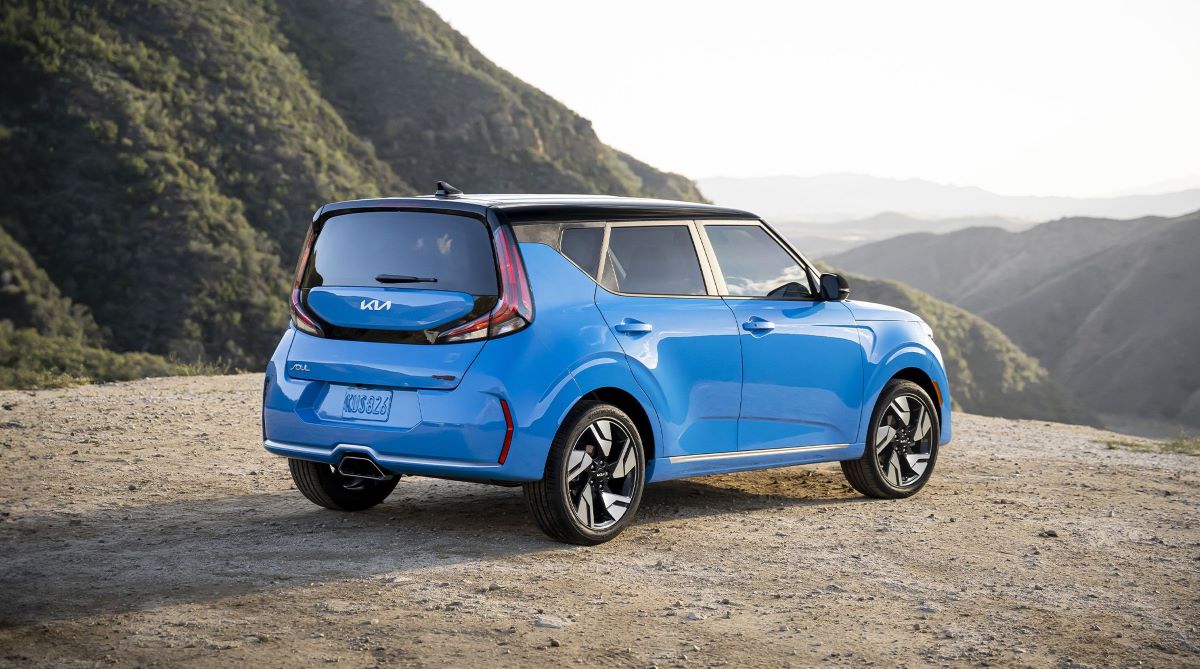
Perhaps the Soul’s greatest strength is clarity you always know exactly where to find radio, phone, vehicle settings, and navigation (if equipped).
A row of physical shortcut buttons under the screen adds to the friendliness. For drivers who want smart tech without the learning curve, the Soul delivers big value for the price.
5. Mazda CX-5
Mazda famously avoids giant touchscreens in its mainstream models, and while not everyone is a fan of the rotary controller, many shoppers prefer it for ease of use.
In the CX-5, the screen functions more like a premium European interface: clean fonts, tidy menus, and minimal distractions.
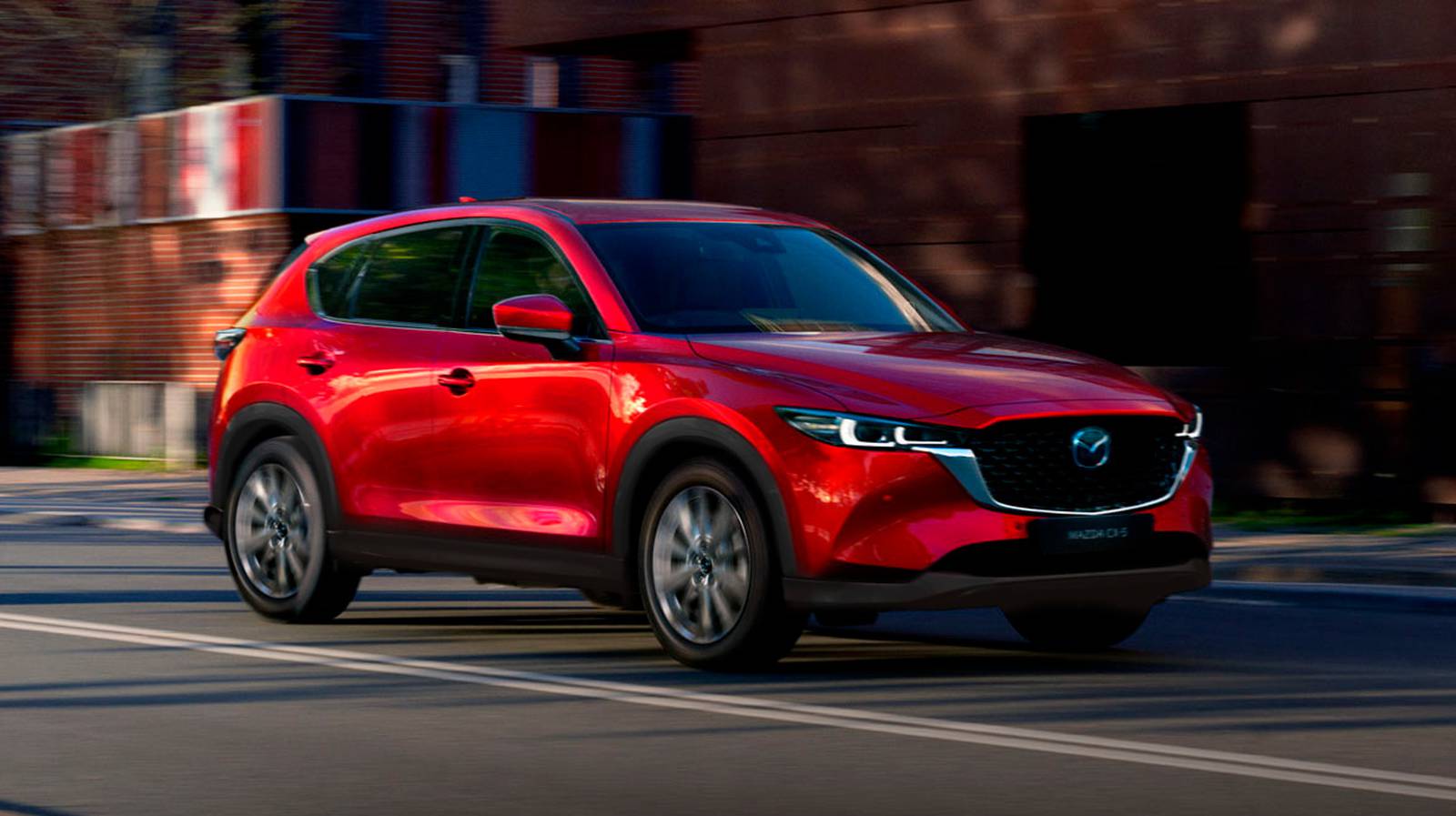
The rotary dial allows drivers especially older ones to operate menus without taking their eyes off the road.
Mazda limits the number of taps/scrolls required to reach common features, and everything from radio presets to navigation feels thoughtfully arranged. It’s a user-friendly system because it’s consistent, predictable, and intentionally simple.
The base engine delivers underwhelming acceleration once the CX-5 is in motion, and passing other vehicles on the highway requires careful planning.
It performs a bit better from a standstill, our test track recorded a 0-60 mph time of 8.7 seconds, which is typical for competitors with the base engine. The available turbocharged engine significantly improves performance, propelling the CX-5 to 60 mph in just 6.6 seconds.
Where the CX-5 truly shines is in handling. Its sharp, communicative steering allows you to take corners faster than most rivals without squealing tires or feeling out of control.
Quick left-to-right transitions are managed with ease, giving drivers confidence behind the wheel. Without a doubt, this is the best-handling small crossover.
The 2023 Mazda CX-5 is offered in eight trim levels: 2.5 S, 2.5 S Select, 2.5 S Preferred, 2.5 S Carbon Edition, 2.5 S Premium, 2.5 S Premium Plus, 2.5 Turbo, and 2.5 Turbo Signature.
The 2.5 Turbo and 2.5 Turbo Signature trims boost output to 227 hp and 310 lb-ft on regular octane fuel, increasing to 256 hp and 320 lb-ft with 93-octane gasoline.
Although we favor the CX-5’s turbocharged engine, its limited availability and higher starting price lead us to recommend the 2.5 S Select trim. It offers nearly everything you’d want from a small SUV along with desirable extras such as heated seats, dual-zone climate control, and keyless entry.
Cars With Menu Mazes
Modern car screens are supposed to make driving easier, but sometimes they do the exact opposite. What should be a simple tap to adjust the radio or climate turns into a frustrating journey through endless menus, submenus, and hidden options.
These “menu mazes” can leave drivers hunting for controls while distracted, turning what should be a relaxing drive into a tech puzzle.
In this article, we’ll take a closer look at cars whose infotainment systems overcomplicate the basics, showing how some designs can frustrate even the most tech-savvy drivers.
Also Read: 10 Crossovers That Actually Deserve Their Popularity
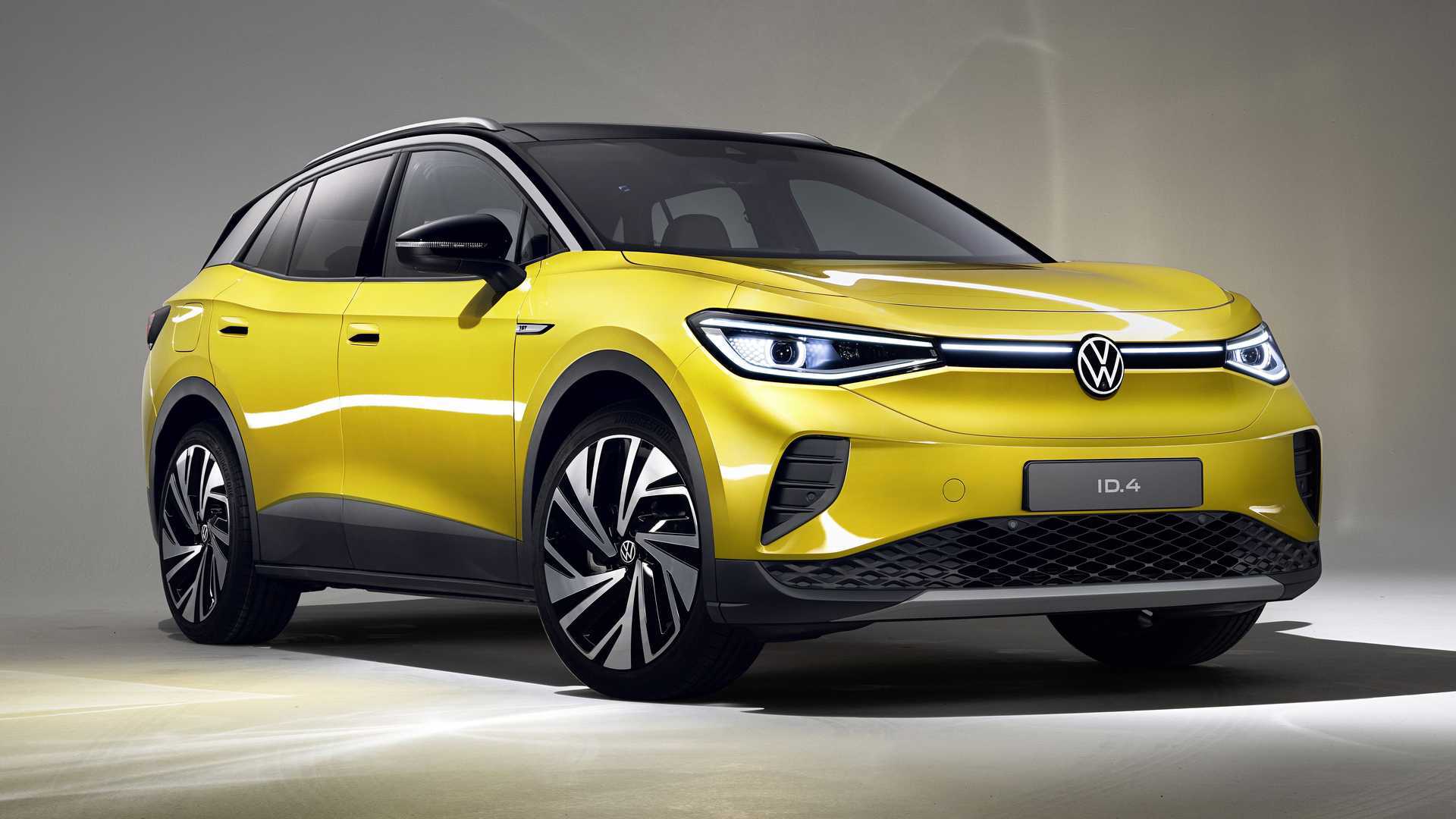
1. Volkswagen ID.4
The Volkswagen ID.4 has been widely praised for its electric range and comfort, but almost universally criticized for its infotainment screen.
Many core functions temperature adjustments, driver profiles, safety settings are buried behind multiple layers of submenus.
The touch-sensitive sliders under the screen add confusion, because they’re not illuminated at night and can be easily bumped.
Even owners say simple tasks like adjusting climate or changing audio sources require too much attention. VW has promised fixes in newer versions, but for now, the ID.4 remains one of the least intuitive systems for everyday use.
Volkswagen’s 2023 ID.4 SUV is its electric vehicle aimed at the mass market, offering a practical and comfortable ride with enough range to make the switch from traditional internal combustion vehicles feasible. What it lacks, however, is a more engaging driving personality.
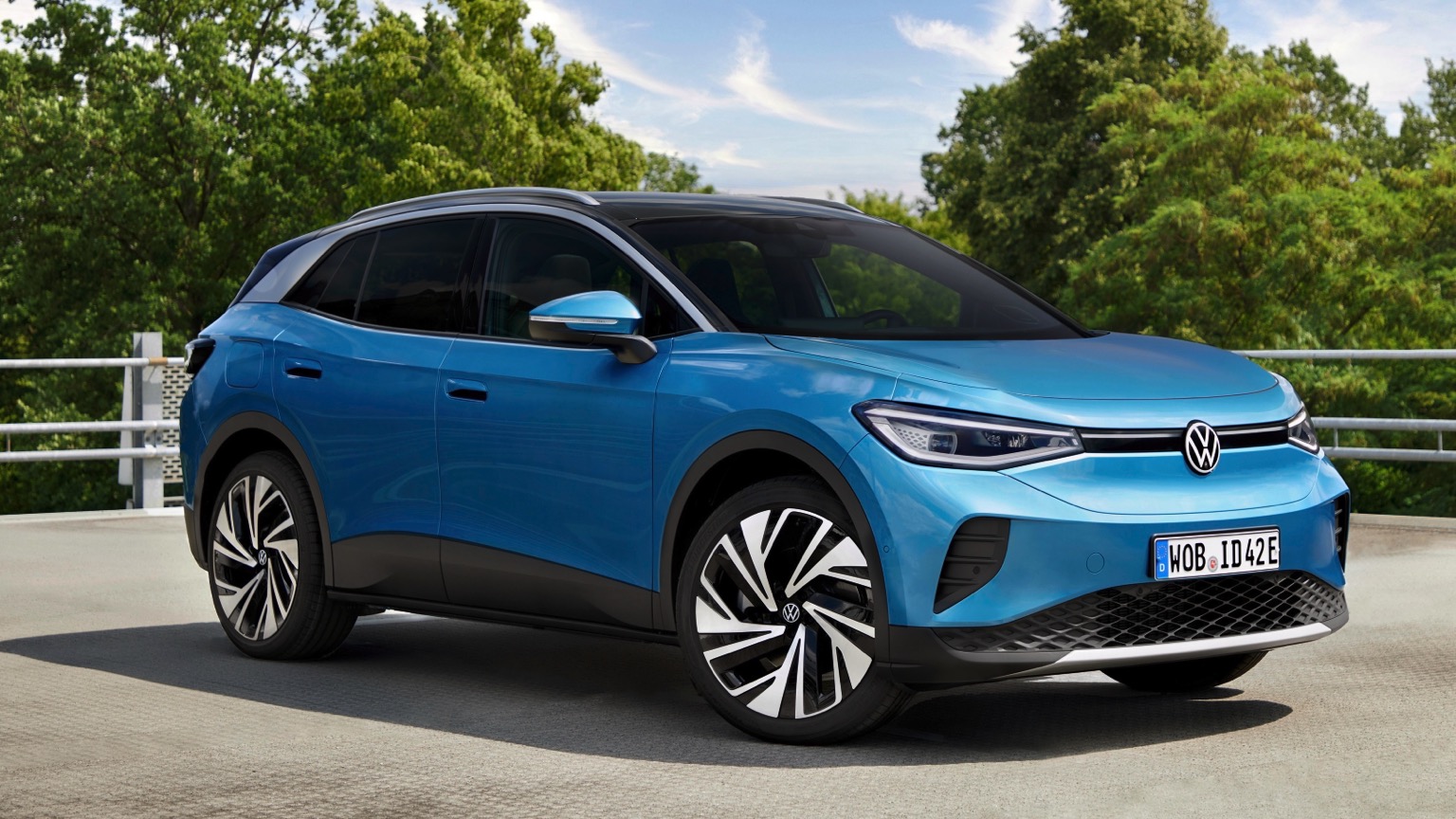
Rear-wheel-drive models feature a single motor producing 201 horsepower, while choosing the all-wheel-drive setup adds a second motor and boosts power to 295 hp.
The maximum range reaches approximately 275 miles per charge, but the more affordable Standard trim comes with a smaller battery, limiting range to about 209 miles.
On the bright side, all ID.4 models come standard with DC fast-charging capability, making it easier and quicker to recharge at public stations.
With its single rear-mounted motor, the ID.4 delivers 201 horsepower, and the dual-motor all-wheel-drive version increases output to 295 hp. Towing capacity is a respectable 2,700 pounds.
While regenerative braking recaptures energy when slowing, the familiar one-pedal driving that many EV owners enjoy is largely absent, even in the ID.4’s most aggressive regenerative mode.
The vehicle also lacks the signature instant acceleration of some EVs. The rear-wheel-drive ID.4 isn’t slow by typical compact crossover standards, but our test recorded a 0-60 mph time of 7.6 seconds, showing a more relaxed performance compared with quicker EV rivals.
Opting for the more powerful all-wheel-drive variant improves acceleration, evidenced by a 5.4-second sprint to 60 mph on our test track. While the ID.4 doesn’t handle as sharply as some other electric vehicles, we appreciate its smooth, refined ride and quiet cabin.
2. Tesla Model 3
Tesla’s screen looks clean and futuristic, but simplicity isn’t the same as intuitiveness. In the Model 3, nearly every function from windshield wiper speed to side mirror adjustment is buried somewhere inside the central display.
This all-in-one approach means even experienced drivers spend time digging through tabs instead of using muscle memory.
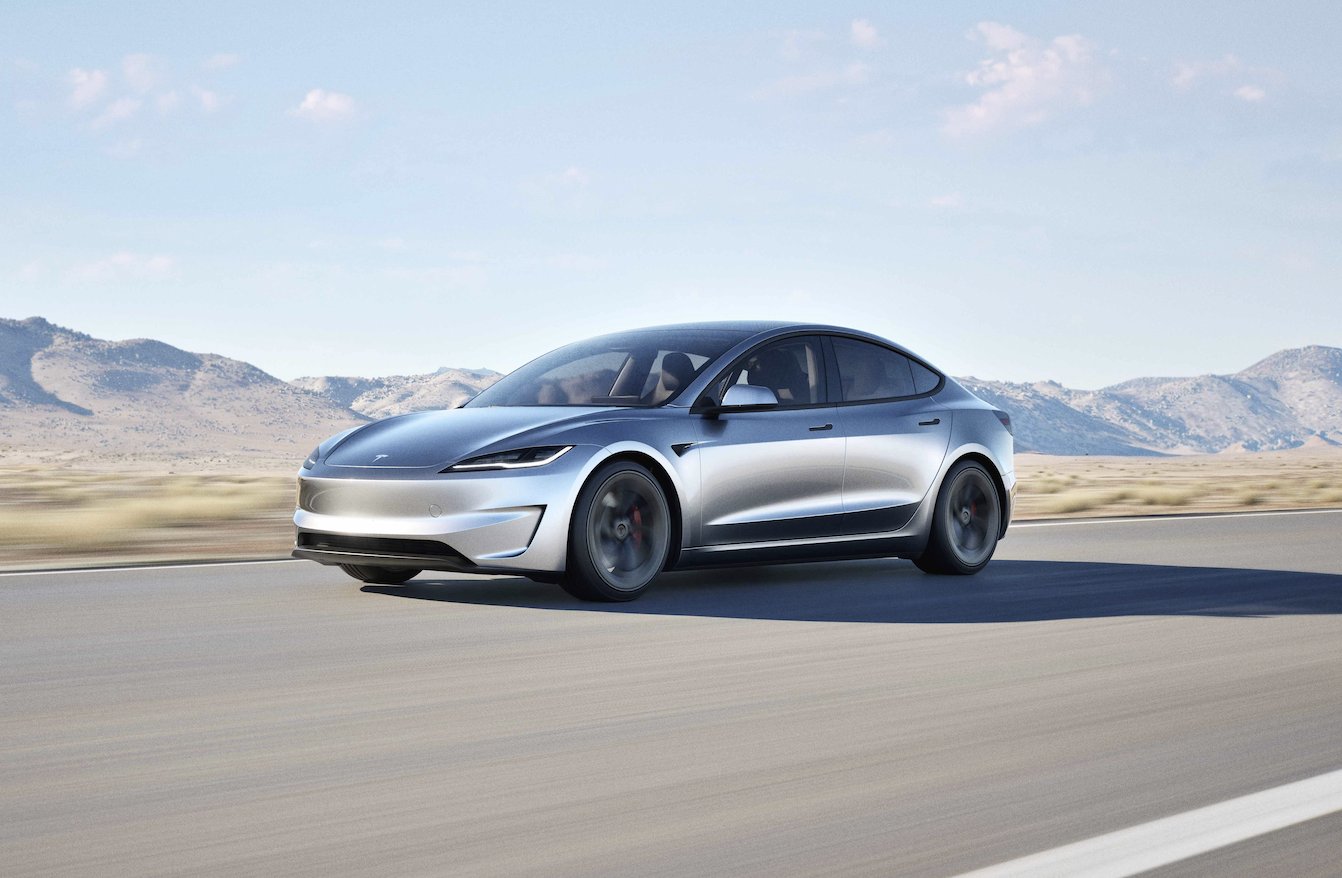
While software updates improve visuals, new features often add layers of menus or push frequently used items into new locations.
For tech lovers, it’s manageable. For drivers who value physical controls or quick access, the Model 3 can feel like navigating a tablet more than driving a car.
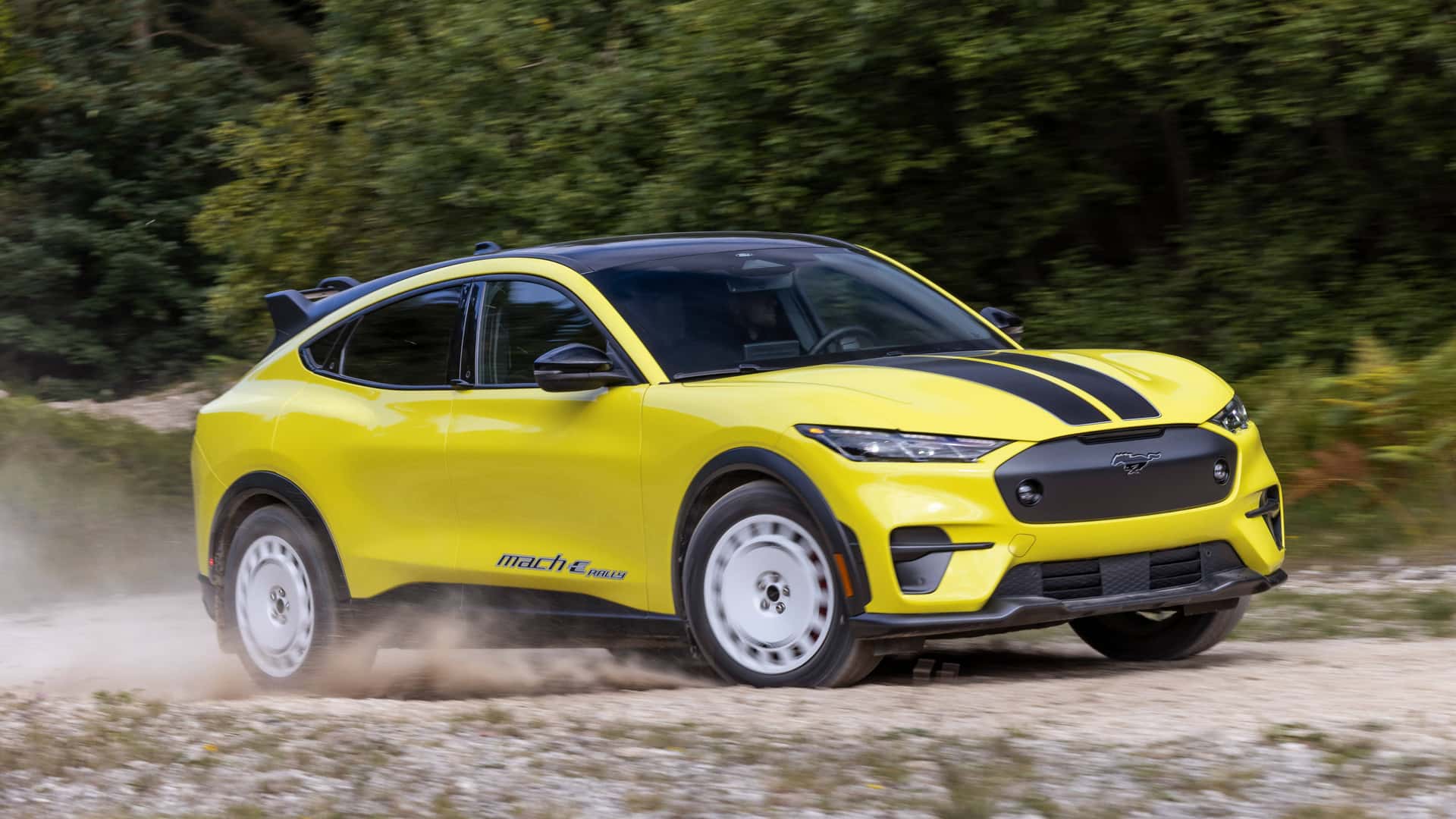
3. Ford Mustang Mach-E
Like Tesla, the Mach-E leans heavily on a giant vertical screen and while the graphics are crisp, the depth of the menus is overwhelming.
Important features such as regeneration settings, drive modes, charging preferences, and even some climate adjustments require multiple taps.
The home layout is busier than many drivers expect, and it doesn’t take long for settings to feel scattered.
Add Ford’s habit of relocating features during over-the-air updates, and owners often find themselves constantly relearning their own car’s interface. It’s high capability, but not high clarity.
he Mach-E may have a wagon-like SUV shape, but it delivers the speed and agility you’d expect from any vehicle wearing a Mustang badge.
We tested a Mach-E in the Premium trim with the extended-range battery and all-wheel drive. While a few rival EVs, such as the Tesla Model Y, are slightly quicker, the Mach-E we tested is overall impressively fast.
Ford has tuned the handling so that even this all-wheel-drive SUV feels more like a rear-wheel-drive sport sedan. Around corners, it is playful and engaging. You’ll notice some body movement during transitions, but the Mach-E remains composed and stable throughout.
In everyday driving, the Mach-E provides a buttery-smooth experience. Its regenerative braking works effectively and enables one-pedal driving, allowing the vehicle to come to a complete stop simply by lifting off the accelerator.
We actually prefer this method to using the brake pedal, which feels somewhat vague and grabby, making smooth stops difficult under normal conditions. We hope Ford addresses this with a future over-the-air software update.
For a 2021 all-wheel-drive Mach-E with the extended-range battery, the estimated range is 270 miles, with efficiency rated at 37 kWh per 100 miles. Both figures are fairly typical for a luxury EV.
In Edmunds’ real-world range testing, the Mach-E proved more efficient, using 33.1 kWh per 100 miles (with EVs, lower numbers are better).
It also exceeded its EPA-estimated range, covering 304 miles on a full charge. Most EVs we test surpass their EPA estimates, with Tesla vehicles being a notable exception.
Ford reports that the Mach-E can add up to 61 miles of range in just 10 minutes, or go from 10% to 80% battery in 45 minutes using a 150-kW DC fast charger.
Additionally, Ford offers its own Connected Charge home charging station. Similar in concept to Tesla’s Wall Connector, it’s a high-powered charger capable of adding up to 30 miles of range per hour.
4. Mercedes-Benz EQE
Mercedes’ new-generation MBUX system is powerful, beautiful, and packed with features but that abundance is precisely the problem.
With multiple layers of settings, voice assistant triggers, and hidden conveniences, many drivers struggle to remember where everything lives.
The system demands a learning curve that casual drivers may not have the patience for. While the “Hyperscreen” variant looks stunning, it overloads the driver with choices and can feel like operating a luxury aircraft’s control panel. It’s impressive to look at but exhausting to master.
Think of the all-electric 2023 Mercedes-Benz EQE sedan as a smaller yet equally distinctive counterpart to the Mercedes EQS. Both models serve as electrified alternatives to the brand’s conventional E-Class and S-Class vehicles.
The EQE’s aerodynamic bodywork and spacious interior borrow styling cues from the larger EQS. Positioned between Tesla’s compact Model 3 and mid-size Model S, the EQE is expected to deliver a driving range of over 300 miles and offers fast-charging capability, allowing the battery to charge from 10 to 80 percent in about 30 minutes.
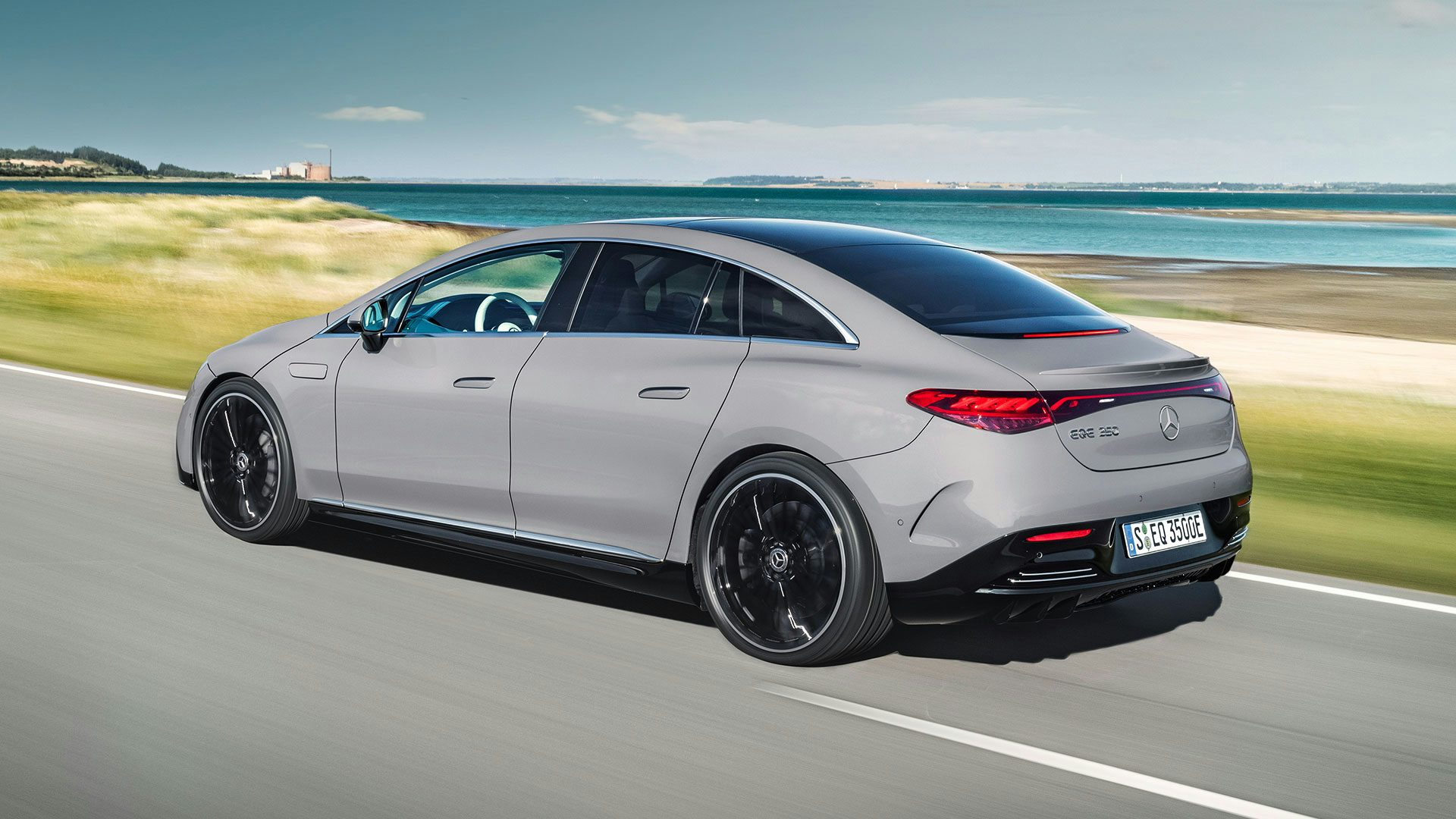
The first models to debut are the single-motor, rear-wheel-drive EQE350+ and the all-wheel-drive EQE350 4Matic, both producing 288 horsepower, while the more powerful 402-hp EQE500 with dual motors and all-wheel drive will arrive later.
Adding the optional Exclusive Trim package enhances the experience with adaptive cruise control, ambient interior lighting, and an augmented reality navigation feature, among other tech upgrades.
The EQE350+ is powered by a single rear-mounted electric motor producing 288 horsepower and 391 pound-feet of torque.
Mercedes claims this allows the sedan to accelerate from 0 to 60 mph in 5.6 seconds, with a top speed of 130 mph. The all-wheel-drive EQE350 4Matic adds a front electric motor but maintains a total output of 288 horsepower.
The EQE500, with dual motors and all-wheel drive, delivers a combined 402 horsepower. All three models are available with air suspension and a rear-wheel-steering system.
During our first drive and test track session, the EQE350 4Matic reached 60 mph in 5.3 seconds. While it feels quick, the EQE isn’t a performance-focused athlete.
Handling falls short compared with rivals like the BMW i4 and Tesla Model 3, and both the steering feel and brake pedal lack authenticity.
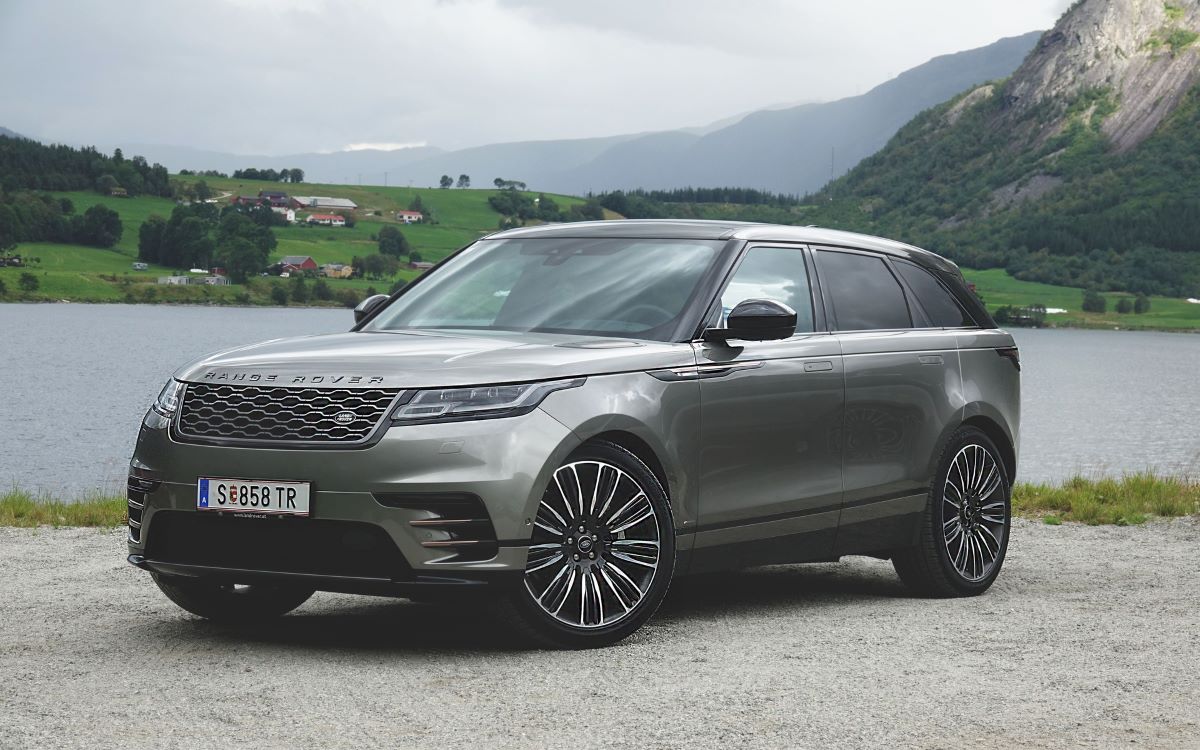
5. Range Rover Velar
The Range Rover Velar’s twin-touchscreen setup was designed to look sleek, but in practice it creates more complexity than convenience.
Each screen controls different categories climate, driving modes, media but they don’t always respond consistently.
Small touch targets combined with glossy surfaces make simple tasks like adjusting fan speed or toggling terrain settings tricky while driving.
Even owners who love the Velar’s style admit the system feels like navigating a designer smartphone that prioritizes aesthetics over ease of use. It’s luxurious, but it’s definitely a maze.
As cars continue turning into rolling software hubs, the usability of their screens matters more than ever.
The 2025 Range Rover Velar is a compact luxury SUV that impresses with its refined craftsmanship, high-quality interior materials, and a sleek silhouette reminiscent of its larger Range Rover siblings.
With the iconic Range Rover badge displayed prominently across its front, the Velar carries hefty expectations.
However, our experience with this model reveals that the base turbocharged 2.0-liter four-cylinder engine doesn’t provide the performance needed to challenge rivals like the Porsche Macan or BMW X3.
A stronger option is the Velar P400, which comes with an optional 395-hp turbocharged-and-supercharged 3.0-liter inline-six.
This powertrain gives the Velar significantly more pep, allowing confident acceleration on short highway ramps and smoother passing maneuvers across two lanes.
Ground clearance sits at a better-than-average 8.4 inches, making the Velar capable of light off-roading, though most owners are unlikely to venture farther from paved surfaces than the mall parking lot.
The Velar excels in visual appeal, offering a design that satisfies the aesthetic senses, but it provides little that truly encourages spirited driving.
Simpler systems like those from Toyota, Subaru, Honda, Kia, and Mazda get the basics right by focusing on clarity, physical controls, and predictable menus. Others push futuristic designs but sacrifice convenience in the process.
For U.S. buyers, especially commuters, parents, and tech-averse drivers, choosing a car with a straightforward screen isn’t just about comfort it’s about safety.
A well-designed interface reduces distraction, shortens the learning curve, and makes every drive easier. And with car tech evolving rapidly, models that prioritize simplicity today will continue feeling user-friendly years down the road.