
Driving on country roads in the United States is a very different experience from navigating well-lit suburban streets or urban freeways.
Rural highways often have long, unlit stretches, blind curves, wildlife crossings, and minimal signage. That means your headlights are not just a cosmetic feature they are a core part of safety.
The National Highway Traffic Safety Administration (NHTSA) and the Insurance Institute for Highway Safety (IIHS) both stress that strong forward visibility can prevent collisions, especially at higher rural speeds where stopping distances matter more.
However, automotive lighting performance varies massively between models. Some vehicles deliver excellent high-beam reach, crisp low-beam cutoff, and wide illumination, while others feel disappointingly dim or improperly aimed from the factory.
To help rural and small-town drivers make smarter choices, here’s a breakdown of five cars known for excellent headlight brightness and beam quality, followed by five models where drivers often complain about weaker nighttime clarity.
All descriptions below reflect real-world impressions, beam pattern performance, and U.S.-market configurations not just what automakers advertise.
Cars With Bright Headlights for Country Roads
Driving on country roads after dark can be beautiful, but it also comes with its own set of challenges. Narrow lanes, winding curves, and unexpected obstacles make visibility crucial.
That’s where a car’s headlights truly matter. Some vehicles come equipped with exceptionally bright and well-designed lighting systems, cutting through darkness and fog to keep drivers safe and confident.
In this article, we’ll highlight cars that shine brightest, literally, on country roads, helping you see more clearly, react faster, and enjoy nighttime drives without squinting or straining.
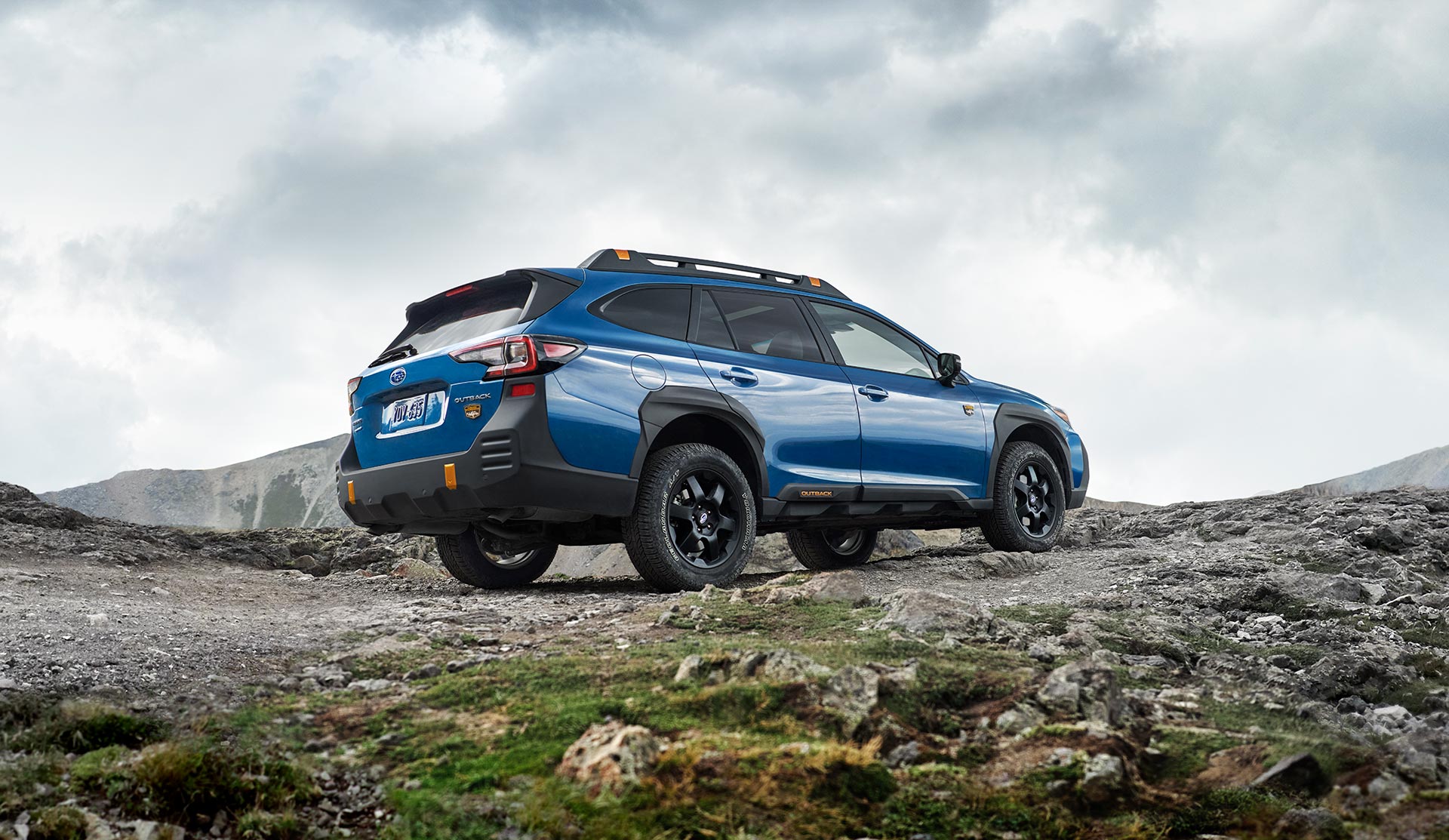
1. Subaru Outback
The Subaru Outback consistently scores high in IIHS headlight tests, thanks to its LED steering-responsive headlights that track with the vehicle’s direction.
This makes a huge difference on winding country roads where straight-beam headlights simply fall short.
Drivers often praise the width of the low beams, which illuminate both shoulders helpful for spotting deer, raccoons, or animals darting in from wooded areas.
The high beams offer excellent reach without hotspotting, and trims with automatic high-beam assist help reduce fatigue during long night drives.
For rural U.S. households who frequently deal with fog patches, unlit grades, and gravel roads, the Outback remains one of the segment leaders.
The Outback’s main drawback is its lack of speed, but otherwise it holds up well in this category. Our test model, an Outback Limited with the base four-cylinder engine, went from 0 to 60 mph in 8.8 seconds.
To achieve power more on par with competitors like the Honda Passport and Ford Edge, you’ll want to upgrade to the turbocharged engine. At least the transmission shifts quickly and responsively, helping you stay in step with traffic.
While there’s some noticeable body roll in corners, the Outback remains generally composed. The steering provides solid on-center feel and good feedback from the road.
With 8.7 inches of ground clearance and standard all-wheel drive, the Outback can handle nearly any terrain its SUV rivals can and even some they can’t.
Because the Outback is more of a lifted station wagon than a traditional SUV, it falls slightly short in overall cargo capacity.
On the plus side, the cargo floor is low and flat, which makes loading and unloading items much easier. The Subaru’s roof rails are also simple to use, as the Outback isn’t as tall as a typical SUV, making it easier to secure gear on top.
The cabin offers smart storage solutions, though overall volume is limited. Front passengers benefit from a convenient phone shelf, while rear passengers get bottle holders in the doors and seatback pockets on both sides.
However, the center console box is smaller than what you’ll find in most SUVs, leaving less room to stash your belongings.
Installing child safety seats is straightforward thanks to easily accessible seat anchors and plenty of interior space.
2. Toyota Camry (LED-Equipped Trims)
The Toyota Camry’s higher trims come with powerful LED projector headlights that outperform many luxury sedan setups. What makes them stand out is how evenly the light is distributed there’s no dark central void or overly sharp cutoff that limits forward visibility.
This uniformity makes country driving safer because it prevents the “tunnel vision” effect found in cheaper LED systems.
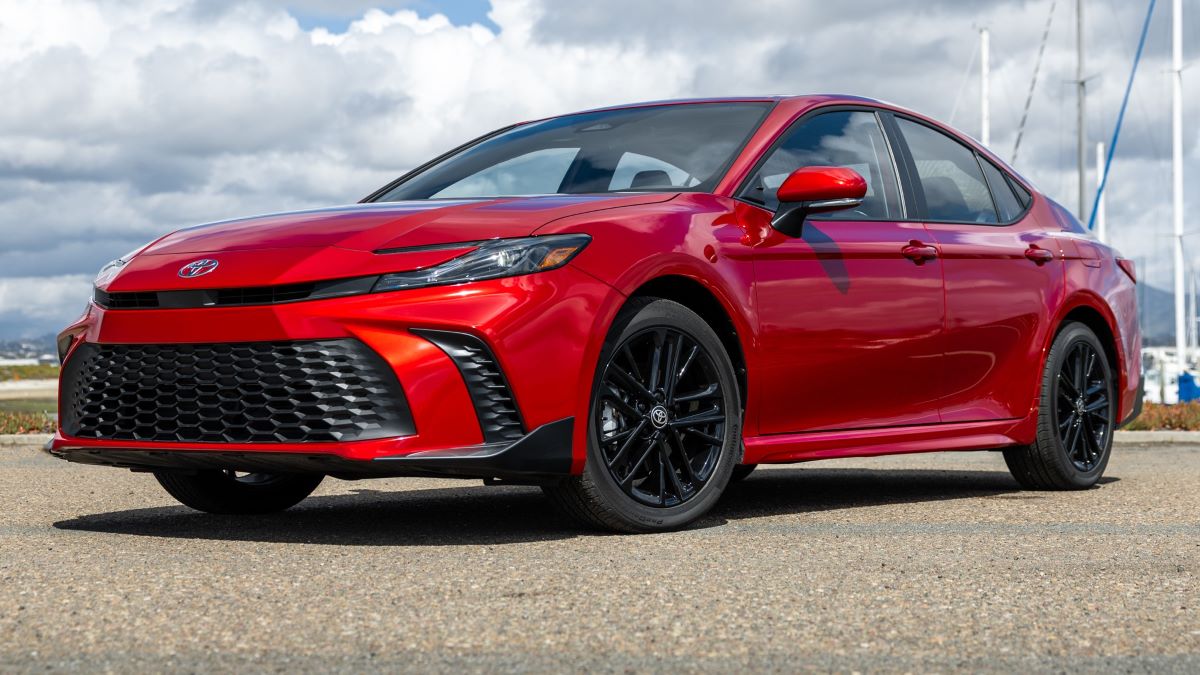
The Camry’s high beams are particularly strong, creating a long, clear path ahead that’s perfect for two-lane rural highways where overtaking or spotting oncoming curves early is crucial.
For those who rely on a dependable sedan but still want excellent light output, the Camry is one of the best options.
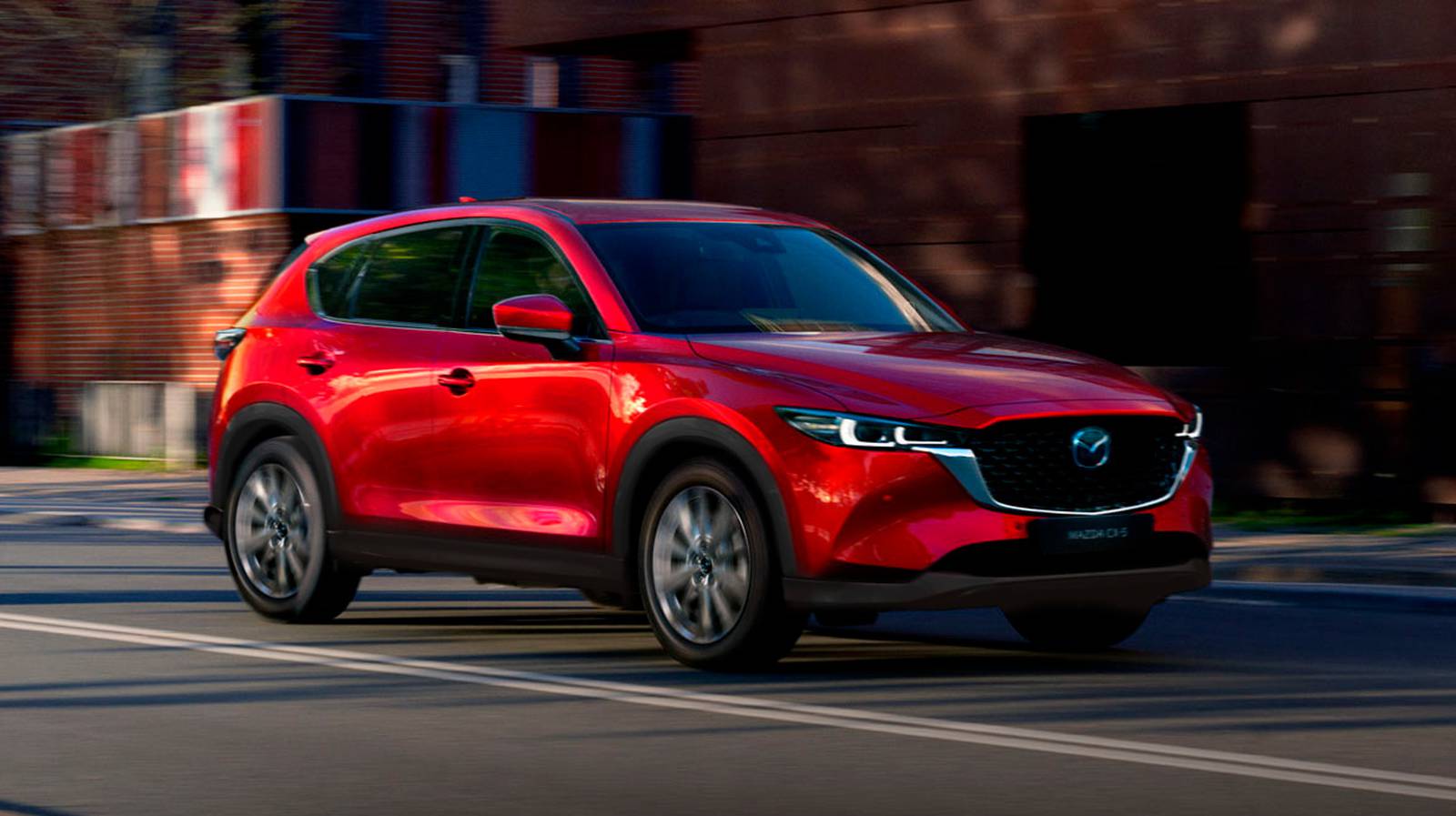
3. Mazda CX-5
Mazda continually wins praise for its upscale lighting systems, even in non-luxury vehicles. The CX-5’s adaptive LED headlights deliver a clean, well-cut beam with a bright, accurate hotspot that reveals road texture and lane markings extremely well.
On dim country roads, the CX-5 illuminates road signs at a distance without causing uncomfortable glare for oncoming drivers.
The wide beam spread also helps identify obstacles at the road edge, like fallen branches after storms.
With many rural states facing inconsistent road maintenance, the CX-5’s powerful lighting makes night travel smoother, more predictable, and far less nerve-wracking.
More than any other mainstream compact crossover, the 2022 Mazda CX-5 gives its driver a special feeling.
With a price much closer to a Honda CR-V than a Porsche Macan, the CX-5 is accessible to the same buyers as the former, while still impressing those in the latter’s higher tax bracket.
While the base four-cylinder engine doesn’t fully showcase the CX-5’s dynamic driving character as the optional turbocharged four does, every model delivers a ride-and-handling balance that’s unmatched in this segment.
Practical alternatives exist, especially when it comes to cargo space, but no competitor can rival the Mazda’s elegantly styled and richly appointed interior.
The standard 187-hp four-cylinder engine offers excellent throttle response when moving off from stoplights or navigating city streets, making it feel quicker than it actually is. At higher speeds, such as merging onto freeways or overtaking, it feels somewhat underpowered.
The 256-hp turbocharged engine we tested provides significantly stronger acceleration. Both engines are paired with a responsive six-speed automatic transmission and all-wheel drive.
You don’t have to drive the CX-5 aggressively to enjoy it or appreciate its excellence. Its precise steering and composed cornering make for an exceptional Sunday cruise, while rough roads are absorbed quietly, offering ride quality comparable to crossovers that cost twice as much.
This seamless balance of dynamics sets the CX-5 apart from its rivals. Pavement imperfections are smoothed out, road noise is minimal, and the damping strikes the perfect balance between stiffness and floatiness.
At the same time, the Mazda comes alive on winding roads, with electrically assisted steering providing satisfying and responsive feedback.
4. Ford F-150 (LED Headlamp Package)
Pickup owners often criticize older halogen truck headlights, but Ford’s modern F-150 LED setup is one of the brightest and most precise in the segment.
Trucks naturally sit higher, but the F-150’s LED projectors avoid the common issue of elevated glare.
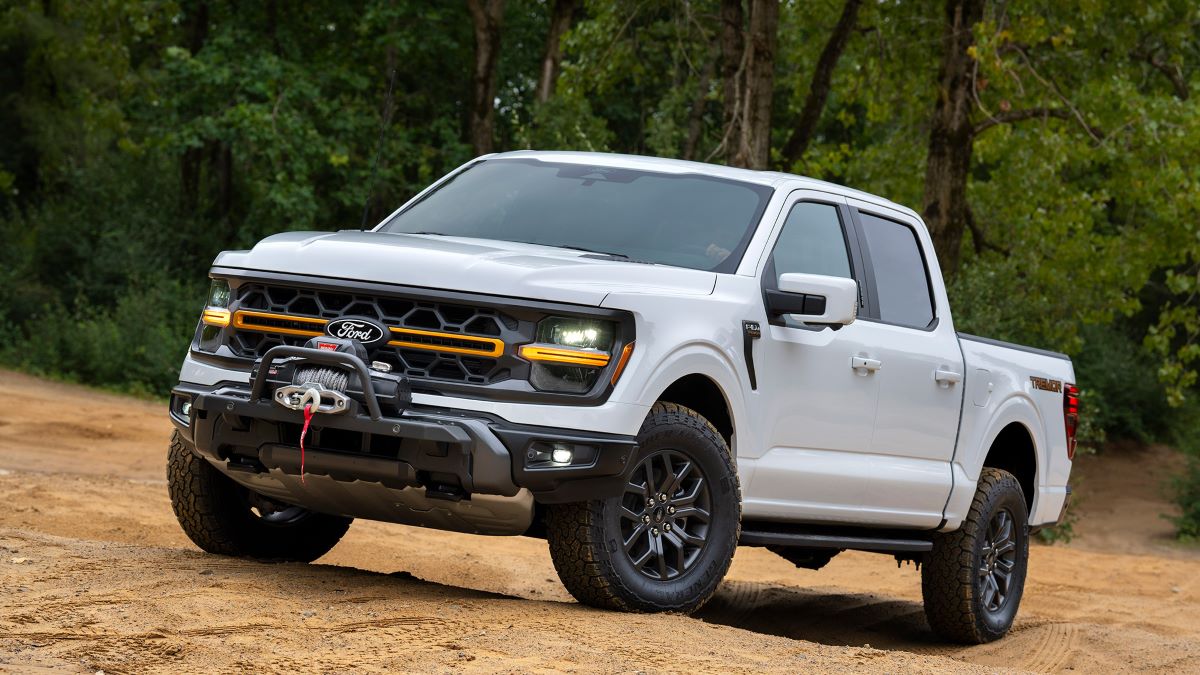
On dark country roads, the F-150 offers superb high-beam reach ideal for ranchers, rural contractors, and anyone frequently driving across long distances at night.
The beam pattern is sharp and wide, and the signature C-clamp LED housing adds visibility for others to see the truck coming. For rural America, where pickups remain the most common vehicle type, the F-150’s lighting system is a genuine safety upgrade.
5. Volvo XC60
Volvo is synonymous with safety, and its “Thor’s Hammer” LED headlights are more than just a styling cue they’re genuinely high-performing lighting units.
The XC60’s active bending lights follow the road naturally, which is essential for rural routes with unpredictable curves. The high beams are crisp and noticeably whiter than many competitors, offering excellent sign reflection and distance clarity.
Volvo’s automatic leveling also ensures consistent performance even when the vehicle is loaded with cargo, preventing the beam from tilting too high or too low.
For drivers who frequently travel between small towns, farms, or remote properties, the XC60’s lighting system feels like night vision.
The luxury compact SUV segment is full of strong contenders from numerous premium brands, but the one Scandinavian model in this group stands apart from the crowd.
Since its 2018 redesign, the Volvo XC60 has distinguished itself with distinctive headlights and taillights, clean and elegant body lines, and a minimalist yet upscale interior crafted from high-quality materials.
However, while visually impressive, the XC60 doesn’t match some rivals when it comes to sharp handling or the softest ride.
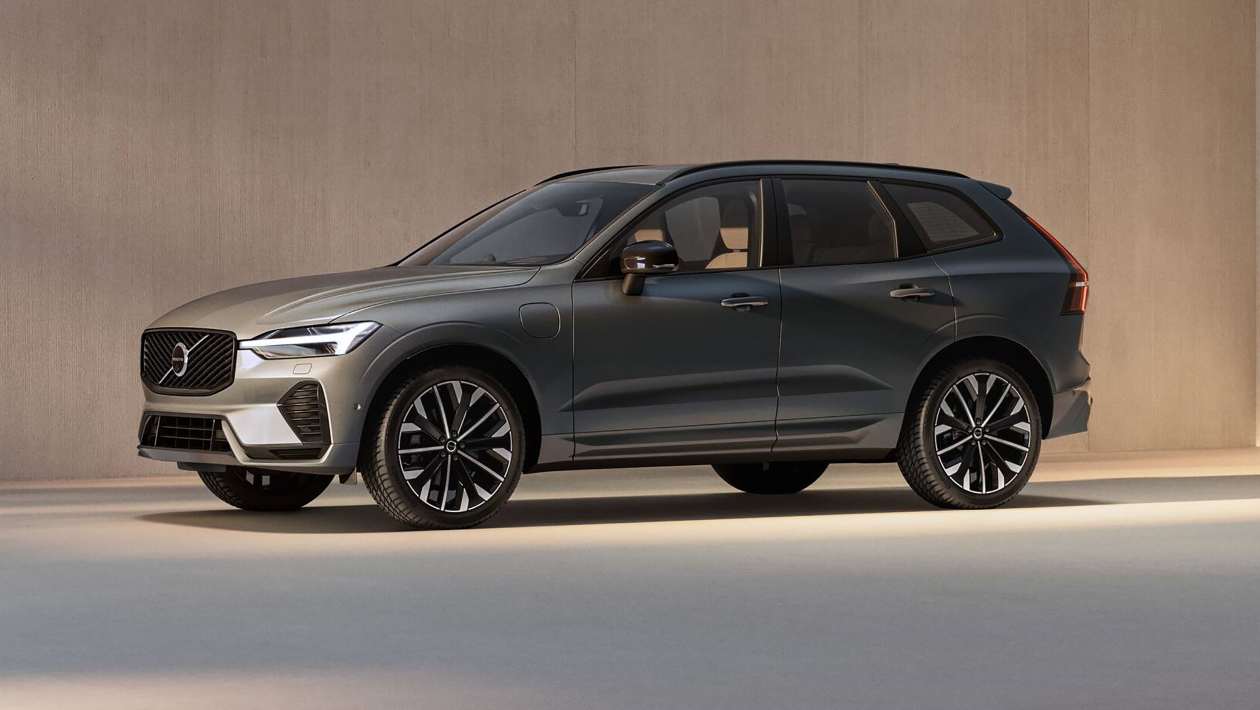
As with most luxury SUVs, the XC60 excels at transporting the family comfortably, provides a practical amount of cargo space, and comes standard with a comprehensive list of advanced driver aids, including automatic emergency braking and evasive steering assist.
Like its German competitors, the BMW X3, Mercedes-Benz GLC, and Audi Q5, the XC60 offers a performance-oriented variant: the Polestar Engineered model, which is based on the plug-in hybrid Recharge T8.
For 2022, Volvo refreshed the XC60 with redesigned front and rear fascias and updated engines. A new Google-based infotainment system now integrates Google Assistant, Google Maps, and Google Play.
Under the hood, a mild hybrid system has been added to help improve fuel efficiency by roughly 1–2 mpg compared to the previous year, while also smoothing out the automatic stop-start system at traffic lights.
The XC60’s plug-in hybrid Recharge model also received a midyear update, including a higher-capacity battery and a more powerful rear electric motor.
This combination boosts output to a substantial 455 horsepower and allows the vehicle to travel up to 36 miles on a full electric charge, an impressive figure for a plug-in hybrid.
Frequent recharging can significantly reduce gasoline consumption, making the Recharge XC60 both powerful and efficient.
Cars With Dim Setups
Not every car interior is designed to be easy on the eyes. Some vehicles come with dim displays, weak dashboard lighting, or poorly lit controls that make even simple tasks like checking the speedometer or adjusting the climate frustrating, especially at night.
Driving these cars can feel like fumbling in the dark, turning routine trips into a test of patience and visibility. In this article, we’ll explore cars with dim setups, highlighting how poor lighting choices can affect comfort, safety, and overall driving experience.
1. Jeep Wrangler
The Jeep Wrangler is beloved for its off-road capability, but its base halogen headlights remain one of its most-criticized features.
Owners routinely report that the stock lights feel yellow, weak, and narrow especially problematic on unlit rural roads where visibility is crucial.

The circular reflector design doesn’t focus the beam very well, leading to poor reach and inconsistent brightness. Many Wrangler owners replace their halogens with aftermarket LEDs almost immediately, which speaks to the stock setup’s inadequacy.
In rural driving conditions, where you need strong long-range lighting to spot dips, rocks, or wildlife, the halogens fall disappointingly short.
2. Toyota 4Runner
The 4Runner is another rugged vehicle with lighting that doesn’t match its adventure-focused personality at least in non-premium trims.
Its halogen reflector headlights often feel dim and outdated compared to the LED units found in more modern SUVs.
The beam pattern is typically narrow, and the yellow tint makes it harder to see road textures and hazards at a distance.
Rural drivers who navigate gravel switchbacks or forest routes at night will especially notice the lack of high-beam strength. While aftermarket options dramatically improve the 4Runner, the factory halogens are mediocre at best.
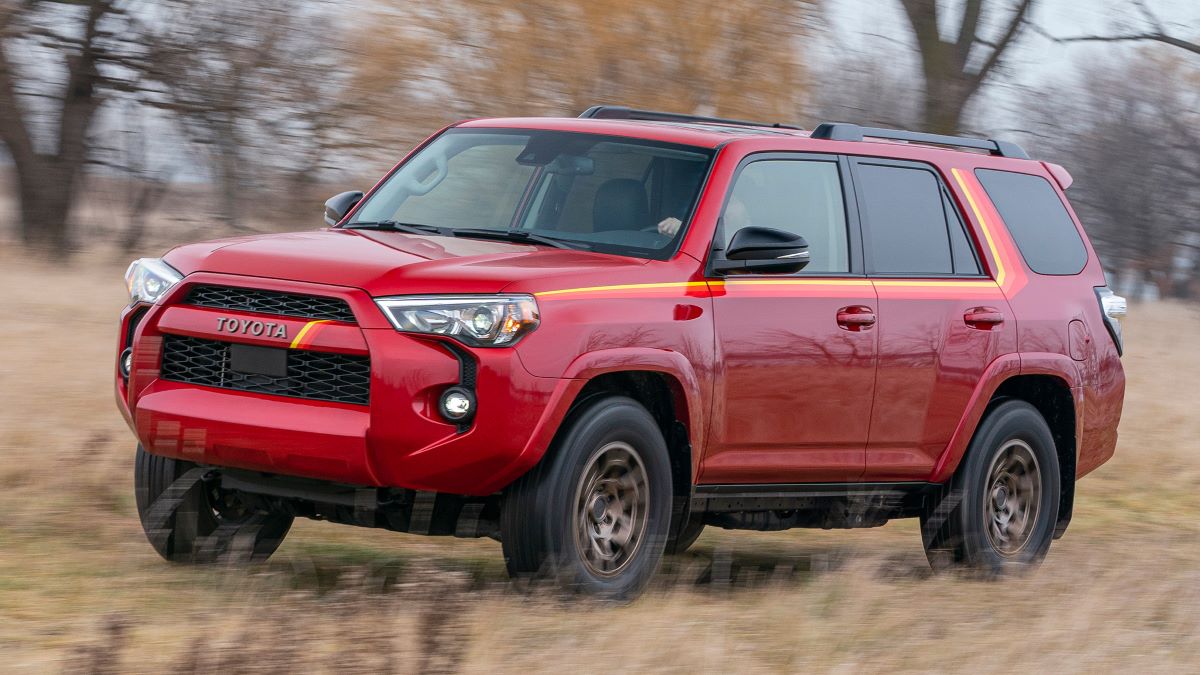
The 4Runner is built on Toyota’s TNGA-F platform, the same body-on-frame architecture that underpins the current Land Cruiser, Lexus GX, and Tacoma pickup.
In many ways, this 4Runner shares a lot with the Tacoma, including its powertrain, suspension, and other components, essentially making it the SUV counterpart of Toyota’s popular truck.
For engines, the adventure-ready 4Runner comes standard with a turbocharged 2.4-liter four-cylinder “i-Force” engine that produces 278 hp and 317 lb-ft of torque.
Depending on the configuration, power is sent to either the rear wheels or all four wheels through an eight-speed automatic transmission.
The other option is the i-Force Max, a hybrid version of the same engine, which boosts output to 326 hp and 465 lb-ft of torque. All 4Runners with this trim are four-wheel drive. This hybrid option is designed to achieve 23 mpg, slightly better than the 21–22 mpg of the non-hybrid model.
In practice, reaching that figure can be a stretch, but it still represents a significant improvement over the poor fuel economy of the older V6 that powered the previous generation.
Most of the nine trim levels offer a choice between the two powertrains, although some trims are limited to a single configuration.
3. Nissan Frontier (Lower Trims)
The redesigned Nissan Frontier has improved in many areas, but some trims still rely on basic halogen headlights with surprisingly weak output.
These lights tend to scatter too much, reducing the effective throw on dark, unlit roads. The high beams help only marginally, and many owners complain that nighttime clarity is barely adequate on rural highways.
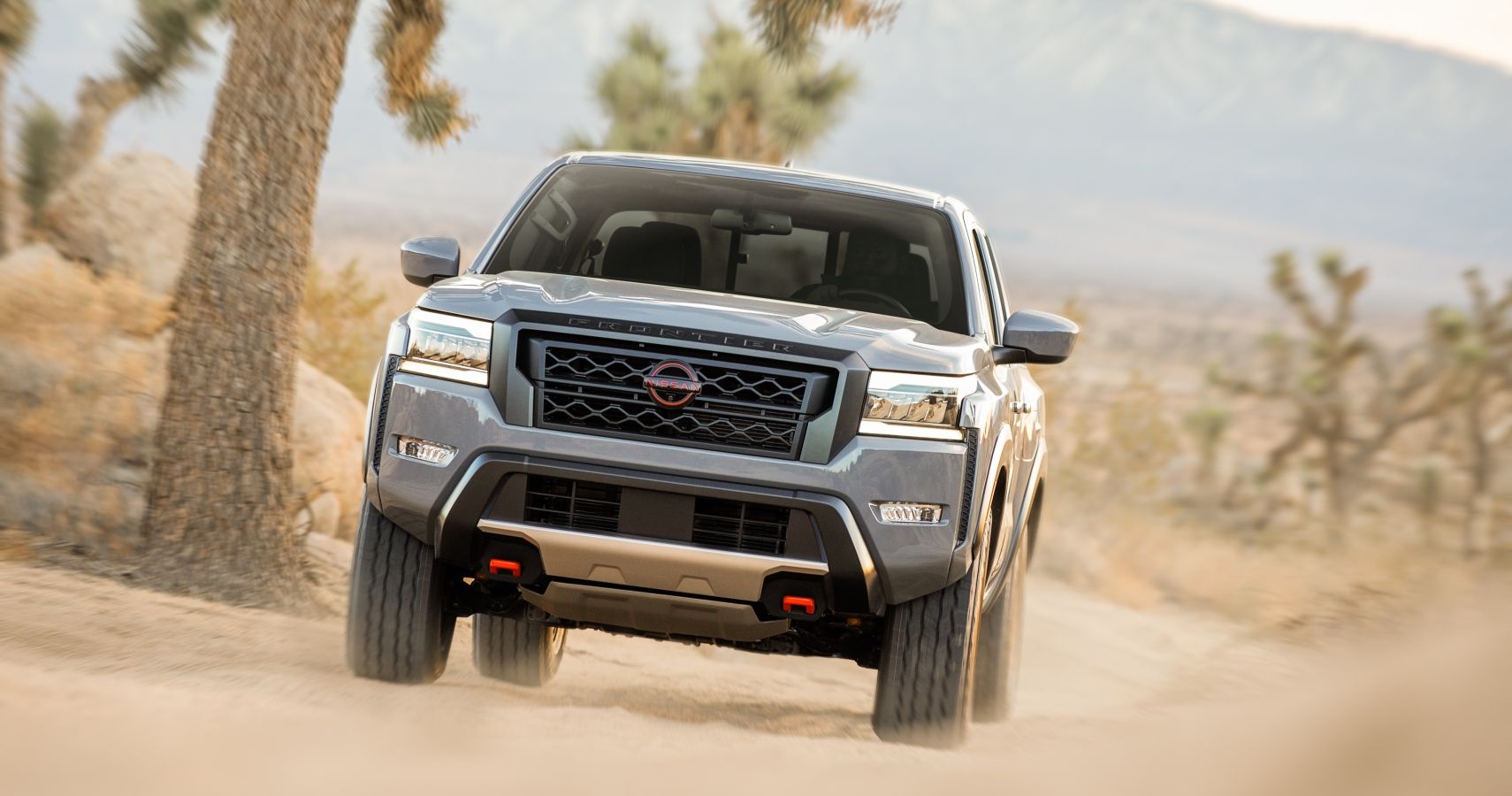
When you’re traveling through long desert stretches, farmland, or mountain passes, you need dependable lighting something the base Frontier’s headlight setup struggles to deliver.
4. Honda HR-V
The Honda HR-V uses LEDs across the lineup, but many reviewers and owners note that its beam isn’t particularly bright or wide.
Unlike the crisp, high-output LEDs found in Honda’s larger models, the HR-V’s lights feel underpowered, especially on high beam.
The narrow spread makes rural driving uncomfortable, as you may not see animals or hazards at the shoulders until very late.
On straight highways, this setup may suffice, but on twisty country roads with inconsistent pavement and few reference points, the HR-V’s headlights leave drivers wanting more.
Our initial driving impressions of the HR-V were mixed. We weren’t fans of the artificially light steering at first, though it became more manageable over time.
The engine and transmission felt adequate for low-speed city driving, but they were noticeably underpowered when carrying passengers and attempting highway maneuvers.
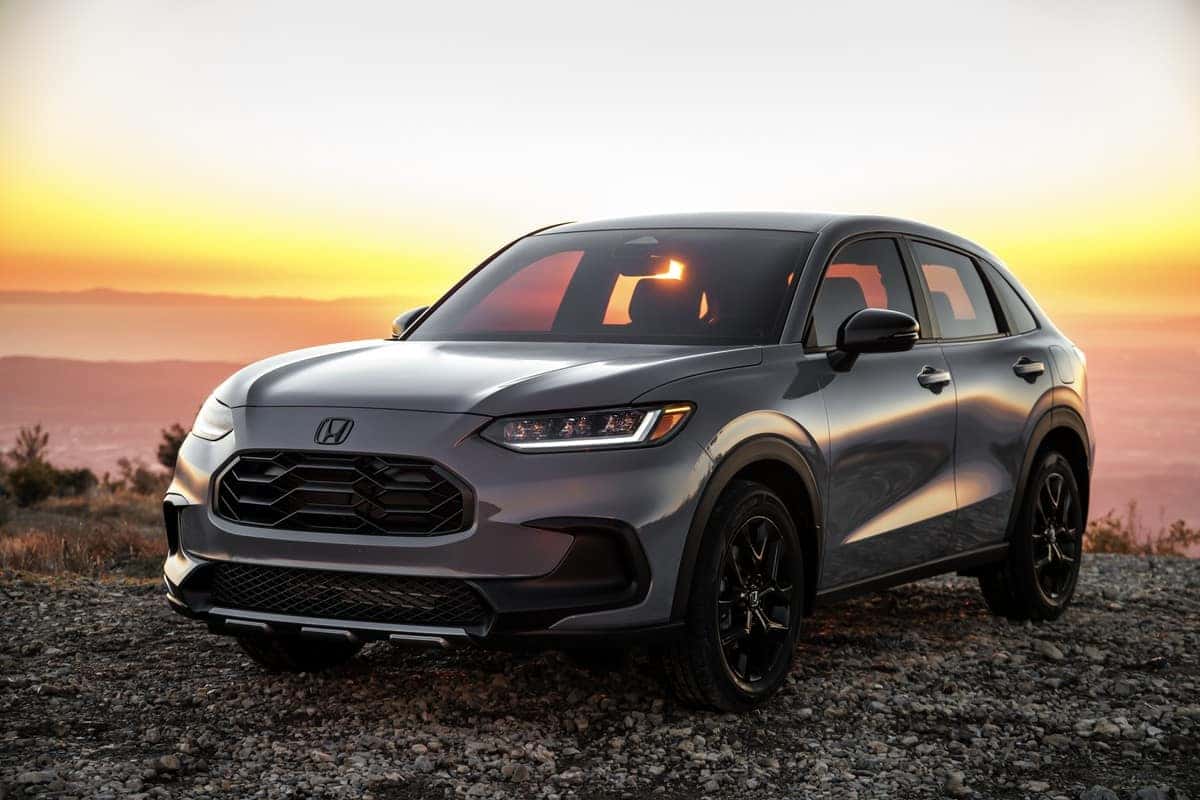
In fact, the HR-V takes more than 10 seconds to reach 60 mph, a leisurely pace, even for its class.
The HR-V’s most redeeming traits are its smooth, responsive brakes and nimble handling. Even as one of the larger vehicles in the extra-small SUV category, it moves with the light-footed agility Honda is known for.
This is paired with a comfortable, soft ride that remains composed over bumps, along with excellent visibility thanks to side mirrors mounted relatively low. While a surround-view camera system isn’t offered, the backup camera provides multiple viewing angles, which helps make up for it.
Although the HR-V comes with a fairly comprehensive suite of driver-assistance features, some proved overly sensitive during our testing, particularly the blind-spot monitoring system. Additionally, the brakes responded slowly when using adaptive cruise control.
Honda invested wisely in the HR-V’s interior, where soft-touch materials and cushioned surfaces abound, and the controls feel high-quality. Visually, the cabin is a marked improvement over the previous model and stands out relative to competitors in the segment.
Pricing is surprisingly competitive, too. Higher trims are required for even moderately desirable features, such as a larger 9-inch central display and more advanced technology and driver-assistance features.
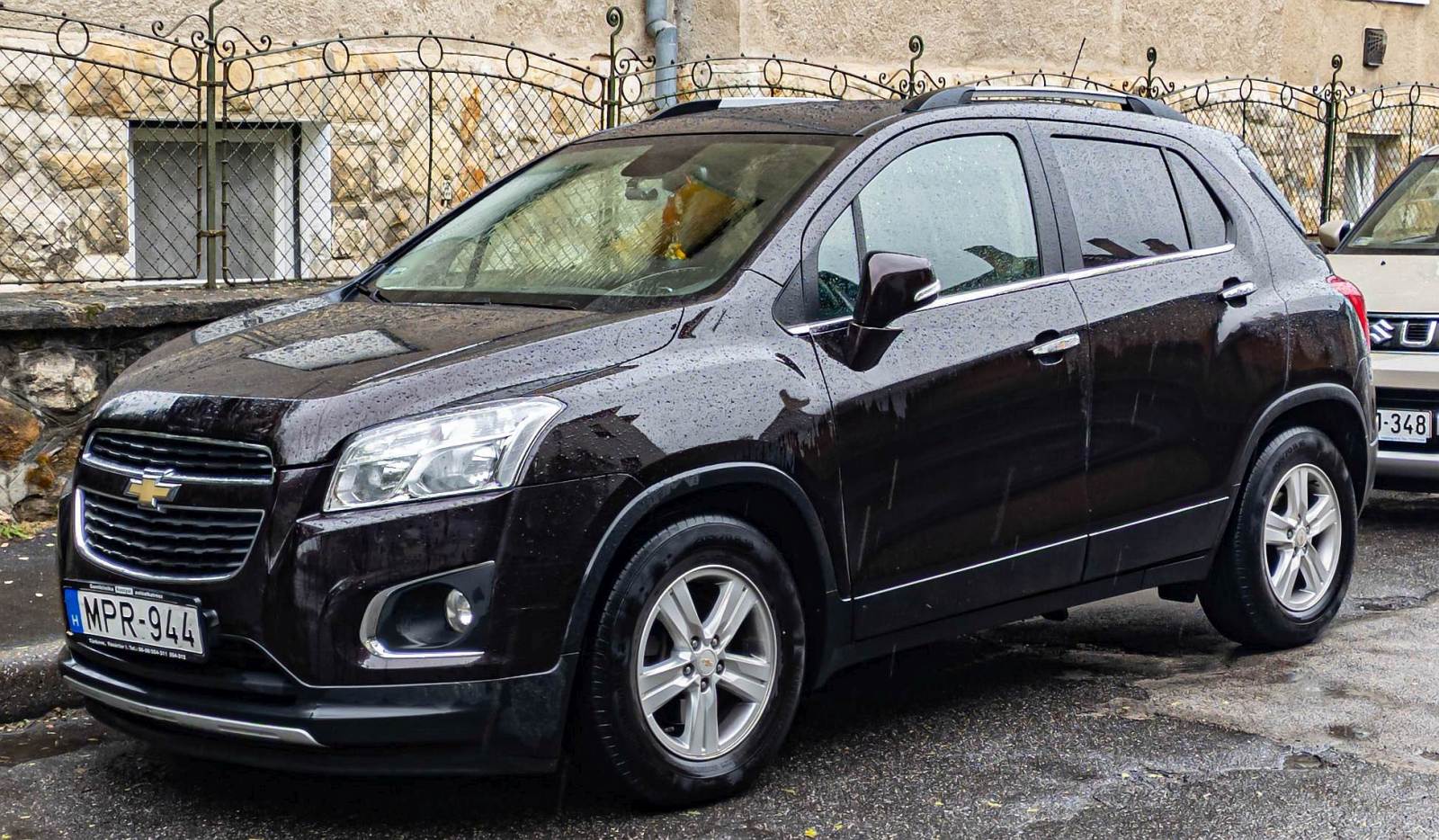
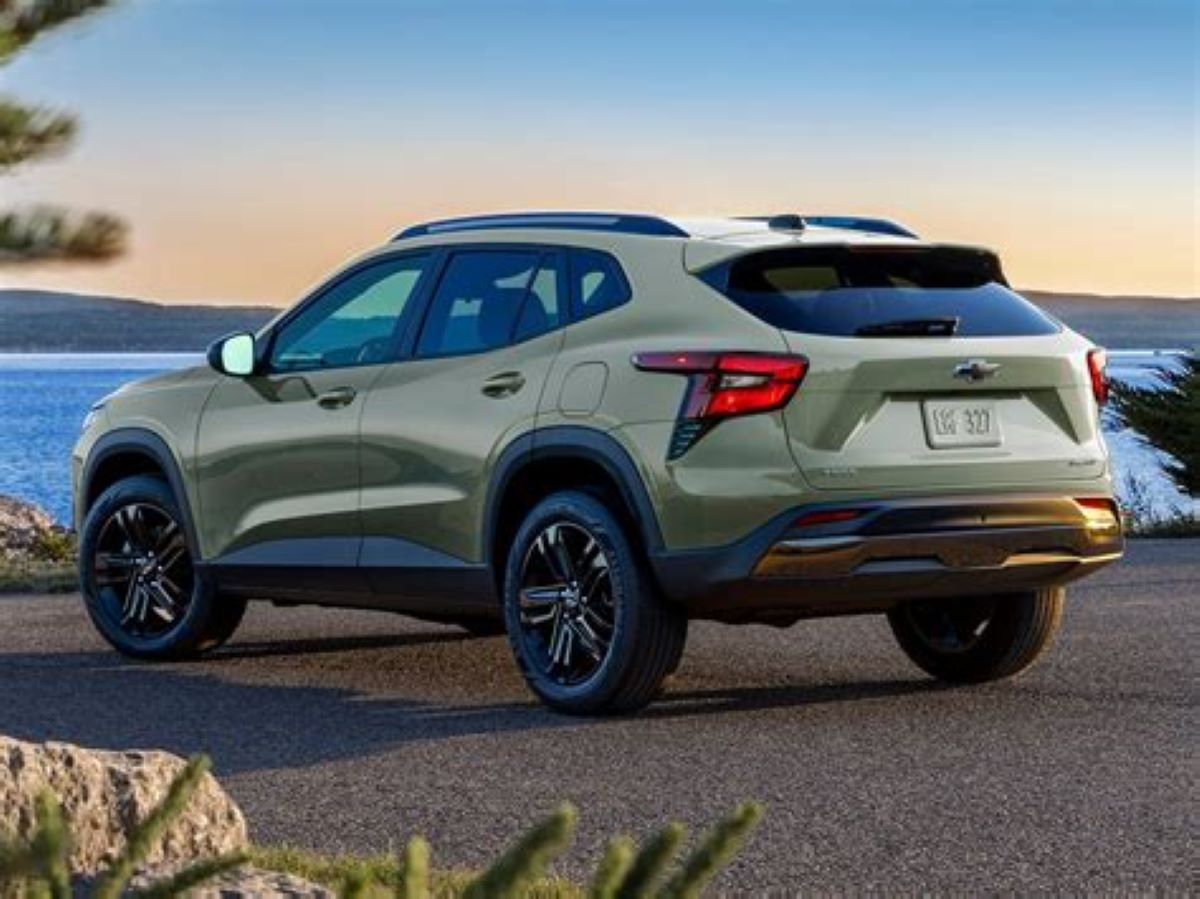
5. Chevrolet Trax (Pre-2024 Models)
Before its major redesign, the Chevrolet Trax had one of the dimmest lighting systems in the subcompact category. The older halogen reflectors were known for poor distance projection and a fuzzy cutoff line that made it hard to judge upcoming turns.
On rural roads, especially in the Midwest or the Southeast where long nighttime drives are common, drivers often reported feeling like they were “overdriving” the headlights, meaning the vehicle could outrun the lit distance at normal speeds.
While the new Trax has vastly improved lighting, the earlier models remain a cautionary tale for budget-minded buyers looking at the used market.
Headlights may not be the first feature shoppers think about, but for anyone who frequently drives on America’s rural roads, they make a critical difference in comfort and safety.
The redesigned Chevy Trax is bigger and more spacious than before, offering even greater value in the subcompact SUV segment. Its striking new look and upgraded safety features breathe new life into what was once a rather unremarkable model.
All Trax models come with front-wheel drive, powered by a 137-hp turbocharged three-cylinder engine paired with a six-speed automatic transmission.
This powertrain is borrowed from the smaller Trailblazer, while the Trax’s styling draws inspiration from the mid-size Blazer.
The new generation also provides more rear legroom and cargo space than its predecessor, and unusually, its starting price is lower than the model it replaces.
Every Chevrolet Trax uses a 137-hp turbocharged 1.2-liter inline-three engine paired with a six-speed automatic transmission.
The Trax is sold exclusively with front-wheel drive. In our testing, this setup delivered an 8.8-second run to 60 mph, which isn’t particularly quick.
However, because the engine’s torque arrives low in the rev range, the Trax has enough energy to pull away from a stop with a bit of enthusiasm. Even so, its overall acceleration is held back by the transmission’s slow responses.
Handling leans more toward a carlike character, and the Trax feels noticeably more agile than many of its competitors.
The brake pedal provides a satisfyingly firm feel, and the steering is predictable and surprisingly communicative considering the Trax’s role as basic transportation.
Buyers get a substantial amount of value for the price, putting the Trax on the same level as another standout affordable new vehicle we like: the Ford Maverick compact pickup.
Whether it’s spotting wildlife, navigating unpredictable curves, or simply reducing night-driving stress, beam brightness and pattern matter more than many buyers realize.
Vehicles like the Subaru Outback, Toyota Camry, Mazda CX-5, Ford F-150, and Volvo XC60 demonstrate how well-designed LED systems can dramatically improve nighttime visibility.
Meanwhile, models such as the Jeep Wrangler, Toyota 4Runner, Nissan Frontier, Honda HR-V, and older Chevrolet Trax show that not all lighting setups are created equal.
If you regularly drive in small towns, countryside areas, or remote stretches, it’s worth prioritizing headlight performance just as much as horsepower, comfort, or fuel economy.
A brighter beam might not sound exciting on paper, but on a dark country road, it can make all the difference.
