Americans spend a lot of time in their cars commuting, road-tripping, grabbing drive-thru coffee on the run, or simply juggling the dozens of small items modern life requires.
Because of that, cupholders and cabin storage aren’t minor conveniences; they’re quality-of-life essentials.
A good cupholder doesn’t just hold a drink it secures a venti iced coffee without wobbling, accommodates a reusable water bottle, and stays positioned where drivers don’t have to reach awkwardly.
Meanwhile, smart interior storage keeps sunglasses, phones, wallets, snacks, and kids’ accessories organized rather than sliding around the cabin or crowding the cupholders themselves.
Yet not every automaker gets this balance right. Some cars make daily use seamless, while others turn every latte into a spill risk.
This list looks at five cars that excel in cupholder design and clever small-item storage vehicles that understand how Americans actually live in their cars followed by five models that too often create spills, clutter, and unnecessary frustration.
This isn’t about judging luxury; even affordable cars can get ergonomics right. Instead, this is a practical look at real-world friendliness.
Cars With Friendly Cupholders and Smart Storage
A comfortable ride isn’t just about plush seats and smooth handling, it’s about convenience, too. In 2025, some cars stand out by combining thoughtful storage solutions with cupholders that are actually usable for real drinks, not just tiny espresso shots.
From adjustable compartments to cleverly hidden bins, these vehicles make everyday life easier, whether you’re commuting, road-tripping, or running errands. Here’s a look at the cars that get it right with friendly cupholders and smart storage.
1. Toyota Highlander
Toyota has built a reputation for designing family-friendly cabins, and the Highlander stands out with some of the most well-thought-out cupholders in the midsize SUV segment.
The front cupholders are deep, widely spaced, and ringed with grippy inserts that keep cups stable even over broken pavement. Toyota also positioned them slightly forward so your elbow never fights for space with a drink.
The real win, however, is the Highlander’s clever storage shelf running across the dashboard. It gives drivers and passengers a perfect spot for a phone or toll pass without occupying cupholders or center-console room.
Combined with the large center bin big enough for a camera, snacks, and a purse the Highlander’s interior prioritizes real human use rather than just hitting design trends. Families, commuters, and rideshare drivers tend to appreciate how little slides around inside this Toyota.
When a vehicle remains relevant and successful for over 25 years, it’s a testament to its core strengths. You might expect the aging Toyota Highlander to lose ground in today’s fiercely competitive three-row SUV segment, especially with the larger, more powerful Grand Highlander looming in Toyota’s lineup.
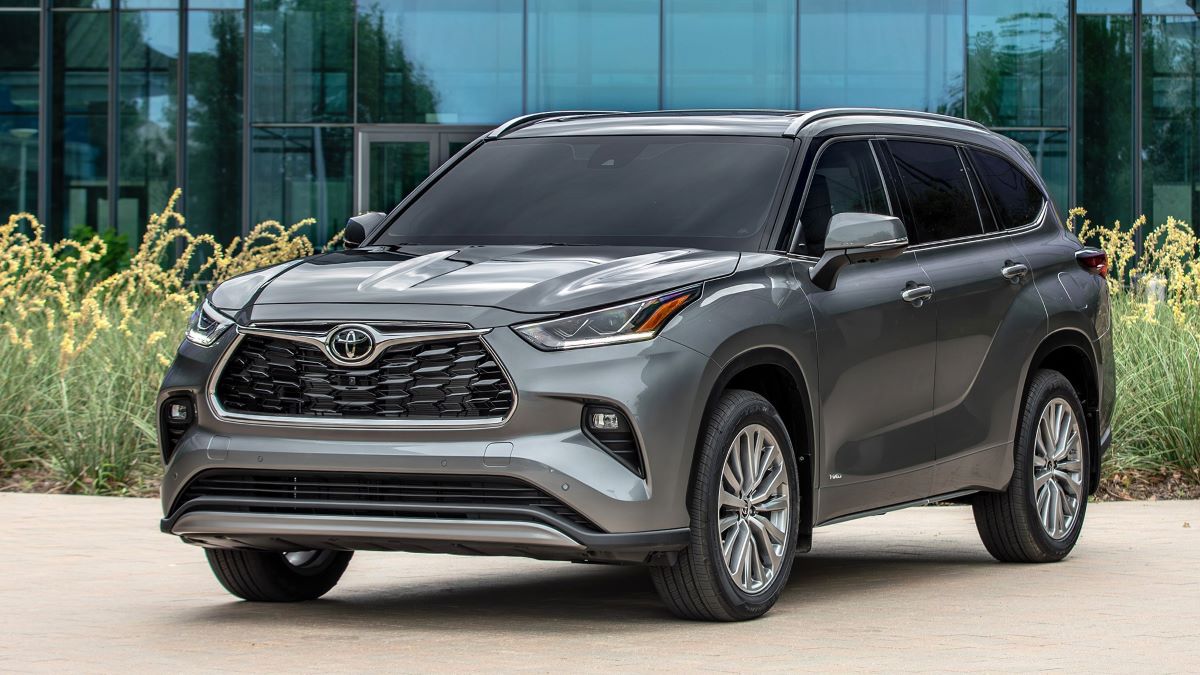
Yet the original midsize crossover continues to generate sales that surpass many flashier rivals. Over the past two-plus decades, the Highlander has built a reputation for excelling at nearly everything, even if it never seeks the spotlight.
With the gas-powered Highlander delivering 265 horsepower and the Highlander Hybrid producing 243 hp, Toyota celebrates the crossover’s 25th anniversary in style with the all-new Limited 25th Edition Hybrid.
The Highlander faces strong competition from rivals like the Kia Telluride and Mazda CX-90, which offer more interior space and a distinctly upscale feel. Still, after so many years, the Highlander proves it can remain a dependable choice rather than just another aging model.
Leading the updates is the Limited 25th Edition Hybrid, a globally exclusive model capped at 2,500 units. Based on the Limited trim, it adds Portobello leather seats, embroidered headrests, exclusive 25th Edition badging, and unique silver accents on the bumpers and rockers.
New paint options debut, including Heavy Metal and Wind Chill Pearl. With the discontinuation of the LE and LE Nightshade trims, the Highlander Hybrid lineup now starts with the XLE Hybrid.
All hybrid models come standard with electronic on-demand AWD, eliminating the previous $1,600 surcharge, and carry a “Beyond Zero” HEV badge on the rear. Gasoline-powered XSE and Platinum trims also gain standard all-wheel drive. Additionally, the 2.4-liter turbo lineup receives new color options, including Cement for the sportier XSE trim.
All hybrids come standard with the electronic on-demand AWD system. Prices exclude Toyota’s $1,450 destination fee. Optional upgrades across trims include a 12.3-inch touchscreen (standard on higher trims), JBL premium audio, hands-free power liftgate, panoramic sunroof, and a two-tone interior on the XSE.
2. Honda CR-V
Honda understands ergonomics better than most brands, and the CR-V is proof. Its cupholders are deep enough for tall aluminum water bottles and wide enough for oversized smoothies without the rattle that plagues shallow holders.
Honda also gives the cupholders spring-loaded grips for extra stability, one of the most underrated solutions.
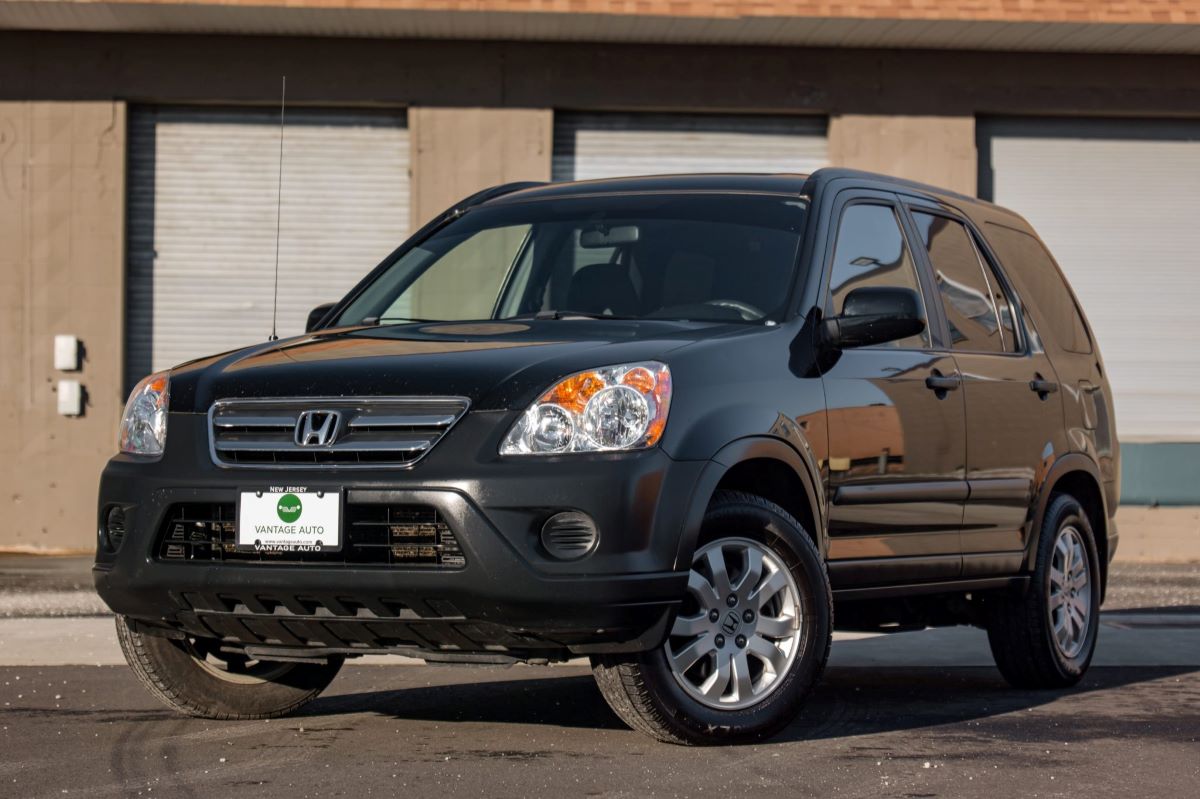
Where the CR-V really shines is in its center console. It’s a sliding, modular system that lets you stash a handbag, multiple devices, or even a small tablet without clutter.
A dedicated phone slot sits just ahead of the cupholders, keeping your device visible yet away from your drink.
Door pockets are tall and well sized for reusable bottles something many compact crossovers still struggle with. The CR-V simply understands the modern American driver’s need for flexible, spill-free use.
Also Read: 10 Hybrids That Feel Natural in Stop-and-Go
3. Subaru Ascent
Subaru builds cars for active families, and the Ascent may have the country’s most excessive yet beloved cupholder count: 19 total. But it’s not quantity alone that matters; the quality is equally strong.
Every row gets securely molded holders sized for large beverages, and each has grippy rubber bases that limit sliding.
Parents with toddlers love that car seats don’t block access. Road-trippers love that back-row passengers have places to keep hydration and snacks without balancing items on their laps.
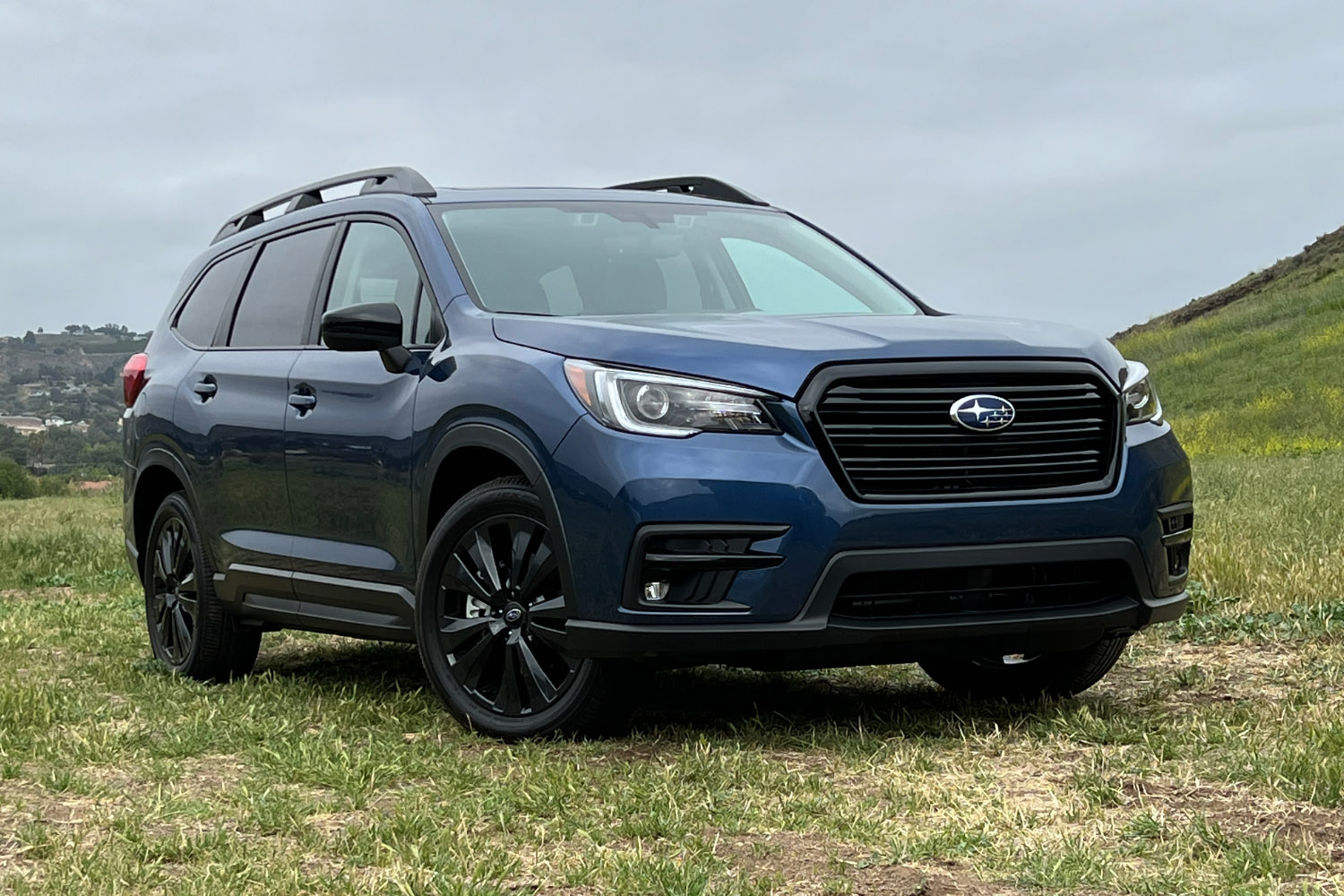
In the front, the Ascent’s center console storage is cavernous, with a raised tray for hiding small items above a deeper main compartment.
Subaru’s approach suits households with kids, pets, strollers, sports gear, and travel necessities. When your weekend gear load grows, the Ascent’s thoughtful storage layout prevents chaos and more importantly, spills.
The Subaru Ascent does its best to meet the expectations of the midsize three-row SUV segment, it comes standard with all-wheel drive, offers seating for up to eight, and sports a subtly rugged look.
Yet its Subaru DNA remains evident, with a 260-hp turbocharged horizontally opposed four-cylinder engine paired with a continuously variable automatic transmission (CVT), and a wide array of standard safety features presented in understated styling.
Although the powertrain can feel a bit coarse, our real-world highway testing returned 28 mpg. Equipped with second-row captain’s chairs and a roof rack, the Ascent makes a capable mild-adventure vehicle. Keep in mind, however, that the third row is tight and best suited for kids or pets.
The 260-horsepower turbo-four delivers only middling acceleration and can be noisy under load. The CVT, while generally responsive, adds to the overall racket and requires acclimation to its throttle behavior, especially at low speeds around town. Steering wheel-mounted paddle shifters are available for those seeking more direct control.
Ride quality is comfortable, even with our test vehicle’s 20-inch wheels, effectively isolating occupants from bumps and harsh impacts. Highway cruising exposes wind and road noise, and repeated steering corrections are often needed to maintain lane position.
4. Ford F-150
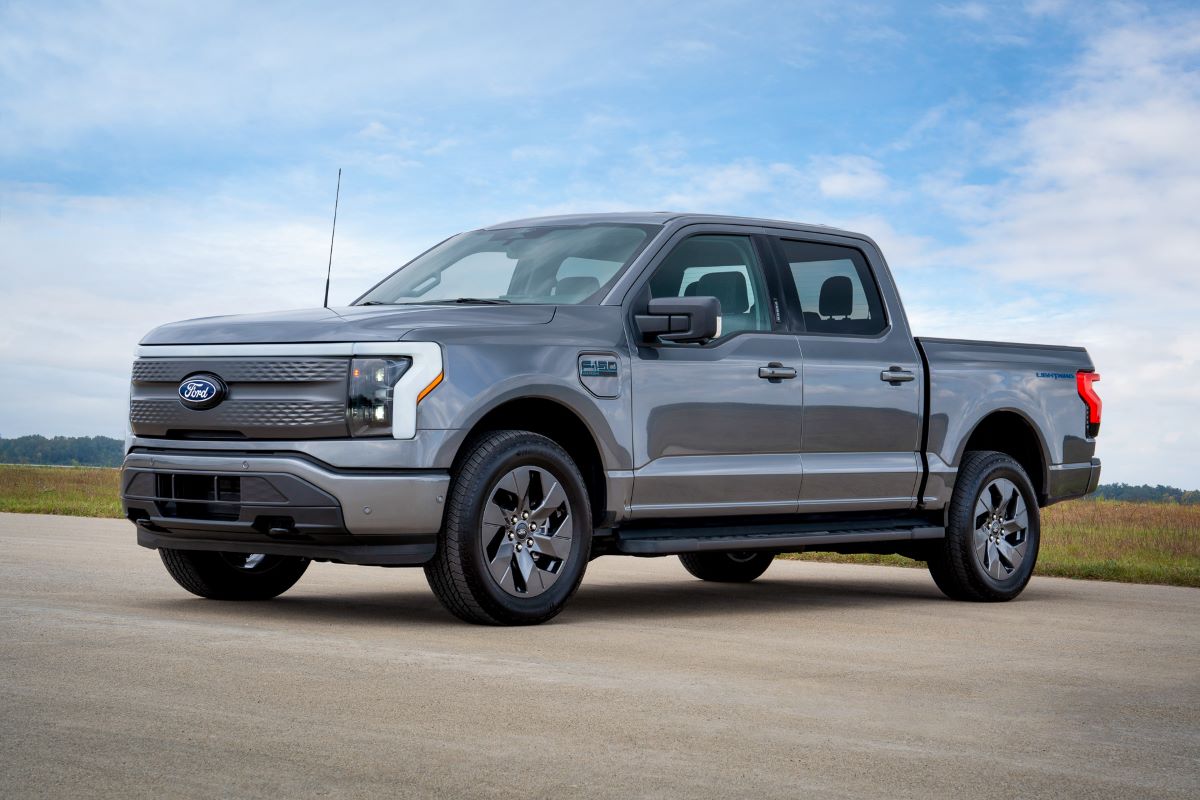
Pickup trucks often shine in utility, and the Ford F-150 sits at the top when it comes to daily-use practicality. The front cupholders are both wide and adjustable, letting them support everything from canned drinks to oversized insulated tumblers.
They’re also placed in a straight, easy-to-reach line rather than tucked behind a shifter, reducing the risk of drips and awkward wrist bends.
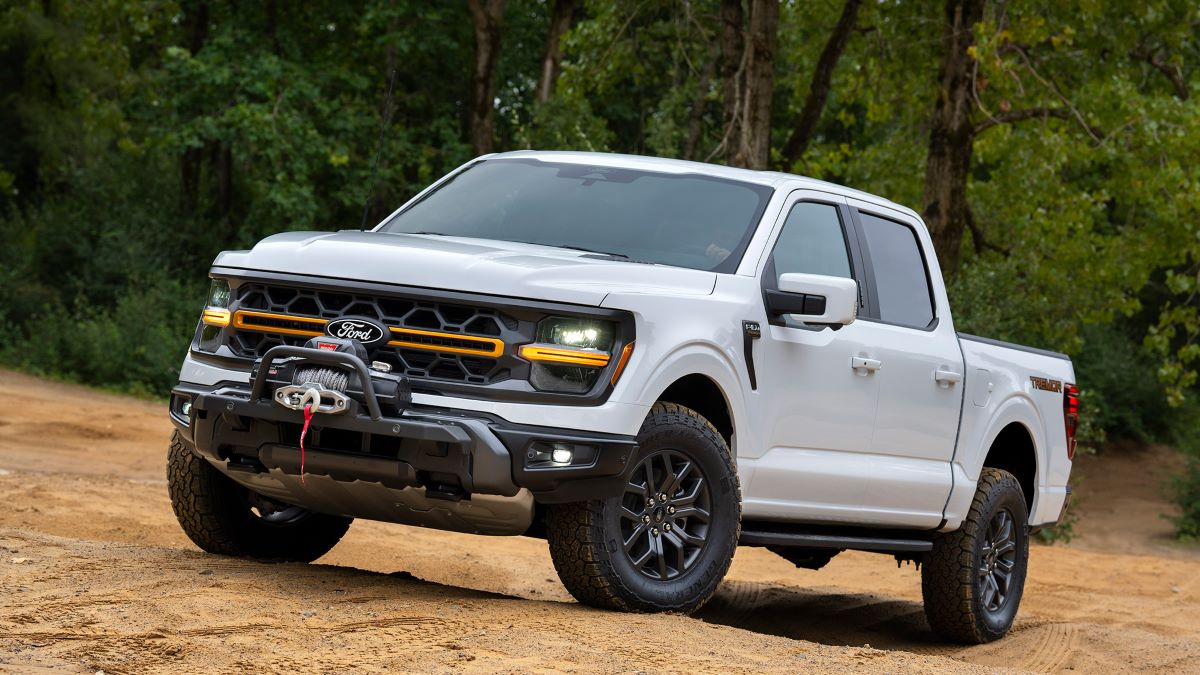
Ford’s real genius lies in the F-150’s surrounding storage. A massive center bin can swallow work gear, tablets, even small bags. The under-armrest space is deeper than most SUVs.
Additional compartments near the dash and doors give drivers places to keep loose tools, gloves, receipts, and fast-food sauces without relying on cupholders as catch-all storage.
For Americans working long shifts or traveling long distances, the F-150 offers a cabin designed around everyday convenience and spill-proof driving.
5. Kia Telluride
The Kia Telluride became a sensation thanks to its luxury-like interior touches and its cupholders and storage area match that premium approach.
The front cupholders are perfectly spaced so two large drinks never collide, and their depth and rubber rings hold beverages firmly in place. Even the rear cupholders often an afterthought are lined and sized to accommodate larger drink bottles kids bring to school.
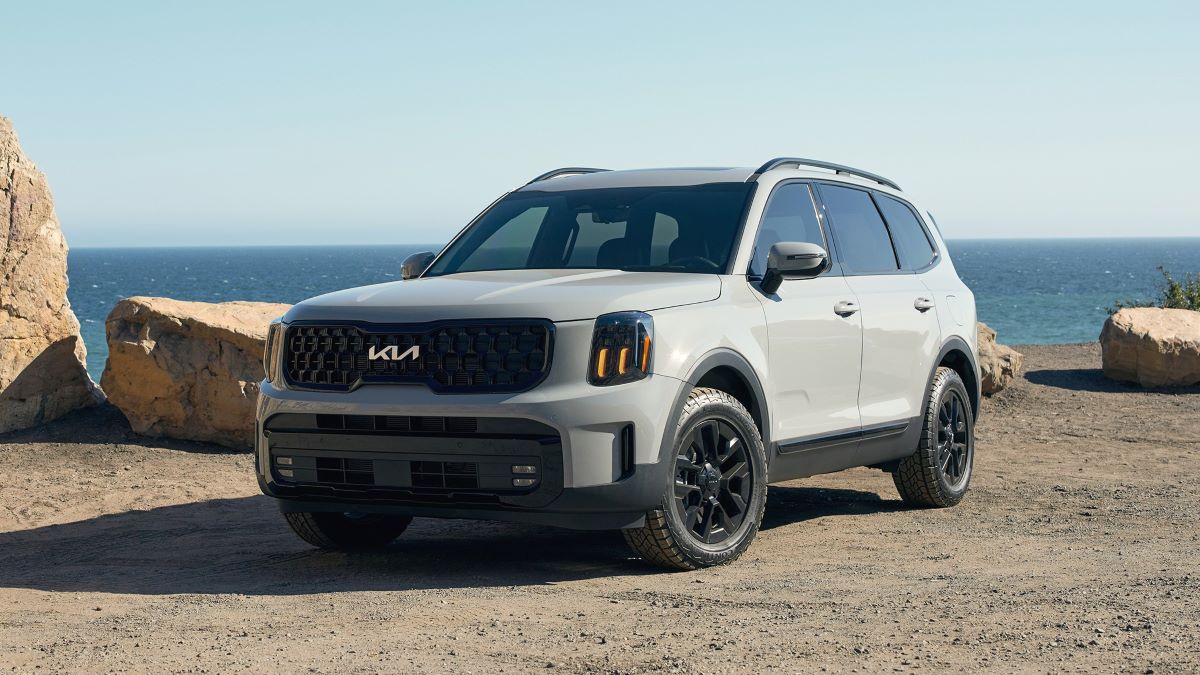
Storage spaces are equally smart. There’s a wide shelf under the infotainment panel for devices, plus a wireless charging pad positioned so that drinks won’t drip onto your phone.
The Kia Telluride is an enjoyable SUV to drive. Its V6 engine is responsive, though outright acceleration remains average for a three-row SUV. Braking is strong, capable of bringing the Telluride to a quick stop, and the pedal feel allows for smooth, controlled deceleration in everyday driving.
Steering is light at low speeds in parking lots but firms up naturally in corners, providing a sense of connection to the road.
Transmission upshifts can feel a bit rough under heavy acceleration, and the gearbox may search for the right gear on steep inclines, but these issues are minor and largely fade into the background once you appreciate how effortlessly the Telluride handles. The suspension is well-tuned, and even the off-road-focused X-Pro trims maintain a comfortable ride.
Visibility is excellent for a large SUV and can be further enhanced with the available surround-view camera system. Other driver-assistance features perform as advertised, with adaptive cruise control capable of executing lane changes automatically when prompted.
The center console is nearly full-size-SUV large, making it ideal for families who carry snacks, wipes, and gadgets. The Telluride blends upscale cabin design with truly functional ergonomics, avoiding the trap of form-over-function that hurts so many three-row SUVs.
Also Read: 12 Most Reliable Small SUVs With Honest EPA Numbers
Cars That Are Spill Makers and Storage Frustrators
Not every car is built with practicality in mind. Some models leave drivers constantly juggling coffee cups, bottles, and loose items, thanks to awkward cupholders and poorly designed storage compartments.
In 2025, these “spill makers” and “storage frustrators” stand out for turning everyday trips into minor annoyances. From slippery cupholder designs to cramped or inconvenient storage spaces, here’s a look at the cars that make organization, and staying spill-free, surprisingly difficult.
1. Mazda CX-30
While Mazda excels in style and sporty driving, the CX-30’s interior isn’t made for the coffee-heavy American lifestyle. The front cupholders sit too close to the gear selector, making taller beverages collide with your knuckles or get knocked when you shift into reverse.
They’re also shallower than what many drivers prefer, giving larger coffees and tumblers a tendency to wobble.
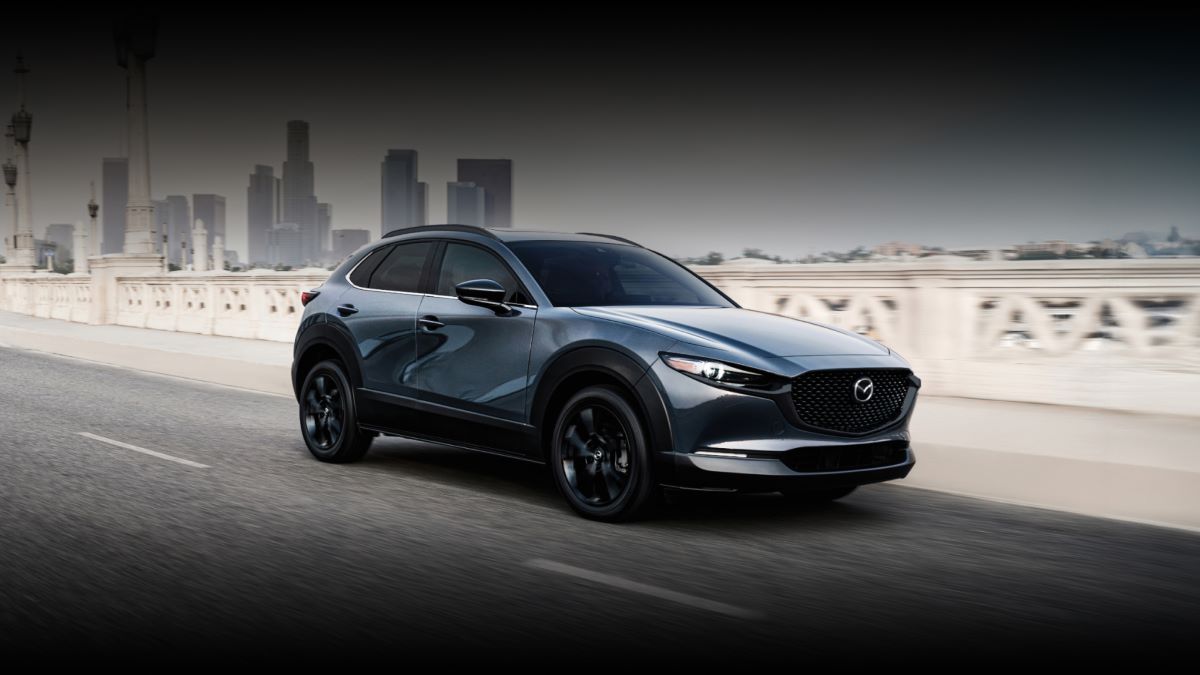
Storage is also limited. The center console is small, the phone shelf is narrow, and door pockets barely fit standard-size bottles.
The CX-30 works for minimalists, but if you’re juggling drinks, keys, sunglasses, snacks, and a phone, you’ll quickly realize the cabin wasn’t designed with accessory-heavy drivers in mind.
The Mazda CX-30 is both easy and engaging to drive. Its base engine delivers more-than-adequate power for the segment, but if you want a quicker sprint, the turbocharged engine drops the 0–60 mph time to 6.4 seconds, making it the fastest among extra-small SUVs. Crisp steering and nimble handling help the CX-30 feel composed and confident on twisty roads.
The transmission tends to upshift early to maximize fuel efficiency and can hesitate when downshifting for freeway passing. Sport mode helps bring out a livelier character in the CX-30.
Driver-assistance features performed well during testing, with few false alarms. Adaptive cruise control maintained smooth, natural acceleration and braking.
Mazda’s pricing for base-engine CX-30 trims is competitive, offering a generous array of tech and convenience features. The 2.5 Turbo trims, however, are considerably more expensive, making them a less compelling value unless performance is a top priority.
Inside, the CX-30 feels spacious and refined, with soft-touch materials, leather, and tasteful chrome accents. Piano-black door handles can creak slightly and pick up smudges, but these minor imperfections are hardly noticeable. Warranty coverage and ownership costs fall in line with segment norms.
2. Tesla Model 3 (Pre-2024 Interior)
Tesla simplified its cabin some would say too much. In earlier Model 3s, the cupholders were shallow and narrowly spaced, causing many drinks to tip forward or slide when the car accelerated.
Any wide bottle simply wouldn’t fit securely. Tesla eventually updated this in newer refreshes, but many U.S. drivers still experience the older layout.
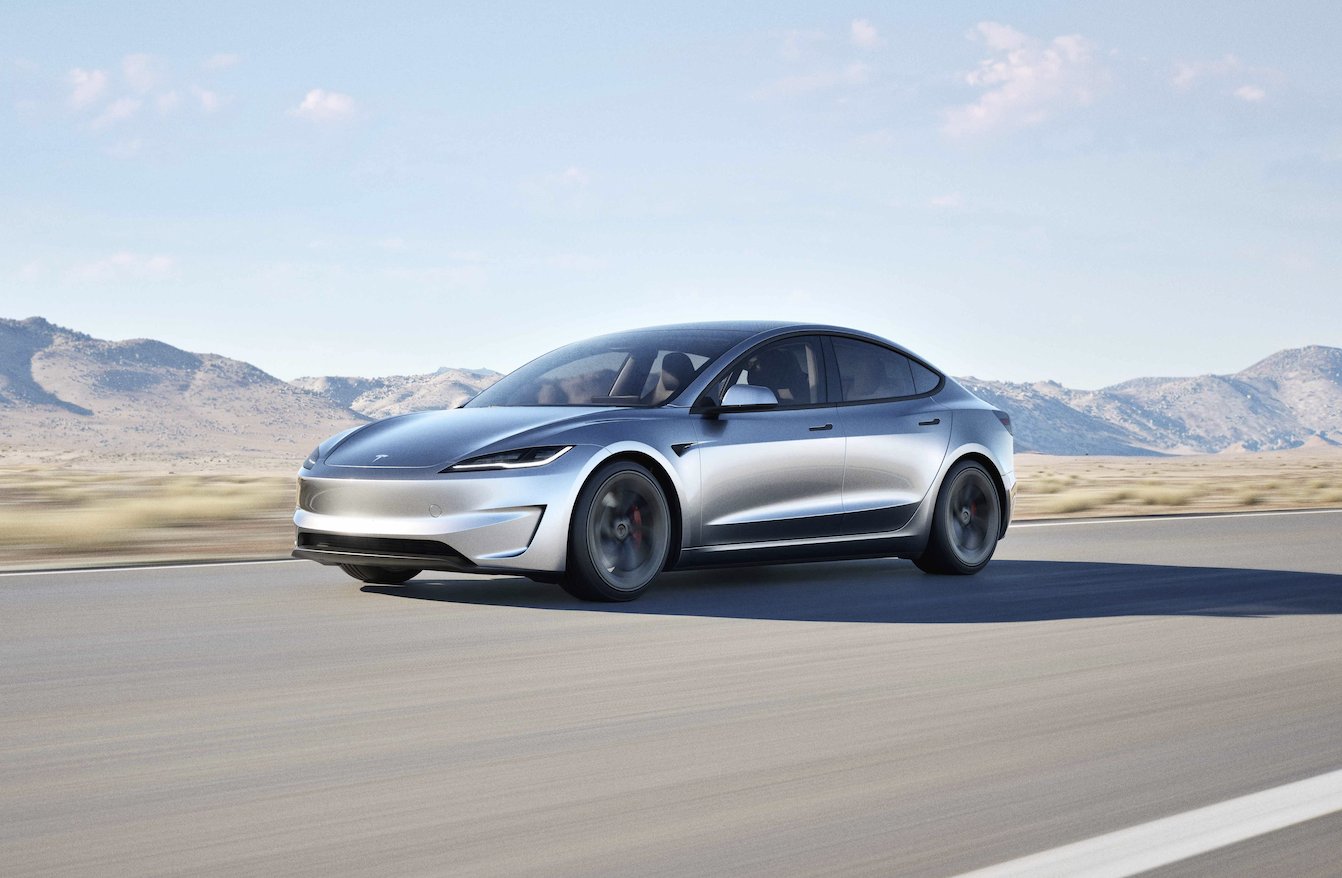
Storage is also minimal. The center bin is deep but not well divided, turning it into a “dump everything in” box. Door pockets are surprisingly small, making the car less practical for drivers with reusable bottles or road-trip snacks.
Combined with the lack of a traditional gauge cluster, many drivers end up using cupholders as makeshift storage exactly what leads to spills.
3. Volkswagen Golf GTI
Fun to drive? Absolutely. Cupholder friendly? Not so much. The GTI suffers from shallow, oddly shaped cupholders that favor European-size cups but struggle with American-style larges or XL fast-food drinks.
The sliding cover over the cupholder area also tends to get in the way, brushing against cups and making it more likely to spill.
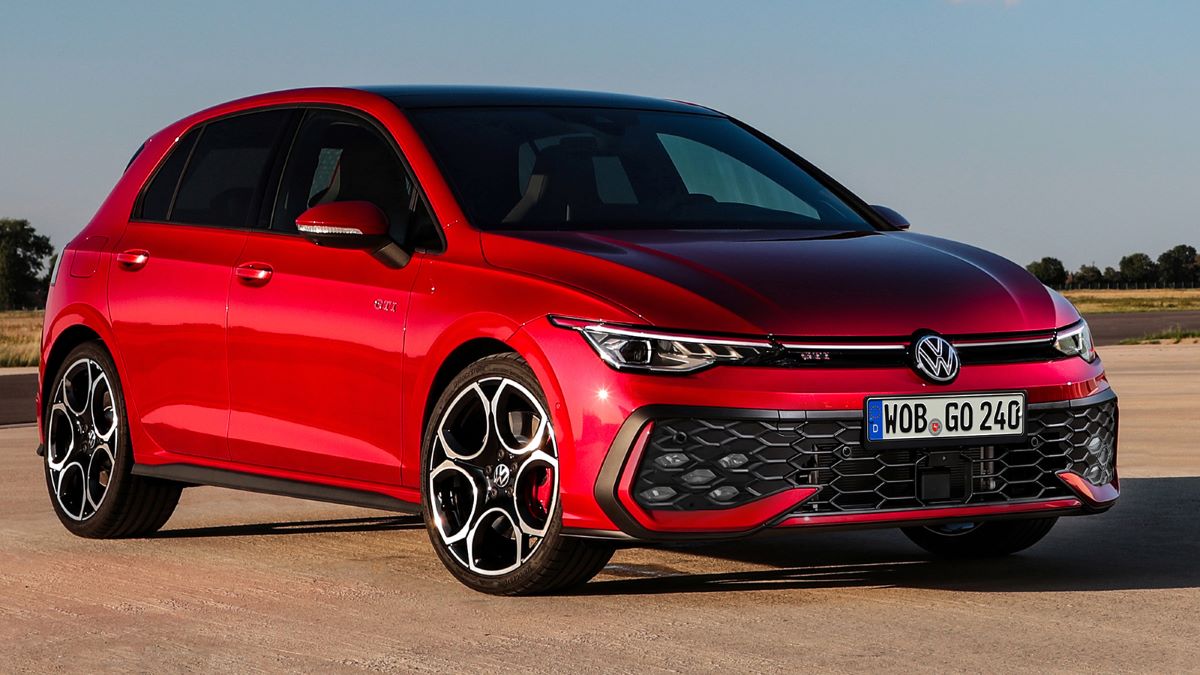
Storage is similarly tight. The center armrest compartment is small, and the wireless charging pad sits angled, so phones often slide out during spirited driving.
Many GTI owners resort to aftermarket inserts to make the interior more beverage-friendly. Without them, the GTI’s handling may be tight but your drinks definitely won’t be.
Our test Volkswagen GTI sprinted from 0 to 60 mph in 6.1 seconds. While VW no longer offers a manual transmission for the GTI, the dual-clutch automatic remains one of the best in the business.
It shifts quickly and smoothly, and you can still enjoy gear changes via the paddle shifters if desired. Around town, the GTI feels lively, with enough low-end torque to navigate traffic with ease.
Handling is a standout for this front-wheel-drive hatchback. The tires provide abundant grip, and the car corners confidently without making day-to-day driving uncomfortable. This combination makes the GTI one of the most enjoyable and comfortable hatchbacks available.
Driver-assistance features are equally impressive. Adaptive cruise control operates smoothly, maintaining a consistent gap in traffic and adjusting speed seamlessly uphill and downhill. Blind-spot monitoring, lane-keeping assistance, and other safety aids perform reliably, living up to expectations for a car at this price point.
4. Jeep Wrangler
The Wrangler’s rugged design prioritizes durability and off-road capability over refined cabin features and that includes cupholders.
They’re too shallow and too narrow for many popular bottle shapes, and because the Wrangler rides stiffly over rough pavement, drinks tend to slosh and jostle more than in smoother SUVs.
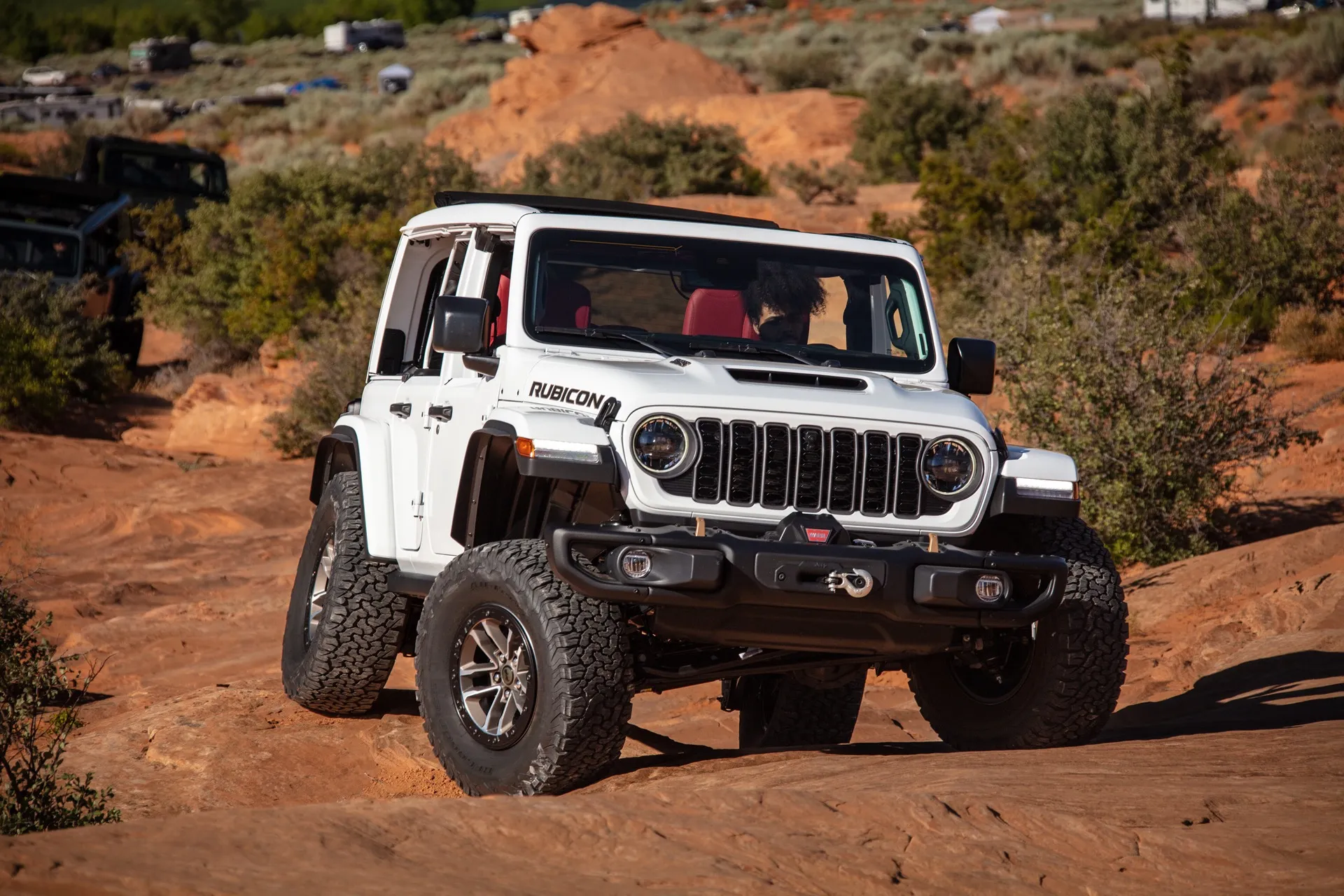
Back-seat cupholders are limited, so passengers often hold their own drinks or wedge them into door areas not designed for beverages.
Storage is also sparse. The center console is small, the glovebox is tiny, and the dashboard lacks shelves or cubbies found in more modern SUVs. For adventurers who pack light, it works. For commuters with coffee and kids with juice boxes? Not so much.
Few things evoke freedom quite like taking a 2022 Jeep Wrangler down a deserted trail with the top folded back and adventure waiting just around the bend.
This iconic off-roader showcases a retro exterior that nods to the rugged Jeeps of World War II, yet it comes loaded with modern conveniences like touchscreen infotainment, cruise control, and an eight-speaker audio system.
Higher trims can feel downright luxurious, offering leather upholstery, ambient interior lighting, in-dash navigation, onboard Wi-Fi, and a power-operated soft top.
The Wrangler is available in the traditional two-door body, while the four-door Unlimited provides extra space for passengers and cargo. Multiple powertrains are offered, including a plug-in hybrid and a potent 6.4-liter V-8.
Regardless of engine choice, four-wheel drive is standard, and numerous capability-focused options allow buyers to tailor the Wrangler to their specific needs. With its range of models, features, and trail-conquering reputation, the Wrangler competes strongly against rivals like the Toyota 4Runner and the revived Ford Bronco.
The standard 285-hp 3.6-liter V-6 carries over from the previous-generation Wrangler and can be paired with either a six-speed manual or a smooth-shifting eight-speed automatic.
An optional turbocharged four-cylinder combines with an electric motor for added low-end power. Beyond the base V-6 and optional four-cylinder hybrid, buyers can also choose a 3.6-liter V-6 with similar hybrid assist, a 3.0-liter diesel V-6, a new 375-hp plug-in hybrid 4xe, or the fiery 6.4-liter V-8.
Wranglers are designed for off-road dominance, so part-time four-wheel drive comes standard and is controlled via a lever on the center console.
Handling has improved over previous generations, though the Wrangler still feels trucklike compared with today’s more refined SUVs and pickups. Ride quality in the four-door is reasonably smooth over rough terrain, though braking distances varied between our test vehicles.
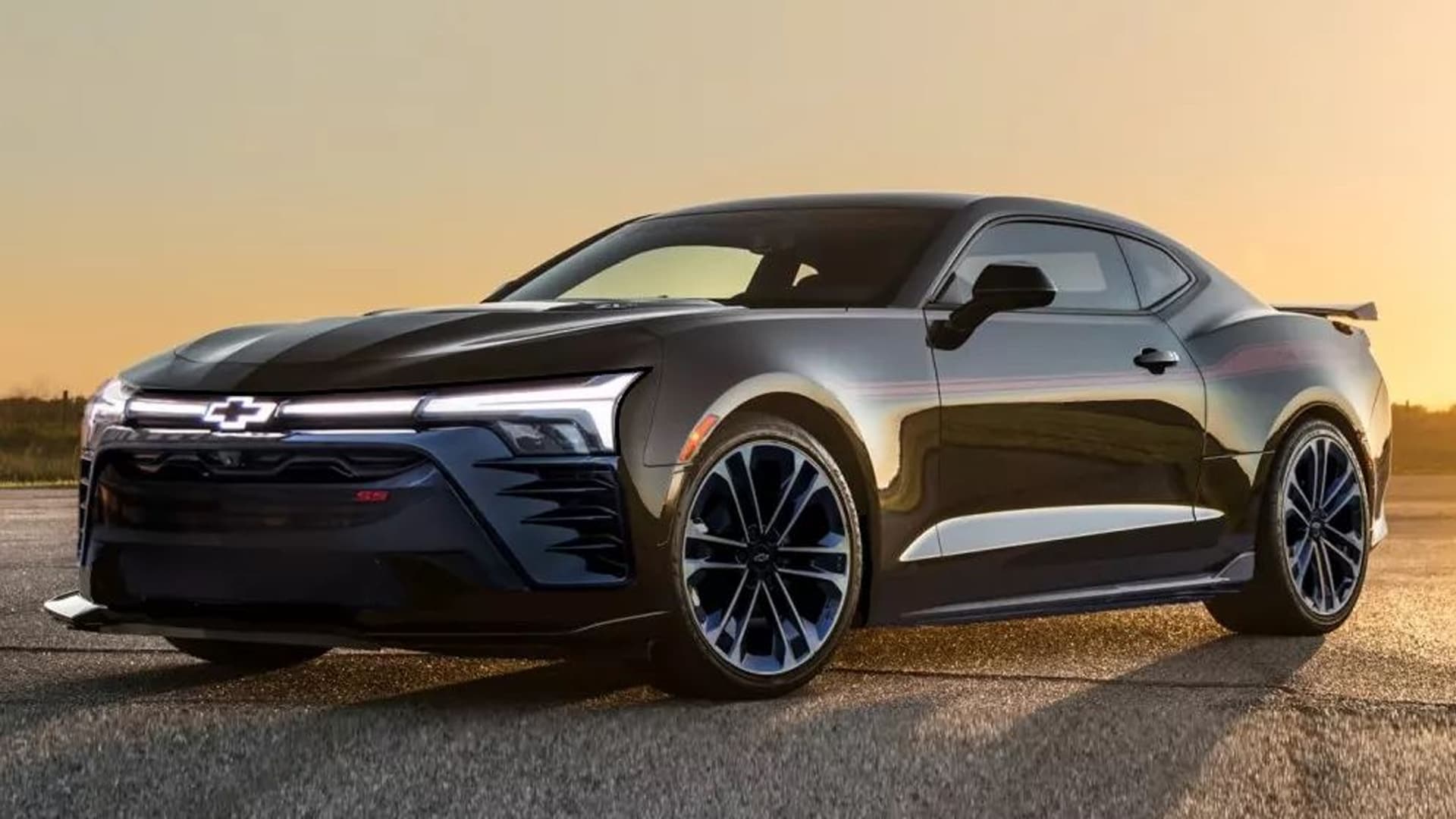
5. Chevrolet Camaro
Muscle cars aren’t known for practicality, but the Camaro goes even further in testing patience. The cupholders sit awkwardly behind the gear lever at an angle, making it easy to knock drinks when shifting especially in manual versions.
Large drinks simply don’t fit, and even medium-sized cups tend to lean, increasing spill risk.
Storage is notoriously limited. Door pockets are slim, the center console is small, and there’s no helpful dashboard shelf or large bin.
Even keeping a phone and a single drink secure simultaneously can be a struggle. The Camaro’s interior is designed around performance aesthetics, but for everyday life especially with beverages it can be frustrating.
Cupholders and cabin storage may seem trivial, yet in everyday American driving, they shape comfort, cleanliness, and convenience. The best vehicles balance deep, stable cupholders with spacious, well-placed storage spaces that keep essentials organized and accessible.
Cars like the Highlander, CR-V, Ascent, F-150, and Telluride reflect how people really use their vehicles, offering storage layouts that improve daily routines and long drives.
On the other hand, models like the CX-30, older Model 3s, GTI, Wrangler, and Camaro show how design choices whether stylistic, minimalist, or performance-focused can unintentionally create spill risks and clutter.
For U.S. drivers who bring beverages on the road daily, the difference between a friendly cabin and a spill-making interior can make or break the long-term ownership experience.