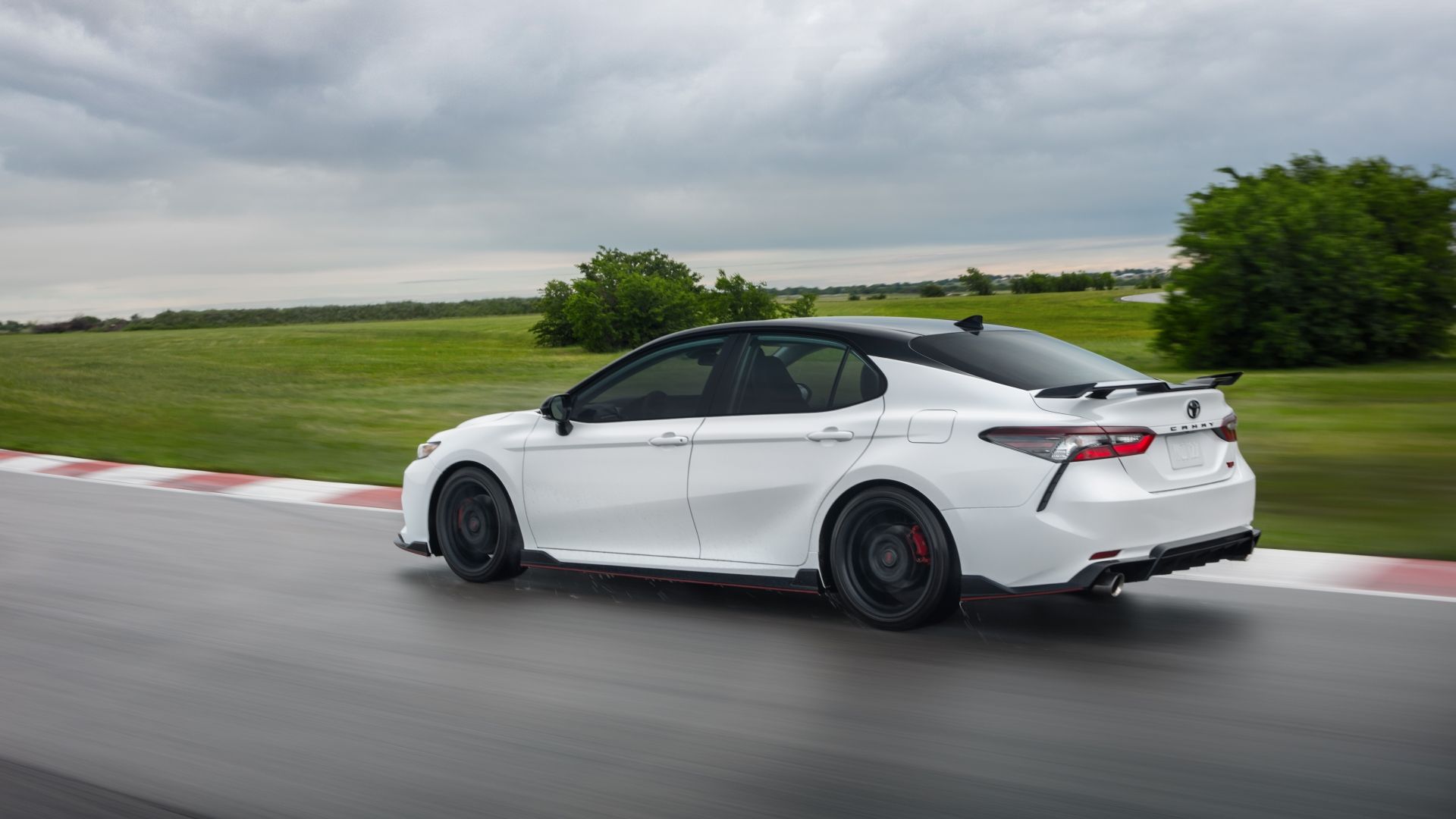
For anyone who frequently drives in cities, suburban neighborhoods, or even tight parking lots, one of the subtle but irritating frustrations of owning a sedan is doors that catch your coat or worse, scratch it when opening or closing.
This may seem like a minor inconvenience, but over time, repeated snags can damage your favorite jacket, suit, or even your car’s paint.
In the United States, where commuters spend significant time in their vehicles and coats are a staple during colder months, having a sedan with thoughtfully designed door openings can make a meaningful difference in daily life.
Automakers are increasingly aware of this, and several sedans now feature doors with wider openings, higher clearance, or cleverly shaped frames that minimize coat snags.
Below, we explore ten sedans that excel in this often-overlooked area, making them stand out for practical, everyday usability.
1. Honda Accord
The Honda Accord has long been praised for its combination of style, comfort, and practicality. In the 2025 model, Honda engineers paid special attention to ergonomics, including door design.
The doors are slightly taller and the opening wider than in many competitors, which reduces the chance of catching sleeves or jackets when entering or exiting the vehicle.
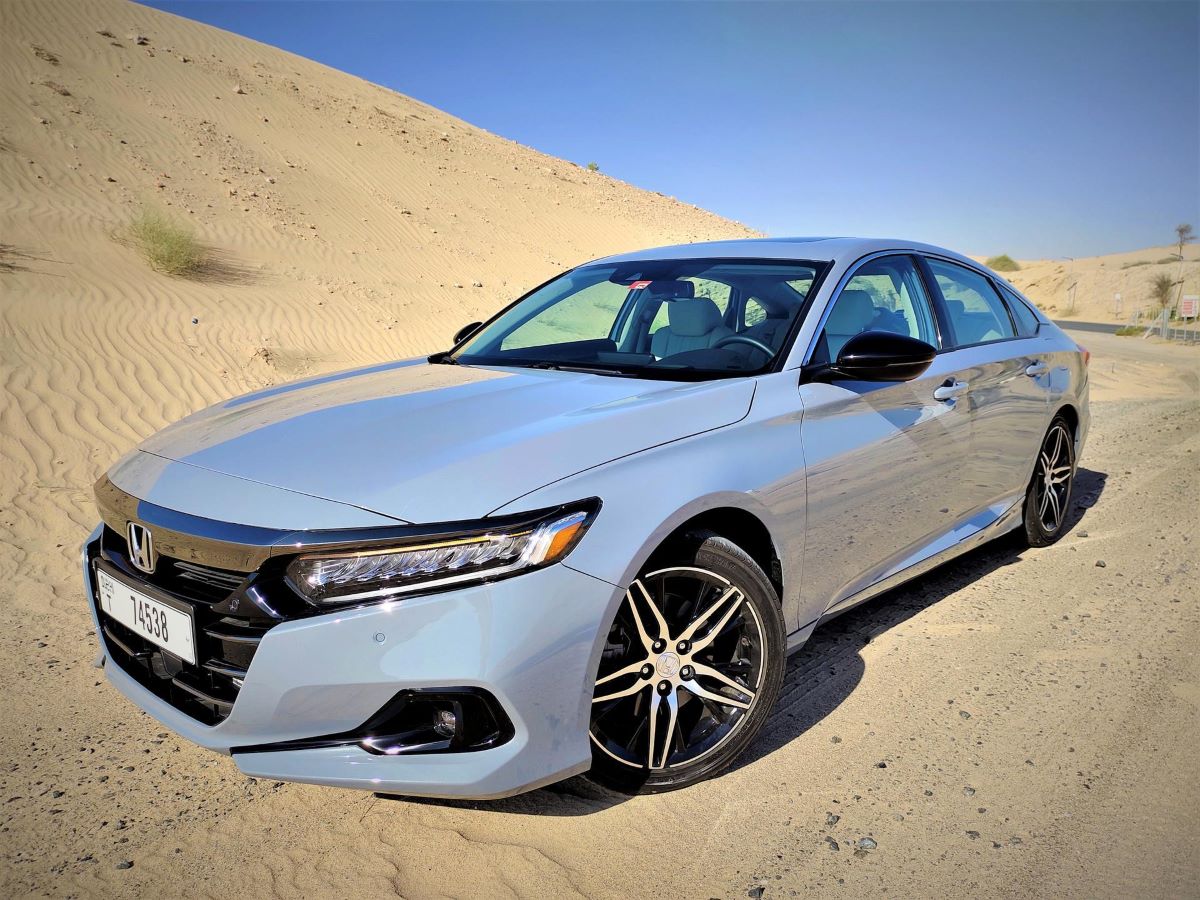
The interior door trim is smooth with minimal protrusions, and the door frame edges are gently rounded, further decreasing the risk of snagging. This makes the Accord a particularly smart choice for professionals who wear blazers or coats to work.
2. Toyota Camry
The Toyota Camry continues to be a top seller in the US for reasons beyond reliability. Its doors are engineered with a well-proportioned swing radius, providing ample space for passengers to maneuver without brushing against the frame.
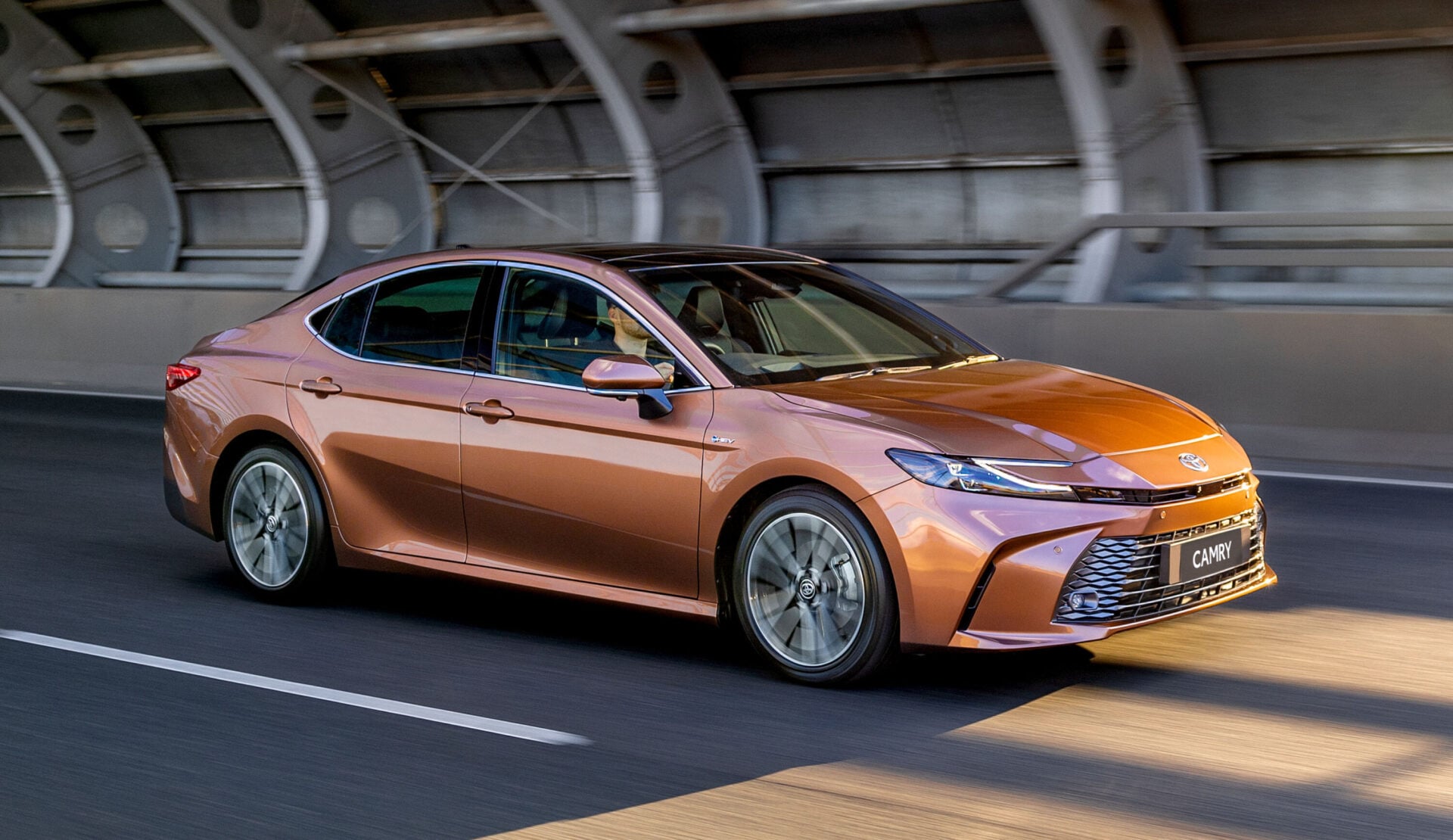
The Camry’s interior paneling is also carefully contoured, minimizing sharp edges or corners. For people commuting in cold-weather states like Minnesota or New York, where coats are standard, the Camry’s thoughtful door design is a surprisingly important feature that enhances everyday comfort.
We tested the four-cylinder Camry SE. Toyota has tuned it for strong fuel efficiency, but the trade-off is somewhat sluggish acceleration from a standstill. Our test vehicle went from 0 to 60 mph in a modest 8.2 seconds, though in real-world driving it feels slightly more responsive.
The eight-speed transmission helps compensate with reasonably quick shifts and solid responsiveness. With eight gears, there’s usually an appropriate ratio for the situation, though expect occasional two-gear downshifts when more power is demanded.
The Camry SE features a slightly sportier suspension, giving it a more planted, hunkered-down feel. It’s not designed for aggressive driving, but it handles everyday driving scenarios with confidence. The brakes are also easy to modulate, offering a light and responsive pedal, with stopping performance that is about average for the midsize sedan segment.
In terms of cargo, the Camry is quite capable. The 15.1-cubic-foot trunk is roomy for its class, with a wide opening and a low liftover height for convenience. The 60/40-split rear seats fold down easily via trunk-mounted release handles, accommodating longer items when needed.
The cabin also offers a variety of hidden storage options. There’s a sliding compartment beneath the wireless charger, a moderately sized center armrest bin, and a small cubby on the far left side of the dashboard. Families will appreciate the spacious backseat, which provides easy access to car seats and conveniently located anchors for child safety.
Also Read: 10 Crossovers That Actually Deserve Their Popularity
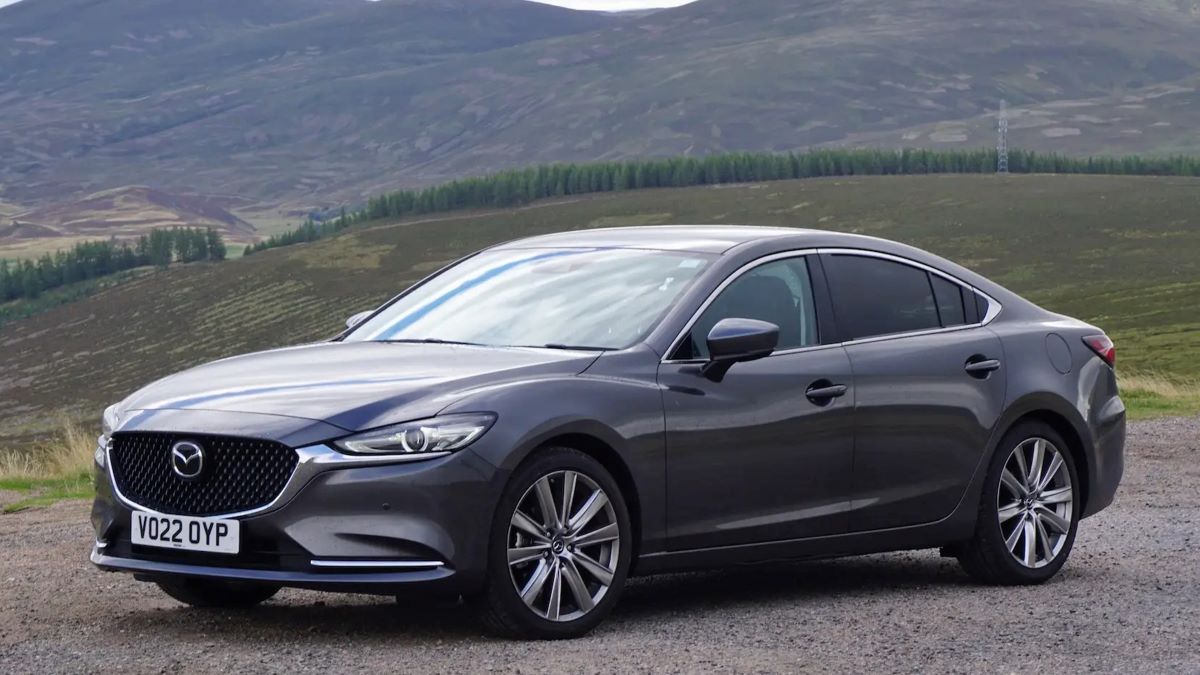
3. Mazda6
Mazda has made a name for itself by blending sporty styling with practical usability. The Mazda6 is no exception. Its doors have a higher sill clearance and a slightly recessed latch area, which prevents coats from catching as passengers enter or exit.
Mazda also uses soft-touch materials along the door edges, reducing friction on fabric. This makes the Mazda6 an ideal choice for those who appreciate both aesthetics and function a sedan that won’t compromise your wardrobe for style.
The 2021 Mazda 6 isn’t just one of the most attractive family sedans on the market, it’s also more engaging to drive and ride in than many of its competitors. While it may not be as flawless as the Honda Accord or as contemporary as the Hyundai Sonata, the Mazda 6 delivers a more upscale-feeling experience than either of those rivals.
Neither the standard 2.5-liter four-cylinder engine nor the more powerful turbo version is particularly groundbreaking, and a hybrid option is not available, but the 6 combines athleticism with refinement in a way that broadens its appeal.
Mazda could stand to make the car’s most premium features more widely available across trims, but even the base models come well-equipped with driver-assist features and popular technology.
Unlike many midsize competitors, the Mazda 6 does not offer a hybrid powertrain. Instead, it provides a choice between two responsive 2.5-liter four-cylinder engines. The standard engine produces 187 horsepower, while the turbocharged variant delivers up to 250 horsepower.
The turbo 2.5-liter received a 10 pound-feet torque boost for 2021, raising output to 320 pound-feet, though it requires premium fuel. Both engines are paired with a refined six-speed automatic transmission that handles downshifts for extra power and upshifts for smooth cruising with ease.
The Mazda 6 offers driving enjoyment above the class average, with fluid controls and handling that feel uncommon at any price point. Mazda manages to provide these thrills without sacrificing refinement or ride comfort.
In our testing, the top-tier Signature model showed slightly less grip and longer braking distances than the 2016 version, partly due to new tires designed to reduce cabin noise. None of this diminishes the driving and riding experience, especially given the quiet interior. Make no mistake, the Mazda 6 remains the most fun-to-drive sedan in its segment.
4. Kia K5
Kia’s K5 sedan has made waves with its bold styling and user-friendly interior design. Among its underrated features is a door design that takes real-world usability into account.
The door opening is generous, and the trim layout is smooth, reducing snags on thick coats or sweaters.
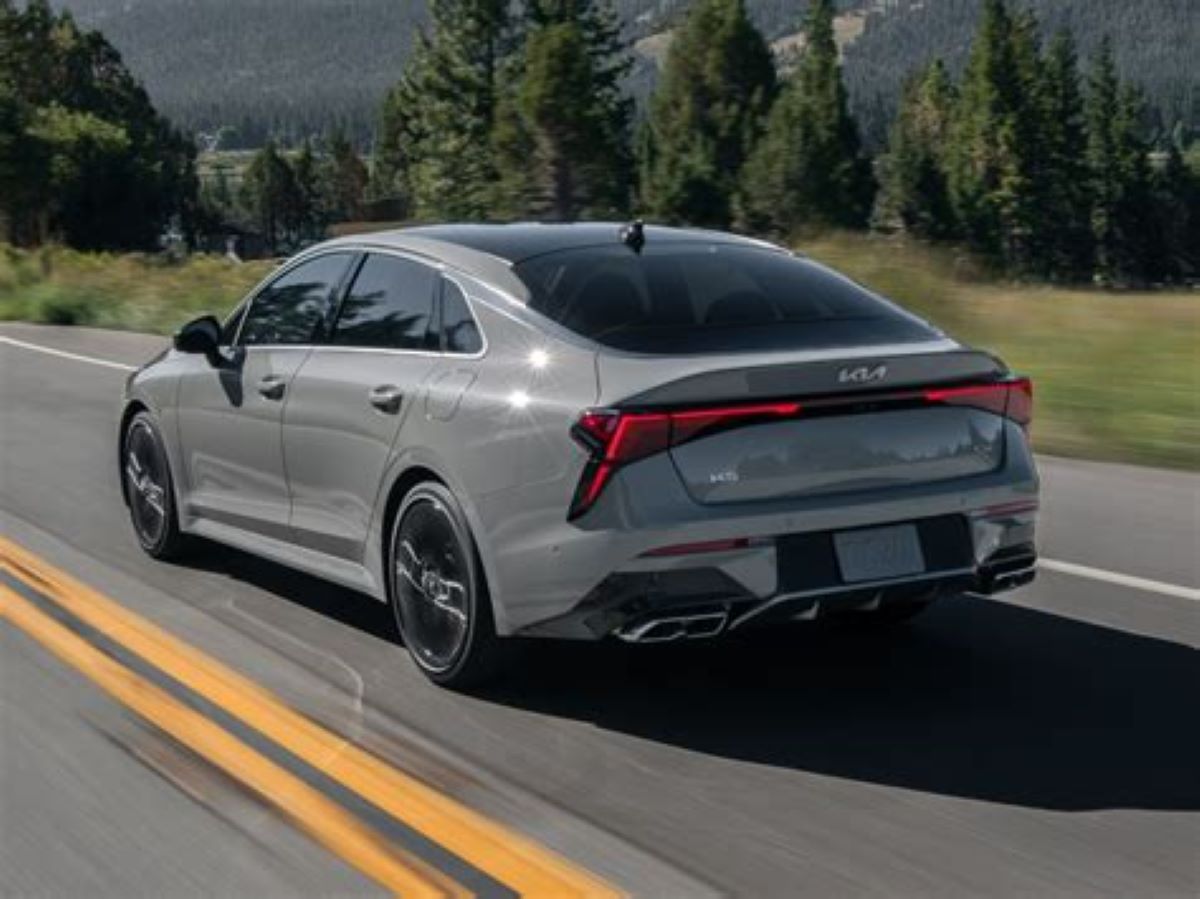
In addition, the placement of handles and armrests ensures that passengers naturally move away from tight corners when closing the door. For families or commuters in urban areas, the K5 provides both accessibility and peace of mind.
5. Hyundai Sonata
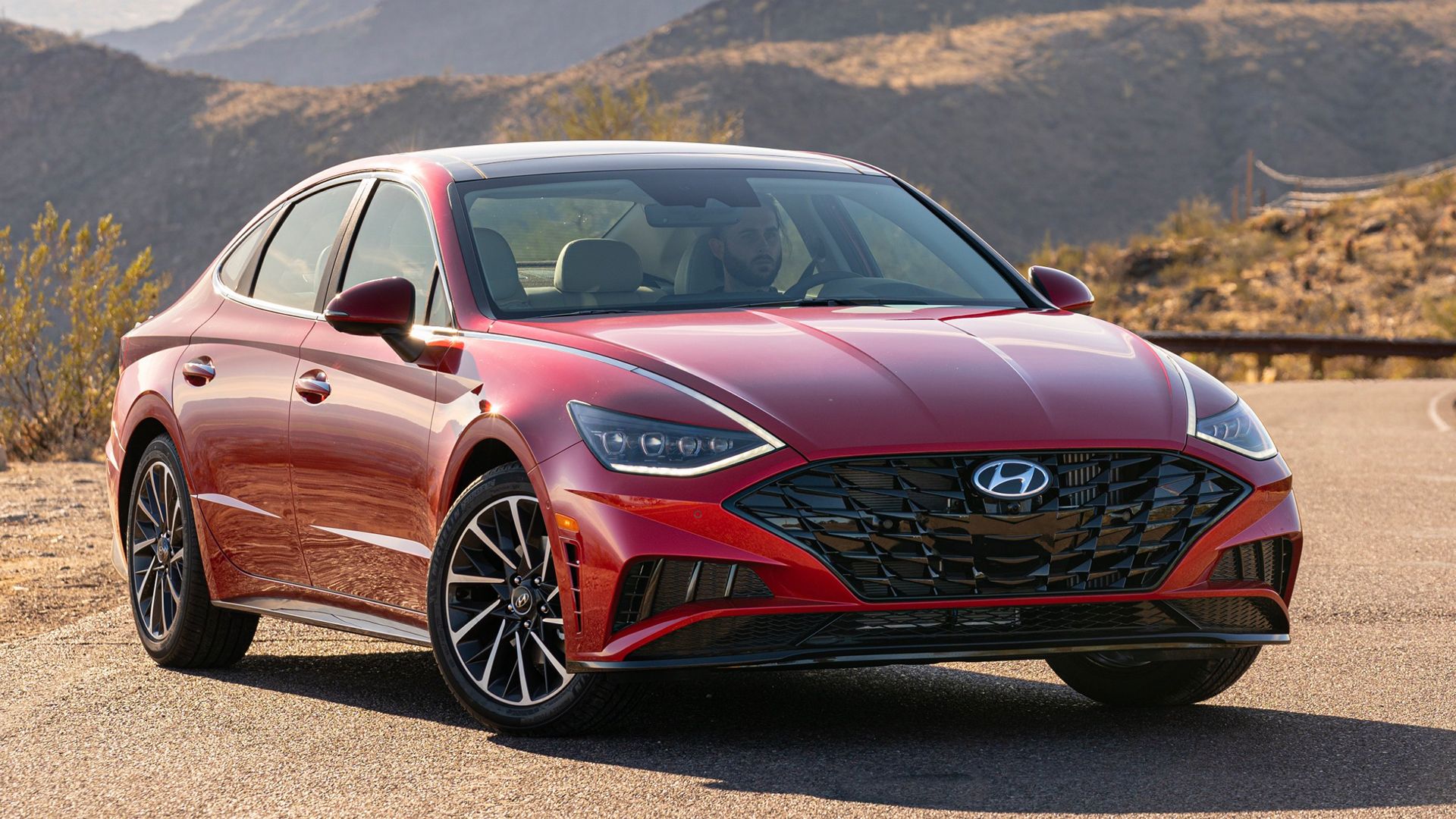
The Hyundai Sonata combines sleek lines with practical engineering, and its door design is a key example. Sonata doors swing out wide enough to accommodate larger coats and jackets without risk of snagging.
The door frame is slightly angled to guide garments away from sharp edges, while the interior panels are free of unnecessary protrusions. US drivers in colder climates, particularly in cities like Chicago or Boston, will notice this small but valuable convenience during their morning commutes.
We tested a Sonata Limited equipped with the turbocharged 1.6-liter engine. While it isn’t exceptionally quick, the Sonata can hold its own against similarly powered family sedans, reaching 0-60 mph in 7.6 seconds.
It manages freeway merges and keeping pace with traffic without difficulty, though it requires a firmer press on the accelerator than some drivers might expect.
Steering, handling, and braking are straightforward, though a few quirks are noticeable. The firm ride doesn’t quite achieve a rewarding balance between comfort and agility.
Additionally, the brake pedal exhibits a slight pulsation under light, steady pressure, such as when descending a gentle incline. There’s nothing egregiously wrong, but there’s also little to rave about.
Cargo space is practical, with a wide trunk opening and a manageable liftover height that makes loading items simple. We also appreciate that the switches to fold down the rear seats are easy to reach from the trunk.
The Sonata’s center console is more functional than it appears. What seems like a simple flat area includes thoughtful details such as a textured surface and a partition between cupholders for holding a spare phone.
The front passenger also benefits from a small yet handy storage compartment on the right side of the tunnel. Regarding car seats, the lower anchors are tucked between the seat bottoms and seatbacks, requiring a bit of effort to access.
Also Read: 5 Models With Easy Trunk Pass-Through vs. 5 Models With Blocked Backs
6. Subaru Legacy
The Subaru Legacy is often praised for its all-weather capability, but its interior design is just as thoughtful.
Legacy doors are engineered with a wider aperture and higher roofline clearance, which makes it easy for taller passengers or those wearing bulkier outerwear to enter and exit comfortably.
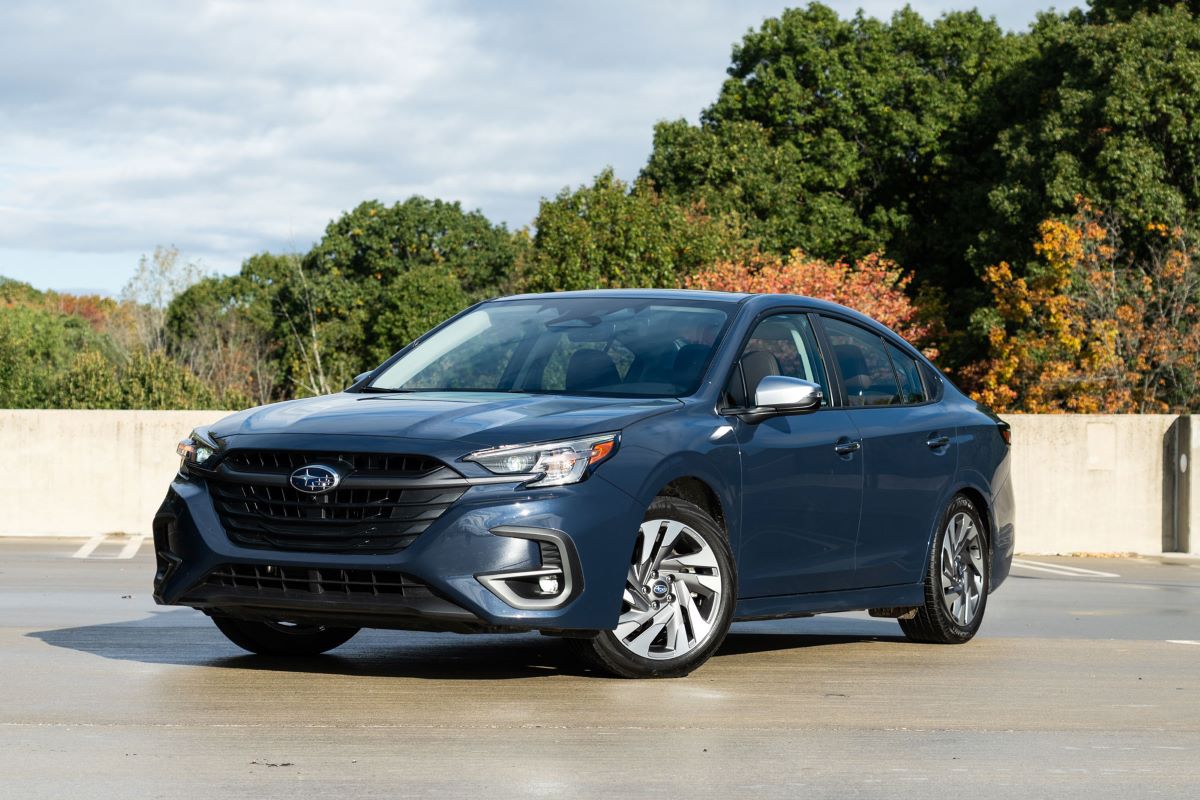
The door panels themselves are flush, and the handles are positioned to reduce accidental fabric snags. This makes the Legacy a great option for those in snow-prone areas who often juggle coats, scarves, and gloves when getting in and out of their car.
We tested the Subaru Legacy equipped with its base 2.5-liter engine. On our test track, it went from 0 to 60 mph in 8.5 seconds, slightly slower than comparable rivals.
The available turbocharged engine offers significantly more power, and it’s the version we recommend. The Legacy demonstrates solid handling capabilities, gripping the road better than many other midsize sedans. Steering is well-weighted, and the car responds naturally to driver inputs.
There is noticeable nosedive during braking, making smooth deceleration a bit challenging. Additionally, the automatic engine stop-start system lacks refinement, as the car can jolt on restart with the force of a low-speed rear collision.
7. Volkswagen Passat
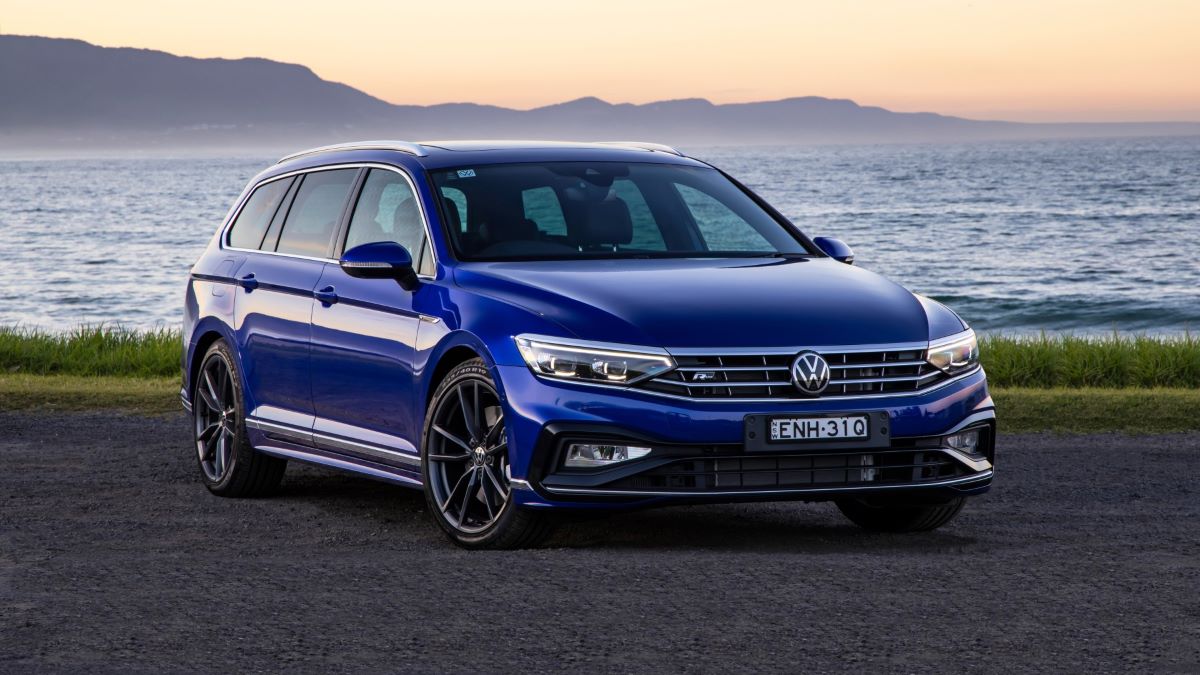
The Volkswagen Passat may not have the flashiest exterior, but its doors are subtly functional. Passat doors open smoothly and wide, and the frame edges are rounded to reduce contact with clothing.
German engineering often emphasizes precision, and in the Passat, this translates to thoughtful attention to details like door ergonomics.
For commuters in cities with crowded parking lots, the Passat’s door design helps prevent frustrating coat snags while maintaining a classy, understated aesthetic.
The Passat represents everything that has made Volkswagen sedans iconic: stylish design, spacious interiors, smooth rides, and a reputation for reliability.
Yet in 2022, Volkswagen confirmed that production of the North American Passat would end permanently. The automaker did not release an official explanation for the phase-out, but there are several clues that allow us to speculate about the reasoning.
The most straightforward explanation likely comes down to supply and demand. The North American market has tastes and needs that differ from Europe, and a comparison of Volkswagen’s recent U.S. sales between sedans and SUVs makes this abundantly clear. Americans are increasingly favoring larger SUVs and crossovers, leaving sedans with dwindling showroom presence.
Another potential factor is Volkswagen’s focus on electric vehicles. Gas-powered sedans like the North American Passat may struggle to compete with innovative EV offerings.
Without an official statement from VW, we can only speculate, but the sales data tells a clear story. Sales of VW sedans have fallen sharply, while SUVs have grown in popularity.
This trend initially appeared in the U.S., likely explaining why the North American Passat was discontinued first. However, the Passat was also phased out in Europe only a year later, suggesting the preference for SUVs may be broader.
Looking at numbers over the last decade: in 2013, nearly 110,000 Passats were sold in the U.S. By 2018, that figure had dropped to about 41,000, and in 2019 only 14,123 were purchased. When the 2022 Passat arrived, just 2,408 units sold that year. It’s no surprise Volkswagen chose that year to retire the American Passat.
A similar pattern appears with the Jetta, once a favorite for American buyers. In 2013, nearly 163,800 Jettas were sold in the U.S.; five years later, sales dropped to 90,800, and by 2022 only about 34,000 were purchased. Sedans simply aren’t capturing American attention like they once did.
Meanwhile, Volkswagen’s SUVs continue to perform strongly. Over 30,000 Tiguans sold in the U.S. in 2013 grew to over 103,000 by 2018. Even in 2022, the Tiguan managed 71,085 sales, the same year the Passat was retired.
The trend points to Americans’ preference for SUVs, but it also reflects Volkswagen’s broader strategy: while gas-powered sedans are fading, the company is simultaneously investing heavily in electric vehicles.
8. Chevrolet Malibu
The Chevrolet Malibu strikes a balance between American comfort and modern practicality. Its 2025 model features doors that swing with a smooth, controlled motion and open wide enough for adults wearing winter coats.
The interior is designed with minimal protrusions along door panels, and the latches are slightly recessed, making coat catches a rare occurrence. For US drivers who appreciate roomy entry points without sacrificing a sleek sedan profile, the Malibu is a standout option.
As the Chevrolet Malibu takes its final bow, it’s worth reflecting on the midsize family sedan’s 60-year history with a sense of nostalgia. Named after the coastal California town that pairs perfectly with a Beach Boys soundtrack, the Malibu has had a respectable run.
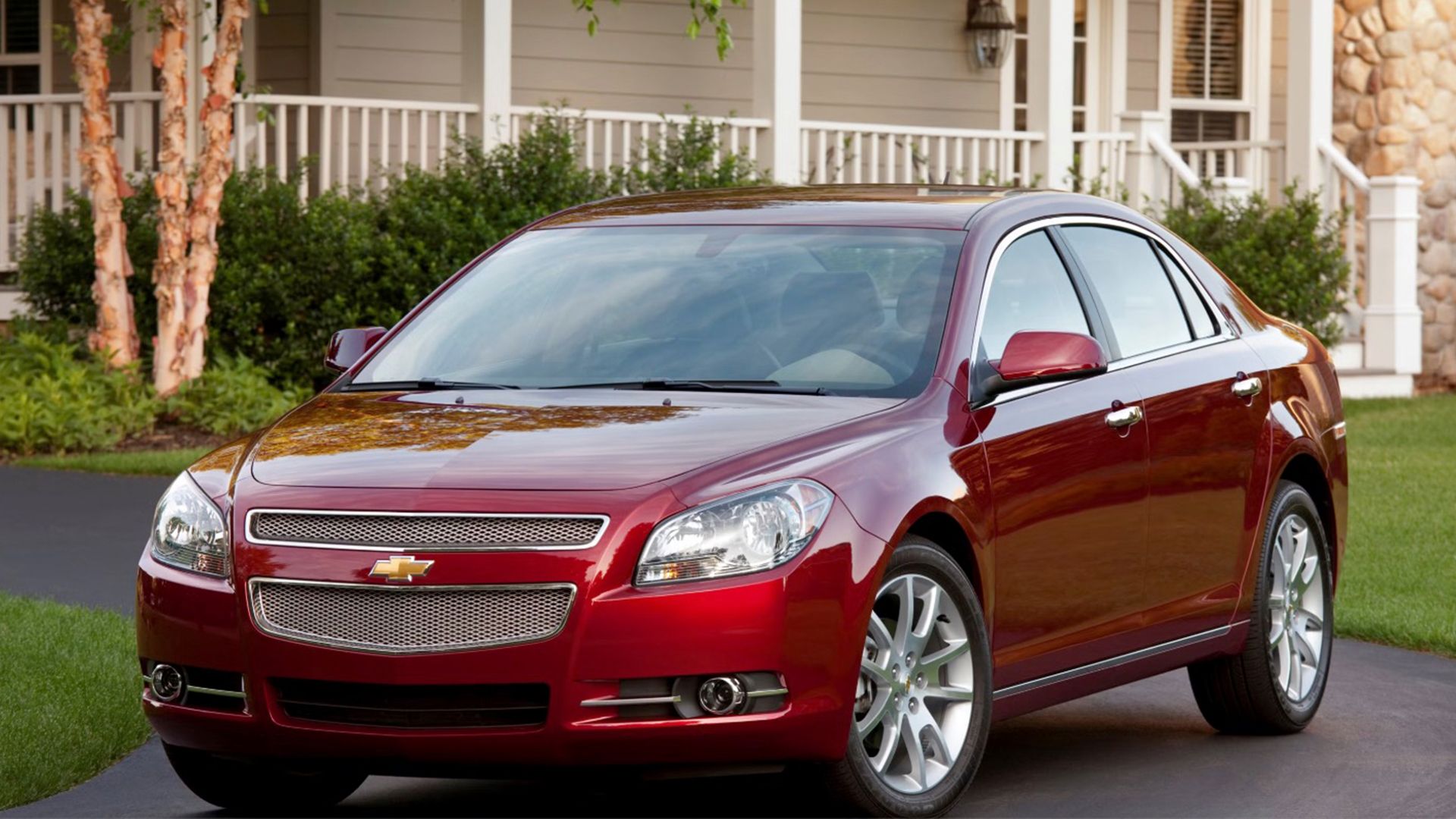
In its final 2025 model year, the Malibu continues with its turbocharged four-cylinder engine and continuously variable transmission as the only available powertrain. While it’s not fast by any stretch, the sedan delivers smooth and consistent acceleration once underway.
Compared with competitors like the Toyota Camry, which comes standard with a lively hybrid powertrain and offers both front- and all-wheel-drive options, the Malibu falls behind. Rivals such as the Honda Accord and Hyundai Sonata further highlight the gap with their far superior standard features, leaving the Malibu feeling slightly under-equipped.
Still, the Malibu isn’t without merit. Its comfortable seats, thoughtful ergonomics, and attractive exterior help it maintain relevance. Coupled with a competitive price, the Malibu may not top the midsize segment, but it remains a practical and appealing choice for some buyers.
9. Nissan Altima
The Nissan Altima offers a combination of comfort, technology, and user-friendly design. Its door openings are generous, particularly in the rear, which is often overlooked in sedan design.
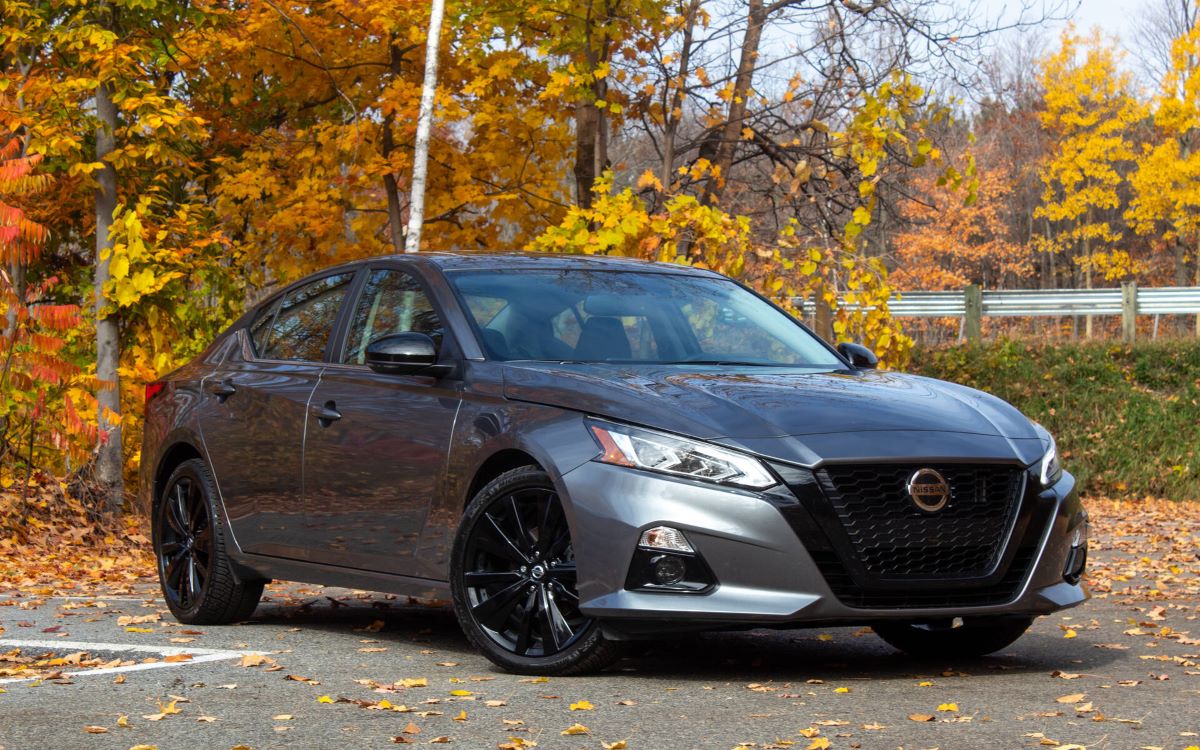
The edges are rounded, and the interior handles are positioned to avoid fabric collisions. This is especially valuable for families or commuters who frequently transport passengers wearing bulky jackets.
The Altima’s thoughtful engineering ensures that everyday trips are smooth, safe, and coat-friendly. The Altima won’t impress with exceptional acceleration or braking, our all-wheel-drive test model went from 0 to 60 mph in a modest 8.4 seconds, but it delivers smooth handling and remains composed even through fast, sweeping turns.
The continuously variable automatic transmission (CVT) is well-tuned, making the Altima feel like a seamless partner during everyday driving. Less enjoyable, however, is the constant sensation of small impacts over rough pavement. The ride feels perpetually active in these situations, and larger bumps can be noticeably jarring.
Most of the Altima’s sight lines are good, but rear visibility is compromised by the high rear decklid. The low-resolution rearview camera and distracting reflections from the dashboard and decklid in bright sunlight can be irritating.
On the plus side, the Altima’s ProPilot Assist system, including lane centering and low-speed adaptive cruise control, is a welcome addition. Adaptive cruise control works effectively and requires minimal correction in stop-and-go traffic.
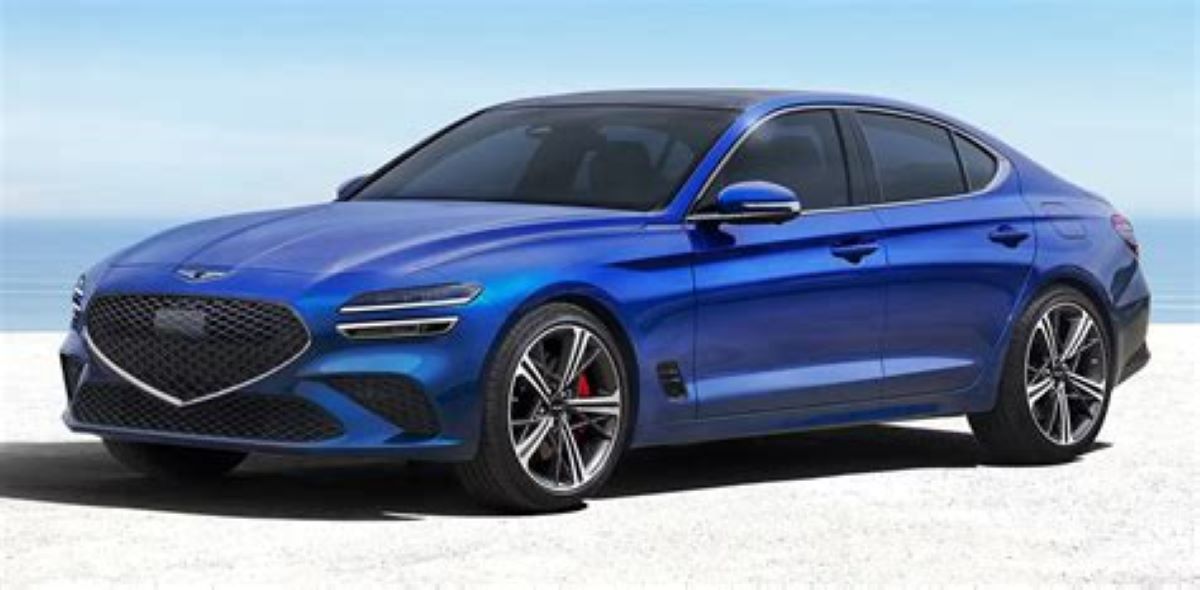
10. Genesis G70
In a segment long dominated by the Teutonic trio of BMW, Audi, and Mercedes-Benz, the Genesis G70 strikes a fine balance between performance and luxury while displaying its own spirited personality.
Now seven years into its first generation, the G70 received a mild 2022 refresh that aligned its looks with Genesis’ current design language, and a new 300-horsepower turbocharged 2.5-liter four-cylinder was introduced in 2024. This engine is a major improvement over the previous 2.0-liter turbo, breathing new life into the base model. However, it’s still the 365-hp twin-turbo 3.3-liter V-6 that elevates the G70 to top-tier sports sedan status.
To compete with the segment’s elite, a sports sedan must also deliver poise and premium features, and the G70 excels here as well. With sleek, muscular exterior styling, a refined interior, and an agile chassis, it competes head-to-head with the BMW 3-series and Audi A5 Sportback. Yet the G70 is equally comfortable on long highway drives, offering a quiet and composed cabin.
The G70 remains a strong value regardless of engine choice. Our recommendation has long been the 3.3T Sport Advanced, partly because the older 2.0-liter four-cylinder underwhelmed in our 2019 long-term test.
The new 2.5-liter turbo four introduced in 2024 is impressive, but the 3.3T still offers more power, a standard sunroof, leather upholstery, heated and ventilated seats, an upgraded audio system, and a limited-slip rear differential, not available on the four-cylinder, making it an easy choice for a modest upcharge.
The base G70 2.5T pairs its 300-hp turbocharged 2.5-liter four-cylinder with an eight-speed automatic transmission driving the rear wheels, with all-wheel drive optional. Thrills are still reserved for the twin-turbo 3.3-liter V-6 with 365 horsepower.
Both powertrains offer expertly balanced ride and handling, with a suspension that smooths out uneven surfaces and a composed chassis during spirited cornering.
The 3.3T benefits from adaptive dampers that allow ride firmness adjustments, and every G70 we’ve driven communicates road feedback clearly. Steering is precise, well-weighted, and adjustable via multiple drive modes, enhancing driver engagement.
Luxury sedans often focus on style and performance, sometimes at the expense of practicality. The Genesis G70, however, manages to balance both. Its doors are wide, tall, and feature smooth edges, minimizing any risk of snagging outerwear.
The interior trim is flush and luxurious, with materials that glide against fabrics rather than catch them.
For US buyers seeking a premium experience without the minor frustrations of tight door clearances, the G70 delivers a rare combination of elegance and usability.
Choosing a sedan in 2025 is about more than just horsepower, fuel economy, or infotainment systems. Small details like doors that don’t catch coats reflect an automaker’s attention to everyday usability.
Vehicles like the Honda Accord, Toyota Camry, Mazda6, and Genesis G70 demonstrate that practicality and style can coexist, offering drivers and passengers a smooth, snag-free experience.
Whether you’re navigating tight city streets, shuffling between work and family commitments, or simply want a more convenient daily commute, selecting a sedan with thoughtfully designed door openings is a small decision that yields big rewards.