
In the world of sedans, not all cars are created equal when it comes to the sound and feel of the engine at rest. A quiet idle may seem like a small detail, but it significantly impacts the overall driving experience.
Whether you are navigating city streets, parked outside a café, or waiting in a suburban driveway, a sedan with a calm, unobtrusive idle can make every moment behind the wheel more serene.
Cars with loud, rattling, or harsh idles can quickly become fatiguing, especially on longer drives.
For many U.S. drivers, especially those in urban areas, a quiet idle is not just a luxury it’s a mark of refinement, engineering quality, and attention to detail.
Here’s a look at ten sedans in 2025 that excel at delivering smooth, calm idling, making them stand out in the crowded market.
1. Toyota Camry
The Toyota Camry has long been a staple in the American sedan market, thanks to its reputation for reliability and comfort. One of the subtle but impressive aspects of the Camry is its idle quality.
Even with the standard four-cylinder engine, the Camry maintains a smooth, vibration-free idle, rarely producing intrusive engine noise.
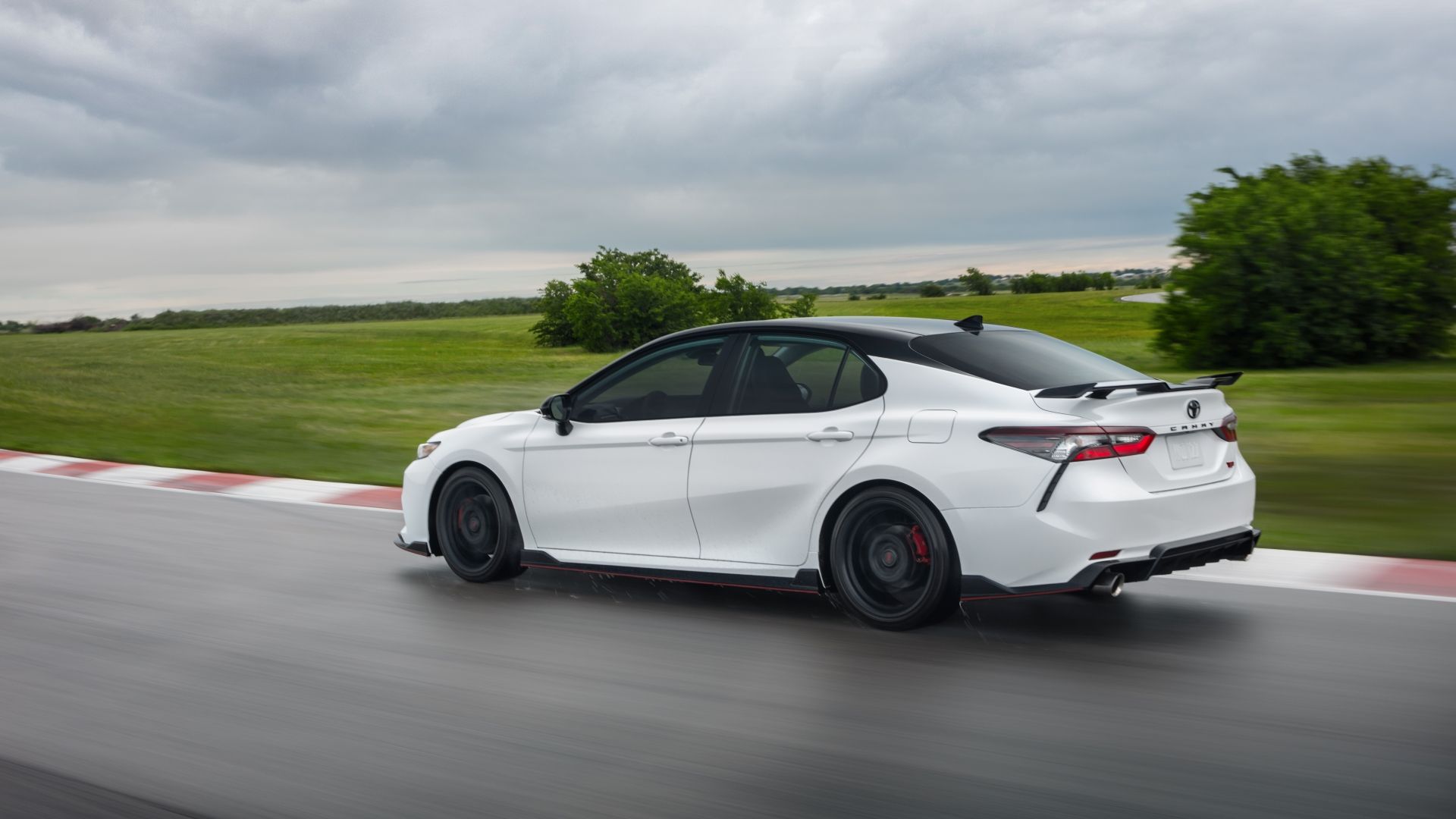
The eight-speed automatic transmission also contributes to the quiet cabin experience by minimizing engine revs when stopped. In hybrid models, the Camry goes even further: the engine often shuts off entirely at idle, leaving only the faint hum of the electric motor.
For drivers who prioritize peace during daily commutes or traffic jams, the Camry remains an exceptional choice.
2. Honda Accord
The Honda Accord has been a consistent competitor to the Camry, and it shines in terms of idle refinement. Its 1.5-liter turbocharged engine offers a calm, low-key idle that feels sophisticated compared to some rivals in its segment.
Even in heavier traffic, the Accord’s engine management system ensures smooth transitions from stop to go, avoiding the jerky or loud idling common in less refined vehicles.
The cabin is well insulated, further reducing perceived noise and enhancing the feeling of serenity, making it a favorite among commuters and small families.
The latest Honda Accord may look familiar at first glance, but its design tweaks make it noticeably more refined than the outgoing generation. It retains the long hood and signature fastback-style roofline that give the sedan its streamlined, subtly sporty character.
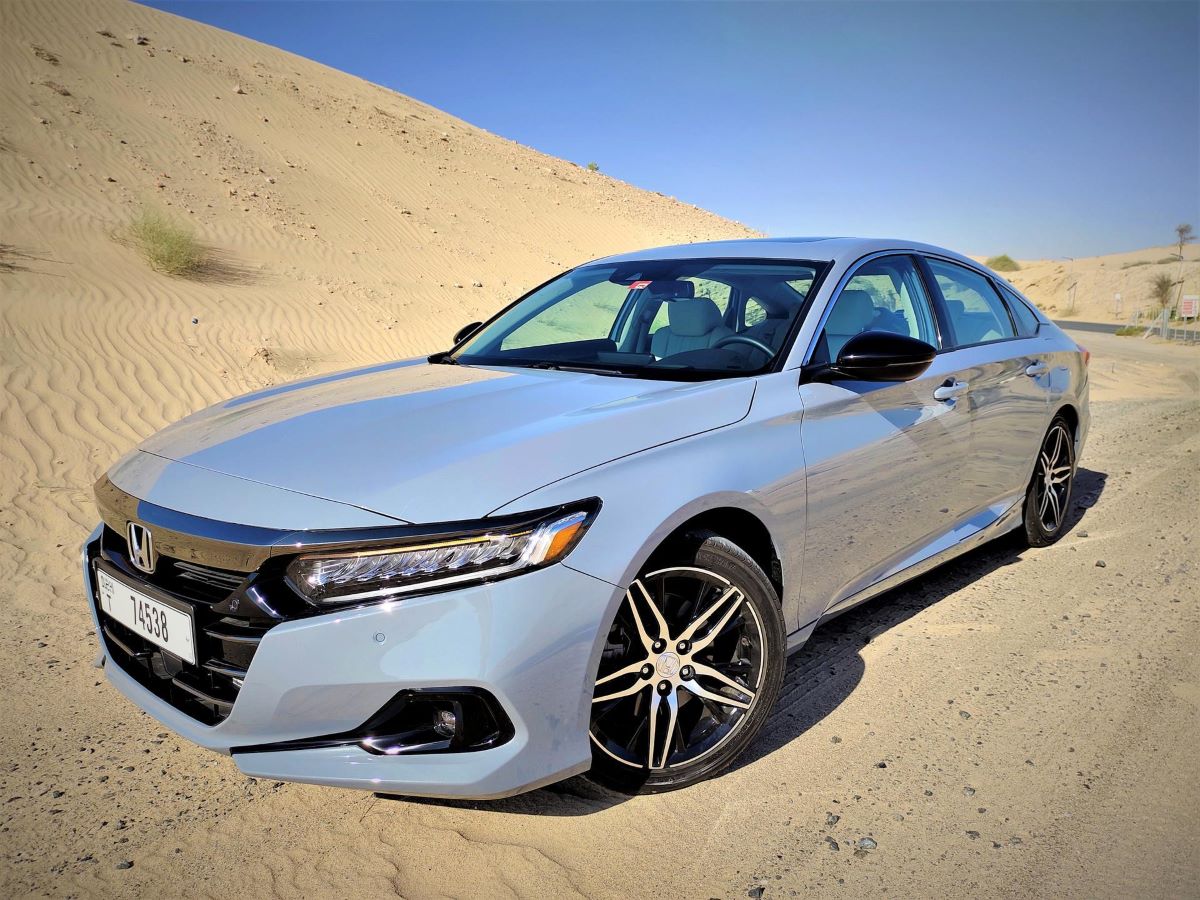
Up front, Honda has pared back the visual noise: the grille and headlights are cleaner and more unified, creating a modern, cohesive face.
The rear end gets a similar treatment, with tidier, more European-inspired taillights that contribute to the Accord’s understated sophistication. It’s a handsome redesign, one that doesn’t shout for attention but earns it through balance and restraint.
Under the hood, buyers can choose between two powertrains. The LX and EX trims continue with the turbocharged four-cylinder engine carried over from the previous generation.
The rest of the lineup adopts an updated hybrid system that Honda says can keep the Accord running on electric power at higher speeds, reducing the need for the gasoline engine to step in.
The payoff is impressive efficiency: the hybrid earns an EPA estimate of 48 mpg combined. Notably, Honda has retired the old 2.0-liter turbo engine option for 2023, making the hybrid the more powerful and more fuel-efficient choice.
Inside, the Accord follows the design blueprint of Honda’s newest models, the Civic, CR-V, HR-V, and Pilot, but with an elevated feel. Materials are richer, surfaces look more polished, and everything you touch feels thoughtfully considered. It’s also refreshingly simple to use.
The controls are placed logically, and everyday functions such as adjusting volume, changing temperature, or switching drive modes require no learning curve. Hybrid models also benefit from a new 12.3-inch touchscreen that delivers crystal-clear graphics and snappy responses.
At the top of the range, the Touring trim integrates Google Assistant directly into the vehicle’s infotainment system, effectively turning the car into a rolling smart speaker and making voice commands more seamless than ever.
Also Read: 10 Cars That Offer the Most Features for the Dollar
3. Lexus ES
For those seeking premium luxury without venturing into full-size European sedans, the Lexus ES stands out. The ES employs a naturally aspirated V6 engine that excels in creating a nearly imperceptible idle.
Lexus engineers have focused heavily on NVH (noise, vibration, and harshness) control, so the car feels tranquil even in crowded urban settings.
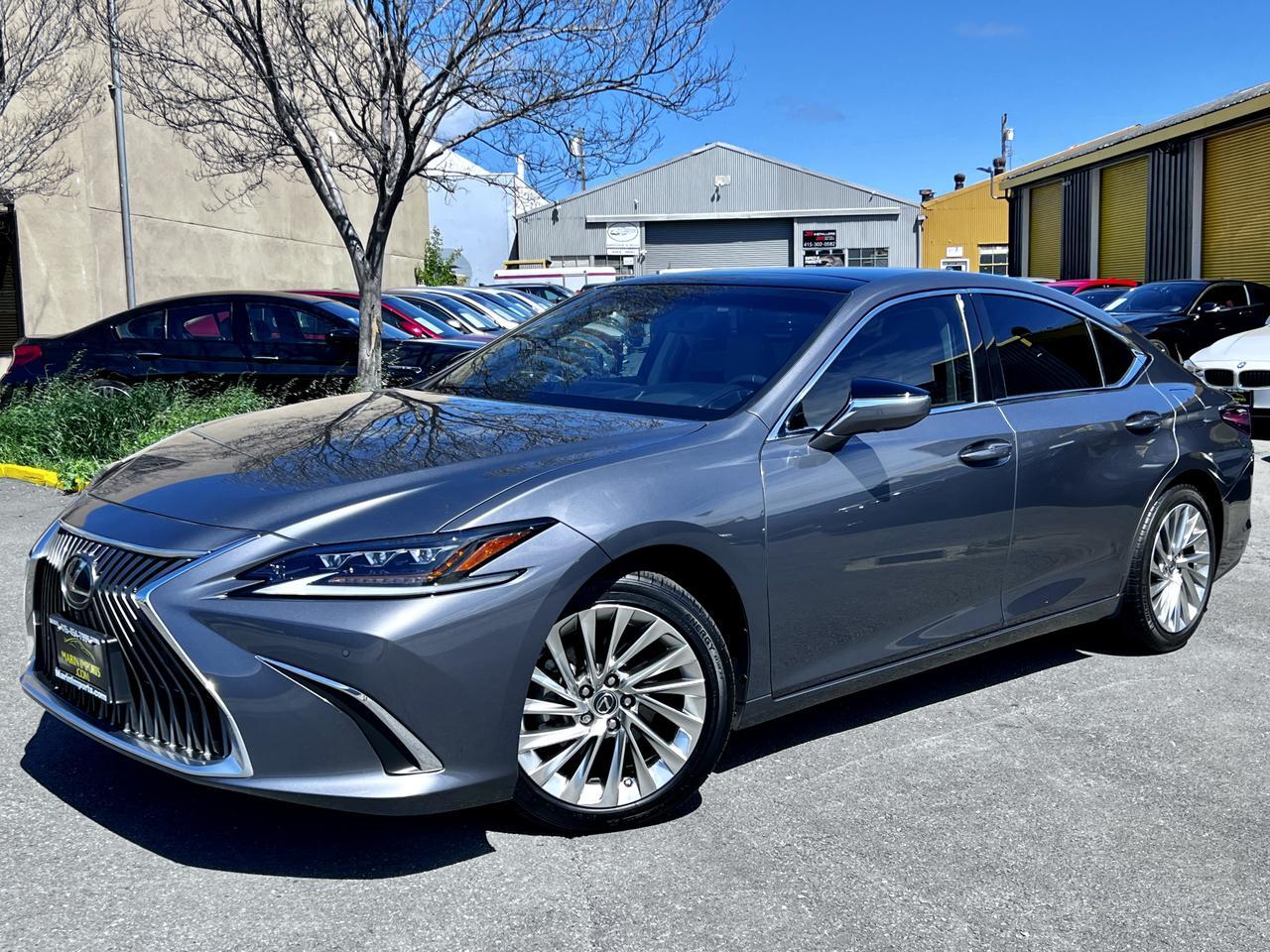
The hybrid variant adds an extra layer of quiet, as the gas engine often switches off when idling, creating near-silence inside the cabin. Drivers looking for a calming presence at stoplights or in parking lots will find the ES exemplary.
4. Acura TLX
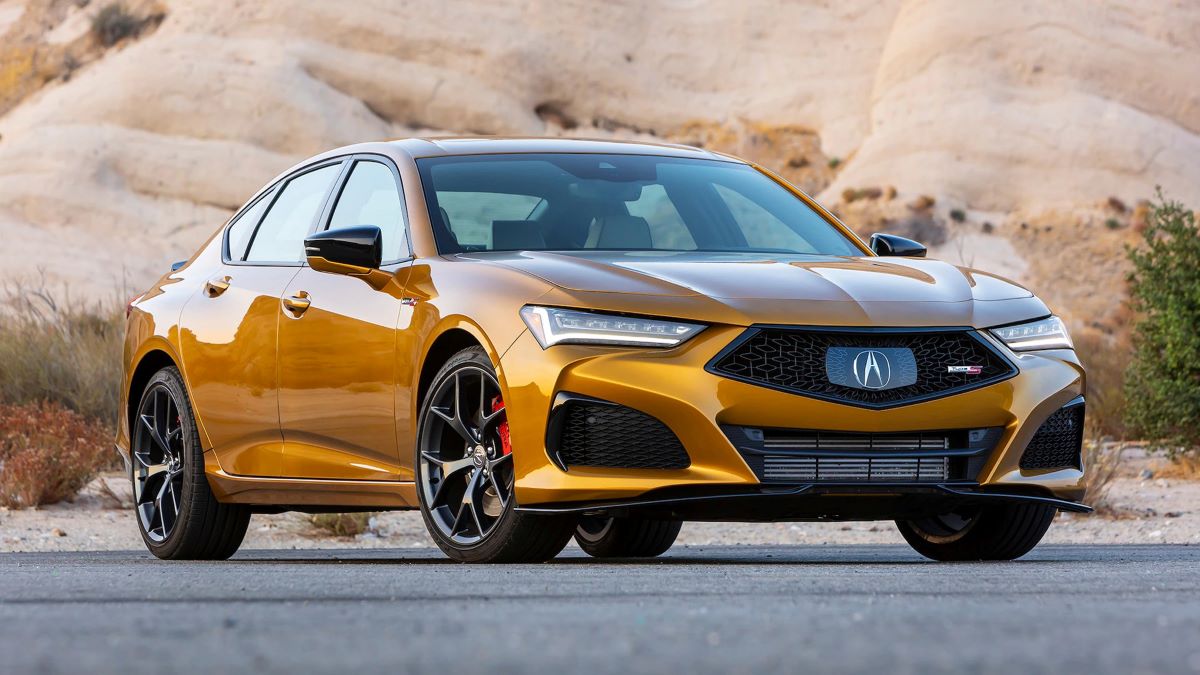
Stepping into the near-luxury category, the Acura TLX combines sophisticated engineering with quiet idling. The standard 2.0-liter turbo engine and optional V6 models are tuned for minimal vibrations and low-frequency engine hums.
Noise-cancelling cabin materials enhance this effect, providing a serene atmosphere even when the engine is technically running at full idle.
For professionals who spend long hours in traffic or on the freeway, the TLX’s calm idle significantly contributes to a stress-free experience.
We evaluated the TLX A-Spec equipped with the turbocharged four-cylinder engine and optional all-wheel drive.
In our testing, it reached 60 mph in 6.5 seconds, which places it a bit behind comparable models from BMW and Mercedes in straight-line speed.
That said, the TLX’s available all-wheel-drive system enhances agility and keeps body motions well-controlled when navigating tight corners.
The steering doesn’t provide much road feel, but switching to the Sport drive mode adds welcome weight to the wheel, making it better suited for enthusiastic driving.
Acura’s 10-speed automatic transmission is a significant step forward from the previous nine-speed unit. It does tend to upshift early with light throttle inputs and can feel somewhat lazy in the Normal and Comfort drive modes.
However, in Sport mode, it holds gears more intelligently and keeps the turbo spooled for quicker, more responsive acceleration.
Ride quality strikes a commendable balance between comfort and control. The suspension smooths out most road imperfections, though sharper impacts can send a noticeable thunk through the cabin.
We also appreciate that most of the advanced driver assistance features come standard, and overall they mimic natural driving behavior fairly well.
The adaptive cruise control, however, is slow to accelerate when a vehicle ahead moves out of the lane, which can make the system feel hesitant in flowing traffic.
5. Nissan Altima
The Nissan Altima, often overshadowed by the Camry and Accord, deserves recognition for its serene idling characteristics.
Its VC-Turbo engine short for variable compression turbobadjusts seamlessly to different driving conditions, helping the engine remain composed at rest.
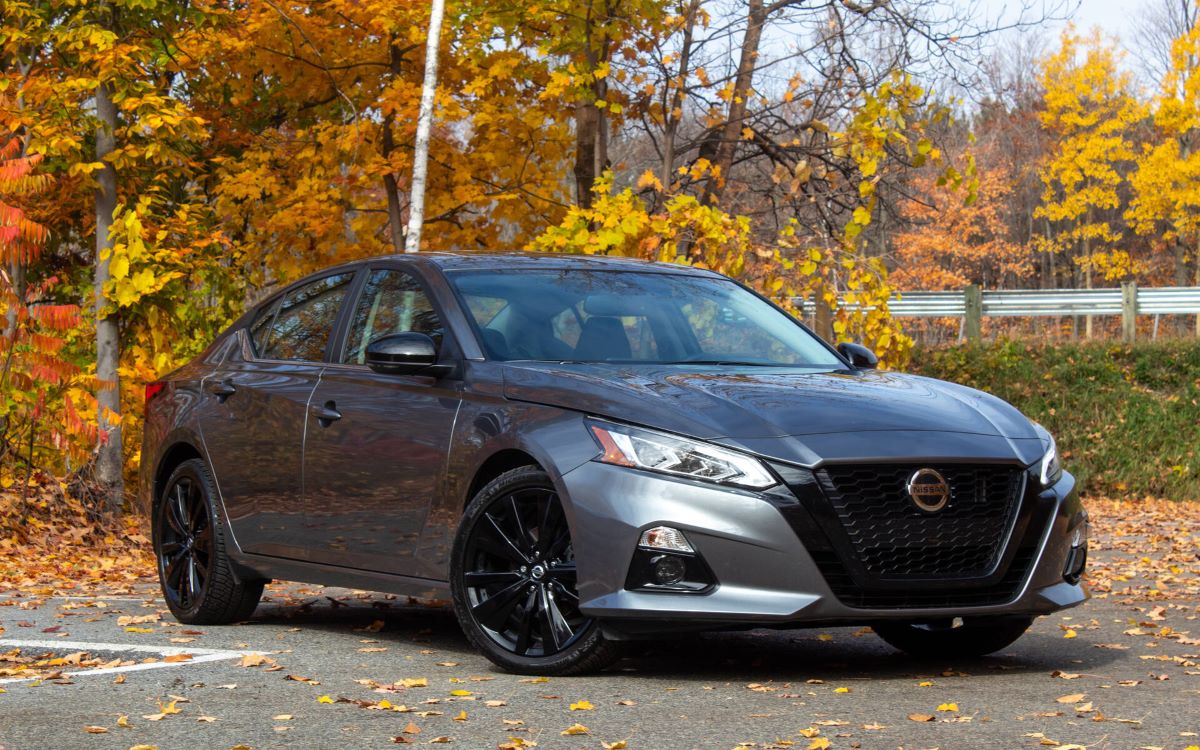
Idle vibrations are minimal, and the cabin is sufficiently insulated to mute outside noise, creating a calm micro-environment.
This makes the Altima particularly appealing to drivers in stop-and-go city traffic, where a peaceful idle enhances the overall comfort of daily driving.
Also Read: 10 Least Reliable Cars With CVT Transmissions To Avoid
6. Hyundai Sonata
Hyundai has made significant strides in engineering refinement, and the Sonata is a prime example. Both the base and turbocharged versions of the Sonata exhibit remarkably smooth idles, thanks in part to Hyundai’s advanced engine mounts and precise tuning.
Cabin insulation further diminishes engine noise, allowing conversations or music to remain uninterrupted while stopped.
With a reputation for combining technology, style, and comfort, the Sonata’s calm idle adds another layer of appeal to its broad U.S. audience.
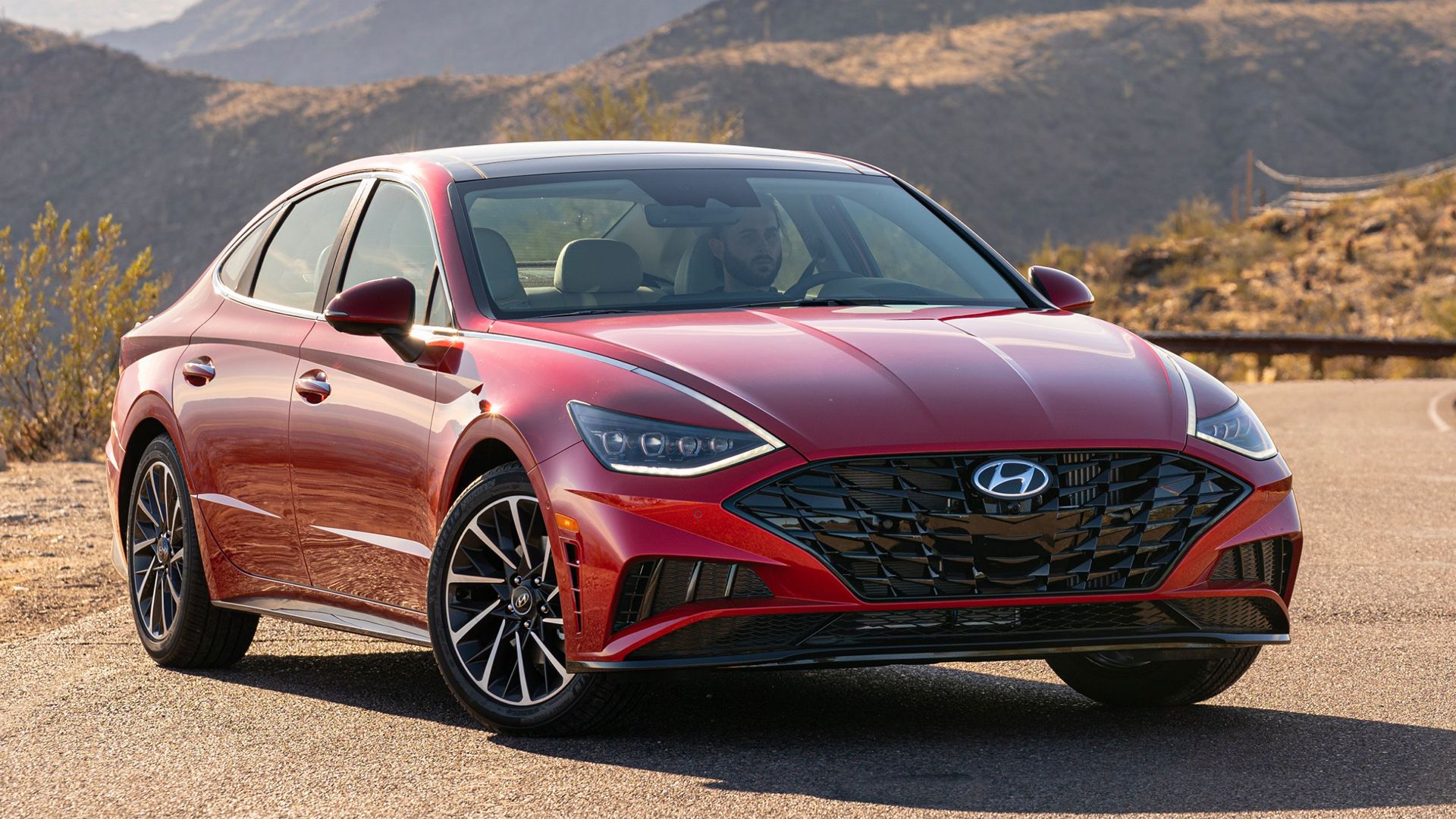
The 2023 Hyundai Sonata is doing everything it can to stand apart from long-established competitors like the Camry and Accord, and in many respects, it succeeds.
Its exterior design looks elegant from most angles, though not everyone on our team was sold on the grille. Inside, both rows offer a comfortable experience, and the infotainment system remains one of the strongest in the segment.
Most impressive of all is how the Sonata drives. We described the brake and steering responses as “perfectly weighted,” and the car won us over with its consistently stable, composed, and agile handling.
It even performs respectably on a track. The 1.6-liter turbo engine shows a touch of lag when pushed hard, but overall power delivery remains smooth and linear.
Where the Sonata struggles is in comparison to the other top-tier sedans in this class. Some may find the ride a bit firm, and the transmission has moments where it selects the wrong gear.
The absence of all-wheel drive also limits the Sonata’s desirability for shoppers in snowy climates. In those areas, the excellent Honda Accord and AWD Subaru Legacy offer broader appeal.
Still, Hyundai loyalists will appreciate the brand’s familiar combination of value, technology, and standout warranty coverage. The Sonata is a strong effort, and our long-term test left us impressed. For midsize sedan buyers, it absolutely deserves a place on the shortlist.
The 2023 Sonata offers three powertrain choices, all paired with an eight-speed automatic transmission and front-wheel drive.
The SE and SEL trims feature a 2.5-liter naturally aspirated four-cylinder engine that produces 191 hp and 181 lb-ft. Fuel economy for the SE starts at 28/38 mpg city/highway, while the SEL’s 17-inch wheels bring a slight reduction in efficiency.
Moving up to the SEL Plus or Limited adds a 1.6-liter turbo-four generating 180 hp and 195 lb-ft.
This version reaches 60 mph in 7.4 seconds, making it a bit quicker than a base Camry or Accord. Fuel economy remains respectable at 27/37 mpg.
At the top of the lineup, the sporty Sonata N Line receives a 2.5-liter turbo-four with an impressive 290 hp and 311 lb-ft. The N Line stands out as a truly fun, grin-worthy sport sedan.
7. Kia K5
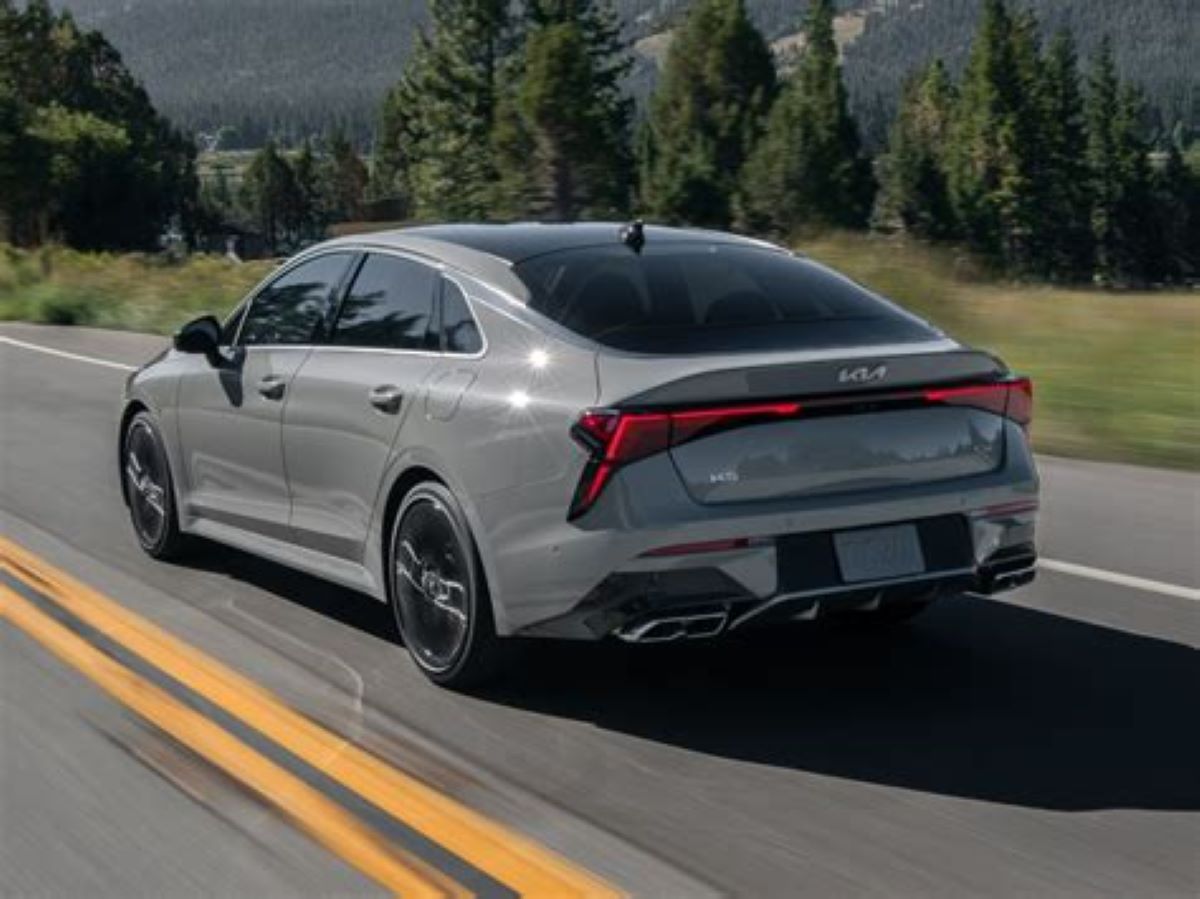
The Kia K5, essentially the Sonata’s sportier sibling, surprises many with its understated engine sound at idle. While the turbocharged models can deliver spirited performance, the car remains quiet when stationary.
This balance between liveliness and serenity is a testament to Kia’s focus on driver comfort and refinement.
Additionally, K5 cabins are designed to minimize intrusion from vibrations, giving drivers a composed, almost meditative environment even in congested traffic.
With its aggressive front end and sleek, low-slung fastback profile, the 2023 Kia K5 brings a striking dose of style to a midsize-sedan segment that’s often been dull. Its sporty design is matched by capable powertrains: a standard 180-hp turbocharged four-cylinder and a more potent 290-hp GT-exclusive turbo four.
The GT’s 2.5-liter engine delivers thrilling performance, reaching 60 mph in just 5.2 seconds, though its front-wheel-drive layout can result in some tire squeal under hard acceleration.
Both engines pair with an eight-speed automatic transmission, while the GT model boasts a dual-clutch version for quicker shifts. All-wheel drive is available only on the 180-hp K5 and the GT-Line trim, providing added traction for varied conditions.
Starting prices are competitive, ranging from $26,415 for the LXS to $32,815 for the GT. The GT-Line trim is recommended for buyers who want sporty styling without going all-in on the GT’s higher-output engine.
The 2023 model sees only minor updates from last year. The LX trim has been discontinued and replaced by the LXS, which no longer offers all-wheel drive.
Most K5 models are powered by the 180-hp 1.6-liter turbocharged four-cylinder paired with an eight-speed automatic transmission. Front-wheel drive is standard, with all-wheel drive optional on the GT-Line. In testing, the front-drive 180-hp K5 achieved 0–60 mph in 7.0 seconds.
It performed adequately around town but required extra effort on the highway for passing maneuvers. The transmission shifts smoothly, and the cabin is well insulated, keeping engine noise subdued.
The GT model, with its 2.5-liter turbo four producing 290 hp and 311 lb-ft of torque, comes with an eight-speed automatic (wet dual-clutch) transmission, larger brakes, a sport-tuned suspension, and wider tires on 19-inch wheels. In testing, the GT sprinted to 60 mph in just 5.2 seconds and stopped from 70 mph in 163 feet.
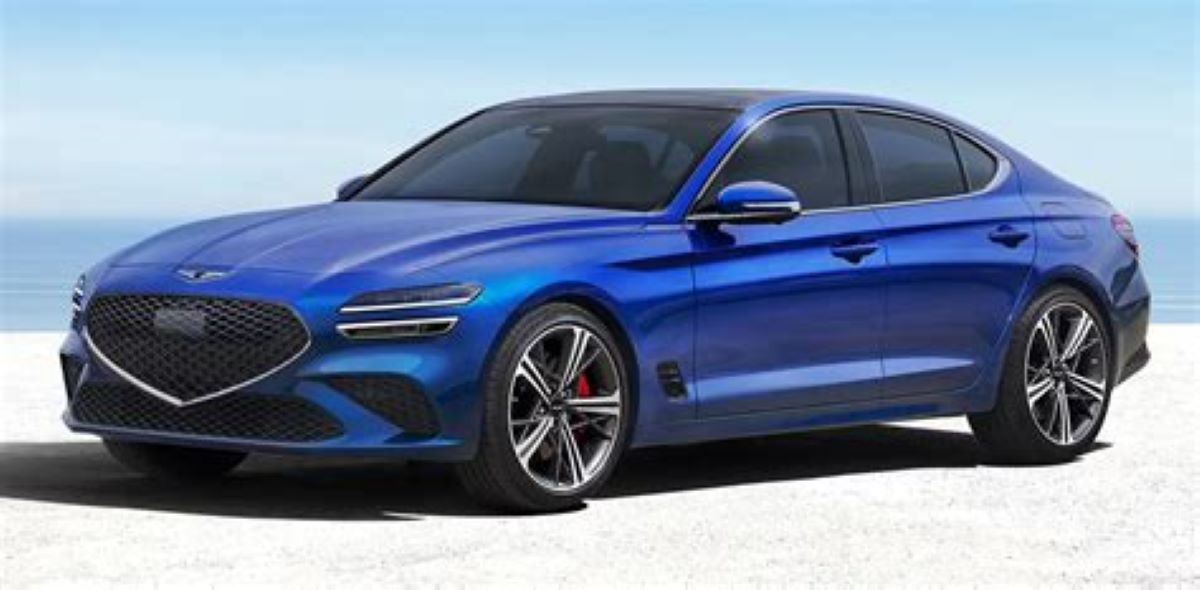
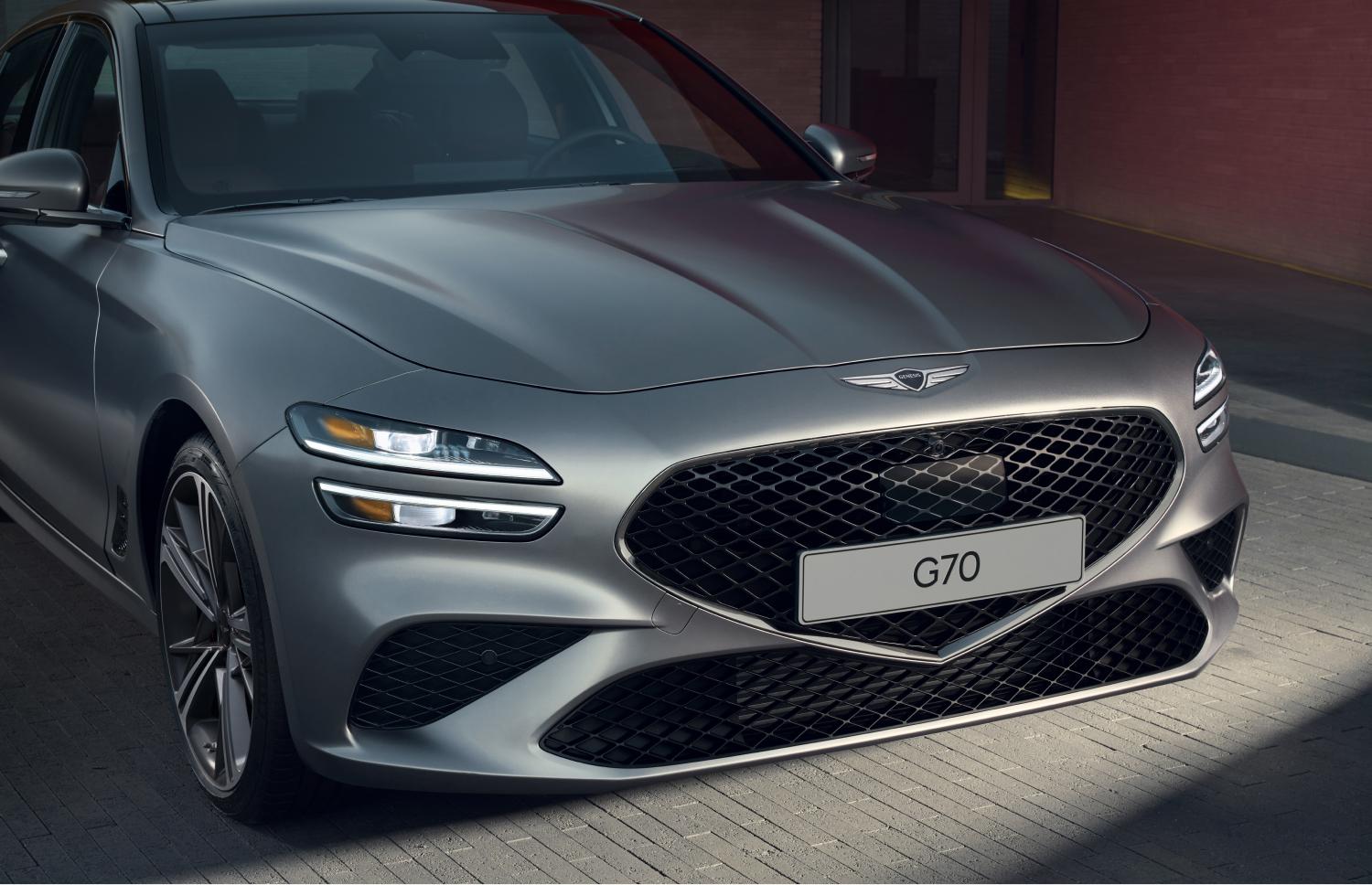
8. Genesis G70
Genesis, Hyundai’s luxury division, has earned acclaim for attention to detail, and the G70 sedan demonstrates this through its smooth, refined idle.
Both the turbocharged four-cylinder and the available V6 are meticulously balanced, with negligible vibration and a hushed presence inside the cabin.
Stop-and-go traffic or parking lot maneuvers feel less intrusive, and the low-frequency engine sound is engineered to be pleasant rather than harsh. For U.S. drivers seeking a compact luxury sedan with a composed character, the G70 delivers on all fronts.
The Genesis G70 comes with a potent V6, responsive steering, and overall ease of driving. Its turbocharged V6 produces 365 horsepower and propels the car from 0 to 60 mph in 4.9 seconds.
With a robust 376 lb-ft of torque available, the G70 rarely needs to downshift for performance. That said, we did notice the transmission can be a bit reluctant when it’s eventually called upon to downshift.
The new 2.5-liter turbocharged four-cylinder base engine is one of the most powerful base engines in the segment and represents a significant improvement over the previous 2.0-liter unit.
It delivers much quicker performance, approaching that of the V6, making the base G70 a more enticing choice.
While the G70 shows potential as a fun-to-drive car, its handling feels slightly imprecise in corners.
Additionally, the all-season tires don’t provide enough grip to fully exploit the car’s power.
Emergency braking performance also falls short of expectations. On the positive side, the suspension does a commendable job of smoothing out sharp bumps.
The G70 is well-equipped with a suite of advanced driver-assistance features, all of which perform adequately. Genesis offers a compelling set of standard features at a starting price that undercuts many luxury competitors by several thousand dollars.
Both the exterior and interior convey a solid, luxurious build, with high-quality materials featured throughout the cabin.
A large infotainment screen integrates the interior design seamlessly. On top of that, Genesis provides best-in-class standard and powertrain warranties.
9. Subaru Legacy
The Subaru Legacy may not always dominate headlines, but it’s a standout for calm idling, especially in snowy or rainy regions where Subaru’s all-wheel-drive system shines.
Its flat-four engine, also known as a boxer engine, naturally reduces vibration, resulting in a smooth, composed idle.
The Legacy’s cabin is well-isolated from engine and road noise, making it a practical choice for drivers in northern U.S. states who want quiet reliability in daily commutes and long drives alike.
Subaru continues its midsize sedan tradition with the seventh-generation Legacy. For 2023, the five-passenger sedan receives a subtle refresh along with upgraded capability and technology.
Competing directly with the Honda Accord and Toyota Camry, the Legacy distinguishes itself in the segment with standard all-wheel drive and flat-four powertrains.
Introduced in 2020, the seventh-generation Legacy continues Subaru’s commitment to practical midsize sedans, and the 2023 updates enhance its appeal with a refreshed front end and improved capabilities.
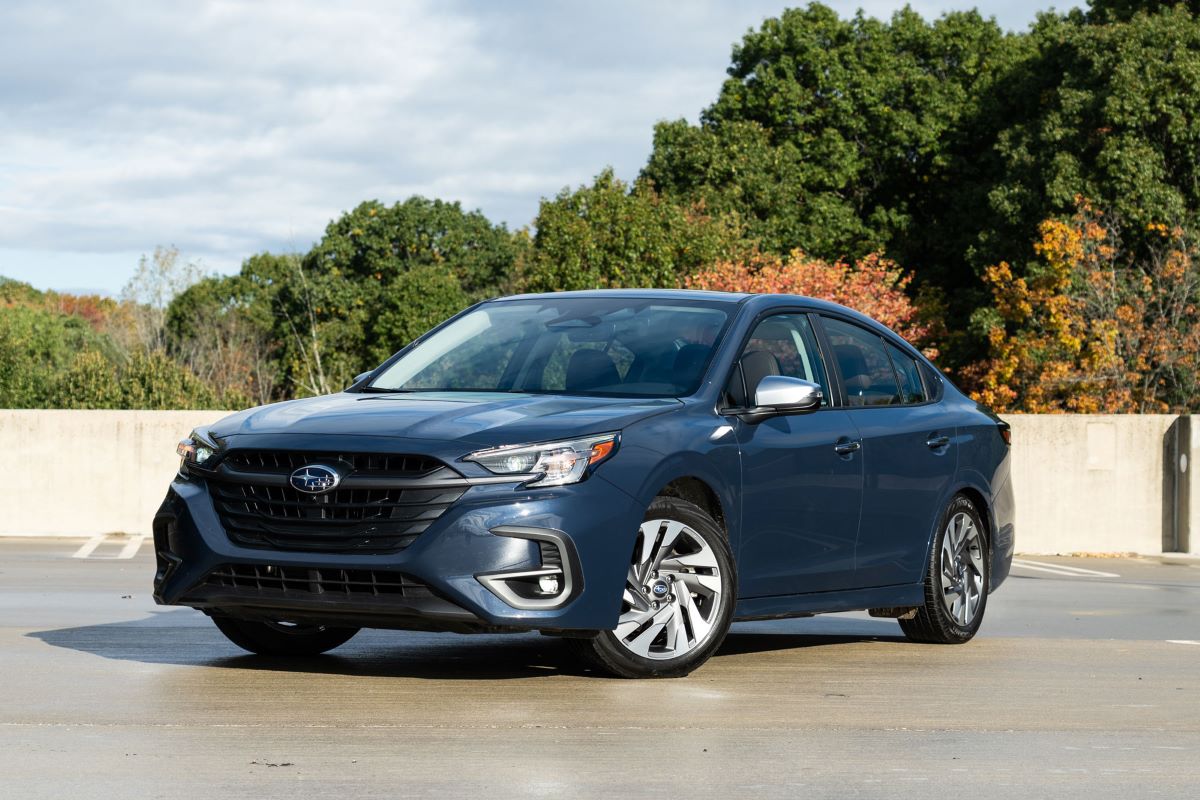
Our evaluation of a 2021 Limited model found the interior simple but functional, with comfortable seating for all passengers. At higher speeds, however, wind noise was noticeable inside the cabin.
The sedan’s efficiency-oriented tires delivered unremarkable results in braking tests but provided commendable lateral grip during handling evaluations.
The Legacy isn’t the fastest or flashiest sedan in its class, but it earns high marks for utility, safety, and overall reliability. Buyers looking for more style might consider competitors like the Honda Accord or Kia K5.
The base engine is a 182-hp 2.5-liter naturally aspirated flat-four, while XT trims get the 260-hp 2.4-liter turbocharged boxer-four. Both engines pair with a continuously variable transmission (CVT) and Subaru’s standard Symmetrical All-Wheel Drive system.
Fuel economy for the non-turbo Legacy is rated at 27/35 mpg city/highway, which compares favorably with AWD rivals like the 2022 Nissan Altima (26/36 mpg) and the more powerful 2022 Toyota Camry AWD (25/34 mpg).
10. Volkswagen Passat
The Volkswagen Passat rounds out this list with its understated, German-engineered idle. The turbocharged four-cylinder engine provides steady, calm operation at stoplights and in traffic.
Volkswagen’s attention to sound insulation ensures that the cabin remains peaceful, with only a muted engine presence audible.
For U.S. buyers who appreciate European sedans with a focus on comfort and refinement rather than overt performance theatrics, the Passat delivers a satisfyingly quiet experience at idle.
A sedan’s idle may seem like a minor detail in the grand scheme of automotive engineering, but it plays a significant role in day-to-day comfort.
Across U.S. driving conditions from congested city streets to suburban traffic the difference between a smooth, calm idle and a harsh, noisy one can be striking.
Volkswagen refreshed the North American Passat for 2020, pairing the brand’s hallmark German driving manners with updated styling, improved technology, and upgraded safety features.
The 2020 Passat sought to modernize the midsize sedan while staying true to the formula that made it popular among U.S. families.
Built on the same PQ46 platform as its predecessor at Volkswagen’s Chattanooga, Tennessee plant, the refreshed model received a more refined and dynamic look.
At the front, a bold grille with horizontal chrome slats stretches into LED headlights, creating a clean visual link across the fascia.
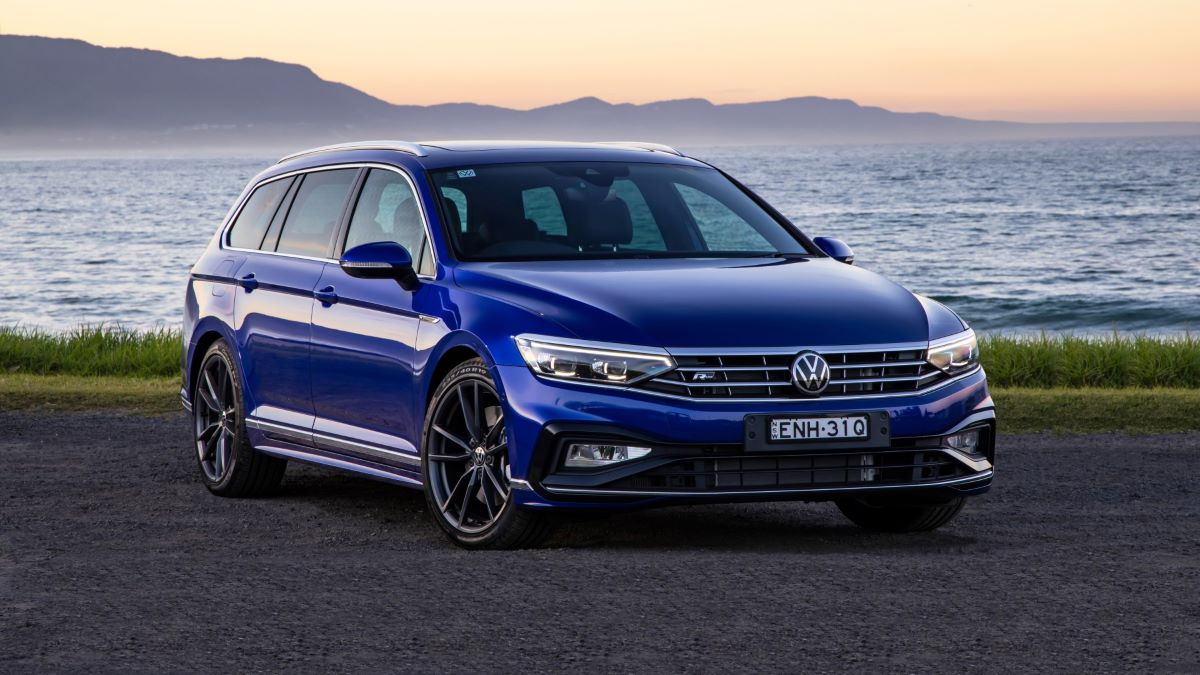
The hood features sharper creases for a more athletic appearance, while the lower bumper includes larger air intakes and a sculpted central section that adds a planted stance. Overall, the front end conveys understated confidence rather than flashiness.
From the side, the 2020 Passat features a pronounced creased line running from the front fender to the taillights. Its gently arched roofline hints at spacious headroom inside and flows into a subtly sloped deck.
The infotainment system sits beneath a single pane of glass for a modern, seamless appearance, while material quality has been improved across the range. Passenger space remains a strong suit, offering ample headroom and legroom, especially for rear-seat occupants.
Front seats are available with heating, power adjustments, and memory settings, while higher trims add rear-seat heating and dual-zone Climatronic automatic climate control.
The rear seat is split-folding, expanding trunk capacity when needed. Comfort-oriented features such as a heated steering wheel, auto-dimming mirrors, and remote start enhance everyday usability.
Power comes from the same two-liter turbocharged inline-four engine as the previous model, retuned for slightly more torque. Power is sent to the front wheels via a six-speed Tiptronic automatic transmission.
While the Passat isn’t a performance-focused sedan, it retains Volkswagen’s signature steering precision and composure. Drivers can expect a confidence-inspiring, smooth ride whether navigating city streets or cruising on highways.
The ten sedans highlighted here, from mainstream favorites like the Toyota Camry and Honda Accord to near-luxury options such as the Lexus ES and Genesis G70, demonstrate that manufacturers are paying attention to these subtle but meaningful details.
For buyers who value refinement, serenity, and a stress-free driving experience, these sedans represent some of the best options available in 2025.
By prioritizing calm idling, these vehicles not only enhance the driving experience but also reflect a broader commitment to quality, comfort, and thoughtful engineering.
