
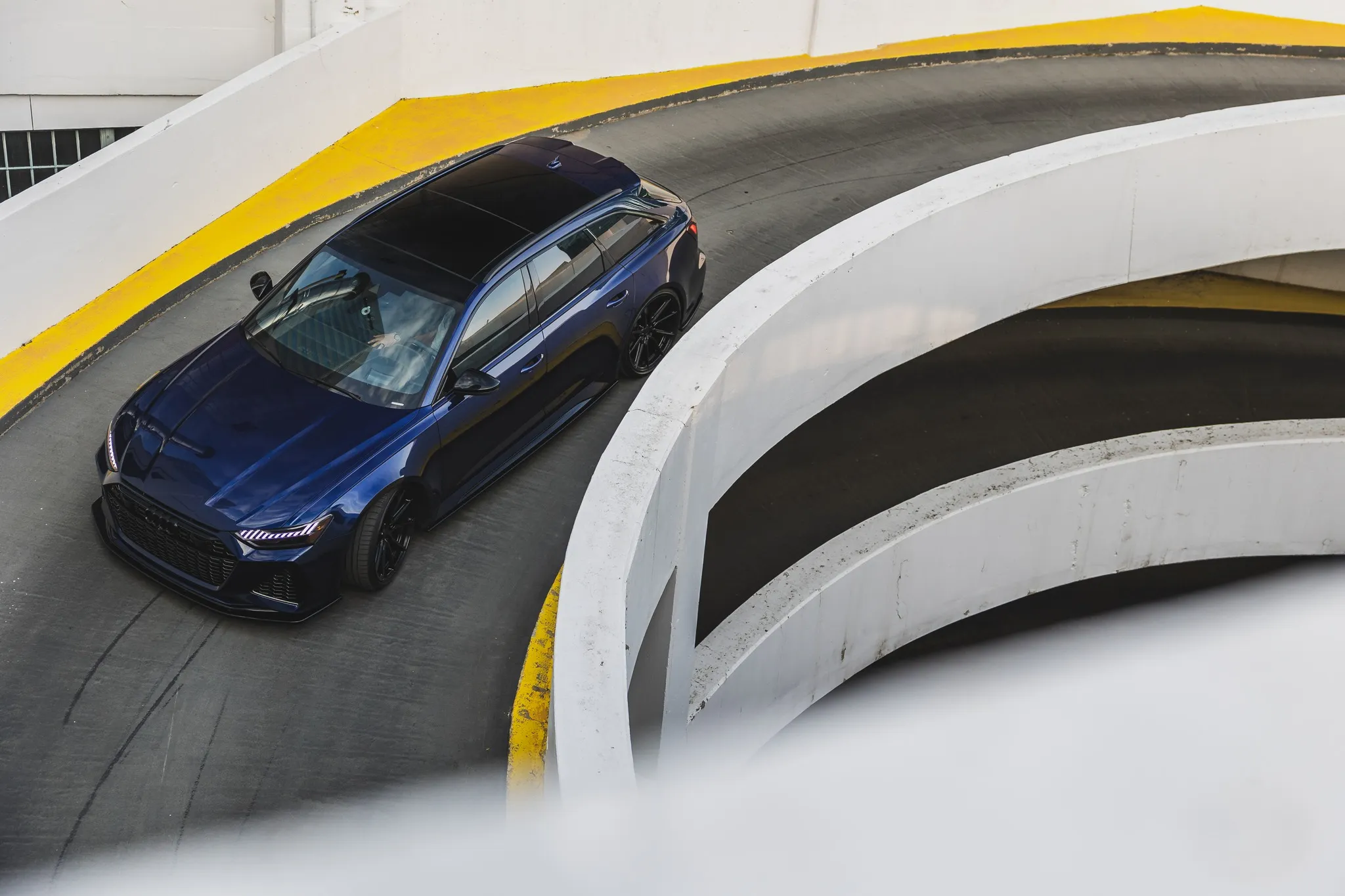
Rain changes everything about how you choose a vehicle. Living in places where water falls from the sky more days than not requires thinking differently about what car makes sense. Some vehicles handle constant moisture beautifully, with sealed electronics, rust-resistant materials, and designs that shed water rather than trapping it.
Other cars seem engineered for sunny climates, struggling when faced with persistent rain, puddles, and humidity that never quite goes away. You might think all modern cars handle rain equally well, but that’s far from true.
Walk through any rainy city, and you’ll see certain models looking fresh and corrosion-free after years, while others of similar age show rust creeping around wheel wells, door edges, and underbodies. Electronics tell different stories, too.
Some vehicles maintain perfect electrical function through years of damp conditions, while others develop mysterious electrical gremlins that mechanics blame on “water intrusion” without ever quite fixing the problem.
Choosing the wrong vehicle for rainy climates costs money and creates frustration. Rust repairs get expensive quickly. Electrical problems that come and go with weather patterns drive you crazy.
Water leaking into interiors creates musty smells that never quite disappear. Brake components that corrode prematurely need replacement more often than they should. All these problems compound when you’re driving in the rain constantly rather than occasionally.
This page presents ten vehicles split into two distinct categories. First, we’ll look at five cars engineered to thrive in rainy climates, handling moisture without developing problems. Then we’ll examine five vehicles known for struggling with water exposure, developing issues that range from annoying to expensive.
Understanding these differences helps you make smarter buying decisions if you live where rain dominates the weather forecast.
Cars That Handle Rain Brilliantly
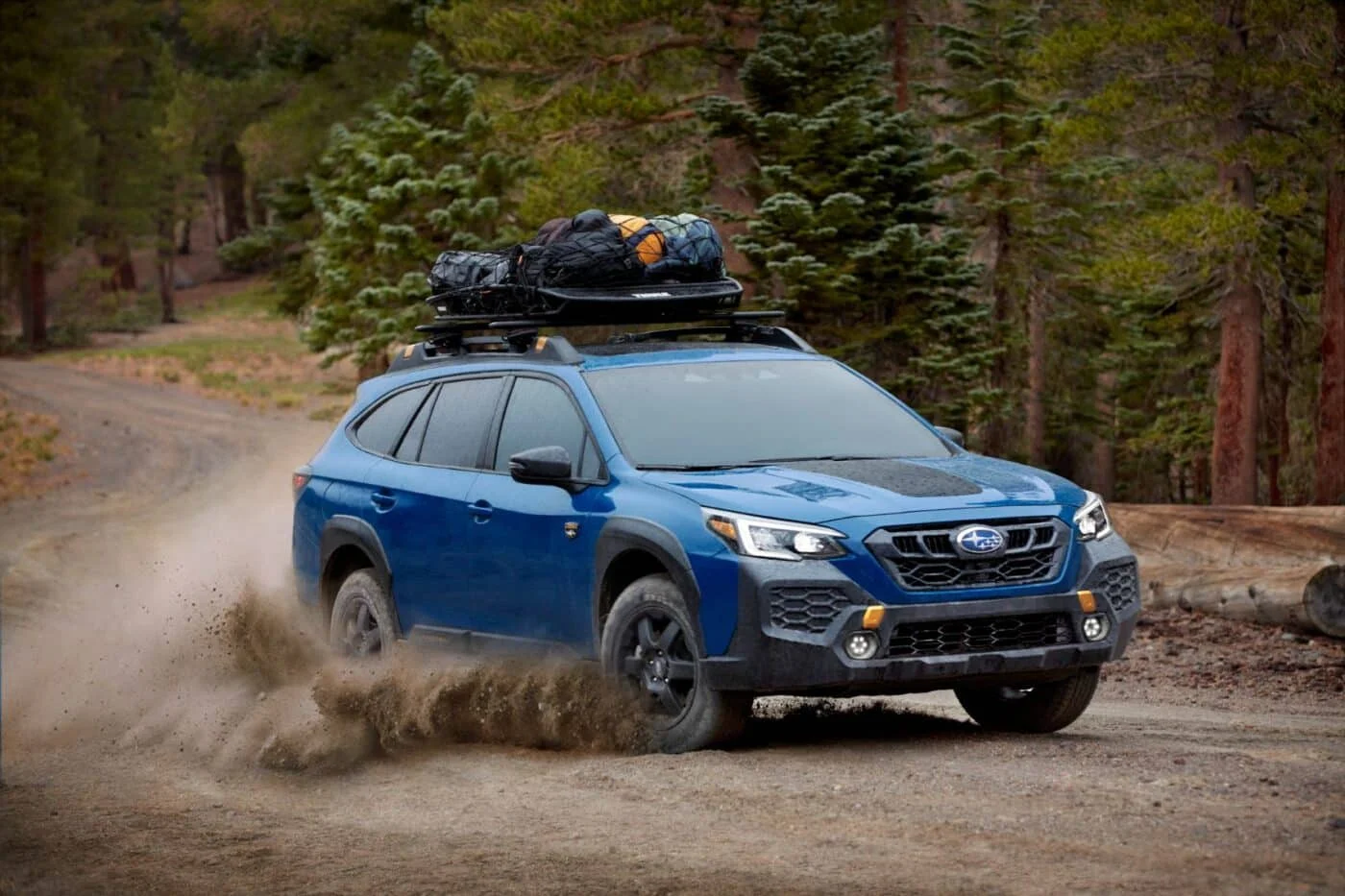
1. 2024 Subaru Outback Wilderness
Subaru built the 2024 Outback Wilderness for people who refuse to let weather dictate their plans. This crossover handles rain like it’s nothing special, which makes perfect sense given Subaru’s roots in regions where precipitation dominates weather patterns.
Every Outback comes with symmetrical all-wheel drive as standard equipment, providing constant traction on wet roads rather than scrambling to engage only after wheels start slipping. This proactive system keeps you stable through standing water, slick roads, and conditions where other vehicles feel nervous and unpredictable.
Underbody protection exceeds what most crossovers offer. Wilderness trim adds extra skid plates protecting vulnerable components from water, mud, and debris. These shields prevent water from splashing directly onto sensitive parts, reducing corrosion risk.
Subaru coats underbody components with rust-resistant treatments during manufacturing, recognizing that customers drive these vehicles in harsh conditions.
Exhaust systems use stainless steel that resists corrosion better than standard steel found in many competitors. Suspension components receive similar protective treatments, helping them survive years of wet weather without developing rust that compromises safety.
Interior design acknowledges that water will get inside eventually. StarTex water-repellent upholstery resists moisture rather than absorbing it like cloth seats. Spilled drinks, wet clothes, or muddy shoes don’t create permanent stains or lingering dampness.
Floor mats feature deep channels that trap water and mud, keeping it away from carpets underneath. Drainage points allow water to exit rather than pooling in footwells. These practical details matter when you’re constantly dealing with wet conditions.
Electrical systems receive proper sealing during assembly. Subaru positions sensitive electronics away from areas where water accumulation happens, and connections get weatherproof sealing that prevents moisture intrusion.
This careful engineering prevents the intermittent electrical problems that plague some vehicles in damp climates. Lights remain condensation-free because the housings seal properly. Power windows operate smoothly year after year without developing the slow, grinding operation that water damage causes in poorly sealed systems.
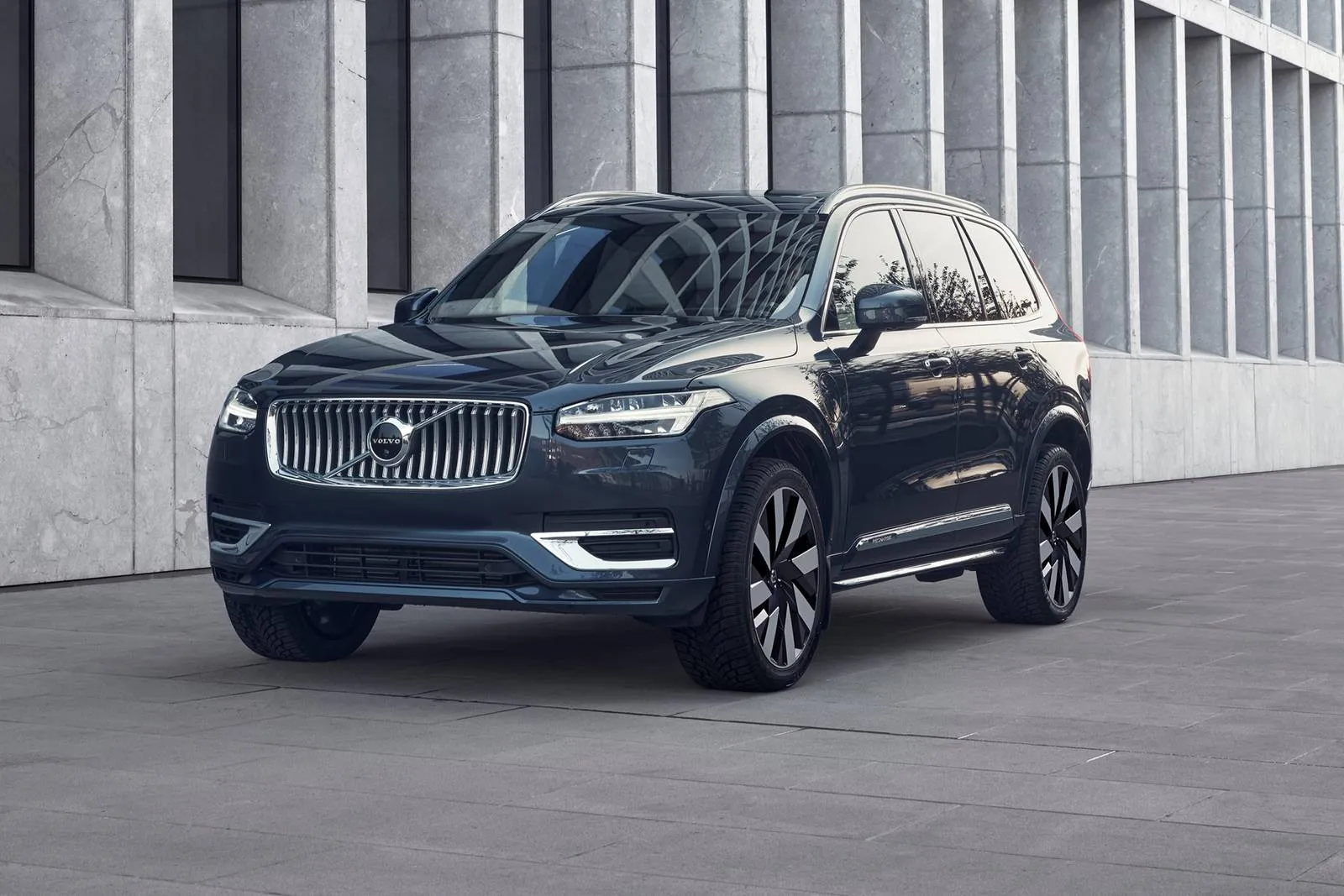
2. 2024 Volvo XC90 Recharge
Scandinavian engineering understands wet weather intimately, and the 2024 Volvo XC90 Recharge demonstrates this knowledge through design choices that prioritize weather resistance. Volvo tests vehicles in climates where rain, snow, sleet, and humidity create conditions more challenging than most regions experience.
This thorough testing reveals weak points that engineers address before production, creating vehicles that handle moisture without developing problems that compromise reliability or safety.
Corrosion protection starts during manufacturing with extensive use of galvanized steel throughout the body structure. This process coats steel with zinc that sacrifices itself to protect the underlying metal, preventing rust from forming even when protective paint gets chipped or scratched.
Volvo applies this treatment to structural components, body panels, and areas prone to water accumulation. This investment in corrosion resistance pays dividends years later when the XC90 still looks clean and rust-free while competitors show deterioration around wheel wells, door edges, and lower body panels.
Door seals use premium materials engineered to remain flexible through temperature extremes and years of compression. These seals keep water outside even during heavy rain or when driving through deep puddles. Window seals maintain tight contact with glass, preventing water from leaking into door cavities where it might reach electrical components.
Connections receive waterproof sealing with gaskets that maintain integrity through years of temperature cycling and vibration. This careful attention to electrical system protection prevents the gremlins that frustrate owners of less carefully engineered vehicles, where mysterious problems appear and disappear based on weather conditions.
Brake system components receive corrosion-resistant coatings and treatments that maintain performance through years of wet weather exposure. Calipers resist rust that might cause pistons to stick, and brake discs feature treatments that prevent excessive corrosion during periods of non-use.
This attention to detail maintains consistent braking performance rather than the soft pedal feel or grinding noises that indicate deterioration in less well-protected systems. Volvo’s commitment to safety extends to ensuring brakes work properly regardless of weather conditions.
Also Read: 10 Cheapest 200 MPH Cars You Can Buy Used in 2025
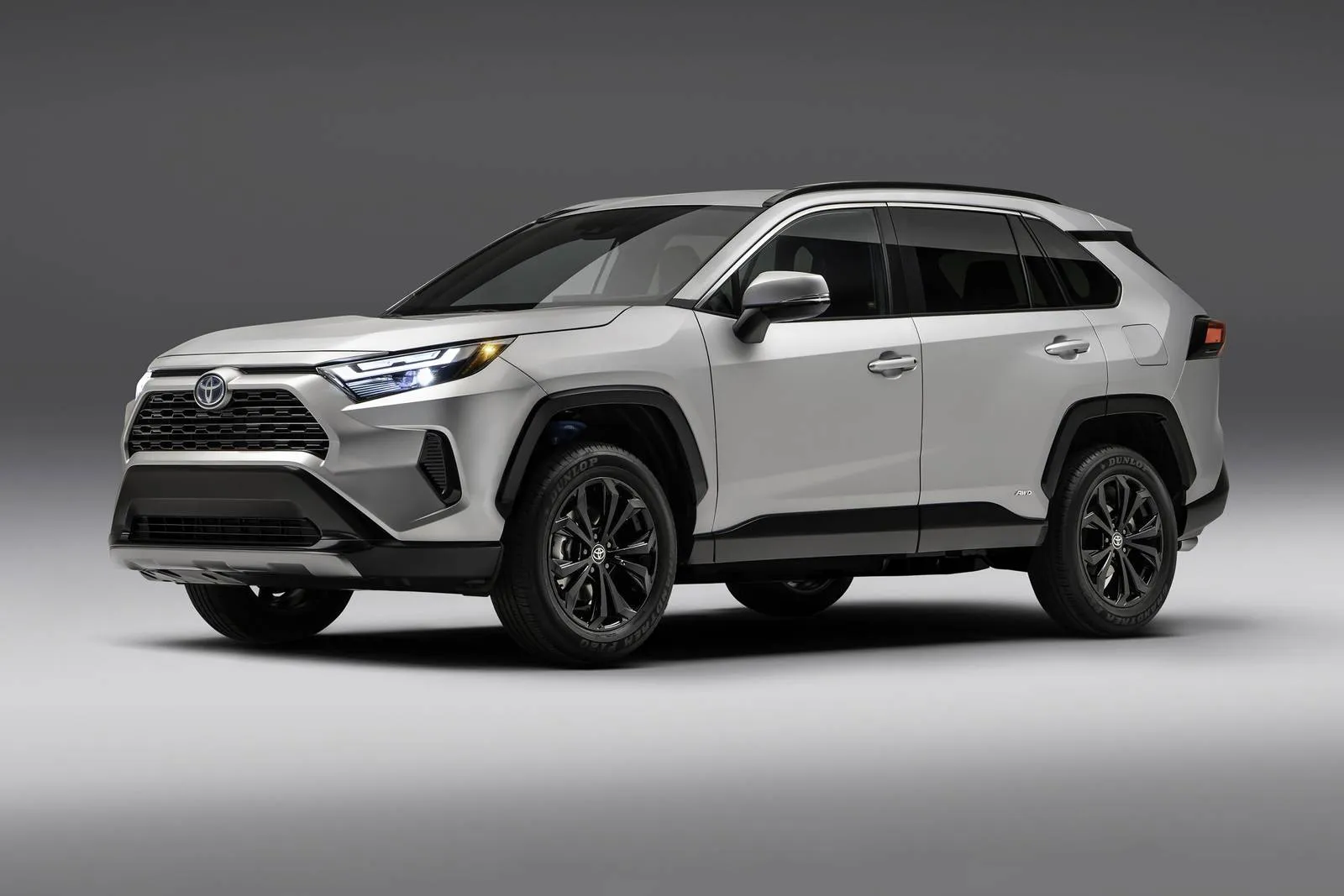
3. 2024 Toyota RAV4 Hybrid XLE
Toyota’s reputation for reliability extends to weather resistance, and the 2024 RAV4 Hybrid XLE exemplifies this through engineering that prioritizes long-term durability in harsh conditions.
Japanese manufacturers test vehicles thoroughly for corrosion resistance, recognizing that many markets experience high humidity and precipitation that accelerate deterioration in poorly protected vehicles.
This testing mindset creates vehicles that maintain structural integrity and functionality through years of exposure to moisture.
Body structure receives extensive corrosion protection during manufacturing. Toyota applies anti-corrosion coatings to body panels, structural components, and hidden cavities where water might accumulate.
Electric motors and power electronics include cooling systems that remain sealed against moisture, preventing water from reaching sensitive components that might fail from exposure. Toyota tests these systems rigorously to ensure they survive real-world conditions that include rain, humidity, and temperature extremes.
Interior materials resist moisture damage effectively. Seat fabrics dry quickly after getting wet rather than staying damp and developing mildew odors. Carpets include moisture barriers that prevent water from soaking through to sound-deadening materials underneath, where it might stay damp and create rust or mold.
Floor mats feature designs that trap water and mud while allowing air circulation for drying. These practical details prevent the musty interior smells that plague vehicles where water gets trapped in materials that don’t dry properly.
Weatherstripping around doors, windows, and hatches maintains flexibility and effectiveness through years of use. Toyota uses quality rubber compounds that don’t harden or crack from temperature cycling and UV exposure.
These seals keep water outside where it belongs rather than allowing it to leak into door cavities or interior spaces. Proper sealing prevents water from reaching electrical components inside doors and prevents rust from developing in hidden areas where moisture might otherwise accumulate and cause problems years down the road.
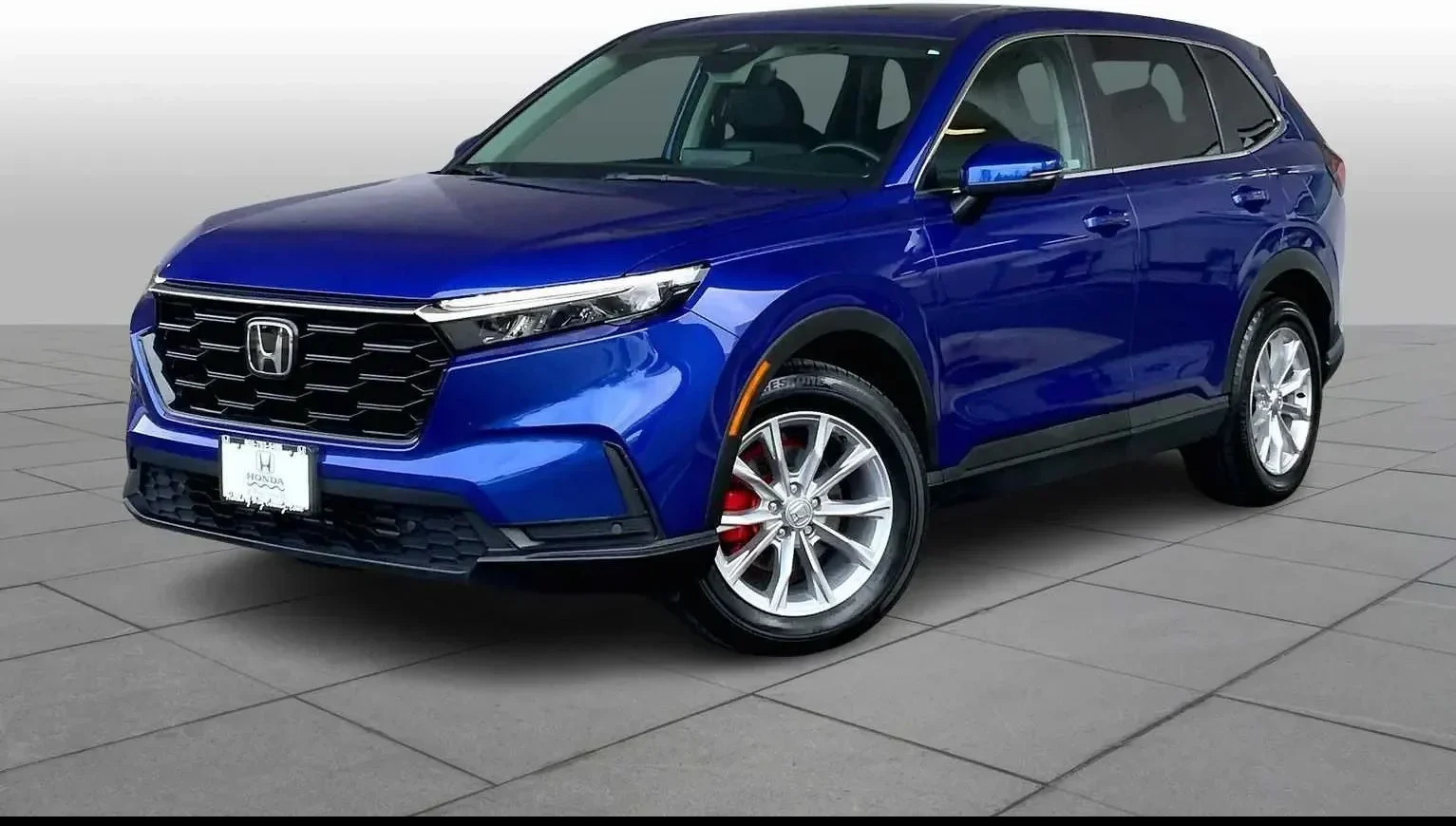
4. 2024 Honda CR-V EX-L
Honda builds vehicles with long-term reliability as a priority, and the 2024 CR-V EX-L demonstrates this philosophy through weather resistance that keeps it functioning properly through years of rainy climate exposure.
Honda’s engineering process includes testing in various climates to identify weak points before vehicles reach customers. This thorough approach creates vehicles that maintain their quality through conditions that might reveal shortcomings in less carefully developed competitors.
Corrosion protection begins with manufacturing processes that treat vulnerable areas before assembly. Honda applies protective coatings to body panels, frame components, and structural elements that provide barriers against moisture and road salt.
Spot welds receive special attention because these areas can trap moisture and develop rust if not properly protected. Drainage holes prevent water from pooling in body cavities, instead allowing it to exit before causing problems. This comprehensive approach to rust prevention keeps the CR-V looking good and structurally sound through years of wet-weather driving.
Electrical system design emphasizes reliability through weather protection. Wiring harnesses receive protective coverings that shield them from moisture and physical damage. Connectors include seals that prevent water intrusion even when submerged during deep puddle crossings.
Control modules sit in protected locations rather than areas where water might accumulate during heavy rain. This careful positioning and sealing prevent electrical gremlins that frustrate owners when problems appear intermittently based on weather conditions.
All-wheel drive system available on the CR-V provides confident traction on wet roads without requiring driver intervention. Honda’s system monitors wheel slip and distributes power automatically, maintaining stability through standing water or slick surfaces.
This proactive traction management reduces anxiety during rainy commutes or unexpected downpours. Electronic stability control works seamlessly with all-wheel drive to keep the vehicle stable during emergency maneuvers on wet pavement, providing safety when conditions deteriorate quickly.
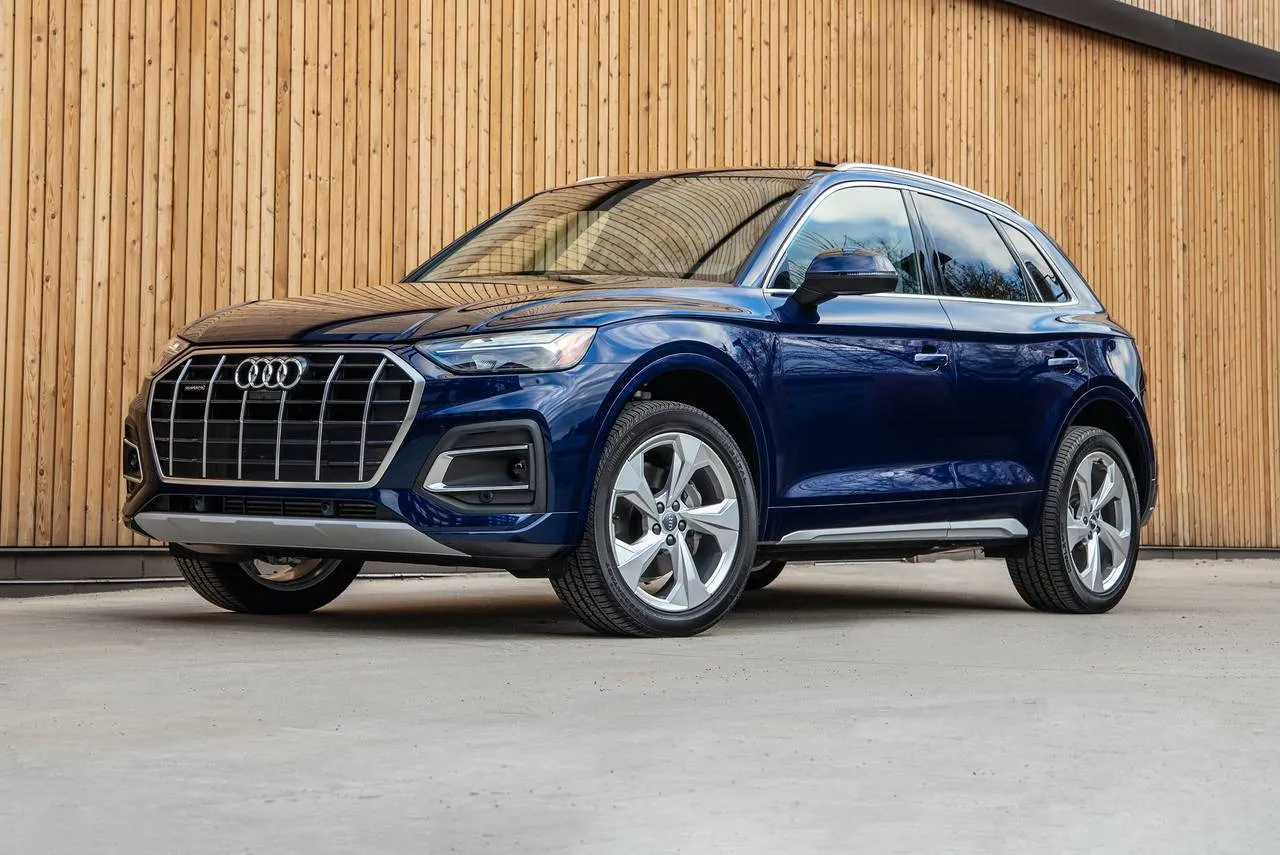
5. 2024 Audi Q5 Premium Plus
German engineering meets weather resistance in the 2024 Audi Q5 Premium Plus, creating a luxury crossover that handles rainy climates without developing problems that compromise its premium character.
Audi tests vehicles in diverse conditions, including regions with high rainfall, ensuring that components function properly regardless of the weather. This testing mindset creates vehicles that maintain their quality and reliability through conditions that might reveal weaknesses in less thoroughly engineered competitors.
Advanced rust protection systems shield the body structure from corrosion. Audi uses fully galvanized steel throughout the body, providing comprehensive protection rather than treating only vulnerable areas.
This investment in corrosion resistance maintains structural integrity and appearance through years of exposure to rain and humidity. Underbody components receive additional protective coatings that resist road salt and standing water that might otherwise cause rust.
Exhaust system components use corrosion-resistant materials that maintain appearance and function rather than developing holes or deterioration that affects performance and safety. Quattro all-wheel drive system provides confident traction on wet surfaces through intelligent power distribution.
Unlike systems that primarily drive front wheels until slip occurs, Quattro maintains readiness to send power anywhere it’s needed instantly. This proactive approach keeps the Q5 stable through standing water, hydroplaning conditions, or sudden changes in traction that might catch reactive systems unprepared.
Electronic controls work seamlessly to maintain stability without intrusive interventions that make driving feel unnatural or disconnected. Sealing throughout the vehicle prevents water intrusion that might cause problems.
Wire harness connectors receive waterproof gaskets that prevent corrosion at connection points where problems often develop. Control modules sit in protected locations with proper drainage to prevent water accumulation.
This attention to electrical system protection maintains the reliability that luxury car buyers expect, preventing intermittent problems that might plague less carefully engineered vehicles when exposed to constant moisture.
Cars That Struggle With Water Exposure
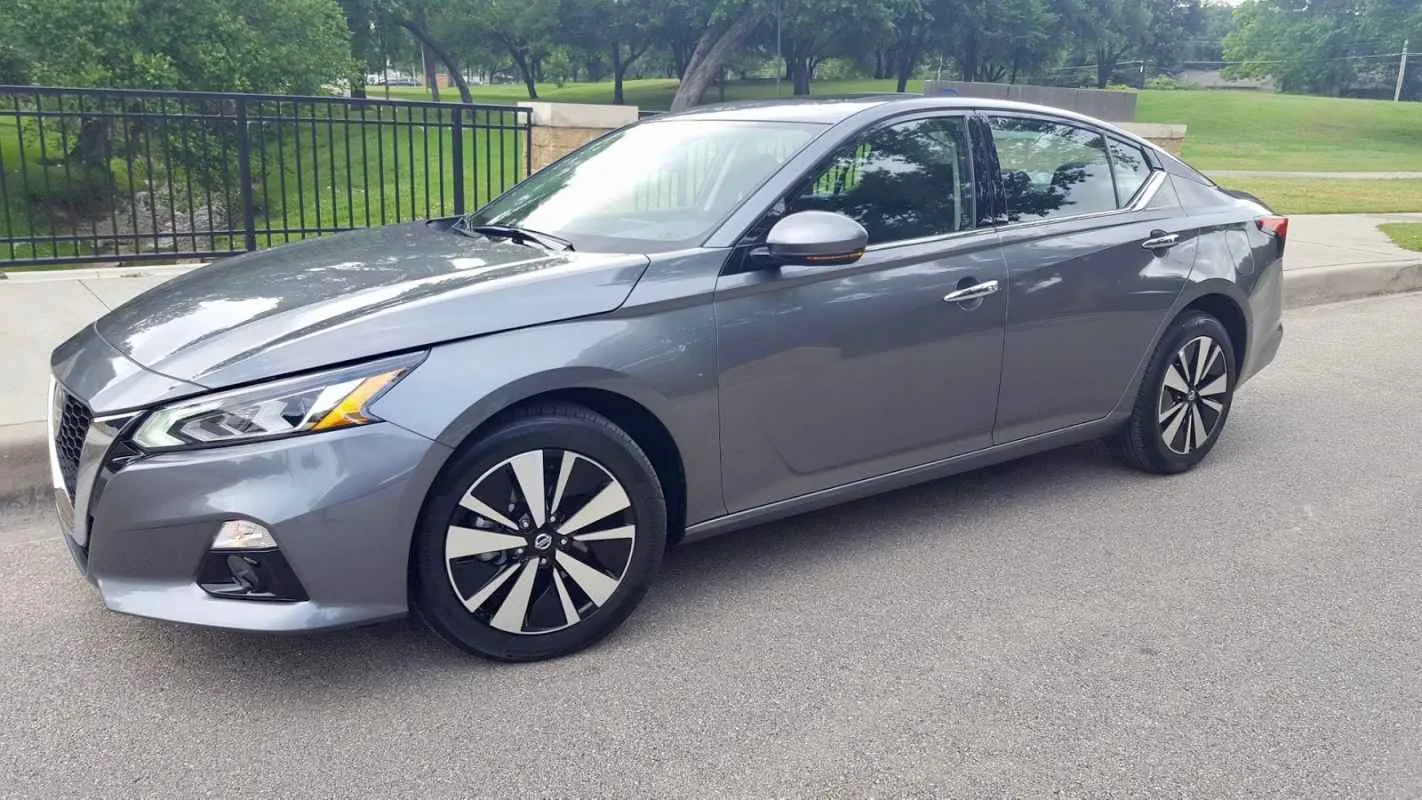
1. 2019 Nissan Altima S
Budget-conscious engineering choices hurt the 2019 Nissan Altima S when it comes to weather resistance. Owners in rainy climates report rust developing prematurely around wheel wells, door edges, and lower body panels within just a few years of ownership.
Nissan reduced corrosion protection measures during this generation to cut costs, applying less comprehensive rust-proofing treatments compared to earlier Altima models. Body panels use thinner steel with minimal galvanizing, leaving them vulnerable to rust once paint gets chipped or scratched from road debris.
Door seals present another weak point in rainy conditions. These seals lose flexibility faster than premium alternatives, allowing water to leak into door cavities where it accumulates and causes rust from inside the panels. Water reaching electrical components inside doors creates problems with power windows that slow down, stop working intermittently, or fail.
Door lock actuators suffer similar fates, developing sluggish operation or complete failure after moisture exposure. Repairing these problems requires removing door panels and replacing components that shouldn’t fail so early in a vehicle’s life.
Brake components corrode faster than they should, creating safety concerns and requiring premature replacement. Caliper brackets and pistons develop rust that causes uneven pad wear, pulsing during braking, and reduced stopping power.
Brake discs show excessive surface corrosion between uses, taking longer to clean off when you first apply the brakes after the car sits wet. This corrosion accelerates disc wear and creates grinding noises that sound alarming even when the brakes still function adequately. Replacing brake components more frequently than expected adds ownership costs that budget buyers didn’t anticipate.
Underbody corrosion develops quickly without proper protection. Exhaust system components rust through prematurely, developing holes that create loud noises and potential exhaust leaks into the cabin. Suspension components show rust that might compromise structural integrity if not addressed.
Fuel and brake lines run exposed beneath the vehicle without adequate protection, vulnerable to corrosion that could create dangerous situations. These underbody problems aren’t immediately visible but develop into expensive repairs as the vehicle ages in rainy climates.
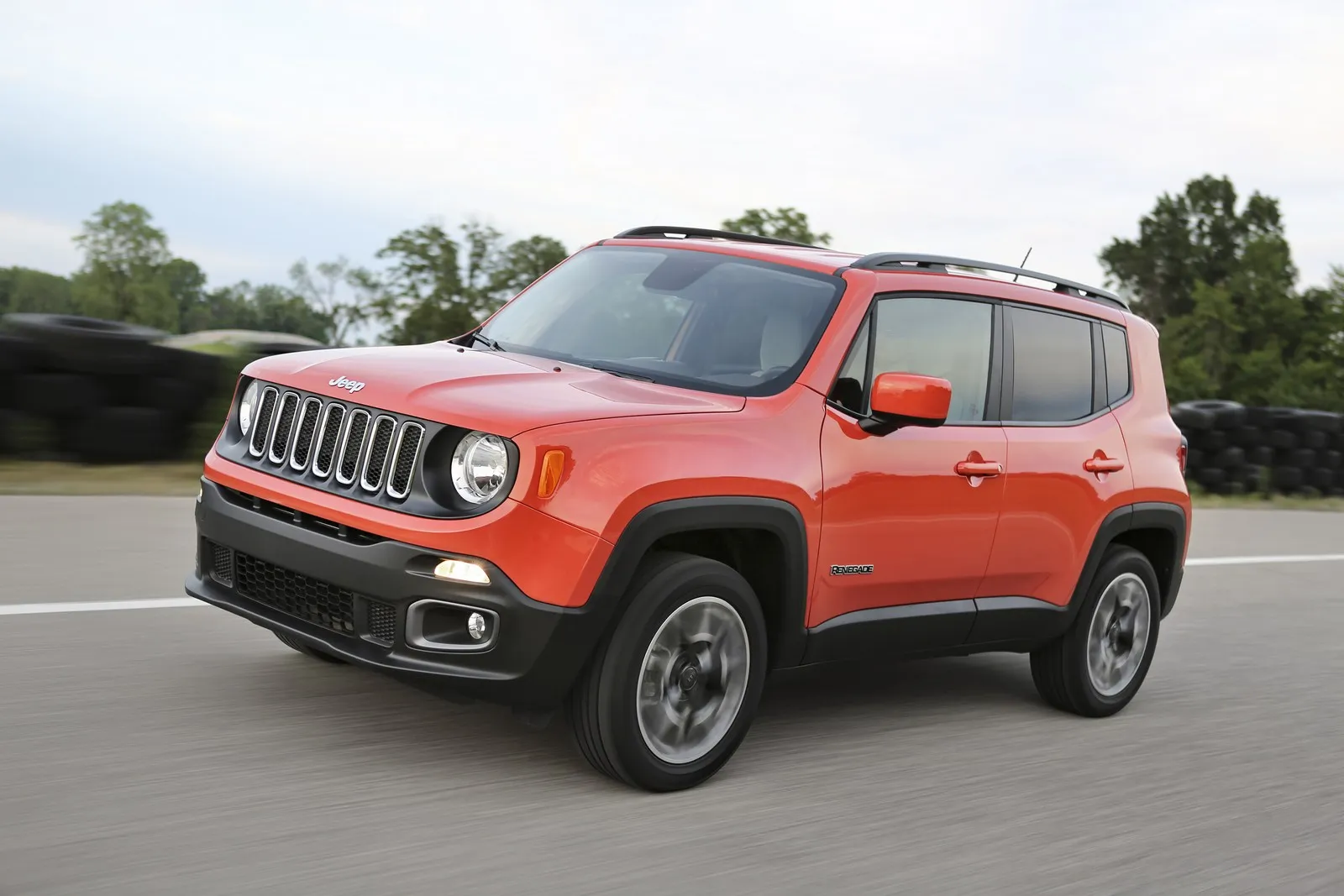
2. 2018 Jeep Renegade Sport
Italian manufacturing, combined with Chrysler engineering, created weather resistance problems in the 2018 Jeep Renegade Sport. Despite rugged styling that suggests off-road capability, this small SUV struggles with water exposure in ways that disappoint owners who expected better from a brand associated with adventure.
Rust appears prematurely on body panels, particularly around wheel openings and along rocker panels where road spray constantly bombards the vehicle. Paint adhesion problems allow rust to develop beneath paint that looks fine initially but bubbles and flakes away within a few years.
Electrical gremlins plague Renegades exposed to constant moisture. Owners report mysterious problems, including random warning lights, infotainment system freezes, backup camera failures, and electrical accessories that work intermittently. Dealers struggle to diagnose these issues because problems disappear when the vehicle dries out, only to return during wet weather.
Wiring harness connections throughout the vehicle lack adequate sealing, allowing moisture to reach connection points where corrosion develops. This creates resistance in circuits that causes components to malfunction unpredictably.
Dual-clutch transmission problems worsen in wet conditions. This automated manual transmission already suffers from reliability issues in dry climates, but moisture exposure accelerates problems.
Clutch packs show premature wear, and electronic controls that manage shifting develop faults when moisture intrudes. Transmission operation becomes jerky, hesitant, or refuses to engage gears properly.
Repairs cost thousands of dollars because an entire transmission replacement often becomes necessary rather than fixing individual components. Many owners face these expensive repairs well before 100,000 kilometres, creating frustration and unexpected costs.
Rust protection falls short of what vehicles need for long-term durability in wet climates. Underbody components corrode quickly, with exhaust systems developing holes within a few years. Suspension parts show surface rust that progresses to structural concerns if not addressed.
Even body structure components demonstrate rust, which indicates inadequate protection during manufacturing. Jeep’s warranty doesn’t cover corrosion damage, leaving owners responsible for repairs that result from what many consider manufacturing deficiencies rather than owner neglect.
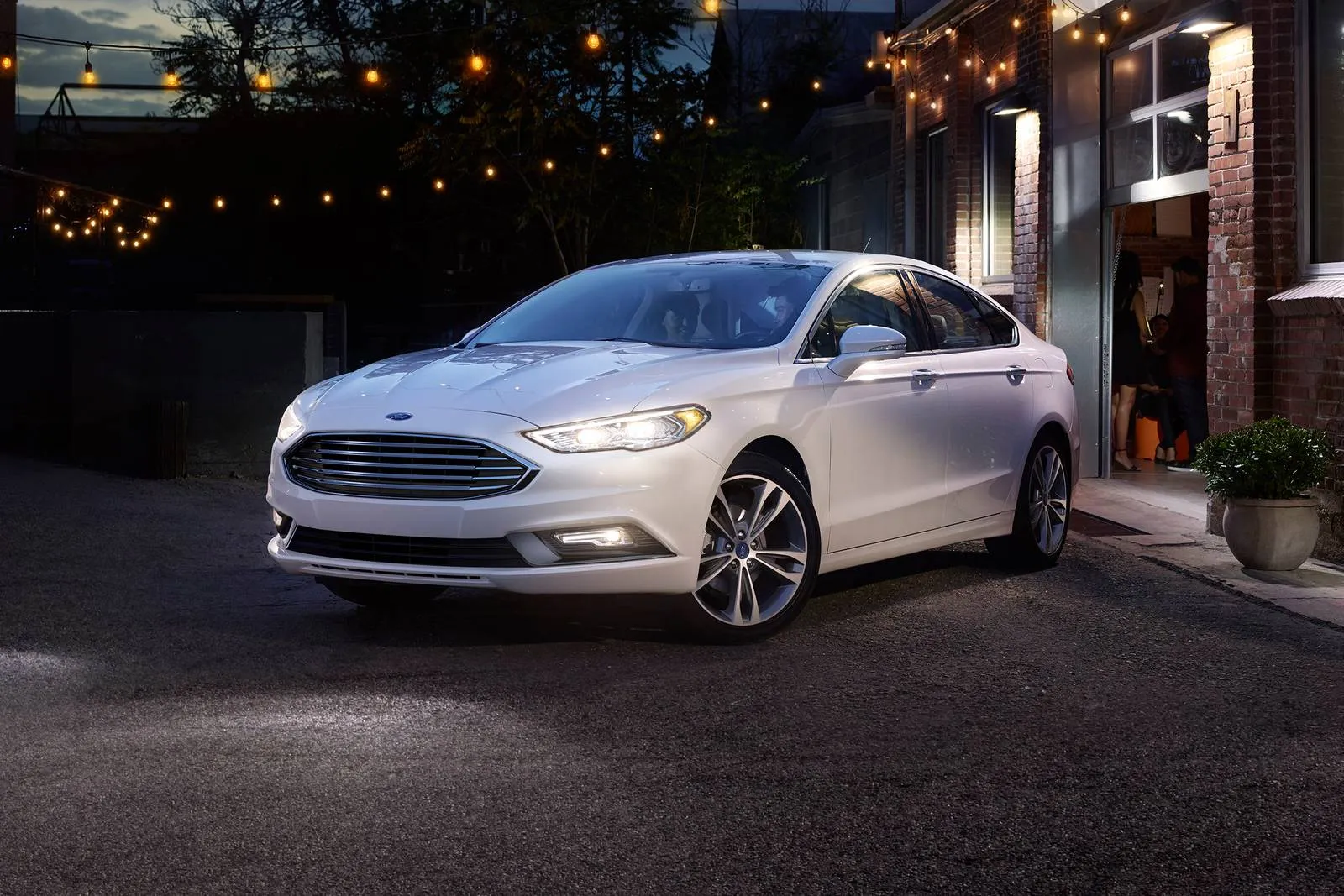
3. 2017 Ford Fusion SE
Cost-cutting measures during this generation hurt the 2017 Ford Fusion SE’s ability to withstand rainy climates. Owners report rust developing around rear wheel wells within three to four years, particularly on vehicles driven in areas with road salt during winter.
Ford reduced anti-corrosion treatments on body panels compared to previous generations, leaving them vulnerable once the paint gets damaged. Structural rust appears on subframes and suspension mounting points, creating safety concerns that require expensive repairs or might total vehicles if damage becomes severe enough.
Water intrusion problems frustrate owners across multiple entry points. Cabin air filter housing allows water to enter HVAC systems, creating musty odors and potentially damaging blower motors. Tail light housings seal poorly, allowing water inside that causes bulb failures and corrosion at electrical connections.
Trunk seals permit water to enter cargo areas, soaking spare tire wells where water pools and causes rust on body panels beneath carpet. Door seals fail prematurely, allowing water into door cavities that damages window regulators and door lock mechanisms.
Electrical system problems multiply in damp conditions. The battery located in the trunk area is vulnerable to water that enters through failed seals, causing premature battery failure and corrosion at terminals. Fuse boxes positioned in areas where water might accumulate develop corrosion that causes circuits to fail intermittently.
Wiring harnesses throughout the vehicle lack adequate protection, with insulation that cracks and exposes wires to moisture. These electrical problems create symptoms ranging from minor annoyances like interior lights that flicker to serious issues like engine control modules that fail.
Transmission problems appear more frequently in rainy climates. Six-speed automatic transmission develops shifting issues, including harsh engagements, slipping between gears, and complete failure to move. Moisture somehow reaches transmission control modules despite their supposedly protected locations, causing erratic electronic control.
Transmission fluid contamination from water intrusion accelerates internal component wear. Repairing or replacing these transmissions costs thousands of dollars, creating financial hardship for owners who didn’t budget for such expensive repairs on relatively young vehicles.
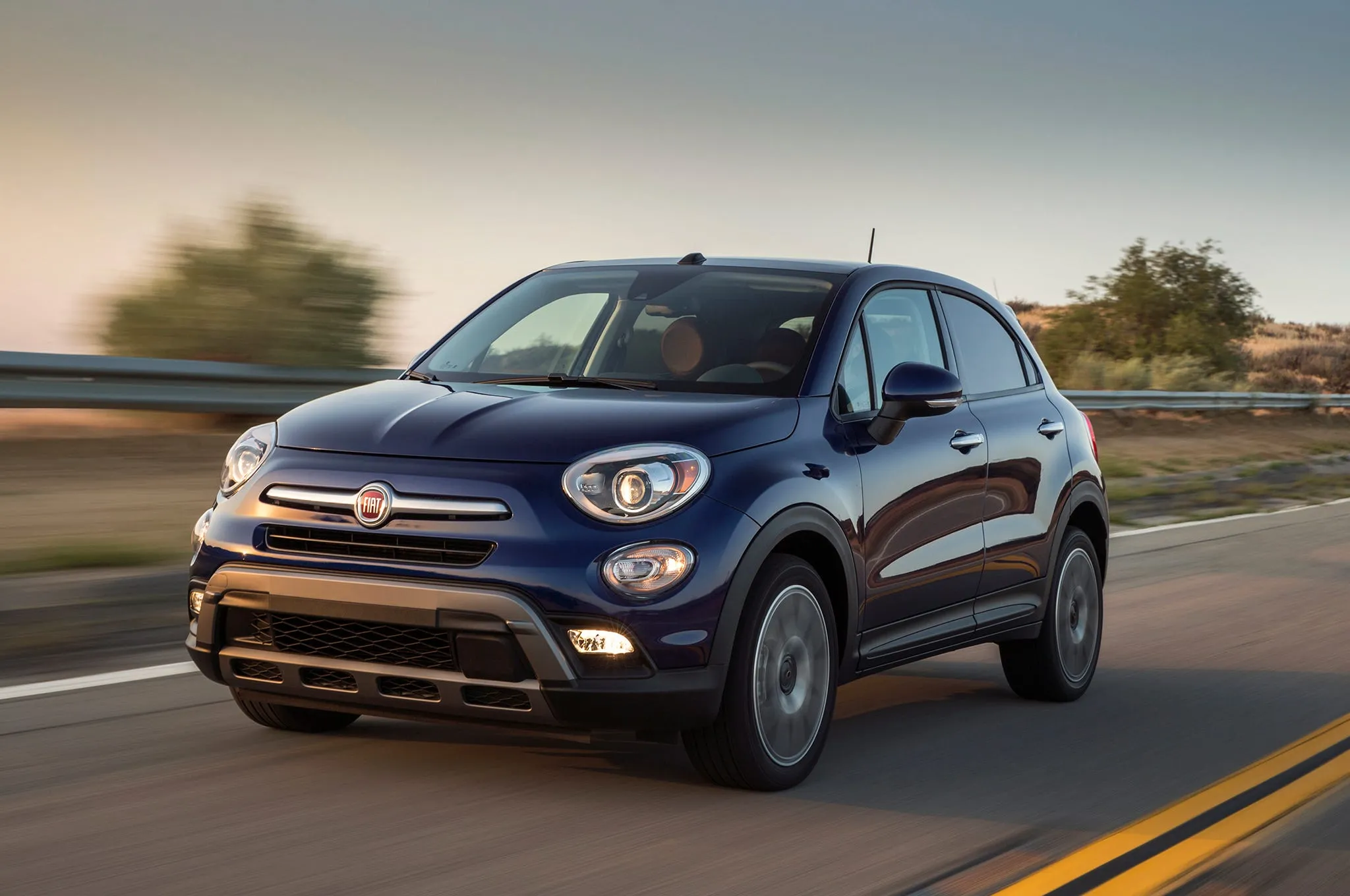
4. 2016 Fiat 500X Trekking
Italian design met American reliability expectations poorly in the 2016 Fiat 500X Trekking, creating a vehicle that struggles in rainy climates. Rust appears quickly on body panels, particularly around wheel openings and along rocker panels, where water and road debris constantly impact.
Paint adhesion issues allow rust to develop beneath surfaces that look intact initially but bubble and peel within a few years. Body structure corrosion appears on subframes and suspension mounting points, creating concerns about long-term structural integrity that might affect safety during accidents.
Electrical problems dominate owner complaints about weather-related issues. Wiring harnesses throughout the vehicle lack proper sealing, allowing moisture to reach connections where corrosion develops. This creates intermittent problems that frustrate both owners and mechanics trying to diagnose root causes.
Dashboard warning lights illuminate randomly, infotainment systems freeze or reboot unexpectedly, and accessories like power seats or mirrors stop working intermittently. These problems often disappear when vehicles dry out, only to return during wet weather, making diagnosis difficult and repairs ineffective.
Dual-clutch transmission suffers accelerated wear in wet conditions. This automated manual transmission already shows reliability problems in dry climates, but moisture exposure makes things worse. Electronic control units that manage clutch engagement and gear selection fail when moisture intrudes despite supposedly waterproof housings.
Clutch packs wear prematurely, creating shuddering during acceleration or a complete loss of drive. Transmission repairs or replacements cost more than many owners paid for their used vehicles, creating situations where economic total loss occurs on cars that otherwise function adequately.
Water leaks into interiors through multiple poorly sealed areas. Windshield installation allows water to seep around edges, dripping onto dashboards during heavy rain. Door seals compress and lose sealing effectiveness quickly, permitting water into door cavities and sometimes onto floor carpets.
Sunroof drains clog easily and overflow into the headliners when not maintained obsessively. These leaks create damp interiors that smell musty and promote mold growth in materials that don’t dry properly. Extensive disassembly becomes necessary to find and fix leak sources, costing money without guaranteed success.
Also Read: 10 Six Cylinder Cars So Quick They Embarrass V8s
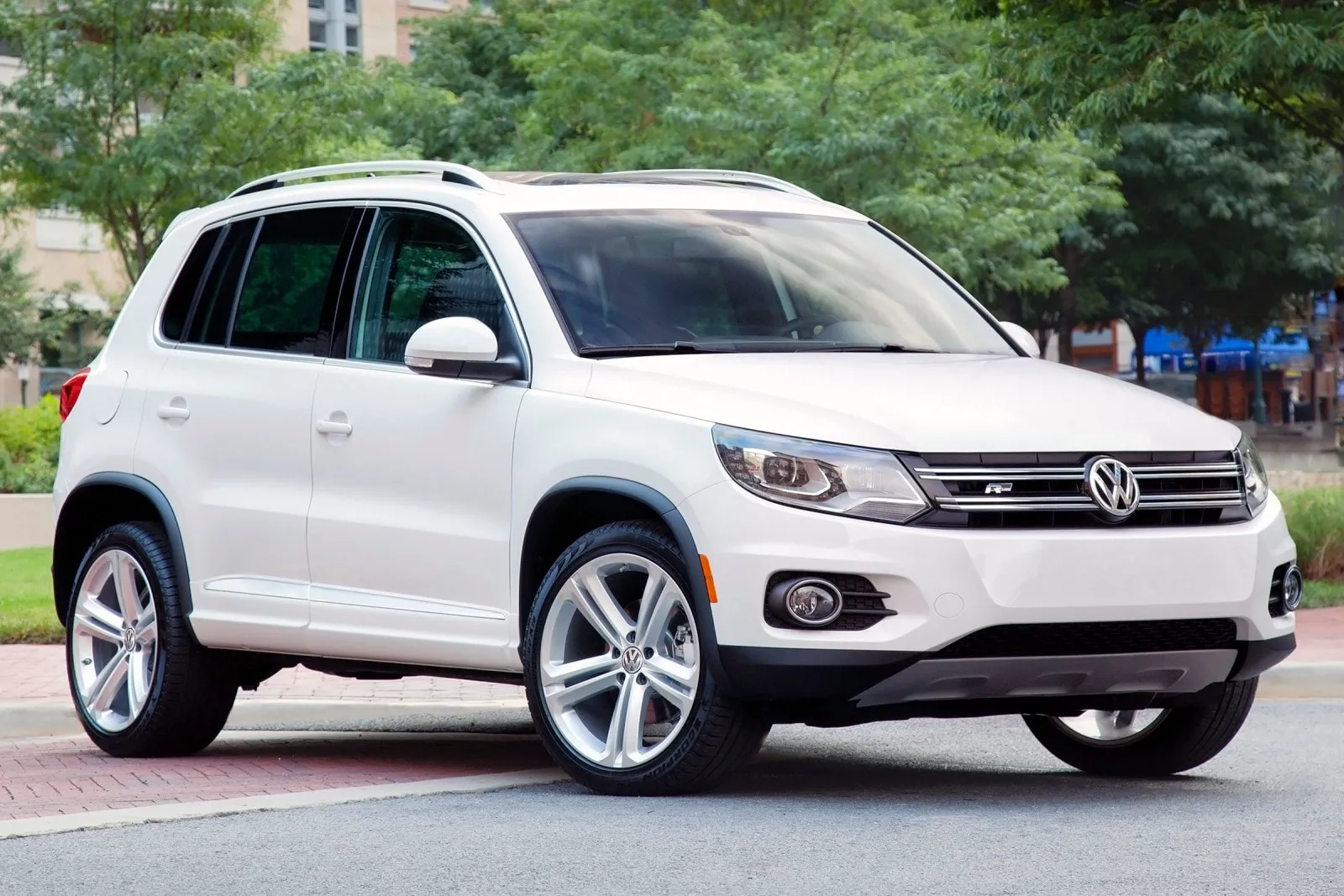
5. 2015 Volkswagen Tiguan S
Early versions of the second-generation Tiguan showed weather resistance problems that disappointed owners who expected German engineering quality. Rust appears prematurely on body panels, particularly at wheel arch edges and along door bottoms, where water constantly impacts surfaces.
Volkswagen reduced corrosion protection during this model year to cut costs, applying less comprehensive treatments compared to earlier generations. Body panel steel uses minimal galvanizing, leaving it vulnerable once paint chips or scratches expose bare metal to moisture.
Sunroof problems create expensive repairs in rainy climates. Drain tubes that carry water from sunroof tracks to exit points beneath the vehicle clog easily with debris. When clogs occur, water overflows into the headliner instead of draining properly.
This causes water damage to interior surfaces, soaks carpets, and creates electrical problems when moisture reaches components in the overhead console. Repairing water damage requires extensive disassembly, while clearing drains demands removing interior trim panels. Many owners face recurring problems because drains clog again after initial cleaning.
Electrical system gremlins frustrate owners in wet conditions. Moisture reaches control modules despite housings meant to provide weather protection. This creates intermittent problems, including warning lights that illuminate randomly, infotainment systems that freeze or reboot unexpectedly, and accessories that function sporadically.
Window regulators fail when moisture corrodes internal components, leaving windows stuck in open or closed positions. Door lock actuators stop working after moisture exposure, requiring expensive replacements. These electrical problems cost money to diagnose and repair, while often recurring because moisture continues reaching vulnerable components.
Transmission issues appear more frequently in a rainy climate. Six-speed automatic transmission develops harsh shifting, delayed engagement, or complete failure to move. Moisture somehow reaches transmission control modules and internal components despite seals meant to prevent intrusion.
Contaminated transmission fluid accelerates wear on clutch packs and valve bodies. Repairing these transmissions costs thousands of dollars, often approaching or exceeding vehicle values for examples of this age. Many owners face difficult decisions about whether repairs make financial sense.
