
When American car shoppers look at sedans, they often focus on fuel economy, affordability, and overall driving comfort. But for families, rideshare drivers, and anyone who regularly seats adults in the rear, back-seat ergonomics can make or break the experience.
The modern sedan landscape is full of vehicles that deliver great front-seat comfort but fall short when it comes to rear-legroom usability.
A “knee-banger” back seat often means knees pressed into the front-seat backs, low-mounted cushions that force an upright posture, or poor sculpting that reduces usable space even if the spec sheet claims adequate inches.
For buyers who want a practical, adult-friendly rear seat, understanding which sedans struggle and which ones excel can help avoid headaches later.
Below, we break down five sedans known for tight, knee-cramping rear quarters and five alternatives that treat back-seat passengers with far more respect.
This list focuses on U.S.-market sedans across mainstream and affordable segments so shoppers can make a comfortable, informed decision.
The Knee-Banger Sedans
Some sedans promise comfort, refinement, and long-haul ease, yet a frustrating number still overlook one of the most basic essentials: usable space for your knees.
Whether it’s a cramped dashboard, an awkward center console, or front seats that seem designed for contortionists, these knee-banger sedans turn everyday driving into an uncomfortable squeeze. In this article, we break down the cars that look good on paper but fall short where it matters most: giving you the legroom you deserve.
1. Toyota Corolla Sedan
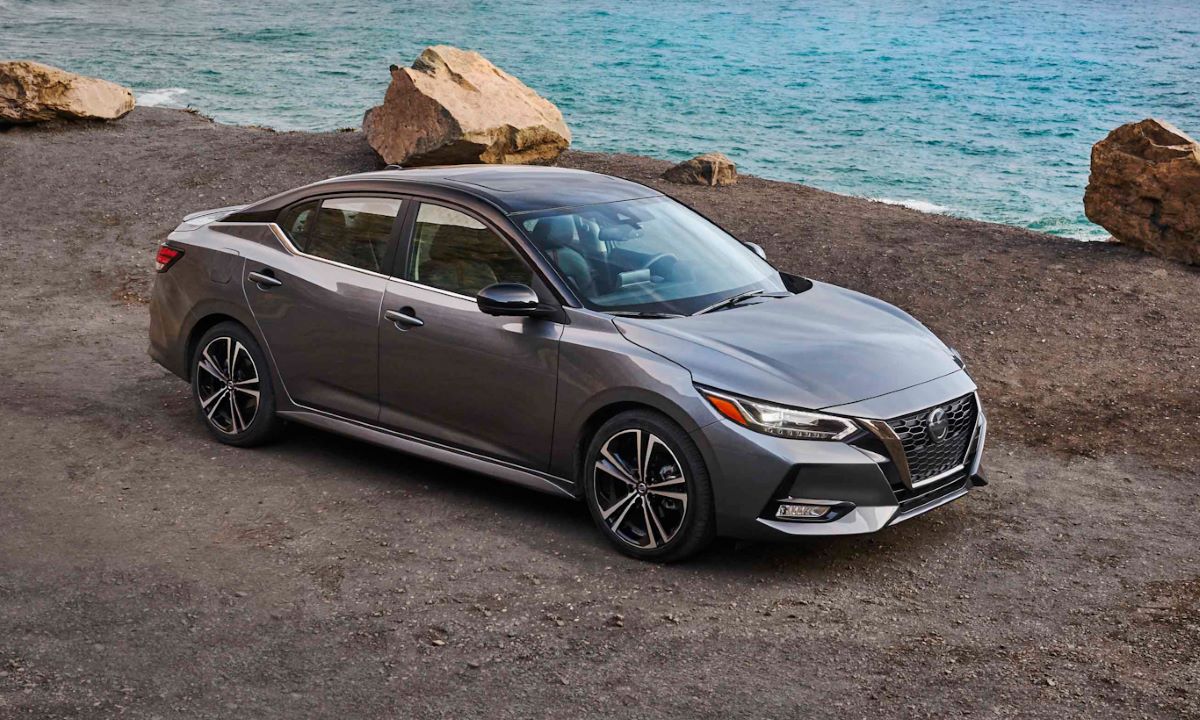
The Toyota Corolla remains one of America’s best-selling compact cars, prized for durability and fuel efficiency. But the sedan’s back seat is one of its consistent weak points.
With a low roofline and a sharply contoured front seatback, rear passengers especially anyone over 5’10” often end up with knees brushing or pressing against the back of the front seats.
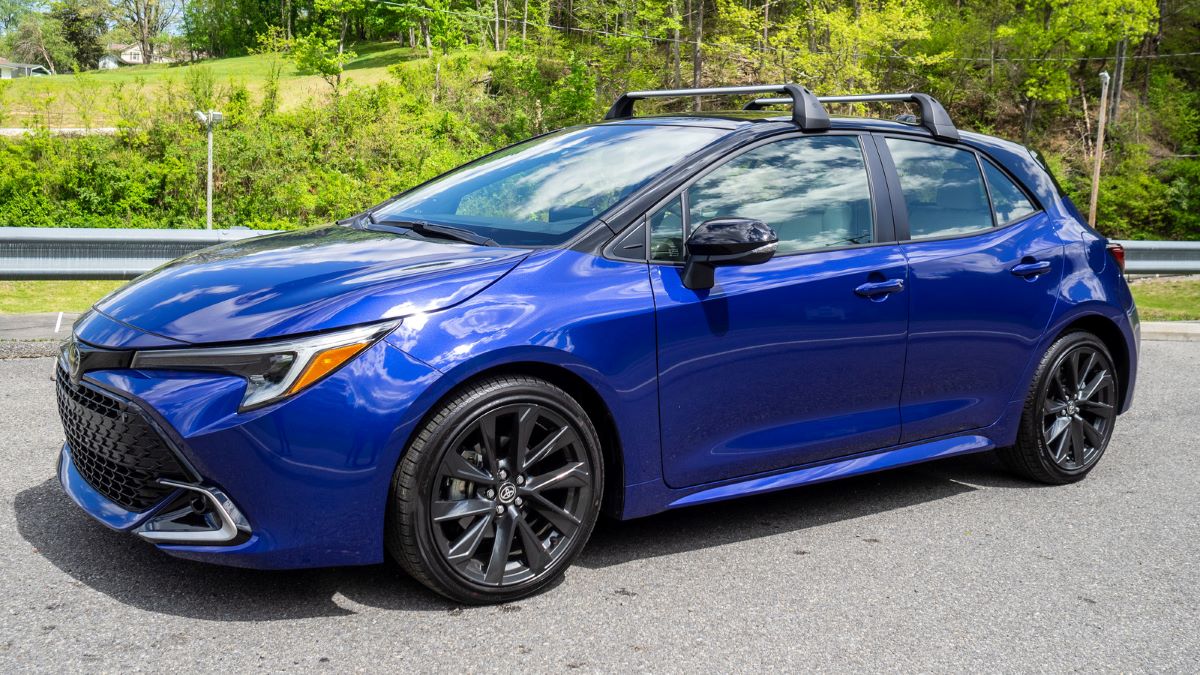
The seat cushion is also somewhat low, meaning taller riders sit with their knees elevated, exacerbating the cramped feeling.
For kids or occasional riders it’s manageable, but for daily adult use, the Corolla’s back seat simply doesn’t compete with roomier competitors.
2. Subaru WRX
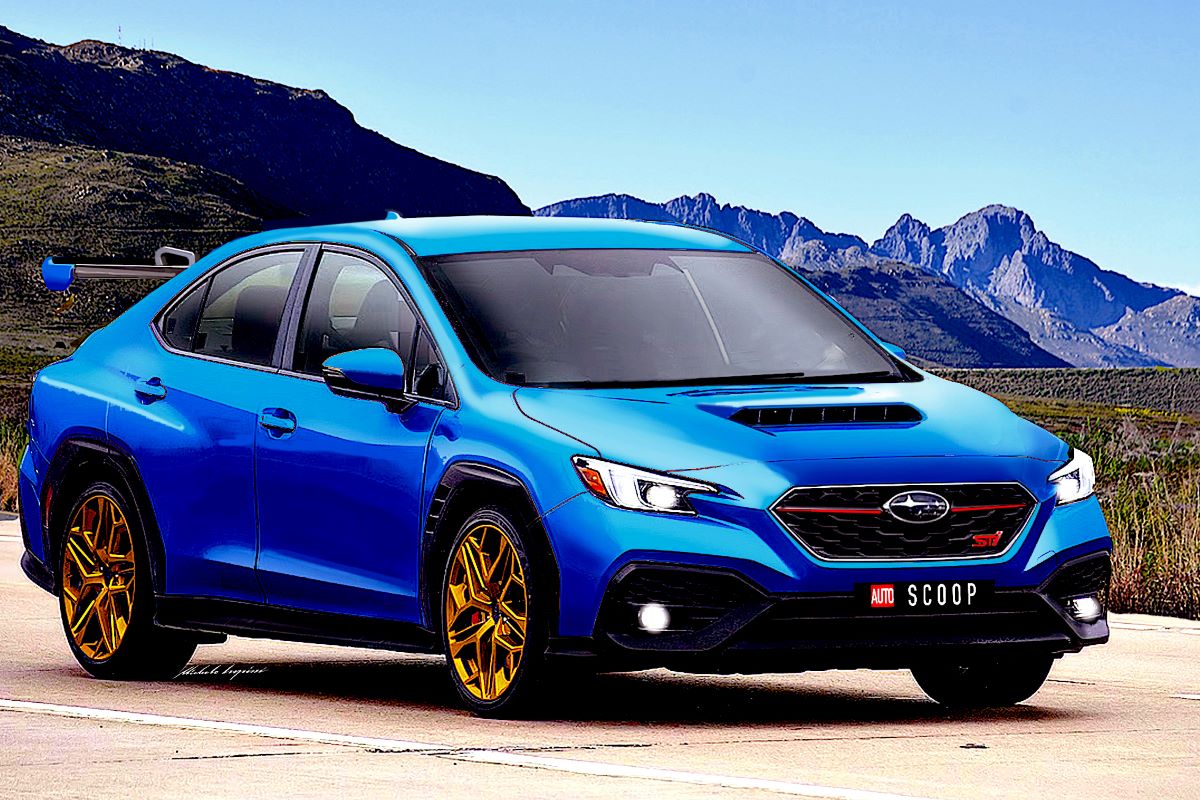
The WRX earns its reputation as a performance bargain, but practicality suffers especially in the back row.
The aggressively bolstered front seats eat into available space, and the tight cabin width means even medium-sized adults feel squeezed.
Legroom is listed at a respectable number on paper, but the real-world issue is the way the front seat rails intrude on foot space, forcing knees upward and outward.
Anyone using the WRX as a family sedan will quickly discover that the rear bench is more symbolic than functional for adults.
The driveline shock when you drop the clutch is so harsh and severe that I thought there might be a pile of metal on the ground. Even with the new engine, there’s a significant amount of turbo lag below about 3,000 rpm.
That means getting the best launch basically means dropping the clutch from about 5,000 rpm.” We have yet to test the automatic-equipped WRX.
The WRX truly shines when navigating twisty roads. Its strong midrange power, all-wheel-drive traction, composed suspension, and responsive steering combine to deliver an engaging, enthusiastic driving experience.
On the downside, the WRX’s brakes do not inspire the level of confidence one would expect from a sporty compact sedan. The pedal feels overly soft for a car with this performance focus. Still, on our test track, the WRX managed to stop from 60 mph in just 110 feet, a respectable distance for the segment.
Inside, the cabin impresses with a number of soft-touch surfaces, giving the WRX a surprisingly refined feel from the moment you enter.
However, its fuel economy falls short compared with rivals and even lags behind previous-generation models that were already subpar. On top of that, the WRX is one of the more expensive high-performance compact sedans on the market.
3. Hyundai Elantra
The Elantra’s swoopy exterior lines and low profile look stylish, but the cabin tapers aggressively especially in the footwell and knee area.
While the spec sheet suggests mid-pack legroom, the real issue is the scalloped front seatbacks, which curve in a way that limits knee placement.
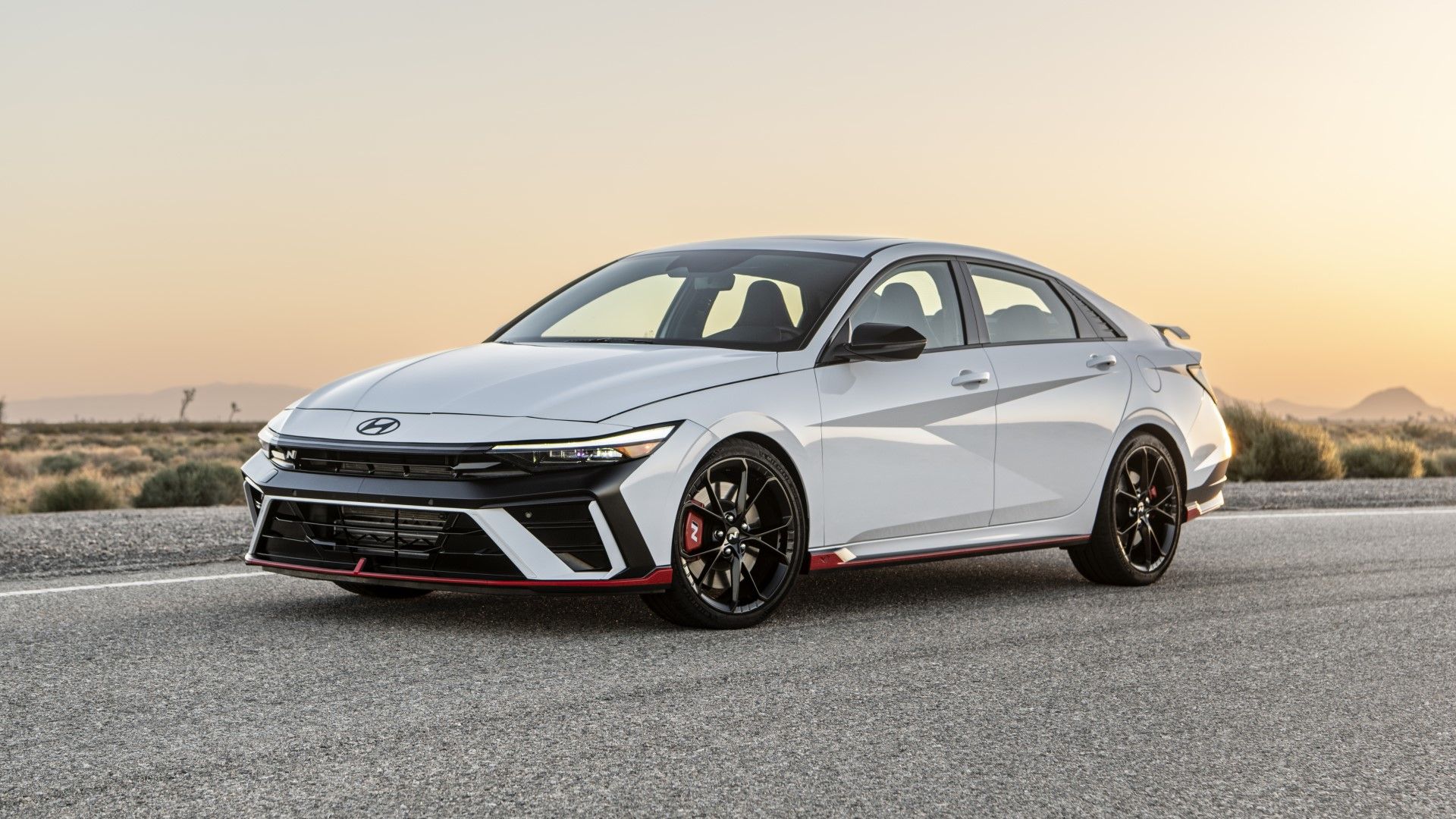
Taller riders often complain that they cannot sit behind a driver of similar height without resting knees on plastic. The low rear cushion also contributes to a cramped, knees-up posture, making longer rides uncomfortable.
4. Nissan Sentra
Nissan recently improved the Sentra’s interior quality, but rear-seat packaging remains tight. The bench itself is supportive, yet the space between the cushion and the back of the driver’s seat has a hard plastic shell that amplifies knee contact.
For taller passengers, there’s often no comfortable place to put legs unless the front occupant slides forward. In crowded urban settings or rideshare usage, the Sentra’s back seat frequently ends up a complaint zone.
Acceleration off the line is decent, but the Sentra tends to lose momentum as speed builds. We recorded a 0-60 mph time of 8.8 seconds, which is slightly below average for the small-sedan segment but comparable to other slower competitors such as the Kia Forte and Toyota Corolla.
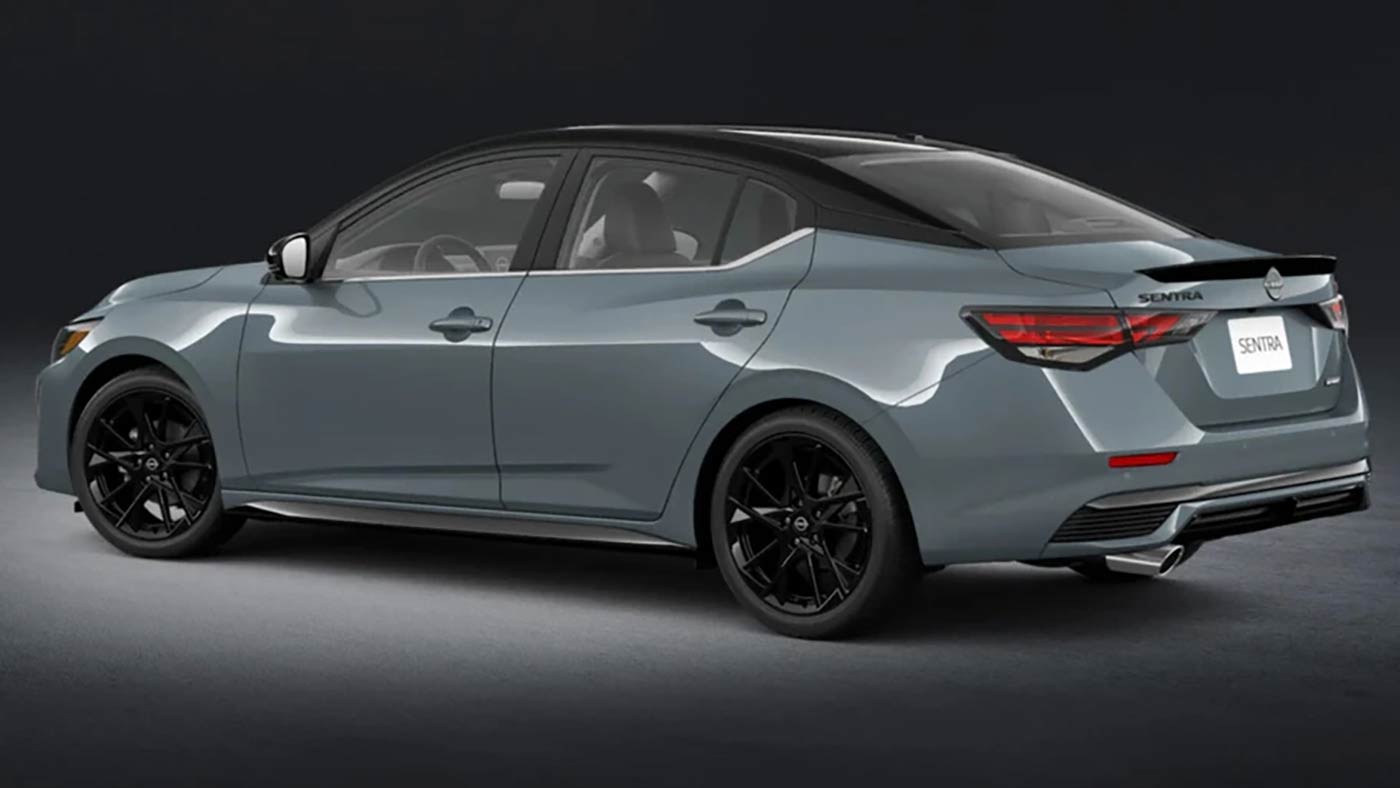
In everyday driving, the Sentra’s continuously variable automatic transmission delivers smooth and unobtrusive operation. However, it offers little engine braking when you lift off the accelerator, which may require relying more on the brakes than expected when slowing down.
The brake pedal feels smooth and easy to modulate during routine driving. In emergency situations, though, braking performance is lacking.
Our test Sentra required 131 feet to come to a stop from 60 mph, compared with a segment average of roughly 123 feet. Steering and handling are adequate, if unremarkable, providing sufficient control for the typical driver in everyday conditions.
5. Mazda3 Sedan
The Mazda3 shines in driving feel and cabin materials, but one tradeoff is its compact footprint. Rear knee room is noticeably constrained, and the sweeping exterior design reduces vertical and fore-aft passenger space.
Even with the front seat pushed to a moderate setting, passengers behind taller drivers often report direct knee-to-seatback contact. Mazda’s focus on a driver-centric layout leaves the rear quarters more of an afterthought.
The Mazda 3 is a mainstream compact sedan that consistently punches above its weight. It almost feels like a premium-class compact, as its higher trim levels feature interiors finished with materials that convey a sense of luxury unmatched by rivals such as the Hyundai Elantra and Honda Civic.
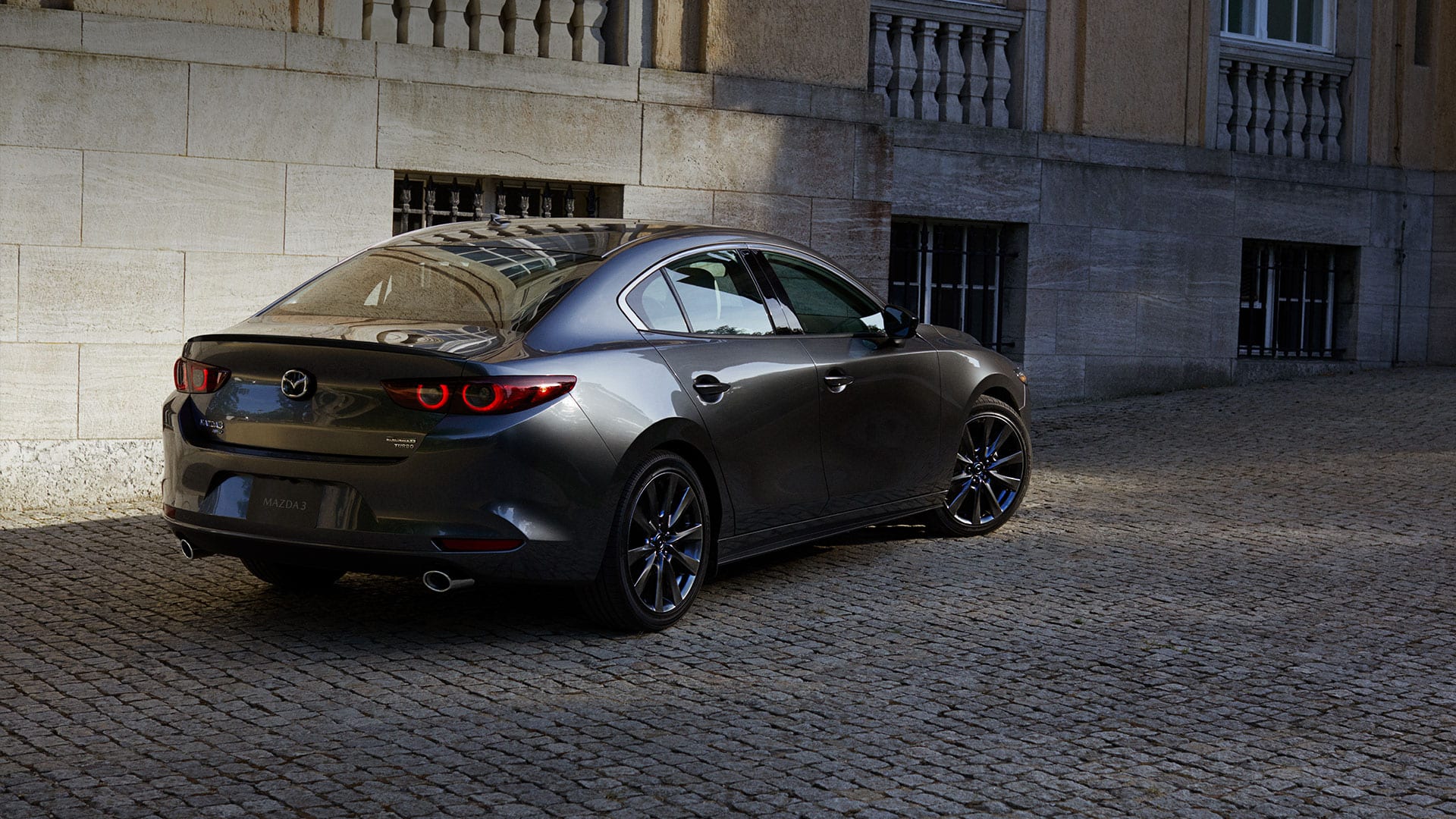
Available as either a four-door sedan or a five-door hatchback, the hatchback is positioned as the more upscale variant. Despite being slightly shorter overall than the sedan, the five-door commands a higher price.
Power comes from a 2.5-liter four-cylinder engine, offered with or without a turbocharger, paired with either a six-speed automatic or six-speed manual transmission. Manual gearboxes are limited to nonturbo models with front-wheel drive, while all-wheel drive is available only with the six-speed automatic.
True to Mazda’s reputation, the 3 delivers an engaging driving experience, blending agility with a comfortably smooth ride. Its refined exterior styling and well-appointed interior combine to create a compact car with far more appeal and sophistication than its price might suggest.
The Comfortable Alternatives
Not every sedan forces you to fold yourself into the driver’s seat. For every knee-banging, space-compromised model on the market, there are others that get comfort right, offering generous legroom, smart cabin design, and a driving position that feels natural instead of cramped.
In this section, we highlight the sedans that deliver the space and ease the others lack, giving you truly comfortable alternatives worth considering.
1. Honda Civic Sedan
If the Corolla is the benchmark for reliability, the Civic is the compact sedan that takes rear-seat practicality seriously. The Civic’s long wheelbase and smart interior packaging give adults real legroom even behind taller drivers.
The front seatbacks use soft materials and smart sculpting to carve out additional knee pockets, while the higher rear cushion allows passengers to sit in a natural, supportive posture.
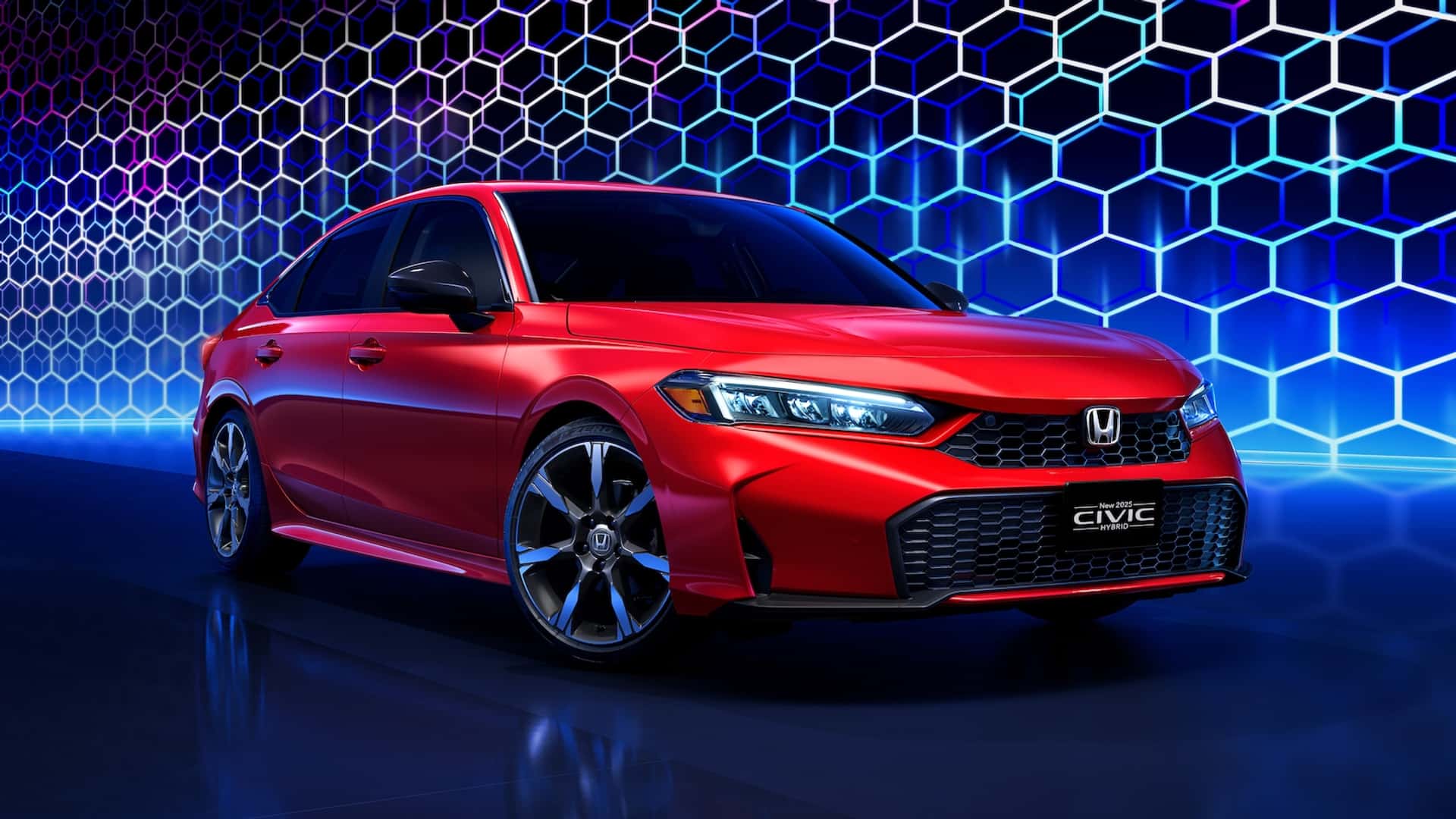
For U.S. buyers who regularly carry adults, this remains one of the most space-efficient small sedans.
We tested a Civic Touring sedan equipped with the turbocharged engine. On our test track, it accelerated from 0 to 60 mph in 7.9 seconds, which is slightly quicker than average for the small-sedan segment.
It feels a bit sluggish off the line, but power builds steadily and briskly, so you rarely feel the need to floor it like you would with the base 2.0-liter engine. The Civic’s continuously variable automatic transmission is well-tuned, delivering smooth power and responsive bursts whenever needed.
Through corners, the Civic feels stable and engaging, inspiring confidence while offering some fun behind the wheel. The tires can be noisy, but they provide a surprising amount of grip, which also contributes to above-average braking performance. This Civic is easy and effortless to drive, exactly what we’d expect from an affordable, well-rounded sedan.
2. Toyota Camry
Where the Corolla struggles, the Camry excels. As one of America’s favorite midsize sedans, the Camry consistently offers generous rear legroom without compromising seat comfort.
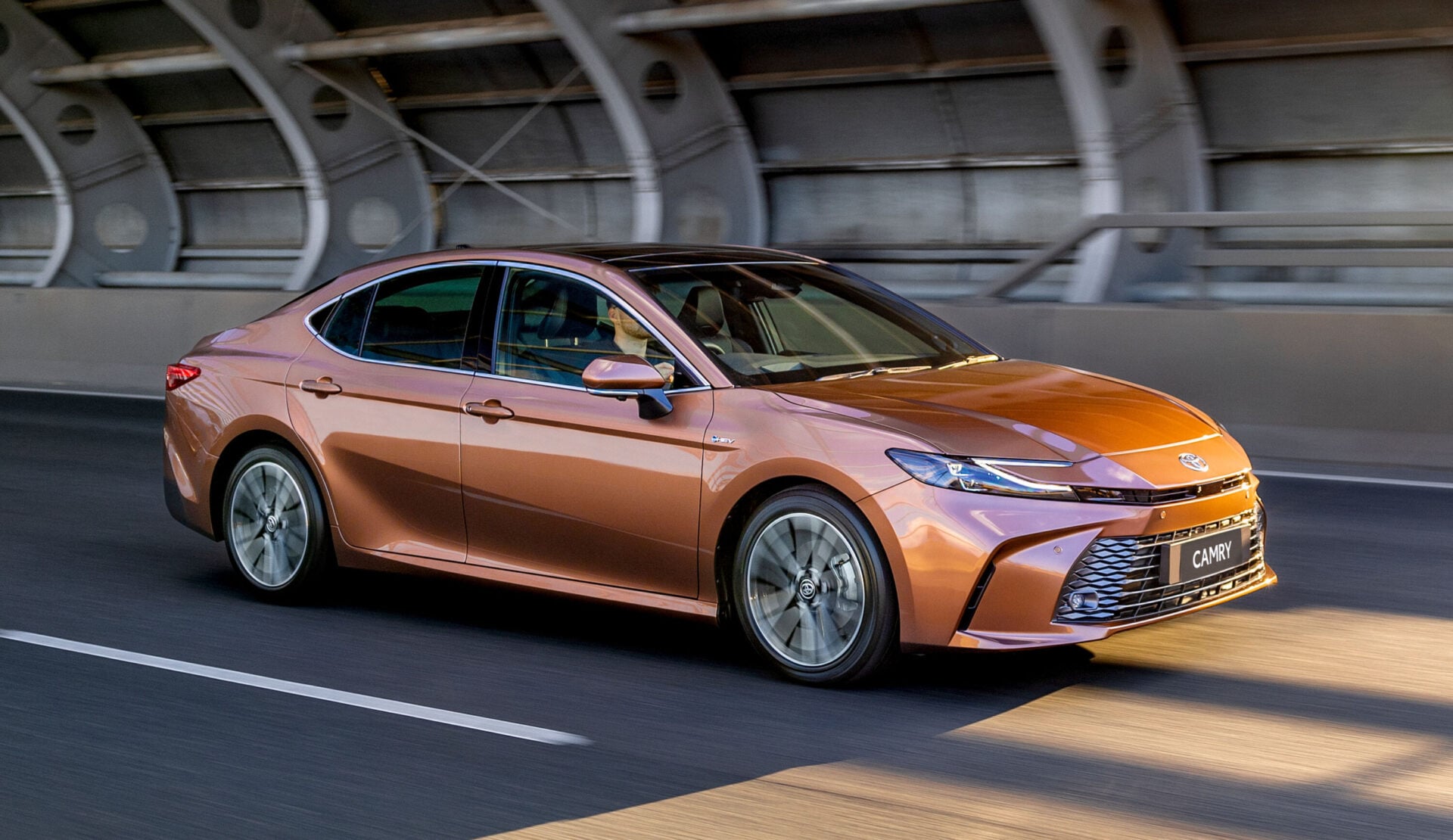
The bench is angled well for thigh support, and the footwell is deep enough that adults can slide feet under the front seats.
Even taller passengers will rarely experience knee contact, making the Camry a top pick for families and road-trip drivers. The roomy back seat feels like a genuine upgrade over most compacts, including Toyota’s own.
We tested the Camry XSE with front-wheel drive. Acceleration is smooth and effortless, with plenty of power available when you need it for passing, merging, or other maneuvers.
In our testing, the Camry reached 60 mph in 7.8 seconds, slightly quicker than rival Honda Accord and Hyundai Sonata hybrids. The brakes are strong and deliver smooth, predictable stopping power.
The Camry XSE’s sport-tuned suspension and responsive steering make handling impressive, although even the base Camry is secure and stable through turns.
This model feels well connected to the road, avoiding the vague, floaty sensation of older versions, while still absorbing bumps and dips comfortably. Compared with competitors, the Camry’s upright driving position provides a more elevated feel, offering a clear view over the hood and directly behind the vehicle.
This Camry also comes equipped with Toyota’s most advanced and nearly flawless safety technology. The system can now detect cars entering and leaving lanes and adjust speed accordingly. With the optional Traffic Jam Assist feature, drivers can take their hands off the wheel at speeds up to 25 mph when conditions allow.
Toyota’s choice to make every Camry a hybrid means there are multiple trim levels for buyers seeking a hybrid, unlike Honda, which limits the hybrid Accord to higher-priced trims.
3. Hyundai Sonata
The Sonata offers one of the most spacious and adult-friendly rear cabins in the midsize segment. Hyundai has long prioritized passenger comfort, and that shows in the sculpted seatbacks, wide seating bench, and generous legroom.
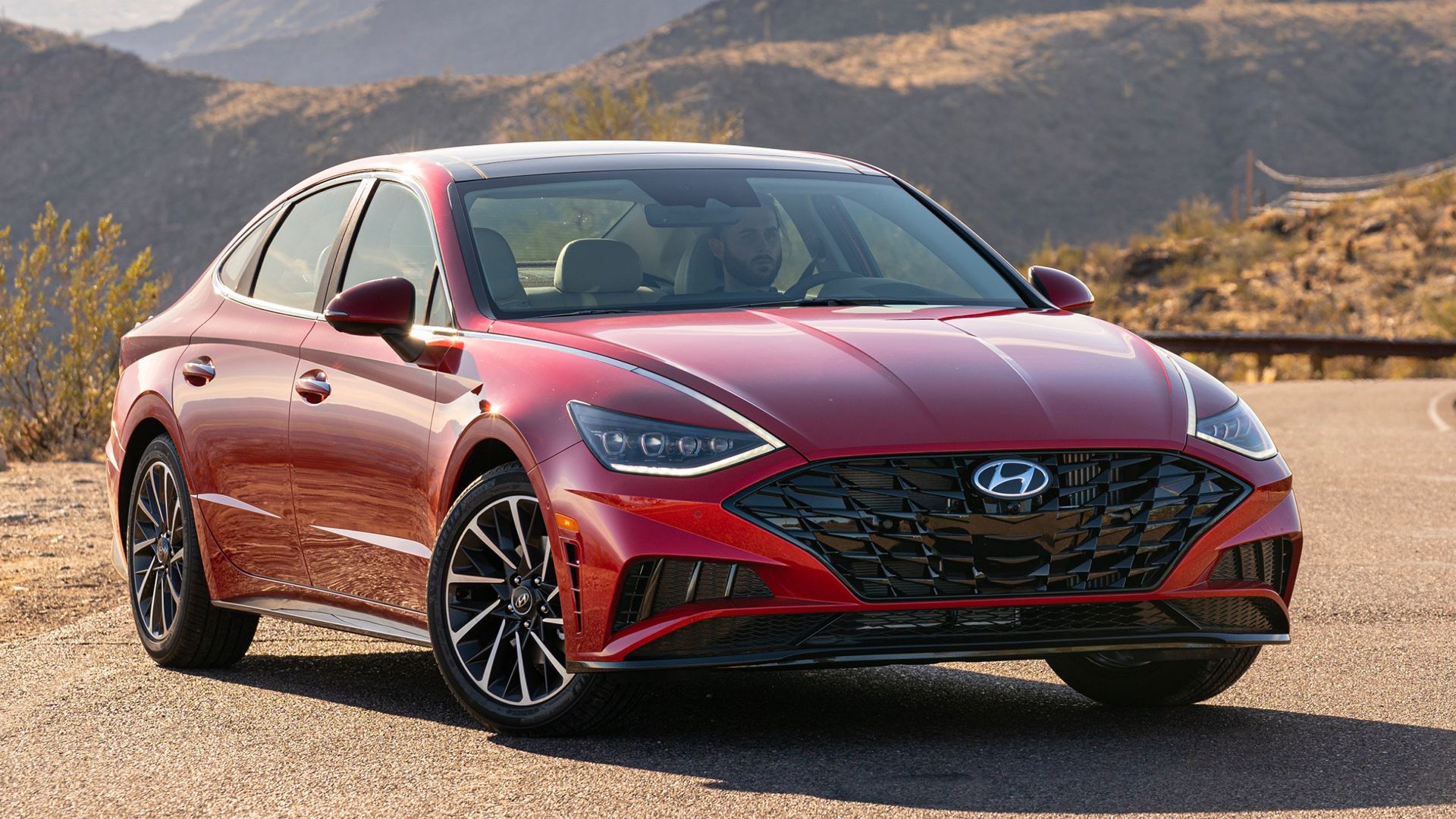
With doors that open wide and strategically cushioned padding, the Sonata rear seat feels premium for its price. It’s a great alternative if you like the Elantra brand feel but need real space for passengers.
Hyundai injects some much-needed excitement into the otherwise ordinary mid-size family sedan segment with the eye-catching Sonata.
The Sonata offers a compelling lineup, including a well-equipped base model, a fuel-efficient hybrid, and a 290-hp N Line for drivers who crave performance while staying with front-wheel drive. Its powertrain options also include a pair of inline-fours: a 191-hp base engine and a 180-hp turbo available on SEL Plus and Limited trims.
The Sonata Hybrid combines a gasoline engine with an electric motor to drive the front wheels, producing a combined 195 horsepower and an EPA-estimated 51 mpg on the highway. While the Sonata is an impressive value in terms of price and equipment, its handling still trails sharper, more engaging rivals like the Honda Accord.
While the Sonata is not the sharpest handler in its class, we prefer the Accord and Nissan Altima, it remains composed and responsive on the road.
The ride is a touch firmer than expected and slightly less smooth than other cars in the segment, but the turbocharged 1.6-liter engine delivers adequate speed. In our testing, a Sonata with this powertrain reached 60 mph in 7.1 seconds, a solid performance for the class.
The eight-speed automatic transmission shifts smoothly and precisely, and Hyundai deserves credit for continuing to offer a conventional automatic rather than a continuously variable transmission (CVT), which many rivals now rely on.
The Sonata Hybrid, pairing a 2.0-liter four-cylinder engine with a motor-generator for a combined 192 horsepower, offers excellent fuel efficiency, though transitions between gas and electric power are not entirely seamless.
Meanwhile, the 290-hp N Line stands out as one of the quickest front-wheel-drive cars we’ve tested, delivering a fun, spirited driving experience. It achieved 60 mph in just 5.0 seconds, only a tenth of a second slower than the Honda Civic Type R.
4. Volkswagen Jetta
The Jetta stands out in the compact class because it doesn’t force shoppers to move up to a midsize sedan to get adult-friendly rear accommodations.
A long wheelbase and upright cabin design give passengers surprising knee clearance. The seatback is soft where it matters, avoiding the hard-plastics that plague the Sentra.
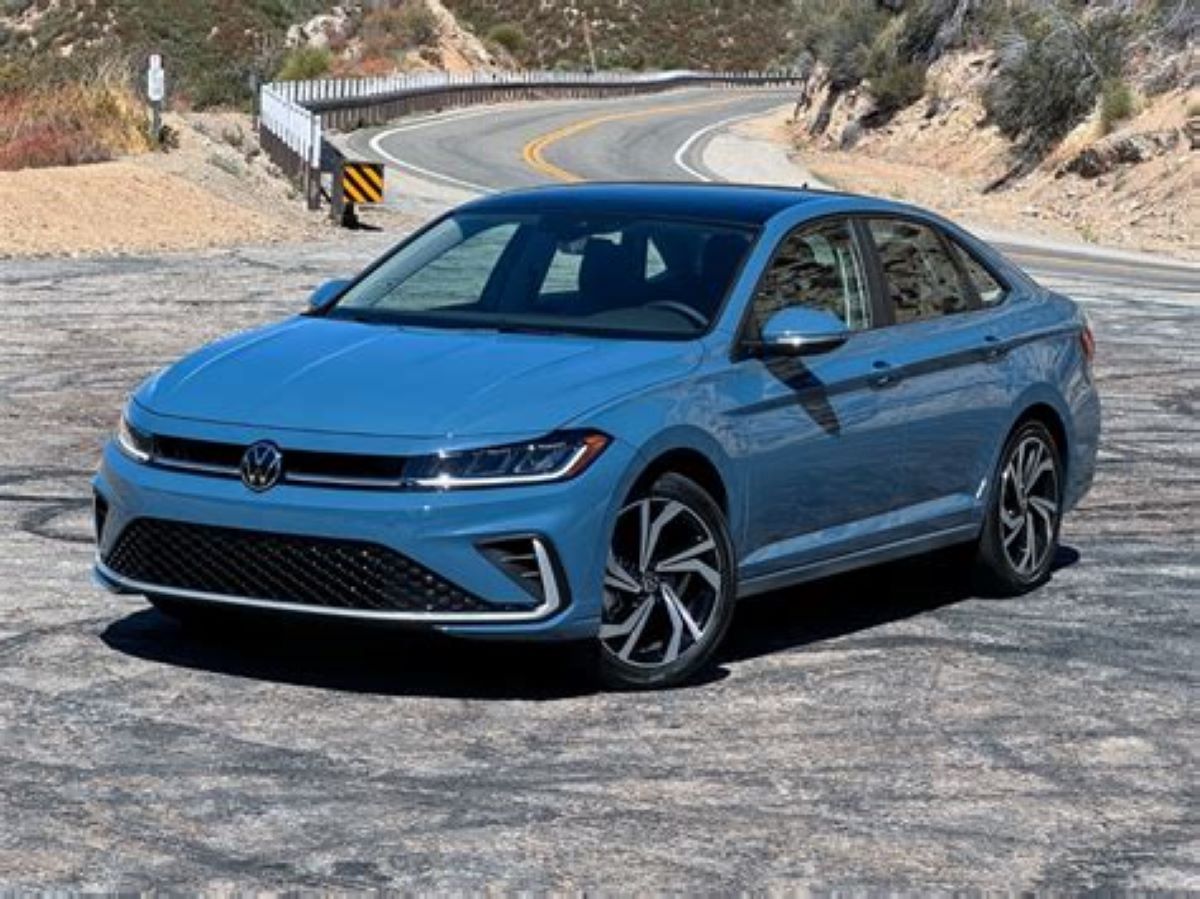
The Jetta’s boxier roofline also helps adults sit comfortably without having to slump forward. For rideshare and commuting with friends, the Jetta is a dependable comfort pick.
The Volkswagen Jetta received a major overhaul last year and is expected to carry over largely unchanged for 2023, with the only notable update being the addition of remote start on SE models.
The changes included refreshed styling, more standard features, upgraded technology, and a new turbocharged engine designed to give the Jetta a bit more pep.
The 1.5-liter turbocharged inline-four produces 158 horsepower, an 11-hp increase over the previous model, helping it feel less ponderous. For those seeking even more power, the Jetta GLI (covered separately) delivers GTI-like performance in a sedan package.
Volkswagen’s minimalist design sets the Jetta apart from the sharper, angular lines of the Elantra and Forte, and it approaches driving with a lighter, less serious feel than the Civic.
While we feared the Jetta might overcomplicate things with touch controls on the center stack and steering wheel, like some other Volkswagen models, it instead keeps a simpler, more intuitive layout with physical dials for climate and volume/tuning knobs for the infotainment screen.
Emphasizing style and value, the Jetta comes with a long list of standard features, plus two years/20,000 miles of included maintenance. Its roomy back seat also makes it a practical choice for those carrying more than two passengers regularly. Below is a breakdown of the 2023 Jetta’s trim levels and how it compares with its competitors.
The 2023 Jetta is offered in four trims: S, Sport, SE, and SEL, with the sporty GLI model covered separately. All models are powered by the 1.5-liter turbocharged four-cylinder engine borrowed from the Taos SUV, producing 158 horsepower and 184 lb-ft of torque, paired with front-wheel drive.
A six-speed manual transmission is standard on the S and Sport trims, while the SE and SEL come with an eight-speed automatic.
Even the base S trim is well equipped, but Edmunds recommends the midlevel SE. It comes standard with all of the Jetta’s available safety technology, along with modern conveniences such as keyless entry, heated seats, simulated leather upholstery, and rain-sensing wipers, all for only a modest increase over the base price.
The SEL trim adds tempting technology upgrades, including wireless Android Auto and Apple CarPlay, but the higher price makes the SE the sweet spot for most buyers.
5. Kia K5
The Kia K5 delivers modern styling without sacrificing back-seat functionality. Even with a sporty roofline, the K5 manages to carve out generous rear legroom and a comfortable cushion height that avoids the knees-up posture seen in smaller sedans.
The sculpted front seatbacks provide proper knee cutouts, and the spacious cabin width gives adults real shoulder and hip room. For buyers comparing the tight Mazda3 or WRX to something more livable, the K5 is a standout.
If you often carry adult passengers, avoiding “knee-banger” sedans like the Corolla, WRX, Elantra, Sentra, and Mazda3 can save a lot of discomfort and frustration.
The 2026 Kia K5 is one of the few midsize sedans still on sale in 2026, competing mainly against offerings from Toyota, Honda, and Hyundai. Among them, the K5 stands out with its sharp styling, strong value, and a generous array of standard tech features. However, in certain areas, competitors still hold the edge.
Our team of experts spent several weeks driving the K5 under real-world conditions, testing it in exactly the ways a typical owner would, commuting, running errands, ferrying friends, installing car seats, and enduring long periods in traffic.
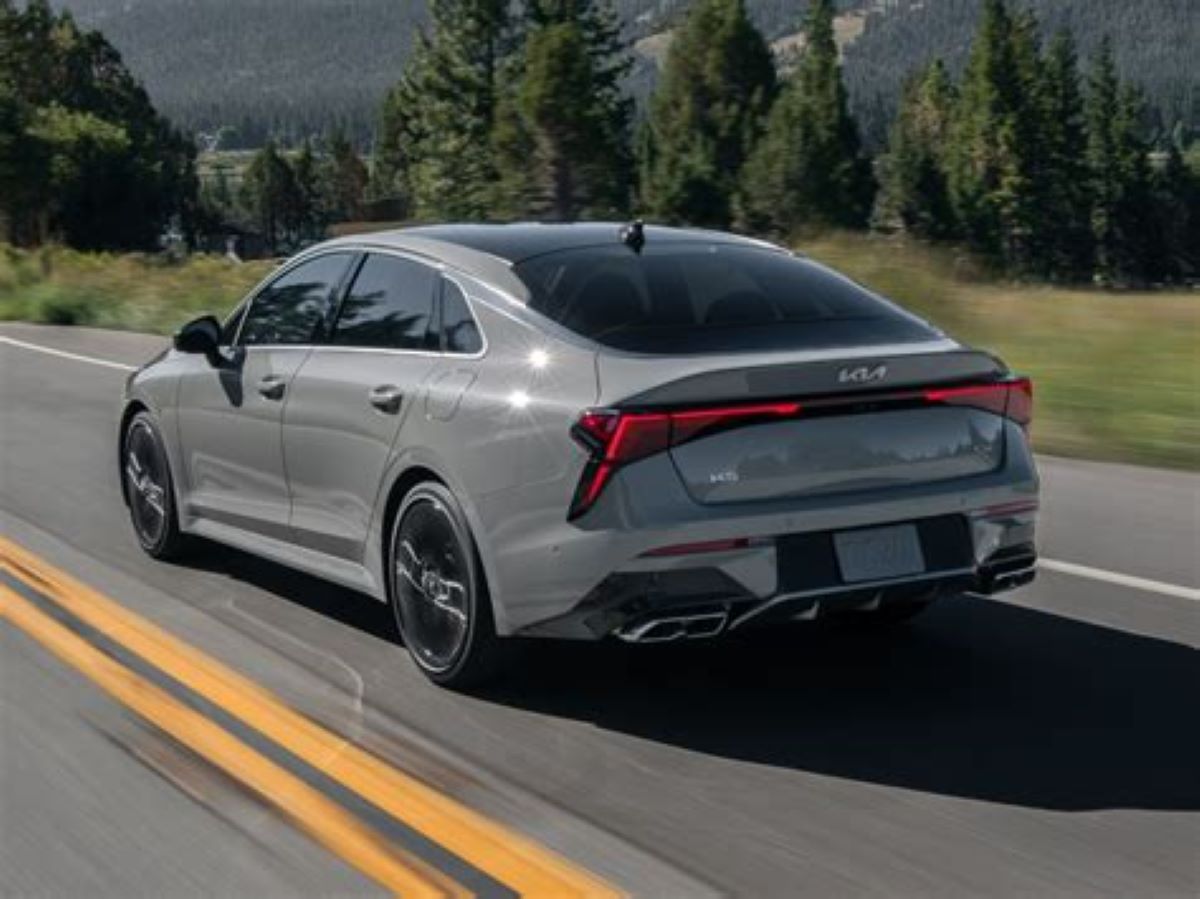
This review examines how the K5 stacks up against its rivals, highlighting its strengths, weaknesses, and performance on our private test track. The full rating for the 2026 Kia K5 is provided below.
We tested the K5 with its new base 2.5-liter four-cylinder engine. Power is adequate, and the transmission shifts smoothly during city driving. On our test track, however, the K5 accelerated to 60 mph in a somewhat uninspiring 8.5 seconds, leaving it behind some competitors when merging onto highways or passing slower traffic.
The suspension effectively absorbs road imperfections without feeling overly soft. The body does exhibit some lean through turns, but overall the K5 is an easy, approachable sedan for daily driving. For those seeking more excitement, the available GT trim offers an upgraded engine that better matches the car’s sporty styling.
Forward visibility is excellent, thanks to unusually narrow front roof pillars. Rear visibility is slightly restricted by a tall rear decklid, but it does not present major obstructions.
The K5 comes well equipped with advanced driver-assistance systems, including features uncommon or unavailable in this segment. Notable aids include a blind-spot camera system and a 360-degree parking camera. Adaptive cruise control and lane-keeping assistance worked reliably during testing without generating false alerts.
Meanwhile, more thoughtfully packaged options like the Civic, Camry, Sonata, Jetta, and K5 offer real day-to-day comfort without requiring buyers to sacrifice value or driving enjoyment.
In a market where sedans compete fiercely for relevance, a comfortable back seat becomes a meaningful differentiator. And for many U.S. shoppers, choosing a sedan with proper kneeroom may be the most appreciated upgrade of all.
