
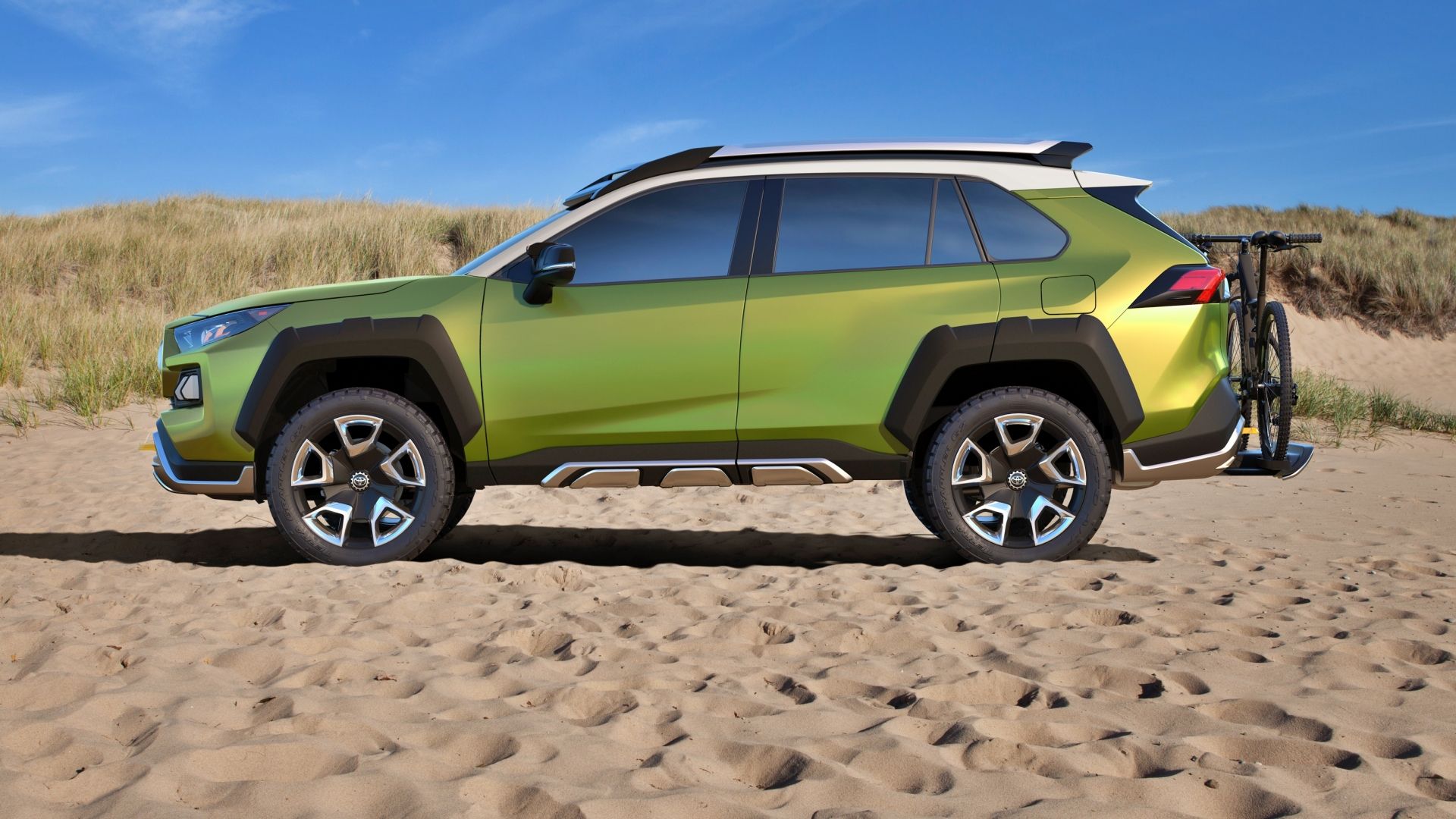
Crossovers have replaced sedans and wagons in American driveways, but that doesn’t mean every one of them delivers the same long-term satisfaction on the road.
Some get sloppy after a few years loose steering, softened suspension responses, rattles in the cabin, and drivetrains that seem to lose their crispness.
But others hold their composure remarkably well, retaining the tight, planted feel they had when new.
These are the crossovers that still feel buttoned down after years of real-world American driving high-mileage highway runs, patchy suburban roads, hot summers, cold winters, and daily commute demands.
This list focuses on crossovers commonly found in the US market vehicles known not only for reliability, but also for structural integrity, suspension tuning, and drivetrains that age gracefully.
Whether you’re shopping used, curious about your own aging crossover, or writing for an enthusiast audience, these are 12 models that maintain their tightness years later, resisting the looseness that plagues many competitors.
1. Toyota RAV4 (All Generations from 2013 Onward)
If there’s one crossover that consistently resists wear, it’s the Toyota RAV4. From the fourth generation onward, Toyota refined structural rigidity and firmed up suspension components, giving the RAV4 a planted feel that lingers well past 100,000 miles.
The electric steering remains predictable rather than vague, and the chassis doesn’t develop the creaks and flex you hear in some rivals.
Even the hybrid trims stay surprisingly composed thanks to Toyota’s long-lived battery and electric motor integration. It’s not a luxury experience, but it’s solid, dependable, and never feels worn-out.
The RAV4 delivers a comfortable ride, making it pleasant to drive and offering good outward visibility. That said, it falls short in several areas. The engine is competent around town, and passing or merging is generally hassle-free.
However, those in a hurry might notice that the engine’s performance is ultimately modest. Steering is another weak point; it feels vague around the center and lacks the appropriate heft and feedback, which can make precise inputs tricky.
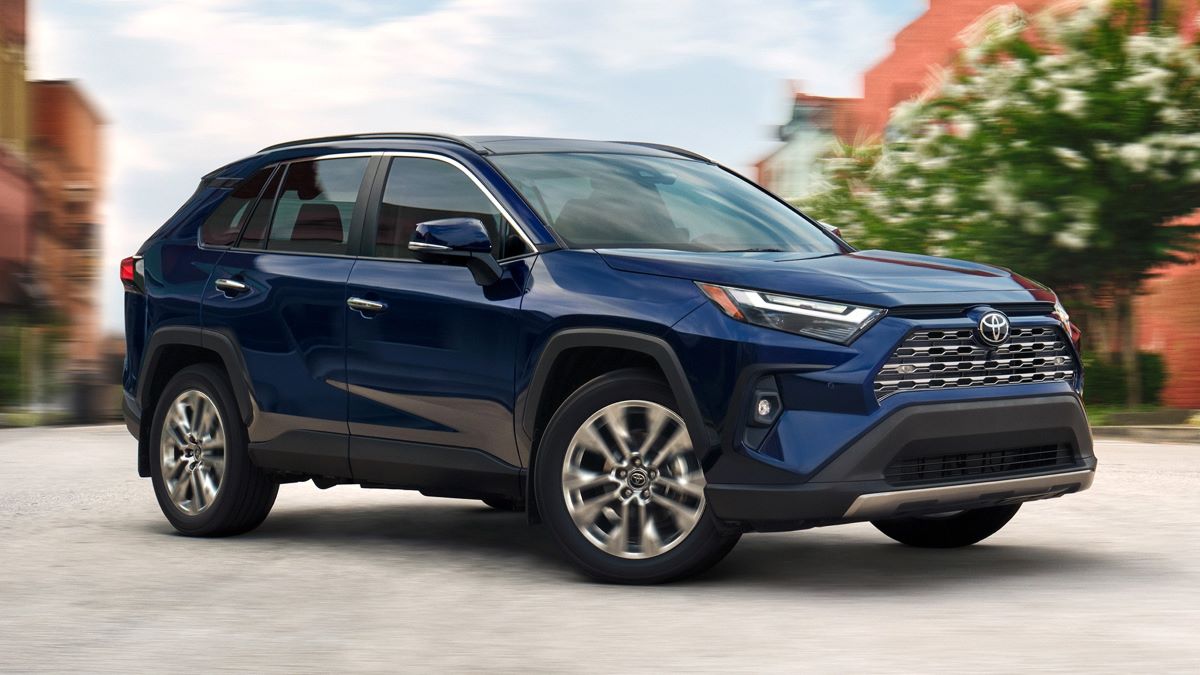
On the upside, the RAV4 Limited’s upgraded all-wheel-drive system adds rear-axle torque vectoring and hill descent control. Together with decent ground clearance, these features give the RAV4 Limited above-average off-road capability for a small SUV.
Driver-assistance features are standard and include adaptive cruise control, lane-keeping assistance, and automatic emergency braking, with more advanced aids available on higher trims. While effective, competitors tend to offer more standard and optional tech.
Inside, the RAV4 is well-built, with neatly layered materials and invisible seams integrated into the styling. Tactile touches, such as rubberized grips on the door pulls and knobs for radio and climate controls, enhance the experience.
XLE Premium and Limited trims add synthetic leather upholstery that’s soft and pliable, with clean, precise stitching. Toyota’s warranty coverage is average, but it comes with a generous two years/25,000 miles of complimentary scheduled maintenance.
2. Honda CR-V (2017–Present)
Honda engineering shows its strength in how the CR-V ages. Even after years, the steering retains its linearity, and the suspension keeps its taut rebound without going mushy.
Many older CR-Vs feel nearly identical to new ones in ride quality, which is remarkable for a family crossover.
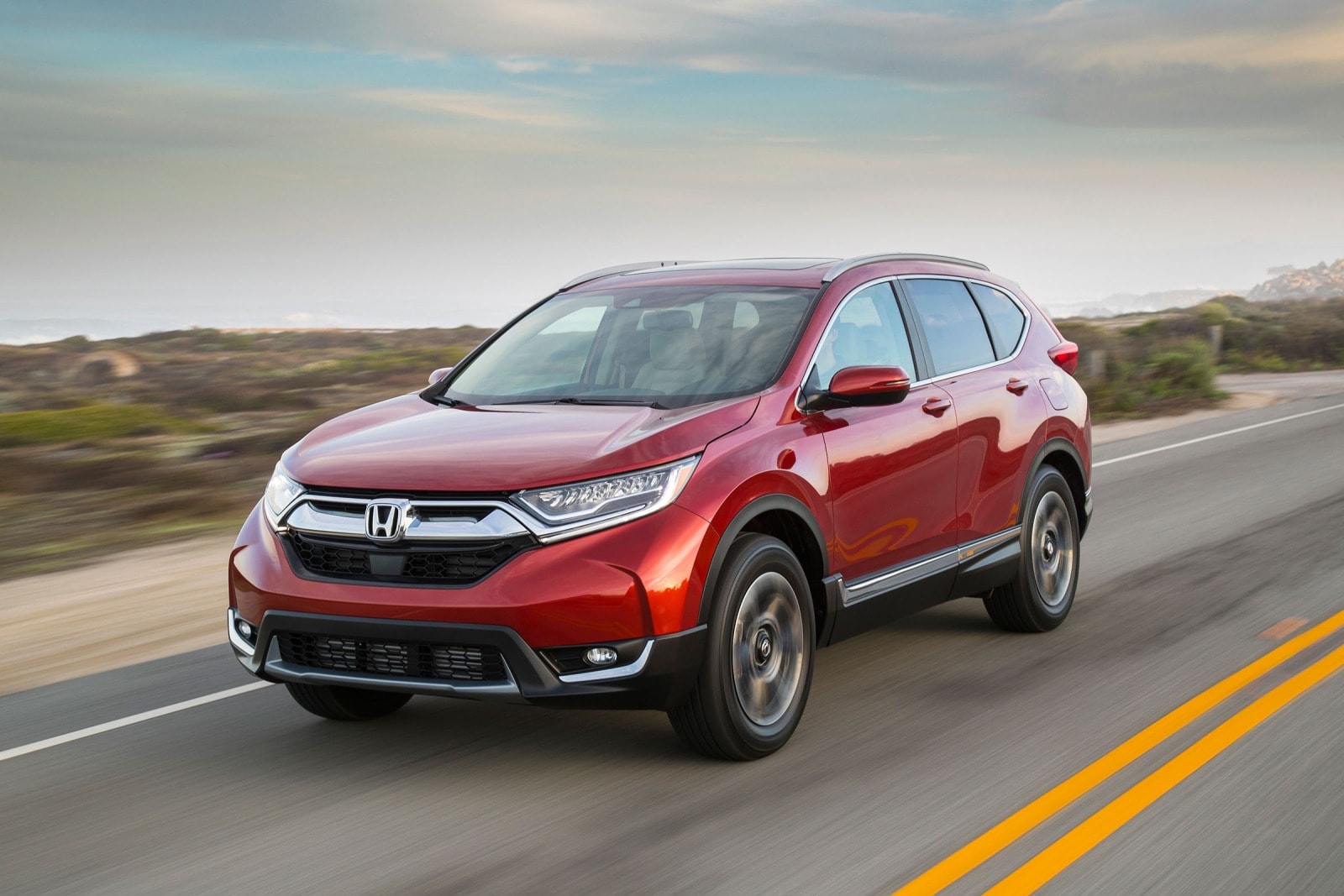
Honda’s commitment to stiff body structures really pays off, with minimal cabin rattles even on models with high mileage.
Owners praise how “tight” the CR-V feels compared to American competitors that lose composure within a few years.
3. Mazda CX-5 (2017–Present)
Mazda builds crossovers the way BMW used to build small cars: with the driving dynamics prioritized from day one. The CX-5 stands out because it still feels cohesive years later.
The body rigidity is excellent, the suspension bushings age gracefully, and the steering arguably the sharpest in the class retains its directness.
Even older CX-5s feel like they were designed by people who enjoy driving. The interior holds up with minimal creaking, thanks to tighter manufacturing tolerances seen in Mazda’s Hiroshima plant.
More than any other mainstream compact crossover, the 2022 Mazda CX-5 makes its driver feel special. Priced closer to a Honda CR-V than a Porsche Macan, the CX-5 is accessible to the same audience as the CR-V, yet it also impresses those who might consider higher-end luxury crossovers.
The base four-cylinder engine doesn’t fully highlight the CX-5’s dynamic personality, but even it delivers a ride-and-handling balance that’s unmatched in this segment.
For 2022, Mazda refined the CX-5’s already attractive exterior with smoother surfaces on the front and rear, a more distinctive grille featuring three-dimensional mesh, and wings that stretch toward reshaped LED headlights. Inside, seats have been updated for better support, the transmission retuned for smoother and more responsive shifts, and suspension tweaks enhance both ride and handling.
All-wheel drive is now standard across the lineup, with adjustable drive-mode settings giving drivers more control. The Grand Touring Reserve trim is renamed Turbo, and the top-tier Signature trim now features body-color cladding. The turbo-four engine’s output increases by 6 hp to 256 when running on premium fuel.
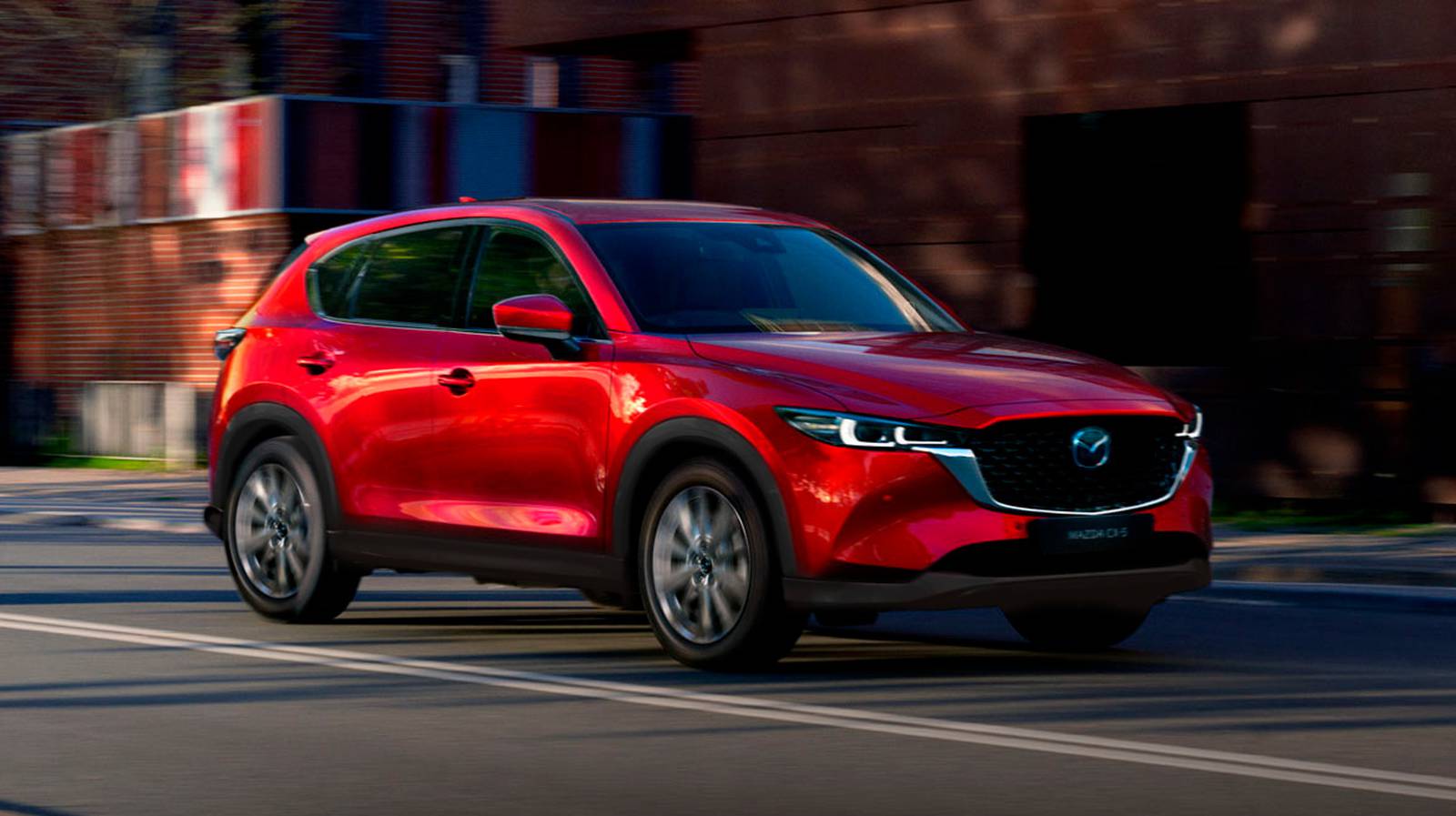
We recommend the new Turbo trim as it best represents the CX-5’s capabilities. Its 256-hp turbocharged engine complements the athletic handling, while exterior gloss-black accents and interior red stitching and trim underline its sporty character.
The standard 187-hp four-cylinder engine delivers lively throttle response around town, making the CX-5 feel quicker than it actually is. At higher speeds, such as highway merging or passing, the engine’s modest power becomes more noticeable. The 256-hp turbocharged engine provides much quicker acceleration.
Both engines pair with a responsive six-speed automatic transmission and all-wheel drive. You don’t need to drive aggressively to enjoy the CX-5, its precise steering and composed cornering make even a casual cruise rewarding. At the same time, rough roads are absorbed quietly, road noise is minimal, and the suspension strikes an ideal balance between firm and floaty.
On twisty roads, the CX-5 comes alive, with electrically assisted steering offering satisfying feedback. The Signature model we tested also featured a brake pedal with reassuring, immediate response without being overly sensitive.
Also Read: 10 Best Overlooked Performance Cars From the 2000s
4. Subaru Forester (2019–Present)
Subaru chassis engineering focuses on vibration control and long-term structural strength, and the modern Forester showcases it well. Its tall glasshouse design doesn’t cause the flex some boxy crossovers experience over time.
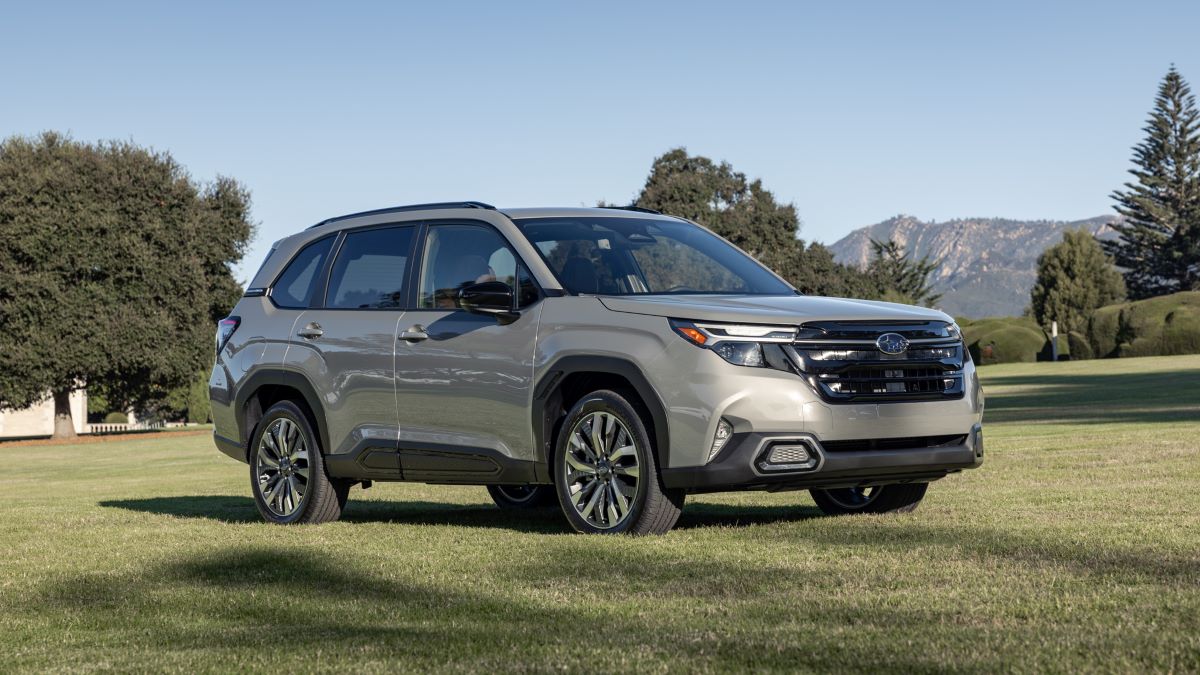
Subaru’s symmetrical AWD system distributes load evenly across components, reducing the drivetrain wear that can make rivals feel sloppy as they age. Even with a CVT, the Forester maintains a firm, predictable driving feel after years of real-world use.
5. Hyundai Tucson (2022–Present)
The latest-generation Tucson surprised many critics with how upscale and rigid it feels. Hyundai invested heavily in body stiffness and high-strength steel content, and that pays off over time.
Even early used examples maintain a tight, nearly European ride quality free from clunks or wandering steering.
Though Hyundai hubs and bushings did wear quicker on older models (pre-2020), the newest Tucson finally matches Toyota and Honda durability in structural feel, making it one of the tightest-aging crossovers on the market.
Around town and on the highway, the Tucson is perfectly serviceable, but its sluggishness becomes noticeable if you’re in a hurry. During our testing, it took 10.2 seconds to accelerate from 0 to 60 mph, placing it among the slowest crossovers we’ve measured in recent years.
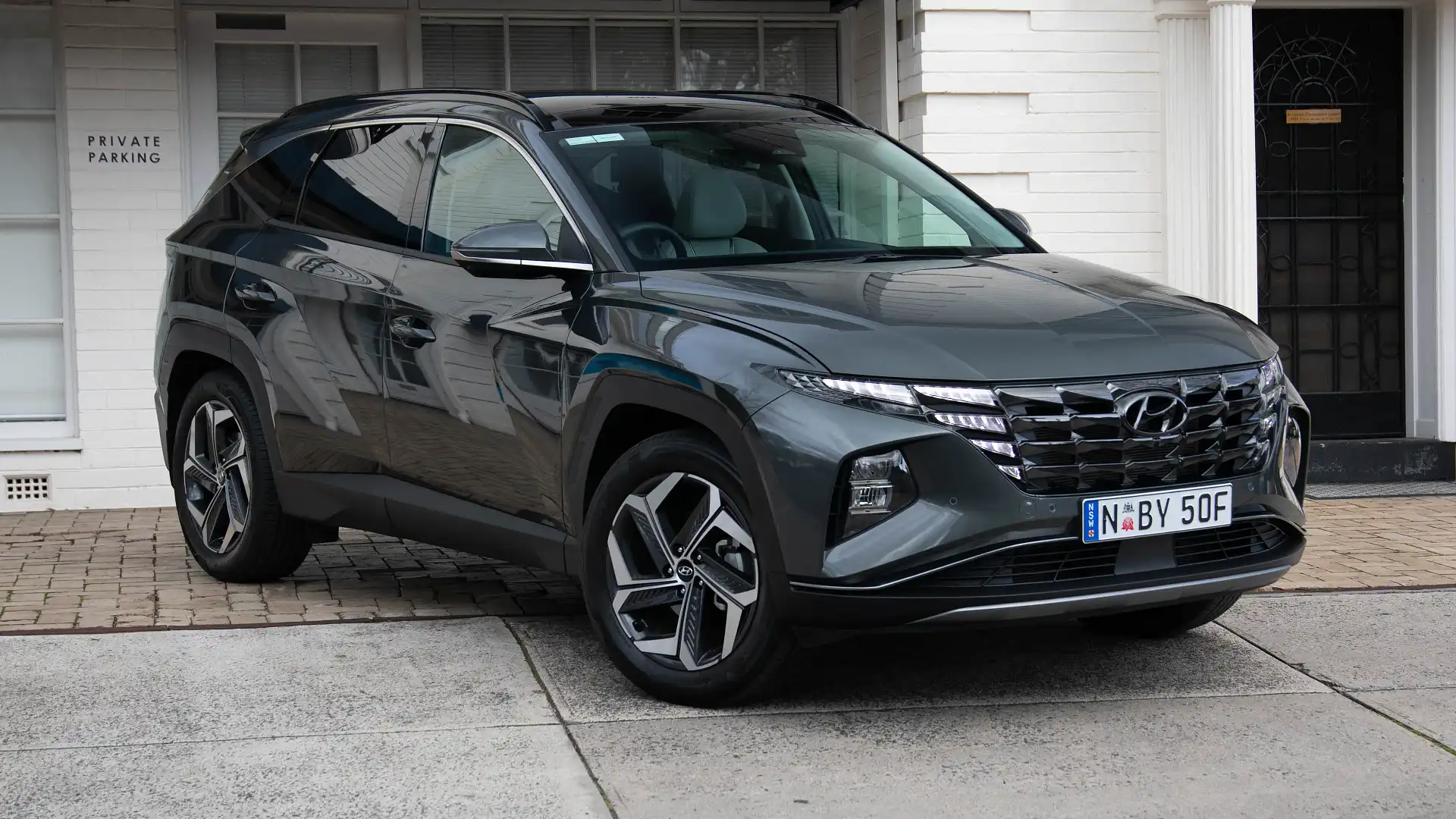
Beyond that, the driving experience is fairly ordinary. The steering is easy and direct, and the Tucson maintains composure through corners. The automatic transmission shifts smoothly when upshifting, though rapid downshifts can feel abrupt and a bit crude if you stomp on the accelerator.
The Tucson shines more in the technology department. Apple CarPlay and Android Auto are standard and display crisply on the available 10.25-inch touchscreen.
Hyundai’s native infotainment system is also intuitive, with clear navigation instructions and a vibrant map display. Voice commands are responsive, recognizing directions without forcing drivers to adhere to overly strict prompts, a notable advantage over some competitors.
Driver-assistance features are another strong point. The blind-spot monitoring is effective, and adaptive cruise control performs well in stop-and-go traffic. Front and rear parking sensors are useful for avoiding obstacles, though their constant beeping can grow tiresome over time.
6. Kia Sportage (2017–Present)
Like the Tucson, the Kia Sportage benefits from Hyundai–Kia’s improving engineering. The 2017–2021 generation in particular has proven remarkably resilient: the suspension stays firm without becoming harsh, the steering retains its weight, and the cabin structure resists squeaks far better than earlier Korean crossovers.
The newest Sportage (2023+) is even more solid, with handling that stays composed years later thanks to reinforced subframe mounts and upgraded shock quality.
The Sportage struggles to impress in everyday driving. The X-Pro trim we tested, equipped with all-terrain tires, gives the on-road handling a slightly softer feel, though that’s a minor concern compared with the vehicle’s lack of power.
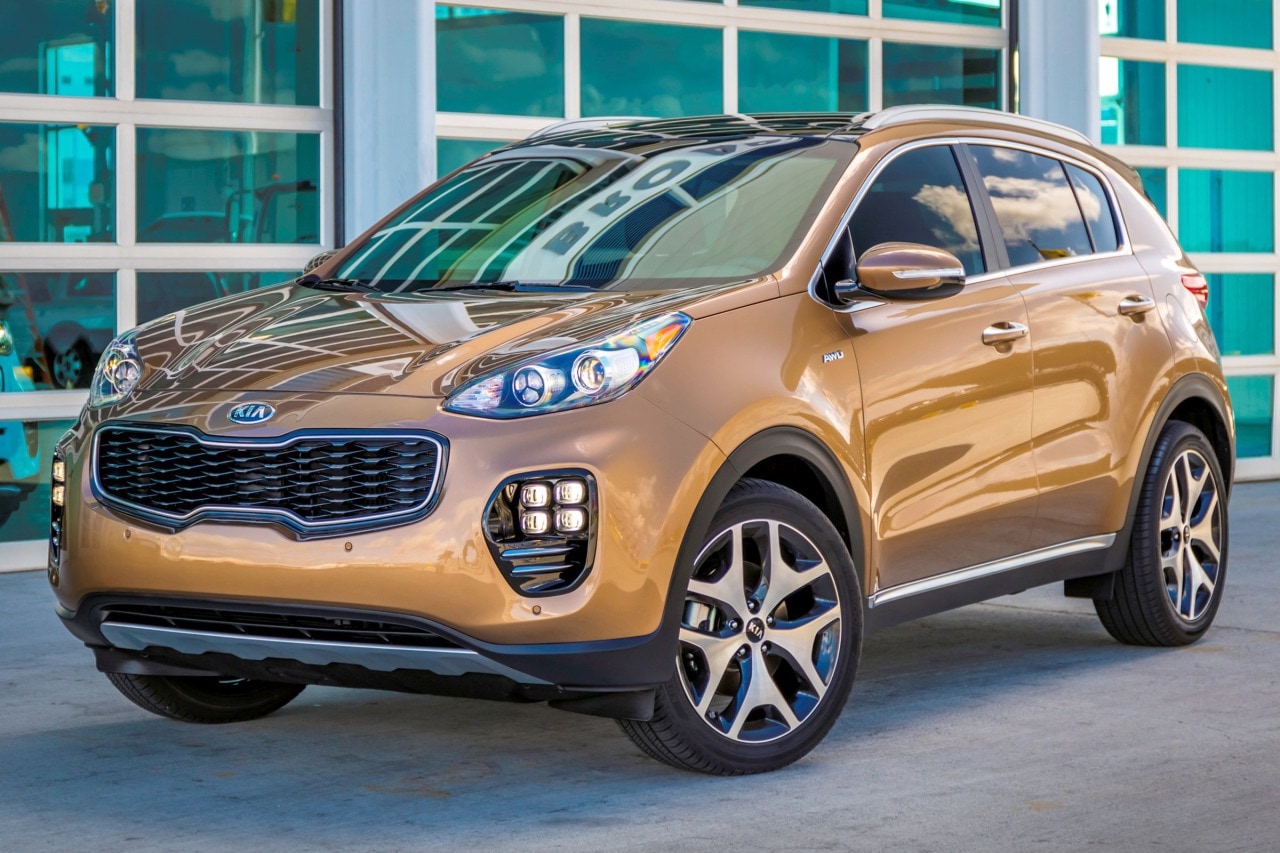
Our test Sportage needed more than 9.5 seconds to reach 60 mph on the highway, placing it well behind class leaders. Drivers will need to plan passing maneuvers carefully. No other engines are available unless you choose the Sportage Hybrid, which we strongly recommend exploring.
Otherwise, the steering is easy and precise, and the brakes feel smooth and responsive. The suspension is tuned very softly, absorbing bumps and rough pavement well, though it can bob noticeably over uneven surfaces. Thanks to the large windows, visibility is excellent, and Prestige trims enhance that with a highly effective surround-view camera system.
The Sportage comes loaded with driver-assistance features, including adaptive cruise control, blind-spot monitoring, a surround-view camera, and parking assist. In real-world use, we found all of these systems to be effective and reliable.
Also Read: Top 8 Crossovers That Still Feel Tight at 100,000 Miles
7. Ford Escape (2020–Present)
Ford has its ups and downs in longevity perception, but the fourth-generation Escape delivers a surprisingly tight long-term experience.
With a lower, more car-like stance than many crossovers, the Escape stays controlled at highway speeds even after several years.
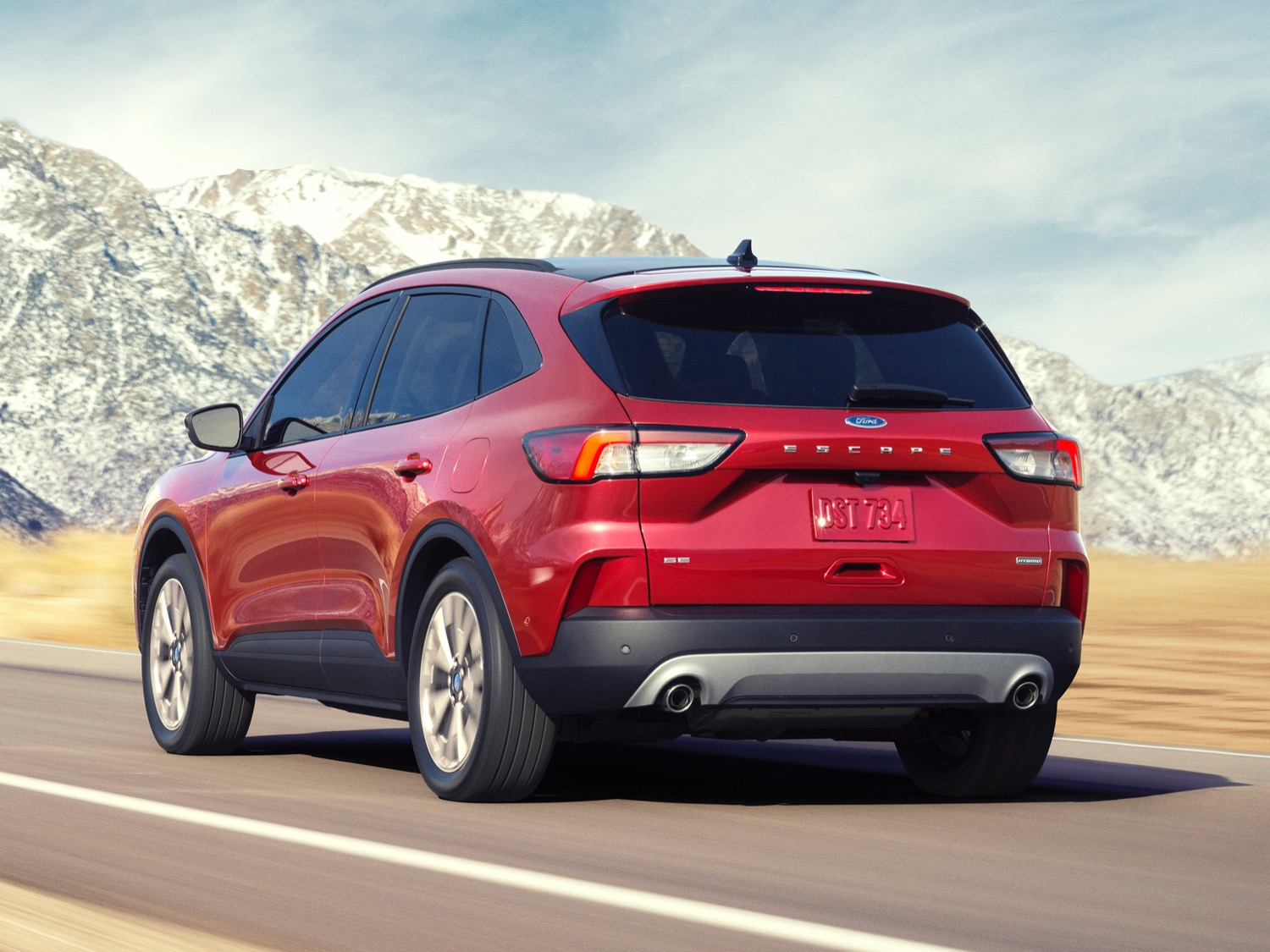
The steering feels surprisingly European, and the suspension valving retains its precision over time. Ford’s newer modular architecture has also reduced cabin flex and improved long-term structural consistency.
8. Toyota Highlander (2014–Present)
The Highlander deserves recognition for being one of the few three-row crossovers that still feels tight years later. Despite its size, the structure remains rock-solid over time, avoiding the chassis looseness that plagues many large crossovers after 80,000+ miles.
The steering stays consistent, the suspension components last longer than average, and Toyota’s V6 models, in particular, preserve their smoothness exceptionally well. You can feel the “Toyota solidity” even in older examples.
The latest Highlander swaps out the long-running V6 for a turbocharged four-cylinder engine, and surprisingly, we don’t miss the V6 at all.
The four-cylinder delivers ample torque at low rpm, making the Highlander enjoyable to drive around town. Our all-wheel-drive Highlander accelerated from 0 to 60 mph in 7.4 seconds, slightly quicker than most V6-powered three-row midsize SUVs.
Braking performance and cornering stability are both solid. Body roll is kept in check through turns, and the available torque-vectoring all-wheel-drive system enhances handling by sending power to individual rear wheels while also providing extra traction in slippery conditions.
All this technology gives the Highlander a nimbleness uncommon in the midsize SUV segment, making daily driving feel effortless.
The Toyota Highlander is a midsize, three-row SUV that can seat up to eight passengers. For 2023, it’s offered in six trim levels: L, LE, XLE, XSE, Limited, and Platinum.
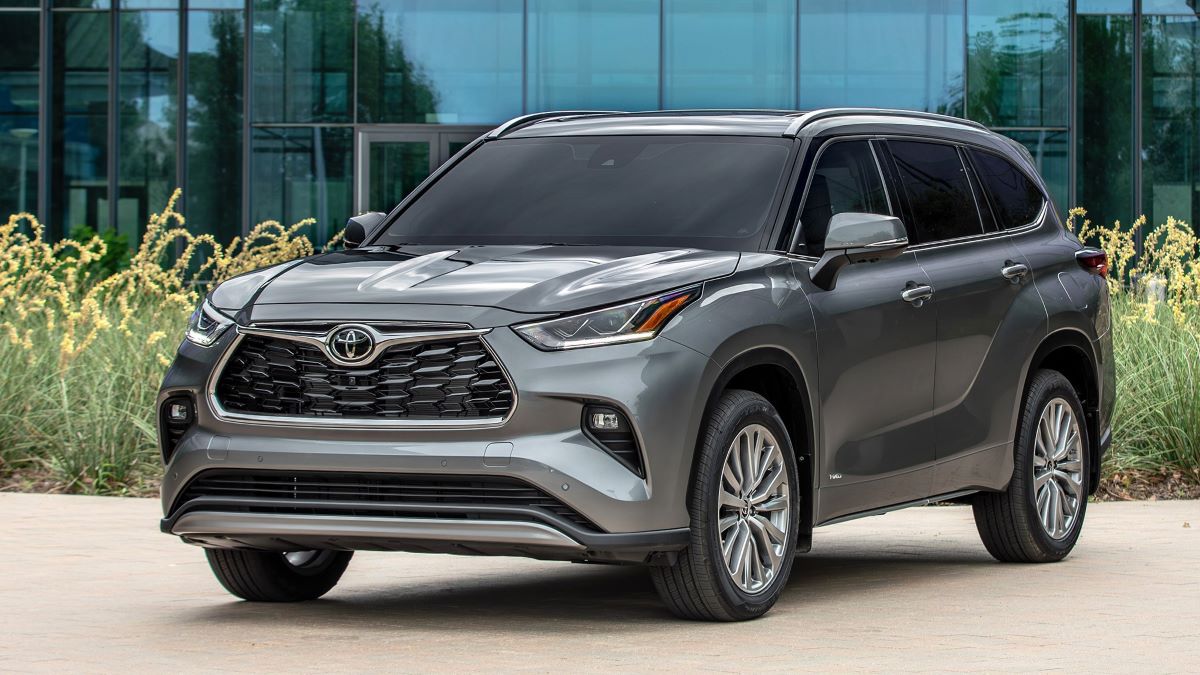
Midgrade trims and higher replace the second-row bench with captain’s chairs, reducing capacity to seven. Every model is powered by a turbocharged 2.4-liter engine producing 265 horsepower and 309 lb-ft of torque, paired with an eight-speed automatic transmission driving the front wheels.
Edmunds recommends the midrange XLE trim for its balance of features and price. For a modest premium over lower trims, it adds heated front seats, faux-leather upholstery, second-row sunshades, and a wireless charging pad. It comes standard with second-row captain’s chairs, though buyers can opt for a three-seat bench at no extra cost.
9. Lexus RX (2016–Present)
Lexus crossovers have always aged gracefully, but the current RX is on another level. Built with an emphasis on isolation and rigidity, the RX stays tight even after a decade.
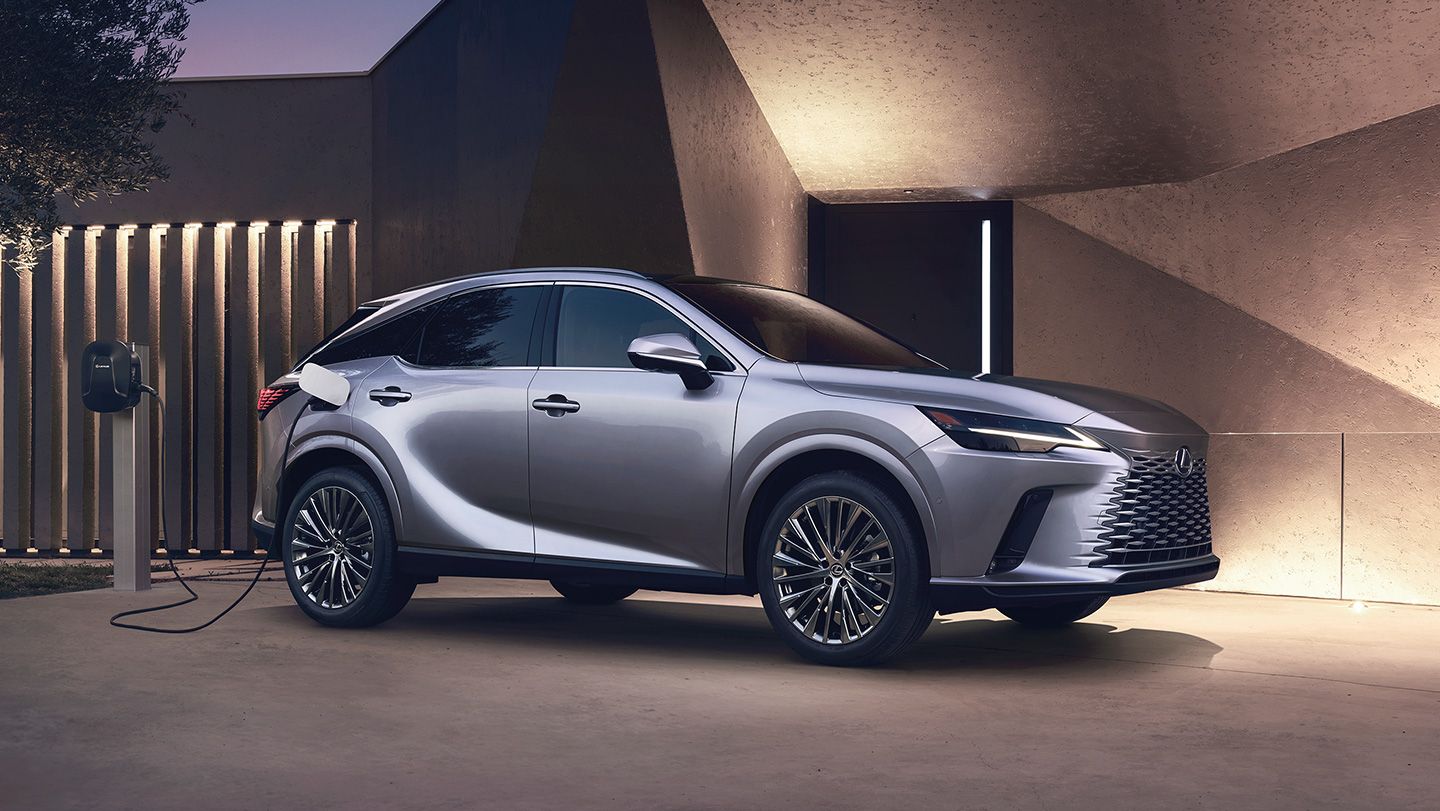
The suspension avoids the wallowy feel some luxury crossovers develop as their components soften, and the cabin remains one of the quietest in the segment years down the line. Lexus dealers often remark that older RX models feel newer than some rival luxury brands’ newer stock, and it’s true.
10. Volkswagen Tiguan (2018–Present)
Volkswagen’s MQB platform is one of the stiffest mainstream architectures in the world, and the Tiguan benefits immensely. Even after years, the Tiguan maintains a cohesive body feel, sharp chassis responses, and tight, European-style handling.
While VW reliability isn’t always top-tier, structural integrity and ride composure are areas where the brand shines. A well-maintained Tiguan feels solid in ways Japanese rivals simply don’t replicate.
The Volkswagen Tiguan injects a welcome dose of European style into the crowded compact SUV segment. Completely redesigned for 2025, it now boasts refreshed exterior styling, upgraded interior materials and design, and a revamped infotainment system featuring larger 12.9- and 15.0-inch touchscreens.
On the mechanical side, the Tiguan rides on VW’s new EQB evo platform, the same one that underpins the GTI hot hatch, which should please driving enthusiasts.
The familiar turbocharged 2.0-liter four-cylinder now produces an extra 17 horsepower for a total of 201, while wheelbase and overall length have grown by about an inch, suggesting more cargo space.
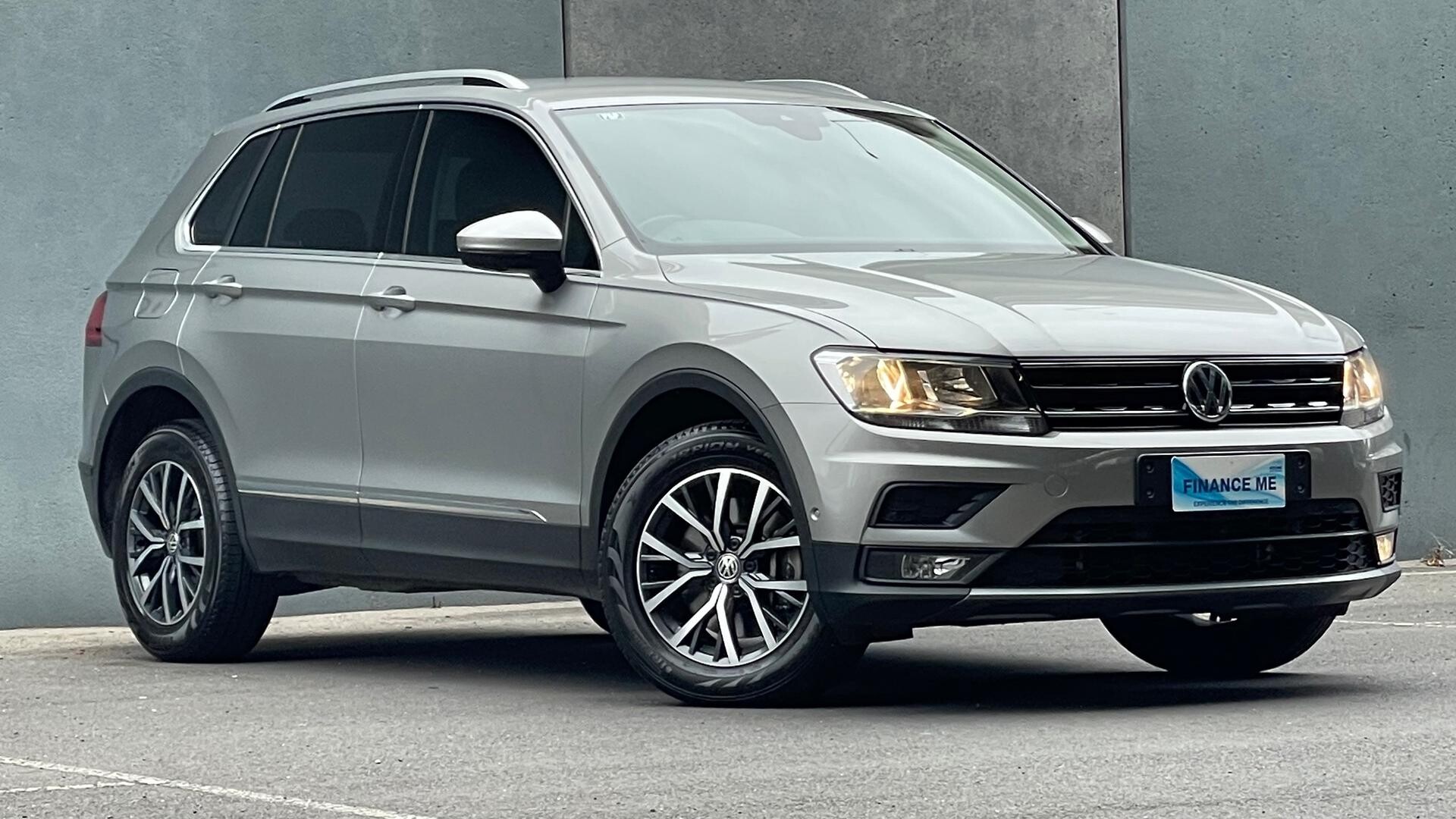
However, the optional third row from the outgoing model is no longer offered. With these updates, the 2025 Tiguan is better positioned to compete against rivals like the Honda CR-V, Mazda CX-50, and Kia Sportage.
For 2025, nearly everything about the Tiguan is new. The third-generation model benefits from a fresh platform, a more potent turbo-four, and updated interior features and tech.
Pricing for the 2025 Tiguan starts at $31,670 and rises to $41,930 depending on trim and options. The lineup includes the S at $31,670, SE at $34,470, SE R-Line Black at $37,630, and SEL R-Line at $41,930.
We recommend the mid-range SE R-Line Black, which adds features such as a panoramic sunroof and 20-inch wheels. Its sportier appearance is accentuated with unique R-Line front and rear bumpers, brushed-aluminum interior trim, and a sport steering wheel.
Under the hood, the Tiguan benefits from a simple formula that appeals to enthusiasts: more power and less weight. The turbocharged 2.0-liter four-cylinder now makes 201 horsepower, and weight reduction comes from increased use of aluminum in suspension components and high-strength steel in the revised body panels.
On the road, the Tiguan retains its eager handling and offers a heavier, more communicative steering feel. While the turbo-four is enjoyable, it could be a touch more responsive from a stop. A higher-output version of this engine is slated for the 2026 lineup in the R-Line Turbo trim.
11. Chevrolet Equinox (2018–Present)
Though GM doesn’t always earn praise for long-term interior durability, the Equinox’s chassis tuning is genuinely impressive. The suspension components last longer than many expect, especially on the 2.0L turbo trims.
The steering retains a stable, consistent feel on the interstate even after years of daily commuting. Where some GM vehicles develop dash creaks or subframe noises, the Equinox remains surprisingly quiet and composed in high-mileage examples.
The 2024 Equinox is Chevrolet’s compact SUV, positioned between the smaller Trax and Trailblazer and the larger Blazer, Traverse, Tahoe, and Suburban.
While the Equinox hasn’t been redesigned in several years, leaving it less competitive than many rivals, its lower price point makes it a viable choice for shoppers seeking a reasonably priced two-row SUV. That said, a fully redesigned 2025 Equinox is set to debut, which could close the competitive gap.
The Equinox delivers solid ride quality, a roomy cabin, and a generous suite of tech features, hitting the basic marks for a compact SUV.
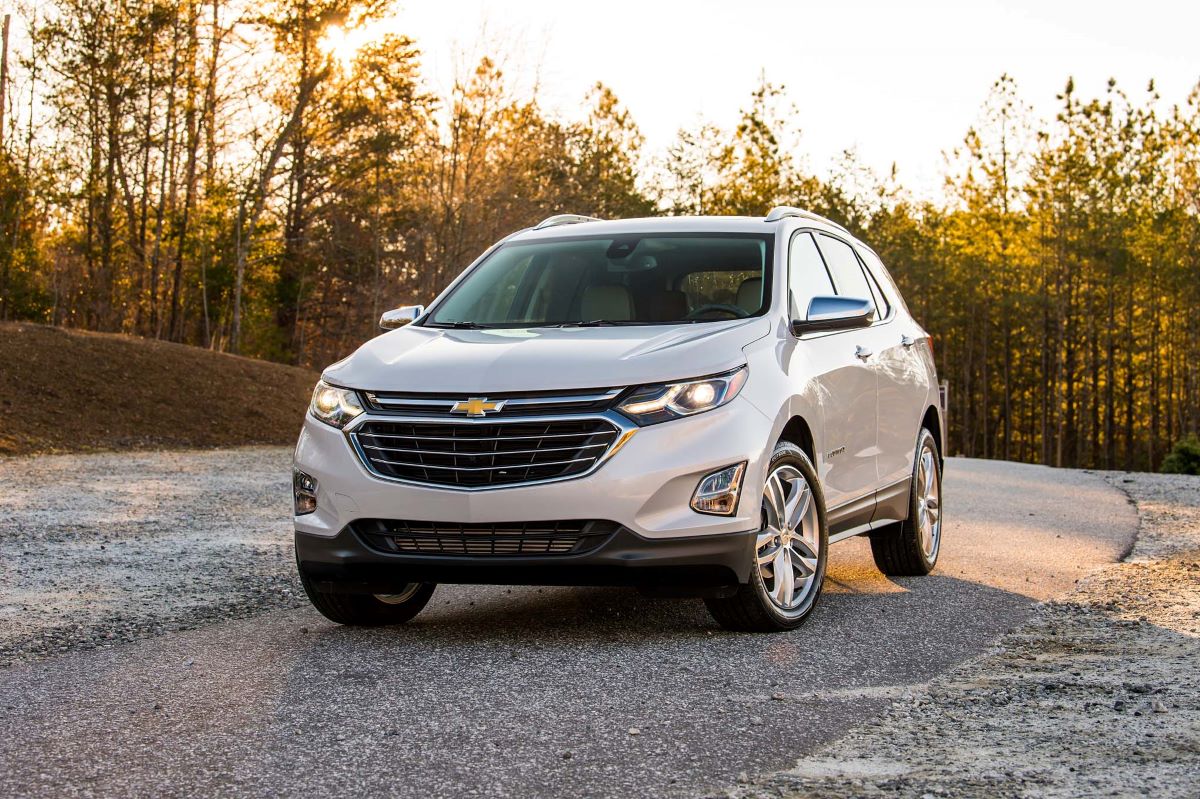
However, many competitors provide more cargo space, more advanced technology, stronger powertrains, and interiors with higher-quality materials and fresher designs. Unless you come across a particularly good deal on a 2024 Equinox, it’s worth waiting for the redesigned 2025 model.
The new Equinox will offer a more robust exterior, especially with the rugged-looking Activ trim, and the interior will see a significant upgrade, adopting the design cues from the all-electric Equinox EV. Standard tech will also improve, including dual large screens and a full set of advanced driver-assistance features.
The compact SUV segment is packed with alternatives. If you can’t wait for the 2025 redesign, you may want to explore other options first. Top-rated choices include the Mazda CX-50, Honda CR-V, Subaru Forester, and Kia Sportage. The Hyundai Tucson, Nissan Rogue, and Toyota RAV4 are also highly rated.
While these models typically cost more, they offer more features and capabilities. For budget-conscious buyers, the Chevy Trax and Trailblazer are slightly less expensive than the Equinox, offering nearly as much cargo space for a lower price.
The 2024 Equinox is available in four trims: LS, LT, RS, and Premier. All trims use a turbocharged 1.5-liter four-cylinder engine producing 175 horsepower and 203 lb-ft of torque, paired with a six-speed automatic transmission. Front-wheel drive is standard, with all-wheel drive optional.
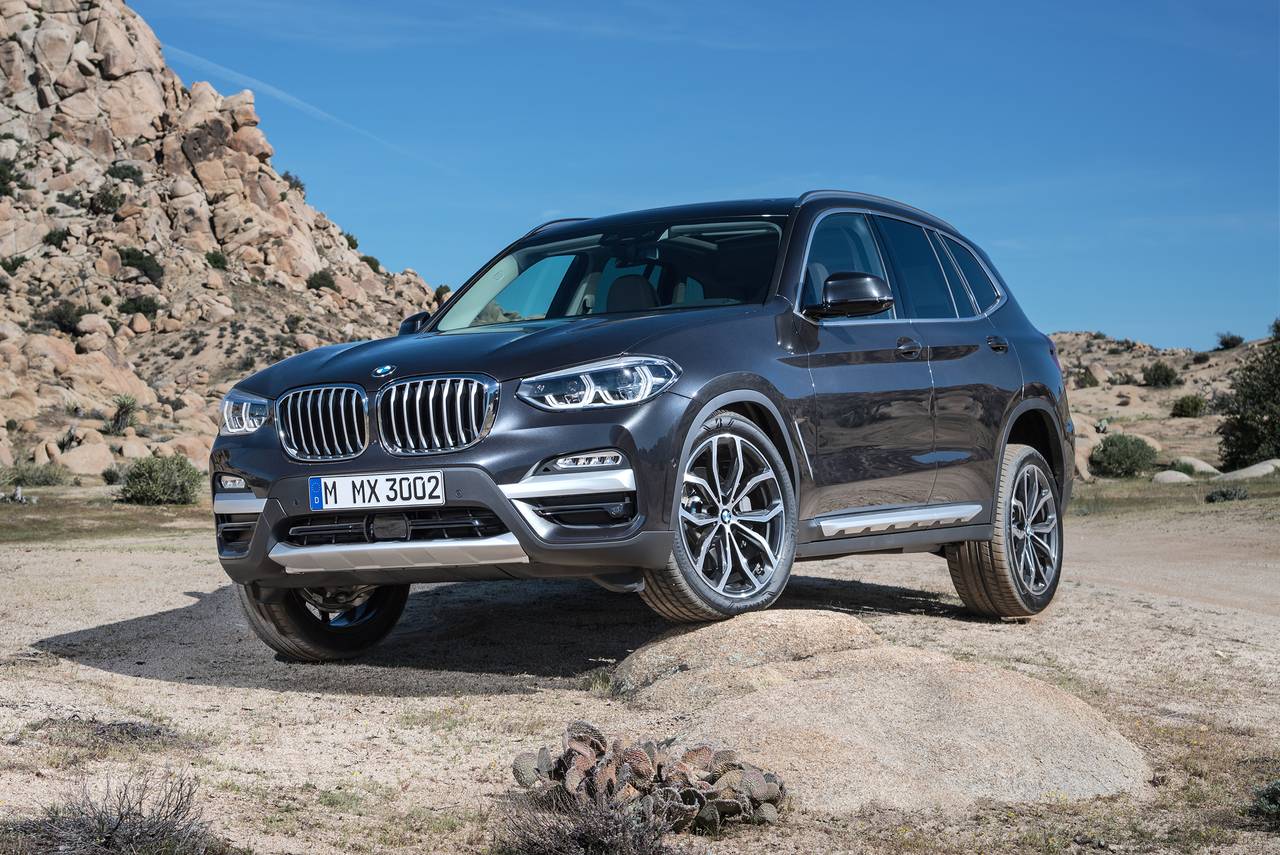
12. BMW X3 (2018–Present)
For drivers who prioritize handling precision, the BMW X3 is one of the tightest-aging crossovers available. The body structure is extremely stiff, keeping steering and suspension responses crisp even well into six-figure mileage territory.
While BMW maintenance isn’t cheap, the core driving experience remains intact for years something most luxury competitors can’t claim. Even older X3s feel athletic and well-sorted, with minimal degradation in road feel.
A crossover that feels tight after years isn’t just a matter of reliability it’s a combination of engineering, structural rigidity, suspension durability, and manufacturing quality.
These 12 crossovers stand out because they retain the essence of how they drove when new, resisting the sloppiness that develops in lesser designs.
For US buyers shopping used, or enthusiasts curious which crossovers stand the test of time, these models represent the best bets for long-term composure, solidness, and honest road feel.
