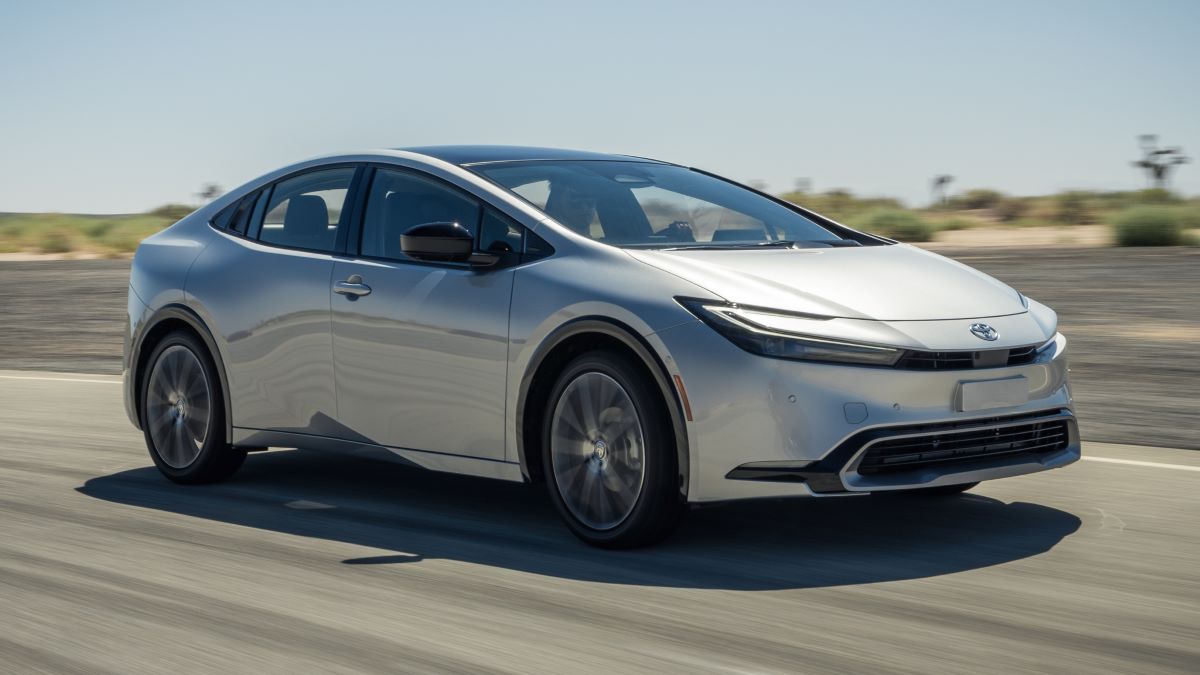
Hybrid vehicles have undergone a dramatic transformation in the United States over the past two decades. Early models were often celebrated for their fuel efficiency but criticized for their unfamiliar driving dynamics particularly when it came to braking.
Many early hybrids relied heavily on regenerative braking, which captures energy to recharge the battery but can produce a brake pedal feel that is abrupt, jerky, or inconsistent.
Drivers sometimes described it as “one-pedal” braking, where lifting off the accelerator caused the car to decelerate rapidly, almost like a gentle engine brake, instead of relying on conventional friction brakes.
For U.S. drivers accustomed to predictable, linear braking in traditional gasoline-powered vehicles, this created a sense of uncertainty.
It was not uncommon for someone new to hybrids to unintentionally apply too much pressure and stop suddenly, or to find highway merges more stressful than they needed to be.
Thankfully, modern hybrids have resolved these issues. Engineers have refined regenerative braking systems to blend seamlessly with mechanical brakes, delivering pedal feedback that feels natural, predictable, and familiar.
The following ten hybrids exemplify these improvements, offering smooth braking without the odd sensations that early hybrid owners experienced.
1. Toyota RAV4 Hybrid
The Toyota RAV4 Hybrid remains one of the most popular hybrid SUVs in the United States, and for good reason. Beyond its excellent fuel economy and reliability, the RAV4 Hybrid excels in braking feel.
Toyota has designed its hybrid system so that regenerative and hydraulic braking operate in perfect harmony, giving the driver a linear and intuitive pedal response.
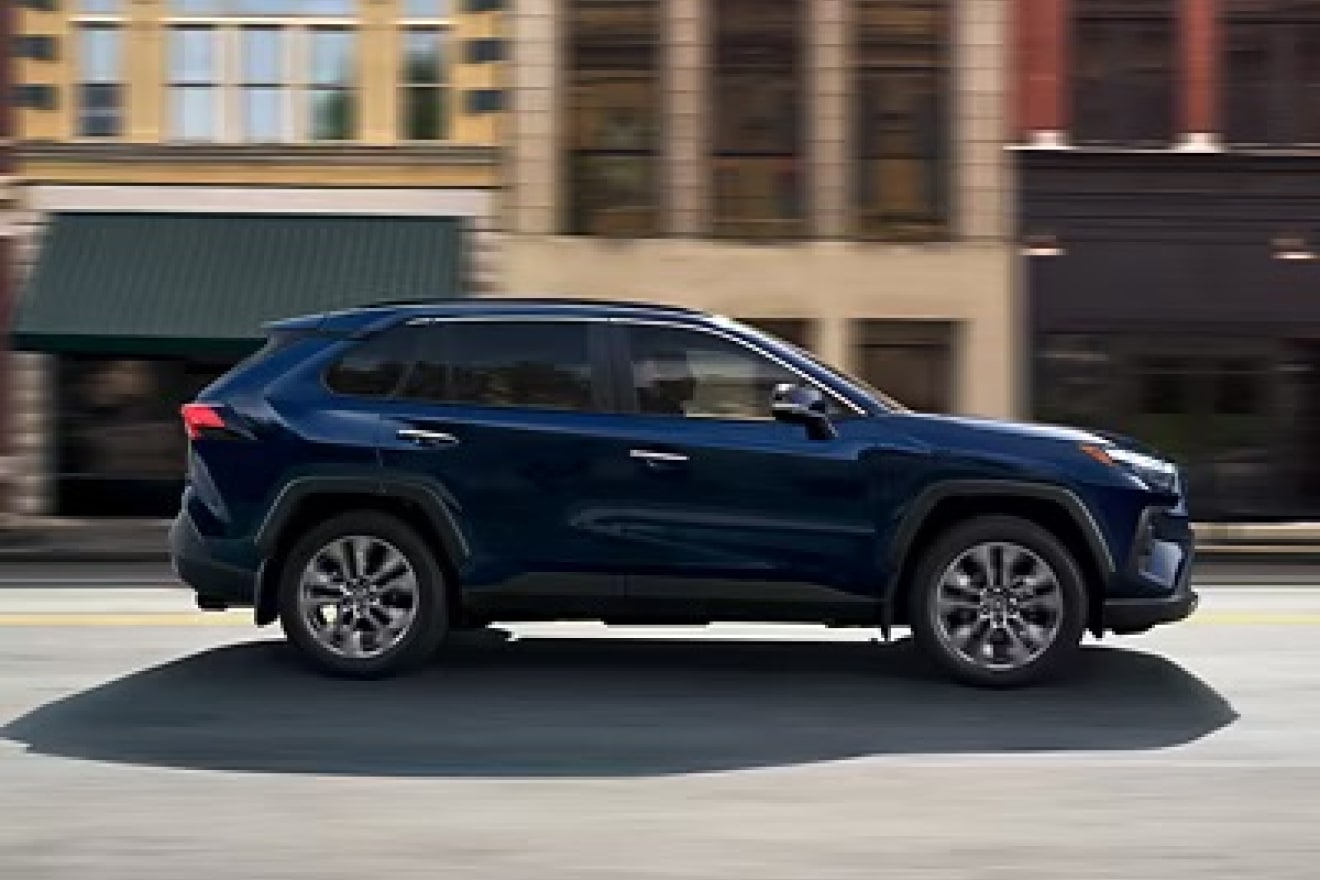
The transition from energy capture to friction braking is almost imperceptible, which is particularly helpful in stop-and-go urban traffic.
Long-distance commuters also benefit from the consistent pedal feel on the highway, reducing fatigue during extended drives. With ample stopping power and smooth modulation, the RAV4 Hybrid demonstrates that practicality and comfort can coexist in a modern hybrid SUV.
Take Toyota’s ever-popular RAV4, add the automaker’s proven hybrid drivetrain, and price it reasonably for a new compact SUV, and you have the 2025 RAV4 Hybrid. For buyers seeking the practicality of a crossover with improved fuel efficiency, the RAV4 Hybrid delivers without hiding its strengths.
That said, the segment is more competitive than ever. Even though Toyota arguably helped define this category, the RAV4 is no longer an automatic choice. Competitors offering hybrid options are closing in, circling like predators in a highly contested market.
Its popularity stems from a combination of factors: aggressive pricing, practical size, multiple drivetrain choices, and broad appeal. The only notable absence in the lineup is a fully electric variant.
Over five generations, the RAV4’s exterior design has shifted from soft curves to a more aggressive, angular appearance. While not conventionally handsome, the styling commands attention. The XSE trim offers a two-tone paint option with a black roof, and the Woodland Edition adds slightly tougher styling cues. Wheel sizes range from 17 to 19 inches.
Pricing for the 2025 RAV4 starts at $28,850 plus $1,395 destination for the gas-only model. The Hybrid version begins at $31,900, while the plug-in hybrid (PHEV) kicks off at $44,265, excluding destination. Gas-only RAV4s start as front-wheel drive, with all-wheel drive available for a fee, whereas both electrified variants come standard with AWD.
All RAV4s use a 2.5-liter inline-four engine. For the Hybrid, Toyota pairs it with electric motors to raise total system output from 203 hp to 219 hp. Unlike the conventional RAV4’s mechanical AWD, the hybrid and PHEV employ an electronic AWD system with a dedicated rear electric motor.
If maximum power is your priority, the plug-in hybrid is the clear choice. Its upgraded motors produce a combined 302 hp and provide genuine electric-only range of up to 42 miles.
By comparison, the RAV4 Hybrid’s EV Mode relies on a small battery suitable for very short distances, less than a mile at low speeds. Any heavier accelerator input instantly engages the gas engine, regardless of drive mode.
The 2025 RAV4 Hybrid delivers a compelling mix of practicality, fuel efficiency, and Toyota reliability, even as competitors close the gap in this increasingly electrified compact SUV segment.
Also Read: Top 5 Compact SUVs With Quiet Cabins vs. 5 That Sound Harsh
2. Honda CR-V Hybrid
Honda’s CR-V Hybrid offers one of the most approachable braking systems among compact SUVs. Its Intelligent Multi-Mode Drive (i-MMD) system optimizes regenerative and mechanical braking seamlessly, eliminating the odd pedal sensations that sometimes accompany hybrids.
Drivers note that braking feels linear and predictable, whether navigating tight city streets or slowing down for a highway exit.
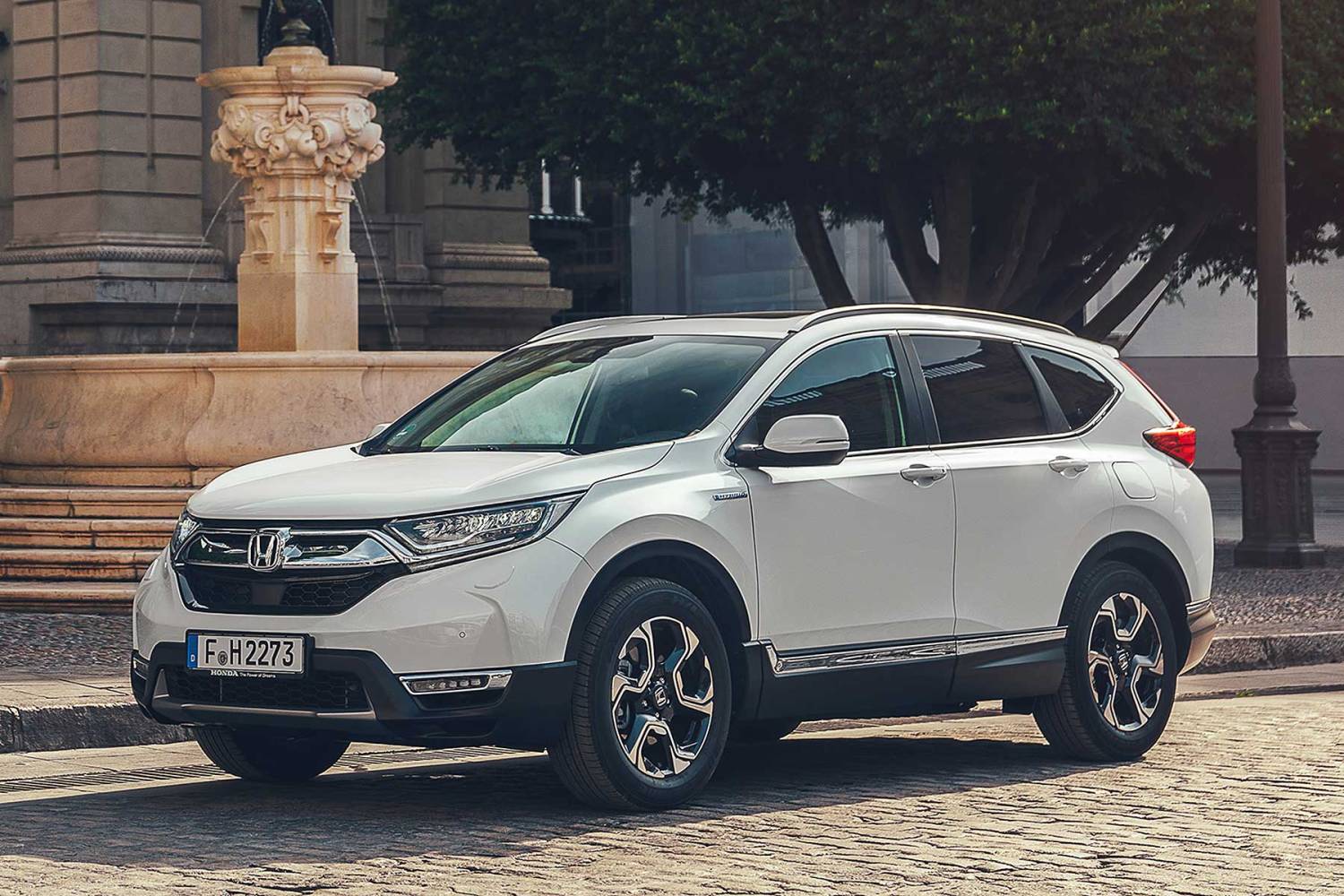
Additionally, the CR-V Hybrid comes with an advanced brake-by-wire system that ensures smoother deceleration and better energy recovery without feeling unnatural.
This combination of comfort, safety, and reliability makes it a top choice for American drivers seeking a hybrid SUV with familiar driving dynamics.
3. Lexus NX 350h
For those who prefer a luxury hybrid, the Lexus NX 350h is a strong contender. Lexus engineers have worked meticulously to mask the effects of regenerative braking, delivering a braking experience that feels almost identical to a traditional gasoline-powered SUV.
The pedal is firm, linear, and easy to modulate, whether navigating city streets or tackling winding roads.
The NX 350h proves that luxury and hybrid efficiency can coexist without compromising driving confidence. Its braking performance contributes to the vehicle’s overall refined feel, making it appealing to drivers who want both comfort and eco-conscious performance.
Shopping for a luxury SUV on the low end of the price scale can be tricky. You could pick a subcompact to stay within budget, but those extra-small models often sacrifice passenger and cargo space.
Going up a size fixes that but might strain your wallet. There may be a better option: the 2022 Lexus NX 250. As long as you don’t need the fastest SUV on the block, this new NX 250 could save you a serious amount of money.
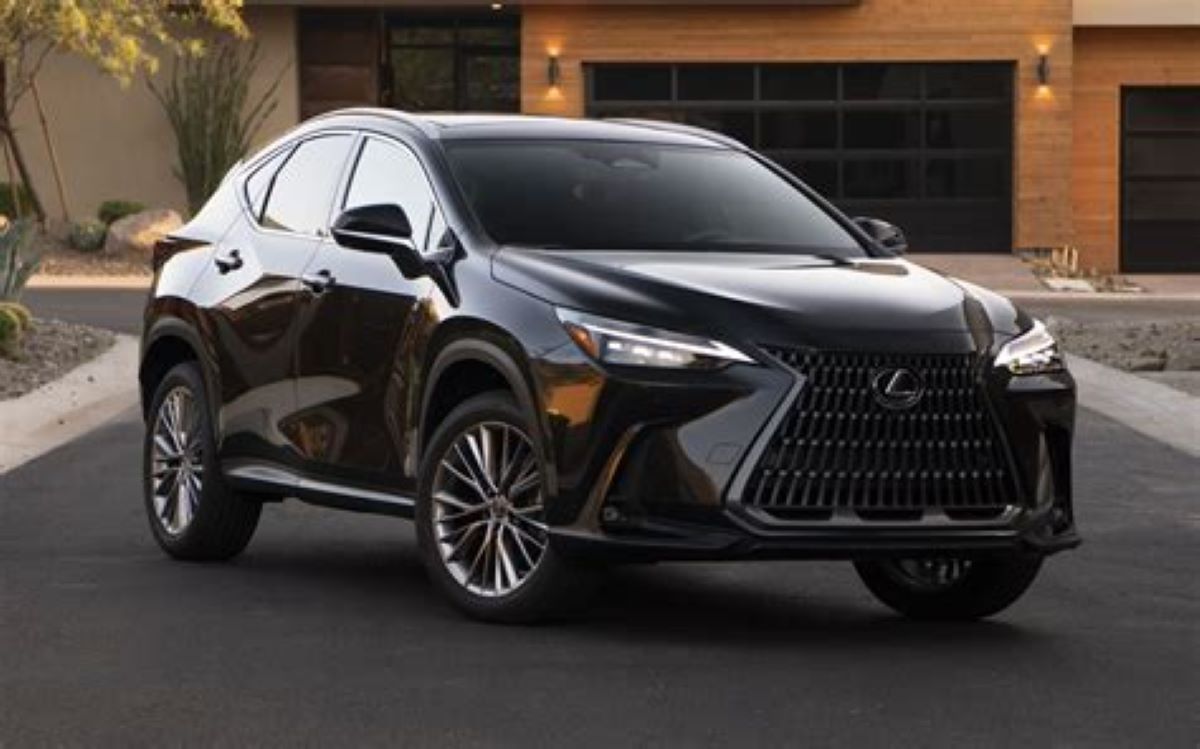
The redesigned 2022 NX is a small SUV similar to the Acura RDX and Mercedes-Benz GLC. This new NX 250 is the entry-level version and joins the more powerful NX 350 along with two hybrids, the NX 350h and NX 450h+.
The model names refer to what’s under the hood. The NX 250 is the base model, powered by a 2.5-liter four-cylinder engine that makes a modest 203 horsepower.
This year’s NX features a revamped cabin highlighted by a wide central display angled toward the driver. A 9.8-inch touchscreen is standard, and you can upgrade to a 14-inch screen with a mix of virtual and physical controls for the climate system.
That’s a huge departure from many other Lexus models, which typically have a central display mounted farther from the driver and controlled via touchpad. The Lexus NX 250 also comes loaded with helpful tech and driver-assist features.
We think the NX 250 is a worthwhile choice for shoppers who want a value-oriented small luxury SUV and can accept tempered performance expectations.
The NX 250 is offered in three trims: Base, Premium, and Luxury. All use the same 2.5-liter four-cylinder engine. Front-wheel drive is standard; all-wheel drive is optional. The more powerful NX 350 and hybrids are reviewed separately.
A long list of standard features makes the base NX 250 an excellent pick for value-focused buyers. It includes a sizable center touchscreen and a comprehensive suite of driver-assist features.
4. Toyota Camry Hybrid
The Toyota Camry Hybrid brings familiar midsize sedan comfort to the hybrid market. Known for its reliability and smooth ride, the Camry Hybrid also excels in delivering predictable brake feedback.
Early hybrids often surprised drivers with abrupt deceleration, but the Camry Hybrid’s pedal feel is smooth and progressive.
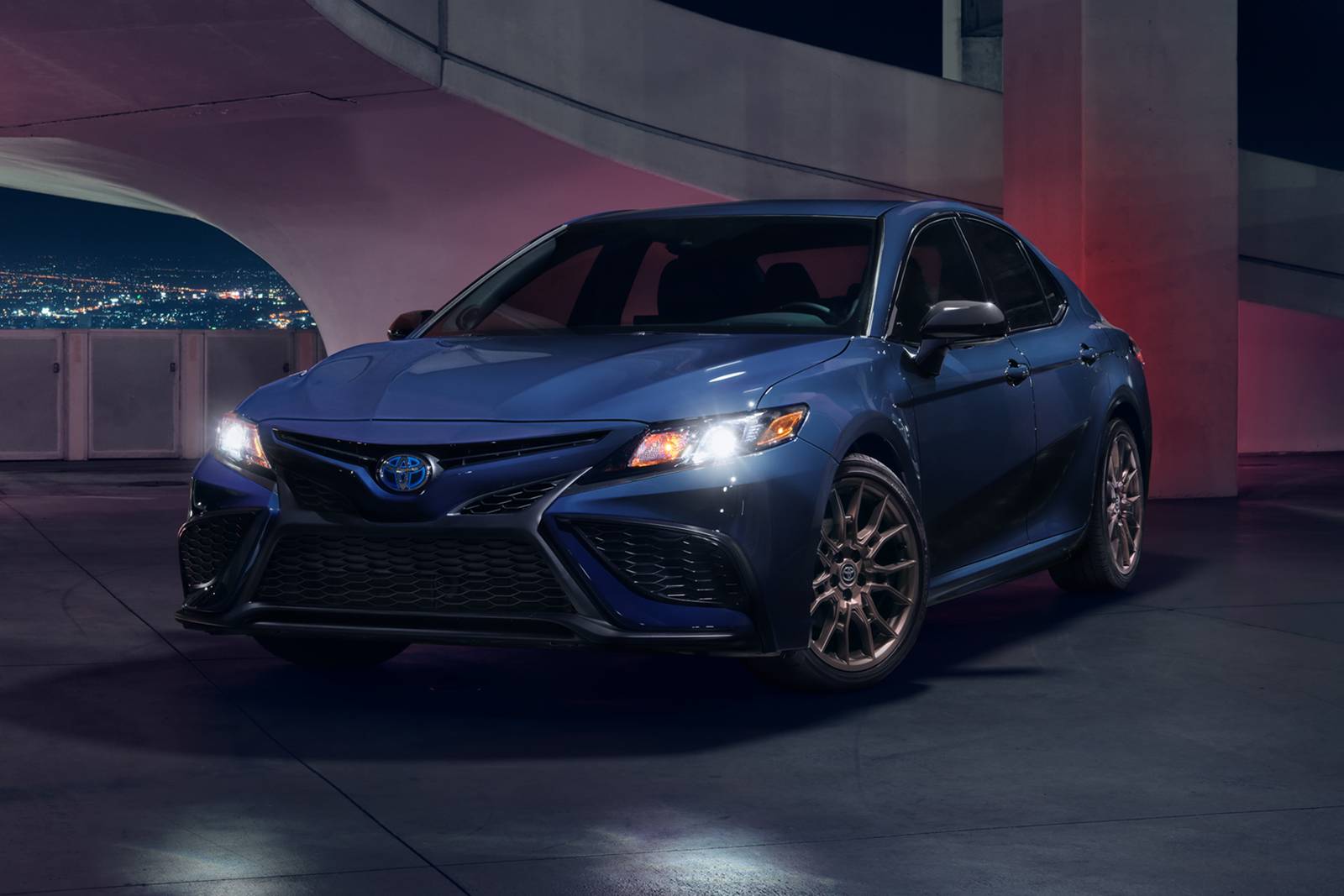
Drivers can brake confidently in traffic or merge safely onto highways without worrying about unpredictable pedal responses. The Camry Hybrid demonstrates that you don’t have to sacrifice comfort, confidence, or stopping power to enjoy hybrid efficiency.
5. Hyundai Sonata Hybrid
The Hyundai Sonata Hybrid has made significant strides in providing a natural braking experience. Its hybrid system integrates regenerative braking with a conventional hydraulic setup in a way that ensures smooth transitions between the two.
Drivers report that the pedal feel is firm but forgiving, offering predictable deceleration in both urban and highway settings.
Beyond braking, the Sonata Hybrid impresses with a quiet cabin, responsive steering, and modern infotainment, making it an ideal choice for drivers who want a hybrid that feels familiar while providing comfort and convenience.
The 2023 Hyundai Sonata is making a strong push to distinguish itself from longtime rivals like the Toyota Camry and Honda Accord, and in many ways, it succeeds.
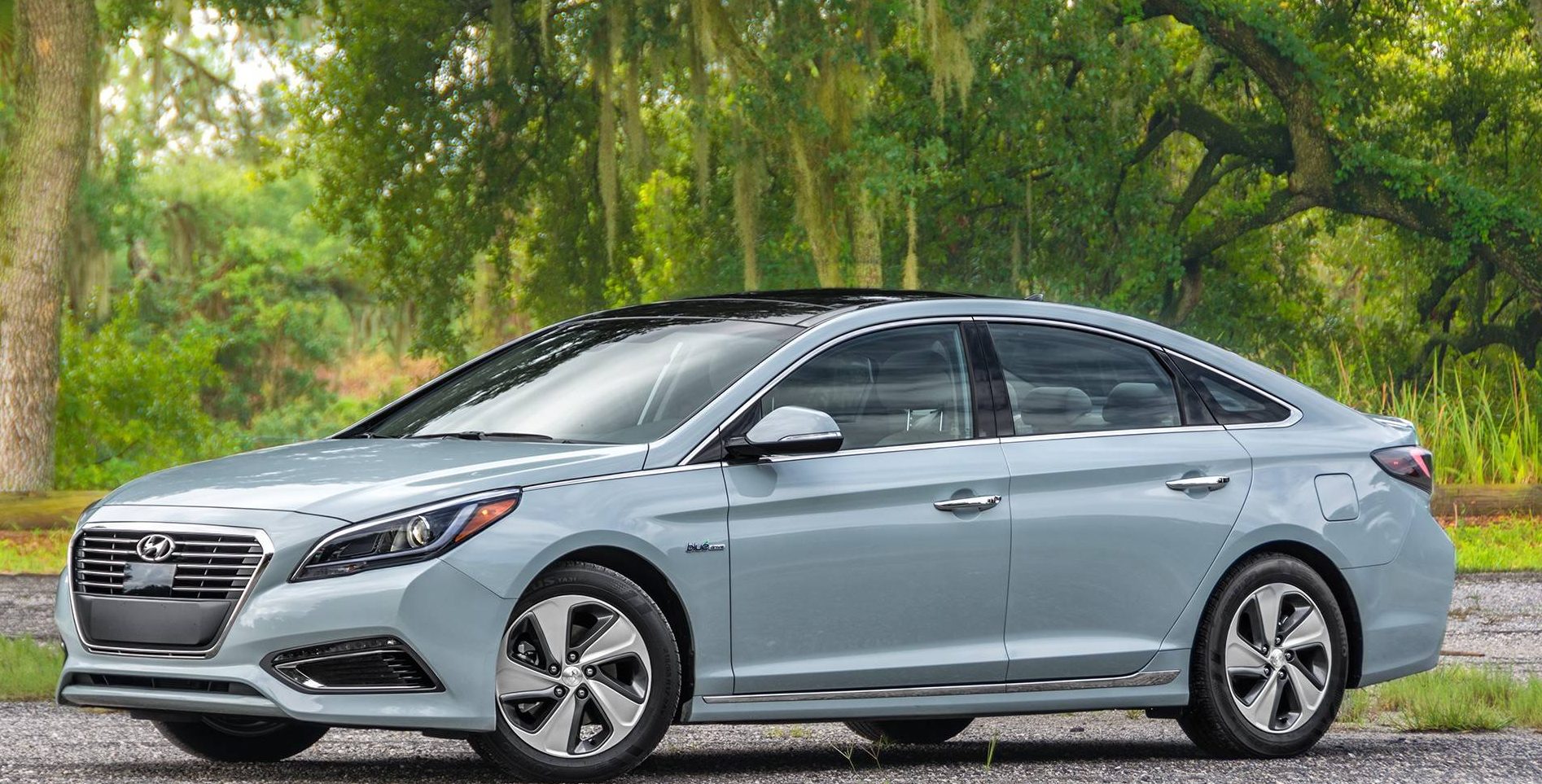
The exterior design is elegant from nearly every angle, though the grille drew mixed reactions from our editors. Inside, the cabin is spacious and comfortable for both front and rear passengers, and the infotainment system ranks among the best in the segment.
Driving dynamics are a standout feature. We found the brake and steering responses to be “perfectly weighted,” and the Sonata impressed with stable, agile handling that even performs decently on a track. The 1.6-liter turbocharged powertrain has a slight lag under hard acceleration, but power delivery is generally smooth and consistent.
The Sonata’s few shortcomings are mostly comparative. The ride can feel firm for some, the transmission occasionally selects the wrong gear, and the lack of all-wheel drive limits its appeal in snowy conditions. In these respects, competitors like the AWD Subaru Legacy and the Honda Accord offer greater versatility.
Hyundai’s signature strengths, value, advanced technology, and excellent warranty coverage, remain intact. Overall, the Sonata is an impressive midsize sedan that deserves a spot on any shopper’s shortlist.
6. Toyota Prius
The Toyota Prius remains one of the most recognizable hybrids in the U.S., and modern iterations have addressed the pedal feedback issues that early models faced.
Regenerative and mechanical brakes work together seamlessly, creating a linear, predictable brake pedal feel.
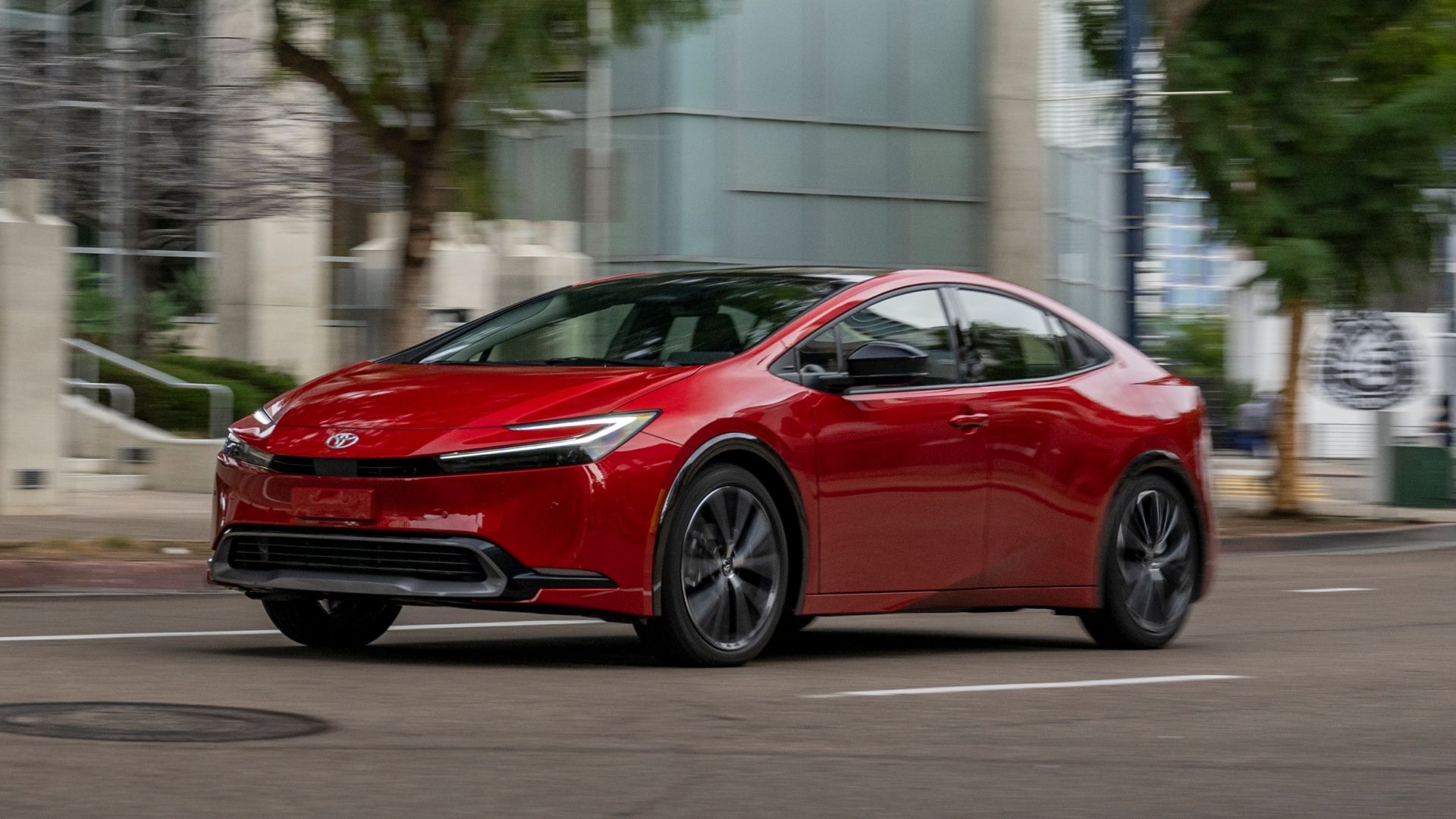
The Prius excels in city driving, where frequent stops and starts can make unusual brake responses frustrating.
Its smooth braking, combined with exceptional fuel economy, makes the Prius a dependable choice for commuters and eco-conscious drivers who want a stress-free driving experience.
The Prius isn’t designed for spirited driving. In Edmunds’ testing, the all-wheel-drive Prius reached 0-60 mph in 10.5 seconds, ranking it among the slowest vehicles in its class, hybrid or otherwise. Interestingly, the lighter front-wheel-drive Prius was slightly slower. The car’s handling and agility are similarly mild, offering minimal excitement behind the wheel.
Where the Prius excels is in ease of driving and smooth transitions between electric motor and gasoline engine power. Another benefit is its available all-wheel-drive system, which activates the rear wheels only when the front wheels lose traction. In typical dry conditions, this feature remains largely unnoticed.
Also Read: 5 Cars With Trusted AWD Systems and 5 With Systems That Fail
7. Ford Escape Hybrid
The Ford Escape Hybrid is a popular choice among compact SUV buyers seeking a hybrid with approachable driving dynamics.
The Escape Hybrid’s brake pedal feels intuitive and responsive, even with active regenerative braking.
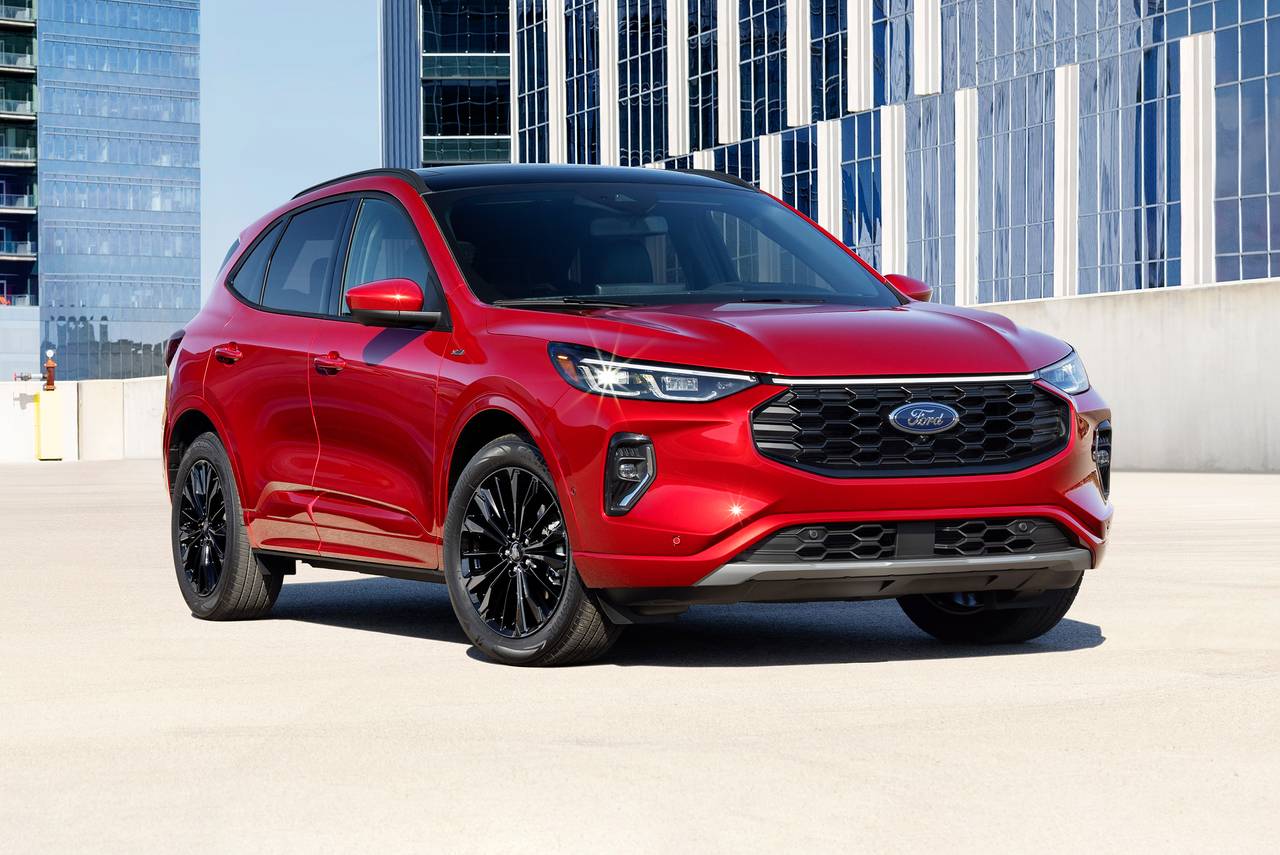
Drivers report smooth modulation and consistent stopping performance, whether navigating urban streets, suburban neighborhoods, or highway traffic.
This predictability reduces driver stress and makes the Escape Hybrid feel less like a futuristic vehicle and more like a conventional SUV, which can be a key factor for buyers hesitant about hybrid technology.
8. Kia Sorento Hybrid
The Kia Sorento Hybrid is a three-row SUV that balances family utility with hybrid efficiency. Its braking system is designed to provide consistent feedback, even when the vehicle is fully loaded with passengers.
Regenerative braking transitions smoothly to mechanical braking, ensuring that the pedal feel remains linear and familiar.
Families appreciate the confidence-inspiring brake performance on city streets, highways, and longer road trips, making the Sorento Hybrid a practical and versatile option in its segment.
We tested the Sorento Hybrid in the top SX Prestige trim. It accelerated from 0 to 60 mph in 7.6 seconds, solid for its class and quicker than the conventional Hyundai Santa Fe. The automatic transmission shifts smoothly and promptly, which isn’t always a given with hybrids.
Acceleration feels strong off the line, with seamless transitions between gasoline and electric power. Braking is confident thanks to a well-balanced, intuitive brake pedal, bringing the vehicle to a stop from 60 mph in just 127 feet with minimal nosedive. Handling and steering provide a reassuring sense of control on the road.
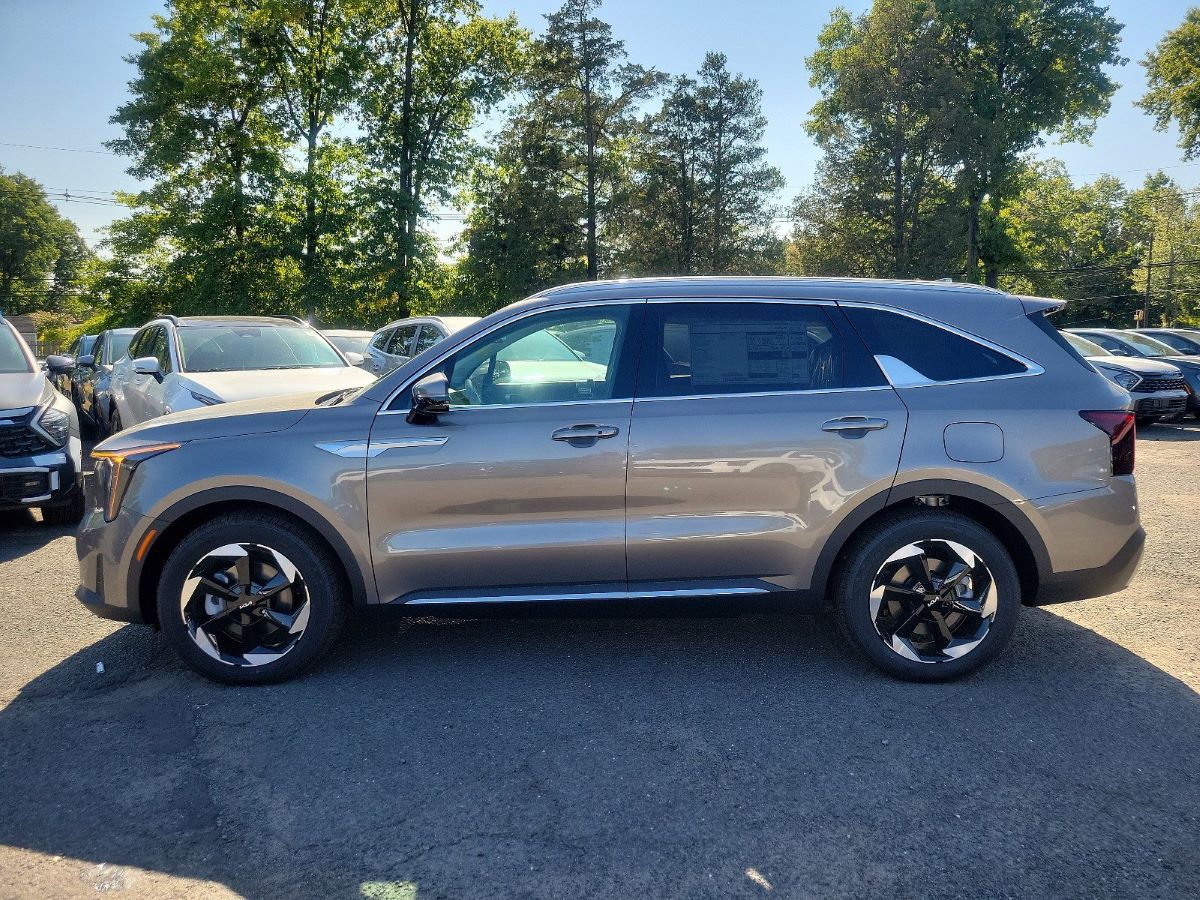
The Sorento Hybrid delivers a generally smooth ride. On highways, it remains composed over bumps, enhancing stability and confidence. Visibility is excellent due to large windows, and the optional surround-view camera system in the SX Prestige trim provides high-definition images, making tight maneuvers easier.
Its suite of advanced driver aids is impressive, both in scope and effectiveness. We experienced no false alerts, with the only minor issue being an overly cautious rear cross-traffic alert.
As is typical for Kia, the Sorento Hybrid is well-equipped and well-built. While a few hard plastic surfaces exist in the cabin, they are balanced by thoughtful design, premium touches, and practical features. Although higher trims can be pricey, the Sorento Hybrid continues to offer strong value for the money.
9. Acura MDX Sport Hybrid
For drivers who want a luxury SUV with hybrid efficiency, the Acura MDX Sport Hybrid delivers impressive results. Its regenerative braking system is virtually invisible in everyday driving, providing consistent pedal feedback regardless of driving conditions.
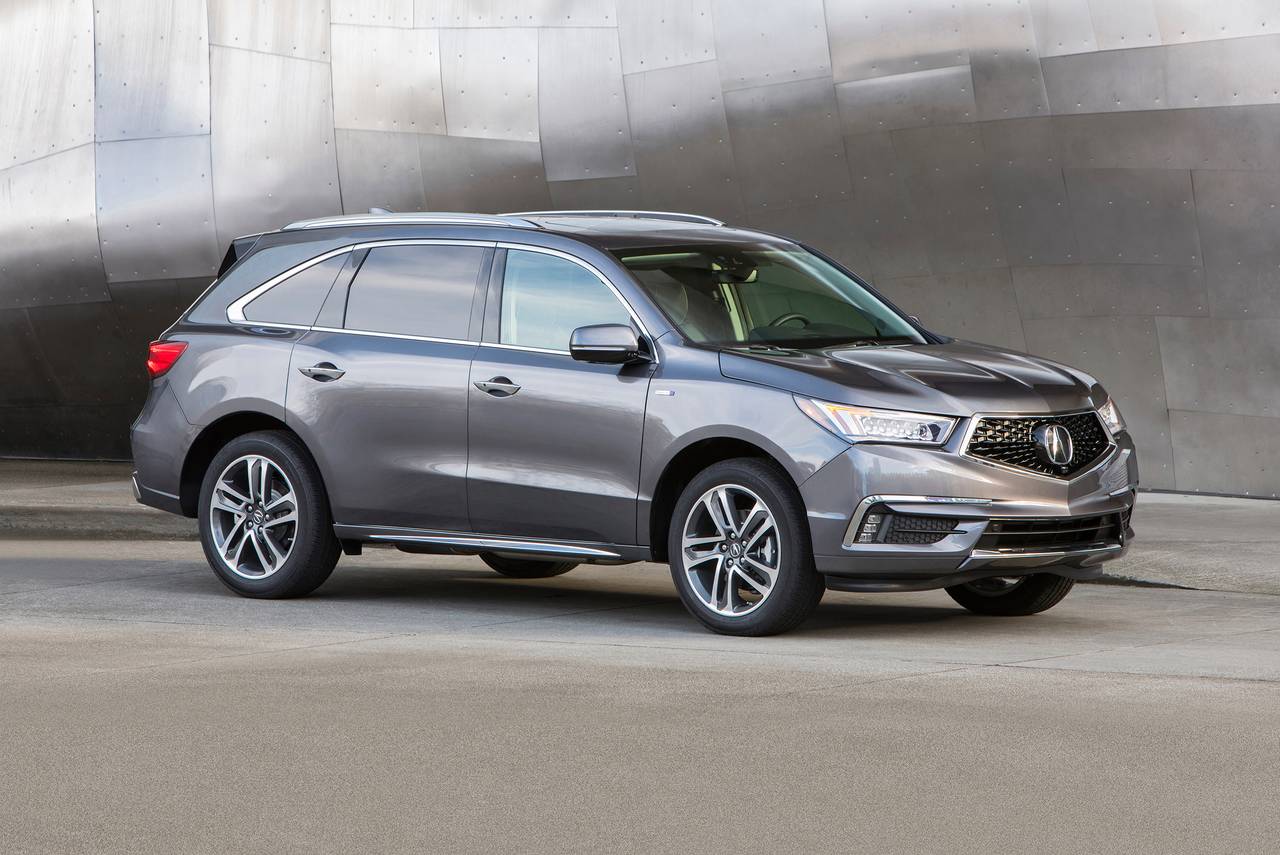
The brake feel is linear, firm, and easy to modulate, making it feel like a conventional luxury SUV despite its complex hybrid powertrain. The MDX Sport Hybrid proves that performance, comfort, and hybrid efficiency can coexist without compromise.
The 2023 Acura MDX combines a refined, family-friendly design with three rows of seats and a premium feel. Acura has also enhanced its handling, particularly in the performance-oriented Type S.
The base 290-hp V-6 provides brisk acceleration for an SUV of this size, while the Type S features a turbocharged 3.0-liter V-6 producing 355 horsepower and comes standard with all-wheel drive.
The interior is premium, though it doesn’t quite reach the luxury of competitors like the Genesis GV80, Mercedes-Benz GLE, or Volvo XC90. Even so, the MDX is more affordable than those rivals while offering a rewarding driving experience.
The 2023 MDX starts at $50,745 and ranges up to $74,395 depending on trim and options. For those seeking luxury without sporty aspirations, the Technology trim is recommended. It includes leather upholstery with contrast stitching, adjustable ambient lighting, a 12-speaker ELS Studio stereo, and low-speed front and rear automated emergency braking.
The standard MDX is powered by a 290-hp 3.5-liter V-6 with a 10-speed automatic transmission, offering front-wheel drive as standard and optional all-wheel drive.
The Type S sports a 355-hp turbocharged 3.0-liter V-6 with standard all-wheel drive. In testing, the Advance model felt nimble with lively acceleration, while the Type S impressed with additional power and agile handling. On the test track, the Type S reached 60 mph in 5.5 seconds, compared to 6.4 seconds for the standard model.
10. Hyundai Tucson Hybrid
The Hyundai Tucson Hybrid is a compact SUV that demonstrates how hybrids can feel natural to drive. Its braking system combines regenerative and hydraulic brakes for a smooth, predictable experience.
Whether navigating urban congestion, suburban streets, or open highways, drivers can confidently modulate the pedal without worrying about unusual deceleration.
The Tucson Hybrid’s familiar brake feel makes it an excellent choice for first-time hybrid buyers or anyone transitioning from a conventional gasoline-powered vehicle.
Modern hybrid vehicles have come a long way in terms of driving feel, particularly with braking. Early hybrids often required adjustment due to the noticeable influence of regenerative braking, but today’s systems are finely tuned to feel natural, predictable, and intuitive.
The 2023 Hyundai Tucson Hybrid and its plug-in hybrid (PHEV) sibling offer a balanced alternative between full-electric and traditional gas-powered SUVs.
Both feature all-wheel drive and a combination of a front motor with a 1.6-liter turbocharged engine, producing 226 horsepower in the Hybrid and 261 hp in the PHEV, significantly more than the 187-hp gas-only Tucson. The Tucson Hybrid is also more feature-rich and notably quiet at highway speeds.
Its six-speed automatic transmission replaces the less desirable CVT, and it can tow up to 2,000 pounds when properly equipped. With stylish design cues like integrated daytime running lights and strong affordability, the Tucson Hybrid and PHEV stand out in the segment.
Following a major redesign last year, the 2023 Tucson Hybrid/PHEV remains largely unchanged. Adaptive cruise control, pedestrian detection, and speed limit assist are now standard across all trims, and Serenity White Pearl replaces Quartz White in the paint options.
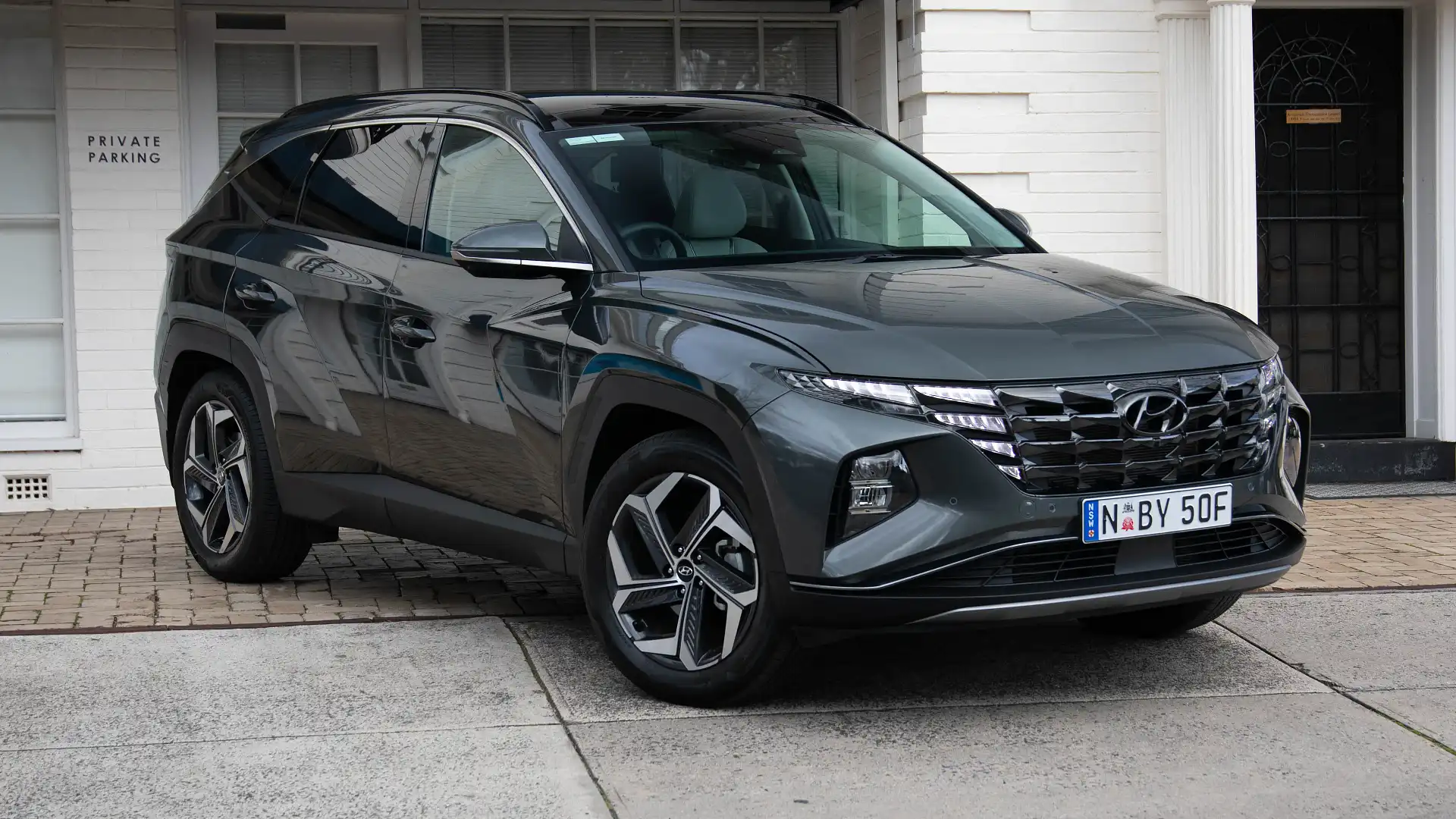
The 2023 Hyundai Tucson Hybrid ranges from $32,685 to $46,095, depending on trim and options. We recommend the SEL PHEV for its balance of features and affordability under $40,000. It includes an 8.0-inch infotainment touchscreen with a physical volume knob, wireless Android Auto and Apple CarPlay, and heated front seats.
The turbocharged 1.6-liter inline-four paired with the front motor yields a combined 226 hp for the Hybrid and 261 hp for the PHEV. Both use all-wheel drive and a six-speed automatic transmission.
On the test track, the loaded Limited Hybrid accelerated to 60 mph in 7.1 seconds. While not a sports car, the Tucson offers confident handling, solid steering, and a quiet, comfortable ride.
Both hybrid models can tow up to 2,000 pounds, surpassing the Honda CR-V and Chevy Equinox but falling short of the Mazda CX-50’s 3,500-pound capacity.
The PHEV uses a 13.8-kWh battery capable of an EPA-estimated 33 miles of electric-only driving. A 7.2-kW onboard charger fully recharges the battery in about two hours at a Level 2 station.
The Tucson Hybrid earns an EPA estimate of 38 mpg city/highway, while the PHEV rates at 80 MPGe combined with 33 miles of electric-only driving. On our 75-mph highway test, the Hybrid achieved 28 mpg, below its EPA estimate.
Inside, the Tucson blends simplicity with modernity, featuring a digital gauge display, push-button shifter, and touch-sensitive controls for climate and infotainment.
The interior benefits from high-quality materials and thoughtful design, with increased rear seat space and cargo capacity. Behind the hybrid’s rear row, the Tucson can hold nine carry-on suitcases, expanding to 22 bags with the seatbacks folded.
Whether you’re commuting in the city, cruising the highway, or heading out for a family road trip, these ten hybrids offer smooth, linear braking that feels familiar to U.S. drivers.
With advanced engineering, improved safety features, and reliable performance, hybrids no longer feel like a compromise they simply feel like the next step in efficient, practical, and enjoyable driving.