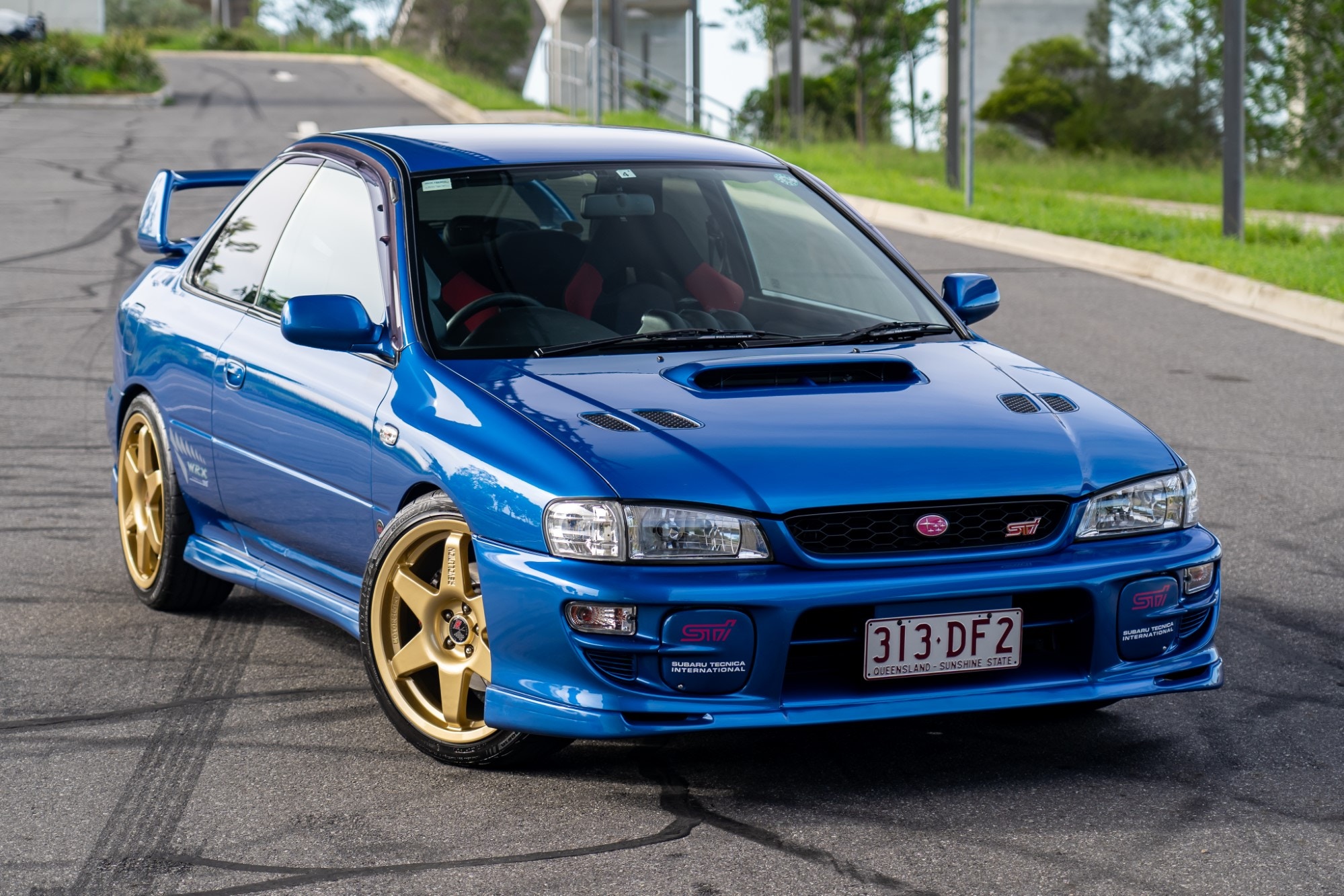
Buying a used car can often feel like a compromise. For many drivers, the allure of a new car lies in the latest technology, refined styling, and that new-car smell that promises excitement and status.
However, not all used cars lose their charm as the miles pile on. Some vehicles retain a sense of uniqueness, character, and driving pleasure even after years of use, making them stand out in a market flooded with mundane commuter cars.
For US buyers, who often look for value, reliability, and enjoyment in equal measure, finding a used car that still feels special is a rare win.
This list explores eight such vehicles, spanning luxury, sports, and everyday cars that manage to remain remarkable even after several years on the road.
These are not just reliable transporters they are cars that inspire attachment, drive smiles, and stand out in traffic, long after their initial sale.
1. Mazda MX-5 Miata (ND and NC generations)
Few cars embody pure driving joy like the Mazda MX-5 Miata. Even older models, such as the NC (2006–2015) or the ND (2016–present) generations, feel alive thanks to their lightweight chassis, rear-wheel-drive layout, and near-perfect balance.
Unlike heavier sports cars that feel sluggish with age, Miatas retain their responsive steering and connection to the road.
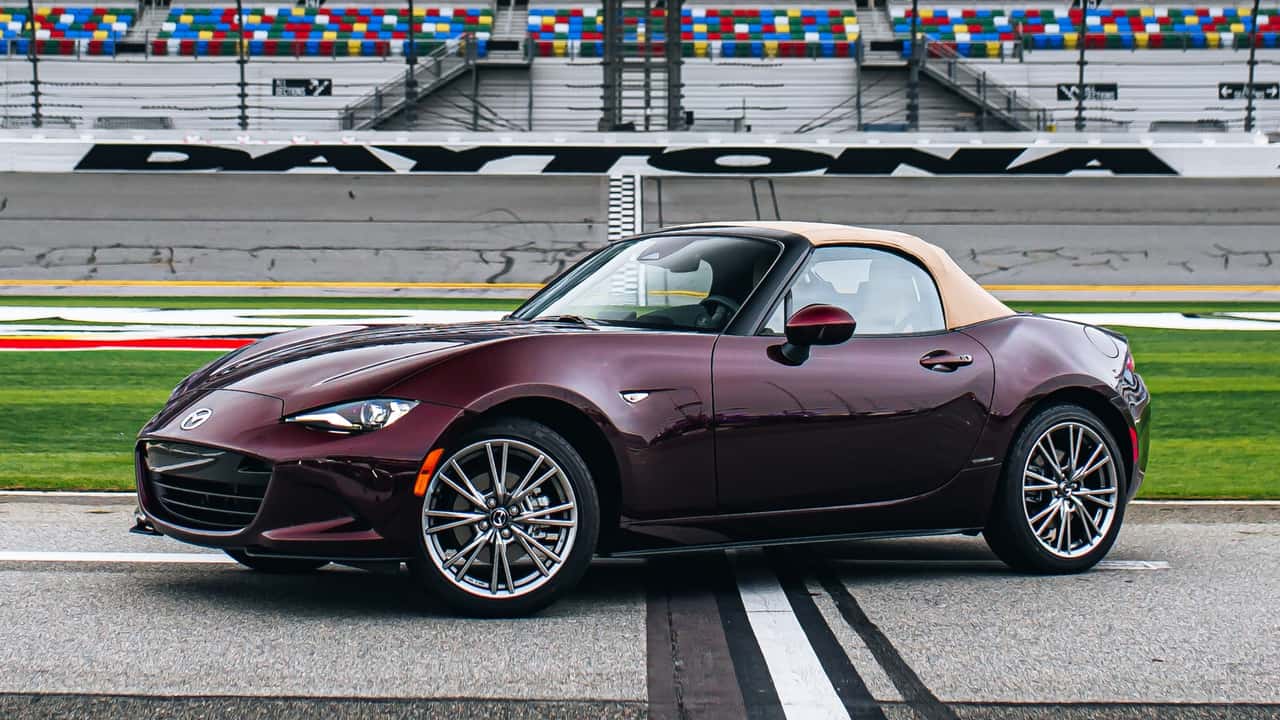
For a US audience, the Miata represents an accessible sports car that doesn’t demand extreme maintenance. Many owners report that these cars, even with over 100,000 miles, remain tight, engaging, and full of character.
Add a soft top or retractable hardtop, and you have a vehicle that transforms even mundane commutes into an occasion.
Also Read: Top 10 Used Aston Martins Available for Under $30,000
2. Porsche Cayman (987 and 981 generations)
If your budget stretches to a higher-end used sports car, the Porsche Cayman stands out as one that doesn’t age like a typical luxury coupe.
The mid-engine design, precise steering, and natural handling make it a joy to drive even after a decade. Unlike some luxury cars that feel outdated with old infotainment systems, the Cayman’s driving experience is timeless.
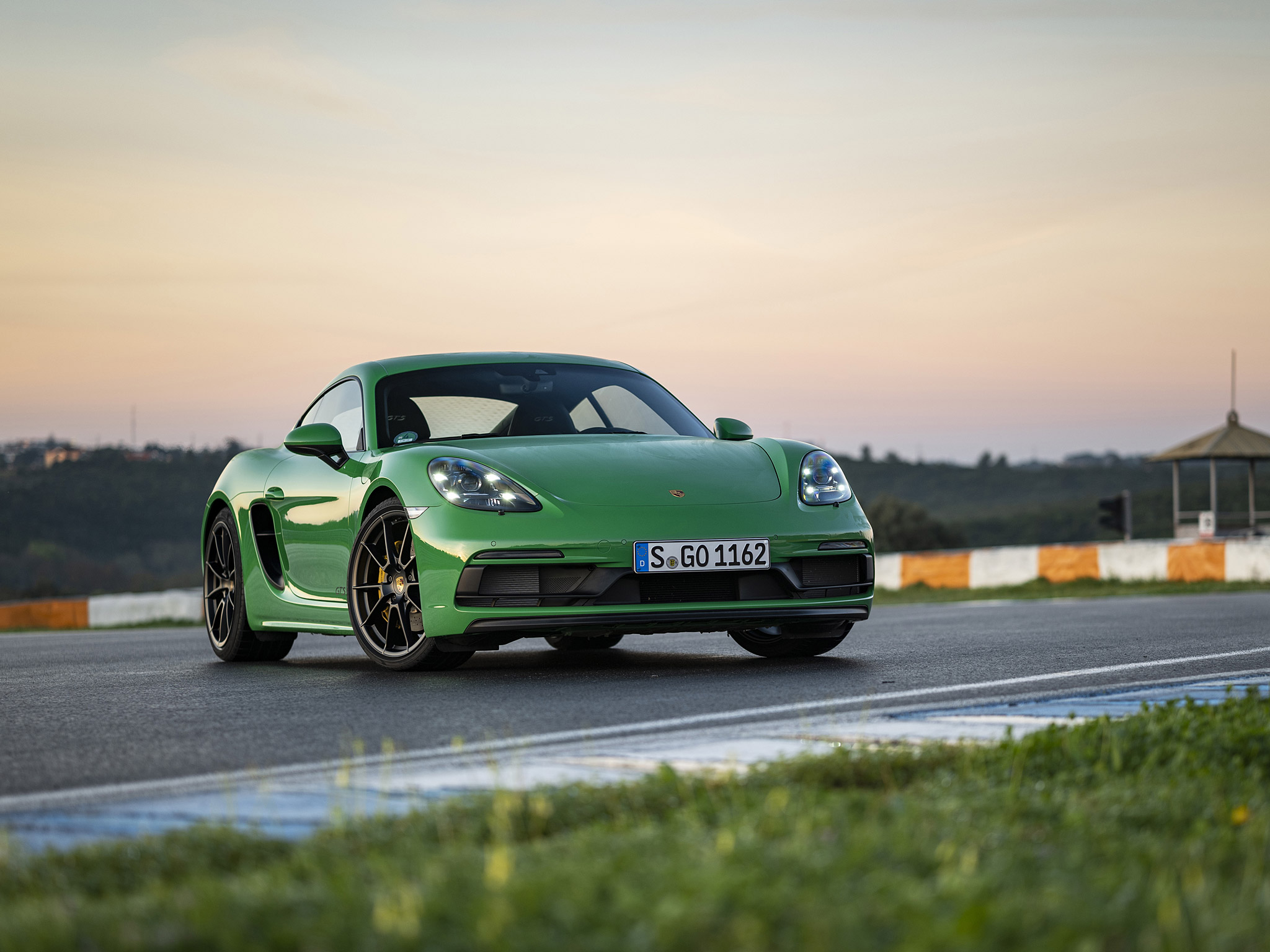
For enthusiasts, the Cayman remains special because of its engine note, chassis balance, and the sense of precision that comes from Porsche engineering.
The 987 (2005–2012) and 981 (2013–2016) generations offer a blend of affordability and performance that keeps the car exciting long after its first sale. A well-maintained Cayman can give drivers the thrill of a modern sports car without the depreciation hit of a new model.
To call the 2023 Mazda MX-5 Miata an icon would be an understatement. Since its debut in 1989, this lightweight, drop-top sports car has continually redefined the compact roadster segment. Over the years, Mazda has refined the Miata’s performance and handling, and today it remains one of the most engaging cars on four wheels.
The Miata goes head-to-head with the Subaru BRZ and Toyota GR 86, but unlike those fixed-roof coupes, it offers two open-top options: a classic cloth convertible and the retractable hardtop Targa, known as the RF.
All models are powered by a rev-happy 181-hp four-cylinder engine paired with a standard six-speed manual gearbox—a combination that pays homage to classic sports cars.
While an automatic is available, the manual is the clear choice, making the Miata a truly engrossing driving companion. The cabin is compact, which may challenge taller drivers, and it’s not ideal for long commutes, but it provides all the essentials, and the chassis is tuned for maximum fun.
The Miata’s four-cylinder engine revs eagerly, delivering lively acceleration and encouraging spirited driving. The manual gearbox is precise and enjoyable, enhancing the connection between car and driver.
Even the optional automatic impresses with quick, sporty shifts. In testing, the soft-top Miata sprinted to 60 mph in just 5.7 seconds, while the slightly heavier RF completed the run in 5.8 seconds.
Ride quality is firm yet controlled, with the Club trim offering the tautest suspension setup. Handling is sharp, playful, and precise, and the light, tactile steering keeps the driver fully connected to the road. Put simply, the MX-5 Miata is a car built for pure driving enjoyment.
3. Honda S2000 (1999–2009)
Few used cars carry the reputation of the Honda S2000 for fun and reliability. Its high-revving inline-four engine, perfect 50/50 weight distribution, and precise manual transmission make it a driver’s car in the truest sense.
In the US market, the S2000 has become something of a legend among enthusiasts because it combines practicality with an unforgettable driving experience.
Even after years of ownership, the S2000 feels special due to its unique engine character and sporty yet manageable chassis.
These cars reward careful driving with responsiveness and engagement, making each drive feel deliberate and connected. While they require careful maintenance, the payoff is a car that refuses to feel mundane.
If you’re after handling prowess, it’s generally best to avoid front-wheel-drive vehicles, though a few exceptions manage corners well. Honda, however, has long been a leader in front-wheel-drive cars, building a reputation for reliability and value for money.
Nearly every Honda model comes standard with FWD, with some offering all-wheel drive, but Honda hasn’t produced a rear-wheel-drive model in over 15 years. The last RWD Honda was the iconic S2000, a car that remains celebrated for its balance, engineering, and driving engagement.
The Honda S2000 was officially introduced in 1999, but its development began in the early 1990s. Initially conceived as a Sport Study Model unveiled at the 1995 Tokyo Motor Show, the S2000 drew inspiration from Honda’s first Formula One prototype, the RA270, and the lightweight Caterham Seven.
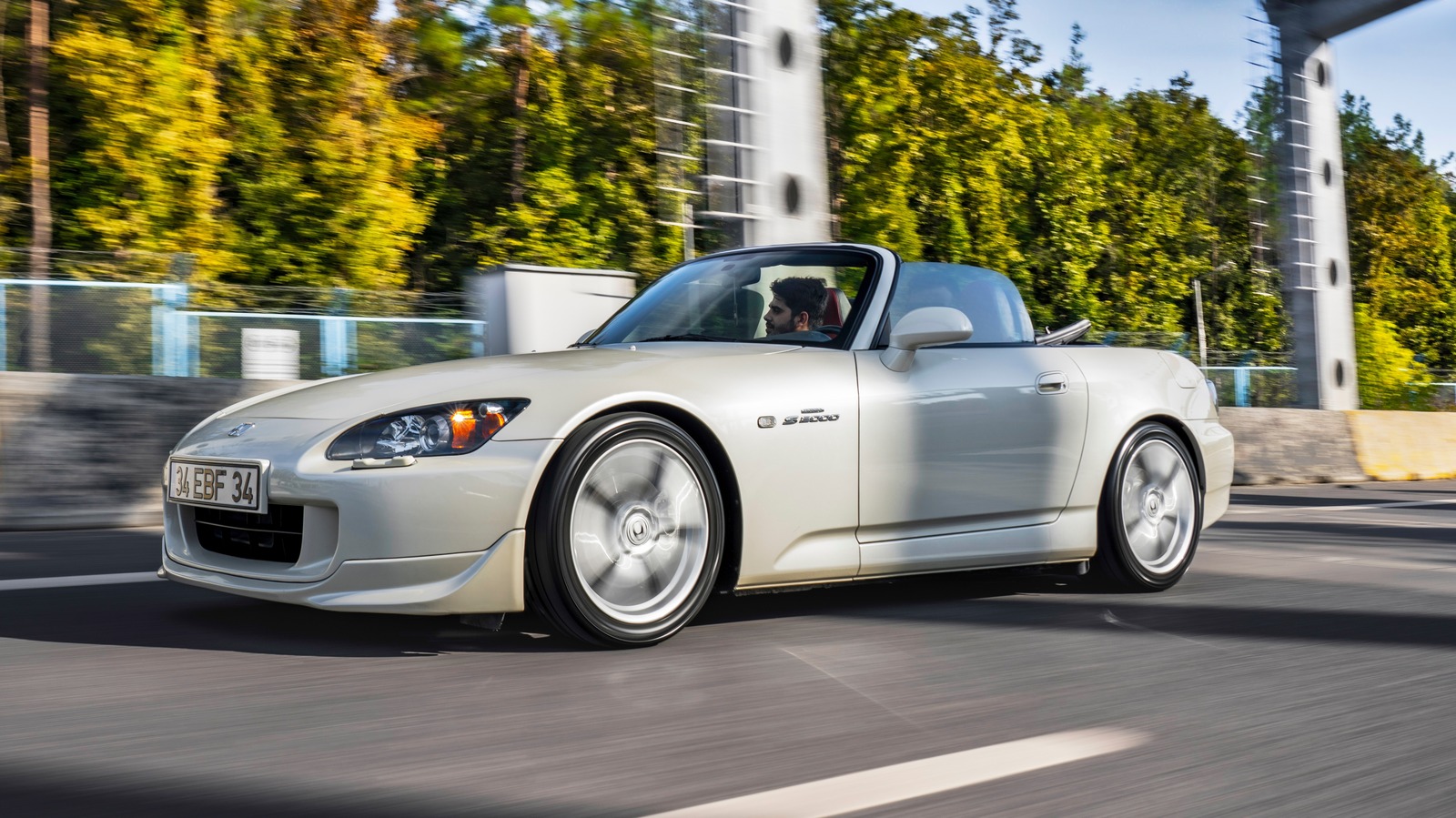
Rather than designing a car to appeal to the broadest market, Honda focused on creating a small, precise sports car that delighted engineers and driving enthusiasts alike. Shigeru Uehara, the S2000’s chief engineer, explained that minimizing input from marketing allowed the team to produce a more focused, enthusiast-oriented vehicle.
The production S2000 carried forward the Sport Study Model’s ethos, with the name reflecting the 2.0-liter engine at its heart. The first-generation S2000, known as the AP1, underwent extensive real-world testing before launch, including over 450 miles of hard driving per day to ensure long-term reliability and handling performance.
The AP1 featured a 2.0-liter F20C inline-four engine, a six-speed manual gearbox, rear-wheel drive, and a front-mid engine layout, giving the car a near-perfect 50:50 weight distribution. The fully independent double-wishbone suspension further enhanced handling precision, making the S2000 a benchmark for compact sports cars.
In 2003, Honda introduced the second-generation AP2 S2000, which retained the AP1’s styling but incorporated mechanical upgrades for improved stiffness, responsiveness, and comfort. The US, Canadian, and Japanese markets received a 2.2-liter F22C1 engine, which traded some high-rev capability for increased torque, while other markets kept the original 2.0-liter unit.
Throughout its life, the S2000 also received several special editions, including Japan’s Type V, the UK’s GT model, and the US-exclusive Club Racer and Type S in 2008, culminating with the final 2009 Ultimate Edition/GT Edition 100 models to commemorate production’s end.
The S2000 remains celebrated for its banshee-like revving inline-four, precise handling, and driver-focused dynamics, making it a standout in Honda’s history and a rare RWD gem in a brand dominated by front-wheel-drive models.
4. BMW E92 3 Series Coupe (2007–2013)
BMW’s 3 Series has long been a benchmark for the driver-focused luxury car, and the E92 coupe is no exception. Its sleek styling, naturally aspirated engines (especially the 335i), and precise steering make it feel athletic even as it ages.
Unlike many older luxury sedans or coupes, the E92 retains a sense of driver engagement that modern tech-heavy models often lack.
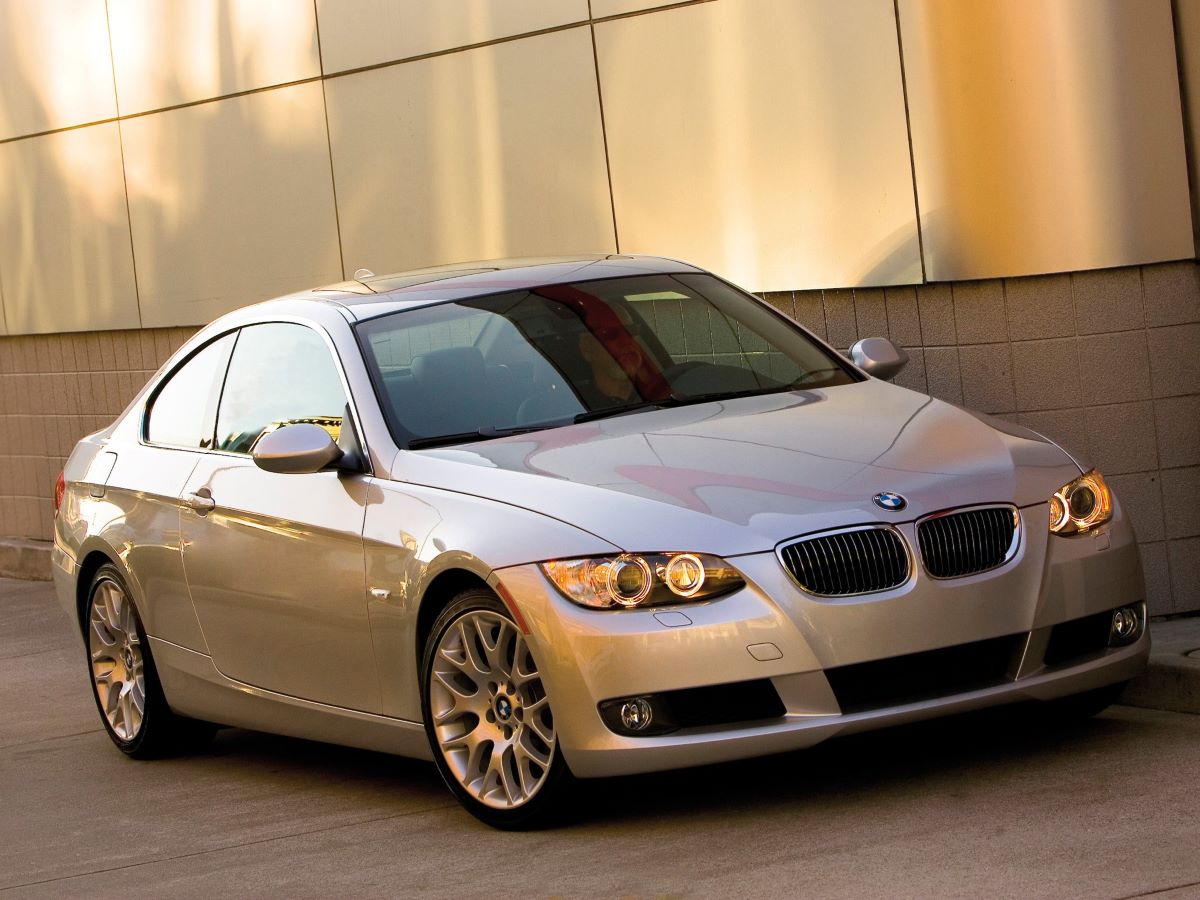
US buyers looking for a car that feels special but can still handle daily driving will appreciate the balance of comfort and sportiness.
The E92’s cabin still feels refined, and the driving dynamics rear-wheel drive with a well-tuned suspension keep the car exciting on twisty roads or highways alike.
Two years after refreshing the sedan and station wagon versions of the 3 Series, BMW introduced the facelifted coupe, known by its factory code E92.
The E92, the third member of the 3 Series family, had already earned a reputation as a desirable, fun-to-drive car thanks to its sporty looks, performance, and comfort. BMW’s Life Cycle Impulse (LCI) facelift brought meaningful upgrades across the board, from exterior styling and interior technology to the engine lineup.
At the front, new headlights featured optional bi-xenon bulbs and circular daytime running lights. Turn signals were upgraded to LEDs, and clear glass covers created a wider, more cohesive appearance. Between the lights, a revised grille featured a chrome rim with either black or chromed vertical slats depending on trim and options.
The lower bumper was redesigned with satin-silver horizontal fins on the side scoops, and the central air intake was broadened into a single, clean opening, replacing the previous split-three design, which remained available on M-Package models.
From the side, the low-slung coupe emphasized its sporty character. Unlike a shortened sedan, the E92 appeared distinct and purposeful. Its long, frameless doors were complemented by new alloy wheels ranging from 16 to 18 inches.
Under the hood, BMW streamlined the engine lineup. Lower-powered models were dropped, leaving the base E92 with a 143-PS (141-hp) turbodiesel, while the top-tier coupe boasted a 306-PS (302-hp) inline-six turbocharged gasoline engine.
Power could be sent to the rear wheels or all four corners, depending on options. Transmission choices included a six-speed manual or a six-speed automatic, catering to both traditionalists and those seeking convenience.
The E92 LCI combined subtle styling updates, modernized technology, and a refined engine lineup to maintain the coupe’s reputation as a sporty, desirable member of the 3 Series family.
Also Read: Top 10 High-Performance Diesel Cars That Fly Under the Radar
5. Chevrolet Corvette C6 (2005–2013)
American sports cars often get a bad reputation for being cheap or outdated too quickly, but the Chevrolet Corvette C6 proves that they can age gracefully.
The C6’s LS engines are powerful, reliable, and surprisingly modern in their performance envelope. Its low-slung profile, aggressive styling, and balanced chassis keep it feeling like a car that’s more expensive than its used price tag suggests.
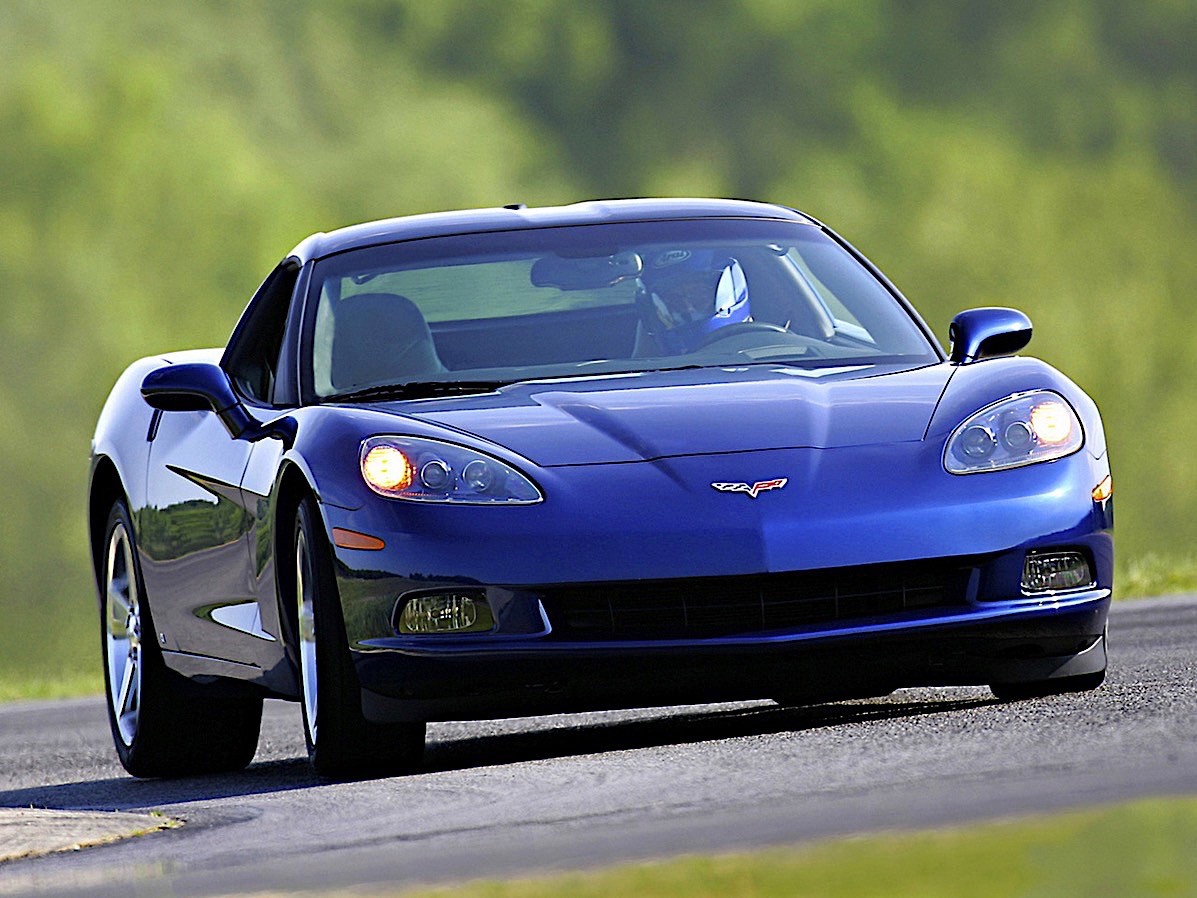
In the US, the C6 Corvette stands out because it offers a full-blown sports car experience without the maintenance complexity of European exotics.
Even as a used vehicle, the car’s acceleration, cornering ability, and presence on the road continue to impress. With proper care, a C6 can provide decades of thrilling drives.
6. Subaru WRX STI (2004–2014)
For drivers who crave excitement and practicality, the Subaru WRX STI remains a rare gem in the used market. Its all-wheel-drive system, turbocharged engine, and rally-inspired chassis make it engaging on a wide range of roads and conditions.
Older STIs, especially the 2004–2014 models, maintain a special character that newer iterations sometimes lack due to electronic aids and heavier chassis.
The WRX STI appeals to a broad US audience because it is not just a weekend toy it’s usable every day, all year round, yet still capable of thrilling performance.
Even after years, the rawness of the driving experience keeps it special, as owners remain connected to the road in a way that most modern compact performance cars no longer provide.
Nearly three years after the previous-generation STI, Subaru has introduced a new STI-branded WRX, called the S210, for 2025. Based on the Japan-only WRX S4 STI Sport R EX released in 2024, the S210 isn’t quite the high-performance WRX STI many enthusiasts were hoping for, but it marks the return of the STI badge.
Unlike its predecessor, the S210 doesn’t deliver a significant power boost. Its 2.4-liter horizontally opposed four-cylinder turbo makes 296 horsepower and 276 lb-ft of torque, slightly more than the standard U.S.-spec WRX, which offers 271 hp and 258 lb-ft. By comparison, the previous S209 WRX STI produced 341 hp and 330 lb-ft of torque, leaving some fans disappointed.
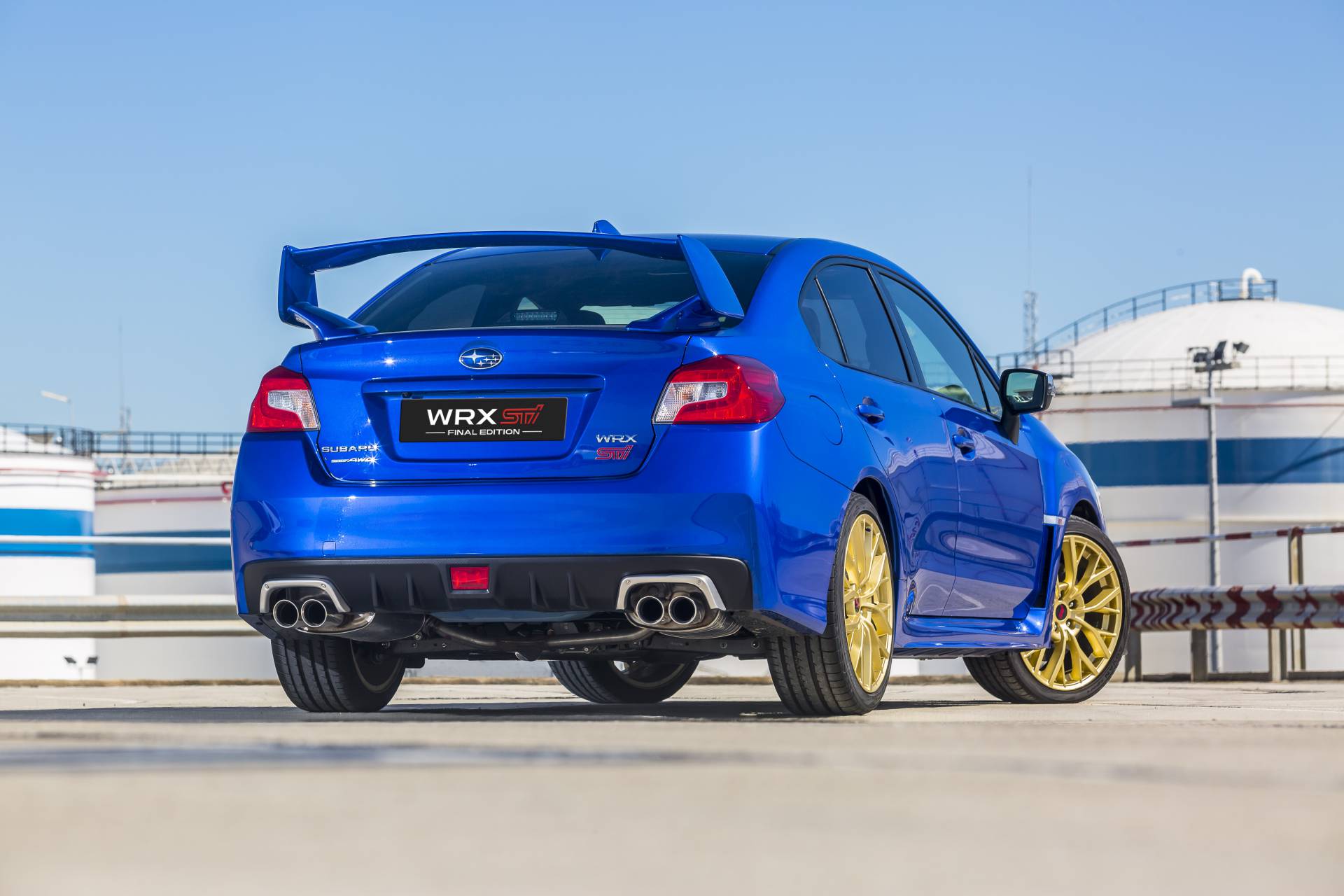
Another controversial change is the transmission. The S210 uses a continuously variable Subaru Performance Transmission (CVT) instead of the S209’s traditional 6-speed manual. Subaru claims the CVT “matches engine output characteristics” to enhance driving enjoyment, but die-hard WRX enthusiasts may find this decision unappealing.
Inside, the S210 receives Recaro eight-way power seats with carbon-fiber backrests. The cabin features a black-tone theme, emphasizing a sporty yet understated design.
Subaru has confirmed that the S210 will be a limited-production model, with only 500 units planned and primarily available in Japan. Pricing and wider availability are expected to be announced by spring 2025.
The 2025 Subaru WRX STI S210 keeps the STI name alive but falls short of enthusiast expectations in terms of outright performance and the loss of a manual gearbox. Still, with its racing-derived chassis updates, Brembo brakes, and striking design, it remains a collector-worthy addition to the WRX lineup.
7. Ford Mustang GT (S197 and S550 generations)
The Ford Mustang GT is an American icon that continues to feel special as it ages. The S197 (2005–2014) and S550 (2015–present) generations offer a mix of classic muscle car vibes and modern engineering.
The naturally aspirated V8 engines provide a visceral exhaust note that few cars can replicate, while the handling improvements in later models keep the car engaging through corners.
For US drivers, a used Mustang GT delivers an unmistakable personality that stands out in traffic.
Unlike many cars that become forgettable after a few years, the Mustang’s sound, styling, and heritage make it a vehicle that owners feel proud to drive, even decades after production.
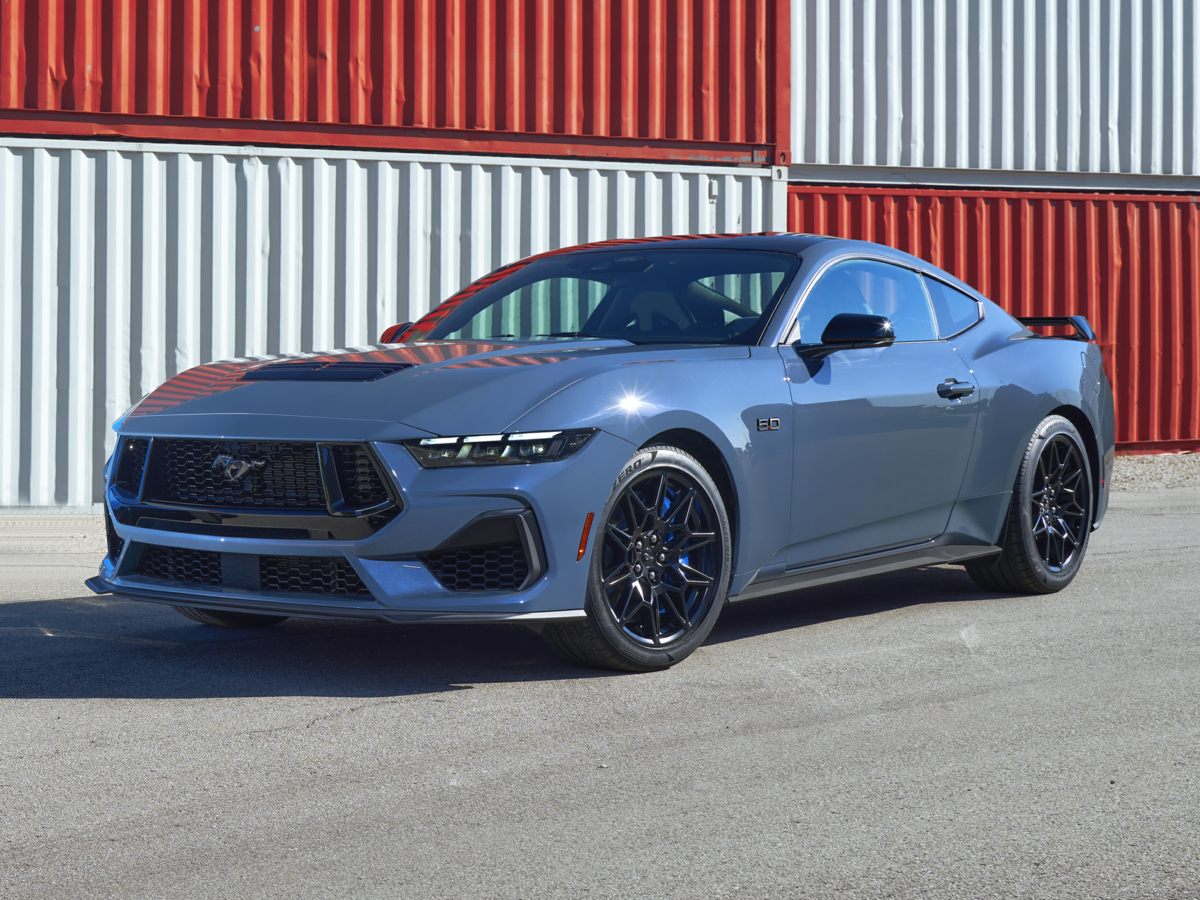
Now in its sophomore year, the seventh-generation 2025 Ford Mustang continues the tradition it established in the 1960s: delivering a thoroughly American take on the sporty coupe experience.
Variety remains key to its appeal, with the Mustang available in multiple trims ranging from a 315-hp turbocharged four-cylinder EcoBoost to the 480-hp 5.0-liter V8 GT, and the more extreme 500-hp Mustang Dark Horse.
Both V8-powered models can be equipped with a six-speed manual transmission as an alternative to the standard 10-speed automatic, while the turbo four-cylinder remains automatic-only.
Traditional fastback coupe and soft-top convertible body styles return for 2025, and Ford continues its celebration of Mustang heritage with the 60th Anniversary Edition, limited to 1,965 units, a nod to the year the Mustang debuted. With Chevrolet discontinuing the Camaro and the Dodge Challenger shifting to inline-six or electric powertrains, the Mustang remains the last V8 domestic pony car standing.
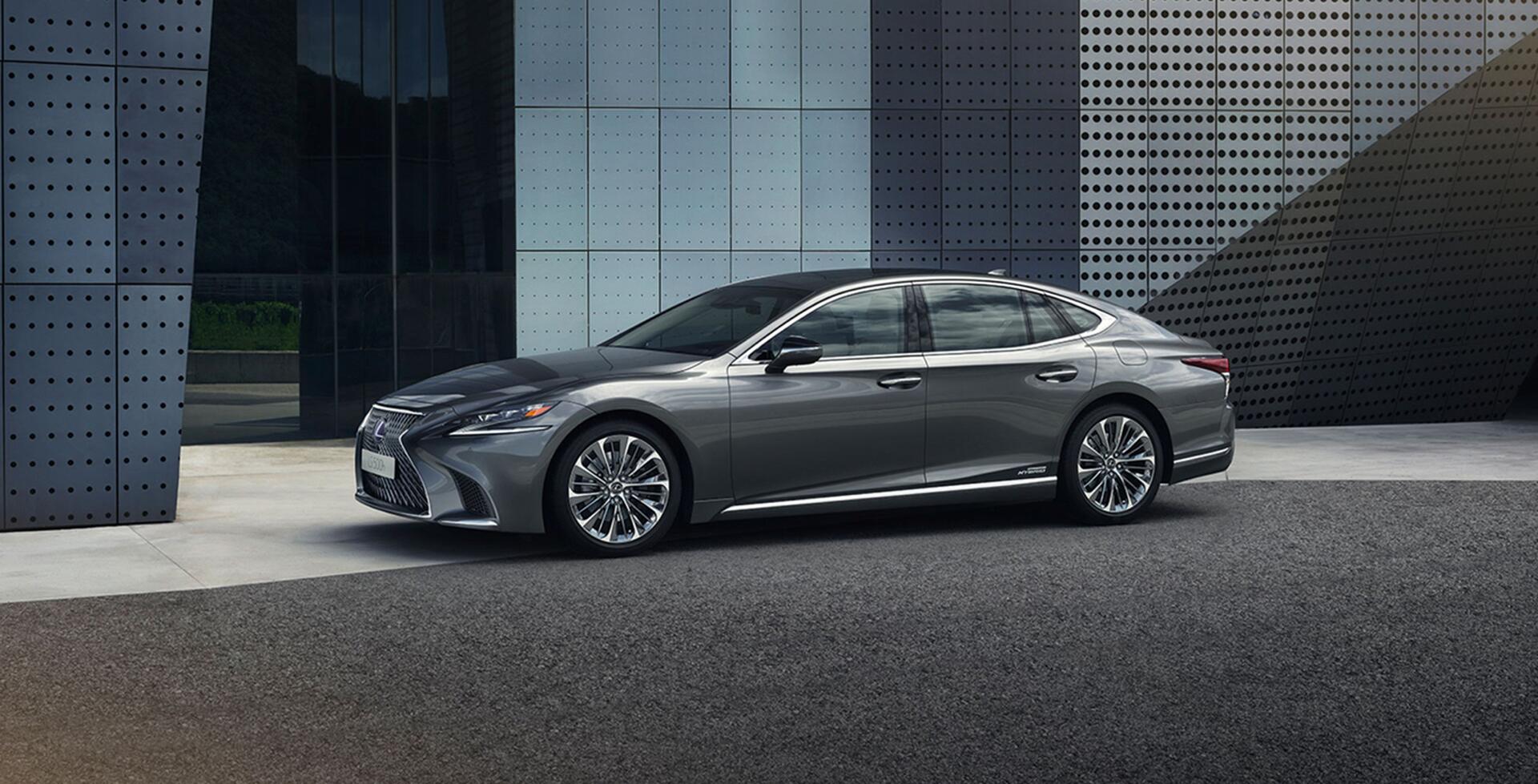
8. Lexus LS (XF40/XF50, 2007–2017)
Specialness in a used car doesn’t always have to mean sporty or flashy it can also mean refinement and class. The Lexus LS sedans from the XF40 (2007–2017) generation offer luxury and technology that age gracefully.
Known for their bulletproof reliability, smooth V8 engines, and quiet, composed ride, these cars maintain an aura of sophistication that newer vehicles sometimes fail to replicate.
For US buyers, the LS provides a “gentleman’s special car” experience soft yet responsive, luxurious but not ostentatious.
Even with high mileage, many LS owners report that the cars feel just as composed and effortless as the day they were purchased, giving the driver a sense of elevated status and comfort.
Not all used cars lose their magic over time. Some retain driving excitement, emotional appeal, and character that makes them feel special years after their first sale.
From lightweight sports cars like the Mazda MX-5 Miata and Honda S2000 to luxury and muscle cars like the Lexus LS and Ford Mustang GT, these eight vehicles prove that joy and refinement are not exclusive to brand-new cars.
The 2017 Lexus LS continues to uphold its reputation as a benchmark in the large luxury sedan segment, prioritizing comfort, reliability, and dealer service over aggressive handling or track-focused performance.
Powered by a 4.6-liter V8 engine paired with a near-seamless eight-speed automatic transmission, the LS is available in rear-wheel drive or all-wheel drive, with an extended-wheelbase option that provides executive-level rear legroom.
The F Sport package enhances handling with performance-tuned suspension, Brembo brakes, 19-inch alloy wheels, and a limited-slip rear differential, offering a sportier experience without sacrificing the car’s trademark smoothness.
For 2017, the LS receives no major updates, as Lexus prepares an all-new model for the following year. Notably, the LS 600h hybrid has been discontinued.
Horsepower varies depending on drivetrain, with the rear-wheel-drive LS producing 486 hp and the all-wheel-drive version delivering 460 hp, both harnessed through the smooth eight-speed automatic. The LS isn’t designed for high-speed theatrics, instead favoring effortless acceleration and serene highway cruising.
Inside, the LS spoils occupants with cushioned, supportive seats, ample space, and an array of luxury features. Standard equipment includes power-adjustable leather seats, dual-zone climate control, genuine wood trim, and a power sunroof, while optional upgrades bring heated and ventilated seats, a heated steering wheel, and premium leather upholstery. Cargo capacity stands at a roomy 18 cubic feet, and the extended-wheelbase version maximizes rear-seat comfort.
Technology in the LS includes a 12.3-inch infotainment display, though its Remote Touch touchpad controller can be cumbersome and requires practice to operate efficiently.
Standard tech features include navigation, Bluetooth, USB ports, and a 10-speaker stereo with satellite radio, while a 19-speaker Mark Levinson system is available for audiophiles. Overall, the 2017 Lexus LS blends powerful yet refined performance with exceptional interior comfort, making it an ideal choice for drivers who value quiet luxury over raw excitement.
For US buyers, the key is knowing what to look for: vehicles with engaging driving dynamics, timeless styling, and reliability that withstands age.
Choosing a used car that still feels special is about more than just numbers it’s about owning a car that inspires pride, makes every drive memorable, and reminds you why you fell in love with cars in the first place.
Whether you want nimble handling, classic muscle power, or serene luxury, these eight vehicles continue to deliver a unique experience that makes them stand out on the used market.
In a world where many used cars are practical but forgettable, these models remain remarkable, proving that some cars age not like wine, but like fine memories getting better with time.