Raleigh’s rapid growth, expanding suburban neighborhoods, and increasingly busy arterial roads have created a unique set of expectations for everyday vehicles.
Commuters living in areas such as Cary, Apex, Holly Springs, Wake Forest, and Knightdale typically balance moderate distances, variable traffic patterns, and frequent highway stints on I-40, I-540, and US-1.
For many, the ideal car is one that delivers comfort, reliability, affordable upkeep, and a relaxed driving experience that makes stop-and-go traffic less taxing.
Yet the region is also home to enthusiasts who happily trade convenience for the complexities of more specialized machines requiring dedicated workshops, trained technicians, or niche parts.
This article explores five vehicles that are truly well-matched to the daily life of Raleigh suburban commuters, followed by five models that while desirable may demand specialist care that does not suit the pace or practicality of everyday Triangle-area travel.
Cars for Raleigh Suburban Commuters
Raleigh’s fast-growing suburbs are filled with busy professionals, young families, and daily commuters who need a car that can keep up with their routines. From long stretches on I-40 and I-440 to going through rush-hour bottlenecks around Cary, Apex, and Wake Forest, the right vehicle can make every mile smoother, safer, and far less stressful.
Suburban commuters in the Triangle value comfort, reliability, fuel efficiency, and modern tech features that simplify life on the road, whether it’s a stop-and-go crawl into downtown or a quick hop between neighborhoods. In this guide, we highlight the best cars tailored to Raleigh’s suburban lifestyle, helping you find a vehicle that fits your commute as well as your everyday needs.
1. Toyota Camry
The Toyota Camry has long been celebrated across the United States for its durability and low cost of ownership, and in a region like Raleigh where commuters often split their time between suburban roads and multi-lane interstates it stands out as one of the most rational choices.
Its smooth ride, excellent fuel economy, and calm steering feel help reduce fatigue during long stretches on I-40 or the beltline.
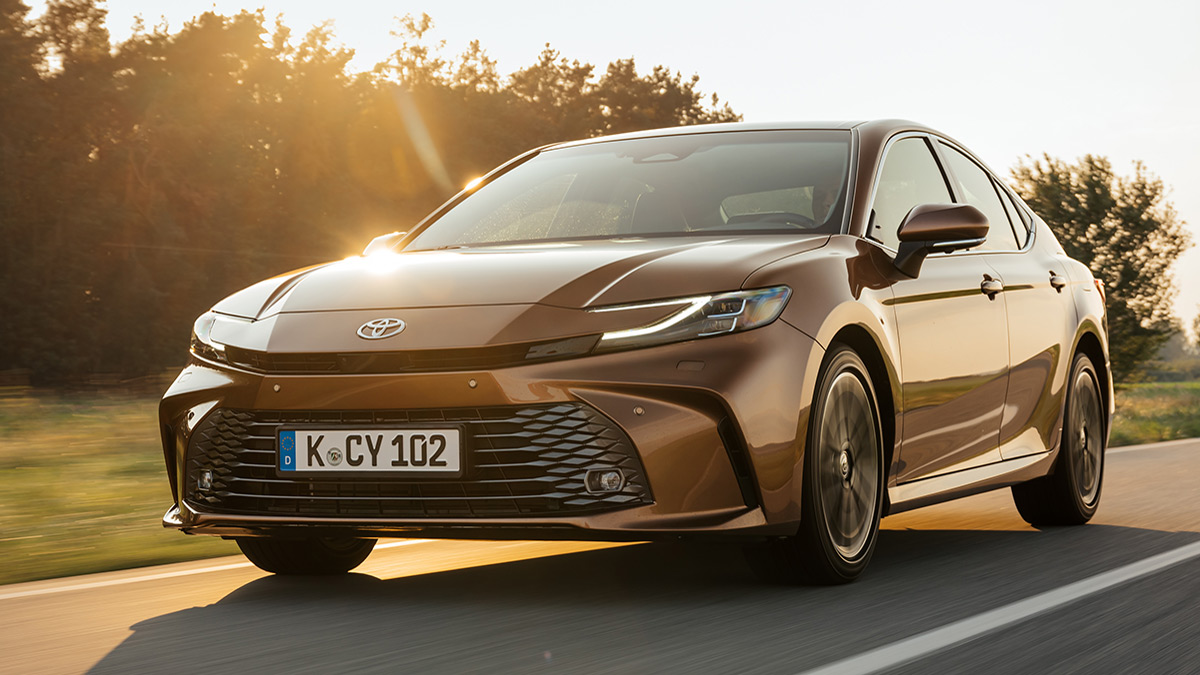
Because Toyota dealerships and independent mechanics are abundant throughout Wake County, routine maintenance is quick and affordable.
For suburban families, the Camry’s comfortable interior and straightforward ergonomics make weekday commuting predictable and stress-free.
2. Honda CR-V
Raleigh’s suburban commuters often juggle school runs, grocery trips, and a regular mix of city and highway mileage. The Honda CR-V accommodates these needs remarkably well thanks to its upright seating position, excellent outward visibility, and consistently impressive fuel efficiency.

The turbocharged models strike a balance between responsiveness and thrift, keeping fuel costs manageable even with the region’s fluctuating traffic conditions.
Moreover, Honda’s strong local service network and reputation for longevity provide added peace of mind. Whether navigating the busy areas around Crabtree Valley Mall or cruising toward RTP, the CR-V feels composed and user-friendly.
Originally launched in the mid-1990s, Honda’s best-selling CR-V has undergone a complete redesign for 2023. The sixth-generation version of this compact crossover introduces refreshed exterior styling, a more spacious cabin, and upgraded technology and driver-assist features.
Slightly larger than the previous model, the 2023 CR-V appears poised to continue the strong sales and popularity that have defined the nameplate over the years.
Honda’s task with the new CR-V isn’t just about outperforming the competition, it’s about improving upon an already excellent predecessor.
We find the 2023 CR-V appealing, though not necessarily groundbreaking. Its exterior design leans toward the conservative side, but the Civic-inspired interior feels both stylish and functional.
Upgrades to technology and driver-assistance systems are welcome, and the vehicle drives competently, unsurprising given its shared platform with the well-regarded Civic. The turbocharged engine delivers adequate acceleration, while precise steering, progressive braking, and a composed ride contribute to an enjoyable driving experience.
However, the CR-V lacks a certain wow factor. It seems Honda opted not to dramatically shake up the formula, likely to avoid alienating loyal buyers. As a result, the CR-V remains a dependable choice in the compact crossover segment, though it doesn’t offer the excitement or innovation some buyers might hope for. In essence, it’s much the same as before, just at a higher price point.
The 2023 CR-V continues with a 1.5-liter turbocharged inline-four engine, producing 190 horsepower and 179 lb-ft of torque. Honda notes updates have made the engine quieter and improved low-RPM torque delivery. Power is routed through a CVT automatic, with front-wheel drive standard and a revised all-wheel-drive system capable of sending up to 50 percent of torque to the rear wheels.
Acceleration for the 2023 CR-V is slightly slower than its predecessor; whereas the outgoing model achieved 0-60 mph in 7.8 seconds, our testing showed the new CR-V takes 8.7 seconds to reach the same speed.
3. Subaru Outback
For commuters who live in areas with more wooded or hilly surroundings such as the communities stretching toward Jordan Lake or northern Wake County the Subaru Outback offers a uniquely appealing blend of comfort and ruggedness.
Its standard all-wheel-drive system inspires confidence in rainy conditions, which Raleigh experiences frequently during spring and summer months.
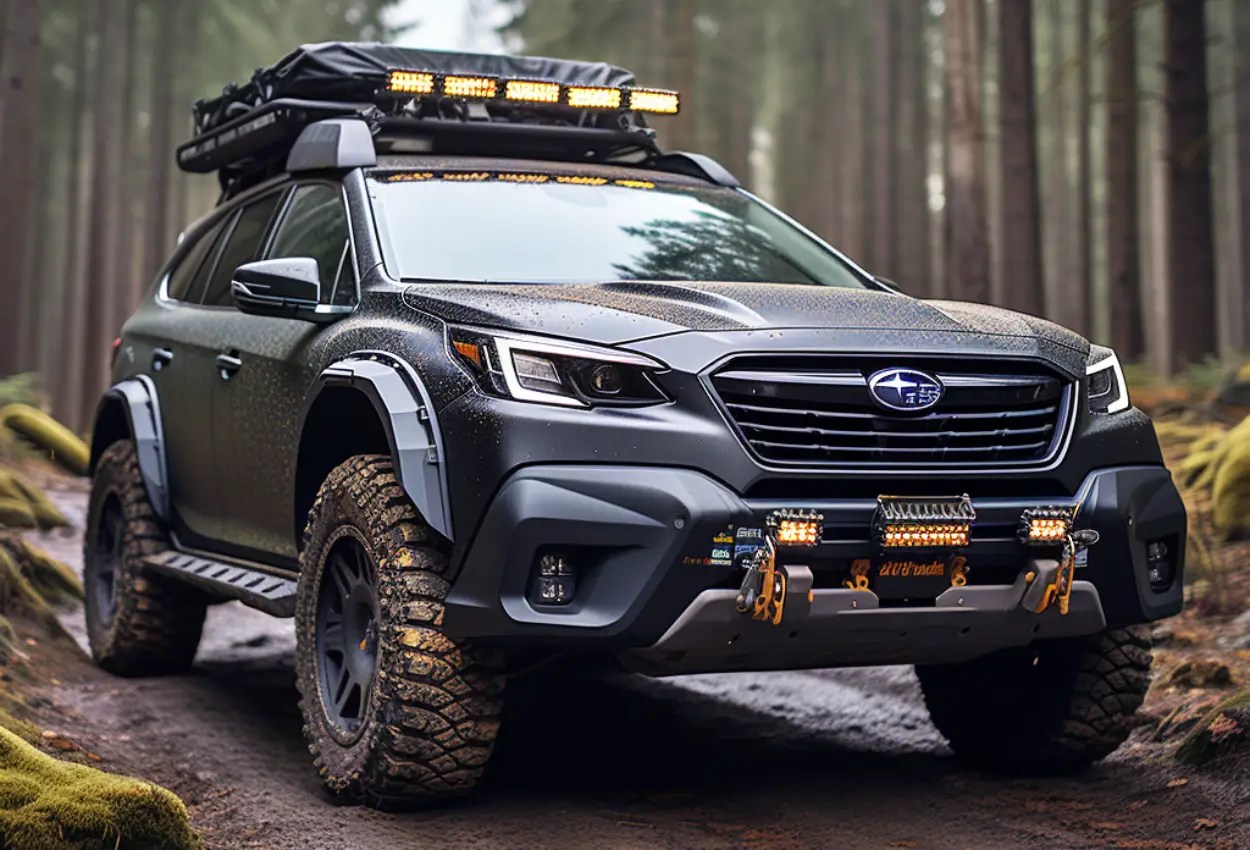
The Outback’s long-distance ride comfort, generous cargo space, and gentle suspension tuning make it particularly suitable for those who split their time between suburban living and weekend outdoor activities.
With reliable four-cylinder engines and service centers readily available in the Triangle, it remains a low-stress daily companion.
4. Hyundai Sonata Hybrid
For commuters seeking to lower fuel expenses associated with higher-than-average suburban mileage, the Hyundai Sonata Hybrid stands out as an impressively refined and economical choice.
Its real-world highway efficiency fits perfectly with Raleigh’s large number of long, straight commuting corridors.
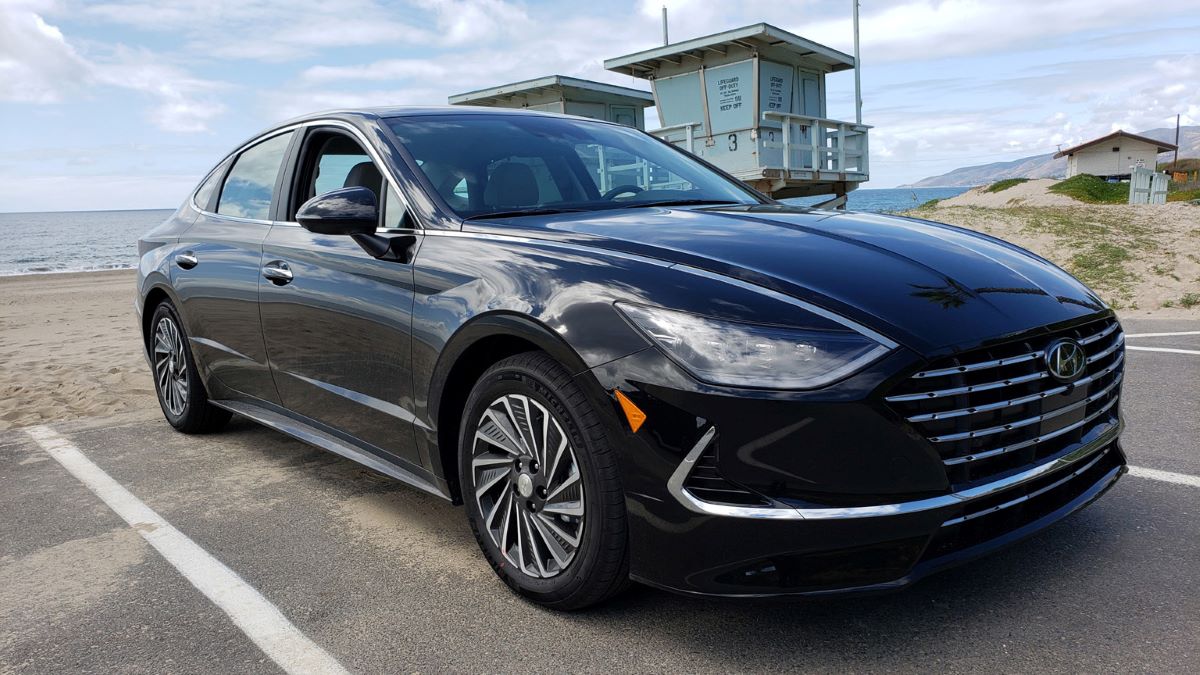
The hybrid system is tuned for smoothness rather than complexity, making it simple to maintain compared with more intricate plug-in hybrids or EVs.
Hyundai dealerships in the region are well-equipped to handle hybrid servicing, further reducing long-term cost anxiety. Its quiet cabin and well-designed touchscreen interface also add comfort during congested routes around NC-54 and Wade Avenue.
We tested a Hyundai Sonata Limited equipped with the turbocharged 1.6-liter engine. While it isn’t particularly fast, the Sonata holds its own against similarly powered family sedans, completing 0-60 mph in 7.6 seconds. It handles freeway on-ramps and keeps up with traffic without issue, though it requires a bit more pressure on the accelerator than some drivers might expect.
Steering, handling, and braking are straightforward and predictable, though a few quirks stand out. The firm ride doesn’t translate into notably sharp handling, and the brake pedal produces a slight pulsation under light, steady pressure, such as when descending a gentle grade. There’s nothing objectionable about the driving experience, but there’s little here that impresses either.
5. Nissan Rogue
The Nissan Rogue has become a popular suburban commuter’s pick thanks to its comfortable ride, airy cabin, and user-friendly tech.
For residents navigating the sometimes unpredictable rush-hour patterns between Raleigh and Durham, its continuously variable transmission helps deliver smoother, less jerky acceleration.
Nissan’s expansive dealer network in the Triangle ensures quick access to parts and maintenance, and the Rogue’s focus on practicality rather than high-performance gimmicks means it stays easy and affordable to run over the years.
Whether parked at suburban office parks or used for daily school drop-offs, the Rogue fits seamlessly into Raleigh life.
All 2023 Nissan Rogue models come equipped with a turbocharged 1.5-liter three-cylinder engine producing 201 horsepower. This inline-three pairs with a continuously variable automatic transmission (CVT) and comes standard with front-wheel drive, while all-wheel drive is optional.
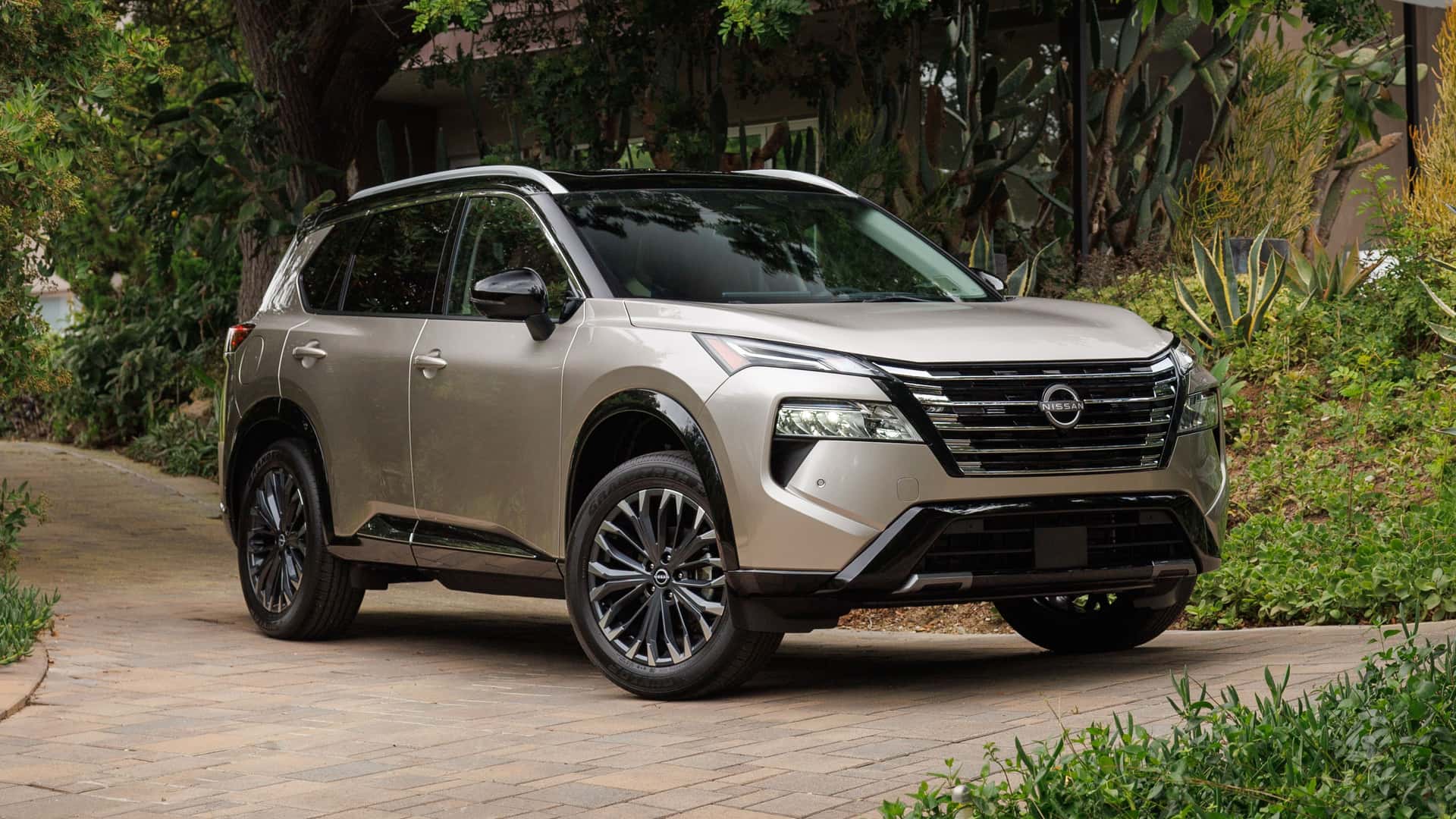
When the redesigned Rogue debuted in 2021, it retained the nonturbo 2.5-liter four-cylinder from the previous generation, which earned criticism for sluggish acceleration. In contrast, our brief test drive of the new turbocharged three-cylinder showed a livelier feel, though on the track its performance improvement is modest.
The 2023 Rogue reached 60 mph in 7.8 seconds, a 0.4-second gain over the 2021 model. On the road, the Rogue offers a compliant and comfortable ride suitable for commuting and long trips, but its uninspiring cornering dynamics have left our staff unconvinced.
Cars That Need Specialist Care
Some vehicles are built with such unique engineering, advanced technology, or high-performance components that regular maintenance shops simply aren’t enough. These are the cars that demand specialist care, models with intricate systems, exotic materials, and precision-built engines that require expert hands and brand-specific knowledge.
While they often deliver incredible performance, luxury, or heritage, they also come with maintenance demands far beyond the average daily driver. In this article, we look at the cars that need more than routine servicing, exploring why they require specialized technicians and what owners should expect when it comes to upkeep.
1. BMW 7 Series (Older Generations)
The BMW 7 Series, especially models from the mid-2000s and early-2010s, is renowned for its luxurious ride and advanced driving dynamics.
However, the complexity of its electronics, air suspension components, and high-end drivetrain systems frequently necessitates specialist technicians familiar with German luxury engineering.
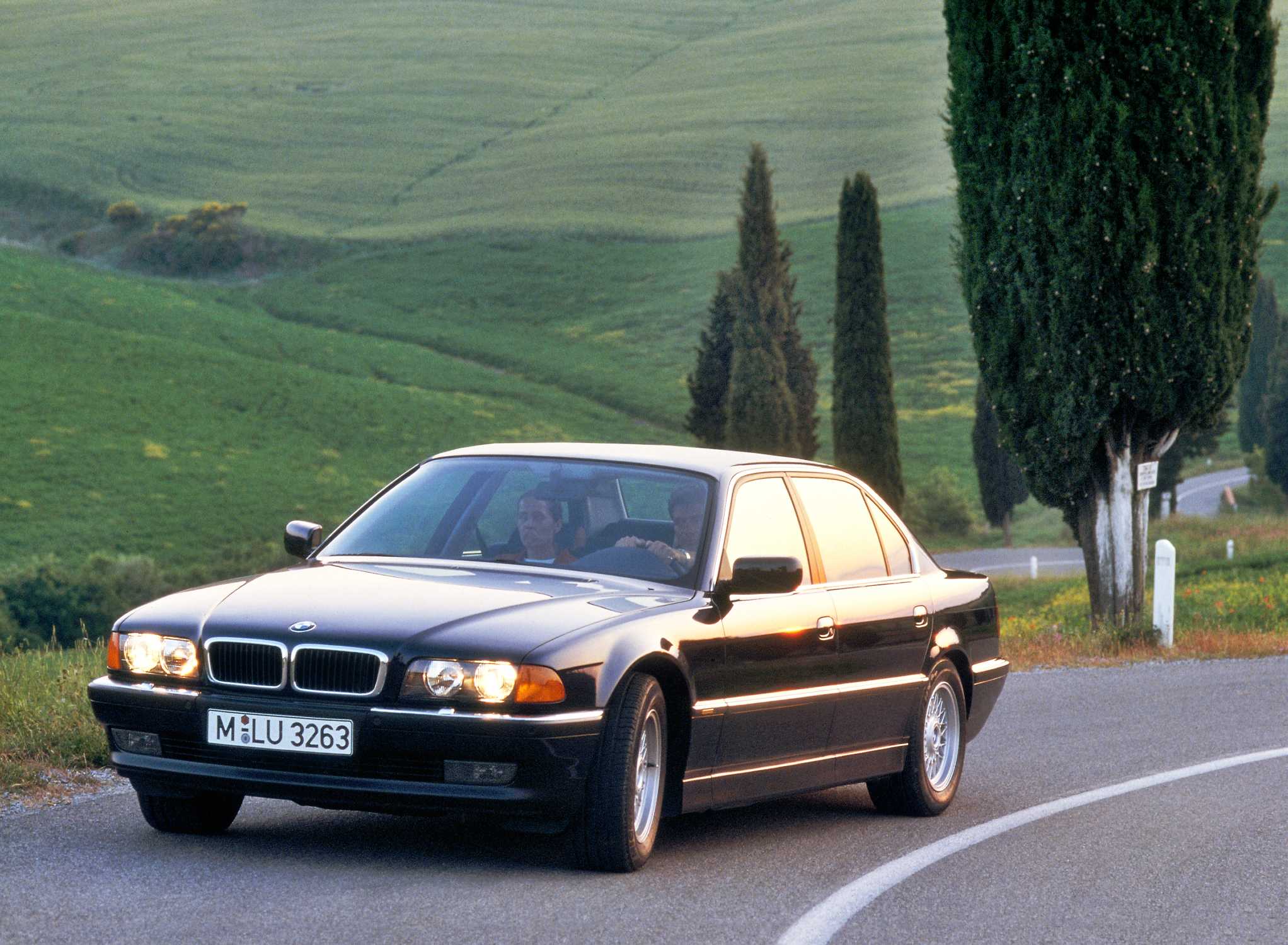
While Raleigh does have independent European repair shops, the cost and time involved in diagnosing issues make it impractical for commuters who need seamless daily transportation.
Moreover, parts availability can sometimes lead to extended repair times, undermining its usefulness for routine suburban travel.
Engines and transmissions are among the standout features of the BMW 7 Series. Across the lineup, powertrains range from the 740i’s 320-hp turbocharged inline-six to the M760i’s formidable 601-hp twin-turbo V-12, each delivering remarkably smooth and responsive performance that often feels stronger than the official horsepower numbers suggest.
Even the 745e plug-in hybrid, which combines a turbocharged six-cylinder engine with an electric motor, drives with a natural and engaging feel that many hybrids lack. Every 7 Series utilizes some variation of BMW’s polished eight-speed automatic transmission, with all-wheel drive (branded as xDrive) optional on the 740i and standard on the rest of the lineup.
Regardless of drive mode, the suspension prioritizes comfort over sportiness, offering a pillowy ride while sacrificing body control. Cornering grip is sufficient, but the generally soft suspension and light, numb steering discourage aggressive driving, making the 7 Series more about refinement than dynamic engagement.
2. Audi A8
The Audi A8 blends elegance, power, and sophisticated technology, but that sophistication is precisely what makes its ownership more complex.
Its aluminum-intensive construction, advanced Quattro system, and highly integrated infotainment architecture often require specialized diagnostic tools only found at certified Audi service centers.
For suburban commuters who prefer quick drop-offs and minimal downtime, the A8’s demanding maintenance landscape may prove frustrating.
Even basic services tend to cost more than mainstream alternatives, making it a car better suited to enthusiasts prepared for specialist care.
While some large luxury sedans aim to turn heads with bold and flashy styling, the 2023 Audi A8 opts for a more refined, professional appearance that exudes understated elegance. Inside, the A8 is just as spacious and comfortable as rivals like the BMW 7 Series and Mercedes-Benz S-Class, and a suite of advanced tech features keeps passengers connected while on the move.
Extensive sound-deadening measures make the cabin whisper-quiet, muffling even the turbocharged V-6 engine, creating a serene environment perfect for reflection during chauffeured journeys.
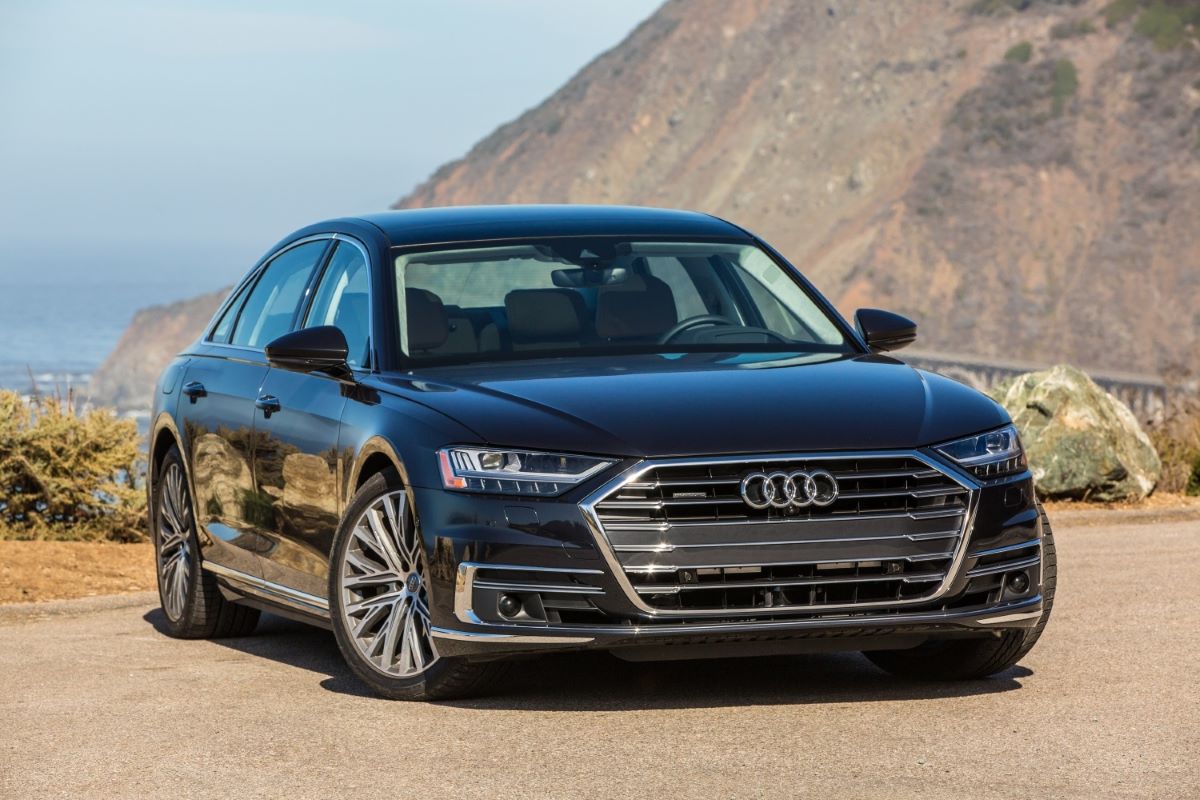
Yet the A8 isn’t just for those in the back seat, its driver will appreciate the way this large sedan handles. While it doesn’t have the athletic edge of the sportier S8, the A8 can hold its own on winding roads, offering a composed and engaging driving experience.
For 2023, Audi has made only minor updates following last year’s styling refresh. A new remote parking feature is now part of the optional Executive package, and the Comfort Plus package gains upgraded LED headlights.
Pricing for the A8 starts at $88,895. For the full flagship experience, the Luxury package is recommended, bringing heated and power-adjustable rear seats with massage, a leather-wrapped dashboard, all-wheel steering, and more.
The Executive package adds massaging front seats, a head-up display, heated steering wheel, blind-spot monitoring, adaptive cruise control with lane-keeping assist, a remote parking feature, and ambient interior lighting.
Under the hood, the A8 features a turbocharged V-6 producing 335 horsepower, complemented by a 48-volt mild hybrid system. An eight-speed automatic transmission and all-wheel drive are standard. In testing, the A8 accelerated from 0 to 60 mph in 5.3 seconds, slightly trailing the pace of the Mercedes-Benz S500 in the six-cylinder executive sedan segment.
The engine delivers smooth, unobtrusive power, and the cabin’s insulation makes it nearly inaudible with the windows up. Standard adjustable air suspension with driver-selectable adaptive dampers strikes a balance between ride comfort and handling capability, isolating occupants from road imperfections while still allowing spirited driving when desired. The result is an Audi sedan that blends poise, comfort, and a touch of athleticism seamlessly.
3. Mercedes-Benz CLS-Class
The Mercedes-Benz CLS-Class, while stylish and exciting, frequently involves maintenance intricacies associated with its turbocharged engines, electronic systems, and optional AIRMATIC suspension.
For Raleigh drivers accustomed to predictable commuting patterns, the potential for higher-than-average repair intervals can create unwelcome surprises.
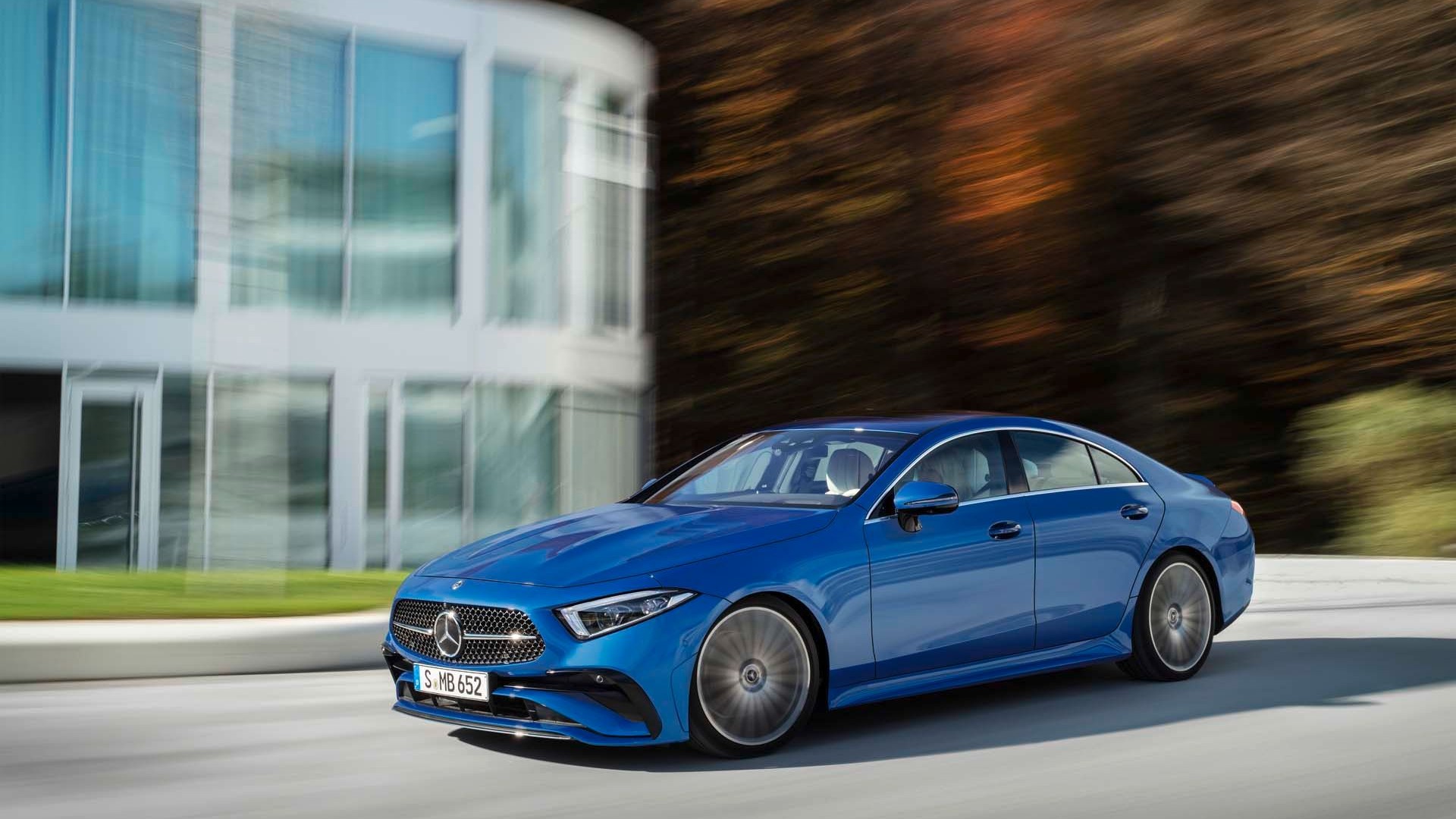
While Mercedes dealerships are present in the region, the time, cost, and expertise required for certain repairs surpass what most suburban commuters want to juggle.
The CLS-Class excels as a luxury indulgence but is not an optimal daily commuter for those seeking consistency and low running costs.
In 2022, Mercedes-Benz streamlined the CLS-class lineup, offering only the CLS450 4Matic. This model features a mild-hybrid powertrain centered on a turbocharged inline-six engine with an integrated starter-generator positioned between the engine and a nine-speed automatic transmission.
Standard equipment is generous, including AMG exterior styling, which previously carried an extra cost, leather upholstery, wood trim, and 19-inch wheels. While the CLS450 comes well-equipped, the Night Package and Premium Package are compelling options.
The Night Package adds black exterior accents in place of chrome and a flat-bottom steering wheel, while the Premium Package enhances the cabin with a Burmester Surround Sound system, a 360-degree camera, Mercedes’ active park-assist system, and six months of SiriusXM. Selecting the optional air suspension adds extra ride suppleness, elevating comfort further.
Under the hood, the CLS450 is powered by a turbocharged 3.0-liter inline-six paired with a 48-volt EQ Boost mild-hybrid system. The engine is exceptionally smooth, producing 362 horsepower and 369 lb-ft of torque.
Performance is lively yet composed, with the CLS450 sprinting from 0 to 60 mph in 4.6 seconds and accelerating from 50 to 70 mph in 3.8 seconds, numbers that are nearly identical to those of the 335-hp Audi A7.
A refined nine-speed automatic transmission manages gear changes seamlessly, and five driving modes, Eco, Comfort, Sport, Sport Plus, and Individual—allow drivers to tailor performance to their preferences. Behind the wheel, the CLS450 delivers a calm, assured experience, never feeling frenetic, making it a balanced blend of performance and luxury.
4. Jaguar XF (Older Models)
Older Jaguar XF models carry a reputation for offering an engaging driving experience, but they also require meticulous maintenance often with European parts that may take time to source.
Their electrical systems, suspension components, and engine designs tend to demand technicians familiar with the brand’s history and quirks.
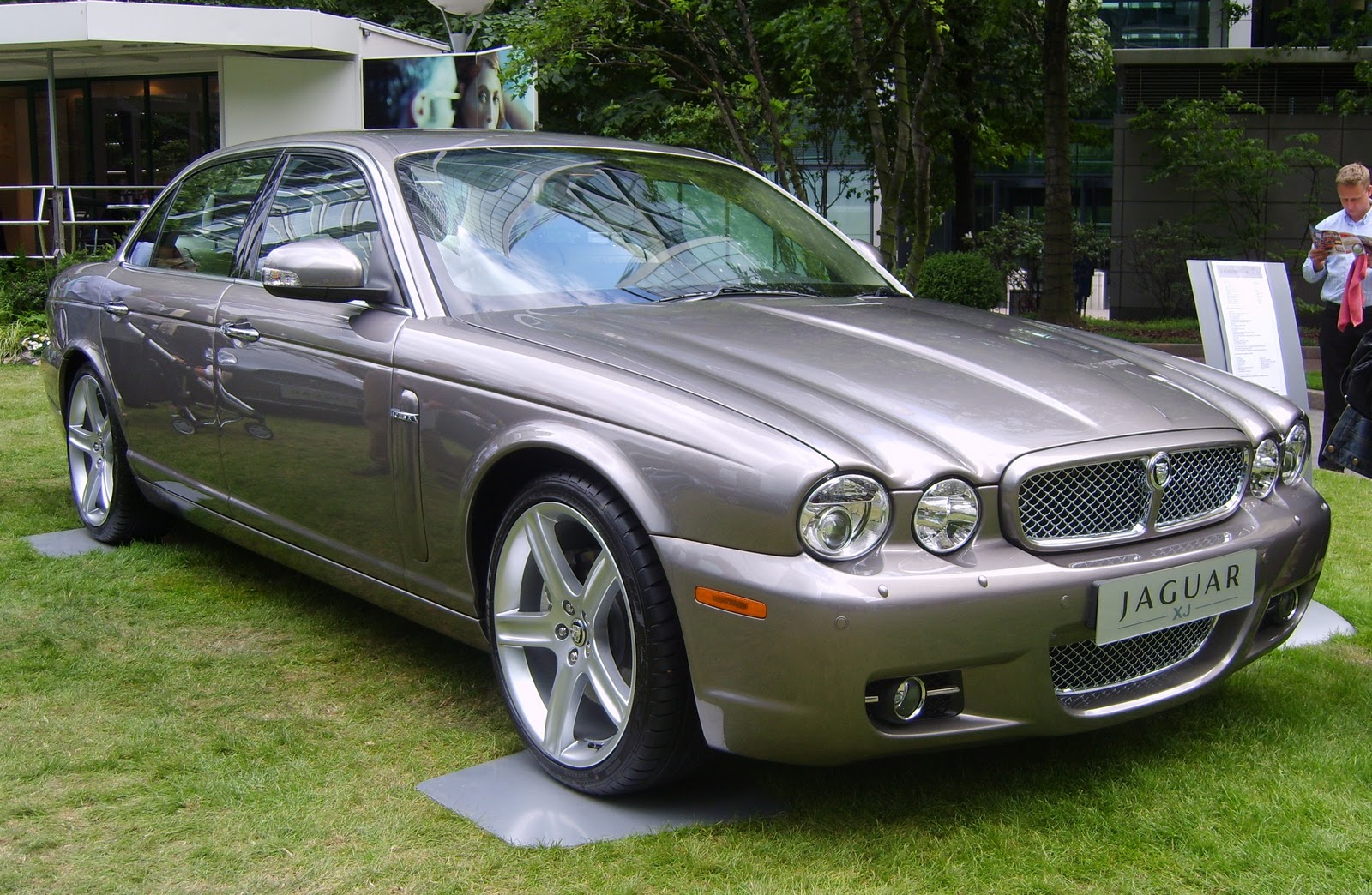
Raleigh’s Jaguar service capacity is competent, yet still more limited than that for mainstream US and Asian manufacturers.
This makes the XF a better fit for owners who drive less frequently and can accommodate longer repair windows rather than those needing a dependable suburban commuter.
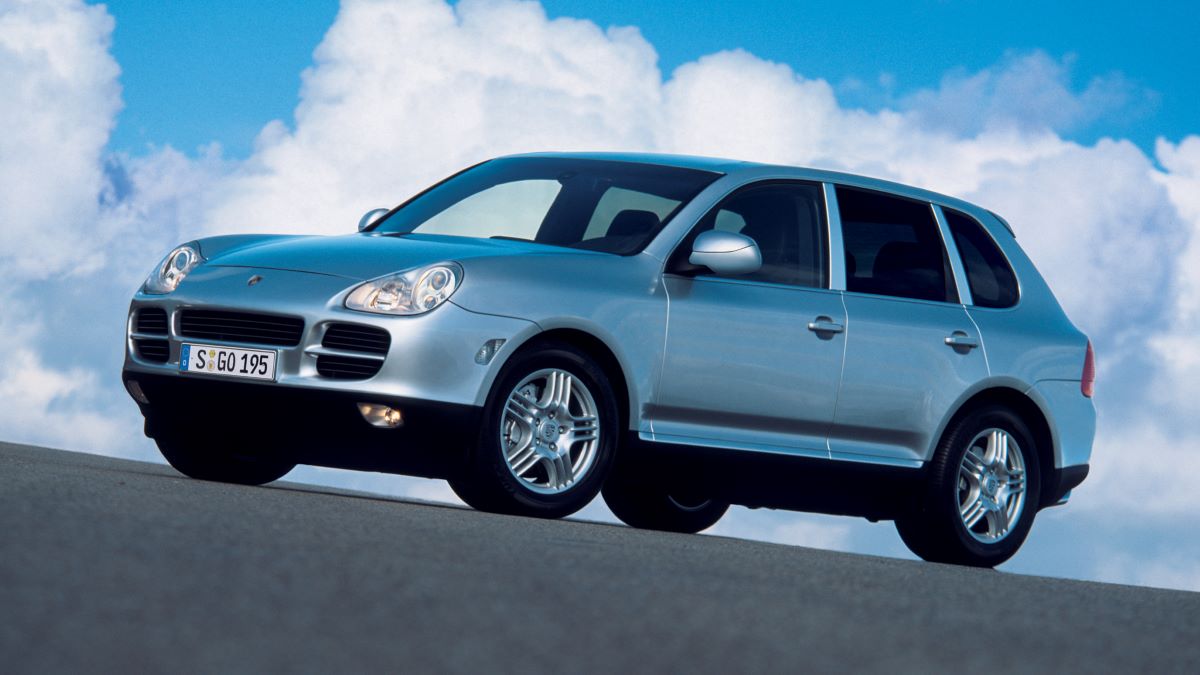
5. Porsche Cayenne (Early Generations)
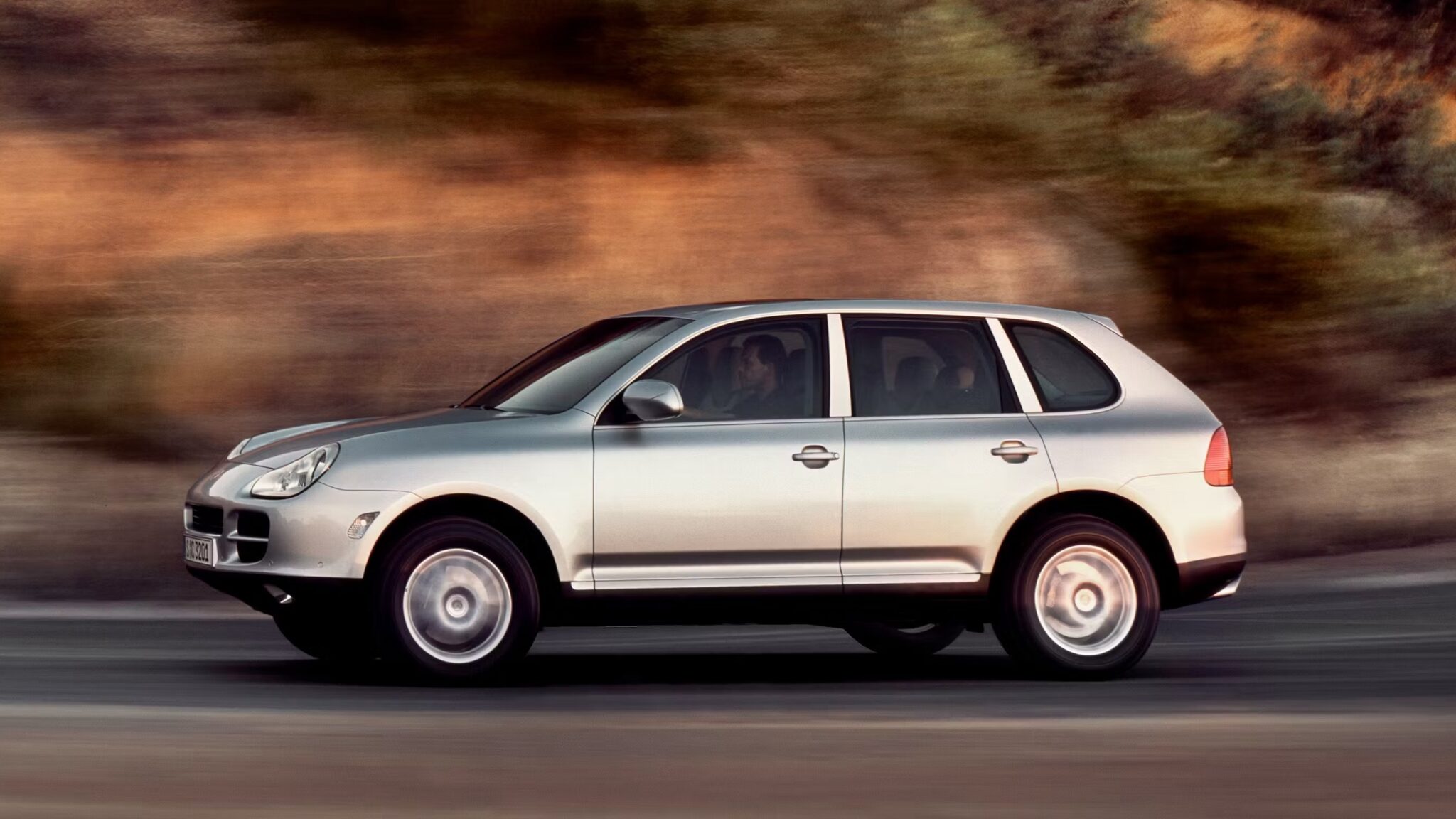
The early Porsche Cayenne models are beloved for their athletic performance and commanding presence, but they also come with specialized mechanical and electronic systems that increase both cost and complexity when servicing.
Components such as air suspension, transfer cases, and cooling systems require careful attention from technicians trained in Porsche’s engineering standards.
Even though North Carolina has Porsche service options, the Cayenne’s intricate architecture and premium part prices render it less ideal for daily commuting across suburban Raleigh. It is better suited to enthusiasts who can treat it as a passion vehicle rather than a practical everyday hauler.
Choosing the right vehicle for the lifestyle of a Raleigh-area suburban commuter involves balancing comfort, practicality, and ease of ownership.
We tested the Porsche Cayenne GTS, one of the sportiest trims in the Cayenne lineup. On public roads, merging and passing feel effortless and exciting, while braking is equally confident, with firm pedal feedback that instills both confidence and ample stopping power.
Where the Cayenne GTS truly distinguishes itself is in handling and performance. Its sport-focused suspension tuning, unique to the GTS, keeps the SUV feeling planted under nearly all driving conditions.
However, the GTS’s weight is noticeable, and the steering is heavily weighted, requiring extra effort to maneuver and park at low speeds compared with other Cayennes and many luxury SUVs. This added effort, though, pays off with a deep sense of road connectedness that the GTS delivers more than any other Cayenne.
Inside, the Cayenne offers a wide array of in-car technology and driver aids, though few features come standard. Wireless Apple CarPlay and Android Auto work seamlessly, and the infotainment screen is clear and responsive, with no issues in connectivity or lag.
The map display is easy to read, and voice commands allow for convenient control of navigation, climate, and other functions. Our test vehicle included the optional Bose audio system, which performs well but doesn’t particularly stand out among competitors.
Standard technology, especially driver-assistance features, is limited. While automatic emergency braking is included, options like adaptive cruise control and blind-spot monitoring must be added separately, features that are often standard in rival SUVs.
On our test Cayenne, the equipped aids proved useful: the blind-spot warning and surround-view cameras were helpful for parking, and adaptive cruise control worked smoothly, adjusting speed while maintaining a safe following distance.
Cars like the Toyota Camry, Honda CR-V, Subaru Outback, Hyundai Sonata Hybrid, and Nissan Rogue shine because they offer predictable reliability, accessible servicing, and smooth performance well-suited to the region’s mix of highways, suburbs, and growing commercial zones.
On the other hand, high-end vehicles such as the BMW 7 Series, Audi A8, Mercedes-Benz CLS-Class, Jaguar XF, and early Porsche Cayenne despite their undeniable appeal require specialized care, premium parts, and more downtime than many commuters can reasonably accommodate.
In a fast-growing metropolitan hub like Raleigh, where time and practicality often shape transportation decisions, selecting a car aligned with local real-world conditions can make everyday travel significantly more pleasant and stress-free.