
Omaha is a down-to-earth, quietly pragmatic car market. Residents want vehicles that can survive tough winters, handle long commutes on I-80, and stay reliable through years of Midwest temperature swings.
With a cost of living that’s steadier than many coastal cities yet still sensitive to financial surprises, most Omaha drivers gravitate toward cars that promise value over flash.
At the same time, some vehicles though tempting on paper come with high maintenance costs, finicky electronics, or pricey parts that aren’t ideal for a market where practicality matters more than prestige.
Below is a balanced look at five cars that fit Omaha’s sensible, durability-first mindset and five that tend to drain wallets once real-world ownership begins.
The goal isn’t to discourage anyone from buying a dream car, but to equip shoppers with context that matters specifically to Nebraskan ownership: winter traction, long-term cost, ease of repair, and local mechanic familiarity.
Cars for Omaha Practical Buyers
Omaha drivers know the value of practicality, whether it’s navigating snowy winters, hauling family gear, or commuting across a growing metro area. For buyers who prioritize reliability, comfort, and real-world usefulness over flashy extras, certain models rise above the rest.
These are the cars built to handle Omaha’s changing seasons, long stretches of highway, and everyday errands without breaking the budget. In this article, we highlight the best choices for practical buyers in Omaha, focusing on vehicles that deliver durability, efficiency, and the kind of all-around capability Midwestern drivers appreciate most.
1. Toyota RAV4
The Toyota RAV4 is one of the most common sights in Omaha neighborhoods for good reason. It blends reliability, strong resale value, and year-round comfort in a way few compact SUVs match.
For a city that often sees snowstorms followed by warm snaps and icy mornings, the RAV4’s available all-wheel drive and predictable handling make everyday commuting stress-free.
More importantly, Toyota’s parts availability in the Midwest is unmatched. Omaha dealers routinely stock components, and independent shops know the RAV4 inside and out.
Maintenance is straightforward, fuel economy is solid for the class, and long-term durability is practically a guarantee qualities that fit Omaha’s buy-once, keep-for-a-decade mentality.
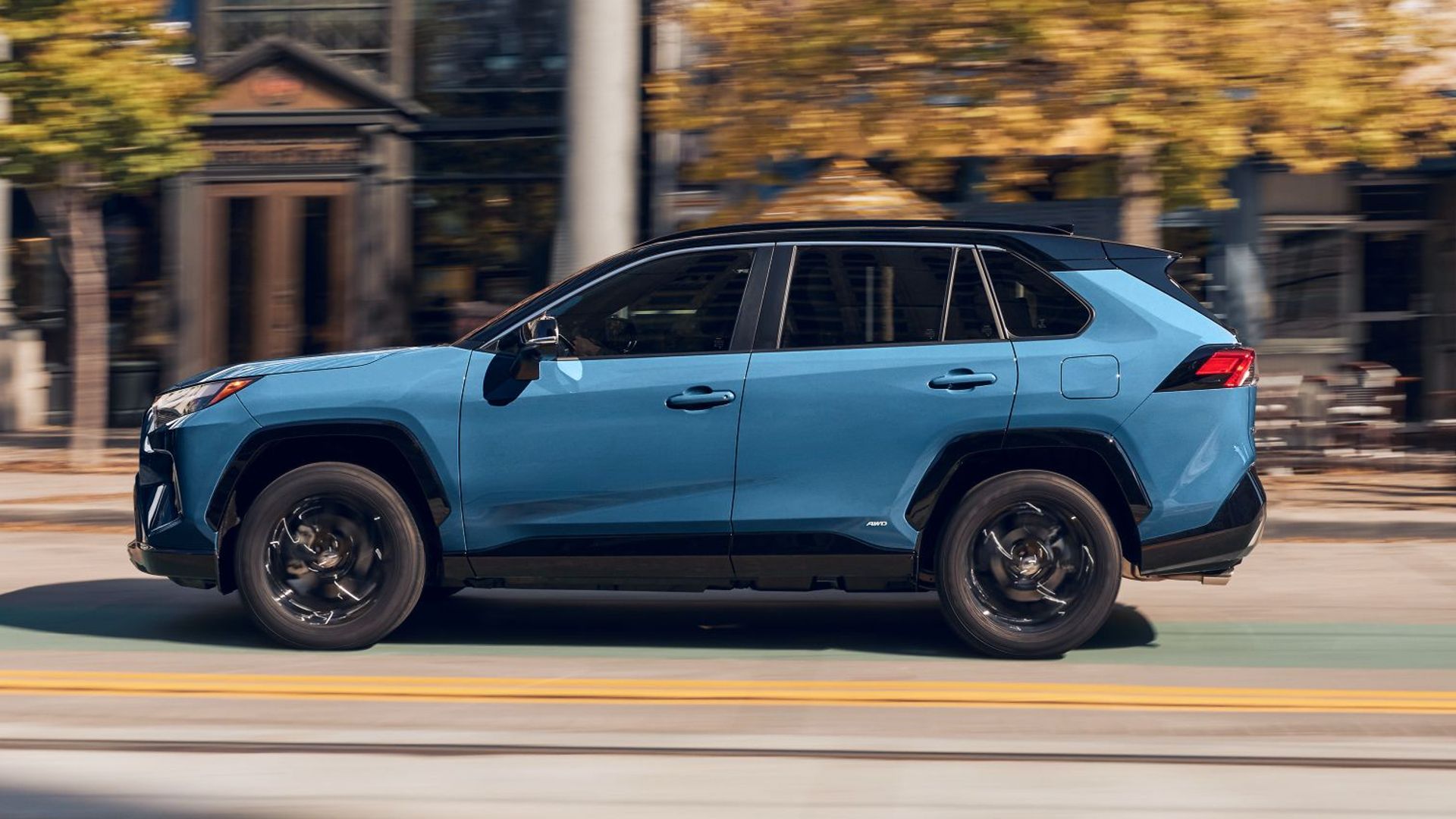
The 2022 Toyota RAV4 is powered by a 203-hp 2.5-liter four-cylinder engine paired with an eight-speed automatic transmission. Front-wheel drive remains standard, though Toyota now offers multiple all-wheel-drive systems depending on trim.
The Adventure model we tested came with an AWD setup capable of disconnecting the rear axle when fuel economy gains are possible. On the test track, the RAV4 proved quicker than previous iterations, with our model achieving 0–60 mph in 8.0 seconds, faster than the 2019 model’s 8.0 seconds and the 2018’s 8.3 seconds.
While competent, the four-cylinder engine can become noisy, particularly during highway passing maneuvers, and the transmission on our test vehicle occasionally hesitated during downshifts.
The RAV4 Hybrid, tested separately, delivers even quicker acceleration, hitting 60 mph in 7.4 seconds. On the road, the RAV4 feels solid and stable on the highway and remains composed on twisty roads, though it doesn’t inspire the same level of confidence as our segment favorite, the Mazda CX-5.
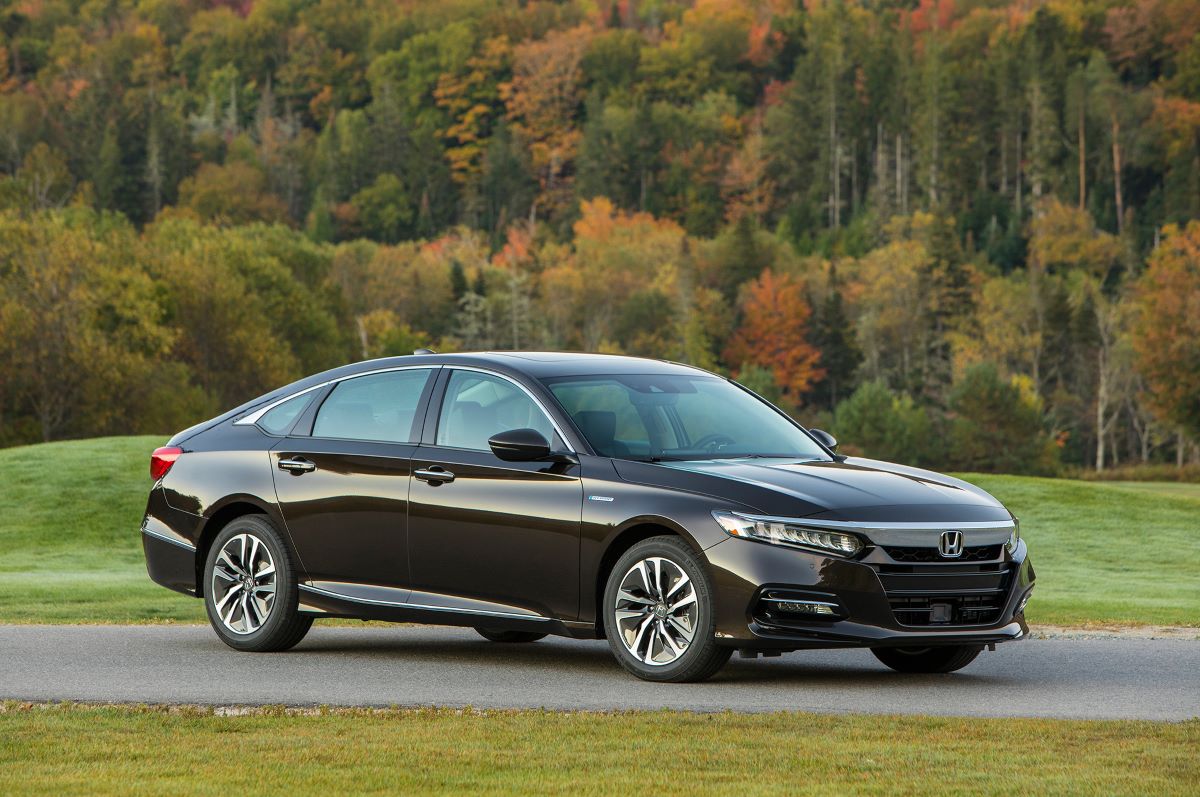
2. Honda Accord
For Omaha’s many suburban commuters moving between West Omaha, Bellevue, and the downtown business district, the Honda Accord is the sedan that makes the most sense.
It’s roomy enough to handle family duties without the bulk of an SUV, and its reputation for bulletproof reliability holds strong. Even used Accords with 100,000 miles remain sought after because buyers know they have many years left in them.
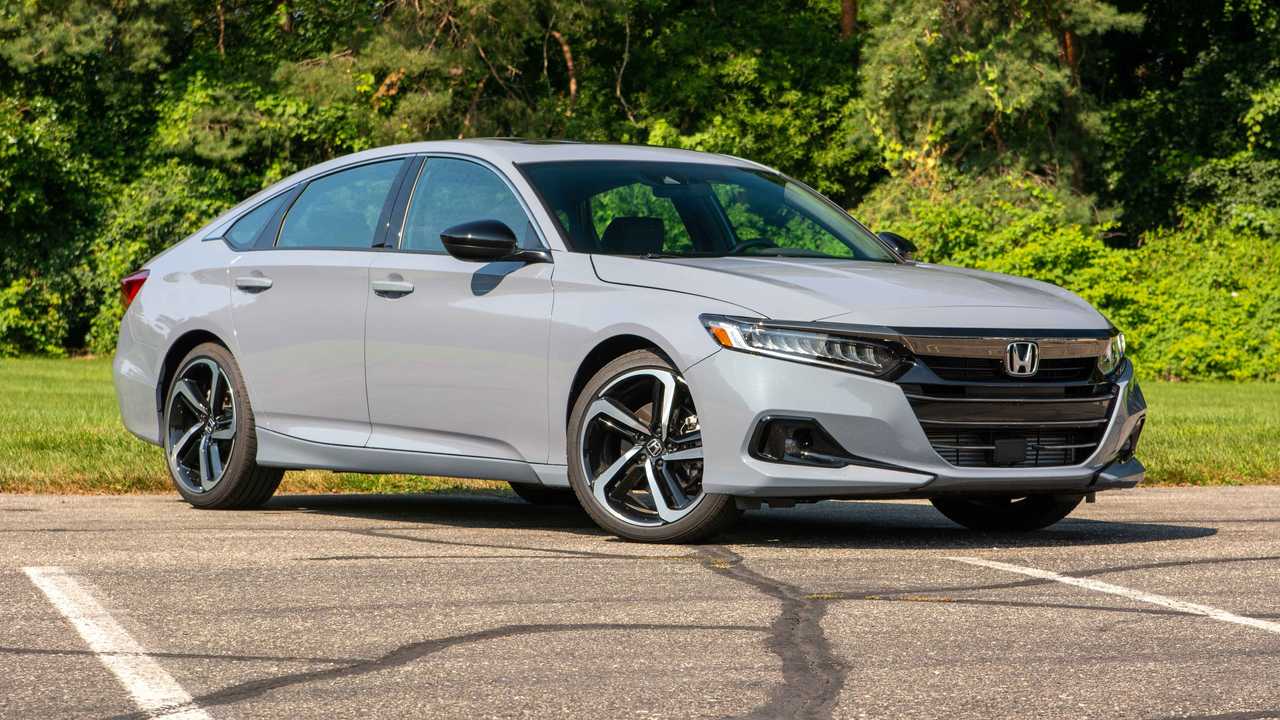
The Accord’s naturally consistent handling is equally important for Omaha’s occasional icy mornings. Its stability control system is tuned predictably, making it a great sedan for a region where winter isn’t severe enough to require AWD but demanding enough to appreciate confidence.
Maintenance is inexpensive, the engines are proven, and mechanics across Nebraska are familiar with the platform.
Also Read: 10 Bulletproof Lexus Sedans That Deliver Reliable Performance on a Budget
3. Subaru Outback
When talking about Omaha practicality, the Subaru Outback almost feels like cheating it’s built for climates like Nebraska’s.
Standard all-wheel drive, good ground clearance for dealing with snow drifts, and comfortable highway driving make the Outback a smart choice for both city residents and those in smaller towns around Douglas and Sarpy counties.
Subarus are particularly popular among people who enjoy weekend getaways drives to Indian Cave State Park, hiking in Platte River State Park, or winter trips toward the Black Hills.
The Outback handles gravel roads, sudden weather shifts, and long stretches of rural highway with equal ease. Maintenance is moderate, not cheap, but realistic and predictable exactly what practical buyers want.
The Subaru Outback has long been a quintessential model for the brand, blending a rugged, wagon-like exterior with genuine SUV-level capability. However, the 2026 redesign softens some of the distinctive traits that made it an appealing alternative for buyers seeking something different from a traditional SUV.
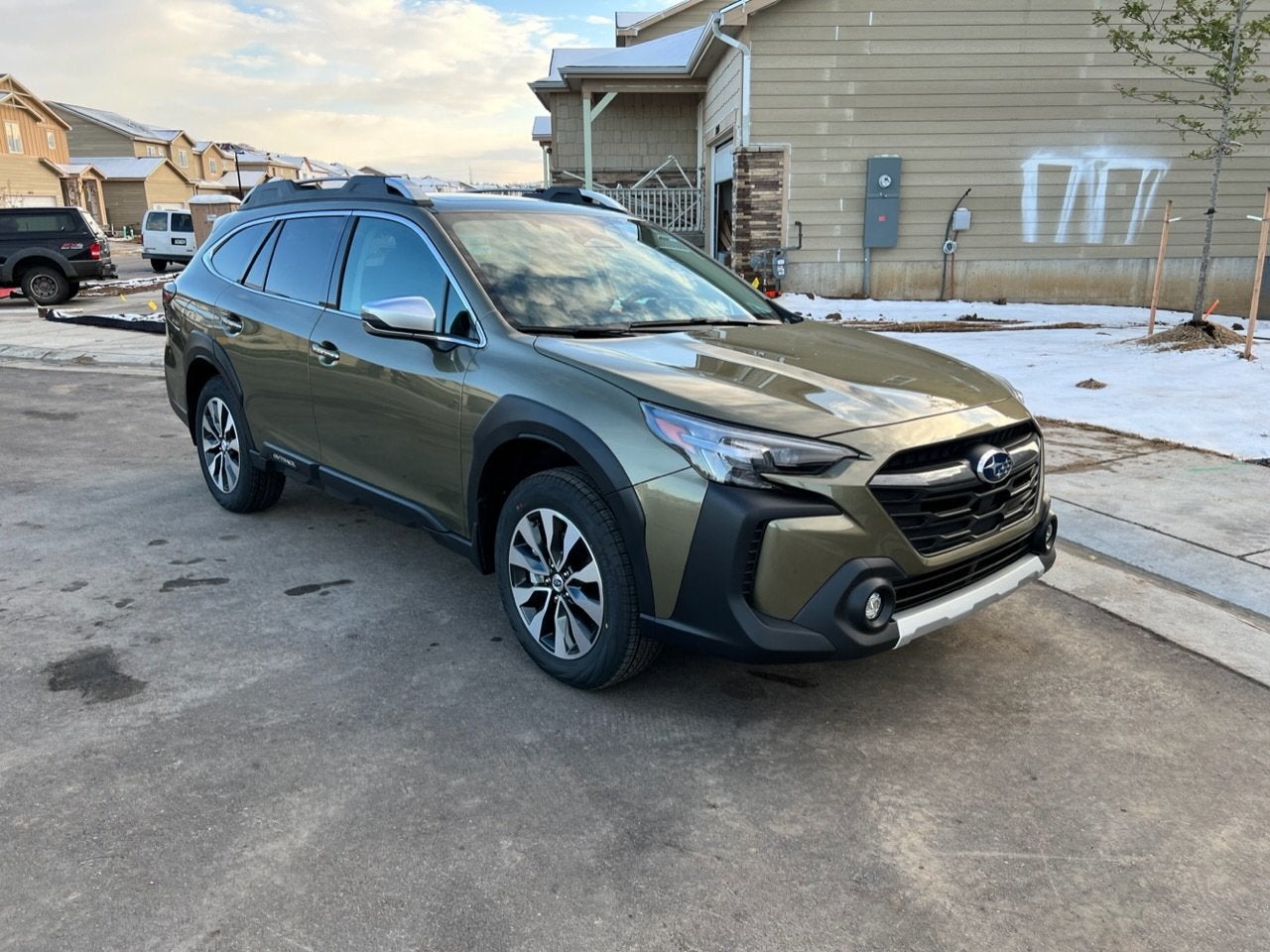
The new Outback adopts a taller, boxier body style that aligns it more closely with two-row midsize competitors such as the Honda Passport, Toyota 4Runner, and Volkswagen Atlas Cross Sport. This revised shape brings more interior space, and the cabin itself has received a thorough overhaul.
The dashboard now features a 12.3-inch digital instrument cluster alongside a 12.1-inch central touchscreen running Android Automotive, which is more responsive and visually sharper than previous iterations.
Physical buttons and knobs for climate control return, a welcome nod to usability in an era dominated by touchscreen-only interfaces. The 2026 Outback remains a solid choice in its class, trading some of its former quirkiness for a more conventional and spacious design.
In terms of cost to drive, the Outback Premium is estimated at $134 per month in New Jersey, compared with an average midsize SUV cost of $175 per month. The taller roof of this seventh-generation model also increases rear headroom and cargo volume, enhancing practicality for passengers and gear.
The 2026 Outback competes with midsize two-row SUVs like the Honda Passport, Volkswagen Atlas Cross Sport, Chevrolet Blazer, Mazda CX-70, Jeep Grand Cherokee, and Toyota 4Runner. While the lifted-wagon silhouette once helped it stand out, the redesigned Outback now blends in more with its segment rivals.
Subaru offers the 2026 Outback in six trims: Premium, Limited, Limited XT, Wilderness, Touring, and Touring XT. The Premium, Limited, and Touring trims are powered by a 2.5-liter four-cylinder engine producing 180 horsepower and 178 lb-ft of torque.
The higher trims, Limited XT, Touring XT, and Wilderness, feature a turbocharged 2.5-liter four-cylinder making 260 horsepower and 277 lb-ft. All models come standard with all-wheel drive paired to a continuously variable transmission (CVT) capable of varying torque between the front and rear axles.
4. Hyundai Tucson
The Hyundai Tucson has become a favorite among younger families and first-time buyers in Omaha because it delivers technology, warranty protection, and a quiet ride at a price point that beats many competitors.
Hyundai’s 10-year/100,000-mile powertrain warranty offers peace of mind in a market where long-term cost calculations really matter.
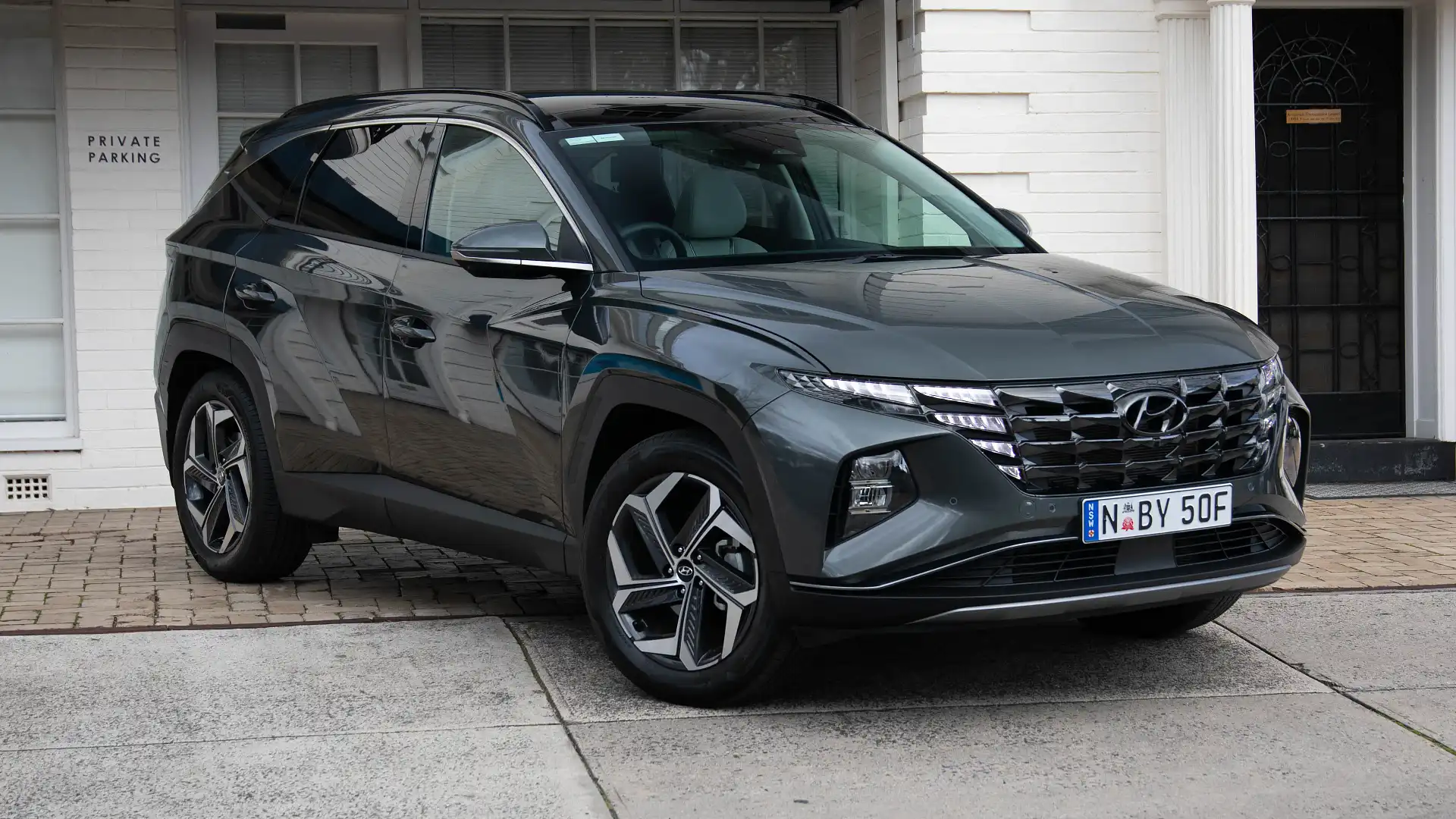
Inside, the Tucson feels upscale without the premium-brand headaches. Safety features are abundant, fuel economy is competitive, and maintenance costs remain lower than most compact SUVs.
Plus, Hyundai’s local dealer support in Omaha is strong, ensuring easy access to service and parts. It’s a smart choice for buyers who want the “new car” experience without the traditional ownership risks.
5. Ford F-150
A practical list for Omaha wouldn’t be complete without the Ford F-150. Even though truck culture is stronger in rural Nebraska, Omaha families and contractors still rely heavily on full-size pickups.
The F-150 stands out because it adapts to almost every role from a light work truck to a family hauler to a winter-ready commuter.
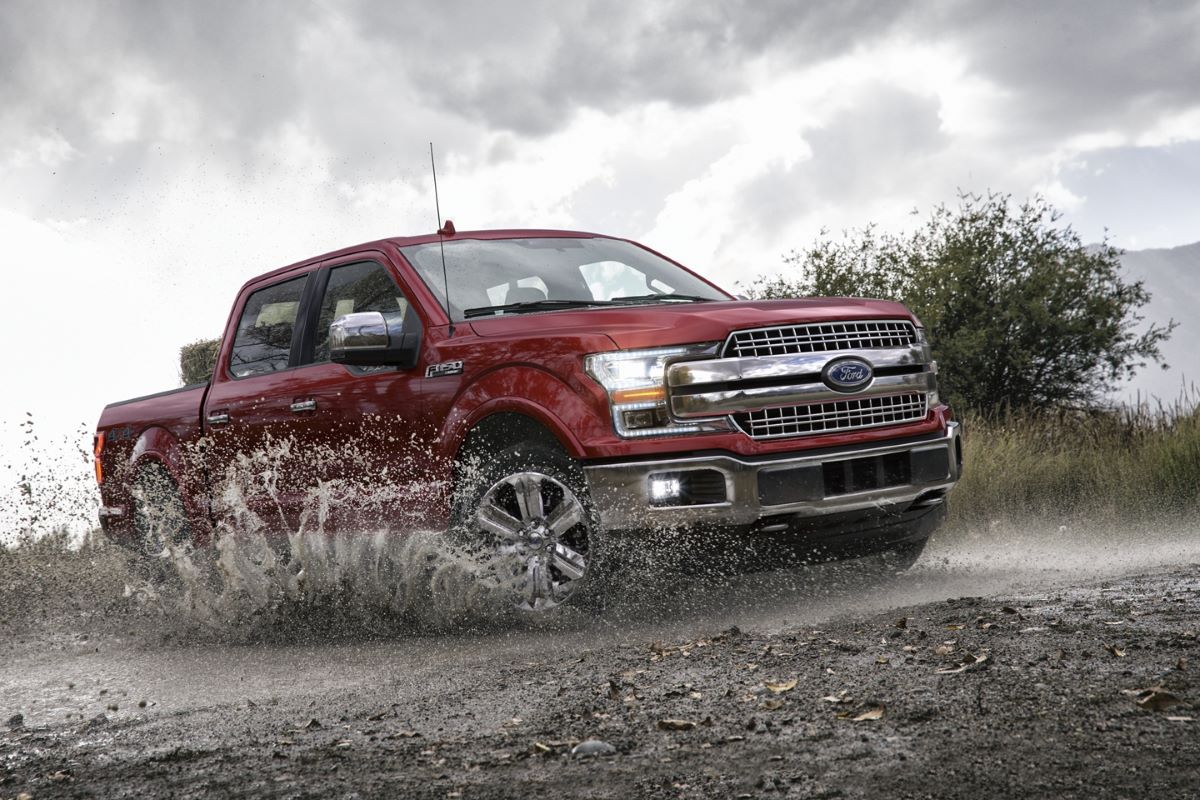
What makes the F-150 practical for Omaha specifically is the combination of American-built parts availability, strong dealer coverage, and engines that are well understood by local mechanics.
Whether someone lives in Midtown or near Gretna’s expanding suburbs, the F-150 is easy to maintain and consistently affordable to keep on the road. Its towing capability is an added bonus for weekend lake trips or hauling small campers to Branched Oak Lake.
Cars That Cost a Lot to Maintain
Owning a car isn’t just about the purchase price, some models demand a lot more from your wallet long after you’ve driven them home. High repair bills, expensive parts, complex engineering, and premium-only servicing can turn certain vehicles into ongoing money pits, even if they look great on the road.
From luxury sedans packed with tech to performance cars with intricate drivetrains, some models simply cost far more to keep running than others. In this article, we break down the cars that are notorious for steep maintenance costs, helping you understand what makes them so pricey and whether the ownership experience is worth the financial commitment.
1. BMW X5
The BMW X5 is a luxurious, capable SUV, but it carries ownership expenses that Omaha practical buyers often avoid. Complex turbocharged engines, advanced suspension components, and electronics-loaded interiors mean repair bills escalate quickly.
Nebraska winters also reveal weaknesses in German high-performance components not designed for salt-heavy roads.
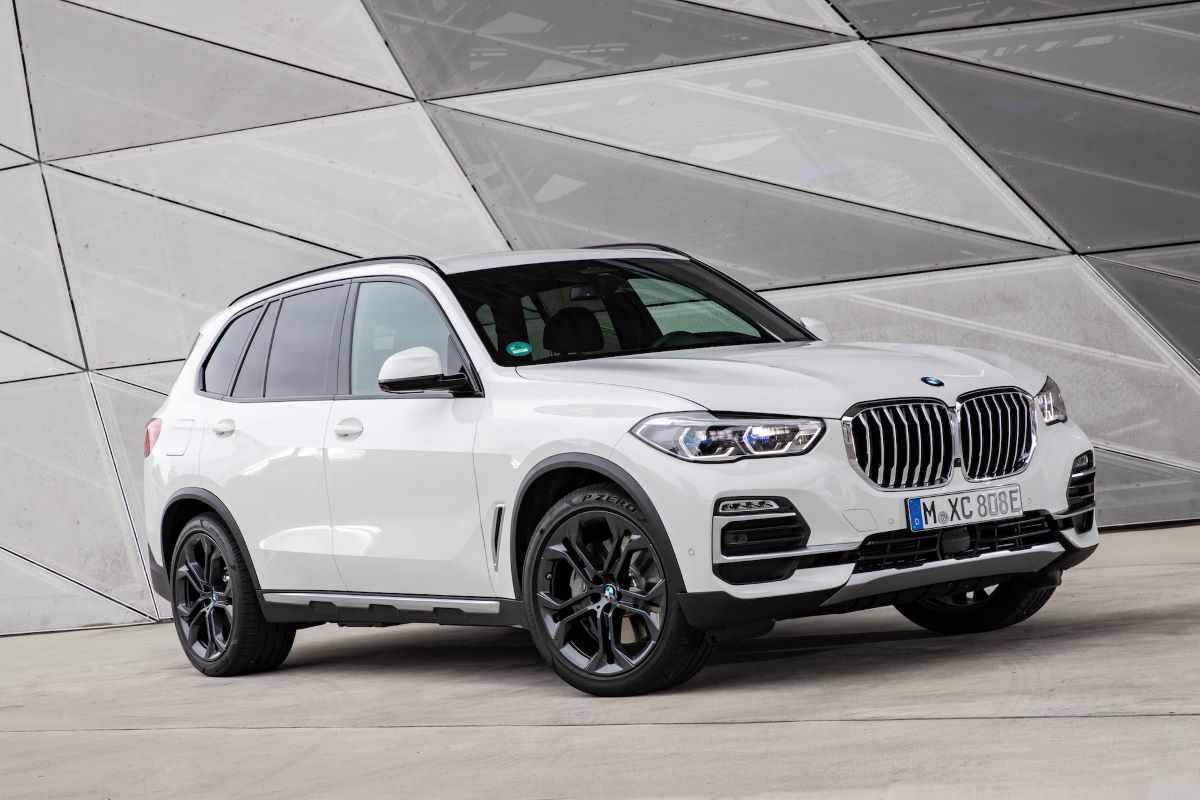
Even routine maintenance costs more because parts aren’t stocked locally as widely as domestic brands.
Owners often need to visit specialized shops or Omaha’s small number of European-certified technicians making the X5 more of a lifestyle choice than a practical buy.
The BMW X5 offers a range of potent powertrains to suit different driving preferences. Models wearing the sDrive40i or xDrive40i badge are equipped with a 335-hp turbocharged inline-six, which achieved a quick 4.8-second sprint to 60 mph on our test track.
For those seeking even more performance, the M50i features a 523-hp twin-turbo V-8 capable of propelling the X5 from 0 to 60 mph in under four seconds. All X5 powertrains are mated to an eight-speed automatic transmission, providing smooth shifts and ample power for nearly any driving situation.
The X5’s ride and handling are noticeably refined compared with the previous generation. Steering is more connected and direct, though not exactly sporty, and the vehicle exhibits stable, predictable behavior even when navigating fast corners.
While the Audi Q7 still slightly outperforms the X5 in steering feel, the BMW is a close match and rewards drivers with confidence-inspiring handling. Towing is also a strong point, with the X5 capable of pulling up to 7,200 pounds regardless of the engine choice, making it a versatile SUV for both spirited driving and practical hauling.
Also Read: Top 10 Used Aston Martins Available for Under $30,000
2. Audi A6
The Audi A6 delivers beautiful design and all-weather quattro traction, but its long-term costs can be steep. Advanced electrical systems are prone to expensive failures, and many components require proprietary diagnostic tools or specialty labor.
For Omaha drivers used to modest maintenance prices, Audi ownership can feel like stepping into a far higher bracket.
Additionally, turbocharged engines require meticulous care, particularly in climates with rapid freeze-thaw cycles. Skipping one service interval can spiral into multiple repairs later.
Audi parts are also costlier and slower to arrive compared to Toyota, Ford, or Honda components commonly stocked throughout Nebraska.
The 2022 Audi A6 stands out as a refined luxury sedan, thanks to its high-tech features, upscale cabin, and composed ride. Buyers can choose between two turbocharged engines: the 45 models are powered by a four-cylinder, while the 55 models get a potent V-6. All-wheel drive comes standard across the lineup.
Enthusiast drivers may find the A6’s dynamics somewhat relaxed, but rivals such as the BMW 5-series and Mercedes-Benz E-class don’t exactly offer sports-sedan thrills either. Instead, the A6 appeals to modern luxury buyers with its digital dashboard, abundant driver-assistance features, and elegant styling. While its design conveys sophistication, those seeking a flashier, sportier look might gravitate toward the swoopier Audi A7.
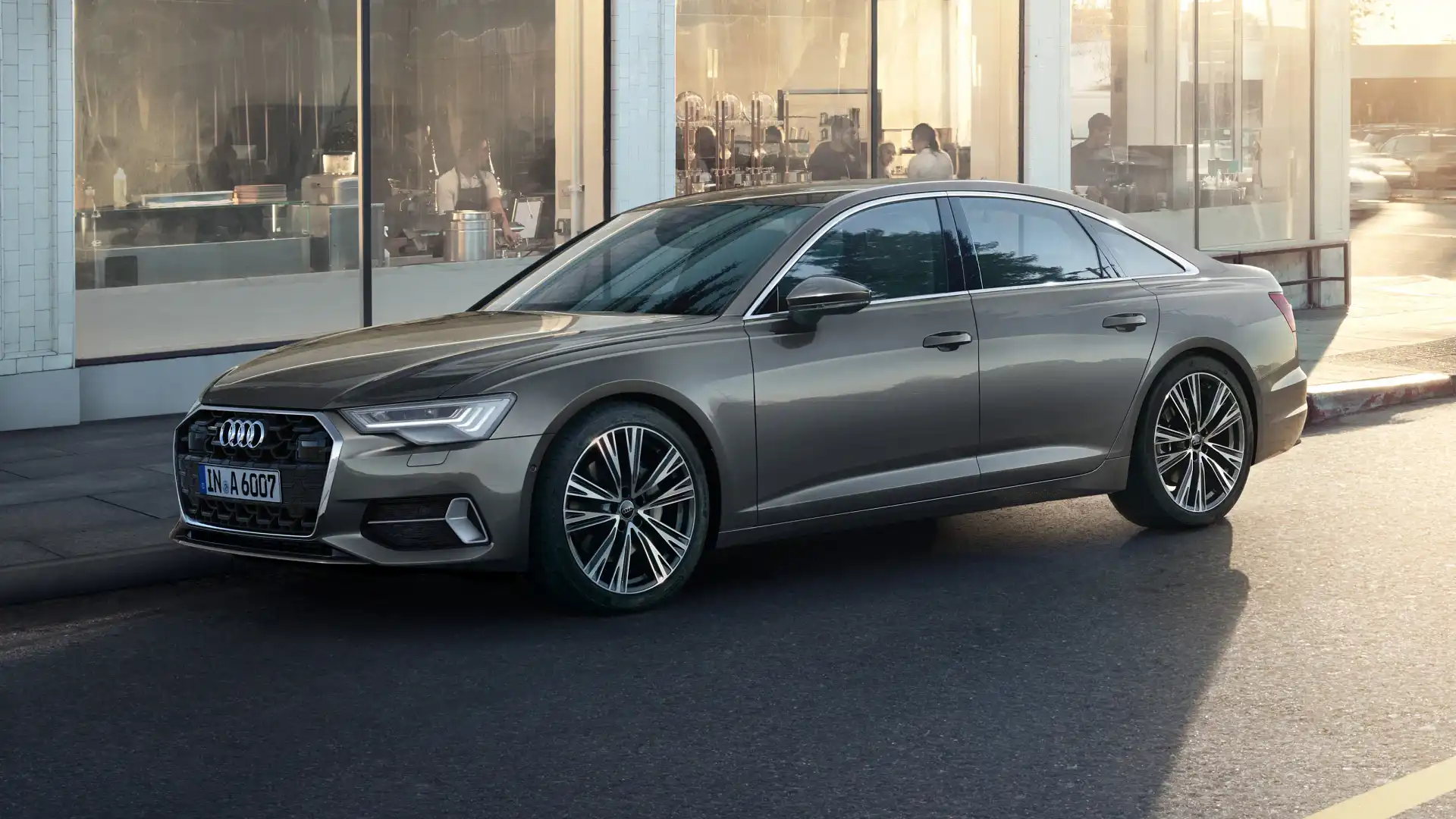
For 2022, Audi has made more of its signature infotainment technology standard, including a larger 10.1-inch touchscreen and the Virtual Cockpit digital gauge cluster. All models now feature rear side airbags and an upgraded tire-pressure monitoring system.
Entry-level 45 models can now be equipped with the Black Optic package, and the optional Sport package on 55 models gains a new 20-inch wheel design. Pricing for the 2022 A6 ranges from $56,995 to $70,595, depending on trim and options.
We recommend the mid-range Premium Plus 55 trim, which pairs the smooth V-6 engine with enticing features such as a Bang & Olufsen audio system, wireless charging, adaptive cruise control, lane-keeping assist, and a 360-degree exterior-camera system.
Adding the Executive package brings even more luxury, including a power trunk lid, multi-color ambient lighting, four-zone climate control, heated rear seats, and ventilated front seats.
Under the hood, the A6 offers either a 261-hp turbocharged 2.0-liter four-cylinder or a 335-hp turbocharged 3.0-liter V-6. Both engines incorporate mild-hybrid technology, using a 12- or 48-volt starter/alternator for stop-start functionality and auxiliary systems.
Power is delivered via a seven-speed automatic transmission and standard Quattro all-wheel drive. The V-6 provides ample thrust for highway merging and passing, achieving 0–60 mph in 4.8 seconds at our test track.
While impressive, this falls just short of rivals like the BMW 540i xDrive (4.5 seconds) and Mercedes-Benz E450 4Matic (4.6 seconds). On the road, the A6 excels as a luxury sedan with balanced handling, precise steering, and confident cornering, but it never fully delivers the engaging character of a true sports sedan.
3. Range Rover Evoque
Range Rovers are known for their premium feel, but the Evoque has a reputation for high repair costs and complex drivetrain components.
Even though it looks tailor-made for snowy Omaha winters, its reliability history is far less reassuring than its styling suggests. Electrical failures, transmission issues, and expensive turbocharger repairs are all common long-term concerns.
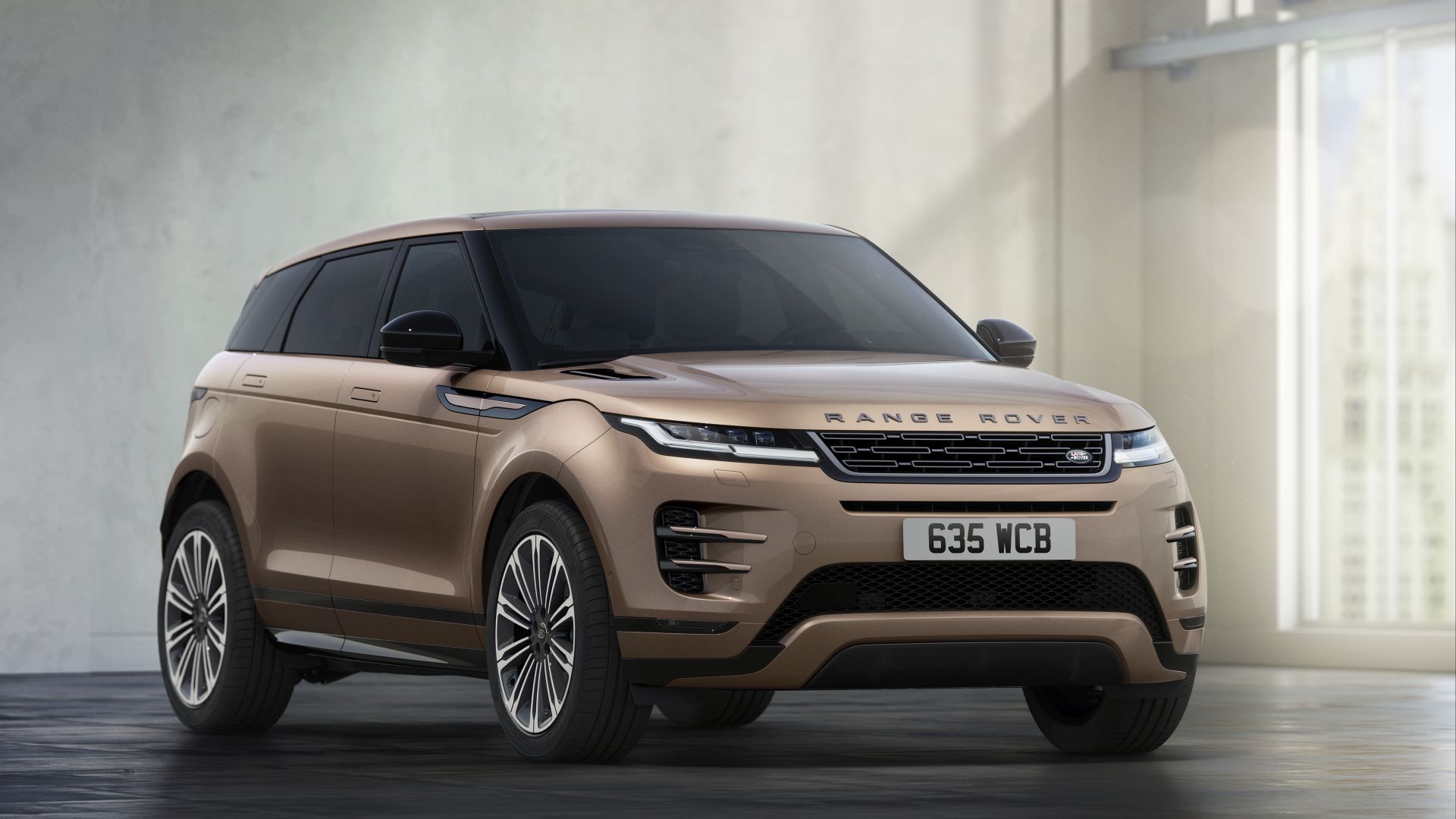
Nebraska’s harsh winter roads with heavy salt use accelerate wear on luxury European SUVs more than in their home markets. The Evoque is impressive but seldom a wise financial decision for practical-minded buyers.
The 2023 Range Rover Evoque is the style icon of the subcompact luxury-SUV segment, sure to turn heads wherever it goes. However, its practical attributes don’t quite match those of class leaders.
Cargo space and interior room are tighter than in rivals such as the BMW X1, Mercedes-Benz GLB-Class, and Volvo XC40, and those competitors also deliver a more engaging driving experience.
The Evoque offers two turbocharged four-cylinder engines, but neither is particularly fuel-efficient, leaving its powertrain appeal limited. Ultimately, the Evoque’s strength lies in its striking design, refined cabin, and luxury-brand prestige. Its tall seating position also provides a more traditional SUV feel than some lower-riding rivals.
For 2023, the Evoque remains largely unchanged, though it now comes with Amazon Alexa integration, which works through the Pivi Pro infotainment system and is standard across all trims.
Pricing ranges from $46,175 for the base S trim up to $56,475 for the top-spec R-Dynamic HST. We’d recommend the mid-range R-Dynamic SE, which adds a power liftgate, 14-way power-adjustable front seats, automatic high-beam headlamps with auto-leveling, LED daytime running lights, and 20-inch wheels. The Online Pack option package is also worth considering for added convenience and features.
Under the hood, the Evoque’s P250 model is powered by a 246-hp turbocharged 2.0-liter four-cylinder engine, paired with a nine-speed automatic transmission and standard all-wheel drive. At our test track, it achieved a zero-to-60-mph time of 7.1 seconds. Rivals like the BMW X1 and Volvo XC40 are slightly quicker, but the Evoque still feels lively for its segment.
The more potent P300 engine is reserved for the HST R-Dynamic and produces 296 horsepower, augmented by a 48-volt mild-hybrid system. In testing, the P300 sprinted to 60 mph in 6.6 seconds. On the road, the Evoque feels substantial, with an SUV-appropriate seat height and composed handling. While it corners competently, it won’t satisfy driving enthusiasts in the way the BMW or Mercedes-Benz GLA-Class can.
4. Mercedes-Benz C-Class
The Mercedes-Benz C-Class is a symbol of sophistication, but its maintenance demands aren’t well-suited for Omaha’s budget-conscious ownership patterns.
Many components especially electronics are tightly integrated, raising labor costs. Even basic services cost more because Mercedes-approved fluids, sensors, and parts are required.
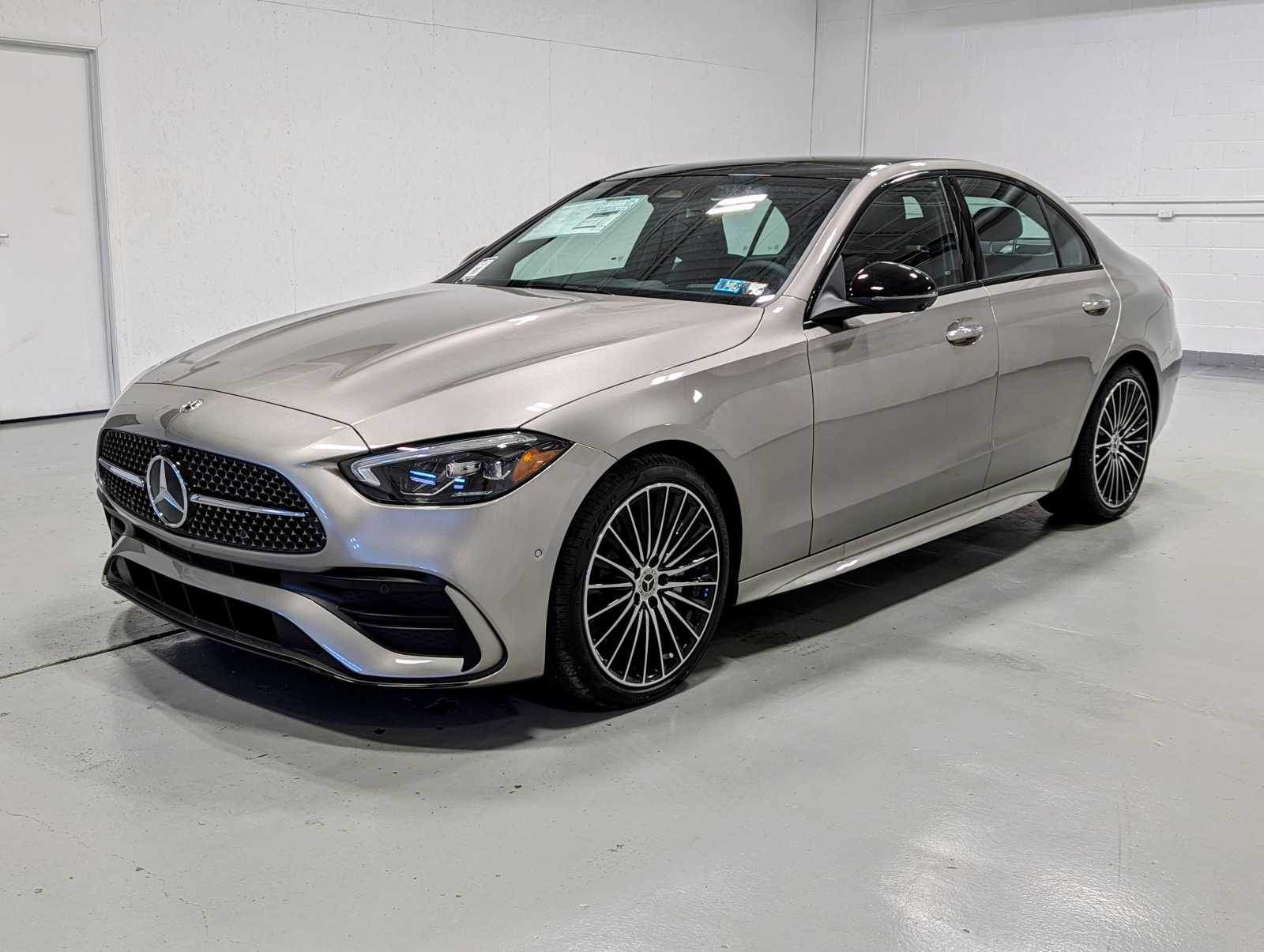
While the C-Class performs well in most conditions, it’s not built for rough roads, surprise potholes during spring thaw, or the wear-and-tear of Midwest winters.
Repairing cosmetic and mechanical damage typically costs far more than on mainstream brands.
We tested the Mercedes-Benz C 300, which comes equipped with a turbocharged mild-hybrid four-cylinder engine. The mild-hybrid system helps smooth out acceleration, allowing the C 300 to sprint to 60 mph in just 5.8 seconds—more than enough power for everyday driving. The transmission shifts quickly and seamlessly, contributing to a refined driving experience.
Our test vehicle was fitted with the optional AMG Line sport package, which enhances the car with a sport-tuned suspension, upgraded brakes, and steering calibrated for a more direct and responsive feel.
Together, these upgrades sharpen the standard C-Class’ driving dynamics, resulting in a car that feels nimble and poised through corners. We were particularly impressed with how effortlessly the C 300 responds to driver inputs and how composed it remains while navigating twists and turns.
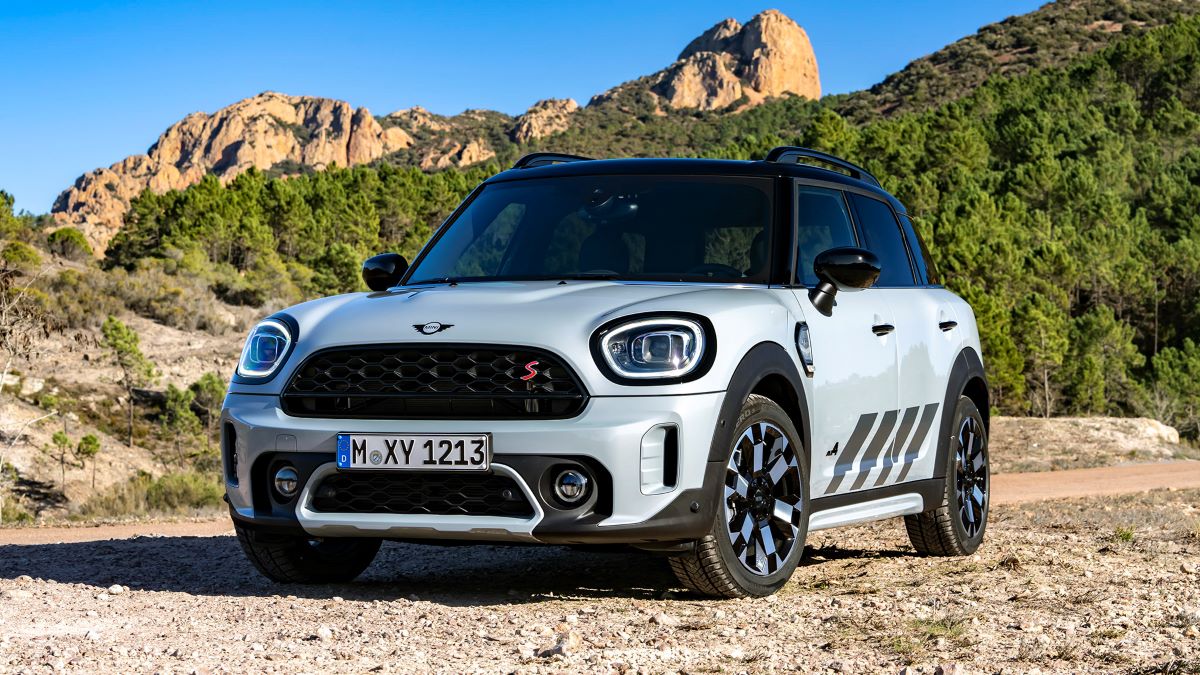
5. Mini Cooper
The Mini Cooper may be trendy, fun, and surprisingly nimble for city driving, but it’s notorious for requiring specialized attention.
Tight engine packaging leads to higher labor costs, and common failures such as timing chain tensioners, water pumps, and electronic sensors can become expensive quickly.
While Omaha drivers love unique vehicles, the Mini’s long-term cost profile usually doesn’t align with practical buyers.
Its small size also isn’t ideal for snowy commutes or rough winter roads where ground clearance matters. For a city where reliability ranks far above quirkiness, the Mini struggles to justify its ownership expenses.
For Omaha buyers, the smartest car choices are the ones that thrive in real Midwestern conditions vehicles that start reliably on cold mornings, run cheaply over long distances, and offer easy parts availability.
Models like the Toyota RAV4, Subaru Outback, and Honda Accord fit that formula perfectly. They’re predictable, durable, and built for everyday life.
Meanwhile, premium European models like the BMW X5 or Range Rover Evoque, though appealing, often bring high ownership costs that don’t align with Omaha’s practical values.
These vehicles shine in comfort and performance, but maintenance expenses and specialized repair needs make them better suited for buyers who prioritize luxury over long-term savings.
