You want a car that still feels like it belongs on the road after the odometer trips past 100,000 miles. Not a relic. Not a pile of rattles held together by duct tape and hope. You want doors that close solidly, steering that’s predictable, seats that don’t sag, and systems that don’t throw tantrums the minute the warranty runs out.
That’s not an unreasonable ask, some SUVs are built with that long-term thinking baked in. Others are designed to impress for a few years, then show their real colors when the dealer sticker stops being a conversation starter.
This article doesn’t try to crown a single king of longevity. Instead, we split the field: five SUVs that still feel fresh and capable at 100k miles, and five that often feel tired long before that mark.
For each pick I’ll say what they do well and why they stay pleasant, and for the tired ones I’ll explain the common failure points cheap interior bits, problematic transmissions, electronics that fade, or designs that don’t age well.
I’m not pretending every example is flawless; regular maintenance and sane driving matter. But some models reward that care with decades of usefulness; others feel like they were built with a short attention span.
I’ll keep this real: what you’ll read is based on how these vehicles typically behave in everyday life ownership reports, service patterns, engineering choices, and plain human experience.
Why these five still feel new at 100k
These SUVs share a few clear habits: mechanical simplicity where it counts, robust hardware, conservative engineering choices, and interiors built from materials that won’t fall apart under daily life.
They don’t chase a fleeting trend at the expense of long-term durability. Instead of overcomplicated, glitch-prone electronics, they favor reliable systems that are easier to service. Suspensions are tuned for longevity, not headline-grabbing sportiness, and powertrains lean on proven components rather than cutting-edge experimental tech.
Owners of these models commonly report steady oil consumption, predictable brakes, minimal squeaks, and climate controls that keep working. Parts are often widely available and affordable, which means repairs stay reasonable and DIY-friendly.
That translates to an overall “new” feeling: things fit together, panels line up, and small luxuries comfy seats, a quiet cabin keep doing their job. Also, brands that support long-term reliability tend to keep software and recall fixes straightforward, which matters when a car hits high miles.
These SUVs won’t feel like the freshest on the block compared to a brand-new model, but they’ll keep the essentials: safety, comfort, reliability, and a solid driving experience. If you plan to buy used and keep a vehicle for the long haul, these are the kinds of models that let you stretch your ownership without constant headaches.
ALSO READ: 5 SUVs That Feel New at 100K vs. 5 That Feel Tired Early
Toyota RAV4
The RAV4 has been a reliable workhorse for years. It’s not flashy, but it’s thoughtfully engineered. Toyota avoids cutting corners on core components.
Engines and transmissions here are proven designs with long service lives. Speak to longtime owners and you’ll hear the same theme: regular oil changes and routine maintenance, and the RAV4 just keeps going.
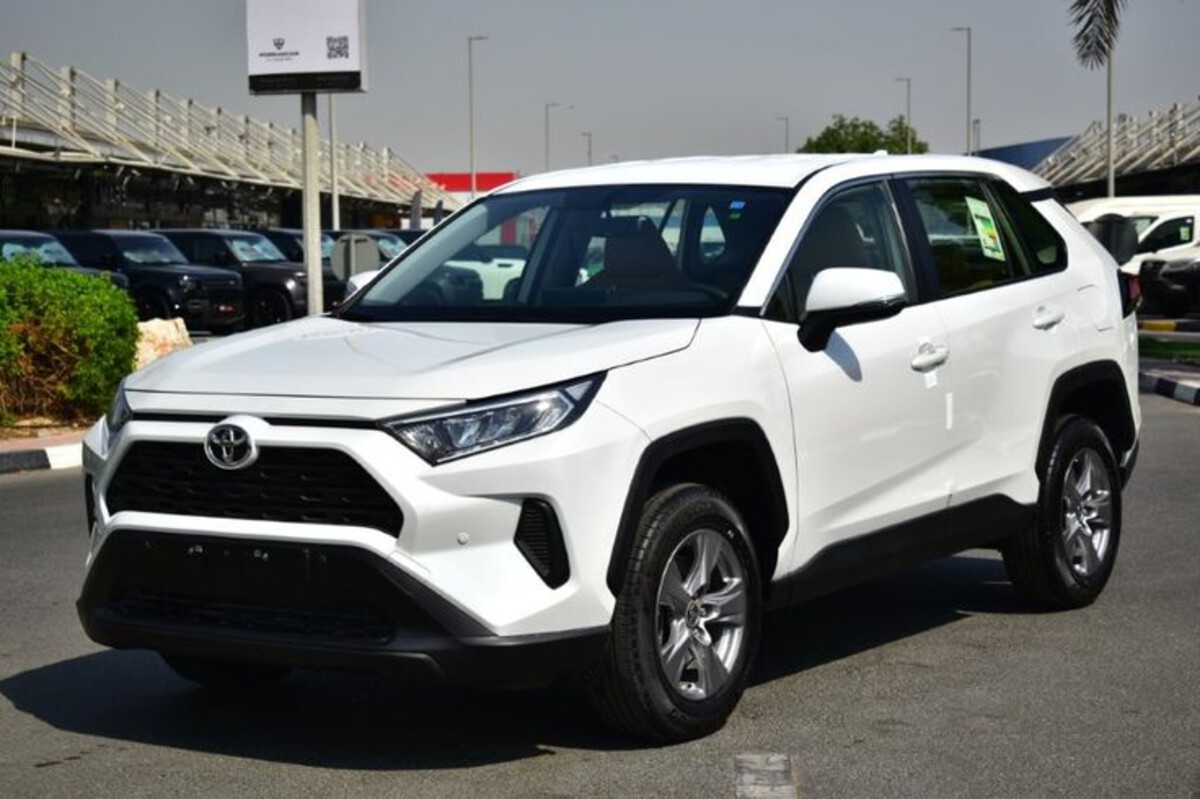
Interior materials aren’t ultra-lux, but they hold up. Seat foam stays supportive longer than many rivals and plastics resist scuffs.
Fit-and-finish is solid: door seals, latches, and trim pieces tend to stay put. The result is a cabin that doesn’t suddenly rattle or feel loose as miles accumulate.
Electronics and infotainment are basic compared with high-end rivals, but that’s a strength fewer glitches, simpler updates.
Toyota’s parts network makes repairs straightforward and usually affordable. Fuel systems and cooling systems are conservative and robust, too, so you don’t get surprised by exotic failures.
Driving dynamics don’t wow, but they aren’t the reason to buy a RAV4 anyway. You buy it because it behaves predictably on long commutes and weekend trips and because it won’t demand an expensive repair just for reaching life milestones. For people who want an SUV that still feels like a solid daily driver at 100k, the RAV4 often fits the bill.
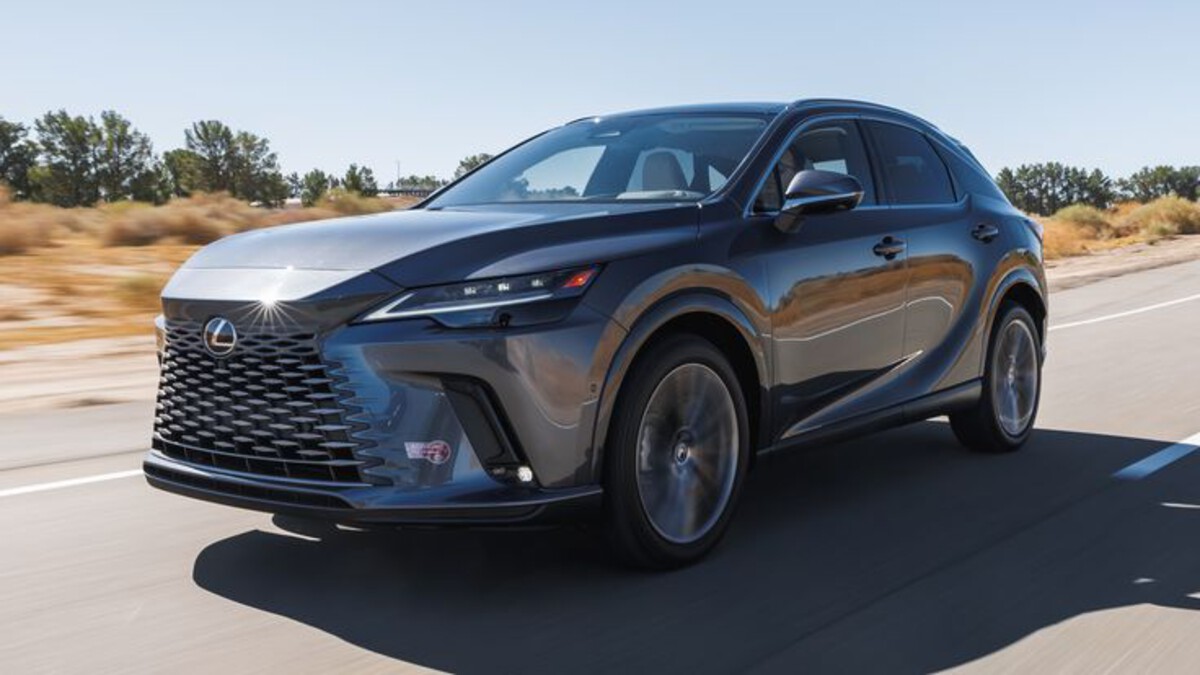
Lexus RX
Lexus takes the Toyota philosophy and adds nicer materials and better noise control. That combination makes the RX age gracefully.
Where many luxury crossovers start to show tired plastics or fiddle-prone electronic systems around six or seven years, RX cabins tend to remain quiet and composed.
The powertrains are refined and conservative. Toyota’s engineering discipline carries over here, so you get durable engines and transmissions wrapped in higher-end finishing.
Lexus owners often praise how the suspension keeps composure without becoming brittle. That gives the driving experience a “newer” feel even after heavy use.
Service costs are higher than mainstream brands, true, but the RX offsets that by needing fewer big-ticket surprises. Infotainment and safety electronics are generally well-integrated, and the cabin finishes stand up to scratches and sun damage better than many European rivals. Leather and stitch work age well if cared for.
If budget allows, buying a well-maintained RX used can deliver many more trouble-free years than chasing a lower-cost brand with more plastic in key areas. It’s a luxury buy that pays back with longevity more often than not.
Subaru Forester
Subarus have a loyal following for a reason: practical packaging, standard all-wheel drive, and engines built with a pragmatic mindset.
The Forester is simple where it should be. That simplicity helps longevity systems are well-understood by mechanics, and the AWD hardware is rugged.
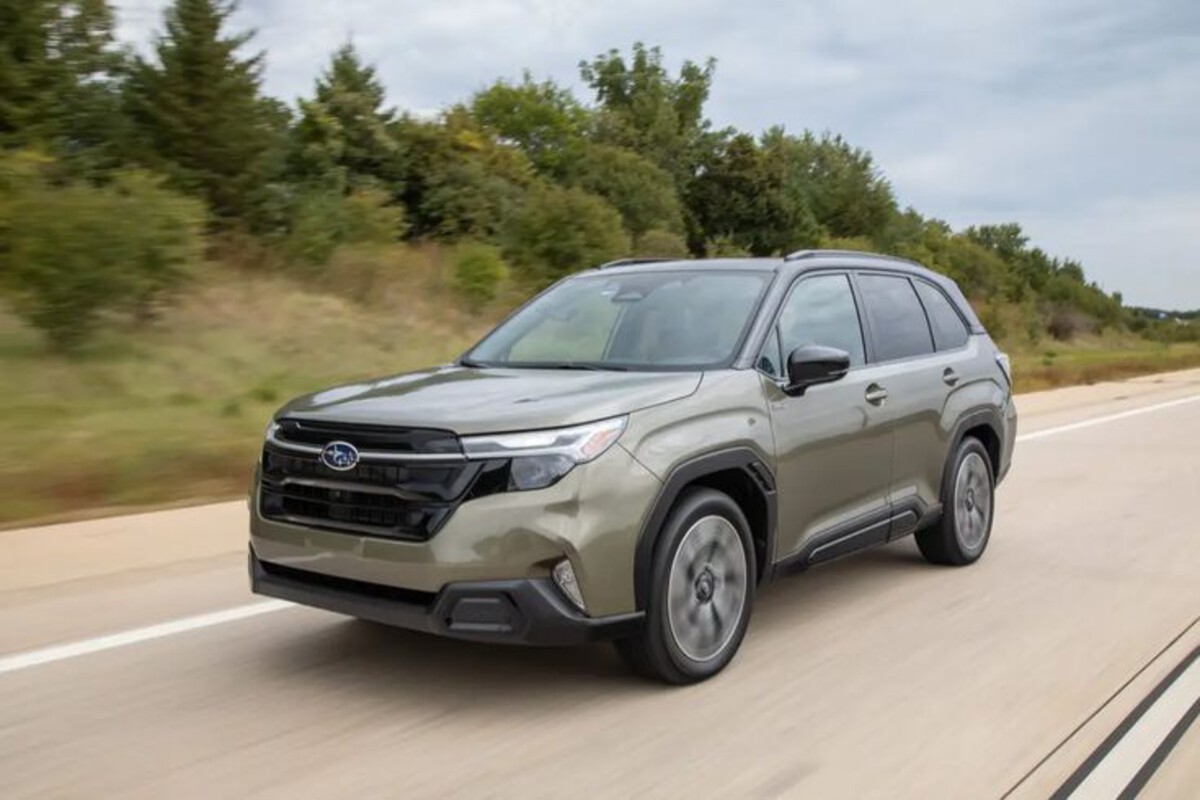
Forester interiors are functional and use materials that tolerate family life. Seat foam and fabric hold up, and later models improved noise insulation. The electrical setup is straightforward, which reduces oddball gremlins that plague more complex systems.
There are caveats: certain Subaru engine generations have known head-gasket or oil-consumption quirks, so service history matters.
But many Foresters with good maintenance records sail past 100k without drama. The chassis and body rust protection on modern Foresters is decent too, so structural deterioration is less common.
In short: Forester buyers get a capable, sensible SUV that often still feels composed and useful at high mileage. It’s not precious, and that’s precisely why it ages well.
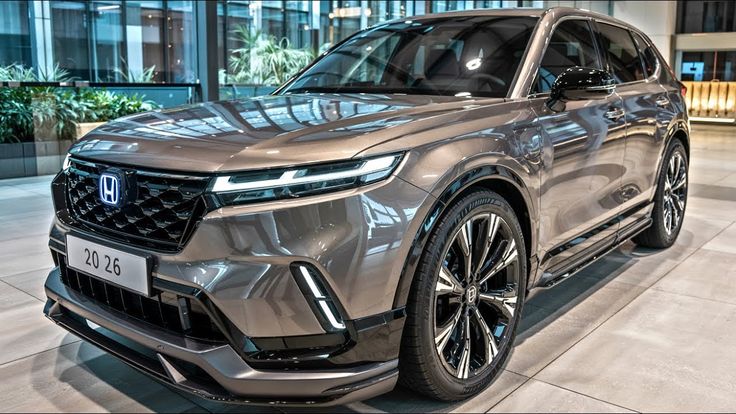
Honda CR-V
The CR-V blends practicality with engineering choices that favor longevity. Honda’s engines and transmissions in this class have a reputation for durability when maintained. The CR-V’s suspension is designed for predictable wear, not razor-edge handling that becomes brittle after miles.
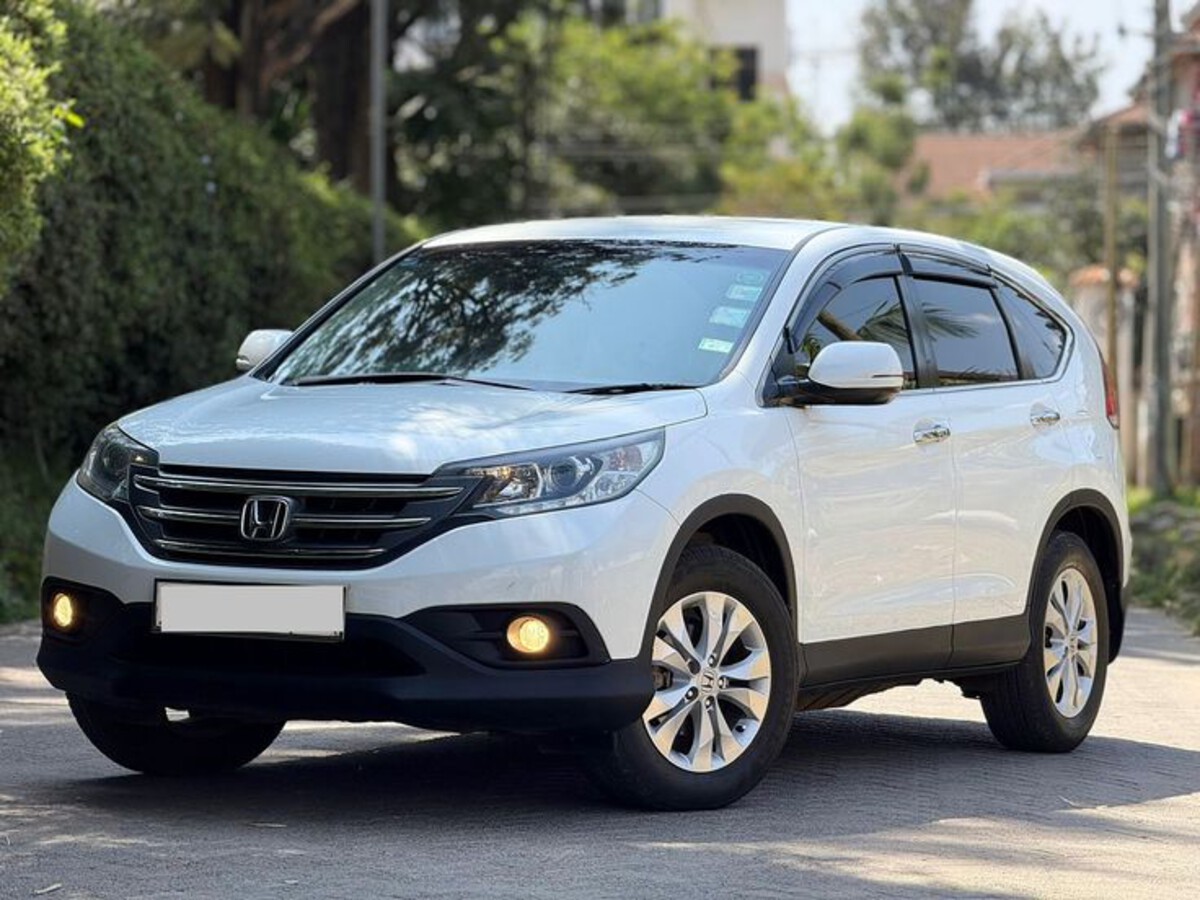
Cabin durability is another plus. Controls stay tactile, plastics don’t craze, and seat cushioning ages tolerably. Infotainment isn’t always cutting-edge, but it’s less likely to develop bugs that require software trips to the dealer.
Parts availability and a large service network keep repair times and costs in check. That matters when you’re past 100k simple items like struts, bushings, and brakes are easy to source and install.
Owners often report that a well-kept CR-V continues to offer comfortable daily driving and respectable fuel economy deep into triple digits.
Watch for model-specific issues and confirm maintenance history, but as a general rule the CR-V is a safe bet if you want an SUV that still feels competent and tidy after long-term use.
Toyota Highlander
The Highlander is bulkier and more family-focused than compact crossovers, but that extra mass comes with durable bones. Toyota overbuilds a bit here: the frame, suspension mounts, and drivetrain components are conservative choices, not engineering flash. That pays dividends as miles pile up.
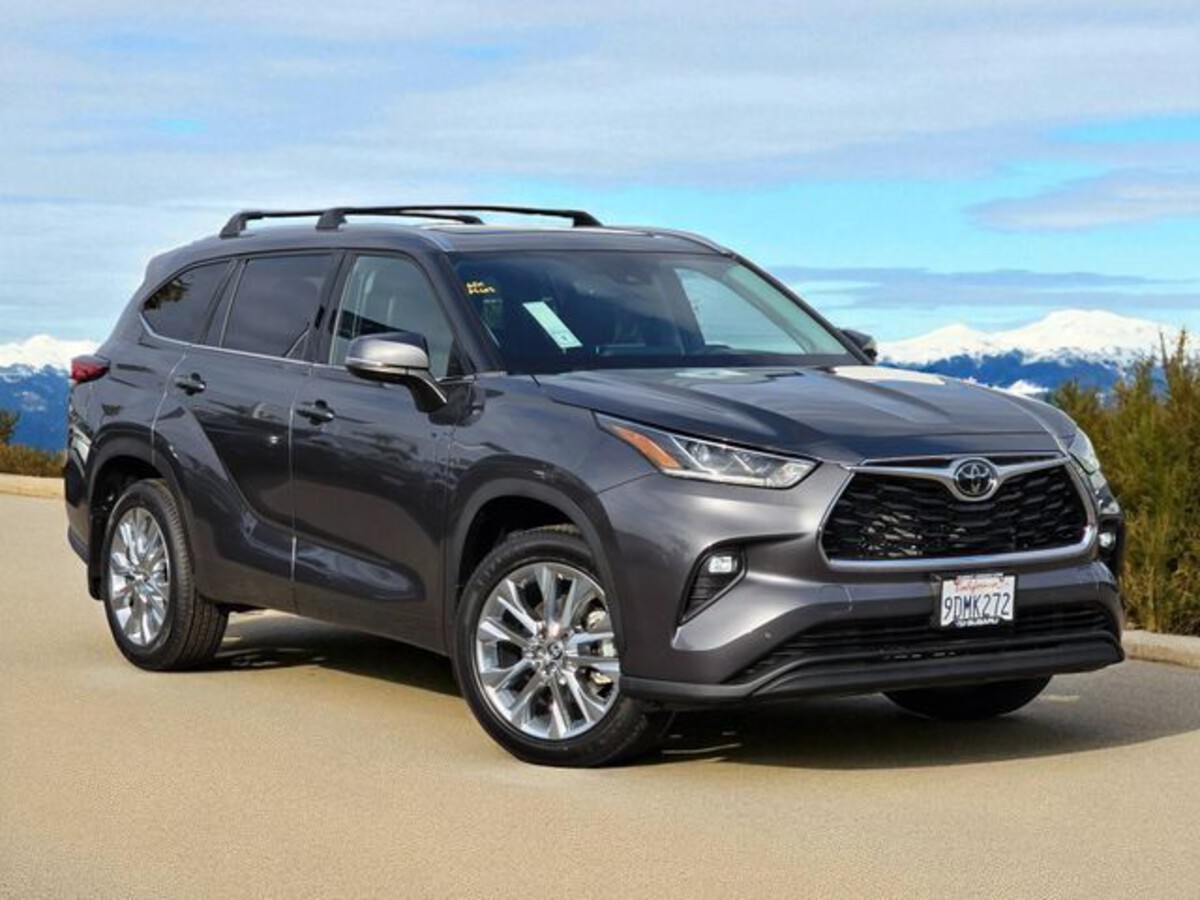
Interior materials in the Highlander are more upscale than many mainstream rivals. Leather options and soft-touch surfaces resist premature wear, and trim pieces fit tightly. Monthly life kids, cargo, and grocery runs doesn’t seem to pry things loose fast.
Mechanically, the Highlander uses proven V6 and later efficient four-cylinder turbo options that have generally been trouble-free under normal care. Hybrid versions add complexity, yes, but Toyota’s hybrid systems are mature and often reliable over the long haul.
If you want a practical, comfortable three-row-capable SUV that still feels grown-up at 100k, the Highlander is a sensible pick. It won’t thrill the enthusiast, but it will keep the essentials working and keep headaches low.
Cars That Tend To Get Old
Some SUVs look great on paper but hide compromises that show up after a few years. The common culprits: cheap interior plastics that crack or rattle, transmissions that hunt or slip, CVT systems that wear in a way that affects drivability, and infotainment/electrical systems that get finicky.
Manufacturers under pressure to hit price points sometimes skimp on structural reinforcements or choose trendy but untested components. That saves money at launch but costs the owner with noisy cabins, broken buttons, and expensive electronics repairs as miles climb.
Another factor is design philosophy: cars tuned for a sporty feel or aggressive weight savings sometimes use softer suspension bushings, lighter fasteners, and complex electronics.
Those choices can give a thrilling first few years, then demand service as everything loosens. And luxury badges don’t guarantee longevity some premium SUVs have sophisticated, failure-prone systems that are costly to fix.
Below are five SUVs that have a higher chance of feeling worn or frustrating well before 100k. You’ll see recurring problems: electrical quirks, cheap trim, drivetrain complaints, and parts that aren’t cheap or easy to fix.
None are universally terrible many owners have positive experiences but the risk of “tired early” is higher compared to the durable models above. If you’re buying used, scrutinize service records and inspect for common trouble signs before you commit.
ALSO READ: 10 Best Used SUVs Under $10,000 in 2025
Jeep Cherokee / Compass family
Jeep’s compact-to-midsize models have charisma but also a history of electronics and transmission headaches.
Owners report quirks like failing infotainment modules, intermittent electrical gremlins, and sometimes transmission shudder or hesitation, depending on year and powertrain. Fit-and-finish can be inconsistent, rattles and loose trim are not uncommon as miles add up.
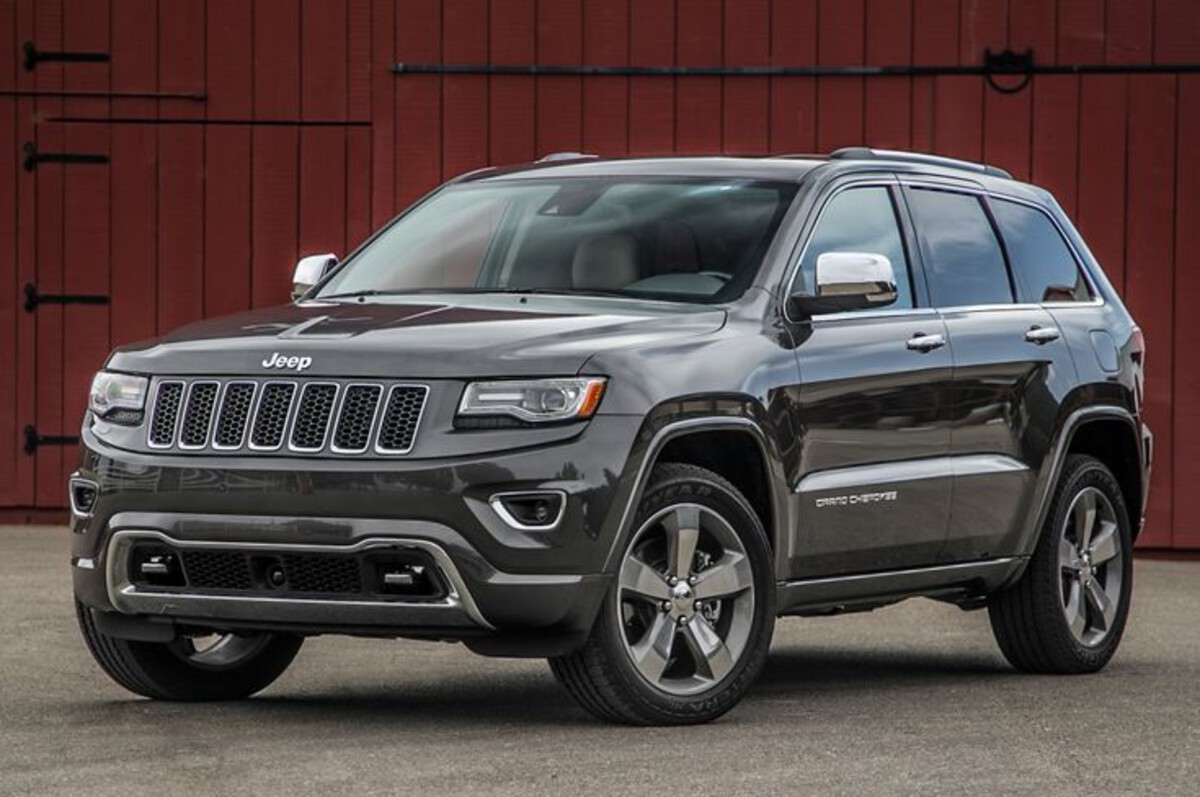
Off-road capability and rugged styling come at a cost when interiors use softer plastics and complex wiring. That combination can leave the cabin feeling tired and slightly sloppy sooner than expected. Parts and labor for electronic issues can be pricey, too.
That said, many Jeeps do reach high miles with loving care. But statistically, the risk of annoying, intermittent failures that sap the “new” feeling earlier is higher here than with the conservative Japanese SUVs listed above.
If you choose a Cherokee or Compass used, prioritize a careful inspection of electronics, transmission service history, and any records of repeated dealer visits.
Ford Escape (certain model years)
The Escape has been a solid seller, but some generations have shown durability weak points. The trend: lightweight components, complicated turbo engines, and transmissions that can be finicky if maintenance lapses.
That mix sometimes creates drivability complaints and higher-than-expected repair bills.
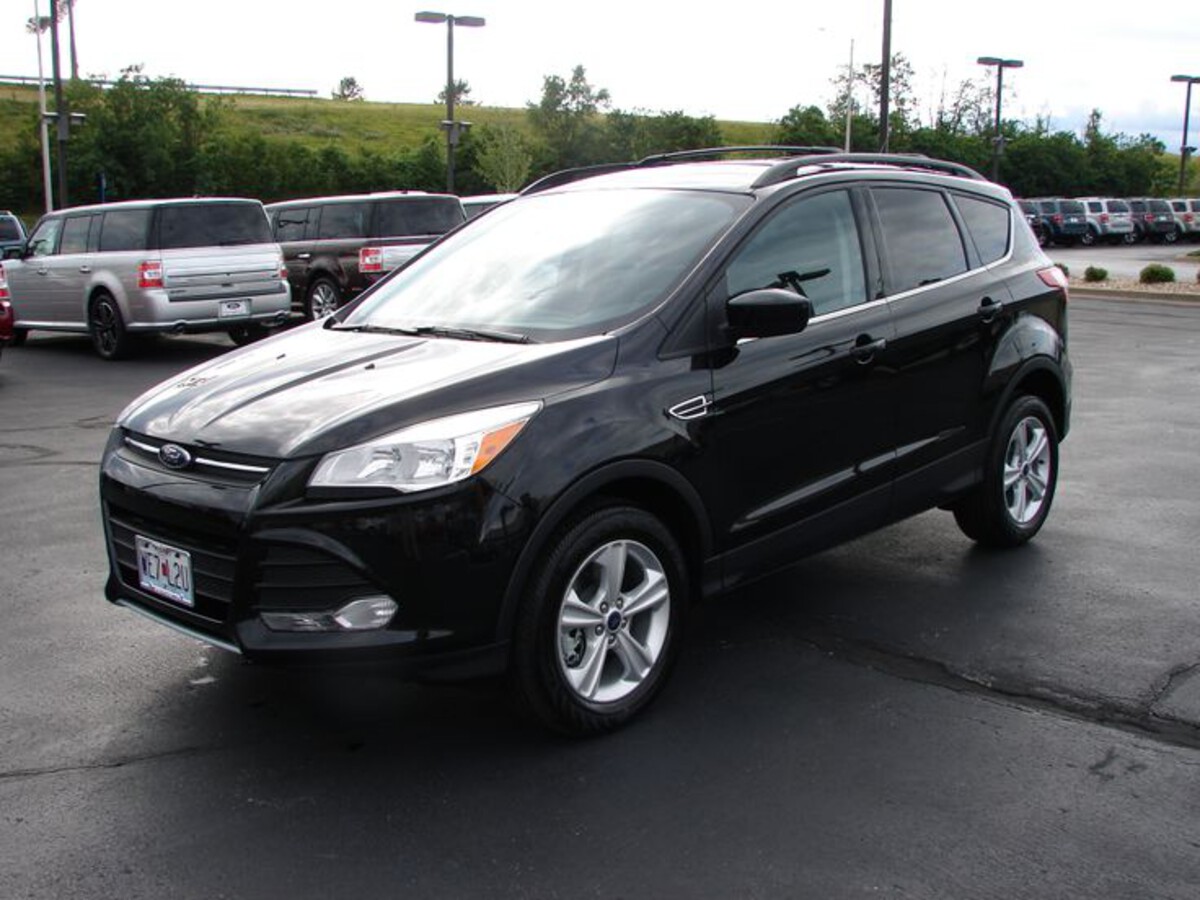
Interiors on some years use lower-grade plastics that scuff and creak. Infotainment units across various model years can glitch or require software reboots.
Owners also report suspension components that wear faster under aggressive urban driving, leading to a less composed ride after moderate mileage.
Ford fixed many of these issues in later iterations, but if you’re looking used, pay attention to which model year you’re buying.
A thoroughly documented service history and replacement of wear items will reduce risk. Without that, some Escapes feel noticeably older and less refined well before they hit 100k.
Nissan Rogue
The Rogue has improved over time, but past versions struggled with transmission tuning and CVT concerns.
CVTs can be efficient and smooth when healthy, but they also expose drivetrains to wear patterns that some owners find problematic long-term. When a CVT starts to age, the result is a degraded driving feel that makes the whole car seem tired.
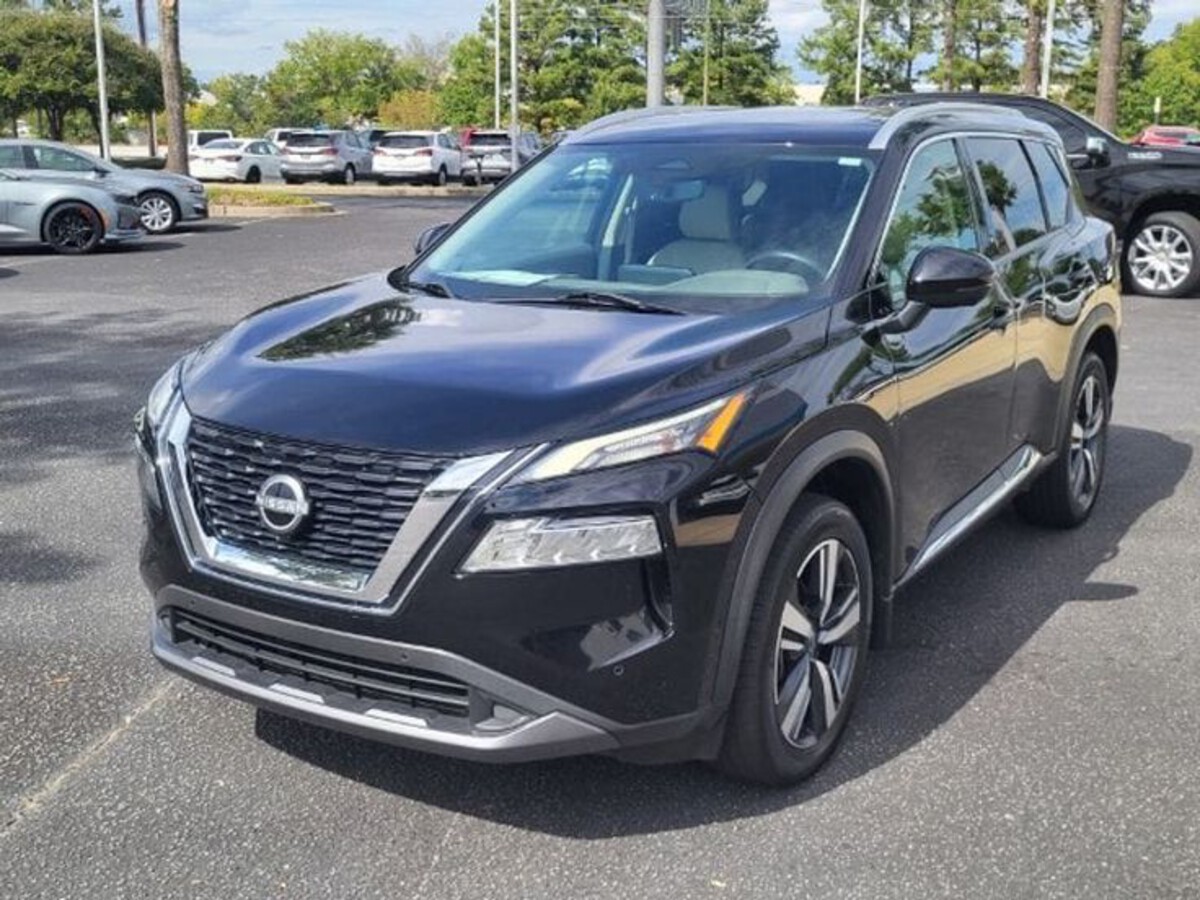
Nissan interiors of certain model years used thin materials and trims that show more wear than rivals. Buttons and small switches have a tendency to become loose or sticky, and rattles appear. Electronic modules and sensor glitches are another recurring complaint.
That’s not to say every Rogue fails early. Lots of them reach high miles trouble-free. But compared with designs that prioritize conservative mechanicals, the Rogue’s mix of complexity and lighter interior materials increases the chance that the cabin and driving feel will age faster.
Chevrolet Equinox
The Equinox has been a practical choice, but several iterations leaned heavily on cost-saving parts and turbocharged small-displacement engines that can be sensitive to maintenance. Some owners report oil consumption and turbo-related issues that are expensive to address.
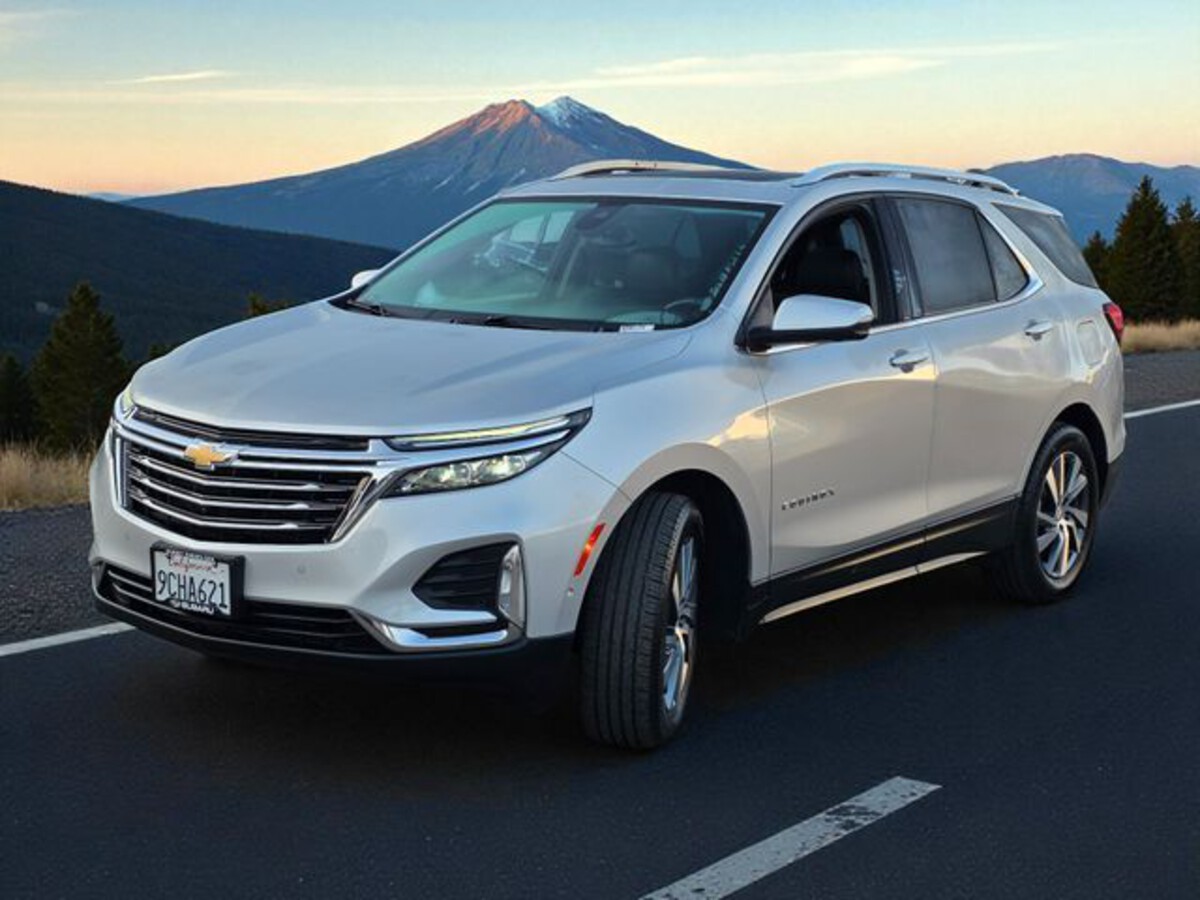
Interior plastics in certain model years feel less durable than competitors; panels and trim can get noisy or loose. Infotainment units and electronics in earlier versions also earned complaints for inconsistent behavior. Suspension components can wear on rough roads, leading to increased NVH (noise, vibration, harshness) at moderate mileage.
Repair costs for some driveline or turbo issues can catch buyers off guard. If you’re looking at a used Equinox, confirm the engine variant, maintenance of turbo systems, and whether common updates were performed. Without a clear service record, the Equinox can feel older than its miles suggest.
Land Rover Discovery Sport / Range Rover Evoque family
Luxury brand cachet doesn’t always match long-term dependability. The Discovery Sport and Evoque deliver prestige and engaging design, but their electronics and complex systems can be failure points.
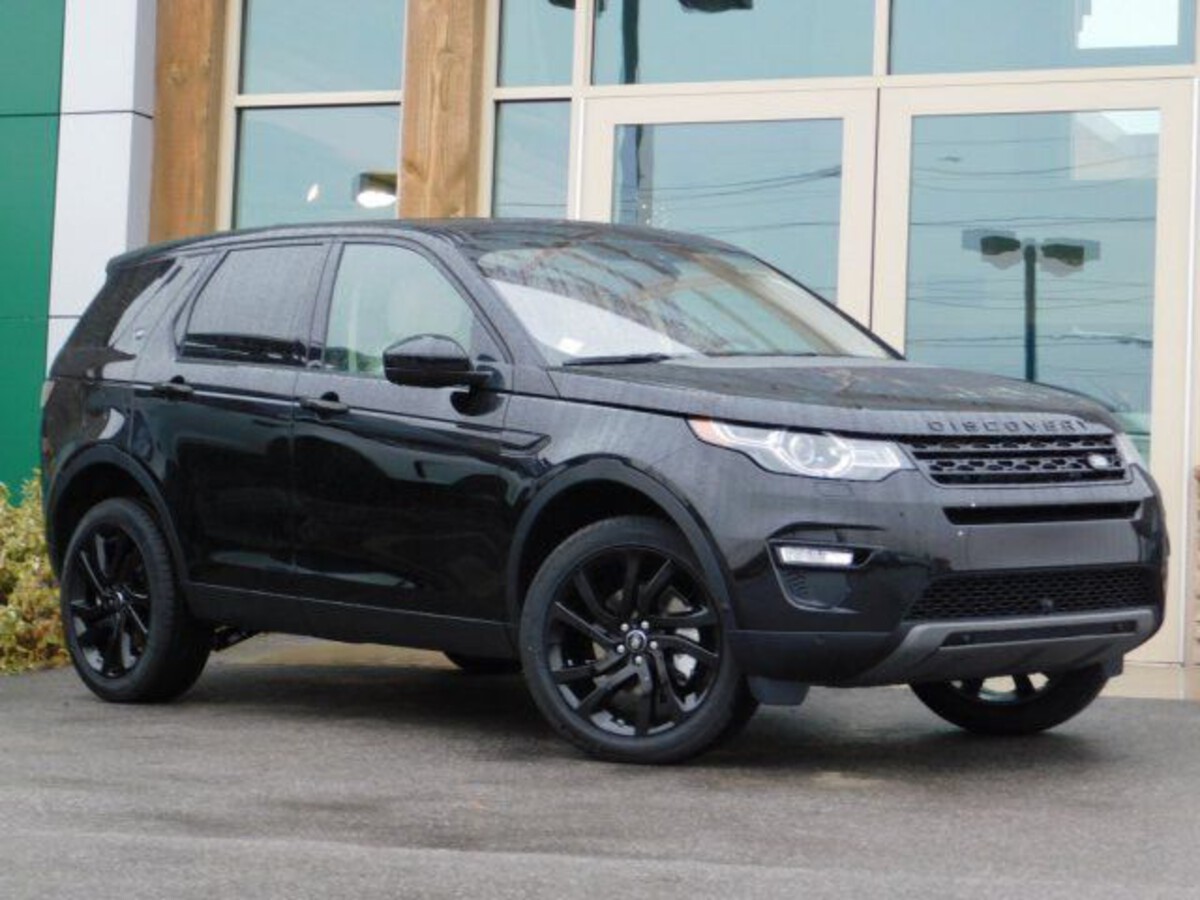
Owners often face glitches in infotainment, air suspension (if equipped), and a range of sensors. When those systems start acting up, repairs are pricey and can drag out, leaving the car feeling less than premium.
Build quality is better on later models, but historically, these SUVs age less gracefully than many Japanese rivals.
Soft-touch materials can delaminate or crease, and fitment issues show up after heavier use. The consensus from long-term owners: maintenance bills are higher, and when something breaks, it’s rarely cheap.
If you adore the look and feel, buy with eyes open, prioritize full service history, and be ready for higher ownership costs. Otherwise, the Discovery/Evoque family risks feeling tired or frustrated well before crossing the 100k mark.
If you want an SUV that still feels fresh at 100k, buy for substance over flash. Choose models with conservative, proven drivetrains, well-built interiors, and simple, reliable electronics.
Toyota, Lexus, Subaru, and Honda show up a lot in the “ages well” column because they favor durable choices and parts that are easy to source. That doesn’t make them boring it makes them dependable when it matters.
On the flip side, flashy designs, complex new tech, and aggressive cost-cutting can make an SUV feel old faster.
Electronics that fail intermittently, cheap interior trim, and temperamental transmissions are the usual culprits. Luxury or brand prestige doesn’t guarantee longevity; sometimes it just raises repair costs.
If you’re shopping used, prioritize vehicles with clear maintenance records, recent service of wear items, and a thorough pre-purchase inspection focused on electronics, suspension, and transmission health.
Drive the car in real conditions highway and city to reveal any strange noises or transmission behavior. Do that, and you’re far more likely to walk away with an SUV that still feels solid and enjoyable at 100k miles.