Cold weather has long been one of the biggest challenges for electric vehicles. Freezing temperatures can reduce driving range, slow charging speeds, and make cabins uncomfortable if heating systems are inefficient. Snow and ice also test traction, stability, and braking, areas where not all EVs perform equally well. Yet modern electric cars have evolved rapidly, and some models are now genuinely enjoyable to drive even during harsh winters.
The seven EVs featured in this list prove that cold climates no longer mean compromise. Equipped with smart heat pumps, advanced battery preconditioning, and capable all-wheel-drive systems, these vehicles maintain comfort, confidence, and usability when temperatures plunge.
From Scandinavian-inspired sedans and compact SUVs to high-performance crossovers, each model here offers thoughtful winter-ready engineering alongside everyday practicality. Whether you face icy city streets, snowy highways, or long winter road trips, these EVs continue to feel reliable, comfortable, and rewarding when winter hits hardest.
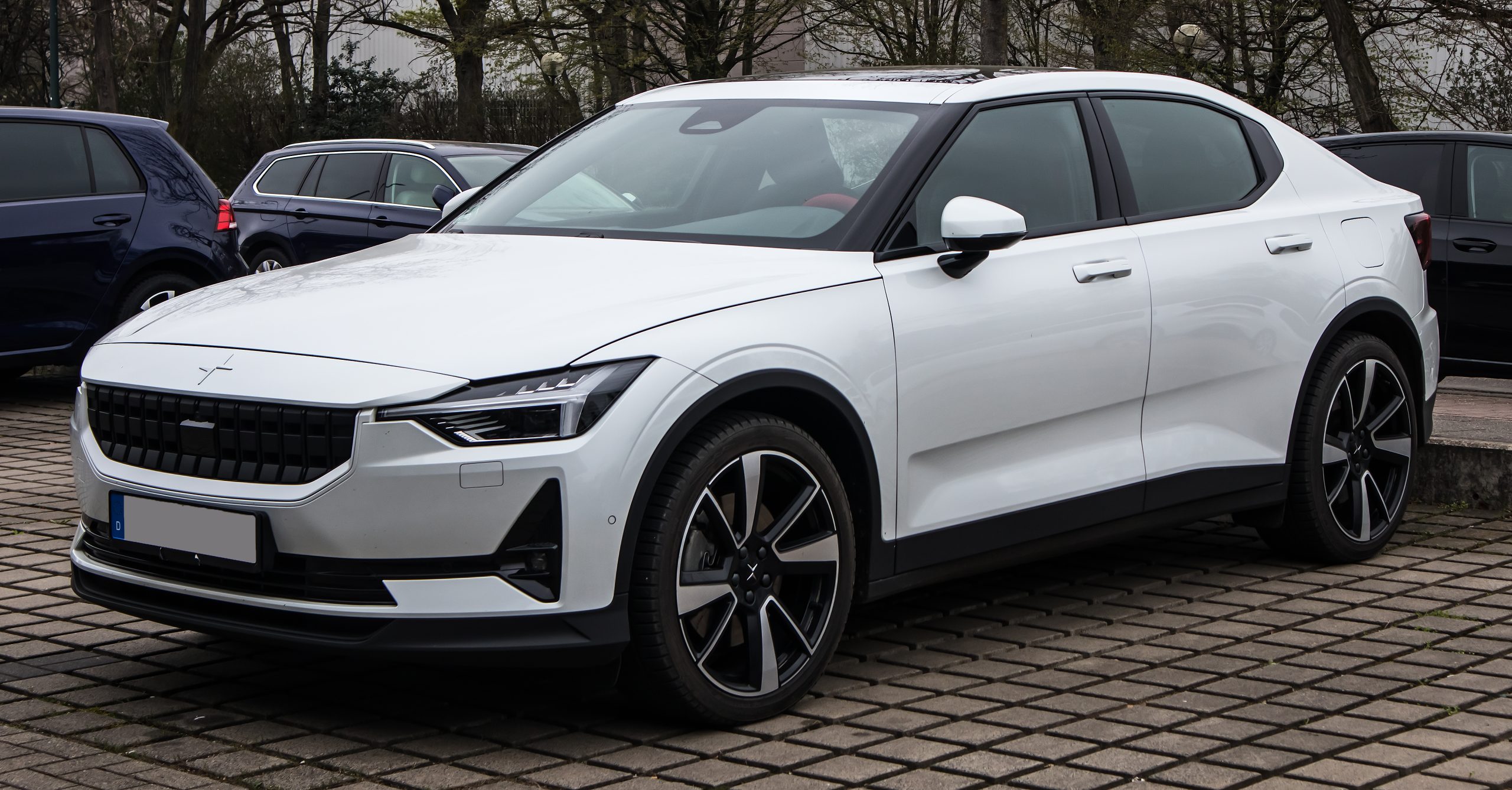
1. Polestar 2: Scandinavian Style Meets Winter-Ready Performance
The Polestar 2 is a premium electric vehicle (EV) designed with Scandinavian engineering and winter resilience in mind. Many versions come with all-wheel drive and a standard heat pump, ensuring reliable performance in snow and freezing temperatures.
Battery management and preconditioning systems help minimize range loss in cold climates while keeping charging consistent. On the road, the Polestar 2 delivers confident handling and traction, aided by adjustable regenerative braking that adapts to slippery conditions.
Inside, the cabin emphasizes comfort for winter driving. Heated seats, a heated steering wheel, and advanced climate controls make daily commutes pleasant, while remote preheating via the Polestar app optimizes both battery and cabin temperature before departure.
The minimalist, Scandinavian-inspired interior feels both functional and luxurious, featuring Google-integrated software that provides navigation and charging station locations, making long trips manageable even in challenging weather.
Performance depends on the configuration. Single-motor front-wheel-drive models deliver moderate acceleration, reaching 0–60 mph in about 7.2 seconds, while dual-motor versions feel much more energetic.
Steering is accurate but not as sharp as a Tesla’s, and the driving experience remains smooth and quiet. Emergency braking performs well, and the one-pedal driving system provides strong regenerative braking, allowing drivers to rely less on the traditional brake pedal.
Comfort and usability are strong points. The ride is compliant and quieter than many competitors, and the front seats offer good cushioning for longer drives. Dual-zone automatic climate control and optional heated rear seats enhance passenger comfort. Entry and exit are straightforward, though rear doors could open wider, and visibility is aided by large side windows and mirrors, with a standard surround-view camera compensating for a narrow rear window.
The Polestar 2’s tech suite is Android-based, featuring a responsive Google-integrated touchscreen, over-the-air updates, and voice control. Apple CarPlay is standard, though Android Auto is not yet available. Optional upgrades include a Harman Kardon audio system, while advanced driver aids, such as collision avoidance and lane departure warnings, come standard.
Cargo space is functional but limited compared with some rivals. A hatchback rear offers more than the official 14.2-cubic-foot capacity, while the small front trunk suits only minor items. Rear seats fold 60/40 to expand storage. Small-item storage is limited due to a central battery tunnel and modest cubbies. Child seats fit using Isofix anchor points, though rear-facing seats reduce front seat legroom.
With a real-world range of 288 miles for the Long Range Single Motor version, efficiency is slightly behind competitors but remains adequate for most users. The Polestar 2 is premium-priced, reflecting its high-quality materials, stylish interior, and European design cues.
Standard warranties include four years/50,000 miles and eight years/100,000 miles for the battery, along with two years of complimentary fast charging and roadside assistance. The Polestar 2 balances style, performance, and winter-ready functionality in a distinctive Scandinavian EV package.
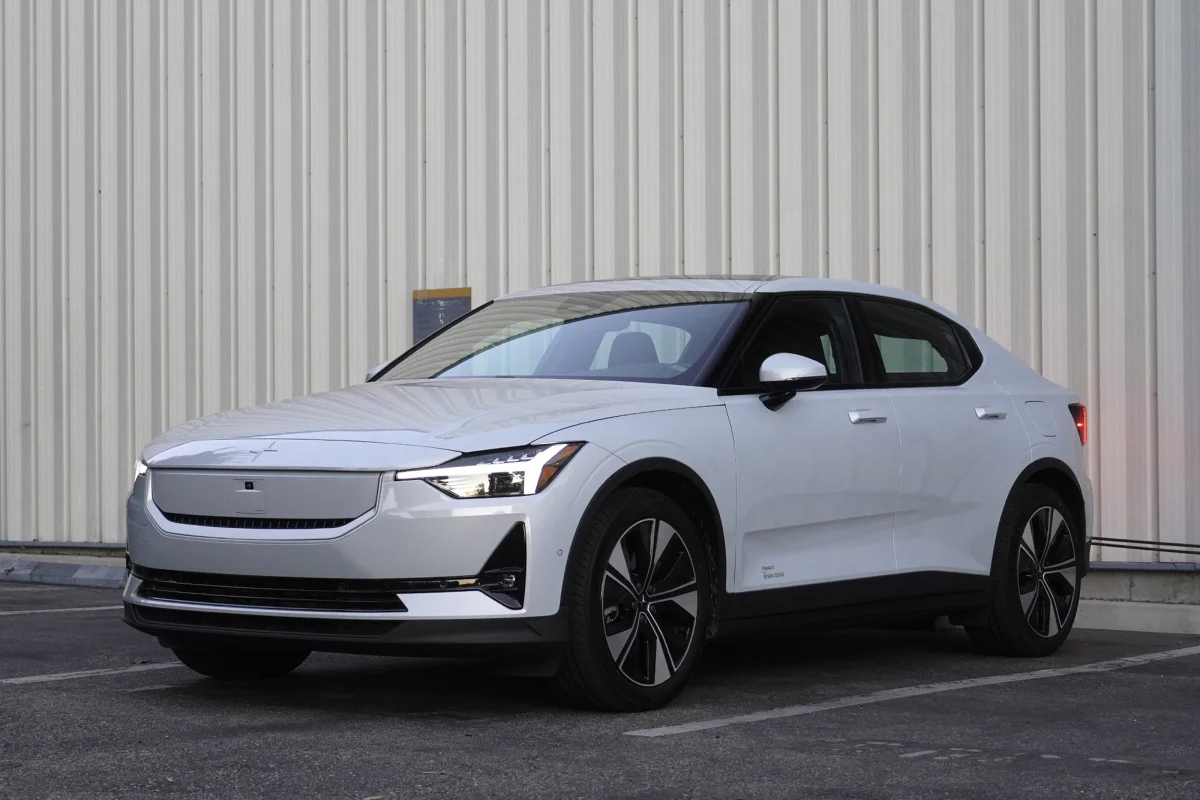
2. Volvo XC40 Recharge: A Safe and Winter-Ready Electric SUV
The Volvo XC40 Recharge is a compact electric SUV that combines Scandinavian design, safety, and cold-weather capability. With all-wheel drive and an advanced thermal management system, it is built to handle icy roads and frigid temperatures, making it ideal for northern climates. Preconditioning via the Volvo Cars app allows drivers to warm both the cabin and battery before departure, improving comfort, range, and charging efficiency.
The XC40 Recharge’s interior emphasizes warmth and practicality. Heated front and rear seats, a heated steering wheel, and dual-zone climate control ensure comfort during subzero mornings. Its cabin preserves the spaciousness of the gas-powered XC40, offering ample legroom and cargo capacity.
Folding the rear seats provides room for up to 23 carry-on suitcases, and the absence of a front engine allows a small front trunk (frunk) for storing charging cables. Thoughtful cubbies and a comfortable driving position enhance everyday usability.
On the road, the XC40 Recharge is stable and secure, with precise steering and traction control adapting quickly to snowy conditions. Regenerative braking enables smooth one-pedal driving, improving control on slippery surfaces.
Single-motor rear-wheel-drive models produce 248 horsepower, while Twin Motor all-wheel-drive versions deliver 402 horsepower and accelerate from 0–60 mph in just 4.3 seconds. The single-motor model achieves 0–60 mph in 6.5 seconds. The ride is compliant and refined, making the XC40 Recharge a smooth cruiser, though more aggressive drivers may prefer sportier alternatives like the Polestar 2.
The XC40 Recharge offers competitive range and charging capabilities. Single Motor models feature a 79-kWh battery with an estimated 293 miles per charge, while Twin Motor all-wheel-drive models have a 75-kWh battery with a 254-mile range.
DC fast charging and 240-volt home charging provide flexibility, although real-world highway efficiency can be lower than EPA estimates. City and highway MPGe for the Single Motor model are rated at 118 and 95, respectively, with Twin Motor models slightly lower.
Technology is another strength. The XC40 Recharge uses Volvo’s Google-based Android Automotive infotainment system, offering seamless connectivity, voice controls, and a standard 12.3-inch digital gauge cluster. Wireless smartphone charging is available, though small onscreen buttons can be challenging to operate while driving. The SUV supports both Apple CarPlay and Android devices.
Safety remains a hallmark of Volvo, with features such as automated emergency braking, pedestrian and cyclist detection, lane-departure warning, lane-keeping assist, and adaptive cruise control included as standard. Warranty coverage is robust: four years/50,000 miles for basic and powertrain, eight years/100,000 miles for the battery, plus three years/36,000 miles of complimentary scheduled maintenance.
The Volvo XC40 Recharge combines Scandinavian design, winter-ready performance, and a high level of safety, making it a practical and comfortable EV choice for drivers seeking reliability in snowy and cold conditions.
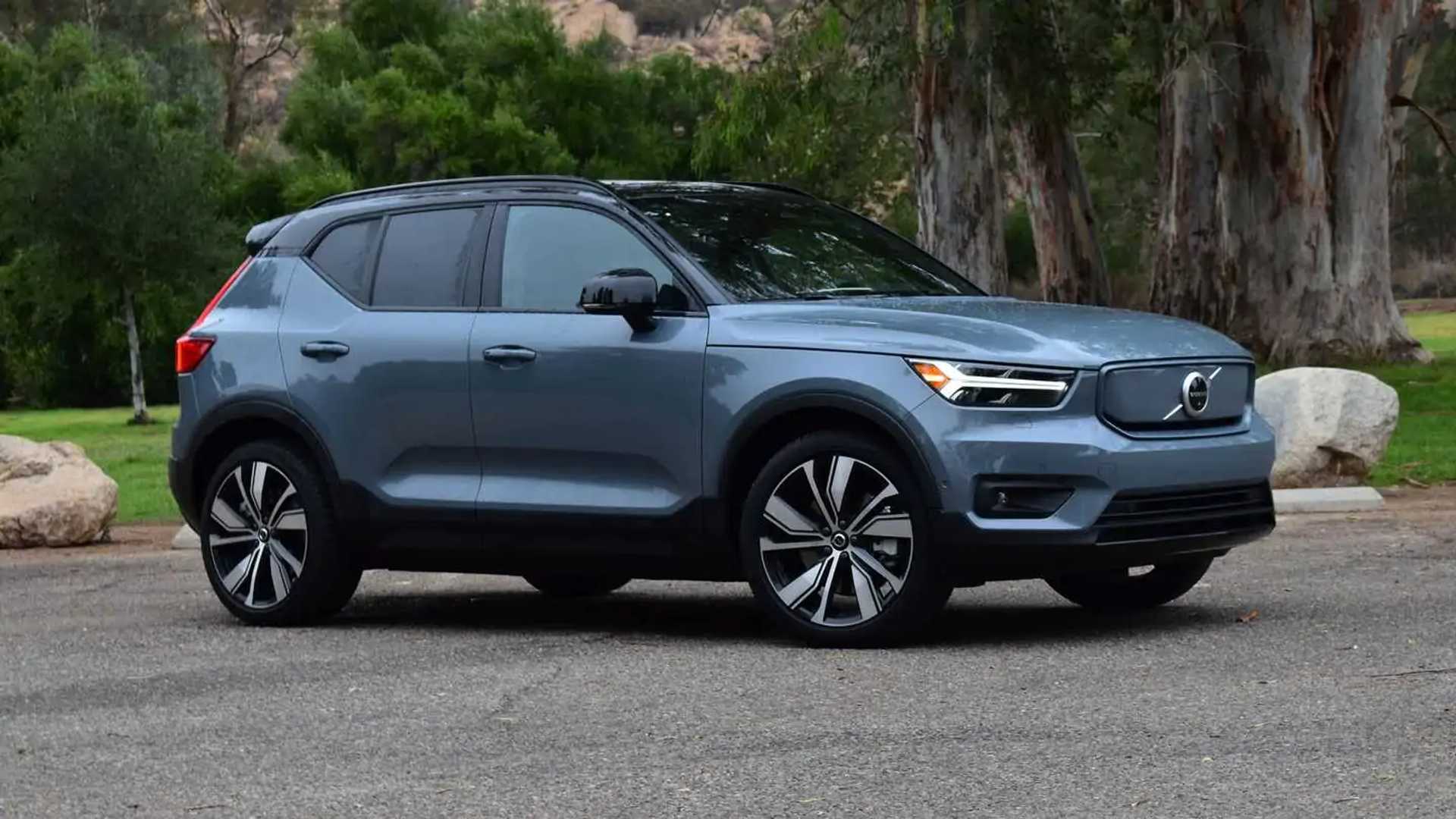
3. Audi e-tron Quattro: Luxury and Winter-Ready Performance
The Audi e-tron Quattro is a premium electric SUV engineered for cold-weather driving. Its quattro all-wheel-drive system delivers excellent traction on snow-covered roads and icy city streets, while a sophisticated thermal management system keeps the battery at optimal temperatures, reducing range loss in freezing conditions. An efficient heat pump maintains cabin warmth without compromising efficiency, and the myAudi app allows preconditioning of both cabin and battery before departure.
The dual-motor Q4 55 E-tron accelerates from 0–60 mph in five seconds, providing confident and responsive power for freeway merging and passing. Single-motor versions are slightly slower but remain adequate for most driving scenarios.
The regenerative braking system is finely tuned, allowing smooth one-pedal driving and better control on slippery surfaces. Adaptive air suspension keeps the ride steady, though rough or undulating roads can create minor oscillations. Braking is smooth during routine stops, though panic stops take slightly longer than some competitors.
The cabin is designed for luxury and practicality. Heated front seats, a heated steering wheel, and four-zone climate control maintain comfort during cold weather. Front seats include four-way lumbar adjustment and extendable thigh support, though they lack ventilation and strong side bolstering.
Rear passengers benefit from a flat floor for increased legroom, and child seats can be easily installed thanks to sliding LATCH covers. Large door openings make entering and exiting the SUV straightforward, while dual-pane windows and nearly silent motors contribute to a quiet environment.
The e-tron features a digital instrument cluster and an optional augmented reality head-up display that projects navigation directions onto the windshield. The myAudi app allows a smartphone to function as a key, while Apple CarPlay and Android Auto provide seamless integration. Wireless charging and multiple USB ports enhance convenience, though some small onscreen buttons can be tricky to operate while driving.
Cargo space measures 24.8 cubic feet behind the rear seats, with additional storage in a rubberized compartment under the gear selector and a deep center armrest bin. The SUV can tow up to 2,600 pounds, competitive for its class.
The dual-motor Q4 55 E-tron has an EPA-estimated range of 258 miles, slightly exceeded in real-world testing at 261 miles. Energy consumption averages 32.3 kWh per 100 miles, and 150-kW DC fast charging allows efficient recharging.
The Audi e-tron Quattro combines traction, comfort, and advanced technology in a winter-ready package. It delivers dependable performance, refined luxury, and practical features for drivers who want a capable and sophisticated electric SUV.
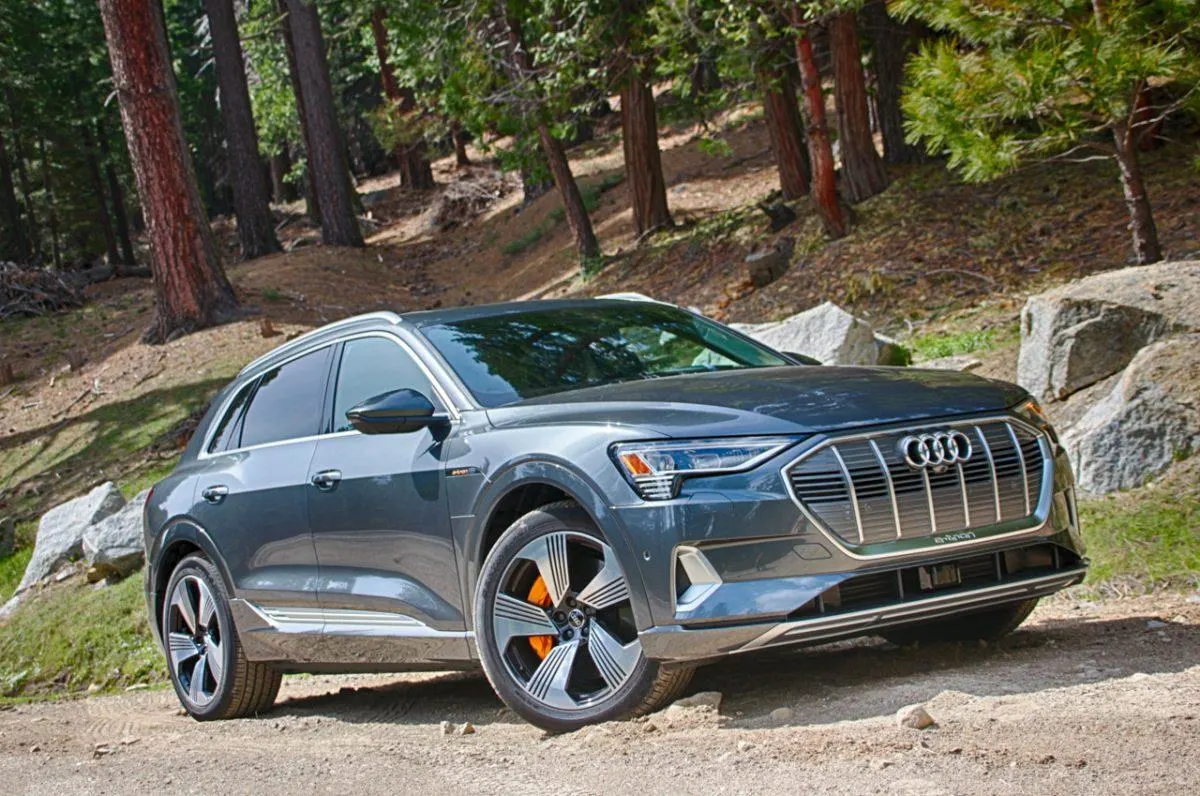
Also Read: 10 Cars With Clear, Bright Headlights for Backroads
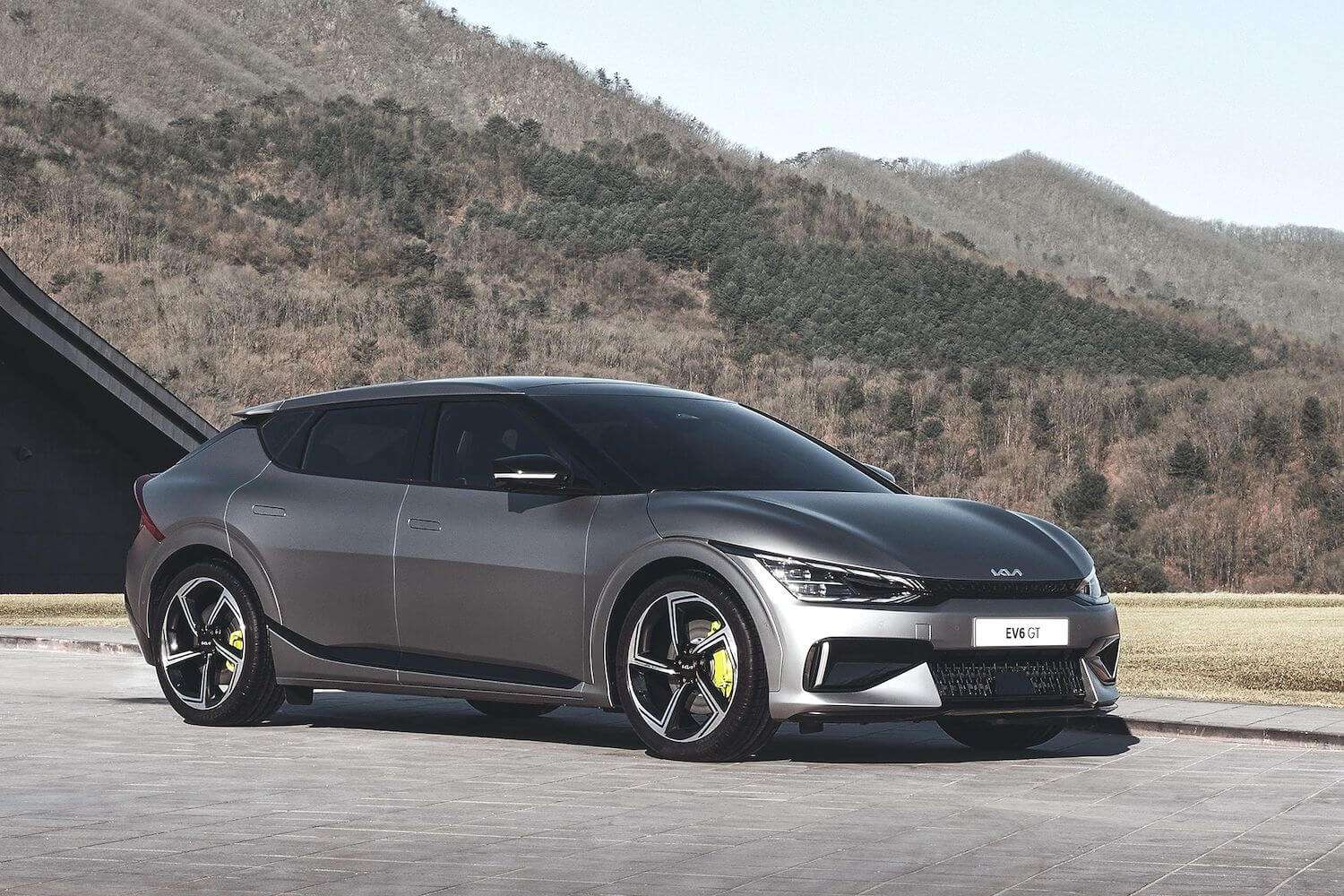
4. Kia EV6: Sleek Design Meets Winter-Ready Electric Performance
The Kia EV6, built on the E-GMP platform shared with the Hyundai Ioniq 5, delivers a blend of sporty handling, advanced technology, and cold-weather capability. Available with all-wheel drive and a highly efficient heat pump, it tackles snowy roads and freezing temperatures with confidence. Battery preconditioning ensures fast and reliable charging even in cold conditions, making the EV6 well-suited for long winter drives.
The EV6 GT-Line we tested features all-wheel drive and 320 horsepower, accelerating from 0–60 mph in 4.9 seconds. While slightly slower than a Tesla Model Y Long Range AWD, it remains quicker than many hot hatches. The EV6 handles slippery roads with composure, aided by adjustable regenerative braking modes for customizable control. Its one-pedal driving system is effective, allowing smooth deceleration without frequent use of the brake pedal.
The ride is comfortable over bumps and ruts, although it is not particularly sporty or agile on winding roads. Visibility is generally good due to large front windows, but the chunky rear end creates a blind spot that can be mitigated with the optional 360-degree camera system. Adaptive cruise control and lane-keeping aids operate unobtrusively, enhancing driver confidence.
Inside, the EV6 GT-Line combines comfort and practicality. Front seats are supportive and adjustable, while second-row passengers benefit from reclining seats and generous legroom. A sloping roofline makes rear entry slightly challenging and reduces headroom.
The cabin is quiet, and Kia employs real buttons and switches for climate and vehicle controls, providing tactile and distraction-free operation. Some touch-sensitive dashboard controls, however, can be cumbersome to use while driving.
The EV6 features an updated infotainment system with a sleek, angular interface. Wireless smartphone integration, a digital key, mobile app access, and a wireless charging pad come standard. Device connectivity is reliable, and the tech suite performs consistently, supporting both convenience and functionality.
The EV6 offers more cargo space than typical hatchbacks, though it falls short compared to a Tesla Model Y. Interior storage is well thought out, with spacious door pockets, a two-tiered center console, and expandable slots behind the front seats.
The EV6 GT-Line has an EPA-estimated range of 270 miles, with real-world testing yielding 295 miles. Energy consumption averaged 31 kWh per 100 miles, slightly better than EPA estimates. Its 800-volt charging architecture provides rapid charging, adding 100 miles of range in about 10 minutes, making long trips faster and less stressful.
The Kia EV6 combines futuristic styling with practical winter-ready features, offering strong performance, advanced technology, and efficient fast charging. While its sporty look may promise more aggressive handling than it delivers, it remains a compelling choice for drivers seeking a capable and stylish electric vehicle.
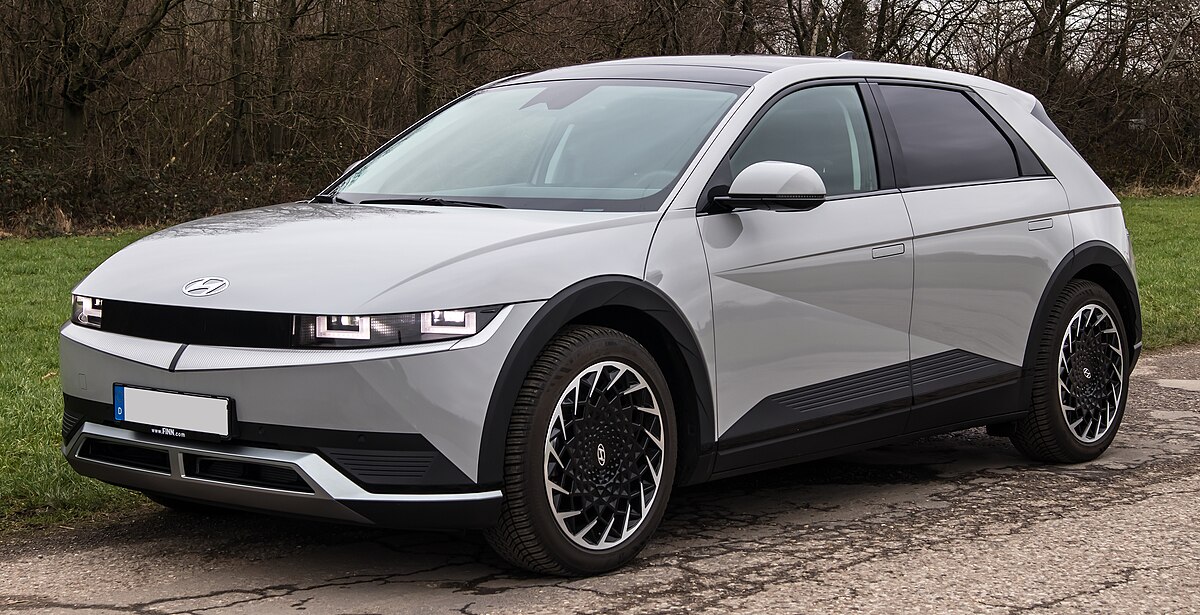
5. Hyundai Ioniq 5: Futuristic Design Meets Winter-Ready EV Performance
The Hyundai Ioniq 5 has quickly gained recognition for its innovative design, advanced technology, and winter-capable performance. Built on Hyundai’s E-GMP platform, it features an 800-volt battery system that allows ultra-fast charging, remaining efficient even in colder climates when preconditioning is used.
All-wheel-drive models provide enhanced traction and stability on snow-covered roads, while adjustable regenerative braking gives drivers extra control on icy hills and slippery streets. The efficient heat pump warms the cabin quickly without significantly affecting battery life, making winter driving more comfortable.
The Ioniq 5 is available with multiple powertrains. The single-motor, rear-wheel-drive version produces 168 horsepower with a standard-range battery, while the long-range rear-drive configuration delivers 225 horsepower. All-wheel-drive versions are more powerful, with up to 320 horsepower.
During testing, the AWD XRT model accelerated from 0–60 mph in 4.5 seconds, offering smooth and stable performance. Its low center of gravity and wide tires contribute to a balanced, athletic feel, though steering feedback could be improved. Suspension settings vary by trim, with the off-road-focused XRT offering slightly more compliance over bumps.
The Ioniq 5’s cabin is spacious and designed for passenger comfort. Heated front and rear seats, a heated steering wheel, and a flat floor enhance comfort for winter trips. Front seats recline and feature footrests, while the rear offers generous legroom.
Storage is abundant, with a large center console, door pockets, and rear cargo space that can hold six carry-on bags with seats upright or 20 when folded. Eco-friendly materials, a high-tech dashboard, and an augmented-reality head-up display contribute to a modern, functional interior.
A 12-inch touchscreen and a 12-inch digital gauge cluster serve as the central hub for entertainment, navigation, and vehicle controls. Voice recognition, Apple CarPlay, and Android Auto are included, though wired connections are required. Battery preconditioning and charging can be controlled through the Hyundai BlueLink app, providing convenience for cold-weather use.
EPA estimates suggest 245 miles for the standard 63-kWh battery and up to 318 miles for the 84-kWh long-range pack in rear-wheel-drive models. Dual-motor AWD models provide between 259 and 290 miles per charge. Real-world testing showed the AWD XRT model achieving 200–210 miles. The Ioniq 5 supports rapid charging, replenishing 10–80 percent in about 20 minutes and adding 68 miles in roughly five minutes. Energy consumption averages around 31 kWh per 100 miles.
Standard safety features include automated emergency braking, lane-departure warning, and lane-keeping assist, with adaptive cruise control and lane-centering available. Hyundai offers a comprehensive warranty, including a five-year/60,000-mile limited warranty, a 10-year/100,000-mile powertrain and battery warranty, and three years/36,000 miles of complimentary scheduled maintenance.
The Hyundai Ioniq 5 blends futuristic design, efficient fast charging, and winter-ready performance, making it a versatile choice for drivers seeking a capable and stylish electric vehicle.
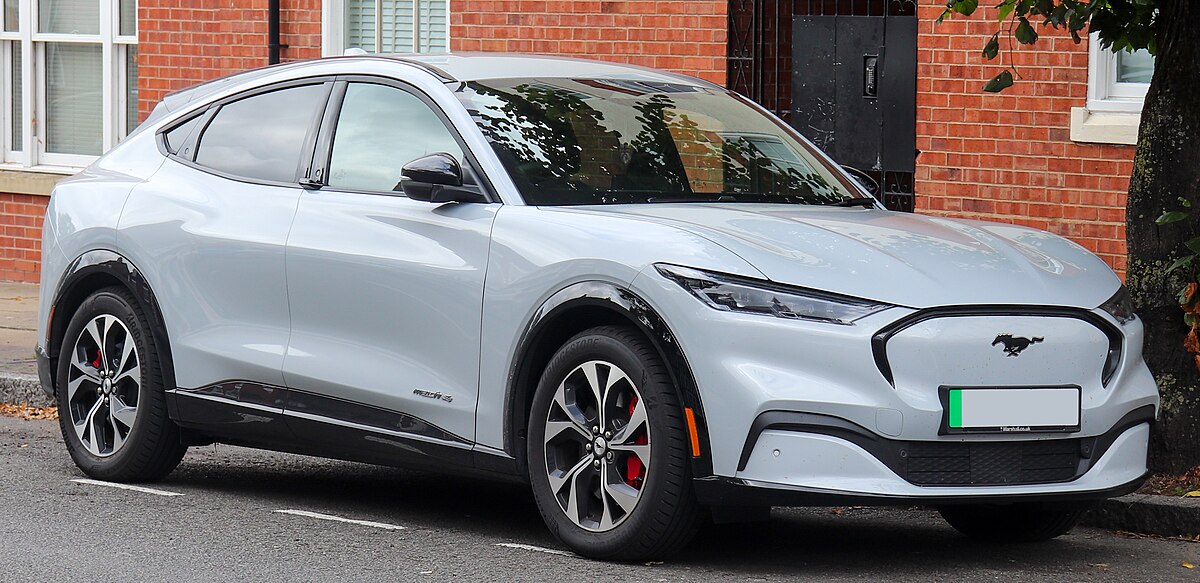
6. Ford Mustang Mach-E: Performance and Winter-Ready Electric SUV
The Ford Mustang Mach-E blends iconic styling with practical electric performance, making it a versatile option for winter driving. Available with all-wheel drive and multiple battery options, the Mach-E adapts well to both city commutes and long-distance cold-weather trips. A modern heat pump in newer models maintains cabin warmth while minimizing battery drain, and preconditioning through the FordPass app allows drivers to remotely heat the cabin before leaving in freezing conditions.
The Mach-E offers a range of powertrains. Rear-wheel-drive models with standard or extended-range batteries deliver 266–290 horsepower, while AWD versions provide 266–480 horsepower depending on the trim. The top GT and GT Performance models produce up to 700 lb-ft of torque, delivering rapid acceleration.
In testing, the Mach-E Rally reached 60 mph in just 3.3 seconds, offering impressive speed for an electric SUV. AWD variants provide confident handling and traction on snow and ice, with regenerative braking modes further enhancing control on slippery roads. The ride is smooth and quiet, though braking performance in emergency stops is adequate but not class-leading.
The Mach-E’s skateboard-style battery placement creates a spacious cabin with ample room for passengers and cargo. Front seats are comfortable and adjustable, with available heated seats and a heated steering wheel for cold-weather comfort. Rear passengers benefit from generous legroom, while the sloping roofline slightly limits rear headroom.
Cargo space measures 29 cubic feet behind the rear seats and expands to 60 cubic feet with seats folded. A front trunk offers additional storage, usable as a cooler or utility space. Premium features include wireless charging, panoramic sunroof, ambient lighting, and Bang & Olufsen audio on select trims.
The Mach-E features Ford’s next-generation Sync infotainment system on a 15.5-inch vertically oriented touchscreen. The system supports multiple driver profiles, Apple CarPlay, Android Auto, a mobile hotspot, and over-the-air updates.
The setup allows easy access to apps, climate controls, and navigation. Advanced driver-assistance features include BlueCruise hands-free driving, adaptive cruise control, blind-spot monitoring, rear cross-traffic alert, and automated emergency braking.
EPA-estimated range varies from 250 to 320 miles depending on battery size and drivetrain. Fast-charging capability enables rapid replenishment, with 10–80 percent charge achieved in roughly 20 minutes on a DC fast charger. Home charging is supported via standard 120-volt and 240-volt outlets or a more powerful dedicated home station. Efficiency ratings range from 90–110 MPGe city and 77–96 MPGe highway, depending on trim.
Ford offers a three-year/36,000-mile limited warranty, five-year/60,000-mile powertrain coverage, and eight-year/100,000-mile coverage on electrical components, though complimentary maintenance is not included.
The Mustang Mach-E combines performance, technology, and winter-capable features in a stylish package, making it a compelling choice for drivers seeking a capable, versatile, and fast electric SUV.
7. Tesla Model Y: Cold-Weather Performance Meets Everyday Practicality
The Tesla Model Y has emerged as one of the most popular electric vehicles, offering features that make it well-suited for cold climates. Its efficient heat pump helps minimize energy loss in freezing temperatures, allowing drivers to maintain a strong range even in subzero conditions.
The dual-motor all-wheel-drive system provides excellent traction on snowy or icy roads, giving drivers confidence during winter commutes or longer road trips. Tesla’s robust Supercharger network complements this capability, with strategically placed fast chargers and battery preconditioning ensuring smooth long-distance travel in harsh weather.
The Model Y comes in multiple powertrain options. Rear-wheel-drive models are estimated to produce 295–300 horsepower, while all-wheel-drive variants combine two motors for 375 horsepower. The Performance trim offers upgraded suspension, a widened track, and 21-inch wheels.
During testing, a Long Range AWD Model Y reached 60 mph in 3.9 seconds, while a Long Range RWD model did so in 5.1 seconds. The Performance model can achieve 60 mph in approximately 3.3 seconds. Acceleration is smooth and brisk, and the regenerative braking system is linear and intuitive, adding to winter handling confidence.
The Model Y’s cabin emphasizes minimalism and technology. Heated front and rear seats, a heated steering wheel, and dual-zone climate control enhance comfort during cold weather. A large 15.4-inch central touchscreen manages most vehicle functions, from climate to navigation, while rear passengers have access to an 8-inch display on higher trims.
The all-glass roof creates a spacious, airy atmosphere, and the two-row seating layout offers ample room for passengers. Cargo space includes 29 cubic feet behind the rear seats, expanding to 60 cubic feet with the seats folded, plus a front trunk for additional storage.
Tesla’s infotainment system supports Apple CarPlay, streaming apps such as Netflix, Hulu, and YouTube, as well as video games for stationary entertainment. Frequent over-the-air software updates improve efficiency, handling, and system functionality.
Driver-assistance features include standard automated emergency braking, lane-departure warning, lane-keeping assist, adaptive cruise control, and optional Full Self-Driving technology, which still requires driver attention.
EPA estimates vary by trim: Standard Model Y offers up to 321 miles, Premium RWD up to 357 miles, and AWD versions range from 303–327 miles. DC fast charging replenishes up to 182 miles in 15 minutes on the RWD model and 169 miles on the AWD variant. Combined efficiency ranges from 104–138 MPGe depending on configuration.
Tesla provides a four-year/50,000-mile limited warranty and an eight-year/100,000-mile battery and powertrain warranty. Complimentary scheduled maintenance is not included.
The Tesla Model Y balances winter-ready features, strong performance, advanced technology, and practical interior space, making it a versatile electric SUV for cold-weather regions.

Winter no longer needs to be a deal breaker for electric vehicle ownership. The EVs highlighted in this guide show how far cold-weather performance has progressed in a short time.
Efficient heat pumps, battery preconditioning, advanced traction systems, and intuitive driver aids now allow electric vehicles to function reliably in snow and freezing temperatures. Just as importantly, these models maintain interior comfort and predictable handling when conditions are less than ideal.
From compact crossovers to performance-focused SUVs, each vehicle on this list offers a different approach to winter readiness while delivering modern design and everyday usability. Drivers no longer have to choose between efficiency and comfort when the temperature drops.
As charging infrastructure expands and cold climate technology continues to improve, electric vehicles are becoming a realistic year-round solution in northern regions. These seven EVs clearly demonstrate that electric driving can remain enjoyable, capable, and reassuring even in cold weather conditions.
Also Read: 5 Cars for Nashville’s Nightlife Runs vs 5 That Cost a Fortune