Oklahoma City contractors need vehicles that can handle the daily grind of construction sites, long drives to suburban and rural job locations, and the constant hauling of tools and materials.
The right vehicle can make a huge difference in productivity, safety, and long-term costs, while the wrong choice can lead to expensive repairs, downtime, and headaches.
This article breaks down five vehicles that are well-suited for Oklahoma City contractors, offering reliability, durability, and utility, as well as five that tend to break often and are better avoided for demanding work.
Cars Good for Oklahoma City Contractors
Contractors in Oklahoma City need vehicles that can do far more than get them from one job site to the next. Between hauling equipment, navigating tight urban streets, and handling the heat, wind, and unpredictable storms of central Oklahoma, the right work vehicle becomes an essential tool, not just transportation.
Whether you’re a carpenter moving lumber, an electrician carrying sensitive tools, or a general contractor juggling multiple sites a day, certain trucks and vans stand out for their durability, capability, and everyday practicality. This article highlights the cars and work-ready vehicles that best support OKC contractors and the demanding schedules they keep.
1. Ford F-150
The Ford F-150 has been a staple for American workers for decades, and it remains one of the most versatile trucks for contractors in Oklahoma City.
With a variety of engines, from the efficient V6 to the powerful V8, and configurations that include SuperCab and SuperCrew, the F-150 can handle heavy loads without sacrificing daily drivability.
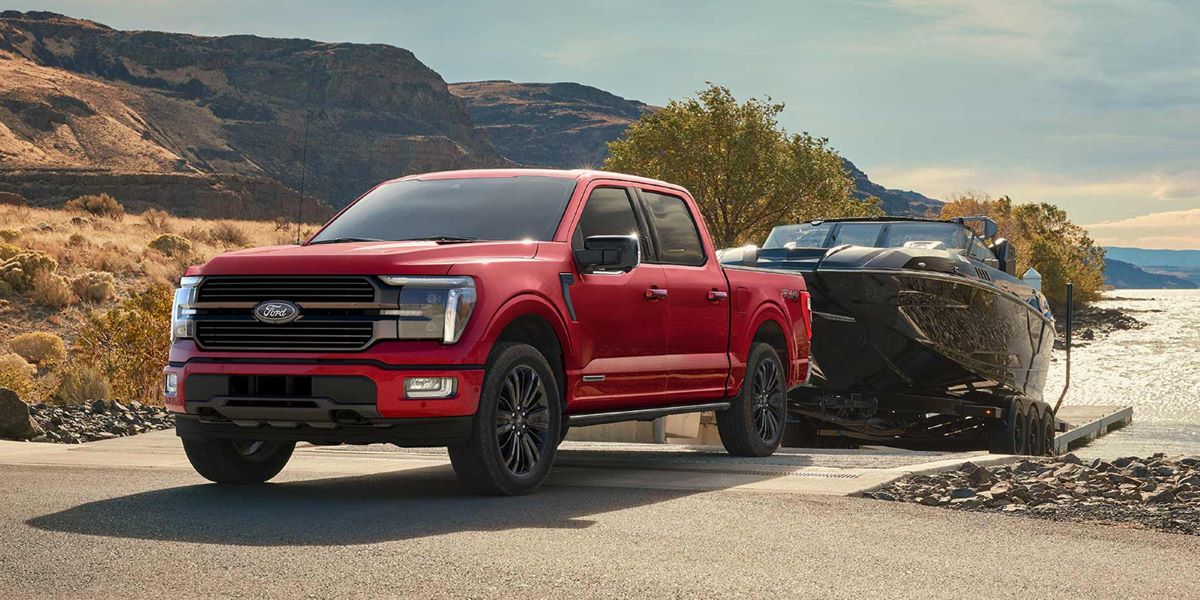
The truck’s bed is perfect for hauling lumber, tools, and machinery, while modern trims like the XLT and Lariat offer tech features that make long days on the road more comfortable.
Ford’s reputation for reliability and widespread service availability in Oklahoma ensures that contractors won’t be stuck waiting for repairs.
2. Chevrolet Silverado 1500
Another classic choice, the Chevrolet Silverado 1500 blends toughness with comfort. The Silverado’s V8 engines provide excellent towing capacity, making it ideal for pulling trailers or transporting large equipment between job sites.
Its well-designed interior and infotainment system also help contractors stay connected and organized.
The truck’s body-on-frame construction is built to withstand rough terrain and heavy loads, a common requirement for construction and landscaping work around the Oklahoma City metro area.
Regular maintenance is straightforward, and parts are readily available at local dealerships and independent shops.
With a variety of engines on offer, including a turbocharged four-cylinder, two V-8s, and a 3.0-liter inline-six Duramax diesel—there’s a Silverado 1500 suited for nearly any job or adventure.
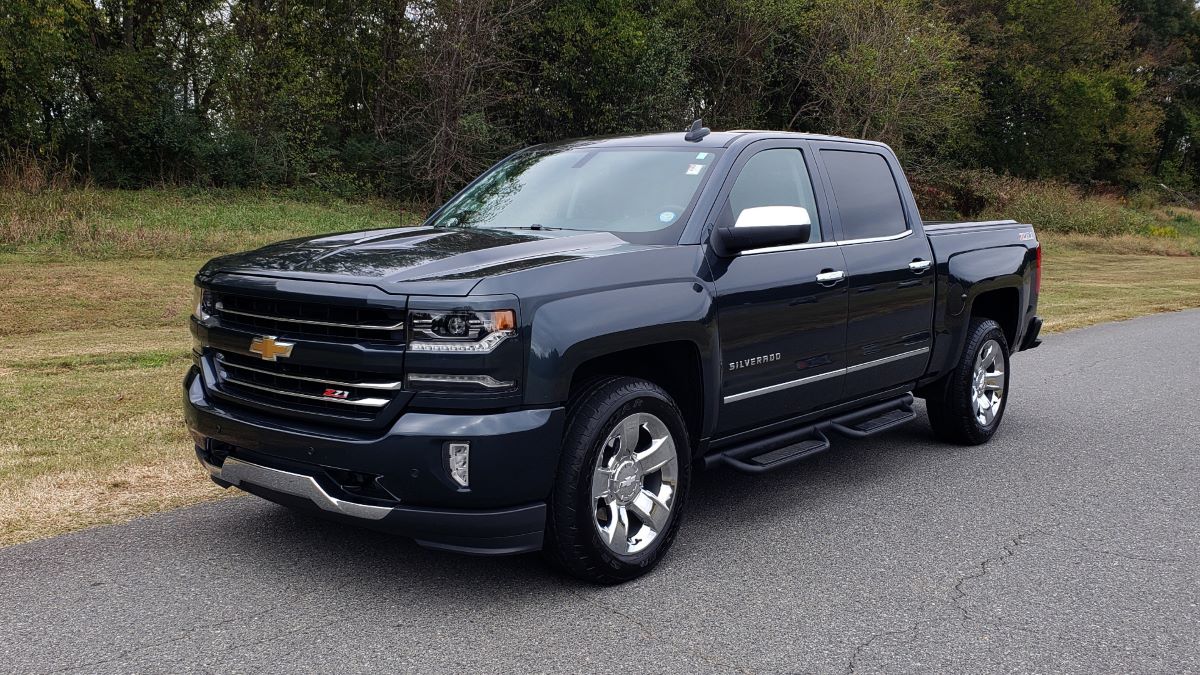
Among the two V-8 options, the 6.2-liter engine stands out as the quickest, delivering 420 horsepower and 460 pound-feet of torque, propelling the Silverado High Country we tested to 60 mph in just 5.4 seconds. By comparison, the smaller 5.3-liter V-8, with 355 horsepower, reached the same speed in 6.1 seconds.
The turbocharged 2.7-liter four-cylinder impresses with 420 pound-feet of torque. The diesel Silverado we tested posted the slowest acceleration of the group, yet we were struck by how smooth and quiet the engine ran.
The 305-hp turbocharged 3.0-liter inline-six Duramax now produces 495 pound-feet of torque. Every Silverado we’ve driven feels more compact than its dimensions suggest.
The truck handles with surprising agility, and the brake pedal offers firm, reassuring feedback. For those seeking a more off-road-ready half-ton, the Trail Boss variant stands out with its 2.0-inch lift, aggressive tires, and other upgrades that make navigating rougher terrain easier and more enjoyable.
Also Read: Top 10 Budget-Friendly Cars Built for Track-Day Speed
3. Ram 2500
For contractors who need serious towing power and payload capacity, the Ram 2500 is an excellent option. With a choice of a powerful HEMI V8 or a Cummins diesel engine, this truck is designed to handle large trailers, generators, and construction equipment with ease.
The 2500’s suspension is tough yet comfortable, ideal for navigating both city streets and rural job sites around Oklahoma County.
While slightly bulkier than the F-150 or Silverado, its durability and heavy-duty performance make it a top pick for contractors who regularly carry heavy or oversized loads.
The Ram 2500 impresses for a heavy-duty pickup with steering that feels light and precise, accompanied by only modest body roll. That said, the steering feedback is somewhat numb, and ride quality can swing from comfortable to firm depending on the chosen trim and suspension configuration. Still, for a truck of this size, it remains relatively easy to position accurately in a lane on the highway.
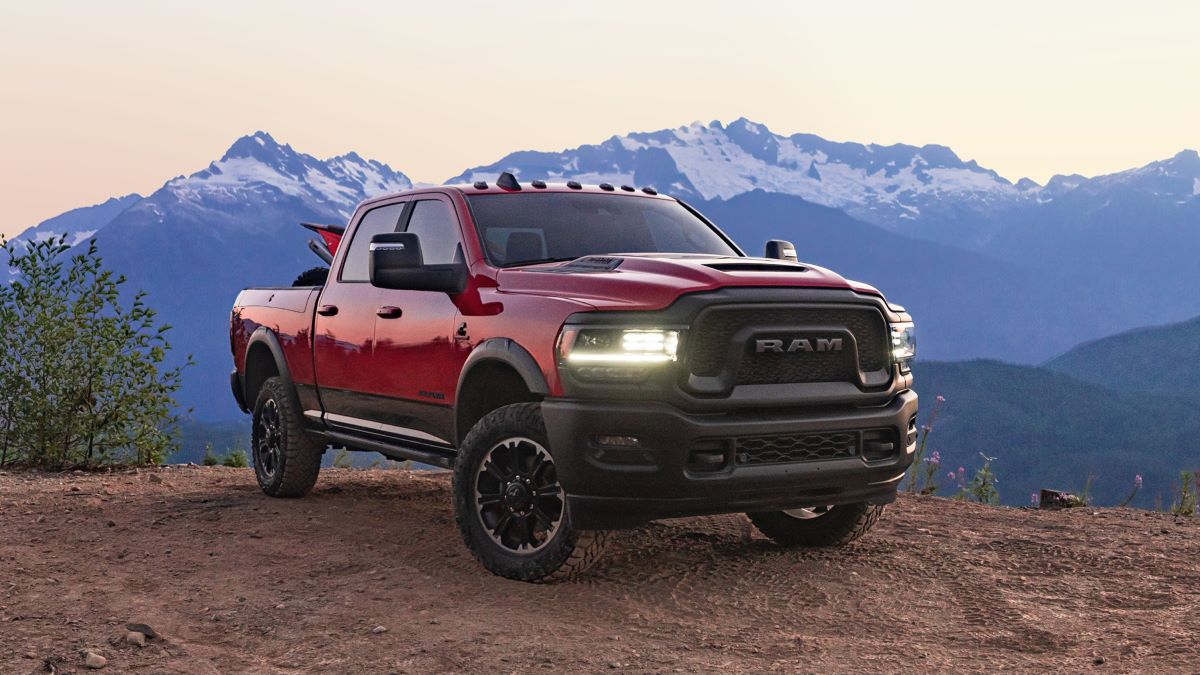
All Ram 2500 models come equipped with a 6.4-liter V8 producing 405 horsepower and 429 pound-feet of torque. Rear-wheel drive and an eight-speed automatic transmission are standard, while four-wheel drive is optional across the lineup.
The Rebel and Power Wagon trims, however, are exclusively four-wheel drive. For higher trims, a 6.7-liter Cummins inline-six turbodiesel is available, delivering 430 horsepower and an astonishing 1,075 pound-feet of torque.
Whether accelerating from a stop or hauling a trailer up a steep incline, the Ram 2500 offers ample power, especially with the turbodiesel option. Torque arrives quickly and consistently, providing smooth, linear power throughout the rev range. While the V8 isn’t quite as refined or potent as the turbodiesel, it still delivers solid performance and meets the majority of towing and hauling demands.
In terms of capability, the Ram 2500 can tow up to 20,000 pounds—a strong, though not segment-leading, figure—achieved with a Crew Cab, 8-foot bed, turbodiesel powertrain, and rear-wheel drive. When equipped with the V8, Regular Cab, 8-foot bed, and rear-wheel drive, it can haul up to 3,940 pounds.
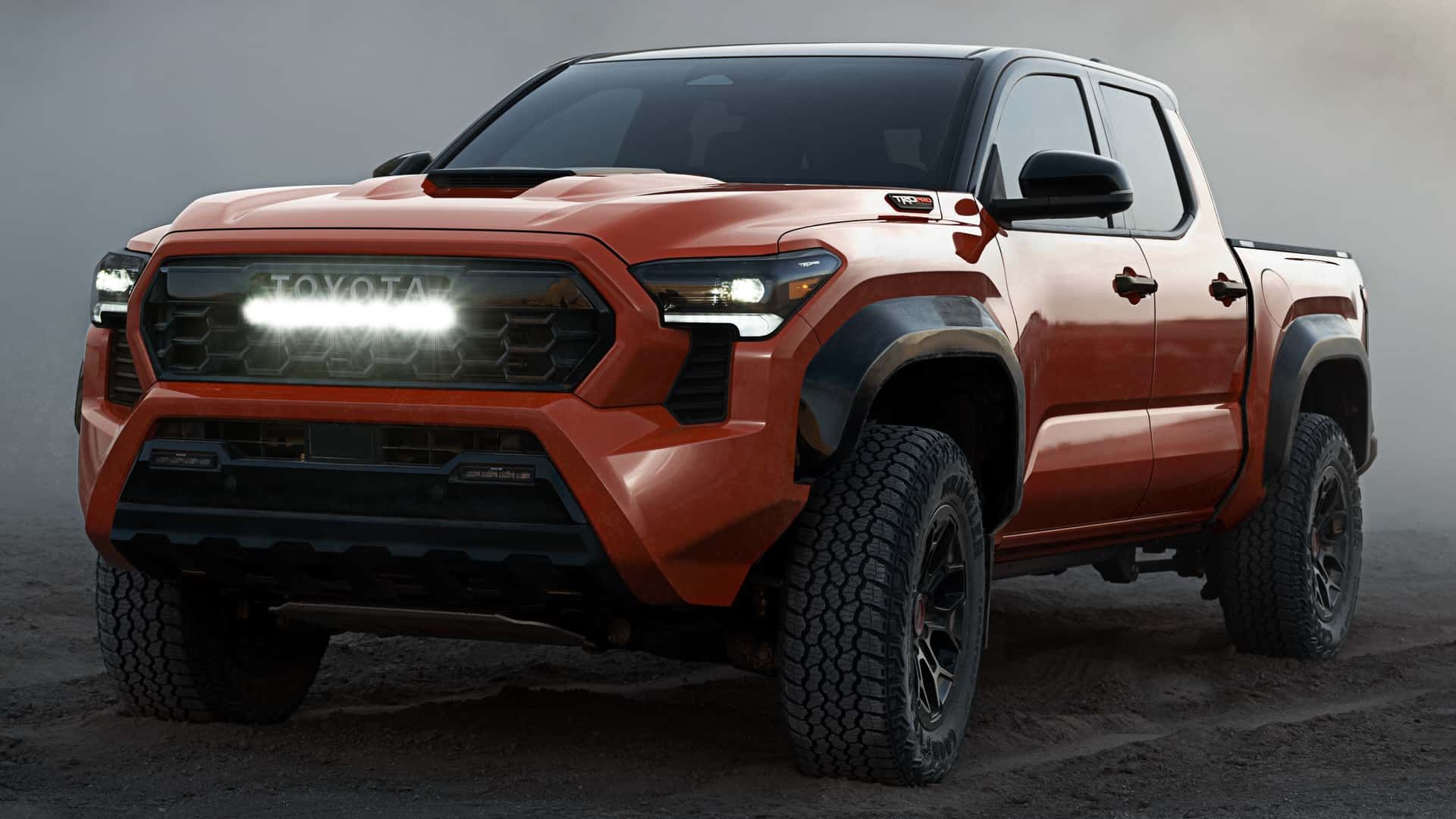
4. Toyota Tacoma
For contractors who want a smaller, more maneuverable truck that can still handle a rough work environment, the Toyota Tacoma is a smart choice.
Known for its reliability and off-road capability, the Tacoma is perfect for jobs that require navigating narrow streets, dirt roads, or uneven construction sites.
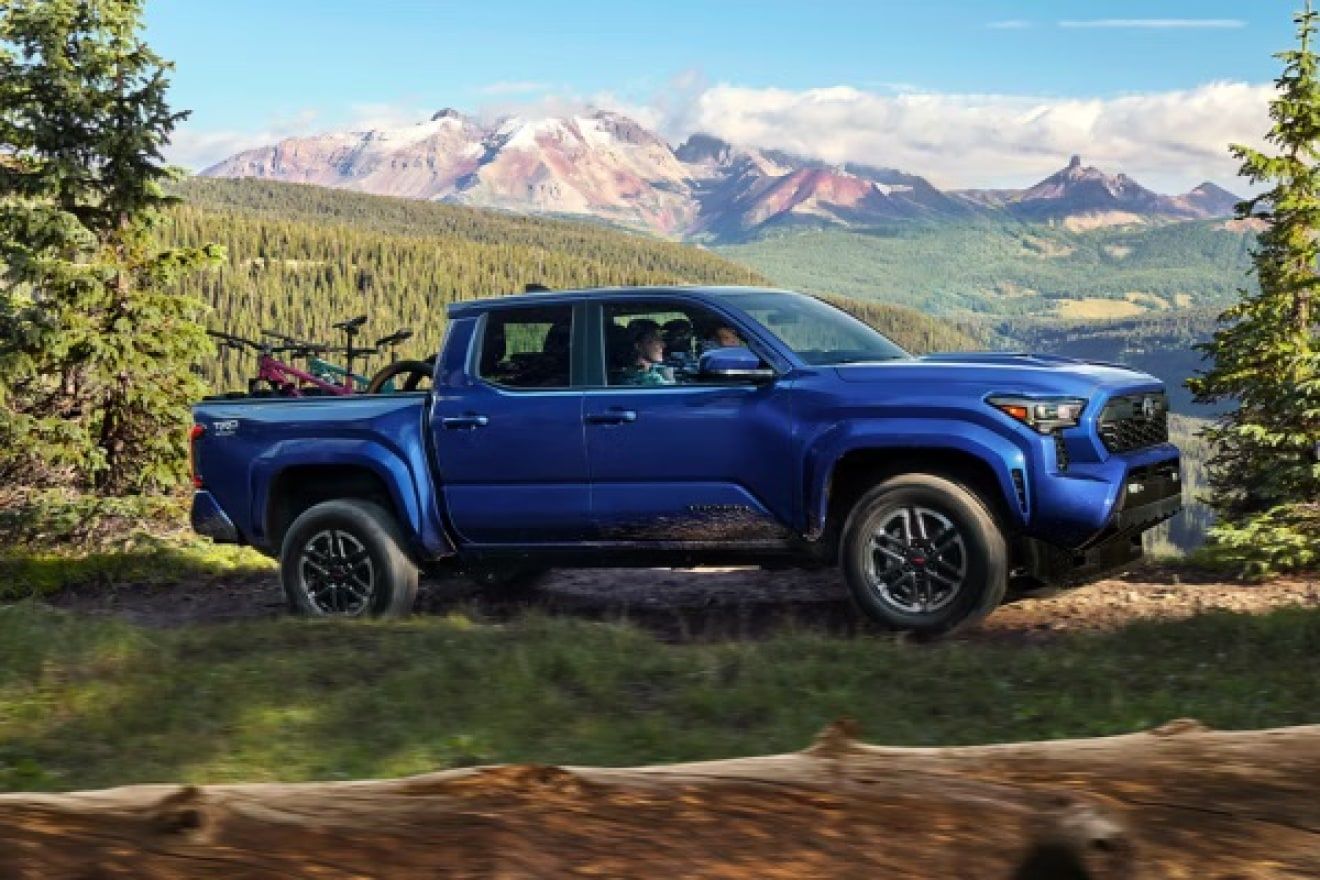
While it doesn’t have the same towing capacity as full-size pickups, it is capable of hauling moderate loads of tools and materials.
Its low long-term maintenance costs and strong resale value make it an economical choice for contractors looking for a truck that lasts for years.
5. Ford Transit
Not all contractors need a pickup. For those who require maximum cargo space for tools, equipment, or supplies, the Ford Transit van is a game-changer.
Available in multiple roof heights and wheelbase lengths, the Transit can be customized with shelving and storage solutions to optimize efficiency on job sites.
Unlike smaller vans, the Transit can handle heavy payloads without straining the engine or suspension. It’s also easier to park in city areas compared to a full-size pickup with a trailer, making it ideal for contractors who frequently move between residential or downtown Oklahoma City projects.
The base engines for the Transit include gasoline and E85 flex-fuel versions of the 275-hp 3.7-liter V6, but the standout powerplant is the optional 310-hp 3.5-liter EcoBoost turbocharged V6, which produces 400 pound-feet of torque. Each engine pairs with a six-speed automatic transmission, and buyers can choose between rear- or all-wheel drive.
Maneuvering a 20-foot-long vehicle is surprisingly manageable thanks to a large, low windshield and low front-door glass, while the rack-and-pinion power steering, though slightly overboosted, offers far more feel and feedback than the old Econoline’s recirculating ball system.
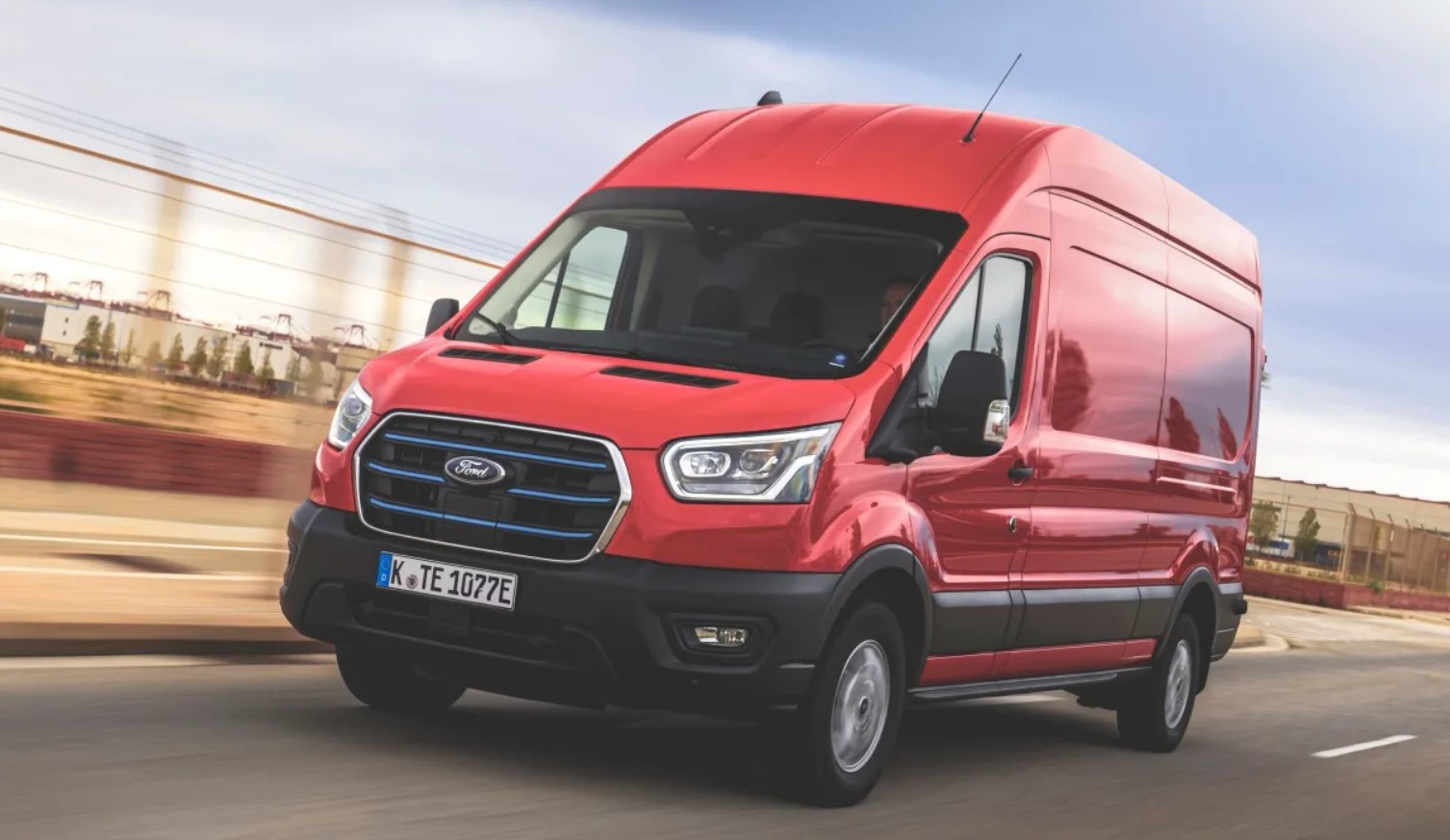
The strut-type front suspension with an anti-roll bar makes cornering more confidence-inspiring and enjoyable than is typical for a vehicle of this size. In testing, the Transit achieved an impressive 0-60 mph time of 7.5 seconds with no passengers or cargo and a 70-0 mph braking distance of 202 feet, which is about average for its class.
A switch on the gearshift lever allows drivers to make upshifts and downshifts on mountain roads, and fleet models can be equipped with speed governors that limit top speed to 65, 70, or 75 mph.
Also Read: Top 10 Budget-Friendly Cars Built for Track-Day Speed
Cars That Break Often for Contractors
Contractors depend on their vehicles the way they depend on their tools, when something fails, productivity stops. And in a demanding profession where every hour counts, the last thing anyone needs is a truck, SUV, or van that spends more time in the shop than on the job.
While some work vehicles are built to endure heavy loads, rough terrain, and daily wear, others fall short under the pressure of contractor life. In this article, we take a closer look at the models known for frequent breakdowns, costly repairs, and reliability issues that make them poor choices for professionals who rely on their vehicles to keep business running smoothly.
1. Jeep Cherokee (Older Models)
While the Jeep Cherokee may appeal with its off-road capabilities and compact size, older models are notorious for electrical and transmission issues.
Contractors often need a reliable vehicle for transporting tools and materials, and unexpected breakdowns on job sites can cause delays and lost income.
Parts for older Cherokees can be expensive, and frequent repairs can quickly outweigh the initial savings. For Oklahoma City contractors, reliability is more critical than off-road bragging rights.
After a brief hiatus, Jeep is making a return to the compact crossover market with the all-new 2026 Cherokee. This model is hybrid-only, comes standard with all-wheel drive, starts just under $37,000, and aims to compete directly with the Toyota RAV4 and Honda CR-V.
The Cherokee will also be Jeep’s first hybrid sold in North America that doesn’t require plugging in. Its powertrain combines a turbocharged 1.6-liter four-cylinder engine with two electric motors, delivering a total of 210 horsepower and 230 lb-ft of torque.
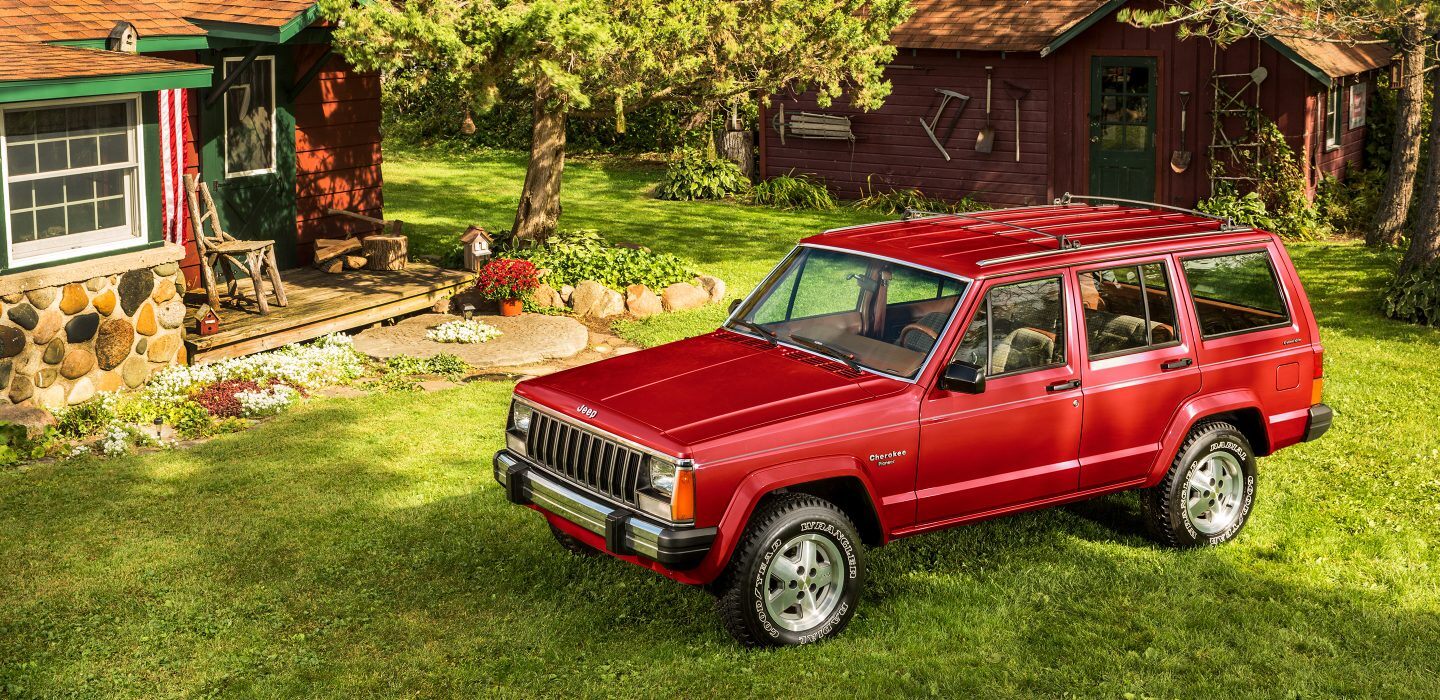
While this output matches the Toyota RAV4 hybrid, Jeep takes a slightly different approach: unlike the RAV4, whose rear wheels are powered solely by a rear-mounted electric motor, the Cherokee links its rear wheels to the transmission with a physical drive shaft.
Performance gains are modest, as Jeep cites a 0-60 mph time of 8.7 seconds, over a second slower than the latest RAV4 hybrid. The new Cherokee is estimated to achieve 37 mpg combined and offers a range of more than 500 miles on a single tank, making it Jeep’s most fuel-efficient gas-powered vehicle, though it still falls short of the RAV4 and CR-V in efficiency.
The physical connection to the rear wheels becomes more useful off-road, where the Cherokee excels with 8 inches of ground clearance and superior approach and departure angles compared with its competitors. Jeep has also equipped it with Auto, Sport, Snow, and Sand/Mud drive modes to maximize traction in slippery or uneven conditions.
2. Nissan Frontier (Pre-2022 Models)
The Nissan Frontier has long been an entry-level midsize truck, but older models tend to suffer from suspension and transmission problems, especially when subjected to heavy loads.
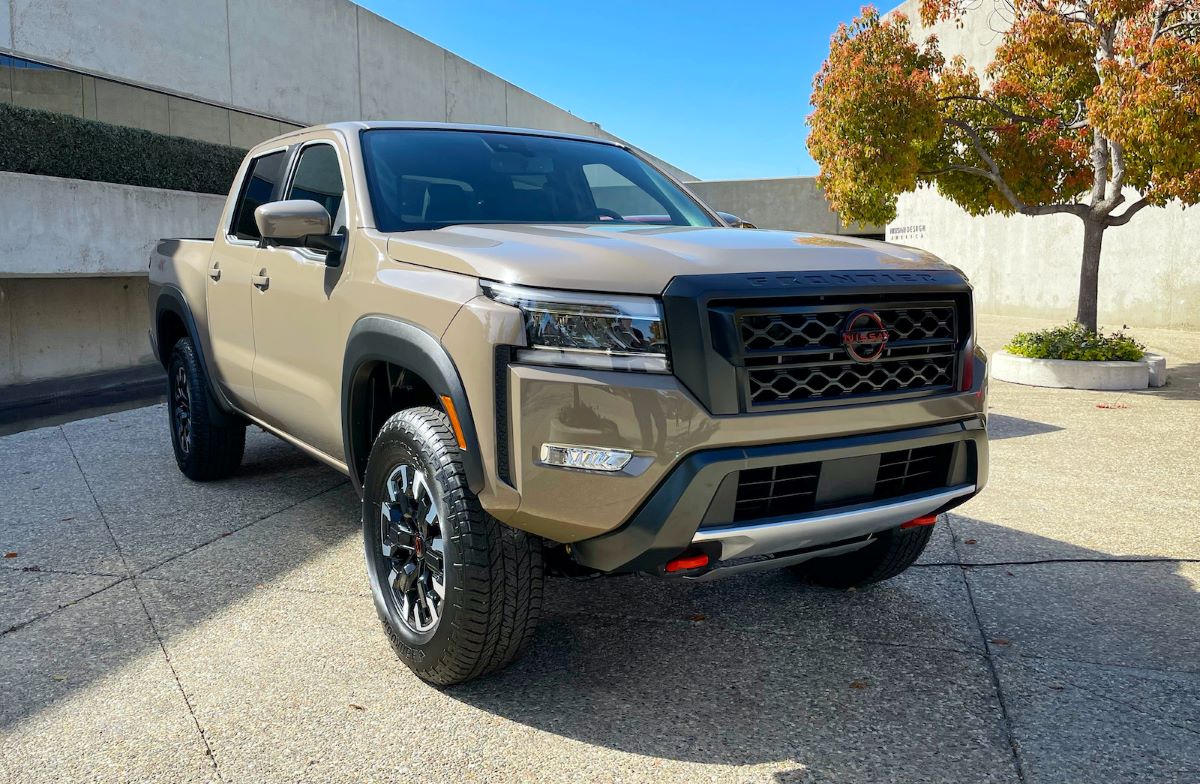
Contractors who attempt to haul equipment beyond the vehicle’s rated capacity may find themselves dealing with premature wear and costly repairs. While newer Frontiers have addressed some of these concerns, older versions are best avoided for demanding construction work.
Despite its outdated styling and aging equipment, the Nissan Frontier mid-size pickup still delivers the core abilities expected from a truck, including towing, hauling, and off-road capability.
Its configurable cargo box and available off-road accessories make it appealing to tradespeople and adventure seekers, while an optional V-6 engine paired with a sturdy chassis provides respectable driving dynamics. However, the lack of modern features and a sparse, uninspiring interior limit its appeal beyond utility, making the Frontier a capable work truck but little else.
For 2018, the Frontier carries over with minimal updates. The base model gains additional standard equipment, such as air conditioning, a backup camera, cruise control, and a 5.0-inch display with Bluetooth connectivity.
Later in the year, a Midnight Edition trim joins the lineup, featuring blacked-out exterior accents. Original MSRP ranges from $20,035 for the S trim to $33,785 for the PRO-4X, with the SV and Desert Runner sitting in between.
Under the hood, the Frontier offers a standard 152-hp 2.5-liter inline-four with modest output and limited towing capacity. The optional 4.0-liter V-6, producing 261 hp and 281 lb-ft of torque, is the least powerful V-6 in its class but still delivers comparable towing capability.
Both engines can be paired with a manual transmission, five-speed for the four-cylinder and six-speed for the V-6,or the five-speed automatic, which is the only automatic option available.
While the powertrain is dated, the V-6 performs adequately for daily driving and passing maneuvers. On the road, the Frontier offers a compliant and generally comfortable ride, though its handling suffers from vague steering feedback and noticeable body roll.
3. Fiat 500X or 500L
It may seem counterintuitive, but some contractors consider smaller vehicles for city errands. However, the Fiat 500X and 500L have a reputation for frequent mechanical failures, from turbocharged engine issues to electronics malfunctions.
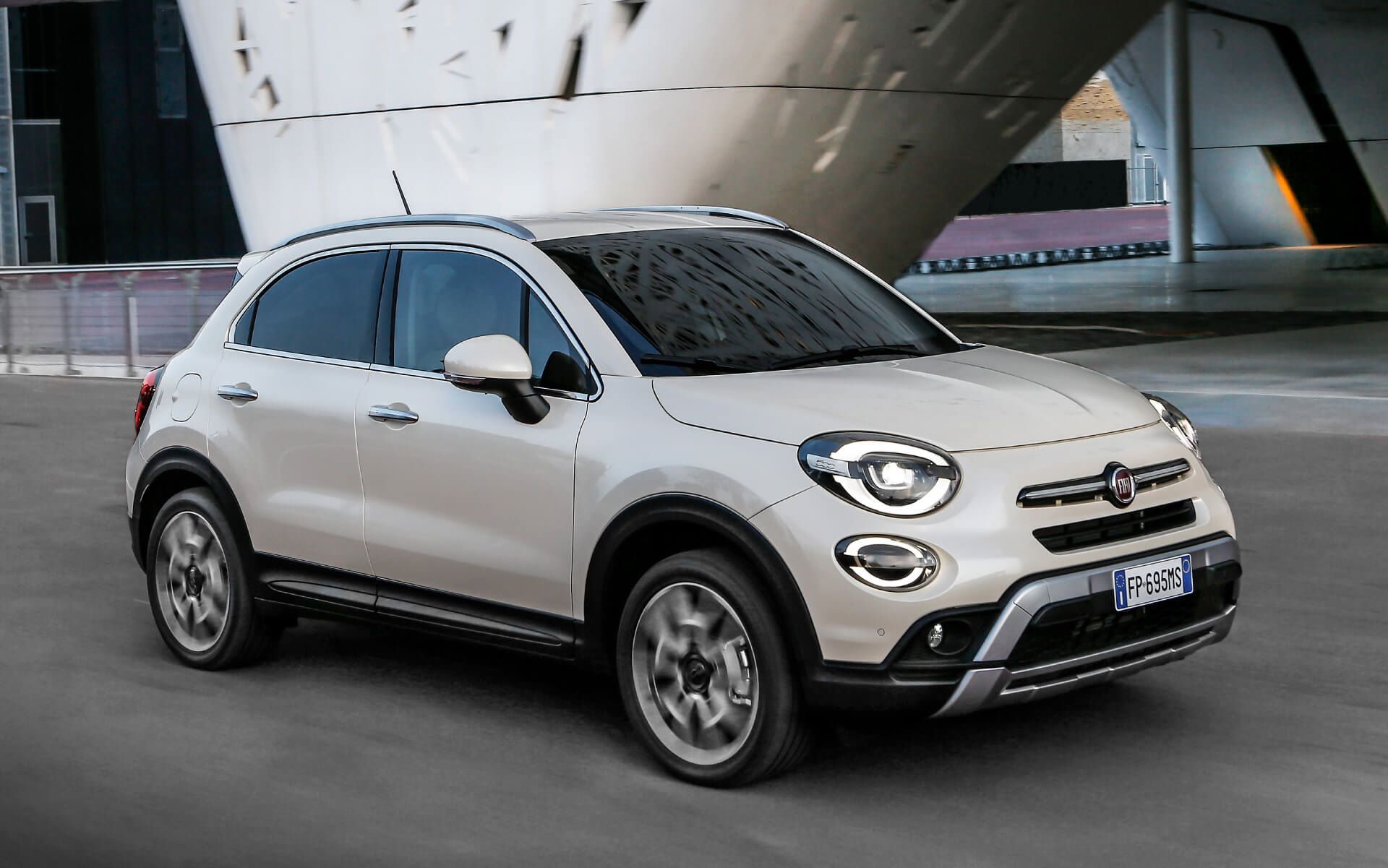
These vehicles lack the cargo capacity and durability needed for daily construction work, making them poor investments for Oklahoma City contractors who need consistent performance and minimal downtime.
The turbocharged four-cylinder engine in the Fiat 500X performs well despite its small size. Our all-wheel-drive 500X accelerated from 0-60 mph in 8.9 seconds, a respectable time for a subcompact SUV.
In everyday driving, the automatic transmission shifts smoothly and makes good use of the engine’s low-rpm power. While Fiat markets the 500X as sporty, its handling is only average for the class, with noticeable body lean in corners and mediocre tire grip. Drivers seeking a genuinely fun-to-drive SUV may need to look elsewhere.
Inside, the 500X scores high on style. Soft-touch materials are abundant throughout the cabin, and matching body-color panels add a playful touch, even if they are thin plastic.
However, the high price and somewhat charmless accessory sounds detract from the experience. Fiat’s warranties are solid, with a four-year/50,000-mile bumper-to-bumper and powertrain coverage, better than some competitors on the bumper-to-bumper side, though middling on the powertrain.
Despite its shortcomings, the 500X has personality. Italian-inspired styling details inside and out help it stand out among other small SUVs. While it may not fully live up to Fiat’s sporty claims, it does project a fun-loving image, which is part of its charm and appeal.
4. Chevrolet Colorado (First Generation)
The first-generation Chevrolet Colorado can be tempting for contractors seeking a compact truck, but its long-term reliability is mixed.
Early models are prone to transmission failures, frame rust, and suspension problems, particularly in regions with harsh winters or frequent dirt-road driving.
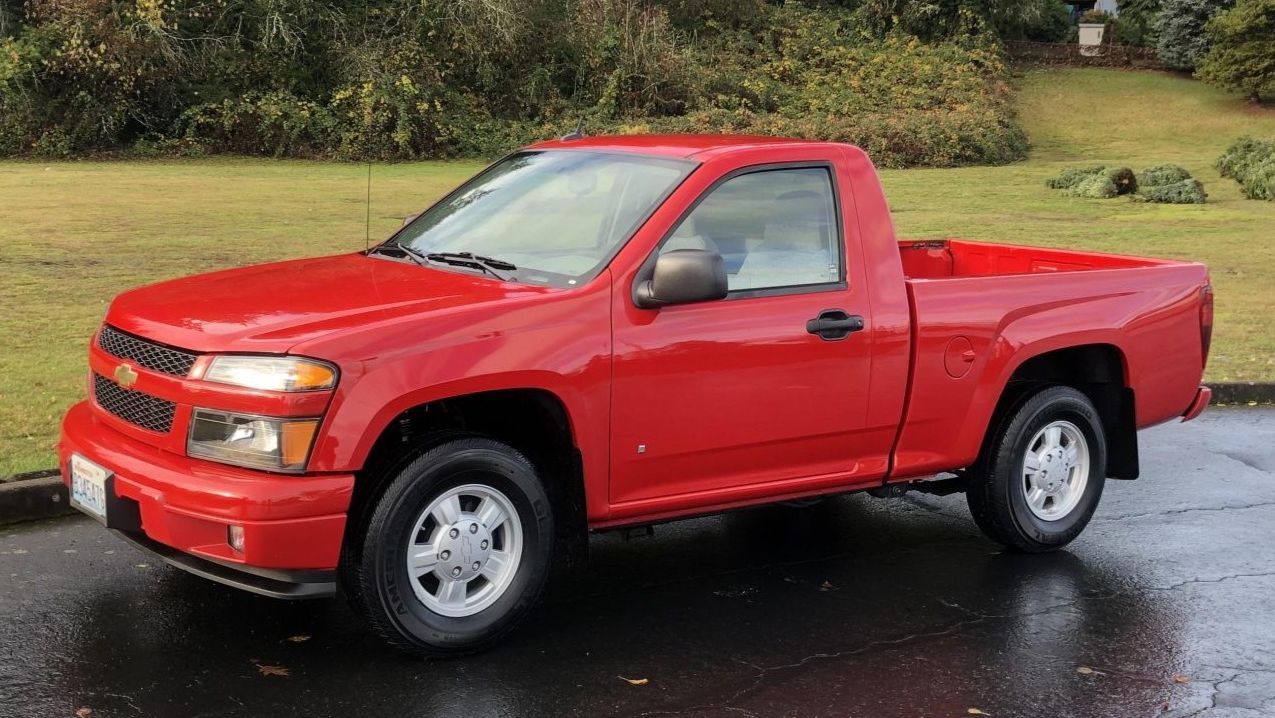
Contractors require dependable vehicles that can withstand tough working conditions, and the older Colorado often falls short in that regard.
The 2025 Chevrolet Colorado offers a solid mid-size pickup package, starting with a base MSRP of $31,900 and topping out at $35,800 depending on trim and options.
Power comes from a 2.7-liter inline-four ICE engine producing 310 horsepower at 5,600 RPM and 430 lb-ft of torque at 3,000 RPM, paired with an eight-speed automatic transmission. Fuel economy is rated at 20 mpg city, 24 mpg highway, and 22 mpg combined, supported by a heavy-duty lead-acid battery and a 21.4-gallon fuel tank.
On the outside, the Colorado provides a minimum ground clearance of 7.9 inches, a curb weight of 4,310 pounds, and a wheelbase of 131 inches. Overall dimensions include a front width of 74.9 inches, a height of 78.8 inches, and a length of 213.2 inches. The standard payload is 1,710 pounds, and the truck can tow up to 3,500 pounds while offering 41.9 cubic feet of cargo space.
Inside, the Colorado seats five, with generous front headroom of 40.3 inches, shoulder room of 57.4 inches, hip room of 54.7 inches, and legroom of 45.2 inches. Rear passengers get 38.3 inches of headroom, 56.1 inches of shoulder room, 53.1 inches of hip room, and 34.7 inches of legroom, making the cabin functional and comfortable for work or daily driving.
5. Volkswagen Tiguan
While stylish and compact, the Volkswagen Tiguan is another vehicle that struggles under heavy use. Known for engine and transmission issues in older models, the Tiguan cannot reliably handle the demands of a contractor’s daily workload.
Cargo space is limited, and repairs tend to be more expensive than domestic alternatives. For a contractor in Oklahoma City, where hauling and durability are priorities, the Tiguan is not a practical choice.
Contractors in Oklahoma City face unique challenges that demand tough, reliable vehicles. Full-size pickups like the Ford F-150, Chevrolet Silverado 1500, and Ram 2500, midsize workhorses like the Toyota Tacoma, and versatile cargo vans like the Ford Transit provide the durability, towing capacity, and cargo space necessary for the job.
On the performance side, the Volkswagen Tiguan falls short even by the segment’s modest standards, largely due to its clunky and unresponsive transmission. A 0-60 mph time of 9.5 seconds is slow for this class, and acceleration feels lethargic at partial throttle, particularly from a stop.
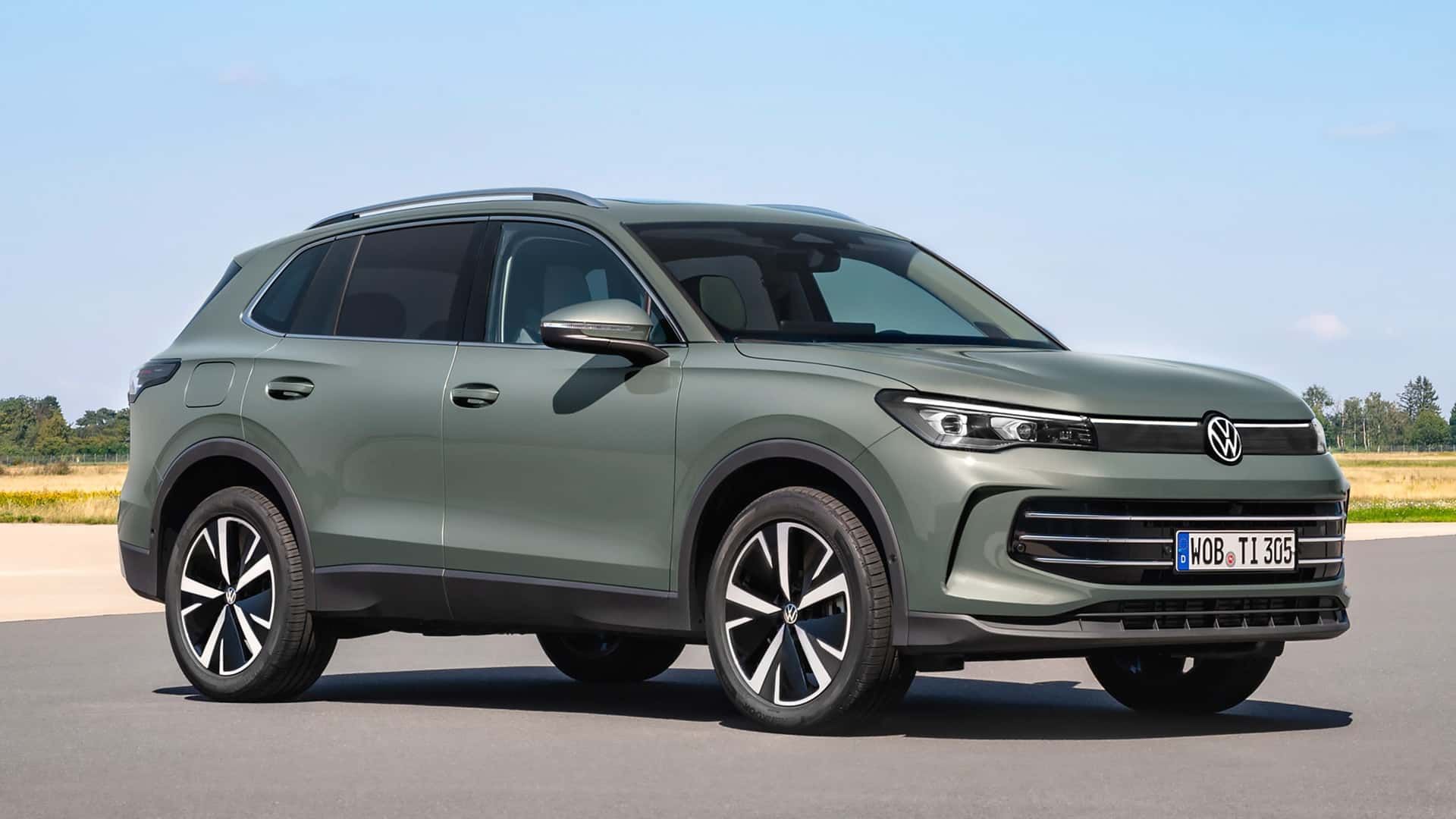
Making an unprotected left turn requires careful planning, and handling leaves something to be desired. While the Tiguan is adequate for everyday driving, pushing it through tight turns results in noticeable body roll, making it less appealing for drivers seeking a spirited driving experience. Competitors like the Toyota RAV4 and Mazda CX-5 handle more confidently and maintain better composure in similar situations.
Inside, the Tiguan offers generous cargo space behind the second row, accommodating several large suitcases, while the third row is tighter but still more usable than many other compact three-row SUVs.
Raising the third row requires removing the cargo cover, but the sliding second row and deep pockets near the hatch enhance versatility. Storage options abound throughout the cabin, with front doors capable of holding two water bottles and a tray beneath the center console compensating for the relatively small bin under the armrest, making the interior functional despite its shortcomings in driving dynamics.
On the other hand, vehicles prone to frequent breakdowns, such as older Jeep Cherokees, Nissan Frontiers, Fiats, and Volkswagens, can lead to frustration and costly downtime. Choosing a vehicle wisely and maintaining it properly ensures contractors can focus on their work, not constant repairs.