Let’s be honest turbo engines get a bad rap. People love to rant about turbo lag, expensive fixes, tricky cooling systems, and the “it’ll blow up at 80k miles” horror stories. But here’s the funny thing: tons of turbo engines have proven to be absolute tanks. When they’re built right, maintained decently, and not tortured like a track toy every weekend, they go on and on without drama.
The engines we’re talking about here aren’t the flashy ones that star in drag races or smoke shows. These are the daily heroes the ones that run for years, stay chill in traffic, and still deliver that extra punch when you want to pull ahead. They’ve earned a real-world reputation for surviving bad fuel, rough roads, impatient owners, and everything in between.
What makes them special isn’t fancy marketing. It’s the engineering. Strong blocks. Reliable turbos. Smart cooling. Simple setups that don’t try too hard to be clever. Basically, they’re workhorses with attitude.
Now obviously, no engine is truly “unbreakable.” If someone skips oil changes for two years or tunes it to the moon, things will go sideways. But in the hands of normal, semi-responsible humans, these turbo engines have shown they’re dependable, consistent, and honestly kinda impressive.
So here’s the list of ten turbocharged engines that owners swear by because they just don’t quit. Some are famous, some are underrated, but all of them have one thing in common: they’ve proven themselves on the road, not just in brochures.
Let’s go through each one and talk about why they’re known for lasting way longer than most people expect.
10 Turbocharged Engines Famous for Never Letting Their Owners Down
Turbo engines aren’t all built equal. Some are fragile and temperamental, and others just… aren’t. The ones on this list fall into the second category. They’re known for toughness, smooth power, easy repairs, and impressive mileage.
They show up in cars that stay on the road for decades, and owners rarely complain about serious failures. Whether it’s the old-school legends from the 90s or the newer units that balance tech with reliability, these engines have a vibe: work hard, stay steady, don’t give trouble.
Below, we’re breaking down each engine in detail how it works, why it lasts, and what makes owners trust it. Some of them are performance champs, some are commuter favorites, but all of them have stories of drivers hitting crazy mileage with barely any major fixes.
1. Toyota 1JZ-GTE
The 1JZ-GTE is one of those engines that people talk about with a weird mix of respect and disbelief. It’s a 2.5-liter straight-six turbo that Toyota built back when they were obsessed with overengineering everything. The block is thick. The internals are strong. The cooling setup actually works. And the turbo isn’t some fragile little snail it’s designed to handle daily driving without frying itself.
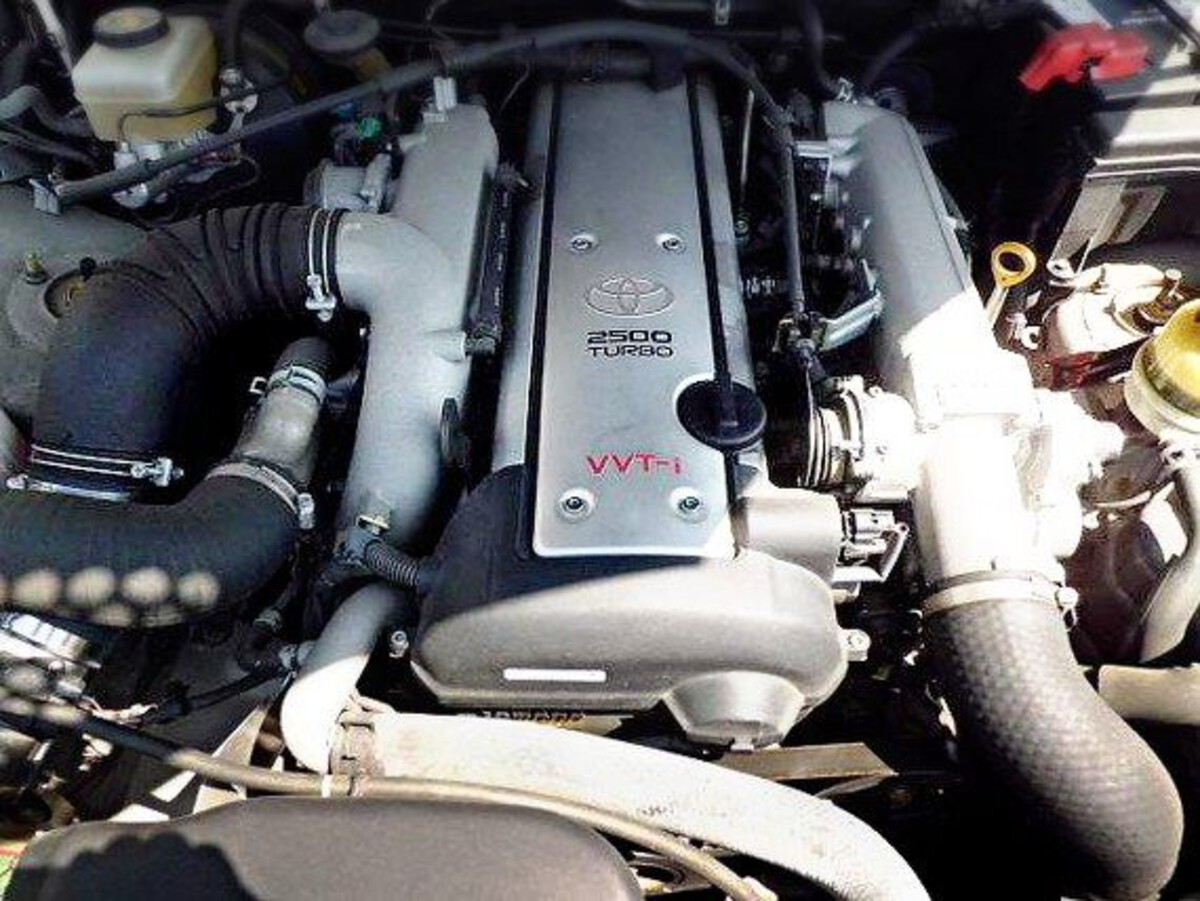
What owners love about the 1JZ is that it doesn’t freak out when pushed hard. You can run it at high RPM, cruise on the highway, or inch through city jams, and the thing just stays calm. It’s also surprisingly forgiving. Miss one service interval? It shrugs. Accidentally use average fuel? It deals with it. It’s like that one friend who never complains.
Another reason this engine is so dependable is the simplicity. It doesn’t have a bunch of messy electronics or complicated systems that love to fail. It’s mechanical. Straightforward. Built with durability in mind before cost-cutting became normal.
People often pair the 1JZ with mods because it can handle a lot more power than it came with from the factory. But even stock, it pulls cleanly, spools quickly, and has this buttery smooth feeling that straight-sixes are known for. And even after owners beat on it, these engines regularly cross 250,000–300,000 km without opening the block.
Sure, it’s old now, and parts may take a bit of hunting, but the 1JZ-GTE earned its reputation for a reason. It’s easily one of the toughest turbo engines Toyota has ever built.
2. Toyota 2JZ-GTE
If the 1JZ is a legend, the 2JZ-GTE is the legend. People joke that this engine refuses to die, and honestly, they’re not wrong. Toyota really went off while building it. This 3.0-liter straight-six turbo has a cast-iron block rare these days which makes it incredibly sturdy.
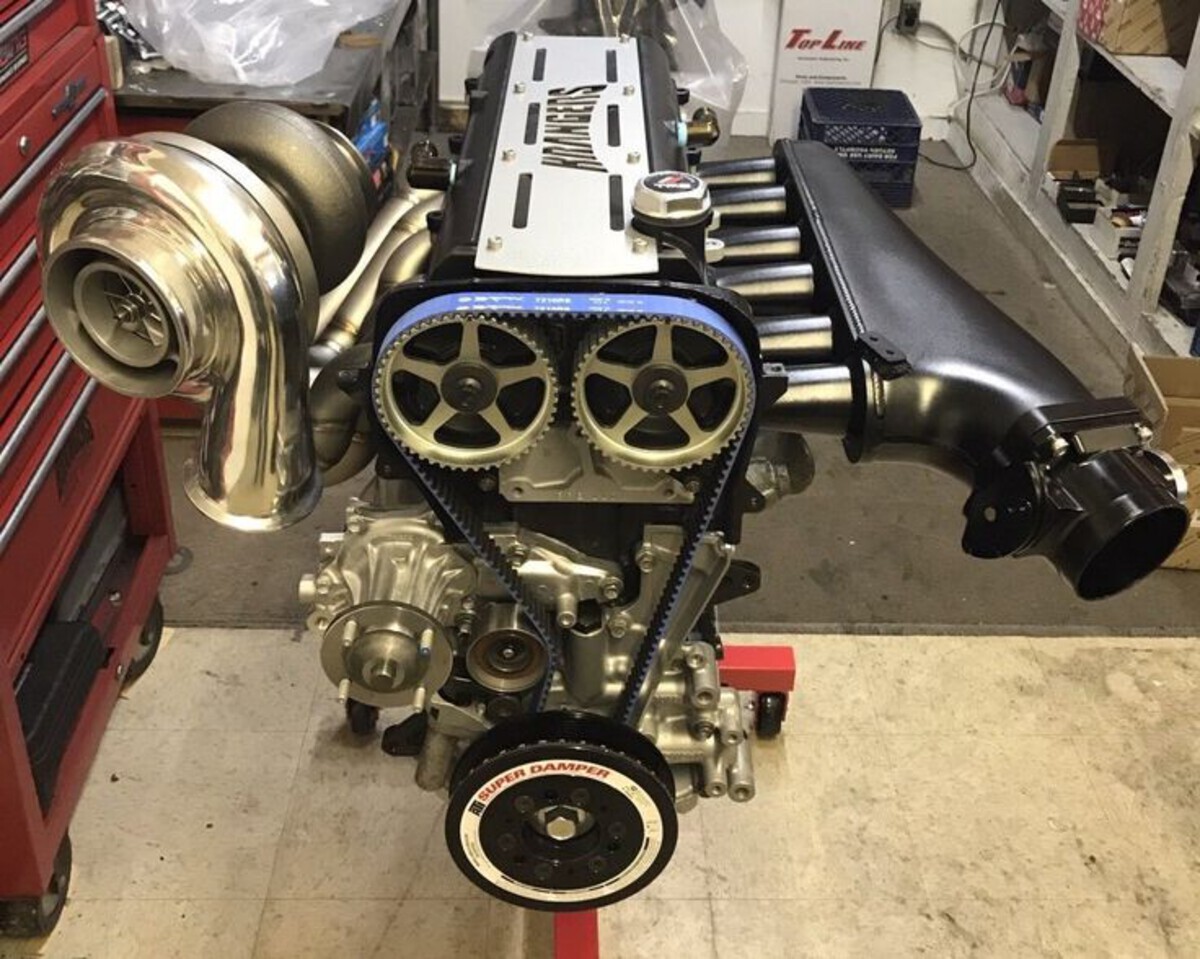
One of the biggest reasons for its reliability is the internal strength. Even the stock pistons, rods, and crank are built to hold huge power numbers. That’s why tuners love it. But even without mods, this engine is ridiculously smooth and predictable. It spools nicely, delivers strong mid-range pull, and doesn’t surprise the driver with weird behavior.
Maintenance is basic. Oil, coolant, timing belt nothing complicated. And because the engine is built with so much margin, it rarely gets close to its limits during daily use. Everything feels like it’s under-stressed.
What’s also cool is how stable it is under heat. Many turbo engines overheat easily or suffer heat soak, but the 2JZ cooling system is rock solid. Highway runs, hot weather, city crawling it doesn’t flinch.
There’s a reason owners push these engines past 400,000 km. They handle bad fuel, lazy maintenance, and the occasional spirited driving session like champs. And even today, decades later, the 2JZ-GTE still has one of the strongest reliability reputations in the turbo world.
3. Honda K20C1 (Civic Type R Turbo)
Honda has always been known for reliable engines, but when they stepped into turbocharged performance territory, people were skeptical. The K20C1 shut everyone up pretty quickly. This 2.0-liter turbo from the Civic Type R is crazy fast, yet it doesn’t break down like you’d expect from something that revs high and makes solid power.
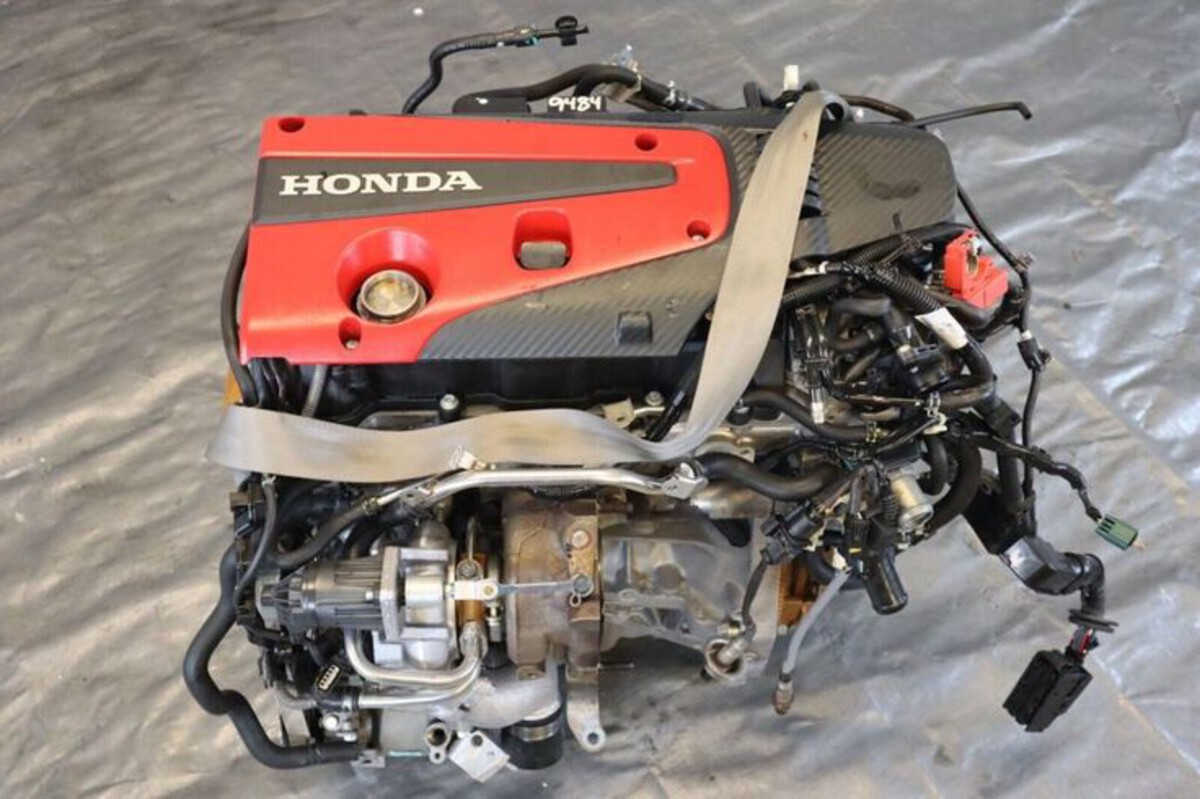
The block is sturdy, the pistons are strong, and the cooling system is one of the most efficient in a modern hot hatch. Honda didn’t try to reinvent the wheel here. They just applied their usual precision engineering to a turbo setup.
What makes the K20C1 impressive is how cleanly it handles boost. There’s no roughness, no weird noises, no inconsistency. Everything feels balanced. And even though it’s a modern engine with plenty of sensors and tech, it isn’t fragile. Owners track their cars, daily drive them, do road trips, and the engine just keeps going.
Heat management is another reason this engine has such a good rep. Turbo engines live or die based on how well they stay cool, and Honda clearly knew what they were doing. The intercooler, turbo positioning, and airflow all work well together.
Even tuned cars stay stable as long as the upgrades are done properly. It’s rare for a performance engine to be this tough, and that’s why the K20C1 deserves a spot on this list.
4. Ford 2.3L EcoBoost
People love to argue about the EcoBoost engines, but the 2.3-liter version has quietly built a reputation for being solid when maintained correctly. It’s used in the Mustang, Focus RS, Bronco, and even some performance trims. That tells you Ford trusts it.
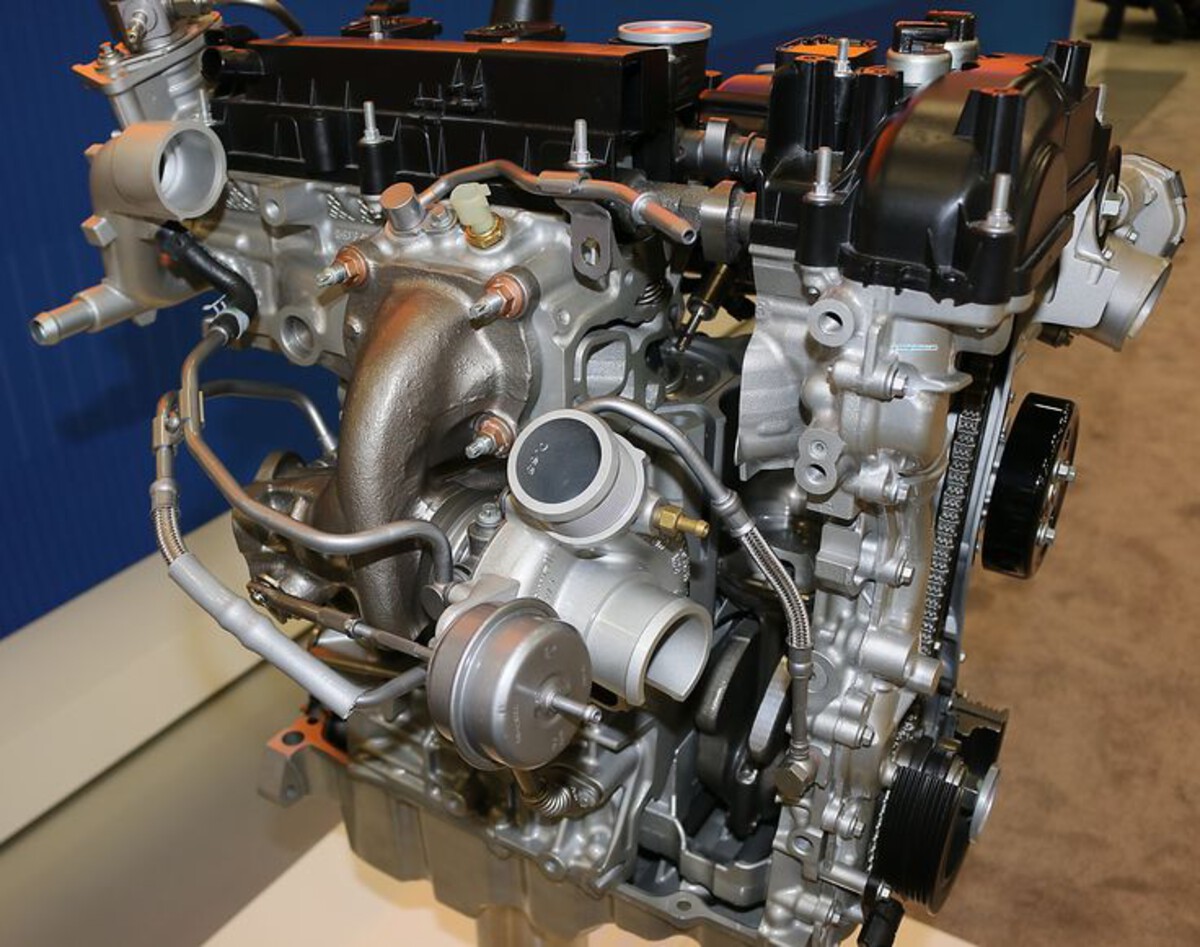
This engine uses a strong block, good cooling channels, and a turbo sized for real-world driving instead of bragging rights. Owners appreciate how it delivers good power but still stays calm in daily conditions.
The cylinder head design is efficient, and the direct injection system is reliable as long as people use decent fuel. Carbon buildup is not a major issue compared to other DI engines. Many owners hit 150,000–200,000 km without major issues.
The turbo itself is dependable and rarely fails unless someone tunes the car aggressively or runs low-quality oil. And because Ford used the engine in so many cars, parts availability is easy and repairs aren’t stressful.
Yes, it’s not as “romantic” as an old-school Japanese engine, and yes, some people push them too far and then complain online. But in regular use, the 2.3 EcoBoost is a tough, consistent engine that has earned respect over time.
5. Volvo 2.5L Turbo
Volvo’s 2.5-liter turbo inline-5 is one of those engines that quietly proves how solid a simple setup can be. It doesn’t have flashy numbers or dramatic behavior.
It just gets the job done year after year, which is exactly why owners trust it so much. What makes this engine such a dependable performer is the way Volvo balanced power with long-term durability. They didn’t try to squeeze every last bit of boost out of it. Instead, they kept the turbo moderate, the internals strong, and the operating temperatures stable.
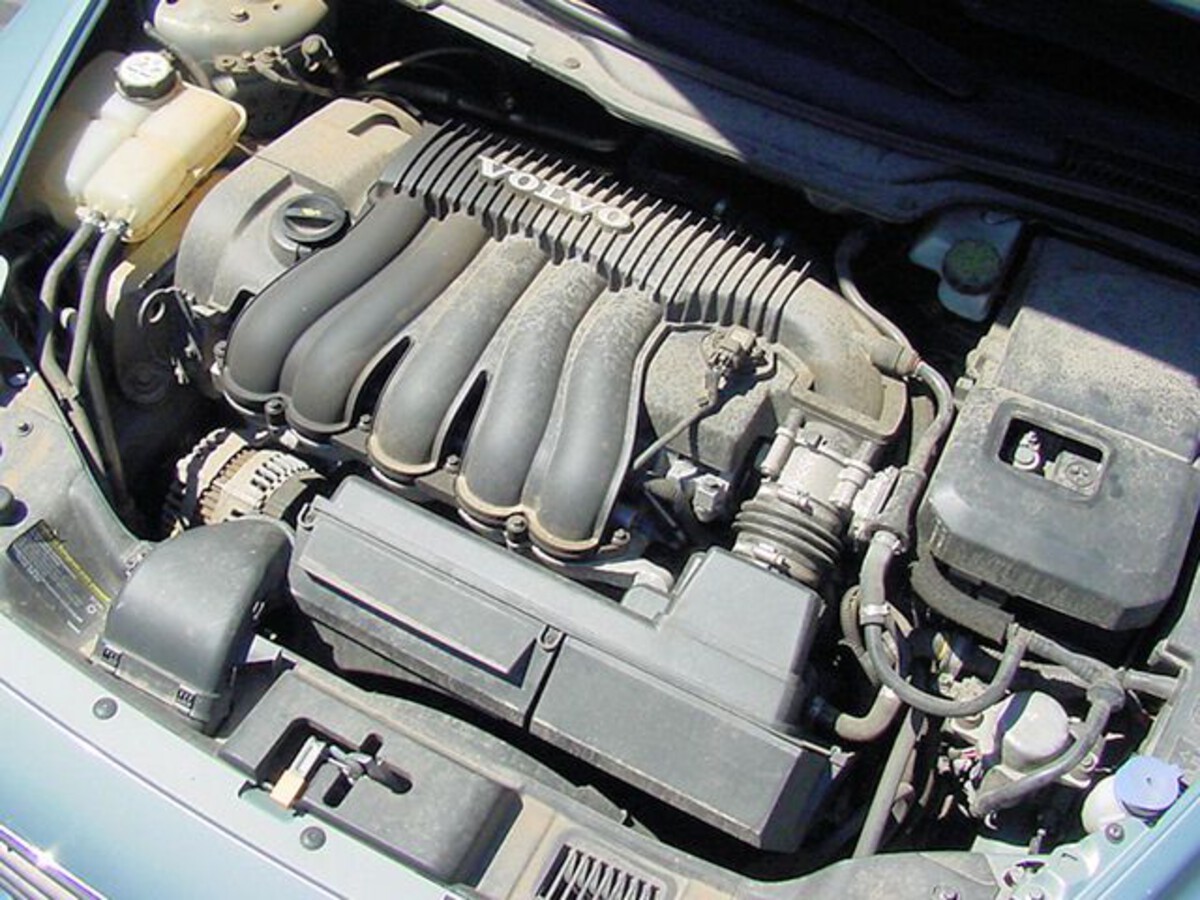
The engine is incredibly smooth for a five-cylinder. It pulls cleanly, even at low RPM, and doesn’t make the driver feel like it’s struggling. Many engines fall apart because they run too hot or rely on complicated tech that ages badly. Volvo avoided that. They kept the layout straightforward, which means fewer things to break and easier fixes when something does need attention.
A lot of owners hit 300,000 km or more, and the engine still feels lively. Taxi drivers especially swear by it because it handles long hours, rough roads, and stop-and-go driving without developing weird noises or expensive problems. Oil changes and good coolant are basically the only things it needs.
This engine doesn’t chase hype. It’s the definition of a calm, stable power plant built for real people driving real distances. And even though Volvo has moved on to newer designs, the 2.5T remains one of their most reliable turbo achievements.
6. Subaru EJ22T
The Subaru EJ22T is one of those engines people talk about with a surprising amount of respect. It came from the early ’90s, long before Subaru’s head-gasket jokes became a thing. This one is tough. It’s a closed-deck block, which already gives it an edge over most modern turbo engines, and the internals are more heavy-duty than you’d expect from a small 2.2-liter flat-4.
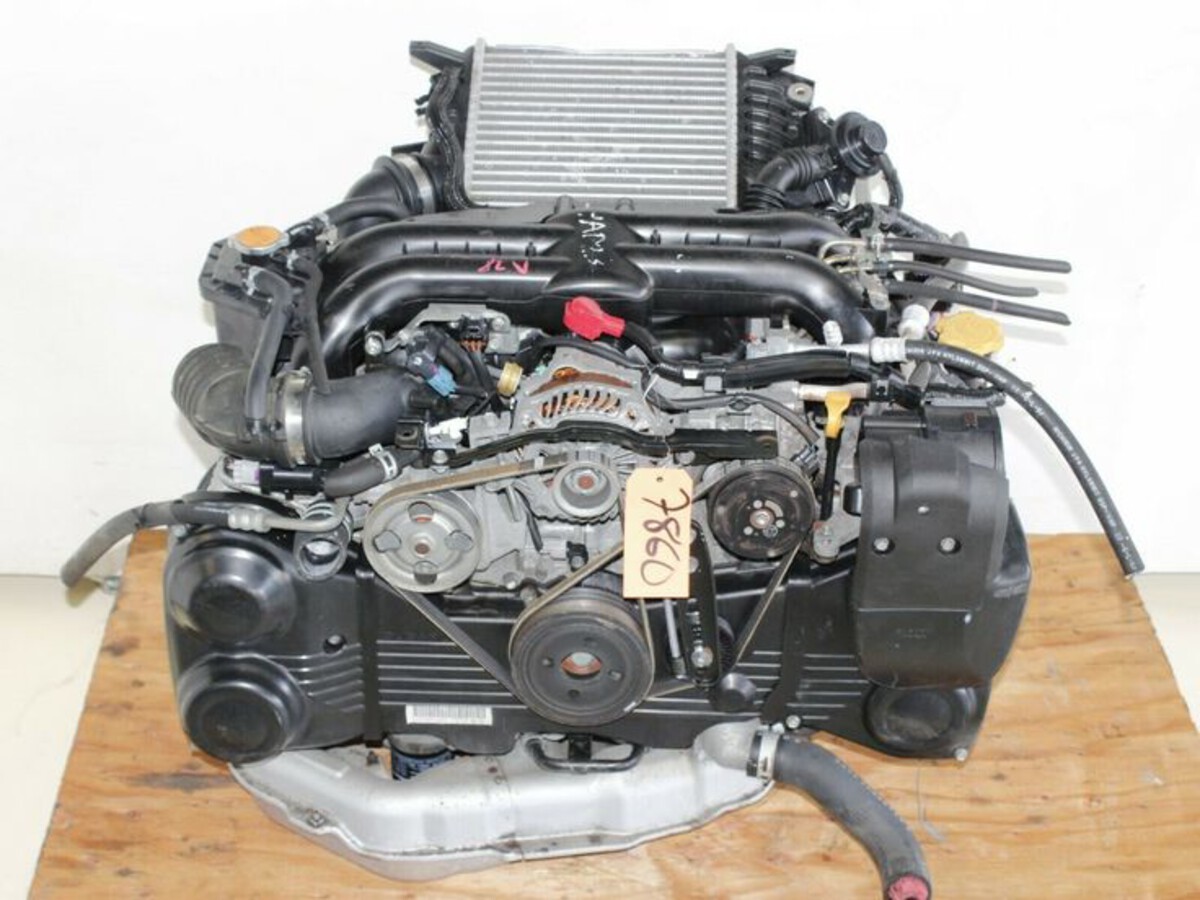
What makes the EJ22T so dependable is how under-stressed it is. Subaru didn’t chase big power. The turbo is small and quick to spool, but it doesn’t push the engine anywhere near its limit. The cooling system is simple, the block handles heat well, and the engine layout keeps vibration low. It’s the kind of setup that just keeps going unless someone really mistreats it.
People have all kinds of wild stories about these engines surviving things they absolutely shouldn’t. Overheating. Bad fuel. Running low on coolant. Even rough off-road abuse. And the engine somehow keeps running. Obviously, nobody recommends trying that, but the fact that it has been done says a lot about how strong the design is.
The EJ22T isn’t about speed or hype. It’s about stubborn reliability. It doesn’t give up easily, and it’s one of the few older turbo engines that can still impress modern drivers with how solid it feels after decades on the road. It deserves every bit of its reputation.
7. BMW N55
BMW engines have a reputation for being a little needy, but the N55 breaks that stereotype. It’s far more dependable than people expect, especially when compared to the older N54. BMW ditched the twin-turbo setup and went with a single twin-scroll turbo instead, which immediately reduced complexity. Less plumbing. Fewer parts. Fewer chances for things to leak or fail.
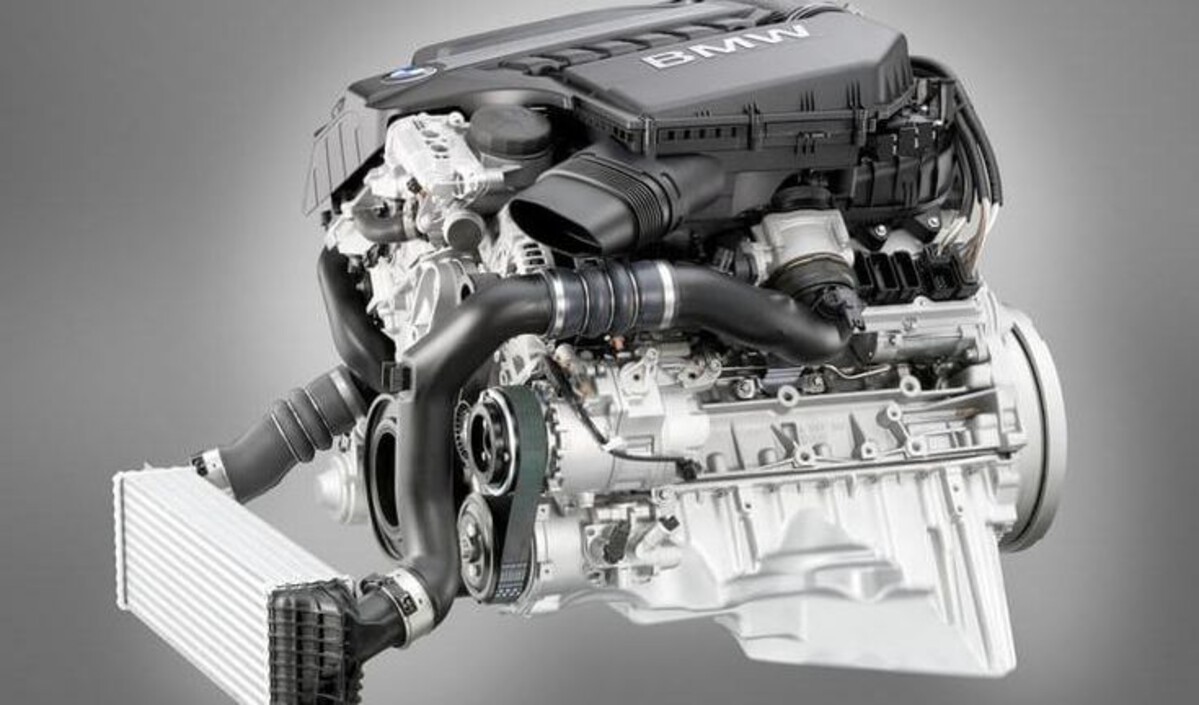
The N55 is used in a massive range of BMW models from sporty coupes to heavier SUVs. That alone shows how confident BMW was in its strength. The block is solid, the cooling system is well-designed, and the tuning has a nice balance between performance and long-term reliability. It’s not pushing the edge of its limits the way some performance engines do.
What owners love most is how predictable it feels. No weird dips in power. No random turbo behavior. It delivers clean boost, smooth acceleration, and doesn’t feel stressed even when it’s driven hard. With regular maintenance, plenty of N55 engines cross 200,000 km without major issues.
Of course, good oil and proper fuel matter. BMW engines aren’t fans of being ignored. But when treated decently, the N55 rewards owners with a long, steady life. It’s easily one of BMW’s better modern turbo engines and a favorite among people who want both power and long-term dependability without falling into the usual European-engine headaches.
8. Mercedes 2.0L M133
The M133 from Mercedes-AMG is one of the wildest yet weirdly dependable small turbo engines ever built. On paper, it looks almost too ambitious a tiny 2.0-liter making power numbers that should belong to a much bigger engine. You’d think something this stressed would be fragile, but AMG didn’t treat it like a cheap part. They reinforced everything.
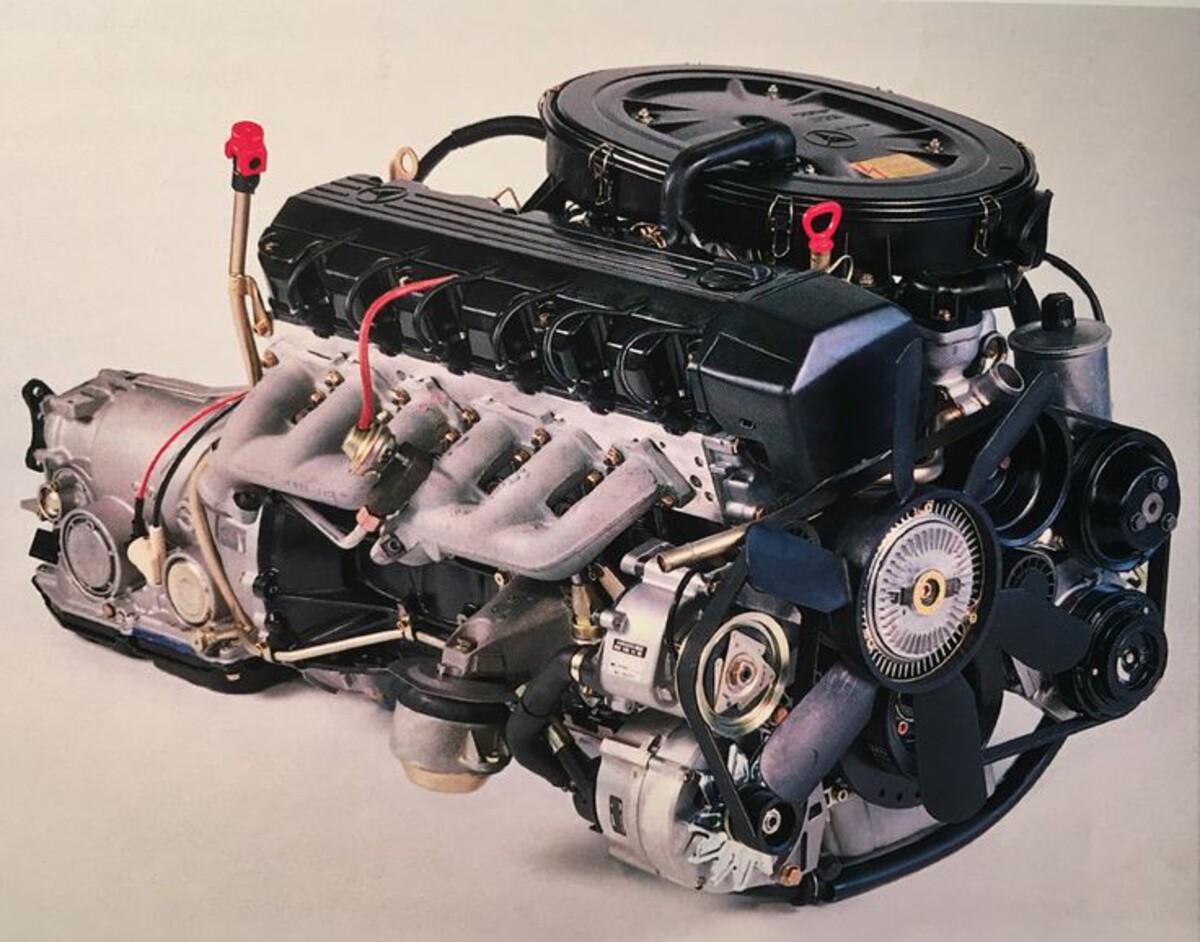
It’s hand-built, which means the internals are inspected and assembled with care. The block is strong, the pistons are tough, and the turbo is built to survive serious heat. This is an engine that can deal with highway pulls, spirited driving, and even the occasional track session without throwing a fit.
Despite the high power output, the M133 manages heat surprisingly well. AMG designed the cooling system with enough overhead to handle abuse. Even when pushed, the temperature stays stable, which is a big reason the engine lasts longer than people expect from such a tiny powerhouse.
Owners who daily drive A45 AMGs love how consistent the engine feels. It doesn’t get sluggish over time, doesn’t start rattling, and doesn’t develop mysterious issues if it’s maintained properly. The tuning is smart, the turbo spools quickly, and the whole engine feels tighter than most performance units in its class.
It’s one of the rare engines that proves small displacement doesn’t have to mean short life. The M133 is loud, fast, and surprisingly trustworthy.
9. Hyundai-Kia 2.0L Turbo Theta II
The earlier versions of the Theta II engine didn’t have the best reputation, but the revised 2.0-liter turbo turned everything around. Hyundai and Kia really improved the internals and upgraded the oiling system, which solved most of the old problems. What remains now is a strong, smooth, and reliable engine that shows how much the brands have matured.
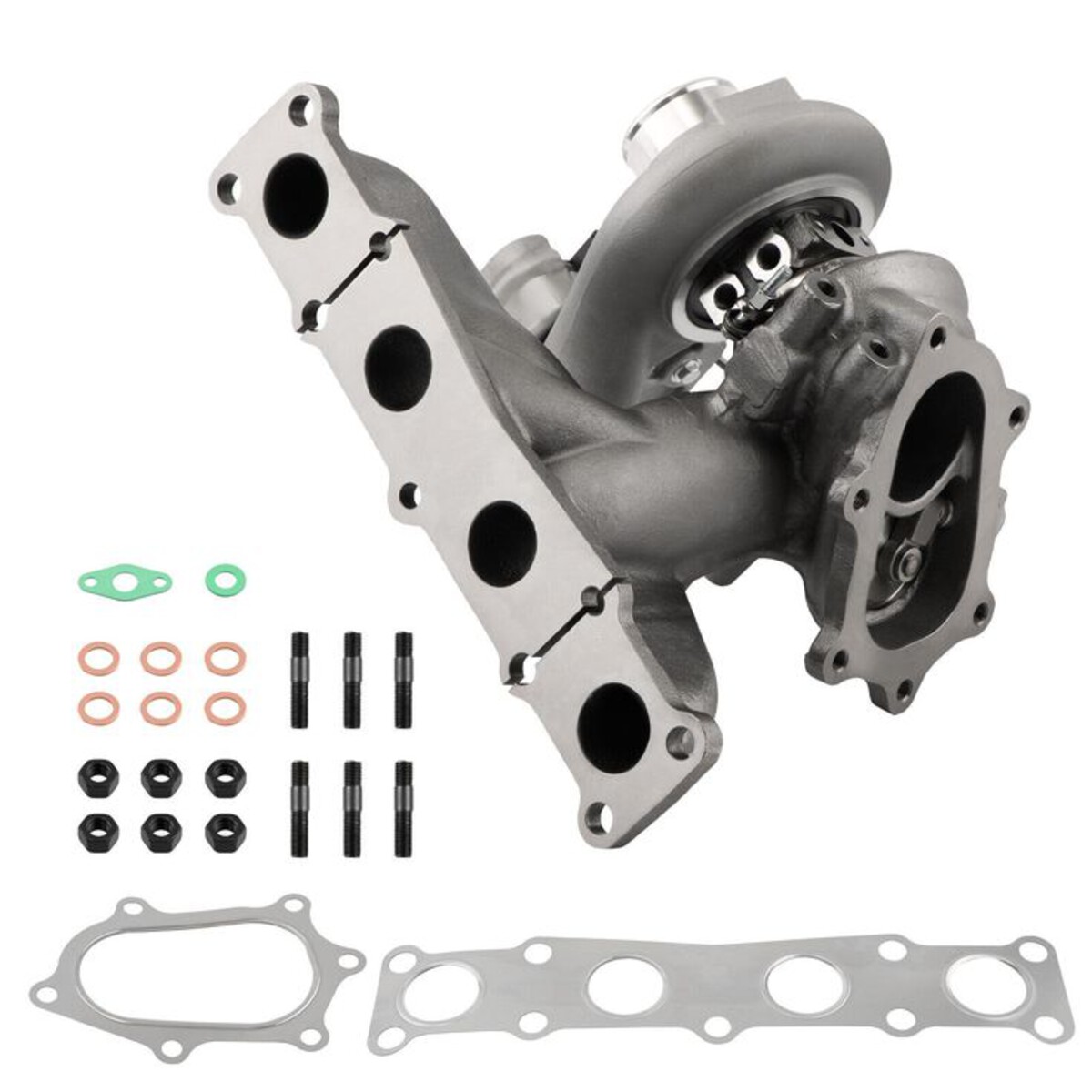
The newer Theta II turbo doesn’t run as hot, and it doesn’t stress the turbo as aggressively. It’s designed for everyday use, commuting, long drives, and mixed traffic. The turbo size is practical, the cooling system is efficient, and the engine stays stable across different climates. Owners appreciate how cleanly it pulls without random lag or hesitation.
One of the biggest strengths is how well the engine holds up when maintained regularly. Many cars with this engine easily cross 200,000 km with no major trouble. The oil consumption issues that older models had are largely gone in the revised version.
Because Hyundai and Kia use this engine in so many models, from sporty sedans to compact SUVs, parts are easy to find and repairs aren’t expensive. It’s the kind of modern turbo engine that doesn’t overwhelm people with unnecessary complexity.
The revised Theta II shows how quickly a manufacturer can improve when they actually listen and redesign. Today, it’s considered one of the more dependable small turbo engines in its class.
10. Volkswagen 1.8T
Volkswagen’s old 1.8T is one of the most respected small turbo engines out there. It powered everything hatchbacks, sedans, wagons, and built a reputation for lasting far longer than people expected from a small turbo unit. The secret is that VW kept the design strong and simple. No flashy tricks. Just a tough block, a reliable turbo, and a cooling system that works.
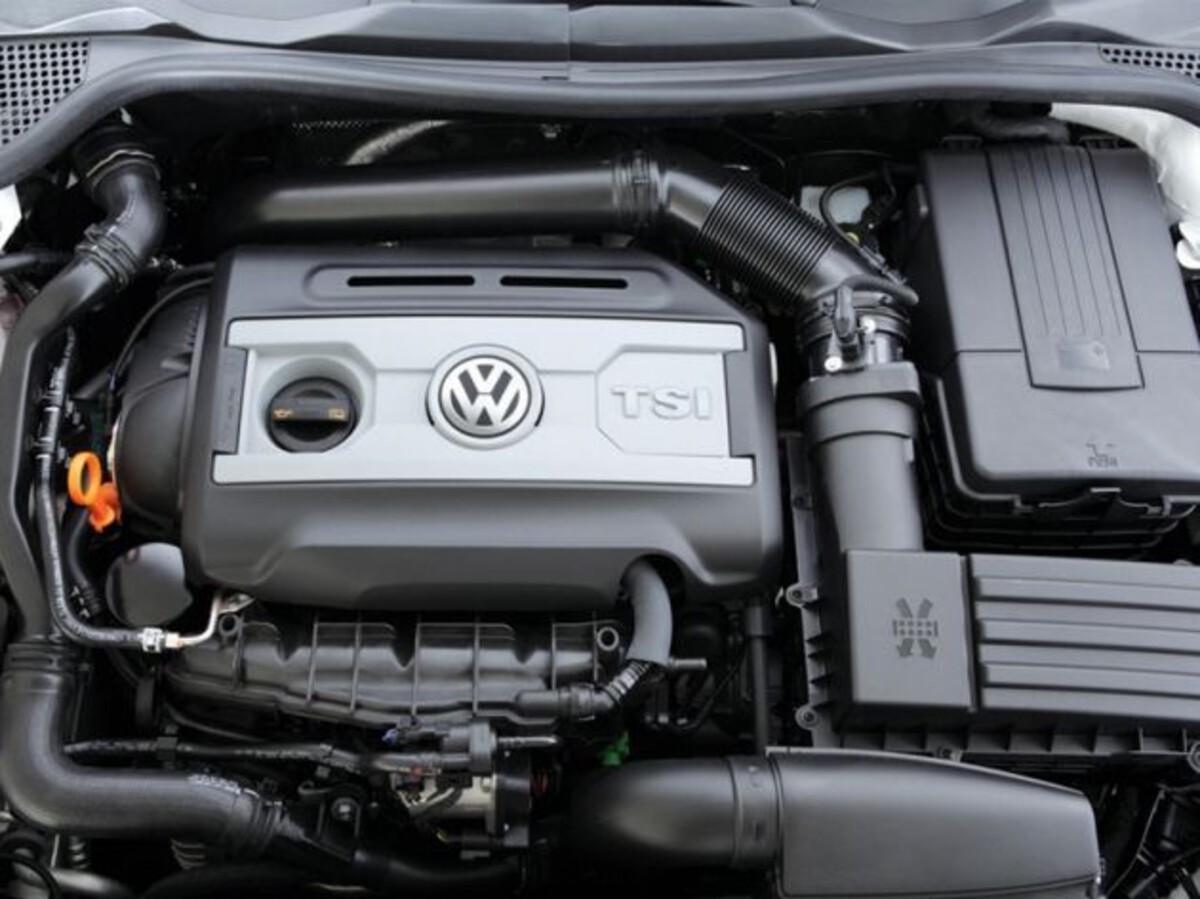
The 1.8T can handle daily commuting, long-distance drives, rough fuel, and even some spirited driving without falling apart. It doesn’t overheat easily, and the turbo rarely fails unless someone ignores maintenance. Even when owners get a bit lazy, these engines still survive.
It’s also easy to maintain. Parts are everywhere, the layout isn’t complicated, and mechanics generally like working on it. The oil system keeps everything lubricated well, and the engine doesn’t develop big issues unless someone seriously neglects it.
Plenty of 1.8T engines have crossed 300,000 km while still feeling smooth. It doesn’t complain, doesn’t drink oil in crazy amounts, and doesn’t get unpredictable with age. It’s a simple, honest turbo engine that proves small capacity can still equal long life if the engineering is solid.
Turbo engines don’t have to be fragile. The ten engines above prove that when manufacturers build them right, they can be some of the most dependable powertrains on the road. What these engines share is a mix of strong materials, smart cooling, and solid engineering that focuses more on long-term durability than on headline-grabbing numbers.
Of course, no engine lives forever without basic care. But these ones give owners a lot of breathing room. They don’t punish small mistakes. They don’t throw tantrums every time the weather gets hot. And they don’t hit you with surprise bills for tiny parts that should’ve lasted longer.
Whether you’re a car enthusiast or just someone who wants an engine that won’t stress you out, these turbo units stand out for the right reasons. They’ve proven themselves over years of real-world driving, not just lab testing. And that’s what truly counts.
If you ever end up considering a car with one of these engines, you can feel confident that you’re getting something strong, steady, and built to last.