
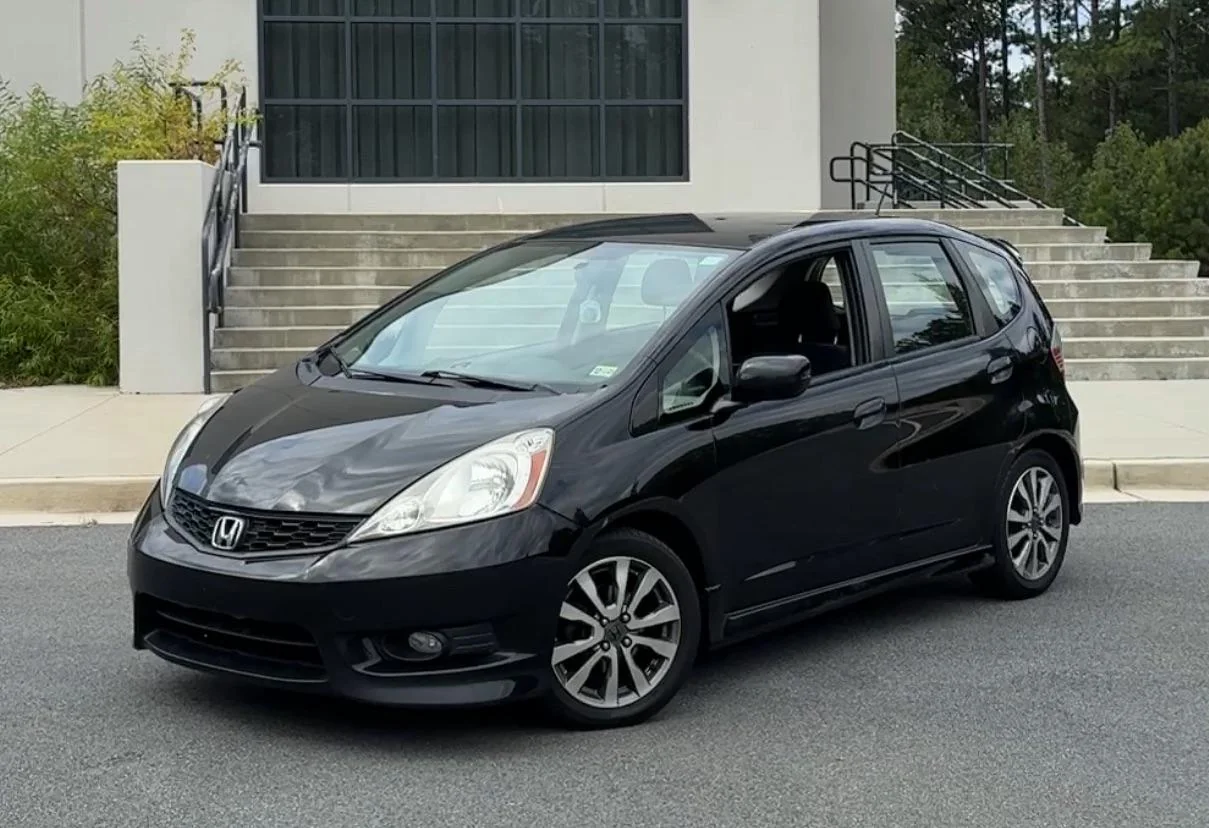
For driving enthusiasts, the thrill of a track day does not have to come with a supercar price tag. “Top 10 Budget-Friendly Cars Built for Track-Day Speed” highlights ten vehicles that combine affordability, reliability, and performance, making them suitable for both novice and experienced drivers.
From nimble hatchbacks like the Honda Fit to legendary sports cars such as the Chevrolet Corvette C5, each car delivers engaging driving dynamics without breaking the bank.
These selections offer strengths such as lightweight agility, balanced handling, rear-wheel-drive precision, or turbocharged punch, showing that you do not need a six-figure budget to enjoy cornering thrills and spirited driving. Whether commuting during the week or tackling a weekend autocross, these cars prove that fun, driver-focused performance is accessible to anyone willing to explore it.
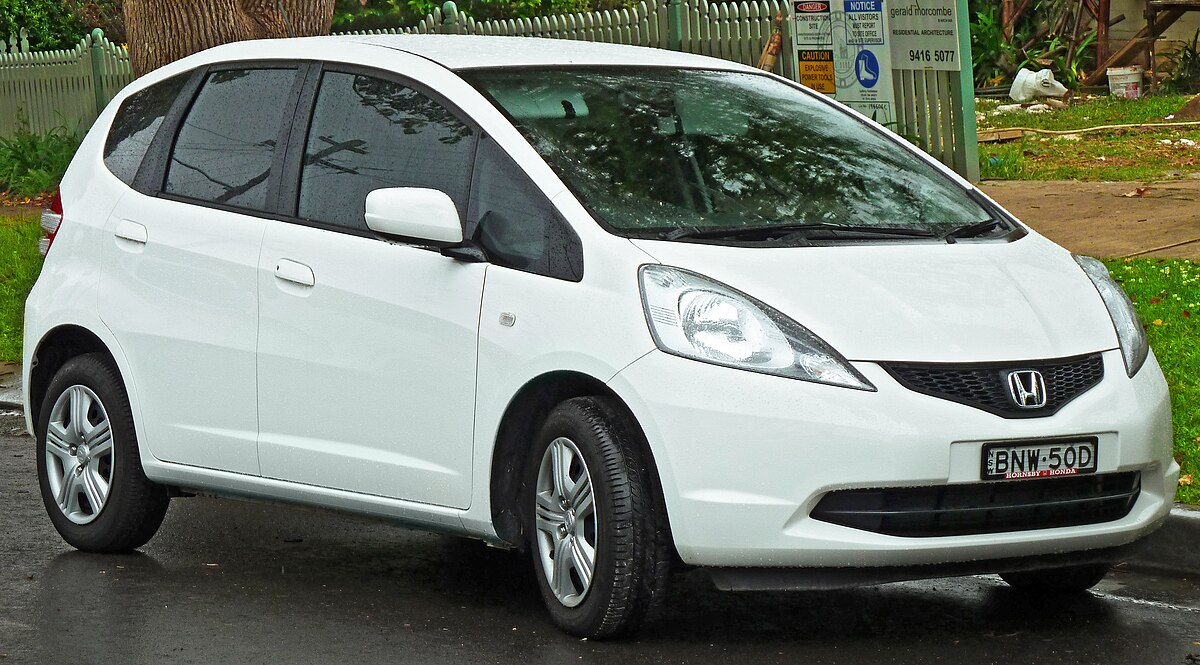
1. 2007–2013 Honda Fit (GD3 & GE8): Lightweight Practicality That Punches Above Its Class
The 2007–2013 Honda Fit, covering the first-generation GD3 and second-generation GE8, has built a strong reputation for delivering outstanding value, versatility, and driving enjoyment at a very low cost of entry. Weighing under 2,600 pounds even in its heaviest configuration, the Fit stands as one of the last truly lightweight Honda hatchbacks, blending efficiency with usability in a way few modern cars manage.
One of the Fit’s defining traits is its exceptionally smart interior design. The innovative “Magic Seat” system allows the rear seats to fold flat or reconfigure into multiple modes, including Utility, Long, Tall, and Refresh.
This creates an impressive amount of cargo space for such a compact exterior, making the Fit equally suitable for city commuting, weekend projects, or hauling track gear. Its small footprint and excellent visibility make it easy to maneuver in urban environments.
Reliability is a major strength. The 1.5-liter L15A i-VTEC engine is known for durability and uses a timing chain instead of a belt, reducing long-term maintenance costs. Fuel economy is excellent, frequently exceeding 40 mpg on the highway, and replacement parts are inexpensive and widely available. These traits have made the Fit popular not only with commuters but also with budget-minded motorsport enthusiasts.
Driving enjoyment is another pleasant surprise. Though not powerful, the Fit’s lightweight, rigid chassis, and responsive steering give it a nimble and confidence-inspiring character. It has become a favorite in grassroots racing and track-day circles, where drivers value its friendly handling and predictability. The traditional manual handbrake adds to the playful driving experience.
There are a few drawbacks to note. Acceleration requires frequent use of the upper rev range; early models can suffer from ignition coil failures, and road noise is more noticeable than in larger cars unless quieter tires are fitted. The GD3 offers a rawer, more basic feel, while the GE8 brings improved A-pillar visibility, a more refined interior layout, and a slightly firmer, more composed driving feel.
The 2007–2013 Honda Fit remains a highly recommended choice for buyers seeking a reliable, practical, and engaging small car that delivers far more capability and character than its price would suggest.
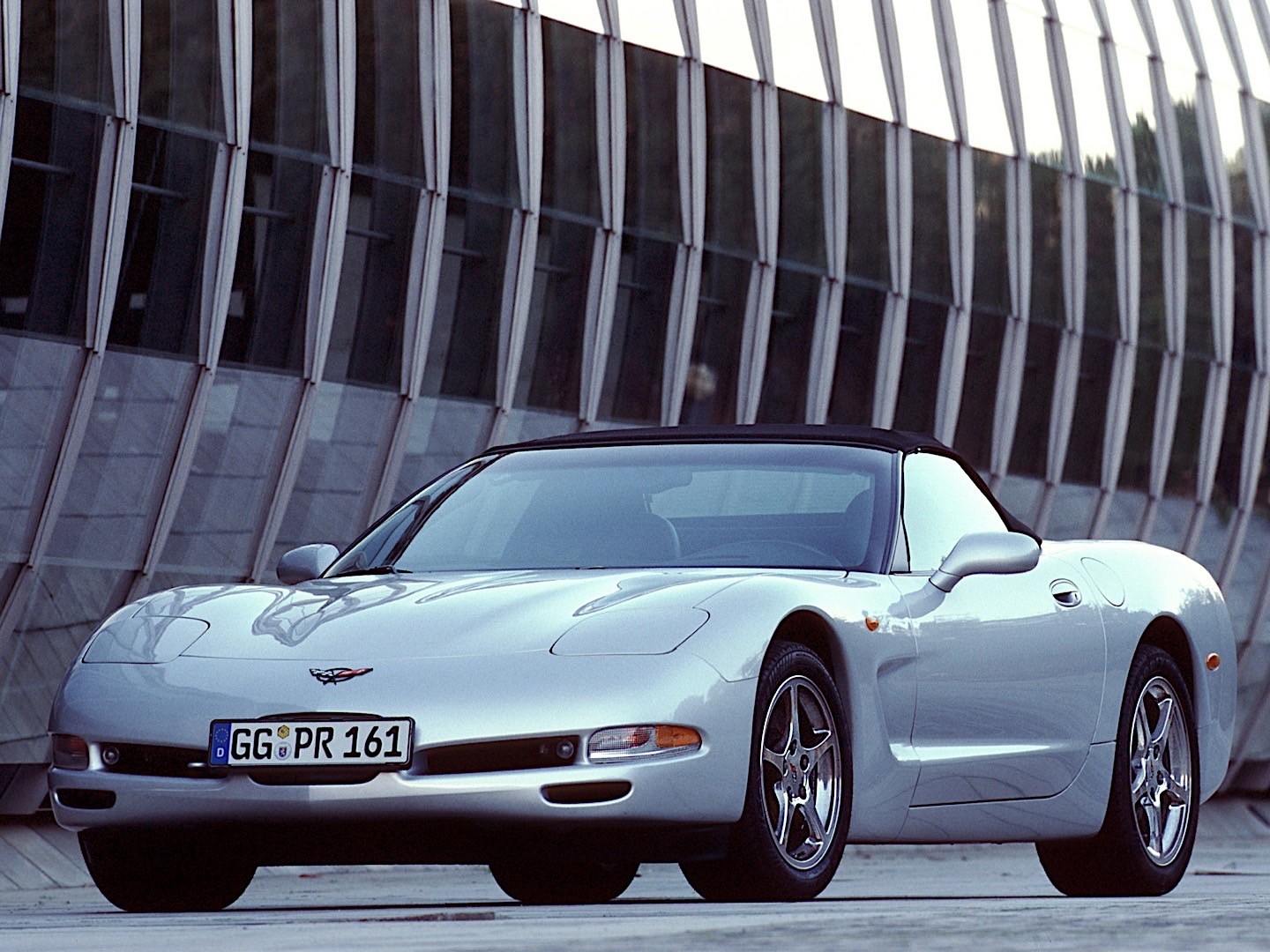
2. 1998–2004 Chevrolet Corvette C5: The Benchmark for Affordable Speed
For American enthusiasts, the 1998–2004 Chevrolet Corvette C5 has long been the default answer to the question of what makes the best cheap race car. With factory LS V8 power, capable handling, and massive aftermarket support, the C5 delivers an unmatched cost-to-speed ratio that continues to define grassroots performance driving. Even today, clean examples are widely available for under $15,000, making supercar-level pace accessible to ordinary enthusiasts.
As a track car, the C5 is remarkably versatile. The fastback hatch provides generous cargo space for helmets, tools, and spare wheels, making it well-suited to weekend track days. Coupe models feature greater stiffness and are favored by drivers focused on lap times.
On large circuits, even lightly modified C5s can keep pace with far more expensive modern performance cars when driven well. The downside is that consumables such as tires and brake pads are significantly more expensive than those for lighter cars like the Honda Fit or Mazda Miata, particularly on tight tracks or autocross courses where those smaller cars remain competitive.
The C5 also represents a turning point in Corvette history. During the early 1990s, the outgoing C4 was increasingly outclassed by Japanese performance cars like the Acura NSX, Toyota Supra, Mazda RX-7, and Nissan 300ZX. Chevrolet recognized that incremental improvement was not enough. Delays plagued the C5’s development as General Motors struggled financially and leadership changed, but the result was a dramatic leap forward rather than a mild evolution.
When the C5 finally debuted, it was transformative. It featured a near-perfect 50:50 weight distribution, torsional rigidity five times greater than the C4, and significantly improved interior space. The aluminum-block 345-horsepower LS1 V8 delivered strong, reliable performance, while the new rear-mounted transaxle improved balance and handling. Aerodynamics were also a focus, with a low 0.293 drag coefficient and modern technology, such as an available head-up display.
Performance peaked with the introduction of the Z06 in 2001, offering up to 405 horsepower by 2002, along with traction and stability systems. The C5 also pioneered painted carbon-fiber body panels on American production cars, cementing its reputation as a serious engineering achievement and one of the most respected Corvettes ever built.
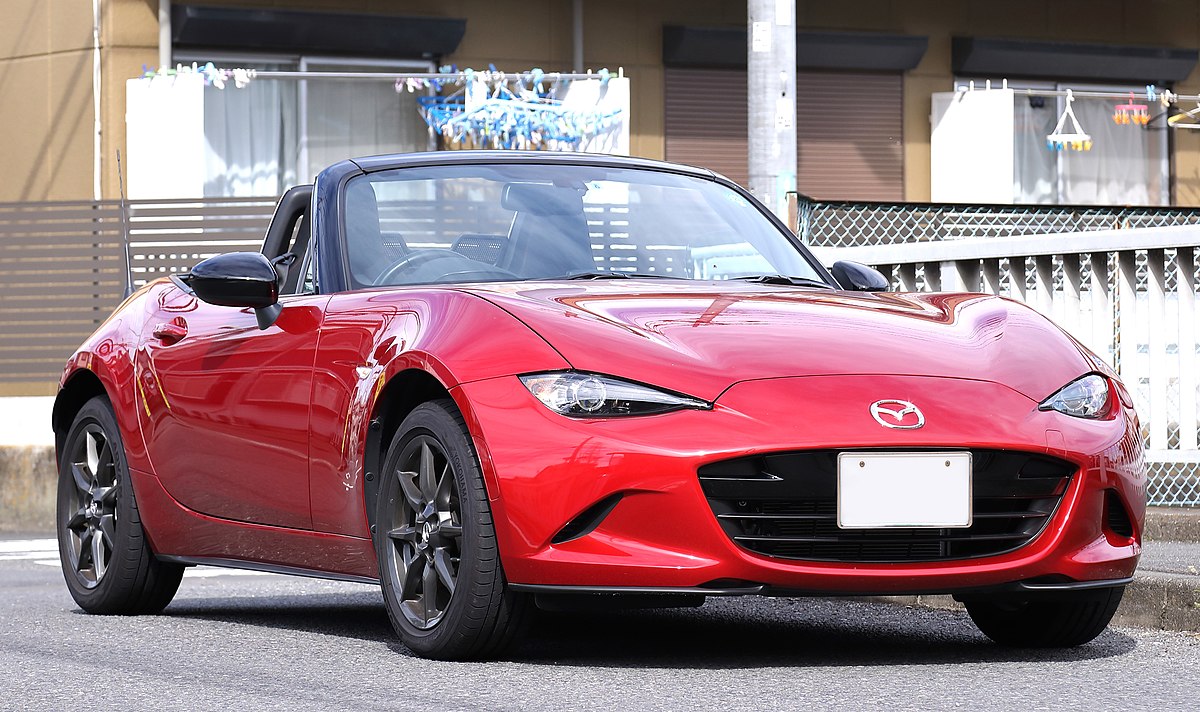
3. 1998–2015 Mazda Miata (NB & NC): Balanced, Affordable Sports Car Fun
Few cars have earned a reputation as enduring as the Mazda Miata, and the 1998–2015 NB and NC generations explain why the familiar saying exists. These Miatas deliver unmatched driving enjoyment for their size, weight, and cost, prioritizing balance and feedback over raw speed. On the street and in autocross competition, their forgiving handling makes them ideal for both beginners learning car control and experienced drivers seeking maximum engagement.
On public roads, the Miata remains hard to beat. Lightweight, rear-wheel drive, and communicative steering create a sense of connection that few modern sports cars replicate. Autocross highlights these strengths even further, where nimble responses and predictable limits allow drivers to push confidently without expensive consequences.
Track use, however, introduces additional considerations. Most race tracks require a roll bar for older Miatas, and frequent track driving can expose drivetrain weaknesses. NB models in particular are known to wear through stock transmissions with regular hard use, though replacements are relatively affordable. NC transmissions are stronger, but engines may develop reliability issues if pushed hard over multiple seasons.
Value remains a major draw. A well-kept NB can still be found for under $6,000, making it one of the most affordable ways to access true rear-wheel-drive sports car dynamics. NC models, while more modern and powerful, often remain under $9,000 and still weigh around 2,500 pounds, keeping them light by modern standards.
The NB generation, produced from 1998 to 2005, is the purist’s choice. It offers an analogue driving experience with simple mechanics, low weight, and excellent aftermarket support. Downsides include rust in common areas, firm seating, and age-related electrical issues, all of which require careful inspection.
The NC generation, built from 2006 to 2015, brought significant modernization. Increased power, improved safety, a more refined interior, and the optional power retractable hardtop made it more comfortable as a daily driver. It feels faster and more substantial, though steering feedback is slightly reduced, and cockpit ergonomics can be tight, especially for taller drivers.
Both generations emphasize cornering precision and driver involvement rather than straight-line speed. With proper maintenance and thoughtful upgrades, the NB and NC Miata continue to represent some of the most rewarding and accessible sports cars ever built.
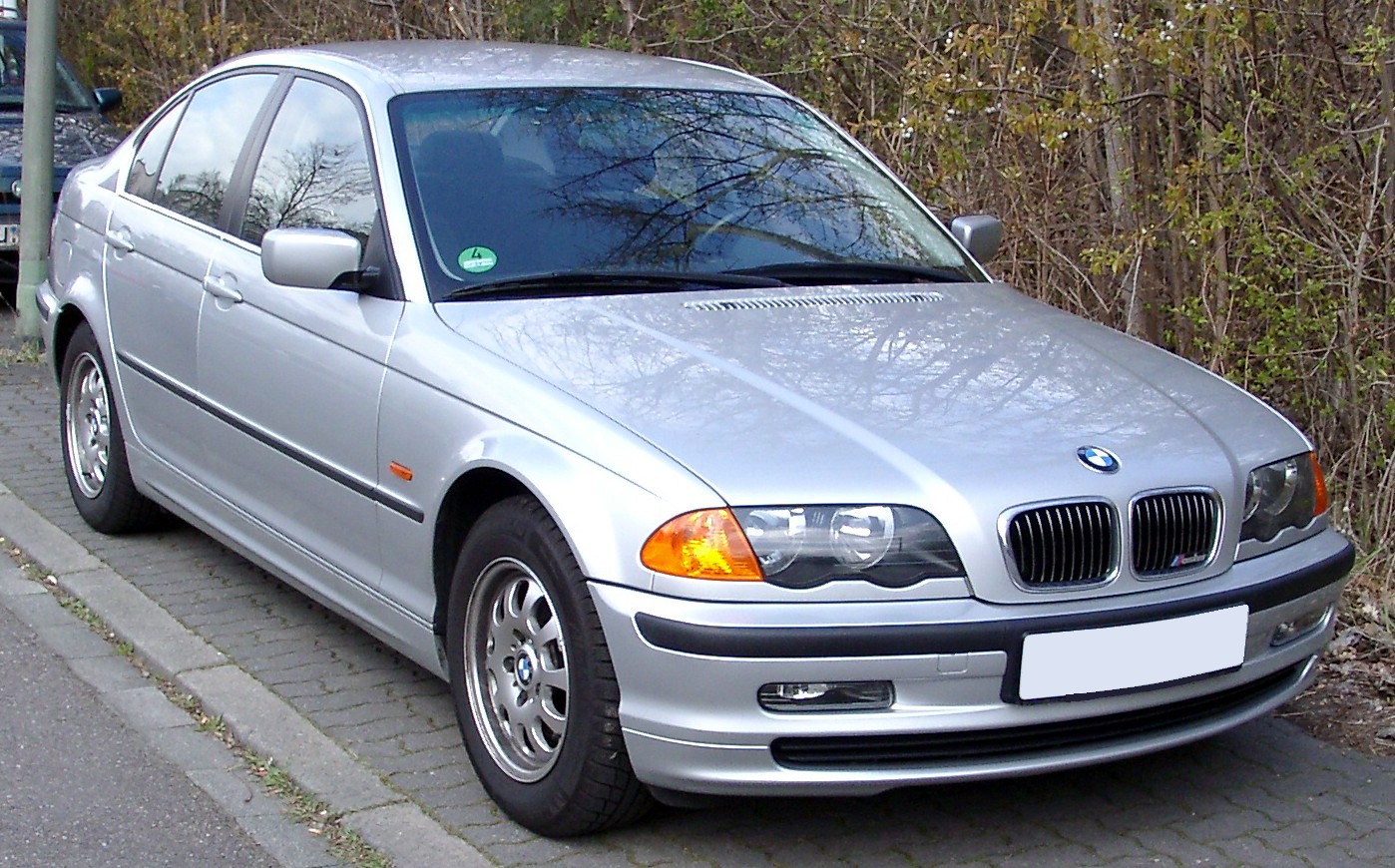
4. 1999–2005 BMW 3 Series (E46): A Modern Classic Now Within Reach
The 1999–2005 BMW 3 Series E46 has benefited enormously from depreciation, placing one of BMW’s most respected platforms within easy reach of budget-minded enthusiasts. Long regarded as the benchmark for compact sport sedans and coupes, the E46 offers a blend of performance, refinement, and balance that remains impressive years after its release.
Clean, usable examples can often be found for under $5,000, making it an appealing alternative to similarly priced tuner cars and domestic performance models.
Driving engagement is where the E46 truly excels. Its near perfect weight distribution, rear wheel drive layout, and finely tuned suspension create a confident and rewarding experience on both back roads and highways.
Steering feel is precise and communicative, allowing drivers to place the car accurately through corners. Even non-performance trims deliver strong real-world pace, especially models like the 330i, which strike an excellent balance between comfort and sportiness.
BMW’s inline six engines are a major highlight. The naturally aspirated 2.5 and 3.0 liter units are known for their smooth power delivery, reliability when maintained, and distinctive character. They provide ample performance without requiring heavy modification. Diesel versions offer strong torque and efficiency, though they can introduce additional maintenance complexity as these cars age.
Interior quality reflects BMW’s focus on the driver. The cabin uses solid materials, features clear instrumentation, and adopts a clean, logical layout that has aged gracefully. The coupe body style is particularly admired for its proportions, though the E46 was also offered as a sedan, convertible, and Touring, giving buyers flexibility in terms of practicality and style.
Prospective owners should be aware of common age-related issues. Suspension components such as trailing arm bushings and anti roll bar links often wear out, leading to noises and reduced handling sharpness. Interior wear, especially cracked or scuffed sport seat bolsters, is typical. Rear seat headroom can be tight, particularly in coupes. Diesel models may suffer from turbo or injector problems if maintenance has been neglected.
For drivers prepared to invest in routine upkeep, the E46 delivers a uniquely engaging experience. Its combination of smooth engines, balanced handling, and timeless design continues to set it apart from many newer, less connected cars.
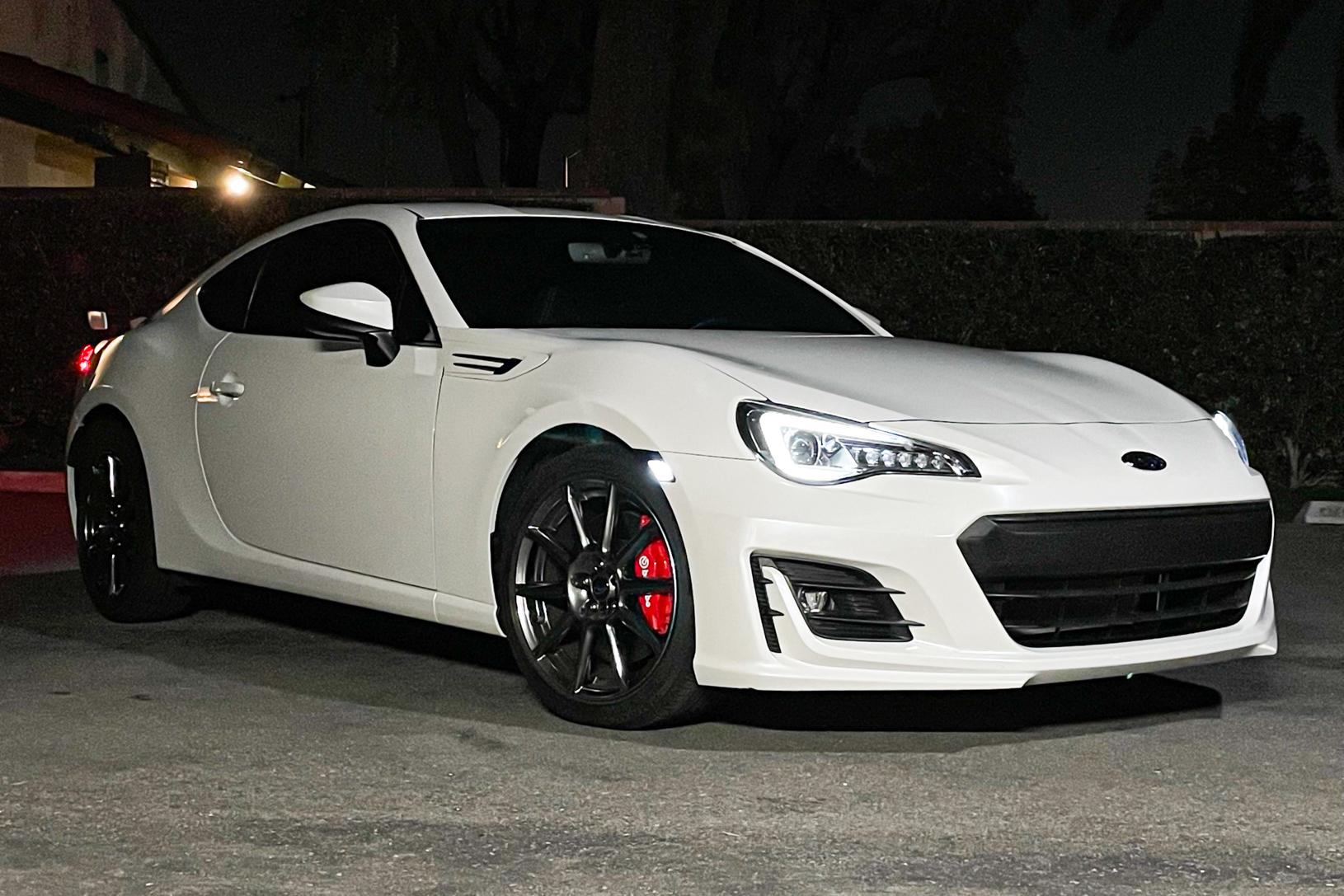
5. 2013–2020 Subaru BRZ, Toyota 86, Scion FR-S: Everyday Sports Cars Built for Real Drivers
The 2013–2020 Subaru BRZ, Toyota 86, and Scion FR-S form a trio of closely related Rear Wheel Drive sports coupes that have earned strong praise for delivering authentic driver engagement at an attainable price. Often described as a more serious and substantial companion to the Mazda Miata, these cars trade open-top driving for increased rigidity, stability, and everyday usability, making them well-suited to drivers who want one car for daily use and regular track time.
From the factory, the Toyobaru twins focus on balance rather than brute force. Their low-mounted 2.0-liter boxer engine gives them a very low center of gravity, resulting in excellent weight distribution and sharp, predictable handling.
Steering feel is precise and communicative, encouraging drivers to explore cornering limits with confidence. With around 200 horsepower, straight-line speed is modest, but the chassis rewards smooth inputs and momentum driving, making them ideal tools for developing driving skills.
One of the key advantages of the BRZ, 86, and FR-S is their track readiness. Unlike many small sports cars that require significant modification to withstand frequent track use, these models perform well in stock form, provided all factory recalls have been addressed.
Aside from early valve spring issues on some 2013 models and occasional clutch release bearing concerns, long-term reliability is strong. Maintenance costs remain reasonable, and the aftermarket provides extensive options for suspension, brakes, and power upgrades.
Practicality is better than their sleek coupe profile suggests. Folding rear seats allow a full set of track tires to fit inside the car, making it possible to drive to the circuit fully loaded. Rear seats themselves are tight and best used for cargo or small children, but they add useful flexibility not found in smaller roadsters.
Interior design is simple and functional, emphasizing the driving experience rather than luxury. Sound insulation is limited, contributing to the raw, mechanical feel that enthusiasts appreciate. While newer GR86 and BRZ models offer noticeable improvements in power and refinement, first-generation cars remain exceptional values. Clean examples can be found well under $10,000, making them one of the most accessible and capable driver-focused sports cars of the modern era.
Also Read: 10 Cars With Clear, Bright Headlights for Backroads
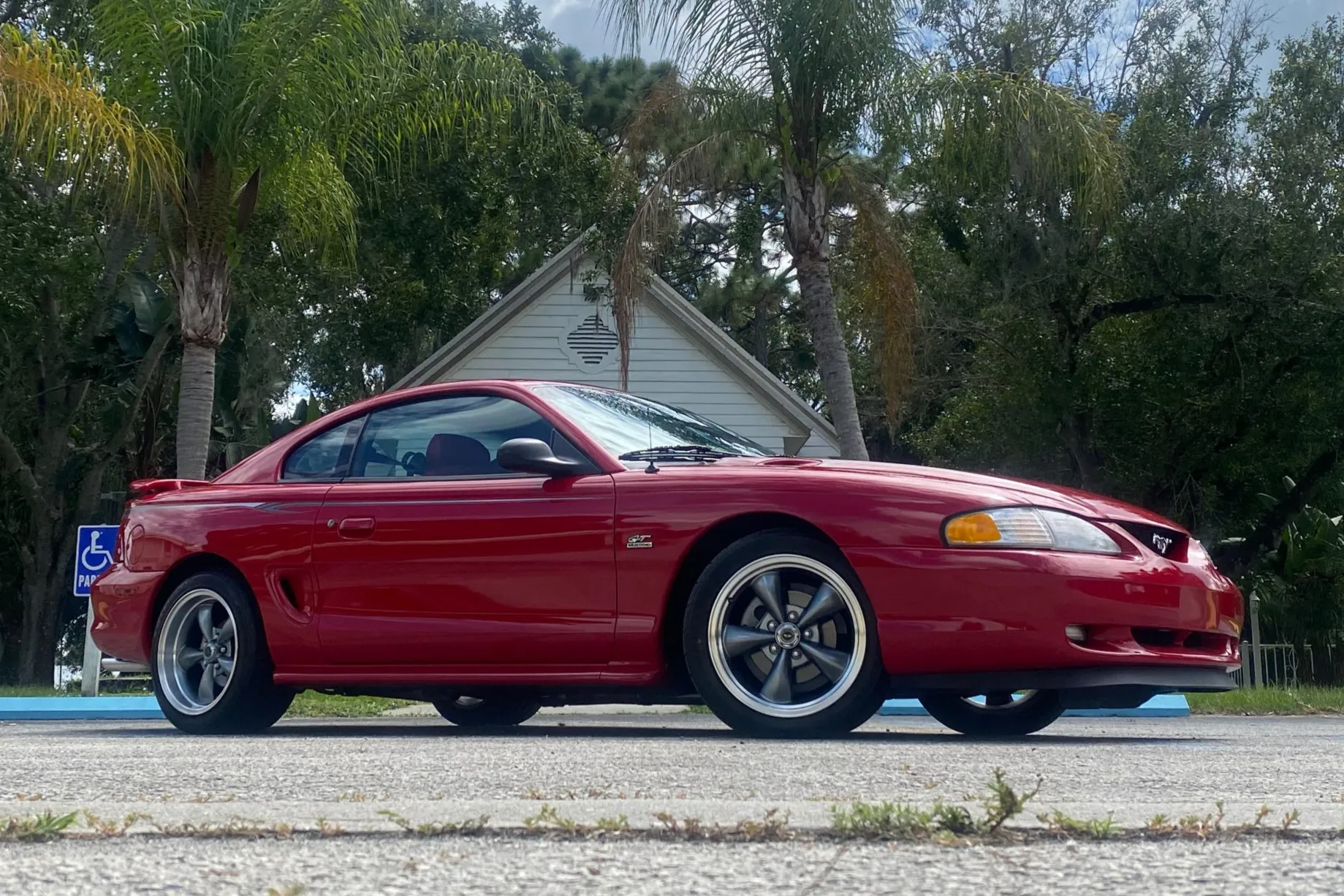
6. 1994–2009 Ford Mustang GT (SN95 & S197): Affordable V8 Muscle With Endless Potential
Few performance cars deliver inexpensive horsepower as convincingly as the 1994–2009 Ford Mustang GT. Across the SN95 and S197 generations, the Mustang built its reputation on accessible V8 power, massive aftermarket support, and an ownership experience that rewards modification.
While these cars are often associated with drag racing, both generations can be surprisingly entertaining on road courses when set up correctly, offering raw, torque-rich driving dynamics that contrast sharply with lighter, more precise sports cars.
The SN95 generation, produced from 1994 to 2004, marked a significant step forward from the Fox body Mustang. It featured a stiffer chassis, modernized styling, and improved comfort while retaining the classic rear wheel drive layout and live rear axle. Early SN95 models wore smooth, rounded styling, while the later New Edge facelift introduced sharper lines and a more aggressive look.
GT models used the 4.6-liter Modular V8, delivering strong torque and dependable performance. These cars are lighter than later Mustangs and feel more mechanical and direct, making them appealing to drivers seeking a traditional muscle car experience. Suspension tuning from the factory was soft, but affordable aftermarket components can dramatically improve handling.
The S197 generation, sold from 2005 to 2009, embraced bold retro styling inspired by classic Mustangs of the 1960s. Underneath, it benefited from a significantly stiffer platform, improving ride quality and cornering stability.
The 4.6-liter V8 in S197 GTs produced over 260 horsepower and offered a broader performance envelope with better refinement. Though heavier than the SN95, the S197 feels more solid and composed, especially in stock form, and balances everyday usability with aggressive personality.
Both generations share key advantages. Parts availability is unmatched, modification costs are low, and mechanical simplicity makes ownership approachable. Consumables such as tires and brakes are more expensive than on lighter cars, but few vehicles of this size and power are cheaper to upgrade or maintain.
Clean SN95 Mustang GTs can still be found for under $6,000, while V8-powered S197 models often fall below $8,000, making them some of the most accessible V8 performance cars available.
For enthusiasts who enjoy big torque, dramatic driving sensations, and limitless tuning options, these Mustangs remain compelling and charismatic choices.
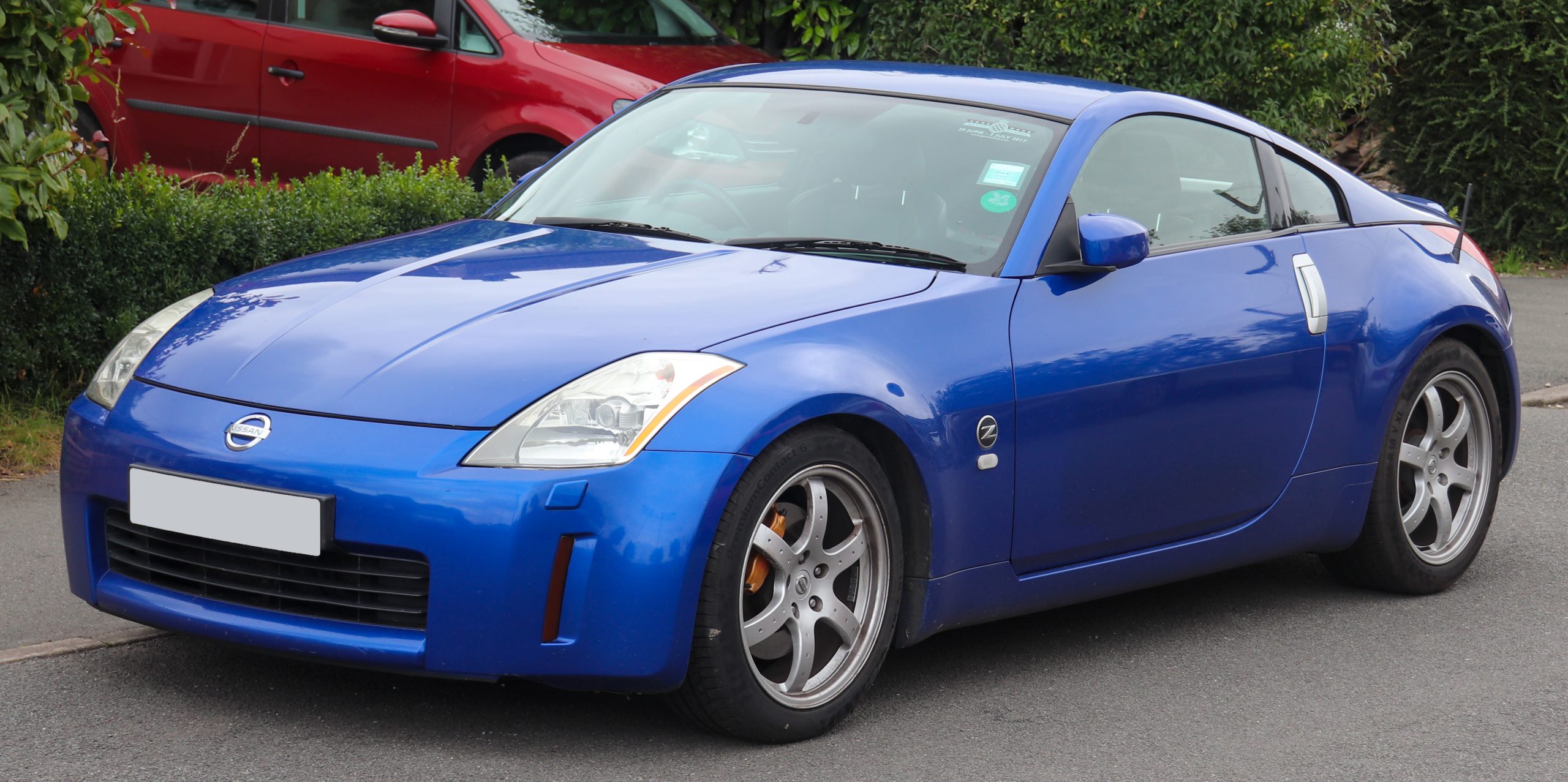
7. 2003–2009 Nissan 350Z (Z33): Attainable Power With a True Sports Car Layout
The 2003–2009 Nissan 350Z marked the long-awaited return of Nissan’s iconic Z car and quickly became a defining performance bargain of the modern era. Today, the Z33 represents one of the least expensive ways to access a well-balanced, Rear Wheel Drive sports car with real power straight from the factory.
With roughly 300 horsepower available in later models and strong suspension tuning out of the box, the 350Z delivers a compelling mix of speed, sound, and handling for under $7,000.
Built on Nissan’s FM platform, the 350Z places its 3.5 liter V6 further back in the chassis than most front engine cars, creating a near ideal 53:47 weight distribution. This layout gives the car a long wheelbase, wide track, and high torsional rigidity, all of which contribute to stability at speed and confidence through corners.
While not a true front mid engine design, the benefits are clear in both grip and balance. The result is a midweight coupe that feels planted, composed, and predictable on the road or track.
The VQ series engine is central to the 350Z’s personality. Its distinctive exhaust note and strong midrange pull make it engaging even at moderate speeds, while higher revs deliver a rewarding surge of power. A six-speed manual transmission was standard, offering direct engagement, while an automatic was also available. Performance is accessible without modification, making the Z33 attractive to drivers who want speed without immediately investing in upgrades.
Practicality is less of a strong point. Although it features a hatchback layout, cargo space is limited due to a prominent rear strut brace that improves rigidity at the expense of utility. Interior design emphasizes the driver, mixing retro cues inspired by the original 240Z with modern elements. Trim levels ranged from basic to Track and Touring models, offering everything from upgraded brakes and lightweight wheels to leather seats and premium audio.
Ownership does require realistic budgeting. Maintenance and consumables cost more than in lighter cars, and fuel economy is modest. Still, few cars at this price point offer the same blend of power, balance, and emotional appeal. For enthusiasts drawn to the sound of a naturally aspirated V6 and a classic sports car formula, the 350Z remains a deeply satisfying and increasingly nostalgic choice.
8. 1994–1999 Dodge and Plymouth Neon: Lightweight 1990s Fun on a Tight Budget
The 1994–1999 Dodge and Plymouth Neon is one of the most overlooked budget performance cars of the 1990s. Finding a clean survivor today can be difficult, as many were raced hard, modified heavily, or lost to rust. The examples that remain, however, offer an appealing mix of very low purchase price, light weight, and unexpectedly sharp handling that still holds up in enthusiast driving.
Weighing under 2,400 pounds, the first generation Neon sits in the same lightweight category as cars like the Mazda Miata or Honda Fit. This low mass gives it lively responses and an eagerness to change direction that makes it far more engaging than most economy cars of its era.
With a manual transmission and a sorted suspension, a Neon can feel agile and playful, especially on tight roads or autocross courses. Clean manual examples can still be found for under $4,000, making them one of the cheapest ways into genuine driver-focused fun.
Performance varied by engine choice. Base SE and LX trims came with a 2.0-liter SOHC engine producing around 132 horsepower, which was respectable for the time. Sport oriented trims like the R/T and Expresso received a 150 horsepower DOHC version, improved brakes, and firmer suspension tuning. In a car this light, the DOHC engine delivered lively acceleration and helped establish the Neon as a legitimate sport compact during the 1990s tuning boom.
The Neon’s cab-forward design gave it a surprisingly roomy interior and excellent visibility, traits that made it easy to live with as a daily driver. Fuel economy was also strong, often exceeding 40 mpg on the highway, and replacement parts remain inexpensive and widely available due to the car’s mass production.
The downside is reliability. Build quality was inconsistent, and common issues include oil leaks, electrical faults, and drivetrain problems. Interior materials are basic, and seat comfort is limited. Ownership success depends heavily on finding a well-maintained example, preferably with documented care.
For enthusiasts willing to accept some risk, a first-generation Neon offers a distinct 1990s character and genuine driving enjoyment at an extremely low cost. When cared for properly, it can be a rewarding and surprisingly capable lightweight performance platform.
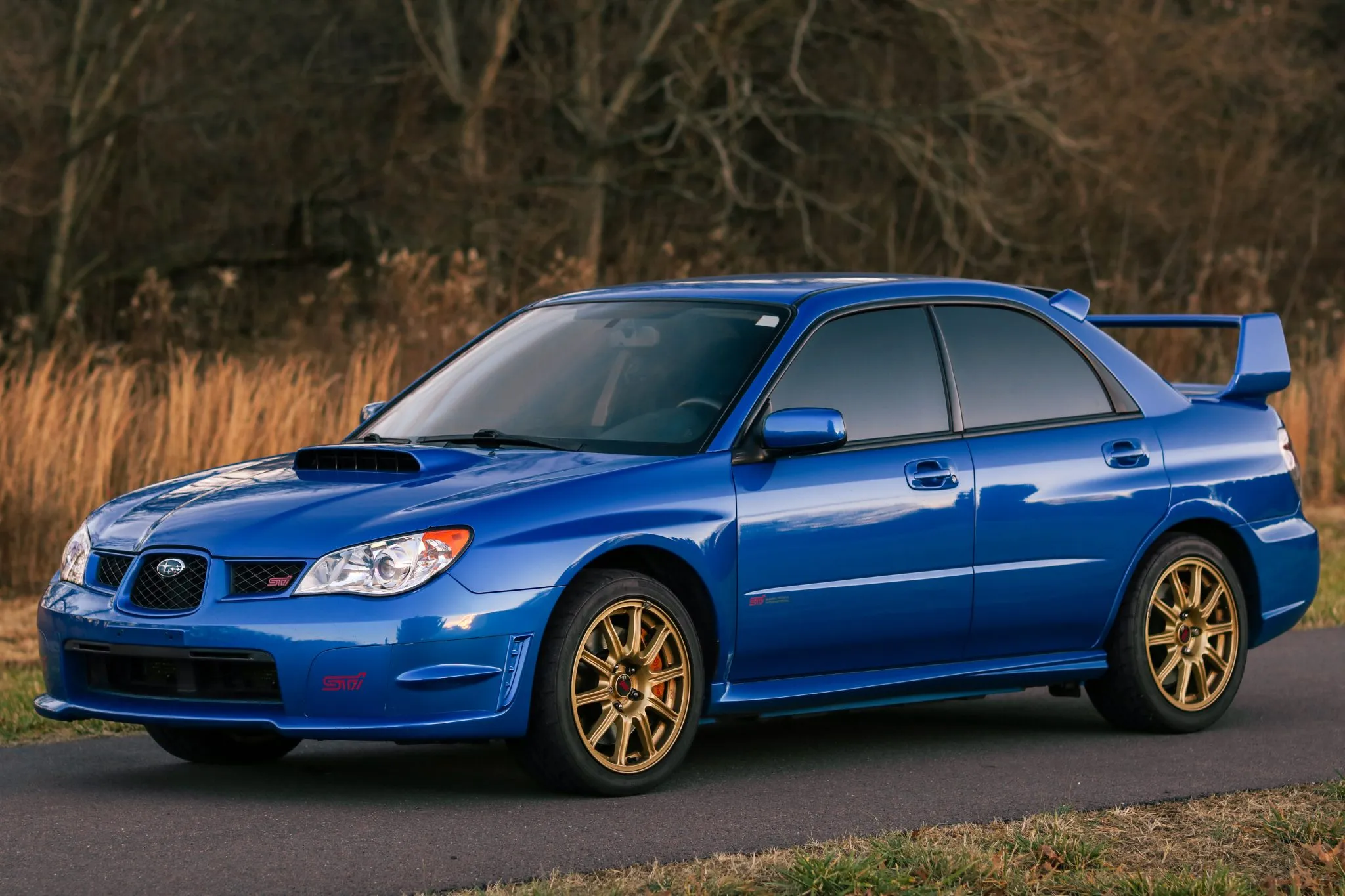
9. 2001–2007 Subaru Impreza WRX (Bugeye, Blobeye, Hawkeye): Rally-Bred All-Weather Performance
The 2001–2007 Subaru Impreza WRX offers a rare combination of turbocharged power, all-wheel drive, and practicality at an attainable price. With examples often available for under $8,000, the WRX provides performance that few cars in its segment can match, making it ideal for enthusiasts seeking a versatile vehicle capable of daily driving, spirited canyon runs, or occasional track sessions.
Its rally-inspired roots give it an edge in low-traction conditions, allowing confident driving in rain, snow, or light off-road situations with the proper tires.
Powered by Subaru’s legendary EJ-series turbocharged flat-four Boxer engine, the WRX delivers explosive acceleration once the turbo spools, though early models can exhibit turbo lag. Rear-wheel drive dynamics are replaced with symmetrical all-wheel drive, which provides planted handling and impressive grip, making the car both forgiving and rewarding for drivers learning vehicle control.
The chassis is light for an AWD car, tipping just under 3,100 pounds, which adds to its agility. Handling is generally balanced, though stock models can understeer slightly at the limit.
Three major WRX variants define this generation. The Bugeye (2001–2003) features distinctive bug-like headlights, a fun budget-friendly package, but less aggressive styling, and some transmission weaknesses.
The Blobeye (2004–2005) introduced more conventional headlights and slightly wider tracks on STI models, improving both aesthetics and handling. The Hawkeye (2006–2007) represents the peak of refinement, combining a more attractive appearance with improved performance, wider tracks, and stronger STI components.
Ownership demands diligence. Timing belt replacement is critical, and the manual transmissions in early WRXs can be fragile. Modifications are common and can greatly enhance performance, but poorly tuned engines or excessive boost can quickly destroy components.
Daily driving is feasible, though fuel economy is modest, and interior materials feel dated. A pre-purchase inspection is essential to ensure reliability, especially for cars that have been heavily modified or tracked.
The WRX’s combination of turbocharged Boxer power, AWD capability, and lightweight chassis makes it a distinctive, fun-to-drive performance car that few others in its price range can match.
For enthusiasts willing to maintain it properly, it offers a rare balance of accessible speed, handling, and year-round usability. The Hawkeye is often seen as the most polished, while Bugeye and Blobeye models provide more budget-friendly entry points into the world of rally-bred driving.
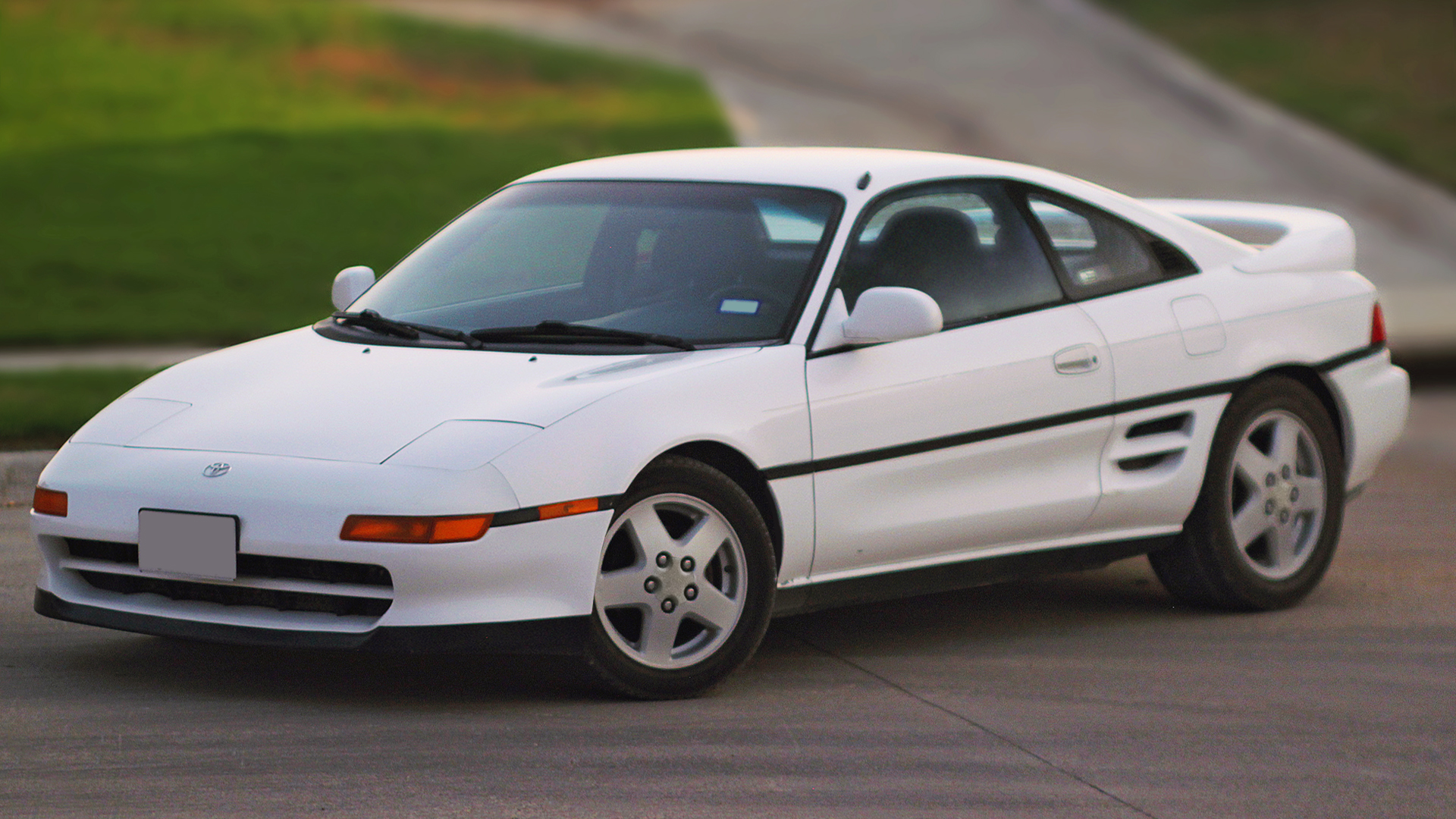
10. 2000–2007 Toyota MR-S (W30): Affordable Mid-Engine Roadster Fun
The 2000–2007 Toyota MR-S, known in the United States as the MR2 Spyder, offers a rare combination of mid-engine layout, rear-wheel drive, and light weight, making it one of the most engaging entry-level sports cars of its era. Weighing under 2,200 pounds and powered by a 1.8-liter four-cylinder, the MR-S delivers Lotus-like handling at a fraction of the price, providing a rewarding driving experience without the maintenance headaches or expense of a true exotic.
Handling is the MR-S’s standout feature. Its rear weight bias and compact chassis create nimble, balanced cornering dynamics that reward precise inputs. Compared to front-engine roadsters like the Miata, the MR-S is slightly more challenging to drive at the limit, offering higher engagement while remaining forgiving enough for confident driving.
Steering is sharp, the suspension responsive, and the five-speed manual gearbox is widely praised for its smooth, precise action. Enthusiasts often highlight its mid-engine layout as a key factor in delivering a pure, connected driving experience.
Reliability and economy are strong points. The Toyota 1ZZ-FE engine is generally dependable and fuel efficient, making the car practical for occasional commuting and weekend drives. Minor issues, such as oil consumption, VVTi timing chain wear, and occasional idling roughness, can appear on higher mileage examples but are manageable with routine maintenance.
The MR-S benefits from Toyota’s reputation for durable parts, and aftermarket solutions, including the 2ZZ engine swap or TTE turbo kits, exist for those seeking more power.
Practicality is limited. Luggage space is minimal, cabin access is tight, and high-speed noise can be intrusive. Build quirks include potential corrosion on the rear crossmember, parking brake cable wear, and rear window replacement requiring the entire hood panel. Despite these drawbacks, the MR-S remains a standout in affordability, driving purity, and lightweight sports car thrills.
Facelifts in 2002 and 2004 improved suspension, bumpers, and body stiffness, enhancing refinement without sacrificing agility. Rare models, such as the TTE turbo kit or UK-limited TF300 edition, add performance and collectability.
For enthusiasts seeking a lightweight, mid-engine, rear-wheel drive roadster with precise handling and a pure connection to the driver, the MR-S offers one of the best values in sports car ownership. While it is not the fastest car on paper and lacks practicality, it delivers unmatched fun for weekend drives and twisty roads, making it a true driver’s car at an accessible price.
Budget-friendly does not mean compromise when it comes to track-day excitement. From the versatile Honda Fit to the mid-engine Toyota MR-S and the rally-bred Subaru WRX, each vehicle on this list offers a compelling combination of speed, handling, and practicality.
Lightweight design, thoughtful engineering, and driver engagement often matter more than raw horsepower or exotic branding. With careful selection and proper maintenance, these affordable cars provide a pure, connected driving experience on the street and track. They show that high-adrenaline performance can be attainable for budget-conscious gearheads and that the joy of driving does not require a six-figure sticker.
Also Read: 5 Cars for San Antonio Commutes vs 5 That Cost More to Maintain
