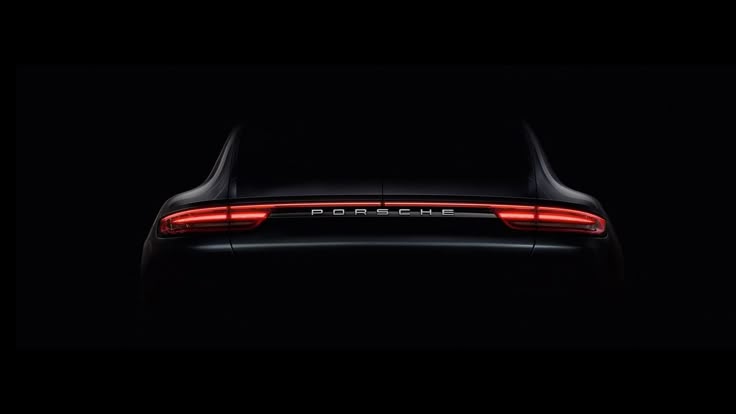
Porsche has this funny way of making cars that look delicate but behave like they’re carved out of some unbreakable metal from a sci-fi movie.
People stereotype the brand as “expensive toys,” but anyone who has spent time around older Porsches knows the truth these things take a beating, keep their dignity, and then casually ask if you’re done or if they should keep going. That’s exactly why so many used models stay on the road long after other cars from their era have turned into scrap or nostalgia.
And no, it’s not magic. Porsche engineers stuff their cars with overbuilt components, obsess over cooling, test them in conditions that feel borderline cruel, and somehow keep performance sharp even after years of punishment. When normal sports cars age, they get tired and cranky. When Porsches age, they act like they’re offended you thought they would slow down.
This is why older Porsche owners are annoyingly relaxed about mileage. Someone with a 150,000-km luxury sedan from another brand starts worrying about what big failure is coming next.
A Porsche owner sees 150,000 km and shrugs, because their engine probably isn’t even warmed up in its long-term lifespan yet. These cars aren’t immortal, but they behave like they are, which is why the used market is full of high-mile examples that still feel tight, sorted, and capable of embarrassing newer cars.
So if you’re looking for a Porsche that won’t fall apart, demand drama, or act like a high-maintenance diva, you’ve got options, serious options. Some of these models were built during Porsche’s most stubborn “engineers rule the company” period, while others became legends because real-world owners discovered they just refused to die.
Here’s a breakdown of 10 used Porsche models that are practically impossible to kill. The stubborn, tough, and surprisingly reliable machines that keep proving everyone wrong about what a so-called “fragile” sports car should be.
Why These 10 Porsches Earn Their Reputation
People throw around phrases like “bulletproof engine” and “indestructible build,” but there’s always a reason certain cars earn those labels. With Porsche, durability comes from a mix of design choices that weren’t meant to be glamorous, just effective.
Their flat-six engines stay balanced by nature, their transmissions are famously tough, and the brand refuses to compromise on cooling or materials even when most companies would’ve cut corners.
Another reason these models last is how they’re typically owned. Porsches attract people who maintain their cars instead of ignoring them. Even a used one with several owners usually has a trail of regular servicing behind it. You rarely see a Porsche that’s been abused into the ground, because most owners don’t treat them like disposable transport.
And here’s the real kicker many older Porsches were engineered during a time when the brand wasn’t chasing mass-market volume. They built things to survive racing conditions even if most owners were just driving to work. That level of over-engineering shows up decades later when their engines barely feel worn and the chassis still feels tight.
The 10 models below represent the strongest examples of Porsche’s “you can’t kill me” attitude. Some are classics, some are modern, and some are oddly affordable considering their reputation. But all of them have one thing in common: they keep running when logic says they should’ve quit a long time ago.
1. Porsche 911 (997)
The 997-generation 911 sits in a sweet spot where reliability meets modern usability. It feels fresh enough to daily, yet simple enough that the electronics don’t freak out over minor issues.
Porsche had already ironed out most of the nonsense from the early 2000s, so the engines became sturdier, the cooling more stable, and the suspension more tolerant of rough roads. Even models with high mileage still feel tight, which is honestly wild for a performance car from this era.

What helps the 997 stay alive is how pleasantly unstrained it feels. The flat-six engine loves to rev, but it isn’t constantly on the verge of self-destruction like some high-strung sports engines. Owners routinely report crossing 200,000 km without any major drama. The interior quality also holds up shockingly well no sagging panels, no crumbling plastics, just a cockpit that ages with quiet confidence.
Another reason the 997 refuses to die is its simplicity. It doesn’t rely heavily on complicated systems that cost a fortune to replace. The electronics are straightforward, the transmission options are robust, and the car just behaves like a machine built with pride rather than profit margins.
Whether you pick the Carrera, Carrera S, or even the wide-body variants, the 997 gives you that classic Porsche feel with almost no downside. It’s the kind of used sports car that you buy once, keep forever, and never really worry about. If your goal is a 911 that just won’t quit, this generation is one of the safest bets you can make.
2. Porsche Cayman 987
The 987 Cayman is one of those cars people dramatically underestimate until they actually drive one. It’s light, predictable, and balanced in a way that feels surprisingly low-stress. But the best part? It’s far more durable than most mid-engine sports cars. The layout helps with handling, sure, but Porsche also made the whole platform rugged enough to take years of spirited driving without throwing tantrums.
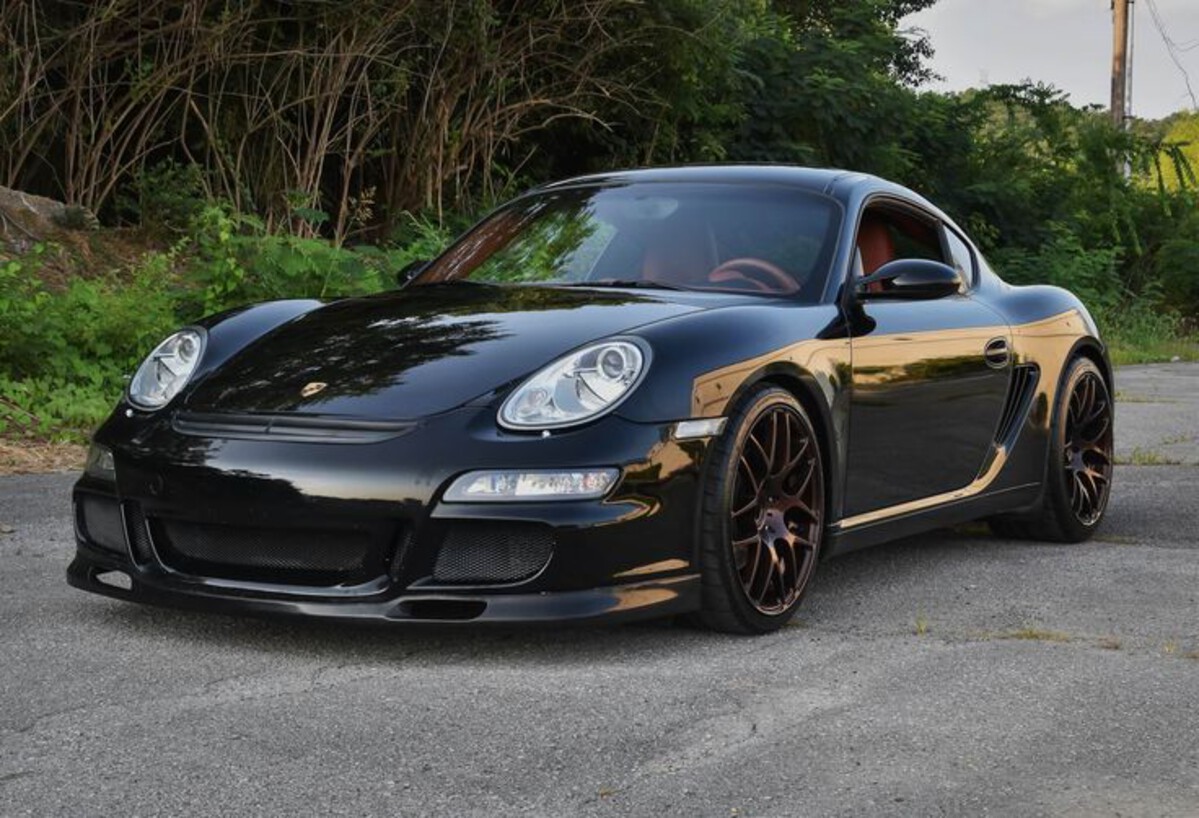
What makes the 987 almost unkillable is how conservatively the engines are tuned. They aren’t overpowered, and that’s exactly why they last. The cooling system is properly engineered, the transmission is stout, and even the suspension components wear slowly compared to similar cars from other brands. You can take this car on bad roads, track it on weekends, and still expect it to behave like a sensible, drama-free machine.
Owners regularly talk about hitting huge mileage numbers without any significant internal engine issues. The interior holds up better than many luxury cars from the same era, and the electronics rarely act up. Even when something eventually needs replacing, the parts aren’t ridiculously expensive because Porsche designed these cars to be somewhat accessible.
The 987 is also incredibly friendly to DIY maintenance, which helps keep it healthy longer. And unlike some higher-end Porsches, it doesn’t punish you for driving it hard—it seems to enjoy it. If you want a used Porsche that handles like a dream and refuses to die, the 987 Cayman deserves its reputation as one of the brand’s toughest mid-engine creations.
3. Porsche Boxster (986)
People love to joke about the first-gen Boxster as “the cheap Porsche,” but anyone who actually owns one knows it’s one of the most durable roadsters ever built. Sure, early years had a couple of known issues, but once those were sorted, the 986 became nearly unstoppable. Its flat-six engine might not be the most powerful Porsche ever made, but it’s easily one of the most resilient.
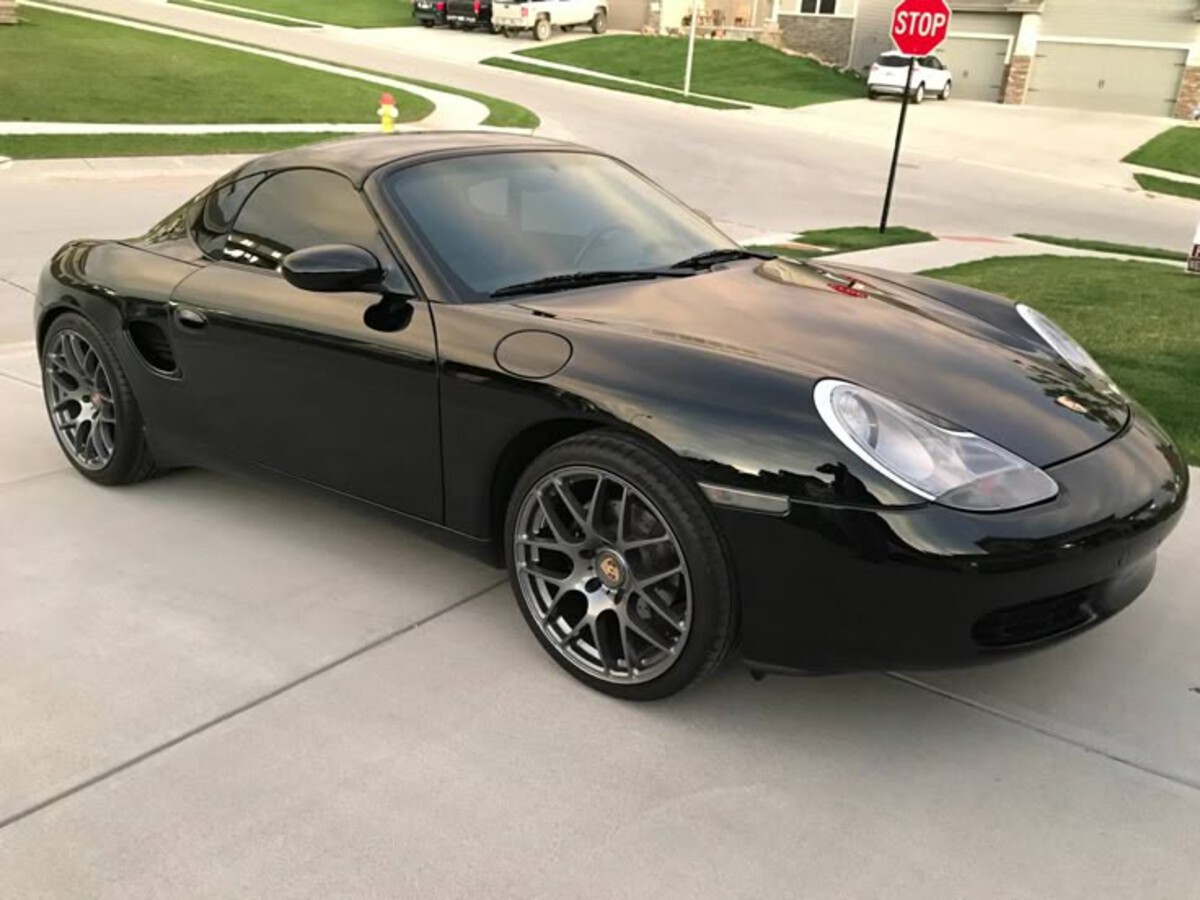
This car thrives on being used regularly. Leave it parked for long stretches and it feels moody, but drive it often and it rewards you with smooth power delivery and shockingly good reliability. The steering and suspension components age gracefully, and even cars with six-figure mileage still feel eager. Most roadsters from the late ’90s and early 2000s are flimsy or full of creaks, yet the 986 stays solid, tight, and confident.
One of the main reasons it refuses to die is its straightforward engineering. Porsche didn’t overload this car with electronics, and the mechanical components are robust. The manual transmission especially is known for its durability many owners consider it nearly impossible to kill unless you go out of your way to abuse it.
Even the convertible top mechanism, which is usually the weak point on older roadsters, holds up better than expected. And when something does need attention, parts availability is excellent thanks to the sheer number of these cars still on the road.
The 986 Boxster might be the most surprising car on this list. Affordable, simple, and unbelievably durable—it’s one of those Porsches you buy expecting a “starter” experience and end up keeping for years because it just won’t quit.
4. Porsche 911 (993)
Ask any old-school Porsche fan which 911 generation is the toughest, and the 993 usually gets mentioned instantly. It’s the final air-cooled 911, built before Porsche started adding complicated electronics and modern luxury features. Everything about this car feels mechanical, honest, and engineered with a level of seriousness that borders on obsessive.
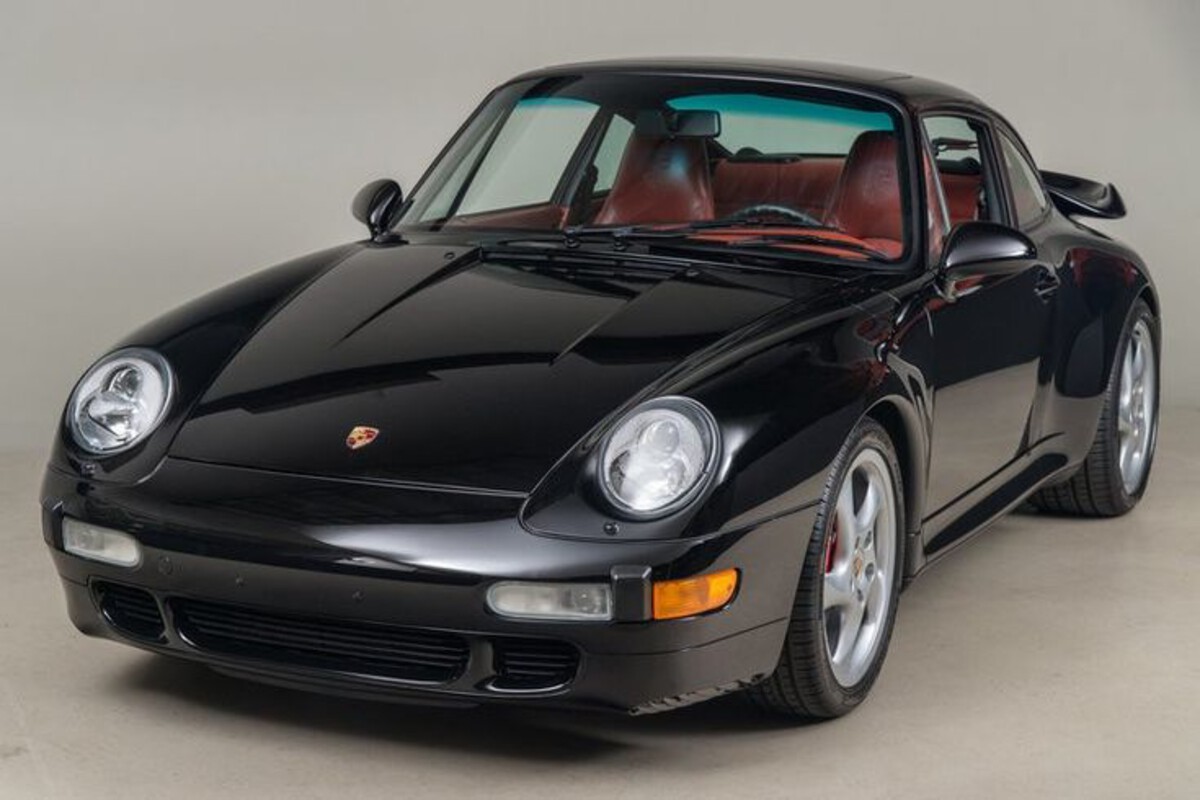
The air-cooled flat-six is famous for being borderline indestructible. As long as you keep up with basic maintenance, it can handle enormous mileage with almost no internal deterioration. The engine tolerates heat well, the gearbox is overbuilt, and the suspension components are rugged enough to last through decades of driving.
Aside from the technical toughness, the 993 also benefits from ridiculously good build quality. The body panels fit like they were carved from a single block, the interior materials age gracefully, and nothing feels overly fragile. You rarely see a 993 with major electrical problems because there simply aren’t that many electronics to fail.
Even today, plenty of 993s are still driven daily, proving that a 1990s sports car can outlast many brand-new luxury cars. It starts reliably, idles smoothly, and maintains its composure no matter how old it gets.
What’s funny is that the car didn’t become famous for being unkillable it became famous for being beautiful and beloved. Its toughness was just an added bonus that owners discovered over time. If you want a Porsche that blends classic charm with modern dependability, the 993 sits comfortably at the top of the list.
5. Porsche Cayenne (955)
The first-gen Cayenne shocked everyone when it arrived. Porsche making an SUV felt weird, but the moment these things hit the road, people realized they were built like tanks. The 955-generation Cayenne has one of the strongest reputations for longevity among any luxury SUVs ever made, and the V8 engines are known to keep running long after you expect them to give up.
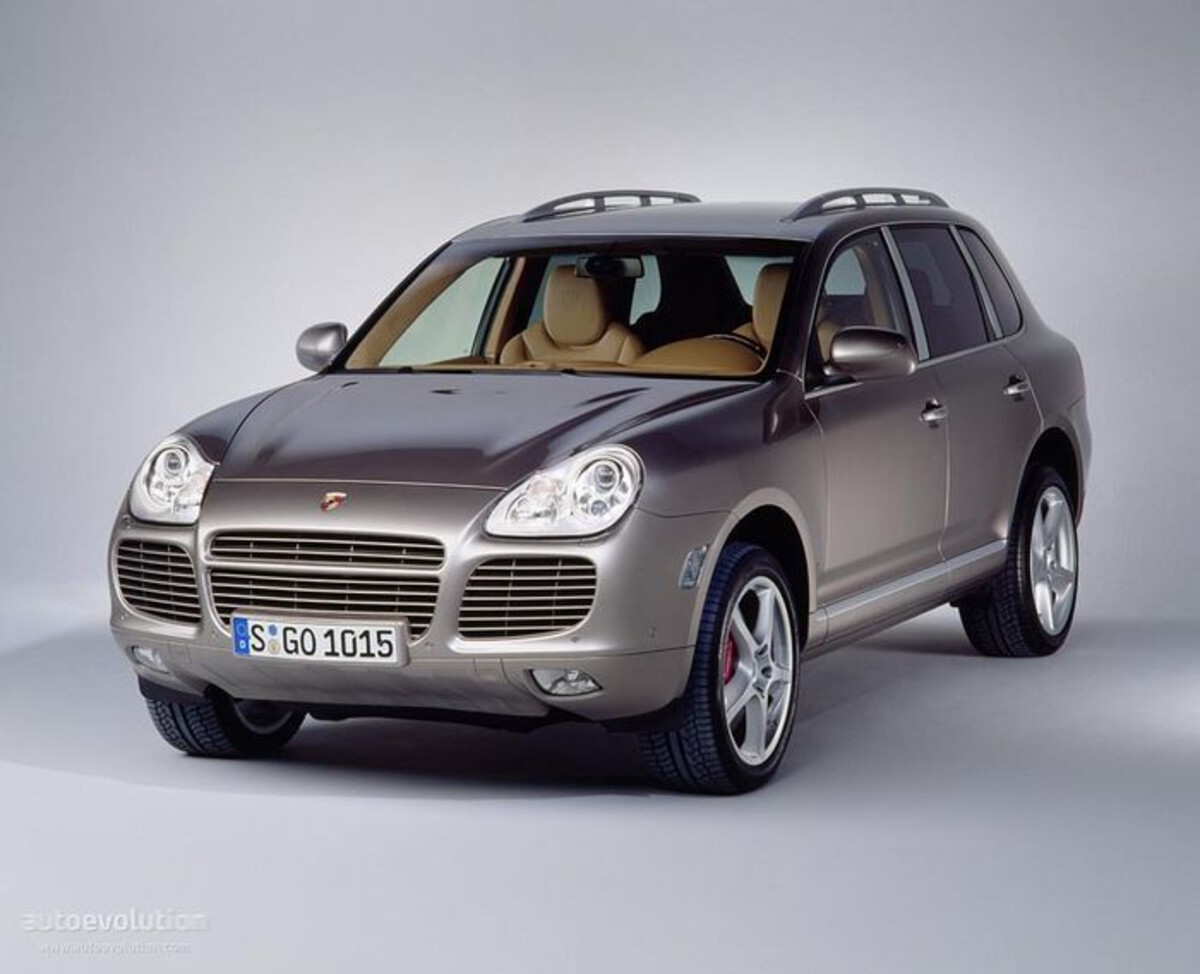
This SUV was engineered during a time when Porsche wasn’t worried about mass-market appeal they wanted to prove the brand could build something big without sacrificing durability. So they overbuilt almost everything: the drivetrain, the cooling system, the suspension, and even the cabin materials.
What makes the 955 especially tough is its versatility. You can daily it, road-trip it, or take it through rough terrain, and it reacts with a kind of stubborn confidence. Plenty of owners report crossing extreme mileage milestones with nothing more than regular servicing.
Even the interior holds up shockingly well. The leather doesn’t fall apart like other early-2000s luxury cars, the buttons stay tactile, and the electronics—while not fancy—are reliable.
This SUV also helped Porsche survive financially, which is ironic, because it’s the kind of vehicle that simply refuses to die. If you want Porsche engineering with everyday practicality and ridiculous durability, the 955 Cayenne is a used buy that makes total sense.
6. Porsche Macan (95B)
Unlike the older models on this list, the Macan is a fairly modern machine loaded with tech, yet it has earned a reputation for being one of the most reliable vehicles in its class. While many modern luxury SUVs suffer from fragile electronics, the Macan has surprisingly stable systems that rarely give owners grief.
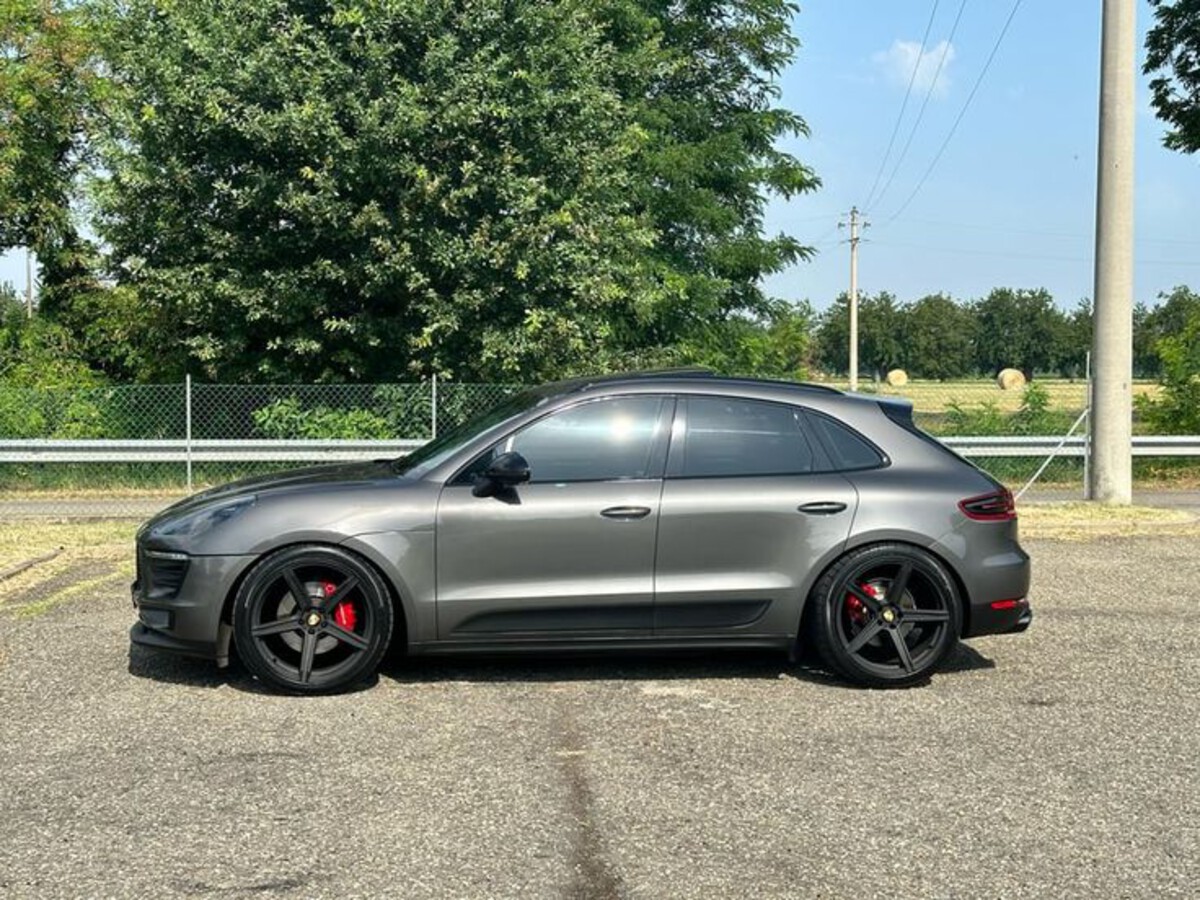
The engines are robust, the dual-clutch transmission is far stronger than people expect, and the chassis is engineered to handle enthusiastic driving without wearing out suspension components quickly. It doesn’t matter whether you pick the base four-cylinder, the V6, or the performance variants they all share the same foundation of durability.
Part of what makes the Macan so hard to kill is Porsche’s obsessive approach to testing. It was designed to be used as a daily SUV, not a weekend toy, so the engineering team made sure the car could handle stop-and-go traffic, long road trips, hot climates, bad roads, and everything in between.
Even interior quality plays a role. Nothing squeaks, nothing crumbles, and even high-mile examples still look expensive inside. Owners often remark that the car feels new even after years of use, which is rare in the SUV world.
If you want a modern Porsche that can handle real-life stress without needing constant repairs, the Macan stands out. It’s practical, sporty, and tougher than anyone expects—basically a luxury SUV that behaves like it’s built for endurance.
ALSO READ: 8 Classic Cars With Iconic Pop-Up Headlights
7. Porsche Panamera (970)
Luxury sedans usually age badly because they’re overloaded with features, but the first-gen Panamera breaks that rule. The 970-generation car may look like it’s trying too hard to be fancy, but underneath the styling is a surprisingly robust machine.
The engines especially the V8s, have a strong reputation for longevity, and the transmissions pair well with them, delivering smooth performance without the problems commonly seen in other high-end sedans.
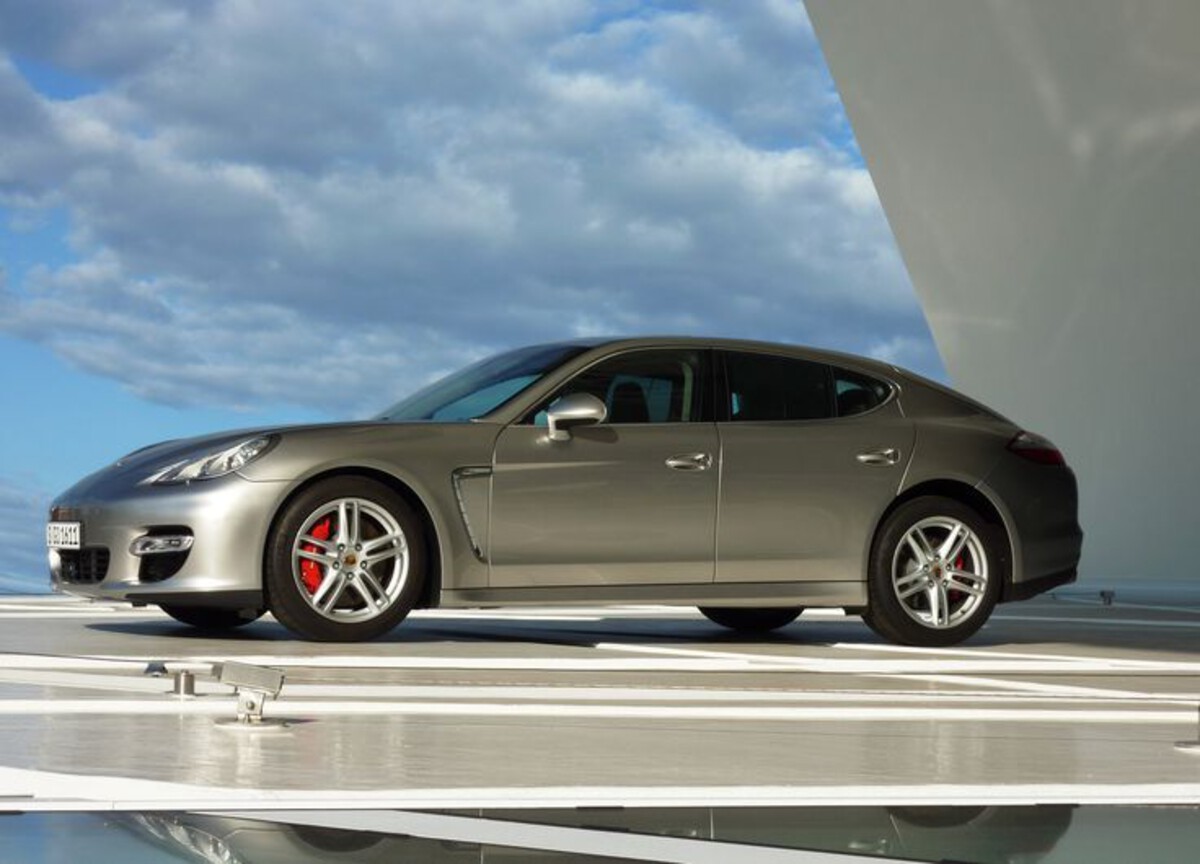
This car was Porsche’s attempt to enter a new segment without embarrassing the brand, so they engineered it with the same seriousness they use for their sports cars. The suspension system is designed to handle both comfort and performance, and despite being complex, it holds up well over time.
Owners who actually daily the Panamera often talk about how little goes wrong. Normal wear items take predictable amounts of time to age, the electronics are relatively stable, and the interior stays quiet even after long use.
The Panamera feels like a car that was built for people who drive a lot, not just people who want something flashy parked outside their house. It absorbs mileage without losing composure, and even the early models still feel solid today.
If you want the comfort of a big sedan but the durability of a Porsche, the first-gen Panamera is a surprisingly dependable choice that refuses to fade with time.
8. Porsche 911 (964)
The 964 is one of those cars that doesn’t look tough on paper, yet somehow ends up being one of the most resilient 911 generations ever built. It blends classic air-cooled charm with early modern tech, creating a mix that somehow just works even decades later.

Its flat-six engine is built like a brick, with thick components and a simplicity that makes long-term durability almost guaranteed. The mechanical nature of the car means there’s very little to go catastrophically wrong. Everything is repairable, accessible, and tough enough to last far beyond the mileage most sports cars survive.
Another thing that helps the 964 stay alive is its driving style. It encourages smooth, balanced use rather than reckless abuse, which is why so many examples today still run beautifully. The chassis is strong, the suspension components are long-lasting, and the gearbox feels like it was carved for decades of use.
The interior is also more durable than many cars from its era. No fading plastics, no fragile electronics, and no cheap parts pretending to look premium. The whole cabin feels like it was designed by someone who expected the car to be passed down through generations.
The 964 isn’t just a charming classic it’s a machine that genuinely refuses to die. If you want a vintage Porsche with modern-enough usability and legendary toughness, this generation fits the bill perfectly.
9. Porsche Cayenne (957)
After the success of the first-gen Cayenne, Porsche refined the platform and ended up with the 957 a model that kept all the strength of the original but added better reliability, smoother performance, and improved interior quality. It’s basically the SUV version of “tough but polished.”
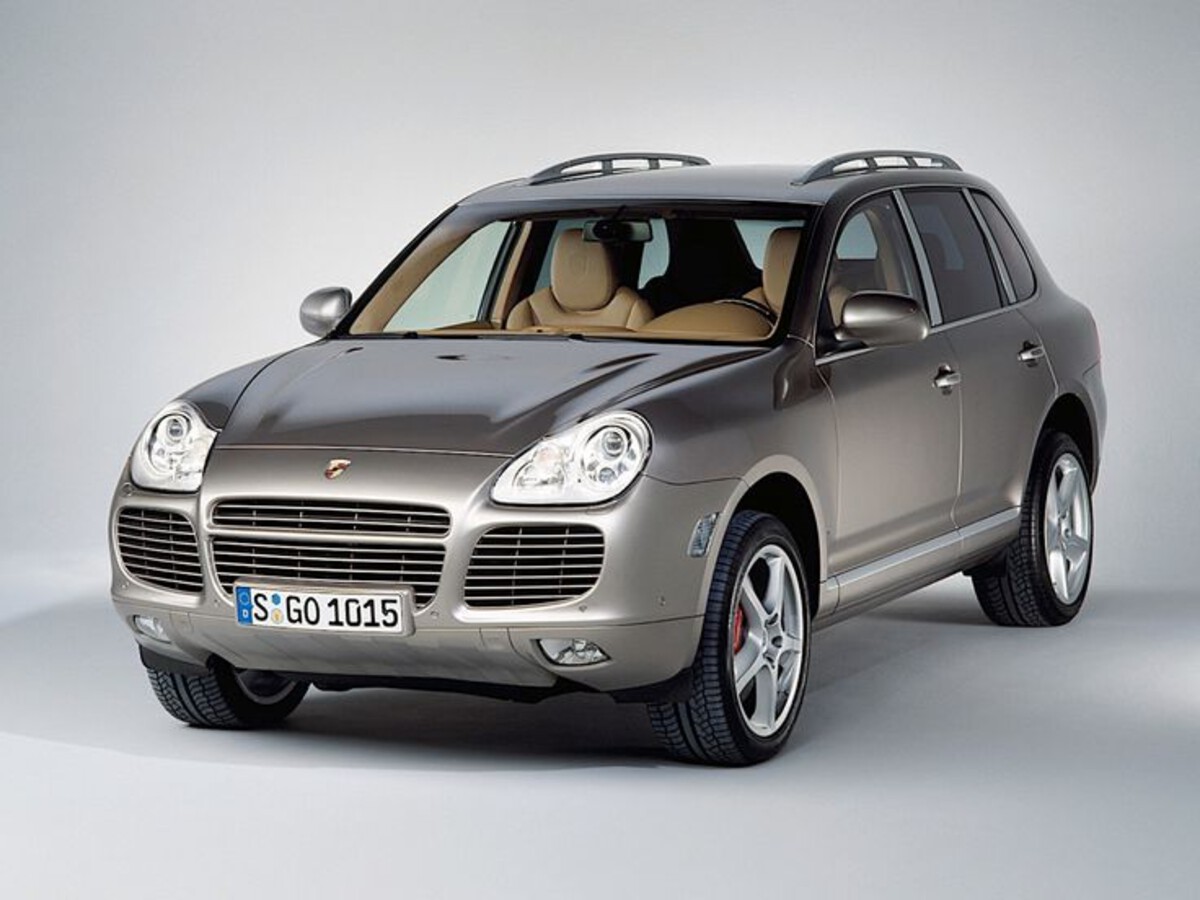
The engines in this generation are particularly strong, especially the V8s. They can handle heavy loads, long distances, and rough use without showing signs of fatigue. The cooling system is robust, the driveline durable, and the suspension surprisingly resistant to wear.
Despite being loaded with advanced features for its time, the electronics rarely give owners major issues. Porsche clearly learned from the early years and fine-tuned everything to be more reliable.
One of the biggest advantages of the 957 is how well it handles real-world conditions. Whether you’re driving on highways, rough roads, or occasional off-road trails, the car maintains composure. Many SUVs age into a sloppy mess, but the Cayenne keeps its structure tight even after years of abuse.
The interior stays plush, the leather ages gracefully, and the controls continue to feel premium. It’s not a fragile luxury SUV it’s one that seems proud of the miles it covers.
If you want a used Porsche SUV that balances durability with comfort, the 957 is one of the strongest choices on the market.
10. Porsche 914
The 914 doesn’t look like a typical Porsche, and that’s part of its charm. Built during a quirky era of collaborations and experiments, it ended up becoming one of the brand’s most reliable classic cars. The engine options are famously simple and rugged, especially the smaller flat-fours, which seem to run forever with minimal trouble.

One of the reasons the 914 is practically impossible to kill is its mechanical layout. The mid-engine design is straightforward, the cooling system is effective, and the chassis is so basic and robust that it hardly develops structural issues. This simplicity means fewer points of failure, especially compared to the more delicate sports cars of its era.
The 914 also handles beautifully, which encourages smooth driving rather than aggressive abuse. Its lightweight build reduces stress on the engine, brakes, and suspension, helping everything last longer than expected.
Plenty of 914s on the road today have been running for over 40 years with their original engines or with only mild refreshes. The body panels resist rust better than many classics, the electrical systems are minimal, and maintenance is relatively cheap.
It may not have the prestige of the 911, but the 914 has a loyal following for one simple reason: it refuses to break. If you want an old Porsche that’s surprisingly durable, this quirky little legend belongs on your radar.
For all the jokes about Porsche owners being picky or obsessive, the truth is these cars earn loyalty by showing up every single day without complaining. They age well not because they’re pampered, but because Porsche engineered them with stubborn precision. The brand built its reputation on endurance racing, so even the road cars inherited a kind of “never surrender” attitude.
Each model on this list survives for its own reasons. Some are mechanically simple, some are overbuilt, and some just happen to be engineered during seasons when Porsche refused to compromise. The older models prove that analog engineering still matters, while the newer ones show that modern tech doesn’t automatically mean fragility.
More importantly, these cars keep running because owners actually enjoy driving them. A Porsche doesn’t sit in the garage it gets used, and machines that get used stay healthier longer. Regular driving keeps seals fresh, fluids circulating, and components worn in instead of worn out. It’s almost like Porsche designed its cars to thrive on activity rather than rest.
If you’re considering buying a used Porsche, the biggest lesson is simple: longevity isn’t luck. It’s in the brand’s DNA. These cars aren’t just performance machines they’re long-term companions built to keep proving themselves year after year.
Pick the right model, take care of it, and you’ll have something that doesn’t just last, but stays enjoyable at every stage of its life. Porsche may make luxury products, but beneath the prestige is a seriousness that very few automakers can match.