In an era where dual-clutch transmissions and automatic gearboxes dominate the high-performance car world, the existence of manual transmissions in supercars has become a rarity.
Yet, for enthusiasts who crave a more visceral connection with the road, a traditional stick shift is still a coveted feature. Driving a manual supercar isn’t just about shifting gears it’s about control, precision, and the sheer thrill of being one with a machine capable of extraordinary performance.
For American drivers, who often face long stretches of highway and diverse driving conditions, a manual supercar combines excitement with an experience that no automatic can replicate.
Here’s a look at 10 true supercars that still offer a manual transmission, proving that driving engagement hasn’t completely disappeared from the automotive world.
1. Porsche 911 GT3 (992)
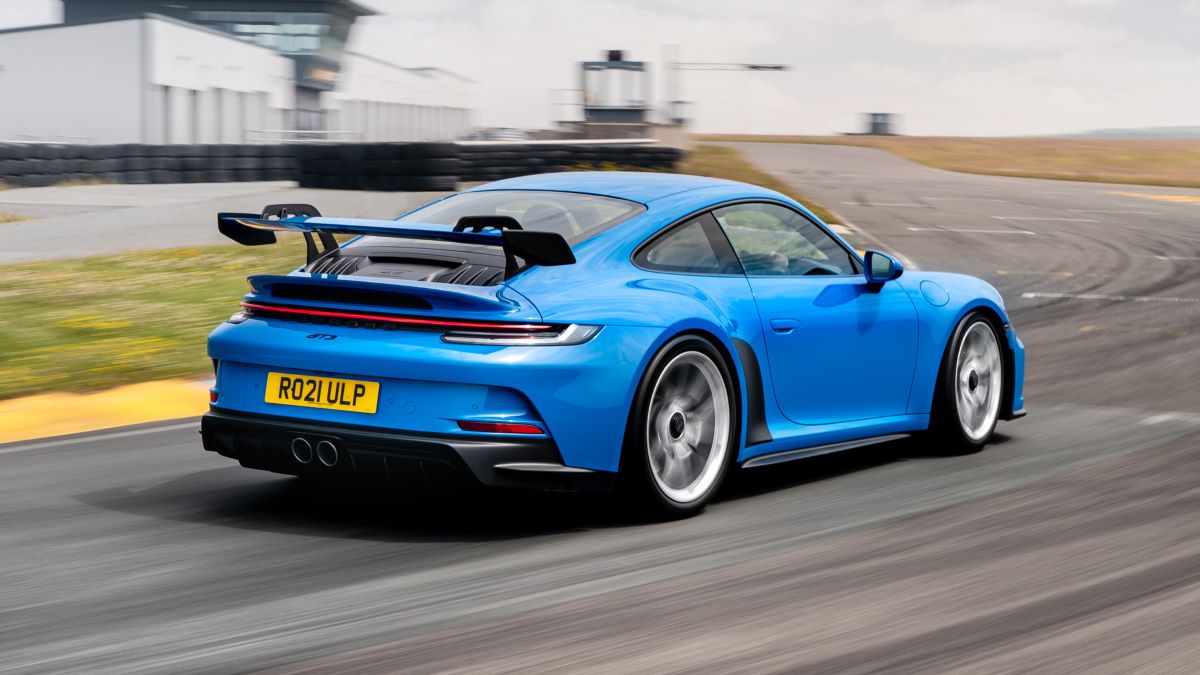
The Porsche 911 GT3 has long been a symbol of driving purity, and the latest 992 generation continues that tradition. While Porsche offers the PDK dual-clutch as standard, purists can still opt for a 6-speed manual.
The GT3’s naturally aspirated 4.0-liter flat-six engine produces around 502 horsepower, providing a high-revving, thrilling experience.
The manual option is particularly appealing for track enthusiasts who want full control over their shifts, making it ideal for spirited drives on both winding mountain roads and the occasional American race track.
Its balanced chassis, rear-wheel drive, and precise steering make it one of the few supercars where a manual transmission genuinely enhances performance rather than feeling nostalgic.
You know what it is. We all do. The first GT3 debuted more than 25 years ago, and its core formula has remained remarkably consistent ever since.
Essentially, it’s a 911 equipped with a motorsport-derived engine, designed for the track, and dedicated to delivering an unfiltered driving experience. This second generation of the 992 GT3 refines that formula even further while staying true to its original concept.
At its heart, it’s a 911 powered by a 4.0-liter flat-six engine producing 503 bhp and a slightly reduced 332 lb-ft of torque (down from 347 lb-ft). The PDK-equipped GT3 sprints from 0-62 mph in 3.4 seconds, while the Touring model, which comes standard with a manual gearbox, does it in 3.9 seconds. Top speed is 193 mph for the standard GT3 and 194 mph for the Touring.
The Vmax is slightly lower than the previous manual model, which could reach 199 mph, but there’s a clear reason for this. Porsche is striving to preserve the GT3’s naturally aspirated spirit while contending with ever-tightening emissions legislation. Maintaining, or marginally improving, performance under these restrictions requires clever engineering, including an eight percent shorter final drive ratio.
The GT3’s engine benefits from RS-derived camshafts with longer duration, and the individual throttle valves have been further optimized for improved cylinder filling. In a less regulated world, this alone would deliver roughly a 5 bhp gain, but stricter emissions standards limit that increase. Cooling has also been enhanced.
On the suspension side, the GT3 now features an aerodynamically sculpted, downforce-inducing front trailing arm (also from the RS) with a lower pivot point, improving anti-dive characteristics.
For instance, during a full emergency stop from 124 mph, the previous GT3’s front end would dive 12 mm; the new model reduces this to 6 mm. Shorter bump stops have been added, allowing for greater suspension travel while incorporating a new RS-derived damper strategy. This not only improves kerb-striking tolerance but also helps the car endure the occasional UK pothole.
Porsche has also focused on minimizing weight despite the addition of emissions hardware, including four catalytic converters and two particulate filters, and the incremental updates associated with the new 992 generation.
The lightest outgoing GT3 weighed 1,418 kg. Without careful attention, this would have risen to 1,439 kg, but thanks to meticulous engineering, the new GT3 tips the scales at just 1,420 kg, an increase of only 2 kg.
Also Read: 5 Cars Best for Austin’s Stop-and-Start Traffic vs 5 That Drain Your Wallet
2. Ferrari 488 GTB (F1-Swap Models)
Ferrari largely transitioned to paddle-shift gearboxes years ago, but some of the earlier 488 GTB models and select Ferrari 458 Italia editions allow for a manual swap for collectors and dedicated enthusiasts.
The 488’s 3.9-liter twin-turbo V8 produces a staggering 661 horsepower, and while the dual-clutch is blazingly fast, a manual brings back an old-school Ferrari intimacy.
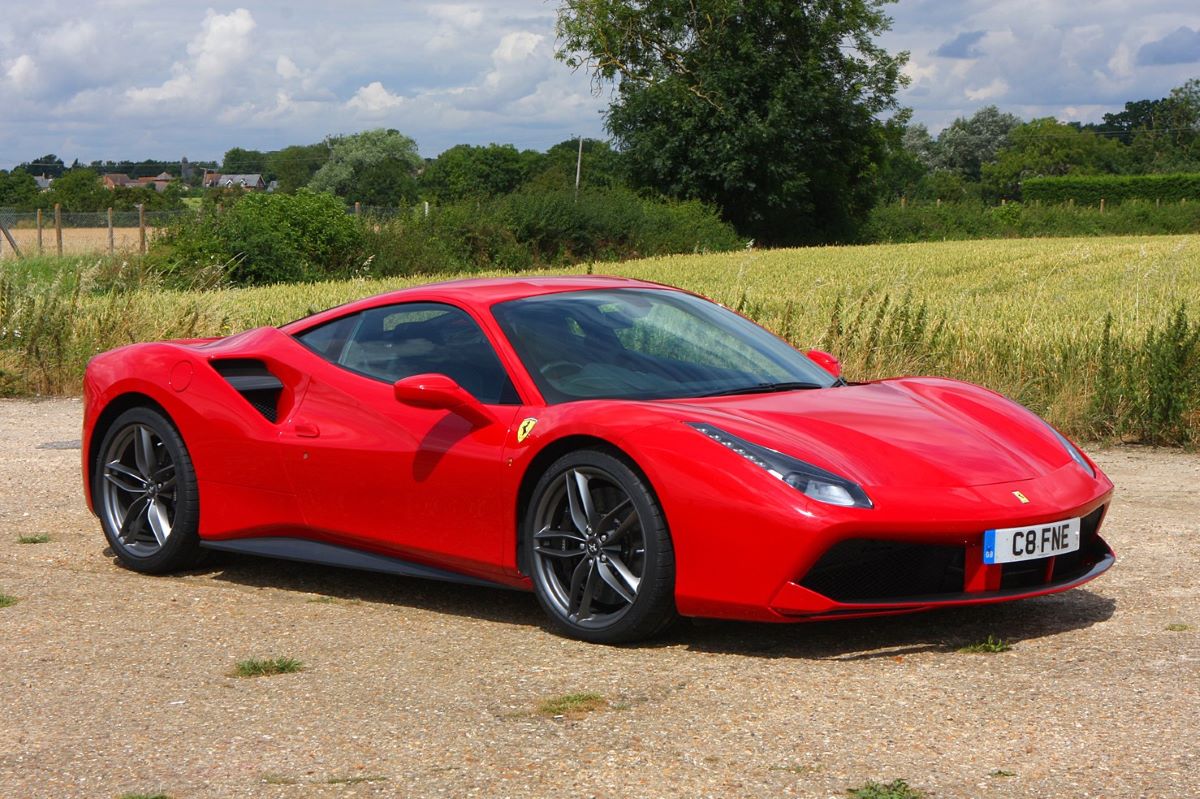
The car demands skill, with turbo lag and engine response requiring careful attention to throttle and clutch control.
In the US, owners who track their Ferraris or participate in club driving events often seek out manual variants, valuing the engagement over split-second shifts offered by automated systems.
Also Read: Top Used Trucks Dominating Resale Value Charts Right Now
3. Chevrolet Corvette Z06 (C7)
American supercars haven’t abandoned manual transmissions, and the Chevrolet Corvette Z06 stands as a prime example. The C7 Z06, with its 650-horsepower supercharged 6.2-liter V8, offered buyers a choice of a 7-speed manual or an 8-speed automatic.
The manual option delivers a raw, mechanical feel that complements the Corvette’s aggressive power and American muscle heritage.
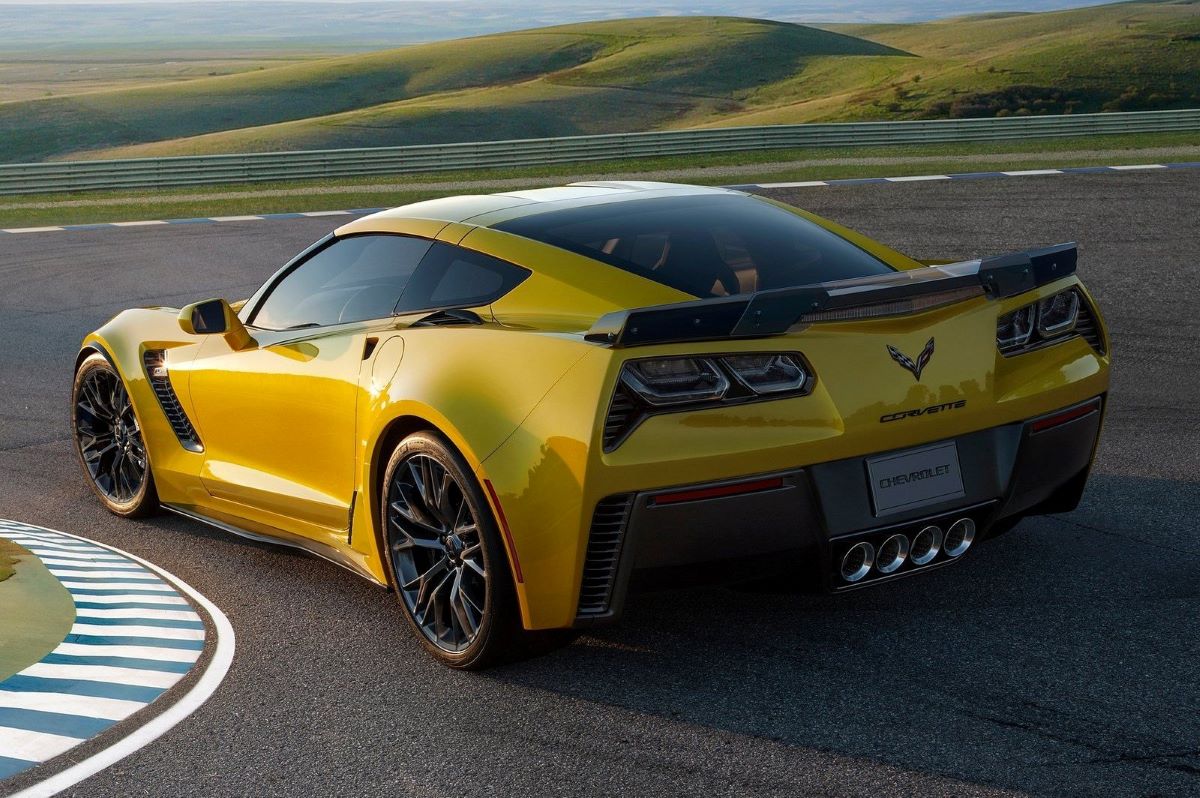
For US drivers who want a car capable of tearing up highways or competing at track days without the impersonal feel of paddle shifters, the Z06 manual is a rare gem.
Its wider appeal lies in accessibility unlike some European supercars, maintaining a Corvette manual is simpler and less expensive, making it a practical supercar for serious driving enthusiasts.
When Chevrolet revealed its latest Corvette-based race car, the C7.R, at last year’s Detroit Auto Show, we were not only blown away by its raw performance but also impressed by the unprecedented level of collaboration involved in its creation alongside the roadgoing Corvette Z06.
Before anyone dismisses the C7.R Edition as just a cosmetic upgrade, remember that the 650-hp Z06 is already a track-capable beast straight from the factory, warranty intact. Chevrolet plans to produce just 500 C7.R Editions for 2016, available in both coupe and convertible forms.
Every car comes equipped with the high-performance Z07 package, featuring Brembo carbon-ceramic brakes, adjustable aerodynamic components, and Michelin Pilot Super Sport Cup 2 tires, a unique sequential VIN, and the luxurious 3LZ trim, which includes leather- or suede-wrapped surfaces, navigation, and Chevy’s Performance Data Recorder.
Buyers can select either black or, preferably, Corvette Racing Yellow paint. Additional touches include Spectra Gray grilles and vents, a visible carbon-fiber hood section, and Corvette Racing sill covers in the door openings.
Perhaps the most eye-catching detail is the thin yellow stripe on the black wheels, complete with Corvette Racing center caps. Inside, the cabin is adorned in Jet Black leather and sueded microfiber, all stitched together with yellow thread.
Carbon-fiber interior panels and competition seats are included as standard. While Chevrolet hasn’t announced official pricing, a standard 2015 Z06 coupe with comparable 3LZ trim, carbon-fiber interior, competition seats, Z07 package, yellow brake calipers, hood stripe, and black wheels is priced at $106,710.
Expect the C7.R Edition to command a premium, and rightfully so. Racing has been central to the Corvette legacy since the 1950s, and the C7.R Edition carries that tradition forward with style and performance.
4. Aston Martin Vantage V12 (Manual Conversions)
While the latest Aston Martin Vantage comes exclusively with automatic transmissions, certain V12 models and special conversions allow for manual gearboxes.
These cars typically feature a 6.0-liter V12 engine producing up to 565 horsepower, coupled with a chassis tuned for driver engagement.
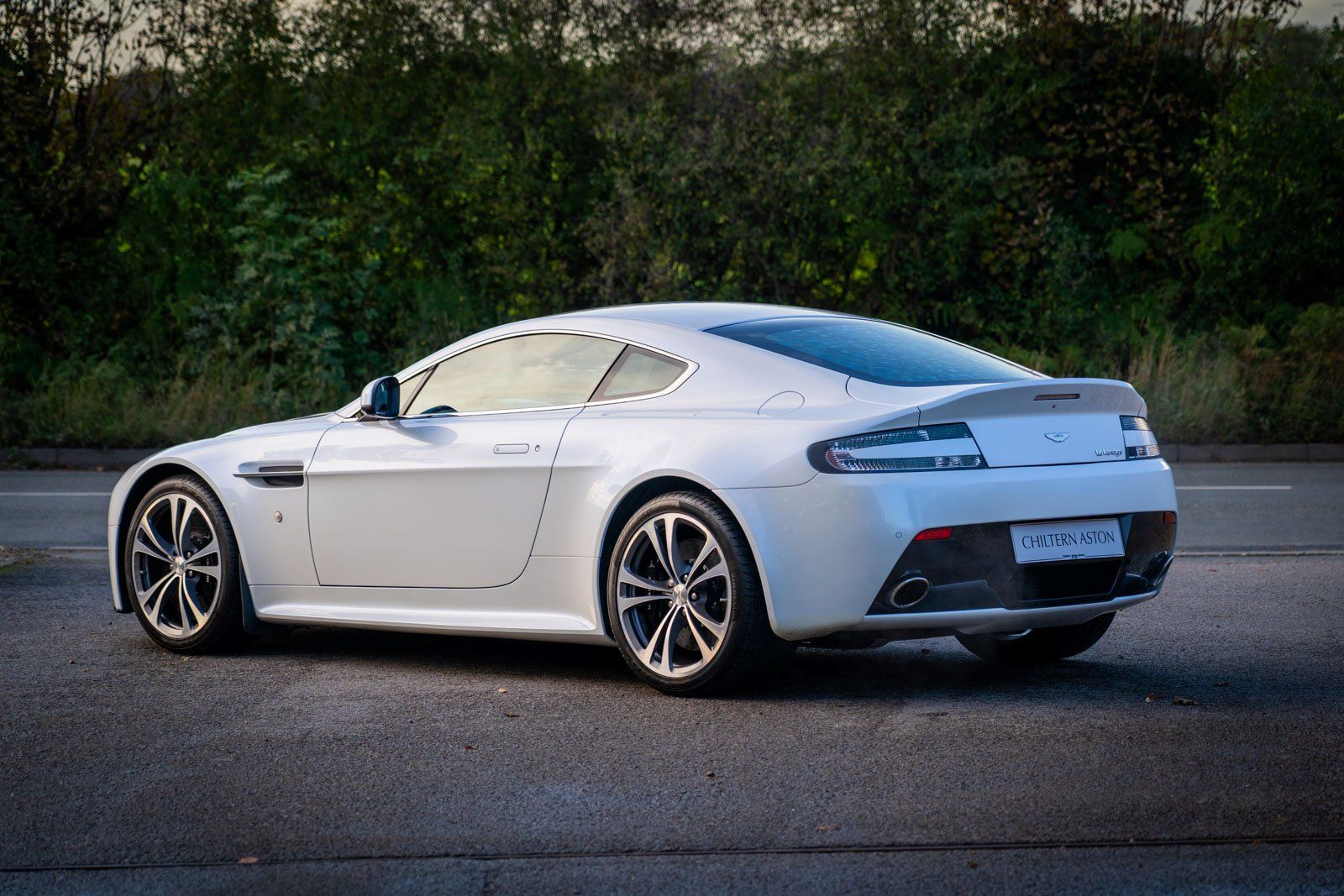
In the United States, where long, scenic roads and open highways are ideal for spirited driving, a manual V12 Aston Martin offers a combination of elegance and raw performance.
Unlike other high-strung European supercars, the Aston Martin manual emphasizes cruising enjoyment and balanced power delivery over pure lap time dominance, making it a unique entry in the manual supercar world.
5. Dodge Viper ACR (Manual Only)
The Dodge Viper has always embraced the ethos of American supercars: massive naturally aspirated engines, aggressive styling, and pure driving enjoyment.
The Viper ACR, with its 8.4-liter V10 producing 645 horsepower, was offered exclusively with a 6-speed manual transmission.
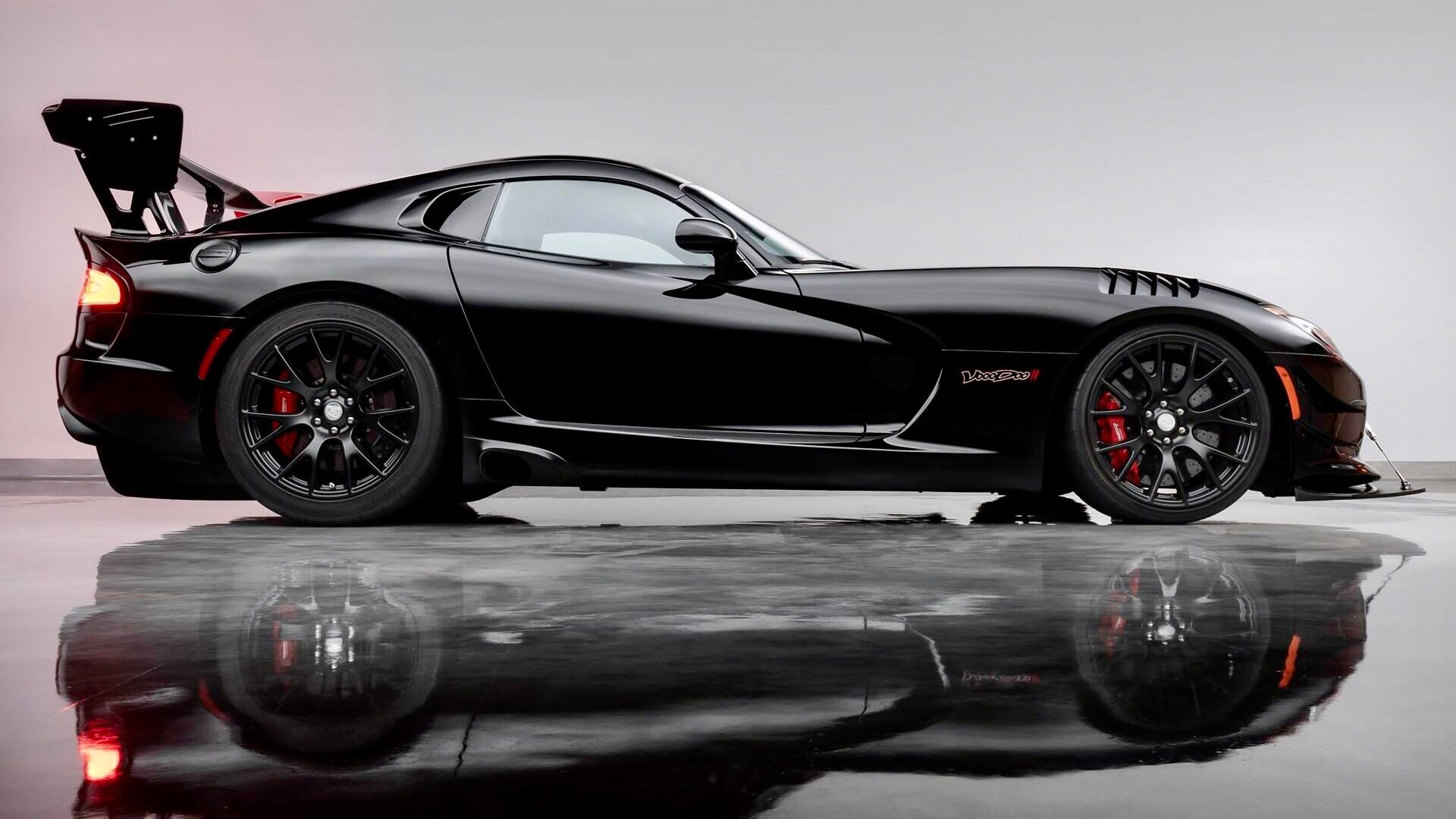
The Viper’s mechanical brutality and raw feedback make a manual imperative no paddle shifters could replicate the satisfaction of wringing every drop of power through your own control.
For US drivers, particularly those who enjoy track days or drag strip events, the Viper ACR remains one of the last examples of an uncompromised, high-power manual supercar with an unmistakable American character.
Also Read: Top 10 Sedans Famous for Their Incredible Longevity
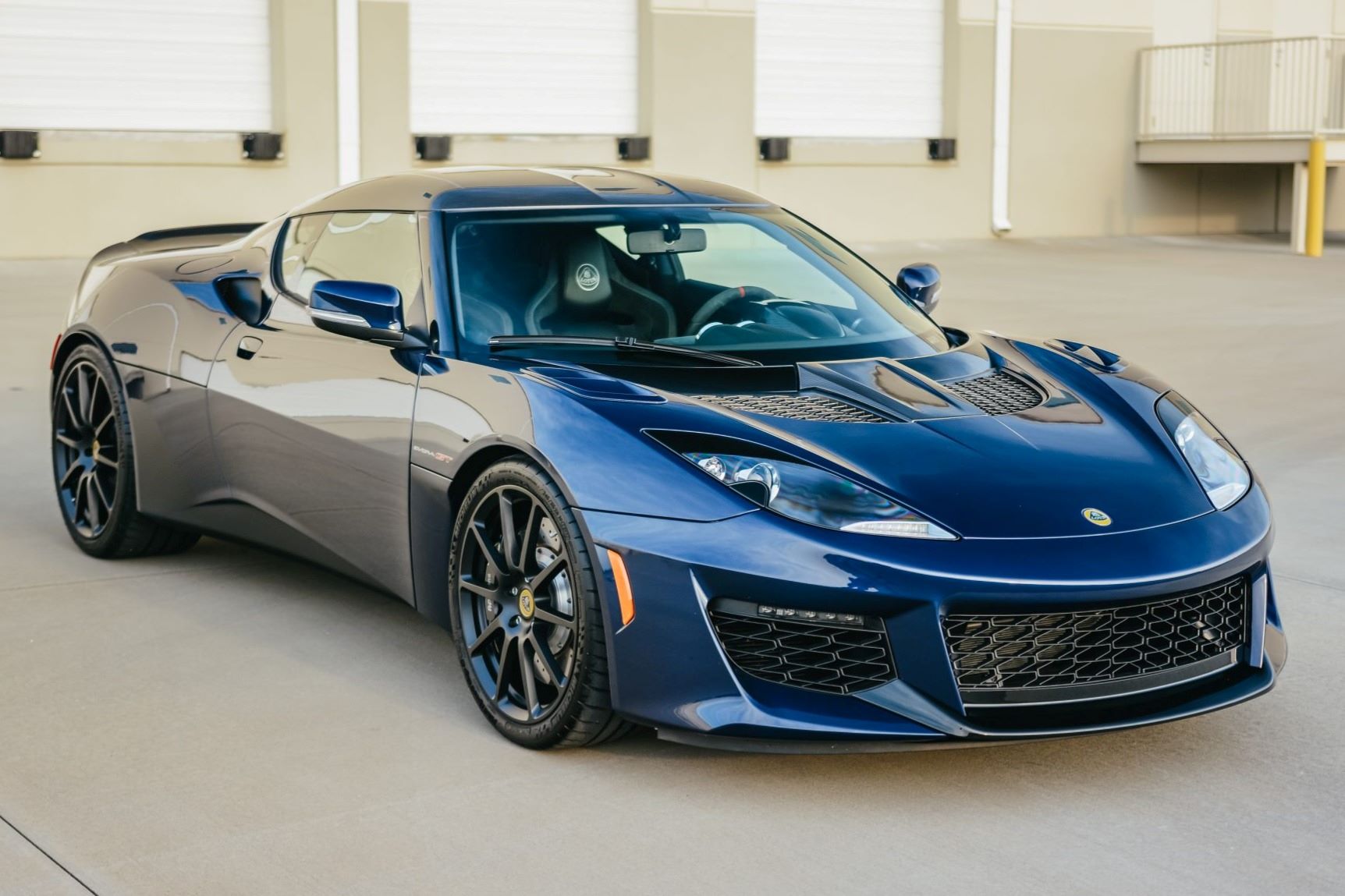
6. Lotus Evora GT
The Lotus Evora GT provides a unique alternative for those seeking a lightweight British supercar experience with manual involvement. Equipped with a 3.5-liter V6 producing around 416 horsepower, the Evora GT can be had with a 6-speed manual gearbox.
Unlike heavier supercars, Lotus emphasizes handling and driver feedback over raw horsepower, meaning the manual transmission is crucial to exploiting its agile chassis.
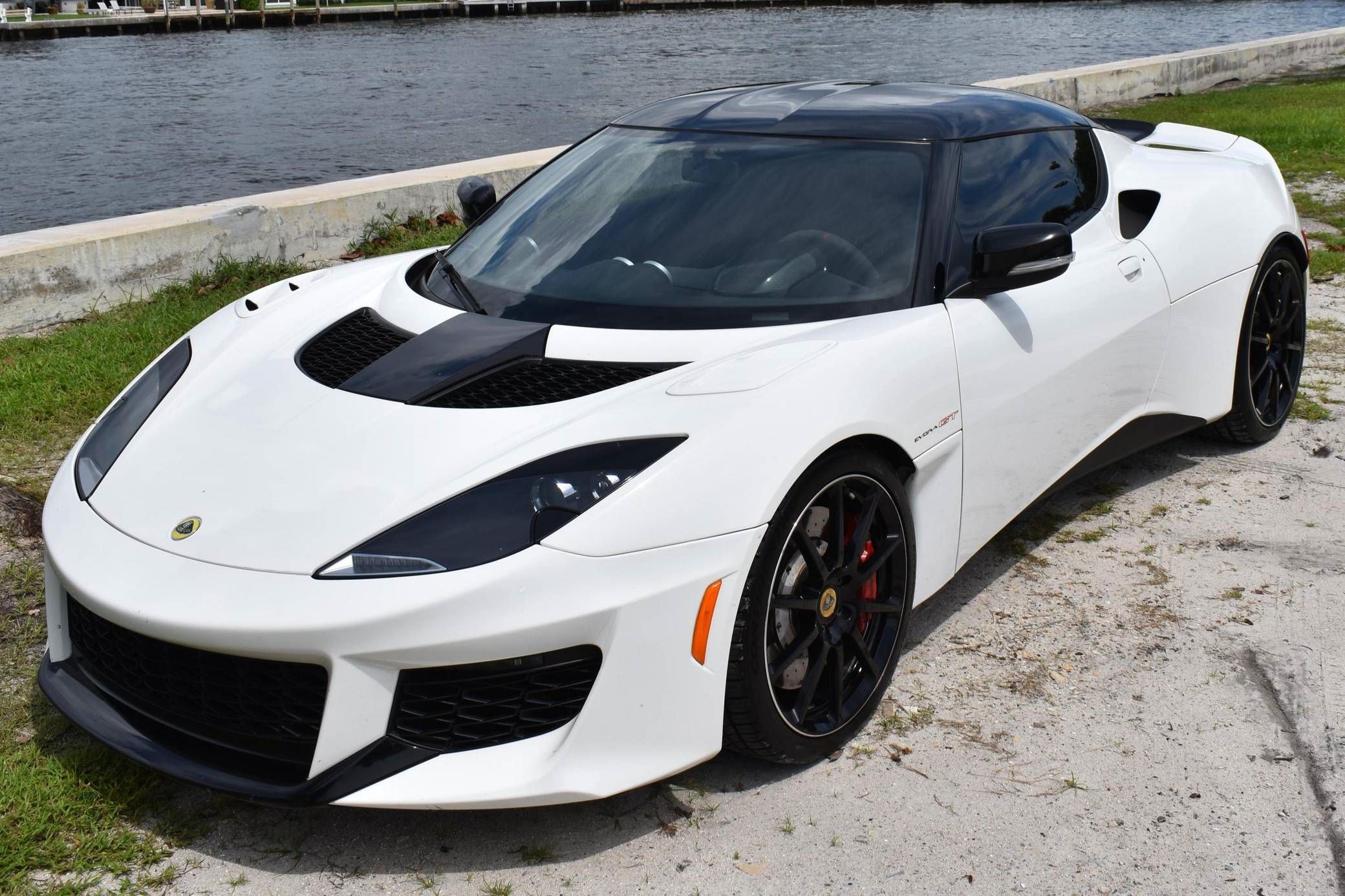
For American drivers, this translates into a supercar that’s as comfortable attacking canyon roads as it is cruising through suburban streets, all while keeping the driver fully engaged in the experience.
Driving the 2021 Lotus Evora GT feels like stepping back in time compared with other contemporary mid-engine sports cars. And that, in fact, is part of what makes the sole Lotus model currently available in the U.S. so special,at least until the Evija hypercar makes its arrival.
While the Porsche 718 Boxster and Cayman deliver a fantastic driving experience and a more well-rounded package, the Evora GT caters to those who relish a rawer, more unfiltered connection with the car.
Its 416-hp supercharged V-6, which sings when revved above 4500 rpm, combined with controls that perfectly harmonize with an exceptional chassis, makes the experience behind the wheel deeply visceral.
The Lotus’ cabin may not be filled with luxury appointments, and the starting price, already high, can climb further with options, but the 2021 Evora GT is designed to thrill the senses rather than conform to conventional logic.
Each Evora GT comes with a mid-mounted, supercharged 3.5-liter V-6 producing 416 horsepower and either 317 or 332 lb-ft of torque; vehicles equipped with the six-speed automatic transmission receive the higher torque figure. This power is directed to the rear wheels, and the manual version includes a limited-slip differential to enhance traction.
The Evora GT we tested gleamed in Cyan Blue paint and featured the manual gearbox. It sprinted from zero to 60 mph in 4.0 seconds and covered the quarter mile in 12.4 seconds at 111 mph. The Toyota-sourced V-6 offers a smooth, torquey delivery, and its supercharger produces a thrilling howl once the tach needle passes 4500 rpm.
While the mechanical feel of the shifter was superb, the clutch pedal required more effort than we would have preferred. Our GT weighed in at just 3,112 pounds, 100 pounds lighter than the previous Evora we drove.
We were particularly impressed with the car’s expressive steering feedback and how effortlessly it sliced through corners. The Evora GT rolls on 19-inch front wheels and 20-inch rear wheels, shod with ultra-sticky Michelin Pilot Sport Cup 2 tires. This combination allowed our tester to achieve 1.04 g on the skid pad and bring the car to a stop from 70 mph in just 148 feet.
7. Porsche Cayman GT4 (718)
While not a traditional “supercar” in the Ferrari or Lamborghini sense, the Porsche 718 Cayman GT4 punches well above its weight class.
Its mid-mounted 4.0-liter flat-six and 6-speed manual transmission deliver a pure driving experience.
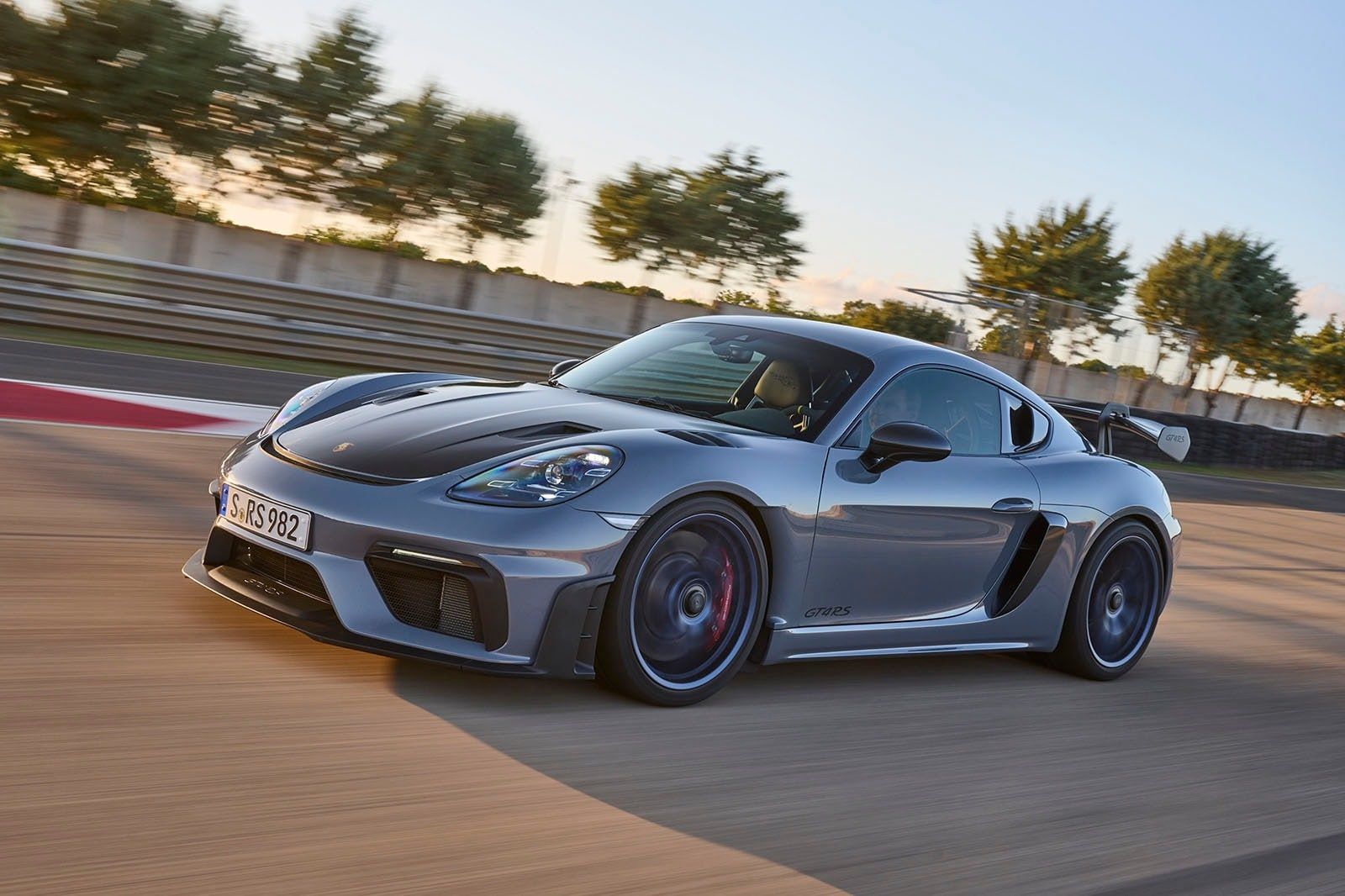
Many enthusiasts argue that the GT4 is more rewarding to drive than many higher-priced, automatic-only supercars because every gear shift feels purposeful.
On US roads and tracks alike, the Cayman GT4’s balance, braking, and handling make it a versatile choice for drivers seeking a manual connection without the extreme costs of ultra-high-end exotics.
The 911 will likely remain Porsche’s flagship sports car forever, but the 718 Cayman offers an equally remarkable driving experience. Essentially a fixed-roof counterpart to the Boxster, the Cayman made its debut for the 2005 model year.
The current 982-generation model arrived in 2017, coming standard with a turbocharged four-cylinder engine. For 2022, Porsche enthusiasts have reason to celebrate the introduction of the 718 Cayman GT4 RS—the most hardcore, track-focused version of the Cayman yet.
Among sports car aficionados, it’s something of a known secret that Porsche intentionally “sandbags” the 718 Cayman. By giving it slightly less power and longer gear ratios, the car is numerically prevented from outperforming the brand’s iconic, higher-priced 911.
That said, in terms of driving experience, the 718 Cayman gives up very little to its more illustrious sibling—or to almost any sports car on the market. It’s a delight in any trim.
While the base model may exhibit modest power and some understeer, it still delivers a highly engaging drive. The GTS 4.0 variant even claimed victory over the formidable C8 Chevrolet Corvette in a comparison test, though the GT4 fell just short of the BMW M2 CS in sheer fun factor.
When we reviewed the 718 Cayman GT4, we headlined it as the “Ultimate Track Tool,” a label that might need revisiting now that the GT4 RS has arrived. More powerful, lighter, and aerodynamically optimized than any previous 718, the GT4 RS aims to narrow,or even close, the gap between it and even higher-end 911 variants.
True, Porsche purists will note that these numbers fall slightly short of the 911 GT3’s 502 hp and 346 lb-ft. Still, for such a small, lightweight car, these are massive figures, and the engine’s roar as it climbs toward the 9,000 rpm redline is nothing short of intoxicating.
During our testing, the GT4 RS sprinted to 60 mph in just 2.9 seconds. For better or worse, this extreme Cayman is available only with a seven-speed dual-clutch automatic, as a manual transmission is not offered.
The 718 Cayman’s other engine options carry over for 2022, with the choice of either a six-speed manual or the PDK seven-speed dual-clutch automatic transmission.
8. Lamborghini Gallardo LP 570-4 Superleggera (Manual Conversions)
Though Lamborghini transitioned fully to automated gearboxes with the Gallardo’s successors, manual conversions for the LP 570-4 Superleggera remain popular among collectors.
The naturally aspirated 5.2-liter V10 produces 562 horsepower, and shifting through a manual gearbox brings out a visceral character that automated systems smooth over.
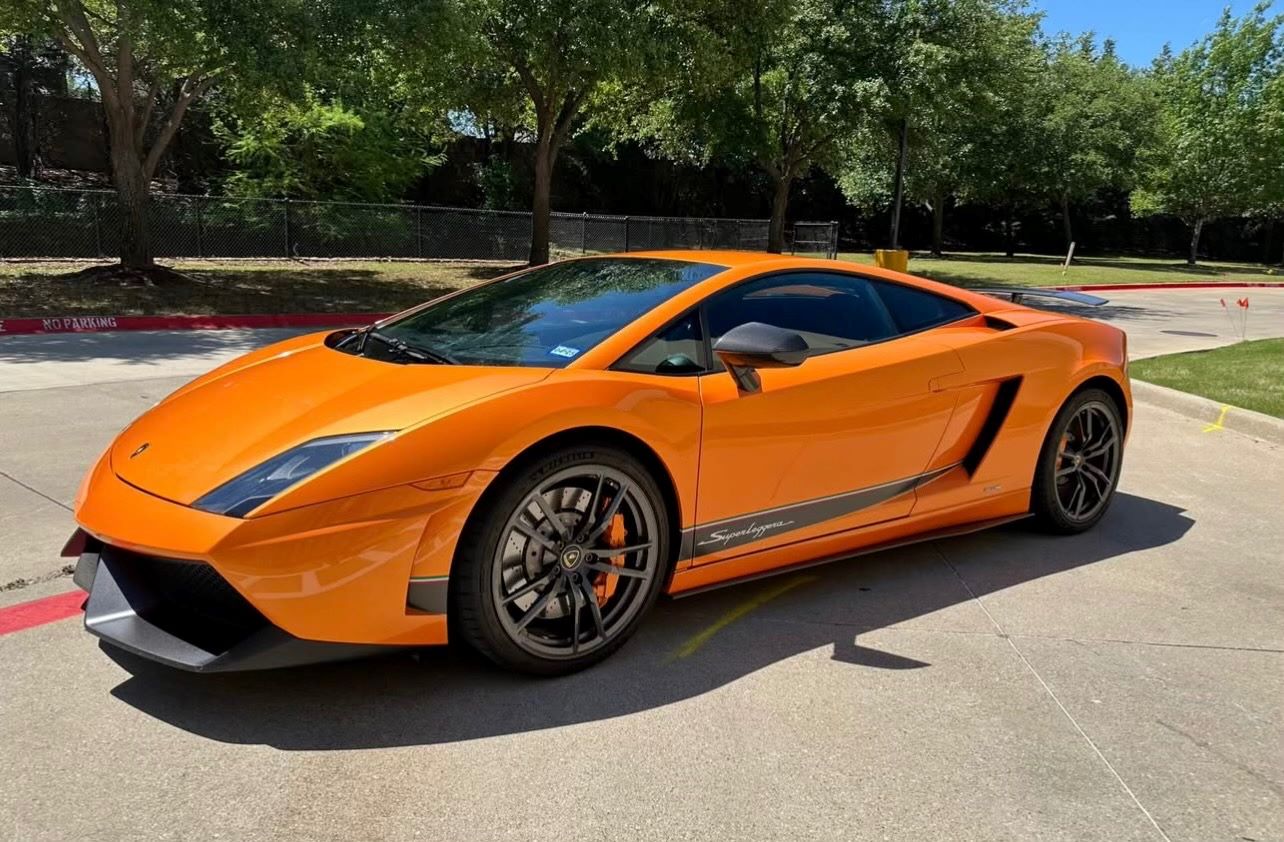
In the US, where collectors value both performance and rarity, a Gallardo manual isn’t just a supercar it’s a statement. It represents the final era when Lamborghini supercars offered true gear-by-gear involvement before paddle-shifts became standard.
It often seems as though Ferrari and Lamborghini release new models in direct response to one another, and the latest instance is Lamborghini’s LP570-4 Superleggera (Italian for “super light”), which arrived just months after Ferrari revealed the 458 Italia.
But this isn’t a simple game of one-upmanship, there’s little chance the Lamborghini will surpass the Ferrari on the road. Both produce 562 hp and weigh roughly 3,400 pounds. In fact, their makers claim identical performance: 0-to-62-mph in 3.4 seconds and a top speed of 202 mph.
We tested the new Superleggera near Lamborghini’s home turf, with the refined character of the 458 Italia still fresh in our minds. The Lamborghini feels noticeably rougher in comparison, a trait signaled by its aggressive exterior design.
Compared with the standard Gallardo LP560-4, the Superleggera sports larger front intakes reminiscent of the Murciélago LP670-4 SV, which channel more air to the radiators and are said to improve front-end downforce.
The rear diffuser and spoiler are larger as well, and Lamborghini claims they generate additional downforce. The side skirts are revised, and the Superleggera wears its own distinctive wheel design. Our test car featured the boldly expressive large rear wing, though buyers can opt for a smaller, subtler version if desired. Regardless, this is hardly a car likely to go unnoticed by law enforcement.
The Superleggera sheds weight compared with the stock Gallardo, with a claimed reduction of 154 pounds. Of this, 88 pounds come from extensive use of carbon fiber on the engine-cover frame, exterior mirrors, rear spoiler, side skirts, and diffuser. The remainder comes from new wheels and interior modifications.
The Gallardo’s 5.2-liter V-10 makes 10 more horsepower in the Superleggera than in the LP560-4, thanks to revised engine management calibration, though torque remains unchanged at 398 lb-ft. The Superleggera comes standard with Lamborghini’s e-gear automated manual transmission, while a traditional six-speed gated manual is available at no extra cost.
The e-gear transmission features three modes: Normal and “corsa” operate fully automatically, while Sport engages manual mode via steering-wheel-mounted paddle shifters. Lamborghini has also included a launch-control system called thrust mode, which drops the clutch at 5,000 rpm for maximum acceleration from a standstill.
The engine responds instantly to throttle inputs, and even at idle it exudes a menacing growl. Once on the move, the V-10 is aggressively expressive, delivering a deep, feral bark at full throttle that’s wilder and more brutal than the Ferrari 458 Italia’s engine note. In a straight line, the Superleggera is blisteringly fast.
Lamborghini’s claimed 0-to-62-mph time appears conservative, as we achieved the sprint in just 3.2 seconds in an LP560-4, which has slightly less power and weighs just over 3,500 pounds. Lamborghini also claims a 10.2-second run to 124 mph, meaning the car should reach 100 mph in under seven seconds.
9. Ford Mustang Shelby GT500 (Manual Spec Models)
The Ford Mustang Shelby GT500, while often associated with automatic transmissions for maximum drag strip performance, has seen special limited-edition or dealer-modified models with manual gearboxes.
Powered by a supercharged 5.2-liter V8 producing over 760 horsepower, these cars are a brute-force alternative for enthusiasts who refuse to cede control to electronics.
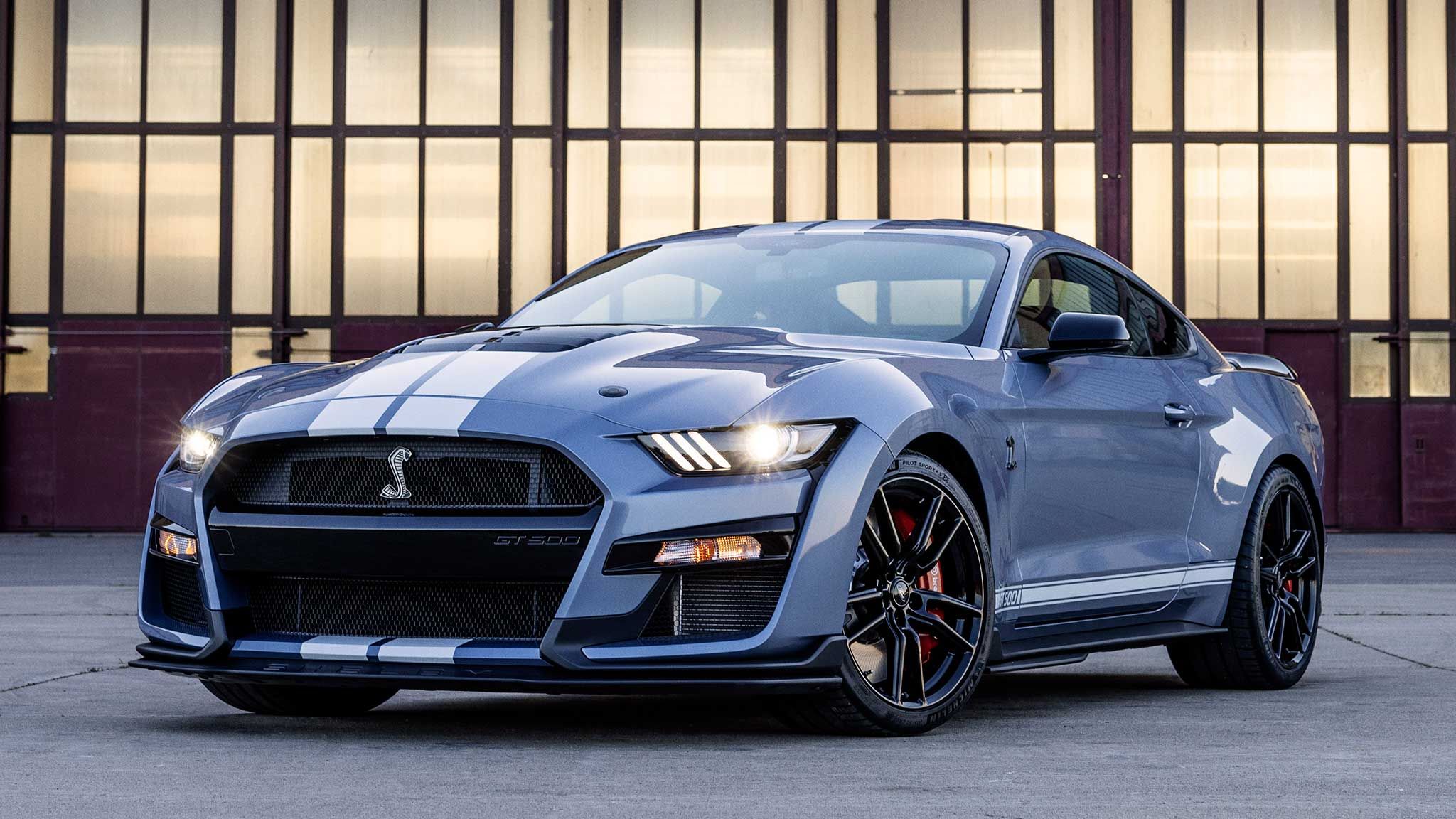
Driving a manual GT500 on US highways or tracks is a unique experience, blending muscle car heritage with modern engineering in a way that’s increasingly rare in today’s supercar landscape.
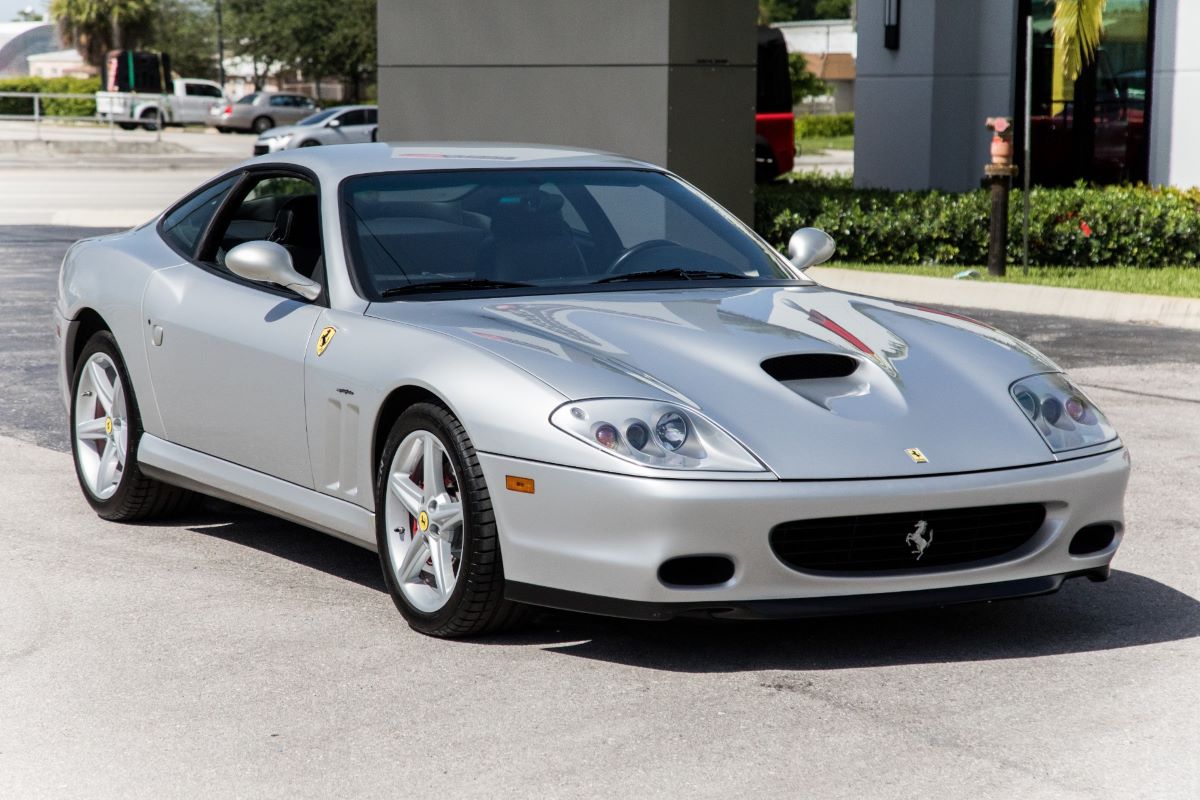
10. Ferrari 575M Maranello (Used Market)
For US collectors seeking a classic Ferrari supercar with manual engagement, the Ferrari 575M Maranello is an ideal choice. Produced in the early 2000s, it offered a 5.7-liter V12 engine with a 6-speed manual option.
While the market is moving toward dual-clutch Ferraris, the 575M manual provides both investment potential and the sheer joy of commanding one of Ferrari’s most celebrated naturally aspirated V12s.
For enthusiasts who prioritize connection over lap times, the 575M remains a cornerstone example of what manual supercar driving was and still can be.
The landscape of supercars with manual transmissions is shrinking, but these 10 vehicles prove that the thrill of stick-shifting is far from dead.
From European exotica to American muscle, manual supercars provide unparalleled driver engagement, requiring skill, focus, and passion.
In the US, where roads vary from long highways to winding backroads, these cars offer a driving experience that automatics cannot replicate.
Whether it’s the raw power of a Dodge Viper, the precision of a Porsche GT3, or the elegance of a Ferrari 575M, manual transmissions keep the spirit of pure driving alive, reminding enthusiasts that the connection between driver and machine is worth preserving.
For collectors and driving purists alike, these supercars represent more than just speed they embody the joy, challenge, and satisfaction that comes from controlling a high-performance machine in the most traditional way possible.
In an era dominated by technology, the manual supercar remains a celebration of driving as an art form.