Living near Santa Monica Beach is a dream, but the salty air and constant moisture can be tough on cars. Some vehicles handle coastal conditions very well, while others start to rust or wear out much faster.
Choosing the right car can save you money, reduce stress, and keep your daily drive enjoyable. This article looks at five cars that are great for beach commuting and five cars that commonly struggle with corrosion, especially in areas close to the ocean.
5 Cars for Santa Monica Beach Commuting
Santa Monica living comes with its own set of automotive challenges. From narrow streets and heavy traffic to the salty ocean air and constant sun exposure, not every car is cut out for daily beachside commutes.
Drivers need vehicles that are compact enough for tight parking, reliable in stop-and-go traffic, and able to handle the elements without rusting or fading. In this guide, we’ve rounded up five cars that shine for Santa Monica beach commuting, blending style, practicality, and durability for the perfect coastal drive.
1) Toyota RAV4
The Toyota RAV4 is a popular choice for people who live near the beach, especially in places with salty air and constant moisture. It offers strong durability, smooth driving comfort, and dependable performance, which makes daily coastal commuting easy, safe, and enjoyable.
The RAV4 has excellent rust protection, which helps it survive harsh beach conditions. Its underbody coatings and high-quality paint reduce the chances of corrosion. Even when exposed to salty winds every day, the RAV4 stays strong and maintains its clean appearance for many years.
Drivers who travel along the coast enjoy how the RAV4 handles different road surfaces. It feels stable on smooth highways and comfortable on sandy or uneven parking areas near the beach. The suspension is designed to give a balanced ride, even on long waterfront routes.
Parking near beaches can sometimes be difficult, but the RAV4’s compact design makes it simple to manage. It fits easily into small parking spots, offers good visibility, and includes useful driving aids. These features help drivers park safely without stress or confusion.

Inside, the RAV4 offers a comfortable and practical cabin that handles sand, wet clothes, and beach gear without problems. The seats are easy to clean, and the cargo space is large enough for surfboards, towels, umbrellas, and other accessories needed for a beach day.
The RAV4’s reliability also makes it a great long-term choice for coastal living. Toyota engines are known for lasting many years with basic maintenance. Even in salty environments, the RAV4 continues to run smoothly, which reduces repair costs and prevents unexpected breakdowns.
Modern safety features add even more confidence to beach commuting. The RAV4 includes systems like lane assist, adaptive cruise control, and automatic braking. These tools help drivers stay safe on busy coastal roads where traffic can quickly change or become unpredictable.
2) Honda CR-V
The Honda CR-V is a favorite choice for people living near the coast because it mixes comfort, reliability, and good protection against salty air. Its design helps it stay strong even when exposed to beach weather, making everyday commuting smooth, easy, and enjoyable.
The CR-V is built with solid rust protection that helps the body and underparts resist corrosion. Coastal environments can damage many vehicles quickly, but the CR-V’s protective coatings slow down rust formation and keep the car looking clean and fresh for years.
Drivers appreciate how calm and balanced the CR-V feels on coastal roads. Whether cruising along beach highways or crowded seaside neighborhoods, the CR-V handles smoothly. Its suspension absorbs bumps well, giving passengers a relaxing ride during daily travel and weekend outings.
Parking near beaches is often challenging, but the CR-V’s compact shape and helpful features make it easier. The vehicle offers wide visibility, responsive steering, and parking tools to guide drivers into tight spots, reducing stress in busy seaside parking areas.

Inside, the CR-V offers a practical cabin that stands up well to sand, moisture, and beach gear. The materials are easy to clean, and there is plenty of space for towels, bags, surf items, or anything needed for a relaxing day by the water.
The CR-V’s reputation for long-term reliability makes it a smart choice for coastal living. Honda engines are well-known for lasting many years if basic maintenance is done. Even in salty air, the CR-V continues to run smoothly and rarely faces major mechanical issues.
Modern safety features make beach commuting even safer. The CR-V includes systems like lane keeping assist, adaptive cruise control, and automatic emergency braking. These features help drivers stay protected on busy coastal routes where traffic can change suddenly.
3) Subaru Crosstrek
The Subaru Crosstrek is a great choice for people who live near the beach because it blends toughness, comfort, and dependable performance. Its design handles salty air, sandy roads, and changing coastal weather, making it a reliable partner for everyday beach commuting.
One of the Crosstrek’s strongest qualities is its excellent rust protection. Subaru coats the underbody and key metal areas to prevent corrosion. Even when the vehicle is exposed to salty winds or wet coastal conditions, it remains sturdy and avoids serious rust problems over time.
Drivers enjoy how confidently the Crosstrek moves across different surfaces near the beach. Its all-wheel-drive system provides strong grip on sandy parking spots, uneven paths, and damp roads. This makes coastal driving safer, more stable, and more enjoyable during both short and long trips.
Ground clearance is another advantage of the Crosstrek. It sits higher than many small crossovers, letting drivers handle rough beach entrances or sandy edges without scraping. This feature helps surfers, swimmers, and outdoor lovers reach beach areas that are slightly tricky to access.
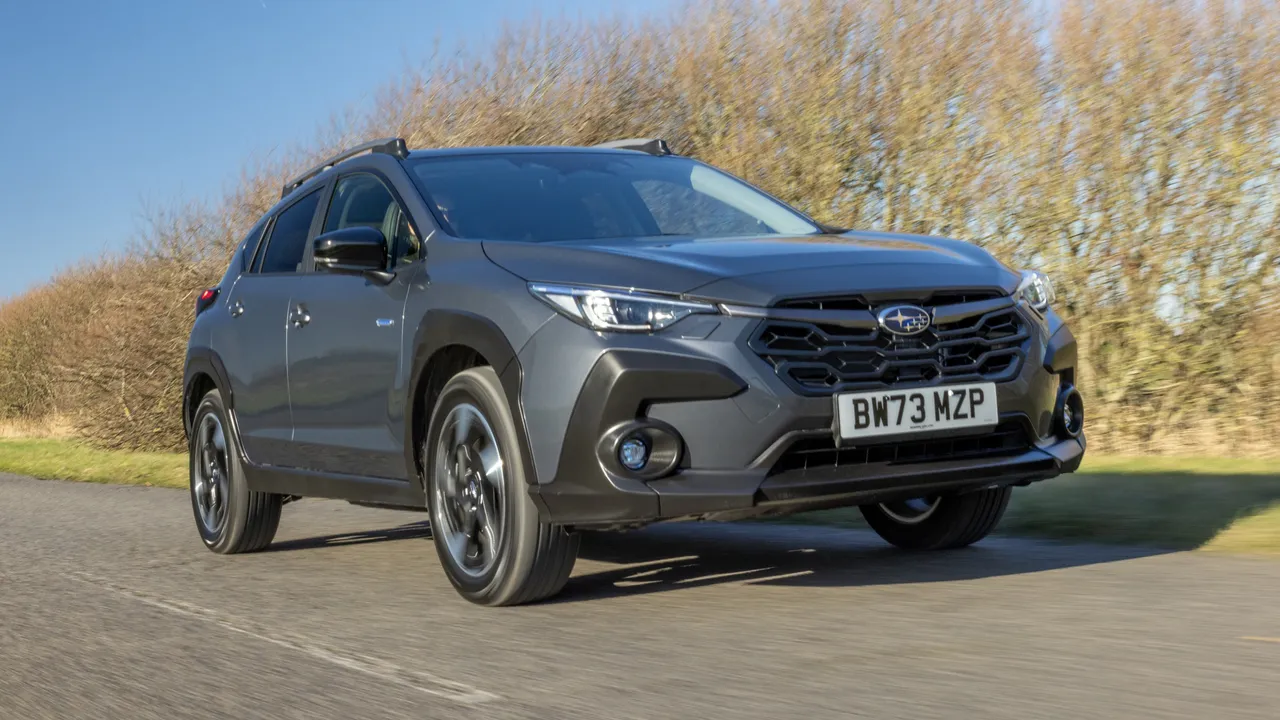
Inside, the Crosstrek has a practical cabin designed for people who love outdoor activities. The seats are easy to clean, the floors handle sand well, and the cargo space fits beach chairs, towels, boards, and other beach essentials needed for fun weekends.
The Crosstrek is also known for its long-lasting reliability. Subaru engines perform well for many years with simple maintenance. Even when regularly exposed to salty coastal conditions, the Crosstrek remains dependable and rarely suffers major issues, offering peace of mind to its owners.
4) Tesla Model 3
The Tesla Model 3 is a strong choice for people living near the beach because it handles coastal conditions better than many traditional cars. Its electric design, aluminum body panels, and smooth performance make daily commuting along the shoreline easy, quiet, and enjoyable.
One major advantage of the Model 3 is that it has fewer parts that can rust. Since it does not use a traditional engine or exhaust system, it avoids common corrosion found in gasoline cars. This helps it stay clean and solid near salty air.
The Model 3’s aluminum body panels also add strong protection against rust. Coastal environments often damage steel over time, but aluminum naturally resists corrosion. This makes the car a smart choice for people who park near beaches or drive through coastal humidity daily.
Drivers appreciate the smooth and quiet ride the Model 3 provides. Because the electric motor runs silently, commuting along the coast feels peaceful. It accelerates quickly, handles corners smoothly, and offers a comfortable driving experience even during heavy beach traffic or long shoreline routes.
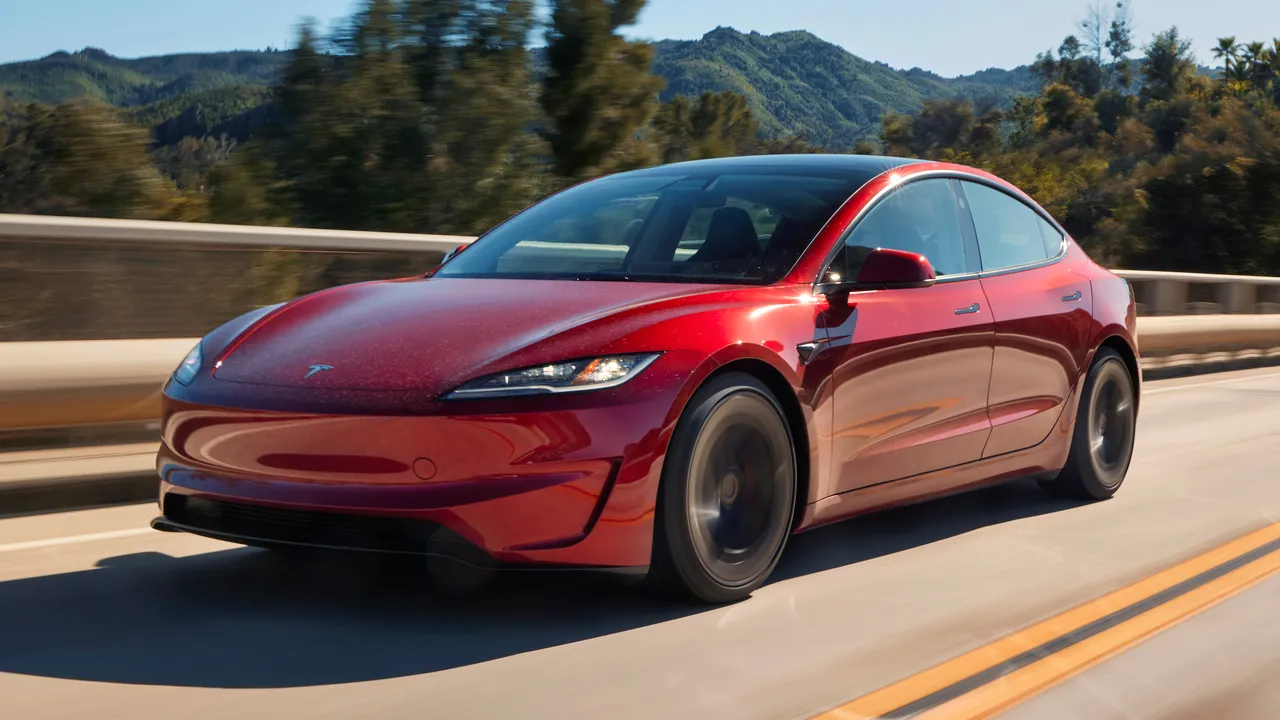
Parking near beaches becomes easier thanks to Tesla’s helpful technology. Features like sensors, cameras, and parking assist help drivers move confidently in tight spaces. With crowded beach lots and narrow coastal streets, these tools reduce stress and prevent unnecessary bumps or scratches.
Inside, the Model 3 has a clean and simple interior that handles sand and moisture well. The seats are easy to wipe, and the floor mats protect the cabin from beach gear. There is enough space for towels, bags, and small outdoor items.
Another major benefit is the car’s energy efficiency. The Model 3 can travel long distances on a single charge, making it ideal for daily coastal commuting. With plenty of charging stations around cities, drivers enjoy convenience without worrying about frequent refueling stops.
Long-term reliability also supports coastal living. Electric vehicles have fewer moving parts, which means fewer repairs. Even in humid air, the Model 3 continues to perform well because there are fewer areas vulnerable to rust compared to gas-powered vehicles.
5) Jeep Wrangler
The newer Jeep Wrangler models are excellent for people who enjoy beach driving and coastal commuting. They offer strong durability, improved rust protection, and a fun open-air experience. Their rugged design makes them well-suited for sandy roads and salty coastal environments.
One major improvement in newer Wranglers is their stronger rust protection. Jeep added better coatings on the frame, doors, and underbody to reduce corrosion. This helps the vehicle last longer near beaches, where salty air normally causes fast rust on less-protected vehicles.
Drivers appreciate the Wrangler’s powerful four-wheel-drive system, which gives great traction on sand, wet roads, and uneven beach paths. This makes it easier to reach hidden beach spots or handle rough parking areas without worrying about getting stuck or damaging the vehicle.
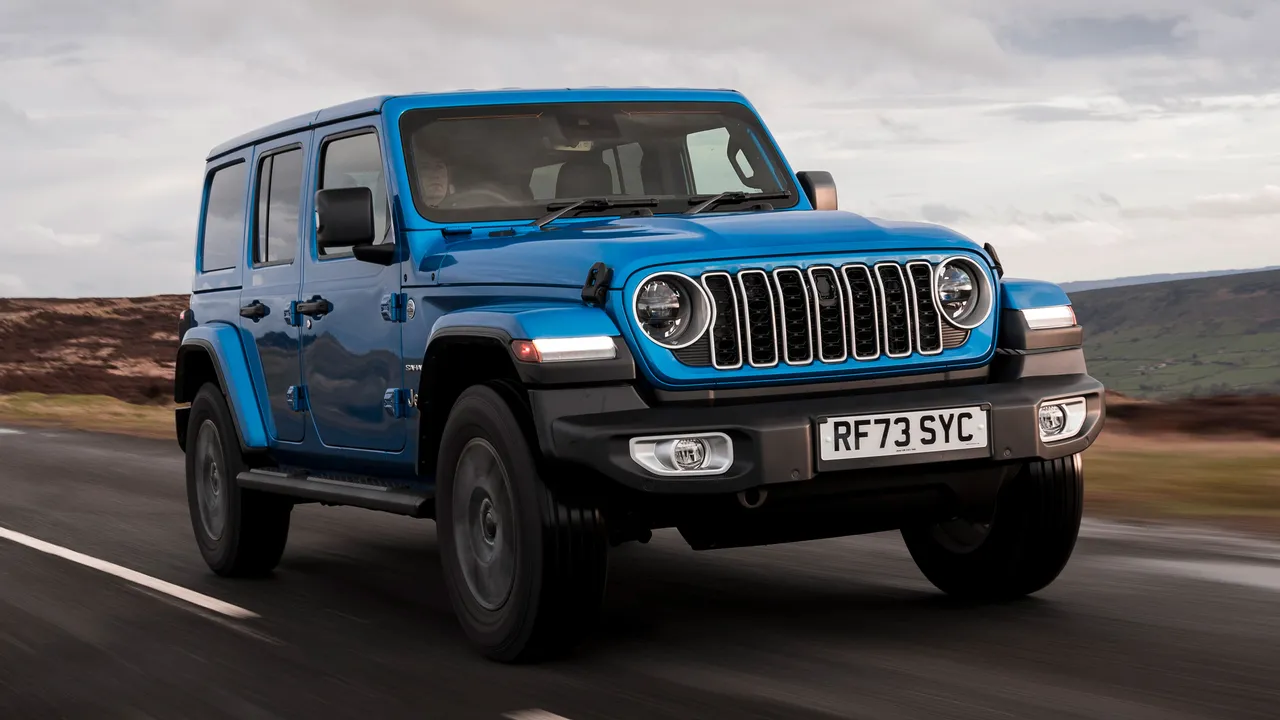
The Wrangler’s high ground clearance is another big advantage for beach commuting. It can drive over soft sand, rocky edges, or small dips without scraping underneath. This feature is especially helpful for surfers, swimmers, and outdoor travelers coastal areas regularly.
Parking near the beach becomes easier with the Wrangler’s boxy shape and strong visibility. The upright windows and clear sightlines help drivers judge space well. Backup cameras and parking sensors also reduce stress in tight beach lots filled with large crowds.
Inside, the Wrangler has a durable cabin that handles sand, wet clothes, and beach equipment very well. Many surfaces are easy to clean, and the interior materials are made to handle moisture. This makes it ideal for people who visit the beach often.
Another highlight is the open-air experience. Drivers can remove the roof or doors to enjoy fresh ocean breezes during their commute. This feature creates a fun coastal lifestyle feeling that few other vehicles can offer while still maintaining daily comfort.
Cars That Commonly Corrode Near Beaches
Living near the coast has its perks, ocean views, sea breezes, and easy access to the beach, but it also comes with a hidden danger for vehicles: corrosion. Salt in the air and on the roads can quickly accelerate rust and wear, taking a toll on a car’s body, undercarriage, and key mechanical components.
Not all vehicles are equally resilient to these conditions, and some are far more prone to corrosion than others. In this guide, we’ll explore five cars that commonly struggle with rust and corrosion near beaches, helping buyers and coastal residents make smarter choices to protect their investments.
1) Older Jeep Wrangler
Older Jeep Wranglers, especially models made before 2010, are well-known for corrosion problems, particularly in coastal areas. Their steel frames, exposed underbody parts, and limited factory protection make them vulnerable to rust when regularly exposed to salty winds, beach moisture, and wet sandy roads.
These older Wranglers often experience rust on the frame rails, which are the main structural supports underneath the vehicle. Coastal air speeds up the corrosion process, causing small rust patches to grow. Without treatment, these issues can weaken the frame and reduce safety significantly.
The suspension components on older Wranglers are also exposed to moisture, which can lead to quick corrosion. Springs, control arms, and bolts often rust faster near beaches. When these parts weaken, they affect how smoothly and safely the vehicle handles daily driving conditions.
Another common problem area is the underbody, where salt can collect easily. Sand and moisture get trapped in corners underneath the Wrangler, creating perfect conditions for rust to spread. Owners in coastal regions often find these areas deteriorating faster than expected despite regular cleaning.
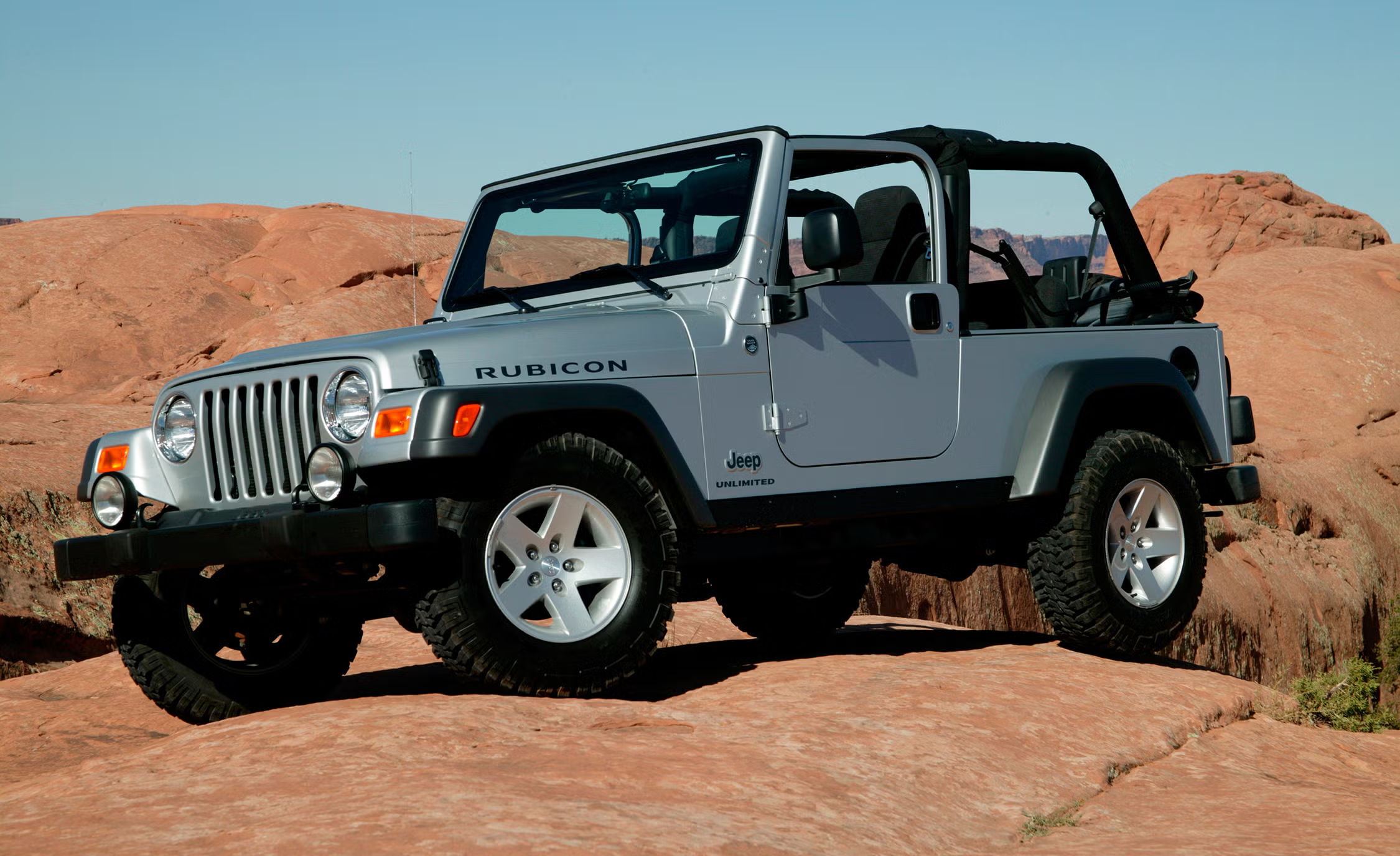
The doors and hinges on older Wranglers also face corrosion issues. Because many Wranglers have removable doors, water exposure is frequent. Salt buildup along the hinges can cause stiffness, difficulty opening, and visible rust that worsens over time if not properly maintained.
Older Wranglers’ fenders and wheel wells are especially prone to rust because sand and salt spray from the tires constantly hit these areas. When moisture stays trapped behind plastic trim, it creates hidden corrosion spots that may remain unnoticed until the damage becomes serious.
The exhaust system on pre-2010 Wranglers also rusts quickly in coastal conditions. Saltwater accelerates the breakdown of pipes and mufflers, leading to holes, noise issues, and expensive repairs. Many owners near beaches must replace exhaust parts more frequently than expected.
Rust on older Wranglers can also affect their resale value. Buyers often know these models struggle with corrosion, so visible rust or weakened structural areas can significantly reduce the price. This makes long-term ownership costly for people living near salty coastal environments.
2) Older Ford Escape
Older Ford Escapes, especially early-generation models, are known for corrosion issues that become worse in coastal areas. Their underbody design, thin metal panels, and limited protective coatings often struggle against salty beach air, making them prone to rust much earlier than expected.
One of the most common trouble spots on older Escapes is the rear wheel arches. Moisture, sand, and salt collect behind the metal panels, causing hidden rust that slowly spreads outward. Many owners only notice the damage once the paint begins bubbling or cracking.
The subframe on these older Escapes is another major concern. Saltwater can settle on the metal frame, causing it to rust from the inside. In many cases, the corrosion becomes severe enough to weaken the structure, creating safety issues and costly repair needs.
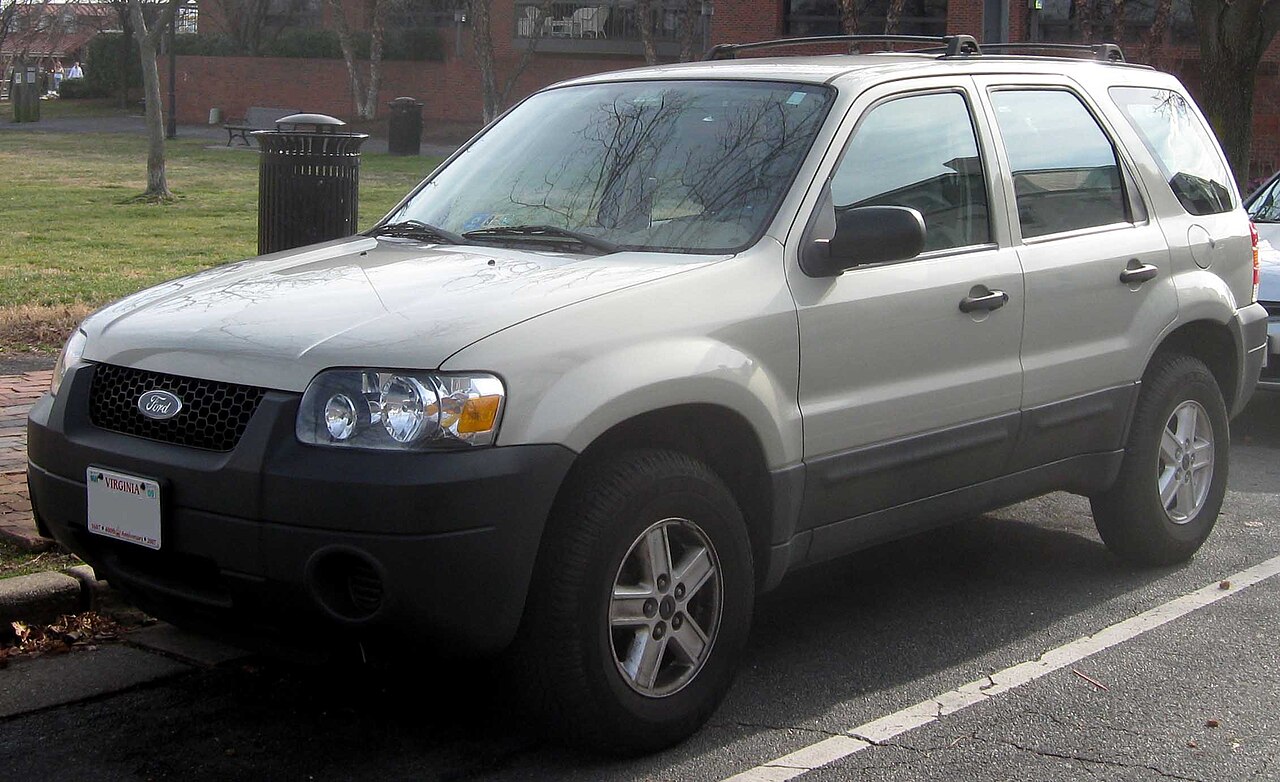
Brake lines on older Ford Escapes also corrode faster near beaches. Salt accelerates the rusting process, making lines brittle and unsafe. This not only leads to expensive repairs but also creates serious risks if the brakes fail while driving on busy coastal roads.
The exhaust system is another area where these vehicles struggle. Pipes and brackets rust quickly when exposed to damp coastal weather. Many beach-area owners report replacing mufflers and parts more often than usual because salt eats away at the metal underneath.
Door sills and lower body panels also collect moisture. Poor drainage allows salty water to sit for long periods, especially after beach trips. Over time, this trapped moisture creates rust holes that spread through the metal and weaken the vehicle’s outer structure.
Even the wheel wells on older Escapes can rust due to constant sand spray. When drivers travel on beach roads, sand sticks to the inner metal surfaces. Combined with moisture, this creates perfect conditions for corrosion to form and spread silently.
These rust issues can greatly reduce the vehicle’s resale value. Buyers often avoid older Escapes when they see visible corrosion or hear about common structural problems. This makes it harder for coastal owners to sell their vehicles at a fair price.
3) Nissan Xterra (2000–2014)
The Nissan Xterra from 2000 to 2014 is known for its rugged design, but it also has a strong reputation for rust problems, especially in coastal areas. Its exposed frame, steel bumpers, and limited rust protection make it vulnerable to corrosion over time.
One of the most common trouble areas for the Xterra is the frame. Salt and moisture collect on the metal, causing rust to spread. Many owners near beaches report early frame deterioration, which can weaken the vehicle’s structure and create expensive repair needs.
The rear bumper is another spot where corrosion appears quickly. Sand and salty water get trapped between the bumper’s layers, making it rust from the inside out. This often leads to paint bubbling, peeling, and holes appearing sooner than expected in coastal environments.
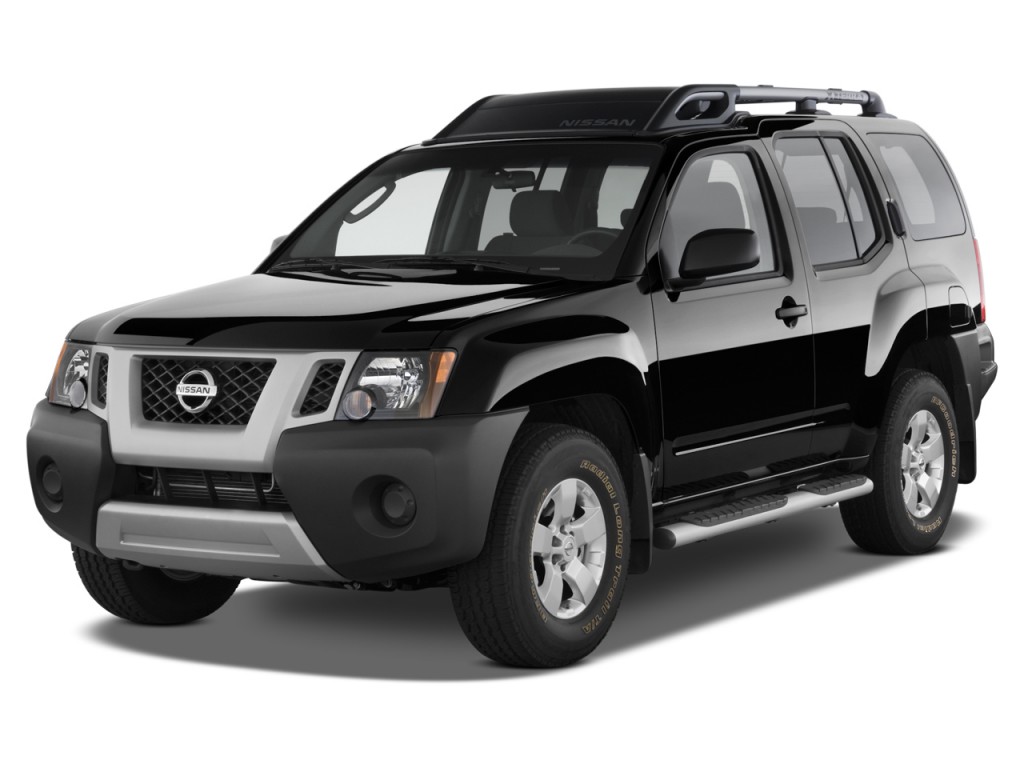
Suspension parts on the Xterra are also highly exposed. Springs, control arms, and bolts rust faster when regularly driven near beaches. As these parts weaken, they affect the Xterra’s ride quality, safety, and stability, especially during longer trips or rough road driving.
The underbody of the Xterra often collects sand, mud, and salt. When these materials stay stuck in corners or seams underneath the vehicle, they create perfect conditions for rust. Many coastal owners discover severe corrosion during routine inspections or repair visits.
Wheel wells are another trouble section because they constantly get hit by sand and salty spray. If moisture stays stuck behind the plastic liners, hidden rust can form and spread. This leads to visible holes or weakened metal panels over several years.
The Xterra’s exhaust system also struggles with corrosion in coastal climates. Pipes, joints, and brackets wear down quickly when exposed to salt. This can cause loud exhaust noise, reduced performance, and frequent replacement needs, adding to long-term ownership costs.
4) Chevrolet TrailBlazer
The early 2000s Chevrolet TrailBlazer is remembered for its comfortable ride and strong engine, but it is also known for serious rust problems. Coastal environments make these issues much worse because salty air and moisture quickly damage the vehicle’s underbody and metal surfaces.
One of the biggest trouble areas on older TrailBlazers is the frame, which rusts easily when exposed to salt. Coastal owners often find corrosion spreading along the frame rails, leading to weakening metal and expensive repairs that affect the vehicle’s safety and long-term durability.
Brake lines are another common rust point on these models. Salt and moisture eat away at the thin metal tubing, causing leaks and potential brake failure. This becomes especially dangerous in busy coastal traffic where reliable braking is extremely important for safe driving.

The underbody of the TrailBlazer collects sand, dirt, and saltwater, which accelerate corrosion. These materials get stuck in corners and seams, creating hidden rust that spreads slowly. Many owners only discover the problem once major repairs become unavoidable, making maintenance more difficult and costly.
The wheel wells suffer significant rust because they are constantly hit by road spray. Sand and salty water from beach roads stick to the metal, leading to rust patches that grow over time. This often results in holes and weakened body panels in older models.
The exhaust system is another rust-prone area. Salt and moisture break down exhaust pipes, mufflers, and joints, causing loud noise and reduced performance. Coastal drivers often need to replace exhaust parts more frequently, adding to long-term ownership costs and repairs.
Door sills and lower body panels can trap salty water after beach trips. Because these areas don’t dry quickly, rust spreads through the metal. This reduces the vehicle’s appearance and structural strength, making older TrailBlazers harder to maintain in coastal environments.
5) Older Hyundai Sonata
Older Hyundai Sonata models are known for offering good comfort and features, but they also struggle with rust, especially in coastal environments. Their thin paint, limited underbody protection, and vulnerable metal areas make them more likely to corrode when exposed to salty beach air.
One of the most common rust spots on older Sonatas is the wheel arches. Moisture, sand, and salt get trapped behind the metal, causing corrosion that slowly spreads. Many owners first notice bubbling paint before the rust becomes visible and begins damaging the panels.
The underbody of the Sonata is another area that rusts easily near beaches. Salty water collects in seams and corners underneath the car, and because the protective coating is thin, corrosion starts quickly. Over time, this weakens the structure and increases repair costs.
Door bottoms and sills on older Sonatas also corrode faster in coastal climates. Water and salt drip into these areas and stay trapped, slowly damaging the metal. This leads to visible rust spots, weakened doors, and difficulty sealing out moisture during rainy days.
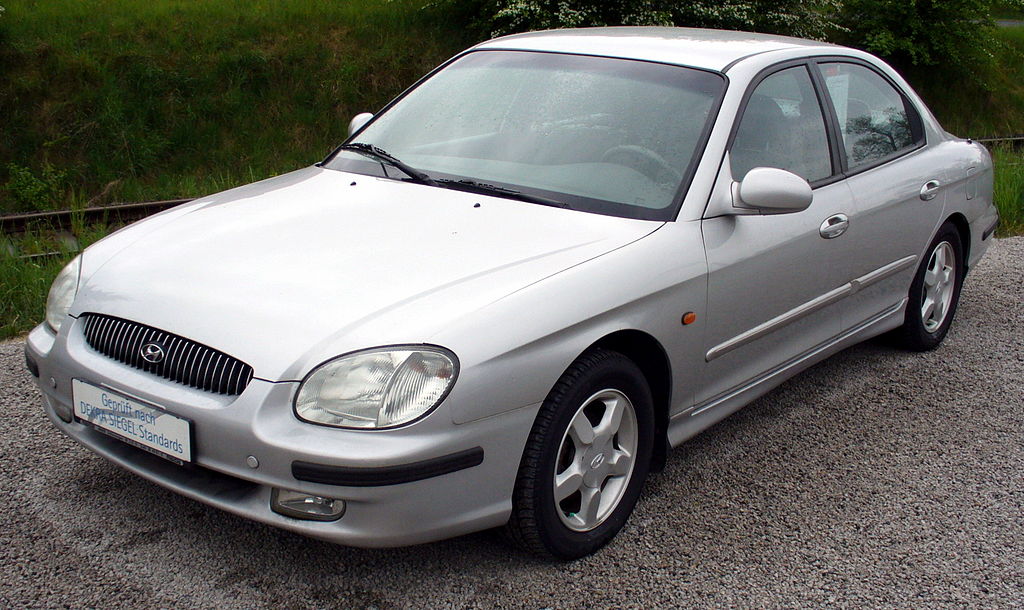
The Sonata’s exhaust system is also vulnerable to corrosion. Pipes and brackets rust quickly when exposed to salt, causing loud noises, leaks, and reduced performance. Many coastal owners find themselves replacing exhaust parts more often than expected due to the harsh environment.
Even the trunk area can develop rust on older Sonatas. Moisture gathers around the trunk seal, and salty air accelerates the corrosion. Over time, this causes holes and weak metal that make the trunk less secure and harder to keep watertight.
These rust problems make older Sonatas lose value quickly in coastal regions. Buyers are often hesitant because repair costs can be high, and visible rust lowers confidence in the vehicle’s remaining lifespan. This makes selling them harder near beach areas.