If you think the Mustang Dark Horse is the last word in accessible performance, think again. That pony car punches heavy for the money, sure but the auto world has quietly stacked several more practical four-door options that either match or outpace it in key performance measures.
Some are electric, some are old-school internal-combustion bruisers, but all share a trait that matters when you want speed without selling off your life: they deliver real world acceleration, big-car stability, and usable performance at a price that won’t make you wince every time you refuel.
Because they mix speed with daily-life sense. Need space for friends, a trunk that holds more than a gym bag, and the flexibility to commute in comfort? A fast sedan does that while still hauling you down the highway hard.
And “budget” here isn’t code for slow it means relative value: performance that’s impressive for the price. Some of the entries are bargains when compared to full-on supercars; others carry options or used-market value that make them attainable.
This list looks beyond headline horsepower and targets real-world speed and driveability. You’ll see electric rockets that chew up 0–60 times and combustion-powered hot-sedan variants that keep things visceral.
I’m not ranking by MSRP alone I’m calling out sedans that, in many conditions, will make the Mustang Dark Horse feel either neck-and-neck or simply left behind. If you care about quick starts, midrange shove, and a car that stays composed when you push it, these ten are worth a test drive.
No fluff, no copied blurbs just straight talk about what each car brings to the table and why it can outpace a Mustang Dark Horse in the ways that matter.
How these sedans beat the Dark Horse
Beating a Mustang Dark Horse isn’t mystery magic it’s about combining power, traction, gearing, and how that power is delivered. Electrified sedans, for example, launch with instant torque; they don’t need to rev into a powerband, they just shove you back in the seat.
That advantage translates to killer 0–60 times and ruthless midrange roll-ons. On the internal combustion side, turbocharged engines and dual-clutch gearboxes create explosive acceleration and razor-sharp shifts that can outgun muscle-car launch control when traction’s sorted.
Traction makes a huge difference. Rear-drive muscle cars can wheelspin; sedans that use AWD or sophisticated traction control turn available power into forward motion more effectively.
Chassis setup matters too: suspension geometry, weight distribution, and tire choice turn raw horsepower into usable speed through corners and on long straights. A lighter, better-balanced sedan can feel quicker even if it’s down on paper horsepower.
Then there’s drivetrain tech advanced torque-vectoring, launch control tuned to tires and power delivery, and EV torque maps that don’t compromise under load. The result? Some affordable sedans deliver faster real-world sprint times, faster highway passing, and sharper in-gear acceleration than you’d expect from their price.
Below are ten sedans that combine those tech advantages with value. They’re not identical some are electric, some gas, some turbocharged but each one brings a suite of traits that can make a Mustang Dark Horse look slower in day-to-day driving and in straight-line bursts.
ALSO READ: 6 Daily Drivers That Feel Premium vs 6 That Feel Bare
1) Tesla Model 3 Performance
The Tesla Model 3 Performance is the purest example of how modern electric tech rewrites the rules. With instant, full-torque delivery from dual motors, the Model 3 Performance launches brutally wheel-to-wheel it’s often quicker off the line than many traditional sports cars.
For drivers comparing it to a Mustang Dark Horse, the most obvious win is the 0–60 burst: a Model 3 Performance will shove you into the seat with a linear, no-lag shove that a high-rev V8 has to work harder for.
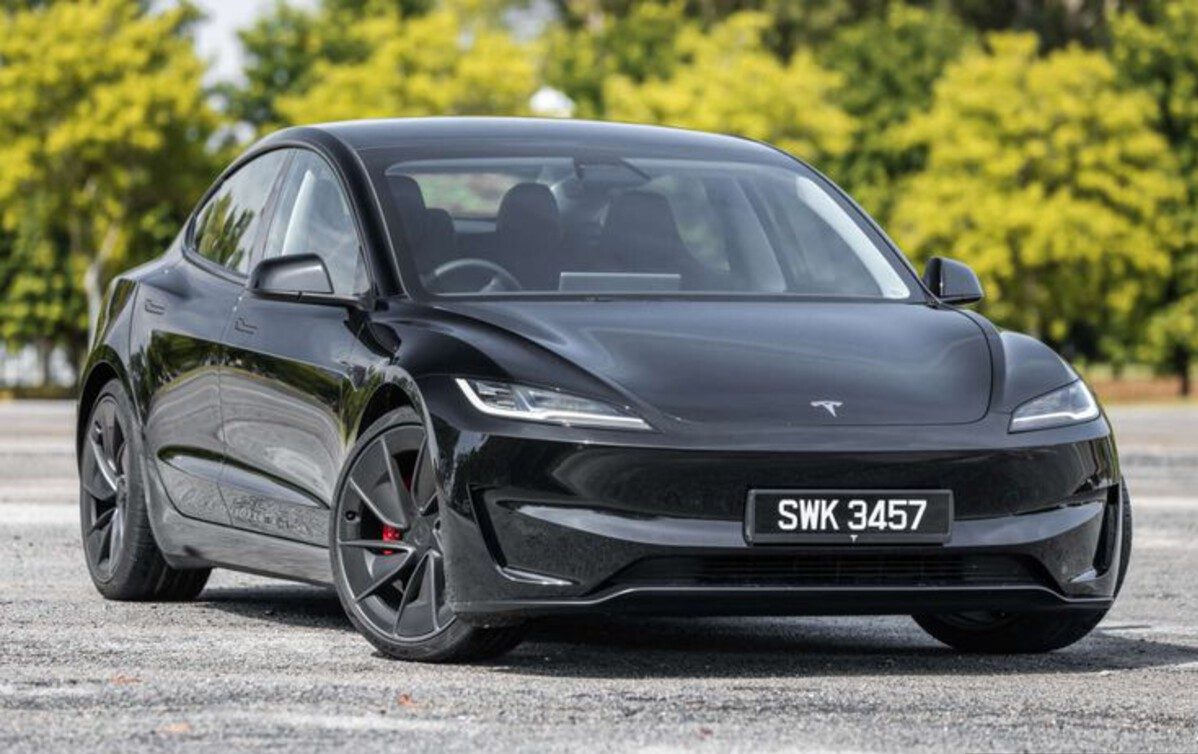
Beyond numbers, the Model 3’s traction and stability systems make that power usable. All-wheel drive balances the shove between front and rear, and the low center of gravity from its battery pack lets it change direction confidently.
That translates to faster sprint times and more composed high-speed runs. Cabin-wise, it’s minimal and focused; fewer moving parts means less noise and vibration, but the tradeoff is the lack of a traditional engine soundtrack some drivers miss that, others don’t.
Cost-wise, the Model 3 Performance undercuts a lot of performance sedans once you factor in what it delivers for street performance. Charging access and range considerations matter for daily use, but for pure in-town and highway acceleration, it’s a blunt instrument.
If you want a four-door that accelerates like a missile launcher and is pragmatic enough for daily life, the Model 3 Performance is a compact knockout and, in real-world sprinting and mid-range passing, it will often leave a Mustang Dark Horse playing catch-up.
2) Tesla Model S Long Range / Plaid
If straight-line terror is the metric, the Tesla Model S in Plaid trim is a yardstick. It’s not “budget” in MSRP, but used or lightly optioned examples can offer insane performance per dollar compared to exotic options.
Plaid’s multi-motor setup and staggeringly quick torque delivery mean it eats up 0–60 runs like candy; in many cases it leaves the Dark Horse and most ICE cars trailing. Even the Long Range dual-motor variant is ferociously quick and a practical long-distance tool.
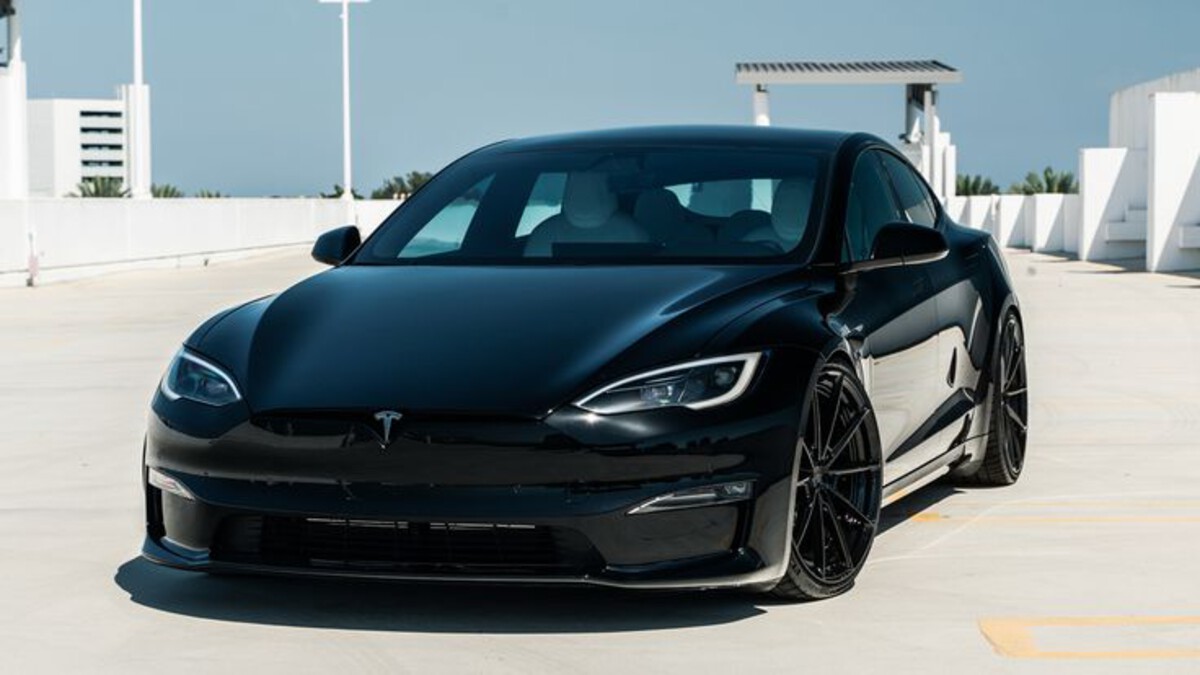
Where the Model S stands out is sustained high-speed performance. Battery cooling, power management, and a robust AWD system keep the car potent on repeated launches, and that advantage becomes obvious in a back-to-back acceleration test.
The Model S is also big and composed: it blends supercar numbers with ultra-sedan smoothness. Range and real-world charging logistics are still considerations, but for buyers focused on outright speed and daily usability, the S undercuts the emotional appeal of a V8 while delivering objectively faster runs.
Driving feel differs the instant torque lacks the crescendo of an engine, but it gives blistering midrange punch. If your priority is getting from point A to B faster than the Mustang Dark Horse, especially in straight-line and repeated sprint scenarios, the Model S family is hard to beat.
Add in lower running complexity and impressive tech features, and it becomes a strong practical alternative if you can handle the different character EVs bring.
3) BMW M3 Competition
The BMW M3 Competition brings a different argument: precision, high-revving character, and chassis balance that converts power into quick lap and sprint pace. The M3’s inline-six twin-turbo delivers aggressive midrange surge and, combined with available AWD (xDrive), turns that power into consistent acceleration.
Where a Mustang Dark Horse relies on brute torque and rear traction, the M3 blends sharper steering, shorter gearing, and quicker transitions to make acceleration and in-gear passing feel more immediate.
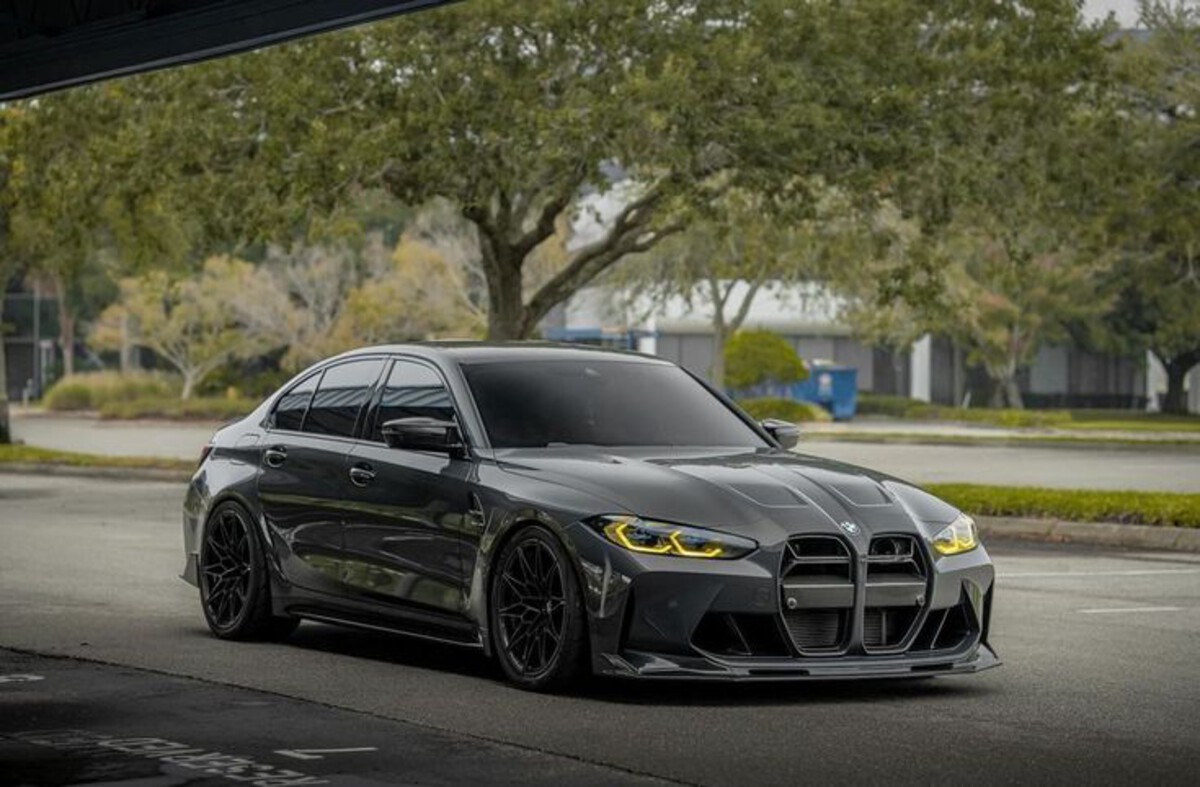
In real-world comparisons, the M3 Competition is often within striking distance and with the right setup, quicker especially on roads where traction and mid-corner exits matter.
The M3’s transmission options and fast-shifting automatics give it a crispness that helps shaving tenths off sprint times. Plus, German chassis tuning keeps the car stable under heavy acceleration and through sweepers.
Value-wise, the M3 competes strongly when considering used examples and certified pre-owned deals. Its cabin is livable for daily driving, while the performance hardware is track-capable.
The M3 is less about raw straight-line dominance than about how fast it can accelerate across a run when driver control and chassis feedback count. If the Dark Horse impresses with brute force, the M3 beats it by being sharper, faster on exits, and more composed when you push beyond simple drag runs.
4) Cadillac CT5-V Blackwing
The CT5-V Blackwing is an American answer to the “four-door with attitude” problem. Its supercharged V8 and stout gearing deliver a visceral, old-school performance feel, and when tuned right it puts that grunt down in ways that make for quick real-world acceleration.
Traction tech and chassis upgrades on the Blackwing let it exploit a hefty power figure better than untrained muscle cars, resulting in fast sprints and confident high-speed runs.
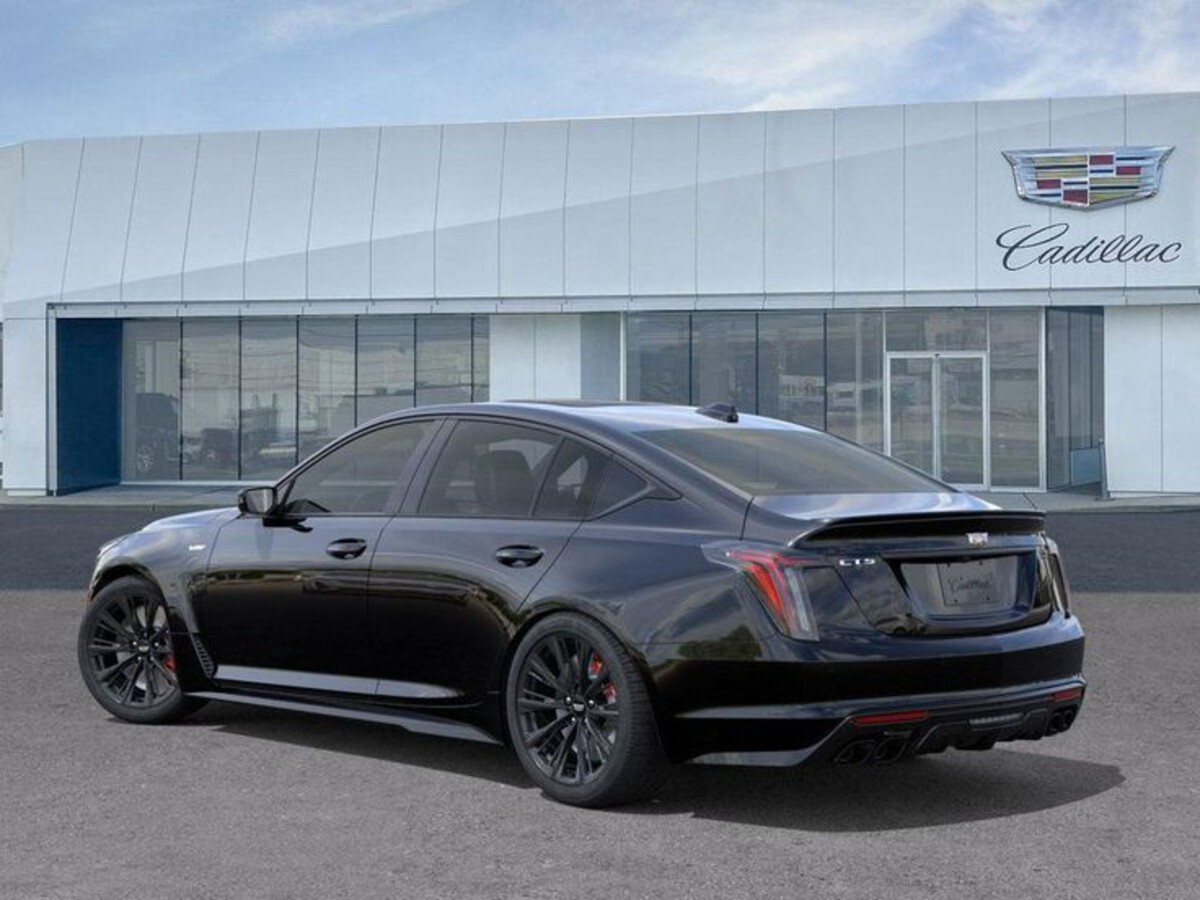
Compared with a Mustang Dark Horse, the Blackwing brings a heavier, torquier punch and a setup geared for hard driving.
The Blackwing’s brakes, cooling, and suspension are built for repeated stress, which helps maintain speed over longer runs. Inside, it favors driver focus controls are tactile, the cockpit is tuned for engagement, and the sound is satisfyingly mechanical.
Used-market values sometimes make the CT5-V Blackwing an appealing value play: you get near-supercar performance without the sticker shock. It’s rawer than many German entrants, but that directness is part of the draw.
If you want a big-engine, big-sound sedan that will pull hard and keep pulling without drama, the Blackwing will hold its own and, in many real-world run scenarios, outpace a Mustang Dark Horse thanks to its torque curve and robust chassis.
5) Audi RS3
The Audi RS3 packs a compact, ferocious package. It rides on a small platform but punches above its weight thanks to a high-rev five-cylinder turbo and a Quattro all-wheel-drive system that translates power into immediate forward motion.
The RS3 is less about V8 theatrics and more about explosive, high-rpm shove combined with incredible traction a combo that yields very fast sprint times and ruthless midrange passing.
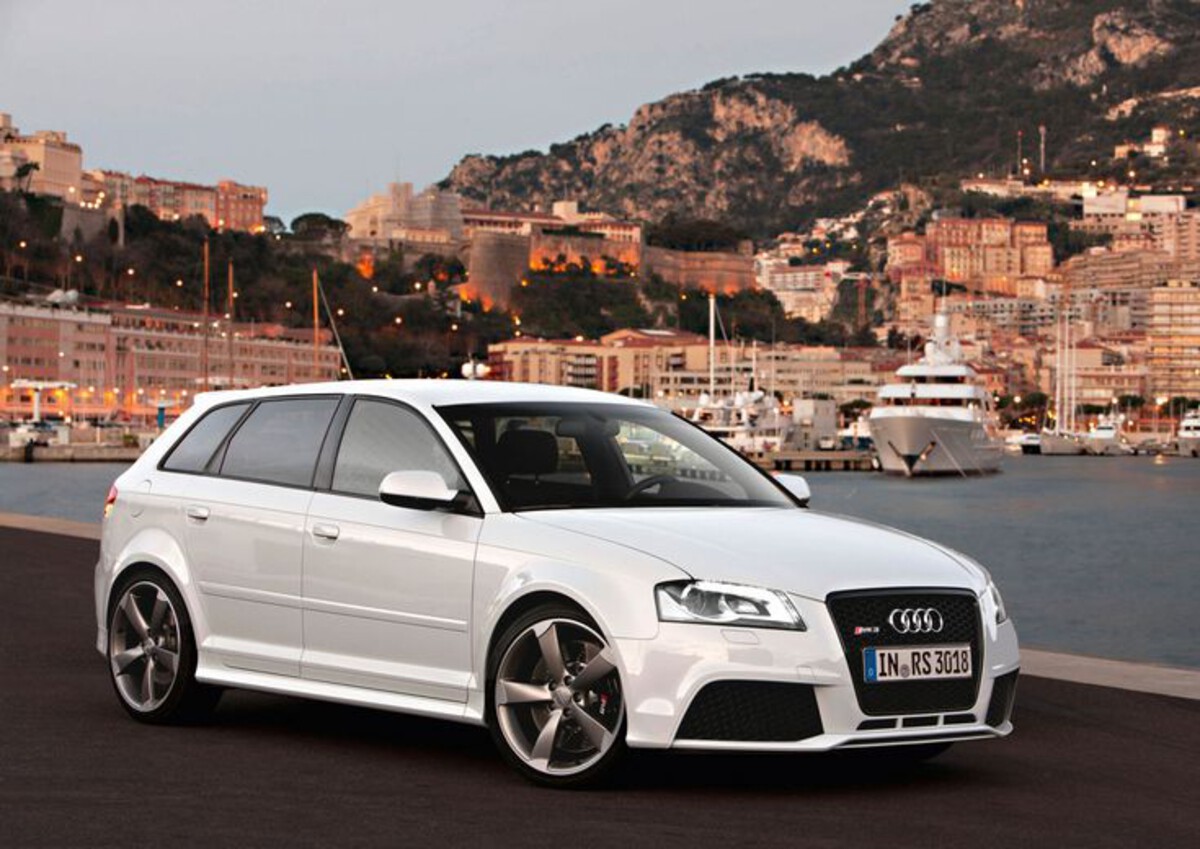
Against a Mustang Dark Horse, the RS3’s advantage often shows in initial launches and wet or twisty conditions where AWD makes the difference.
The engine’s note is unique and raw; combined with a sharp dual-clutch gearbox, it keeps the car on boil during aggressive driving. The RS3 is also compact and lighter than larger sedans, which helps it feel quicker in changing conditions and more agile on back roads.
Price positioning is competitive in the performance compact segment, and the RS3 represents a relatively affordable entry into high-output sport sedans. If the Dark Horse wins at raw V8 feel, the RS3 wins by being consistently launch-capable, more composed under diverse conditions, and brutal in short sprints.
ALSO READ: 6 Budget Cars People Still Compliment vs 6 Forgettable Faces
6) Genesis G70 3.3T / G70 Sport
Genesis built the G70 to be a driver’s sedan that undercuts established German rivals. The 3.3T model with a twin-turbo V6 serves as the performance spearhead. It provides strong midrange thrust and a chassis tuned for immediacy.
With rear-wheel-drive balance and available traction aids, the G70 3.3T accelerates in a way that feels both planted and eager, translating into competitive sprint numbers and satisfying passing performance.
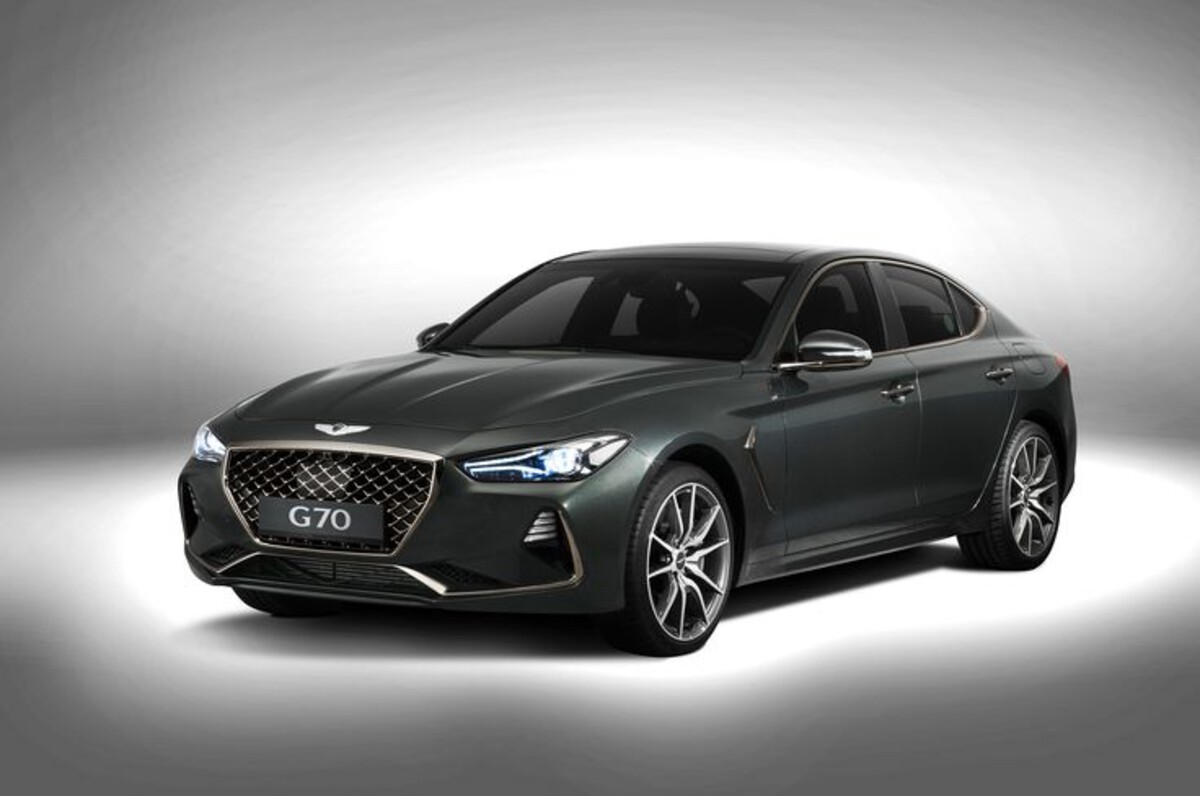
Where the G70 beats a Mustang Dark Horse is in balance and predictability. The car’s suspension, steering feel, and weight distribution were engineered to give enthusiastic drivers confidence when attacking corners and exits.
In many real-world runs, the G70’s quicker shifts and usable torque make it feel faster through the rev range, even if peak horsepower numbers don’t leap off the page.
The value argument is strong: Genesis undercuts luxury rivals on price while delivering comparable performance hardware.
If you want a refined cabin, sharp handling, and a potent twin-turbo engine that can embarrass larger, thirstier rivals in everyday speed tests, the G70 is a smart, attainable option that can outpace a Dark Horse in multiple scenarios.
7) BMW M340i
The M340i is the pragmatic speed pick: it sneaks up on you. With a potent turbocharged six and BMW’s composure, the M340i blends daily usability with a surprise-level of pace. It’s lighter and more agile than bigger M cars, and its torque-rich delivery makes midrange passing rapid and usable. AWD versions make that power translate to the road efficiently.
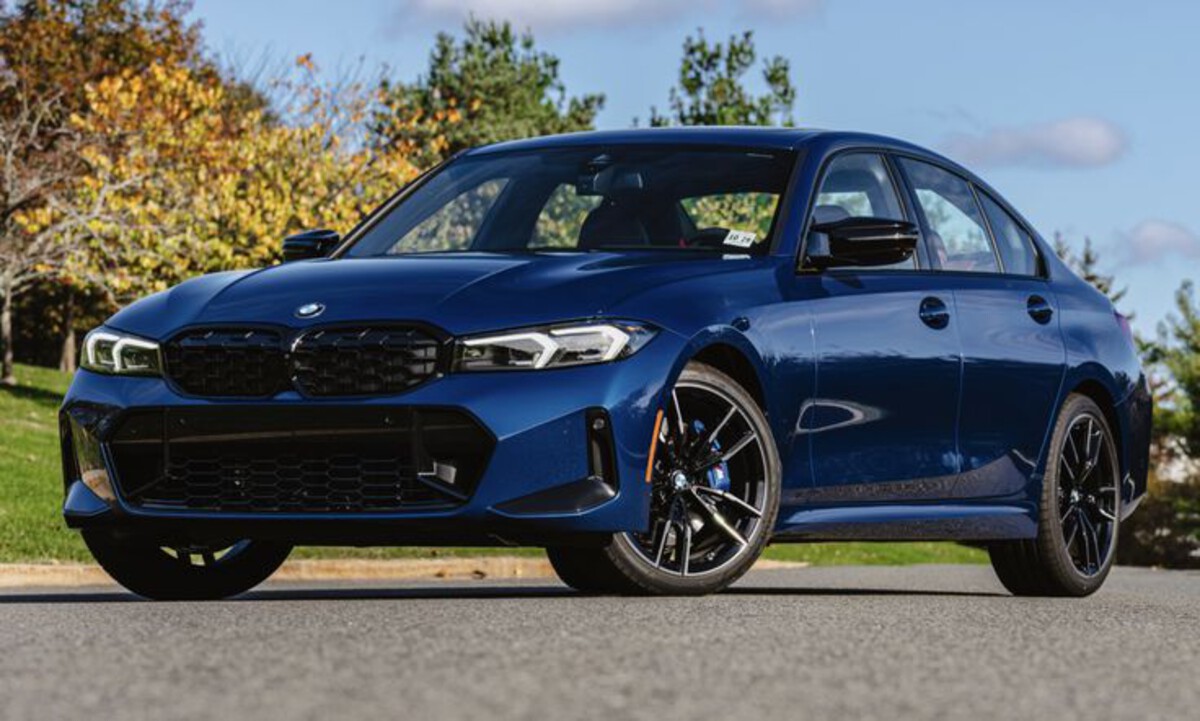
Compared directly to a Mustang Dark Horse, the M340i often wins in real-world acceleration because of its gearing, throttle mapping, and traction.
It’s not about V8 noise or muscle-car theatrics; it’s about the feeling of forward progress: faster roll-ons, shorter passing times, and a sharper response to throttle inputs. The interior is upscale and comfortable, so the car doubles as a sensible daily driver that’s genuinely quick when you ask for it.
Value and ownership cost typically favor the M340i in long-term comparisons: less fuel burn than big V8s, modern tech, and a chassis that rewards aggressive driving. If you want a fast sedan that blends everyday sense with repeatable performance, the M340i is a solid pick that can outpace a Dark Horse in the metrics that matter most to daily drivers.
8) Alfa Romeo Giulia Quadrifoglio
The Giulia Quadrifoglio is a driver’s car with a distinct voice. Its high-revving twin-turbo V6 and a razor-focused chassis give the Giulia a sense of immediacy that often makes it feel quicker than its numbers suggest.
The Quadrifoglio was engineered with performance in mind: tight steering, a willing engine, and a lighter footprint than some of the heavier Mustang variants.

On paper and in practice, the Giulia can out-accelerate similarly priced competition thanks to its power-to-weight balance and carefully tuned dynamics.
Against a Mustang Dark Horse, it trades brute force for surgical precision: exits from corners, in-gear surge, and midrange shove are where the Giulia shines. The exhaust note is purposeful and raw a plus for drivers who want drama without sacrificing speed.
Alfa’s value proposition is more niche; ownership costs can be higher and the interior is less restrained than German rivals.
But if you want a compact performance sedan that’s lively, fast, and thrilling to drive, the Giulia Quadrifoglio’s combination of engine character and chassis agility can make the Dark Horse seem bulky and less responsive in real-world driving.
9) Cadillac CT4-V (Blackwing-lite) / CT4-V
The CT4-V (especially in its higher trims) targets drivers who want compact, hard-edged performance without the size of a full-blown muscle car.
With turbocharged power and chassis tuning that emphasizes quick turn-in and confident exits, the CT4-V is a credible performance play. It’s more nimble than larger sedans and can accelerate impressively when traction and gearing are optimized.
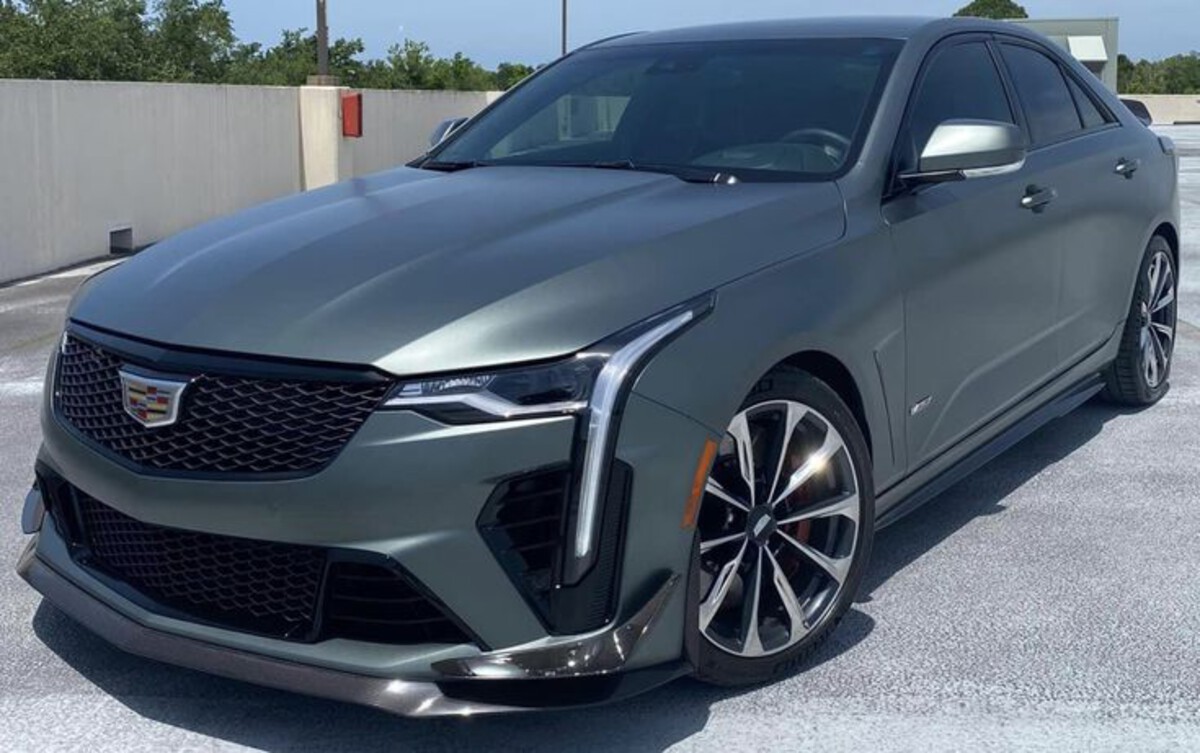
Compared to a Mustang Dark Horse, the CT4-V’s advantage is agility and composure in road driving. It’s not about long, sustained V8 pulls; it’s about usable shove and quick responses that make overtakes and roll-on passes feel faster.
For practical buyers seeking performance in a small footprint, this Cadillac can be faster in day-to-day driving and more composed on twisty stretches.
Price and value make the CT4-V attractive to drivers who want thrills without the supercar bill. If you don’t need a V8 soundtrack and prefer a lighter, sharper car that gets on the power quickly, the CT4-V is worth considering as a Dark Horse beater in many realistic driving situations.
10) Porsche Taycan (4S / Turbo / Turbo S) — entry used or lightly optioned
The Taycan flips the script: an electric Porsche with launch performance that can blow past most ICE competitors. Even mid-level Taycan variants produce brutal starts and relentless midrange acceleration, thanks to instant EV torque and Porsche’s advanced traction and chassis control.
A Taycan that’s set up for performance will often leave a Mustang Dark Horse behind in straight-line bursts and repeated sprints thanks to its thermal management and power delivery tuning.
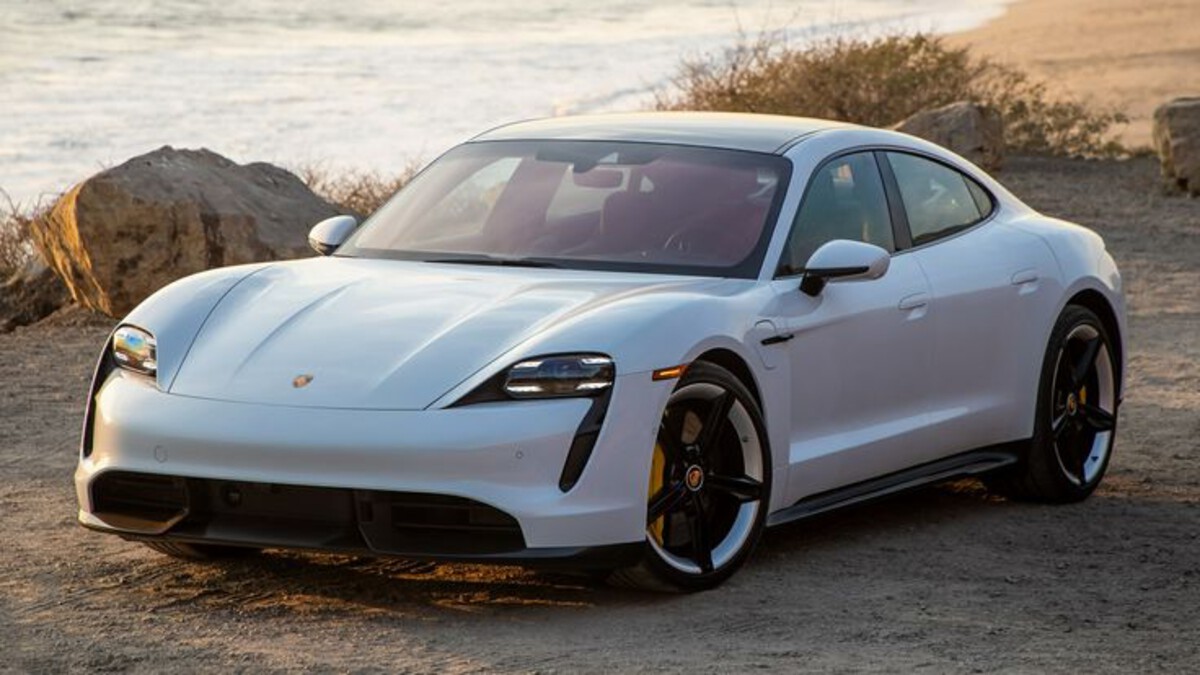
Porsche’s handling pedigree adds another edge: the Taycan stays composed at high speed and through repeated hard launches. If you can find a lightly used 4S or higher in the right price band, the Taycan represents an attainable way to beat a Dark Horse in many speed measures while enjoying Porsche build quality and driving dynamics.
Range and charging logistics matter, but for pure acceleration and repeatable pace, the Taycan is brutal. It’s also a different kind of experience: silent shove, instant response, and a planted feel that makes high-speed runs feel secure.
If the Dark Horse wins on V8 romance, the Taycan wins on repeatable, tech-aided acceleration that’s harder to match with an internal-combustion setup.
If you want a one-line takeaway: the Mustang Dark Horse is a great car, but it’s not the only way to get real, usable speed without blowing your budget.
Electric sedans like the Tesla Model 3 and Model S, and performance EVs such as the Taycan, rewrite acceleration rules with instant torque and strong traction, making them brutal in short sprints and midrange passes.
On the combustion side, compact performance cars BMWs, Genesis, Alfa, and select American entries use turbocharging, transmission tech, and chassis balance to deliver acceleration that is often faster or at least more usable than brute-force rear-drive muscle.
Choosing the “right” car depends on how you define faster. For pure 0–60 terror and midrange shove in everyday driving, modern EV sedans are the easiest way to leave a Mustang Dark Horse behind.
For a more traditional, visceral feel with comparable acceleration, hot ICE sedans like the M3, Giulia Q, and CT5-V Blackwing put up a fight and sometimes win thanks to balance, gearing, and chassis tech that make their power count.
Practical notes: used-market timing, local incentives for EVs, and real-world factors (tires, road surface, traction control settings) influence how these cars perform compared to one another. If you want a recommendation for one pick from this list based on budget, fuel preference, and driving style, say the word and I’ll pick the best match and explain why.