
The SUV market has become one of the most competitive spaces in the global automotive industry, and few rivalries are as closely watched as that between Chevrolet and Ford.
Both brands carry decades of heritage, loyal customer bases, and extensive SUV lineups that span compact crossovers to full-size, body-on-frame family haulers.
For buyers, this abundance of choice is both a blessing and a challenge because vehicles that look similar on paper can feel very different in real-world ownership.
This article explores five Chevrolet SUVs that are better than five Ford SUVs, not from a place of brand bias, but through practical comparison.
The focus is on everyday factors that matter most to owners: ride comfort, interior space, usability, reliability perception, long-term value, and how well each SUV fits the lifestyle it’s designed for.
While Ford often emphasizes performance, bold styling, and technology-forward features, Chevrolet frequently counters with smoother ride quality, more intuitive interiors, and a stronger balance between price and practicality.
Rather than claiming one manufacturer is universally superior, this comparison highlights specific models where Chevrolet appears to offer a more complete or refined package than a comparable Ford SUV.
These advantages may show up in areas such as third-row comfort for families, cargo space for long trips, ease of daily driving, or ownership costs over time. In many cases, Chevrolet SUVs are designed to feel predictable, comfortable, and durable qualities that become increasingly important the longer a vehicle is owned.
The article is structured to give clarity and depth. First, we introduce and analyze five Chevrolet SUVs, explaining why each one stands out in its segment and why it deserves recognition.
Then, we shift focus to five Ford SUVs, acknowledging their strengths while examining the areas where they may fall short when directly compared to Chevrolet alternatives.
Together, these sections provide a clear, balanced, and buyer-focused perspective on one of the most important brand matchups in the SUV world.
Also Read: 5 Full-Size SUVs That Tow Better Than 5 Crossovers
5 Chevrolet SUVs
Chevrolet has built a strong reputation in the SUV market by focusing on what matters most to everyday buyers: durability, practicality, performance, and long-term value.
Over decades, the brand has refined its SUV lineup to serve a wide range of customers, from large families and long-distance travelers to urban commuters and outdoor enthusiasts.
This introduction to Chevrolet SUVs sets the foundation for why the following five models deserve closer attention and why they are highlighted as standout choices in today’s highly competitive SUV landscape.
One of Chevrolet’s greatest strengths lies in its ability to balance rugged capability with modern comfort. Many Chevrolet SUVs are engineered on proven platforms that emphasize reliability and ease of maintenance two factors that strongly influence ownership satisfaction over time.
Whether it’s a full-size SUV designed for towing and hauling or a compact crossover built for efficiency and daily driving, Chevrolet consistently delivers vehicles that feel purpose-built rather than overcomplicated. This approach appeals to buyers who want dependable transportation without sacrificing essential technology or safety features.
Another reason Chevrolet SUVs stand out is their interior practicality. Thoughtful cabin layouts, generous cargo space, and comfortable seating configurations make these vehicles especially attractive for families and professionals alike.
Chevrolet tends to prioritize real-world usability over flashy design alone, ensuring controls are intuitive and storage is plentiful. This focus translates into SUVs that are easier to live with over many years, not just impressive on a showroom floor.
Additionally, Chevrolet’s SUV lineup often undercuts competitors on pricing while offering comparable or sometimes superior features.
This value-driven strategy allows buyers to access advanced safety systems, infotainment technology, and powerful engines without pushing into luxury-brand pricing territory. As a result, Chevrolet SUVs frequently appeal to cost-conscious buyers who still expect solid performance and modern amenities.
The five Chevrolet SUVs discussed next are selected because they best represent these strengths. Each model highlights a different aspect of what Chevrolet does well, making them strong contenders in their respective segments.
1. Chevrolet Tahoe
The Chevrolet Tahoe continues to stand out in the full-size SUV segment for drivers who need a commanding presence on the road without sacrificing comfort or capability.
One of the primary reasons we start with the Tahoe is that it combines rugged utility traditionally the domain of trucks, with refined features that make long journeys comfortable and stress-free.
Ford’s comparable model in this space, the Ford Expedition, has strong points, but the Tahoe consistently earns praise for its blend of traditional SUV strength and everyday usability.
Under the hood, the Tahoe offers robust engine options that deliver ample horsepower and torque for towing heavy trailers, hauling gear, and effortlessly navigating highways.
While fuel economy in large SUVs can’t compete with smaller vehicles, the Tahoe’s powertrain choices offer a balance between performance and reasonable efficiency in its class.
Its towing capacity rivals most full-size competitors, which is a significant consideration for buyers who tow boats, RVs, or trailers regularly. In everyday life, the Tahoe’s suspension strikes a smooth ride quality that is especially noticeable over long distances or rough roads.
Inside, the Tahoe has undergone thoughtful updates that elevate its cabin experience. With comfortable seating across three rows, premium materials in higher trims, and a user-friendly infotainment system, the Tahoe proves that a large SUV doesn’t need to feel outdated or utilitarian.
Safety systems and driver-assistance technology are also comprehensive, giving families extra confidence on the road. When compared to the Ford Expedition, many reviewers and owners favor the Tahoe’s interior ergonomics and perceived durability over years of use.
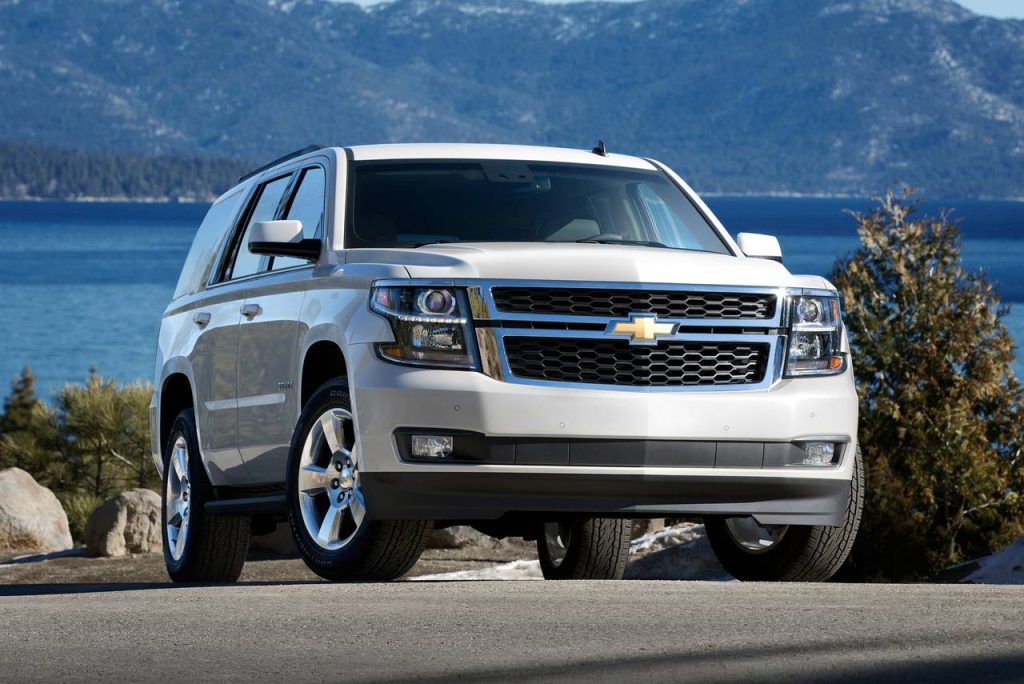
Ultimately, the Chevrolet Tahoe earns its place on this list because it delivers a well-rounded package: strength, comfort, technology, and everyday practicality. For drivers prioritizing full-size capability without compromising modern features, the Tahoe stands out among its peers and often surpasses its Ford counterpart in real-world satisfaction.
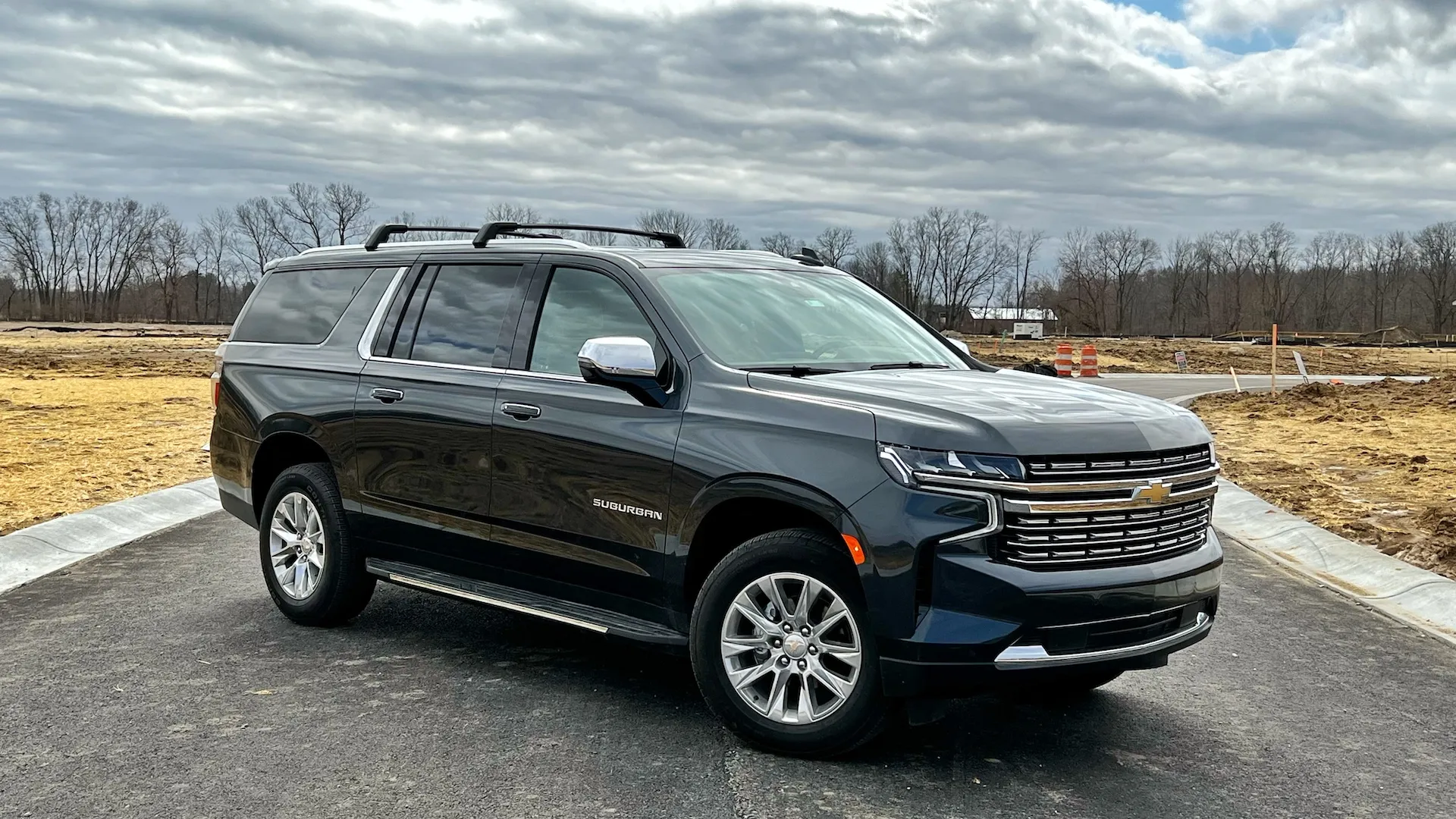
2. Chevrolet Suburban
The Chevrolet Suburban has long been regarded as one of the most capable and enduring full-size SUVs ever produced, and it earns its place in this comparison because it continues to outperform many rivals including comparable Ford SUVs when it comes to space, long-distance comfort, and real-world versatility.
This model is included because it represents Chevrolet’s mastery of the large SUV formula, offering unmatched interior volume without sacrificing drivability.
One of the Suburban’s biggest advantages is its sheer size used intelligently. Unlike many large SUVs that feel cumbersome, the Suburban manages its proportions well, providing expansive third-row seating that adults can genuinely use for long trips.
Cargo space behind the third row remains impressive, making it ideal for large families, road trips, or professional use. This practicality gives it an edge over similarly positioned Ford SUVs, which often require compromises between passenger space and cargo capacity.
Performance is another area where the Suburban stands strong. With powerful engine options designed for towing and highway cruising, it delivers smooth, confident acceleration even when fully loaded. Its towing capability is especially appealing for buyers who need a family vehicle that can also handle boats, trailers, or campers.
Despite its size, the Suburban’s ride quality remains composed, absorbing road imperfections better than many competitors thanks to its refined suspension tuning.
Inside, the Suburban emphasizes comfort and functionality over gimmicks. The dashboard layout is intuitive, the infotainment system is easy to use, and higher trims offer premium materials that elevate the driving experience.
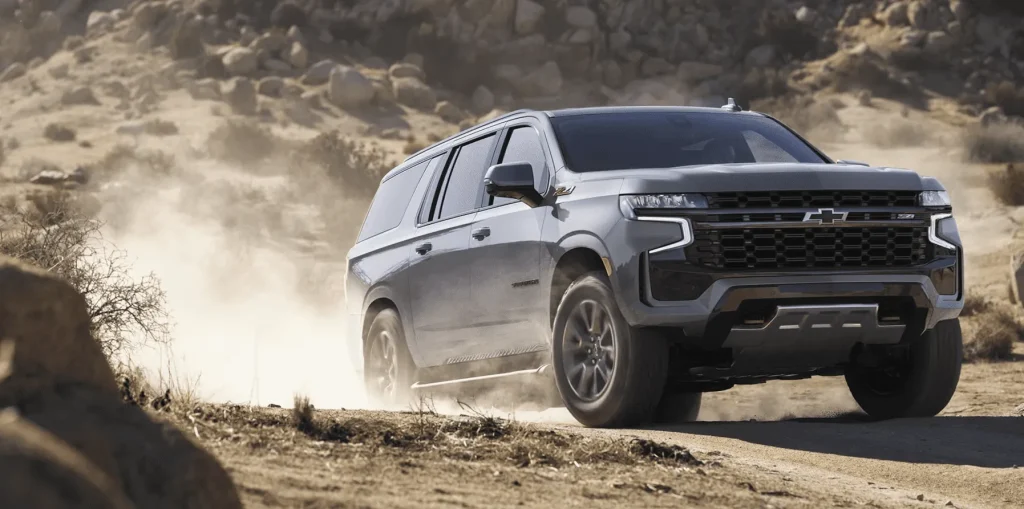
Safety and driver-assistance features further enhance its appeal, making it a trusted choice for families who prioritize security and reliability.
The Chevrolet Suburban is included in this list because it excels at what full-size SUVs are meant to do: carry people and cargo comfortably over long distances, year after year. Few vehicles in this segment match its combination of longevity, space, and everyday usability.
3. Chevrolet Traverse
One of the Traverse’s strongest selling points is its interior packaging. Unlike many midsize SUVs that struggle to provide a genuinely usable third row, the Traverse offers seating that can comfortably accommodate adults, not just children.
This makes it a practical alternative to full-size SUVs for families who want space without stepping up to a larger footprint. Cargo capacity is also a highlight, with ample room for groceries, luggage, or sports equipment even when all seats are in use.
On the road, the Traverse prioritizes comfort and predictability. Its powertrain delivers sufficient power for daily driving, highway merging, and family trips, while maintaining respectable fuel efficiency for its size.
The ride quality is tuned for smoothness, making it especially appealing for long commutes or road trips areas where some Ford competitors feel firmer or less refined.
The interior design of the Traverse emphasizes ease of use. Controls are logically placed, infotainment features are accessible, and visibility from the driver’s seat is excellent. Safety features and driver aids come well-equipped, reinforcing Chevrolet’s focus on family-oriented buyers who value peace of mind.
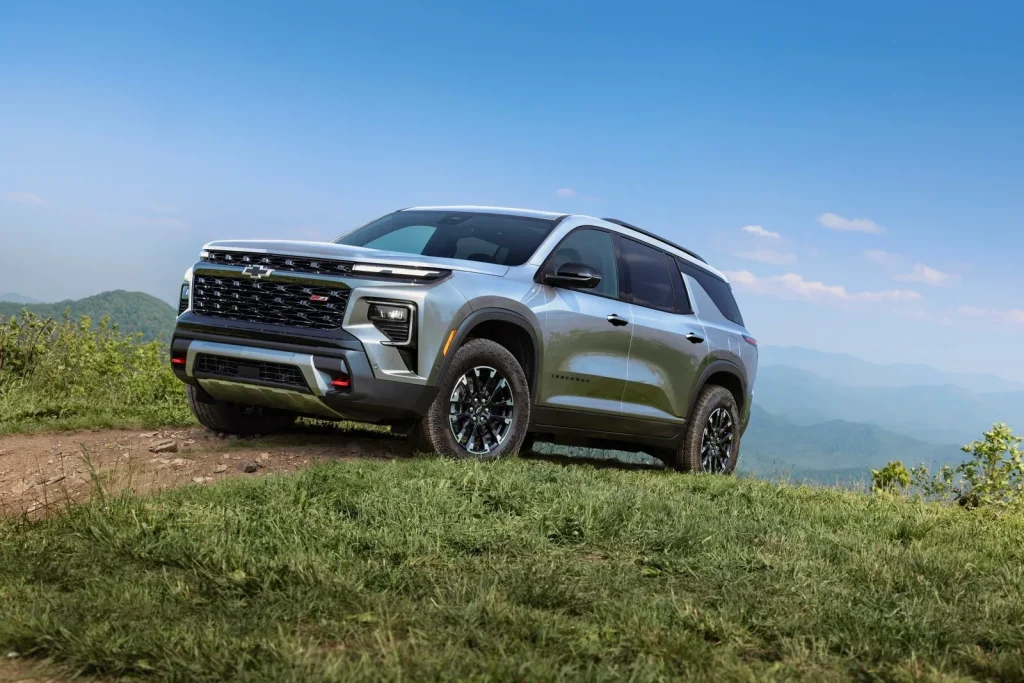
The Chevrolet Traverse earns its place on this list because it delivers what many midsize SUV buyers truly need: space, comfort, and reliability at a competitive price point. It proves that a family SUV doesn’t need to feel oversized or overly complex to be genuinely capable.
4. Chevrolet Blazer
One of the Blazer’s standout qualities is its road-focused performance. Tuned for confident handling and smooth acceleration, the Blazer feels composed in city traffic and stable at highway speeds.
Its engine options provide enough power for daily driving while maintaining competitive fuel efficiency, making it well-suited for commuters who also enjoy weekend trips. Compared to similarly positioned Ford SUVs, the Blazer often feels more engaging to drive, with sharper steering response and better overall balance.
Inside, the Blazer leans toward a sporty, driver-oriented cabin layout. The dashboard design is modern and intuitive, with well-placed controls and a clean infotainment interface.
Material quality is solid across trims, and higher variants offer premium touches that enhance comfort without inflating costs unnecessarily. Rear-seat space and cargo capacity remain practical, proving that the Blazer’s style doesn’t come at the expense of usability.
Another reason the Blazer is included is its value proposition. Chevrolet positions it competitively in terms of pricing, allowing buyers to access advanced safety features and connectivity options without moving into higher price brackets.
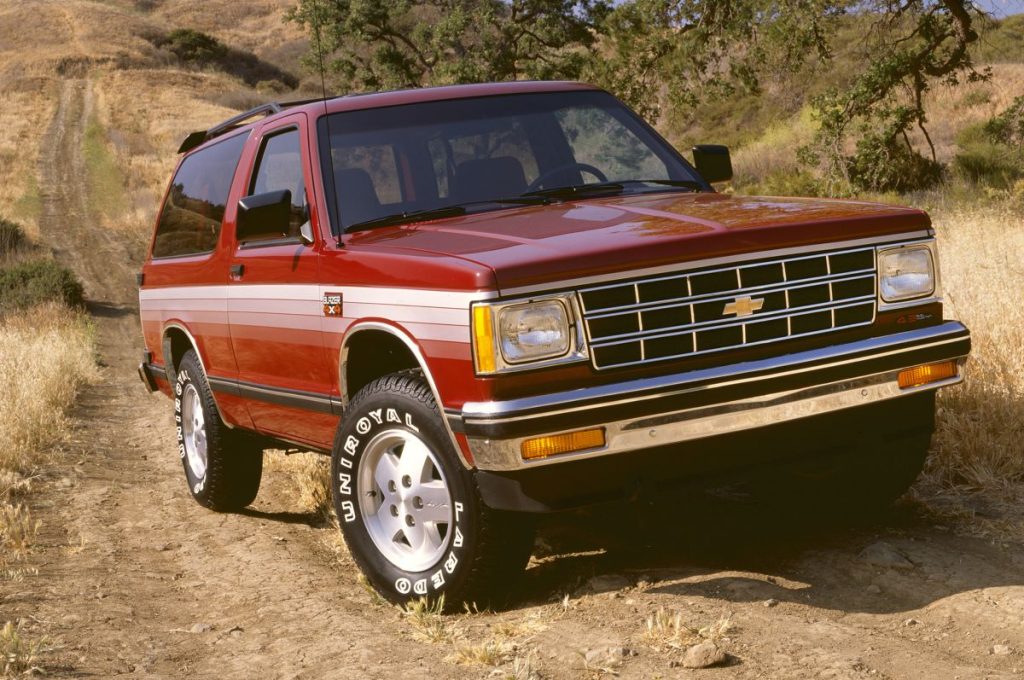
This makes it an attractive option for younger buyers and professionals who want a visually striking SUV that still delivers everyday reliability.
The Chevrolet Blazer stands out as a smart choice for those seeking design, comfort, and performance in equal measure areas where it frequently outperforms comparable Ford SUVs.
5. Chevrolet Equinox
One of the Equinox’s key strengths is its ease of ownership. Designed for daily commuting and family use, it offers a smooth ride, predictable handling, and engines that prioritize fuel efficiency over unnecessary complexity.
This makes the Equinox especially appealing to buyers who want low running costs and a stress-free driving experience over the long term. In comparison, some Ford compact SUVs focus more on sporty tuning at the expense of ride comfort.
Interior practicality is another area where the Equinox shines. The cabin layout is straightforward, with comfortable seating, good visibility, and a user-friendly infotainment system.
Cargo space is generous for the segment, easily accommodating groceries, luggage, or everyday gear. Chevrolet’s focus on intuitive controls ensures that the Equinox feels approachable for drivers of all ages.
Safety and value further justify its inclusion. The Equinox offers a strong suite of driver-assistance features at competitive pricing, making advanced safety accessible without moving to higher trims.
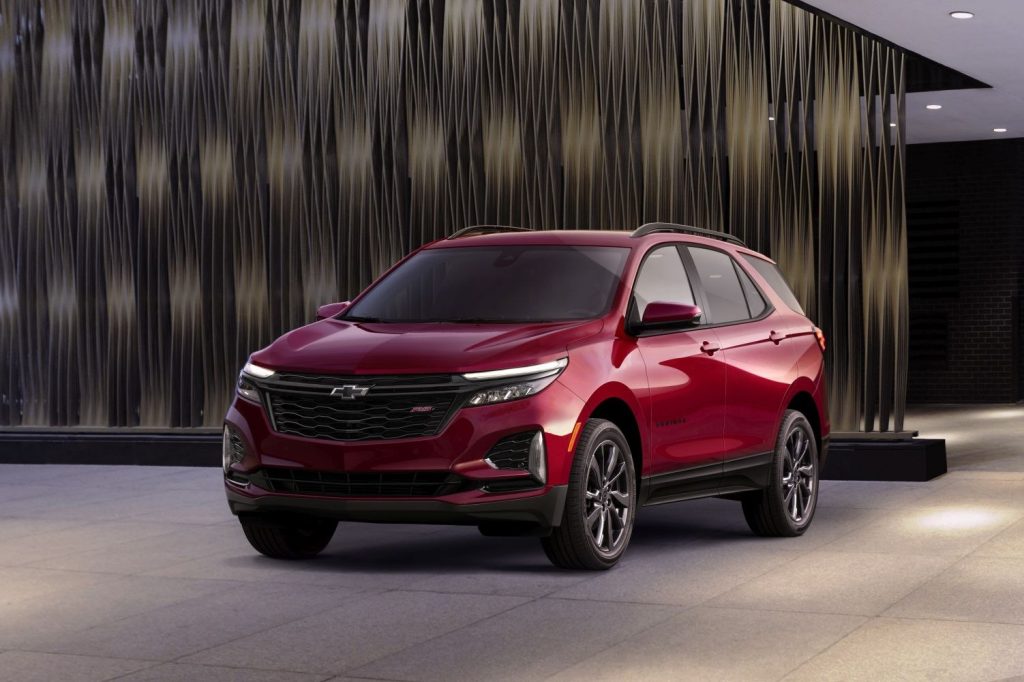
This reinforces Chevrolet’s emphasis on delivering real-world value rather than relying solely on branding or aggressive marketing.
The Chevrolet Equinox is included because it exemplifies what many compact SUV buyers truly want: reliability, comfort, efficiency, and sensible pricing all delivered in a well-executed package.
5 Ford SUVs
Ford’s approach to SUV development typically emphasizes powertrain performance and brand identity. Many Ford SUVs are tuned to feel sporty and responsive, which appeals to buyers who enjoy a more dynamic driving experience.
Additionally, Ford places a strong emphasis on technology integration, offering large infotainment screens, digital instrument clusters, and advanced driver-assistance features across much of its lineup. These qualities make Ford SUVs attractive on paper and during test drives.
However, real-world ownership reveals areas where some Ford SUVs face criticism. Ride comfort, interior material quality, long-term reliability perceptions, and pricing strategies are common discussion points among buyers.
In several segments, Ford SUVs tend to be priced higher than their Chevrolet counterparts while offering similar or occasionally fewer practical advantages. This gap becomes more noticeable for families and long-term owners who prioritize comfort, durability, and ease of maintenance over short-term performance appeal.
The five Ford SUVs discussed next are included not because they are poor vehicles, but because they represent cases where Chevrolet alternatives often feel more complete or better suited to everyday use.
Each model will be examined individually, focusing on strengths, limitations, and why it appears in this comparison. The aim is to provide balanced insight, helping readers understand where Ford SUVs excel and where they may fall short when measured against strong Chevrolet competition.
1. Ford Expedition
Performance is one of the Expedition’s strongest traits. Its engine delivers impressive acceleration for a vehicle of its size, making highway merging and towing feel effortless. Ford clearly targets buyers who want a powerful, confident-driving SUV that doesn’t feel sluggish.
However, this performance-focused tuning can come at the cost of ride comfort, particularly on uneven roads, where the Expedition may feel firmer than some Chevrolet alternatives.
Interior space is generous, but layout and material quality can be inconsistent across trims. While higher trims offer premium features, lower trims sometimes feel less refined for the price point.
In contrast, comparable Chevrolet SUVs often deliver a more consistent interior experience across their lineup. Technology is abundant, but some users find the infotainment system less intuitive than expected, especially for drivers who prefer simplicity over customization.
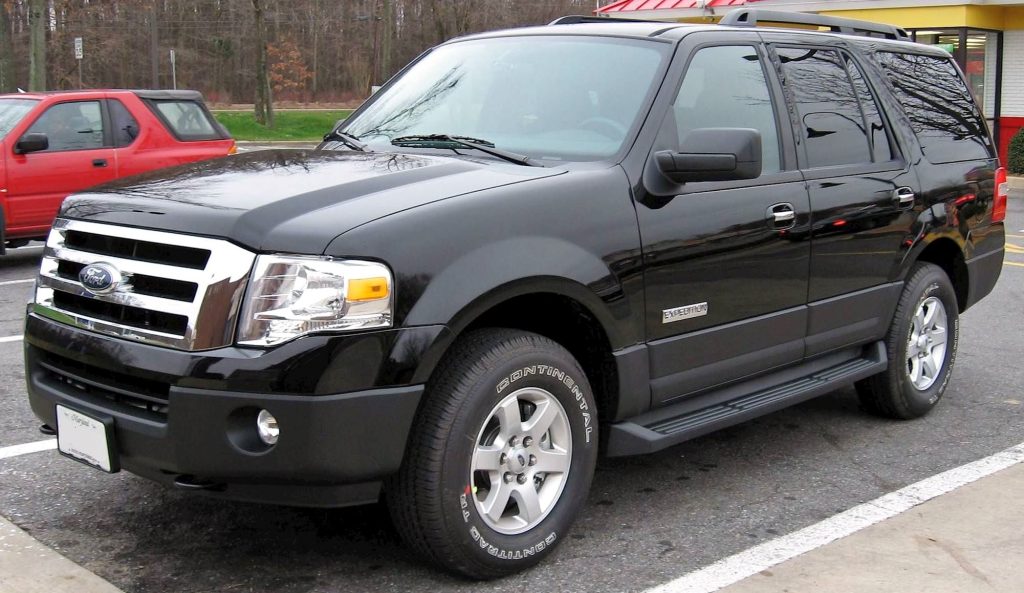
Another reason the Expedition is included is value perception. Pricing can climb quickly with options, and when compared side-by-side, buyers may find Chevrolet’s equivalents offer similar or better capability at a more approachable cost. Long-term ownership considerations such as maintenance and resale value also influence buyer decisions in this segment.
The Ford Expedition remains a capable and powerful SUV, but it appears here because Chevrolet alternatives frequently deliver a more comfortable, user-friendly, and cost-effective full-size SUV experience.
2. Ford Explorer
The Ford Explorer is one of the most recognizable midsize SUVs on the road and has long been a cornerstone of Ford’s lineup.
It earns a place in this comparison because, while it delivers strong performance and modern technology, it also highlights areas where Chevrolet midsize SUVs often feel more refined and better suited for long-term family use.
One of the Explorer’s biggest strengths is its powertrain variety. With multiple engine options available, including more performance-oriented configurations, the Explorer appeals to drivers who value acceleration and highway confidence.
Steering response is sharper than many rivals, giving it a sportier feel behind the wheel. However, this performance focus can compromise ride comfort, especially on rough or uneven surfaces, where the Explorer may feel stiffer than comparable Chevrolet SUVs designed with comfort in mind.
Interior space is competitive, but the third-row seating is less accommodating for adults during longer trips. Families who frequently use all three rows may find Chevrolet alternatives more practical.
Material quality and fit can also vary by trim, making the overall interior experience inconsistent when compared to Chevrolet’s more uniform approach across trims.
Technology is a strong point for the Explorer, with large screens and advanced driver-assistance features available. That said, the learning curve for some systems can be steeper than expected, particularly for buyers who prefer straightforward controls.
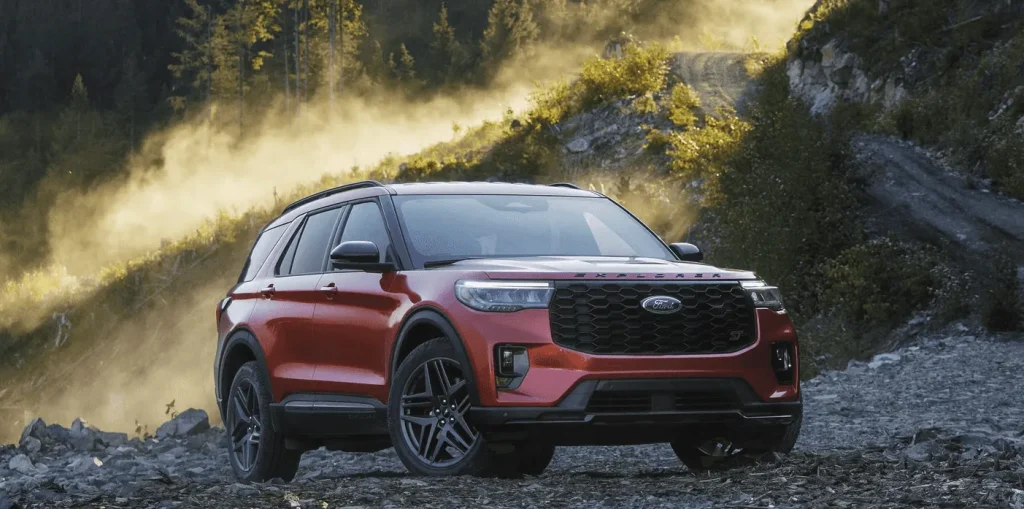
Chevrolet’s infotainment systems are often praised for their simplicity and ease of use, which can make a noticeable difference in everyday driving.
The Ford Explorer remains a capable and popular midsize SUV, but it is included here because Chevrolet counterparts often provide a smoother ride, better third-row usability, and stronger value for families focused on comfort and practicality over sporty performance.
3. Ford Edge
The Ford Edge occupies a unique space in Ford’s SUV lineup, positioned between compact and midsize offerings.
It is included in this list because, while it delivers solid performance and a comfortable driving position, it often struggles to stand out against Chevrolet SUVs that offer more interior flexibility and overall value.
The Edge performs well on the road, offering a smooth and controlled driving experience that suits daily commuting and highway travel. Its powertrain provides sufficient power for most driving scenarios, and handling feels confident without being overly aggressive.
However, when compared to Chevrolet alternatives like the Blazer, the Edge can feel less engaging and less distinctive in character.
Interior quality is generally good, but space utilization is a mixed bag. Rear-seat comfort is adequate, though cargo capacity does not always match expectations for a vehicle of its size.
This can be a drawback for buyers who prioritize hauling gear or accommodating growing families. Chevrolet SUVs in similar segments often provide more versatile seating and cargo arrangements.
Technology and safety features are competitive, but again, pricing plays a role. The Edge can become expensive as features are added, narrowing its value proposition. In contrast, Chevrolet models often include similar features at lower price points, making them more attractive for budget-conscious buyers.
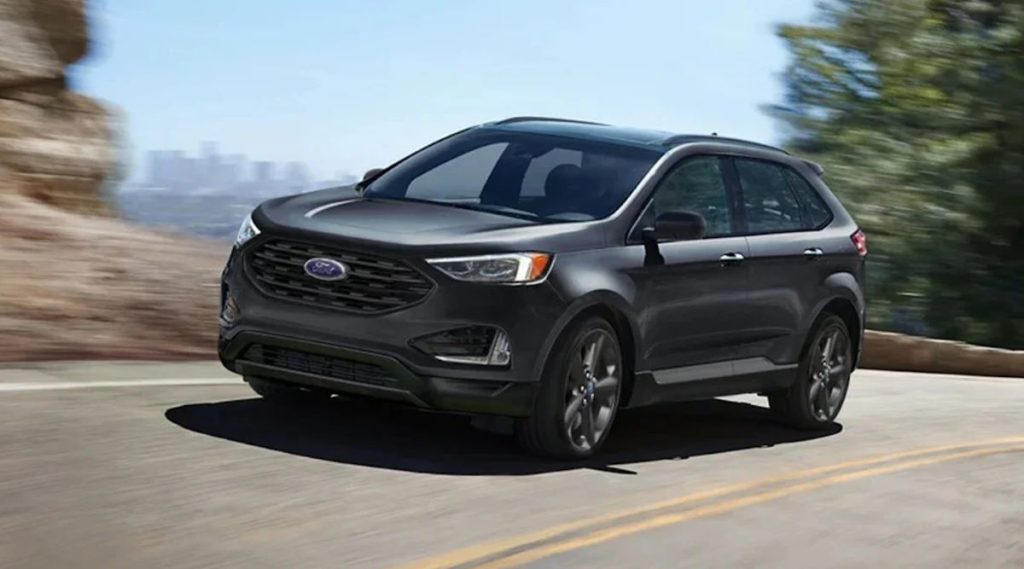
The Ford Edge is a competent and comfortable SUV, but it appears on this list because Chevrolet competitors tend to offer stronger styling identity, better space utilization, and a more compelling balance between cost and features.
4. Ford Escape
One of the Escape’s strongest attributes is its fuel efficiency. Designed with daily commuting in mind, it offers powertrain options that prioritize mileage and low emissions. This makes it appealing for city driving and long highway trips alike.
However, this efficiency-focused setup can result in less engaging acceleration and a driving experience that feels more utilitarian than some buyers expect. Chevrolet’s compact SUVs, by comparison, often feel smoother and more composed during everyday driving.
Interior design is modern, but material quality varies across trims. While higher trims feel well-equipped, lower trims can feel sparse relative to their price point. Space utilization is adequate, though rear-seat comfort and cargo capacity are not class-leading.
For buyers who need flexibility for family use or frequent cargo hauling, Chevrolet alternatives often offer more practical layouts.
Technology and safety features are a highlight of the Escape, with plenty of driver-assistance systems available. That said, the complexity of some interfaces can be overwhelming for drivers who prefer simple, intuitive controls. Chevrolet’s infotainment systems are often praised for being easier to navigate, which enhances daily usability.
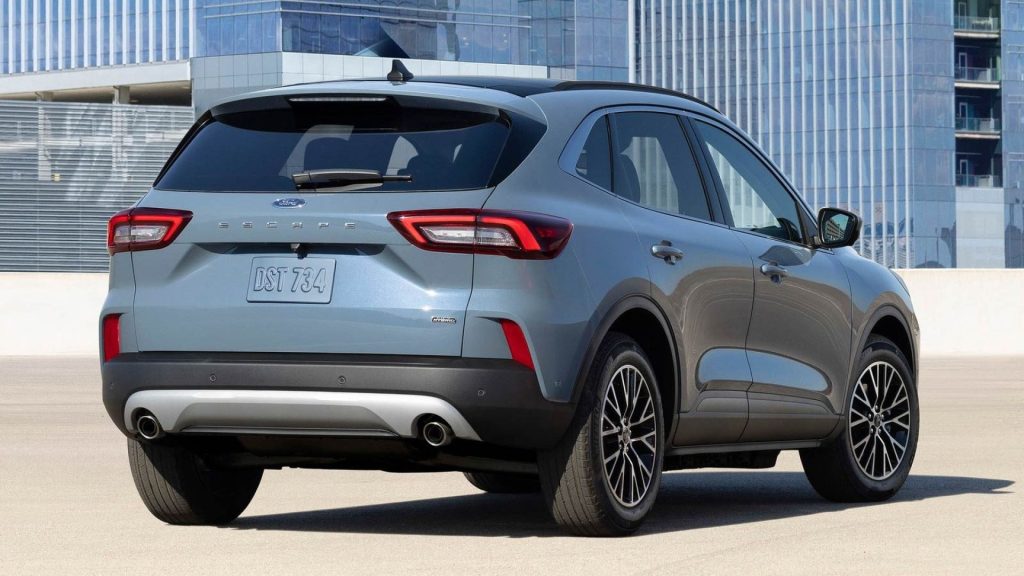
The Ford Escape remains a sensible and efficient compact SUV, but it appears here because Chevrolet competitors frequently provide better ride comfort, more usable interior space, and stronger value for buyers focused on everyday practicality rather than just efficiency.
5. Ford Bronco Sport
Off-road capability is the Bronco Sport’s defining trait. With available all-wheel drive systems and terrain-focused driving modes, it performs well on trails, gravel roads, and uneven terrain. This makes it attractive to outdoor enthusiasts who want an SUV that looks and feels adventurous.
However, for drivers who spend most of their time on paved roads, this rugged tuning can result in a firmer ride and more road noise compared to Chevrolet alternatives focused on on-road comfort.
Interior design embraces a functional, outdoorsy theme, but space and refinement take a back seat to durability.
While this suits its intended purpose, families and commuters may find Chevrolet SUVs more comfortable for daily use. Cargo space is practical but not exceptional, and rear-seat comfort can feel limited during longer journeys.
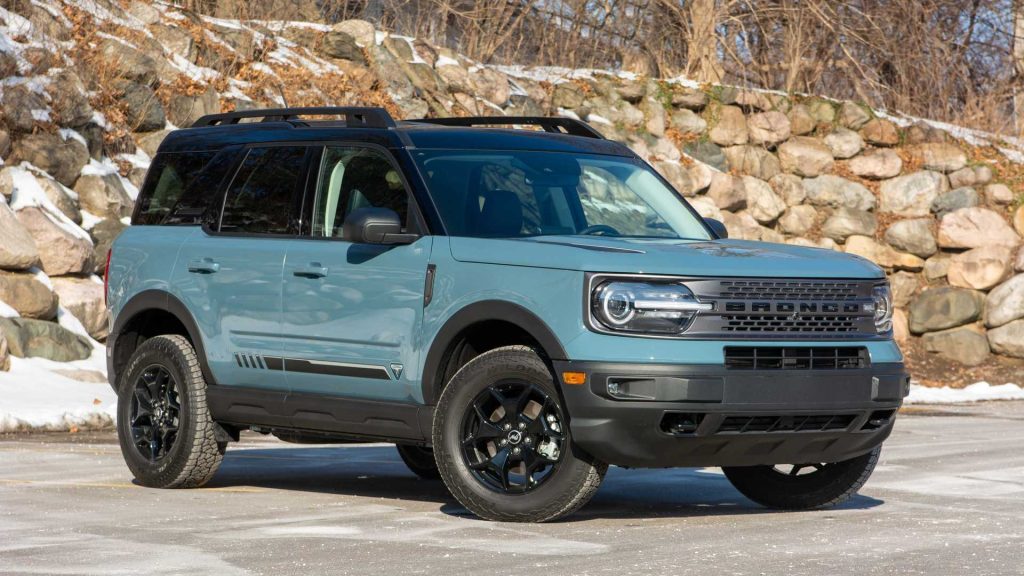
Another factor is value. The Bronco Sport’s pricing reflects its branding and off-road positioning, which can make it feel expensive for its size and performance envelope.
Chevrolet competitors often provide similar capability levels with better fuel efficiency, smoother rides, and lower ownership costs.
The Ford Bronco Sport is a capable and character-driven SUV, but it appears here because Chevrolet alternatives typically offer broader appeal, better comfort, and stronger value for drivers who prioritize everyday usability.
Also Read: 5 Affordable Luxury Sedans That Compete With 5 Older CPO Luxury Models
