Toyota and Honda have been the globe’s most recognisable duo in the compact-to-full-size sedan market for decades.
Both brands pride themselves on engineering that balances usability, reliability, and long-term value, which makes comparisons between their sedans a perennial favourite among buyers doing research.
Yet despite many similarities, each maker takes a different approach to priorities: Toyota often emphasizes broad appeal through comfort, hybrid leadership, and resale stability, while Honda has historically pushed driving dynamics, compact packaging, and mechanical simplicity.
That contrast gives us useful ground for a head-to-head look: not to declare a single winner, but to identify five Toyota sedans that, in different ways and for many buyers, offer advantages over five Honda sedans.
This article is structured to help readers who are weighing brand tradeoffs: first we’ll profile five Toyota sedans and explain what makes each stand out in terms of design choices, technology, economy, ownership costs, and why they might be the smarter pick for certain shoppers.
After that we’ll flip the script and look at five Honda sedans, but crucially, we’ll frame each Honda entry to highlight where they excel and how they stack up against Toyota alternatives.
The goal is practical: if you want comfort and a proven hybrid system, Toyota often has the edge; if you want sharper handling or a particular packaging, Honda may answer.
Throughout, I’ll call out real ownership considerations (resale, dealer network, fuel economy, safety features) so you can match each model to what matters to you: commute comfort, family practicality, long-term running costs, or tech and convenience.
Below are five Toyota sedans that many buyers will find better fits than their Honda counterparts, depending on priorities such as ownership costs, hybrid technology, interior space, and refinement.
Also Read: 5 Compact SUVs That Age Better Than 5 Subcompact SUVs
5 Toyota Sedans
When buyers start searching for a dependable, practical, and long-lasting sedan, Toyota is almost always part of the conversation.
Over decades, Toyota has built a reputation not just for selling cars, but for engineering vehicles that consistently perform well over years of ownership.
From compact daily commuters to near-luxury family sedans, Toyota’s sedan lineup reflects a philosophy focused on reliability, efficiency, and real-world usability rather than chasing short-term trends.
This is precisely why Toyota sedans continue to dominate sales charts and remain popular in both new and used car markets worldwide.
The purpose of highlighting five Toyota sedans in this article is to show how the brand addresses different buyer needs while maintaining a common foundation of durability and value.
Some buyers prioritize fuel efficiency and low running costs, others want comfort for long highway drives, while many simply want peace of mind that their car will age gracefully with minimal surprises.
Toyota designs its sedans to serve these priorities consistently, often outperforming competitors in long-term ownership satisfaction rather than headline performance figures alone.
Another reason Toyota sedans deserve focused attention is the brand’s leadership in hybrid technology. Long before electrification became mainstream, Toyota invested heavily in hybrid systems that now deliver impressive fuel economy without sacrificing reliability.
Combined with strong safety packages, predictable maintenance costs, and excellent resale value, Toyota sedans appeal to first-time buyers, families, commuters, and even premium-leaning customers who want luxury-like comfort without luxury-brand ownership costs.
In the sections that follow, we’ll explore five Toyota sedans in detail, explaining why each model stands out in its segment and why it represents a smart choice for buyers who value long-term dependability, efficiency, and everyday comfort over gimmicks.
1. Toyota Camry
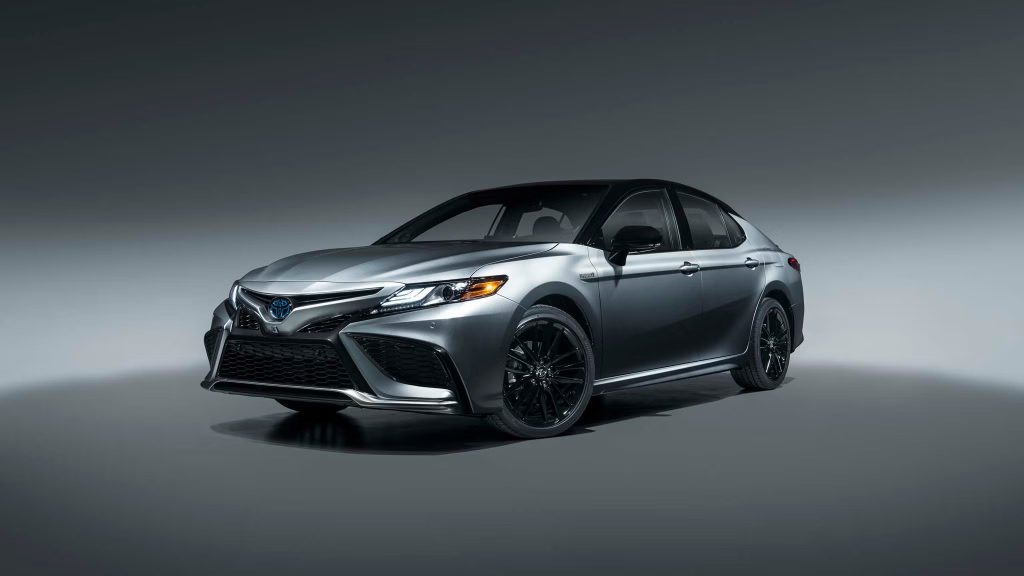
The Toyota Camry is an archetype of the mainstream midsize sedan: comfortable, quiet, fuel-efficient (especially in hybrid form), and designed with durability in mind. What sets the Camry apart is its blend of refinement and predictability.
For buyers who prioritize a composed ride, conservative but attractive styling, and a reputation for trouble-free ownership, the Camry often checks more boxes than its rivals.
Toyota’s engineering focus on NVH (noise, vibration, harshness) reduction means highway cruising is relaxed; interior materials especially in higher trims, feel upscale for the class without commanding luxury-car maintenance costs later.
The Camry’s available powertrains include efficient four-cylinder options and a smooth V6 in older generations, but the hybrid variant is the real differentiator: combining brisk mid-range acceleration with excellent real-world economy, it’s an ideal choice for commuters who want long MPG and low operating costs.
Safety and driver-assist tech are another Camry strength. Toyota Safety Sense bundles advanced features automatic emergency braking, adaptive cruise with lane-centring support, automatic high beams and lane departure mitigation, as standard across the lineup in recent years, giving buyers peace of mind without needing to step up to costly option packs.
Resale remains strong, too: Camrys historically retain value well, which reduces total cost of ownership. Finally, the Camry appeals to a broad audience families, professionals, and fleet buyers because it’s easy to live with: predictable maintenance, widely available parts, and a global dealer network.
If your main priorities are long-term value, comfortable daily driving, and low running costs (especially with the hybrid), the Camry is a sensible Toyota choice that outperforms many competitors in the same segment.
2. Toyota Corolla
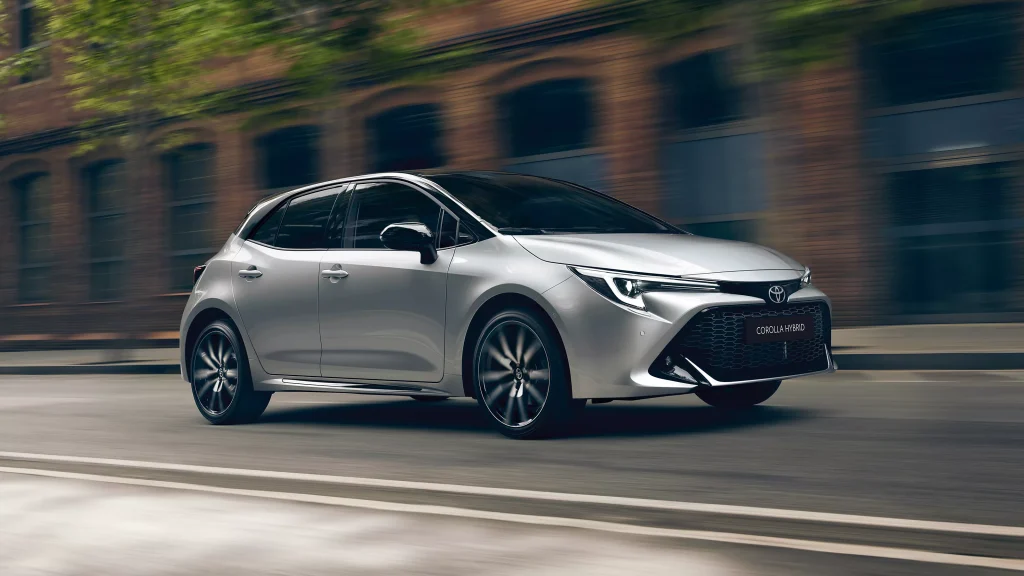
The Toyota Corolla has evolved from the compact econobox into a modern compact that nails everyday practicality, safety, and fuel efficiency. While some rivals chase sporty handling or premium touches, the Corolla remains committed to reliable, low-cost ownership and broad accessibility.
That matters because many buyers in the compact segment make decisions based not just on sticker price but on fuel bills, insurance, and the resale value they’ll get three to five years down the road.
The Corolla’s value proposition is simple: sensible packaging, a comfortable ride for its size, and a long list of standard safety and connectivity tech.
Mechanically, the Corolla offers frugal small-displacement engines and efficient CVT transmissions, and in markets where Toyota emphasizes hybrids, the Corolla Hybrid becomes a standout for city drivers seeking excellent mpg without stepping up to a midsize sedan.
Inside, materials and ergonomics are designed for clarity and durability: controls are intuitive, seats are supportive for daily use, and rear-seat space is competitive within the compact class. Toyota also fits advanced driver aids across the range, improving safety for cost-sensitive buyers who still want modern features.
Where the Corolla often beats competitors is in total cost of ownership. Insurance tends to be reasonable, maintenance intervals are straightforward, and Toyota’s parts availability keeps repair costs predictable.
For buyers who prioritize dependability, low running costs, and a no-surprises ownership experience, especially first-time buyers, urban commuters, or families buying a second car the Corolla is frequently the wiser pick.
It sacrifices headline-grabbing sportiness for substance, and for many, that’s an advantage: a car that quietly does everything well and keeps bills low.
3. Toyota Prius
The Prius is synonymous with hybrid technology, and for buyers whose top concern is fuel economy and proven hybrid durability, it remains an easy recommendation.
While many manufacturers now offer hybrid variants of ordinary models, the Prius’s advantage is in systems integration: Toyota refined the hybrid powertrain for decades, optimizing battery management, regenerative braking, and thermal efficiency to deliver exceptional mpg in everyday driving.
The result is especially compelling for high-mileage commuters and drivers in stop-start traffic where the Prius’s city figures and real-world economy shine.
Beyond fuel economy, the Prius exhibits strengths in packaging and interior space relative to its footprint. The hatchback arrangement opens up a roomy cargo area and practical loading geometry; taller headroom and flexible rear seating bolster utility for families and active lifestyles.
Toyota also engineers the Prius around a ride and steering calibration that prioritizes comfort and stability again, a thoughtful choice for buyers who cover lots of miles and want predictable behaviour under varied conditions.
Reliability and low running costs are where the Prius often beats alternatives. Long before electrified vehicles became fashionable, Toyota already addressed battery longevity and hybrid system durability, and many well-maintained examples surpass expected lifespans with minimal hybrid-related maintenance.
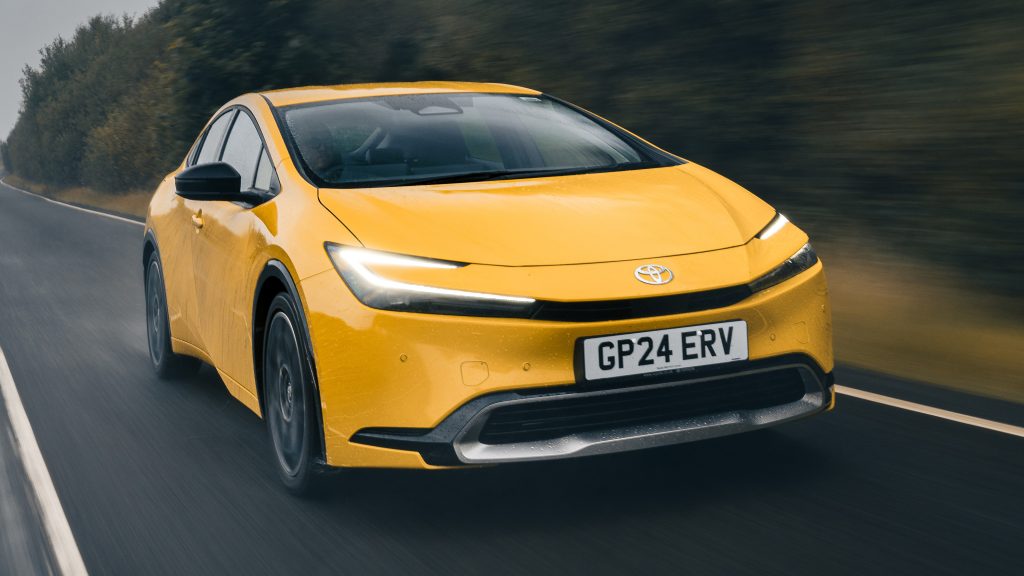
For environmentally minded buyers who still need the convenience of gasoline refuelling or those who want the best mpg without full-EV charging infrastructure, the Prius is a compelling, real-world leader.
It isn’t the sportiest or most luxurious option, but for the mission of “maximize fuel economy while keeping ownership simple,” Prius is difficult to beat.
4. Toyota Avalon
The Avalon has long represented Toyota’s take on near-luxury within a mainstream brand: roomy cabin, refined highway manners, and quiet composure at speed.
In markets where the Avalon name persists or where Toyota has introduced the Crown Sedan as a successor, the DNA is similar an emphasis on comfort, generous dimensions, and an interior that leans toward upscale without the running costs of a true premium marque.
Buyers who want a sedan with a more relaxed, luxurious ambience ample rear-seat space, soft composure over rough pavement, and refined NVH reduction will appreciate the Avalon/Crown’s approach.
What makes this Toyota sedan stand out against many competitors is the blend of comfort and practicality. The front seats are typically supportive for long journeys, rear passengers enjoy generous legroom, and trunk space is large and well-shaped.
Powertrain choices skew toward smoothness over raw sportiness, typically V6 or high-tuned four-cylinder hybrids, prioritising effortless acceleration and quiet cruising. Many buyers trading up from compact or midsize sedans find the Avalon/Crown a sweet spot: near-luxury experience without luxury marque depreciation or complex servicing.
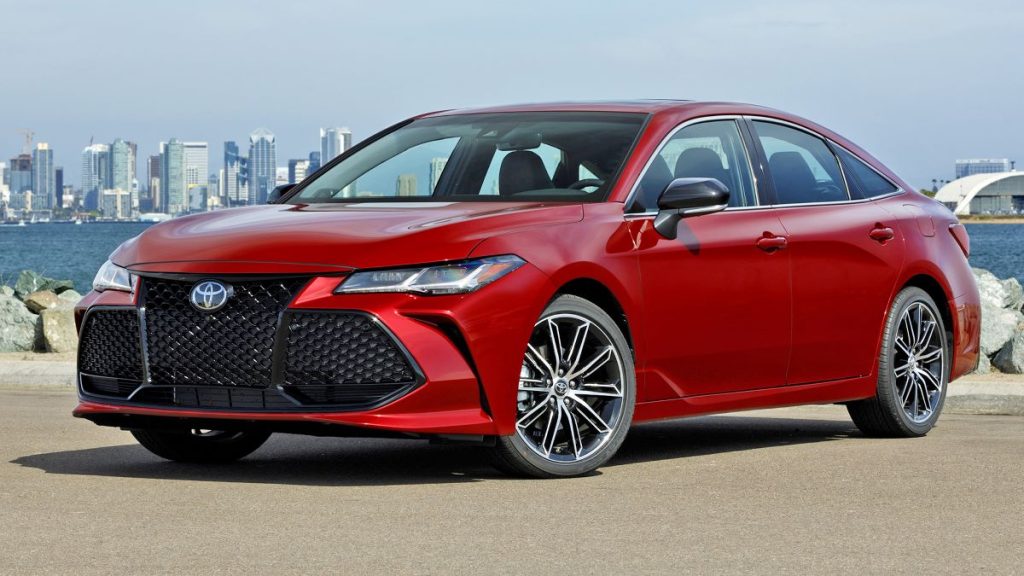
Another advantage is features value: Toyota often equips the Avalon/Crown with advanced driver aids, comfortable luxury-leaning options (heating, ventilation, premium audio), and well-judged sound insulation as standard or at mid-trim levels that competitors reserve for high options.
For buyers who want the serenity of a premium sedan but prefer Toyota’s reliability, dealer network, and resale prospects, Avalon/Crown represents a meaningful alternative that better serves comfort-oriented owners than sport-tuned rivals.
5. Toyota Crown
The modern Toyota Crown occupies an interesting niche: it blends sedan comfort with styling and features that borrow from premium cars, and in many regions it replaces older full-size Toyota sedans as a flagship offering.
The Crown emphasizes a modern interior with tech-forward instrument layouts, comfortable accommodations, and a strong hybrid or turbo-charged powertrain presence depending on the market.
For buyers who want something more distinctive than a midsize commuter car but still value Toyota’s long-term dependability, the Crown is a compelling choice.
Design plays a larger role here: the Crown’s exterior and interior aim to stand out with sculpted surfaces, premium trim options, and driver-assist suites that feel contemporary.
Toyota positions the Crown to attract buyers who might otherwise consider an entry-level luxury car people who want feel-good materials, advanced infotainment, and smoother noise control, but who prefer the practicality and ownership predictability of a mainstream brand.
Mechanically, Crown models often lean on hybrid powertrains to balance performance and economy, giving responsive everyday performance with strong fuel figures.
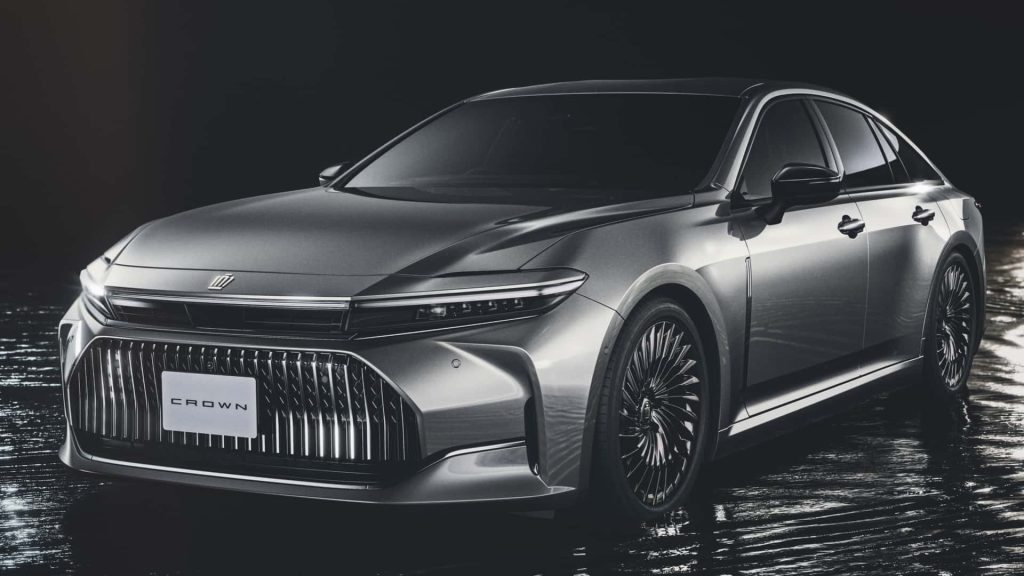
Why pick the Crown over more conventional alternatives? For customers seeking near-luxury refinement without premium-brand ownership quirks (and the associated depreciation and servicing costs), the Crown hits a sweet spot.
It’s a model that shows how Toyota can elevate the sedan experience better interior ambiance, contemporary tech, and a more exclusive image while retaining the low-stress ownership characteristics that attract long-term buyers.
5 Honda Sedans
Honda sedans have long been admired for their engineering precision, driver-focused design, and mechanical simplicity.
While Toyota often leads conversations around reliability and hybrid dominance, Honda has built its own loyal following by emphasizing responsive handling, efficient powertrains, and practical packaging.
This section focuses on five Honda sedans to explain why they continue to attract buyers who value an engaging driving experience without sacrificing everyday usability.
The reason for separating Honda sedans into their own dedicated section is simple: Honda designs cars with a slightly different mindset than Toyota.
Where Toyota prioritizes comfort, refinement, and long-term ownership stability, Honda often puts more attention into steering feel, chassis balance, and engine responsiveness. This makes Honda sedans particularly appealing to drivers who still enjoy being behind the wheel, even during routine commutes.
Honda also has a strong history of producing efficient naturally aspirated engines and smooth CVT or manual transmission options that emphasize reliability and fuel economy. Interiors tend to be practical, well-laid-out, and intuitive, focusing on driver ergonomics rather than luxury-oriented flair.
Safety technology has also become a major focus, with Honda Sensing now standard across most of the lineup, ensuring modern driver assistance without excessive cost.
In the following five entries, each Honda sedan is discussed individually, explaining why it exists, who it is best suited for, and how it competes in its segment.
These are not just spec-sheet comparisons; they are real-world assessments aimed at buyers trying to decide whether a Honda sedan aligns with their priorities be it efficiency, handling, affordability, or long-term dependability.
Together, these five models showcase Honda’s philosophy and why the brand remains a serious contender in the global sedan market.
1. Honda Civic
The Honda Civic is one of the most influential compact sedans ever produced, and it earns its place here because it balances practicality with genuine driving enjoyment.
I’m writing about the Civic because it represents Honda’s ability to make an everyday car feel engaging without making it complicated or expensive to own. For many buyers, the Civic is their first experience with a well-engineered sedan.
What sets the Civic apart is chassis tuning and steering feedback. Even in non-sport trims, the Civic feels planted and confident, especially compared to many soft-riding competitors.
The suspension strikes a balance between comfort and responsiveness, making city driving easy while still rewarding on winding roads. Honda’s engines are efficient and smooth, delivering predictable power that feels usable rather than aggressive.
Inside, the Civic prioritizes ergonomics. Controls are logically placed, visibility is excellent, and cabin space is generous for a compact sedan.
Rear-seat legroom and trunk capacity are among the best in the segment, which makes the Civic practical for small families or frequent carpooling. Safety features such as adaptive cruise control and lane-keeping assist are typically standard, reinforcing Honda’s focus on value.
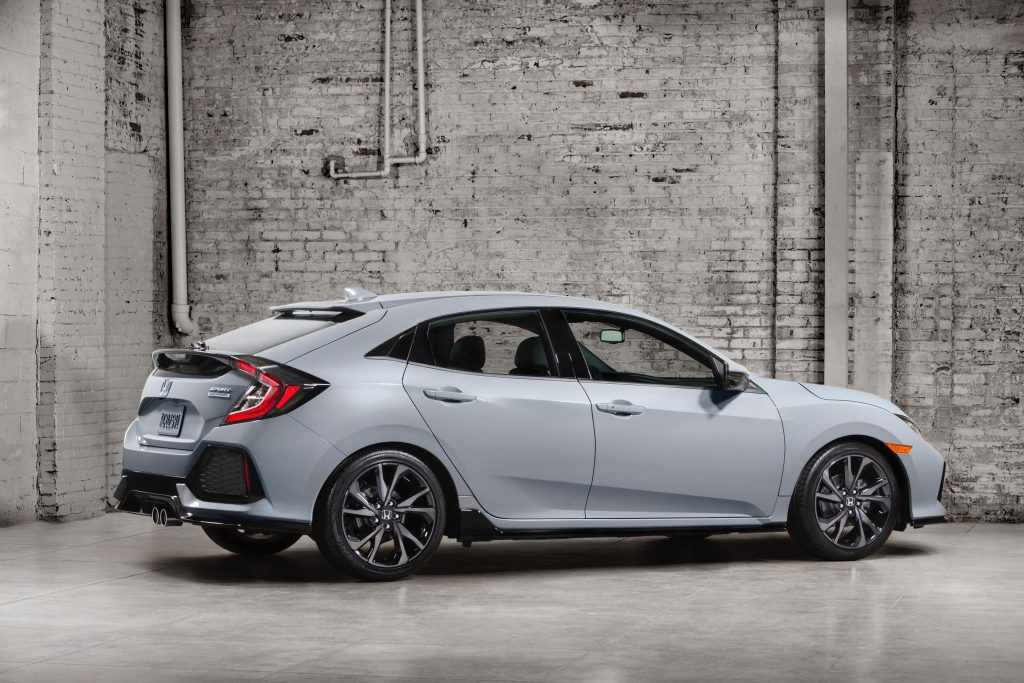
The Civic appeals most to buyers who want reliability with personality. It may not have the quietest cabin or the softest ride, but it offers a connected driving feel that many competitors lack. For drivers who want a compact sedan that feels alive without being demanding, the Civic remains a strong choice.
2. Honda Accord
The Honda Accord is often regarded as the driver’s midsize sedan, and I’m including it here because it demonstrates how Honda blends space, efficiency, and performance-oriented engineering.
Unlike many midsize sedans that prioritize comfort alone, the Accord maintains a sense of balance that appeals to enthusiastic drivers and practical buyers alike.
The Accord’s ride quality is composed without being overly soft, and its steering is direct and confidence-inspiring.
Honda’s powertrains especially turbocharged options in recent generations, offer strong mid-range performance while remaining fuel-efficient. This makes the Accord suitable for both highway commuting and spirited driving.
Interior design is clean and functional, emphasizing usability over luxury excess. Rear-seat space is excellent, making the Accord a genuine family sedan, while trunk capacity easily handles daily errands or long trips. Honda Sensing safety features come standard, ensuring modern protection without expensive upgrades.
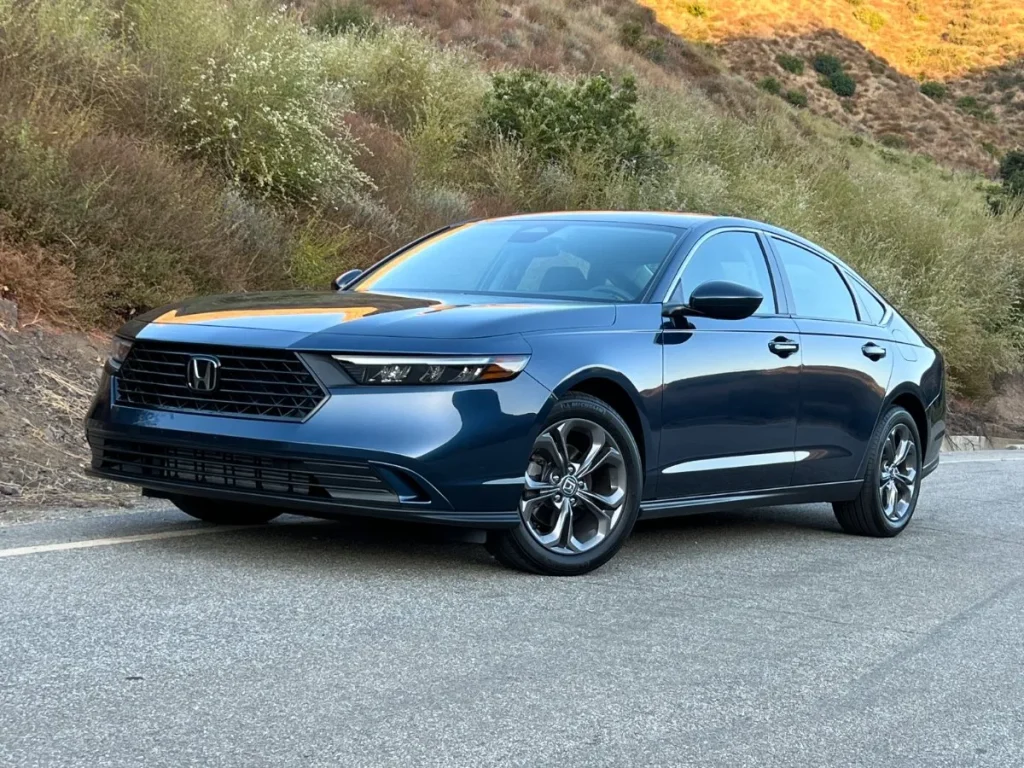
The Accord is written about often because it hits a rare sweet spot: it’s large enough for families, efficient enough for commuters, and engaging enough for drivers who don’t want a dull experience.
For buyers who want a midsize sedan that feels thoughtfully engineered rather than simply comfortable, the Accord stands out.
3. Honda City
The Honda City is particularly important in global markets, and it earns attention for delivering Honda’s engineering philosophy in a compact, efficient package. I’m writing about the City because it showcases how Honda adapts its sedan strategy to urban environments and emerging markets.
The City emphasizes fuel efficiency, easy maneuverability, and interior space efficiency. Despite its compact exterior, the cabin is surprisingly roomy, with excellent rear-seat comfort for the class. Honda’s engines are tuned for smooth power delivery and low running costs, making the City ideal for daily commuting.
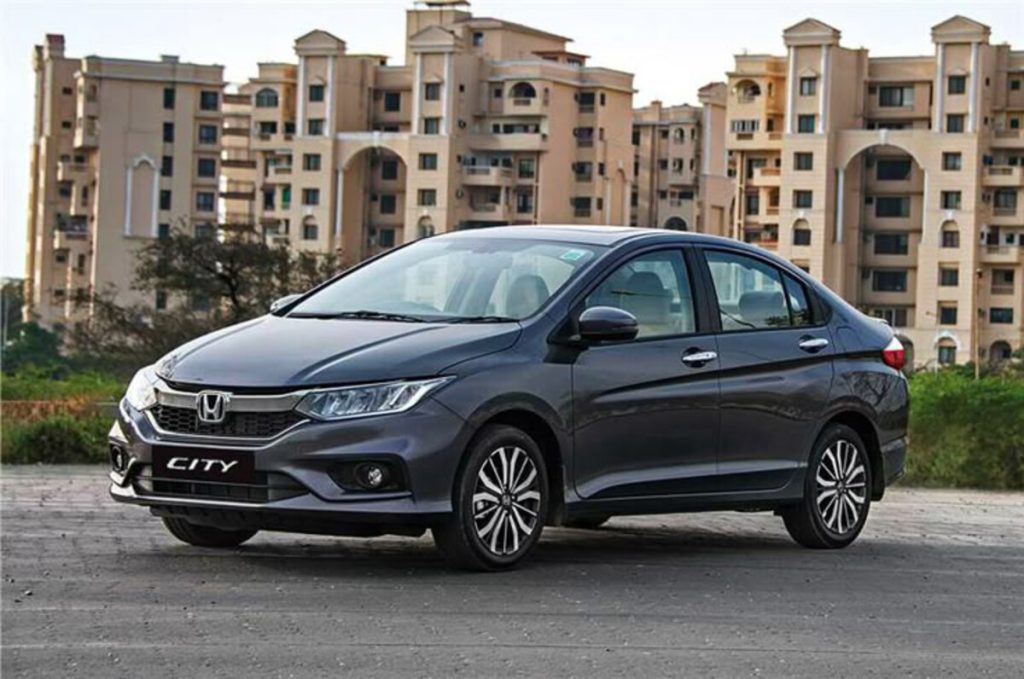
Suspension tuning favors comfort over sportiness, which suits city driving conditions and rougher roads. The City’s interior focuses on practicality, with durable materials and intuitive controls. Safety and infotainment features are competitive, especially in higher trims.
The City is best for buyers who want a reliable, efficient sedan that feels refined without being expensive to maintain. It may not be flashy, but it embodies Honda’s ability to deliver quality and usability in a compact footprint.
4. Honda Amaze
The Honda Amaze is included because it represents affordability without sacrificing engineering integrity. Designed for value-conscious buyers, the Amaze focuses on simplicity, efficiency, and ease of ownership.
Its engines are tuned for fuel economy and smooth city performance, making it ideal for first-time buyers or families upgrading from smaller vehicles. The Amaze offers generous boot space, a comfortable ride, and Honda’s trademark reliability.
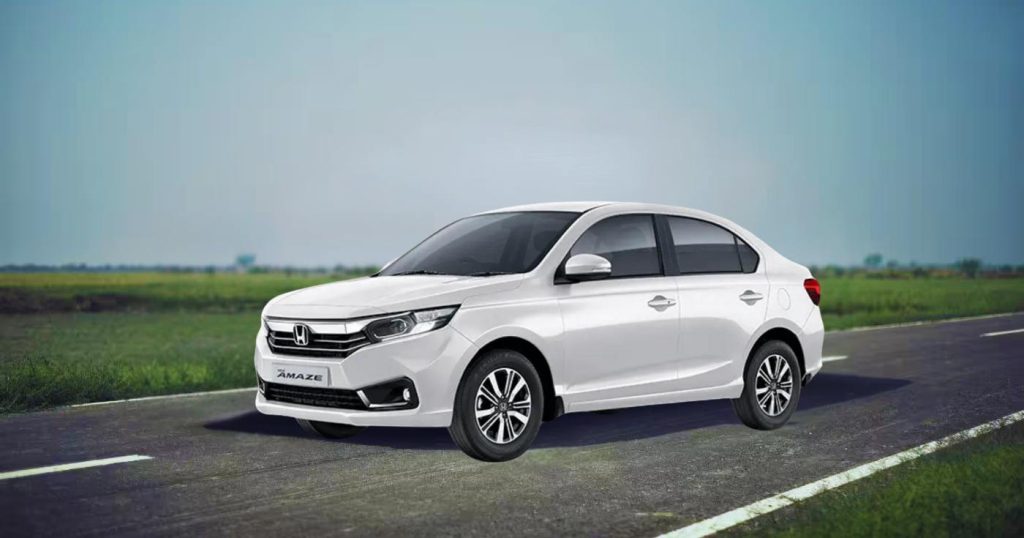
Interior quality is functional rather than premium, but ergonomics are well thought out. Safety features and build quality remain strong for its price segment, reinforcing Honda’s reputation even at the entry level.
The Amaze is written about because it proves that budget sedans can still deliver dependable performance and long-term value when engineered properly.
5. Honda Insight
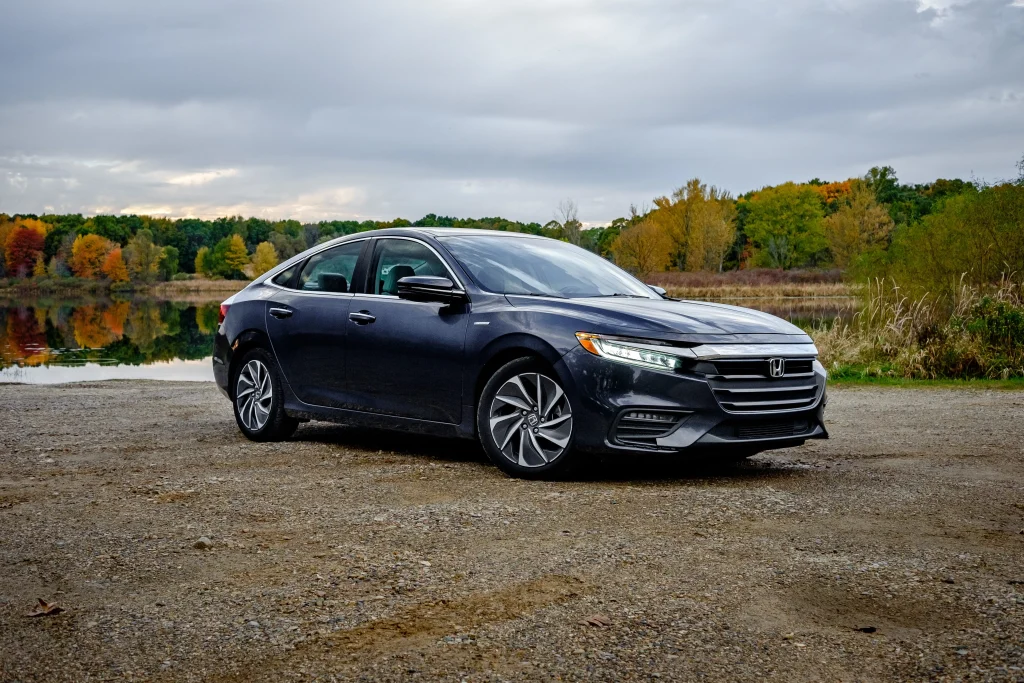
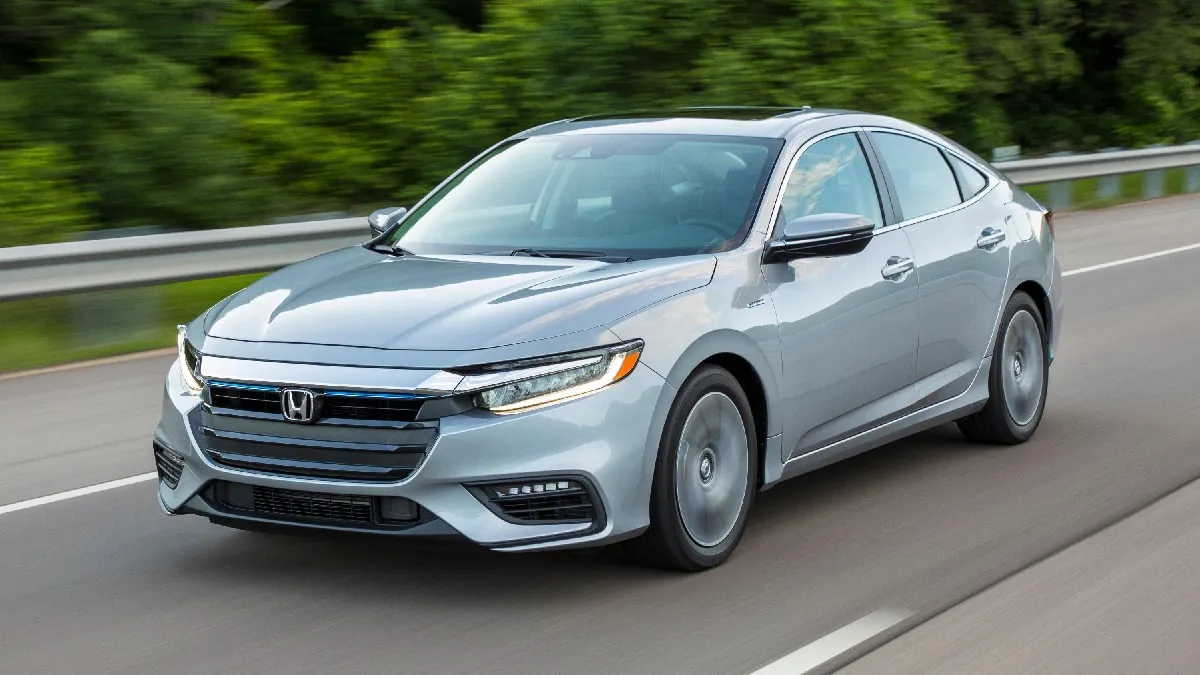
The Honda Insight rounds out this list as Honda’s approach to hybrid sedans. I’m including it because it reflects Honda’s effort to combine electrified efficiency with traditional sedan styling.
The Insight delivers excellent fuel economy while maintaining a smooth, quiet ride. Its hybrid system is tuned for seamless operation rather than aggressive performance, making it ideal for commuters. Interior design is modern and driver-focused, with clear displays and comfortable seating.
What makes the Insight noteworthy is its understated nature it looks and feels like a conventional sedan but delivers hybrid benefits. For buyers who want efficiency without the visual statement of a dedicated hybrid design, the Insight is a compelling option.