
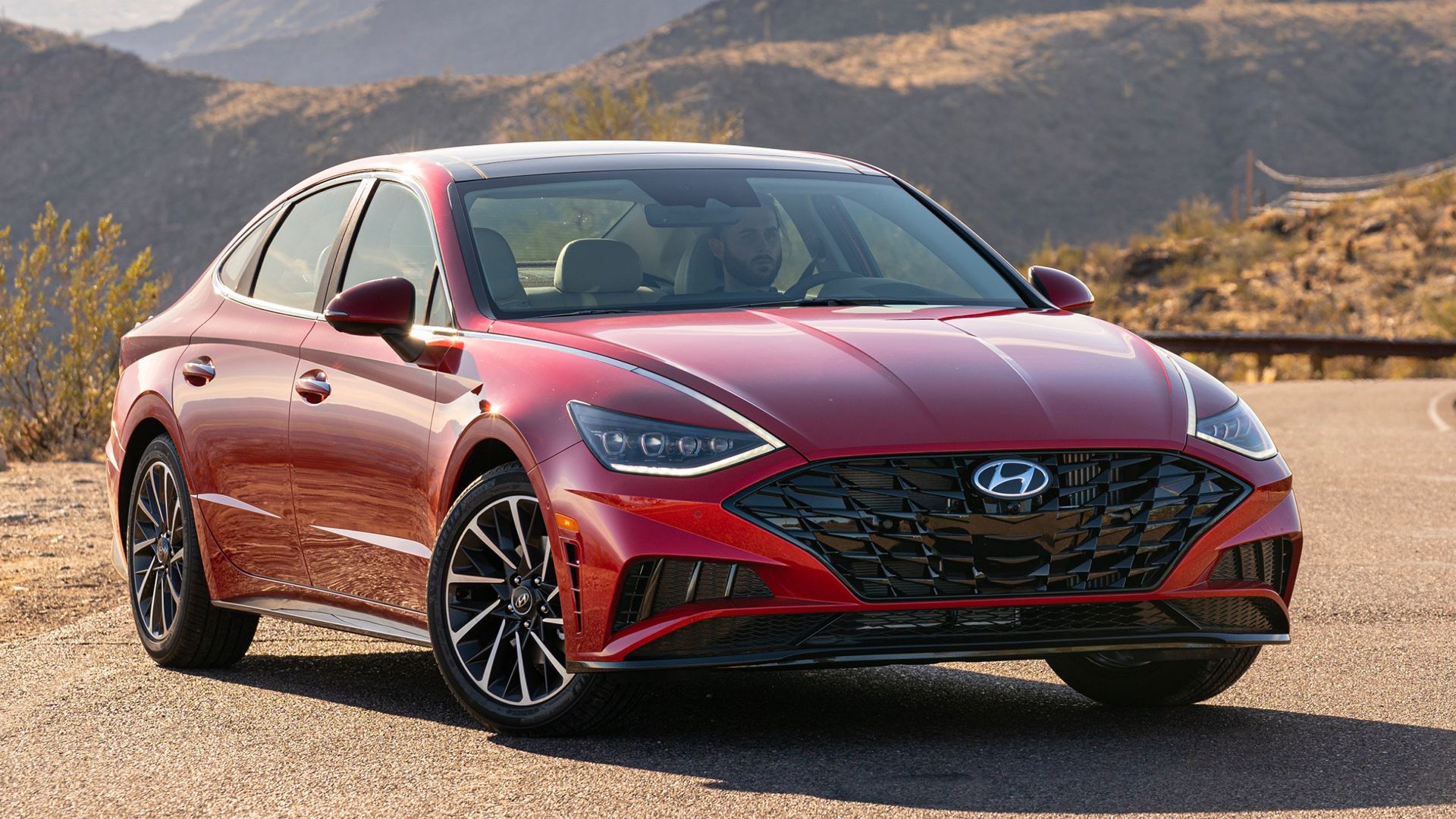
Nissan and Hyundai are two of the most influential brands in the global sedan market, competing aggressively across entry-level, midsize, and near-luxury segments. Both manufacturers offer strong value propositions, modern styling, and feature-rich vehicles that appeal to cost-conscious buyers.
However, when long-term ownership, driving character, and engineering philosophy are examined more closely, meaningful differences begin to emerge between Nissan and Hyundai sedans.
Hyundai has earned recognition for rapid innovation, bold styling, and generous feature lists at competitive prices. Its sedans often feel modern and well-equipped, particularly in terms of infotainment and interior technology.
However, Hyundai’s focus on rapid development and cost efficiency sometimes introduces complexity especially in powertrains and electronics, which can affect long-term durability and ownership satisfaction.
Nissan, by contrast, has traditionally emphasized mechanical consistency, driver comfort, and proven engineering. Many Nissan sedans prioritize smooth ride quality, predictable handling, and engines designed for long service life rather than maximum output.
While Nissan may not always lead in flashy features, it often delivers a more balanced and confidence-inspiring driving experience over time.
Another important distinction lies in real-world usability. Nissan sedans tend to offer more comfortable seating, better highway stability, and powertrains tuned for relaxed daily driving. Hyundai sedans, while impressive on paper, can sometimes feel more experimental, especially with newer transmissions or aggressive engine tuning.
This article compares five Nissan sedans that offer stronger overall value than five Hyundai sedans. The focus is not on dismissing Hyundai’s achievements, but on explaining why certain Nissan sedans deliver better long-term ownership, driving refinement, and everyday usability.
Each vehicle is discussed individually to clarify why it was chosen and how it stands out in direct comparison.
Also Read: 5 Honda Hatchbacks That Are Better Than 5 Toyota Hatchbacks
5 Nissan Sedans
Nissan sedans have long been appreciated for their balance of comfort, reliability, and accessibility.
Rather than chasing aggressive performance figures or overly complex technology, Nissan typically designs its sedans to perform consistently in everyday driving situations. This approach makes them especially appealing to buyers who value predictability, ease of ownership, and long-term dependability.
One of Nissan’s key strengths is ride comfort. Nissan sedans are often tuned to absorb road imperfections smoothly, making them ideal for daily commuting and long highway drives.
Seating ergonomics are another strong point, with Nissan’s “Zero Gravity” seat design widely praised for reducing fatigue on extended journeys. This focus on comfort is something many Hyundai sedans only partially match.
Powertrain philosophy also sets Nissan apart. While Hyundai frequently experiments with new engine and transmission technologies, Nissan relies more heavily on proven configurations.
This reduces mechanical risk and helps keep maintenance predictable over the life of the vehicle. Nissan engines are generally tuned for smoothness and durability rather than aggressive output, which benefits long-term ownership.
Interior layouts in Nissan sedans are practical and intuitive. Controls are logically placed, visibility is good, and infotainment systems are designed to be easy to use rather than visually overwhelming. This simplicity contributes to fewer distractions and better everyday usability.
The following five Nissan sedans were selected because they best represent these strengths. Each model demonstrates why Nissan’s approach often results in a more satisfying ownership experience than comparable Hyundai sedans, particularly for buyers who plan to keep their cars for many years.
1. Nissan Altima
The Nissan Altima earns its place on this list because it delivers a balanced combination of comfort, efficiency, and all-weather confidence that many Hyundai sedans struggle to match consistently. Writing about the Altima is important because it represents Nissan’s ability to refine a mainstream sedan without overcomplicating it.
One of the Altima’s standout advantages is ride quality. The suspension is tuned to absorb rough pavement smoothly, making it comfortable on long highway drives as well as daily city commutes. Compared to Hyundai midsize sedans that often feel firmer or more aggressively tuned, the Altima prioritizes comfort and stability.
Another major strength is available all-wheel drive an uncommon feature in the midsize sedan segment. This provides improved traction in rain and snow, offering a level of confidence that most Hyundai sedans simply do not offer. For drivers in regions with unpredictable weather, this alone makes the Altima a more practical choice.
Interior comfort further strengthens the Altima’s appeal. Seats are supportive, controls are easy to reach, and the cabin feels open and relaxed. Nissan’s focus on ergonomics helps reduce fatigue over long drives. Technology features are present but not overwhelming, contributing to ease of use rather than distraction.
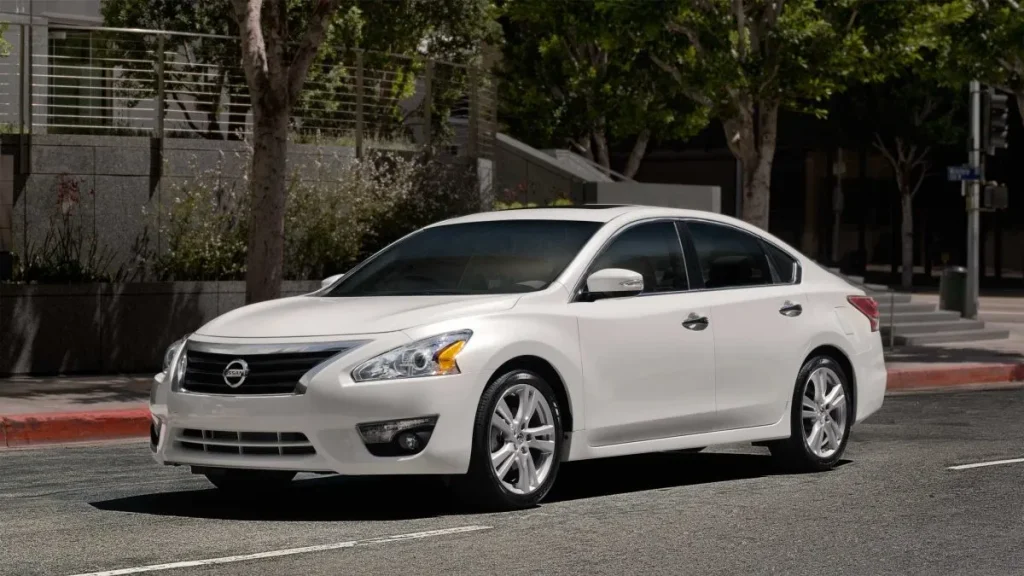
The reason the Altima outperforms comparable Hyundai sedans is balance. It may not be the flashiest option, but it delivers dependable comfort, predictable handling, and real-world usability that holds up over time qualities that matter more than novelty for many buyers.
2. Nissan Maxima
The Nissan Maxima stands out as one of Nissan’s most distinctive sedans, and it deserves attention because it blends performance, comfort, and character in a way that many Hyundai sedans fail to replicate.
Writing about the Maxima matters because it represents Nissan’s more driver-focused side without sacrificing everyday livability.
The Maxima’s engine delivers strong, smooth acceleration that feels confident without being aggressive. Power delivery is linear and refined, making highway merging and passing effortless.
Compared to Hyundai’s larger sedans, which often emphasize turbocharged efficiency, the Maxima feels more naturally responsive and less stressed during normal driving.
Handling is another area where the Maxima shines. The chassis is well-balanced, offering stability at speed while remaining composed through corners.
It feels planted and confident, especially on long road trips. Hyundai sedans in this class can feel lighter or less settled at higher speeds by comparison.
Interior quality reinforces the Maxima’s near-luxury positioning. Materials feel upscale, seats are deeply supportive, and cabin noise is well controlled. The driving position is sporty yet comfortable, appealing to buyers who want engagement without sacrificing refinement.

The reason the Maxima outperforms Hyundai alternatives is identity. It feels purpose-built, confident, and refined, rather than simply feature-packed. For drivers seeking a sedan with personality and long-distance comfort, the Maxima offers a more satisfying experience than many Hyundai counterparts.
3. Nissan Sentra
The Nissan Sentra earns its place on this list because it delivers refinement, comfort, and value in a segment where many competitors Hyundai included often prioritize features over long-term usability. Writing about the Sentra is important because it shows how Nissan has elevated its compact sedan without sacrificing reliability or driving ease.
One of the Sentra’s strongest advantages is ride quality. Nissan tuned the suspension to be compliant and composed, allowing the car to absorb bumps and uneven pavement better than many compact sedans.
This makes the Sentra particularly comfortable for daily commuting and extended drives. Compared to Hyundai compact sedans that often feel firmer or more aggressively tuned, the Sentra feels calmer and more relaxed.
Interior comfort also stands out. Nissan’s seats are among the most supportive in the segment, and cabin materials feel solid and well assembled.
The layout is intuitive, with physical controls where they matter most, reducing distraction while driving. Rear-seat space is adequate for adults, making the Sentra more family-friendly than many rivals.
Power delivery is smooth and predictable, prioritizing efficiency and longevity over aggressive performance. This approach reduces drivetrain stress and contributes to lower long-term ownership concerns.
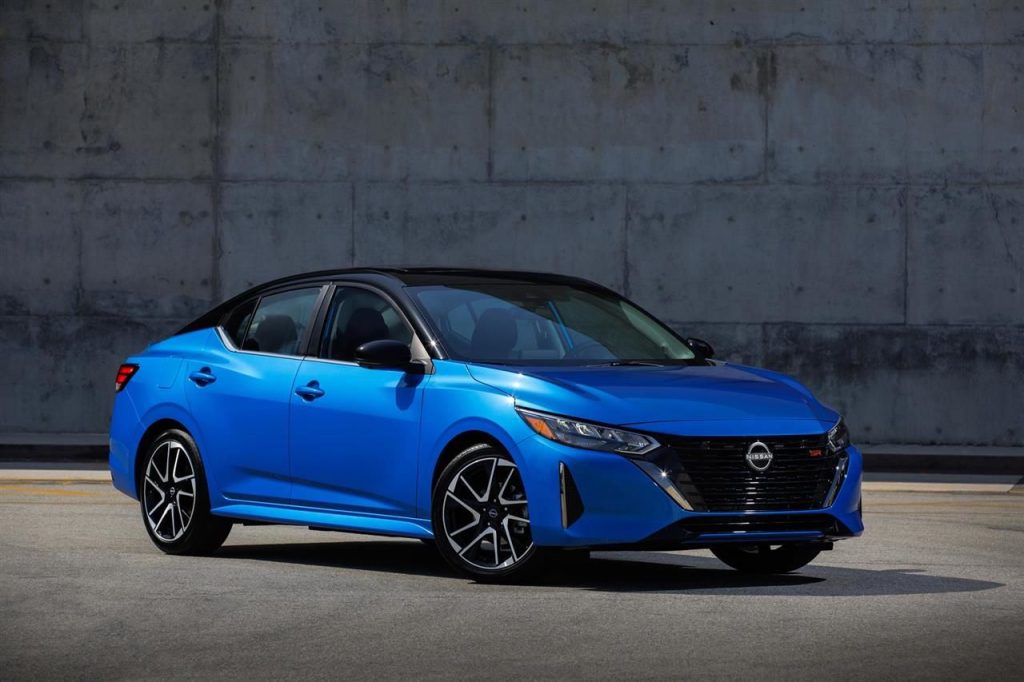
While Hyundai sedans may offer more horsepower on paper, the Sentra delivers a more consistent and confidence-inspiring experience in everyday use.
The reason the Sentra outperforms comparable Hyundai sedans is balance. It focuses on comfort, ease of ownership, and refinement qualities that matter most to compact sedan buyers who plan to keep their vehicles for years.
4. Nissan Versa
The Nissan Versa represents Nissan’s strength at the entry level, and it deserves inclusion because it delivers exceptional value without compromising core qualities. Writing about the Versa matters because it demonstrates how affordability does not have to mean discomfort or poor engineering.
The Versa’s biggest strength is ride comfort relative to its size and price. Suspension tuning favors softness over stiffness, allowing the car to handle rough urban roads with surprising composure. Hyundai’s entry-level sedans often feel firmer and less forgiving, especially on broken pavement.
Interior space is another highlight. Despite being a subcompact sedan, the Versa offers generous rear-seat legroom and a well-organized cabin. Controls are simple and intuitive, and visibility is excellent important factors for new drivers or city-focused buyers.
Efficiency and reliability further strengthen the Versa’s appeal. The engine is tuned conservatively, emphasizing smoothness and durability rather than aggressive output.
This reduces mechanical stress and helps keep maintenance costs predictable over time. Ownership simplicity is a major reason the Versa remains popular globally.
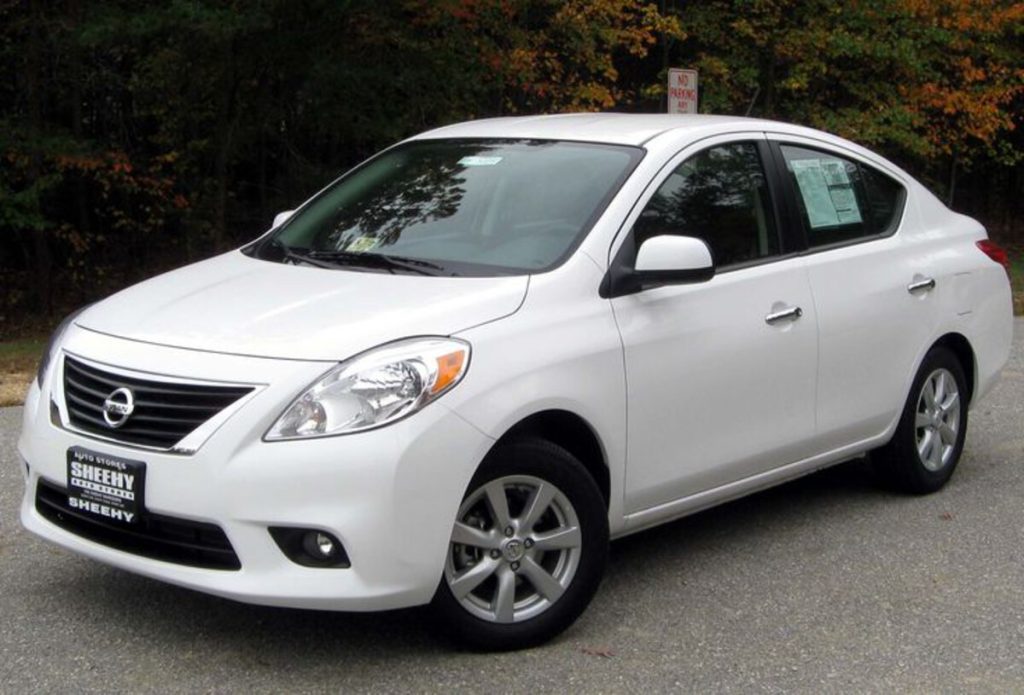
The reason the Versa outperforms Hyundai alternatives is focus. Nissan designed it to be easy to live with, comfortable, and dependable, rather than packing it with features that may increase complexity. For budget-conscious buyers seeking long-term value, the Versa offers a more reassuring ownership experience.
5. Nissan Leaf (Sedan-Like EV)
The Nissan Leaf rounds out this list by representing Nissan’s early leadership in electric mobility. Writing about the Leaf is important because it highlights Nissan’s experience with electric powertrains an area where Hyundai’s newer offerings are still evolving.
The Leaf’s electric drivetrain is smooth, quiet, and exceptionally easy to live with. Power delivery is immediate and predictable, making city driving effortless. Nissan’s long history with the Leaf platform means the technology is mature, with well-understood maintenance requirements and a strong support network.
Ride quality is another strength. The Leaf is tuned for comfort, absorbing road imperfections well and maintaining stability at speed. The low center of gravity from the battery placement improves handling confidence without sacrificing ride softness.
Interior design emphasizes practicality. The cabin is spacious for its size, with comfortable seating and a simple control layout. While not flashy, it prioritizes usability and durability qualities that align with Nissan’s broader sedan philosophy.
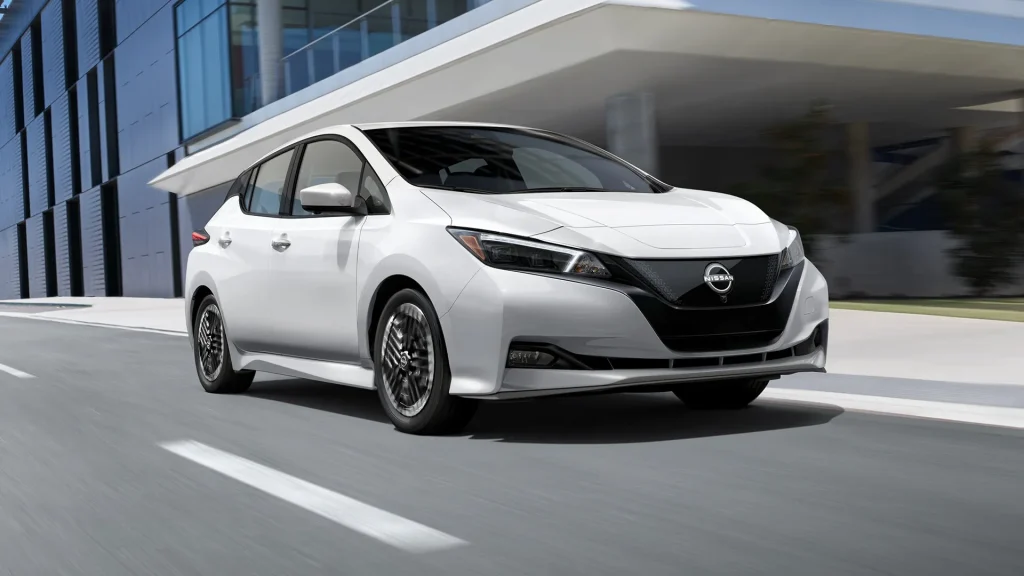
The reason the Leaf outperforms Hyundai sedan-based EVs is experience. Nissan’s early entry into the EV market allowed it to refine reliability and usability over time. For buyers seeking an electric daily driver with proven engineering, the Leaf offers greater confidence and predictability.
5 Hyundai Sedans
Hyundai sedans have gained significant popularity over the past decade by offering bold styling, generous feature lists, and competitive pricing.
Hyundai’s strategy focuses on delivering maximum value upfront, often equipping its sedans with technology and convenience features that would cost extra with many competitors. This approach has helped Hyundai attract younger buyers and first-time owners who prioritize modern design and digital connectivity.
A defining strength of Hyundai sedans is innovation speed. Hyundai is quick to introduce new infotainment systems, digital instrument clusters, and advanced driver-assistance features across its lineup.
Interiors often feel contemporary and well-equipped, creating a strong first impression during test drives and showroom visits. Hyundai also places emphasis on fuel efficiency and emissions compliance, frequently using turbocharged engines and advanced transmissions to meet modern standards.
However, this rapid innovation can introduce trade-offs. Many Hyundai sedans rely on newer powertrain technologies that have shorter real-world track records.
Turbocharged engines, dual-clutch gearboxes, and electronics-heavy cabins can increase long-term ownership complexity once warranty coverage expires. Compared to Nissan’s more conservative engineering philosophy, Hyundai sedans can feel more experimental over extended ownership.
Ride quality and driving character also reflect Hyundai’s tuning priorities. While generally comfortable, some Hyundai sedans are set up to feel sporty or firm, which may not suit all buyers especially those focused on long-distance comfort.
Cabin layouts, though modern, sometimes replace physical controls with touch-based interfaces that can be less intuitive in daily use.
The following five Hyundai sedans represent the brand’s strongest offerings. Each excels in design and technology, yet also illustrates why Nissan sedans often provide better long-term balance, comfort, and ownership predictability.
1. Hyundai Sonata
The Hyundai Sonata is Hyundai’s flagship midsize sedan and one of its most recognizable models. Writing about the Sonata is important because it is frequently compared directly with the Nissan Altima and serves as a benchmark for Hyundai’s sedan philosophy.
The Sonata stands out immediately for its bold exterior design. Hyundai has taken a risk-forward approach with sharp lines and distinctive lighting, giving the car strong road presence.
Inside, the cabin feels modern and tech-focused, with large screens, digital displays, and an emphasis on connectivity. For buyers who value visual impact and advanced infotainment, the Sonata delivers strong appeal.
Performance is tuned toward efficiency and responsiveness. Turbocharged engine options provide good acceleration and fuel economy, particularly in urban and highway driving.
However, this tuning can feel more mechanical under load compared to the smoother, more relaxed power delivery of the Altima. Over long-term ownership, turbo complexity may also introduce higher maintenance considerations.
Ride quality in the Sonata is generally composed, but suspension tuning leans slightly firm, especially on uneven roads. While this adds a sporty feel, it can reduce comfort on long journeys compared to Nissan’s softer, more comfort-oriented setup. Cabin noise isolation is good, though not class-leading.
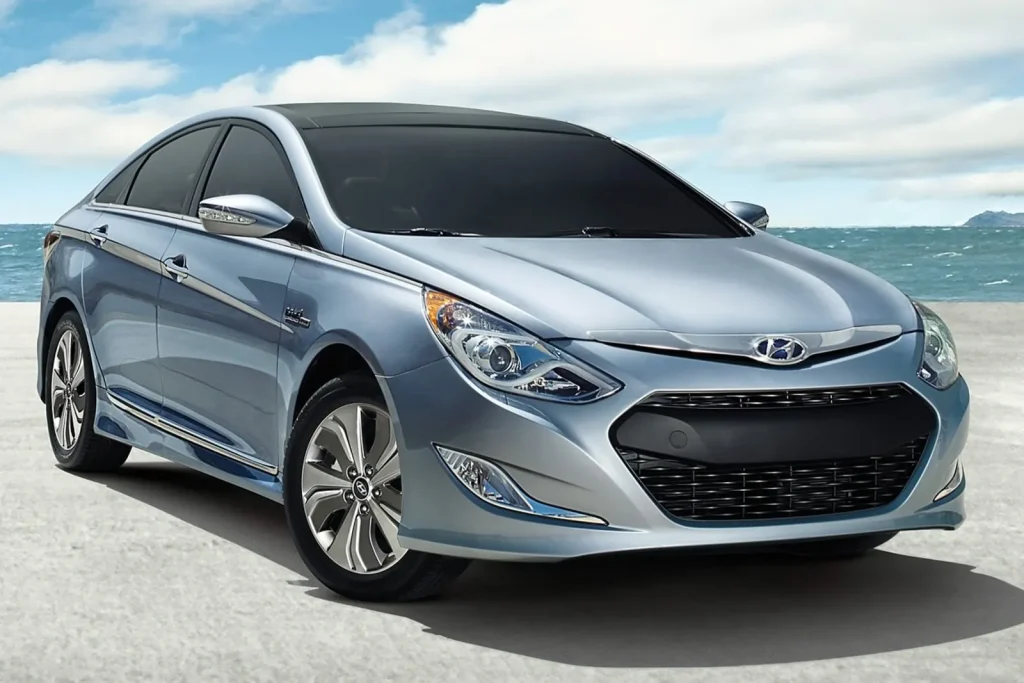
The reason the Sonata is included here is context. It is a strong, modern sedan with impressive features, but it highlights Hyundai’s focus on innovation over simplicity.
Compared to Nissan’s midsize offerings, the Sonata feels more high-tech yet less relaxed, reinforcing why Nissan sedans often provide a more comfortable and predictable ownership experience.
2. Hyundai Elantra
The Hyundai Elantra is one of Hyundai’s most successful global sedans, and it deserves inclusion because it highlights the brand’s strengths in design and technology, while also revealing why Nissan’s compact sedans often deliver a more balanced ownership experience.
The Elantra’s most immediate appeal lies in its bold, futuristic styling. Sharp body lines and an aggressive stance help it stand out in a crowded segment.
Inside, the cabin reinforces this modern image with digital displays, integrated infotainment screens, and a clean, tech-forward layout. For buyers who prioritize visual appeal and advanced features, the Elantra makes a strong first impression.
Driving performance is tuned for efficiency and responsiveness. The engine delivers adequate power for daily commuting, and fuel economy is competitive.
However, throttle response and transmission behavior can feel more mechanical under load, especially compared to Nissan’s smoother, more relaxed power delivery. Over time, this difference becomes noticeable in daily use rather than spec-sheet comparisons.
Ride quality is firm by compact sedan standards. While this contributes to a sporty feel, it can reduce comfort on rough or uneven roads. Nissan’s Sentra, by contrast, emphasizes ride compliance and long-distance comfort, making it better suited for extended commuting or highway travel.
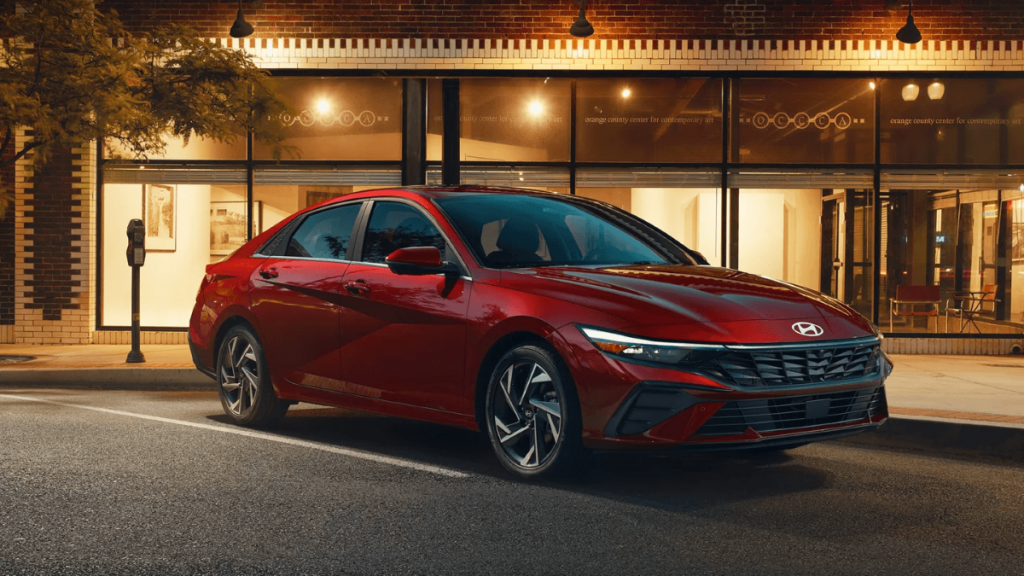
Interior usability is another mixed area. While the Elantra’s screens are visually impressive, reliance on touch-based controls can be less intuitive during everyday driving. Physical controls still emphasized in many Nissan sedans often prove easier to use over years of ownership.
The reason the Elantra appears in this comparison is perspective. It excels in modern presentation and features, but when comfort, simplicity, and long-term ease of ownership are prioritized, Nissan’s compact sedans often feel more thoughtfully balanced.
3. Hyundai Accent
The Hyundai Accent represents Hyundai’s entry-level sedan approach and is included here because it shows how affordability and feature packaging can sometimes come at the expense of refinement and long-term comfort.
The Accent is designed to be economical and accessible. It offers good fuel efficiency, compact dimensions, and a low purchase price, making it attractive to first-time buyers. Hyundai equips it with modern styling cues and basic infotainment features that give it a contemporary feel for its class.
However, ride quality reveals its cost-focused engineering. Suspension tuning is firm, and the car can feel unsettled on rough urban roads. Over long distances, this can lead to driver fatigue an area where Nissan’s Versa delivers a more composed and forgiving ride despite similar pricing.
Power delivery in the Accent is functional but unremarkable. Acceleration is adequate for city driving, though the engine feels more strained at highway speeds. Nissan’s subcompact sedans tend to prioritize smoothness and predictability, which becomes more noticeable over extended ownership.
Interior space is reasonable for a subcompact, but materials feel lighter and less durable than those found in Nissan’s entry-level offerings. While Hyundai includes modern features, long-term wear and usability can be concerns for buyers planning to keep the car beyond the warranty period.
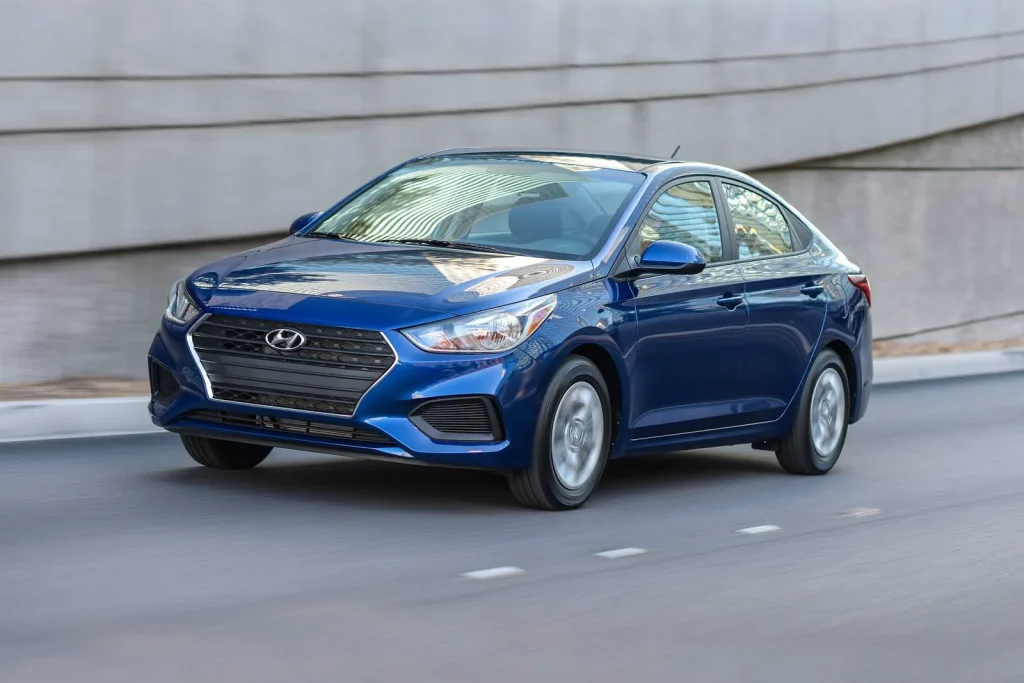
The reason the Accent is included here is comparison. It offers strong value upfront, but when evaluated on comfort, durability, and long-term ownership satisfaction, Nissan’s subcompact sedans often provide a more reassuring and refined experience.
4. Hyundai Verna
The Hyundai Verna is a key model in Hyundai’s global sedan strategy, especially in emerging markets, and it’s included here to illustrate Hyundai’s strengths and limits in balancing style, performance, and long-term comfort.
Writing about the Verna matters because it’s often cross-shopped with Nissan’s compact and midsize sedans by buyers seeking value with a premium touch.
The Verna’s strongest appeal is its bold design and strong on-paper performance. Hyundai equips the Verna with efficient engines and modern transmissions that deliver brisk acceleration and competitive fuel economy.
The exterior styling is sleek and contemporary, giving the car a premium appearance that stands out in its segment. Inside, the cabin features large digital displays, connected tech, and a clean, modern layout that appeals to tech-focused buyers.
However, ride quality reveals a trade-off. Suspension tuning leans firm to support performance and handling, which can make rough roads and long drives less comfortable. Compared to Nissan sedans that prioritize ride compliance and seat comfort, the Verna can feel tiring over extended journeys especially on uneven surfaces.
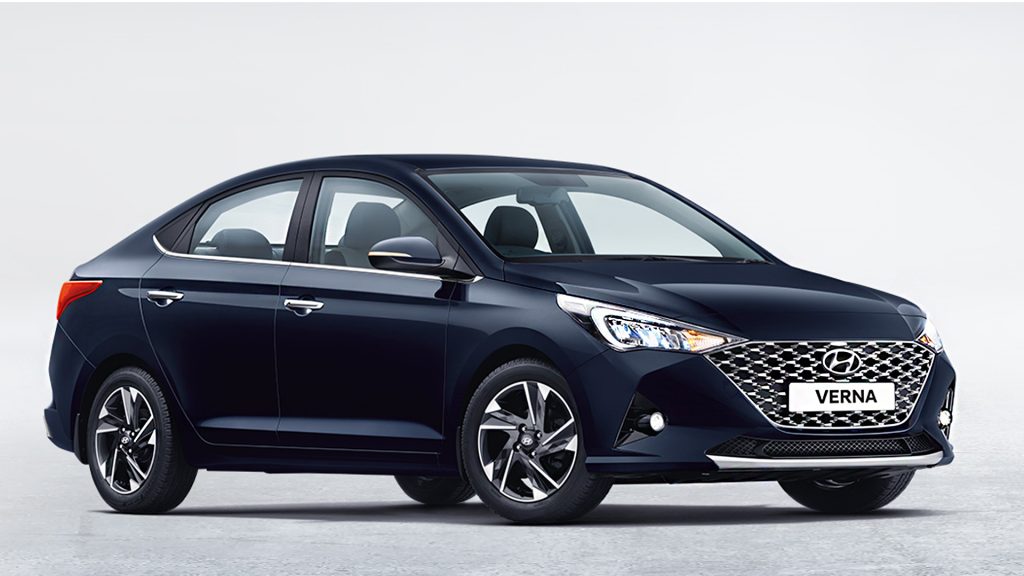
Interior usability is another mixed area. While the tech is impressive, the reliance on touch-based controls reduces intuitive operation in daily driving. Nissan’s approach of combining technology with physical controls often proves easier to live with over time.
The reason the Verna appears in this comparison is contrast. It showcases Hyundai’s focus on modernity and performance, but also highlights why Nissan sedans often deliver a more balanced experience especially for buyers who value comfort, simplicity, and long-term ease of ownership over aggressive styling and features.
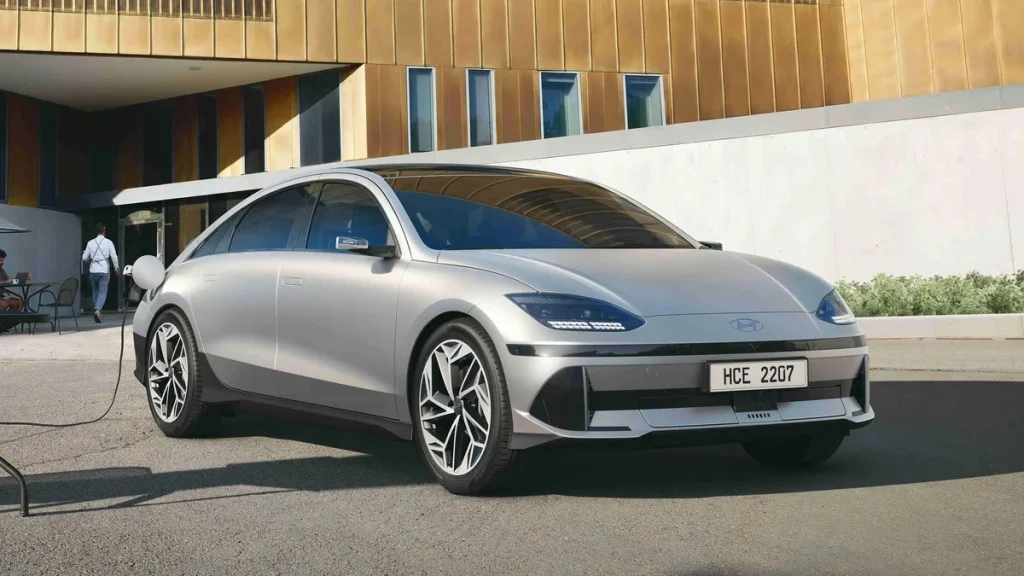
5. Hyundai Ioniq 6
The Hyundai Ioniq 6 represents Hyundai’s forward-looking vision for electric sedans, and it earns inclusion because it demonstrates how rapid innovation can introduce new ownership considerations.
Writing about the Ioniq 6 is important because it’s frequently compared with Nissan’s electric offerings from a long-term usability perspective.
The Ioniq 6 stands out for its futuristic design and impressive efficiency. Its electric drivetrain delivers smooth, quick acceleration and a quiet driving experience, making it enjoyable in urban environments.
The cabin is modern and airy, featuring advanced infotainment, digital displays, and a minimalist aesthetic that feels cutting-edge.
However, the Ioniq 6’s technology-heavy approach introduces complexity. Advanced software systems, integrated electronics, and specialized components increase reliance on manufacturer support.
Over long-term ownership, repairs and updates may be more expensive and less accessible than those for more mature EV platforms.
Ride comfort is generally good, but suspension tuning is firmer than expected for a comfort-oriented sedan. Compared to Nissan’s more conservatively tuned electric models, the Ioniq 6 feels sportier but less forgiving on rough roads.
The reason the Ioniq 6 is included here is maturity. It is an impressive technological achievement, but Nissan’s longer experience with electric vehicles often translates into better predictability and ownership confidence. For buyers prioritizing long-term reliability over cutting-edge design, Nissan’s EV sedans can feel more reassuring.
This comparison between Nissan and Hyundai sedans highlights how two competitive manufacturers pursue very different paths to attract buyers.
Both brands offer strong value, modern styling, and broad sedan lineups, but their priorities lead to distinct ownership experiences especially over the long term.
Nissan sedans consistently emphasize comfort, balance, and proven engineering. Models like the Altima, Maxima, Sentra, Versa, and Leaf are designed to perform reliably in everyday driving without unnecessary complexity.
Nissan’s focus on ride quality, supportive seating, intuitive controls, and conservative powertrain tuning creates vehicles that are easy to live with year after year. These qualities become increasingly important for buyers who plan to keep their cars beyond the warranty period.
Hyundai sedans, by contrast, excel in first impressions. Vehicles such as the Sonata, Elantra, Verna, and Ioniq 6 stand out with bold design, advanced technology, and generous feature lists.
Hyundai’s rapid innovation cycle allows it to deliver modern cabins and cutting-edge powertrains at competitive prices. For buyers who value the latest features and styling, Hyundai sedans can be very appealing.
However, innovation often comes with trade-offs. Turbocharged engines, electronics-heavy interiors, and touch-centric interfaces can introduce complexity over time.
While Hyundai’s warranty coverage helps mitigate short-term risk, long-term ownership can feel less predictable once that coverage ends. Ride comfort and usability can also vary, with some Hyundai sedans tuned more for sportiness than long-distance comfort.
The reason Nissan sedans come out ahead in this comparison is not superiority in every category, but consistency. Nissan vehicles tend to age gracefully, maintaining comfort and usability even as mileage increases. Their conservative engineering philosophy reduces surprises and fosters confidence for long-term owners.
Ultimately, the choice between Nissan and Hyundai sedans depends on priorities. Buyers who want modern design and cutting-edge features may gravitate toward Hyundai.
Those who value comfort, simplicity, and long-term ownership satisfaction are more likely to find Nissan sedans the better overall choice. This comparison clarifies why, across multiple segments, Nissan sedans often deliver a more balanced and dependable experience over time.
Also Read: 5 Toyota Sedans That Are Better Than 5 Honda Sedans
