
Fuel costs don’t just rise at the pump they rise in your monthly budget, your commute stress, and the number of “maybe next time” road trips you skip.
That’s why hybrids have moved from being a niche choice to a smart, mainstream answer for everyday drivers who want real savings without changing their whole lifestyle.
The key advantage isn’t only the headline MPG number on a window sticker it’s how hybrids save fuel in the places most compact-car owners actually drive: stop-and-go traffic, short errands, school runs, and crowded city streets.
In those situations, a traditional non-hybrid compact keeps burning fuel while idling and repeatedly wastes energy every time it slows down. A hybrid, on the other hand, can shut the engine off more often, recapture braking energy, and use electric assistance to reduce how hard the engine works.
This article compares five hybrid cars that deliver meaningful fuel savings against five non-hybrid compacts that many buyers still consider “efficient enough.” The goal isn’t to claim non-hybrids are bad modern gas compacts can be reliable, affordable, and genuinely economical.
But when your priority is fuel savings over months and years, hybrids often win in a way that’s easy to feel in your wallet, especially if your driving includes lots of traffic lights and low-speed cruising.
I’m writing this because shoppers are frequently stuck between two practical choices: “Get a normal compact and save upfront” versus “Go hybrid and save later.” The truth depends on your driving pattern, patience, and priorities.
So, we’ll start with five hybrids that make the fuel-savings case strongest then we’ll move to five non-hybrid compacts to show where they still make sense, and where they fall short on pure fuel costs.
Also Read: 5 Used SUVs With Lower Maintenance Costs Than 5 New Compact SUVs
5 Hybrid Cars
1. Toyota Prius
The Prius is the modern shorthand for “gas savings,” and it earns that reputation by being purpose-built for efficiency rather than merely adding a hybrid badge.
What makes it better than many non-hybrid compacts for fuel savings is how consistently it avoids wasting fuel in real commuting.
In traffic, the Prius can run the engine less often, glide efficiently at low loads, and use regenerative braking to turn slow-downs into stored energy instead of heat. That matters because city and suburban driving is where non-hybrids typically lose their efficiency advantage.
Another reason the Prius stands out is that it doesn’t rely on “perfect driving” to deliver good numbers. Many gas compacts can post impressive highway mileage, but their city efficiency drops when idling and frequent acceleration enter the picture.
The Prius is engineered to treat those conditions as its home turf. That can translate into fewer fuel stops each month and a more predictable budget especially for commuters, rideshare drivers, or families doing lots of short trips.
I’m including the Prius first because it’s the clearest example of hybrid savings done right: it combines an efficient gasoline engine with an electric motor that fills in the weak points where gas-only cars waste fuel.
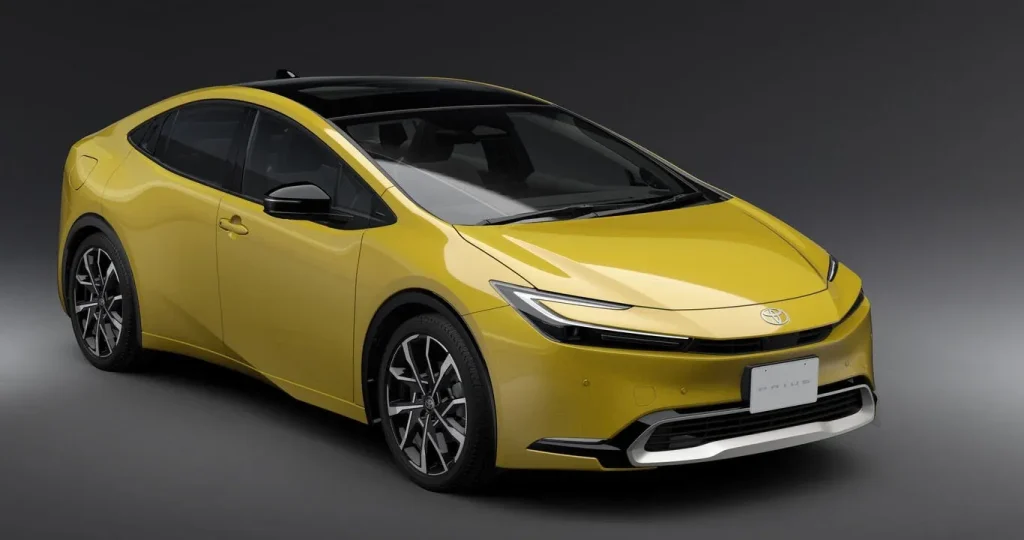
It’s also a good reminder that “compact” doesn’t have to mean “basic.” The Prius makes fuel efficiency feel like a feature you actively benefit from daily rather than a statistic you forget after purchase. If your main goal is spending less on fuel year after year, this is one of the simplest, most proven paths to get there.
2. Honda Civic Hybrid
The Civic has long been a go-to compact for people who want efficiency without giving up the “normal car” feel, and the hybrid version turns that strength into something more financially meaningful.
Compared with a typical non-hybrid compact, the Civic Hybrid saves fuel not by asking you to drive slowly, but by making everyday acceleration and low-speed movement less expensive in gasoline.
Electric assistance can handle gentle launches and smooth speed changes with less engine strain, which is exactly where gas-only compacts burn extra fuel.
What’s especially compelling about the Civic Hybrid is that it aims to keep the Civic identity intact easy to drive, comfortable, and practical while reducing fuel consumption in the background.
For many buyers, that’s the sweet spot: you’re not choosing an “efficiency experiment,” you’re choosing a familiar compact that just happens to consume less fuel doing the same job.
I’m writing about the Civic Hybrid because it answers a common question shoppers have: “Do I need to switch to a dedicated hybrid model to save fuel, or can I get hybrid savings in a normal compact shape?”
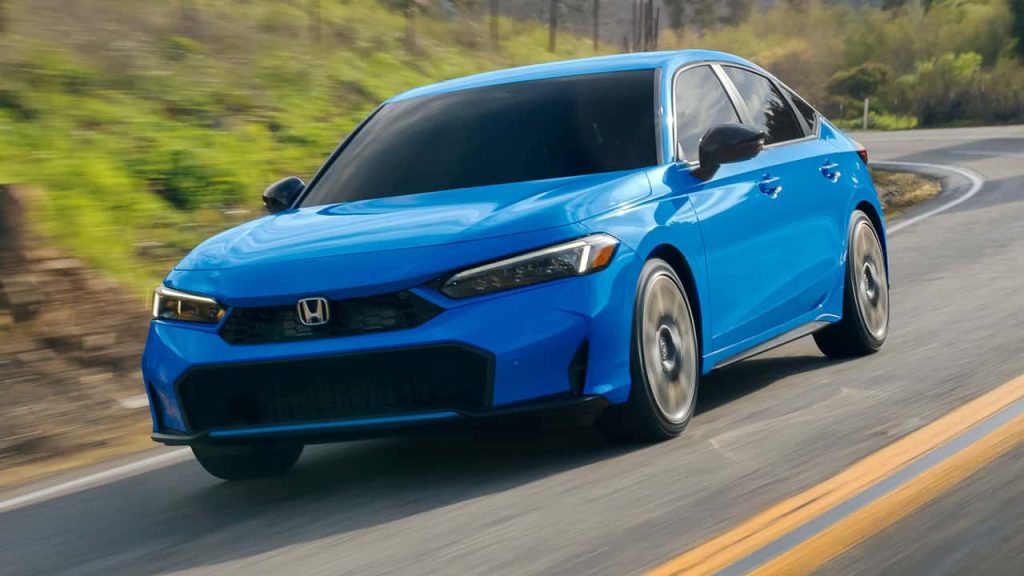
The Civic Hybrid shows you can get strong savings while staying in one of the most recognisable compact-car formats. For commuters and small families, that can mean a smaller monthly fuel bill without feeling like you’re compromising the driving experience.
It’s a smart option for people who want hybrid math to work out especially in mixed driving, without changing how they live with the car.
3. Hyundai Elantra Hybrid
The Elantra Hybrid is a strong example of how hybrids can deliver savings without premium-car pricing. Its advantage over non-hybrid compacts is simple: it targets the everyday inefficiencies that drain fuel idling, constant speed corrections, and repeated braking then uses hybrid hardware to reduce that waste.
In real-world commuting, that can add up quickly, especially if your driving includes traffic congestion or frequent short trips.
The Elantra Hybrid’s fuel-savings value is also about consistency. Many non-hybrid compacts can look close “on paper” until conditions get messy: stop-and-go roads, slow crawls, and multiple passengers.
A hybrid system helps keep consumption steadier by using the electric motor to support the gas engine when loads increase. That reduces the engine’s need to rev and gulp fuel to respond to every situation.
I’m including the Elantra Hybrid because a lot of shoppers assume hybrids are automatically more expensive to buy and maintain, so they default to a conventional compact.
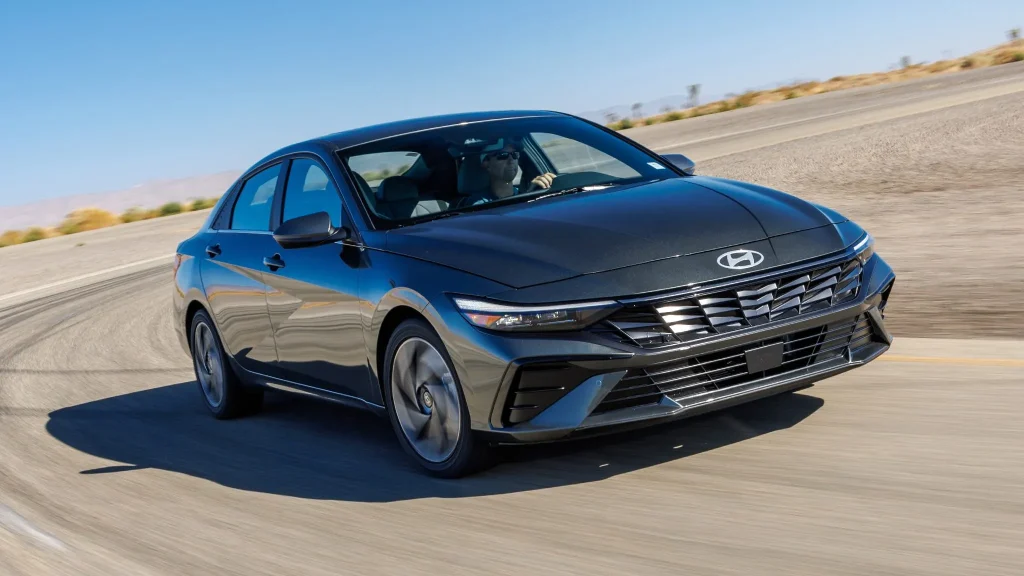
The Elantra Hybrid challenges that habit by bringing hybrid efficiency into a compact that still feels straightforward and mainstream. It’s relevant for buyers who want fuel savings but also want a modern cabin, a practical footprint, and a comfortable daily-driver personality.
If your goal is to lower fuel spending while staying in an affordable compact segment, this is exactly the kind of hybrid that deserves attention because it makes the savings feel attainable, not aspirational.
4. Toyota Corolla Hybrid
The Corolla name already signals “low running costs,” and the hybrid version pushes that logic further by shrinking fuel consumption in the places a normal Corolla (or any non-hybrid compact) is most vulnerable: low-speed driving and repeated stops.
A non-hybrid compact can be efficient, but it still wastes fuel while idling and can’t reclaim energy when braking. The Corolla Hybrid addresses both issues with engine-off capability at stops and regenerative braking that feeds energy back into the battery.
What makes the Corolla Hybrid especially strong for fuel savings is how it pairs simple, proven compact practicality with a drivetrain designed to reduce fuel burn across a broad range of daily driving.
For a driver who does errands, school drop-offs, city commuting, and occasional highway trips, that “broad range” matters more than peak highway numbers.
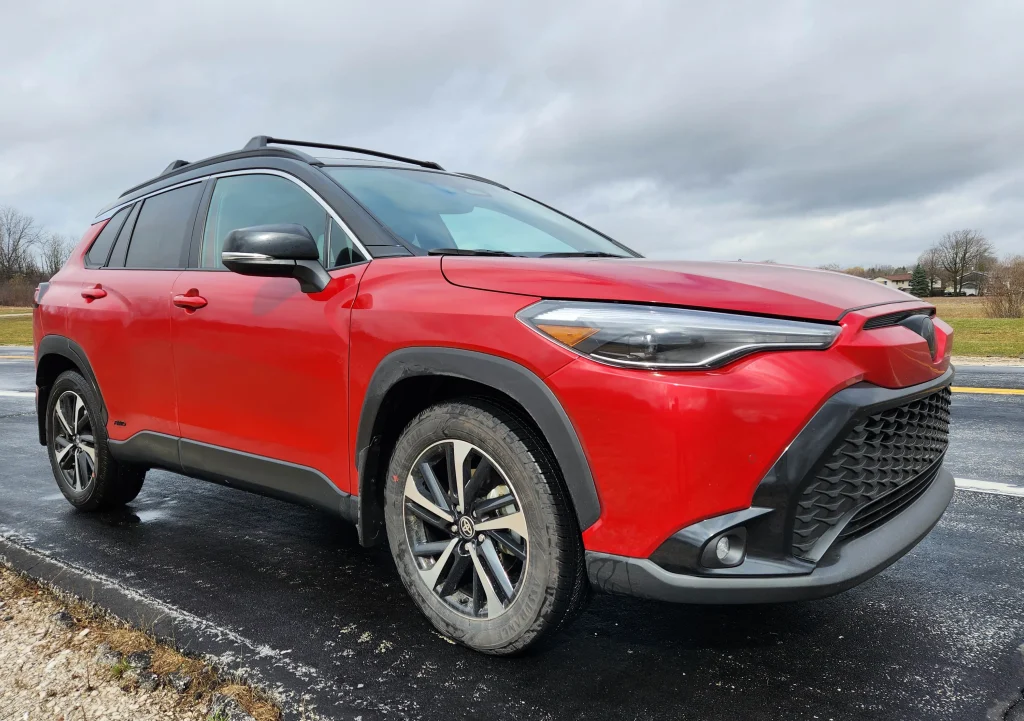
I’m writing about the Corolla Hybrid because it speaks to the most common buyer mindset in this category: “I want something sensible.” Sensible isn’t just purchase price it’s what you spend every week and month after you own the car.
The Corolla Hybrid is a great illustration of how fuel savings can be built into a familiar, easy-to-own package without turning the car into a science project.
If your idea of a perfect compact does not demand attention just quietly costs less to run, this hybrid version is the kind of upgrade that pays you back gradually, especially if gas prices spike or your commute changes over time.
5. Kia Niro Hybrid
The Niro Hybrid is slightly different from the classic “compact sedan” template, but it earns its place here because it often delivers hybrid-level fuel savings while offering a versatile, daily-friendly shape.
Compared with many non-hybrid compacts, the Niro’s advantage is that it can be practical without forcing you into higher fuel consumption. Many buyers “move up” from a compact sedan into something roomier and accept worse mileage as the trade-off.
The Niro challenges that by keeping fuel use low while still feeling flexible for cargo, passengers, and day-to-day utility.
From a fuel-savings perspective, the Niro benefits from the same hybrid strengths: electric assistance in slow traffic, reduced idling waste, and energy recovery during braking. That’s especially valuable if your driving includes a lot of urban crawling, parking lots, and short-distance trips exactly where gas-only compacts lose efficiency.
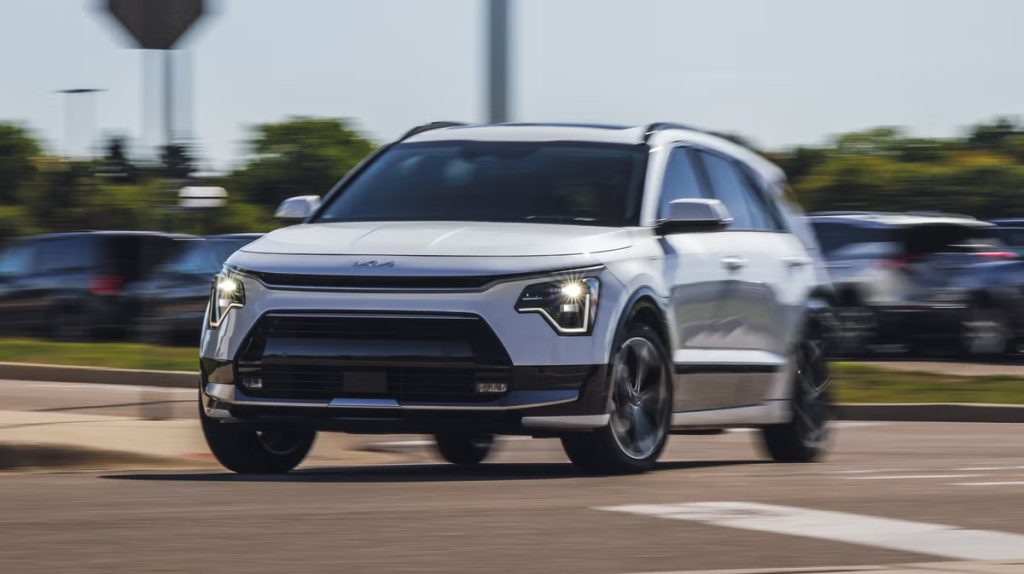
I’m including the Niro Hybrid because people don’t shop in neat categories the way brochures do. Real shoppers cross-shop “compact but efficient” against “a bit more useful but still economical.”
In that real-world decision, the Niro can outperform non-hybrid compacts on fuel spending while also reducing the temptation to jump into a larger, thirstier vehicle.
If you want fuel savings but also want a car that adapts to errands, groceries, weekend bags, and life changes, this is a smart hybrid to consider. It’s here to show that efficiency doesn’t have to mean sacrificing usefulness.
5 Non-Hybrid Compacts
Non-hybrid compact cars have carried the fuel-efficiency conversation for decades. Long before hybrids became mainstream, these cars proved that smart engine design, lighter weight, and aerodynamic efficiency could keep fuel consumption reasonable without complex technology.
Even today, many buyers continue to choose non-hybrid compacts because they are affordable, familiar, and easy to maintain. They feel like the “safe” choice lower upfront cost, fewer components, and a driving experience most people already understand.
However, when the discussion shifts specifically to fuel savings over time, non-hybrid compacts reveal clear limitations. Their efficiency depends heavily on steady driving conditions. On highways, they can be impressively economical.
But in real-world use traffic congestion, short trips, frequent stops, and idling their engines must keep burning fuel whether the car is moving efficiently or not. Every red light, slow crawl, and parking-lot maneuver quietly adds to fuel consumption that hybrids are designed to reduce.
This section focuses on five popular non-hybrid compact sedans that many buyers still compare directly against hybrids. These cars are not poor choices; in fact, they remain excellent value propositions for many drivers.
But they highlight why hybrids increasingly outperform them on fuel savings, especially for urban and mixed-use driving. By examining these non-hybrid models individually, the contrast becomes clearer: efficiency achieved through traditional engineering versus efficiency enhanced by electrification.
I’m including these cars to provide balance and clarity. Choosing a hybrid only makes sense when you understand what you’re giving up or not giving up by skipping a conventional compact. These models show where non-hybrids still shine, and where they simply can’t compete with hybrid technology when the goal is long-term fuel savings.
1. Hyundai Verna
The Hyundai Verna is a strong example of how far non-hybrid efficiency has come using conventional engineering.
Its modern petrol engines are tuned for smooth power delivery and respectable mileage, especially on highways where steady speeds allow the car to operate near its efficiency sweet spot.
For drivers with long, uninterrupted commutes, the Verna can feel economical and refined, reinforcing why many buyers still trust non-hybrid compacts.
However, the Verna also illustrates the ceiling of fuel savings without hybrid assistance. In city driving, fuel consumption rises noticeably due to idling and frequent acceleration from a standstill.
The engine must stay active even when crawling in traffic, and braking energy is simply lost as heat. Over weeks and months of urban use, those small inefficiencies add up compared to a hybrid that would shut the engine off or rely on electric support.
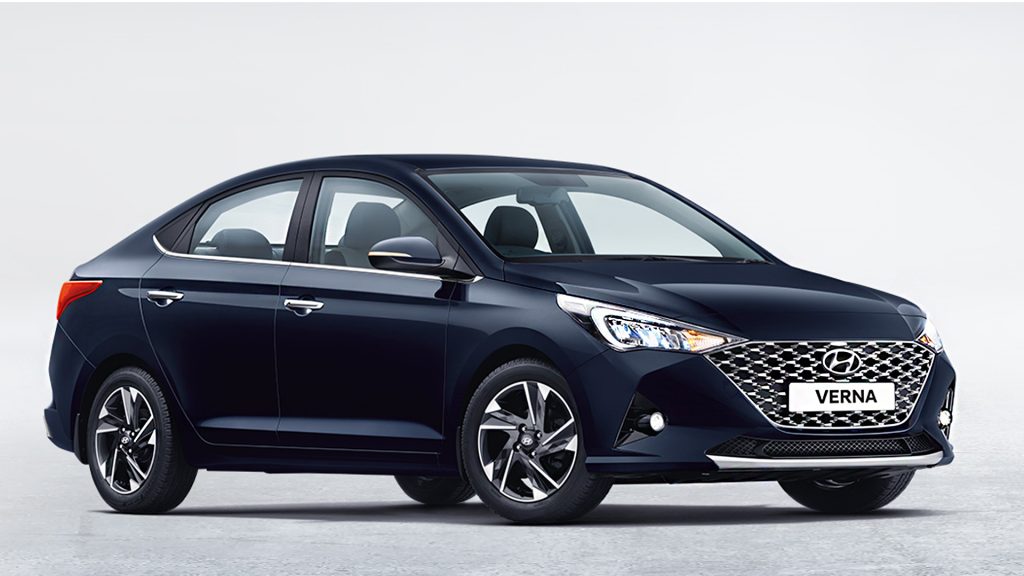
I’m writing about the Verna because it represents the “best-case scenario” for non-hybrid compacts: modern, well-tuned, and efficient by traditional standards. Yet even at its best, it still can’t match the fuel-saving consistency of a hybrid in mixed driving.
The Verna makes sense for buyers focused on comfort, performance, and initial value but it also shows why hybrids increasingly appeal to drivers who measure efficiency over years, not just on paper.
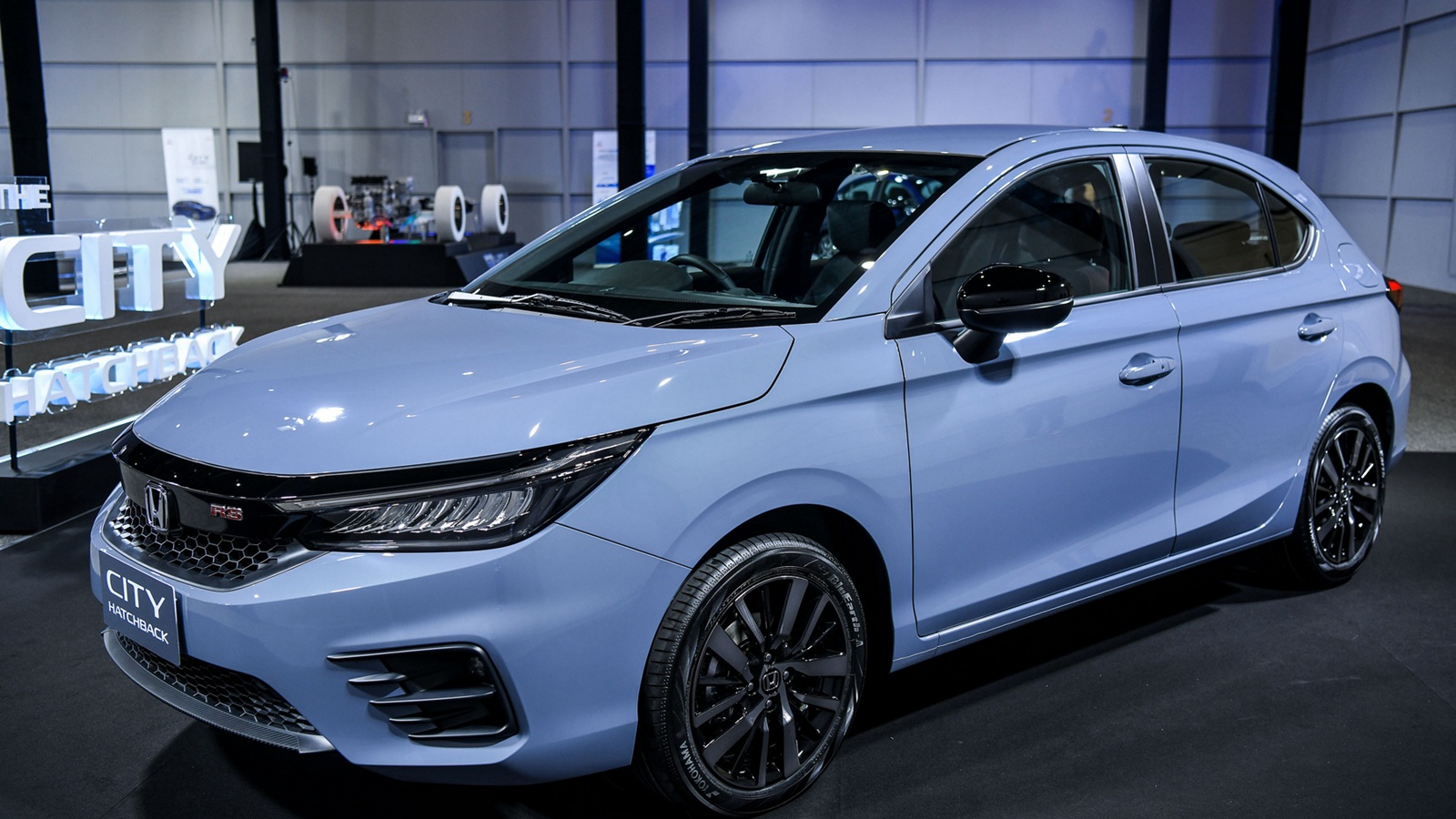
2. Honda City
The Honda City has long been a benchmark compact sedan for refinement, space, and reliability. Its petrol engine is known for being smooth and relatively efficient, particularly on open roads. For many owners, the City feels like a balanced choice comfortable enough for families and efficient enough to avoid excessive fuel costs.
Where the City falls behind hybrids is in stop-and-go conditions. Like all non-hybrid cars, it continues to consume fuel while idling, and every acceleration relies entirely on the gasoline engine. In dense traffic, fuel efficiency drops more quickly than buyers often expect, especially compared with hybrid alternatives that thrive in exactly those conditions.
I’ve included the City because it’s often cross-shopped with hybrids by buyers who want a dependable, long-term ownership experience. The comparison highlights a key reality: reliability and efficiency are not the same thing.
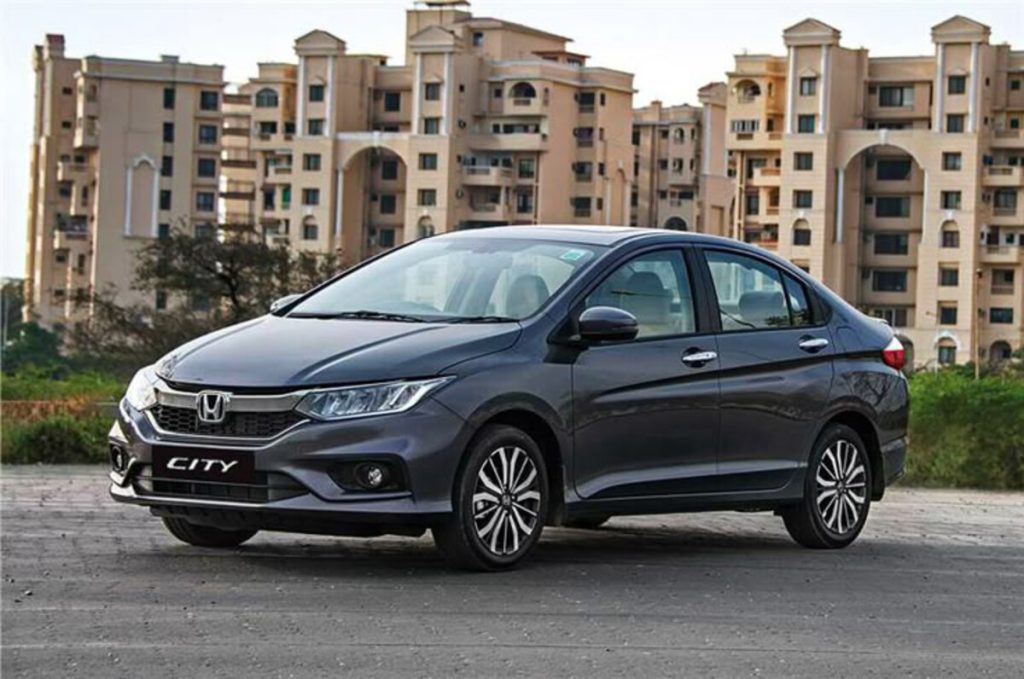
While the City excels in durability and everyday usability, its fuel savings depend heavily on driving style and environment. For highway-heavy usage, it remains a solid option. For urban commuters, it underscores why hybrids tend to deliver lower fuel bills month after month.
3. Volkswagen Virtus
The Volkswagen Virtus emphasizes performance and driving feel more than outright fuel thrift. Its turbocharged petrol engine delivers strong mid-range power, making the car enjoyable and confident on highways. At cruising speeds, efficiency can be respectable, especially when the engine operates under light load.
But turbocharged non-hybrid engines reveal their weakness in city conditions. Frequent acceleration, low-speed driving, and traffic congestion push fuel consumption higher, as the engine works harder without any electric assistance. Unlike hybrids, the Virtus cannot reclaim braking energy or reduce engine use during slow movement.
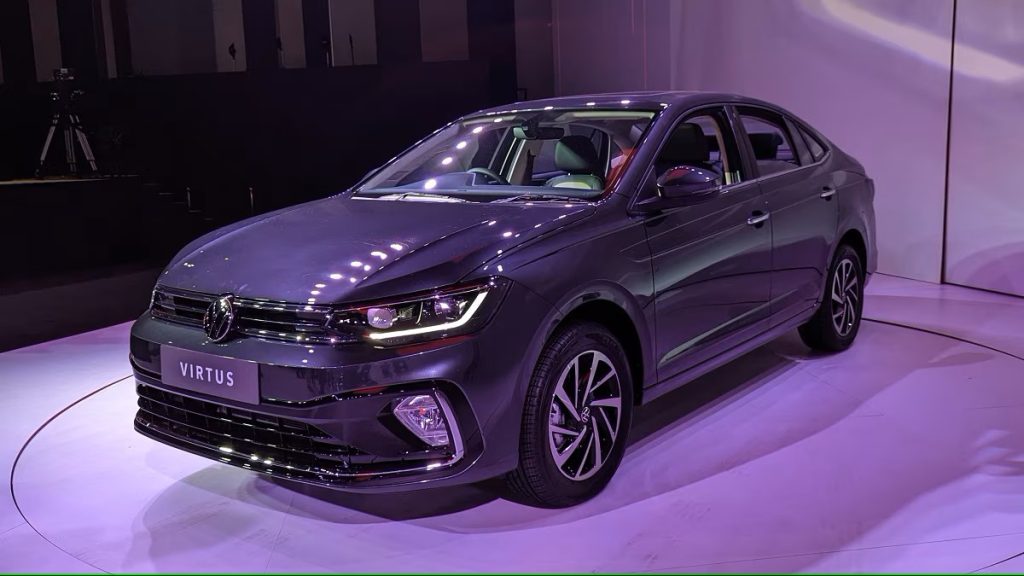
I’m writing about the Virtus to show how driving character can conflict with fuel savings. It’s an excellent compact sedan for drivers who value performance and stability, but it also demonstrates why hybrids are often better suited for cost-conscious urban driving.
The Virtus proves that efficiency alone doesn’t define a compact car and that fuel savings are often sacrificed for driving enjoyment in non-hybrid designs.
4. Skoda Slavia
The Skoda Slavia offers a spacious cabin, solid build quality, and efficient petrol engines by conventional standards. On longer trips, it rewards smooth driving with reasonable mileage and a relaxed cruising experience. For families who travel frequently on highways, the Slavia can feel economical enough.
In city environments, though, the Slavia behaves like most non-hybrids: fuel consumption rises with traffic density. Idling, repeated braking, and short trips prevent the engine from operating efficiently. Over time, these conditions widen the fuel-cost gap between the Slavia and comparable hybrids.
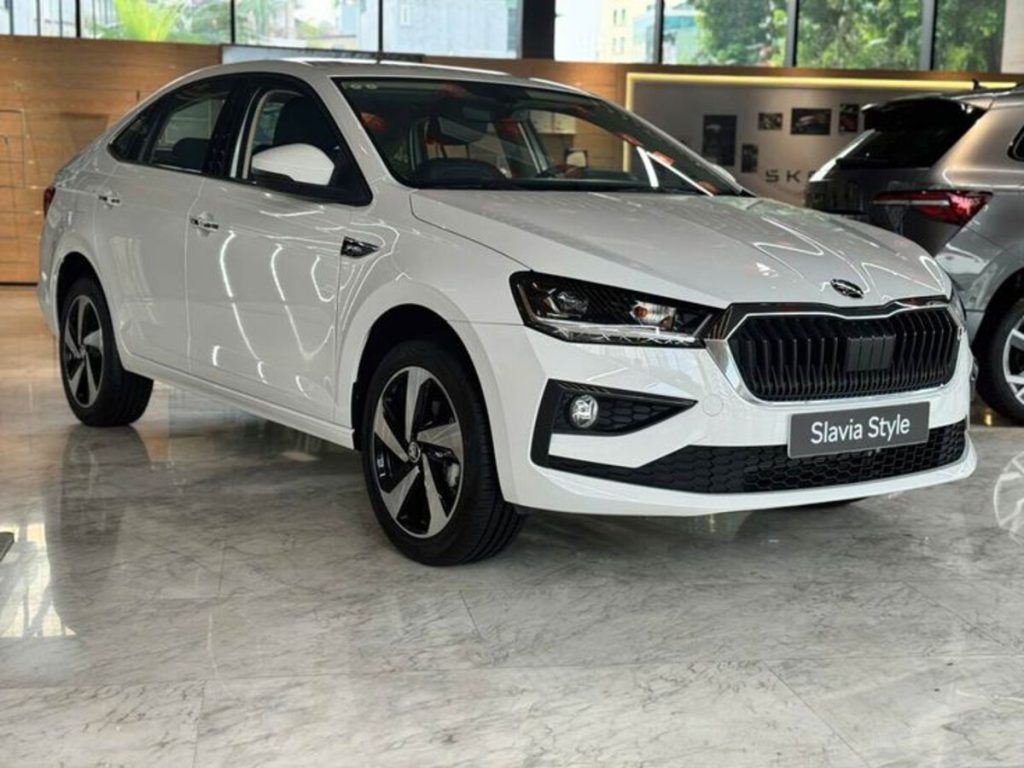
I’ve included the Slavia because it appeals to practical buyers who value space and comfort. It shows that even well-engineered non-hybrids struggle to match hybrid fuel savings unless driving conditions are ideal. The Slavia remains a smart choice but not the most fuel-frugal one in daily urban use.
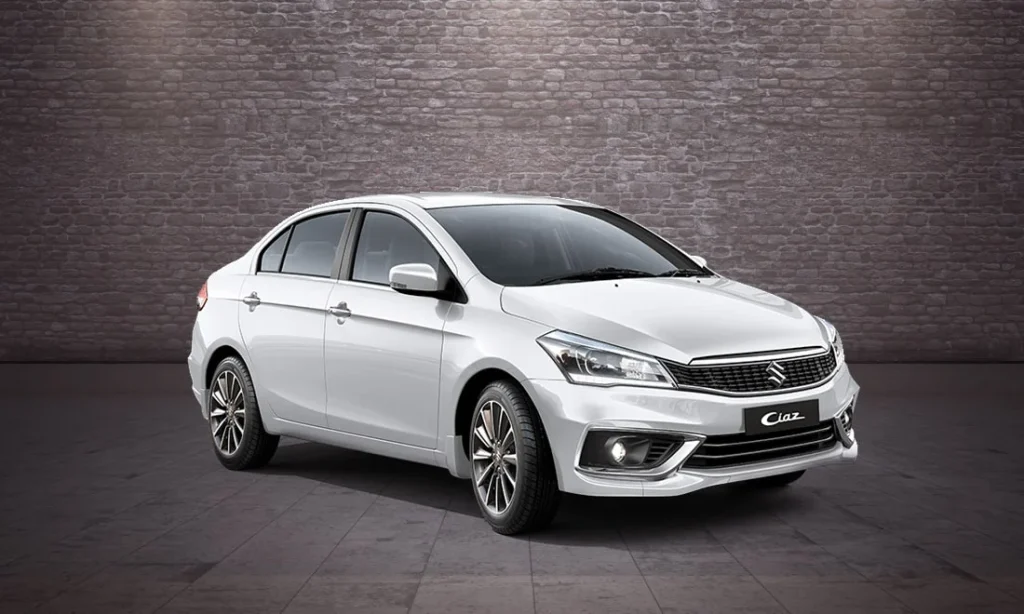
5. Maruti Suzuki Ciaz
The Maruti Suzuki Ciaz is often praised for its light weight and relaxed driving nature, both of which help improve fuel efficiency in a non-hybrid package. Its petrol engine is tuned for smoothness rather than aggression, allowing decent mileage in calm driving conditions.
Still, the Ciaz highlights the structural limits of non-hybrid efficiency. Without full hybrid capability, fuel savings rely almost entirely on driver behavior and traffic conditions. In busy city use, its efficiency advantage narrows significantly compared to hybrids that actively manage energy usage.
I’m writing about the Ciaz because it represents the traditional efficiency-focused compact sedan. It does many things right, but it also reinforces the central theme of this article: non-hybrid compacts can be economical, but hybrids are engineered to be economical regardless of conditions. That difference becomes increasingly important as daily driving grows more unpredictable.
This comparison between five hybrid cars and five non-hybrid compact cars highlights a clear and increasingly important reality for modern buyers: fuel savings are no longer just about engine size or advertised mileage figures, but about how efficiently a car manages energy in real-world driving.
While both categories aim to reduce fuel costs, hybrids are fundamentally designed to address the everyday inefficiencies that conventional compact cars cannot fully overcome.
Hybrid cars excel because they reduce fuel waste at its source. Through engine shut-off at idle, electric assistance during low-speed driving, and regenerative braking that captures otherwise-lost energy, hybrids consistently lower fuel consumption in city and mixed driving conditions.
This matters because most drivers spend a significant portion of their time in traffic, on short trips, or navigating crowded urban roads.
In these scenarios, hybrids often outperform non-hybrid compacts by a noticeable margin, translating into fewer fuel stops and lower long-term running costs. Importantly, these savings don’t require special driving habits hybrids deliver efficiency naturally through their design.
The five hybrid models discussed show that fuel savings don’t come in only one form. Some prioritize maximum city efficiency, others blend practicality with low consumption, and some prove that you can save fuel without sacrificing comfort or familiarity.
Together, they demonstrate that hybrid technology has matured into a reliable, everyday solution rather than an experimental alternative. Over years of ownership, especially with rising or unpredictable fuel prices, these small, consistent savings can add up to a meaningful financial advantage.
Non-hybrid compact cars, on the other hand, still play an important role in the market. They remain attractive for their lower upfront costs, mechanical simplicity, and strong highway efficiency. For drivers with long, steady commutes and minimal traffic, a non-hybrid compact can still be a sensible and economical choice.
However, their limitations become clear in real-world conditions. Idling, frequent braking, and stop-and-go traffic all push fuel consumption higher, and without electric assistance, these cars have no way to recover lost energy.
The five non-hybrid compacts highlighted here are not poor vehicles they represent some of the best traditional engineering can offer.
Yet they also illustrate the ceiling of fuel efficiency without electrification. Their savings depend heavily on ideal conditions and careful driving, whereas hybrids are engineered to deliver savings regardless of traffic patterns.
In conclusion, the choice between a hybrid and a non-hybrid compact comes down to priorities and driving habits. If your goal is the lowest possible fuel spend over time, particularly in city or mixed-use driving, hybrids clearly hold the advantage.
Non-hybrid compacts still make sense for budget-conscious buyers or highway-focused drivers, but for most everyday scenarios, hybrids offer a smarter, more resilient approach to fuel savings one that better matches how people actually drive today.
Also Read: 5 Cars for Fremont Bay Area Commuting vs 5 That Cost a Fortune
