
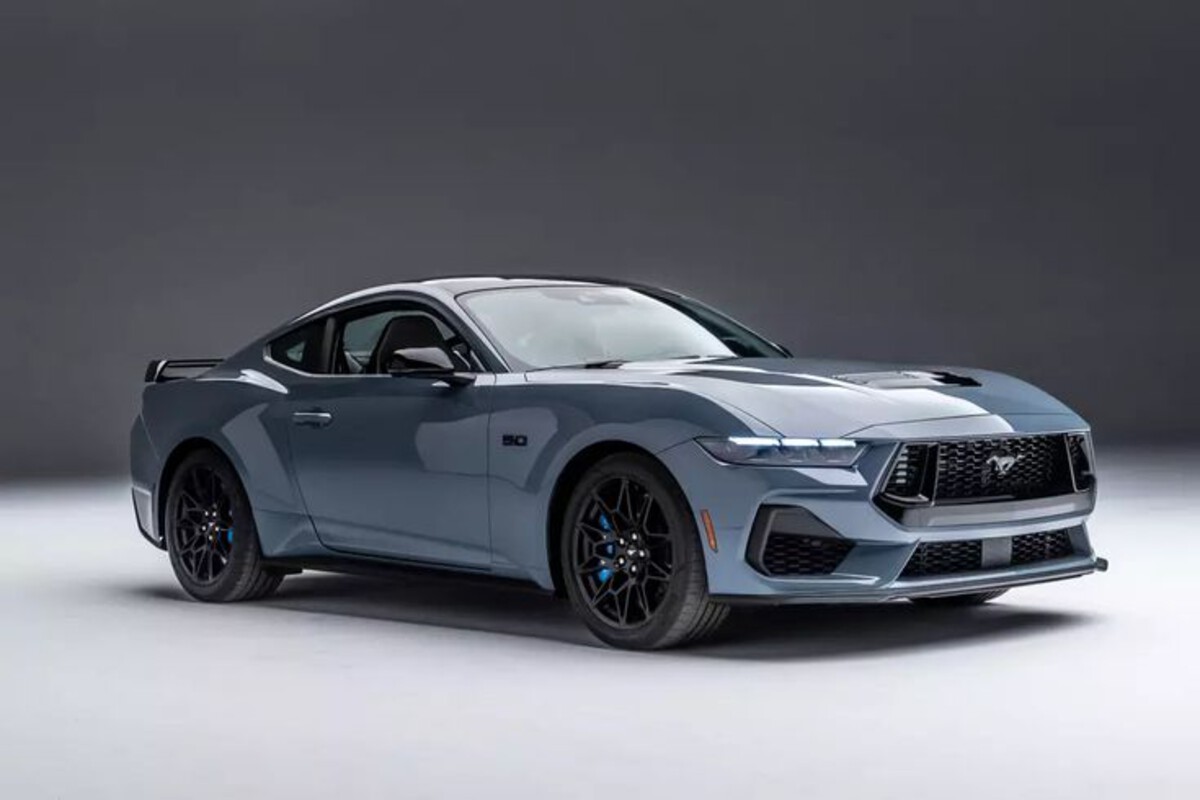
For decades, American muscle cars and European sports cars have represented two very different philosophies of performance.
European sports cars are often praised for precision engineering, compact dimensions, and razor-sharp handling designed for winding roads and racetracks.
American muscle cars, on the other hand, have traditionally focused on raw power, straight-line speed, and aggressive styling. However, modern automotive evolution has blurred these lines in surprising ways especially when it comes to daily usability.
In today’s world, performance alone is no longer enough. Buyers want vehicles that can handle real-world commuting, traffic congestion, imperfect roads, maintenance costs, and long-term ownership without becoming exhausting or impractical.
This is where the comparison becomes interesting. While European sports cars still dominate enthusiast fantasies, many of them compromise ride comfort, cabin space, reliability, and ownership costs in pursuit of ultimate performance. These compromises can become frustrating in daily life.
Modern American muscle cars have quietly evolved into far more balanced machines. Advances in suspension tuning, interior quality, driver-assist technology, and fuel efficiency have transformed them into legitimate daily drivers without sacrificing the performance that defines their identity.
Larger cabins, simpler mechanical layouts, and more forgiving ride characteristics often make them easier to live with every day than their European counterparts.
This article explores five American muscle cars that outperform five European sports cars specifically for daily use not on a racetrack, but in real life. “Outperform” here means delivering a better overall ownership experience: comfort, reliability, usability, practicality, and value, alongside strong performance.
The goal is not to diminish European sports cars, but to highlight how American muscle cars often make more sense for people who want excitement without daily compromise.
Also Read: 5 Honda Hatchbacks That Are Better Than 5 Toyota Hatchbacks
5 American Muscle Cars
The stereotype of American muscle cars as crude, uncomfortable, and fuel-hungry machines no longer reflects reality.
While classic muscle cars were designed primarily for drag strips and weekend thrills, modern versions have matured into surprisingly versatile daily drivers. Manufacturers now understand that most buyers use these cars every single day, not just on special occasions.
Today’s American muscle cars benefit from adaptive suspensions, refined automatic transmissions, advanced infotainment systems, and safety features once reserved for luxury vehicles.
Wide torque bands make city driving effortless, reducing the need for constant gear changes. Compared to many European sports cars, these vehicles often ride higher, absorb rough roads better, and offer more forgiving ergonomics important advantages in real-world conditions.
Another major advantage lies in ownership practicality. American muscle cars generally cost less to maintain, insure, and repair than European sports cars.
Parts availability is better, service networks are wider, and mechanical complexity is often lower. This translates to fewer headaches over long-term ownership, especially for drivers who rely on their car every day.
Interior space is another overlooked strength. Larger cabins, usable rear seats (in some models), and bigger trunks make muscle cars more adaptable to daily tasks like grocery runs, commuting, or even short road trips. While they may not match European sports cars in ultimate cornering precision, they offer a balance that many drivers value more.
The following five American muscle cars demonstrate how performance, comfort, reliability, and usability can coexist often outperforming European sports cars when judged by daily driving standards rather than track lap times.
1. Dodge Charger R/T
The Dodge Charger R/T stands out as one of the most daily-friendly performance cars on the market, not just among muscle cars but across all performance segments.
Unlike many European sports cars that prioritize compactness, the Charger embraces space and comfort without abandoning power. Its naturally aspirated V8 delivers effortless acceleration that feels relaxed rather than frantic, making everyday driving smooth and predictable.
One of the Charger R/T’s biggest strengths is its four-door layout, which immediately gives it an advantage over most European sports cars.
Rear seat access is easy, legroom is generous, and the trunk is genuinely usable. This makes the Charger far more practical for drivers who occasionally carry passengers or luggage something many European coupes struggle with.
Ride comfort is another area where the Charger excels. Its suspension is tuned to absorb rough pavement and highway imperfections, making long commutes far less tiring.
In contrast, many European sports cars use stiff suspensions that feel engaging on smooth roads but become punishing on imperfect surfaces. The Charger strikes a balance between performance and comfort that suits daily life.
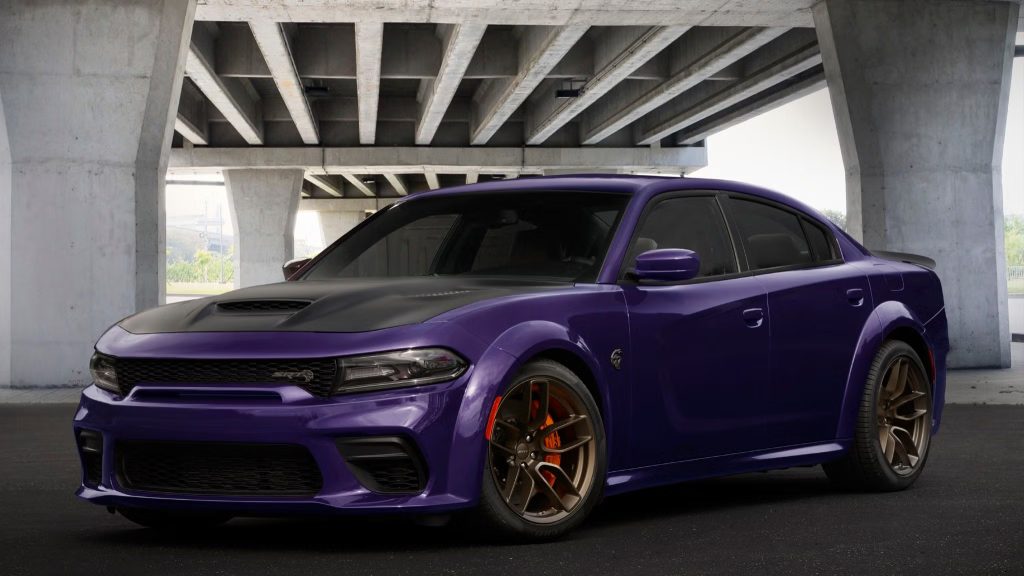
From an ownership perspective, the Charger R/T is also more forgiving. Maintenance costs are lower, parts are widely available, and the mechanical layout is simpler than many turbocharged European alternatives. Fuel economy, while not exceptional, is reasonable for a V8 and predictable in mixed driving.
Most importantly, the Charger R/T delivers performance without demanding constant attention. It is fast when you want it to be, calm when you don’t, and practical all the time qualities that make it outperform many European sports cars as a true daily driver.
2. Ford Mustang GT
The Ford Mustang GT represents one of the most balanced evolutions of the modern muscle car, making it exceptionally well-suited for daily driving.
While it retains the iconic long-hood styling and V8 performance that define the Mustang name, the GT has matured into a far more refined and livable car than its predecessors and many European sports cars in its price range.
One of the Mustang GT’s strongest daily-use advantages is its engine character. The naturally aspirated V8 delivers smooth, linear power rather than the sudden surges common in turbocharged European sports cars.
This makes city driving easier, highway cruising calmer, and throttle control more predictable in traffic. The engine does not feel stressed or overly tuned, which contributes to long-term reliability.
Ride quality is another area where the Mustang GT excels. Modern suspension tuning allows the car to remain composed over uneven roads while still offering sharp handling when pushed.
Compared to many European sports cars that rely on stiff chassis setups, the Mustang absorbs bumps better and feels less punishing during long commutes or poor road conditions.
Inside, the Mustang GT offers a comfortable and well-laid-out cabin. The seats provide good support without being overly aggressive, visibility is better than many low-slung European coupes, and infotainment systems are intuitive rather than complicated. These small details matter greatly in daily use.
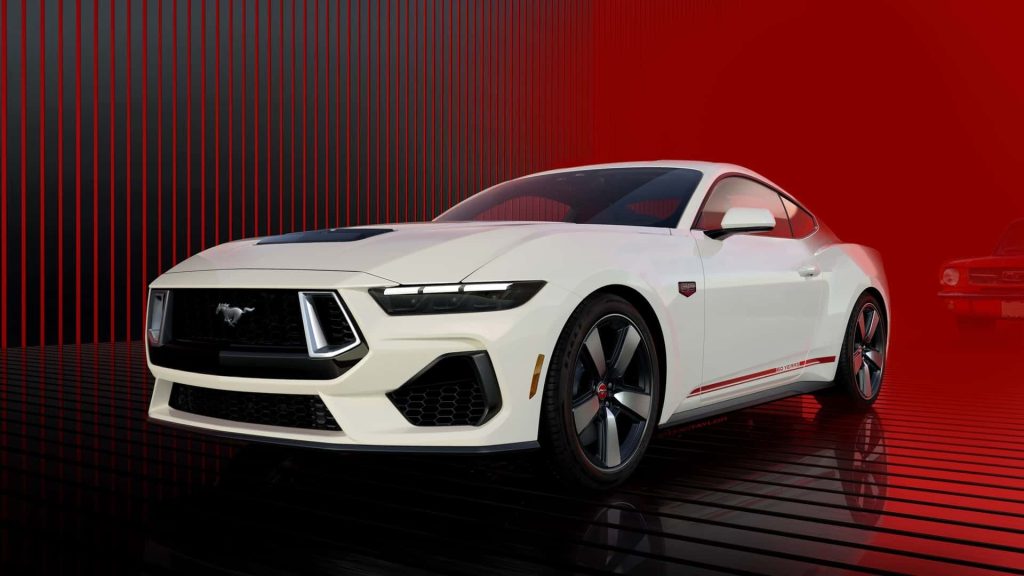
Ownership practicality further strengthens the Mustang GT’s case. Maintenance costs are generally lower than European alternatives, insurance is more manageable, and service availability is widespread.
When judged by how well it balances excitement with real-world usability, the Mustang GT clearly outperforms many European sports cars as a daily driver.
3. Chevrolet Camaro LT1
The Chevrolet Camaro LT1 is often misunderstood, yet it stands as one of the most compelling daily-usable muscle cars available.
By pairing a powerful V8 with a relatively straightforward setup, the LT1 delivers serious performance without the complexity and compromises commonly found in European sports cars.
At the heart of the Camaro LT1 is its naturally aspirated V8, which provides strong low-end torque and effortless cruising ability. This engine does not require high revs or constant attention, making it ideal for stop-and-go traffic and relaxed highway driving. In contrast, many European sports cars feel restless at low speeds due to aggressive tuning.
Despite its performance credentials, the Camaro LT1 offers a surprisingly comfortable ride. The suspension is firm but controlled, allowing the car to remain stable without becoming harsh. On everyday roads, this balance makes the Camaro easier to live with than European sports cars designed primarily for smooth, high-speed environments.
The interior, while focused, avoids unnecessary complexity. Controls are straightforward, seating is supportive, and the driving position feels natural rather than extreme. This makes daily commuting less fatiguing, especially compared to tightly packaged European coupes with limited visibility and cramped cabins.

From an ownership standpoint, the Camaro LT1 benefits from simpler engineering, lower maintenance costs, and strong reliability. Replacement parts are affordable and widely available, and long-term ownership is generally less stressful than with many European performance cars.
Overall, the Camaro LT1 succeeds because it prioritizes usable power, comfort, and reliability qualities that matter far more in daily driving than track-focused precision.
4. Dodge Challenger R/T
The Dodge Challenger R/T is one of the clearest examples of how traditional muscle car values translate exceptionally well into modern daily driving.
While many European sports cars prioritize compact dimensions and aggressive tuning, the Challenger takes a different approach, one that favours comfort, space, and relaxed performance without sacrificing character.
One of the Challenger R/T’s biggest daily-use strengths is its size and ride quality. The longer wheelbase and wider body allow the suspension to absorb road imperfections more effectively than many stiff European sports cars.
On rough city roads, highways, or long commutes, the Challenger feels stable and composed rather than nervous or tiring.
The naturally aspirated V8 is tuned for usable torque rather than extreme peak output. This makes everyday driving smooth and effortless, especially in traffic.
There is no turbo lag, no sudden power spikes, and no need to constantly push the engine to enjoy it. Many European sports cars feel over-engineered for daily driving, whereas the Challenger feels relaxed and predictable.
Interior space is another major advantage. The Challenger offers genuinely usable rear seats and a large trunk, making it practical for daily errands, passengers, or weekend travel. European sports cars often compromise heavily in these areas, limiting their usefulness outside of spirited driving.

Ownership is also simpler and more affordable. Maintenance costs are lower, parts availability is excellent, and long-term reliability is generally better due to simpler mechanical systems.
The Challenger R/T may not chase lap times, but for daily use, its comfort, usability, and stress-free performance allow it to outperform many European sports cars in real-world conditions.
5. Ford Mustang EcoBoost (Performance Pack)
The Ford Mustang EcoBoost with the Performance Pack proves that daily usability does not require a V8. In fact, this version of the Mustang is one of the most practical performance-oriented daily drivers available, often outperforming European sports cars that cost significantly more.
The turbocharged four-cylinder engine delivers strong torque at low and mid-range speeds, which is ideal for city driving and highway merging.
Unlike high-strung European sports cars that demand constant revs, the EcoBoost feels responsive and efficient in everyday situations. Fuel economy is also noticeably better, making it easier to live with daily.
With the Performance Pack, the Mustang gains improved suspension tuning, better brakes, and sharper handling without becoming uncomfortable. This balance allows drivers to enjoy spirited driving when desired while maintaining ride comfort during long commutes. Many European sports cars struggle to strike this balance, leaning too far toward stiffness.
The interior is modern, comfortable, and user-friendly. Controls are intuitive, seating is supportive, and visibility is better than many low-slung European coupes. These practical details add up over time, making daily ownership far less fatiguing.
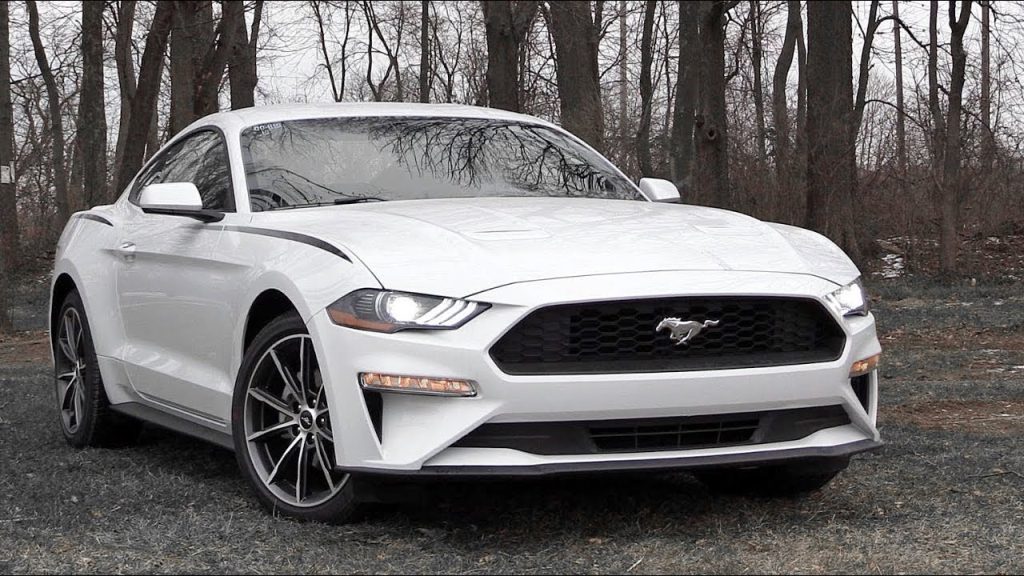
Maintenance and ownership costs further strengthen the EcoBoost’s position. It is more affordable to insure, easier to service, and less complex than many European alternatives.
For drivers who want performance without daily compromises, the Mustang EcoBoost Performance Pack stands as a clear example of American muscle evolving beyond old stereotypes.
5 European Sports Cars for Daily Use
European sports cars have long been regarded as the gold standard of driving precision. Known for sharp handling, lightweight construction, and advanced engineering, they dominate enthusiast discussions and magazine comparisons.
On twisty mountain roads or racetracks, their strengths are undeniable. However, when judged by daily driving realities, many European sports cars reveal limitations that are often overlooked in performance-focused conversations.
Daily use demands a different set of priorities. Comfort over rough roads, reliability in traffic, ease of maintenance, interior space, and long-term ownership costs matter just as much as speed or cornering ability.
Many European sports cars are designed with ideal driving conditions in mind smooth pavement, higher speeds, and controlled environments. In real-world scenarios, these same characteristics can translate into stiff rides, limited visibility, tight cabins, and mechanical complexity.
Additionally, modern European sports cars often rely heavily on turbocharging, advanced electronics, and tightly packaged components. While impressive on paper, these systems can increase maintenance costs and reduce long-term reliability.
For daily drivers who depend on their car without constant attention or specialized servicing, this can become a significant drawback.
That said, European sports cars are not without merit. They deliver engaging driving experiences and refined performance that appeal strongly to enthusiasts. But when compared directly against modern American muscle cars especially in terms of comfort, usability, and ownership practicality, the balance can shift.
The following five European sports cars are excellent machines, yet when evaluated specifically for daily use, they illustrate why American muscle cars often provide a more forgiving, versatile, and stress-free ownership experience.
1. Porsche 718 Cayman
The Porsche 718 Cayman is often praised as one of the best-handling sports cars ever produced, and from a pure driving perspective, that reputation is well deserved.
Its mid-engine layout, precise steering, and balanced chassis make it exceptional on winding roads. However, when used as a daily driver, the Cayman’s strengths can quickly turn into compromises.
Ride quality is one of the Cayman’s biggest daily-use challenges. Even in its softer suspension settings, the car remains firm, transmitting road imperfections directly into the cabin. On less-than-perfect roads, this can become tiring over time. In contrast, many American muscle cars absorb these imperfections with far greater ease.
Interior space is another limitation. The Cayman’s cabin is tightly packaged, with limited storage and no rear seats. While the front and rear trunks help, everyday tasks like carrying passengers or larger items quickly become inconvenient. Visibility is also restricted, especially in traffic or tight parking situations.
Maintenance and ownership costs further complicate daily use. Porsche servicing is expensive, parts are costly, and even routine maintenance requires specialized expertise. Over time, this significantly increases ownership stress compared to simpler, more accessible American alternatives.

The Cayman excels when driven hard, but daily life rarely offers ideal conditions. In commuting, traffic, and routine errands, its focused design often feels excessive rather than enjoyable.
2. BMW M2
The BMW M2 blends luxury and performance in a compact package, making it one of the more approachable European sports cars for everyday driving. Its powerful turbocharged engine and rear-wheel-drive layout deliver strong performance, but daily use exposes several compromises.
Suspension stiffness is a recurring issue. While excellent for aggressive driving, the firm setup makes city roads and long commutes less comfortable. The car constantly reminds the driver of road imperfections, something American muscle cars typically handle more gracefully.
Interior technology and electronic complexity can also detract from daily enjoyment. While advanced, these systems increase the risk of long-term issues and raise maintenance costs. Turbocharged components and tightly packed engine bays further complicate servicing.
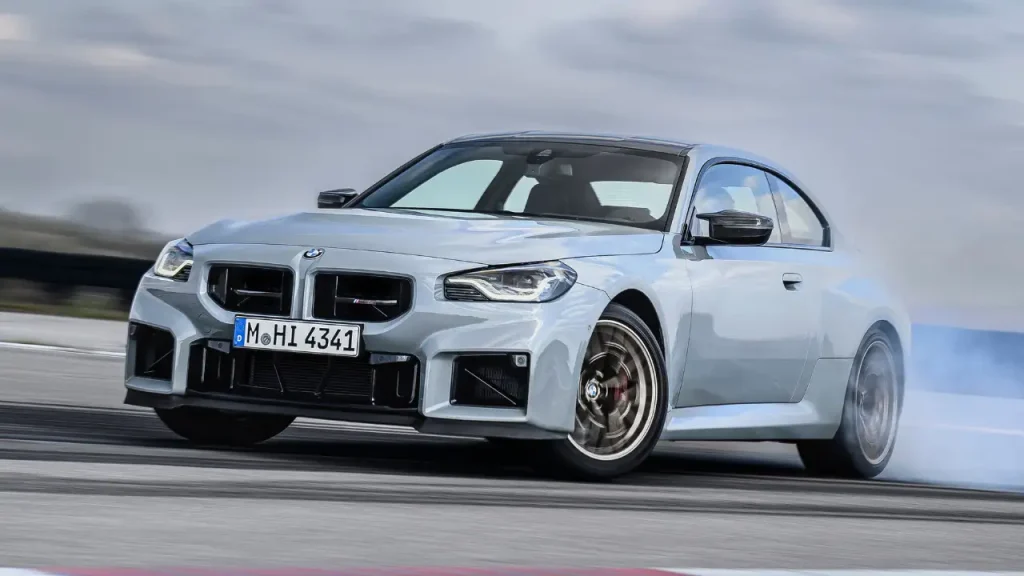
Rear-seat space exists but is limited, and trunk capacity is modest. For drivers needing versatility, this quickly becomes restrictive. Additionally, insurance and repair costs are significantly higher than comparable American performance cars.
The BMW M2 delivers excitement, but as a daily driver, it often demands compromise especially when compared to muscle cars that prioritize comfort, simplicity, and durability alongside performance.
3. Audi TT RS
The Audi TT RS is a striking example of European engineering focused heavily on performance and technology. Its turbocharged engine delivers explosive acceleration, and its all-wheel-drive system provides impressive grip in demanding conditions.
On paper, it appears well-suited for daily use but living with the TT RS day-to-day reveals several compromises.
One of the most noticeable issues is ride stiffness. The TT RS is tuned aggressively, prioritizing handling precision over comfort.
On uneven city roads or long highway drives, the firm suspension transmits bumps directly into the cabin, making daily commuting less pleasant than expected. Compared to American muscle cars with more compliant setups, the TT RS can feel unnecessarily harsh.
Interior space is another drawback. The rear seats are extremely limited, often more symbolic than functional, and trunk space is modest.
Everyday tasks such as carrying groceries, luggage, or additional passengers require careful planning. This lack of versatility contrasts sharply with the more spacious cabins found in many muscle cars.
Technology, while impressive, adds complexity. The heavy reliance on electronics and advanced systems increases maintenance costs and long-term ownership risks. Repairs and servicing tend to be expensive, and parts availability is more limited outside major markets.
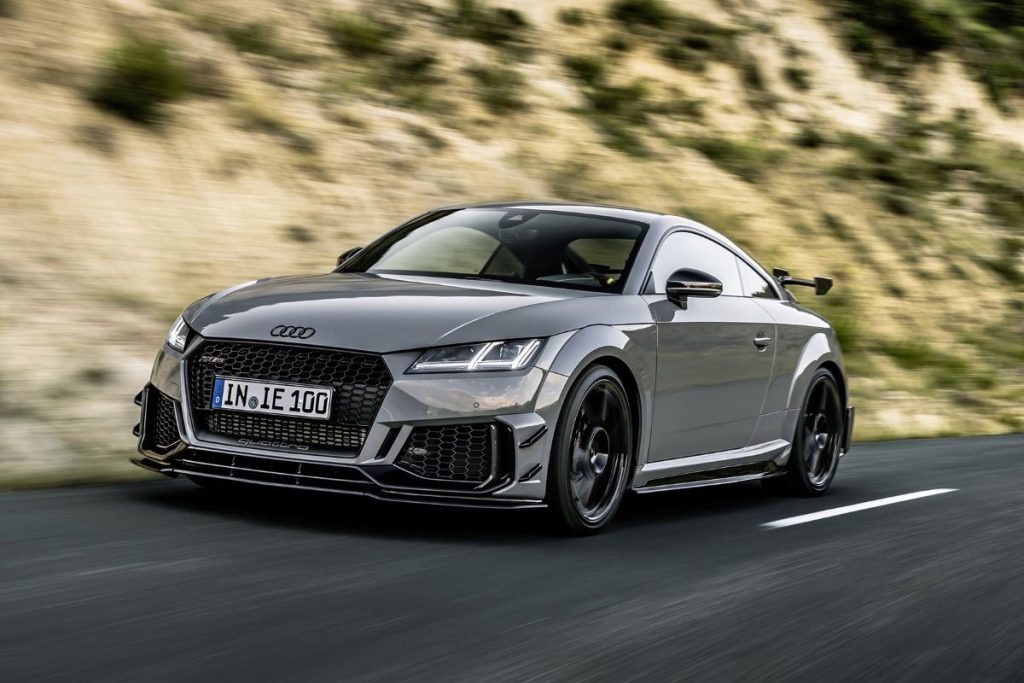
Fuel economy, despite the small engine, is also less forgiving when driven in real-world conditions. The performance-focused tuning encourages spirited driving, which quickly negates efficiency benefits.
Ultimately, the Audi TT RS is an exceptional performance machine, but as a daily driver, it demands constant compromise, making it less practical than many modern American muscle cars.
4. Jaguar F-Type
The Jaguar F-Type is one of the most visually dramatic European sports cars, offering seductive styling and an engaging exhaust note. However, its focus on emotional appeal often comes at the expense of daily usability.
Ride comfort is one of the F-Type’s most significant limitations. The suspension is firm, and on imperfect roads, the car feels unsettled and tiring over extended periods. While exhilarating on smooth surfaces, it lacks the compliance needed for everyday commuting.
Cabin practicality is also limited. Storage space is minimal, visibility is restricted, and the driving position can feel cramped for taller drivers. These factors may seem minor initially but become increasingly noticeable during daily use.
Reliability concerns further reduce the F-Type’s suitability as a daily driver. Maintenance costs are high, service intervals can be unpredictable, and long-term ownership often requires patience and financial commitment. Compared to American muscle cars with simpler mechanical systems, the F-Type demands far more attention.
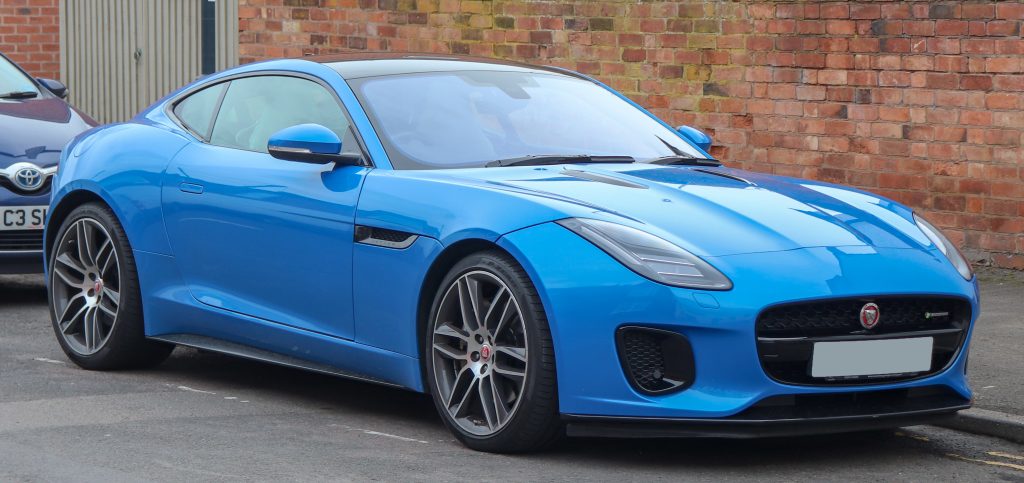
Additionally, the car’s low ground clearance makes navigating speed bumps, steep driveways, and uneven roads stressful. Daily driving becomes an exercise in caution rather than convenience.
The Jaguar F-Type delivers excitement and presence, but for drivers seeking a reliable, comfortable, and stress-free daily vehicle, it falls short when compared to the more balanced nature of American muscle cars.
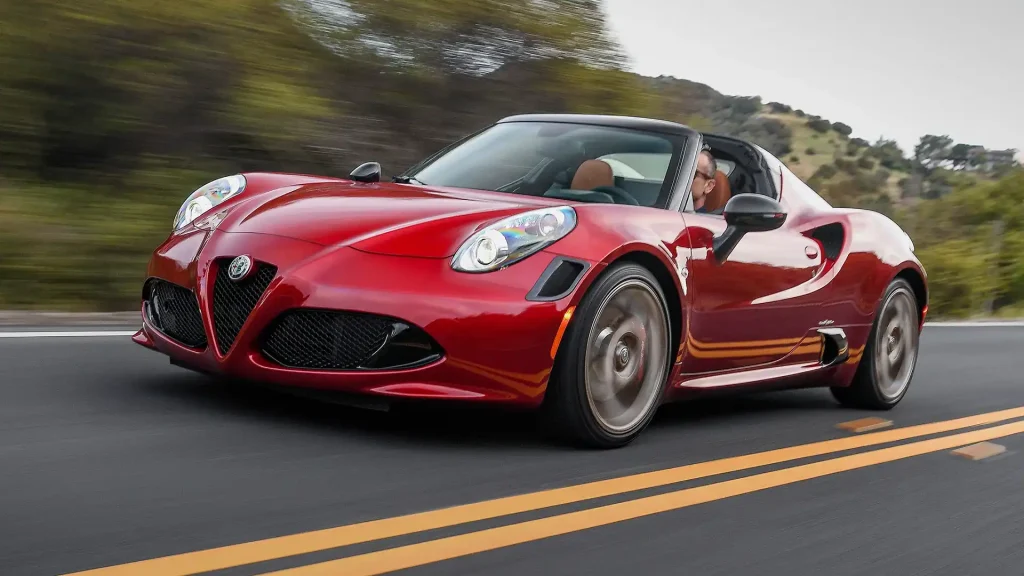
5. Alfa Romeo 4C
The Alfa Romeo 4C is one of the most extreme examples of a European sports car that prioritizes driving purity over daily usability. Designed with a carbon-fiber tub and minimal weight, the 4C delivers an exhilarating experience when driven aggressively. However, this focus comes with significant sacrifices that make it one of the least practical daily drivers in this comparison.
Ride quality is uncompromising. The suspension is stiff, unyielding, and unforgiving on imperfect roads.
Even short commutes can feel physically demanding, especially in urban environments with uneven pavement. While American muscle cars have evolved to balance comfort and performance, the 4C intentionally ignores comfort altogether.
Interior practicality is nearly nonexistent. Cabin space is extremely tight, storage options are minimal, and entry and exit can be awkward especially for daily use. The lack of sound insulation, limited infotainment features, and basic interior materials further reduce its appeal as a daily vehicle.
Reliability and maintenance are also major concerns. Servicing is specialized, parts availability is limited, and long-term ownership often requires patience and commitment. These factors make the 4C far more demanding than American muscle cars, which are designed to be driven frequently and maintained easily.
While the Alfa Romeo 4C is thrilling on a perfect road, daily driving is rarely perfect. In traffic, on rough roads, or during routine errands, the car’s extreme focus becomes a liability rather than an advantage placing it firmly behind American muscle cars in real-world usability.
When performance cars are judged purely by lap times, cornering speeds, or engineering sophistication, European sports cars often dominate the conversation. However, real-world driving tells a very different story.
Daily use introduces variables that racetracks and spec sheets ignore comfort, durability, maintenance costs, practicality, and long-term ownership experience.
Modern American muscle cars have evolved into far more complete vehicles than their reputations suggest. They offer strong, usable power without demanding constant attention, ride comfortably over imperfect roads, and provide interior space that suits everyday life.
Whether it’s commuting, highway cruising, or running errands, these cars integrate performance into normal routines rather than disrupting them.
European sports cars, by contrast, are often built with a narrower focus. Stiff suspensions, compact cabins, complex mechanical systems, and high ownership costs can quickly turn daily driving into a chore. What feels thrilling on a spirited drive can become exhausting in traffic or on long commutes.
Another critical factor is ownership peace of mind. American muscle cars typically feature simpler engineering, wider service networks, and more affordable maintenance. This makes them easier to live with over many years, especially for drivers who depend on their vehicle daily rather than treating it as a weekend indulgence.
This does not mean European sports cars lack value or appeal. They excel in precision, refinement, and driving engagement under the right conditions. However, when judged through the lens of daily usability, American muscle cars consistently deliver a better balance of excitement and practicality.
In the end, the best performance car is not the one that excels only at the limit but the one that enhances everyday driving without compromise. In that regard, modern American muscle cars don’t just compete with European sports cars they often outperform them where it matters most: real life.
Also Read: 5 Toyota Sedans That Are Better Than 5 Honda Sedans
