
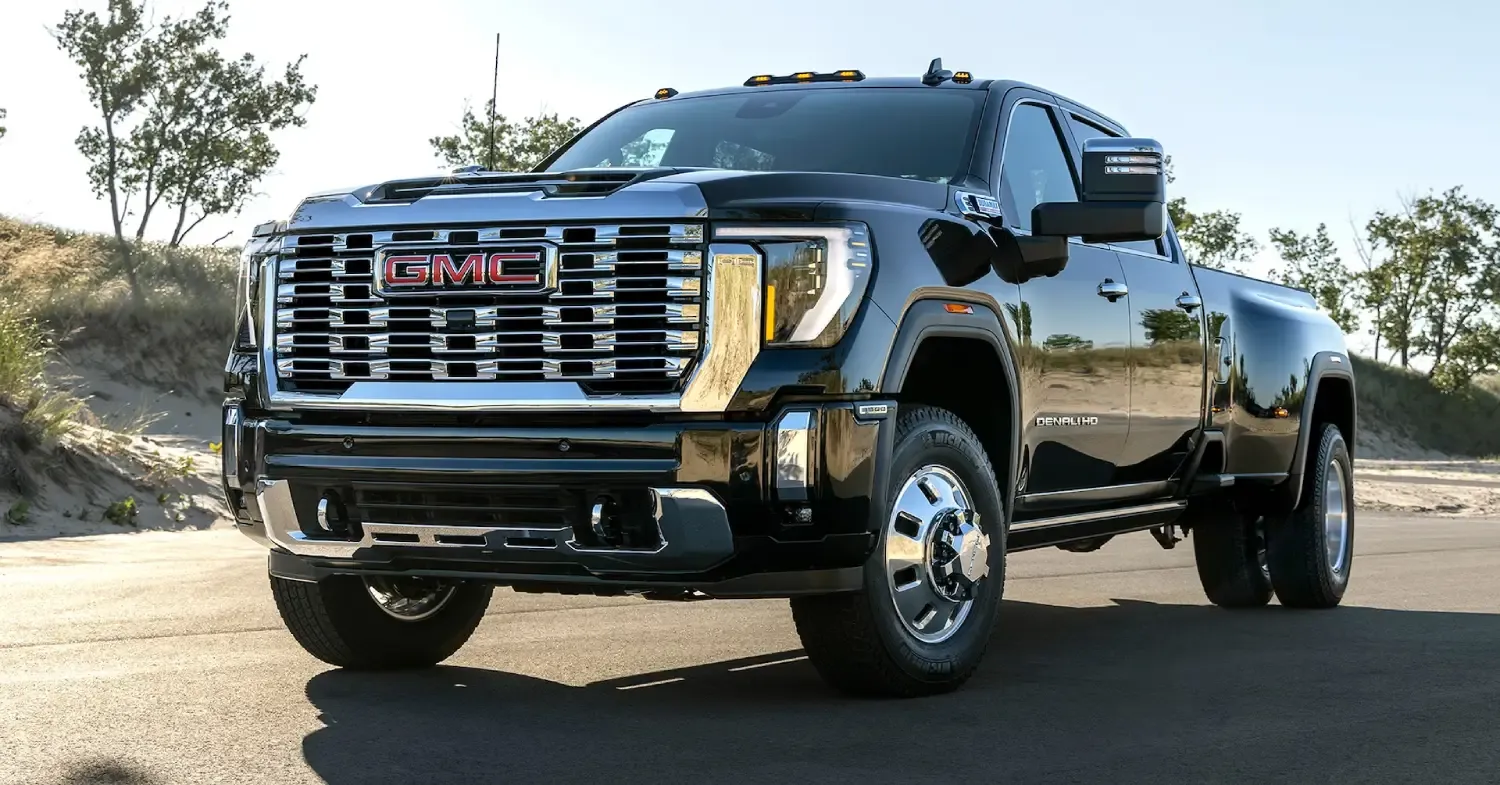
When buyers shop for pickup trucks, power figures and towing numbers often dominate the conversation. Yet for many owners, especially those who rely on their truck every single day, reliability matters far more than headline horsepower.
A truck is not just a performance tool it is a long-term investment expected to handle years of work, commuting, hauling, and harsh conditions without constant mechanical trouble. This is where brand philosophy becomes critical.
Toyota and GMC approach truck engineering from two very different angles. GMC trucks emphasize strength, refinement, and premium features, often appealing to buyers who want capability paired with comfort and modern technology.
Toyota trucks, by contrast, are built around durability, conservative engineering, and proven mechanical simplicity. Toyota’s reputation for reliability is not accidental it is the result of decades of prioritizing longevity over rapid innovation.
Modern GMC trucks offer impressive engines, advanced electronics, and upscale interiors, but these strengths often come with increased mechanical complexity.
Turbocharging, cylinder deactivation, and heavily computerized systems can improve performance and efficiency, yet they also introduce more potential failure points over time. For owners who plan to keep their trucks for ten years or more, this complexity can become costly.
Toyota trucks typically avoid radical redesigns and experimental technologies. Engines and transmissions are often carried over for many years, refined gradually rather than replaced frequently. This approach may appear conservative, but it consistently delivers trucks that reach high mileage with fewer major repairs.
This article compares five Toyota trucks known for exceptional long-term reliability against five GMC trucks that, while capable and attractive, often struggle to match Toyota’s durability over extended ownership.
The focus is not on brand loyalty or performance bragging rights, but on real-world reliability, maintenance demands, and long-term dependability, the qualities that matter most to truck owners who expect their vehicle to work hard for years.
Also Read: 5 Used SUVs With Lower Maintenance Costs Than 5 New Compact SUVs
5 Toyota Trucks Known for Exceptional Reliability
Toyota has built its truck reputation by doing something many manufacturers avoid: changing slowly and deliberately. While competitors often chase new technologies and aggressive redesigns, Toyota refines existing platforms until weaknesses are eliminated.
This philosophy has resulted in trucks that may not always lead in innovation, but consistently lead in reliability rankings and owner satisfaction over long-term ownership.
One of the biggest advantages of Toyota trucks is mechanical simplicity. Engines are typically naturally aspirated or conservatively turbocharged, transmissions are stress-tested for years before release, and electronic systems are designed with redundancy and durability in mind. This reduces the likelihood of catastrophic failures as mileage accumulates.
Toyota also designs trucks with global use in mind. Many Toyota truck platforms are sold in regions with poor fuel quality, harsh climates, and limited service infrastructure. As a result, components are overbuilt to survive abuse, neglect, and extreme conditions qualities that directly benefit owners in everyday use.
Another key factor is consistency. Toyota avoids frequent powertrain changes, allowing known issues to be addressed before they become widespread problems. Owners benefit from proven engines that mechanics understand well and parts that are widely available.
The following five Toyota trucks represent this philosophy at its best. Each has earned a reputation for reaching high mileage with minimal major repairs, making them more reliable long-term choices than many GMC alternatives that emphasize complexity and refinement over durability.
1. Toyota Tacoma
The Toyota Tacoma has long been considered one of the most reliable midsize trucks ever produced, and that reputation is well-earned. Designed with durability as a priority, the Tacoma consistently outlasts competitors when subjected to daily use, off-road driving, and long-term ownership.
One of the Tacoma’s greatest strengths is its powertrain reliability. Toyota uses engines that are not aggressively tuned, reducing stress on internal components.
These engines deliver adequate power without relying on high boost levels or complex systems that can degrade over time. As a result, Tacomas frequently exceed 300,000 miles with routine maintenance.
The Tacoma’s frame and suspension are also built to withstand abuse. Whether used for work, recreation, or off-road travel, the truck maintains structural integrity far longer than many rivals. While some GMC trucks have faced issues related to transmission durability and electronic failures, the Tacoma’s simpler systems reduce long-term risk.
Another reliability advantage is repair predictability. Parts are widely available, repairs are straightforward, and mechanics are deeply familiar with Tacoma platforms. This reduces downtime and ownership stress over many years.
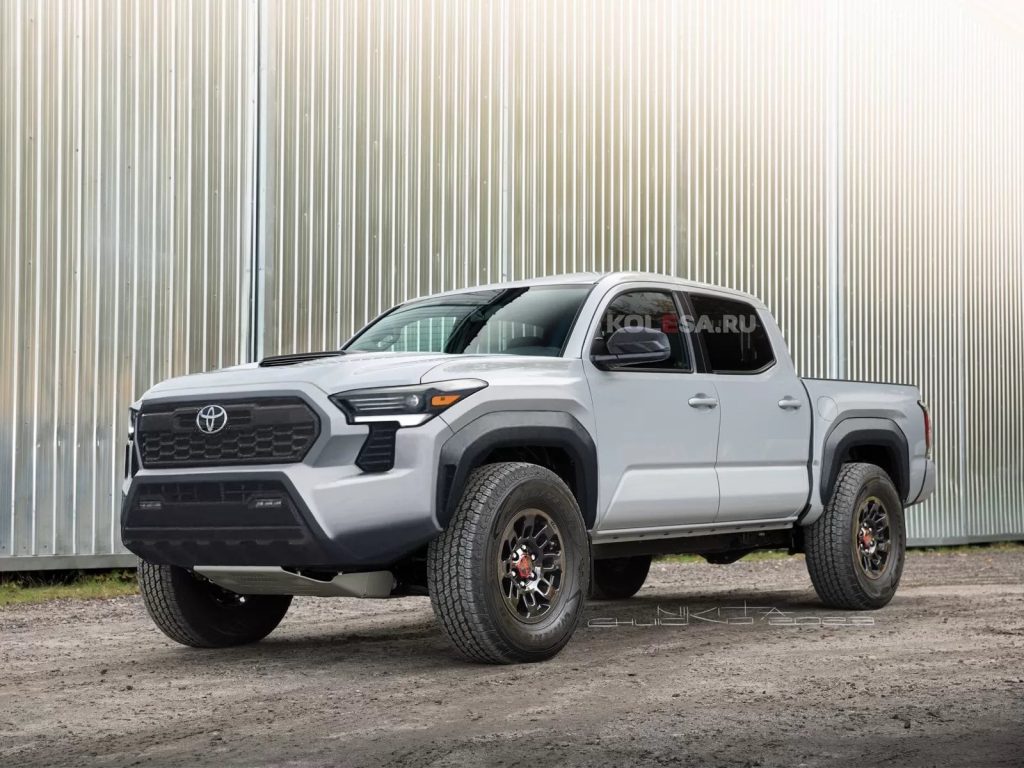
The Tacoma may not offer the most advanced technology or the quietest ride, but its reliability-focused design ensures it remains dependable long after many GMC trucks begin showing age-related issues. For owners prioritizing longevity above all else, the Tacoma sets a benchmark that is difficult to surpass.
2. Toyota Tundra
The Toyota Tundra stands as one of the most durable full-size pickup trucks ever sold, particularly when reliability over long ownership periods is the primary concern.
While many competitors, including GMC, have pursued advanced engine technologies and complex fuel-saving systems, Toyota has traditionally taken a far more conservative approach with the Tundra one that pays dividends in long-term dependability.
A major factor behind the Tundra’s reliability is its powertrain philosophy. Toyota has historically relied on proven, naturally aspirated engines rather than heavily turbocharged or downsized alternatives.
These engines operate under lower stress, generate less heat, and avoid the long-term issues often associated with forced induction systems. As a result, high-mileage Tundras frequently continue running with minimal internal engine repairs.
Transmission reliability is another strong point. Toyota rigorously tests its drivetrains before widespread release, reducing the likelihood of early failures. In contrast, several GMC full-size trucks have experienced well-documented transmission and electronic issues as mileage accumulates.
The Tundra’s build quality also contributes to its longevity. Frames, suspension components, and driveline parts are over-engineered, allowing the truck to handle towing and hauling without excessive wear. This makes the Tundra particularly appealing to owners who use their truck consistently rather than occasionally.
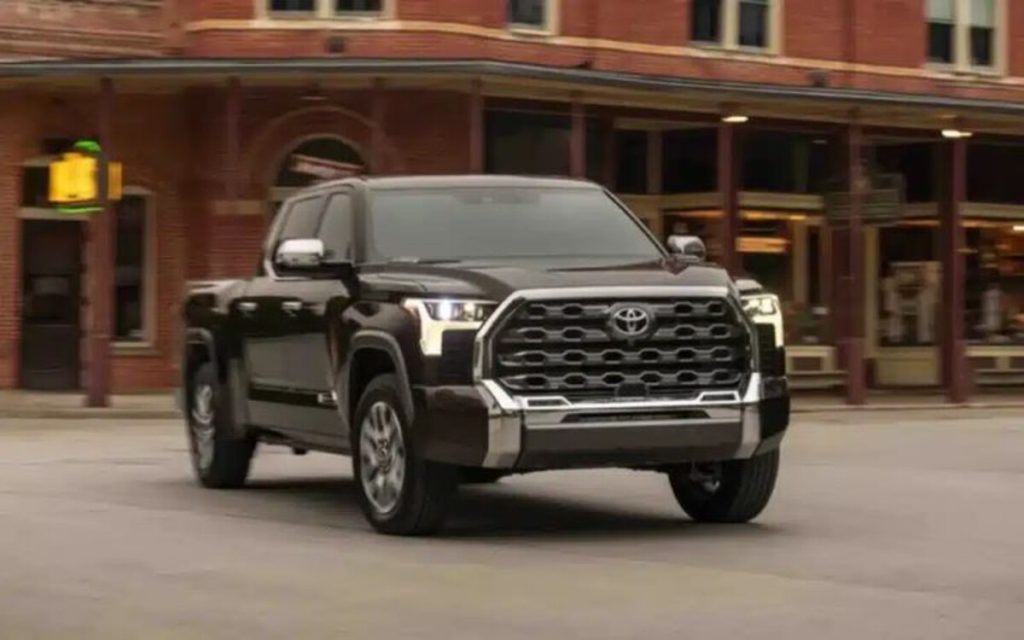
While the Tundra may not always lead in fuel efficiency or interior luxury, it excels where it matters most for long-term ownership: predictable maintenance, durable components, and consistent reliability. For buyers who want a full-size truck they can keep for a decade or more, the Tundra remains one of the safest choices available.
3. Toyota Hilux
The Toyota Hilux has achieved legendary status worldwide for its near-indestructible reputation. Although it is not sold in every market, the Hilux is widely regarded as one of the most reliable pickup trucks ever produced often outperforming competitors under the harshest conditions imaginable.
The key to the Hilux’s reliability lies in its global design philosophy. Toyota engineered the Hilux to function reliably in regions with extreme climates, poor road infrastructure, and inconsistent maintenance. This means components are deliberately overbuilt, tolerances are conservative, and mechanical simplicity is prioritized.
Engines used in the Hilux are designed for longevity rather than maximum output. They deliver dependable torque without excessive stress, allowing the truck to operate reliably even when heavily loaded or poorly maintained.
This contrasts sharply with many GMC trucks that rely on complex systems optimized for performance and refinement rather than survival.
Chassis durability is another defining strength. The Hilux’s frame and suspension are built to handle constant abuse, whether from off-road driving, heavy payloads, or continuous commercial use. Failures related to structural fatigue are rare, even at high mileage.
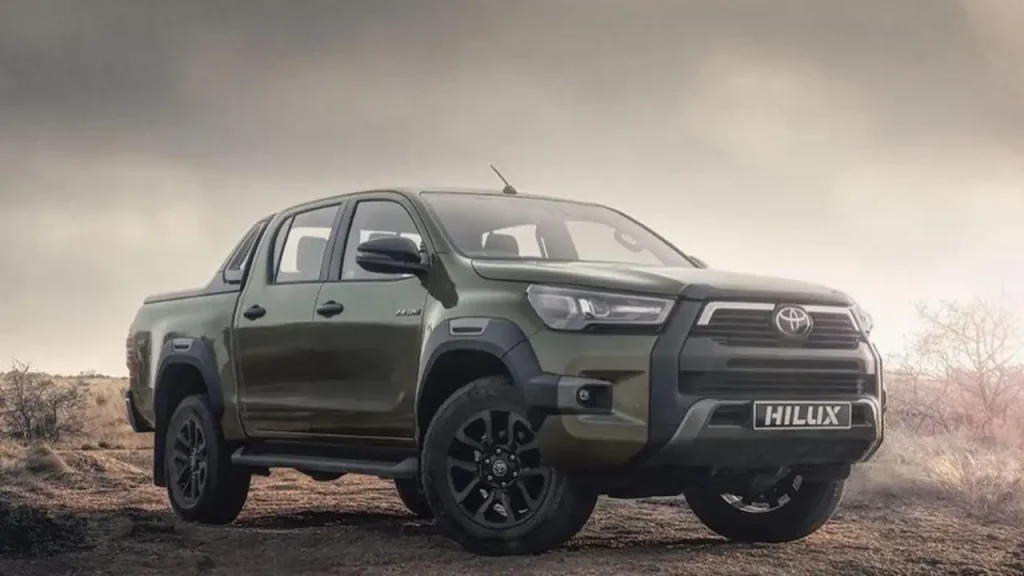
Maintenance is straightforward and predictable. Parts availability is strong, repairs are simple, and long-term operating costs remain low.
These qualities make the Hilux a benchmark for truck reliability and a clear example of Toyota’s engineering philosophy outperforming more complex GMC alternatives over extended ownership.
4. Toyota Land Cruiser Pickup
The Toyota Land Cruiser Pickup is one of the most durability-focused trucks ever built, designed from the ground up to survive extreme conditions where failure is not an option. While GMC trucks are primarily engineered for comfort, refinement, and domestic use, the Land Cruiser Pickup is built for longevity in some of the harshest environments on Earth.
One of the defining strengths of the Land Cruiser Pickup is its over-engineered construction. The frame, axles, suspension, and drivetrain are all designed with significant safety margins, allowing the truck to handle heavy loads, rough terrain, and continuous operation without accelerated wear.
This level of robustness is rarely matched by GMC trucks, which tend to prioritize ride quality and features over extreme durability.
The engines used in Land Cruiser-based pickups are deliberately understressed. Rather than chasing high horsepower numbers, Toyota focuses on reliability, torque delivery, and thermal stability. These engines are known to run for hundreds of thousands of miles with minimal internal repairs, even when maintenance schedules are less than ideal.
Electronics are kept relatively simple, reducing failure points over long-term ownership. In contrast, many GMC trucks rely heavily on complex electronic systems that can become problematic as the vehicle ages.
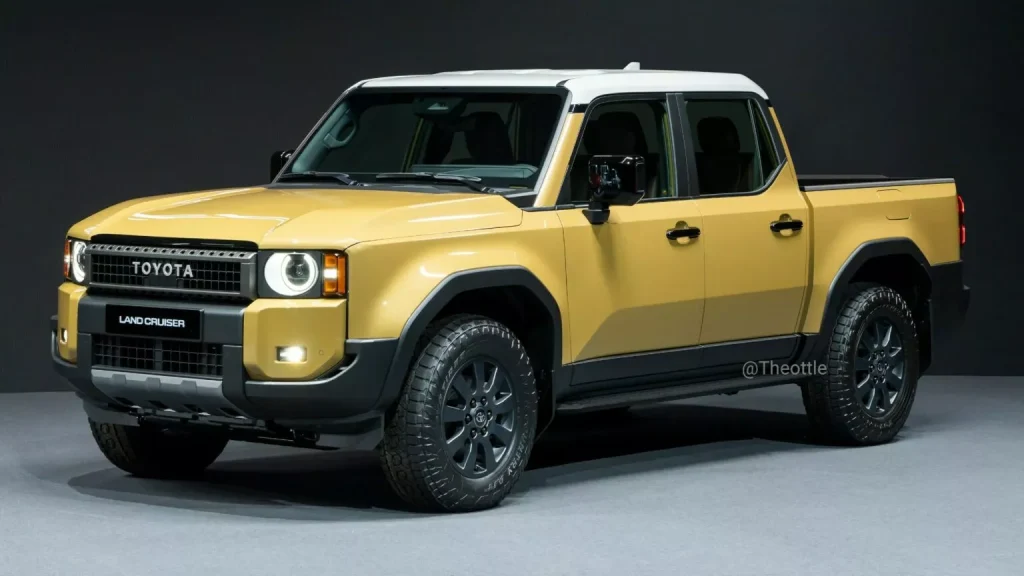
While the Land Cruiser Pickup lacks modern luxury and cutting-edge technology, it compensates with unmatched dependability.
For owners who value a truck that will function reliably year after year under demanding conditions, it stands as a powerful example of Toyota’s reliability-first philosophy outperforming GMC’s more complex approach.
5. Toyota Sequoia (Truck-Based Platform)
Although often classified as an SUV, the Toyota Sequoia is fundamentally a truck-based vehicle, sharing many mechanical components with Toyota’s full-size pickups. This shared architecture contributes directly to its reputation for long-term reliability and durability.
The Sequoia’s powertrain is built for longevity rather than efficiency optimization. Toyota avoids aggressive tuning and experimental technologies, ensuring the engine and transmission operate within safe limits throughout their lifespan. As a result, high-mileage Sequoias are common, often continuing to perform reliably well beyond expectations.
Chassis strength is another advantage. Built on a body-on-frame platform, the Sequoia handles towing, hauling, and rough use without compromising structural integrity. GMC’s truck-based SUVs and pickups, while capable, often incorporate more complex suspension and drivetrain systems that increase long-term maintenance risks.
Ownership costs also favor the Sequoia. Parts availability is excellent, repairs are predictable, and major failures are relatively rare. This makes it an attractive choice for owners who want a truck-like vehicle they can rely on for many years.
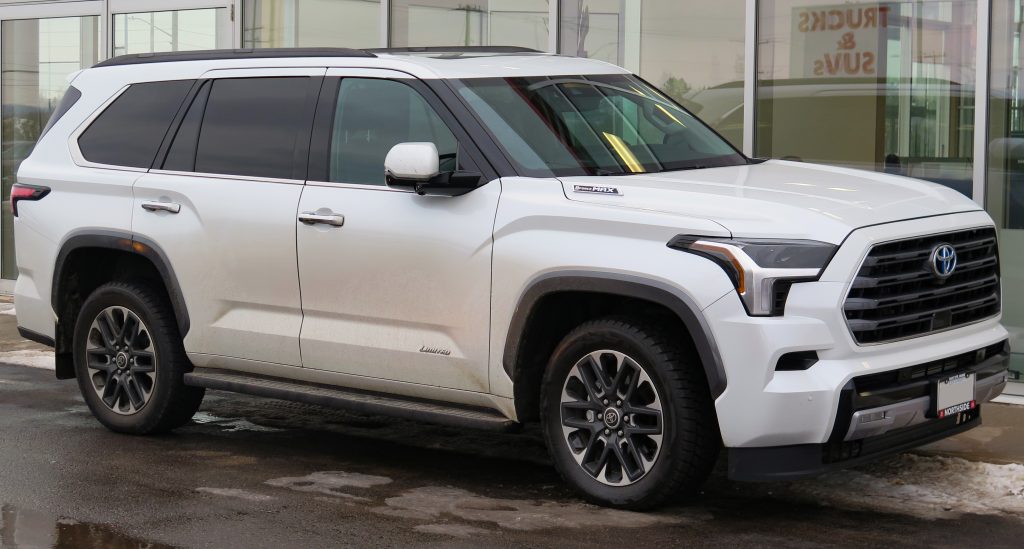
The Sequoia may not offer the most modern styling or advanced infotainment, but its proven reliability and durability make it a standout example of Toyota’s conservative engineering philosophy outperforming GMC’s more feature-driven approach over long-term ownership.
5 GMC Trucks and Long-Term Reliability
GMC trucks are widely respected for their bold styling, strong performance figures, and premium positioning within the General Motors lineup. Marketed as professional-grade vehicles, they appeal to buyers who want capability combined with upscale interiors and advanced technology.
However, when long-term reliability becomes the primary metric, GMC trucks often reveal trade-offs that place them behind Toyota alternatives.
A major factor influencing GMC reliability is engineering complexity. Modern GMC trucks frequently rely on turbocharged engines, cylinder deactivation systems, advanced transmissions, and highly integrated electronic architectures.
While these features improve efficiency, comfort, and performance, they also increase the number of components that can fail as mileage accumulates.
Another challenge is consistency. GMC powertrains and transmissions have seen frequent updates over the years. While innovation is important, rapid change can result in unresolved long-term issues. In contrast, Toyota’s slower, more deliberate development cycle allows problems to be identified and corrected before widespread release.
Maintenance costs further affect ownership experience. GMC trucks typically cost more to service over time, with repairs requiring specialized parts and diagnostic tools. Electronic failures, transmission issues, and engine management problems become more common as trucks age, particularly beyond the warranty period.
None of this makes GMC trucks poor vehicles. They are capable, comfortable, and appealing especially in short-term ownership. However, when compared directly with Toyota trucks over extended periods, GMC models often require more attention, repairs, and expense to keep them running reliably.
The following five GMC trucks demonstrate why, despite their strengths, they struggle to match Toyota’s reputation for long-term dependability.
1. GMC Sierra 1500
The GMC Sierra 1500 is one of the most popular full-size trucks in North America, offering strong towing capability, refined interiors, and a wide range of engine options. However, when judged purely on long-term reliability, it often falls short of Toyota’s full-size truck offerings.
One of the Sierra’s most common concerns lies in its powertrain complexity. Features such as cylinder deactivation and advanced automatic transmissions improve fuel economy but introduce long-term durability risks. As mileage increases, owners frequently report issues related to transmission wear and engine management systems.
Electronic complexity also plays a role. The Sierra is equipped with numerous sensors, modules, and driver-assist technologies. While impressive when new, these systems can become problematic as the vehicle ages, increasing repair frequency and cost.

Build quality is generally solid, but long-term durability varies depending on configuration and usage. Trucks used for heavy towing or daily work often experience faster wear compared to Toyota counterparts built with more conservative tolerances.
The Sierra 1500 excels in comfort and modern features, but owners planning to keep their truck for many years may find maintenance demands increasing faster than expected placing it behind Toyota trucks in long-term reliability.
2. GMC Canyon
The GMC Canyon competes in the midsize truck segment, offering a comfortable ride, strong performance, and modern styling. While it performs well in short-term ownership, reliability over extended use remains a concern when compared to Toyota’s midsize trucks.
One issue affecting the Canyon is drivetrain refinement. Transmission performance has been a recurring complaint among owners, particularly as mileage accumulates. Shifting irregularities and electronic calibration issues are more common than expected for a truck in this class.
The Canyon’s suspension and chassis are tuned for comfort rather than durability under constant heavy use. Over time, components such as bushings and suspension parts may wear faster, especially in demanding driving conditions.
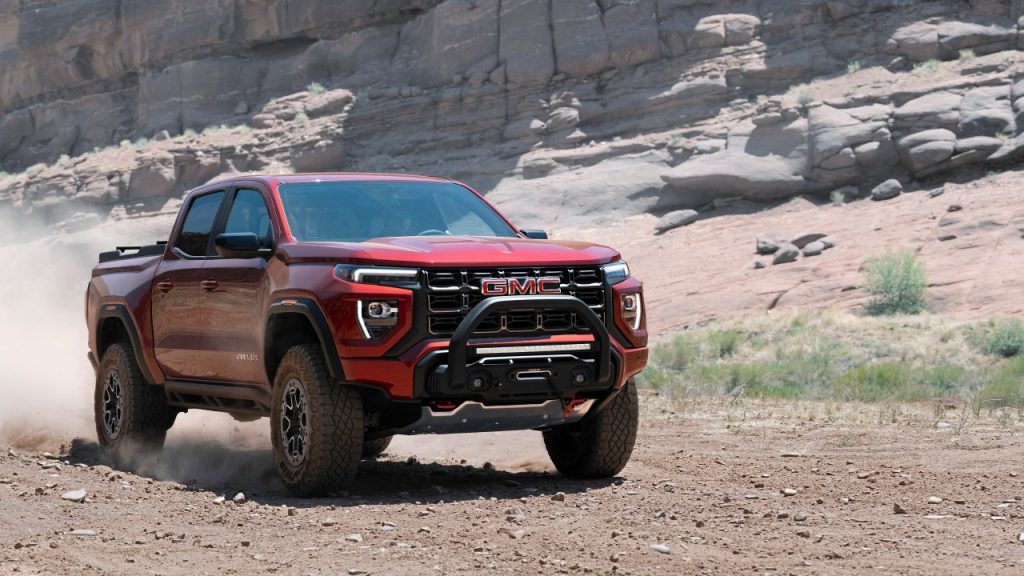
Electronic systems again play a significant role. Advanced infotainment and safety features add convenience but increase long-term repair complexity. As these systems age, faults become more likely and more expensive to resolve.
While the Canyon offers a pleasant driving experience and modern amenities, its long-term reliability record struggles to match Toyota’s simpler, more durability-focused midsize trucks.
3. GMC Sierra HD
The GMC Sierra HD is built for heavy-duty tasks, offering impressive towing capacity, strong diesel and gasoline engine options, and a commanding road presence. While it performs well in demanding roles, long-term reliability remains a concern when compared to Toyota’s heavy-duty-oriented truck platforms.
One of the primary challenges with the Sierra HD is mechanical complexity. Heavy-duty GMC trucks rely on advanced emissions systems, turbocharging, and complex transmissions to meet modern regulations and performance expectations. Over time, these systems can become sources of costly repairs, particularly once the truck is out of warranty.
The diesel variants, while powerful, are especially maintenance-intensive. Emissions-related components such as sensors, filters, and control modules add long-term ownership costs and increase the likelihood of downtime. Toyota’s heavy-duty global trucks, by comparison, are designed with simpler systems intended to operate reliably in harsh environments.
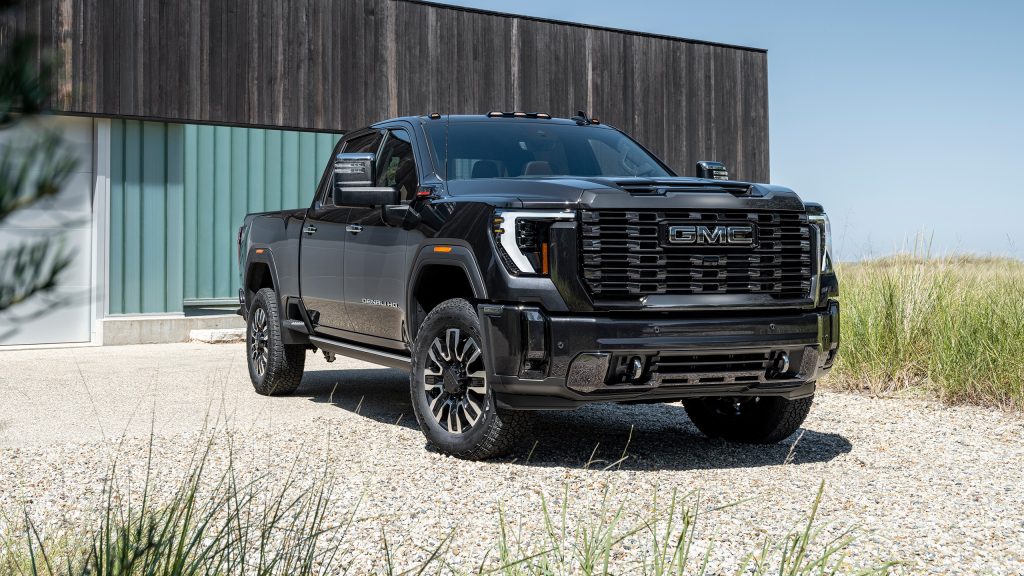
Chassis durability is strong, but supporting components such as suspension bushings, steering systems, and electronic controls tend to show wear faster under continuous heavy use. For owners using their truck daily for work, these issues can accumulate quickly.
The Sierra HD excels in capability and comfort, but long-term ownership often requires more attention and investment than Toyota’s reliability-focused trucks, placing it at a disadvantage for buyers prioritizing durability over raw capability.
4. GMC Yukon (Truck-Based Platform)
The GMC Yukon, while marketed as a full-size SUV, is fundamentally a truck-based vehicle sharing components with GMC’s pickup lineup. This platform gives it strong towing capability and a refined ride, but long-term reliability issues mirror those found in GMC’s full-size trucks.
One of the Yukon’s primary challenges is its weight combined with complex systems. Large engines, advanced transmissions, and extensive electronic features place continuous stress on mechanical components. Over time, this can lead to increased maintenance needs compared to Toyota’s truck-based vehicles.
Electronic reliability is a notable concern. The Yukon’s premium features rely on numerous sensors and control modules. As the vehicle ages, electronic faults become more frequent, increasing repair complexity and cost.
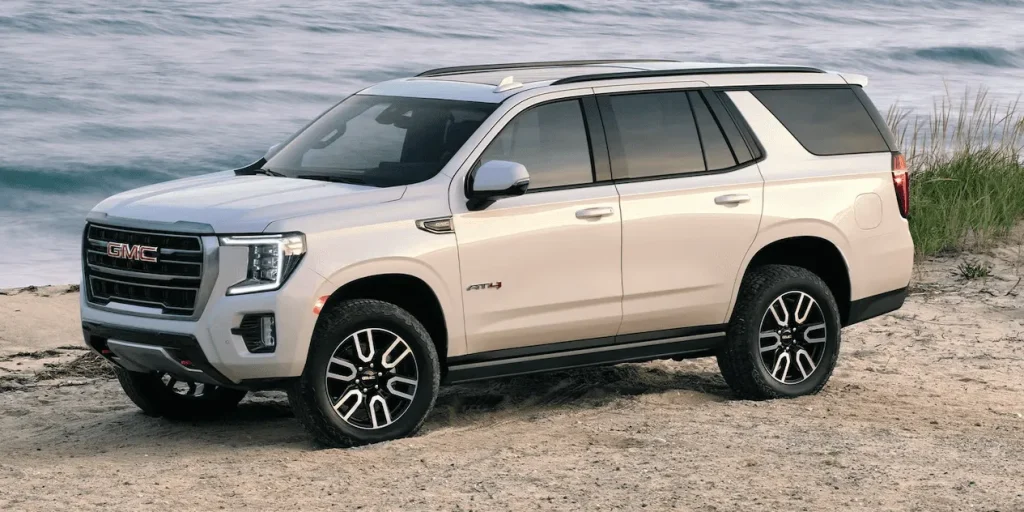
Powertrain durability varies depending on configuration, but long-term consistency remains an issue. Compared to Toyota’s conservative tuning and simpler designs, the Yukon’s advanced systems often demand more frequent servicing to maintain reliability.
While the Yukon offers comfort and luxury, it struggles to match Toyota’s reputation for long-term dependability, particularly for owners planning extended ownership.
5. GMC Hummer EV Pickup
The GMC Hummer EV Pickup represents a bold new direction for GMC, combining electric propulsion with extreme styling and cutting-edge technology.
While it showcases impressive innovation, it also highlights why GMC struggles to match Toyota’s long-term reliability philosophy especially when evaluated over extended ownership.
The Hummer EV’s biggest reliability challenge is its complexity. Packed with advanced software, multiple motors, adaptive suspension systems, and battery management electronics, the truck relies heavily on integrated systems working perfectly together.
While impressive when new, such complexity increases long-term risk as components age or software issues arise.
Battery longevity and replacement cost are major considerations. Unlike traditional trucks with proven long-life engines, the long-term durability of large EV battery packs under heavy use remains uncertain. Repairs outside warranty can be extremely expensive, and specialized service availability is limited.
Weight is another concern. The Hummer EV is exceptionally heavy, placing added strain on suspension components, brakes, and tires. Over time, this can accelerate wear and increase maintenance frequency compared to lighter, more conservatively engineered Toyota trucks.
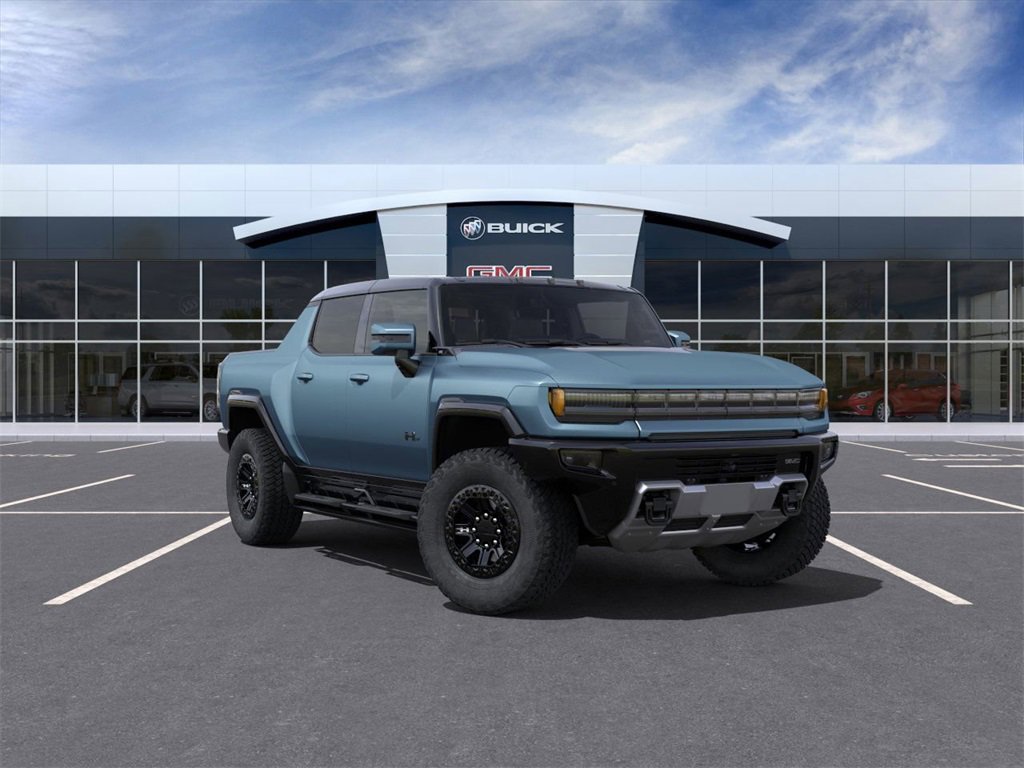
While the Hummer EV excels as a technological showcase and short-term ownership experience, it lacks the decades-proven durability philosophy that defines Toyota’s truck lineup. For buyers focused on reliability rather than innovation, it remains a risky long-term proposition.
When truck buyers look beyond styling, features, and marketing language, reliability becomes the single most important factor shaping long-term ownership satisfaction. A truck is not a disposable purchase it is a tool expected to perform consistently over years of work, commuting, towing, and exposure to harsh conditions.
In this context, the comparison between Toyota and GMC reveals a clear philosophical divide, one that consistently places Toyota ahead in long-term dependability.
Toyota’s advantage begins with its conservative engineering mindset. Rather than pursuing rapid innovation, Toyota focuses on refining proven designs over extended production cycles. Engines and transmissions are often carried forward for many years, allowing real-world issues to be identified, corrected, and minimized before changes are introduced.
This approach reduces risk for owners and results in powertrains that are predictable, durable, and capable of extremely high mileage with routine maintenance.
GMC, on the other hand, prioritizes performance, refinement, and technological advancement. While these qualities make GMC trucks appealing in the short term, they also introduce complexity.
Turbocharging, cylinder deactivation, advanced emissions systems, and dense electronic architectures all increase the number of potential failure points as vehicles age. These systems may function well under warranty, but they often become sources of costly repairs once mileage accumulates.
Another critical difference lies in global design philosophy. Toyota builds trucks for markets where poor fuel quality, extreme climates, and limited service access are common. As a result, Toyota trucks are overbuilt by necessity.
Components are designed to tolerate abuse, delayed maintenance, and harsh operating conditions. This global durability standard directly benefits everyday owners, even in markets with better infrastructure.
GMC trucks are largely designed around domestic expectations, where advanced service networks and frequent maintenance are assumed.
While this allows for higher refinement and more features, it also means less tolerance for neglect or long-term wear. Over time, this gap becomes evident in ownership costs, repair frequency, and overall reliability.
Long-term ownership data and real-world experience consistently show Toyota trucks lasting longer with fewer major mechanical failures.
High-mileage examples are common, and many owners keep their trucks for decades rather than years. This longevity translates into stronger resale value, lower lifetime cost of ownership, and greater peace of mind.
GMC trucks, by contrast, often deliver excellent performance and comfort early in their lifespan but require increasing attention as they age.
Transmission issues, electronic failures, and emissions-related repairs can accumulate, especially beyond the warranty period. For owners who plan to keep their truck long-term, these issues can erode confidence and increase costs.
It is important to note that this comparison does not suggest GMC builds inferior trucks. GMC vehicles are capable, powerful, and well-appointed.
For buyers focused on short-term ownership, towing capability, or premium features, GMC trucks can be a satisfying choice. However, when reliability becomes the primary metric especially over ten or more years of ownership, Toyota’s disciplined, durability-first approach consistently proves superior.
Ultimately, reliability is not about how impressive a truck feels on day one, but how well it performs on day three thousand.
Toyota trucks excel because they are designed with patience, restraint, and longevity in mind. They may not always lead in innovation or luxury, but they deliver something far more valuable to long-term owners: trust.
For buyers who prioritise durability, predictable ownership costs, and a truck that will continue to perform year after year with minimal drama, Toyota remains the benchmark. In the real world, where trucks are driven daily, work hard, and are expected to last, Toyota’s reliability advantage over GMC is not just noticeable; it is decisive.
Also Read: 5 High-Mileage Cars That Outlast 5 Similar Models (500k+ Potential)
