
When buyers choose an SUV, most focus on price, features, and fuel efficiency. What is often overlooked is how well a vehicle ages over time how it feels, performs, and holds value after five, eight, or even ten years of ownership. This is where the difference between compact SUVs and subcompact SUVs becomes increasingly important.
Subcompact SUVs are designed to be affordable entry points into SUV ownership. They emphasize low upfront cost, small footprints, and urban convenience.
While these qualities make them attractive when new, they often come with compromises in materials, powertrains, and structural robustness. Over time, these compromises tend to surface in the form of increased wear, reduced refinement, and faster depreciation.
Compact SUVs, by contrast, are positioned as long-term family vehicles. They typically use stronger platforms, more durable components, and better-balanced powertrains.
Interiors are built with higher-quality materials, and suspension systems are engineered to handle varied road conditions over many years. As a result, compact SUVs generally feel more solid, comfortable, and relevant as they age.
This article exists to explain why compact SUVs age better than subcompact SUVs, not just mechanically, but emotionally and financially.
Aging well means the vehicle still feels stable on the highway, the cabin doesn’t feel worn or outdated, and ownership costs remain predictable. It also means stronger resale value and fewer compromises as the vehicle gets older.
By comparing five compact SUVs with five subcompact SUVs, this article highlights how size class influences longevity. The focus is not on dismissing subcompact SUVs entirely, but on showing why buyers planning to keep a vehicle long-term are often better served by stepping up to a compact SUV.
Also Read: 5 Cars for Topeka Practical Driving vs 5 That Require Dealer Care
5 Compact SUVs That Age Better
Compact SUVs sit at the sweet spot of the SUV market. They are large enough to offer comfort, durability, and versatility, yet not so large that ownership costs become excessive. Most importantly, they are engineered with long-term ownership in mind, which allows them to age more gracefully than smaller subcompact SUVs.
One of the biggest reasons compact SUVs age better is platform strength. Compact SUVs are usually built on sturdier architectures shared with mid-size sedans or global SUV platforms.
These structures handle wear, mileage, and road imperfections better over time, maintaining ride quality and structural integrity long after subcompact SUVs begin to feel tired.
Powertrain longevity also plays a role. Compact SUVs typically use engines and transmissions that are not pushed to their limits in daily driving. Subcompact SUVs often rely on smaller engines working harder to move heavier bodies, which accelerates wear. Compact SUVs operate with more mechanical margin, improving long-term reliability.
Interior durability further separates the two segments. Compact SUVs receive better seats, thicker padding, higher-quality plastics, and more durable switchgear. These elements resist aging, preventing the cabin from feeling worn or outdated after years of use.
Finally, market positioning matters. Compact SUVs are expected to serve as primary family vehicles, so manufacturers invest more in refinement and long-term usability. This results in vehicles that still feel “right” years later, whereas subcompact SUVs often feel compromised as expectations evolve.
The following five compact SUVs were selected because they consistently age better mechanically, visually, and emotionally than most subcompact SUVs.
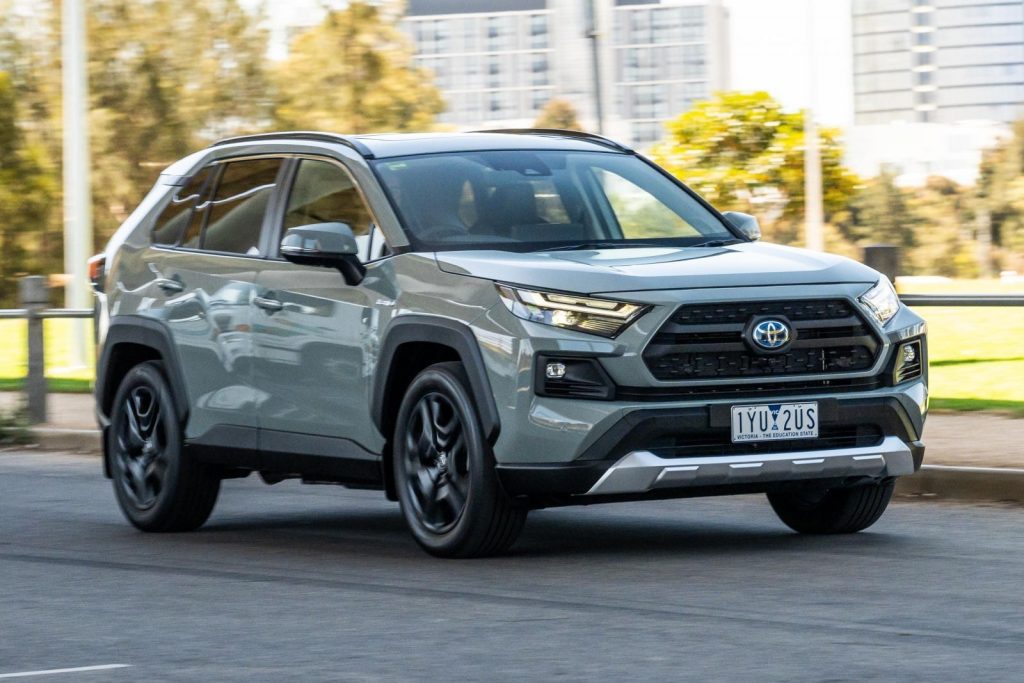
1. Toyota RAV4
The Toyota RAV4 is widely recognised as one of the best-ageing compact SUVs on the market. Its reputation for longevity is not accidental; it is the result of conservative engineering, durable materials, and a design philosophy centered on long-term ownership rather than short-term appeal.
Mechanically, the RAV4 benefits from powertrains that are tuned for reliability rather than performance extremes.
Engines operate well within their stress limits, reducing long-term wear. Transmissions are calibrated for smoothness and durability, which helps the vehicle maintain consistent performance even at higher mileage.
Structurally, the RAV4 feels solid long after many subcompact SUVs begin to show signs of fatigue.
Suspension components are robust enough to handle years of uneven roads, potholes, and highway driving without excessive noise or looseness. This contributes to a ride quality that remains composed as the vehicle ages.
Interior aging is another strong point. Materials are chosen for durability rather than flashiness. Seats maintain their shape, buttons retain tactile quality, and interior panels resist rattling. This is an area where many subcompact SUVs fall behind, as cost-driven interiors tend to degrade faster.
The RAV4 also ages well financially. Strong resale value and predictable maintenance costs make it easier to keep over long periods. Owners are less likely to feel pressured to replace the vehicle due to rising repair costs or declining comfort.
For buyers seeking a compact SUV that remains dependable, comfortable, and relevant over time, the Toyota RAV4 exemplifies why compact SUVs generally age better than subcompact alternatives.
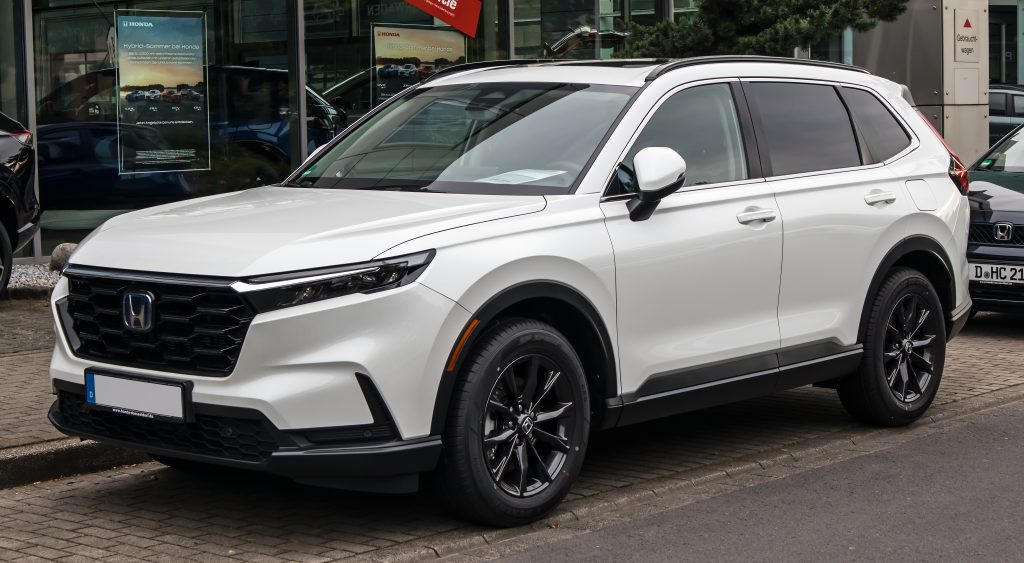
2. Honda CR-V
The Honda CR-V has long been regarded as one of the most sensible long-term ownership choices in the compact SUV segment, and its ability to age gracefully is a major reason why. Rather than chasing trends or aggressive styling, the CR-V focuses on balance, durability, and everyday refinement qualities that become more valuable as a vehicle grows older.
From a mechanical standpoint, the CR-V benefits from powertrains that are engineered for longevity. Engines are not overstressed, and transmission tuning emphasizes smooth, predictable operation rather than sharp responses.
This reduces wear over time and helps the vehicle maintain consistent performance well into higher mileage ranges. Many subcompact SUVs rely on smaller engines working harder, which often leads to earlier fatigue.
Ride quality is another area where the CR-V ages better. Its suspension is tuned to absorb road imperfections without feeling soft or loose as components wear. Even after years of use, the CR-V typically maintains a composed, quiet ride something subcompact SUVs often struggle to preserve due to lighter construction and cost-focused suspension setups.
Interior durability further reinforces the CR-V’s long-term appeal. Materials are chosen for resilience rather than visual impact. Seats hold their shape, control surfaces resist wear, and cabin noise remains well managed. In contrast, subcompact SUVs often show interior aging quickly through squeaks, worn fabrics, and fading trim.
Finally, the CR-V’s broad market appeal helps it age well financially. Strong resale value and a reputation for reliability mean owners feel confident keeping the vehicle longer.
The Honda CR-V demonstrates how thoughtful engineering allows a compact SUV to remain comfortable, reliable, and desirable long after purchase.
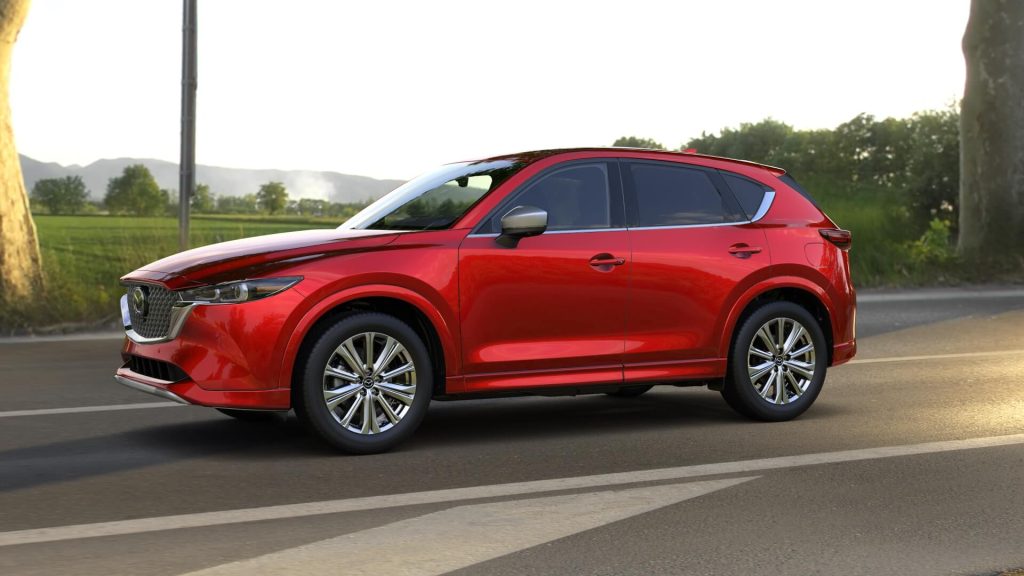
3. Mazda CX-5
The Mazda CX-5 stands out among compact SUVs for its emphasis on quality and driving refinement, and these traits contribute significantly to how well it ages compared to subcompact SUVs. While many vehicles feel less engaging or refined as the years pass, the CX-5 tends to retain its sense of solidity and polish.
One of the key reasons the CX-5 ages well is its structural integrity. Mazda builds the CX-5 with a strong chassis that resists flex and maintains tight handling characteristics over time. As suspension components wear, the vehicle continues to feel controlled rather than loose a contrast to many subcompact SUVs that begin to feel unsettled with age.
Powertrain balance also plays an important role. The CX-5’s engines and transmissions are well matched, allowing smooth power delivery without excessive strain. Subcompact SUVs often rely on small turbocharged engines that feel stressed as mileage increases, while the CX-5’s setup remains relaxed and predictable.
Interior quality is another defining advantage. Mazda uses higher-grade materials than most vehicles in its price range, resulting in cabins that age gracefully. Switchgear remains tactile, upholstery resists wear, and overall fit and finish continue to feel premium even after years of use.
From an ownership perspective, the CX-5 avoids the “disposable” feeling that can affect subcompact SUVs. It continues to feel like a well-rounded, complete vehicle rather than an entry-level compromise. This makes the Mazda CX-5 a strong example of why compact SUVs tend to age better emotionally and mechanically.
4. Subaru Forester
The Subaru Forester has earned a reputation as one of the most durable compact SUVs over long ownership periods, and that durability directly translates into how well it ages compared to subcompact SUVs. Rather than focusing on flashy features or short-term appeal, the Forester is engineered for consistency, safety, and long-term usability.
One of the Forester’s strongest aging advantages is its mechanical simplicity and balance. Subaru’s powertrain setup is tuned conservatively, avoiding aggressive outputs that accelerate wear.
This allows the vehicle to deliver consistent performance year after year without feeling strained. Many subcompact SUVs push smaller engines harder, which often leads to earlier mechanical fatigue.
The Forester’s suspension and chassis are also built with longevity in mind. Designed to handle rough roads, weather variations, and uneven terrain, the suspension maintains composure even as mileage accumulates. Subcompact SUVs, built lighter and cheaper, tend to feel loose or noisy much sooner.
Interior aging is another area where the Forester performs well. Materials are practical and durable rather than decorative.
Seats resist sagging, controls remain functional, and cabin noise stays controlled over time. Subcompact SUVs frequently suffer from early interior wear due to thinner padding and lower-grade plastics.
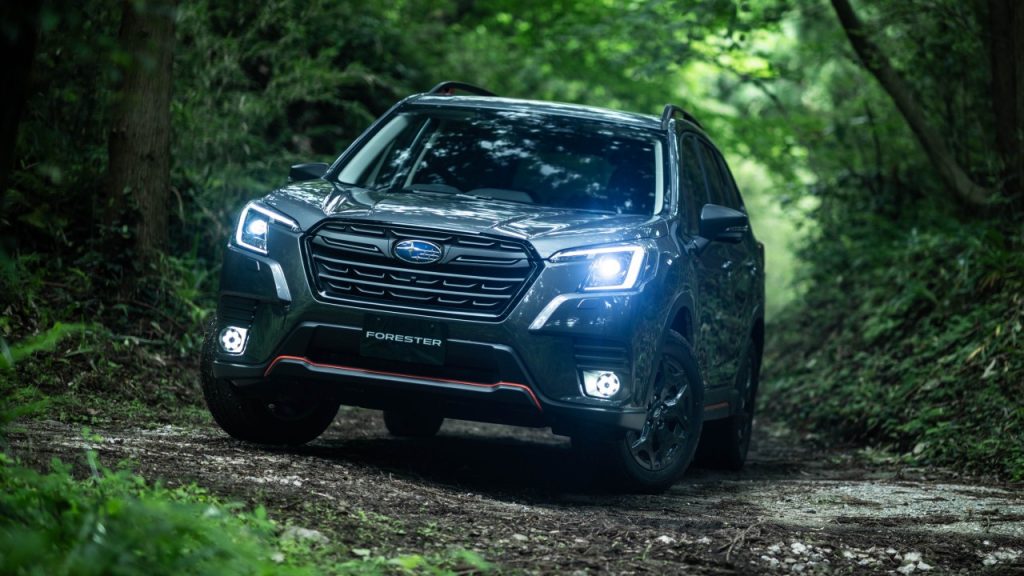
Finally, the Forester ages well emotionally. Owners often keep them longer because the vehicle continues to meet real-world needs without frustration. It doesn’t feel obsolete quickly, and it doesn’t punish owners with rising discomfort or repair anxiety.
The Subaru Forester shows that thoughtful engineering not size alone, is why compact SUVs often outlast and out-age their smaller counterparts.
5. Toyota Corolla Cross
The Toyota Corolla Cross sits at the lower end of the compact SUV category, yet it still ages significantly better than most subcompact SUVs. Its strength lies in being engineered as a long-term ownership vehicle rather than an entry-level compromise.
Mechanically, the Corolla Cross benefits from Toyota’s conservative powertrain philosophy. The engine and transmission are designed to operate comfortably within their limits, reducing long-term stress. Subcompact SUVs often rely on smaller engines working harder, which accelerates wear over time.
Ride quality is another aging advantage. The Corolla Cross is heavier and better insulated than subcompact SUVs, allowing it to absorb road imperfections without excessive vibration or noise as components age. Over time, this contributes to a calmer and more stable driving experience.
Interior durability further supports its longevity. While not luxurious, the cabin uses materials chosen for endurance. Controls remain solid, seat cushioning holds up well, and interior panels resist rattling. Subcompact SUVs often feel worn much earlier due to cost-driven interiors.
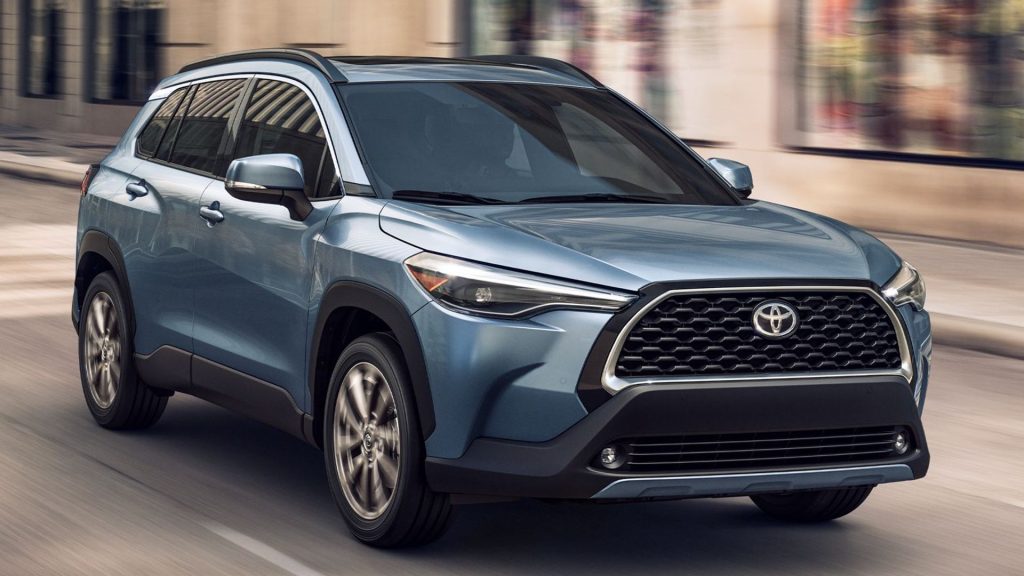
Resale value and ownership confidence also matter when aging is considered. The Corolla Cross holds its value well, and predictable maintenance costs encourage owners to keep it longer. Rather than feeling like a temporary step-up vehicle, it remains satisfying years down the line.
The Corolla Cross demonstrates that even compact SUVs at the affordable end of the segment age more gracefully than most subcompact SUVs.
With the five compact SUVs clearly established as vehicles that age well mechanically, emotionally, and financially, the focus now shifts to subcompact SUVs.
The next section explains why, despite their popularity and affordability, many subcompact SUVs struggle to age as gracefully over time.
5 Subcompact SUVs
Subcompact SUVs have become extremely popular because they offer SUV styling, higher seating positions, and urban-friendly dimensions at relatively low prices. For many buyers, they represent an affordable gateway into SUV ownership.
However, when vehicles are evaluated over a longer ownership horizon, subcompact SUVs often struggle to age gracefully, especially when compared to compact SUVs designed for broader and longer-term use.
The core issue lies in engineering priorities. Subcompact SUVs are built to meet aggressive cost and efficiency targets. To achieve this, manufacturers often use lighter platforms, smaller engines, thinner interior materials, and simplified suspension systems.
While these choices help keep prices low, they reduce the vehicle’s ability to absorb years of wear without losing refinement.
Powertrains in subcompact SUVs are frequently pushed harder than those in compact SUVs. Smaller engines must work near their limits to move relatively tall, heavy bodies, which accelerates wear over time. Transmissions are tuned for efficiency rather than longevity under load, and as mileage increases, smoothness often declines.
Interior aging is another common challenge. To control costs, subcompact SUVs use lower-grade plastics, thinner seat cushioning, and lighter switchgear. These materials show wear earlier, leading to cabins that feel tired or noisy after a few years. Compact SUVs, by comparison, are built with longer-term durability in mind.
This section examines five popular subcompact SUVs not because they are bad vehicles, but because they illustrate how entry-level SUV design compromises affect long-term aging.
They are well-suited for short-term ownership and urban use, but over time, their limitations become more noticeable especially when compared to compact SUVs that remain composed and comfortable well into later years.
1. Hyundai Venue
The Hyundai Venue is a well-designed subcompact SUV that excels at affordability and city usability, but its long-term aging characteristics reflect the compromises typical of the segment. While pleasant when new, the Venue tends to show signs of wear sooner than compact SUVs built for longer ownership cycles.
One of the Venue’s primary aging challenges is its lightweight construction. While this benefits fuel efficiency and maneuverability, it reduces long-term structural robustness. As mileage increases, road noise, vibration, and suspension fatigue become more noticeable issues compact SUVs are better equipped to manage.
Powertrain stress also affects how the Venue ages. Its small engine must work hard to maintain highway speeds and handle full passenger loads.
Over time, this constant effort can lead to reduced smoothness and increased mechanical wear. Compact SUVs operate with more powertrain headroom, allowing them to age with less strain.
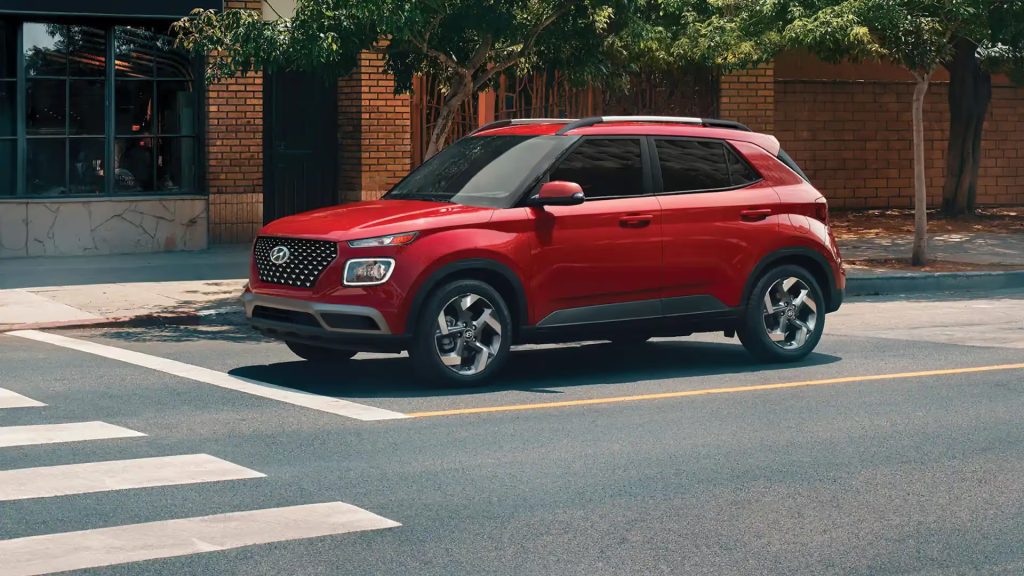
Interior durability is another concern. The Venue’s cabin materials are functional but thin, and frequent use reveals wear in seat padding, plastics, and control surfaces relatively quickly. Squeaks and rattles are more likely to appear as the vehicle ages.
While the Venue remains economical and easy to live with, it often begins to feel less refined after several years. This makes it a good short-term ownership option but a less satisfying long-term vehicle compared to compact SUVs designed to age gracefully.
2. Kia Sonet
The Kia Sonet is one of the most feature-rich subcompact SUVs in its segment, often impressing buyers with its technology and styling at an affordable price point. However, when evaluated over a longer ownership period, the Sonet demonstrates why subcompact SUVs generally struggle to age as well as compact SUVs.
One of the primary aging challenges for the Sonet is platform lightness. Designed primarily for urban use, its structure prioritizes efficiency and cost control over long-term robustness.
As mileage increases, suspension wear and cabin noise become more noticeable, especially on rough roads. Compact SUVs, with heavier-duty underpinnings, maintain ride composure for much longer.
Powertrain stress also plays a role. The Sonet’s small-displacement engines are tuned to deliver adequate performance, but they often operate near their limits during highway driving or when fully loaded. Over time, this can result in reduced smoothness and increased drivetrain fatigue issues that are less common in compact SUVs with greater mechanical headroom.
Interior materials further highlight aging differences. While the Sonet’s cabin looks modern when new, thinner plastics and lighter seat cushioning tend to show wear sooner. Touchpoints such as steering wheels, armrests, and door panels lose their premium feel faster than those in compact SUVs.
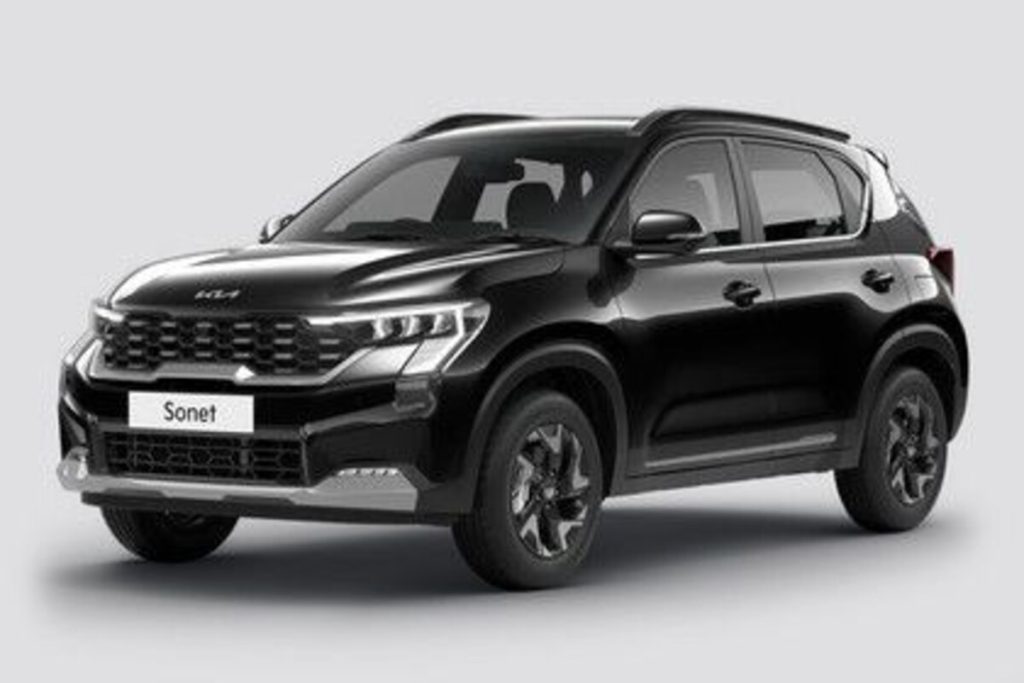
Feature density can also impact aging. Packed with electronics at launch, the Sonet risks feeling outdated sooner as newer tech emerges, whereas compact SUVs often balance features with durability and long-term usability.
The Kia Sonet excels as a short- to mid-term ownership vehicle, but over time, its cost-driven compromises become more apparent compared to compact SUVs designed for longevity.
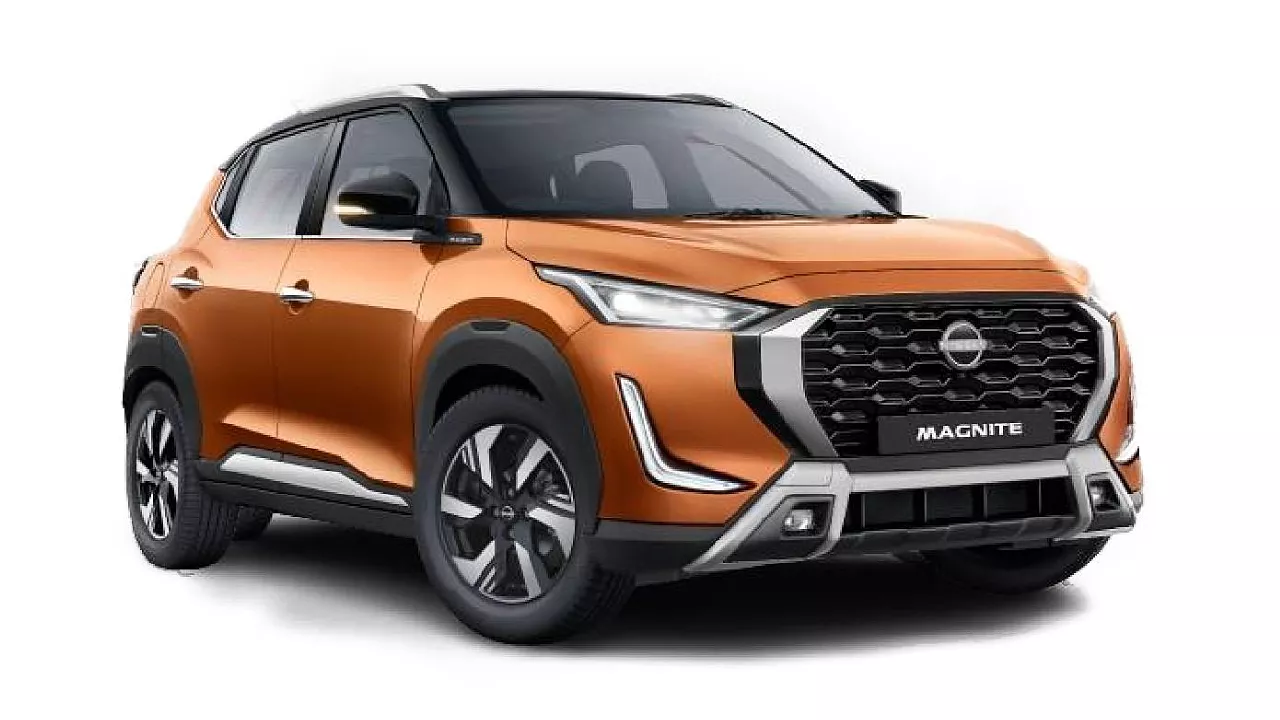
3. Nissan Magnite
The Nissan Magnite was introduced as a value-focused subcompact SUV, offering aggressive pricing and bold styling. While this strategy made it popular initially, the Magnite’s long-term aging characteristics reflect the challenges inherent in entry-level SUV design.
A major factor affecting how the Magnite ages is material quality. Interior plastics are thin and prioritize cost savings, leading to quicker wear and increased cabin noise as the vehicle ages. Compact SUVs typically use higher-grade materials that better withstand years of daily use.
Powertrain limitations also influence longevity. The Magnite’s small engine must work harder to maintain performance, particularly during highway driving. Over time, this constant strain can reduce refinement and increase maintenance needs. Compact SUVs benefit from more relaxed powertrain operation, which supports longer-lasting smoothness.
Suspension durability further differentiates the Magnite from larger SUVs. Built for lightness rather than endurance, its suspension components wear faster on uneven roads, leading to reduced ride comfort and increased vibration.
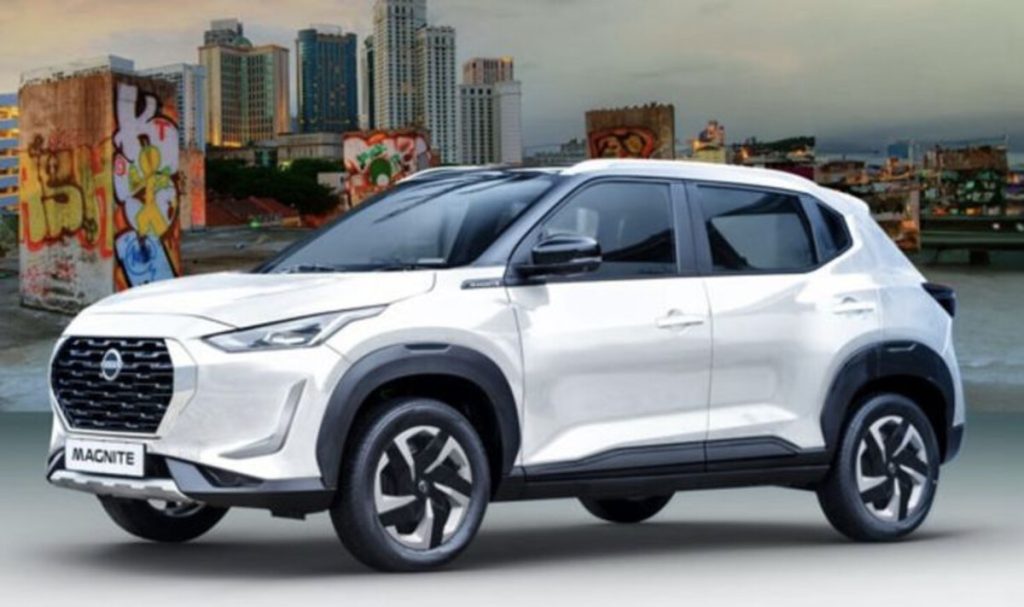
While the Magnite offers excellent affordability and urban convenience, it often begins to feel dated and less refined after several years. This makes it suitable for buyers prioritizing low upfront cost, but less ideal for those seeking a vehicle that ages gracefully over a long ownership period.
4. Renault Kiger
The Renault Kiger is positioned as a stylish, budget-friendly subcompact SUV, offering bold design and competitive pricing. While it succeeds in attracting first-time buyers, its long-term aging characteristics reveal the limitations typical of cost-focused subcompact SUVs especially when compared to more robust compact SUVs.
One of the main challenges in how the Kiger ages is structural lightness. Designed to keep weight and costs low, the platform lacks the long-term solidity found in compact SUVs. As mileage increases, owners often notice increased road noise, vibration, and a general loss of refinement issues that compact SUVs are better insulated against.
Powertrain stress further affects longevity. The Kiger’s small engine must work hard to deliver acceptable performance, particularly on highways or with a full passenger load. Over time, this higher operating strain can reduce smoothness and accelerate wear. Compact SUVs benefit from more relaxed powertrain operation, which helps preserve long-term drivability.
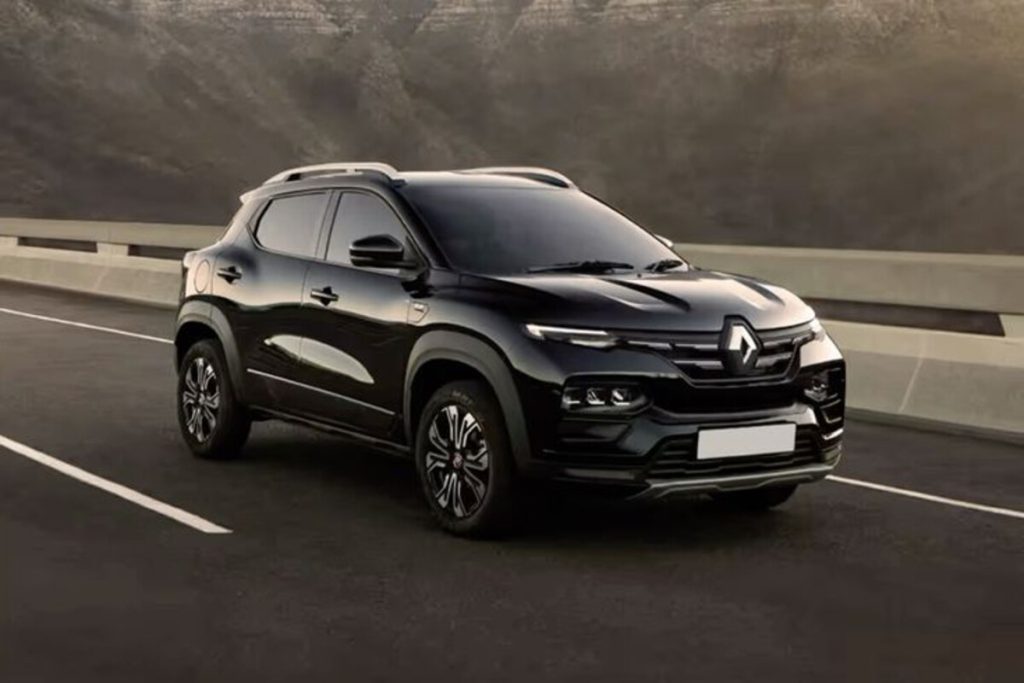
Interior durability is another weak point. While visually appealing when new, the Kiger’s interior materials are thin and prone to early wear. Seat cushioning compresses faster, plastics scratch easily, and minor rattles are more likely to develop as the vehicle ages.
The Kiger is well-suited for short-term ownership and urban use, but its aging curve is steeper than that of compact SUVs. Over several years, the compromises made for affordability become increasingly apparent, reinforcing why compact SUVs tend to age more gracefully.
5. Maruti Suzuki Fronx
The Maruti Suzuki Fronx blends crossover styling with hatchback underpinnings, making it one of the most approachable subcompact SUVs on the market. While efficient and easy to own, its long-term aging characteristics reflect its entry-level foundations.
The Fronx’s lightweight platform prioritizes efficiency and maneuverability, but this comes at the cost of long-term robustness.
As mileage accumulates, road imperfections are transmitted more clearly into the cabin, and suspension wear becomes noticeable sooner than in compact SUVs with heavier-duty components.
Powertrain tuning also influences how the Fronx ages. Small engines must operate closer to their limits during sustained highway driving, which can reduce refinement over time. Compact SUVs benefit from greater mechanical headroom, allowing them to maintain smoothness even as they age.
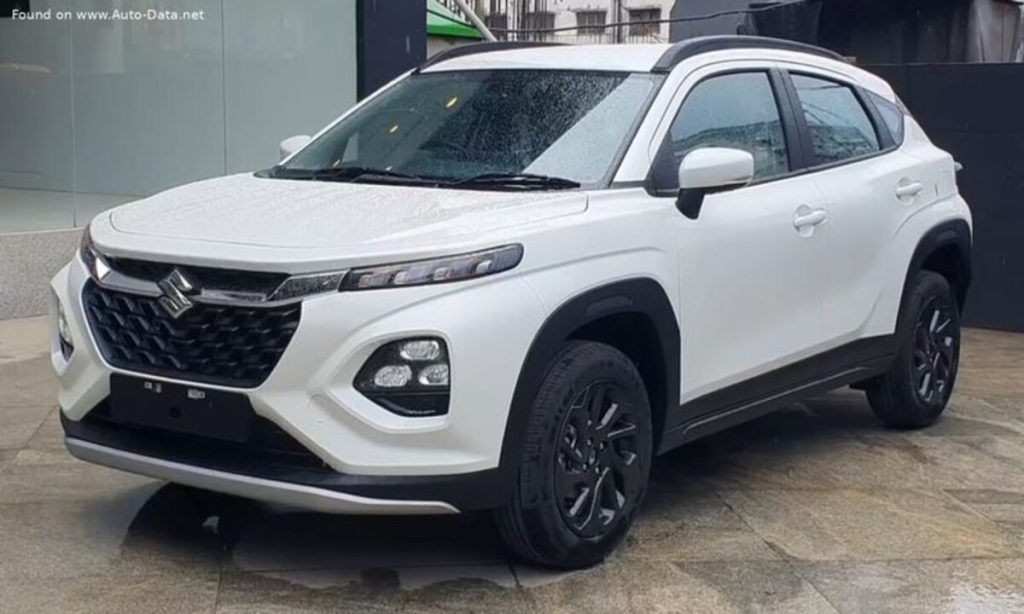
Interior materials further highlight the gap. While practical and functional, the Fronx’s cabin uses cost-focused plastics and thinner seat padding. These materials tend to show wear earlier, making the interior feel dated faster than those of compact SUVs.
The Fronx remains an excellent choice for buyers prioritizing affordability and efficiency, but over long ownership periods, it lacks the durability and composure that allow compact SUVs to remain satisfying for many years.
With both compact SUVs and subcompact SUVs fully examined, the contrast in long-term aging becomes clear. The final summary will bring together these insights to explain why compact SUVs consistently offer better long-term value, refinement, and ownership satisfaction.
