
When people talk about car reliability, they often mean trouble-free ownership for five or ten years. True longevity, however, is measured in hundreds of thousands of kilometres the kind of mileage most vehicles never reach.
Cars that cross the 500,000 km (or more) threshold are not accidents; they are the result of conservative engineering, mechanical simplicity, and designs that prioritize durability over performance or novelty.
Many vehicles look similar on paper. They share body styles, engine sizes, and even platforms. Yet over time, a clear separation emerges.
Some cars continue running reliably with routine maintenance, while others suffer major engine, transmission, or electronic failures long before reaching extreme mileage. This contrast is what makes high-mileage vehicles so fascinating and valuable to study.
This article compares five proven high-mileage cars known to regularly exceed 500,000 km with five similar models that rarely achieve the same lifespan. The goal is not to criticize the shorter-lived vehicles, but to explain why certain designs age exceptionally well while others decline sooner despite appearing comparable when new.
High-mileage cars typically share common traits: understressed engines, simple transmissions, durable materials, and predictable maintenance needs.
They are often favored by taxi drivers, fleet operators, and long-distance commuters people who push vehicles far beyond average usage. Similar models, by contrast, may emphasize performance, complexity, or cost-cutting, which limits their ability to survive extreme mileage.
Understanding why some cars reach legendary mileage while others don’t helps buyers make smarter long-term decisions, especially those who value durability over novelty. This comparison focuses on real-world longevity, not marketing claims, and highlights what truly allows a car to last half a million kilometers or more.
Also Read: 5 Family Sedans That Are Safer Than 5 Budget SUVs
5 High-Mileage Cars (500,000 km+ Potential)
Cars capable of reaching 500,000 kilometers are engineered differently even if manufacturers never advertise that capability. These vehicles are typically designed with mechanical margin, meaning their engines and drivetrains operate well below maximum stress during normal use. This margin dramatically reduces long-term wear.
Another key factor is simplicity. High-mileage cars often avoid experimental technology, complex forced induction, or fragile electronics. Instead, they rely on proven engine designs, conventional automatic or manual transmissions, and conservative tuning. This makes them easier to maintain and less prone to catastrophic failure.
Maintenance culture also plays a role. Cars that reach extreme mileage are usually owned by people who follow service intervals religiously. But maintenance alone is not enough many cars are well maintained yet never approach 500,000 km. Only vehicles designed for endurance truly survive that long.
The five cars in this section are not theoretical examples. They are vehicles with global reputations for extreme mileage, commonly found in taxi fleets, rural service, and high-mileage commuter use. Their track records consistently outperform similar competitors.
Each model below explains why it was engineered to last, not just why it’s reliable in the short term. These are machines built for the long haul.
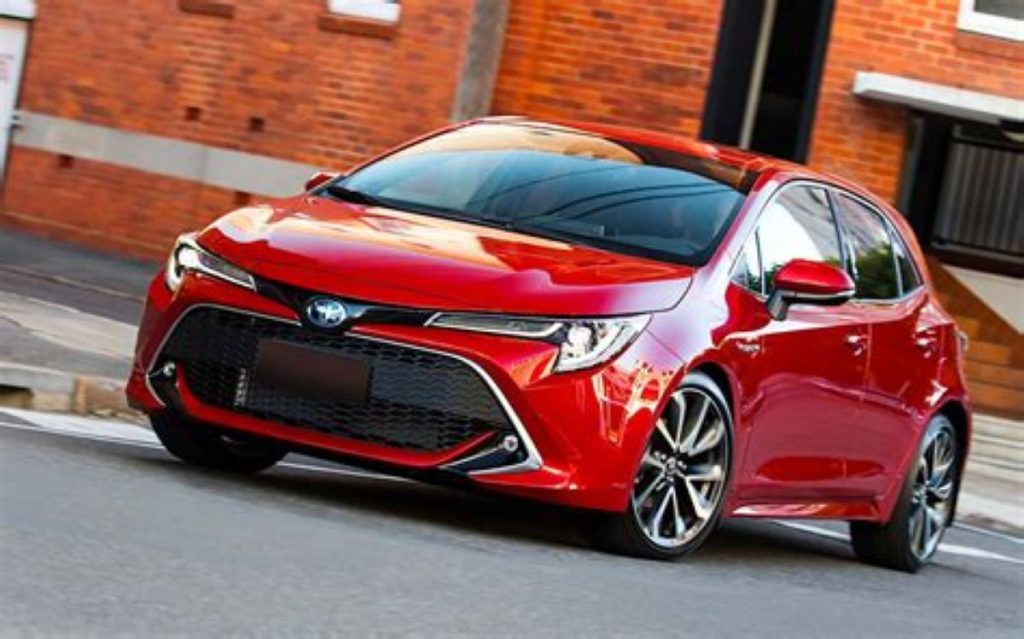
1. Toyota Corolla
The Toyota Corolla is one of the most documented high-mileage cars in automotive history, with countless real-world examples exceeding 500,000 km on original engines and transmissions. Its longevity is not accidental it is the result of Toyota’s deeply conservative engineering philosophy.
At the core of the Corolla’s endurance is its understressed engine design. Rather than chasing high horsepower figures, Corolla engines prioritize smooth operation and low internal stress.
They operate comfortably at everyday speeds, reducing wear on pistons, bearings, and valve components over time. This is a major reason they survive extreme mileage without rebuilds.
Transmission durability is another strength. Whether equipped with manual or traditional automatic gearboxes, Corollas avoid overly complex transmission designs.
Shift programming favors smoothness over aggression, which minimizes long-term internal damage. Many similar cars adopt more advanced but fragile transmission technologies that struggle beyond average lifespans.
Cooling and lubrication systems are equally conservative. The Corolla maintains stable operating temperatures even in harsh climates, preventing heat-related degradation one of the most common causes of engine failure at high mileage.
Interior and chassis durability also contribute indirectly. A car that remains comfortable, quiet, and structurally sound is more likely to be kept and maintained rather than discarded early. Corollas resist rattles, suspension collapse, and electrical gremlins far better than many peers.
The Toyota Corolla proves that extreme longevity is achieved not through innovation, but through restraint. It sets the benchmark against which many “similar” cars are measured and often fall short.
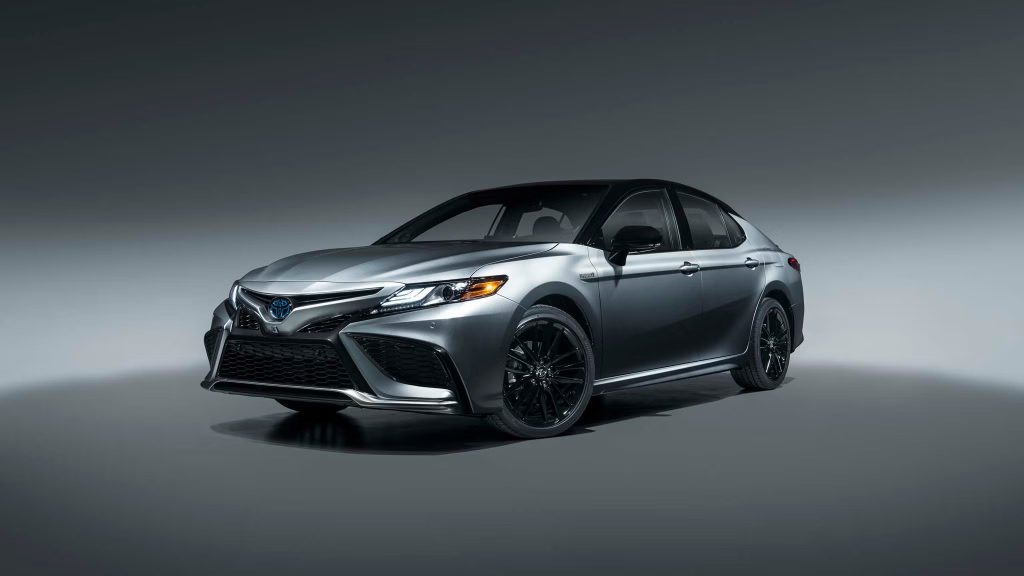
2. Toyota Camry
The Toyota Camry has long been a favorite among high-mileage drivers, especially taxi operators and long-distance commuters, because it combines durability with comfort two qualities that encourage owners to keep the car far beyond average lifespans. Reaching 500,000 km in a Camry is not rare; in many regions, it is expected with proper maintenance.
The Camry’s longevity starts with its engine tuning philosophy. Toyota designs Camry engines to deliver adequate power without stressing internal components.
Power delivery is smooth and linear, which reduces long-term strain on pistons, crankshafts, and valve trains. Unlike similar midsize sedans that push output for performance appeal, the Camry prioritizes consistency and mechanical calm.
Transmission reliability further supports extreme mileage. Traditional automatic gearboxes used in Camry models are designed for durability rather than rapid shifting. This reduces heat buildup and clutch wear two major contributors to transmission failure in similar cars that adopt more aggressive or complex designs.
Chassis and suspension longevity also play a role. The Camry’s suspension components are built to handle years of imperfect roads without excessive wear. As a result, the car maintains ride quality even as mileage accumulates, making it more likely owners will continue investing in maintenance rather than replacing the vehicle.
Interior durability reinforces this cycle. Materials are chosen for wear resistance rather than visual drama, allowing the cabin to remain usable and quiet long after competitors develop rattles or electronic faults.
The Toyota Camry shows that a comfortable, conservative sedan can also be an extreme-mileage champion, often outlasting similar midsize cars that appear equally capable when new.
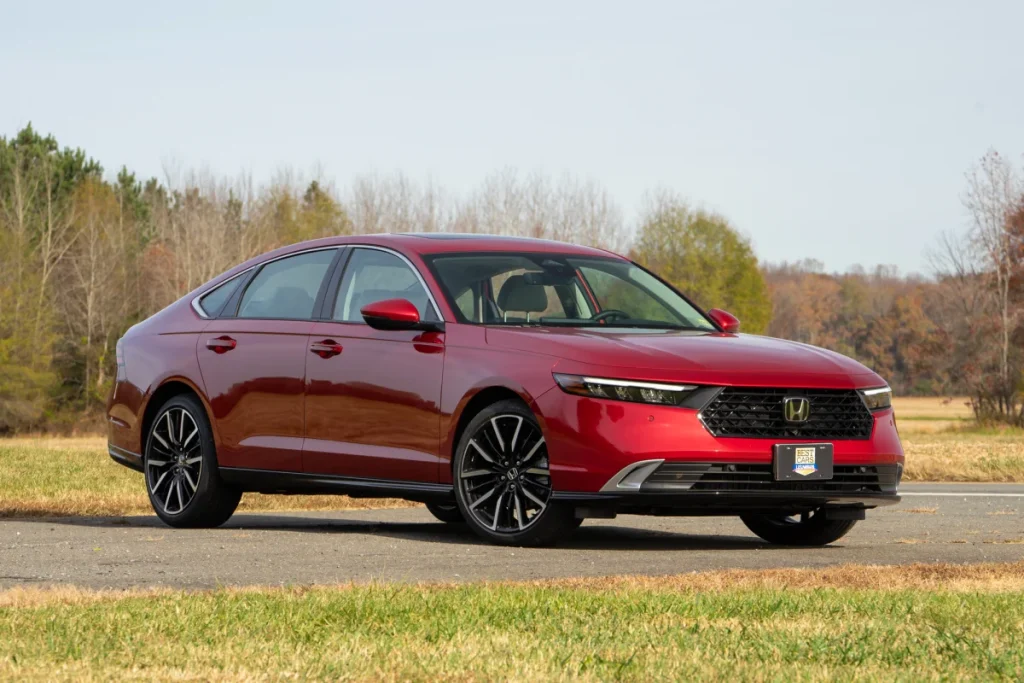
3. Honda Accord
The Honda Accord is another high-mileage legend, frequently documented crossing 500,000 km with original engines when maintained correctly. Its success lies in Honda’s engineering balance between efficiency, durability, and mechanical simplicity.
Accord engines are known for their smooth operation and strong internal design. Rather than producing excessive torque at low cost to durability, Honda tunes its engines to operate efficiently across a wide RPM range. This controlled stress distribution allows internal components to age evenly, reducing the likelihood of catastrophic failure at high mileage.
Manual and automatic transmissions in older Accords are particularly notable for longevity. Honda’s traditional automatic transmissions, when paired with conservative maintenance, have proven capable of extreme mileage especially compared to similar sedans that rely on more complex or fragile gearbox technologies.
Cooling efficiency is another overlooked strength. Accords maintain stable operating temperatures even during long highway runs, preventing heat-related oil breakdown and gasket wear. Heat is a silent killer of high-mileage engines, and Honda’s thermal management plays a major role in the Accord’s endurance.
The Accord’s structural integrity also encourages long-term ownership. The car resists excessive body flex, suspension collapse, and electrical degradation, meaning owners are less likely to abandon it due to comfort or usability issues.
The Honda Accord proves that a well-engineered, mainstream sedan can rival purpose-built fleet vehicles in longevity often outlasting similar competitors that sacrifice durability for short-term appeal.
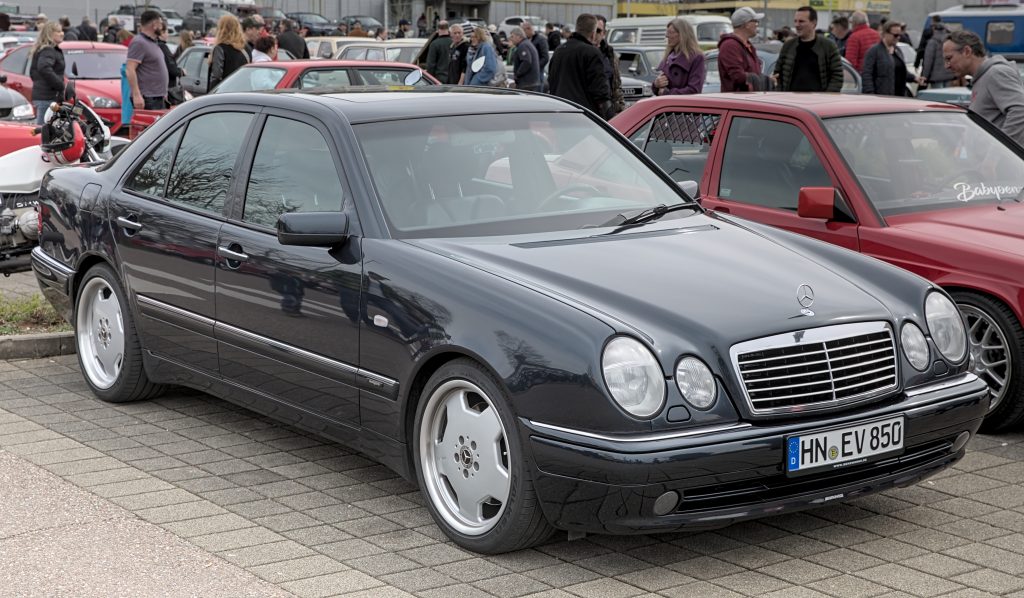
4. Mercedes-Benz E-Class (W211 / W212 Diesel)
The Mercedes-Benz E-Class, particularly diesel-powered W211 and W212 generations, is one of the most respected high-mileage vehicles ever produced. In many countries, these cars are synonymous with taxi fleets routinely surpassing 500,000 km and often far more on original drivetrains.
The primary reason for this longevity is diesel overengineering. Mercedes designed these engines for sustained operation, not short-term performance. They deliver torque at low RPM, minimizing internal stress while maintaining excellent fuel efficiency.
Compared to similar executive sedans tuned for speed or responsiveness, the E-Class diesel operates with enormous mechanical headroom.
Transmission durability is equally important. These models use robust automatic gearboxes designed for continuous service. Shift programming favors smoothness and longevity, avoiding the aggressive patterns that accelerate clutch and valve-body wear in many comparable cars.
Cooling systems are another standout feature. Mercedes engineered these diesels to idle for hours and run continuously in hot climates conditions that quickly destroy less durable engines. This thermal resilience is critical for extreme mileage.
Interior and chassis longevity further explain why these cars survive so long. The E-Class resists rattles, seat collapse, and electrical failures better than most luxury sedans. Owners continue driving them because they remain comfortable and structurally sound long after competitors feel worn out.
The diesel E-Class proves that luxury and extreme longevity are not mutually exclusive when engineering prioritizes durability over novelty.
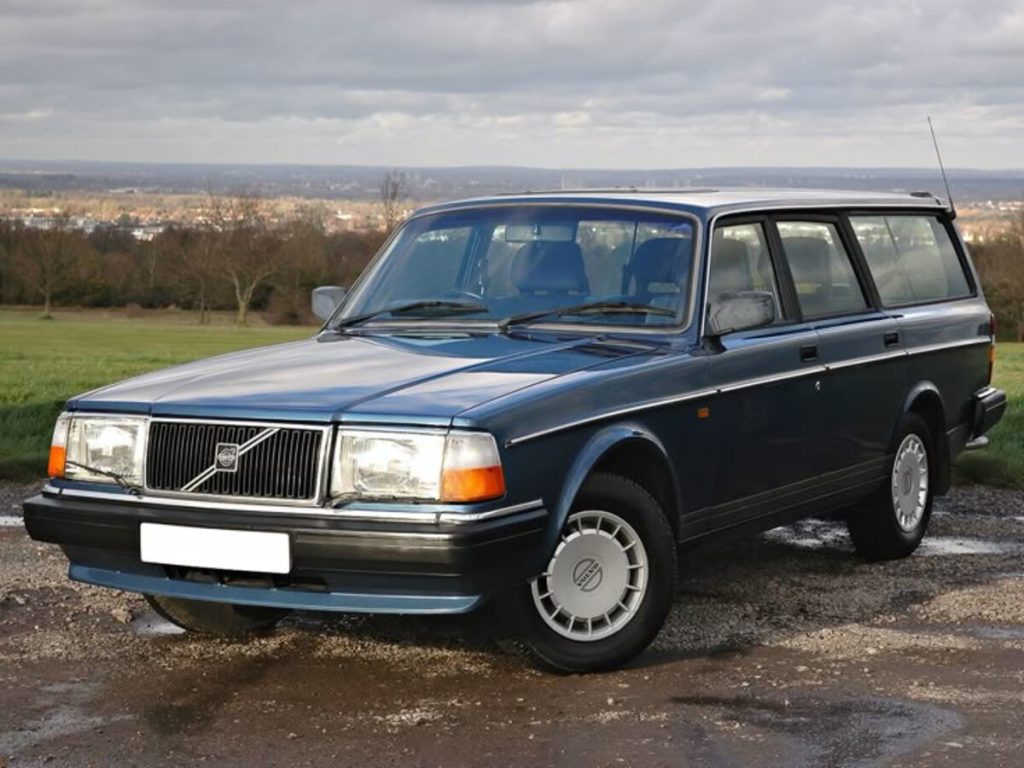
5. Volvo 240 / 740
The Volvo 240 and 740 are among the most legendary high-mileage cars ever built, with documented examples exceeding 500,000 km, 800,000 km, and even one million kilometers. Their endurance stems from Volvo’s uncompromising focus on safety, strength, and mechanical simplicity.
These cars use low-stress engines with thick engine blocks and conservative tuning. Power output is modest, but internal components operate far below their limits. This drastically reduces long-term wear, allowing engines to survive decades of use.
Mechanical simplicity is another defining factor. The 240 and 740 avoid complex electronics, turbocharging (in most versions), and experimental systems. Fewer failure points mean fewer reasons for catastrophic breakdowns at high mileage.
Manual and automatic transmissions in these models are famously durable. Paired with strong driveline components, they withstand years of daily use without needing rebuilds something many modern cars cannot match.
The body structure is equally important. Volvo’s heavy-gauge steel construction resists fatigue, corrosion, and structural degradation better than many lighter modern vehicles. This keeps the car safe, quiet, and usable far longer than most contemporaries.
The Volvo 240/740 are proof that extreme longevity is achieved through restraint, not innovation. They remain benchmarks for durability decades after production ended.
With five proven high-mileage vehicles established, the focus now shifts to five similar models that rarely reach the same extreme lifespan. The next section explores why cars that appear comparable when new often fall short over time.
5 Similar Models
On paper, many cars appear nearly identical to proven high-mileage legends. They share similar engine sizes, body styles, fuel economy figures, and even price points. Yet in real-world ownership, these “similar” models rarely reach 500,000 km without major engine, transmission, or electronic failures. The reasons are subtle but critical.
The biggest difference lies in engineering priorities. While high-mileage cars are designed with mechanical margin, many comparable models are tuned closer to their limits to deliver better performance, lower emissions, or improved fuel efficiency.
These gains look attractive early in ownership but reduce long-term durability by increasing stress on internal components.
Another factor is complexity creep. Similar models often adopt newer technologies earlier advanced transmissions, turbocharging, complex valve timing systems, or cost-optimized electronics.
While none of these features are inherently bad, they introduce more failure points over long time horizons. At 150,000 km they perform well; at 400,000 km they become liabilities.
Cost engineering also plays a role. To stay competitive, manufacturers sometimes reduce material thickness, simplify cooling systems, or use lighter internal components. These changes rarely cause short-term failures, but they dramatically shorten the ceiling for extreme mileage.
Importantly, these cars are not unreliable in the normal sense. Many provide years of dependable service and satisfy most owners. But when pushed into taxi duty, long-haul commuting, or decades-long ownership, they reach end-of-life far sooner than high-mileage legends.
The following five models are commonly cross-shopped with the cars discussed earlier. They perform well initially but rarely achieve the same extreme lifespan, explaining why reputation and real-world durability often diverge over time.
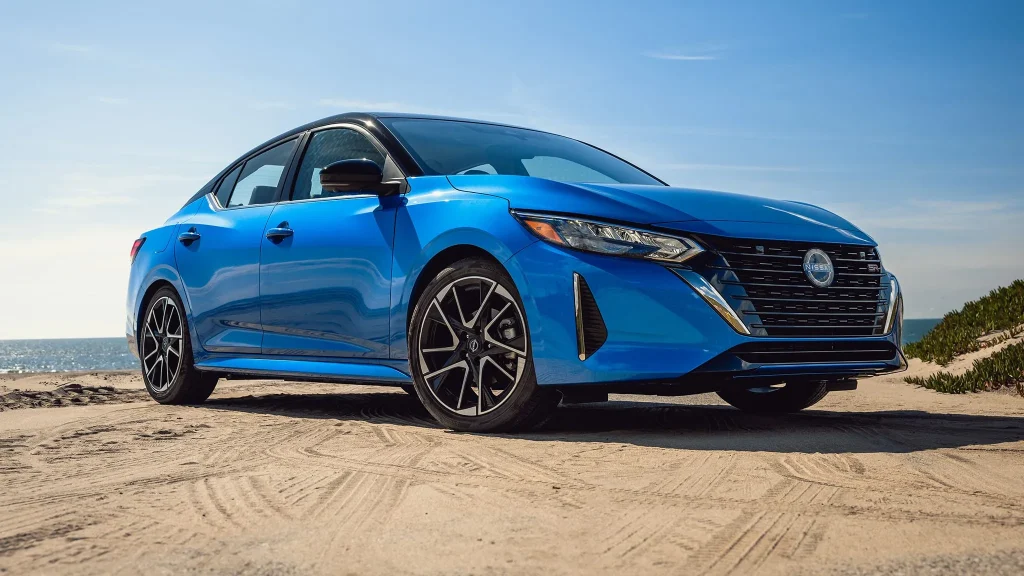
1. Nissan Sentra
The Nissan Sentra is frequently compared with the Toyota Corolla due to similar size, pricing, and target buyers. While the Sentra can be reliable in short- to mid-term ownership, it rarely achieves the 500,000 km longevity seen in Corollas, and the reasons illustrate how small design choices have large long-term consequences.
One of the biggest limiting factors is powertrain stress. Sentra engines are often tuned closer to their output limits to remain competitive on performance and fuel economy. This results in higher average operating stress compared to the Corolla’s more relaxed engine tuning. Over time, that additional stress accelerates wear on internal components.
Transmission design has also historically affected longevity. Many Sentra generations use transmission technologies that prioritize efficiency and smoothness but struggle under extreme mileage. Heat sensitivity and internal wear tend to surface well before 400,000 km often making major repairs uneconomical.
Cooling and lubrication systems are adequate for average use but lack the conservative overcapacity seen in high-mileage legends. This reduces tolerance for neglected maintenance or sustained highway operation over many years.
Interior and suspension durability further affect lifespan indirectly. As components wear faster, owners are less inclined to invest in continued maintenance, accelerating the car’s retirement.
The Nissan Sentra is a reasonable everyday car, but it highlights why similar does not mean equal when extreme longevity is the benchmark.
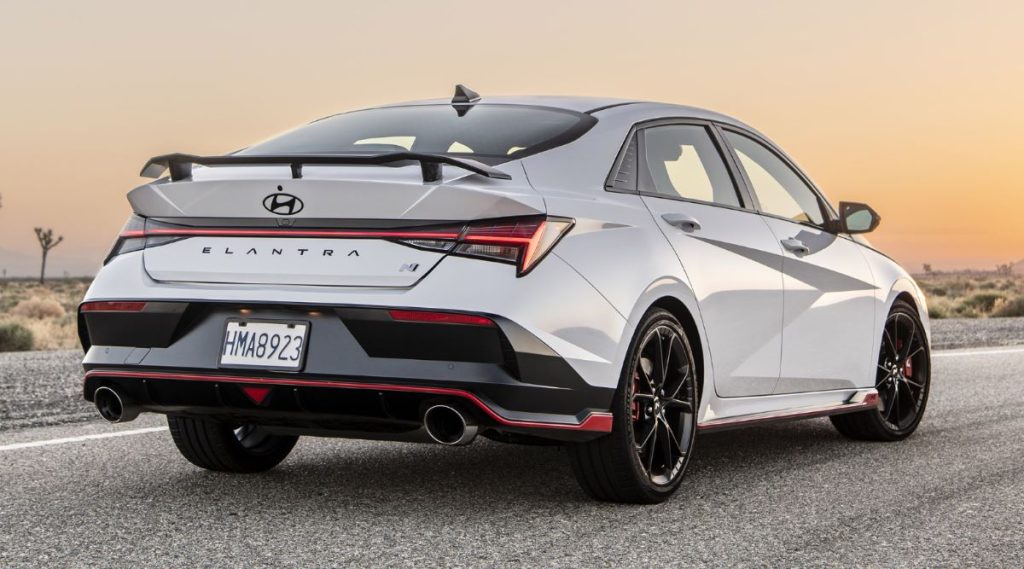
2. Hyundai Elantra
The Hyundai Elantra is often cross-shopped with the Toyota Corolla and Honda Civic, offering similar space, features, and value when new. While modern Elantras are far more reliable than early generations, they still rarely achieve 500,000 km without major drivetrain intervention revealing why perceived similarity does not equal equal longevity.
One limiting factor is engine operating stress. Elantra engines are tuned to feel responsive and competitive in everyday driving, which places higher average loads on internal components. Over time, this reduces tolerance for wear compared to more conservatively tuned engines found in proven high-mileage cars.
Material and component longevity also play a role. While Hyundai interiors look impressive when new, thinner seat padding, lighter suspension components, and cost-optimized electronics tend to degrade faster at very high mileage. This affects owner willingness to keep the car running indefinitely.
Transmission durability is another challenge. Automatic transmissions used in many Elantra generations are smooth and efficient but not engineered for extreme mileage duty. Heat buildup and internal wear typically surface well before the half-million-kilometre mark.
The Elantra delivers excellent value during normal ownership cycles, but when pushed into extreme long-term use, it reaches end-of-life earlier than high-mileage benchmarks. It demonstrates that reliability improvements do not automatically translate into legendary endurance.
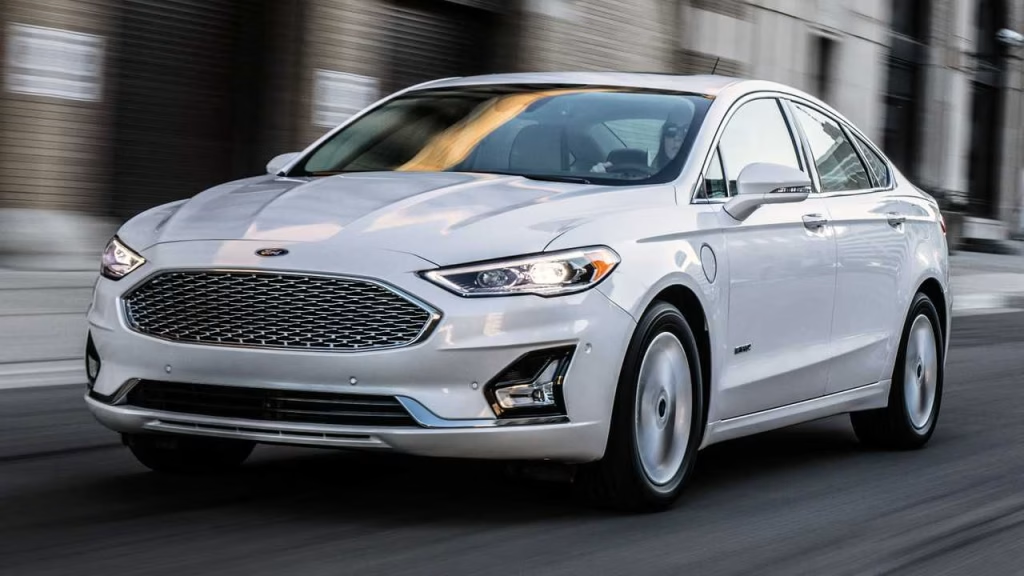
3. Ford Fusion
The Ford Fusion occupies the same midsize sedan segment as the Toyota Camry and Honda Accord, yet its long-term durability profile differs significantly. While comfortable and well-equipped, the Fusion rarely reaches 500,000 km without major mechanical repairs.
Engine and transmission complexity are primary contributors. Many Fusion powertrains use higher-output tuning and more complex systems that increase wear over long periods. These designs prioritize performance and efficiency rather than sustained low-stress operation.
Cooling systems, while adequate for normal use, are less tolerant of extended high-mileage stress. Over decades of driving, heat-related wear accumulates faster than in Camry or Accord equivalents.
Electrical and electronic complexity also impacts longevity. As mileage increases, sensors, modules, and control systems become failure points that can render continued ownership uneconomical even if the engine remains functional.
The Fusion serves most owners well for typical lifespans, but it highlights how engineering for experience rather than endurance limits extreme mileage potential.
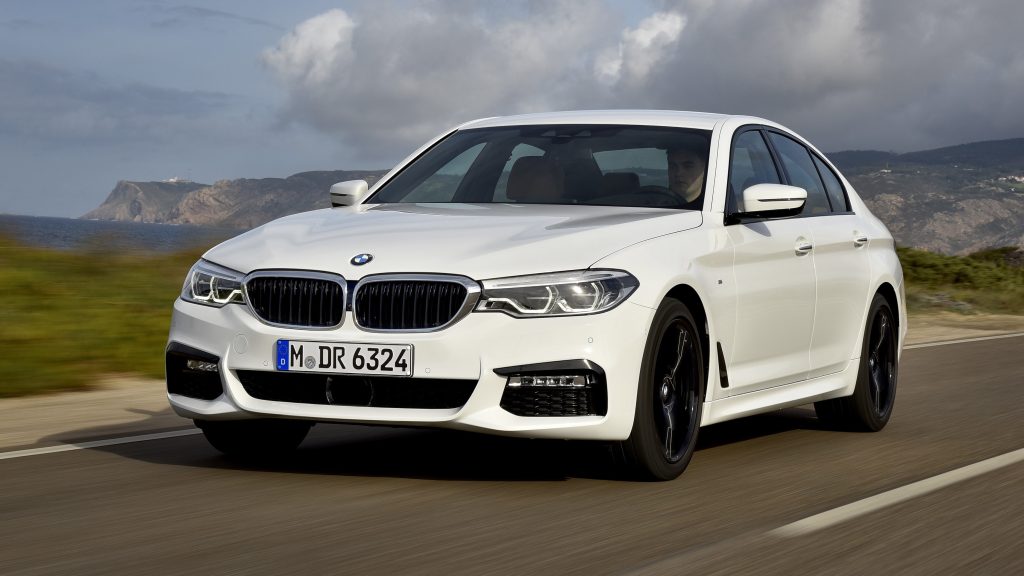
4. BMW 5 Series (Gasoline Models)
The BMW 5 Series is often compared with the Mercedes-Benz E-Class, especially in the executive sedan segment.
While it offers excellent performance, handling, and prestige, gasoline-powered 5 Series models rarely reach 500,000 km without extensive and costly mechanical intervention highlighting a clear contrast with high-mileage legends.
The primary limitation is performance-oriented engineering. BMW tunes its gasoline engines for responsiveness and power delivery, which requires higher operating RPMs and tighter tolerances.
Over long ownership periods, this results in accelerated wear of timing components, cooling systems, and internal seals compared to conservatively tuned high-mileage vehicles.
Electronic complexity also affects longevity. Advanced engine management, adaptive suspensions, and sophisticated infotainment systems introduce multiple long-term failure points. While these systems enhance the driving experience early on, they often become expensive liabilities beyond 300,000 km.
Cooling system fragility is another common issue. Plastic cooling components and complex layouts tend to degrade with age, leading to overheating risks that significantly shorten engine life if not proactively replaced.
The BMW 5 Series excels in performance and refinement, but its design priorities favor driving pleasure over extreme endurance. As a result, it rarely matches the half-million-kilometre lifespan achieved by more conservatively engineered competitors.
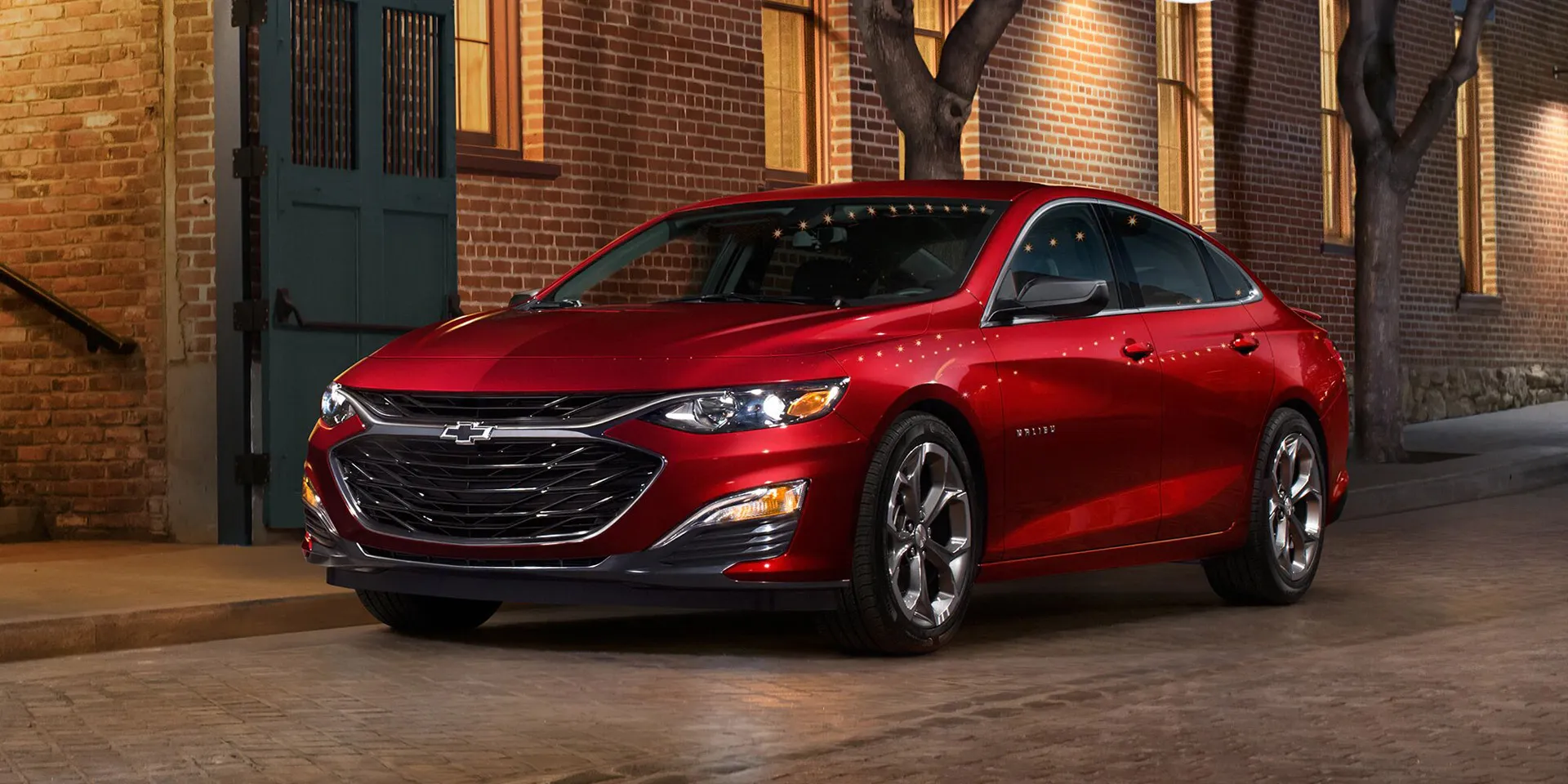
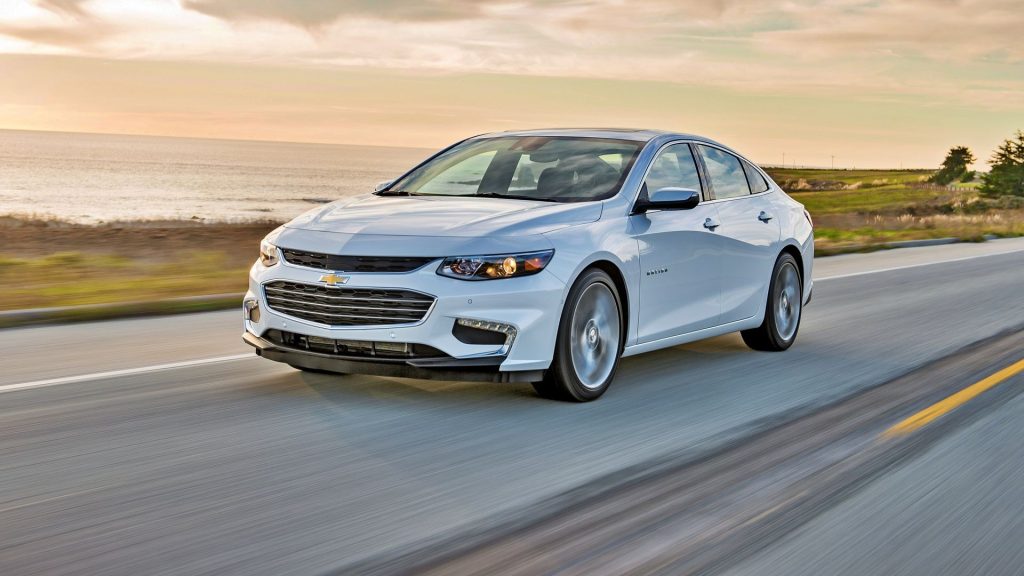
5. Chevrolet Malibu
The Chevrolet Malibu competes directly with the Toyota Camry and Honda Accord in the midsize sedan segment, offering comfort and value at an attractive price point. While dependable for average ownership periods, the Malibu typically does not achieve 500,000 km longevity without major powertrain repairs.
One limiting factor is drivetrain durability under sustained use. Malibu engines are tuned for efficiency and smoothness, but internal components are not engineered for decades of high-mileage stress. Over time, wear accumulates faster than in high-mileage benchmarks.
Transmission longevity is another concern. Automatic gearboxes in many Malibu generations prioritize fuel economy and comfort rather than extreme durability. Heat-related wear often emerges long before reaching half-million-kilometer territory.
Chassis and suspension durability also influence lifespan indirectly. As ride quality deteriorates and maintenance costs increase, owners are less inclined to continue investing in the vehicle accelerating its retirement.
The Chevrolet Malibu is a competent everyday sedan, but when evaluated against extreme-mileage legends, it illustrates how cost-focused engineering limits long-term survival.
With both high-mileage legends and similar models fully examined, the differences between endurance-focused engineering and short-to-mid-term design priorities become unmistakable.
The final summary will bring together these insights to explain why some cars reliably cross the 500,000 km mark while others rarely come close.
