
Over the past decade, three-row crossovers have steadily replaced minivans in many family driveways. Marketed as stylish, adventurous, and more “SUV-like,” crossovers promise versatility without the stigma some buyers associate with minivans.
Yet beneath the design trends and marketing language, practicality still matters especially for families juggling daily commutes, school runs, road trips, cargo hauling, and long-term ownership costs. When examined purely through the lens of real-world usability, minivans continue to outperform most three-row crossovers in meaningful ways.
This comparison exists to cut through perception and focus on function. While three-row crossovers often look rugged and upscale, they frequently compromise interior space, third-row comfort, and cargo capacity to maintain a sleeker footprint.
Minivans, on the other hand, are unapologetically engineered for people and stuff. Sliding doors, lower step-in heights, wider openings, and flexible seating systems are not just conveniences they are solutions to everyday problems families face.
The goal of this article is not to dismiss three-row crossovers entirely but to highlight how minivans remain the more practical choice for buyers who prioritize space efficiency, ease of access, comfort across all three rows, and long-term livability. Many consumers pay more for crossovers while receiving less usable interior volume and fewer family-focused features.
By comparing five standout minivans with five popular three-row crossovers, this article explains why minivans still dominate in areas that matter most: passenger comfort, cargo versatility, safety, and overall value.
In an era where vehicle prices continue to rise, understanding where true practicality lies has never been more important.
Also Read: 5 Cars for Allentown PA Driving vs 5 That Are High-Maintenance
5 Minivans
Minivans were never designed to be fashionable; they were designed to solve problems. That focus on purpose-driven engineering is precisely why they continue to excel where three-row crossovers fall short.
Every aspect of a modern minivan from its shape to its interior layout, is optimized for carrying people comfortably while maximizing usable cargo space. This makes them uniquely suited for families, caregivers, and anyone who values efficiency over image.
Unlike three-row crossovers, minivans typically provide adult-friendly third rows with proper legroom and headroom.
Their boxier proportions allow for flatter floors and deeper cargo wells, meaning you can transport strollers, suitcases, sports equipment, or furniture without playing interior Tetris.
Power sliding doors are another defining advantage, offering effortless access in tight parking spaces and safer entry for children.
Modern minivans have also evolved beyond their utilitarian roots. Today’s models offer advanced driver-assistance systems, premium interiors, hybrid powertrains, and infotainment technology comparable to luxury SUVs.
Importantly, these upgrades do not come at the expense of functionality. Instead, they enhance daily usability while keeping operating costs reasonable.
This section focuses on five minivans that best represent the segment’s strengths. Each vehicle was selected based on interior flexibility, reliability, comfort, and overall practicality.
The aim is to explain not just what these minivans offer, but why they remain the smarter choice for buyers who genuinely need three rows and usable cargo space on a daily basis.
1. Toyota Sienna
The Toyota Sienna stands as one of the most practical vehicles on the road today, largely because it combines traditional minivan strengths with modern efficiency. Unlike most three-row crossovers, the Sienna is engineered from the ground up to handle passengers and cargo without compromise.
Its interior packaging alone places it in a different league, offering generous legroom across all three rows and a cargo area that remains functional even when fully occupied.
One of the Sienna’s defining advantages is its standard hybrid powertrain. While many three-row crossovers struggle to balance size with fuel economy, the Sienna delivers excellent efficiency without sacrificing space or power.
This makes it especially appealing for families facing rising fuel costs and long daily commutes. Over years of ownership, this efficiency translates into substantial savings.
The sliding doors often overlooked in crossover discussions, are a major practicality win. They allow easy access in narrow parking spaces and make child seat loading far less stressful. Combined with a low step-in height, the Sienna is accessible for children, elderly passengers, and anyone carrying heavy items.

Toyota’s reputation for reliability further strengthens the Sienna’s case. Many families keep their vehicles for a decade or longer, and the Sienna’s proven durability reduces long-term ownership anxiety. Advanced safety features come standard, reinforcing its role as a family-first vehicle.
While three-row crossovers may offer rugged styling, few can match the Toyota Sienna’s ability to handle real-life demands with such efficiency and comfort. It exemplifies why minivans remain the benchmark for true practicality.
2. Honda Odyssey
The Honda Odyssey has long been regarded as one of the most family-focused vehicles ever built, and its practicality continues to outshine most three-row crossovers.
Where crossovers often prioritize styling and ground clearance, the Odyssey focuses on interior usability, comfort, and flexibility areas that matter most in everyday family life. Honda’s approach makes the Odyssey especially appealing for households that regularly carry multiple passengers along with gear.
One of the Odyssey’s standout strengths is its exceptionally spacious cabin. All three rows are genuinely usable, even for adults, something many three-row crossovers cannot claim.
The third row offers enough legroom for longer journeys, while the second-row Magic Slide seating system allows seats to move laterally and fore-aft. This flexibility simplifies access to the third row and makes it easier to accommodate child seats or varying passenger needs.
Cargo practicality is another area where the Odyssey excels. With the third row folded flat into the floor, the Odyssey transforms into a cavernous cargo hauler capable of handling large items that would overwhelm most crossovers. Even with all seats in place, cargo space remains useful rather than symbolic.

The Odyssey’s low ride height improves ease of entry and exit, especially for children and elderly passengers. Sliding doors further enhance accessibility, eliminating door-swing issues in tight parking areas. Honda also equips the Odyssey with strong safety technology, ensuring peace of mind for families.
In contrast to many three-row crossovers that feel like compromises, the Honda Odyssey delivers exactly what it promises: maximum space, comfort, and usability. Its design reflects a deep understanding of real-world family needs rather than marketing trends.
3. Chrysler Pacifica
The Chrysler Pacifica represents a modern evolution of the minivan, blending innovation with everyday practicality in ways most three-row crossovers struggle to match. Designed with versatility at its core, the Pacifica demonstrates how thoughtful engineering can significantly improve daily usability without sacrificing comfort or technology.
One of the Pacifica’s most compelling features is its Stow ’n Go seating system. Unlike crossovers that require seat removal or awkward folding mechanisms, the Pacifica allows second- and third-row seats to fold completely into the floor.
This creates a flat, expansive cargo area in seconds, making it ideal for families who frequently switch between passenger and cargo duties.
Interior space is generous across all rows, with a particularly comfortable third row that accommodates adults far better than most crossover alternatives. Wide door openings and a low floor height make entry effortless, while sliding doors add convenience and safety in crowded environments such as school parking lots.
The Pacifica also offers a refined ride quality. Its long wheelbase and suspension tuning prioritize comfort, reducing fatigue on long journeys. Available infotainment features, rear-seat entertainment, and multiple USB ports further enhance its family-friendly appeal.
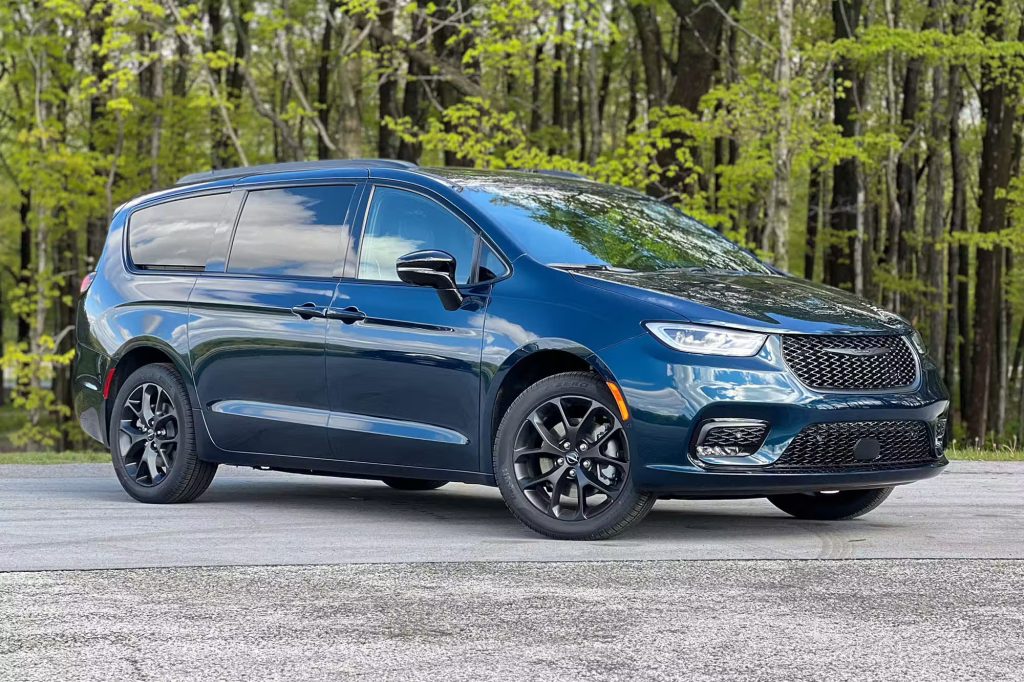
Chrysler’s decision to offer a plug-in hybrid variant adds another layer of practicality. For short daily trips, owners can rely heavily on electric power, significantly reducing fuel costs. Few three-row crossovers provide this level of efficiency combined with such expansive interior flexibility.
The Pacifica proves that minivans can be innovative, efficient, and highly adaptable qualities that make it far more practical than many crossovers built primarily for image rather than function.
4. Kia Carnival
The Kia Carnival challenges outdated perceptions of minivans by blending bold styling with exceptional practicality.
While its SUV-inspired design may attract buyers who would normally consider a three-row crossover, it is the Carnival’s interior execution that truly sets it apart. Kia has managed to retain all the core advantages of a minivan while adding a sense of modern refinement.
Inside, the Carnival offers one of the widest and most spacious cabins in the segment. Its third row is genuinely adult-friendly, with enough legroom and headroom to remain comfortable on longer drives.
Many three-row crossovers struggle to deliver usable third rows, but the Carnival avoids this compromise by fully embracing its minivan proportions.
Cargo capacity is another area where the Carnival excels. With the third row folded, it offers a vast, flat load floor that easily accommodates bulky items such as bicycles, furniture, or travel gear. Even with all seats in place, the Carnival provides more usable cargo space than most crossovers in its price range.
Sliding doors enhance everyday convenience, especially for families with young children. Kia’s low floor height also makes entering and exiting the vehicle far easier than in taller crossovers, reducing physical strain during daily use.
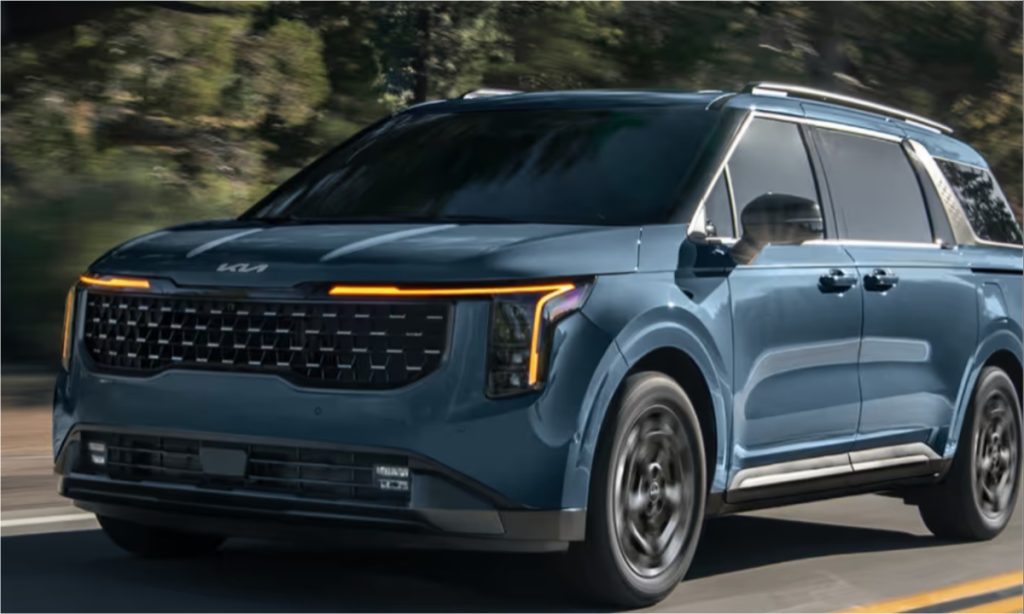
The interior materials and technology further elevate the experience, offering features typically found in more expensive SUVs.
By combining strong design with uncompromised functionality, the Kia Carnival serves as a reminder that practicality does not have to come at the cost of style. It remains far more adaptable and efficient than most three-row crossovers.
5. Nissan Quest
The Nissan Quest may no longer be a current-generation model, but its inclusion highlights an important point: even older minivan designs often remain more practical than modern three-row crossovers.
Built with a clear focus on passenger comfort and interior usability, the Quest continues to demonstrate the enduring strengths of the minivan formula.
One of the Quest’s defining features is its spacious and comfortable interior. The second and third rows offer generous legroom, making it suitable for adult passengers in all seating positions. This level of comfort is difficult to find in many crossovers, where the third row is often best reserved for children.
The Quest’s low ride height and wide door openings make entry and exit effortless. Sliding doors further improve accessibility in tight spaces, a daily advantage that crossovers simply cannot replicate. The flat load floor and large cargo area allow for easy transport of household items, sports equipment, or luggage.
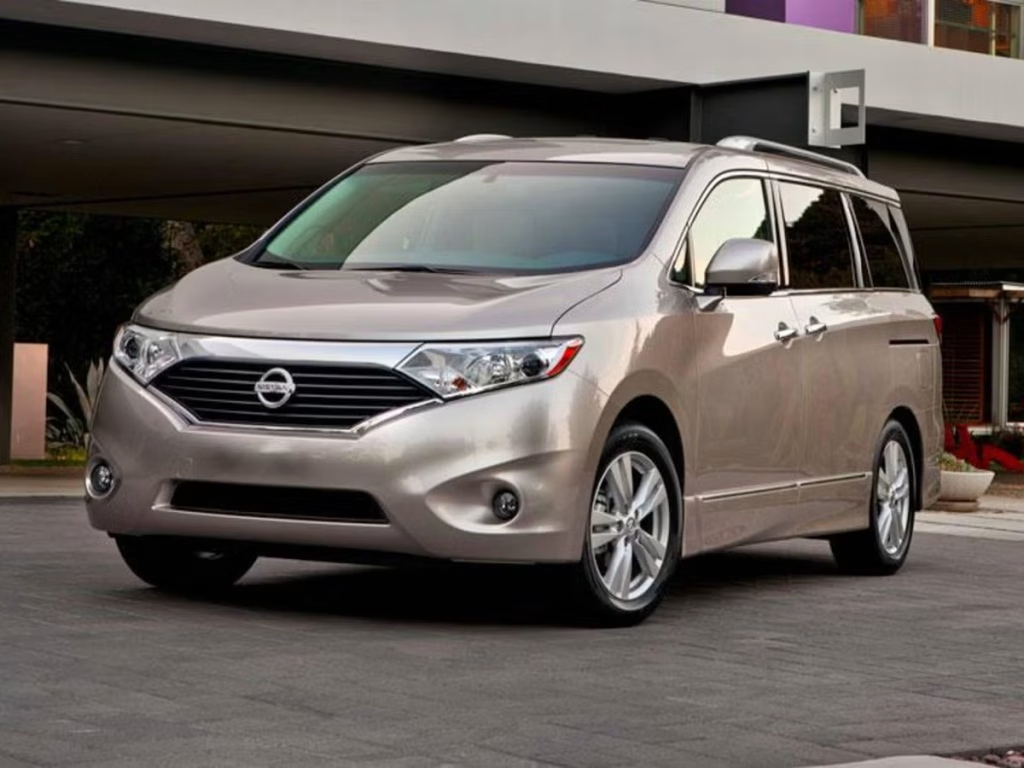
While the Quest lacks some modern technology found in newer vehicles, its straightforward design contributes to long-term usability and reduced complexity. For buyers focused on space and comfort rather than cutting-edge features, the Quest remains a strong example of minivan practicality.
By including the Nissan Quest, this comparison underscores a key reality: the fundamental advantages of minivans are so strong that even discontinued models often outperform newer crossovers in real-world functionality.
With the five minivans established as benchmarks for space, comfort, and usability, it becomes easier to understand where three-row crossovers begin to fall short.
The next section shifts focus to five popular three-row crossovers, not to criticize their appeal, but to examine why their design priorities often result in compromises that limit everyday practicality.
5 Three-Row Crossovers
Three-row crossovers have surged in popularity by offering SUV-inspired styling combined with car-like driving dynamics. For many buyers, they appear to be a balanced alternative to minivans, promising versatility without sacrificing image.
However, when examined through the lens of everyday usability, these vehicles often reveal notable compromises particularly when it comes to space efficiency and long-term practicality.
Unlike minivans, three-row crossovers are typically designed on platforms shared with smaller SUVs or sedans. To maintain a sleek exterior profile and higher ride height, interior space is often sacrificed.
This results in tighter third rows, reduced cargo capacity, and less flexible seating arrangements. While these limitations may not be immediately obvious during a short test drive, they become apparent over years of ownership.
This section is included to provide context, not condemnation. Three-row crossovers serve a purpose, especially for buyers who value all-wheel drive availability or occasional off-road capability.
However, many owners rarely use the third row, and when they do, comfort is often limited. The reality is that these vehicles are frequently better suited as five-passenger SUVs with emergency third rows rather than true family haulers.
The five crossovers selected here are popular, well-reviewed models that represent the segment accurately. By examining their strengths and limitations, this article illustrates why they struggle to match the real-world usability of minivans.
Understanding these trade-offs helps buyers make more informed decisions rather than relying solely on marketing or appearance.
1. Toyota Highlander
The Toyota Highlander is one of the most recognizable three-row crossovers on the market, valued for its reliability and smooth on-road manners. However, when evaluated purely on practicality, it highlights many of the inherent limitations of the crossover formula especially when compared to a full-size minivan.
The Highlander’s third row is its most significant compromise. While suitable for children or short trips, it lacks the legroom and headroom necessary for adult comfort.
This limits its usefulness as a true three-row vehicle, particularly for families that regularly transport multiple passengers. In contrast, minivans provide consistent comfort across all seating positions.
Cargo space is another area where the Highlander falls behind. With the third row in use, cargo capacity becomes minimal, forcing owners to choose between passengers and luggage. This restriction is far less pronounced in minivans, which are designed to handle both simultaneously.
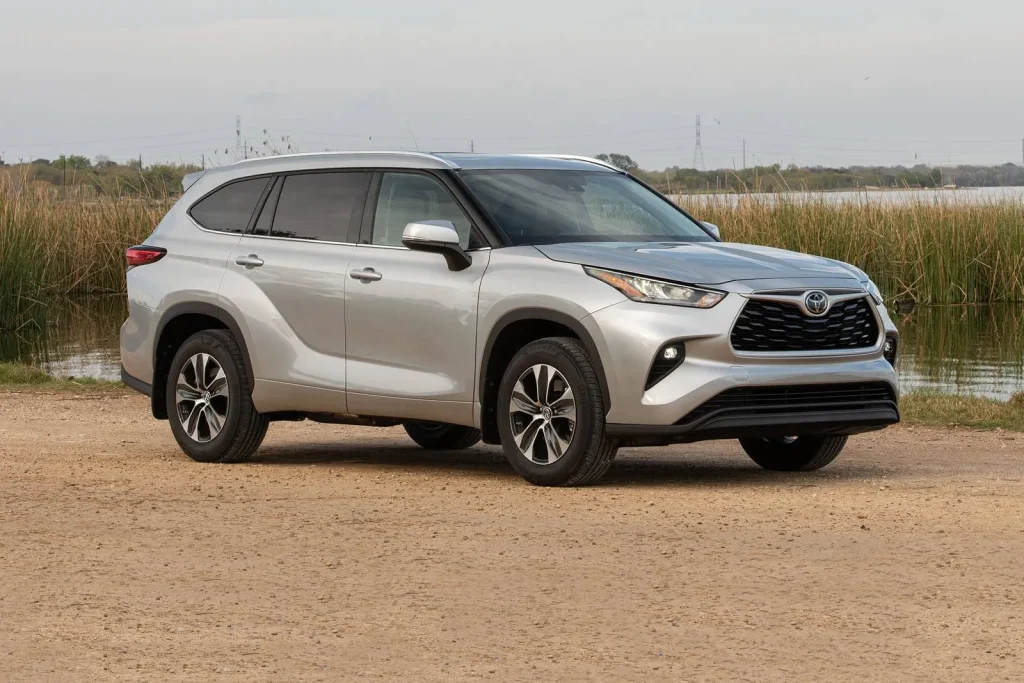
The Highlander’s higher ride height also impacts accessibility. While it may look rugged, it makes entry and exit more difficult for children and older passengers. Traditional hinged doors further reduce convenience in tight parking spaces.
Despite these drawbacks, the Highlander remains popular due to its reputation for quality and available all-wheel drive. However, for buyers who regularly use the third row or carry significant cargo, it serves as a clear example of how three-row crossovers prioritize form and perception over maximum practicality.
2. Honda Pilot
The Honda Pilot is often viewed as a family-friendly alternative within the three-row crossover category, offering a spacious cabin relative to its peers.
However, when measured against the standards set by minivans, the Pilot still illustrates the compromises inherent to crossover design. While capable and comfortable in many scenarios, it does not match the everyday usability that defines a true people mover.
The Pilot’s third row is usable but limited. Adults can fit for short trips, yet legroom and headroom quickly become restrictive on longer journeys.
This makes the third row more situational than functional. Minivans, by contrast, are designed so that all rows can be occupied comfortably for extended periods.
Cargo space also presents challenges. With the third row upright, available storage is modest, requiring careful planning for family vacations or grocery runs. Folding the third row improves cargo volume, but this eliminates passenger capacity an ongoing trade-off that minivan owners face far less often.
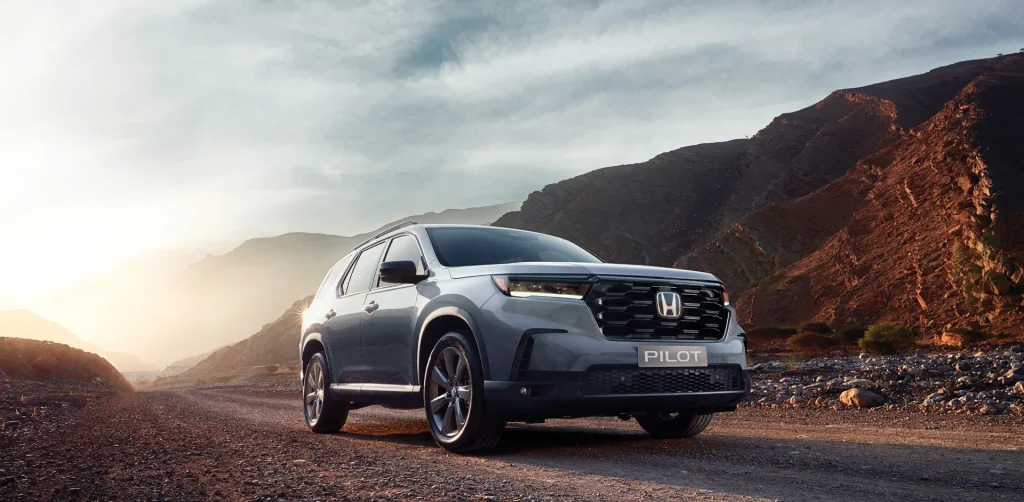
Entry and exit further expose the Pilot’s disadvantages. Its higher ground clearance makes climbing in more difficult for children and older passengers, while conventional rear doors demand more space to open fully. These factors add up over years of daily use, especially in urban environments.
The Pilot’s strengths lie in its driving refinement, reliability, and available all-wheel drive. For families who only occasionally need a third row, it performs well.
However, for those who require consistent passenger and cargo versatility, the Pilot underscores why three-row crossovers struggle to rival the practical superiority of minivans.
3. Ford Explorer
The Ford Explorer leans heavily into its SUV heritage, offering strong performance and available rear-wheel drive.
While these attributes enhance towing capability and driving dynamics, they also shift the Explorer further away from everyday practicality. As a three-row vehicle, it reveals notable shortcomings compared to minivans.
The Explorer’s third row is one of its most limiting aspects. Although access has improved in recent generations, space remains constrained, especially for adult passengers. Legroom is tight, and the seating position is low, reducing comfort during longer trips. This reinforces the notion that the third row is more of an occasional feature than a core function.
Cargo capacity is similarly affected. With all seats in use, the Explorer provides limited storage, making family travel more challenging. In contrast, minivans maintain usable cargo space regardless of seating configuration, a key advantage for active households.
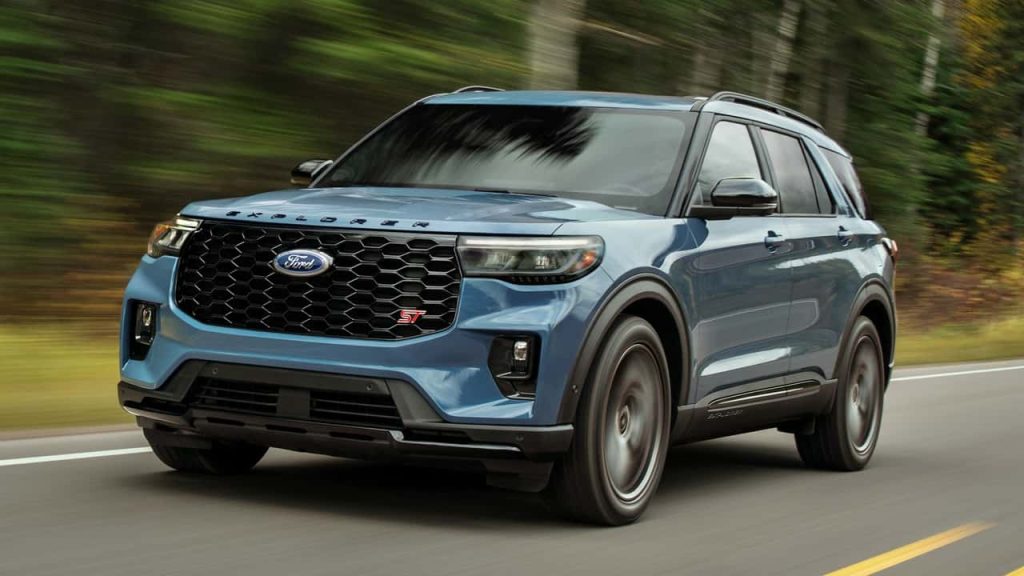
Ride height and door design further diminish usability. While the Explorer’s elevated stance contributes to its rugged appearance, it complicates entry and exit. Loading children, groceries, or heavy items requires more effort than in a low-floor minivan.
The Explorer excels as a versatile SUV for buyers who value power and style. However, its design priorities place it at a disadvantage for families seeking maximum interior efficiency. This makes it a strong example of how three-row crossovers often sacrifice practicality for performance and aesthetics.
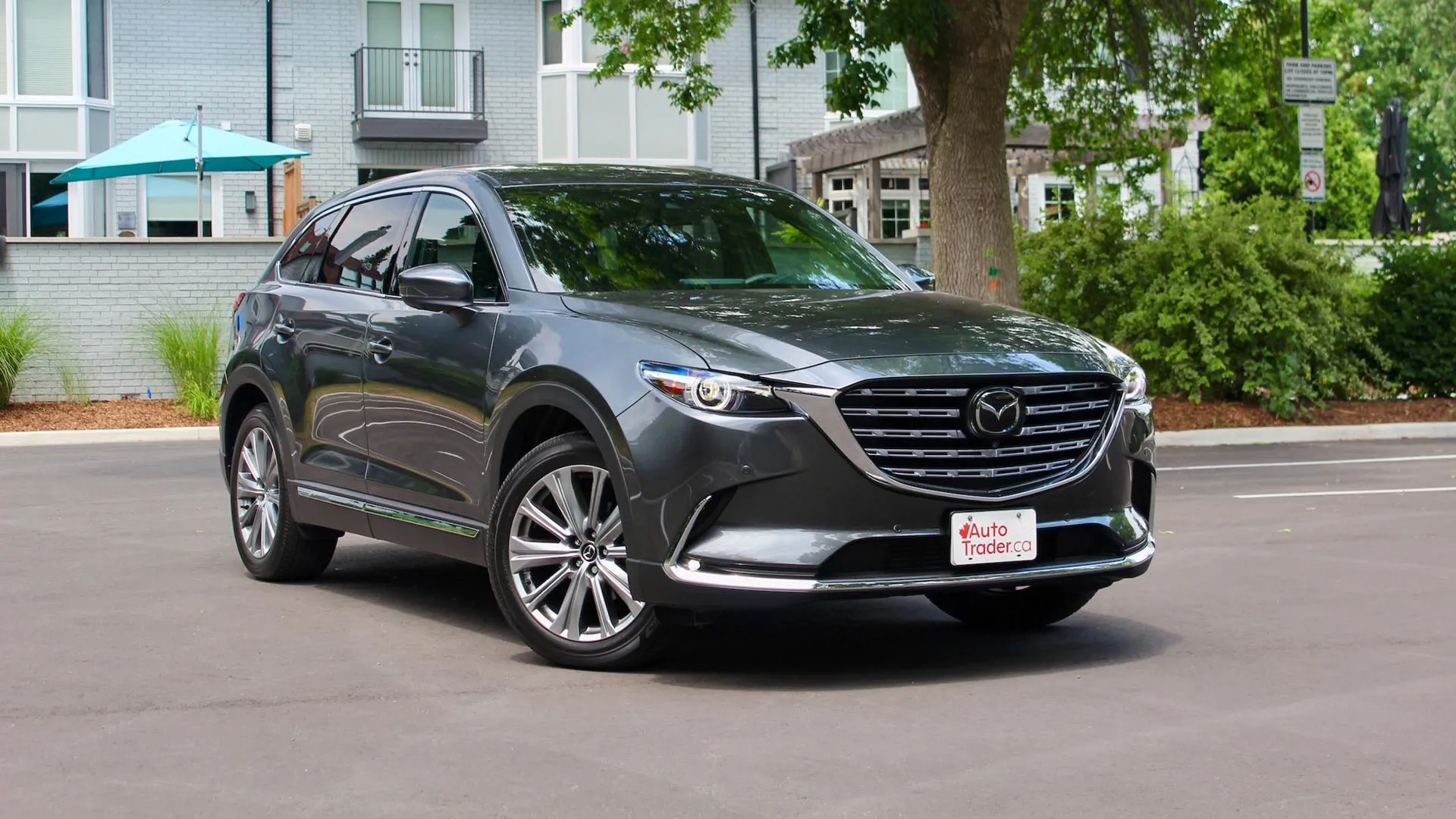
4. Mazda CX-9
The Mazda CX-9 is widely praised for its upscale interior design and engaging driving dynamics, qualities that distinguish it within the three-row crossover segment.
However, these strengths come at the expense of interior space and everyday functionality. The CX-9 exemplifies how prioritizing style and handling often leads to compromises that limit long-term practicality.
The third row in the CX-9 is notably tight. While suitable for children, it lacks the legroom and headroom needed for adult passengers. This significantly reduces its usefulness as a true three-row vehicle. For families that regularly transport multiple adults or older children, this limitation becomes immediately apparent.
Cargo capacity is similarly constrained. With the third row in place, storage space is minimal, forcing owners to choose between carrying passengers or belongings. Even when seats are folded, the overall cargo area remains smaller than what minivans provide with comparable seating configurations.
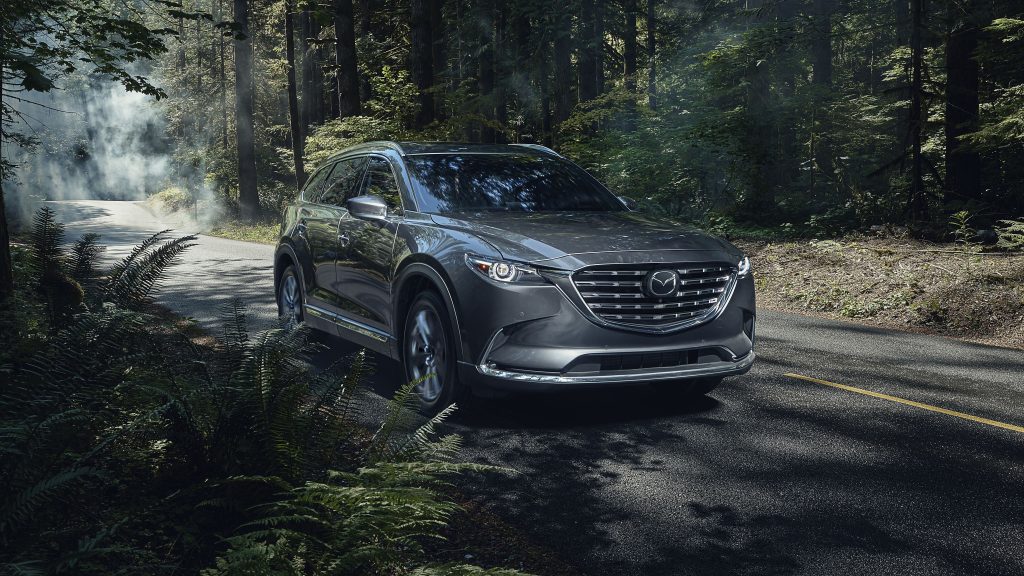
The CX-9’s higher step-in height and traditional hinged doors also affect accessibility. Entering and exiting the vehicle requires more effort, particularly for younger passengers or those with mobility concerns. These challenges contrast sharply with the low, flat floors and sliding doors found in minivans.
While the Mazda CX-9 delivers a refined driving experience and premium feel, it underscores a recurring theme among three-row crossovers: they excel in areas that enhance image and driving pleasure but fall short in maximizing interior efficiency. For buyers focused on practicality, these trade-offs are difficult to overlook.
5. Hyundai Palisade
The Hyundai Palisade is one of the most spacious and feature-rich three-row crossovers currently available, making it a strong representative of the segment’s upper end. Despite its size and refinement, it still cannot fully escape the structural limitations that define crossovers when compared to minivans.
The Palisade offers one of the more comfortable third rows among crossovers, yet it remains less accommodating than a minivan’s equivalent. Adult passengers may fit, but long-distance comfort is limited, especially when all seats are occupied. This highlights the difference between “available” space and “usable” space.
Cargo practicality remains a challenge. With the third row in use, storage space shrinks considerably, limiting the Palisade’s ability to handle full passenger loads alongside luggage. Families planning road trips or airport runs will feel this constraint quickly.
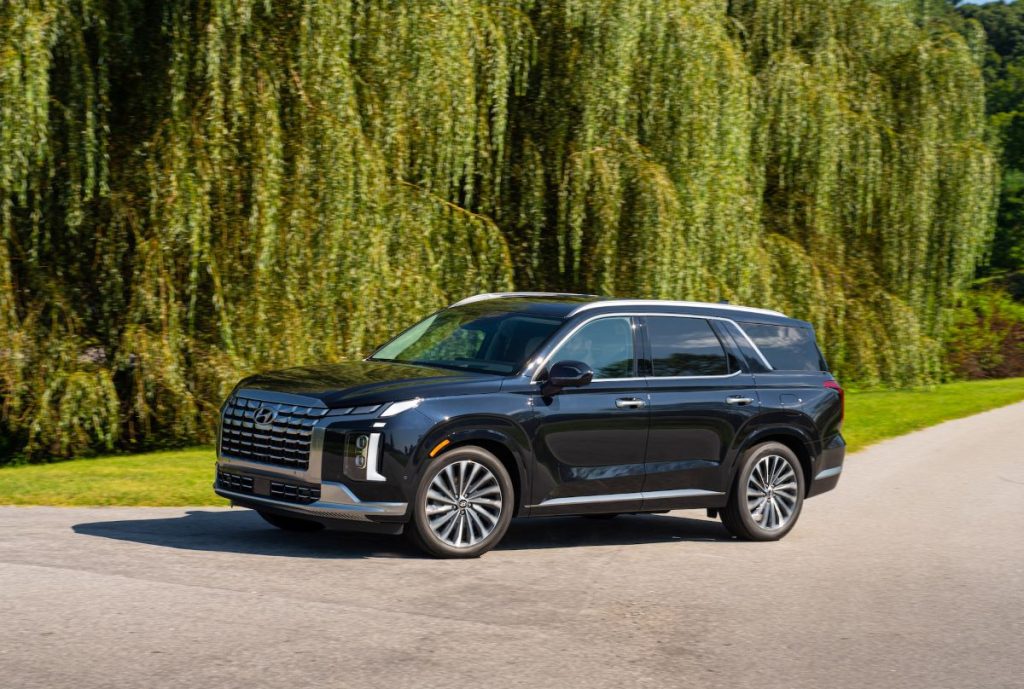
Although the Palisade’s interior is well-appointed and technologically advanced, its higher ride height and swinging doors reduce ease of access. These factors may seem minor individually, but over years of ownership they contribute to daily inconvenience.
The Palisade proves that even the most refined three-row crossovers cannot match the inherent practicality of minivans. It offers comfort, features, and presence, but still reflects the compromises that arise when form and perception take priority over pure functionality.
This comparison between five minivans and five three-row crossovers reveals a consistent and unavoidable truth: when judged on real-world usability rather than image, minivans remain the superior solution for families and space-focused buyers.
While three-row crossovers dominate sales charts and marketing campaigns, they often fail to deliver the interior flexibility and efficiency their size suggests.
Minivans such as the Toyota Sienna, Honda Odyssey, Chrysler Pacifica, Kia Carnival, and Nissan Quest are engineered with a singular goal maximizing passenger comfort and cargo utility. Their boxier proportions, lower floors, and sliding doors are not aesthetic choices but functional ones.
These design decisions allow minivans to offer adult-friendly third rows, easier entry and exit, and significantly more usable cargo space even when fully occupied. Over years of daily use, these advantages translate into reduced stress, better comfort, and fewer compromises.
In contrast, three-row crossovers like the Toyota Highlander, Honda Pilot, Ford Explorer, Mazda CX-9, and Hyundai Palisade are built on platforms that prioritize styling, ride height, and driving dynamics.
While these vehicles may look more rugged or upscale, they frequently sacrifice third-row comfort and cargo capacity to maintain sleek exterior proportions. As a result, their third rows often function as occasional seating rather than true living space.
Another critical distinction lies in accessibility. Minivans consistently outperform crossovers with their low step-in heights and power sliding doors, making them safer and more convenient for children and elderly passengers.
Over time, these small conveniences become defining ownership advantages. Crossovers, with their taller ride heights and swinging doors, introduce friction into everyday tasks that minivan owners rarely experience.
Fuel efficiency and long-term value further strengthen the minivan case. Hybrid options like the Toyota Sienna and Chrysler Pacifica reduce operating costs while maintaining full interior utility. Reliability records and family-oriented safety features also tend to favor minivans, reinforcing their role as long-term household vehicles.
Ultimately, this article is not an argument against three-row crossovers, but a reminder to evaluate vehicles honestly.
For buyers who regularly use all three rows and need real cargo space, minivans remain unmatched. They may lack the rugged image of an SUV, but when it comes to practicality, they continue to deliver where it matters most.
Also Read: 5 Cars for Gilbert Daily Runs vs 5 That Need Dealer Service
