
The automotive landscape is shifting rapidly, and one of the most important considerations for buyers today isn’t just performance or features it’s total cost of ownership (TCO). TCO includes purchase price, fuel or energy costs, maintenance, insurance, and depreciation over time.
Traditionally, gas-powered crossovers held an edge on upfront affordability, but as electric vehicle (EV) technology advances, that equation is changing.
Thanks to lower energy and service costs, and in many markets, purchase incentives and tax credits, electric crossovers are increasingly beating their gas counterparts in long-term ownership economics.
Electric crossovers, once hampered by higher sticker prices, are becoming cost-competitive. Over typical ownership periods, many EVs deliver lower fuel (electricity vs gasoline) and maintenance costs thanks to simpler drivetrains and fewer moving parts.
According to multiple studies, EV owners can save substantial amounts on fuel and repairs often between $6,000 and $12,000 across a vehicle’s lifetime, compared to gas vehicles.
In some direct model comparisons, electric versions of crossovers have demonstrated noticeably lower TCO than their internal-combustion equivalents, even after factoring in higher upfront costs.
However, the landscape isn’t uniform. Some electric crossovers still carry higher purchase prices than similar gas models, and the availability of tax credits or incentives varies by region and eligibility.
The balance between upfront investment and long-term savings depends on factors such as driving habits, local electricity and fuel prices, and available rebates or tax incentives.
This article dives into five electric crossovers that beat five gas-powered crossovers in total cost of ownership, explaining why each electric model delivers stronger long-term value, then contrasts them with gas models that, despite popularity and strong performance in other areas, tend to cost more over time in typical ownership scenarios.
Also Read: 5 Cars for Athens (GA) College & City Life vs 5 Students Should Avoid
5 Electric Crossovers That Beat 5 Gas Crossovers
Electric crossovers are redefining what it means to own a vehicle. As battery technology improves and charging infrastructure expands, EVs are no longer niche alternatives they’re competitive mainstream options that challenge traditional gas-powered crossovers on practicality and economics.
While electric crossovers often carry a higher initial price tag, lower fuel and maintenance costs typically tip the long-term financial balance in their favor.
Fuel savings represent one of the largest contributors to lower total ownership costs. On average, charging an electric vehicle costs significantly less than fueling a gas engine for the same mileage, even without incentives.
Since EV drivetrains are simpler, they also forgo many service items required by internal combustion engines like oil changes leading to reduced maintenance expenses over time.
In addition, federal and regional incentives and rebates can narrow or even reverse the upfront cost gap between EVs and gas vehicles, boosting overall savings for buyers who qualify.
Some electric crossovers have demonstrated measurable TCO advantages compared to their gasoline counterparts across typical ownership spans of 5–7 years.
Selecting the right crossover depends on use case, driving patterns, and local costs. This section profiles five electric crossovers that have proven to deliver better total cost of ownership than analogous gas-powered models.
Each electric model is discussed in a dedicated 300-word segment, detailing why it offers enhanced long-term value through a combination of lower energy costs, reduced maintenance, and other ownership benefits.
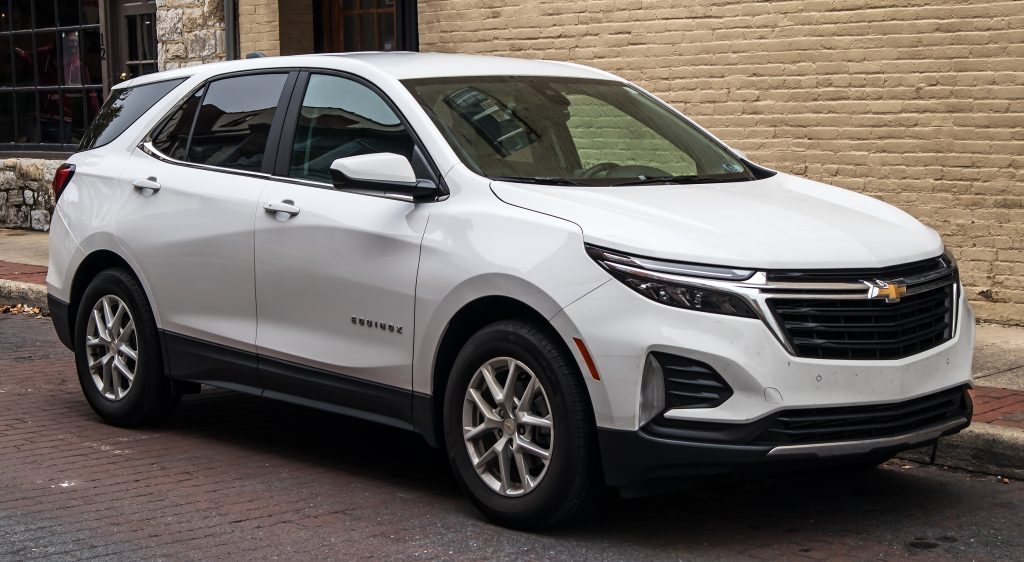
1. Chevrolet Equinox EV
The Chevrolet Equinox EV stands out as one of the most compelling electric crossovers in terms of total cost of ownership. Built on GM’s dedicated EV platform, the Equinox EV combines competitive pricing with long-term economic efficiency a combination that allows it to outperform its gasoline sibling in several key ownership cost categories.
One of the primary drivers of the Equinox EV’s TCO advantage is lower energy cost. Charging an electric vehicle is typically far cheaper per mile than fueling a gasoline engine, especially for drivers who can charge at home overnight. Electricity costs fluctuate less than gasoline and often result in savings of hundreds of dollars annually on “fuel” alone.
Maintenance savings further bolster the Equinox EV’s economic case. Electric motors have dramatically fewer moving parts than internal combustion engines, which translates into fewer scheduled service visits and lower wear-related costs over time.
There are no oil changes, fewer brake replacements due to regenerative braking, and less complexity overall.
Real-world ownership cost analyses support this advantage. According to a 2025 cost analysis, owning the Equinox EV over a typical seven-year period results in roughly 20% lower total cost of ownership compared to the gas-powered Equinox when accounting for energy, maintenance, and depreciation differences.
There are additional ownership considerations beyond pure economics. The Equinox EV qualifies for various regional incentives in some markets, which can significantly reduce the effective upfront cost and accelerate the timeline to break-even.
In summary, the Chevrolet Equinox EV delivers long-term value through lower fueling and servicing costs, combined with strong practicality and modern EV technology, making it a compelling choice for buyers prioritizing ownership economics.
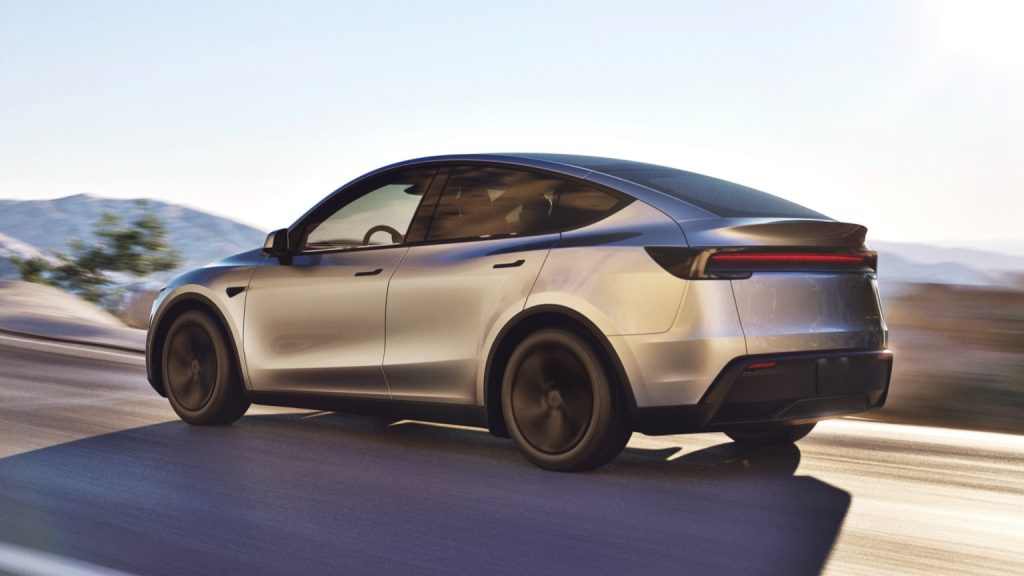
2. Tesla Model Y
The Tesla Model Y has become one of the most cost-effective electric crossovers to own over time, largely due to its efficiency, strong resale value, and low operating costs.
While its upfront price may appear higher than many gas-powered crossovers, the Model Y consistently proves cheaper when total cost of ownership is calculated over several years.
Energy costs are a major advantage. The Model Y is among the most efficient electric crossovers available, meaning it consumes less electricity per mile than many competitors.
For owners who charge primarily at home, this results in significantly lower “fuel” expenses compared to gasoline crossovers, especially in urban and suburban driving conditions.
Maintenance costs further tilt the balance in Tesla’s favor. With no oil changes, no exhaust system, and fewer mechanical components overall, long-term service expenses remain minimal. Regenerative braking also extends brake life, reducing one of the most common maintenance costs faced by gas vehicles.
Another key contributor to the Model Y’s lower ownership cost is depreciation control. Strong demand in both new and used markets helps preserve resale value better than many gas crossovers, which tend to depreciate more sharply as fuel prices rise and emissions regulations tighten.
Tesla’s charging network adds indirect financial value by reducing reliance on expensive public charging alternatives. Over time, this convenience saves both money and time two factors often overlooked in ownership calculations.
When compared to similarly priced gas crossovers, the Model Y consistently demonstrates that electric ownership can be economically superior, particularly for drivers covering moderate to high annual mileage.
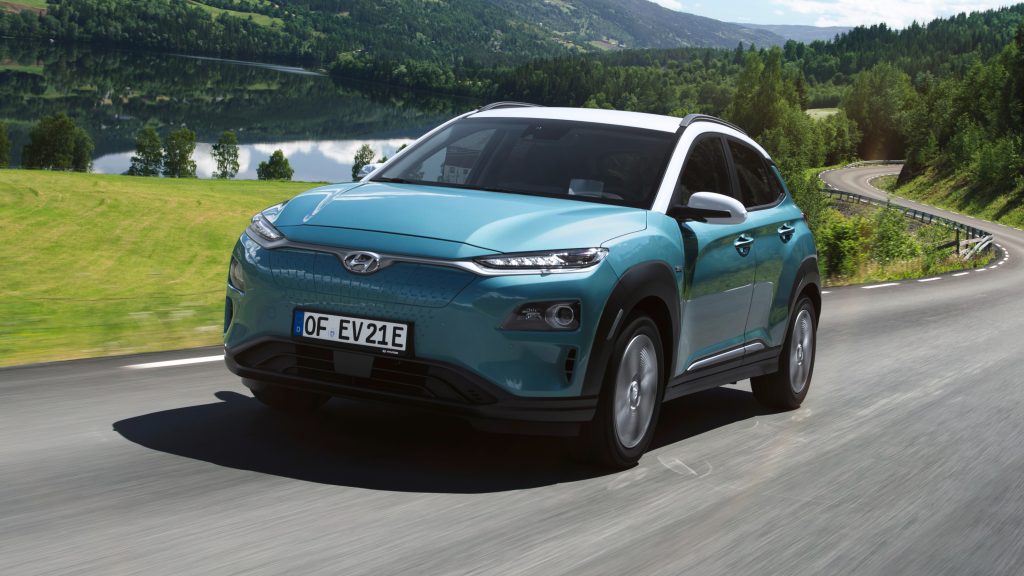
3. Hyundai Kona Electric
The Hyundai Kona Electric stands as one of the clearest examples of an electric crossover that beats gas competitors on total cost of ownership through simplicity and efficiency. While compact in size, its long-term savings are substantial, especially for city-focused drivers.
The Kona Electric’s energy efficiency is one of its strongest advantages. Its lightweight design allows it to travel farther on less electricity, keeping charging costs extremely low over time. Compared to gas crossovers in the same size category, owners typically spend far less annually on energy.
Maintenance is another area where the Kona Electric excels. Hyundai’s electric powertrain eliminates many traditional wear components, reducing both routine servicing and unexpected repairs. Over years of ownership, this leads to predictable and manageable maintenance expenses.
Insurance and depreciation costs also play a role. The Kona Electric has demonstrated stable resale value relative to many gas-powered compact crossovers, particularly as demand for affordable EVs continues to rise. This helps offset initial purchase costs when the vehicle is eventually sold or traded in.
For buyers who primarily drive in urban environments and value long-term affordability over performance or size, the Kona Electric represents a financially sound alternative to gas crossovers that often appear cheaper only at the time of purchase.
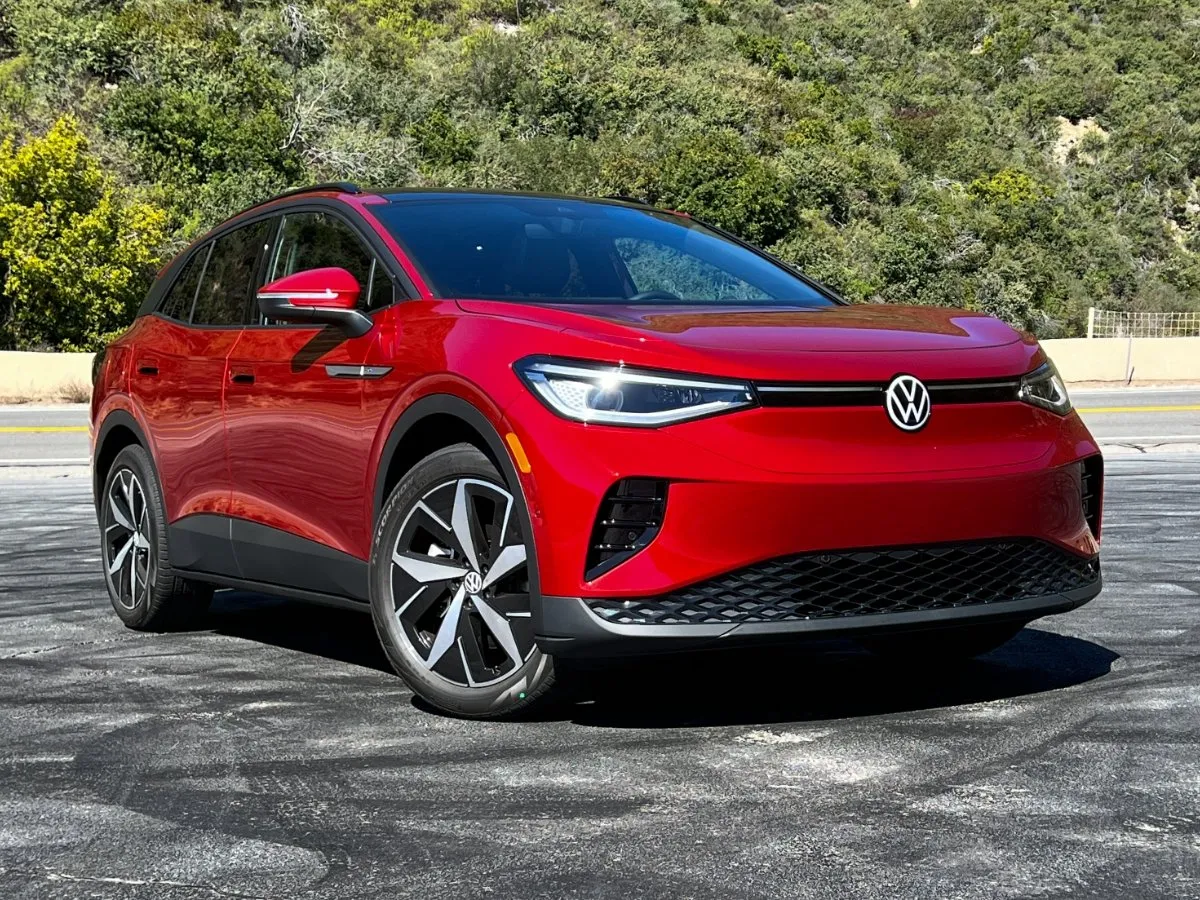
4. Volkswagen ID.4
The Volkswagen ID.4 demonstrates how a mainstream electric crossover can outperform gas competitors on total cost of ownership without relying on luxury pricing or niche appeal. Designed as a mass-market EV, the ID.4 focuses on efficiency, long-term affordability, and everyday usability key factors that significantly reduce ownership costs over time.
Energy expenses are one of the ID.4’s strongest advantages. Its efficient electric drivetrain allows owners to travel long distances on relatively little electricity, especially in city and suburban conditions where regenerative braking is most effective.
Compared to similarly sized gas crossovers, the annual savings on energy alone can be substantial, particularly for daily commuters.
Maintenance costs are another area where the ID.4 excels. With no oil changes, no transmission servicing, and fewer mechanical wear components, long-term service requirements are simpler and less expensive. Over several years of ownership, this reduced maintenance burden contributes meaningfully to lower total costs.
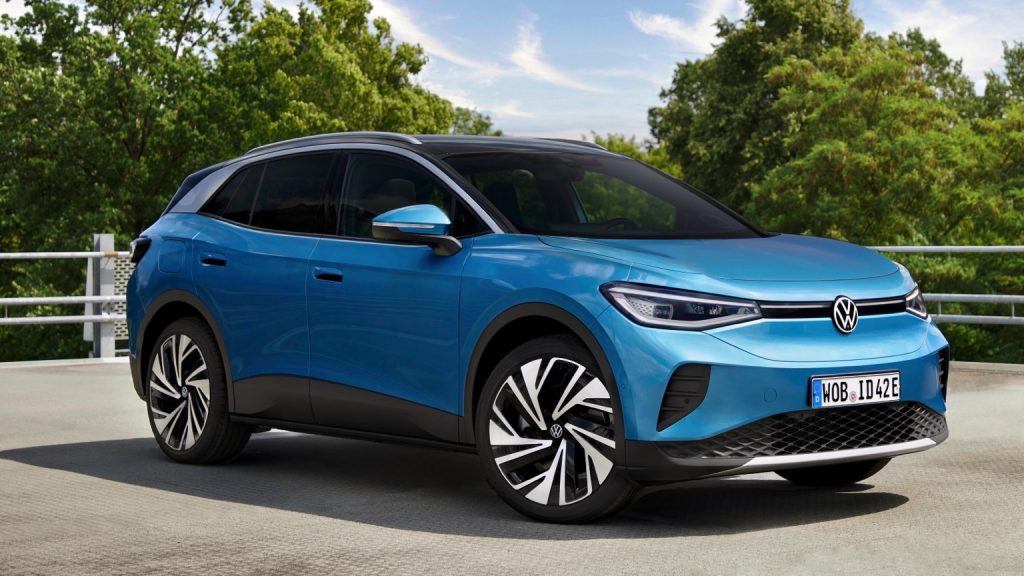
The ID.4 also benefits from stable depreciation relative to many gas-powered crossovers. As demand for practical EVs increases, electric models like the ID.4 retain value more effectively than gas vehicles that face rising fuel costs and tightening emissions standards. This improves resale value and reduces overall ownership expense.
Volkswagen’s focus on safety, interior space, and ride comfort ensures that the ID.4 does not sacrifice practicality in pursuit of efficiency. It proves that electric crossovers can deliver both financial and functional advantages, making it a strong example of how EVs outperform gas alternatives on total cost of ownership.
5. Nissan Ariya
The Nissan Ariya represents a more premium approach to electric crossovers, yet it still manages to undercut many gas-powered rivals in total cost of ownership. While its purchase price may exceed some gasoline alternatives, the long-term savings in fuel, maintenance, and depreciation shift the financial balance in its favor.
Electric efficiency plays a central role in the Ariya’s cost advantage. Charging costs are significantly lower than fueling a comparable gas crossover, particularly for drivers who rely on home charging. Over years of ownership, these savings accumulate and help offset the higher initial investment.
Maintenance simplicity further strengthens the Ariya’s economic case. The absence of engine-related servicing, combined with reduced brake wear from regenerative braking, leads to lower routine maintenance costs. Owners benefit from fewer service visits and more predictable expenses.
The Ariya also benefits from Nissan’s experience with electric vehicles, resulting in strong battery management and long-term reliability expectations. As electric vehicles become more accepted in the used market, well-built models like the Ariya are expected to retain value better than many gas crossovers facing declining demand.
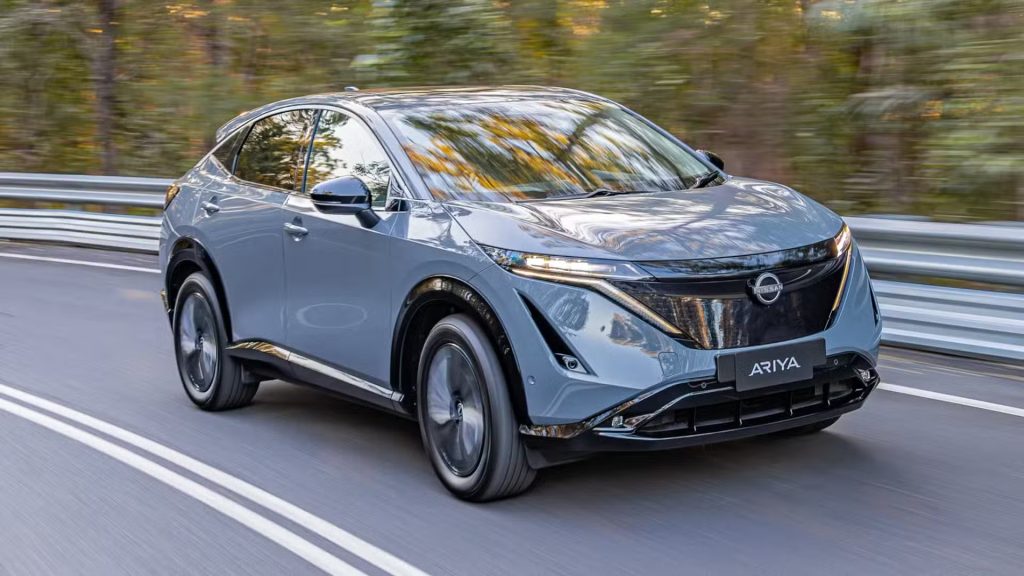
By combining refinement with lower operating costs, the Nissan Ariya shows that even more upscale electric crossovers can beat gas-powered alternatives when total ownership costs not just sticker prices are considered.
With the five electric crossovers established as leaders in long-term affordability, the focus now shifts to gas-powered crossovers. The next section examines five popular gasoline models and explains why, despite their familiarity and lower upfront prices, they often cost more to own over time.
5 Gas Crossovers
Gas-powered crossovers continue to dominate global sales due to familiarity, widespread fueling infrastructure, and lower upfront purchase prices. For many buyers, gasoline vehicles feel like the safer and simpler choice.
However, when ownership is evaluated beyond the showroom factoring in fuel, maintenance, depreciation, and long-term servicing, gas crossovers often reveal higher total costs than expected.
Internal combustion engines are inherently complex. Over years of ownership, costs accumulate through oil changes, transmission servicing, exhaust repairs, timing components, and fuel system maintenance.
These expenses may seem manageable individually, but collectively they add significantly to total cost of ownership. In city driving especially, frequent idling and short trips accelerate wear and reduce fuel efficiency.
Fuel volatility further complicates ownership economics. Gasoline prices fluctuate widely, and even efficient gas crossovers cannot match the per-mile cost advantage of electricity. For owners who drive regularly, fuel expenses often become the single largest long-term cost after depreciation.
Depreciation is another key factor. As electric vehicles become more common and regulations increasingly favor lower-emission vehicles, gas-powered crossovers tend to lose value faster. What appears affordable at purchase can become costly at resale or trade-in.
This section focuses on five popular gas crossovers that are widely regarded as reliable and practical.
They are included not because they are poor vehicles, but because they illustrate how traditional ownership models often result in higher lifetime costs compared to electric alternatives. By examining them individually, the contrast in long-term economics becomes clearer.
1. Toyota RAV4
The Toyota RAV4 is one of the best-selling crossovers in the world, known for reliability and strong brand trust. While it performs well as a practical daily vehicle, its total cost of ownership often exceeds that of electric crossovers when evaluated over several years.
Fuel costs are the most obvious contributor. Even with respectable fuel efficiency, the RAV4 requires constant gasoline spending. Over long ownership periods especially for drivers with average to high annual mileage, fuel expenses accumulate into a major financial burden that electric crossovers largely avoid.
Maintenance also adds to ownership costs. Regular oil changes, transmission servicing, cooling system upkeep, and exhaust-related components introduce recurring expenses.
While Toyota reliability helps control unexpected repairs, scheduled maintenance alone represents a steady financial commitment that electric vehicles simply do not require.
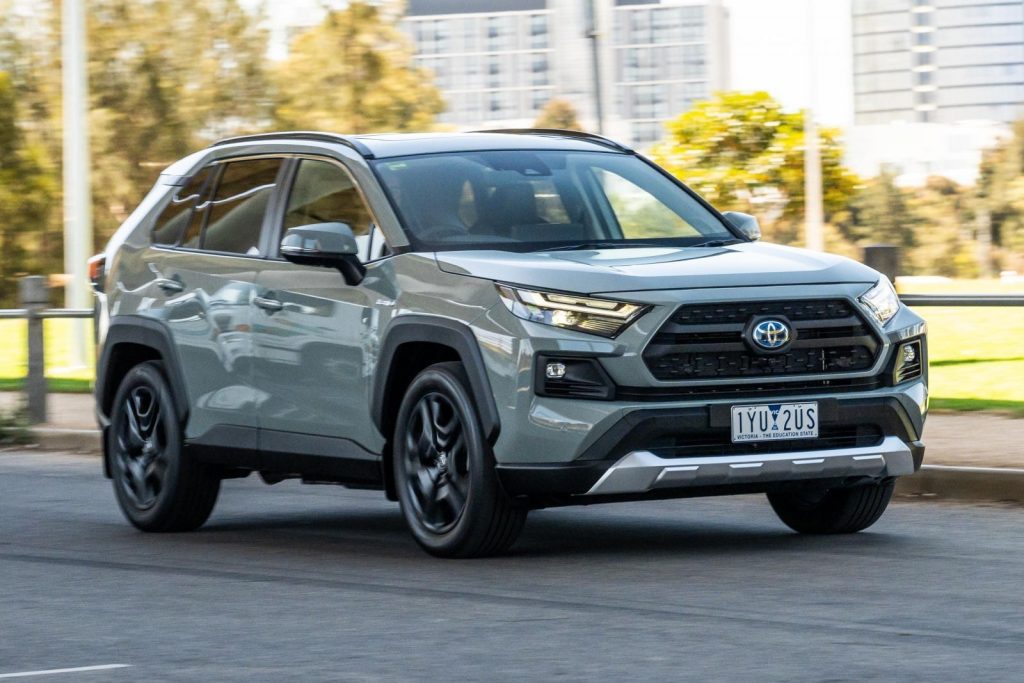
Depreciation further impacts the RAV4’s long-term value. As market demand gradually shifts toward electrified vehicles, gas-only crossovers face steeper resale declines. Even strong-selling models like the RAV4 are not immune to this trend, especially as EV incentives and charging access improve.
The RAV4 remains a dependable and versatile crossover, but its ownership model reflects an older cost structure. When compared directly to electric crossovers with lower energy and maintenance expenses, it becomes clear why gas-powered vehicles often lose the total cost of ownership advantage despite their popularity.
2. Honda CR-V
The Honda CR-V is widely respected for its comfort, interior space, and long-standing reputation for reliability. It is often recommended as a sensible, no-nonsense crossover. However, when total cost of ownership is evaluated over several years, the CR-V highlights why gas-powered crossovers increasingly struggle to compete with electric alternatives.
Fuel expenses remain the CR-V’s largest long-term cost factor. Even though it delivers good fuel economy for a gasoline vehicle, the cumulative cost of refueling adds up quickly.
For drivers who commute daily or log high annual mileage, gasoline spending becomes a persistent financial drain compared to the far lower per-mile energy costs of electric crossovers.
Maintenance requirements further widen the cost gap. The CR-V requires routine oil changes, transmission servicing, engine air filters, spark plugs, and emissions-related components. While Honda engineering minimizes unexpected failures, scheduled maintenance alone creates recurring expenses that electric vehicles avoid entirely.
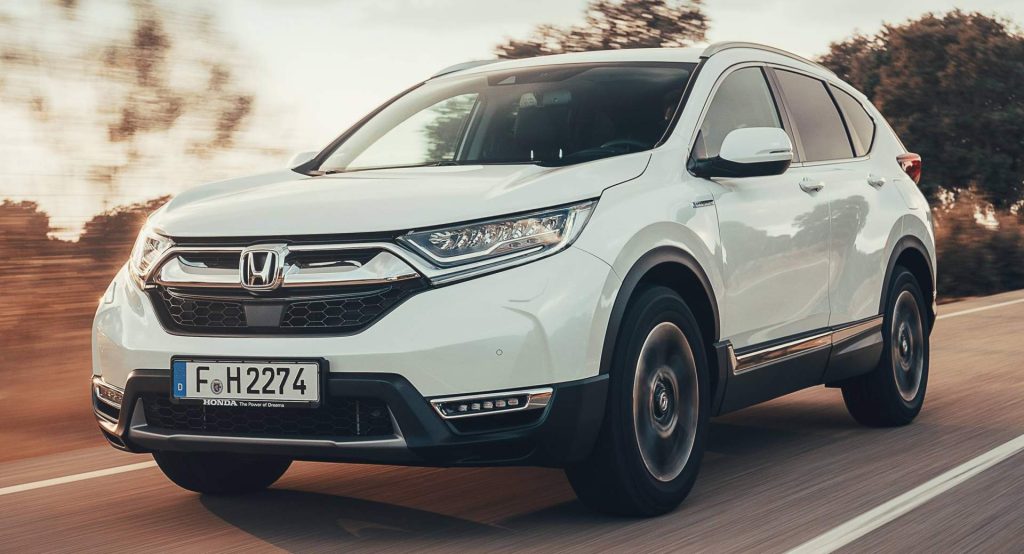
Depreciation also plays a significant role. As the market steadily shifts toward electrification, gas-only crossovers face increasing resale pressure. Buyers are becoming more conscious of long-term fuel and maintenance costs, which affects used-vehicle demand and resale values.
The Honda CR-V remains a strong choice for buyers who prioritize familiarity and proven reliability.
However, when compared directly with electric crossovers that offer lower energy costs, reduced maintenance, and improving resale strength, the CR-V demonstrates how traditional gas ownership often results in higher lifetime costs despite its solid reputation.
3. Mazda CX-5
The Mazda CX-5 is frequently praised for its stylish design and engaging driving experience, qualities that set it apart from many mainstream gas crossovers. However, these strengths do not translate into lower total cost of ownership, particularly when compared with modern electric crossovers.
Fuel consumption is a consistent expense for CX-5 owners. While Mazda’s engines are efficient for their class, they still rely on gasoline, exposing owners to fluctuating fuel prices. Over time, these costs accumulate far beyond what most electric crossover owners spend on charging.
Maintenance adds another layer of expense. The CX-5’s internal combustion drivetrain requires regular servicing, including oil changes, transmission maintenance, and engine-related wear components. While the vehicle is generally reliable, routine upkeep remains unavoidable and contributes significantly to lifetime ownership costs.
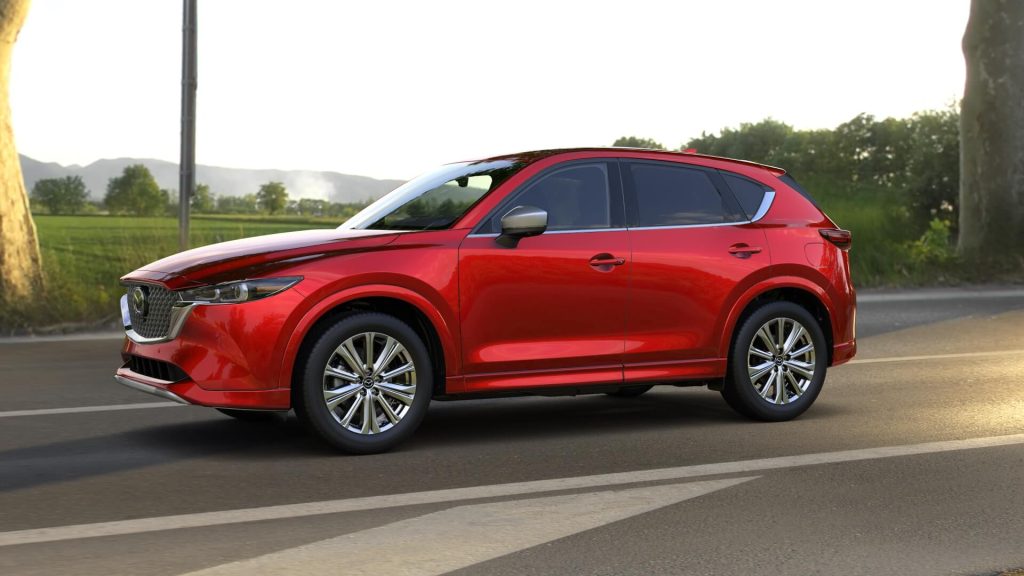
Depreciation is also a concern. As buyers increasingly prioritize efficiency and lower running costs, gas-powered crossovers like the CX-5 face faster value decline compared to electric alternatives. Styling and driving enjoyment help, but they cannot fully offset broader market shifts.
The CX-5 delivers refinement and driver appeal, but from a financial perspective, it represents the growing disadvantage of gas-powered crossovers. When ownership is measured beyond initial purchase price, electric crossovers consistently offer stronger long-term value.
4. Hyundai Tucson
The Hyundai Tucson has gained popularity for its modern design, generous feature list, and competitive pricing. On the surface, it appears to be a strong value proposition in the gas crossover segment.
However, when evaluated through the lens of total cost of ownership, the Tucson illustrates why gasoline-powered crossovers increasingly struggle to compete with electric alternatives over time.
Fuel costs are the Tucson’s most significant long-term expense. While its engines deliver respectable efficiency, frequent refueling remains unavoidable.
Over several years of ownership, gasoline costs accumulate into a substantial financial commitment especially for drivers with daily commutes or heavy urban use. Electric crossovers, by comparison, benefit from far lower per-mile energy costs.
Maintenance also contributes meaningfully to ownership expenses. The Tucson requires regular oil changes, transmission servicing, cooling system maintenance, and emissions-related components. Even with strong warranty coverage, these routine service requirements create recurring costs that electric crossovers largely eliminate.
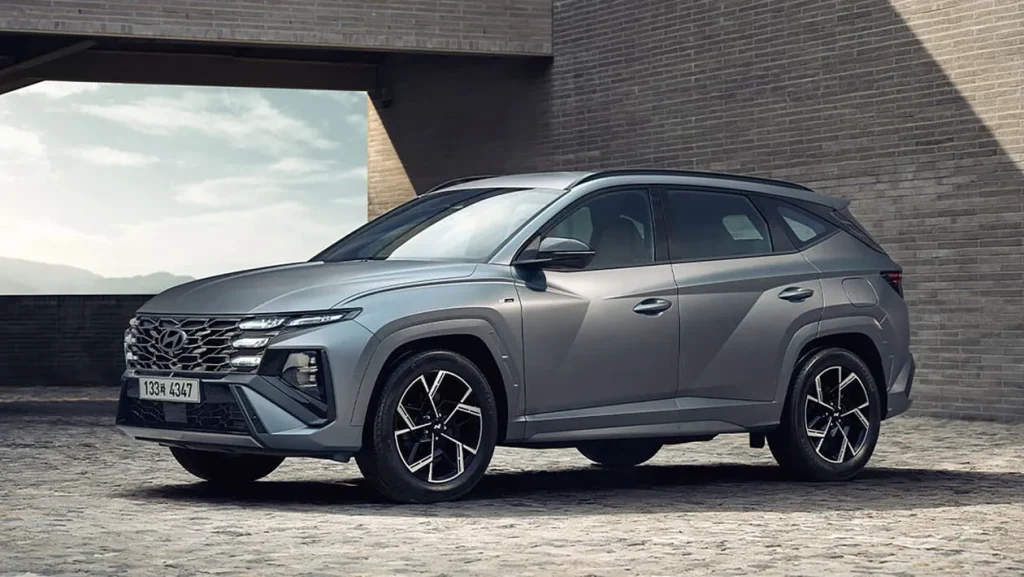
Depreciation further impacts the Tucson’s long-term value. As electrification becomes more mainstream and buyer preferences shift toward lower operating costs, gas-only crossovers face increasing resale pressure.
While Tucson’s design and features help maintain appeal, they do not fully offset broader market trends favouring EVs.
The Hyundai Tucson remains a comfortable and well-equipped vehicle, but its ownership model reflects the limitations of internal combustion. When total costs are considered across multiple years, electric crossovers consistently deliver better financial outcomes.
5. Nissan Rogue
The Nissan Rogue is one of the most widely sold gas crossovers, valued for its spacious interior and everyday usability. It represents the conventional crossover formula at its best, yet it also highlights why gas-powered vehicles are becoming less attractive from a total cost of ownership perspective.
Fuel expenses dominate the Rogue’s long-term cost profile. Despite good fuel economy ratings, regular gasoline purchases remain a constant expense. Over extended ownership periods, these costs often exceed what electric crossover owners spend on charging by a significant margin.
Maintenance further increases ownership costs. The Rogue’s drivetrain requires routine servicing, including oil changes, transmission maintenance, and engine-related wear items. While Nissan’s engineering helps manage reliability, the cumulative cost of scheduled maintenance remains unavoidable.
Depreciation is another critical factor. As electric crossovers gain traction and consumer awareness of ownership costs improves, gas-powered vehicles like the Rogue tend to lose value faster. This reduces resale returns and increases overall cost of ownership.
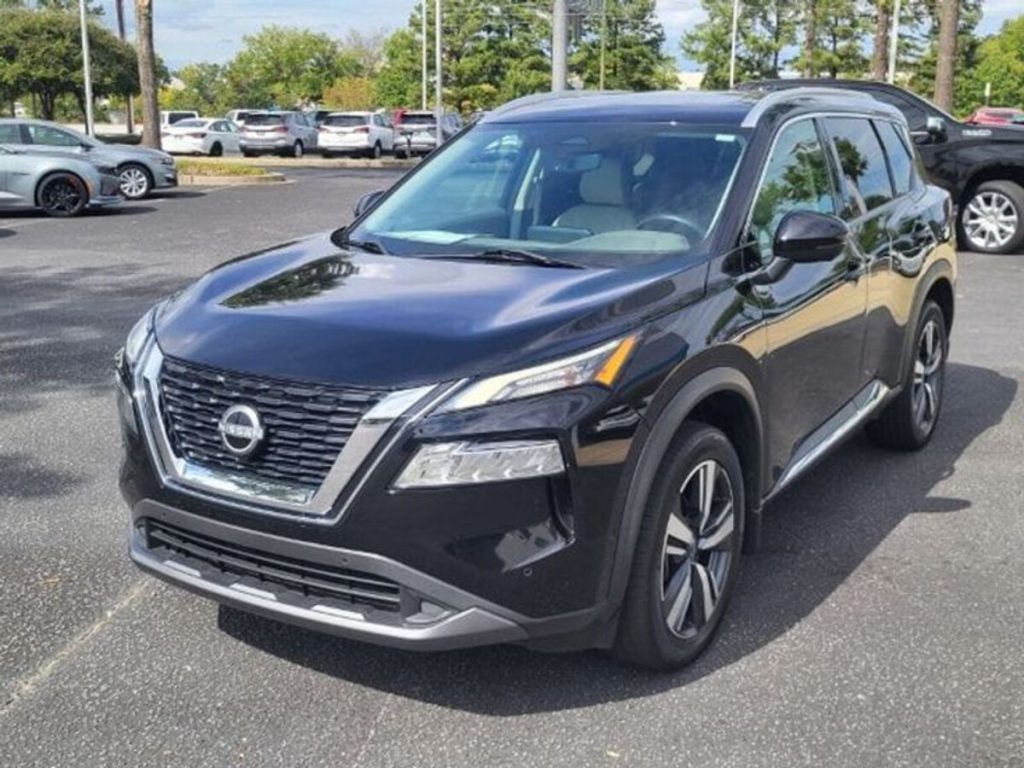
The Rogue delivers practicality and familiarity, but these strengths come at a growing financial cost.
Compared directly with electric crossovers that offer lower energy expenses, reduced maintenance, and improving resale stability, the Rogue exemplifies why gas-powered crossovers often fall behind on total cost of ownership.
With both electric and gas crossovers fully examined, the contrast in long-term ownership economics becomes clear. The final summary will bring together these insights and explain why electric crossovers increasingly represent the smarter financial choice.
This comparison between five electric crossovers and five gas-powered crossovers makes one conclusion increasingly clear: when vehicles are evaluated beyond the sticker price, electric crossovers offer a stronger financial case over long-term ownership.
While gas crossovers remain familiar and widely available, their traditional cost structure is becoming less competitive as energy prices, maintenance demands, and depreciation trends evolve.
Electric crossovers such as the Chevrolet Equinox EV, Tesla Model Y, Hyundai Kona Electric, Volkswagen ID.4, and Nissan Ariya demonstrate how lower operating costs fundamentally reshape ownership economics.
Electricity is significantly cheaper per mile than gasoline, especially for owners who charge at home. Over several years, these energy savings alone can amount to thousands, dramatically narrowing and often reversing the upfront price gap between electric and gas vehicles.
Maintenance is another decisive factor. Electric drivetrains eliminate many routine service requirements associated with internal combustion engines. There are no oil changes, fewer fluids to replace, and reduced brake wear due to regenerative braking.
This simplicity not only lowers maintenance costs but also reduces downtime and ownership hassle. Over a typical ownership period, electric crossovers consistently cost less to maintain than their gas counterparts.
Depreciation trends further strengthen the electric crossover advantage. As consumer preferences shift toward efficiency and lower running costs, demand for well-built electric vehicles is increasing in both new and used markets.
Gas crossovers, even reliable and popular ones, face growing resale pressure as buyers become more conscious of lifetime expenses and future regulations. This difference in residual value has a direct impact on total cost of ownership.
Gas crossovers such as the Toyota RAV4, Honda CR-V, Mazda CX-5, Hyundai Tucson, and Nissan Rogue remain competent, practical vehicles. They offer familiarity, established reliability, and convenience for buyers hesitant about charging infrastructure.
However, their reliance on gasoline and more complex mechanical systems results in higher cumulative costs over time. Fuel volatility, scheduled maintenance, and faster depreciation collectively erode their initial price advantage.
Ultimately, total cost of ownership tells a more complete story than upfront affordability alone. Electric crossovers are no longer niche or experimental they are financially rational choices for many buyers.
As charging access improves and ownership awareness grows, electric crossovers increasingly outperform gas-powered alternatives where it matters most: long-term value, predictability, and overall cost efficiency.
Also Read: 5 Comfortable Cars for Fort Myers Florida Life vs 5 That Overheat Frequently
