

Fuel efficiency has become one of the most important decision-making factors for modern car buyers. Rising fuel costs, environmental concerns, and the need for economical daily transportation have pushed many drivers toward smaller vehicles.
Hybrids are often assumed to be the automatic winner in this conversation, but that assumption does not always hold true. In reality, several modern compact sedans deliver fuel economy figures that rival or even surpass those of smaller hybrid vehicles, especially in real-world driving conditions.
Compact sedans benefit from lighter curb weights, highly optimized gasoline engines, and improved aerodynamics. Over the past decade, manufacturers have refined combustion technology, transmissions, and engine management systems to squeeze more miles out of every gallon.
These improvements allow many compact sedans to achieve impressive highway and combined fuel economy without the added cost and complexity of hybrid systems.
Small hybrids, while efficient in city driving, often carry additional weight due to battery packs and electric motors.
Their advantage is most noticeable in stop-and-go traffic, but on highways or mixed driving cycles, the gap between hybrids and efficient gasoline sedans can narrow significantly. In some cases, compact sedans outperform hybrids in real-world fuel consumption due to simpler drivetrains and lower overall mass.
This article compares five compact sedans that deliver better fuel economy than five small hybrid vehicles. The goal is not to diminish the value of hybrids, but to highlight how far conventional gasoline-powered sedans have evolved.
By examining both categories side by side, this comparison challenges common assumptions and helps buyers make more informed decisions based on actual efficiency rather than labels alone.
Compact Sedans
Compact sedans have quietly become some of the most fuel-efficient non-hybrid vehicles on the road.
Advances in engine design, transmission technology, and lightweight materials have allowed manufacturers to significantly reduce fuel consumption without sacrificing drivability or affordability. For many buyers, these vehicles offer an ideal balance of efficiency, simplicity, and long-term reliability.
One of the biggest advantages compact sedans hold over hybrids is mechanical simplicity. Without electric motors, battery packs, or regenerative braking systems, compact sedans rely solely on highly refined gasoline engines.
This reduces weight and complexity, which directly improves fuel economy in steady driving conditions such as highway cruising. It also lowers maintenance costs over long-term ownership.
Aerodynamics also play a crucial role. Compact sedans are typically lower and sleeker than small hybrid crossovers or hatchbacks, allowing them to cut through the air more efficiently. This advantage becomes especially noticeable at highway speeds, where aerodynamic drag has a major impact on fuel consumption.
Modern compact sedans also benefit from continuously variable transmissions (CVTs) and advanced automatic gearboxes that keep engines operating in their most efficient ranges. Combined with start-stop technology and intelligent engine management, these features help maximize mileage in both city and highway driving.
The following five compact sedans demonstrate how traditional gasoline-powered cars can outperform small hybrids in fuel economy. Each example shows why efficient design, reduced weight, and optimized powertrains can sometimes deliver better real-world results than hybrid technology alone.
1. Toyota Corolla
The Toyota Corolla has long been recognized as a benchmark for fuel efficiency in the compact sedan segment. Over generations, Toyota has refined the Corolla’s engine technology, weight distribution, and aerodynamics to achieve impressive fuel economy without relying on hybrid assistance.
As a result, many gasoline-powered Corolla variants outperform smaller hybrid vehicles in highway and mixed driving scenarios.
One of the Corolla’s key strengths is its lightweight construction paired with an efficient four-cylinder engine.
Toyota’s focus on reducing friction within the engine allows it to operate efficiently across a wide range of speeds. On highways, the Corolla maintains low engine RPMs, minimizing fuel consumption and maximizing mileage.
Transmission tuning also plays a major role. The Corolla’s CVT is designed to keep the engine operating in its most efficient zone, avoiding unnecessary fuel usage during acceleration and cruising.
Unlike hybrids, which depend on battery charge levels and regenerative braking effectiveness, the Corolla delivers consistent fuel efficiency regardless of driving conditions.
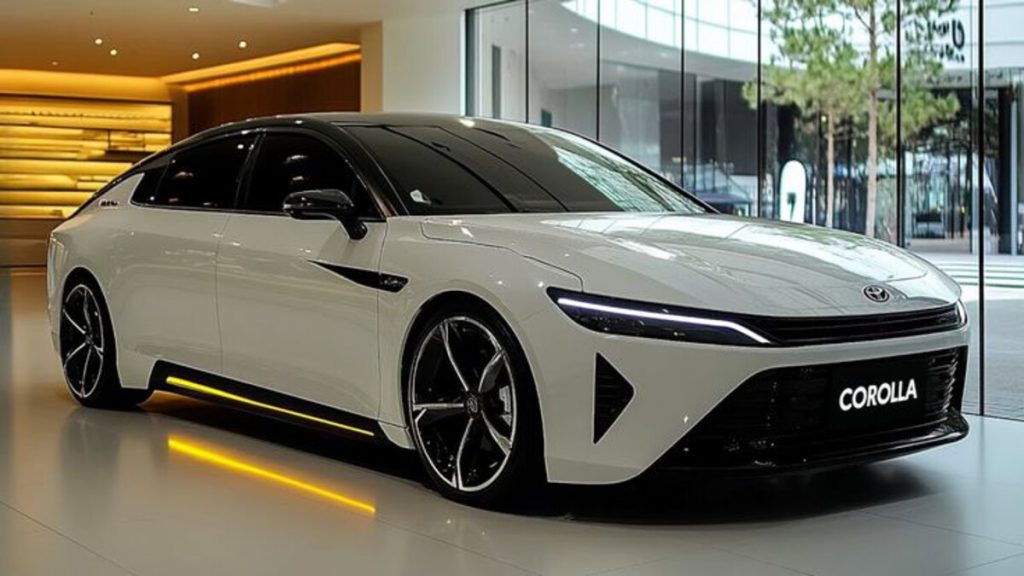
Another advantage is cost efficiency. Without the added weight and complexity of a hybrid system, the Corolla maintains a lower curb weight, which directly benefits fuel economy.
In real-world use, especially for drivers who spend more time on highways than in city traffic, the Corolla often matches or exceeds the fuel efficiency of small hybrid models.
The Corolla is included in this comparison because it proves that intelligent gasoline engineering can still compete with and sometimes outperform hybrid vehicles when it comes to fuel efficiency, simplicity, and long-term value.
2. Honda Civic
The Honda Civic is another compact sedan that consistently delivers outstanding fuel economy without relying on hybrid technology.
Honda’s engineering philosophy emphasizes efficiency through precision, and the Civic benefits from lightweight materials, efficient combustion, and excellent aerodynamics. These factors allow it to achieve fuel economy figures that rival or exceed those of small hybrids in many driving conditions.
One of the Civic’s most notable strengths is its efficient engine design. Honda’s four-cylinder engines are engineered to maximize fuel burn efficiency while maintaining responsive performance.
This balance allows drivers to achieve strong mileage without feeling underpowered, a common concern with some hybrid systems when batteries are depleted.
The Civic’s aerodynamic profile also contributes significantly to its efficiency. Its low stance and streamlined shape reduce drag, making highway driving especially economical. At cruising speeds, the Civic consumes less fuel than many small hybrid vehicles that are heavier or less aerodynamically optimized.
Transmission efficiency further enhances fuel economy. The Civic’s CVT or refined automatic transmission keeps engine speeds low during steady driving, minimizing fuel usage. This results in consistent efficiency across different driving environments, without relying on electric assistance.
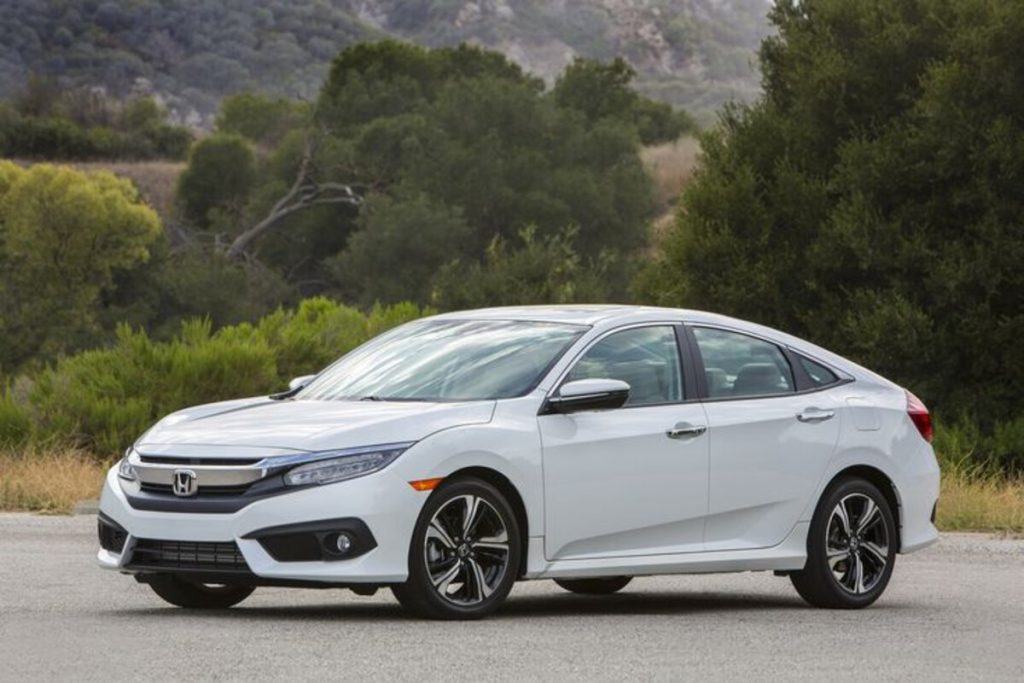
The Honda Civic earns its place in this comparison because it demonstrates how well-engineered compact sedans can outperform hybrids in real-world fuel economy, particularly for drivers who prioritize highway efficiency and long-term reliability.
3. Hyundai Elantra
The Hyundai Elantra has evolved into one of the most fuel-efficient compact sedans available, often outperforming small hybrids in real-world driving.
Hyundai’s focus on lightweight engineering, efficient powertrains, and aerodynamic refinement allows the Elantra to deliver excellent mileage without the added complexity of hybrid systems.
One of the Elantra’s biggest strengths is its efficient gasoline engine paired with a well-calibrated transmission. The engine is optimized to reduce internal friction and operate efficiently at low RPMs, particularly during highway cruising.
This makes the Elantra especially economical for drivers who spend significant time on open roads, where hybrids tend to lose their advantage.
Aerodynamics play a major role in the Elantra’s fuel efficiency. Its sleek profile and low drag coefficient reduce resistance at higher speeds, allowing the car to maintain momentum with less fuel input.
In contrast, many small hybrid vehicles especially hatchback-based models have taller profiles that increase drag and reduce highway efficiency.
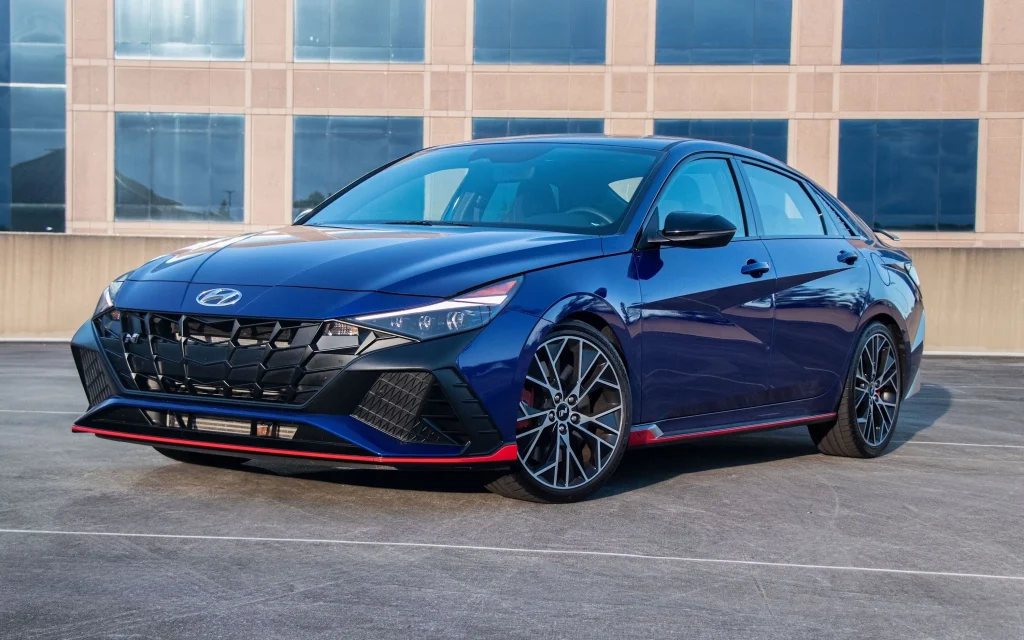
Weight is another key factor. Without battery packs and electric motors, the Elantra remains lighter than most hybrids.
This lower curb weight improves both acceleration efficiency and overall fuel consumption. Drivers benefit from consistent fuel economy regardless of battery state or driving style.
The Elantra is included in this comparison because it highlights how modern gasoline-powered sedans can outperform hybrids when efficiency is measured across varied driving conditions. It proves that hybrid technology is not the only path to exceptional fuel economy.
4. Mazda3 Sedan
The Mazda3 Sedan stands out by combining engaging driving dynamics with impressive fuel efficiency. Mazda’s approach emphasizes extracting maximum efficiency from traditional gasoline engines rather than relying on electrification. This philosophy allows the Mazda3 to deliver fuel economy that can exceed that of some small hybrids, particularly on highways.
Mazda’s Skyactiv engine technology is central to this efficiency. High compression ratios and precise fuel injection enable more complete combustion, extracting more energy from each drop of fuel. This results in lower fuel consumption without sacrificing performance or responsiveness.
The Mazda3’s lightweight construction further enhances efficiency. By reducing unnecessary mass, Mazda improves acceleration efficiency and reduces the energy required to maintain speed. This advantage becomes particularly noticeable during steady highway driving, where lighter vehicles consume less fuel than heavier hybrid models.
Aerodynamics also contribute significantly. The Mazda3’s sleek, low-slung design minimizes drag, allowing it to cruise efficiently at higher speeds. Many small hybrids prioritize interior space or upright design, which can compromise aerodynamic efficiency.
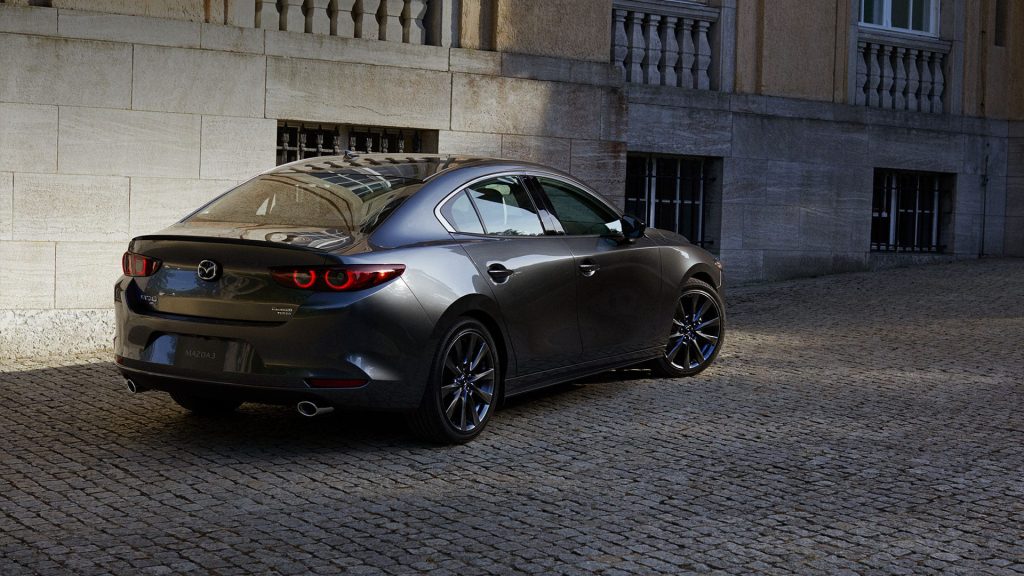
The Mazda3 earns its place in this comparison because it demonstrates how innovative gasoline engine design can deliver exceptional fuel economy. For drivers who value simplicity, driving enjoyment, and efficiency, the Mazda3 often proves more economical than hybrid alternatives.
5. Nissan Sentra
The Nissan Sentra has quietly become one of the most fuel-efficient compact sedans in its class. Designed to maximize economy and comfort, the Sentra often achieves fuel consumption figures that rival or surpass those of small hybrids, especially in mixed and highway driving.
A key factor behind the Sentra’s efficiency is its optimized engine and CVT pairing. Nissan’s transmission tuning keeps engine speeds low during cruising, reducing fuel burn while maintaining smooth operation. This results in consistent mileage without reliance on electric assistance.
The Sentra’s aerodynamic design also plays a role. Its streamlined body reduces drag, helping maintain efficiency at higher speeds. Compared to small hybrid vehicles with boxier shapes or additional weight, the Sentra benefits from reduced resistance and lower fuel demand.
Weight efficiency further strengthens its case. Without hybrid components, the Sentra remains lighter, which improves overall fuel economy and reduces mechanical complexity. Drivers experience predictable efficiency regardless of traffic conditions or driving habits.
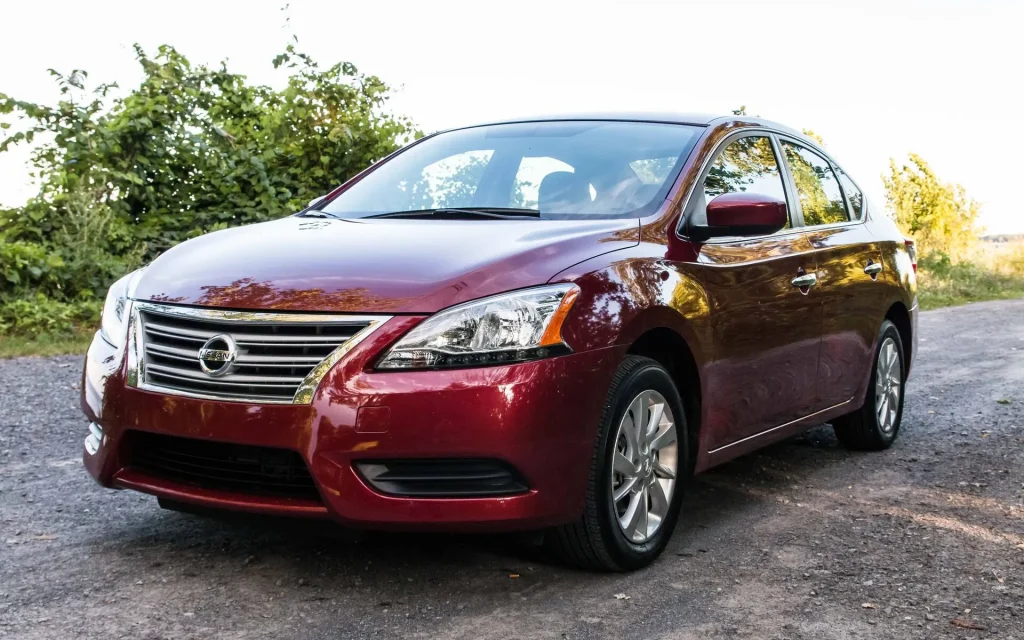
The Nissan Sentra is included because it illustrates how well-optimized compact sedans can outperform hybrids in real-world fuel efficiency. For buyers seeking affordability, simplicity, and strong mileage without hybrid complexity, the Sentra remains a compelling option.
Small Hybrids
Small hybrid vehicles are often marketed as the ultimate solution for fuel efficiency, especially for city driving. By combining gasoline engines with electric motors and battery packs, hybrids are designed to reduce fuel consumption during low-speed operation and stop-and-go traffic.
In urban environments, this technology can be highly effective, allowing vehicles to operate on electric power alone for short distances and recover energy through regenerative braking.
However, hybrid systems are not universally superior in every driving scenario. The added weight of batteries and electric components can reduce efficiency during highway cruising, where aerodynamic drag and steady speeds diminish the benefits of electric assistance.
In these conditions, well-engineered gasoline-powered compact sedans can match or even outperform small hybrids in real-world fuel economy.
Another factor to consider is driving consistency. Hybrid efficiency often depends on traffic patterns, battery charge levels, and driving style.
Drivers who spend more time on highways or suburban roads may not fully realize the fuel-saving potential of hybrid systems. In contrast, efficient compact sedans deliver predictable mileage regardless of conditions.
Cost and complexity also play a role. Hybrid vehicles are generally more expensive upfront and involve more complex drivetrains.
While reliability has improved significantly, long-term maintenance and battery replacement remain considerations for some buyers. Compact sedans, with their simpler mechanical layouts, often offer lower ownership costs alongside strong fuel economy.
The following small hybrid vehicles are efficient and well-designed, but when compared directly to modern compact sedans, they illustrate how hybrid technology does not automatically guarantee superior fuel economy.
Each example highlights where hybrids excel and where they fall short compared to highly optimized gasoline-powered sedans.
1. Toyota Prius C
The Toyota Prius C is one of the smallest and most fuel-efficient hybrids ever produced, designed specifically for urban efficiency.
Its compact size, lightweight construction, and proven hybrid system allow it to achieve excellent fuel economy in city driving. In stop-and-go traffic, the Prius C can rely heavily on electric power, significantly reducing fuel consumption.
Despite these strengths, the Prius C’s efficiency advantage narrows when driving conditions shift away from dense urban environments. On highways, the gasoline engine takes on most of the workload, and the benefits of electric assistance become limited.
At steady speeds, the added weight of the hybrid system can actually reduce efficiency compared to lightweight compact sedans with optimized aerodynamics.
Another limitation is power output. The Prius C’s modest engine and electric motor combination prioritize efficiency over performance. While adequate for city use, highway acceleration requires higher engine effort, which can impact fuel consumption.
Compact sedans with more efficient engines and better power-to-weight ratios often maintain speed more efficiently at highway cruising.
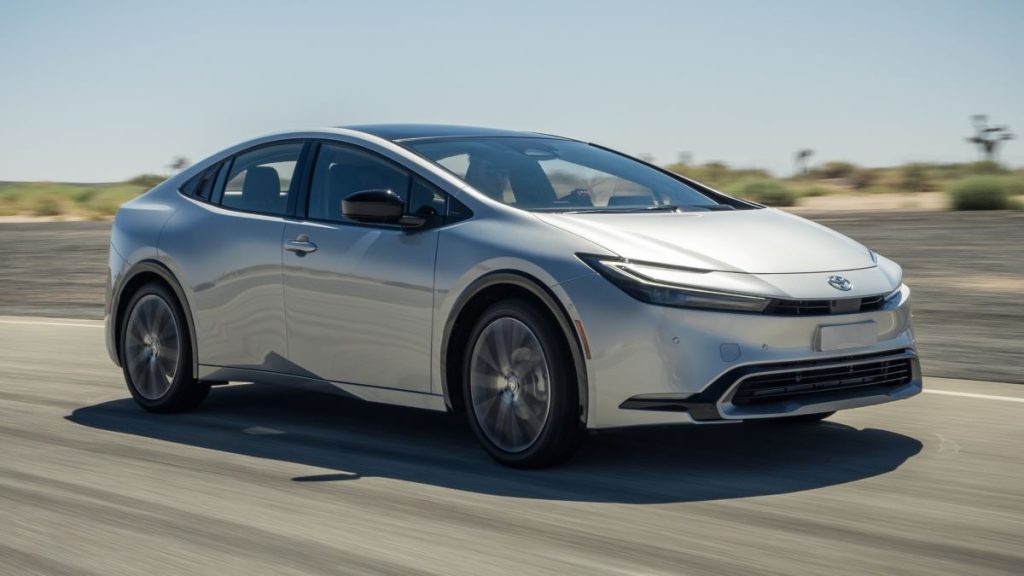
Interior space and comfort are also compromises. To keep weight down, the Prius C sacrifices refinement and cabin space.
While acceptable for short trips, it lacks the comfort and stability of larger compact sedans during longer drives situations where fuel efficiency often matters most.
The Prius C is included in this comparison because it demonstrates how hybrid efficiency is highly context-dependent.
In city driving, it excels, but across mixed and highway conditions, many compact sedans outperform it in real-world fuel economy while offering greater comfort and simplicity.
2. Hyundai Ioniq Hybrid
The Hyundai Ioniq Hybrid was engineered to challenge established hybrid models by focusing heavily on fuel efficiency and aerodynamic optimization.
Its sleek design and advanced hybrid system allow it to achieve impressive official fuel economy figures, particularly in city and mixed driving cycles.
In urban environments, the Ioniq Hybrid performs well by utilizing electric-only operation at low speeds and recovering energy through regenerative braking. This reduces fuel usage during short trips and heavy traffic.
However, its efficiency advantage diminishes on highways, where aerodynamic drag and sustained speeds limit electric assistance.
One factor that affects the Ioniq’s highway efficiency is its added weight. While Hyundai worked to minimize mass, the battery and electric motor still contribute to higher curb weight compared to compact gasoline sedans. This can result in slightly higher fuel consumption during steady cruising.
Power delivery is another consideration. The Ioniq’s hybrid system is tuned for smoothness rather than responsiveness. Maintaining highway speed under load often requires more engine input, which reduces real-world efficiency advantages over non-hybrid competitors.

The Ioniq Hybrid is included because it highlights the strengths and limitations of modern hybrid design. While efficient in city conditions, it does not always outperform compact sedans in highway fuel economy.
This reinforces the idea that hybrid technology alone does not guarantee superior efficiency across all driving scenarios.
3. Honda Insight
The Honda Insight is a compact hybrid sedan designed to blend efficiency with everyday usability. Positioned as a more conventional-looking hybrid, it appeals to buyers who want fuel savings without standing out visually.
In city traffic, the Insight performs efficiently, using its electric motor to reduce fuel consumption during low-speed driving and frequent stops.
However, when compared to modern compact gasoline sedans, the Insight’s fuel economy advantage becomes less clear in mixed and highway driving.
At higher speeds, the gasoline engine becomes the primary source of propulsion, and the benefits of electric assistance diminish. The added weight of the hybrid system means the Insight often consumes more fuel than lighter compact sedans when cruising steadily on highways.
Another factor is power management. The Insight prioritizes smooth transitions between electric and gasoline power, but this can lead to less efficient acceleration under real-world conditions.
Maintaining speed on inclines or during overtaking requires increased engine effort, which affects overall fuel economy. Compact sedans with efficient engines and optimized transmissions often handle these situations with less fuel input.
Interior refinement is respectable, but the hybrid packaging slightly limits trunk space and overall weight balance. While comfortable for daily use, the Insight does not offer a significant efficiency advantage during longer commutes where compact sedans tend to shine.
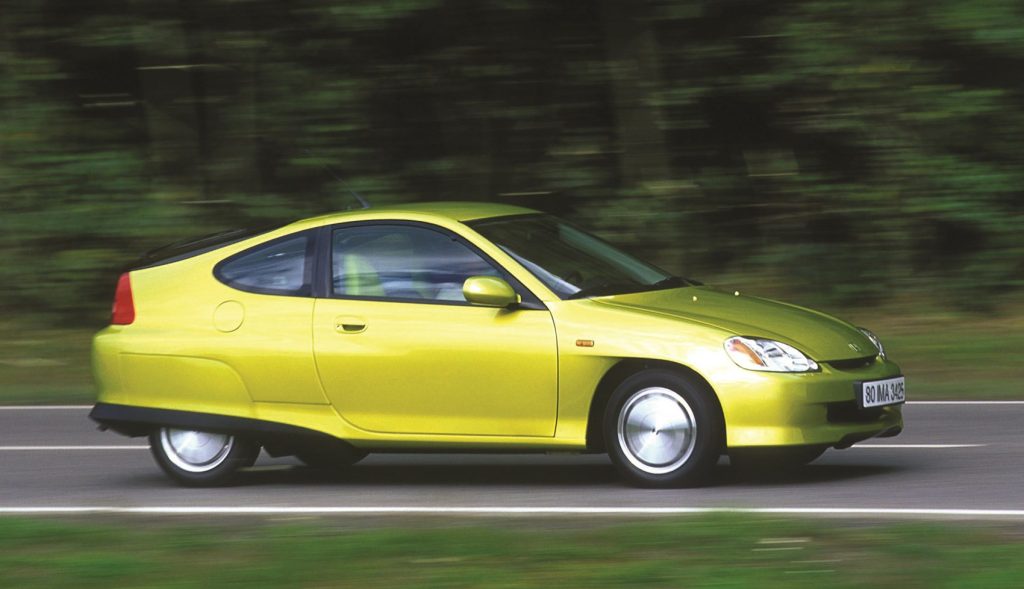
The Honda Insight is included because it demonstrates that hybrid efficiency is most effective in specific conditions.
While capable and well-designed, it does not consistently outperform high-efficiency compact sedans in real-world fuel economy, especially for drivers who spend more time on highways than in city traffic.
4. Toyota Yaris Hybrid
The Toyota Yaris Hybrid is engineered for maximum efficiency in dense urban environments. Its small size, light hybrid system, and proven Toyota technology allow it to achieve excellent fuel economy during stop-and-go driving.
In city conditions, the Yaris Hybrid often operates on electric power alone at low speeds, significantly reducing fuel consumption.
Despite these strengths, the Yaris Hybrid faces limitations outside urban use. On highways, the small gasoline engine must work harder to maintain speed, especially at higher cruising velocities. The hybrid system offers limited assistance in these scenarios, and the vehicle’s efficiency advantage over compact sedans diminishes quickly.
Weight distribution also plays a role. While the Yaris Hybrid is relatively light for a hybrid, it is still heavier than many compact sedans with similar interior space. This added mass affects efficiency during steady-speed driving, where aerodynamics and weight become critical factors.
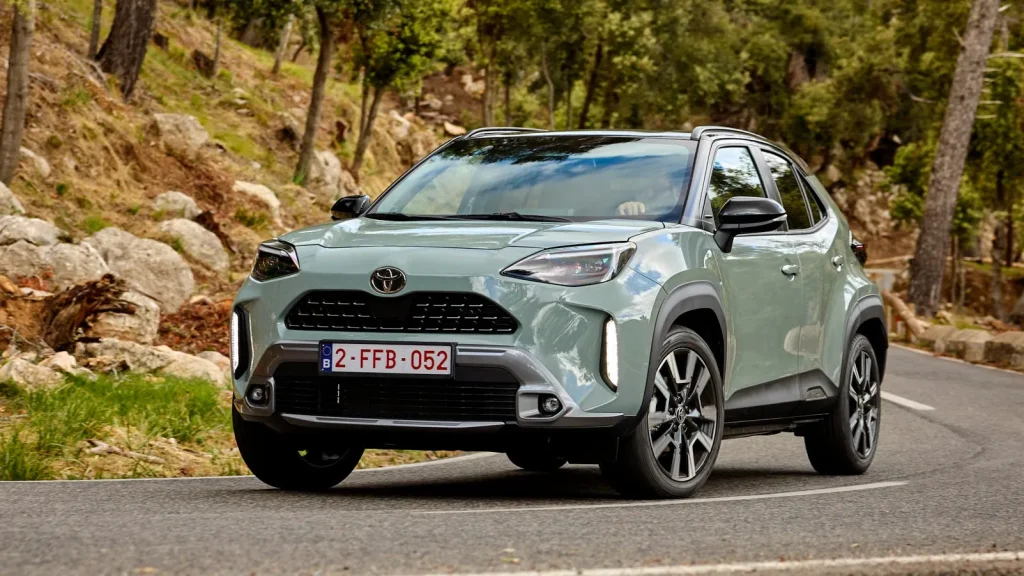
Comfort and stability are additional considerations. The Yaris Hybrid is optimized for city maneuverability rather than long-distance travel. Wind resistance, road noise, and engine strain become more noticeable at highway speeds, often leading to higher real-world fuel consumption than expected.
The Yaris Hybrid is included to highlight how hybrid efficiency is closely tied to driving environment. In cities, it performs exceptionally well.
However, across mixed and highway conditions, compact sedans with efficient gasoline engines frequently deliver better overall fuel economy while offering improved comfort and simplicity.
5. Kia Niro Hybrid
The Kia Niro Hybrid is marketed as a small, efficient hybrid crossover, designed to appeal to buyers seeking versatility alongside fuel savings. Its hybrid system performs well in city driving, using electric power to reduce fuel usage during low-speed operation and frequent braking.
However, the Niro’s crossover shape works against it in terms of fuel efficiency. Increased ride height and a less aerodynamic profile create more drag at highway speeds. This reduces efficiency during steady cruising, where compact sedans benefit from lower profiles and sleeker designs.
The Niro’s added weight further impacts fuel economy. Hybrid components combined with a taller body structure mean the engine must work harder during sustained driving. As a result, real-world highway mileage often falls short of expectations, especially when compared to lightweight compact sedans.
Power delivery is smooth but not particularly efficient under load. Acceleration and hill climbing require increased engine effort, reducing overall fuel efficiency. Compact sedans with optimized gasoline engines often maintain speed with less fuel in similar conditions.
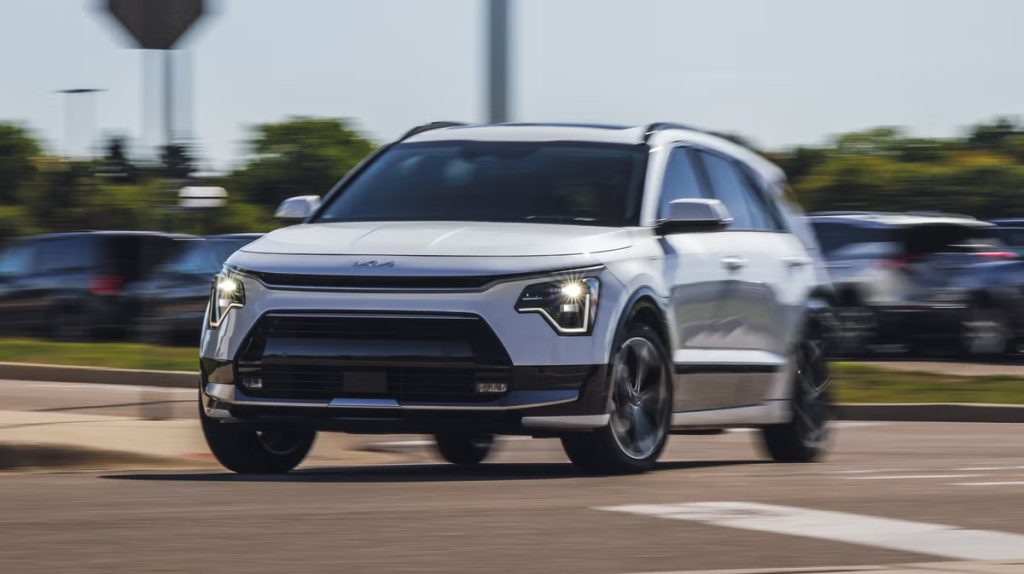
The Kia Niro Hybrid is included because it illustrates how hybrid technology can be offset by vehicle design choices. While efficient in urban settings, its crossover form and added mass prevent it from consistently outperforming compact sedans in real-world fuel economy.
Fuel efficiency is often assumed to be the exclusive strength of hybrid vehicles, but this comparison shows that modern compact sedans can equal or even surpass small hybrids in real-world fuel economy.
By examining five efficient compact sedans alongside five small hybrid vehicles, the article highlights how advances in gasoline engine technology, aerodynamics, and weight reduction have narrowed the efficiency gap and, in many cases, tipped it in favor of traditional sedans.
Compact sedans benefit from mechanical simplicity and lower curb weight. Without batteries, electric motors, or complex power-management systems, these vehicles rely on highly optimized gasoline engines paired with efficient transmissions.
Features such as continuously variable transmissions, high-compression engines, start-stop systems, and intelligent engine management allow sedans to operate in their most efficient ranges.
Their lower ride height and sleeker profiles also reduce aerodynamic drag, especially at highway speeds, where fuel consumption is most affected by resistance. As a result, sedans like the Toyota Corolla, Honda Civic, Hyundai Elantra, Mazda3 Sedan, and Nissan Sentra often achieve excellent highway and combined fuel economy.
Small hybrid vehicles, on the other hand, are designed to excel in stop-and-go city environments. Models such as the Toyota Prius C, Hyundai Ioniq Hybrid, Honda Insight, Toyota Yaris Hybrid, and Kia Niro Hybrid use electric motors and regenerative braking to reduce fuel use at low speeds.
In dense urban traffic, these systems work extremely well, allowing hybrids to operate on electric power alone for short distances and to recapture energy that would otherwise be wasted.
However, hybrid efficiency is highly dependent on driving conditions. On highways or in mixed driving cycles, the gasoline engine becomes the primary power source, and the benefits of electric assistance are reduced.
The added weight of hybrid components and, in some cases, less aerodynamic vehicle shapes can lead to higher fuel consumption than expected. In these scenarios, lightweight and aerodynamic compact sedans often maintain speed with less energy, resulting in better real-world mileage.
The comparison also highlights ownership considerations. Compact sedans generally cost less to purchase and maintain due to simpler mechanical layouts.
Hybrids, while increasingly reliable, still involve higher upfront costs and greater complexity. For drivers who spend more time on highways or suburban roads than in city traffic, the fuel savings promised by hybrids may not fully materialize.
Overall, the article concludes that fuel efficiency is not defined by hybrid technology alone. Driving patterns, vehicle design, and engineering efficiency matter just as much.
For many buyers, modern compact sedans offer a more economical, predictable, and cost-effective solution than small hybrids, particularly outside dense urban environments.
Also Read: 5 Cars for Santa Clara Suburban EV Life vs 5 That Are Costly to Own
