
The SUV market is undergoing a major transformation as electric vehicles move from niche products to mainstream luxury offerings.
Nowhere is this shift more evident than in the luxury SUV segment, where electric powertrains are redefining performance, refinement, and overall ownership experience.
At the same time, entry-level internal combustion engine (ICE) SUVs continue to dominate the budget end of the market, appealing to buyers focused on affordability and familiarity. While these two categories target different buyers on paper, their real-world value overlap is growing rapidly.
Luxury electric SUVs benefit from cutting-edge technology, instant torque, quieter cabins, and advanced driver-assistance systems that dramatically elevate the driving experience.
Their electric platforms allow for better weight distribution, smoother acceleration, and more interior space compared to traditional ICE-based designs. As charging infrastructure improves and ownership costs decrease, these vehicles increasingly represent not just luxury alternatives, but smarter overall purchases.
Entry-level ICE SUVs, by contrast, prioritize low upfront cost and basic transportation needs. They typically rely on smaller engines, simpler suspensions, and cost-conscious interiors to maintain affordability.
While practical for daily commuting, these vehicles often lack refinement, performance, and advanced technology. As expectations rise, their limitations become more apparent especially when compared directly to premium electric SUVs.
This article compares five luxury electric SUVs that outperform five entry-level ICE SUVs in nearly every meaningful category, including performance, comfort, technology, and long-term value.
The goal is not to dismiss budget SUVs, but to highlight how far electric luxury vehicles have advanced and why they increasingly represent a superior ownership experience, even when compared against traditional gasoline-powered alternatives.
Also Read: 5 Reliable Older Sedans That Outshine 5 New Budget Models on Longevity
Luxury Electric SUVs
Luxury electric SUVs represent the forefront of automotive innovation. These vehicles are built on dedicated electric platforms that allow manufacturers to rethink design, performance, and interior layout from the ground up.
Without the constraints of traditional engines and transmissions, luxury EV SUVs deliver smoother power delivery, better space utilization, and a driving experience that feels distinctly modern.
One of the biggest advantages of electric luxury SUVs is performance. Electric motors deliver instant torque, resulting in rapid acceleration and effortless passing power.
Even large electric SUVs often outperform entry-level ICE SUVs in both straight-line speed and responsiveness. This performance advantage comes without the noise, vibration, and harshness associated with gasoline engines.
Interior refinement is another major strength. Luxury electric SUVs frequently feature high-quality materials, advanced infotainment systems, digital displays, and sophisticated driver-assistance technologies.
Because electric drivetrains are quieter, cabins feel more serene, enhancing perceived luxury. Many models also offer innovative features such as over-the-air updates, advanced connectivity, and customizable driving modes.
Ownership experience further separates these vehicles from entry-level ICE SUVs. Lower running costs, reduced maintenance requirements, and incentives in many markets make electric SUVs more appealing over time. While upfront prices are higher, the long-term benefits often outweigh the initial investment.
The following five luxury electric SUVs exemplify why this category is increasingly superior. Each model demonstrates how electric technology elevates performance, comfort, and usability beyond what entry-level gasoline SUVs can offer.
1. Tesla Model X
The Tesla Model X is one of the most recognizable luxury electric SUVs on the market, and it sets a high benchmark for performance, technology, and innovation. Designed from the outset as an electric vehicle, the Model X delivers a driving experience that entry-level ICE SUVs simply cannot replicate.
Performance is one of the Model X’s most striking advantages. Instant torque from its electric motors enables rapid acceleration that rivals or exceeds many sports cars.
This level of performance is completely unattainable for entry-level ICE SUVs, which rely on small engines optimized for fuel economy rather than power. The Model X delivers this performance smoothly and silently, enhancing overall refinement.
Interior space and technology further elevate the Model X above budget SUVs. Its flat floor and electric architecture create a spacious, open cabin with flexible seating configurations.
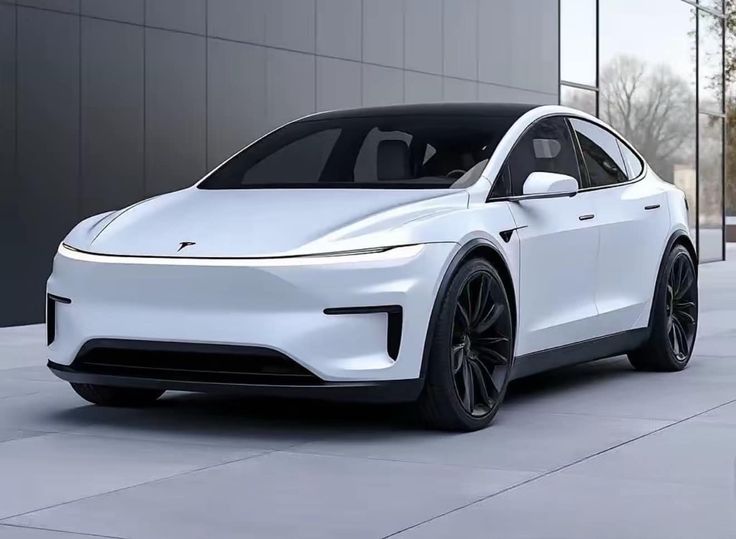
A large central touchscreen controls most vehicle functions, offering advanced navigation, entertainment, and vehicle management features. Over-the-air software updates continuously improve functionality, something entry-level ICE SUVs cannot offer.
The Model X is included in this comparison because it demonstrates how electric luxury SUVs redefine expectations.
Compared to entry-level ICE SUVs that focus on basic transportation, the Model X offers cutting-edge performance, superior comfort, and a future-ready ownership experience that makes traditional budget SUVs feel outdated.
2. Audi Q8 e-tron
The Audi Q8 e-tron represents Audi’s refined approach to electric luxury, combining sophisticated design with advanced electric technology. Positioned as a premium SUV, it delivers a level of comfort, build quality, and driving refinement that far surpasses entry-level ICE SUVs.
One of the Q8 e-tron’s key strengths is its quiet, composed ride. Electric propulsion eliminates engine noise, allowing Audi’s sound insulation and suspension tuning to shine.
The result is a serene driving experience that feels far more upscale than the often coarse ride of entry-level ICE SUVs. Even at highway speeds, the cabin remains calm and insulated.
Interior quality is another area where the Q8 e-tron excels. High-grade materials, precise fit and finish, and multiple digital displays create a modern, premium environment. Advanced driver-assistance systems enhance safety and reduce driver fatigue, features that are often optional or unavailable in budget ICE SUVs.
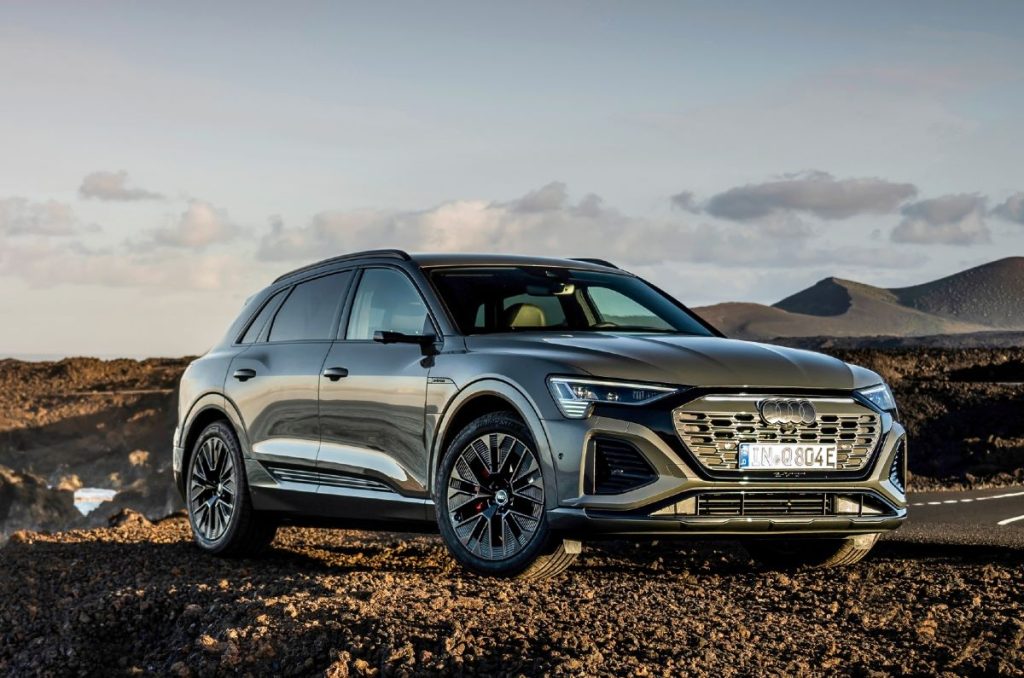
The Q8 e-tron earns its place in this article because it shows how electric power enhances luxury rather than compromising it. Compared to entry-level ICE SUVs, it delivers superior refinement, technology, and comfort, reinforcing the idea that electric luxury SUVs represent a significant step forward in overall vehicle quality.
3. BMW iX
The BMW iX represents a bold shift in BMW’s luxury SUV philosophy, designed entirely around electric propulsion rather than adapted from an existing gasoline model. This clean-sheet approach allows the iX to outperform entry-level ICE SUVs in performance, comfort, and technology while delivering a distinctly premium driving experience.
One of the iX’s most noticeable advantages is power delivery. Electric motors provide immediate torque, resulting in strong, effortless acceleration at any speed. This responsiveness contrasts sharply with entry-level ICE SUVs, which often rely on small turbocharged engines that struggle under load and feel strained during highway passing.
Ride quality is another area where the BMW iX excels. The battery placement lowers the center of gravity, improving stability and cornering confidence. Adaptive suspension systems smooth out road imperfections, creating a ride that feels controlled yet comfortable something budget ICE SUVs rarely achieve due to cost-focused suspension tuning.
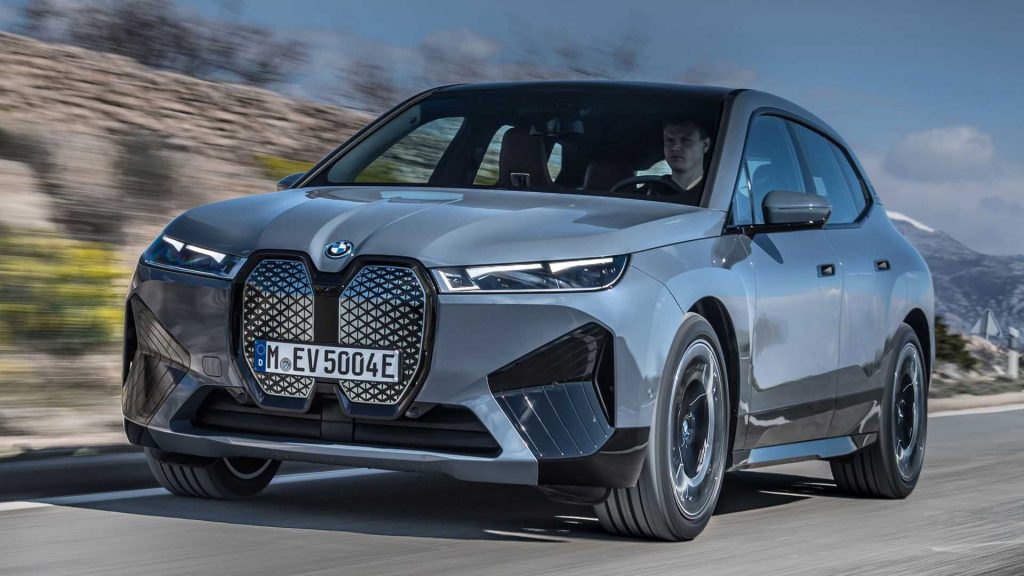
Inside, the iX showcases BMW’s latest interior design language. High-quality materials, a minimalist layout, and advanced digital displays create a futuristic yet luxurious environment. Driver-assistance systems, including adaptive cruise control and lane-centering features, enhance long-distance comfort and safety.
The BMW iX is included in this comparison because it highlights how a purpose-built electric SUV can outperform entry-level ICE SUVs across every meaningful metric. From acceleration and refinement to technology and interior quality, the iX delivers an ownership experience that entry-level gasoline SUVs cannot match.
4. Mercedes-Benz EQS SUV
The Mercedes-Benz EQS SUV brings flagship-level luxury into the electric SUV segment, redefining what refinement and comfort mean in a modern vehicle. Built on Mercedes’ dedicated electric platform, the EQS SUV delivers an experience that entry-level ICE SUVs cannot approach in terms of sophistication and serenity.
One of the EQS SUV’s defining strengths is its exceptionally quiet cabin. Electric propulsion removes engine noise entirely, allowing Mercedes’ extensive sound insulation to create a near-silent interior.
This level of calm makes even premium gasoline SUVs feel dated, let alone entry-level ICE models with noticeable engine and road noise.
Ride comfort is further enhanced by advanced suspension systems designed to absorb road imperfections effortlessly. The EQS SUV glides over uneven surfaces, delivering a smooth, composed ride that contrasts sharply with the firmer, less refined ride quality of budget ICE SUVs.
Interior technology is another major differentiator. Large digital displays, intuitive infotainment, and advanced driver-assistance features elevate the driving experience. Materials such as leather, wood, and metal are used extensively, reinforcing the vehicle’s luxury credentials.
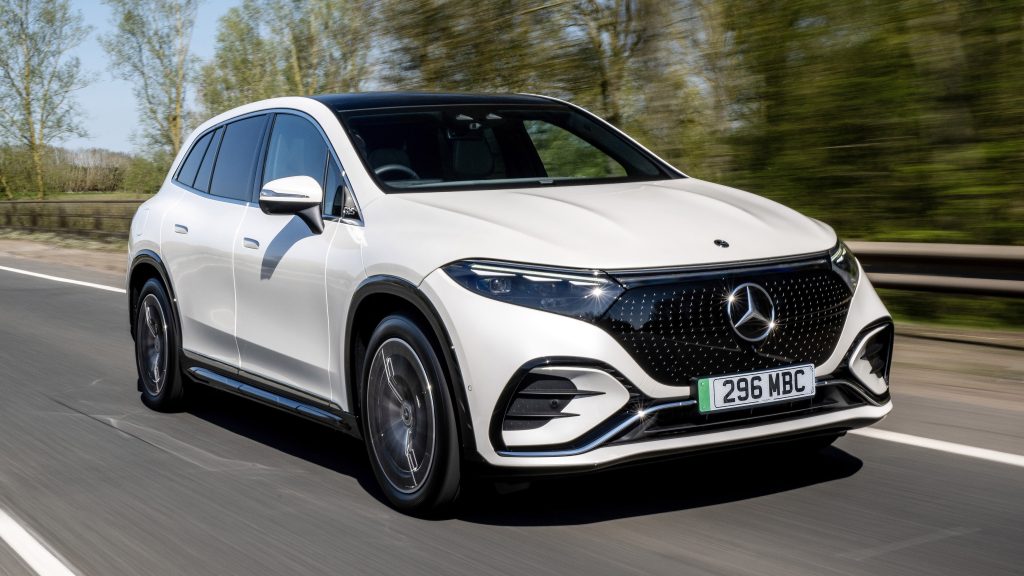
The EQS SUV earns its place in this article because it demonstrates how electric architecture enhances luxury rather than compromising it. Compared to entry-level ICE SUVs, it offers superior comfort, quieter operation, and advanced technology that redefine expectations in the SUV market.
5. Cadillac Lyriq
The Cadillac Lyriq marks a major step forward for Cadillac, positioning the brand firmly within the luxury electric SUV space. Designed as a premium electric SUV from the ground up, the Lyriq offers a blend of style, technology, and performance that easily surpasses entry-level ICE SUVs.
Performance is one of the Lyriq’s strongest assets. Electric motors provide smooth, immediate acceleration, making everyday driving effortless. Entry-level ICE SUVs, by comparison, often feel underpowered and noisy when pushed beyond gentle driving conditions.
Interior design is another highlight. The Lyriq features a dramatic curved display that integrates the instrument cluster and infotainment system into a single, cohesive interface. High-quality materials and ambient lighting create an upscale atmosphere that entry-level ICE SUVs simply cannot replicate at their price points.
Ride quality benefits from the Lyriq’s electric platform and well-tuned suspension. The vehicle remains composed over rough surfaces while maintaining a comfortable ride, a balance that budget SUVs often struggle to achieve due to cost constraints.
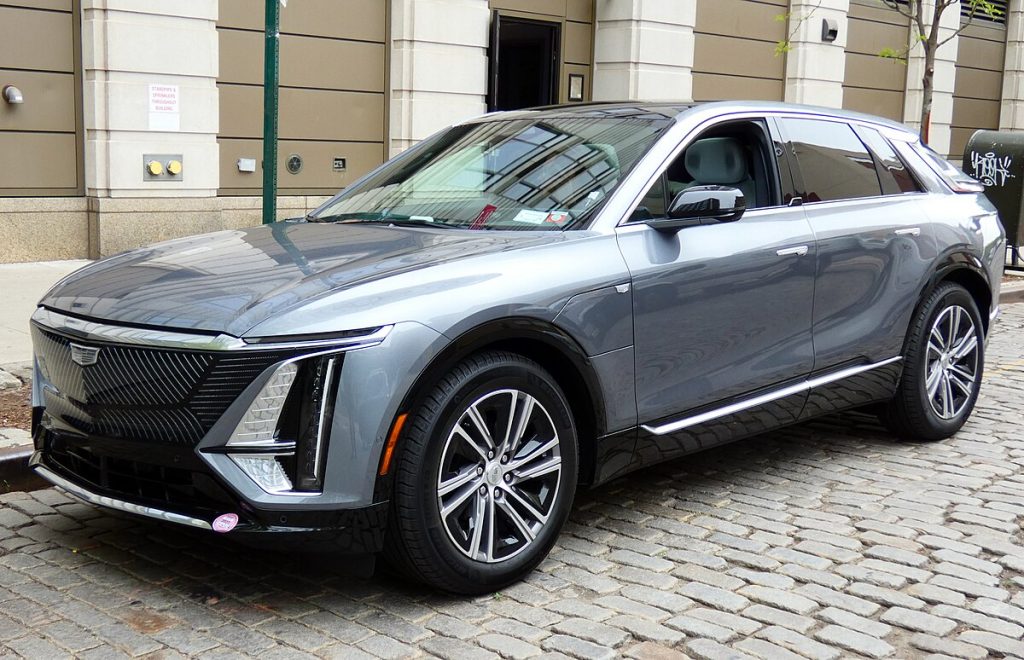
The Cadillac Lyriq is included because it shows how electric luxury SUVs can deliver premium design, strong performance, and advanced technology without compromise. When compared to entry-level ICE SUVs, the Lyriq offers a far more refined and future-focused ownership experience.
Entry-Level ICE SUVs
Entry-level internal combustion engine (ICE) SUVs continue to attract buyers who prioritize affordability, familiarity, and ease of ownership.
These vehicles are designed to serve as practical transportation tools, offering higher seating positions, reasonable cargo space, and the flexibility many buyers want without stretching their budgets.
For first-time SUV buyers or those upgrading from compact cars, entry-level ICE SUVs often represent an accessible starting point.
To achieve competitive pricing, manufacturers make deliberate compromises in this segment. Smaller gasoline engines are tuned primarily for fuel efficiency rather than performance, and suspension systems are engineered to meet cost targets instead of delivering exceptional ride quality.
Interiors typically feature durable but basic materials, smaller infotainment screens, and fewer advanced driver-assistance features as standard equipment. While these choices keep prices low, they also limit refinement and long-term satisfaction.
Technology is another area where entry-level ICE SUVs lag behind luxury electric alternatives. Many still rely on older infotainment architectures and limited digital integration.
Driver-assistance systems are often optional or restricted to higher trims, making advanced safety less accessible. In contrast, luxury electric SUVs frequently include cutting-edge technology and continuous software updates as part of the ownership experience.
Performance and refinement further separate these two categories. Entry-level ICE SUVs often feel strained during highway acceleration, overtaking, or when fully loaded. Engine noise, vibration, and gear changes are more noticeable, especially when compared to the smooth, silent operation of electric powertrains.
The following entry-level ICE SUVs are competent and practical within their intended roles. However, when evaluated against luxury electric SUVs, they highlight the growing gap in performance, comfort, technology, and overall driving experience. Their inclusion provides context for understanding just how far premium electric SUVs have advanced.
1. Toyota Corolla Cross
The Toyota Corolla Cross is positioned as a practical, entry-level SUV aimed at buyers seeking reliability and efficiency at an affordable price. Built on the Corolla’s platform, it prioritizes familiarity and low ownership costs over performance or luxury.
For daily commuting and light family duties, the Corolla Cross delivers dependable transportation but its limitations become clear when compared to luxury electric SUVs.
Performance is modest by design. The Corolla Cross uses a small gasoline engine tuned for efficiency rather than responsiveness.
Acceleration is adequate for city driving, but highway merging and overtaking require careful planning. Engine noise becomes noticeable under load, highlighting the inherent limitations of entry-level ICE powertrains compared to the instant, silent torque of electric SUVs.
Ride quality reflects cost-focused engineering. The suspension is tuned to balance comfort and affordability, but it struggles to absorb rough road surfaces with the composure seen in premium electric SUVs. Road and wind noise are more pronounced, especially at higher speeds, reinforcing the gap in refinement.
Interior quality is functional rather than inspiring. Hard plastics dominate the cabin, and infotainment features are basic compared to the expansive displays and advanced interfaces found in luxury EVs. While ergonomic and durable, the interior lacks the premium feel and technological sophistication that increasingly define modern SUVs.
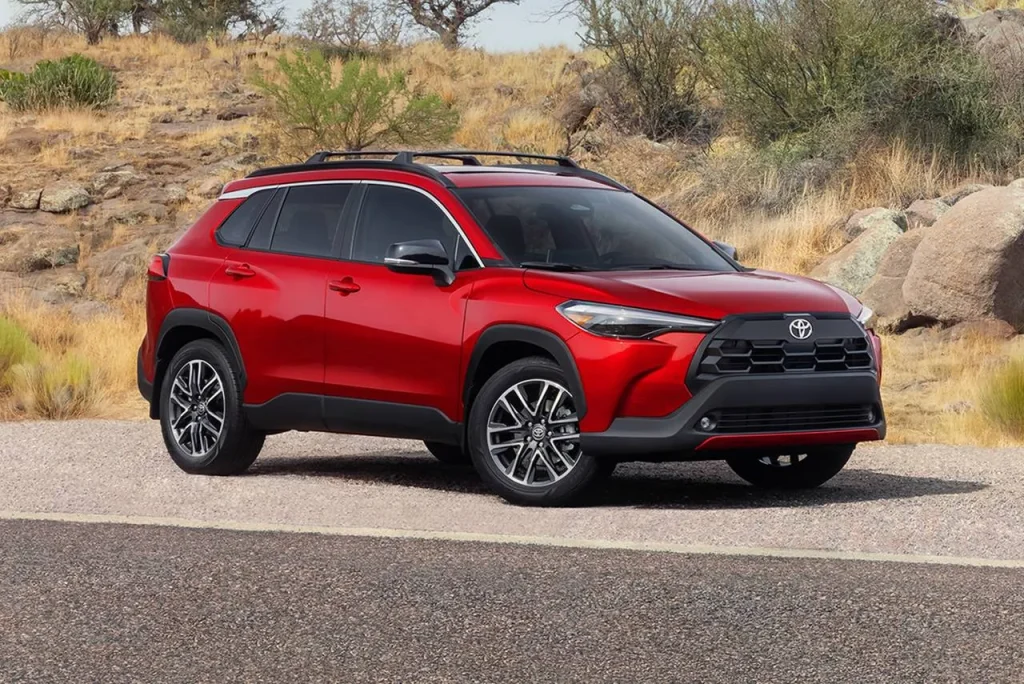
The Corolla Cross is included because it represents what entry-level ICE SUVs do well reliability, simplicity, and affordability.
However, when compared directly to luxury electric SUVs, it underscores how traditional gasoline-powered designs struggle to match the performance, quietness, and advanced technology that electric platforms now deliver as standard.
2. Hyundai Creta
The Hyundai Creta is one of the most popular entry-level ICE SUVs in many markets, known for its stylish design, comfortable ride, and competitive pricing. It offers a strong value proposition for buyers seeking a feature-rich SUV without stepping into premium territory.
Despite its popularity, the Creta highlights the inherent trade-offs of budget-focused ICE vehicles.
Engine options in the Creta are designed for everyday usability rather than performance. While sufficient for urban driving, acceleration feels restrained during highway driving or when carrying passengers and cargo.
Gear changes are noticeable, and engine noise becomes apparent under heavy throttle characteristics that stand in sharp contrast to the smooth, linear acceleration of luxury electric SUVs.
Ride comfort is one of the Creta’s stronger points, but it remains limited by its cost-conscious suspension setup. Uneven surfaces and sharp bumps are transmitted more clearly into the cabin compared to premium EVs that benefit from lower centers of gravity and advanced suspension systems. Long-distance comfort is adequate but not exceptional.
Interior design is modern but material quality reflects its price point. Soft-touch elements are limited, and infotainment systems, while user-friendly, lack the processing power and graphical sophistication of luxury electric SUVs. Advanced driver-assistance features are often restricted to higher trims, reducing accessibility.
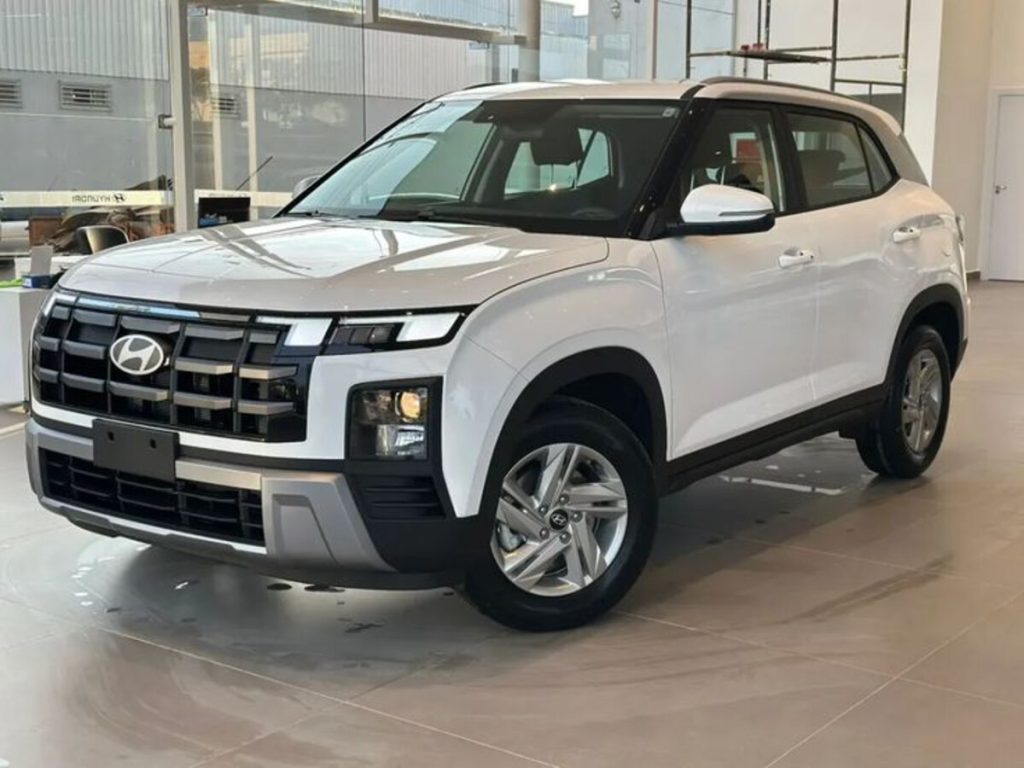
The Hyundai Creta earns its place here as a well-rounded entry-level ICE SUV that meets basic needs effectively. However, when placed alongside luxury electric SUVs, it demonstrates how traditional platforms struggle to compete with the refinement, performance, and technology that electric architectures naturally provide.
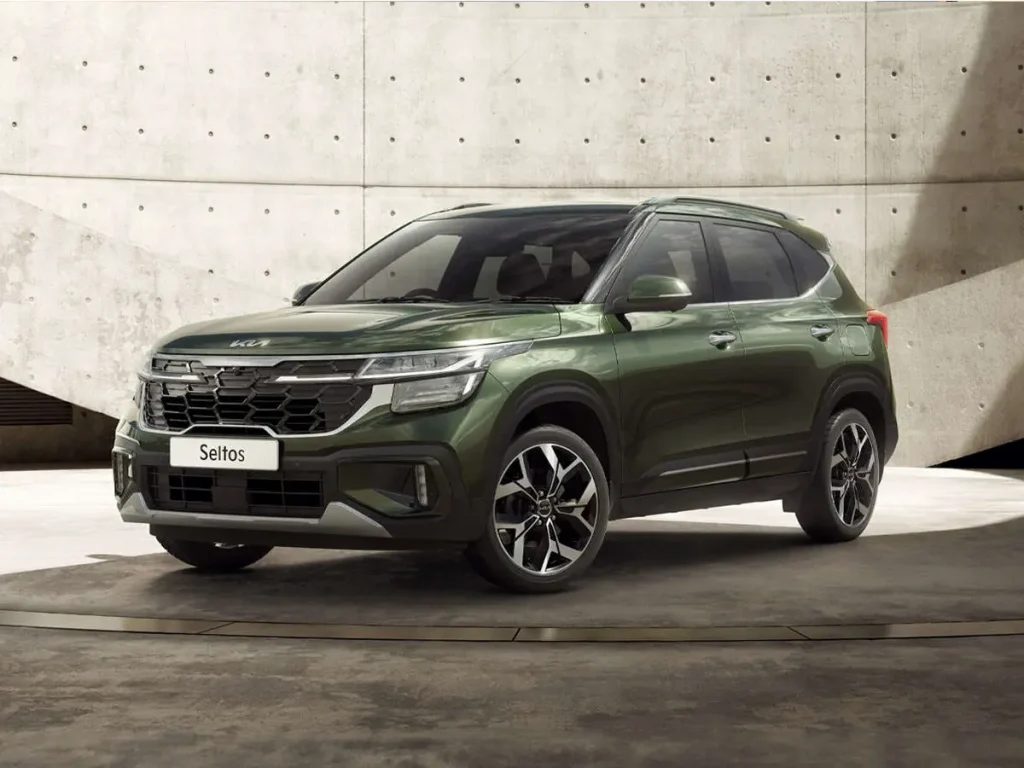
3. Kia Seltos
The Kia Seltos is positioned as a youthful, feature-packed entry-level ICE SUV designed to appeal to urban buyers and first-time SUV owners. Its bold styling and competitive pricing make it attractive on the surface, but when compared to luxury electric SUVs, the limitations of its traditional gasoline-based design become increasingly apparent.
Performance is adequate rather than impressive. The Seltos relies on small-displacement engines optimized for fuel efficiency, not power. In city driving, it feels manageable, but highway acceleration exposes its limitations.
Overtaking requires noticeable throttle input, and engine noise becomes prominent under load. This experience contrasts sharply with luxury electric SUVs, which deliver instant torque and seamless acceleration without noise or vibration.
Ride quality reflects the Seltos’s cost-conscious engineering. While suspension tuning provides reasonable comfort on smooth roads, rough surfaces and uneven pavement are transmitted more directly into the cabin.
At higher speeds, road and wind noise are more noticeable, highlighting the refinement gap between entry-level ICE SUVs and premium electric alternatives.
Interior quality is modern but restrained by budget. The dashboard design is appealing, yet materials are largely hard plastics. Infotainment systems are functional but lack the processing speed, screen size, and integration seen in luxury EVs.
Advanced driver-assistance features are often limited to higher trims, making cutting-edge safety less accessible.
The Kia Seltos is included because it represents a strong entry-level option within its class, but also illustrates how traditional ICE SUVs struggle to match the comfort, performance, and technological sophistication of luxury electric SUVs built on dedicated EV platforms.
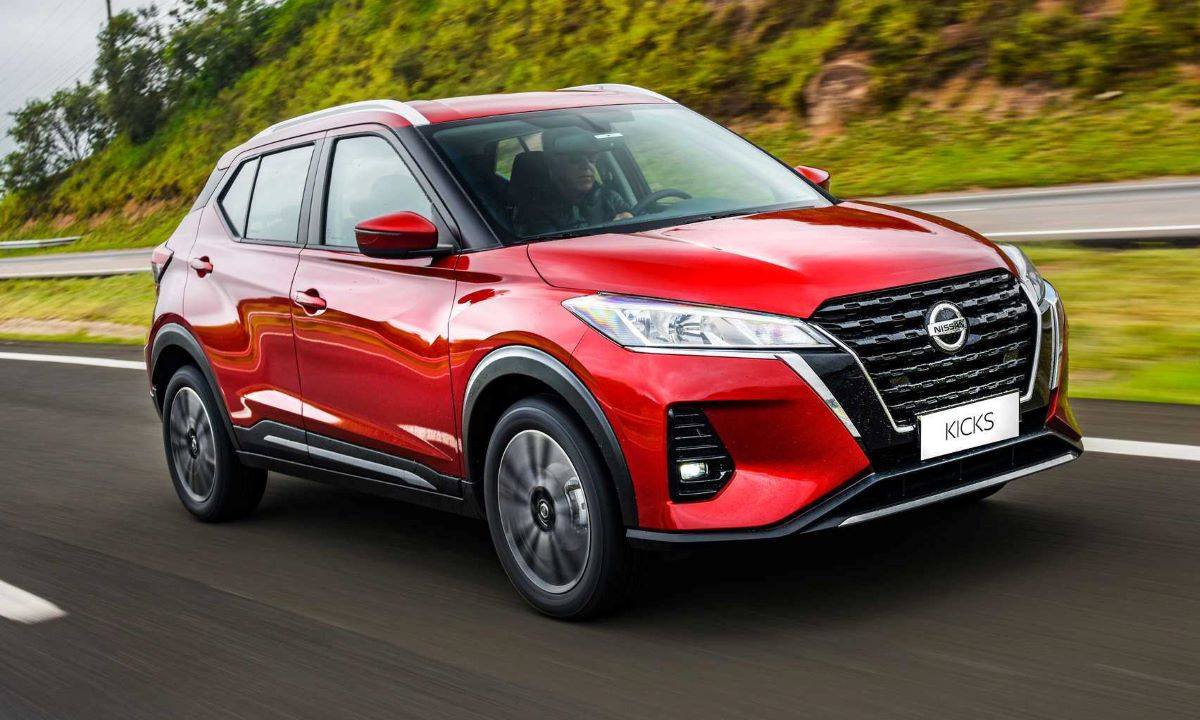
4. Nissan Kicks
The Nissan Kicks is one of the most affordable entry-level ICE SUVs, designed primarily for efficiency, simplicity, and urban usability. It caters to buyers who want SUV styling and practicality at a low price point, but its limitations are clear when compared with luxury electric SUVs.
Powertrain performance is modest. The Kicks’ small gasoline engine prioritizes fuel economy over responsiveness, resulting in slow acceleration and limited highway confidence.
Engine noise is noticeable when pushed, reinforcing the mechanical strain typical of budget ICE vehicles. Luxury electric SUVs, by contrast, deliver smooth and immediate power regardless of speed.
Ride comfort is tuned for city streets, but the lightweight chassis and basic suspension struggle on uneven roads. Cabin insulation is minimal, allowing road noise to enter at highway speeds. This stands in sharp contrast to the quiet, composed ride quality delivered by electric luxury SUVs.
Interior materials and technology further highlight cost constraints. The cabin is functional but basic, with limited soft-touch materials and smaller infotainment displays. Digital interfaces are less intuitive and slower than those found in premium EVs, and driver-assistance features are minimal or optional.
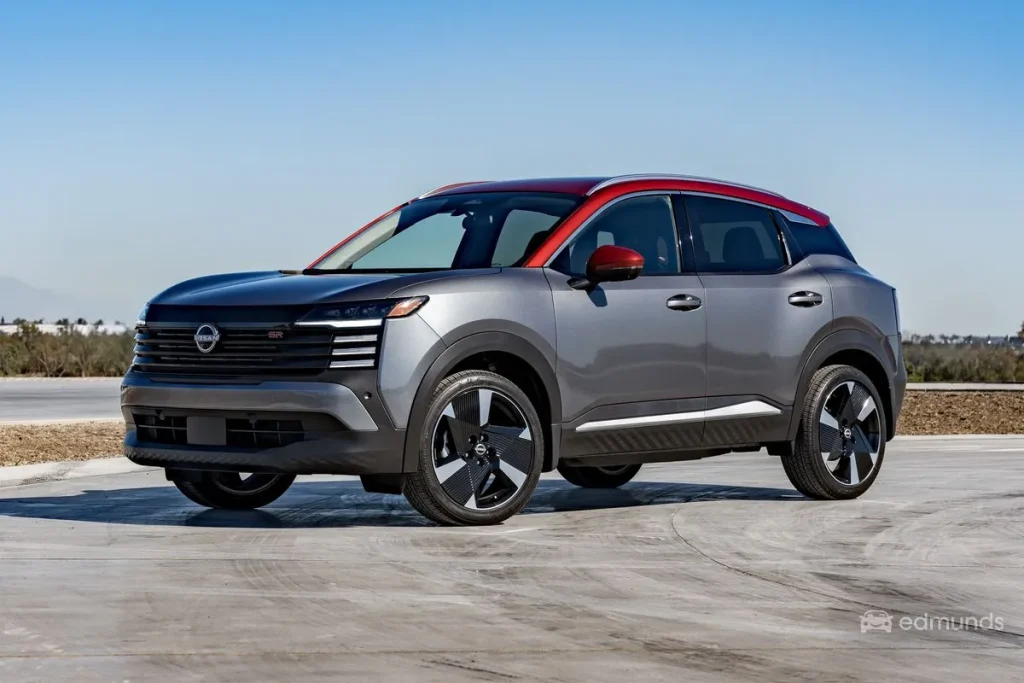
The Nissan Kicks is included to demonstrate how entry-level ICE SUVs fulfill basic transportation needs effectively but lack the refinement and performance that define modern luxury electric SUVs. It serves as a reminder that affordability often comes with significant compromises.
5. Renault Duster
The Renault Duster has built a reputation as a rugged, affordable SUV capable of handling rough roads better than many competitors in the entry-level segment. Its simplicity and durability make it popular in emerging markets, but when compared to luxury electric SUVs, its age and limitations are evident.
Engine performance in the Duster is functional but dated. Acceleration is slow by modern standards, and engine noise is pronounced during highway driving. The lack of smooth power delivery contrasts starkly with the refined, instant acceleration of electric luxury SUVs.
Ride quality is tuned for durability rather than comfort. While the Duster handles bad roads competently, it lacks the composure and stability offered by electric SUVs with lower centers of gravity and advanced suspension systems. Long journeys can feel tiring due to vibration and noise.
Interior design is utilitarian. Materials prioritize durability over refinement, and infotainment technology lags behind current standards. Features commonly expected in luxury electric SUVs large digital displays, advanced connectivity, and sophisticated driver aids are either absent or basic.
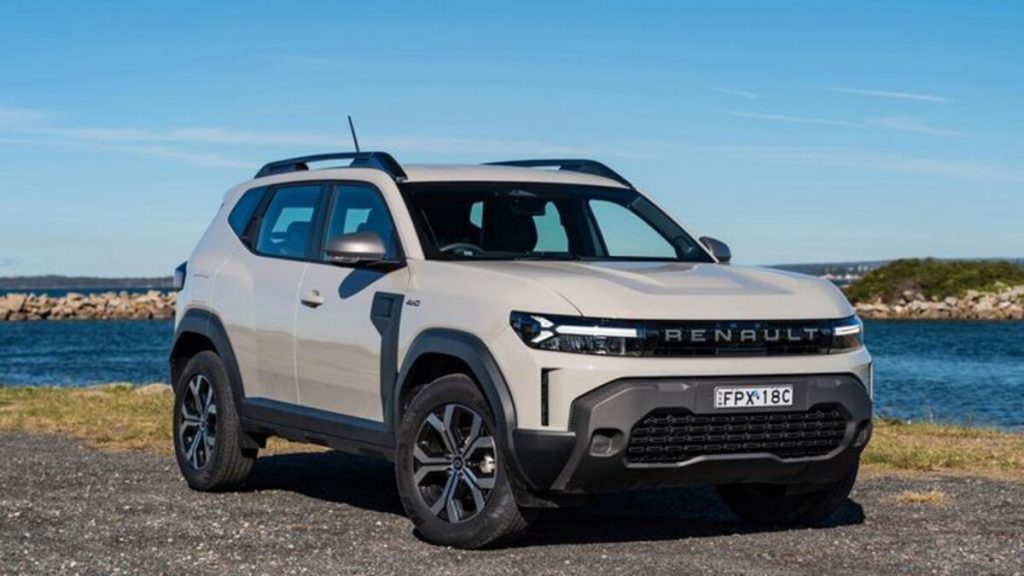
The Renault Duster earns its place in this comparison because it represents the practical strengths of entry-level ICE SUVs while clearly showing their shortcomings.
Against luxury electric SUVs, the Duster highlights how far electric platforms have advanced in comfort, performance, and overall ownership experience.
