Depreciation is one of the most overlooked costs of car ownership, yet it often represents the single largest financial loss a buyer experiences.
While fuel economy and maintenance receive significant attention, the amount a vehicle loses in value over time can far outweigh savings in other areas. This is where the difference between high-resale hatchbacks and many small cars becomes especially important.
At first glance, small cars appear to be smart financial choices. They are affordable, efficient, and easy to drive. However, affordability at purchase does not always translate to long-term value retention.
Many small cars depreciate rapidly due to oversupply, lower perceived desirability in the used market, and limited versatility. As a result, owners often face steep value drops within the first few years of ownership.
High-resale hatchbacks tell a different story. These vehicles combine practicality, brand strength, reliability, and sustained demand in the used market.
Hatchbacks offer flexible cargo space, urban-friendly dimensions, and everyday usability that appeals to a wide range of buyers. This broader appeal helps protect resale values over time, even when newer models enter the market.
This article exists to highlight that not all compact vehicles depreciate equally. By comparing five hatchbacks known for strong resale value against five small cars that lose value more quickly, the goal is to shift attention from purchase price alone to ownership economics.
Depreciation is money lost silently, and understanding which vehicles resist it can make a substantial difference in long-term cost.
Rather than focusing on performance or features, this comparison centers on market behaviour what buyers want years later and why some vehicles remain desirable while others fade quickly. For anyone concerned about long-term value, this distinction matters more than ever.
Also Read: 5 Cars for Athens (GA) College & City Life vs 5 Students Should Avoid
5 High-Resale Hatchbacks
High-resale hatchbacks occupy a unique position in the automotive market. They balance compact dimensions with versatility, offering practicality that extends beyond what traditional small cars can deliver.
This combination makes them consistently desirable in both new and used markets, which directly translates into stronger resale values and slower depreciation.
One key reason hatchbacks hold value better is demand stability. Used-car buyers often seek vehicles that can adapt to multiple roles daily commuting, small families, cargo hauling, or city driving. Hatchbacks meet these needs without significant compromises, keeping demand strong even as models age.
Brand reputation also plays a crucial role. Many high-resale hatchbacks come from manufacturers known for long-term reliability and low ownership costs.
When buyers trust a vehicle to last, they are willing to pay more for it on the used market. This trust protects residual values and reduces depreciation losses for owners.
Another factor is market positioning. Hatchbacks often avoid aggressive fleet sales and heavy discounting, both of which hurt resale values. Instead, they rely on steady consumer demand rather than incentives to drive sales, helping maintain price stability over time.
This section focuses on five hatchbacks that consistently outperform small cars on depreciation. Each example explains why these vehicles retain value whether due to reliability, brand strength, practicality, or market perception.
The goal is not to suggest hatchbacks are perfect, but to show how certain models resist depreciation far better than many smaller, less versatile cars.
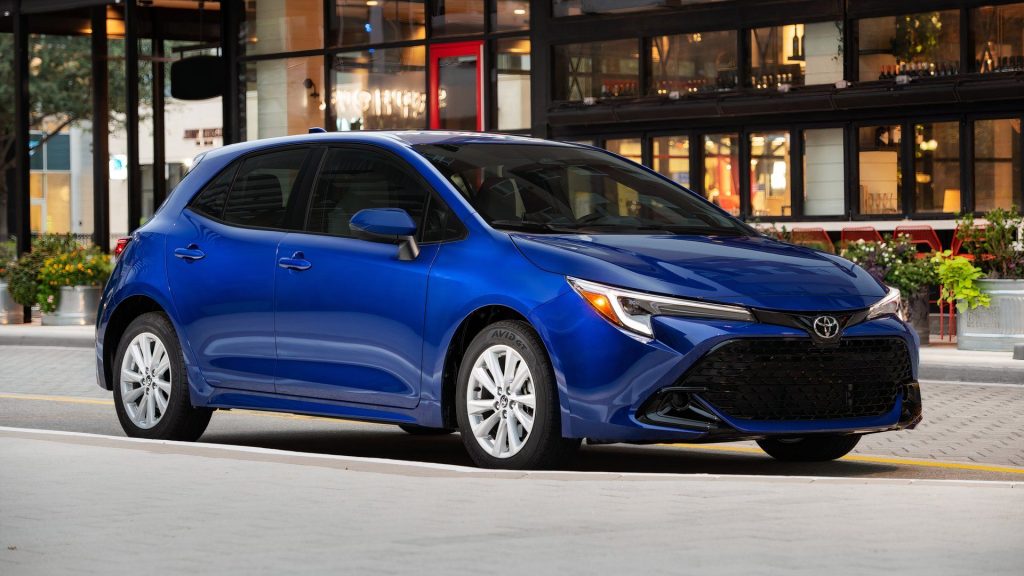
1. Toyota Corolla Hatchback
The Toyota Corolla Hatchback stands as one of the strongest examples of a vehicle engineered not just for reliability, but for long-term value retention. While many small cars lose value rapidly after purchase, the Corolla Hatchback consistently remains in demand in the used market, helping owners avoid steep depreciation losses.
Toyota’s reputation for durability is the foundation of this strong resale performance. Buyers trust that a Corolla will deliver years of trouble-free ownership, making even older models attractive. This confidence directly translates into higher resale prices compared to small cars with less-proven longevity.
Practicality further strengthens the Corolla Hatchback’s value. Unlike basic small sedans or city cars, it offers flexible cargo space and a versatile interior layout. Used buyers often prioritize utility, and the hatchback design broadens its appeal to young professionals, small families, and urban drivers alike.
Market positioning also plays a role. Toyota avoids excessive discounting, which helps stabilize resale values. Vehicles that sell primarily on incentives tend to depreciate faster, while the Corolla Hatchback benefits from steady demand regardless of market conditions.
Additionally, ownership costs remain predictable. Affordable maintenance, good fuel economy, and wide service availability make the Corolla Hatchback easier to own long-term, further boosting its desirability in the resale market.
When compared to many small cars that rapidly lose relevance, the Toyota Corolla Hatchback proves that strong brand trust and everyday usability are key defenses against depreciation.
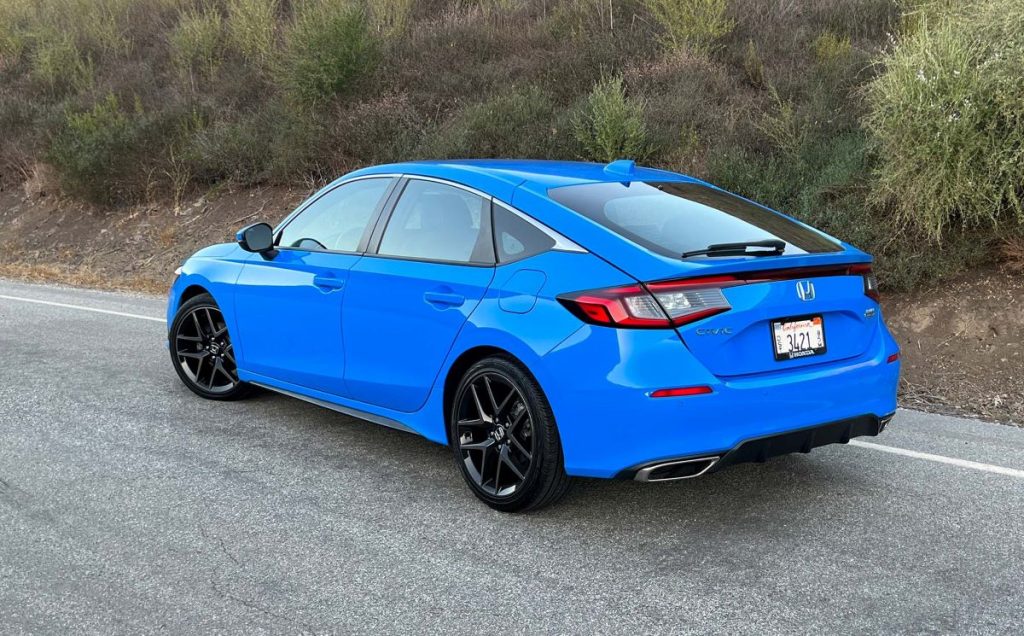
2. Honda Civic Hatchback
The Honda Civic Hatchback has long been one of the strongest performers in terms of resale value, consistently outperforming many small cars on depreciation.
Its ability to retain value is rooted in a combination of reliability, strong brand perception, and broad market appeal that extends well beyond its original buyer base.
Honda’s reputation for engineering durable, long-lasting vehicles plays a central role in the Civic Hatchback’s resale strength.
Used-car buyers associate the Civic name with dependable mechanicals and manageable ownership costs, making even higher-mileage examples desirable. This sustained trust keeps demand high and depreciation low.
The hatchback body style adds another layer of value retention. Unlike traditional small cars with limited cargo capacity, the Civic Hatchback offers flexible space without sacrificing compact dimensions.
This versatility expands its appeal to a wide range of buyers, from commuters to small families, keeping resale demand strong across different demographics.
Driving refinement also contributes to long-term value. The Civic Hatchback delivers balanced handling and comfort, qualities that remain relevant even as the vehicle ages. Cars that feel outdated quickly tend to depreciate faster, while the Civic’s refined driving experience helps it stay competitive in the used market.
Honda’s restrained approach to fleet sales and discounting further protects resale value. Vehicles that flood the market through rental fleets often experience sharp depreciation, but the Civic Hatchback largely avoids this fate.
Compared to many small cars that struggle to maintain relevance after a few years, the Honda Civic Hatchback demonstrates how strong brand equity and practical design directly translate into superior depreciation performance.
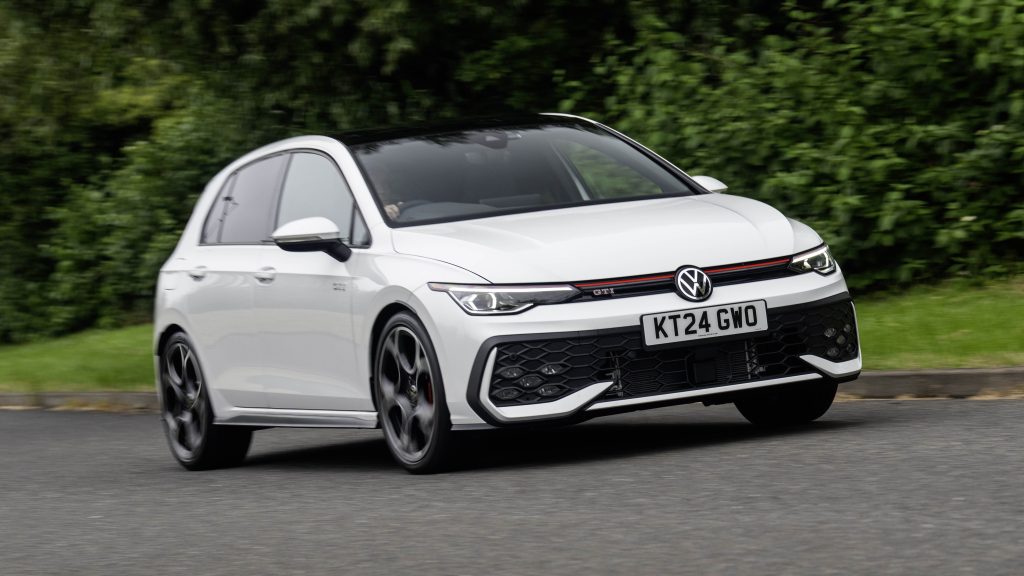
3. Volkswagen Golf
The Volkswagen Golf is widely regarded as one of the most enduring hatchbacks in automotive history, and its resale performance reflects that reputation.
Unlike many small cars that lose value due to limited appeal or cost-cutting design, the Golf benefits from a perception of quality and refinement that sustains long-term demand.
One of the Golf’s strongest resale advantages is its interior and build quality. Even older models tend to feel solid and well-assembled, which reassures used-car buyers. Vehicles that age gracefully retain value far better than those that show wear quickly.
The Golf’s driving dynamics also enhance its desirability. Its balanced ride and handling make it enjoyable to drive long after purchase, reducing the likelihood of owners selling early and flooding the used market. Limited supply helps stabilize resale prices.
Brand positioning plays an important role as well. Volkswagen markets the Golf as a premium compact rather than a budget offering. This perception elevates its standing in the resale market compared to small cars positioned purely on price.
Practicality further strengthens its value retention. The Golf’s hatchback layout offers everyday usability that appeals to buyers seeking more than basic transportation. This functional advantage keeps demand steady, even as newer alternatives enter the market.
In contrast to small cars that depreciate quickly due to oversaturation or limited appeal, the Volkswagen Golf shows how thoughtful design and brand identity help protect long-term value.
4. Mazda3 Hatchback
The Mazda3 Hatchback has quietly built one of the strongest resale reputations in the compact segment, often outperforming many small cars on depreciation despite not always being the cheapest option upfront.
Its ability to hold value stems from a blend of design longevity, driving refinement, and perceived quality that remains attractive in the used-car market.
One of the Mazda3 Hatchback’s biggest strengths is how well it ages. Mazda’s focus on timeless exterior design and high-quality interior materials means the car does not feel outdated quickly.
Small cars with cost-driven interiors tend to show wear early, accelerating depreciation. The Mazda3’s premium feel, even after several years, helps sustain resale demand.
Driving dynamics also play a key role. The Mazda3 Hatchback is known for precise steering and a composed ride, qualities that remain appreciated long after purchase.
Cars that are enjoyable to drive maintain stronger emotional appeal, which directly influences resale prices. Many small cars, designed primarily for affordability, lack this long-term desirability.
Reliability and manageable ownership costs further protect the Mazda3’s value. Buyers in the used market seek vehicles with predictable maintenance and durability, and the Mazda3 consistently meets those expectations. This confidence allows sellers to command higher resale prices.
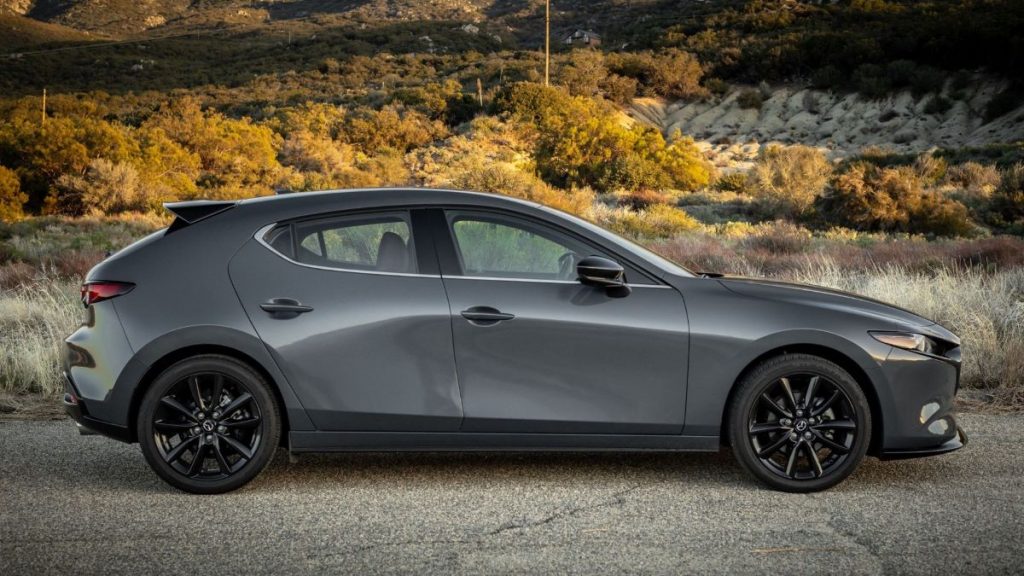
Mazda’s controlled sales strategy also matters. Limited fleet exposure and restrained discounting prevent market oversupply, helping values remain stable. Compared to small cars that depreciate quickly due to oversaturation, the Mazda3 Hatchback shows how quality and restraint preserve long-term value.
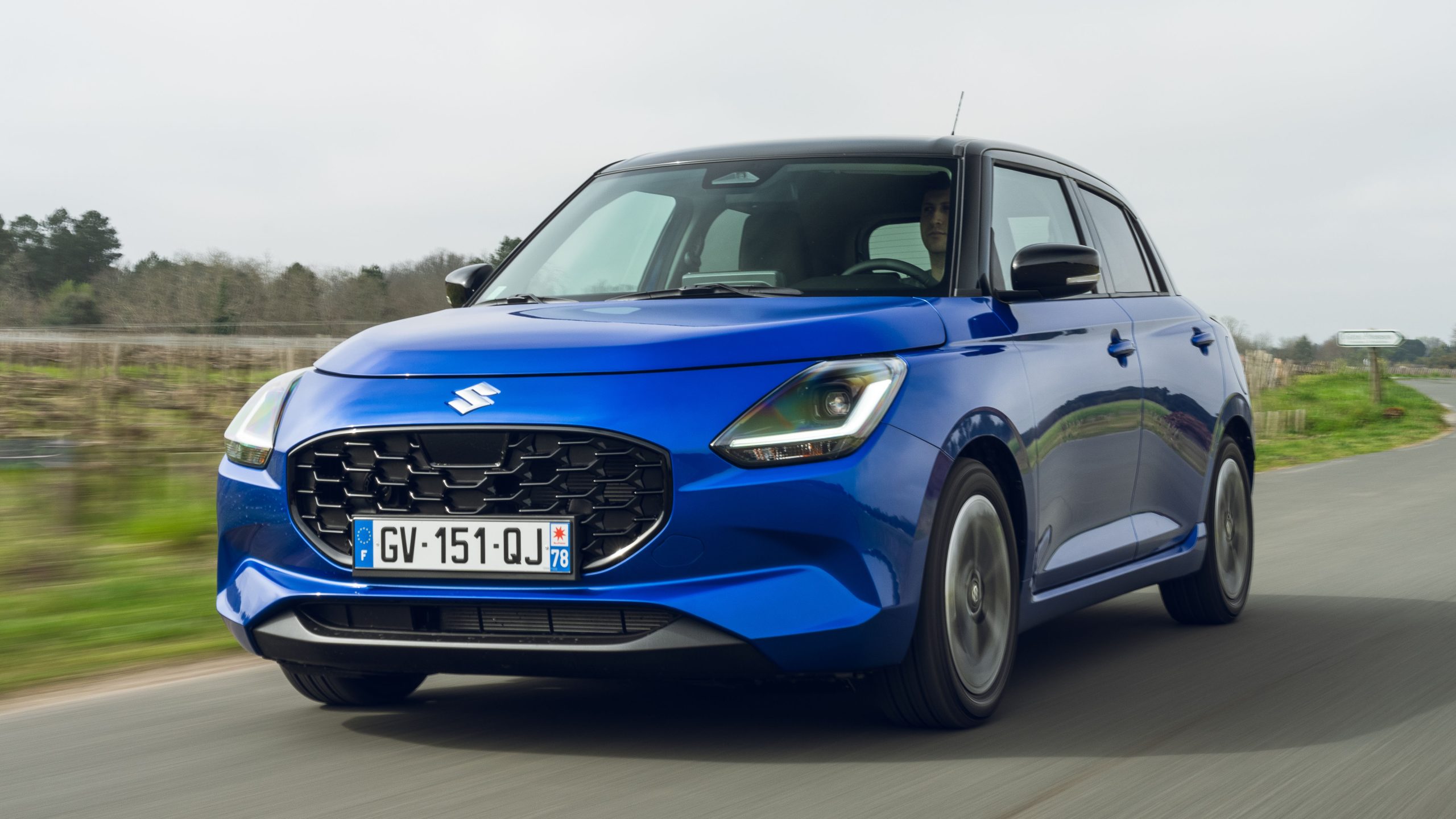
5. Suzuki Swift
The Suzuki Swift is one of the most underrated high-resale hatchbacks, consistently outperforming many small cars on depreciation due to its strong reliability record, low ownership costs, and sustained popularity. While positioned as an affordable hatchback, the Swift avoids the rapid value loss common among entry-level small cars.
A major factor behind the Swift’s resale strength is its reputation for durability. Buyers trust the Swift to deliver long-term reliability with minimal maintenance, making it an appealing option in the used market. This trust keeps demand strong even as models age.
Fuel efficiency and low running costs also enhance resale value. Used-car buyers prioritize affordability, and the Swift’s efficient engines and inexpensive servicing make it a practical long-term choice. Small cars that appear cheap upfront but incur higher ownership costs often depreciate faster.
The Swift’s compact yet versatile hatchback layout adds to its appeal. Despite its small footprint, it offers flexible cargo space and urban-friendly usability, broadening its resale audience. This versatility helps it retain value better than many small sedans or basic city cars.
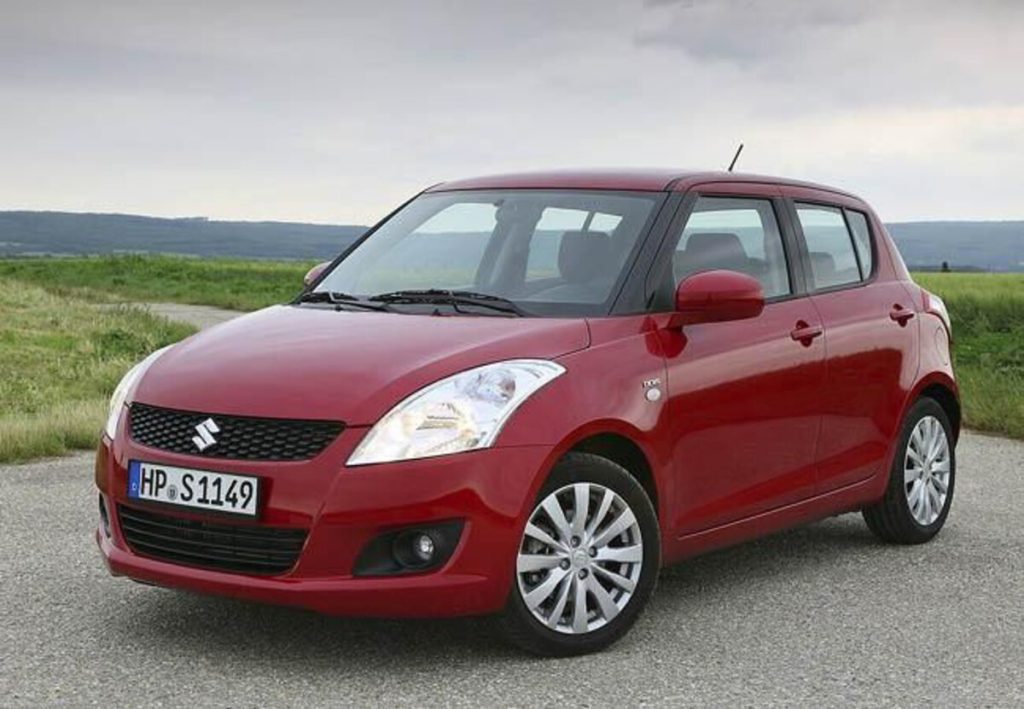
Strong brand loyalty in several markets further stabilizes resale prices. Owners often replace older Swifts with newer ones, maintaining a healthy demand cycle. As a result, the Suzuki Swift demonstrates how simplicity, reliability, and practicality can effectively protect a vehicle from steep depreciation.
With the five high-resale hatchbacks clearly established as strong performers against depreciation, the focus now shifts to small cars.
The next section explains why many small cars despite their affordability, tend to lose value faster and struggle to match the resale strength of versatile hatchbacks.
5 Small Cars on Depreciation
Small cars are often purchased with the expectation of affordability and efficiency, making them appear financially sensible at first glance. Lower purchase prices, compact dimensions, and good fuel economy attract budget-conscious buyers.
However, when depreciation is factored into the ownership equation, many small cars reveal a significant weakness: they tend to lose value far more quickly than well-positioned hatchbacks.
One major reason small cars depreciate faster is limited versatility. Most small cars are designed primarily for basic transportation, offering minimal cargo flexibility and fewer lifestyle-oriented features.
As owners’ needs evolve, these vehicles become less desirable, especially in the used market where buyers seek practicality as well as affordability. Hatchbacks, by comparison, adapt more easily to different use cases, sustaining broader demand.
Market saturation also plays a role. Small cars are frequently sold in high volumes and often to fleet buyers.
When large numbers of similar vehicles enter the used market simultaneously, resale prices drop sharply. Heavy discounting at the new-car stage further accelerates depreciation, as used buyers expect similar price reductions.
Perceived value is another challenge. Many small cars rely on cost-cutting in materials, refinement, and technology. While this keeps purchase prices low, it also causes the vehicle to feel outdated or worn more quickly. This shortens its appeal window in the resale market.
This section examines five popular small cars that struggle with depreciation. They are not bad vehicles, but they demonstrate why low upfront cost does not guarantee strong long-term value especially when compared with high-resale hatchbacks that maintain demand over time.
1. Hyundai Grand i10
The Hyundai Grand i10 is one of the most popular small cars in many markets, praised for affordability and ease of use. However, its resale performance highlights the depreciation challenges common to entry-level small cars.
A key issue is market oversupply. The Grand i10 sells in large numbers, and many examples enter the used market at the same time. This abundance pushes resale prices down, regardless of condition. Hatchbacks with more distinct positioning tend to avoid this problem.
Interior materials and overall refinement also affect long-term value. While adequate when new, the Grand i10’s cabin shows wear relatively quickly compared to higher-quality hatchbacks. Used buyers are sensitive to visible aging, which accelerates depreciation.
Limited versatility further reduces appeal. The Grand i10 is primarily a city car, and as buyers seek more adaptable vehicles in the used market, demand weakens. Hatchbacks offering more cargo flexibility hold an advantage here.
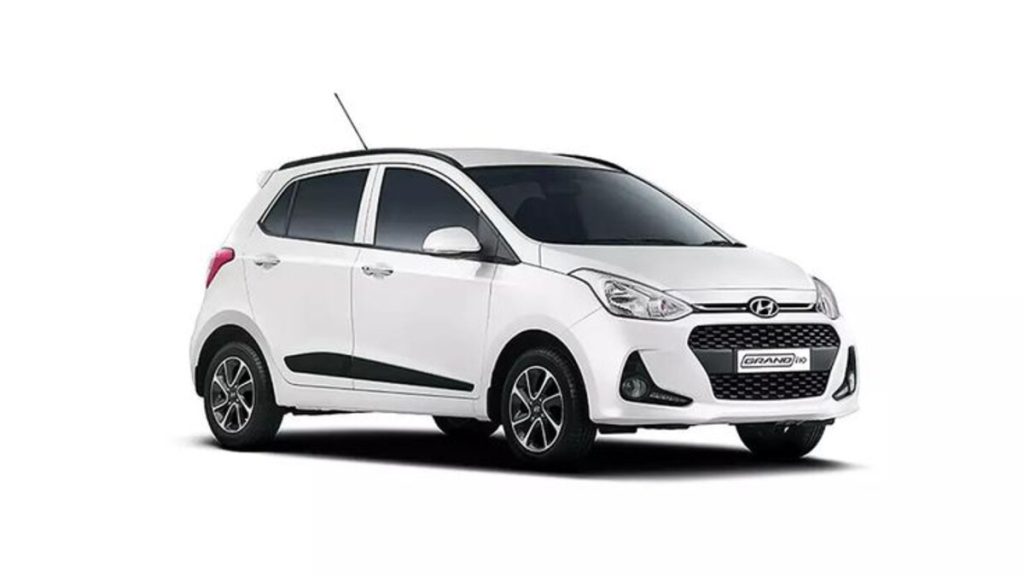
Frequent discounts at the new-car stage also hurt resale values. When buyers know a car was heavily discounted originally, they are less willing to pay strong prices later. As a result, the Hyundai Grand i10 demonstrates how affordability alone does not protect against rapid depreciation.