
Winter driving is a testing ground where traction, control, ground clearance, and predictability matter more than horsepower numbers or headline fuel-economy figures.
For many drivers the question comes down to layout: does an all-wheel-drive (AWD) crossover with its higher ride height, traction-focused hardware, and modern traction aids genuinely outperform a rear-wheel-drive (RWD) sedan in cold, snowy, and icy conditions?
The short answer: usually yes. The long answer requires looking past brand prestige and straight-line performance to how a vehicle behaves when snowbanks, packed ice, and slushy roads replace perfectly paved summer tarmac.
AWD crossovers bring several real advantages for winter conditions. Their AWD systems can channel torque to the wheels that have grip, electronic stability systems are often tuned for low-mu surfaces, and the taller ride height helps keep chassis and underbody components clear of deep slush.
Many crossovers also come with driver aids like selectable traction modes, downhill-assist, and hill-start assist features that help preserve momentum and prevent stalls in sticky situations.
Crossovers are usually heavier over the driven axle(s), which helps bite into slick surfaces, and many are sold with or easily fitted with winter tires that amplify the drivetrain’s strengths.
By contrast, RWD sedans even excellent ones, can struggle when the rear wheels are tasked with both propulsion and lateral control on low-friction surfaces.
RWD tends to favor balanced handling in dry conditions and spirited driving, but on snow it can lead to oversteer and traction loss unless compensated by electronic aids or studded/winter tires.
Lower ground clearance and low-profile tires common on performance sedans make plowing through snow or coping with rutted roads harder.
This article demonstrates the practical gap by naming five AWD crossovers that reliably deliver superior winter performance, then comparing them to five well-known RWD sedans that, while excellent in many ways, are generally at a disadvantage in harsh winter conditions.
Each vehicle gets a focused 300-word breakdown explaining the specific winter strengths or weaknesses and why it made the list so you can see the features and real-world tradeoffs that matter when frost and snow take over the road.
Also Read: 5 Cars for Newark Tight Parking vs 5 That Don’t Fit
5 AWD Crossovers That Provide Better Winter Performance
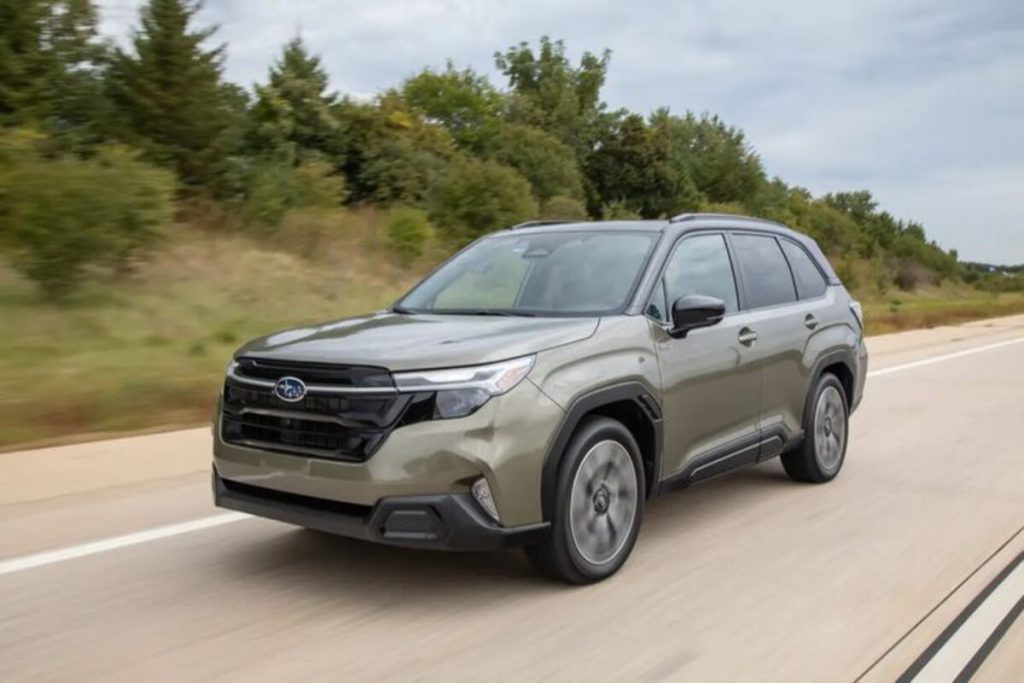
1. Subaru Forester
Subaru’s Forester earns a spot here because it’s engineered from the ground up with winter driving in mind.
The brand’s hallmark Symmetrical All-Wheel Drive distributes torque to the wheels that need it most, maintaining traction even when one or two wheels lose grip on packed snow or ice.
Unlike on-demand systems that wait for slip to occur, Subaru’s full-time setup reacts immediately and works in concert with vehicle stability control to reduce understeer or sudden slips.
That baseline mechanical advantage is amplified by features such as X-Mode (on newer models), which optimizes throttle response, transmission behavior, and traction control mapping for slippery, steep, or rough surfaces. X-Mode can also manage engine braking and rear-torque bias to keep speed in check while descending snowy grades.
Ground clearance is another practical win: the Forester’s taller ride height reduces the chance of getting high-centered on a snowy road or plowing through a drift.
The packaging also makes it simple to fit higher-profile winter tires, which dramatically improve contact with packed snow. Inside, warmth-focused amenities that matter in winter strong cabin heating, effective seat heaters, and good defrosting systems are usually standard or available, making the vehicle easier to live with on frigid mornings.
Why I’m writing about the Forester: it represents a thoughtful balance of mechanical simplicity and user-centric winter tech. It’s not the flashiest crossover, but it’s one of the most practical for drivers who actually face long winters.
For someone prioritizing predictable traction, modest running costs, and easy servicing in snowy climates, the Forester’s straightforward, well-integrated AWD and helpful off-pavement software justify its inclusion.
It’s an everyday vehicle that reduces the mental load of winter driving, trading performance theatrics for reliable forward motion when road conditions degrade.
2. Subaru Outback
The Subaru Outback is an evolution of the brand’s wagon heritage into the crossover segment, and that heritage is exactly why it excels in winter.
Like the Forester, the Outback uses Symmetrical All-Wheel Drive and benefits from X-Mode and advanced traction control integrations.
But the Outback’s longer wheelbase and slightly heavier mass confer additional stability on slippery highways and through mid-speed corners momentum that helps the vehicle plow through slush rather than getting bounced off line by ruts.
The Outback also typically offers higher ground clearance than many compact crossovers, and its underbody protection is a practical plus when roads are salted or littered with hidden ice and packed snow.
Interior practicality matters in winter and the Outback shines: a low load height combined with a roomy cargo area makes stashing winter gear, boots, and emergency kits straightforward.
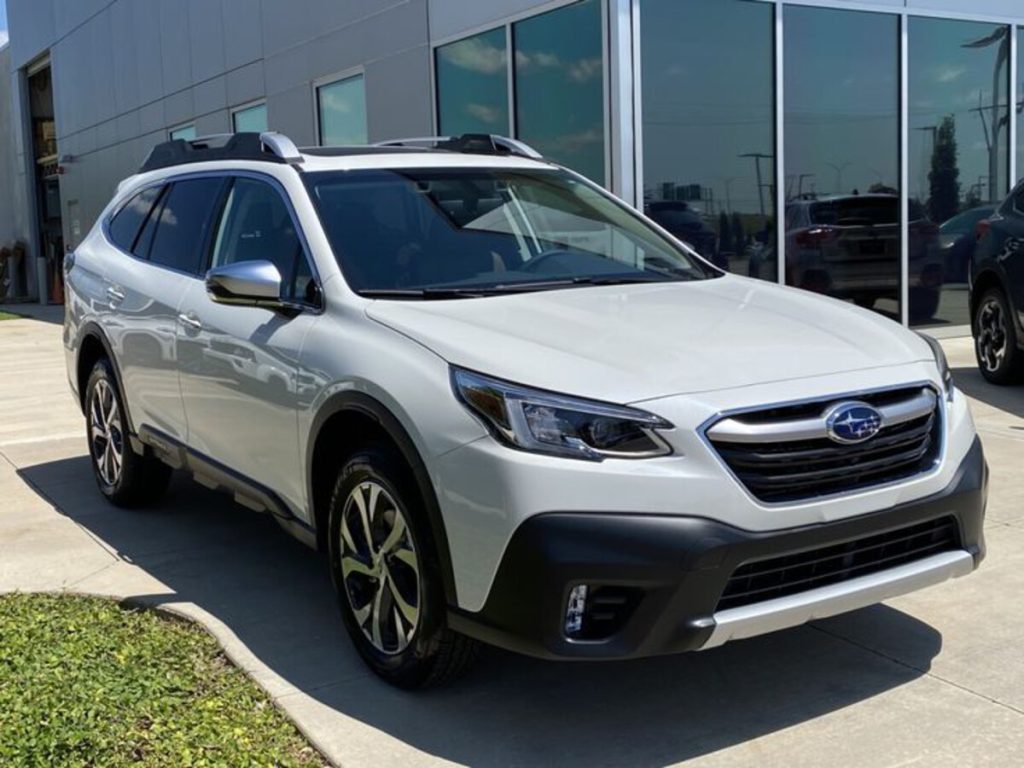
Visibility is another factor large glass areas and effective defrost systems reduce blind spots created by frost or condensation.
Mechanically, the Outback’s drivetrain and chassis tuning favor composure over aggressive handling; that means drivers experience predictable responses rather than sudden snap oversteer when rear grip is lost.
Why I’m writing about the Outback: it’s a top pick for drivers who need a winter-capable vehicle that’s also comfortable on long trips and easy to live with daily. It’s not merely a charity case for bad weather it’s designed so that winter performance is a primary use case.
For those who pair it with a set of dedicated winter tires, the Outback becomes a go-anywhere family hauler with fewer of the anxiety moments you might get in a lower, lighter sedan. Its combination of AWD, clearance, and ergonomic winter features merits its place among crossovers that outperform RWD sedans in cold climates.
3. Toyota RAV4 (AWD variants)
Toyota’s RAV4, particularly in its AWD forms and off-road oriented trims, is a practical, widely available crossover that brings useful winter attributes to the table.
The RAV4’s AWD system (dynamic torque vectoring on some models) can route power intelligently between front and rear axles and even side-to-side on the rear axle, improving traction on uneven, rutted, or icy surfaces.
Selectable drive modes on certain trims tune engine, transmission, and traction control calibration for low-mu conditions, helping the vehicle maintain momentum through slush and light snow.
Ride height and protective cladding are advantages when roads are rough or piles of snow line residential streets.
The RAV4’s chassis tends to be composed rather than twitchy; this makes it easier for everyday drivers to manage winter slides with throttle and steering inputs that aren’t overly sensitive.
In addition, Toyota’s wide dealer network and reputation for reliability mean owners can confidently prepare their RAV4 for winter with service, parts, and accessory winter-package options.
Why I’m writing about the RAV4: it’s a mainstream choice that demonstrates winter competence doesn’t require paying for a niche off-roader.
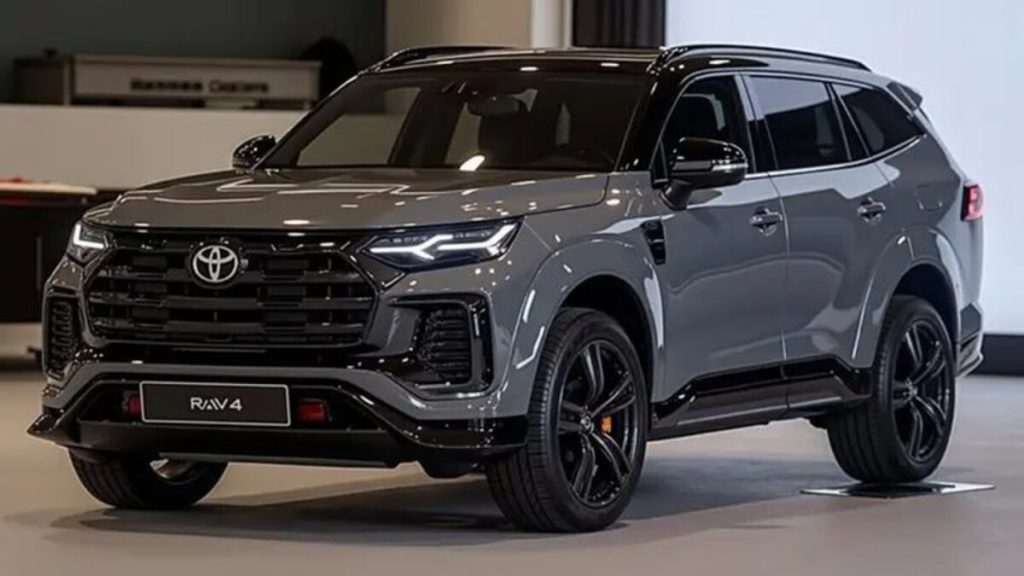
The RAV4 shows how mainstream crossovers can combine AWD tech, useful ground clearance, and thoughtful software features to provide safe, predictable winter behavior all packaged in a vehicle that’s economical and easy to maintain.
For families and commuters who want a single vehicle that performs well year-round, the RAV4 balances practicality and winter capability in a way many rear-wheel-drive luxury sedans do not.
4. Mazda CX-5 (AWD models)
Mazda’s CX-5 brings an unusually driver-centric feel to the compact crossover segment and that dynamic tuning can be a genuine asset in winter when predictable responses matter.
Mazda’s AWD system is torque-on-demand with the ability to allocate power rearward when slip is detected, but it’s the vehicle’s chassis balance and refined stability control that make the difference.
Rather than abrupt electronic interventions, Mazda’s systems are often tuned to be progressive, giving the driver subtle feedback and reducing sudden corrections that can unsettle a vehicle on ice.
The CX-5 pairs that control with a relatively elevated ride height (compared with low-slung sedans) and a chassis that resists pitching and lightweight float both useful on snowy roads.
Cabin comfort and clear instrumentation reduce driver distraction during challenging winter commutes, and the CX-5’s suspension tuning tends to soak up rough, salted roads without throwing the wheels off line.
When equipped with winter tires and used with defensive driving techniques, the CX-5 proves unexpectedly composed in snow.
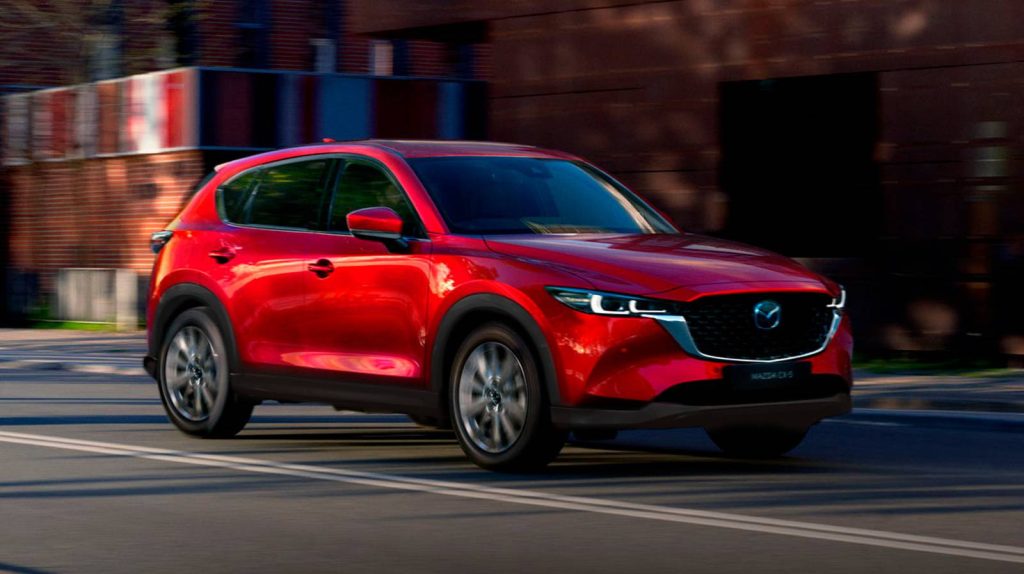
Why I’m writing about the CX-5: many buyers assume crossovers are lumbering compromises; the CX-5 proves that a crossover can be both engaging and winter-competent.
Its blend of intuitive handling, steady AWD behavior, and build quality makes it a crossover that restores driver confidence on slippery roads.
Including the CX-5 highlights that winter performance is a combination of hardware, tuning, and driver feedback not merely raw traction numbers and that a well-set-up crossover can outperform RWD sedans that rely on mechanical grip rather than electronic finesse.
5. Honda CR-V (AWD variants)
The Honda CR-V has long been a best-seller because it mixes practical packaging with predictable driving behavior, and its AWD-equipped variants make for strong winter performers.
Honda’s AWD typically adds torque to the rear wheels when slip is detected, and newer models pair that with stability control calibrations that limit wheelspin while preserving forward momentum.
The CR-V’s coupe-like manners are secondary to its real winter strengths: roomy interior for layering clothing, high-mounted heating vents for quick defogging, and a ride height that helps avoid scraping in deep snow or on uncleared drives.
Honda engineers favor predictable, driver-friendly behavior: throttle mapping and steering feel are tuned so that small inputs produce manageable reactions, which is valuable when traction is marginal.
Practical features that matter in winter roof rails for carrying gear, easy-to-clear headlamps, and generous cargo area for emergency supplies are integrated seamlessly. Maintenance simplicity and the CR-V’s ubiquity also make it easier to source winter tires and local service.
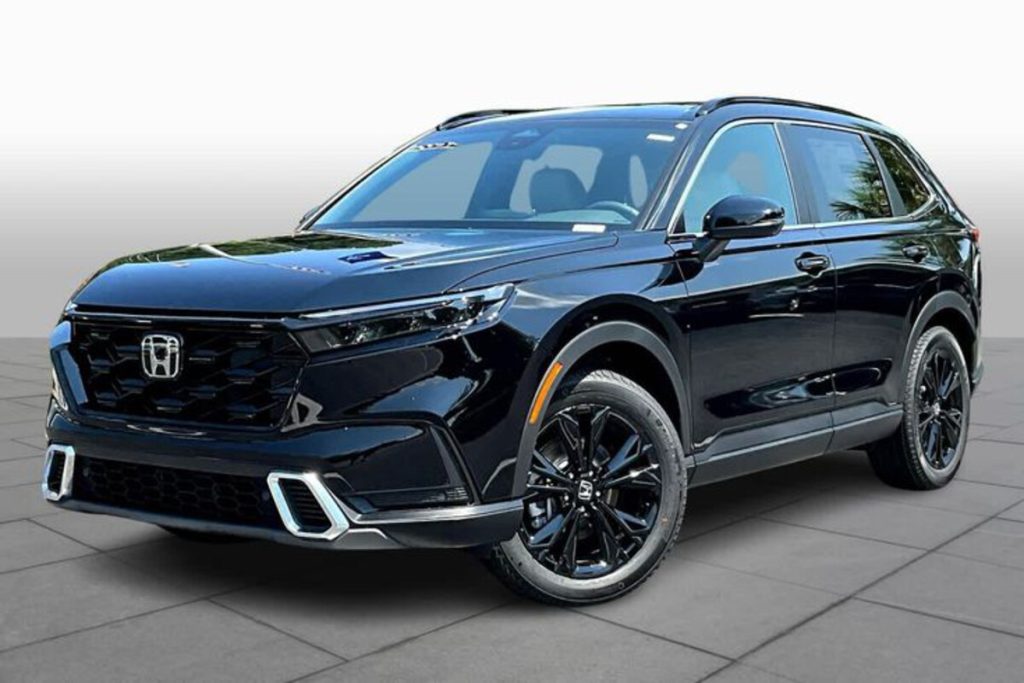
Why I’m writing about the CR-V: it’s representative of the mainstream AWD crossover that puts useful features first. The CR-V doesn’t need to be the most technologically exotic vehicle to offer excellent winter usability; it focuses on everyday engineering choices that reduce common winter hassles.
For commuters, families, and anyone who regularly navigates salted city streets or small mountain passes, the CR-V’s steady AWD and pragmatic design make it a reliable winter tool that outperforms many RWD sedans when the mercury drops and the plows are working overtime.
5 RWD Sedans
1. BMW 3 Series (rear-wheel-drive configuration)
The BMW 3 Series has earned a a reputation for sharp handling and driver engagement, making it a favourite among enthusiasts.
However, those very traits can become liabilities on winter roads when the drivetrain layout relies on the rear wheels for propulsion.
Rear-wheel drive places the drivetrain’s push behind the vehicle’s center of gravity, and in low-traction conditions this can lead to oversteer: the rear steps out under power and requires quick, deliberate counter-steering to tame.
While modern stability control systems do an admirable job of preventing a spin, they are reactive systems that sometimes intervene abruptly, creating unsettling corrections on black ice or patched snow.
Low ride height and performance-oriented tires commonly fitted to sedans like the 3 Series exacerbate the problem.
Low-profile tires have less sidewall to conform and bite into uneven, snowy surfaces, and a low front bumper can become vulnerable to packed snow build-up on secondary roads. Additionally, the limited selection of winter tires for sports sedans with large wheels can be expensive.
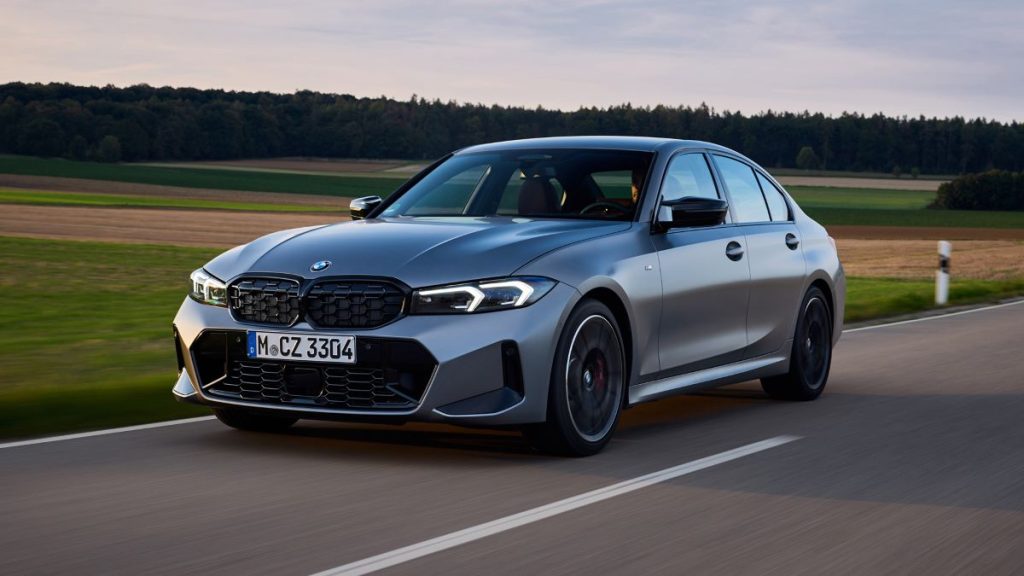
Why I’m writing about the 3 Series: it’s not about bashing the car the 3 Series is a superb handler in temperate conditions, but about illustrating why a mechanically excellent RWD sports sedan often loses practical winter ground to AWD crossovers.
A RWD car requires either winter tires and cautious technique or an all-weather compromise that reduces the performance edge.
For drivers who insist on rear-drive dynamics, the 3 Series can be managed in winter, yet it still demands more attention and mitigation measures (winter tires, driving adaptations) than the AWD crossovers previously described.
2. Mercedes-Benz C-Class (RWD variants)
Mercedes-Benz’s C-Class presents a refined, composed driving experience with luxurious appointments and precise steering.
In its rear-drive guise, however, it shares the same winter boundary conditions as other RWD sedans: when the rear wheels are responsible for propulsion on slick surfaces they’re more likely to break traction under acceleration.
High-torque engines common in higher trims compound the challenge applying power to accelerate out of a corner or a slushy intersection can produce sudden rear-end slips that the driver must correct rapidly.
The C-Class’s low ground clearance is another practical disadvantage. In deeper snow or when encountering piled drifts near curbs, a low-slung sedan is more prone to becoming stuck or to suffering underbody contact.
While premium sedans often come with effective electronic driver aids and available AWD trims, those features aren’t standard on every RWD model, and owners who opt for lighter, sportier setups may find themselves ill-prepared for winter’s worst.
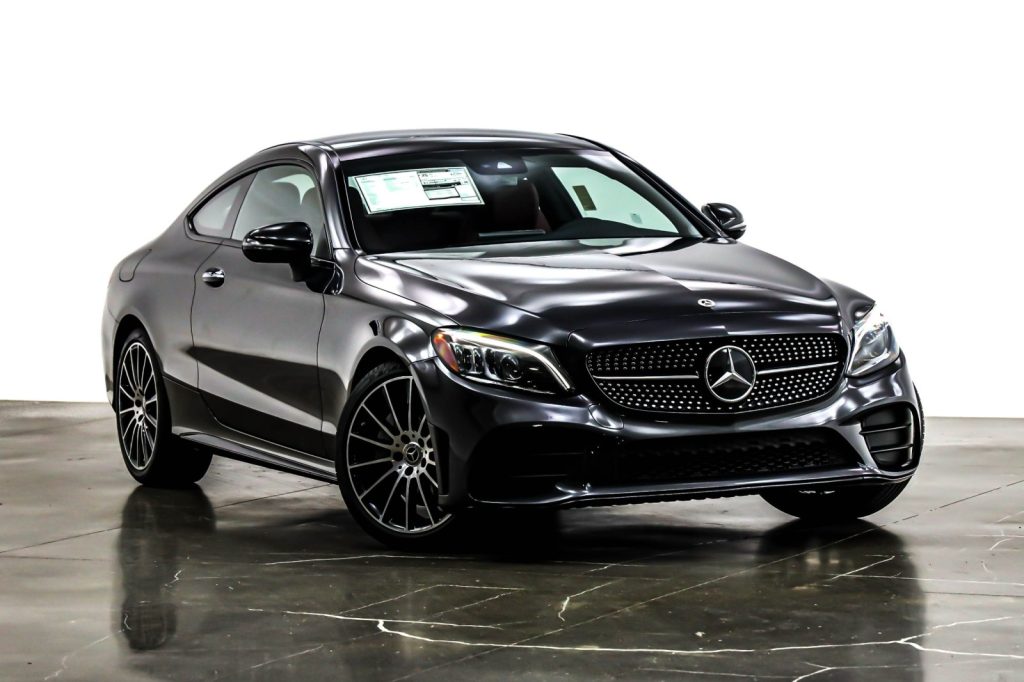
Why I’m writing about the C-Class: it showcases the tradeoff between luxury/performance and winter practicality.
People who prioritize cabin refinement and on-road manners should know that, unless they choose the AWD versions or retrofit dedicated winter tires, their RWD C-Class will typically be less forgiving in snow than a higher-riding AWD crossover with simpler, traction-first engineering.
3. Lexus IS (rear-wheel-drive layout)
The Lexus IS packs sporty chassis dynamics and often a rear-drive layout that enthusiasts enjoy for balance and steering feedback. But the IS’s compact dimensions and performance orientation mean it can be especially sensitive to low-traction situations.
Rear-drive sedans with short wheelbases like the IS can be more nervous in quick transitions on ice, and its typical sport-tuned suspension leaves less margin for absorbing uneven, snowy surfaces without unsettling the tires’ contact patches.
Another winter caveat is that sport-oriented sedans often prioritize braking feel and high-grip summer tires, which are poor matches for cold, packed snow. While stability systems will help, they can’t create mechanical grip where tires and weight distribution are working against you.
Unless the owner chooses an AWD variant or equips the vehicle with a robust set of winter tires, the IS tends to require more vigilance and technique to maintain control in slick conditions.
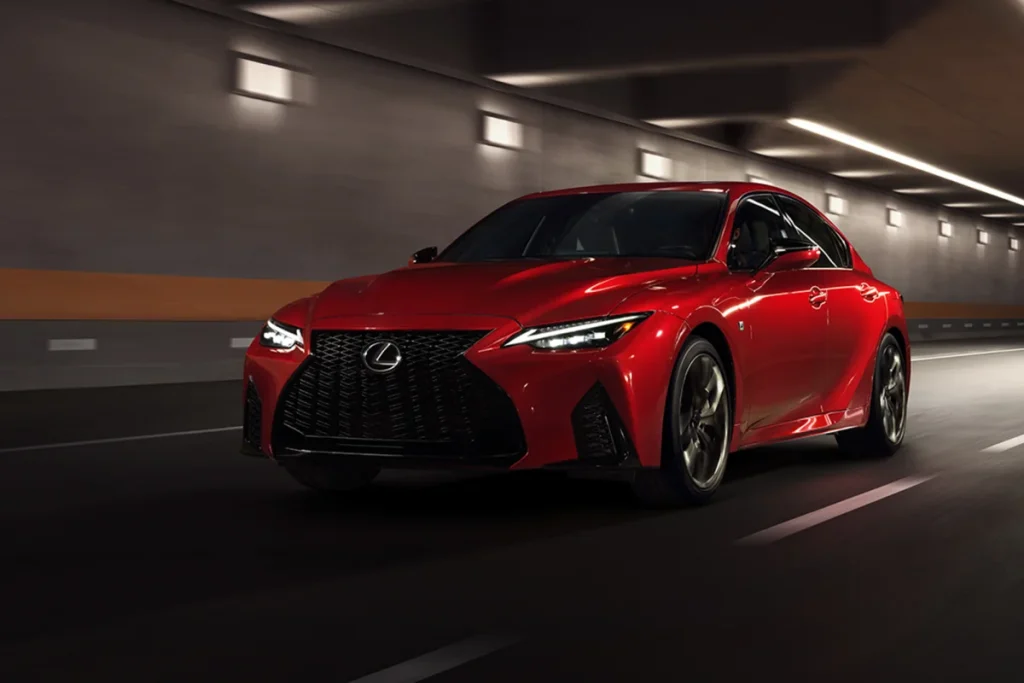
Why I’m writing about the IS: it’s an example of how sporty, compact RWD sedans are optimized for dry performance often at the expense of winter comfort and safety margins.
The IS illustrates why someone replacing a winter-capable crossover with a spirited RWD sedan might find themselves trading predictability for thrills, an exchange most drivers regret when the calendar turns to snow season.
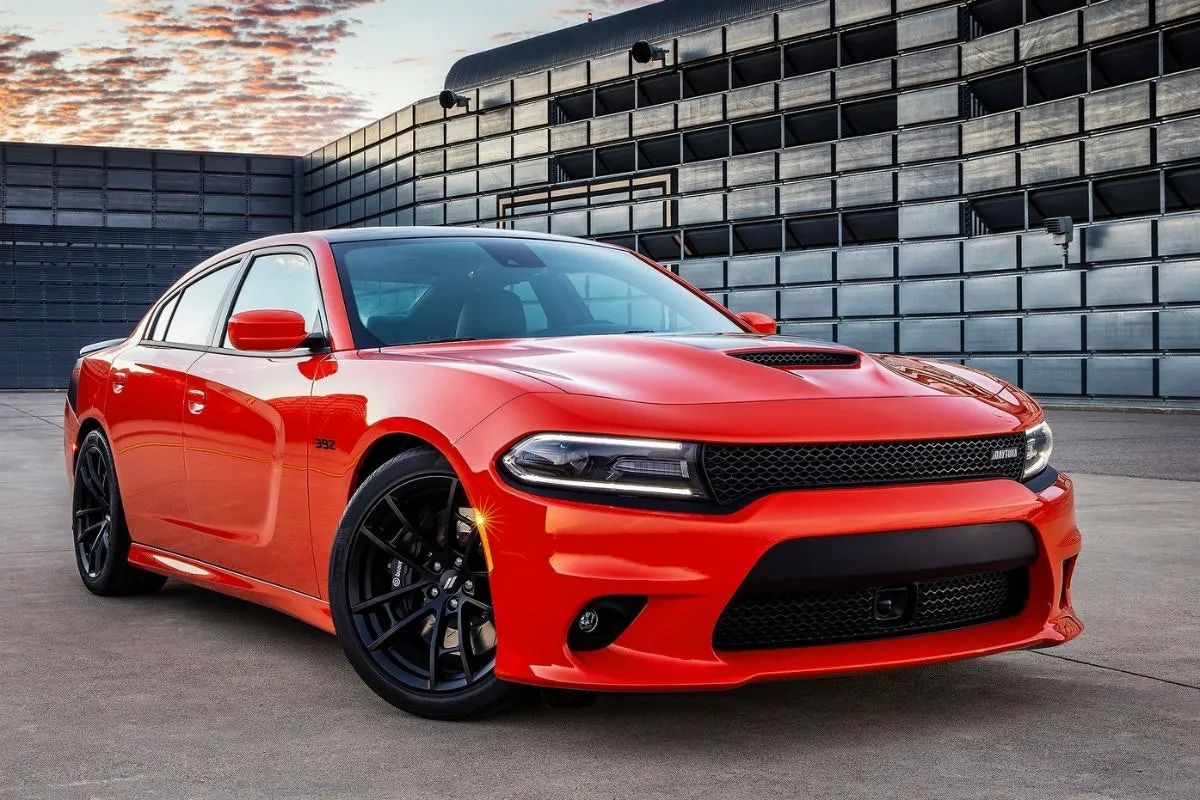
4. Dodge Charger (RWD variants)
The Dodge Charger is a uniquely American example of a large sedan that often comes with rear-wheel drive and potent engines. Its substantial horsepower and rear-drive bias make it an exciting highway cruiser and a straight-line performer.
But that same rear bias can create difficulties in winter: a heavy, powerful rear-driven sedan can break traction suddenly under strong acceleration, and its mass can make recovery from a slide more challenging.
The Charger’s weight distribution and long footprint can also make it harder to navigate tight, rutted, or plow-scarred side streets compared to lighter, higher-clearance crossovers.
Additionally, many Charger buyers option performance tires and large wheels that, while attractive, are poor in snow without a dedicated winter tire changeover.
The Charger’s ground clearance and profile leave it vulnerable in heavy snowfall and reduce approach/egress angles required for steep driveways often iced or packed in winter.
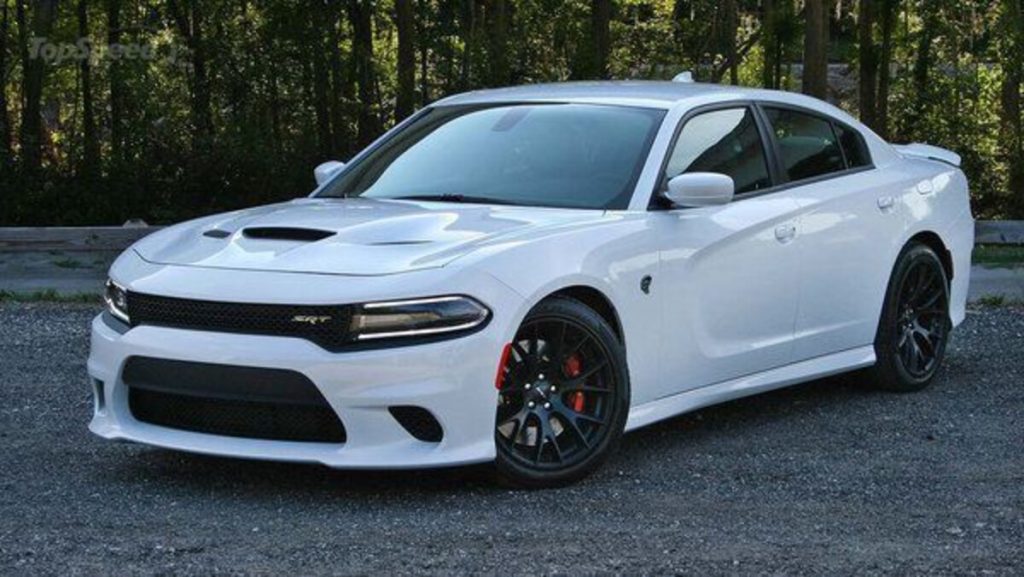
Why I’m writing about the Charger: it’s a clear illustration that raw power and mass don’t equate to winter safety or practicality.
Vehicles designed for performance are often the least forgiving when the traction coefficient drops, and the Charger shows why choosing a RWD performance sedan without AWD or winter tires can quickly make daily winter driving more stressful and hazardous.
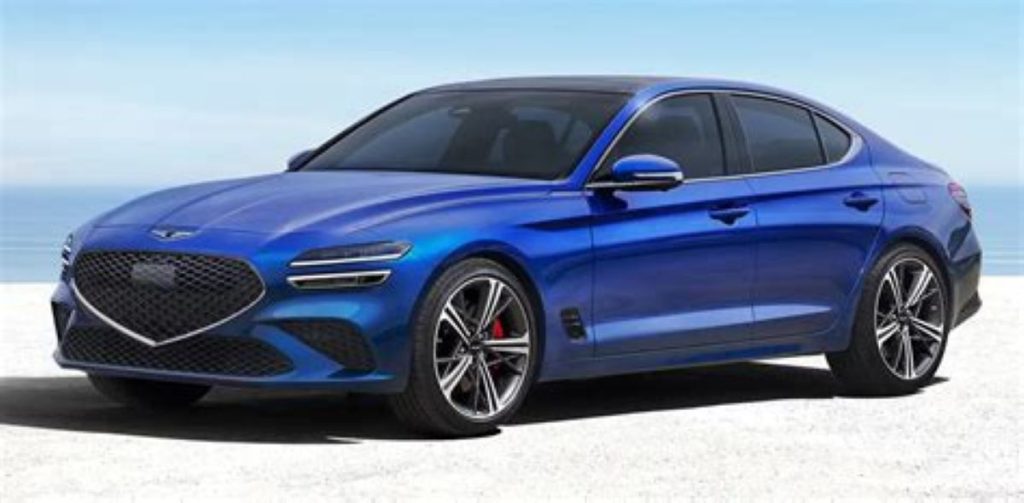
5. Genesis G70 (rear-wheel-drive configuration)
The Genesis G70 is a luxury sport sedan lauded for its dynamics, refinement, and near-perfect ergonomics.
Yet, in RWD configuration it exhibits the predictable rear-drive winter weaknesses: tendency toward oversteer, relatively low ground clearance, and a chassis tuned for cornering that becomes less helpful on loose, snowy surfaces.
The G70’s balanced handling is fantastic in clear conditions, but when confronted with packed snow and black ice, the driver is often at the mercy of tire choice and electronic stability intervention.
Luxury sedans like the G70 can be optioned with expensive wheel and tire packages that emphasize aesthetics and daily dry performance not winter grip. The result is a vehicle that looks great in the driveway but needs a winter tire change to be truly safe in colder months.
Even then, a lower center of gravity and rear drive mean the car will rarely match the surefootedness of an AWD crossover in the same circumstance.
Why I’m writing about the G70: it demonstrates the hard truth that a technically excellent sedan can still be less suitable for winter life than a more modestly powered crossover.
The G70 is a joy to drive year-round if treated with proper winter prep, but for many buyers the extra upfront peace of mind of an AWD crossover without swapping tires or making concessions will be the more practical winter choice.
Winter driving forces a practical re-evaluation of what matters in a car. Handling balance, steering feel, and acceleration times are compelling metrics during spring and summer, but when temperatures fall and roads become a patchwork of slush, compacted snow, and slick black ice, predictability and maximum usable traction dominate the list of priorities.
The five AWD crossovers outlined above share key features that consistently translate into better winter performance compared with the five rear-wheel-drive sedans profiled: full-time or intelligent AWD systems, higher ride height and ground clearance, chassis and electronic tuning focused on low-mu stability, and practical packaging that makes winter living easier.
AWD systems matter because they spread motive force to where it’s most effective. Full-time AWD gives a constant baseline of traction, while intelligent torque distribution or torque vectoring helps when conditions are asymmetric for instance when one wheel is on compacted ice and the opposite wheel is on slush or bare tarmac.
That reduces sudden loss of control and preserves forward momentum, a lifesaver when getting onto a highway ramp or pulling out of a snow-packed side street. Ground clearance matters for two reasons: avoiding high-centering on rutted or drifted roads, and keeping snow out of critical underbody components.
Crossover packaging also typically makes fitting and storing winter gear easier, from roofboxes to traction boards, which in turn reduces the chance that a cold night leads to a low-probability, high-stress recovery situation.
Rear-wheel-drive sedans, by contrast, require more deliberate mitigation. RWD places propulsion behind the center of gravity, which is great for rotation and neutral handling in dry conditions but increases the propensity for oversteer under acceleration on slippery surfaces.
Low ground clearance and performance wheel/tyre combos narrow the margin for error further. Modern electronics ABS, ESC, and traction control are extremely capable, but they’re not a free lunch. They can only work within the limits of tyre traction and mechanical design; they don’t create grip where none exists.
Also Read: 5 Cars for Mesa Daily Commuters vs 5 That Require Dealer-Only Service
