Drifting has long been a passion for car enthusiasts, but starting out doesn’t have to break the bank. For new drivers and thrifty sliders, finding a reliable, rear-wheel-drive car with strong handling and predictable dynamics is key. Affordable drift cars not only allow beginners to develop their skills safely but also offer vast potential for customization and upgrades.
From classic BMWs to nimble Mazdas, iconic Nissans to modern lightweight sports cars, there’s a diverse range of options that blend performance, control, and value. These vehicles prove that you don’t need a six-figure supercar to experience the thrill of controlled slides; what matters is balance, chassis feedback, and the ability to mod and tune as your skill grows.
The following list highlights ten budget-friendly drift platforms, each chosen for their drivability, reliability, and appeal to enthusiasts eager to learn the art of drifting without overspending.
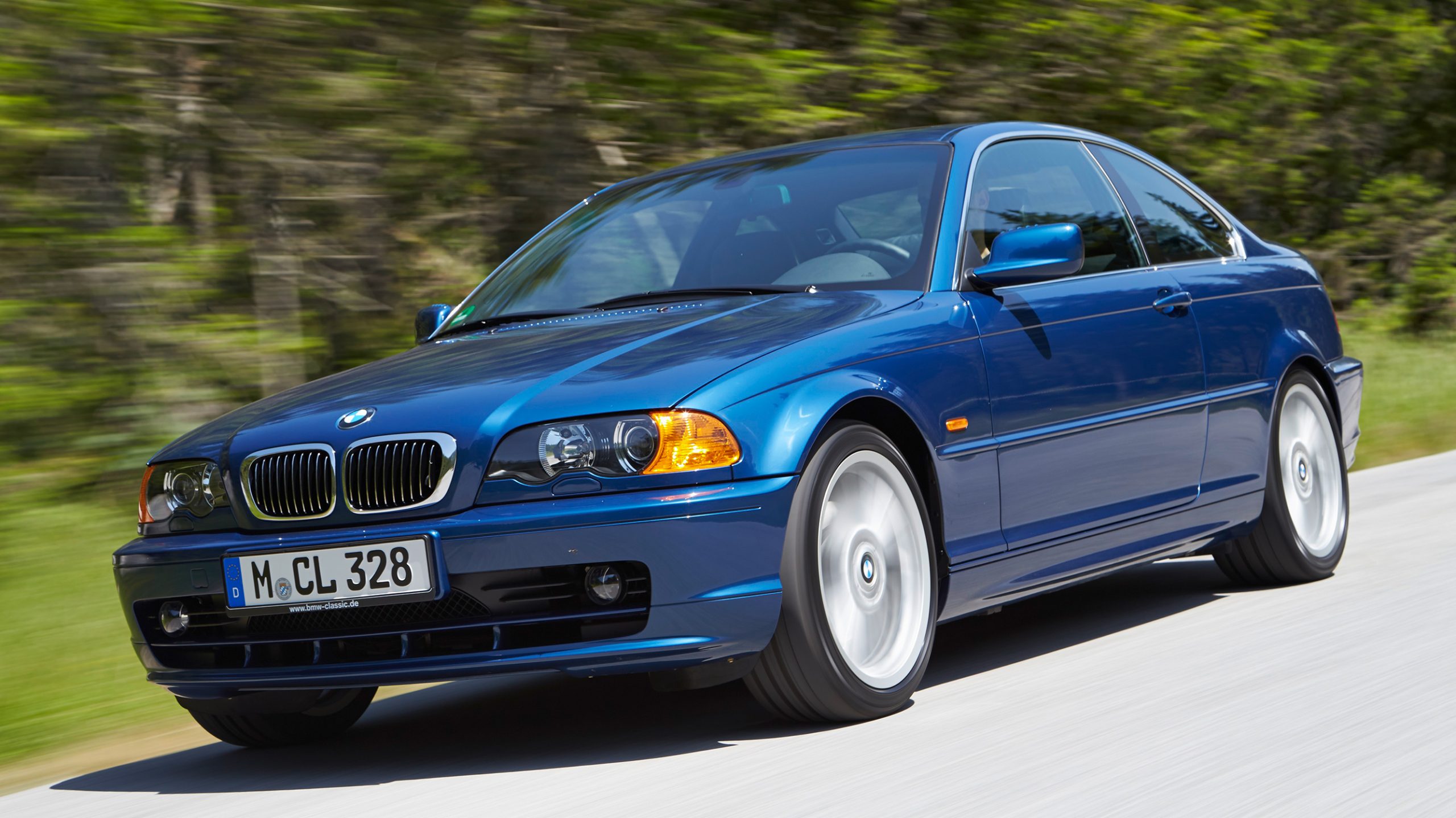
1. BMW 328i E46: A Balanced Classic with Enduring Appeal
The BMW 328i E46 remains one of the most respected entries in the 3-Series lineup, valued for its blend of performance, handling, and daily usability. Its smooth 2.8-liter inline-six produces 190 hp and 206 lb-ft of torque, providing enough low-end power for spirited driving and even drifting.
With rear-wheel drive and a 5-speed manual transmission, the car delivers strong driver engagement. The nearly 50/50 weight distribution and communicative chassis give the 328i impressive precision and stability. Priced at around $9,552 on the used market, it offers excellent value and serves as a strong platform for upgrades such as coilovers and limited-slip differentials.
The E46 generation, built from 1999 to 2005, is widely regarded as one of BMW’s finest. It followed the less engaging E36 and set new benchmarks for luxury sport sedans, with more than 560,000 units sold in 2002 alone. Although the design initially received criticism for its softer and rounded styling, the car has aged gracefully.
Balanced proportions, jewel-shaped headlights, and the trademark kidney grille give the E46 a sporty yet substantial appearance. The interior is driver-focused, functional, and well-built, though rear-seat space is tight.
On the road, the 328i highlights what made older BMWs special. The steering feels alive and provides direct feedback, creating a strong connection between the driver and the pavement. Its heavier steering effort may surprise those used to modern cars, but it enhances precision and driving confidence.
The inline-six engine revs smoothly and pairs well with the manual transmission, which offers short, well-weighted shifts. The firm ride communicates road texture while staying controlled and composed.
Some wind and road noise are present, but refinement remains impressive for a vehicle of this age. The E46 offers intuitive controls, durable materials, and an excellent driving position that helps the car feel natural from the moment you sit behind the wheel.
While maintenance costs can be higher than average, enthusiasts often feel the driving experience is worth the investment. Many also prefer the purity of the E46 compared to newer generations that focus more on image than driver involvement.
The BMW 328i E46 stands as a reminder of what made classic BMWs beloved: balanced performance, timeless design, and a genuine connection to the road.
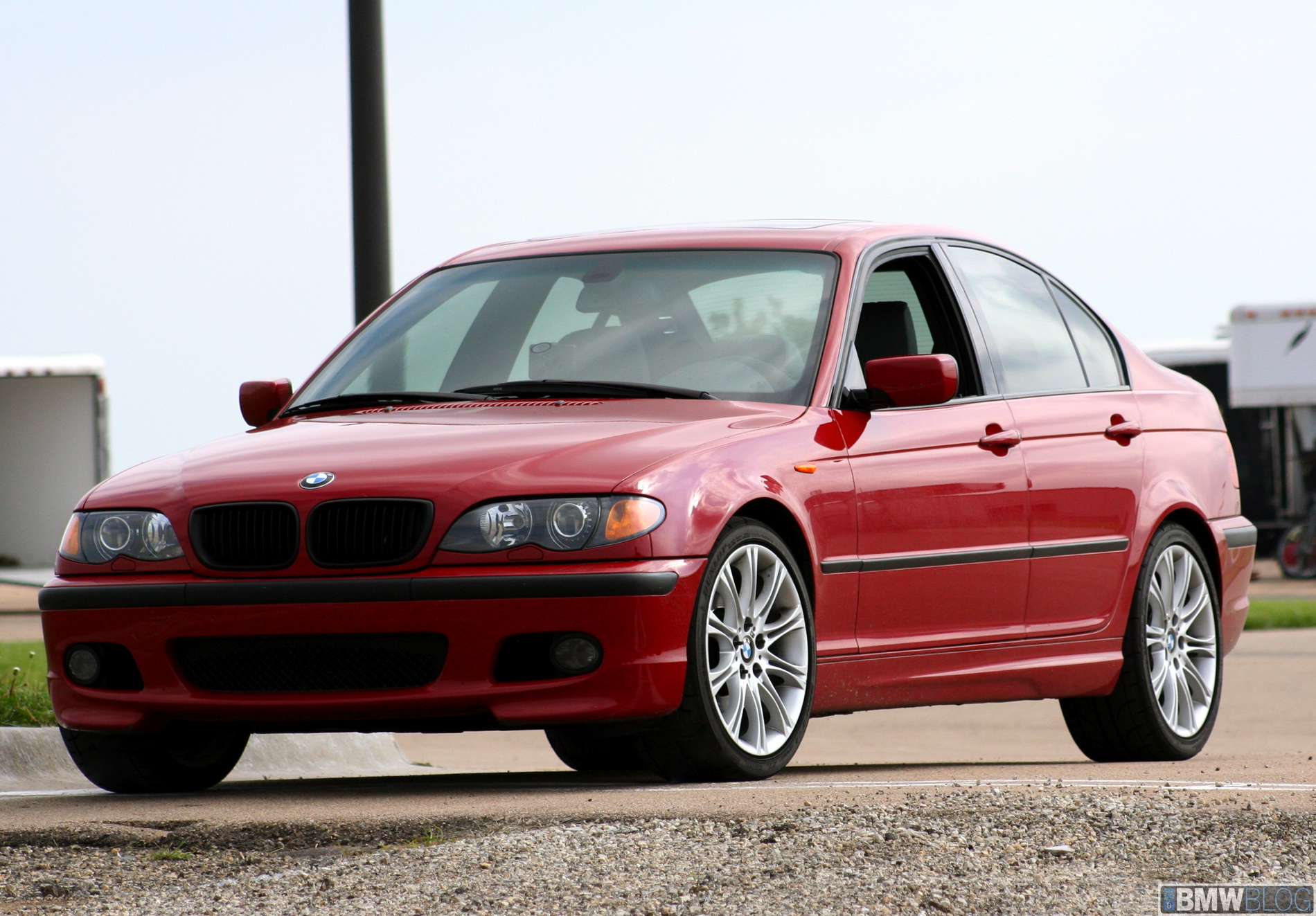
2. BMW 325i E36: An Affordable, Balanced, and Drift-Ready Icon
The BMW 325i E36, produced from 1991 to 1999, has become a respected and accessible option for drifting enthusiasts and classic BMW fans alike. With an average market price of $9,955, it delivers a strong blend of power, balance, and upgrade potential without stretching the budget.
Early models from 1992 to 1995 are especially desirable thanks to the 2.5-liter inline-six that produces 189 to 192 horsepower and up to 181 lb-ft of torque. Paired with a 5-speed manual and rear-wheel drive, the E36 offers enough performance to initiate drifts confidently while retaining smooth and predictable power delivery.
Weighing around 3,000 pounds, the 325i benefits from BMW’s hallmark near-50/50 weight distribution. Precise steering and a well-tuned suspension help the car maintain control mid-slide, making it a popular choice for newcomers to drifting as well as seasoned drivers.
Its platform also supports a wide range of aftermarket modifications, including suspension upgrades, differential improvements, and cooling enhancements, giving owners plenty of room to tailor the car to their driving style.
Beyond drift capability, the M50B25 engine is known for durability. With proper maintenance and quality fluids, it can last between 360,000 and 600,000 kilometers. The chain-driven camshaft reduces the need for frequent servicing, although failure of the hydraulic lifters can cause significant damage. The engine uses 5W-30 oil, holds 5.75 liters, and features a reliable fuel injection setup that keeps the inline-six smooth and responsive.
Performance figures vary slightly depending on the transmission. Automatic models reach 100 km/h in 9 seconds and have a top speed of 231 km/h, while manual versions shave a full second off the 0–100 time and offer slightly better fuel efficiency.
Real-world fuel consumption tends to be around 10.1 to 10.4 liters per 100 km, slightly higher than factory estimates. The car also provides practical features such as a 435-liter trunk and a comfortable driving position, although safety ratings from its era remain modest at two stars.
With its balanced handling, durable engine, and strong aftermarket support, the BMW 325i E36 stands out as one of the most capable and rewarding rear-wheel-drive platforms available at an attainable price.
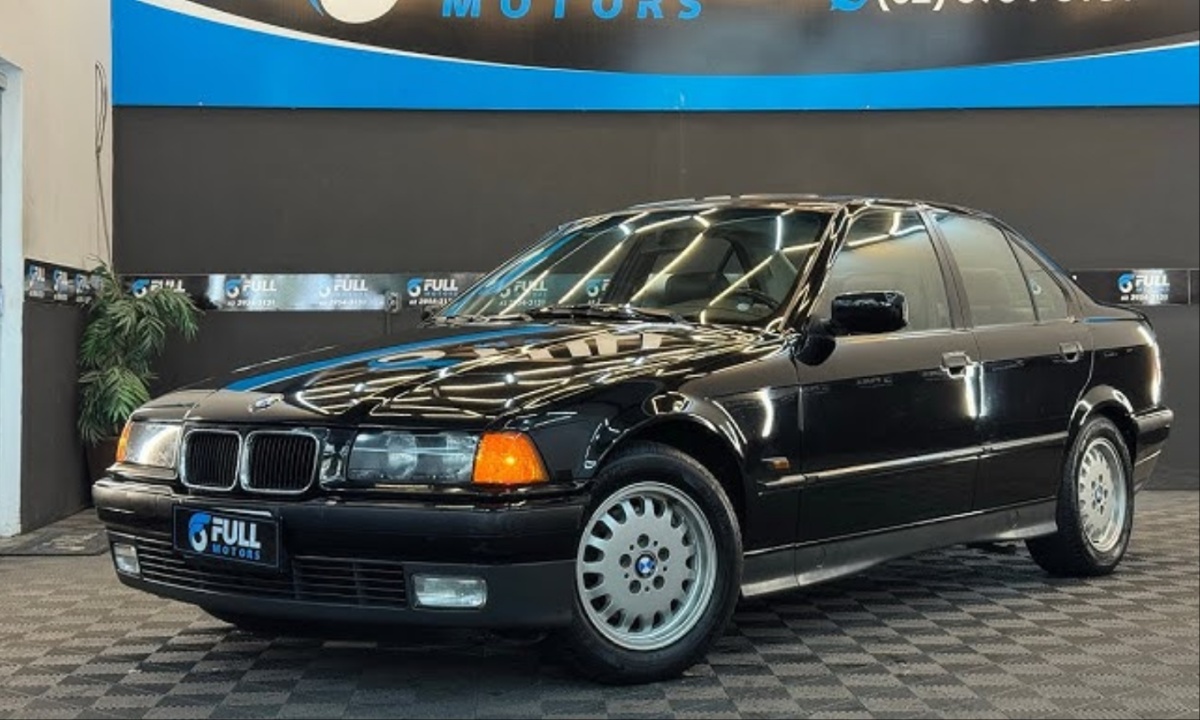
3. Mazda Miata NA/NB: Lightweight Precision and Tunable Drift Potential
The Mazda Miata, particularly in its NA (1989–1997) and NB (1998–2005) generations, has become a beloved platform for drivers seeking an affordable and skill-focused drift car. With an average price of $12,039, it offers exceptional value and accessibility. Power comes from a 1.8-liter inline-four producing 140 horsepower and 119 lb-ft of torque.
While modest, this output delivers smooth and predictable power that helps new drifters learn car control without being overwhelmed. Some enthusiasts argue that a stock Miata lacks sufficient power for drifting, yet its massive aftermarket support and high tuning potential quickly address this limitation. Engine swaps, turbo kits, suspension upgrades, and differential modifications are all commonly available and widely supported.
The Miata’s design makes it inherently responsive. It weighs under 2,400 pounds, allowing for agile movement and rapid direction changes that are ideal for drift transitions. The double-wishbone suspension and near-50/50 weight distribution provide stability and consistency mid-slide, letting drivers focus on improving technique rather than fighting the chassis.
The 5-speed manual transmission paired with rear-wheel drive offers full control of gearing and throttle modulation, essential for building confidence during drift entry and exit.
The NA Miata introduced the world to its classic roadster style, lightweight construction, and iconic pop-up headlights. It embraces simplicity and analog charm, evoking classic British and Italian sports cars.
Its engine options included 1.6-liter and 1.8-liter variants, both praised for reliability and rev-happy character. However, the NA offers minimal safety features, less chassis stiffness, and potential engine issues such as rod bearing wear. Despite this, it remains highly sought after for its pure, nostalgic driving feel.
The NB Miata refined the formula. It introduced a stiffer chassis, improved reliability, increased power, and better handling, especially in later models equipped with variable valve timing. Although it loses the pop-up headlights, it gains modern amenities and stronger daily driving practicality. The NB is often more affordable, more comfortable, and more composed, making it a superior choice for drivers who want both performance and convenience.
Choosing between the two depends on priorities. The NA delivers a raw, classic experience, while the NB offers a more modern, capable, and versatile interpretation of the Miata spirit.
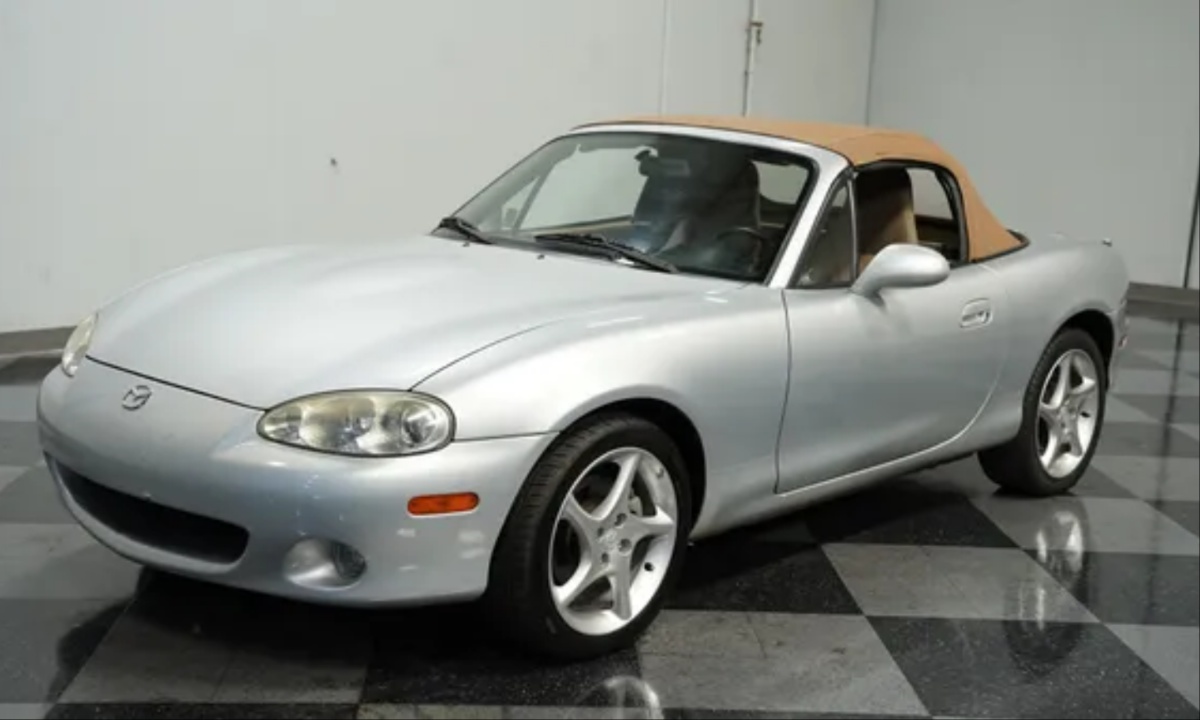
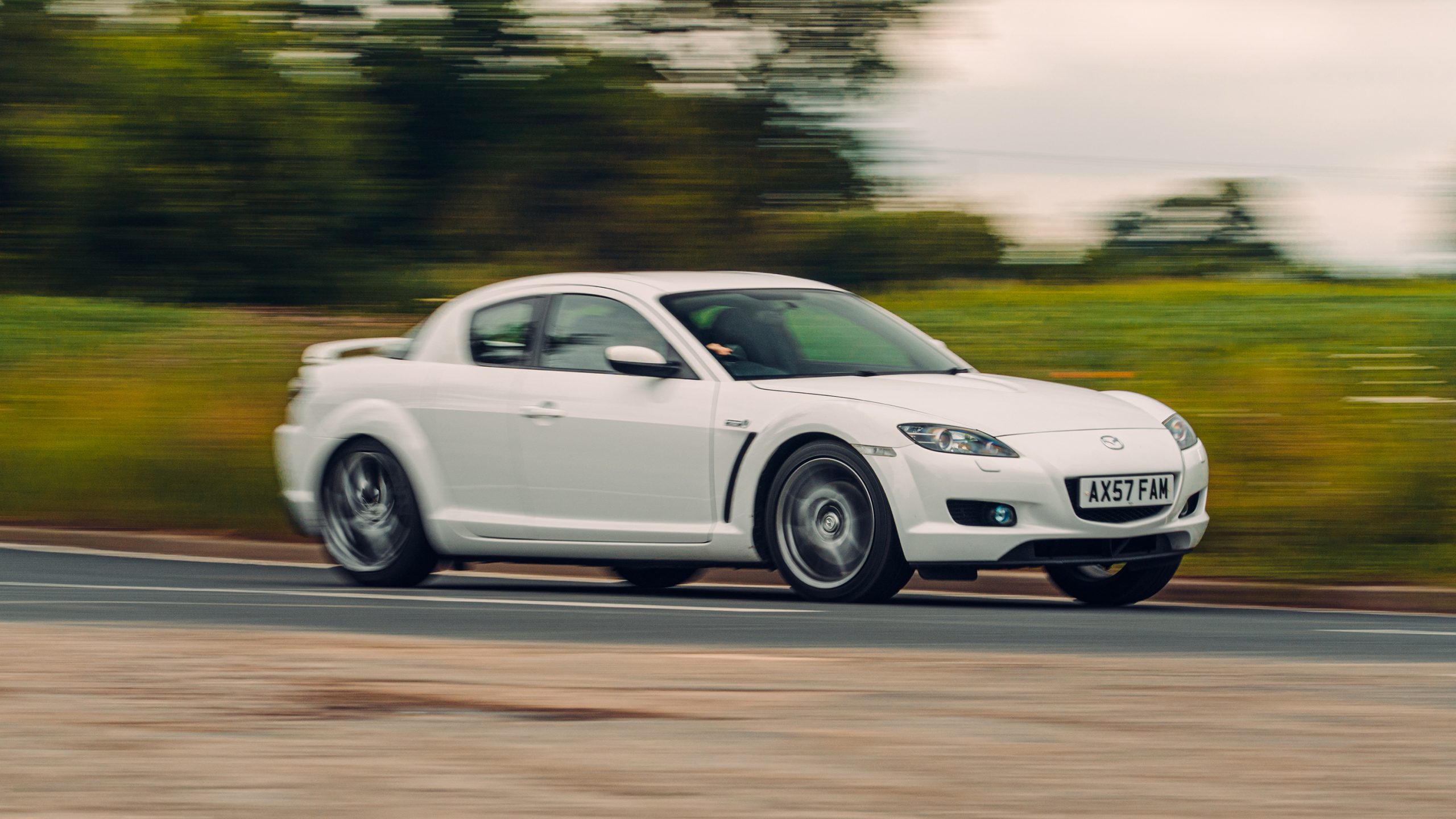
4. Mazda RX-8: High-Revving Rotary Performance in an Affordable Drift Package
The Mazda RX-8, produced from 2004 to 2012, stands out as a unique and accessible sports car thanks to its high-revving rotary engine, balanced chassis, and strong driver engagement. With an average market price of $12,406, it offers an appealing entry point for enthusiasts seeking a lightweight and responsive platform, especially for drifting.
Its 1.3-liter Renesis rotary engine generates 232 horsepower and 159 lb-ft of torque in its six-speed manual configuration, delivering power smoothly to the rear wheels. The rotary’s ability to rev to 9000 rpm provides a distinctive driving experience, rewarding drivers who keep the engine in its upper range where throttle response becomes sharp and lively.
Weighing around 3000 pounds and featuring near-50/50 weight distribution, the RX-8 handles transitions confidently. Its low center of gravity, double-wishbone front suspension, and precise steering make it easy to initiate drifts and maintain consistent control mid-slide.
Though not as quick in straight-line acceleration as some rivals, the RX-8 shines through agility, feedback, and its willingness to change direction with minimal effort. The platform’s connection to the MX-5 is evident in its playful and communicative behavior, making it enjoyable on both road and track.
The RX-8 also introduced practical features uncommon in sports cars, including its distinctive four-door coupe layout with rear-hinged half-doors. Inside, the cabin offers a low driving position, supportive seating, and a uniquely styled dashboard that contributes to the car’s special feel.
Models like the R3 and Prodrive-developed PZ improved the RX-8’s dynamics further with upgraded suspension components, tighter steering response, and enhanced structural stiffness. These variants are widely regarded as the best choices for enthusiasts.
However, the RX-8’s biggest drawback is its engine reliability. Rotor tip wear and loss of compression are common issues, making consistent oil consumption and maintenance essential. Rebuilds are relatively affordable, but many used examples require additional work, such as addressing rust or tired suspension components. Buyers who prioritize reliability often seek the R3 model’s improvements, including an extra oil injector and refined chassis tuning.
Despite these concerns, the RX-8 rewards drivers who appreciate precision, high-revving performance, and balanced handling. Its rotary character, drifting capability, and unique design make it a compelling and budget-friendly choice for enthusiasts willing to embrace its quirks.
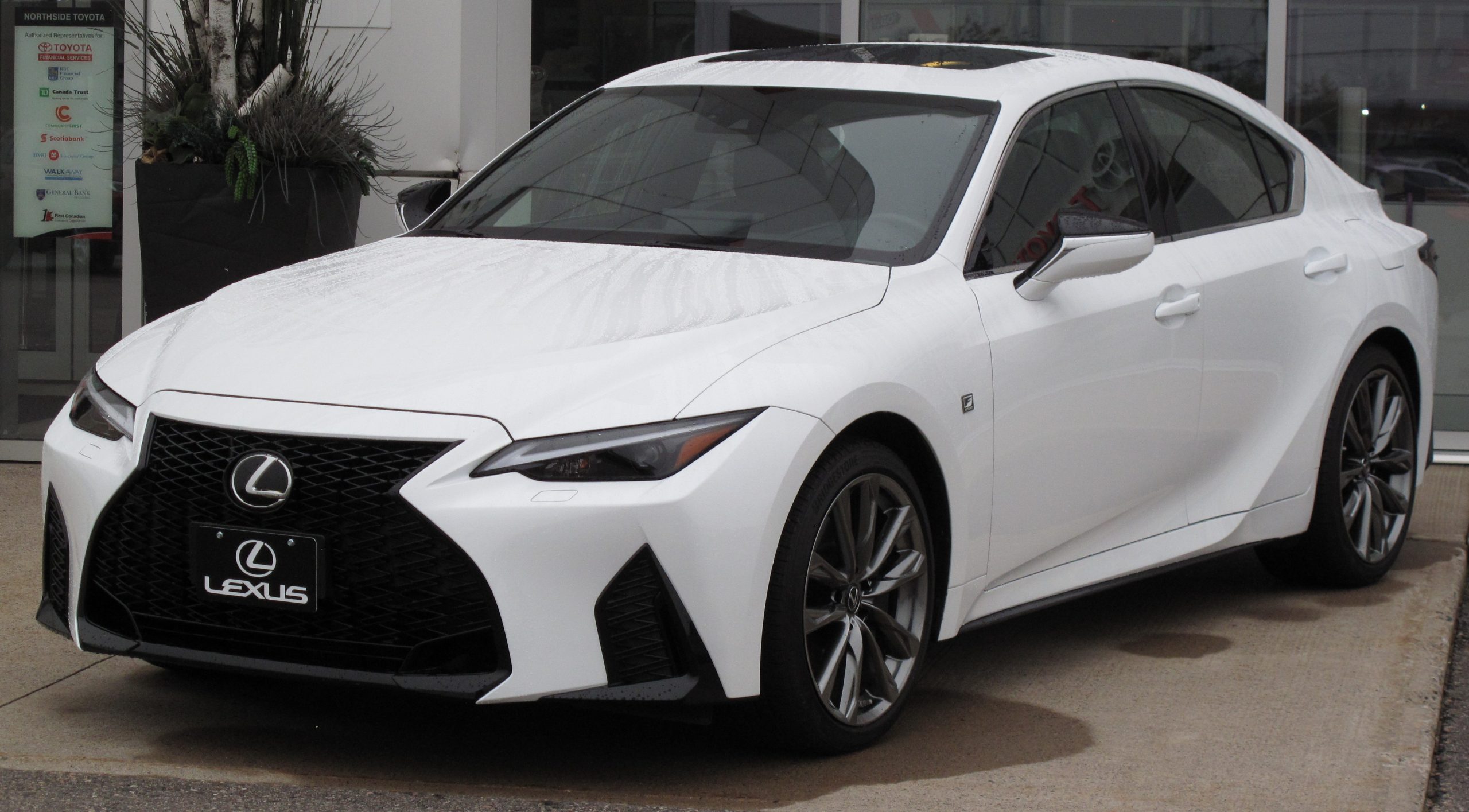
5. Lexus IS300: A Durable and Engaging Straight-Six Sports Sedan with Strong Drift Potential
The 2001 to 2005 Lexus IS300 has become a standout choice for enthusiasts seeking a balanced, rear-wheel-drive sedan with genuine performance credibility and long-term tuning potential. At an average price of $14,574, it offers a compelling mix of refinement, reliability, and driver engagement.
At its core is a 3.0-liter inline-six producing 215 horsepower and 218 lb-ft of torque, shared with the non-turbo Toyota Supra through its 2JZ-GE engine. This powerplant delivers smooth performance, strong throttle response, and significant aftermarket support, making the IS300 a capable drift platform even in largely stock form.
Paired with a five-speed manual and a naturally balanced chassis, the car maintains predictable behavior during extended drifts and spirited driving.
From a driving perspective, the IS300 was praised for its direct and responsive steering, often compared favorably to the BMW 3 Series, the segment benchmark. Testers noted its nimble feel, excellent control, and engaging character, with several drivers preferring its steering precision over contemporary BMW models.
Though not quite as composed at the absolute limit as a 330i, the IS300 remains stable through roughly nine-tenths of its performance envelope, which is more than sufficient for road use. Its braking performance is equally impressive, featuring four-wheel disc brakes with ABS and electronic brake force distribution, giving it some of the best stopping power in its class.
Built with double-wishbone suspension front and rear, the IS300 offers handling sophistication rarely seen in Japanese sedans of its era. Optional components like a Torsen limited-slip differential further enhance its enthusiast appeal.
Comfort was also a priority, with supportive seats trimmed in leather and suede-like inserts, a distinctive chronograph-style instrument cluster, and a high-quality audio system that reinforced Lexus’s reputation for craftsmanship. The exterior design combines sleek proportions, a low nose, and a high tail for an athletic stance, complemented by a low drag coefficient of 0.29.
Throughout long-term testing, the IS300 proved exceptionally reliable, with minimal repair costs and consistently positive service experiences. With its robust engine, sharp steering, balanced chassis, and Lexus build quality, the IS300 offers a rewarding blend of sportiness and everyday usability, making it a highly appealing choice for budget-minded enthusiasts and drift beginners alike.
Also Read: 5 Cars Seniors Can Load Groceries Into VS 5 Back-Breakers
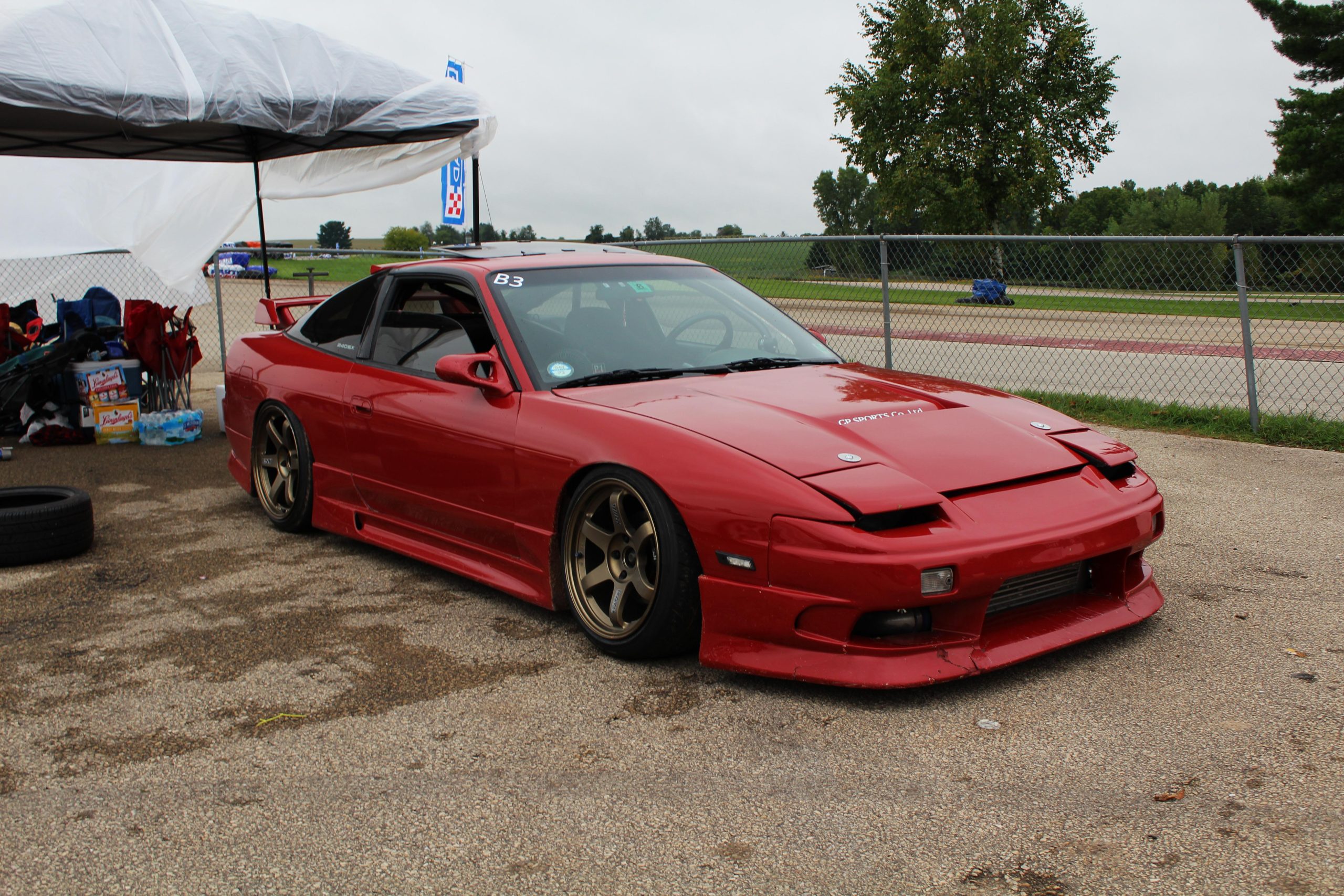
6. Nissan 240SX S13: A Lightweight, Mod-Friendly Drift Icon
The Nissan 240SX S13 has earned its status as a cornerstone of grassroots drifting thanks to its balanced layout, lightweight construction, and immense tuning flexibility. With an average used price of $16,348, it provides a strong foundation for drivers who want an affordable Rear Wheel Drive platform that responds well to modification.
Power comes from a 2.4 liter inline four producing 155 horsepower and 160 lb ft of torque, paired with a five speed manual. While modest, this output is well-suited to the S13’s low weight of roughly 2,700 to 2,800 pounds. It’s near 50 to 50 weight distribution, and simple suspension design allows easy breakaway and smooth, predictable transitions, making it a natural fit for drift beginners and seasoned drivers alike.
Owners value the S13 not for straight-line performance but for its superb controllability on the drift course. Its chassis tuning, responsive steering, and forgiving balance make it easy to learn car control and develop technique.
The car was offered in several factory configurations, including coupe, hatchback, convertible, manual or automatic transmission, and different differential types, which gives builders a range of starting points. Within enthusiast communities, S13 models are often referred to by era-specific terms such as Zenki, Chuki, and Kouki, with the 1991 to 1994 Chuki cars representing the mid-period update.
The KA24DE engine has a reputation for durability, though it is not a high-revving performance motor in stock form. It features a single overhead cam design in earlier years, water cooling, and a compression ratio of 8.7 to 1.
Performance figures include zero to sixty in 8.8 seconds and a top speed of about 125 miles per hour. While these numbers are far from modern sports cars, they align perfectly with the S13’s purpose as a controllable, momentum-focused drift machine rather than a straight-line contender.
Finding a clean S13 has become difficult due to age, drifting wear, and rising collectability. Many examples require mechanical attention or restoration, but the car’s huge aftermarket support and simple layout make repairs manageable. For enthusiasts willing to invest time, effort, and resources, the 240SX S13 remains one of the most rewarding and customizable drift platforms available.
7. Nissan 350Z: A Powerful, Well Balanced Favorite for Drift Enthusiasts
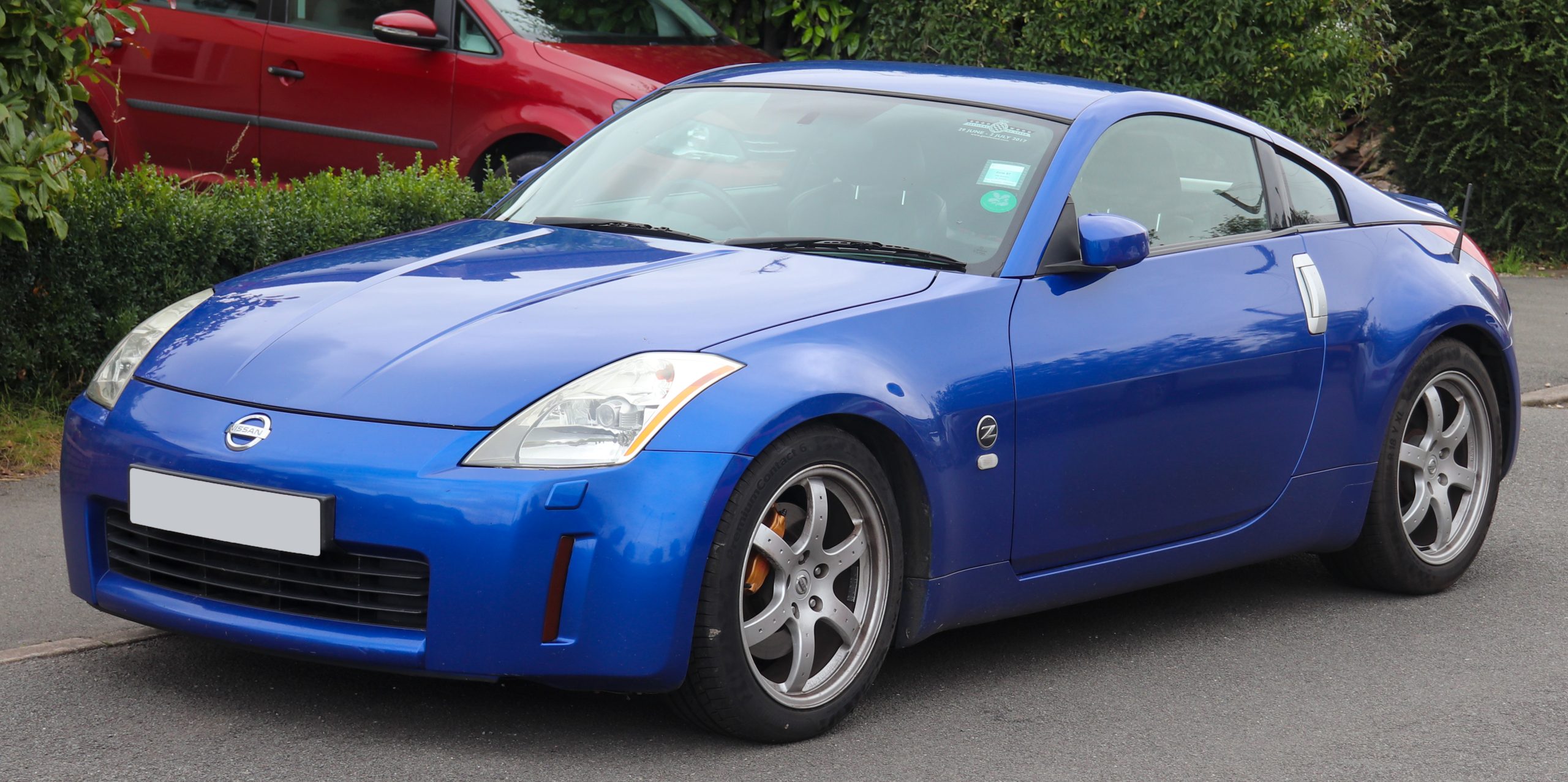
The Nissan 350Z is one of the most popular modern platforms for drifting thanks to its strong performance, balanced chassis, and accessible pricing. Powered by a 3.5 liter V6 producing 306 horsepower and 274 pound feet of torque, the 350Z offers more than enough force to initiate and sustain controlled slides.
This power is best enjoyed through the six speed manual transmission, which provides direct engagement and smooth clutch action suited to drift techniques. With a curb weight near 3300 pounds and a low center of gravity, the car maintains stable, predictable behavior mid drift. Many trims came equipped with a limited slip differential that helps keep wheelspin consistent during cornering.
The 350Z’s stiff chassis and short wheelbase give it the responsiveness needed to quickly change direction, an asset on both tight technical layouts and wider drift courses. Its average used price of $16,704 makes it a compelling option for enthusiasts who want strong factory performance paired with a huge aftermarket.
Suspension kits, angle mods, intake and exhaust upgrades, cooling improvements, and differential enhancements are all widely available, allowing builders to tune the car for everything from casual drifting to competitive events.
On the road, the 350Z delivers sports car capability with everyday usability. The V6 is smooth in city driving and produces a satisfying growl when pushed at higher revs. Grip and balance are impressive, and although the steering feel can be a bit coarse, it remains quick and confidence inspiring.
The automatic transmission offers rev matched downshifts, but the manual unlocks the car’s full character. Safety features include antilock disc brakes, traction control, and side impact airbags, while the Grand Touring trim adds stability control. Crash test results from 2009 show five star ratings for driver frontal impact and side impact.
Inside, the cockpit is driver focused with classic triple gauge pods that tilt with the steering wheel. Controls are simple to reach, though materials feel modest for the segment. Roadster models have limited trunk space and compromised rear visibility, yet the soft top operates smoothly and folds in about twenty seconds.
With its blend of power, balance, and affordability, the Nissan 350Z remains one of the most capable and rewarding drift platforms available.
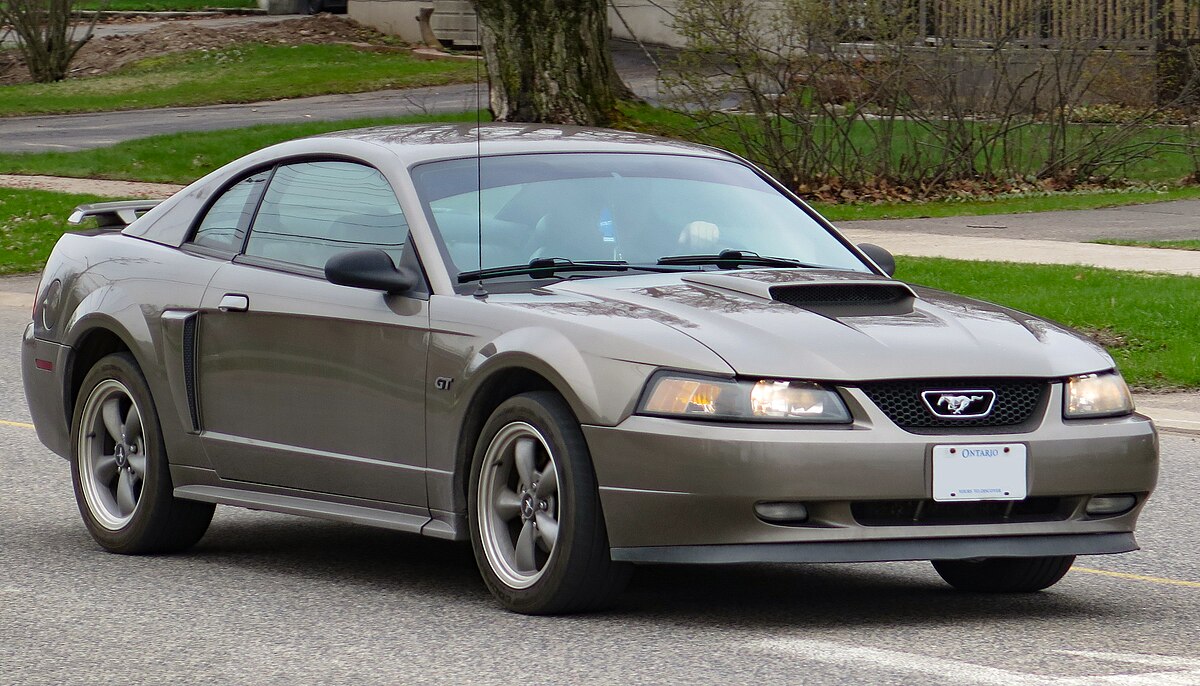
8. 1994 Ford Mustang GT: Affordable V8 Drift Potential
The 1994 Ford Mustang GT delivers accessible V8 power, solid rear-wheel-drive dynamics, and strong aftermarket support, which makes it an appealing choice for drifting at an average market price of $18,385. Its 5.0 liter V8 produces 260 hp and 302 lb ft of torque, giving drivers the ability to break traction with ease while maintaining predictable throttle control.
The engine connects to a 5 speed manual transmission, and the car’s roughly 3,300 pound curb weight provides stability without feeling sluggish when pushed sideways. Because the SN95 chassis evolved from the Fox platform, it retains compatibility with affordable performance parts, which makes upgrading suspension, differential components, and engine output straightforward for builders on a budget.
Ford redesigned the Mustang for its thirtieth anniversary, improving refinement and keeping the familiar 5.0 liter engine for continuity. The GT’s chassis benefited from stiffer construction, progressive rate springs, longer control arms, and revised spindles.
These updates created more confident handling on the limit, producing slalom and skidpad numbers that rivaled the performance oriented 1993 Mustang Cobra. The steering and suspension tuning delivered predictable understeer and controlled transitions, an advantage for new drivers learning to modulate weight transfer and slide initiation.
Inside, the dual cockpit dash drew inspiration from Ford’s Mach III concept. The cabin featured tight fitting panels and improved materials, though taller drivers noted limited legroom and some complained about seatbelt placement. The cloth sport seats offered good support and the tilt steering wheel suited most drivers. Optional equipment such as the Mach 460 audio system added a premium touch that many owners appreciated.
While the updated 5.0 liter V8 lost some of its earlier aggressiveness, owners quickly turned to aftermarket parts to restore stronger low end torque and responsiveness. Common upgrades included air intake components, exhaust systems, and shorter differential gearing. These modifications transformed the car into a more forceful performer without sacrificing its daily drivability.
The 1994 Mustang GT earned praise for durability, design, and the improvements it brought to the Mustang line. Many buyers were drawn to its styling and American heritage. For enthusiasts seeking an inexpensive V8 platform with reliable drift potential and vast upgrade options, the 1994 Mustang GT remains a compelling choice.
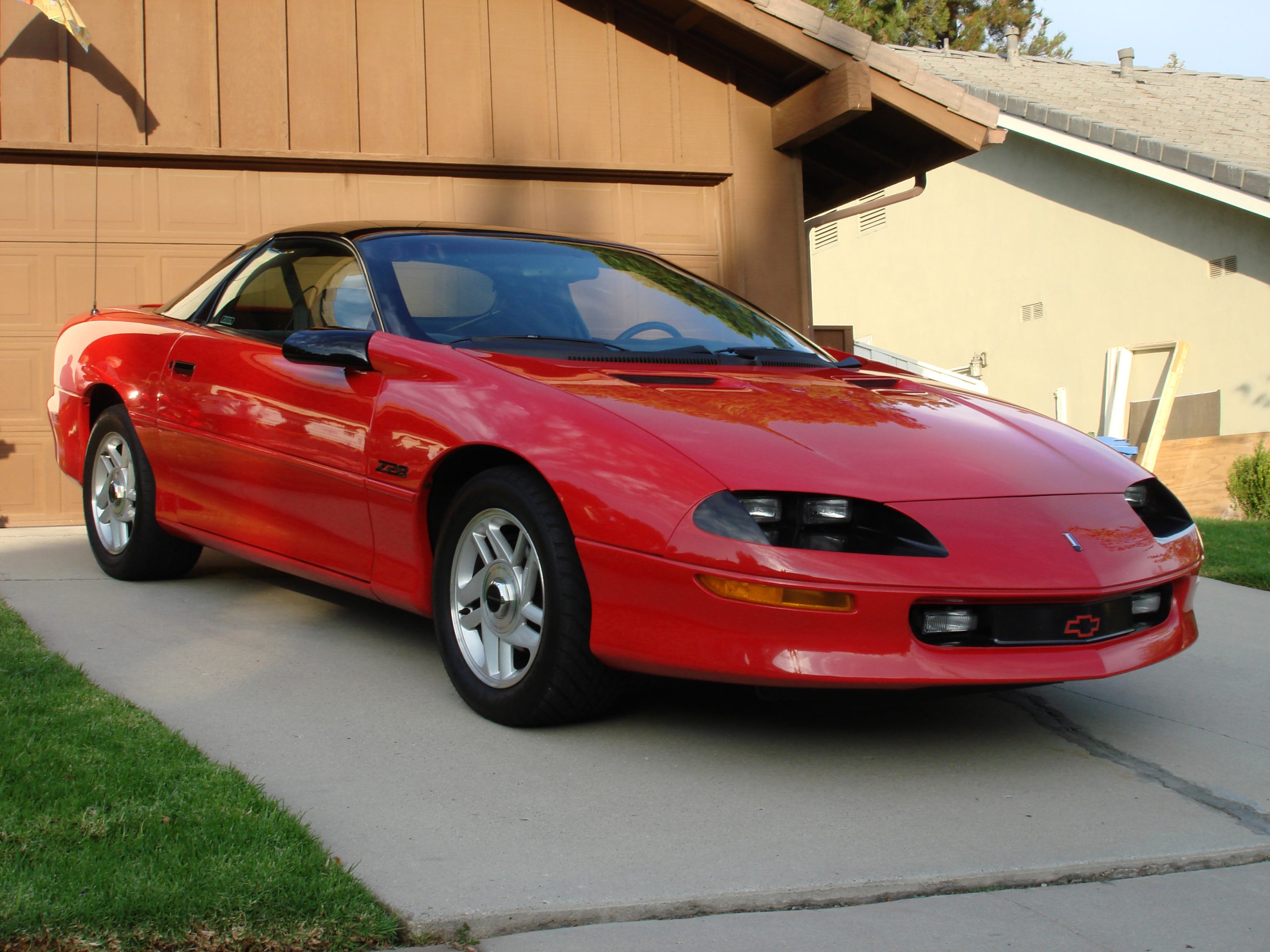
9. Fourth-Generation Chevrolet Camaro: Affordable V8 Drift Muscle
The fourth-generation Chevrolet Camaro (1993–2002) remains a popular choice for drifting enthusiasts seeking a rear-wheel-drive platform with strong V8 performance. Its 5.7-liter LS1 V8 produces 325 hp and 350 lb-ft of torque, routed through a 5-speed manual, giving drivers precise control over throttle and wheelspin.
Weighing just over 3,400 pounds, the Camaro balances stability and agility, while its long wheelbase aids in maintaining control during extended slides. The generous torque curve allows easy breakaways at low RPMs, making it suitable for both beginners and experienced drifters. With an average used price of $20,354 on Classic.com, it represents an accessible entry point into V8-powered, rear-drive drifting with a wealth of aftermarket support and replacement parts.
The Camaro’s performance is strongest in the Z28 and SS trims. Base models feature a 3.8-liter V6 with 200 hp, offering lower insurance costs and easier daily drivability. Z28 variants include the 5.7-liter V8 producing 310 hp, while the SS package adds forced-air induction for a peak of 325 hp, allowing 0–60 mph in just over five seconds and a quarter-mile in roughly 13.5 seconds.
All V8 models benefit from optional performance-handling upgrades, including tighter steering, dual exhaust, and a limited-slip differential. Tires and suspension revisions in later years, along with auxiliary power steering coolers, improved handling and drivability under aggressive conditions.
While the Camaro’s interior is functional rather than luxurious, it provides a driver-focused layout with a supportive seating position and a respectable cargo hold. Exterior styling remains aggressive, with optional anniversary editions offering blacked-out wheels, sport stripes, and cosmetic enhancements. Standard safety features include airbags and antilock brakes, although visibility is somewhat limited due to the sharply raked windshield.
As one of the last examples of affordable, high-performance American V8 coupes from the 1990s, the fourth-generation Camaro has become a sought-after platform for drifting and modification.
Its strong factory performance, rear-wheel-drive layout, and widespread aftermarket parts availability make it an ideal candidate for enthusiasts seeking both fun on the track and a capable, budget-friendly drift car. With declining production and rising collector interest, these Camaros offer a rare combination of performance and value before they leave the market entirely.
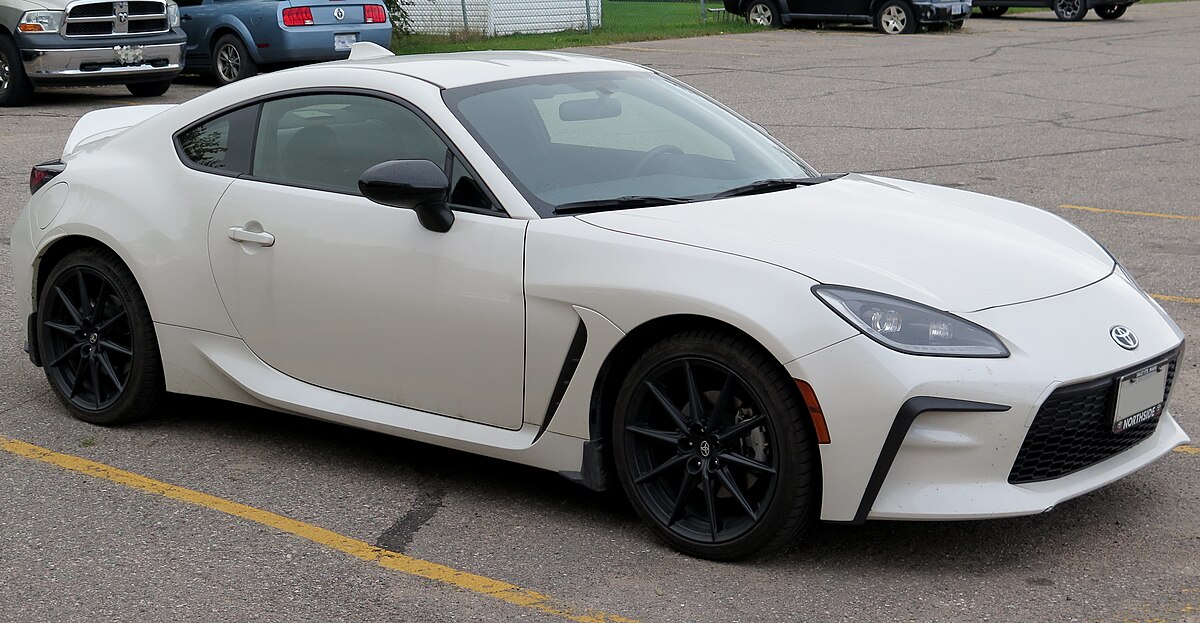
10. First-Generation Subaru BRZ / Scion FR-S: Lightweight RWD Excellence
The first-generation Subaru BRZ and Scion FR-S (2012–2020) stand out as modern, affordable rear-wheel-drive sports cars that prioritize balance, driver engagement, and chassis dynamics over sheer power. Both models feature a 2.0-liter naturally aspirated flat-four (boxer) engine producing 200 hp and 151 lb-ft of torque, paired with a precise 6-speed manual transmission.
With a curb weight around 2,800 pounds and a standard limited-slip differential, these cars offer excellent weight distribution and a low center of gravity, making them exceptionally predictable and responsive during cornering and drifting.
Rear-wheel drive ensures drivers remain fully connected to vehicle behavior, making the BRZ/FR-S ideal for learning and refining performance driving techniques. At an average price of $20,997 on Classic.com, these cars are accessible while offering long-term reliability and extensive aftermarket support.
The BRZ/FR-S chassis is celebrated for its nimble handling, near-perfect weight balance, and agility. Steering is precise and communicative, allowing drivers to initiate and maintain controlled slides without surprises. Suspension tuning, low roll center, and light mass combine to make these vehicles fun at both low and high speeds.
The cars are light enough to respond immediately to throttle and steering inputs, yet stable enough to maintain composure during aggressive cornering, giving drivers confidence to explore the limits of traction. Enthusiasts also praise the extensive aftermarket ecosystem, which offers parts for performance upgrades, suspension tuning, cosmetic modifications, and forced induction, turning these modestly powered sports cars into capable drift and track machines.
Despite these strengths, the first-gen BRZ/FR-S has limitations. The 2.0-liter engine is underpowered for some, producing modest acceleration with 0–60 mph in 6.2–6.4 seconds. Torque is concentrated in the upper rev range, requiring drivers to rev the engine to maintain momentum during spirited driving.
Early models feature a minimalist interior, lacking modern tech and creature comforts such as heated seats, advanced infotainment, or driver-assist systems. The stock engine note is also considered bland by some enthusiasts, although exhaust modifications can significantly enhance auditory feedback.
Differences between the Scion FR-S and Subaru BRZ are minor but notable. The FR-S is slightly more affordable and tuned for a smoother ride, serving as a straightforward base for modification. The BRZ offers additional features such as HID lighting, spoilers, and navigation, with slightly firmer suspension tuning for a more premium feel, while retaining the same mechanical foundation.
The first-generation Subaru BRZ and Scion FR-S provide an accessible, balanced, and modifiable rear-wheel-drive platform that prioritizes driving engagement and handling finesse over raw power. They remain a modern classic for enthusiasts seeking a lightweight sports car that teaches the fundamentals of performance driving, drifting, and vehicle control, all while offering long-term reliability and an extensive tuning community.
For aspiring drifters, the ideal car is one that encourages skill development, responds predictably to inputs, and offers room for affordable modifications. The ten vehicles listed, from the balanced BMW 328i and drift-ready 325i E36 to lightweight Miatas, rotary-powered RX-8s, and accessible rear-drive icons like the Nissan 240SX, 350Z, Mustang GT, and Camaro, deliver exactly that.
Modern options like the Subaru BRZ and Scion FR-S bring refinement and reliability while preserving driver engagement. Each car combines manageable power, rear-wheel-drive dynamics, and aftermarket support, making them perfect for beginners or budget-conscious enthusiasts.
Whether you are learning weight transfer, throttle control, or drift initiation, these platforms provide a rewarding, hands-on experience that emphasizes skill over horsepower. These ten cars prove that you can enjoy the exhilarating world of drifting while staying practical, affordable, and fully in control behind the wheel.
Also Read: 10 Cars That Look Stunning But Disappoint True Enthusiasts