People love to make it sound like tariffs are something abstract a thing politicians argue about while the rest of us just shrug. But when you zoom in on the auto world, especially pickup trucks, tariffs hit like a hammer. Trucks already aren’t cheap. Buyers stretch budgets, take on longer loans, and justify it by saying, “It’ll last forever.” Now toss in modern tariff increases, and suddenly the math feels off.
The messy part? Trucks aren’t just “built in America.” That line is mostly a marketing slogan. Almost every pickup you see at a stoplight has parts from multiple countries. Steel from one place, electronics from another, transmissions from somewhere else.
When tariffs rise, it doesn’t matter where the brand originated the cost of every nut, bolt, hinge, chip, and wire creeps upward. And trust me, truck manufacturers don’t eat the cost out of kindness. They push it straight to the sticker price.
The result? Even buyers who used to confidently walk into dealerships now hesitate. Trucks that were “expensive but doable” suddenly feel like a high-risk purchase. And for brands that rely heavily on foreign-sourced parts or global supply chains, every tariff increase creates a ripple effect that eventually smacks the average customer right in the wallet.
This list breaks down 11 American pickup trucks that end up taking the biggest hit. Not because they’re bad trucks many are great but because their production costs are tied to international systems that tariffs mess with. Some depend on imported metals. Others rely on electronic components that became pricier overnight. Some even shift production between countries, which throws them straight into the tariff firepit.
Let’s talk about the trucks that actually feel today’s tariff pressure the most. No sugar-coating, no corporate spin just a straightforward look at which models get hurt, why it matters, and how real truck buyers end up paying the price.
How Tariffs Increase Shake Up the American Truck Market
People assume tariffs only hit foreign car makers, but that’s wishful thinking. American truck brands are tangled in global sourcing way deeper than most shoppers realize.
One tariff move can make an entire generation of trucks more expensive even when the badge screams “USA.” Raw materials like aluminum and steel shoot up in cost. Imported tech becomes pricier. Even basic items like wiring harnesses get a bump because the factories that supply them are often outside the country.
The impact shows up in subtle ways first. A mid-cycle update suddenly costs more than expected. A trim level’s price pushes higher even though nothing new was added. Some trucks quietly lose features because the manufacturer can’t justify paying higher import duties on the parts that power them. Eventually, it lands on the buyer’s lap as higher monthly payments, steeper interest deals, or fewer discounts.
Dealerships feel the squeeze too. Trucks that used to move fast now sit longer because customers hesitate. Fleet buyers reconsider orders. Contractors wait another year. And with trucks being a huge chunk of profit for American automakers, tariffs throw off more than pricing they mess with planning, forecasting, and production lines.
The following 11 trucks get hit the hardest. Not because they’re weak products, but because the modern truck is basically a global puzzle. Change the cost of one piece, and the whole picture shifts. These models feel the pressure in pricing, parts sourcing, and long-term production strategy.
ALSO READ: Mercedes G-Wagon Gets a Little Smaller, But the Badass Factor Remains
1. Ford F-150
The F-150 may be America’s poster child for pickup trucks, but it’s not insulated from global cost swings. Ford loves promoting the “Built Ford Tough” identity, yet a surprising amount of the truck’s DNA comes from outside the U.S.
The aluminum body panels rely on imported materials that instantly jump in cost every time tariffs climb. Steel components, specialized electronic systems, and even certain drivetrain components come through international suppliers.
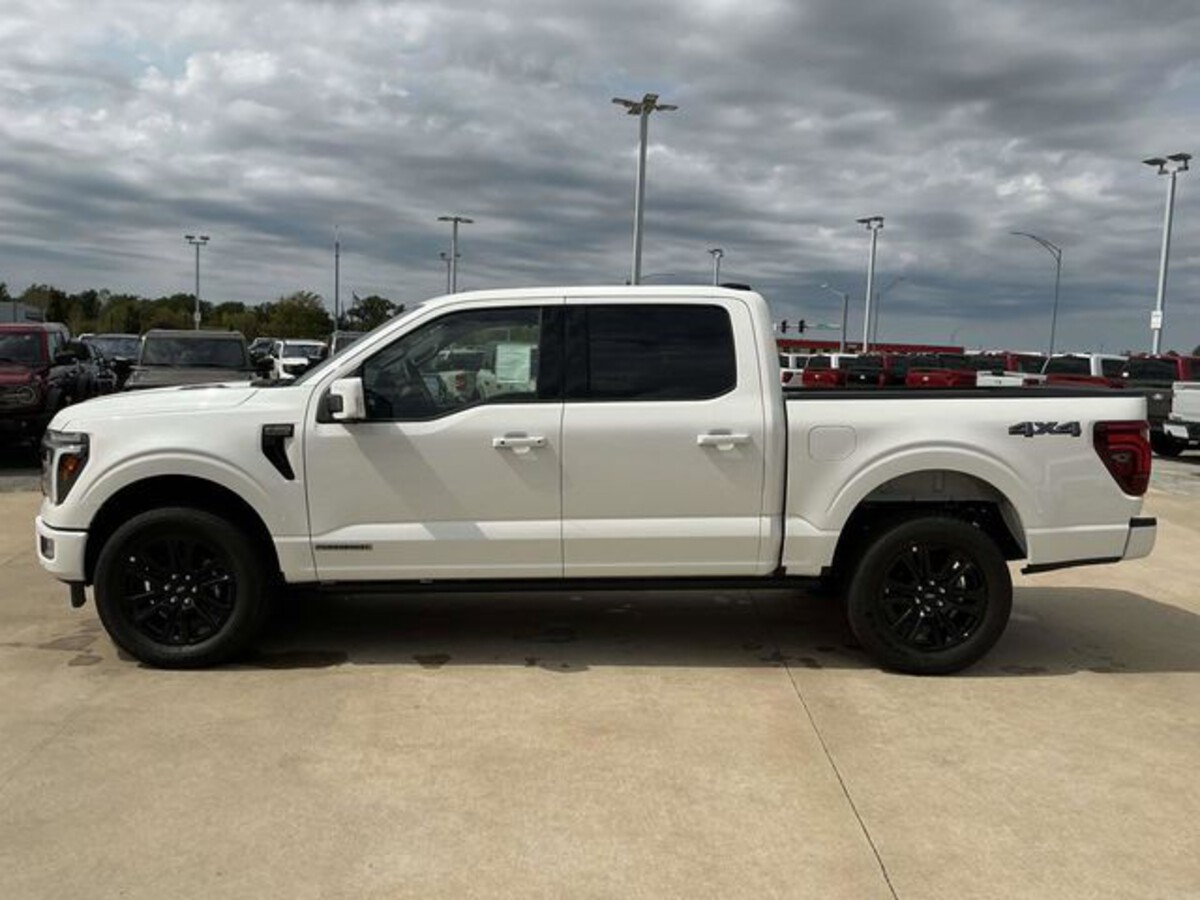
This becomes a problem because the F-150 sells in huge numbers, meaning even tiny tariff hikes turn into massive cost spikes when multiplied across production. Ford can’t exactly absorb those increases without messing up profit margins, so the price-tag creep ends up landing on buyers. If you’ve noticed how a mid-trim F-150 today costs what a fully loaded truck used to yep, tariffs helped push it there.
Then there’s the hybrid and high-tech versions. Ford stuffed the F-150 with sensors, chips, and modules sourced from global tech partners. Modern tariffs especially love targeting electronics, and the F-150’s high-tech goodies make it vulnerable.
Want the fancy towing cameras, the powered tailgate, or the hybrid PowerBoost system? That stuff requires components that don’t magically appear from U.S. soil. And each tariff-affected part nudges the price further upward.
Ford also balances production between several facilities, and any shift in tariff policy forces them to reconsider what gets built where. That brings delays, planning headaches, and again higher costs. At the end of the day, the F-150 isn’t struggling because it’s a bad truck. It’s struggling because it’s a big, complicated machine built in a global economy that tariffs keep messing with.
2. Chevrolet Silverado 1500
The Silverado 1500 tends to get labeled as the “blue-collar alternative” to the F-150, but lately, its prices don’t feel very blue-collar. A good chunk of that is tied to tariff pressures. GM sources its metals from a mix of American and foreign suppliers, and when tariff increases hit raw materials, the Silverado gets caught in the middle.
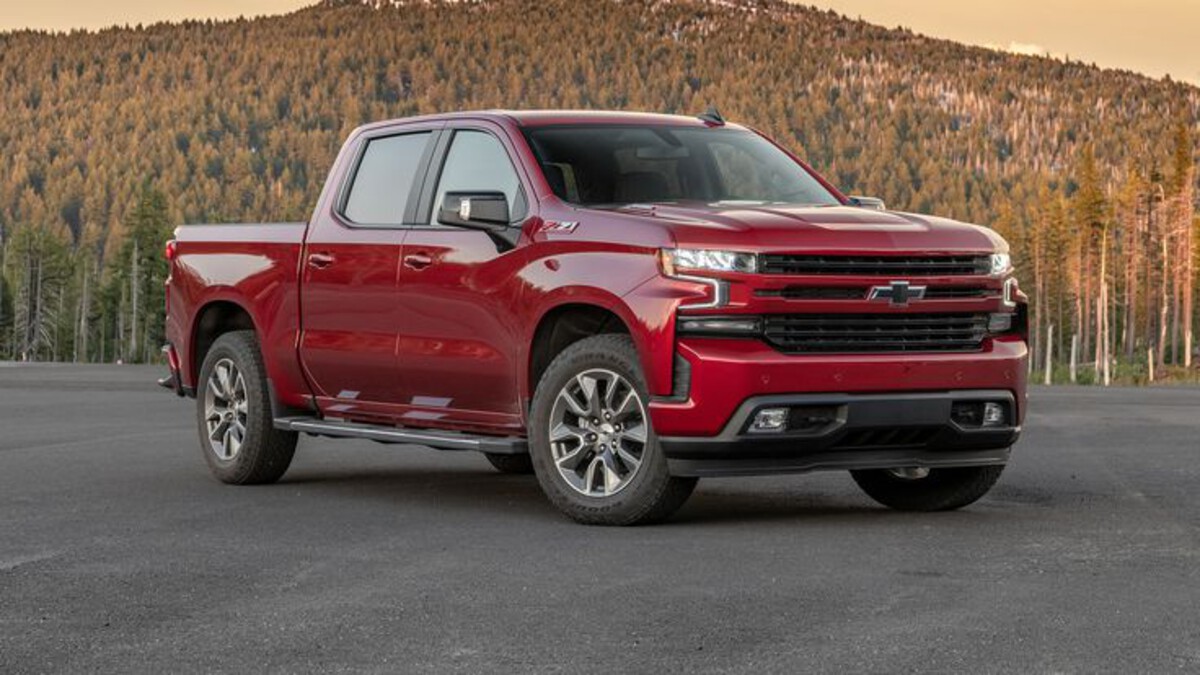
The truck’s extensive use of aluminum in trim pieces and structural elements means material costs spike fast. And while GM does manufacture many components locally, the electronic and tech systems inside the modern Silverado don’t come from one country. The more GM embraces screens, sensors, and digital features, the more vulnerable the truck becomes to international pricing swings.
Another thing people overlook: GM’s North American production footprint includes Canada and Mexico. Whenever tariff rules shift for cross-border automotive trade, trucks like the Silverado end up shouldering the fallout. Even if the truck is assembled in the U.S., parts crossing borders multiple times can get slapped with layered tariffs.
The hybrid and turbocharged variants also face challenges. The engines depend on precision components that often come from specialized plants overseas. The more advanced the powertrain, the more likely some piece of it is affected by new tariff rules.
This all adds up to higher manufacturing costs, which show up in the sticker price. Silverado trims that used to feel like bargains now creep into premium territory. Tariffs don’t make the Silverado a worse truck they just make it a more expensive one, and buyers feel that every time they sit down with finance paperwork.
3. RAM 1500
RAM has leaned heavily into luxury over the last decade. That’s great for comfort heated seats, plush cabins, giant screens but terrible when tariffs target electronics and imported materials. The RAM 1500 uses a lot of high-end components sourced from outside the U.S., and when tariffs increase, those parts spike in cost.
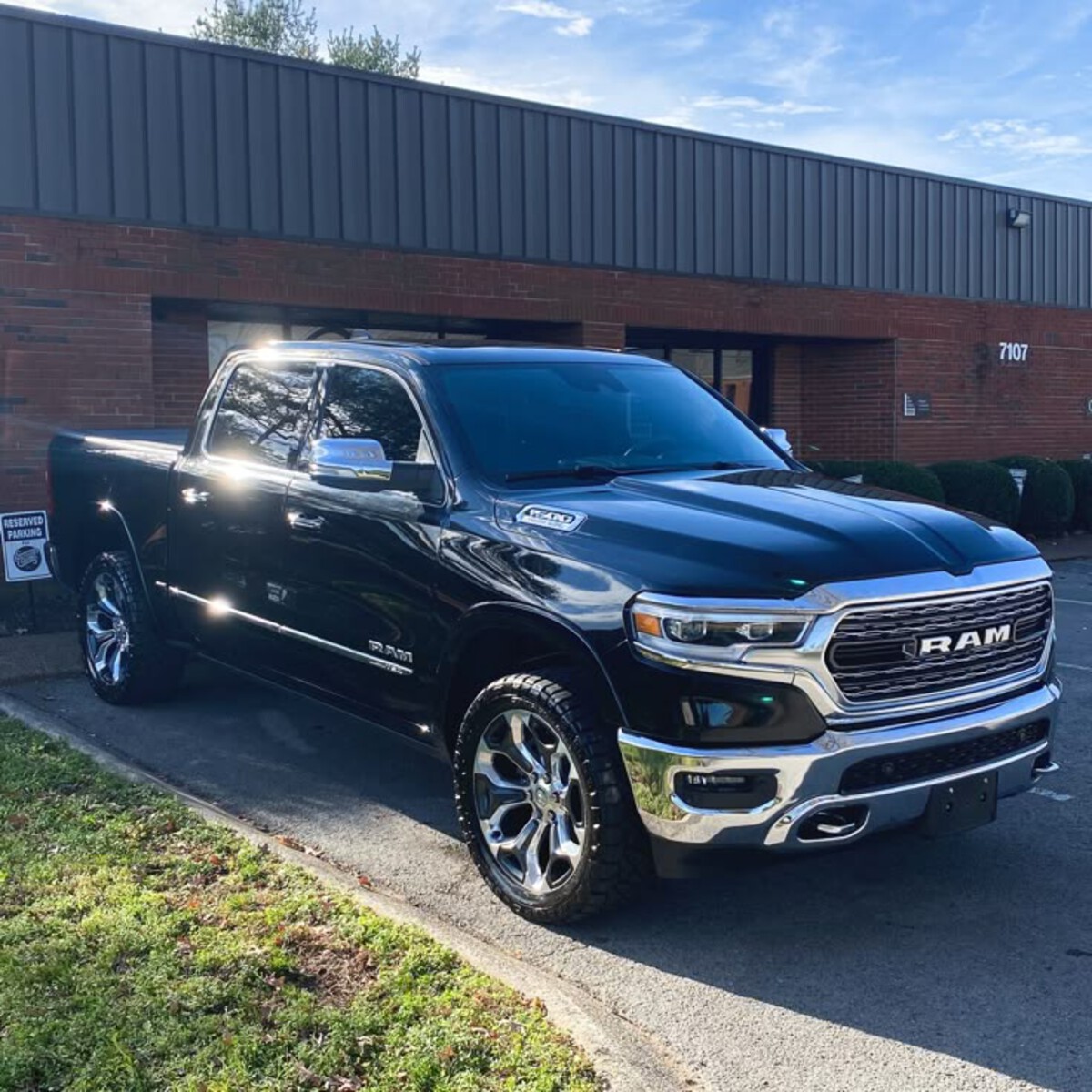
The truck’s well-known coil-spring rear suspension and optional air-suspension system rely on specialized hardware not manufactured in one single region. Tariffs on mechanical components, aluminum systems, and imported steel hike up the price. Even the massive touchscreen RAM loves to advertise is full of foreign-sourced chips. And given how tariffs keep hitting tech components, RAM feels the squeeze from multiple directions.
Another hidden pressure: RAM’s parent company operates globally. That means parts for the 1500 often move between plants in North America and Europe. When tariffs disrupt cross-border movement, RAM’s supply chain gets pricier and messier.
The eTorque mild-hybrid system makes things even more complicated. Batteries, motor components, and power electronics often face their own separate tariff categories. Every increase in those sectors lands right in RAM’s cost structure.
So the pump-up in pricing over the last few years isn’t just a “luxury tax.” It’s the result of tariffs making the truck more expensive to build. Buyers see this when a mid-tier RAM suddenly feels like a premium SUV in price.
4. Ford Ranger
The Ranger has always been a global truck, even before it came back to the U.S. This global DNA is exactly what makes it sensitive to tariff changes. Many of its key components were developed and produced across different countries before being shipped into the American production pipeline. So, when tariff increases hit foreign-made components, the Ranger ends up absorbing that cost.
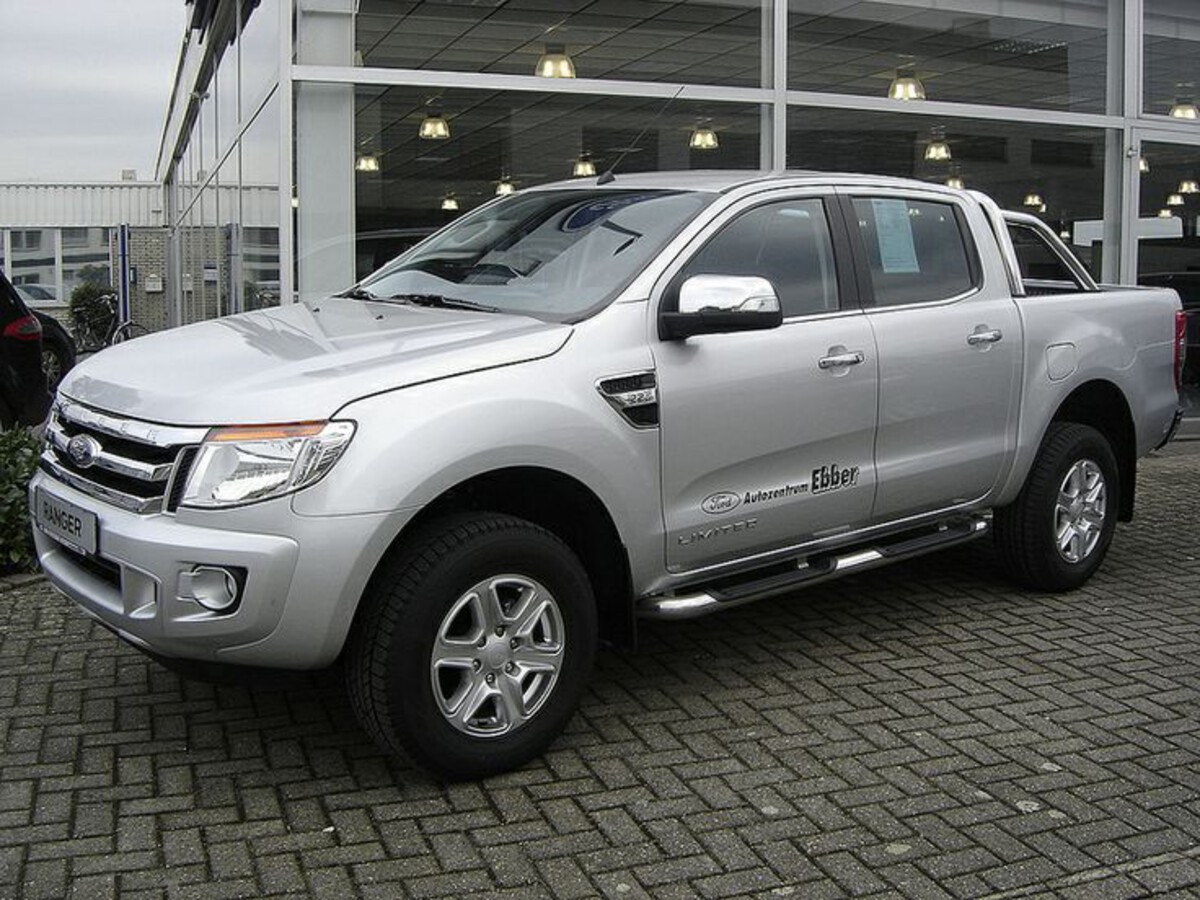
Ford leans heavily on global small-truck platforms. That means transmissions, turbochargers, suspension systems, and electronics aren’t all from the same country. The Ranger’s turbo-four engine includes several parts sourced abroad, and those components jump in price as soon as tariffs shift.
The tech inside the Ranger its infotainment system, safety sensors, and digital modules also relies on global suppliers. Tariffs on electronic goods have been creeping up in recent years, and this truck gets hit harder than larger domestic-oriented models.
Another issue is production flexibility. The Ranger’s lineage includes plants outside the U.S., and tariff rules can affect where Ford chooses to build specific components. If tariffs force production changes, it usually means higher costs, slower builds, or pricier parts.
Buyers notice it too. The Ranger is supposed to be a “budget-friendly mid-size pickup,” yet its pricing keeps creeping upward past what a lot of shoppers expect. A chunk of that is tied directly to tariff-driven supply chain expenses.
5. Chevrolet Colorado
The Colorado sits in the same global-truck category as the Ranger, and that puts it in tariff trouble more often than full-size American pickups. The platform was originally developed with global markets in mind, which means lots of its engineering and parts sourcing is scattered across multiple countries. When modern tariff increases hit imports, Colorado’s cost structure takes a direct hit.
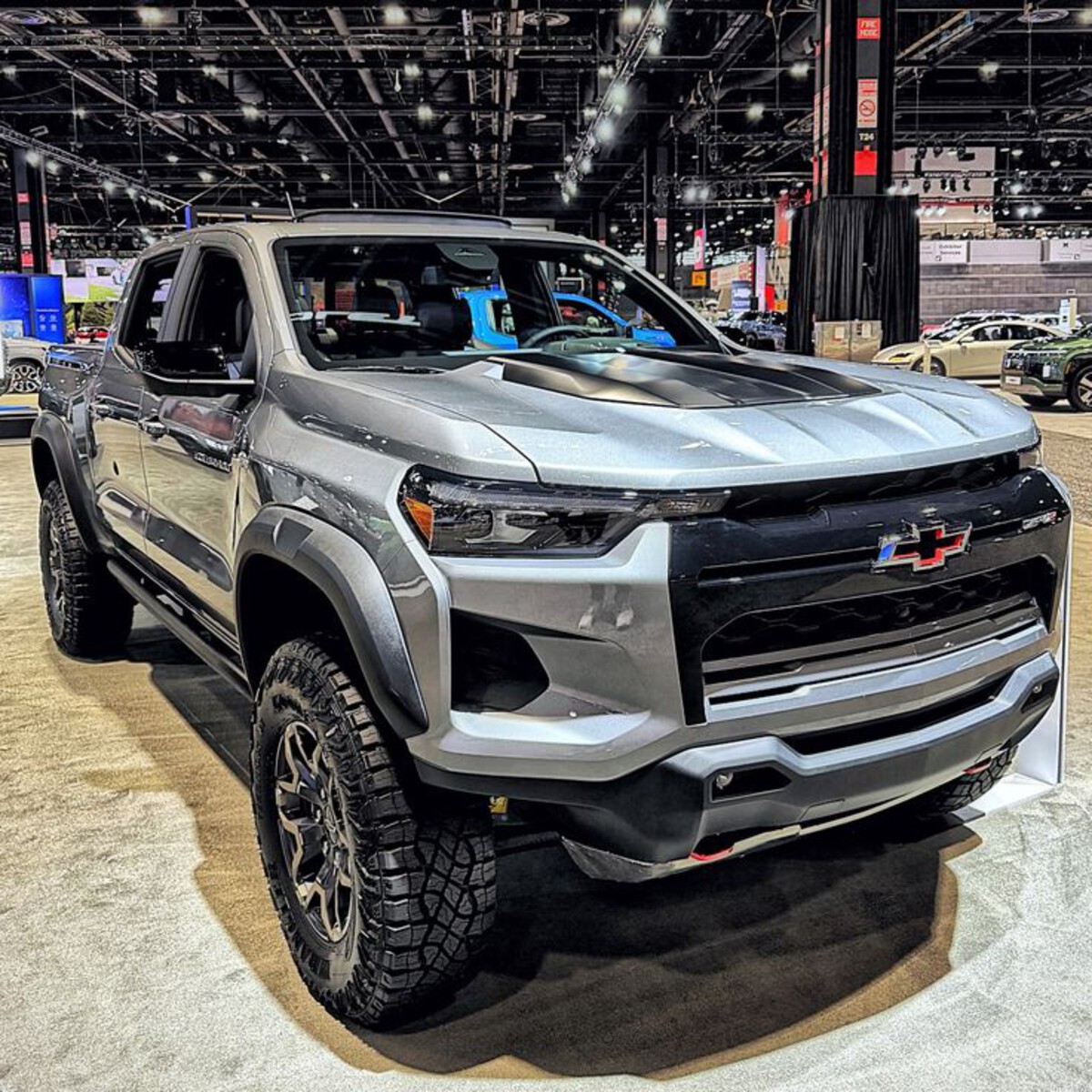
The midsize truck relies heavily on imported components for its engines and electronics. The Duramax diesel version, in particular, uses specialized parts from foreign suppliers, and those are exactly the types of components tariffs love to target. Even the gasoline models include modules and mechanical elements that aren’t manufactured fully within the U.S.
Its interior tech screens, safety tech, and driver-assist hardware depend on electronics sourced globally. Tariffs on circuits, chips, and wiring systems inflate the cost quickly. And because the Colorado competes on price, even small increases hurt its positioning.
GM’s production network across Mexico also adds tariff exposure. Any supply-chain shift or cross-border rule change creates pricing ripples, and midsize trucks like the Colorado have less room for cost inflation compared to their bigger siblings.
The result? A truck that used to be the “practical, affordable” option now edges dangerously close to full-size pricing, leaving buyers frustrated.
6. GMC Sierra 1500
The Sierra 1500 shares many components with the Silverado, so it faces similar tariff challenges but the Sierra gets hit even harder because of its push toward premium features. GMC markets it as the upscale alternative within GM’s truck lineup, and that means more imported luxury components, more electronics, more chrome details, and more advanced tech that doesn’t come from one manufacturing hub.
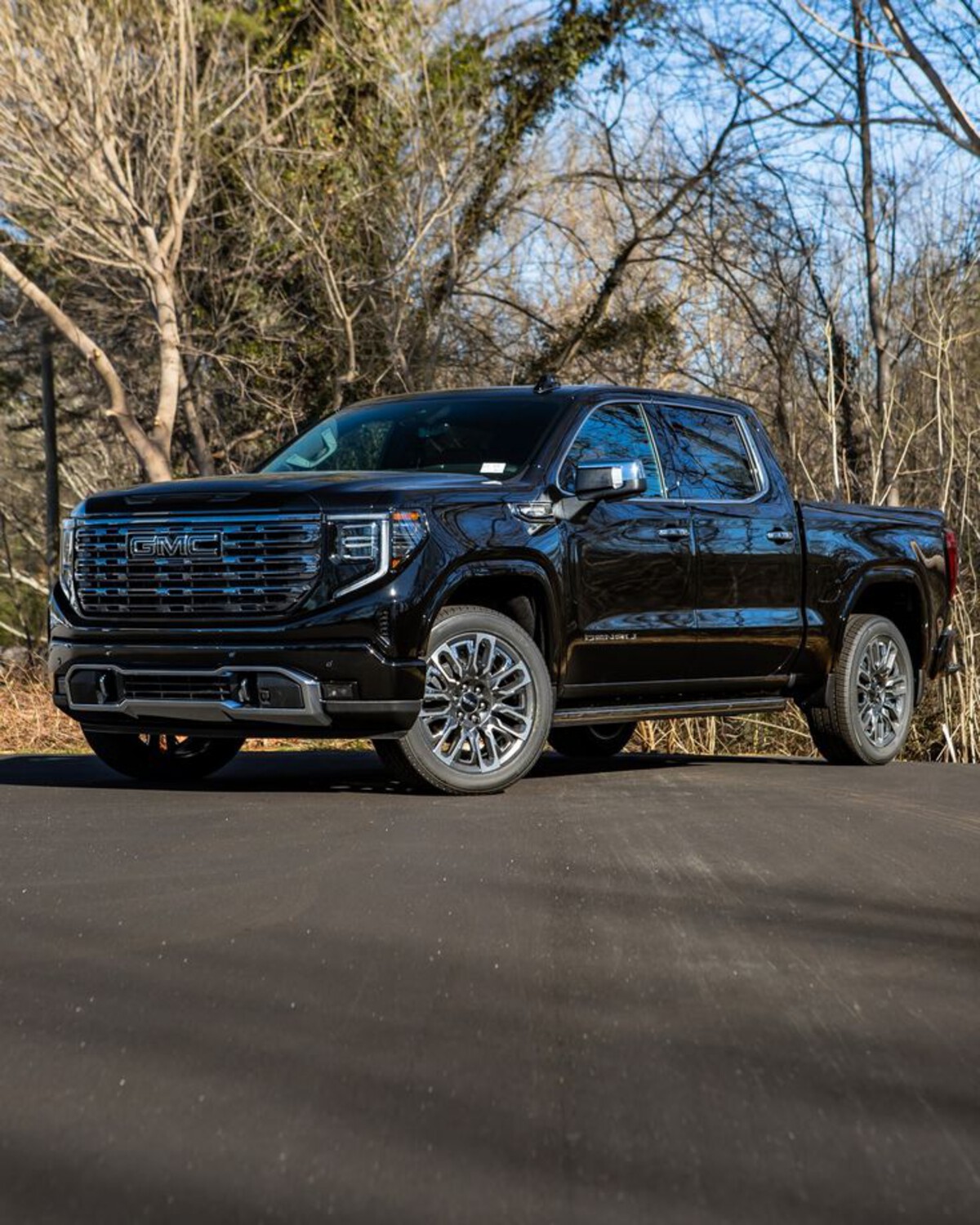
Tariffs on aluminum hit the Sierra’s exterior materials and structural elements. The rising cost of raw materials bleeds into the truck’s final pricing pretty quickly. Then there’s the electronics.
The Sierra’s big infotainment display, premium audio hardware, advanced towing cameras, and safety sensors rely on foreign manufacturers for chips and circuitry. Every time tariffs increase on those categories, GMC absorbs the blow.
The Sierra also features complex tailgate engineering its multi-function tailgate uses hinges, motors, and electronic parts that aren’t all U.S.-made. That puts it under even more tariff pressure.
Another layer: Sierra trims like the Denali rely heavily on luxury interior materials. Some of those materials come from overseas suppliers who get hit by tariffs on both raw materials and finished goods.
Because the Sierra is already positioned as a higher-end truck, price increases stand out sharply. Buyers expect premium but not inflation driven by tariffs. The difference between one model year and another sometimes feels like a leap rather than a step.
ALSO READ: 10 Dirt-Cheap BMWs That Deliver Shockingly Fast Performance
7. RAM 2500
Heavy-duty trucks feel tariff increases in a different way than half-ton trucks. The RAM 2500 depends on bigger, heavier components, many of which use metals that spike in price when tariffs go up. Steel tariffs hit the RAM 2500 harder than lighter trucks simply because the HD segment uses more of it.
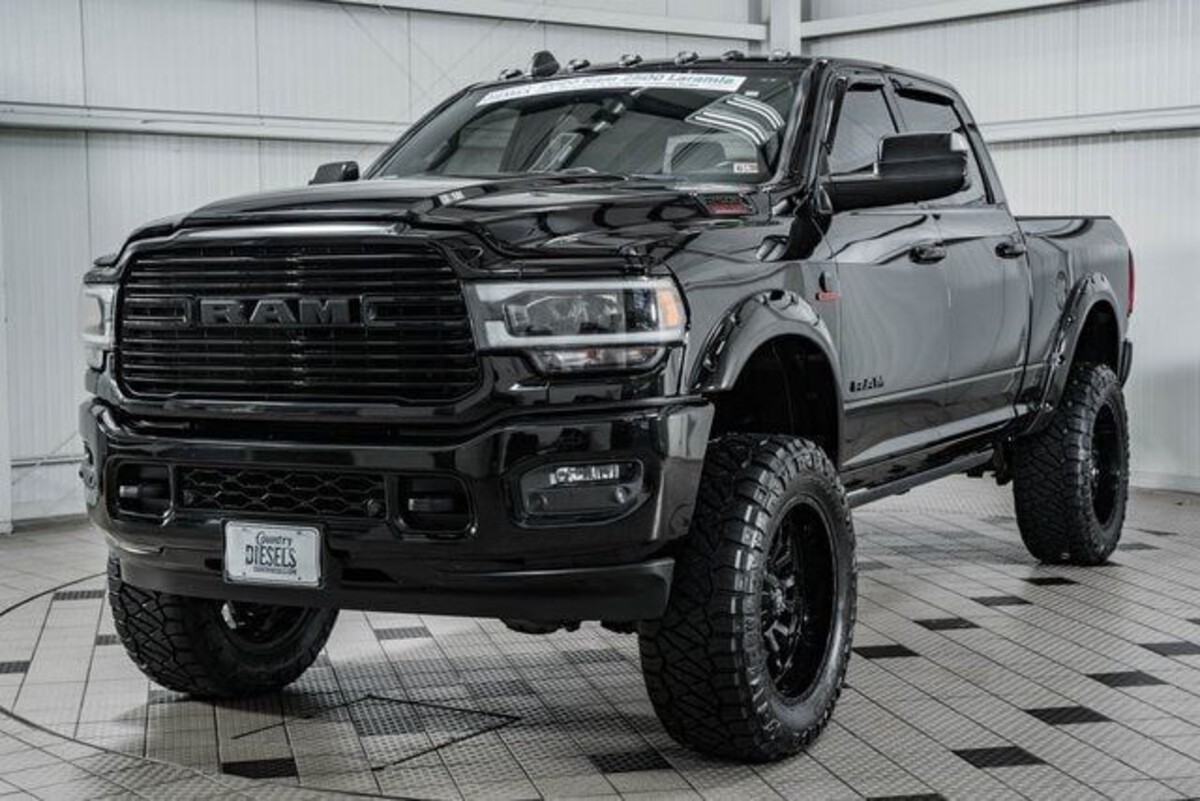
The diesel engine option complicates things further. The RAM 2500’s turbo-diesel setup relies on parts that come from specialized global suppliers, and diesel-related components fuel systems, emissions modules, turbocharger hardware often fall under tariff categories tied to industrial equipment. When those tariffs rise, costs go right up the chain.
Beyond the engine, the suspension system, towing hardware, and heavy-duty axles include components sourced from outside the U.S. The more capable the truck, the more complex its parts list and the more exposure it has to tariff changes.
The RAM 2500 also uses plenty of high-tech equipment now, including large screens and digital safety systems. Tariffs on electronics stack on top of metal tariffs, creating a layered cost increase.
HD truck buyers already pay a premium, but tariffs push the RAM 2500 into “unexpected expense” territory. People who need HD capability contractors, haulers, farmers notice the price hikes quickly because they don’t always have the luxury of waiting for prices to settle.
8. Ford Super Duty F-250
The F-250 is similar to the RAM 2500 in how tariffs affect it. Heavy-duty trucks demand tons of steel and larger mechanical systems. When tariffs increase the price of metals, trucks like the F-250 feel the hit on frame components, axle housings, and bed structures.
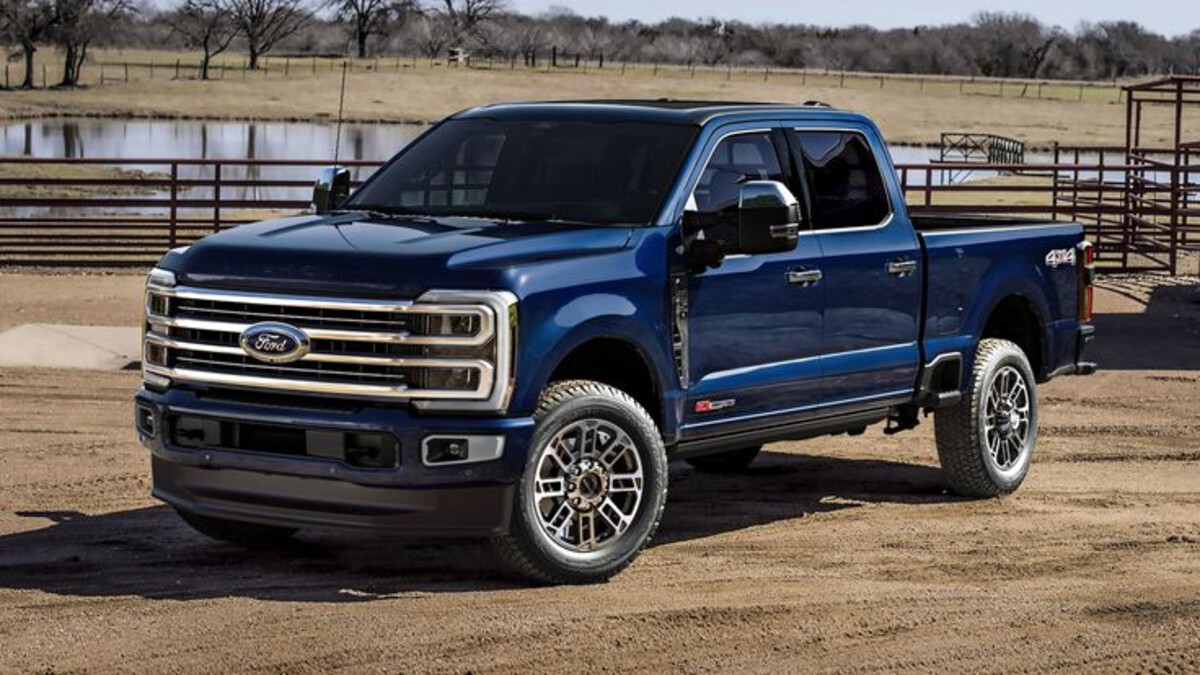
Ford’s Super Duty trucks also incorporate a lot of advanced features that rely on electronics. The newer models have massive infotainment screens, trailer-assist cameras, digital gauge clusters, and high-end control modules. Tariffs on electronics spike the cost of all that tech, and Ford spreads those increases across trim levels.
The diesel engine option is another tariff magnet. Diesel components often come from international suppliers with specialized facilities. Turbo parts, emissions sensors, and heavy-duty mechanical systems fall under tariff categories that go up frequently.
And here’s the kicker: Ford builds Super Duty trucks in the U.S., but several parts especially for diesel models come from Mexico or overseas suppliers. Any tariff change on cross-border components punches the F-250’s production cost straight in the gut.
With its huge sales numbers, even minor increases in part costs balloon into millions in added expenses. Ford adjusts by raising prices, shrinking discounts, or limiting certain features none of which buyers appreciate.
9. GMC Canyon
The Canyon is GMC’s midsize truck, and it shares a lot of its platform with the Colorado. Because of that, it inherits the same global sourcing challenges but adds a twist: GMC positions itself as a more premium brand. That means the Canyon uses pricier materials, more advanced interior tech, and additional modules that often originate outside the U.S. When tariffs hit electronics or high-end components, the Canyon’s costs spike faster than the Colorado’s.

The Canyon’s diesel and turbocharged gas options depend on imported precision parts. These components are rarely manufactured domestically in large volumes because midsize trucks don’t sell at the same scale as full-size trucks. So, global suppliers fill the gap and tariffs make that arrangement expensive.
GM also leverages Mexican manufacturing for midsize trucks, meaning any tariff increase tied to cross-border auto trade affects the Canyon directly. Even small changes in trade rules or duty rates create pricing jumps.
Inside the cabin, the Canyon relies heavily on screens, chips, and safety tech, all of which are affected by electronics tariffs. When those go up, GMC has two options: raise prices or remove features. Lately, they tend to raise prices.
Tariffs turn what used to be a “step-up midsize truck” into a pricier, less predictable purchase.
10. Jeep Gladiator
The Gladiator may scream “American adventure truck,” but its supply chain says otherwise. Jeep’s parent company is deeply connected to global manufacturing networks. Many Gladiator components come from plants located outside the U.S., meaning tariff increases instantly make the truck pricier to build.
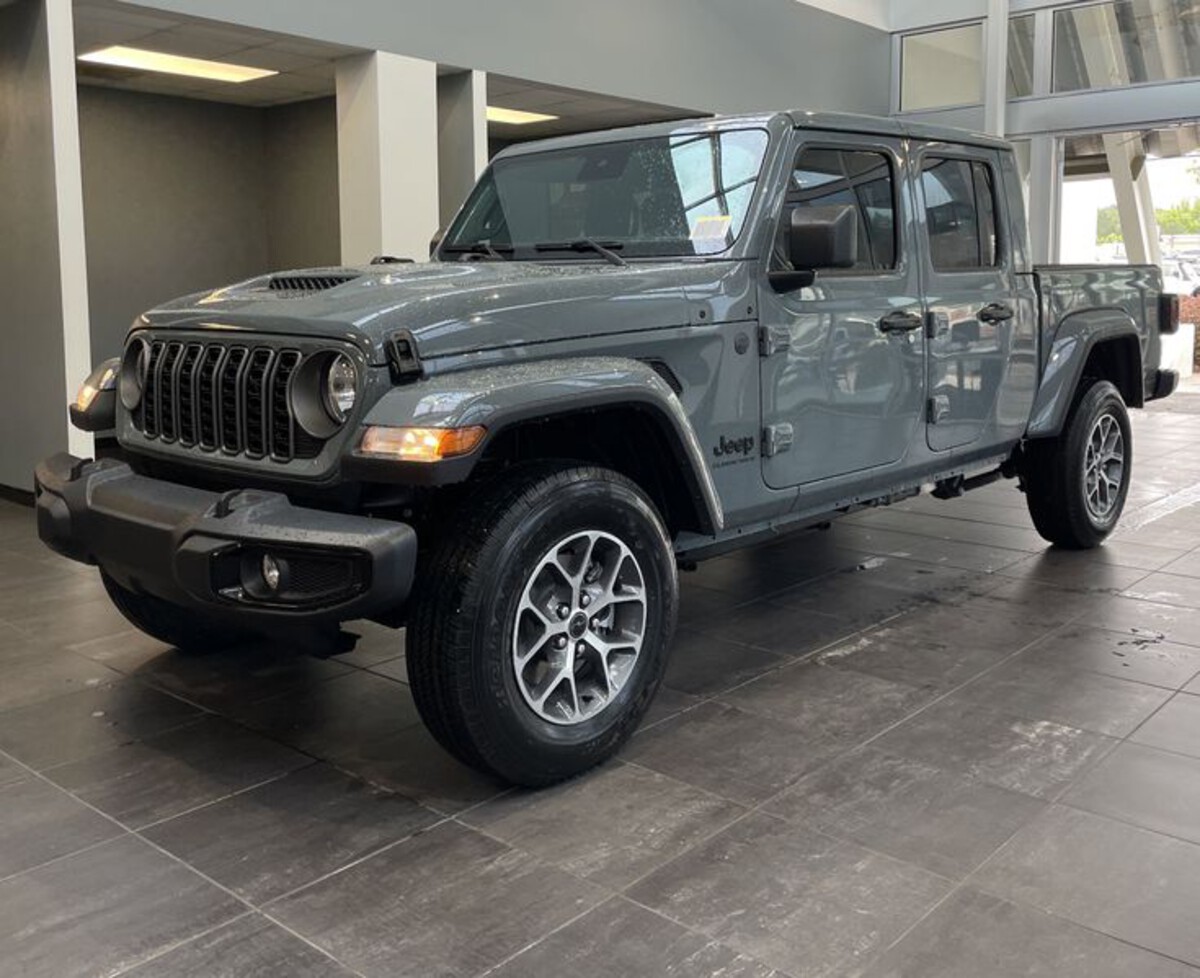
Its V6 engine includes parts sourced worldwide, and the transmission comes from global suppliers. When tariffs rise on imported mechanical components, the Gladiator feels it. Even the body components use steel and aluminum that fluctuate in cost when tariffs hit raw materials.
The Gladiator also leans heavily on tech that’s sourced internationally. The infotainment system, safety sensors, digital controls, and electronic modules rely on parts that now fall under tariff categories more frequently. As prices rise, Jeep’s production costs go up, and buyers end up seeing higher MSRPs.
Off-road hardware also plays a part. Axles, locker components, and specialized driveline pieces sometimes come from global suppliers. Tariffs on industrial mechanical parts affect the Gladiator more than most midsize trucks because Jeep loads the truck with complex off-road systems.
And because the Gladiator is already priced like a premium midsize truck, tariff-driven price increases push it beyond what many shoppers expected. It’s not that the truck got fancier it’s that international pricing shifts forced Jeep’s hand.
11. Ford Maverick
The Maverick exploded in popularity as a “budget-friendly” compact truck, but tariffs have been putting pressure on that promise. Because the Maverick is built using a global platform shared with several crossovers, many of its parts come from international suppliers. That’s great for efficiency, but terrible when tariffs rise.
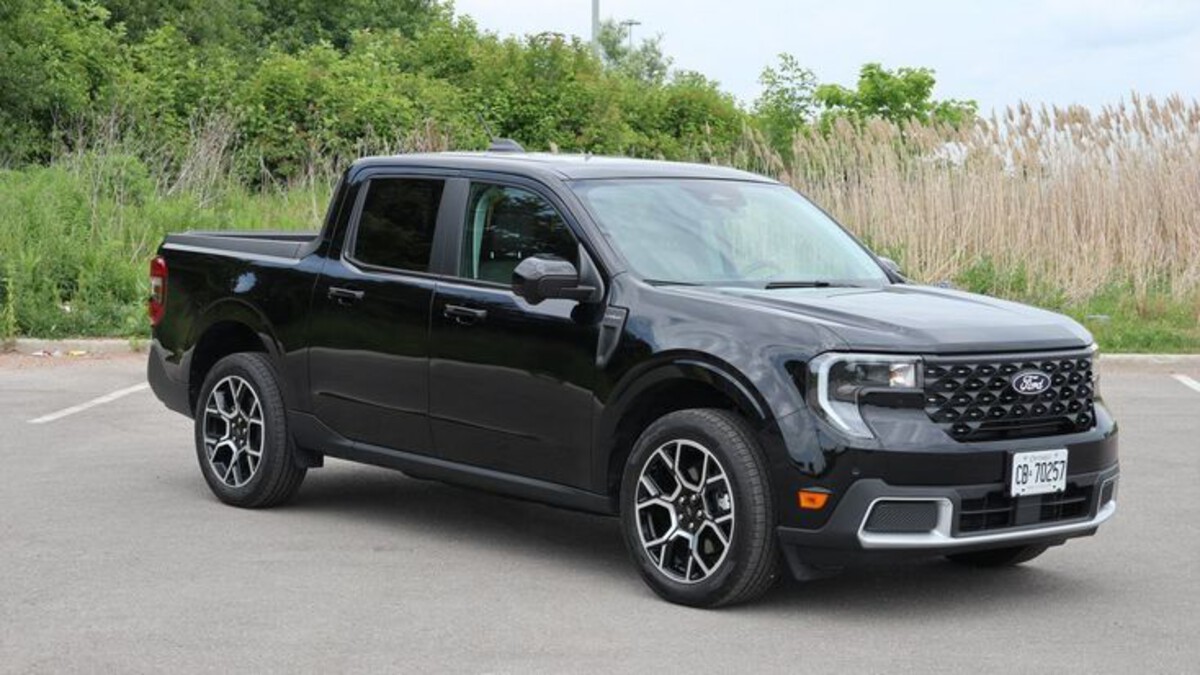
The hybrid version especially feels it. Battery components, electric motors, power electronics, and cooling modules fall under tariff categories tied to renewable energy and advanced tech. Every time those tariffs shift upward, the Maverick hybrid’s cost structure tightens.
The regular gas model isn’t immune either. The Maverick uses a mix of imported mechanical components and globally sourced electronics. Wiring harnesses, chips, and interior modules are all tariff-sensitive. And because the truck is meant to be an affordable entry point, any cost increase stands out massively.
The Maverick is also tied to cross-border production. Its supply chain includes Mexico, and tariff changes linked to North American trade agreements can raise costs quickly.
Shoppers have already seen the Maverick’s price shift year over year. It’s no mystery—tariff increases make it harder for Ford to hold onto the “cheap truck” image. The truck is still a great value, but keeping it affordable gets tougher each time global trade rules tighten.
It’s easy to pretend tariffs only hit billion-dollar companies, but the truth shows up right on dealership lots. Every time tariffs rise on metals or electronics, trucks jump in price, discounts disappear, and features quietly get cut. It’s not dramatic it’s slow, frustrating creep.
The big takeaway is this: modern trucks aren’t built in neat little bubbles. They’re global machines. Even “American” trucks are tied to worldwide supply chains that tariffs disrupt instantly. And because trucks sell in huge numbers, manufacturers can’t just “eat the cost.” Tariffs don’t just raise prices they reshape how trucks are designed, engineered, and positioned.
Some trucks on this list get hit because they use lots of aluminum. Others rely on imported engines or tech. Some are tied to Mexico’s factories. Some need specialized mechanical parts that the U.S. doesn’t produce. The reasons differ, but the result is the same: higher build costs and higher sticker prices.
Looking forward, the tariff pressure isn’t likely to vanish. The market is shifting towards hybrids, EVs, and high-tech features not exactly categories known for cheap, domestic-only sourcing. Expect trucks to continue feeling the squeeze. We’re entering an era where “affordable pickup” becomes harder to maintain unless manufacturers make big changes in where and how they source parts.
Buyers should expect more price hikes, more feature reshuffling, and more trim-level reorganizing. Trucks that used to sit comfortably under certain price brackets may cross into entirely new categories. Eventually, the idea of a “cheap truck” might fade unless companies switch strategies or governments change tariff rules.
For now, the trucks listed above stand out as the ones feeling tariff pressure the most. Not because they’re flawed but because they’re built in a world where every policy shift has costs. And those costs always roll downhill to the person signing the loan papers.