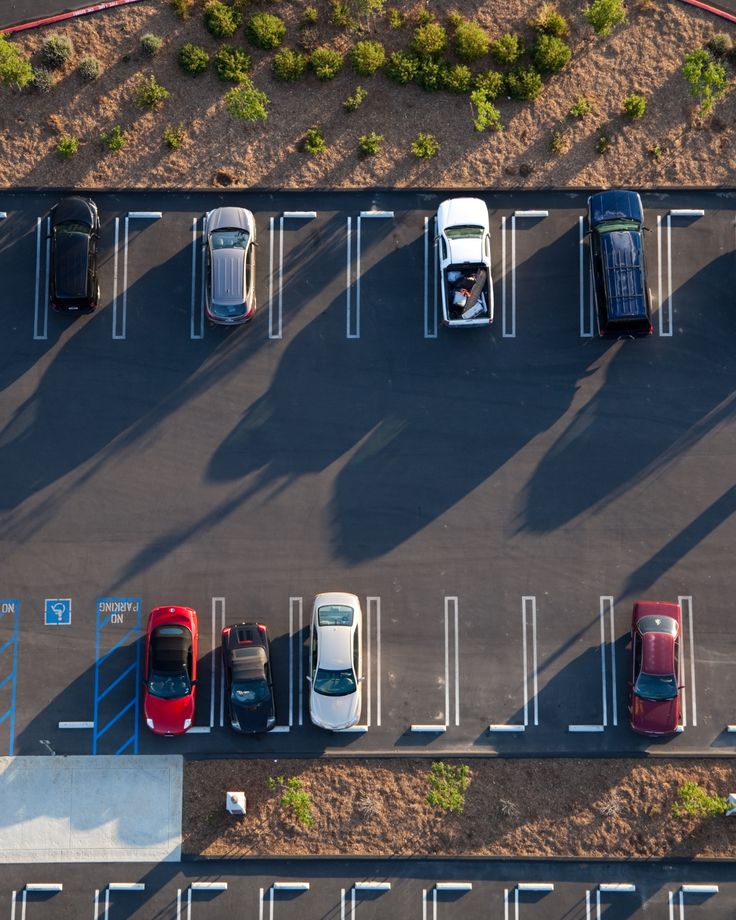
Parking in Newark can feel like a weird little puzzle. You think you’ve got the right angle, the right gap, the right patience level, then a bus shows up out of nowhere. Tight parking isn’t just an inconvenience here it’s part of the daily commute ritual.
Whether you’re squeezing into crowded downtown streets, compact apartment lots, garages with pillars in all the wrong places, or those frustrating half-legal curb spaces everyone pretends aren’t that bad, Newark demands a car that plays nice in small spaces.
Now, some cars are absolute champs in this environment. They pivot easily, stop exactly where you want them to, and don’t make you sweat when the parking spot is basically the size of a shoebox. Let’s be real they act like they’re allergic to tight spaces. Long bodies, awkward corners, wide turning circles, loud blind spots, these are the cars that turn a simple “let me park real quick” into a full workout.
So I’m breaking things down cleanly: five cars that help you survive Newark’s tight parking and five that make you wish you’d taken the bus instead. Each one gets a full breakdown how it handles, how it fits, who it’s for, and where it totally shines or completely falls apart in Newark conditions. No hype, no glossy brochure talk, just what works and what doesn’t.
This isn’t about comparing luxury to budget or old to new. This is about whether a car makes your life easier or harder in a city where streets are narrow, curbs are chaotic, and parallel parking feels like an extreme sport.
If you’re thinking of switching your daily driver or you just want to know why certain cars feel impossible to maneuver, this list is going to help you understand what fits and what absolutely does not.
Let’s dive into the matchups, the good, the bad, and the “wow, why is this thing so long?”
5 Cars for Newark Tight Parking vs 5 That Don’t Fit
To keep things simple, I’m splitting everything into two clean groups. First batch: five cars that genuinely make Newark parking way less stressful. These are the ones that turn quickly, don’t hog curb space, and won’t make you do 27 tiny back-and-forth movements just to park straight. They’re built for tight urban layouts, and you feel that the moment you try to squeeze into a gap that looks impossible at first glance.
Second batch: the cars that fight you. The ones that feel great on the highway or in wide suburban lots but suddenly become bulky giants the moment you hit a cramped Newark street. They’re not “bad” cars they’re just wrong for this specific environment. And in a city like Newark, that mismatch becomes obvious fast.
5 Cars for Newark Tight Parking
We’re talking turning radius, visibility, length, width, how it behaves during parallel parking, and whether its shape helps or hurts in these compact spaces. I’m not sugar-coating anything. Some large vehicles are just honest troublemakers in tight areas. Some small ones are smooth operators.
At the end, you’ll have a clear idea of which cars belong in Newark’s tight corners and which ones you’ll regret bringing here. Ready? Let’s start with the heroes the cars that make parking feel less like a chore and more like a quick move you knock out without overthinking.
ALSO READ: Top 10 RWD Sports Cars You’ll Actually Want to Daily Drive
1. Honda Fit
The Honda Fit is one of those cars people underestimate until they actually drive it in a tight city. Newark’s cramped street parking, sudden openings, and narrow lanes suit this little hatchback weirdly well. It’s short, easy to see out of, and turns with almost no drama. The Fit doesn’t pretend to be fancy; it just gets the job done without making you fight for control.
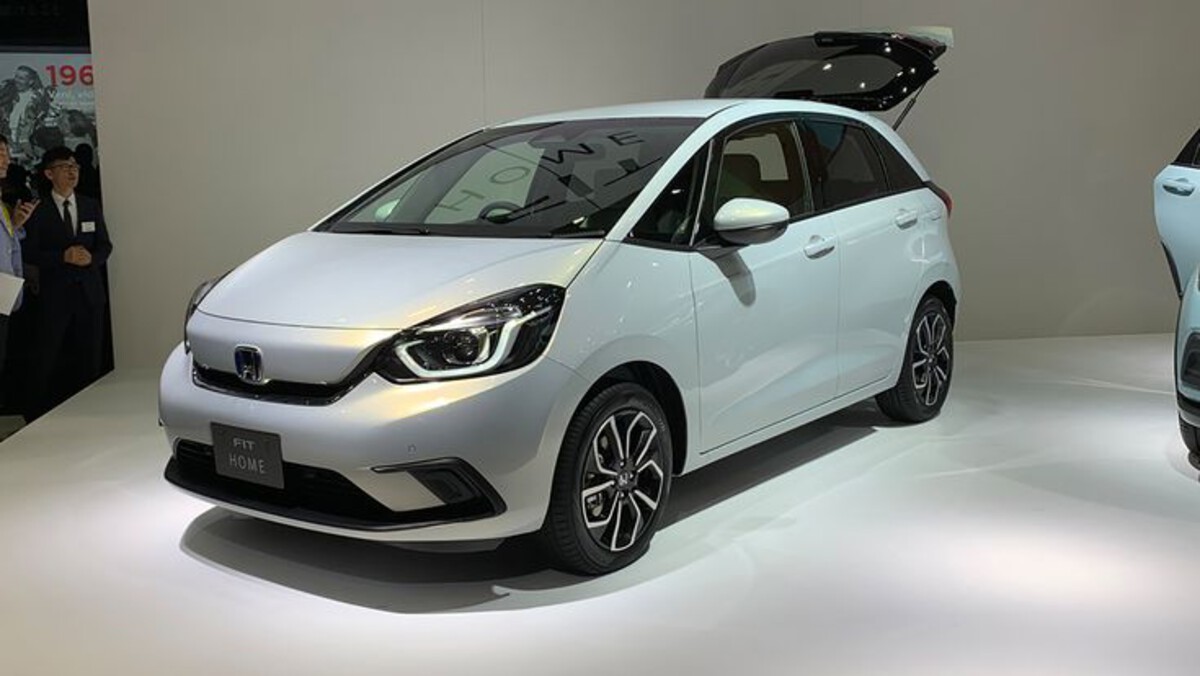
One of the biggest perks is visibility. If you’ve ever tried backing into a narrow spot with a car that has massive blind spots, you already know how annoying that can be. The Fit avoids that mess big windows, light steering, and smart proportions make it feel like you always know exactly where your corners are. In Newark, that’s priceless.
Its size also plays a huge role. At under 14 feet long, the Fit can slide into spots that bigger sedans have to drive past. You don’t need to overthink it. You see a gap, you slip in, you move on with your day. And despite its tiny footprint, it’s surprisingly roomy inside, which means you aren’t sacrificing comfort for parking convenience.
The turning radius is tight enough that you won’t need to make a bunch of awkward micro-adjustments. It turns where you expect it to turn. It reacts quickly. It doesn’t feel like you’re dragging a trailer behind you. The whole car is designed with city life in mind, and Newark’s layout fits right into its strengths.
If you want a car that handles Newark parking like it’s second nature, the Honda Fit is an easy choice. It’s quick, simple, predictable, and honestly just makes the whole parking process less of a headache.
2. Mini Cooper
The Mini Cooper feels like it was made for tight urban spaces. Newark is full of weird corners, narrow side streets, and unpredictable curb gaps. The Mini takes all that in stride. It’s tiny, nimble, and just fun to drive, which instantly makes parking feel less annoying.
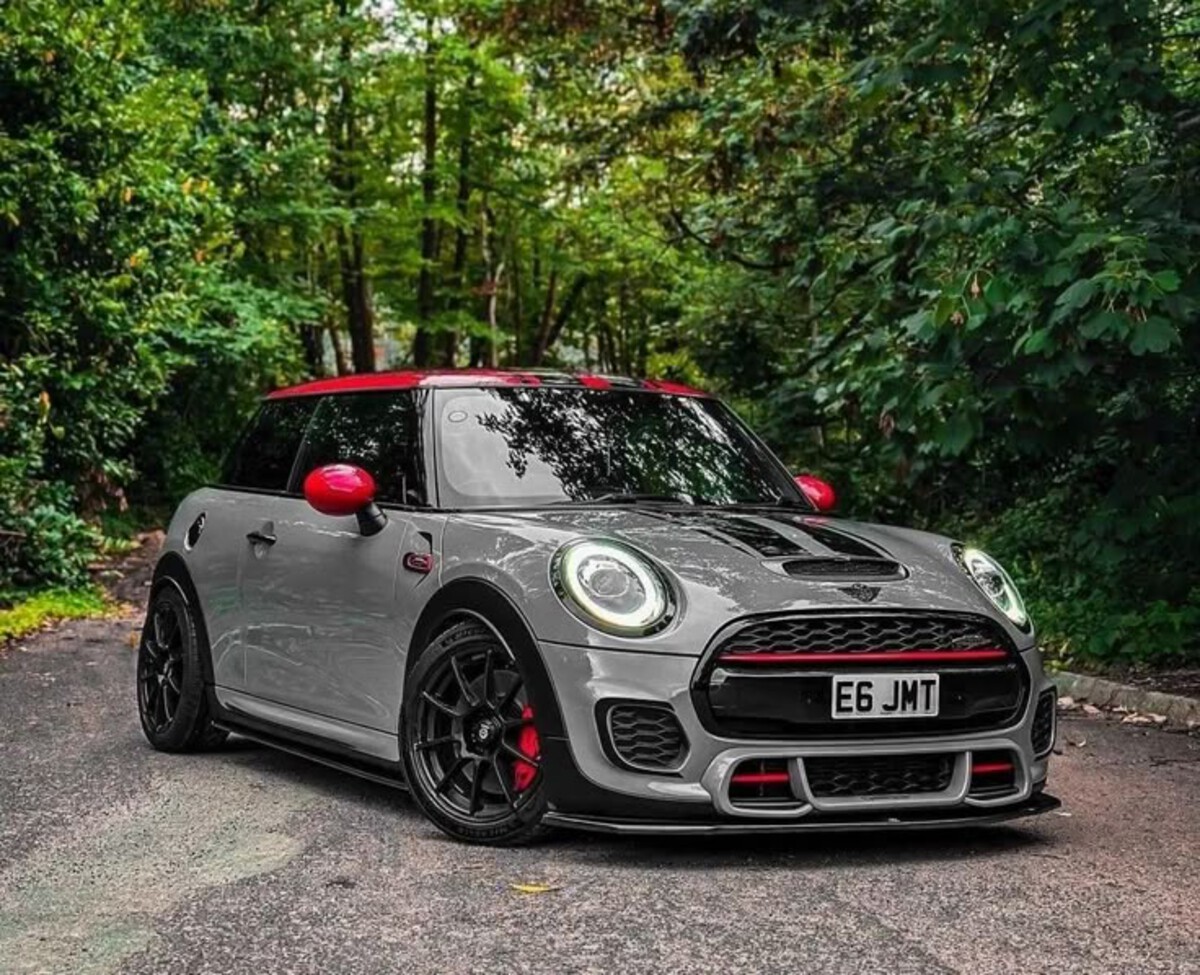
One of its strongest traits is precision. When you turn the wheel, the Mini reacts instantly there’s no lag or sloppy feel. It slips into tight spaces the way a compact car should. You don’t need to swing wide or panic when the lane suddenly narrows. Even in downtown Newark, where parking spots can feel like they were carved out with a ruler, the Mini slides in cleanly.
Visibility is decent, too. The windshield is upright, the corners are easy to spot, and the mirrors give you a good sense of what’s happening around you. Some small cars feel cramped inside, but the Mini manages to feel comfortable without losing that compact advantage.
The wheelbase is short, which helps with sharp turns and quick parking movements. You don’t have to do multiple corrections unless the spot is genuinely microscopic. It’s one of those cars where you almost enjoy parallel parking because you know it’s going to behave.
Yes, the Mini Cooper isn’t the biggest or the most practical car on the planet, but for Newark parking? It’s a little star. If you want something that squeezes into random leftover spaces other drivers avoid, the Mini makes it effortless. It turns parking into a skill you actually feel confident about.
3. Toyota Yaris
The Toyota Yaris is one of those quiet, reliable choices that never tries to be flashy but always delivers. In Newark, that’s exactly what you want. The Yaris is lightweight, compact, and easy to maneuver, which instantly puts it ahead of larger sedans that struggle in narrow streets.
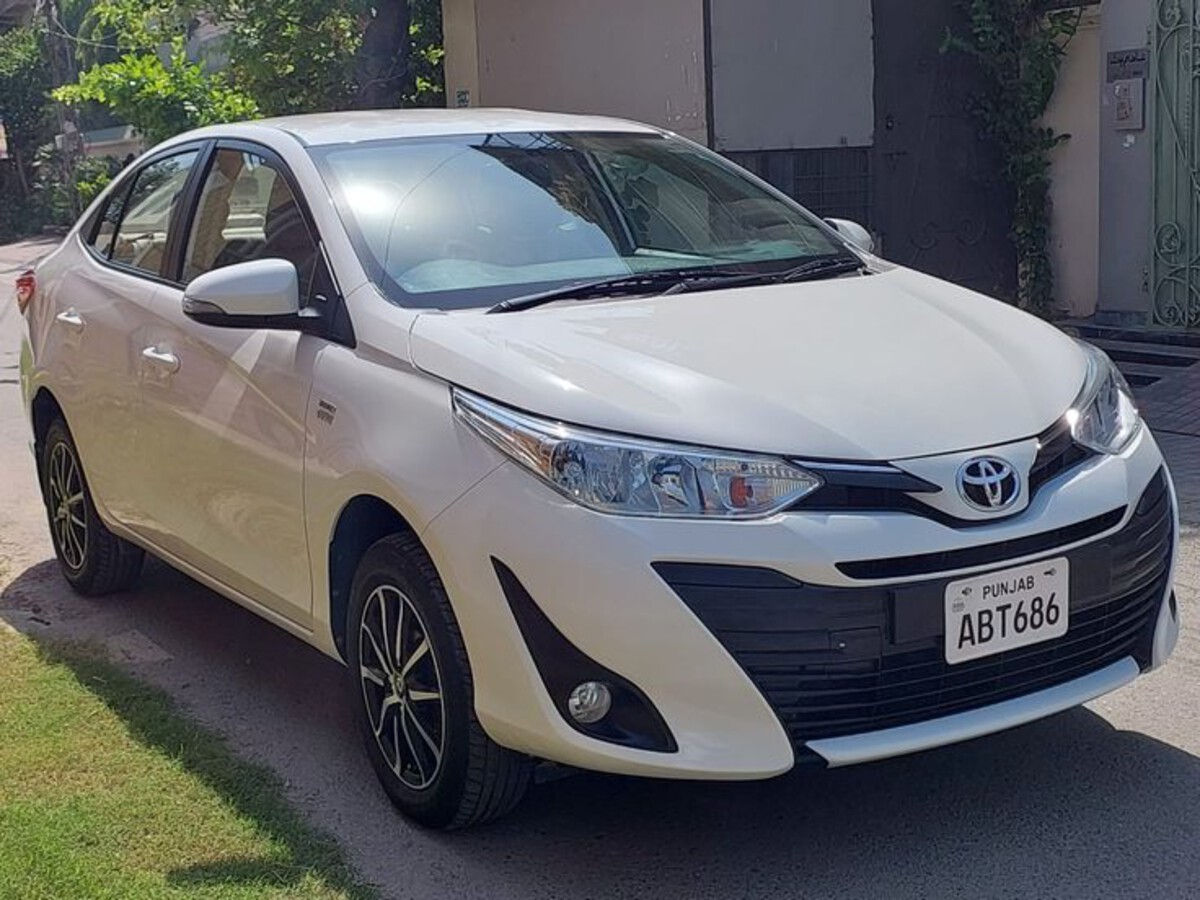
First off, the Yaris has a smooth steering feel. You don’t have to force it or wrestle with it. Whether you’re parallel-parking on a tight block or reversing into a small apartment lot, the car responds calmly and cleanly. Newark doesn’t reward big, clumsy movements, and the Yaris knows that.
Its compact length helps a lot, especially when spaces are barely full-size. The front and rear proportions are predictable, so you don’t spend half your time second-guessing how much room you’ve got left. That reduces the small “wait, am I hitting the curb?” anxiety that normally slows drivers down.
The shape of the car is friendly for visibility, too. Large windows, a decently elevated driving position, and clean lines make it easier to check surroundings. You won’t be guessing what’s behind you the way you might with cars that have thick rear pillars.
The Yaris isn’t trying to impress anyone with power or size it’s made for practicality. And that pays off every time you look for parking in Newark. Need to squeeze into a small space between two SUVs? No problem. Need to make a tight turn into a narrow alley-like driveway? It does it without any fuss.
If you want a no-drama car that simply behaves in tight parking situations, the Yaris is one of the safest bets. It’s reliable, predictable, and fits the city lifestyle perfectly.
4. Kia Soul
The Kia Soul might look boxy, but that boxiness actually helps in Newark. It’s compact yet tall, giving you the perks of an SUV-ish feel without the headaches that come with bigger vehicles. The Soul has always been a city favorite, and tight parking is exactly why.
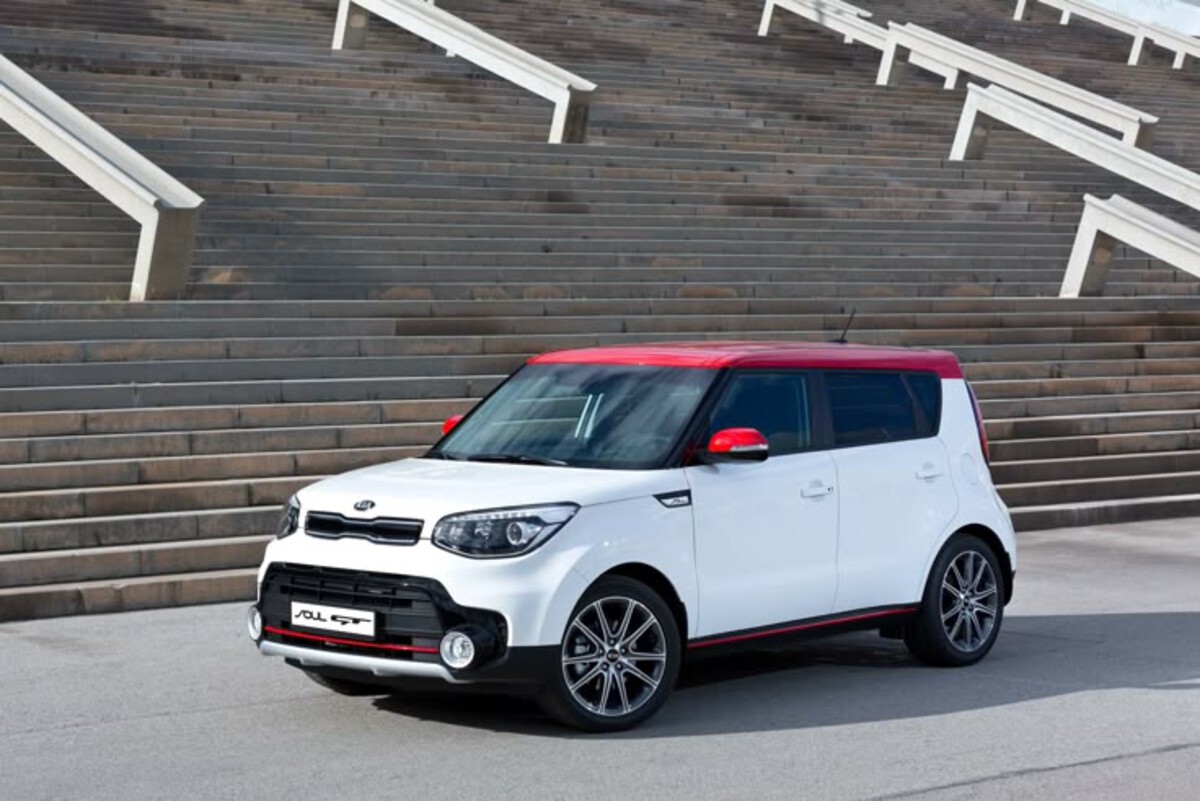
The upright design means visibility is excellent. You sit a bit higher than you would in a small hatchback, so you get a clearer view of surrounding cars, pedestrians, and those tight spaces drivers often avoid. Newark’s street parking can get crowded fast, and the Soul’s shape makes it easier to judge distance and angles.
Even with its unique shape, the Soul is short enough to fit into compact spots without needing multiple tries. The turning radius is friendly, and the steering is light enough that the car doesn’t fight you. You can swing into a spot quickly and confidently, even when a bus or delivery truck is waiting behind you.
One underrated perk is the car’s square edges. Rounded cars sometimes trick your eyes when parking, but with the Soul, what you see is what you get. You can line up the corners easily, which makes parallel parking faster and less stressful.
Despite the interior feeling roomy, the exterior footprint stays tight and manageable. That balance is a big win for city drivers. It doesn’t feel cramped inside like some tiny cars, yet it doesn’t act oversized on narrow streets.
If you want something small but still upright and spacious, the Kia Soul handles Newark parking better than you’d expect. It’s practical, smartly shaped, and easy to place exactly where you want it.
5. Hyundai i10
The Hyundai i10 isn’t a big name in every market, but in tight urban settings like Newark, this little car earns its respect fast. It’s compact, responsive, and light, which already puts it ahead of bigger sedans and crossovers that struggle in narrow spaces.
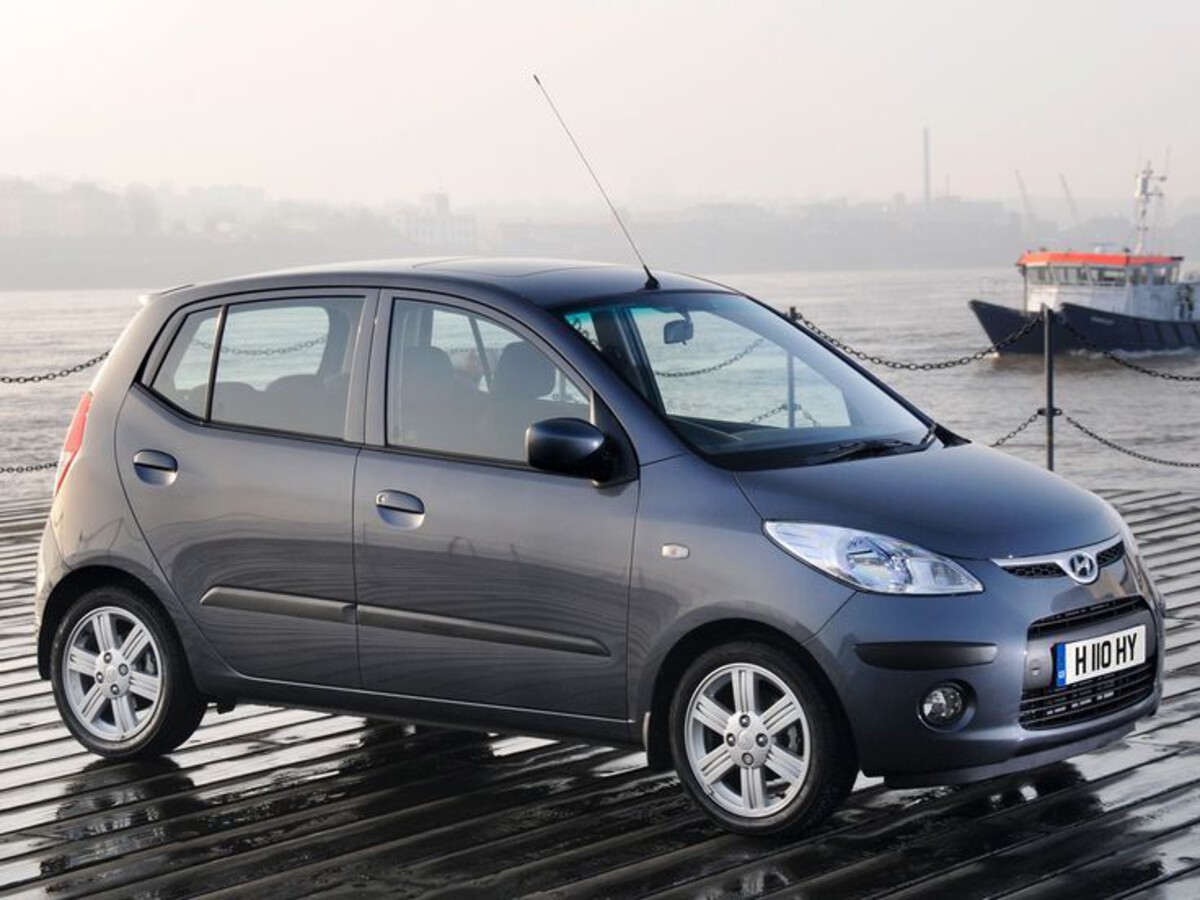
The i10 excels in agility. When you turn the wheel, the car reacts immediately, making sharp corners and quick parking moves easy. That rapid response helps a lot when you’re dealing with unpredictable traffic or when you need to slide into a space without holding up everyone behind you.
What really makes the i10 shine is its size. It’s one of the smallest cars you’ll find, and that pays off in Newark where true curb spaces are rare. You can take advantage of those awkward leftover gaps other cars can only stare at. Parallel parking becomes almost too simple the i10 doesn’t demand perfect alignment, and you don’t have to do a bunch of correcting.
Visibility is strong thanks to the compact body and clean window design. You won’t be guessing where your corners are, and reversing feels straightforward. Some small cars feel flimsy or too low, but the i10 sits at a comfortable height that gives you a clear view of traffic, pedestrians, and tight entryways.
Steering is light, braking is predictable, and overall control feels natural. The i10 doesn’t overwhelm you with unnecessary features; it focuses on being easy to handle. That’s exactly what Newark needs something simple, practical, and easy to trust in tight situations.
If you want a small, no-nonsense car that handles tight parking without drama, the Hyundai i10 fits the city life perfectly.
5 Cars That Don’t Fit Newark Parking
Navigating Newark’s tight streets and crowded lots can be a headache, especially when your car just won’t cooperate. Some vehicles, no matter how stylish or luxurious, are simply too wide, too long, or too awkwardly shaped to fit into the city’s notoriously compact parking spaces.
From oversized SUVs to sporty sedans with sweeping overhangs, these cars might make a statement on the road, but finding a spot to park them? That’s a whole different challenge. In this article, we break down five vehicles that can turn even a quick trip to downtown Newark into a parking nightmare.
1. Ford F-150
Let’s be honest: the Ford F-150 is an amazing truck for the right environment. Newark just isn’t that environment. This thing is huge. Long, wide, tall it dominates the road, and not in a good way when you’re trying to park in tight spots. Every part of the F-150 feels oversized for the city.
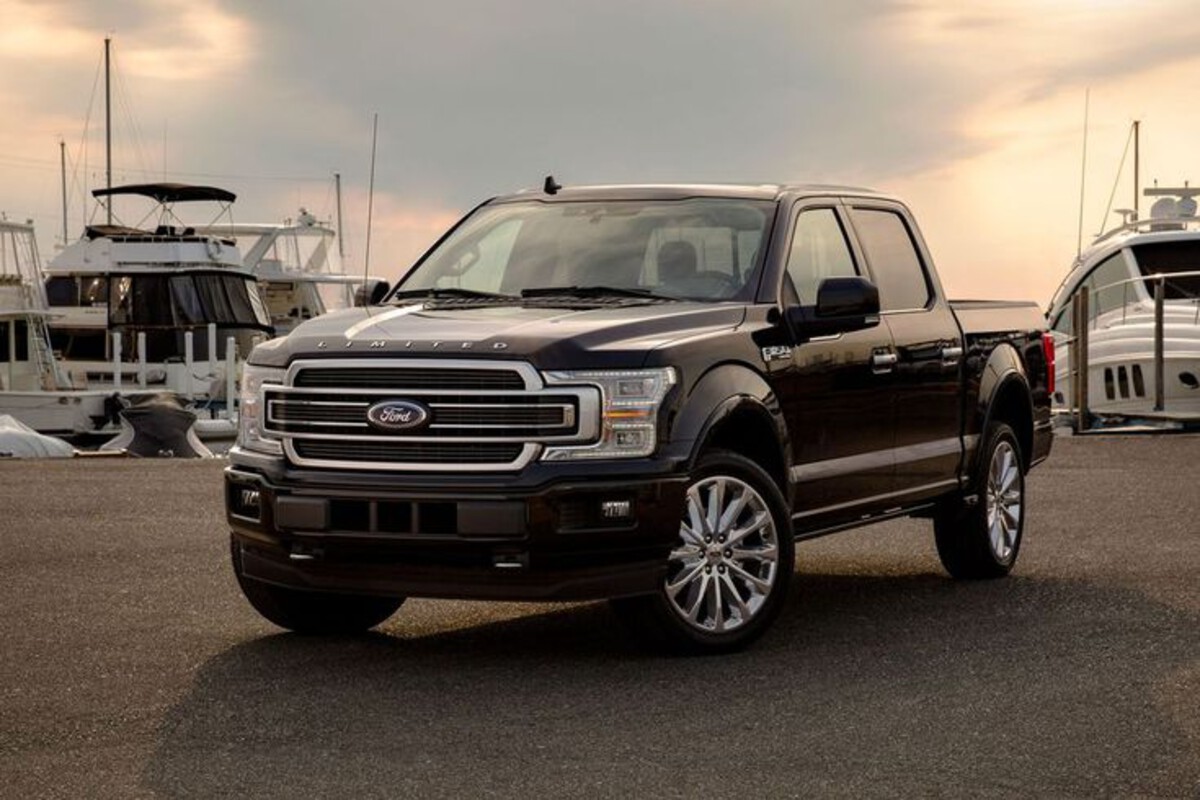
Parallel parking this truck in Newark is basically a mini project. You need space, patience, and sometimes a bit of luck. It takes much more road to swing in, meaning you might block traffic just trying to line it up. And if the curb gap is slightly short? Forget it. The F-150 simply won’t fit.
Visibility is okay thanks to the high seating position, but the size still works against you. Even with cameras, you’re dealing with a long bed and wide sides. Tight alleyways, cramped garages, narrow driveways everything feels like you’re threading a needle with a giant pickup.
The turning radius is also larger than what city parking demands. You can’t just make quick maneuvers the way smaller cars can. If you miss your angle by even a little, you’re forced to back out and try again. In busy Newark traffic, that gets stressful fast.
In open spaces or suburban areas, the F-150 works beautifully. But in Newark? It’s like trying to park a bus. The truck wasn’t designed for tight spaces, and Newark doesn’t make exceptions. It’s not a “bad” vehicle it’s just too much vehicle for this environment.
ALSO READ: 10 Budget Sedans Faster Than Ford’s Mustang Dark Horse
2. Chevrolet Suburban
The Chevrolet Suburban is a giant SUV with loads of space inside. That’s great when you have a big family or need to haul gear. But when it comes to Newark parking, the Suburban becomes a full-blown challenge.
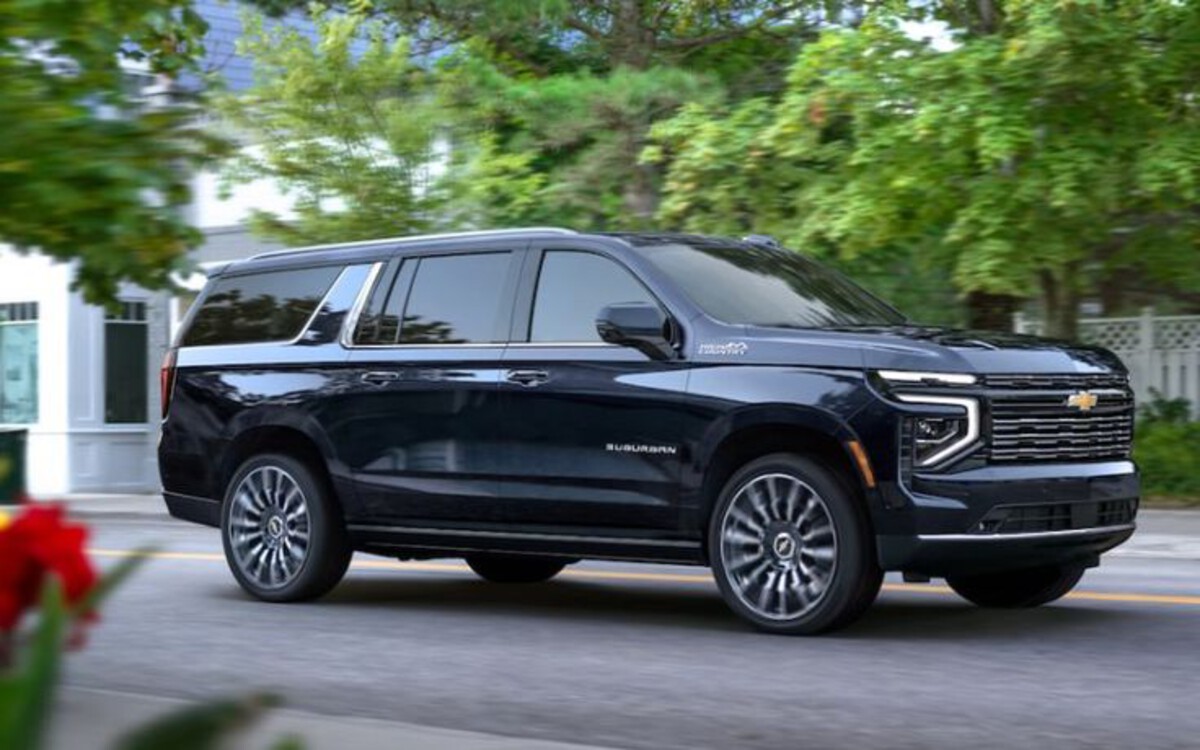
This SUV is long really long. When you approach a tight curb spot, the first thought that often comes to mind is, “No chance.” Even aggressive parallel parking won’t make it magically fit. The length simply limits what spots you can take. Only full-size spaces or open lots can handle it.
The width is another issue. Newark’s streets and parking lanes weren’t built for vehicles this large. Trying to position a Suburban between two cars feels like trying to carefully place a couch in a phone booth. The SUV spills beyond the lines even when you park perfectly straight.
Turning takes effort, too. This SUV needs more room to swing in or out. When traffic is waiting behind you, it adds extra pressure. One wrong angle and you have to reset the entire attempt. It’s not fun, and it slows everything down.
Visibility isn’t bad, but again, the sheer size works against you. Blind spots become more dramatic in tight spaces. Squeezing into narrow lots or ducking into compact apartment parking gets stressful fast.
The Suburban does its job well just not in Newark. It excels in open streets, wide suburbs, and areas with generous parking spaces. But the moment you bring it into a dense city layout, you feel the mismatch instantly. It’s too long, too wide, and too heavy for the quick, precise movements Newark demands.
3. Dodge Charger
The Dodge Charger looks cool, sounds cool, and feels powerful. But none of that translates well to tight city parking. Newark’s compact spots and narrow lanes aren’t made for a car with a long body and a wide stance like the Charger.
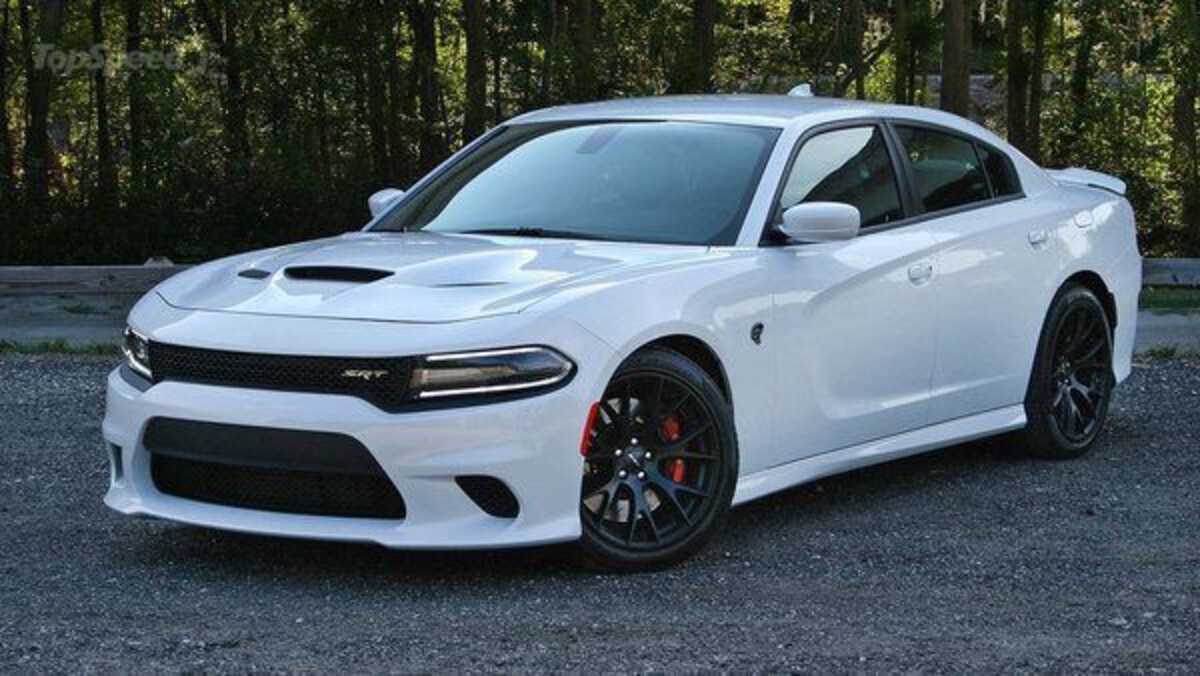
This car stretches out more than people expect. Its length alone makes parallel parking tricky. You need a spot that’s nearly perfect in size anything slightly smaller becomes a headache. Even if you manage to squeeze it in, the process usually takes longer than you’d like.
The width also adds complications. The Charger feels broad when you’re driving through narrow streets. When you’re trying to angle into a curb spot, you can feel the sides getting uncomfortably close to whatever’s next to you. That makes parking nerve-wracking instead of routine.
Another issue is visibility. The Charger’s design uses thick pillars and a smaller rear window, which means backing up requires extra attention. In tight Newark parking areas, that becomes a challenge. You rely heavily on mirrors and sensors, and even then, the size doesn’t magically shrink.
Turning isn’t the most agile either. It’s not terrible, but the Charger still needs more space than compact cars. Tight U-turns? Parallel parking on packed blocks? Small apartment lots? All of these highlight its limitations.
The Charger thrives on open roads, highways, and roomy suburbs. But in Newark? It feels out of place. The size and shape simply don’t match the city’s parking reality. It’s stylish and powerful, but when it comes to tight parking situations, it’s not the car you want.
4. Toyota Highlander
The Toyota Highlander is a solid midsize SUV. It’s comfortable, roomy, and great for families. But when you bring it into Newark’s tight parking situations, it starts showing its weaknesses.
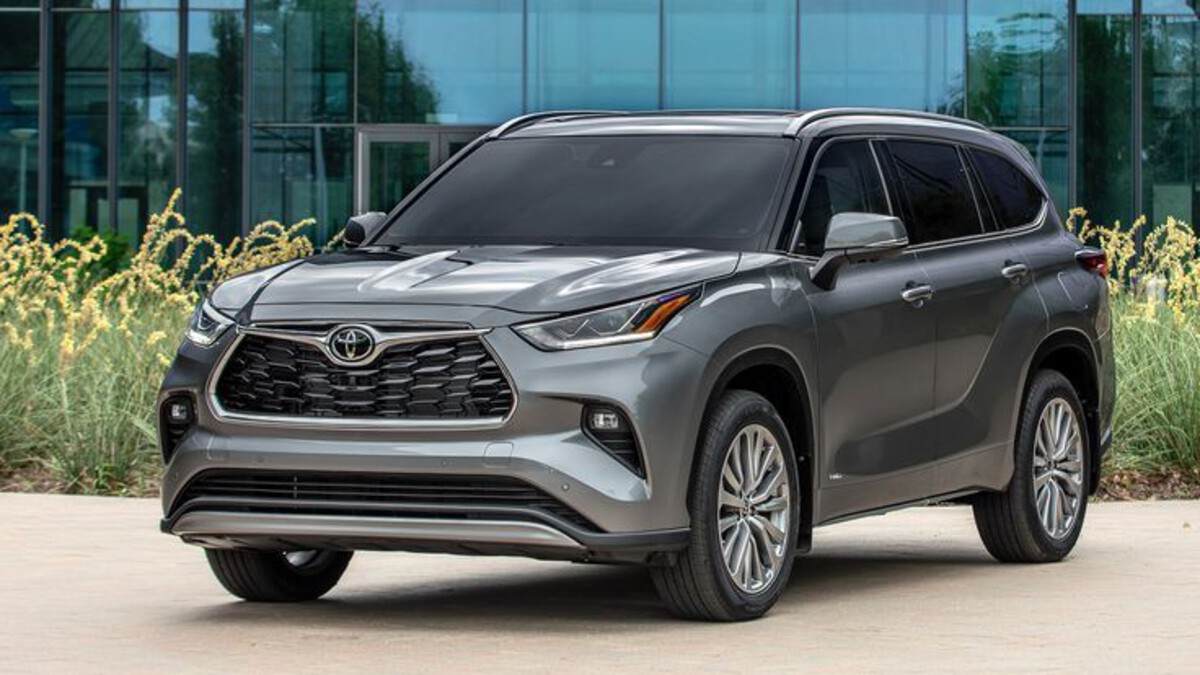
First off, it’s longer than you’d expect. This means you need more space to parallel-park or slide into narrow curb gaps. Smaller spaces are off-limits automatically because the Highlander needs that extra length to settle in properly. You can’t just “make it work” the way you might with a compact.
The width also makes it feel bulky in narrow lanes. Trying to park between two vehicles in a tight block becomes stressful because there’s very little margin for error. You can feel the size every time you turn into or back out of a spot.
Visibility is decent, but in tight spots, “decent” isn’t always enough. Pillars block certain angles, and the longer rear makes it hard to judge distance without relying heavily on cameras. And even with cameras, you still need space something Newark often doesn’t give you.
The turning radius is okay for an SUV, but not ideal for Newark’s smaller parking areas. If you misjudge your angle, you’ll need to back out fully and try again, which eats up time and patience, especially in traffic.
The Highlander isn’t built for compact urban living. It’s better suited for open lots, suburban driveways, and shopping centers with big parking spaces. In Newark, it feels too large for the environment. You constantly feel like you’re managing the car instead of simply driving it.
5. Tesla Model X
The Tesla Model X is futuristic, comfortable, and full of impressive tech. But its size? Not ideal for Newark’s tight parking conditions. This SUV is wider and longer than it looks in photos. The moment you try parking it in a cramped spot, you start noticing how much room it actually needs.
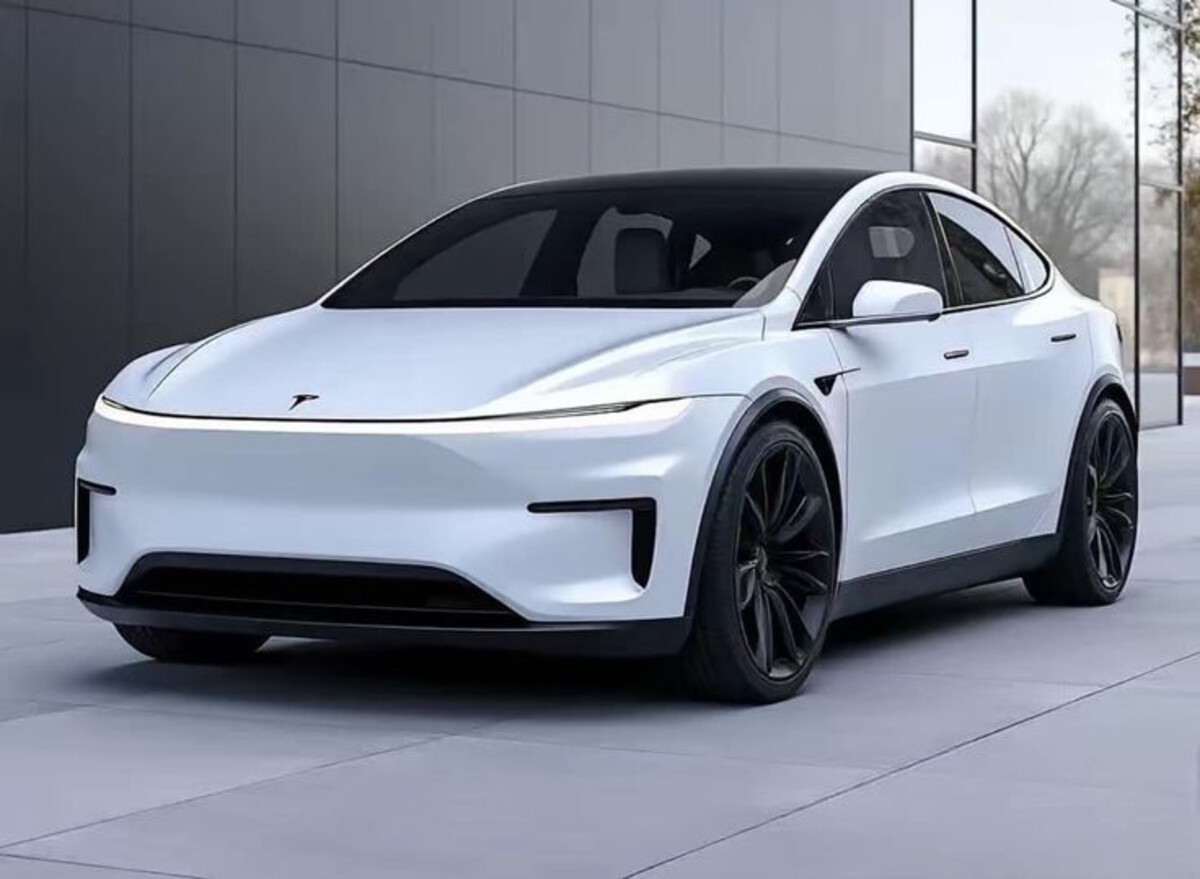
Parallel parking isn’t impossible, but it’s definitely not smooth. The Model X takes up a lot of curb space, so you need larger-than-average spots. Smaller gaps instantly become off-limits. Even with great cameras and sensors, the physical size still matters.
The width is one of the biggest issues. Newark’s lanes and parking lines don’t always play nicely with wider vehicles. The Model X feels big from the driver’s seat, and when you’re squeezing into a narrow parallel spot, the sides can feel uncomfortably close to other cars.
Turning is decent for a vehicle this big, but in tight city blocks, “decent” sometimes isn’t enough. When the street is crowded or the lane is narrow, the Model X requires more space than you expect to complete simple maneuvers.
The shape also affects visibility. The rear window is smaller than what most drivers prefer in tight spaces. Even with a backup camera, it takes some getting used to.
The Model X shines in open areas, highways, and places where you have space to move freely. But Newark’s tight curb spots and narrow roads make it feel oversized. The car itself is excellent it’s just not a great match for this particular parking environment.
Parking in Newark isn’t about finding the perfect car it’s about choosing a car that actually works with the environment instead of fighting against it. The reality is simple: compact, responsive, well-proportioned vehicles make urban life easier. Big trucks and wide SUVs may offer comfort and power, but when the streets tighten up and the parking spaces shrink, those advantages turn into barriers.
The five smaller cars on this list Honda Fit, Mini Cooper, Toyota Yaris, Kia Soul, and Hyundai i10 all bring the same core strengths to Newark: they’re easy to turn, easy to judge, quick to maneuver, and small enough to take advantage of parking spots larger cars can’t even consider. They make parallel parking feel routine, not stressful. And when you’re on a tight block with impatient drivers behind you, that matters.
On the other hand, big vehicles like the Ford F-150, Chevrolet Suburban, Dodge Charger, Toyota Highlander, and Tesla Model X may be great in spacious areas, but Newark highlights their weaknesses instantly. They need more room, more patience, and more time three things Newark rarely gives. These cars aren’t bad; they’re just mismatched for compact city living. Every attempt to park becomes a small event instead of a simple task.
So if you live in Newark or spend a lot of time driving through its tight neighborhoods, choosing the right car can genuinely impact your day-to-day comfort. You want something that works with the city, not against it. Small doesn’t mean boring it means efficient. And in a busy urban setting, efficiency wins every time.