
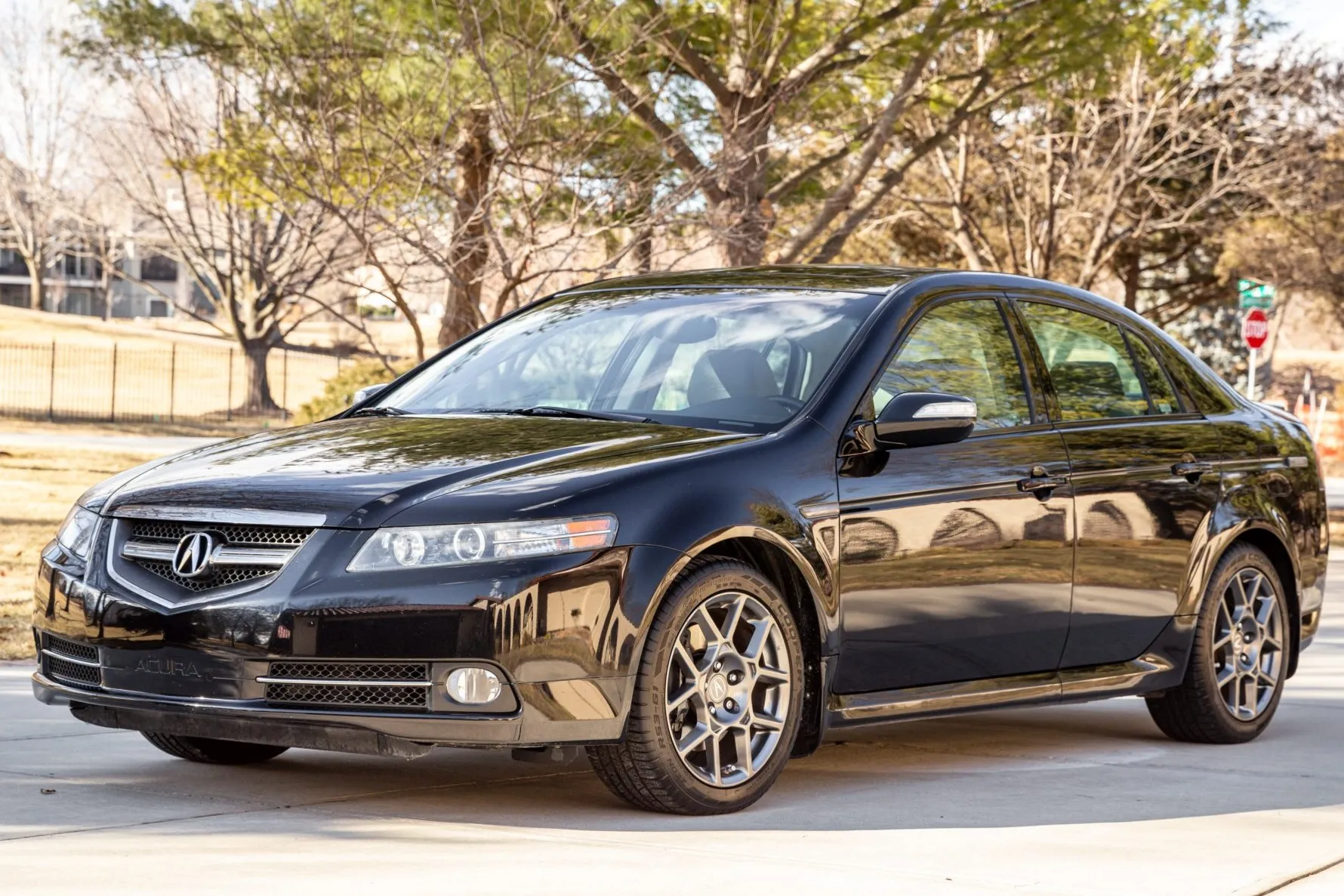
Shopping for a used sedan with a budget of around $15,000 usually means settling for practical transportation without much excitement. Most buyers in this price range end up with reliable but boring economy cars that prioritize fuel efficiency and dependability above everything else.
A Toyota Corolla represents the typical choice: sensible, economical, and completely uninspiring. But what if you could find something that looks equally mundane from the outside yet hides genuine performance capabilities underneath?
Sleeper sedans exist in this price bracket, and they’re easier to find than you might think. These are vehicles that flew under the radar when new, depreciated heavily because they lack prestigious badges, or simply never received the recognition they deserved.
You won’t turn heads at car meets with these choices, and your neighbors will probably assume you drive something boring. That’s exactly the point. You get to enjoy turbocharged acceleration, sport-tuned suspensions, and engaging driving dynamics while everyone else assumes you’re just another commuter in a forgettable sedan.
Performance enthusiasts often overlook these bargains because they’re searching for obvious sports cars or vehicles with well-known reputations. Meanwhile, informed buyers scoop up sedans that deliver surprisingly quick acceleration, sharp handling, and genuine driving pleasure at prices that seem almost too good to be true.
Insurance rates stay low because companies see ordinary four-door sedans rather than performance machines. Fuel economy remains reasonable when you’re not pushing hard. Practicality stays intact with four doors and decent trunk space.
This guide reveals eight sedans that prove you don’t need to sacrifice performance for affordability. Each vehicle costs less than a new Toyota Corolla yet offers power, handling, and excitement that would embarrass vehicles costing twice as much. You’re about to discover that budget-friendly and fun to drive aren’t mutually exclusive if you know where to look.
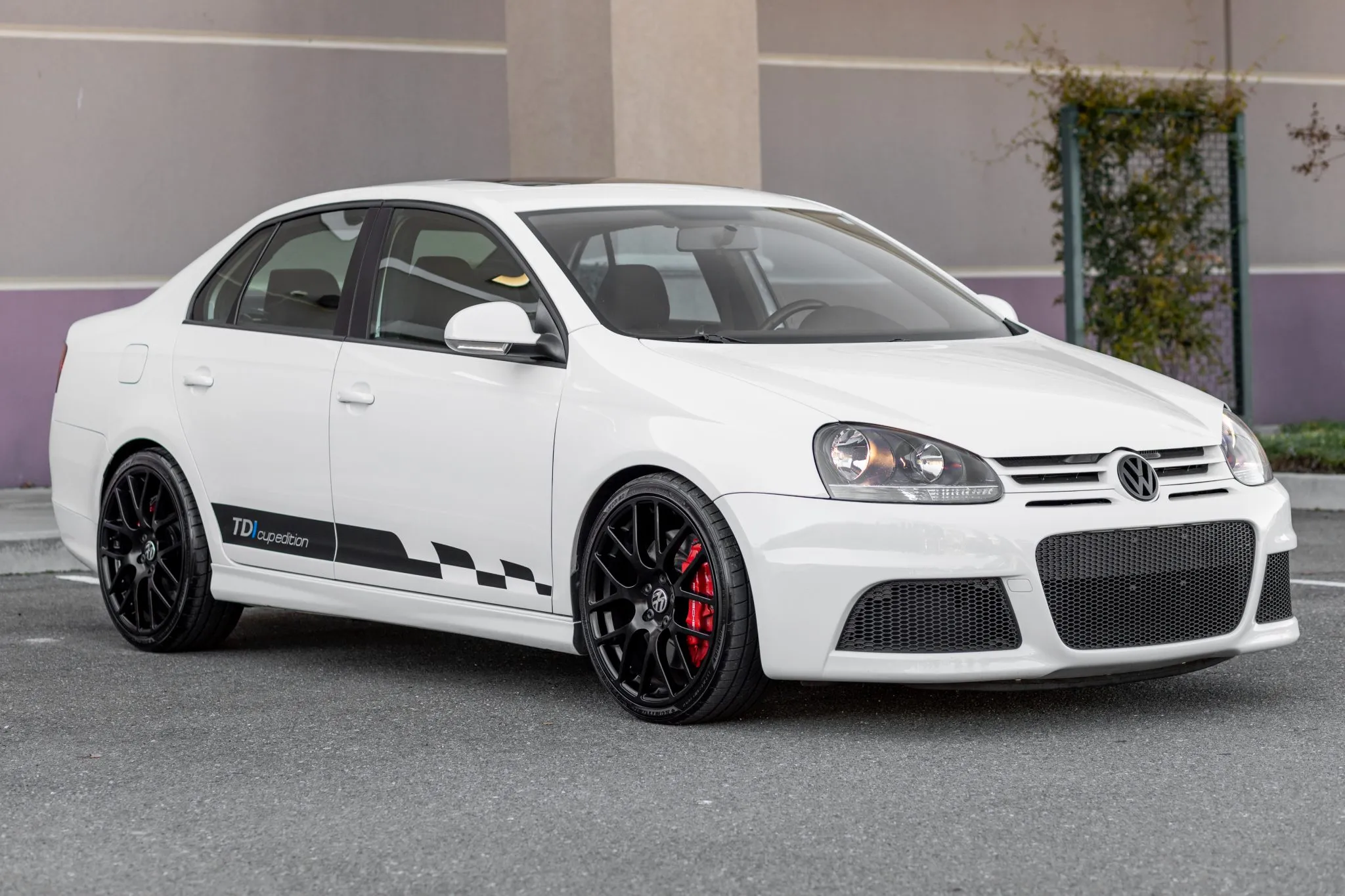
1. 2006-2010 Volkswagen Jetta GLI
Volkswagen’s hot Jetta variant brings turbocharged performance wrapped in conservative styling that most people mistake for a regular commuter sedan. Powered by a 2.0-liter turbocharged four-cylinder producing 200 horsepower, the GLI accelerates with authority that surprises drivers expecting typical Jetta performance. You’re looking at 0-60 mph times around 6.5 seconds, which feels genuinely quick during daily driving and highway merging situations.
What makes the GLI special goes beyond straight-line acceleration. Volkswagen borrowed suspension components from the Golf GTI, including sport-tuned dampers, larger anti-roll bars, and a lower ride height that sharpens handling responses.
You can attack corners with confidence, trusting the chassis to communicate what’s happening at the tires. Steering provides good feedback with natural weight buildup through turns. Body roll stays minimal during direction changes, creating a planted feeling that mainstream sedans can’t match.
Six-speed manual transmission is the enthusiast’s choice, offering mechanical engagement with short throws and positive gate definition. You feel connected to the drivetrain rather than isolated by automatic transmission programming.
Interior quality meets Volkswagen’s European standards with materials that feel more upscale than you’d expect at this price point. Sport seats provide excellent support during spirited driving while remaining comfortable for long commutes.
Dashboard design is clean and driver-focused, with controls falling naturally to hand. Build quality is generally solid, though electrical gremlins can develop as these cars age. Check all switches, windows, and electronic features carefully before buying.
Common issues include ignition coil failures, carbon buildup on intake valves (direct injection problem), and occasional turbocharger failures on neglected examples. Regular maintenance matters tremendously with these cars.
Look for examples with complete service records showing oil changes every 5,000 miles rather than Volkswagen’s extended intervals. Timing belt replacement is crucial around 80,000 miles and costs $1,000+ if you’re not doing it yourself.
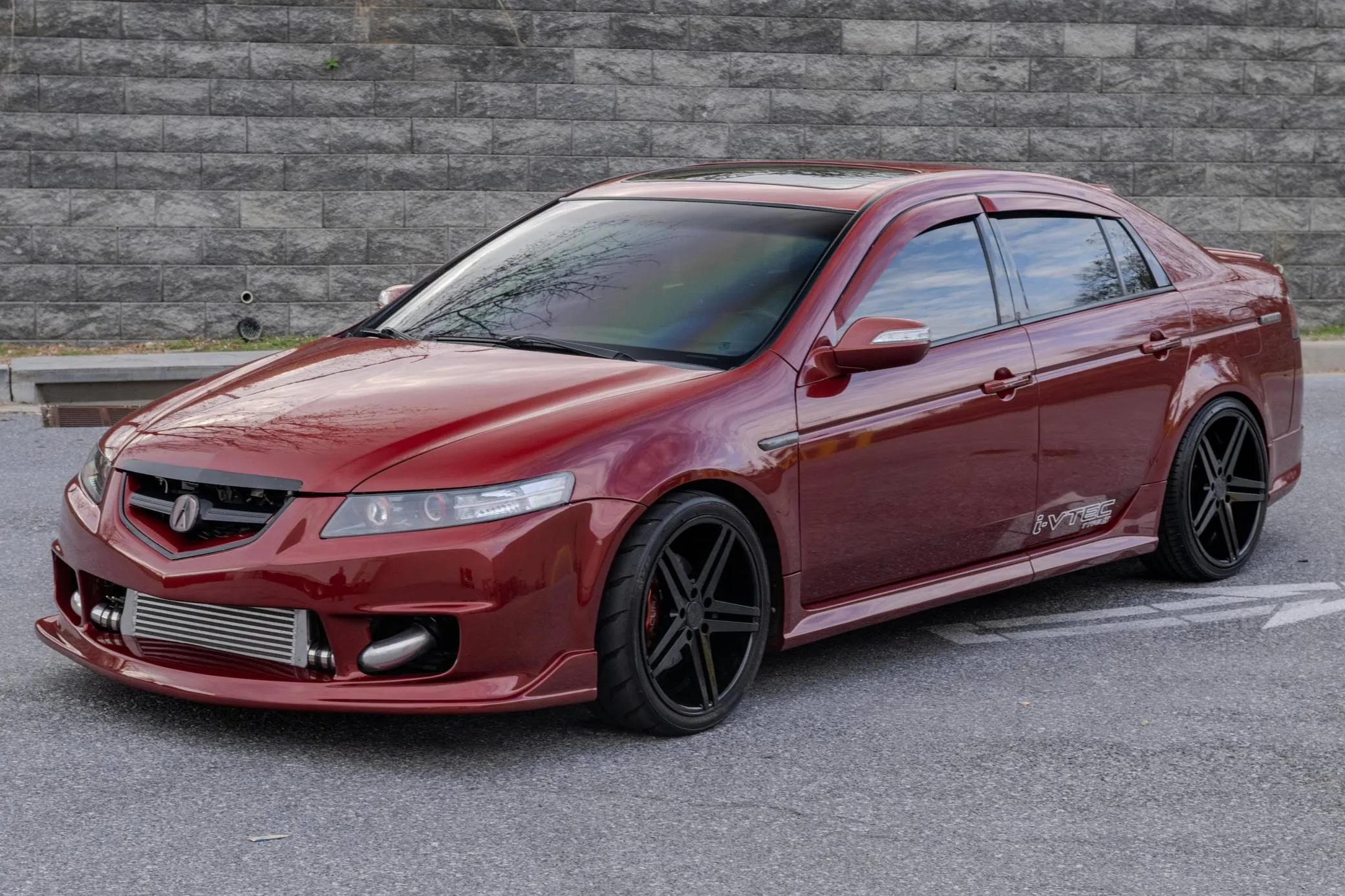
2. 2004-2008 Acura TL Type-S
Honda’s luxury division created a genuinely quick sedan that most people overlook because it lacks the cachet of German brands. Powered by a 3.5-liter V6 producing 286 horsepower, the TL Type-S accelerates to 60 mph in about 5.7 seconds.
Front-wheel drive might sound like a limitation, but Acura engineered solutions that minimize torque steer and maximize traction. Limited-slip differential helps put power down efficiently during corner exits, reducing wheelspin and allowing aggressive throttle application.
Sport suspension lowers the car slightly while firming up damping, reducing body roll, and sharpening turn-in response. Larger brakes provide strong stopping power with excellent pedal feel and fade resistance during repeated hard stops.
Interior quality is excellent with materials that have aged gracefully. Leather seats remain supportive and comfortable even after 150,000+ miles in well-maintained examples. Dashboard design looks dated by modern standards, but functions well, with logical control placement and clear instrumentation.
Build quality is typical Honda reliability, with electronics that generally work and trim pieces that don’t rattle or fall apart. Issues are relatively minor compared to European alternatives. Transmission problems plagued non-Type-S automatic models, but Type-S versions with manual transmissions avoided this issue.
Suspension bushings wear predictably, creating clunking noises that are inexpensive to repair. Power steering pumps occasionally fail, though replacement isn’t prohibitively expensive. Regular maintenance keeps these cars running reliably for 200,000+ miles.
Used TL Type-S models sell for $6,000-$12,000 depending on condition and mileage. Manual transmission examples command premiums and sell quickly when they appear. You’re getting Honda reliability, V6 power, limited-slip differential, and genuine performance credentials for bargain pricing.
Insurance rates stay reasonable because companies see a family sedan rather than a sports car. For buyers wanting quick, reliable transportation that won’t attract attention, this Acura TL Type-S represents exceptional value.
Also Read: 5 Compact Sedans That Get Better Fuel Economy Than 5 Small Hybrids
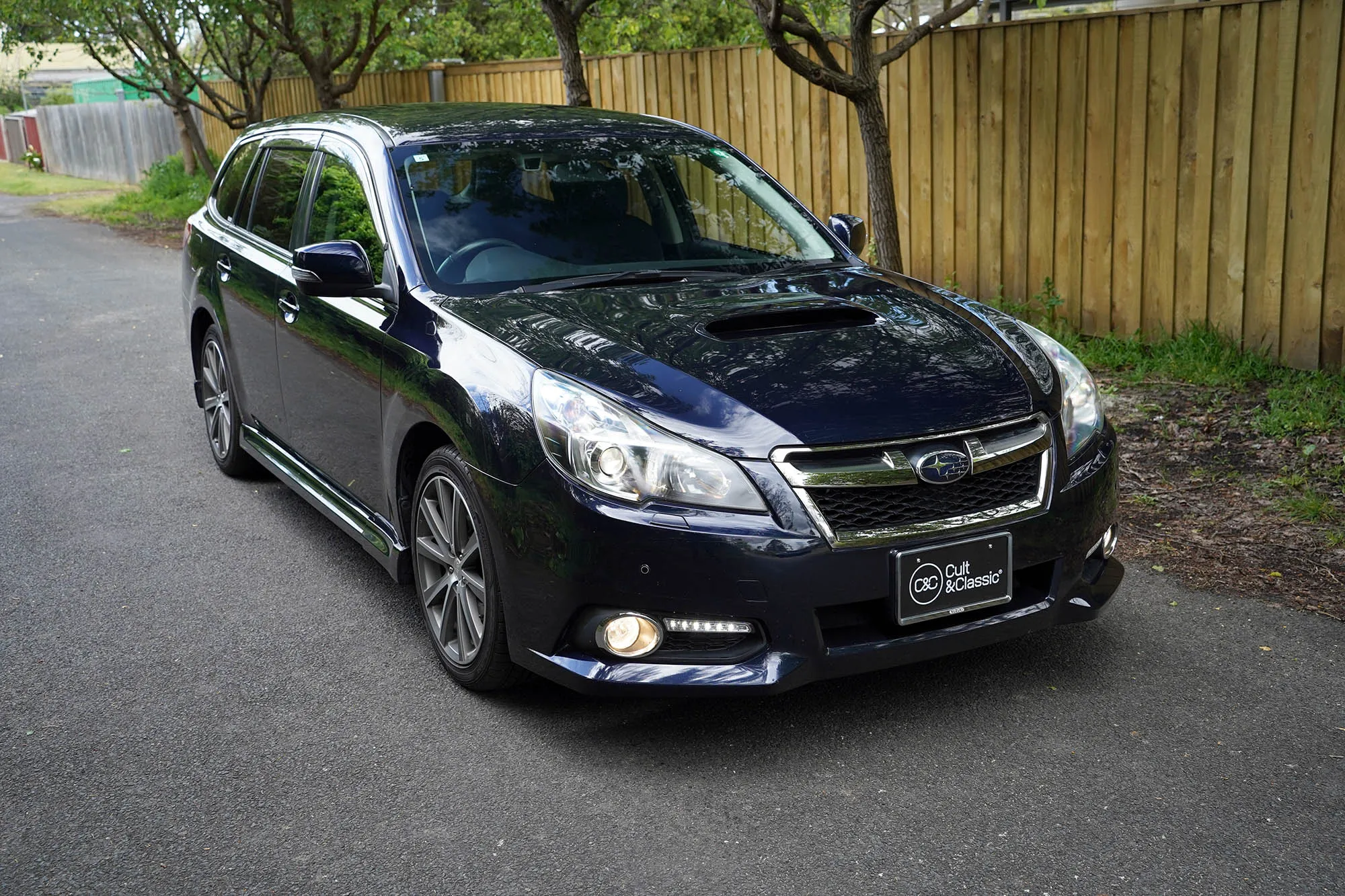
3. 2008-2013 Subaru Legacy 2.5GT
Subaru’s understated sedan hides turbocharged all-wheel drive performance under conservative styling that screams “rental car” to casual observers. Powered by a 2.5-liter turbocharged flat-four producing 265 horsepower, the Legacy 2.5GT accelerates to 60 mph in about 5.5 seconds.
That’s genuinely quick, especially when you factor in the all-wheel drive traction that makes launches consistent and repeatable regardless of road conditions or driver skill level. All-wheel drive isn’t just about acceleration; it transforms handling dynamics in ways front- or rear-wheel drive sedans can’t match.
You can carry more speed through corners, trusting the system to distribute power between axles for maximum traction. Exit corners aggressively without worrying about spinning inside wheels or stepping the tail out unexpectedly. This confidence-inspiring behavior makes the Legacy 2.5GT faster point-to-point than vehicles with more power but less sophisticated drivetrains.
Sport suspension lowers the car and firms up damping compared to standard Legacy models. Body roll stays minimal during direction changes, creating a planted feeling through corners. Steering provides decent feedback, though it’s not quite as communicative as some competitors.
Brakes are strong and progressive, providing confidence-inspiring stopping power during both normal driving and spirited sessions. Aftermarket support is strong if you want to upgrade suspension or brakes further.
Interior quality is acceptable but not exceptional. Materials feel sturdy rather than luxurious, with hard plastics in many areas. Seats are comfortable and supportive enough for daily use. Dashboard design is straightforward and functional without being particularly attractive.
Technology is dated by modern standards, with small screens and limited connectivity options. Build quality is typical Subaru solidity, though some interior trim pieces can rattle as cars age. Common issues include turbocharger failures on neglected examples, head gasket problems (though less common than older Subarus), and wheel bearing wear.
Timing belt replacement is crucial every 105,000 miles. Transmission issues occasionally develop, particularly on automatic models with deferred maintenance. Look for examples with complete service records showing regular oil changes and proactive maintenance.
Used Legacy 2.5GT models sell for $8,000-$14,000, depending on mileage and condition. Manual transmission examples are becoming increasingly difficult to find. You’re getting turbocharged all-wheel drive performance that excels in all weather conditions while maintaining complete anonymity.
For buyers in snowy climates wanting year-round usable performance, this Legacy 2.5GT delivers capability that dedicated sports cars can’t match.
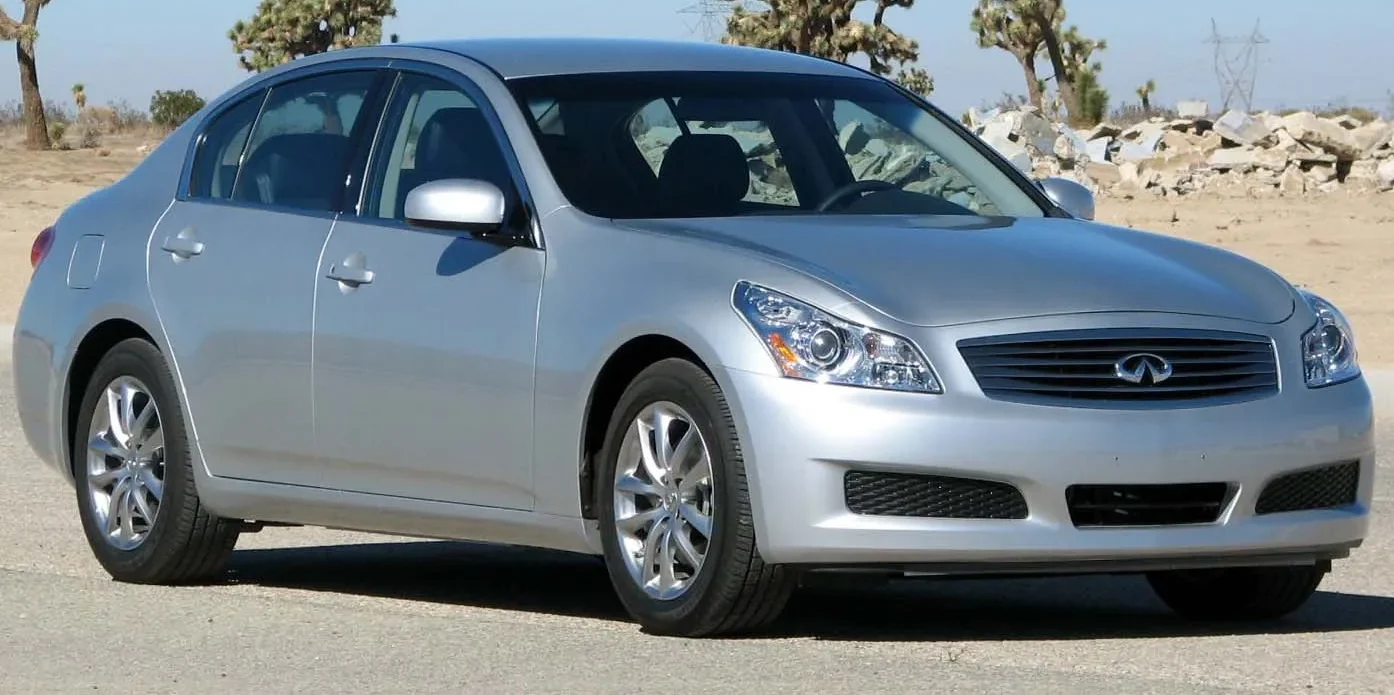
4. 2003-2007 Infiniti G35 Sedan
Nissan’s luxury division created a rear-wheel drive sports sedan that delivers genuine driving pleasure at bargain prices. Powered by a 3.5-liter V6 producing 260-298 horsepower (depending on year), the G35 sedan accelerates to 60 mph in about 5.8 seconds. That’s quick enough to surprise modern crossovers and many self-proclaimed sport sedans.
Rear-wheel drive provides proper sports sedan dynamics with balanced handling and progressive breakaway characteristics. You feel weight transfer through corners, sensing what the tires are doing through clear steering communication.
Chassis tuning strikes an excellent balance between sport and comfort, allowing spirited driving without punishing ride quality during daily commutes. Limited-slip differential available on Sport models helps maximize traction during aggressive corner exits.
Interior quality meets luxury car standards from this era. Materials look and feel upscale with quality leather, attractive trim accents, and solid construction. Sport seats provide excellent support during spirited driving while remaining comfortable for longer trips.
Dashboard design looks dated now, but functions well, with logical control placement and clear instrumentation. Build quality is generally good, though some interior trim pieces can develop squeaks as cars age. Braking performance is strong with adequate rotors and calipers providing confident stopping power.
Pedal feel is progressive and easy to modulate. Aftermarket brake upgrades are plentiful if you want to improve performance further for track use. Suspension modifications are also popular, with numerous companies offering coilovers, sway bars, and other handling enhancements.
Common issues include tire wear (rear tires wear quickly due to aggressive suspension geometry), window motor failures, and occasional transmission problems on automatic models. Timing chain guides can wear on higher-mileage examples, creating rattling noises during cold starts. Oil consumption becomes an issue on some engines after 150,000+ miles. Regular maintenance keeps these cars running reliably.
Used G35 sedans sell for $5,000-$11,000 depending on mileage, condition, and transmission. Manual examples command premiums and sell quickly. You’re getting rear-wheel drive, V6 power, and genuine sports sedan dynamics for economy car money.
Insurance rates stay reasonable because companies see a luxury sedan rather than a sports car. For buyers wanting affordable rear-drive fun with four doors, this G35 sedan delivers excellent value.
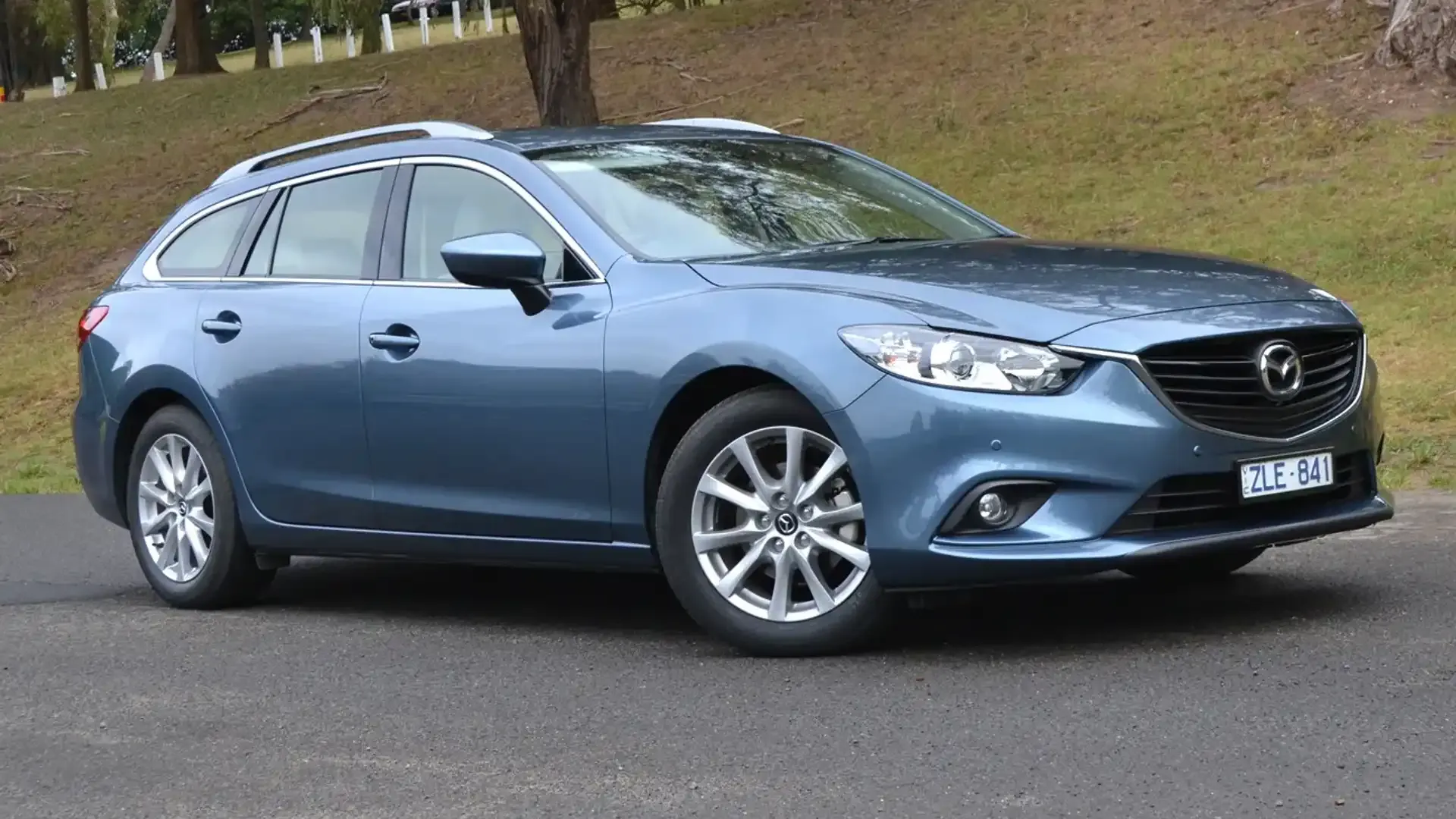
5. 2010-2013 Mazda6 i Touring Plus
Mazda’s mid-size sedan doesn’t scream performance, but examples equipped with the 3.7-liter V6 hide surprising capabilities under conservative styling. Producing 272 horsepower, this optional engine transforms the Mazda6 from a competent commuter into a genuinely quick sleeper sedan. Acceleration to 60 mph takes about 6.2 seconds, which feels faster than the numbers suggest because of strong mid-range torque and responsive throttle programming.
What sets this Mazda6 apart is how it drives rather than just how fast it accelerates. Mazda engineers tuned the chassis for driver engagement, creating steering that provides excellent feedback and natural weight buildup through corners.
Body roll stays minimal during direction changes despite this being a family sedan rather than a dedicated sports car. You can carry surprising speed through twisty roads, trusting the chassis to communicate what’s happening at the tires.
Interior quality is good for the segment, with attractive design and decent materials. Seats are comfortable and supportive enough for daily use. Dashboard layout is clean and functional with logical control placement.
Technology is adequate for the era, though screens are small and connectivity options are limited compared to modern cars. Build quality is typical Mazda solidity, with tight panel gaps and minimal squeaks or rattles.
Braking performance is adequate with reasonable stopping power and progressive pedal feel. Stock brakes handle spirited street driving without drama, though track use would benefit from upgraded pads and fluid. Suspension tuning strikes a nice balance between comfort and control, providing acceptable ride quality for daily driving while maintaining composure during aggressive cornering.
Common issues are relatively minor. Some examples develop steering wheel vibration due to warped rotors or worn suspension components. Automatic transmission fluid should be changed regularly, despite Mazda claiming “lifetime” fluid. Rust can affect examples from snow belt states, particularly around wheel arches and rocker panels. Regular oil changes and basic maintenance keep these cars running reliably for 200,000+ miles.
Used Mazda6 V6 models sell for $7,000-$12,000 depending on mileage and condition. They’re harder to find than four-cylinder models because fewer were sold. You’re getting V6 power, engaging handling dynamics, and sleeper status at bargain pricing.
Insurance rates stay low because companies see a family sedan. For buyers wanting an under-the-radar performer that blends into traffic, this Mazda6 V6 represents excellent value that’s increasingly hard to find.
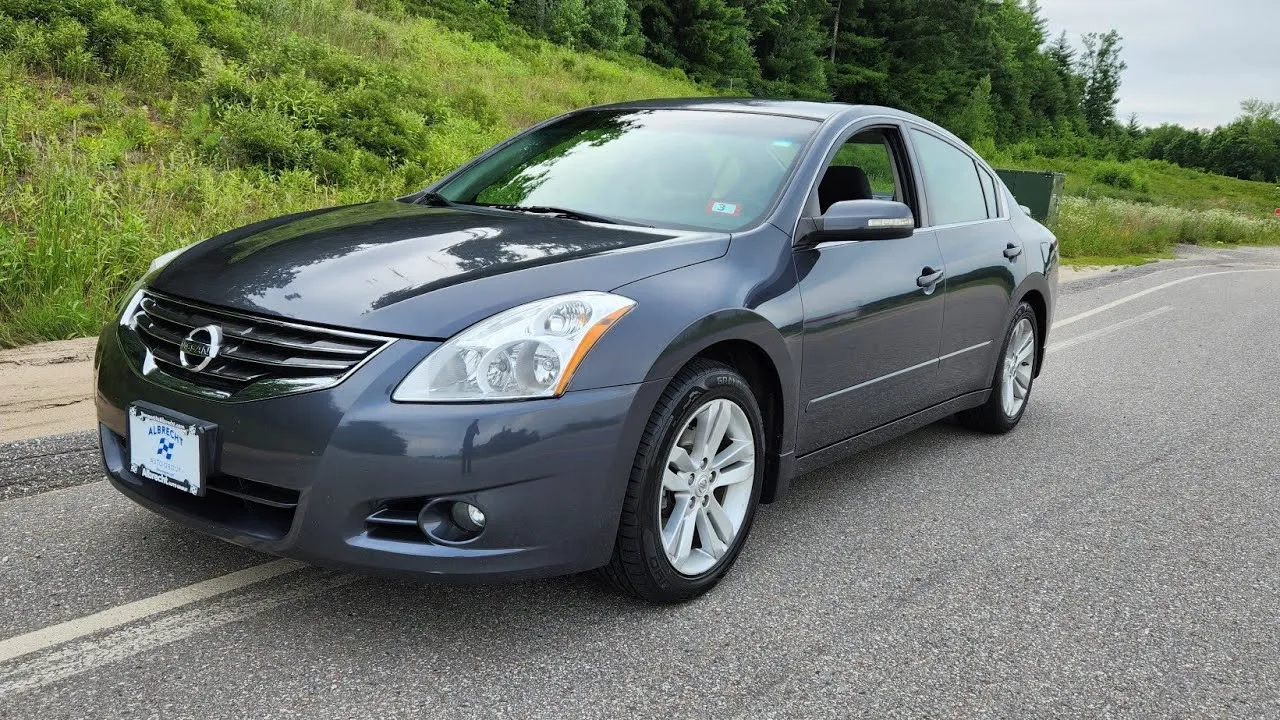
6. 2007-2012 Nissan Altima 3.5 SE
Nissan’s mid-size sedan hides legitimate performance credentials under styling that most people associate with rental car fleets and airport shuttles. Equipped with the optional 3.5-liter V6 producing 270 horsepower, the Altima 3.5 SE accelerates to 60 mph in approximately 5.9 seconds. That’s genuinely quick for a family sedan, matching or beating many vehicles marketed specifically as performance models.
Sport-tuned suspension on SE models lowers the ride height slightly while firming up damping rates compared to base Altimas. Body roll stays reasonably controlled during corner entry and direction changes. Steering feel isn’t particularly communicative, following typical Nissan numbness, but weighting is appropriate, and response is predictable.
You won’t confuse this with a BMW, but it handles competently enough for spirited driving on backroads and highway on-ramps. Larger wheels and tires on SE models provide better grip than base models, though they also transmit more road imperfections into the cabin.
Interior quality is acceptable but not impressive. Materials are functional rather than luxurious, with lots of hard plastics throughout the cabin. Seats are comfortable enough for daily commuting but lack the bolstering and support you’d want during aggressive cornering. Dashboard design is straightforward and ergonomically sound, with controls falling naturally to hand.
Technology is dated by modern standards, featuring small screens and limited connectivity. Build quality is typical Nissan from this era, which means adequate but not exceptional. Some interior trim pieces develop rattles as cars accumulate mileage.
Braking performance is adequate with standard four-wheel disc brakes providing reasonable stopping power. Pedal feel is acceptable, though not particularly inspiring. Stock brake pads and rotors handle normal driving without issues, though spirited use or track days would benefit from performance upgrades. Aftermarket support exists for buyers wanting to improve braking capability or suspension performance.
Common issues include CVT failures, which became notorious on Nissan products from this era. Transmissions can develop shuddering, slipping, or complete failure, often requiring expensive replacement. Manual transmission models avoid this problem entirely.
Some engines develop excessive oil consumption after high mileage. Front strut mounts wear, creating clunking noises over bumps. Catalytic converters can fail prematurely, creating check engine lights and reducing performance. Rust affects examples from salt belt states, particularly around wheel arches and rear subframe mounting points.
Used Altima 3.5 SE models sell for $5,000-$10,000 depending on mileage, condition, and transmission type. Manual transmission examples command premiums when they surface, but are increasingly difficult to locate. You’re getting V6 power and surprisingly quick acceleration wrapped in completely anonymous styling. Insurance companies see a boring family sedan and quote accordingly.
Fuel economy is reasonable when driven conservatively, though expect mid-20s mpg at best. For budget-conscious buyers wanting hidden performance without drawing attention, this Altima 3.5 SE delivers quick acceleration at bargain pricing. Just be prepared for potential CVT issues if you’re not lucky enough to find one of the rare manual transmission examples.
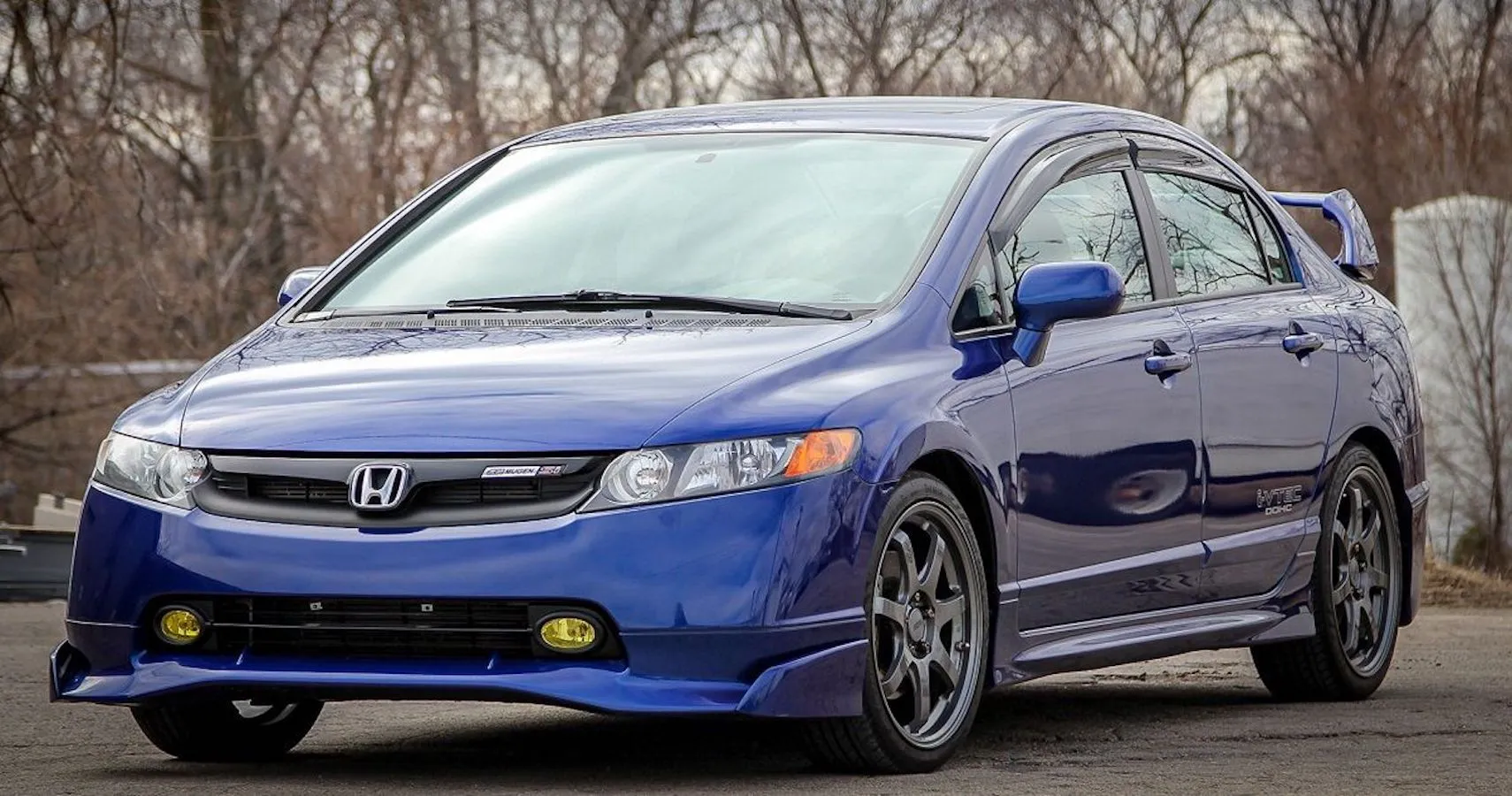
7. 2006-2011 Honda Civic Si
Honda’s sport compact brings VTEC high-revving character to sedan form with styling that looks nearly identical to base Civics. Powered by a 2.0-liter naturally aspirated four-cylinder producing 197-201 horsepower (depending on year), the Civic Si accelerates to 60 mph in about 6.7 seconds.
That might not sound impressive on paper, but the driving experience delivers more satisfaction than the numbers suggest. You need to work this engine, keeping revs high and using the entire powerband. VTEC engagement around 6,000 rpm provides a noticeable surge that rewards aggressive driving and proper gear selection.
What makes the Si special goes beyond horsepower figures. Honda engineered this car for driver engagement, creating one of the best front-wheel drive chassis available at any price point. Steering provides excellent feedback with natural weight buildup through corners.
You feel connected to the front wheels, sensing road surface texture and tire grip clearly. Limited-slip differential helps maximize traction during aggressive corner exits, reducing torque steer and wheelspin. Body roll stays minimal despite a comfortable ride quality that doesn’t punish occupants over rough pavement.
Interior quality is typical Honda functionality without much flair. Materials are durable rather than luxurious, with hard plastics dominating the cabin. Sport seats with red stitching provide decent support and comfort for daily use. Dashboard design is clean and driver-focused with clear instrumentation.
Technology is basic by modern standards, featuring small screens and limited connectivity options. Build quality is excellent, with tight panel gaps and virtually no squeaks or rattles even after 150,000+ miles.
Common issues are relatively minor compared to most alternatives. Cracked engine blocks affected some 2006-2009 models, though Honda extended warranties to cover this problem. Third gear can develop grinding issues on higher-mileage transmissions, though this is relatively rare.
The clutch master cylinder occasionally fails, creating a soft pedal feel. Wheel bearings wear faster than expected. Paint quality is mediocre, chipping easily, and fading on certain colors. Regular maintenance keeps these cars running reliably for 200,000+ miles.
Used Civic Si sedans sell for $8,000-$14,000 depending on mileage and condition. Clean examples with maintenance records command premium pricing because enthusiasts recognize their value.
You’re getting Honda reliability, VTEC high-revving character, limited-slip differential, and one of the best manual transmissions available in any car. Insurance rates stay reasonable because companies see a Civic rather than a performance car.
Fuel economy is excellent when driven normally, achieving 30+ mpg highway. For buyers wanting engaging driving dynamics with a practical four-door layout, this Civic Si represents everything a sleeper sedan should be: quick enough to be fun, reliable enough to use daily, and anonymous enough that nobody suspects what you’re driving.
Also Read: 5 AWD Crossovers That Provide Better Winter Performance Than 5 RWD Sedans
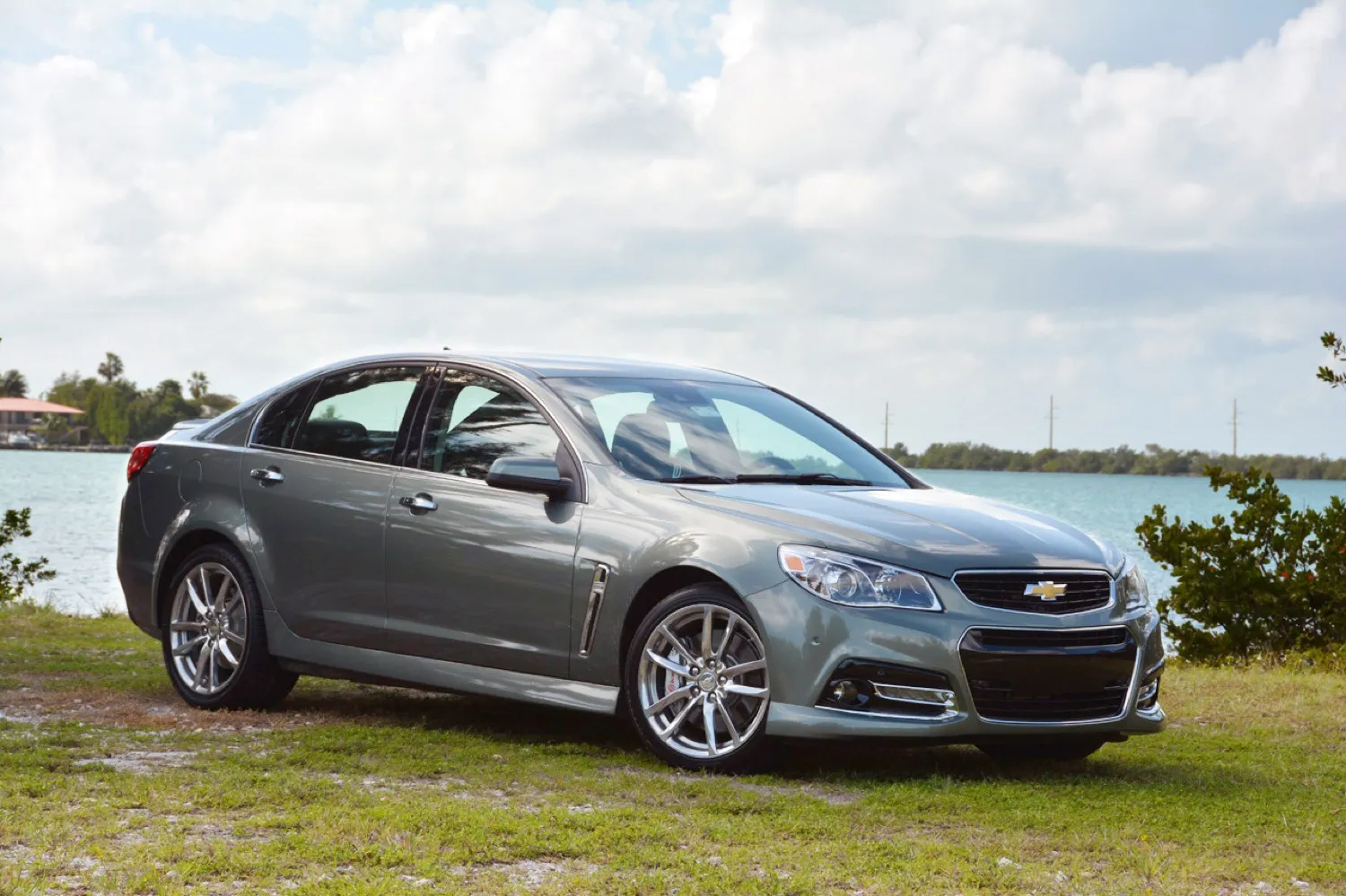
8. 2009-2014 Pontiac G8 GT
GM’s short-lived Australian import brought V8 rear-wheel drive performance to sedan form with styling that most people found completely forgettable. Powered by a 6.0-liter V8 producing 361 horsepower, the G8 GT accelerates to 60 mph in approximately 5.3 seconds.
That’s genuinely quick, faster than many vehicles marketed as performance cars. You get naturally aspirated V8 power with that characteristic American torque delivery, strong acceleration from idle through redline without needing to constantly downshift or work the engine hard.
Rear-wheel drive provides proper sports sedan dynamics with balanced weight distribution and predictable handling characteristics. You feel weight transfer through corners, sensing load on each tire through clear steering communication.
Chassis tuning strikes an excellent balance between sport and comfort, allowing spirited driving without punishing ride quality during daily commutes. Body roll is well-controlled for a large sedan, maintaining composure during aggressive direction changes.
Limited-slip differential helps put power down efficiently during corner exits, reducing wheelspin and allowing confident throttle application. Interior quality exceeds expectations for a Pontiac from this era.
Materials look and feel more upscale than typical GM products, reflecting the car’s Australian Holden origins, where it was sold as the Commodore. Sport seats provide good support and comfort. Dashboard design is attractive and functional with logical control placement.
Technology is adequate for the period, though screens are small and interfaces feel dated now. Build quality is generally solid, with fewer quality issues than typical GM products from this timeframe.
Braking performance is strong with Brembo brakes standard on GT models. Large rotors with four-piston calipers provide excellent stopping power with minimal fade during repeated hard stops. Pedal feel is progressive and confidence-inspiring. These brakes are more than adequate for spirited street driving and occasional track days without requiring upgrades.
Common issues include Active Fuel Management system problems, which cause lifter failures and engine damage in some cases. This system deactivates cylinders during light loads to improve fuel economy, but execution proved problematic. AFM delete kits are popular modifications that prevent these failures.
