

The dream of owning a supercar no longer requires a seven-figure budget or the bank account of a Fortune 500 executive. The used supercar market in 2025 presents an extraordinary opportunity for enthusiasts who’ve spent years drooling over exotic machinery from the sidelines.
Thanks to depreciation, shifting market trends, and the introduction of newer models, many legitimate supercars have tumbled from their original stratospheric price tags into surprisingly attainable territory.
We’re talking about cars with Ferrari-derived V8 engines, twin-turbocharged powerhouses, and naturally aspirated V10s that can be yours for less than the cost of a new luxury sedan.
What makes 2025 particularly exciting is the convergence of several factors. First-generation supercars from the 2000s and early 2010s have depreciated substantially while maintaining their performance credentials and exotic appeal.
The rise of hybrid and electric supercars has pushed traditional internal combustion models down in value. Additionally, proper maintenance records and increasing parts availability have made these cars more viable as long-term ownership propositions.
From American muscle disguised as supercars to Italian exotics that have shed 75% of their original value, this guide explores the most compelling used supercars that deliver genuine performance, head-turning looks, and that intoxicating supercar experience without requiring you to mortgage your house. These aren’t kit cars or pretenders they’re the real deal, just more affordable than ever.
1. Chevrolet Corvette C7 Z06 (2015-2019)
The Chevrolet Corvette C7 Z06 stands as arguably the cheapest legitimate supercar available in the used market today, offering performance that embarrasses cars costing three times as much.
Introduced for the 2015 model year, the C7 Z06 represents American engineering at its finest, packing a supercharged 6.2-liter LT4 V8 engine that produces a staggering 650 horsepower and 650 lb-ft of torque.
This isn’t just impressive on paper the Z06 rockets from zero to 60 mph in just 2.95 seconds and achieves a top speed of 195 mph, figures that put it squarely in supercar territory.
What separates the C7 Z06 from mere sports cars is its comprehensive performance package. Beyond the supercharged powerplant, Chevrolet equipped the Z06 with magnetic ride control, an electronic limited-slip differential, and track-focused aerodynamics including an available Z07 performance package with carbon ceramic brakes and Michelin Pilot Sport Cup 2 tires.
The lightweight construction, featuring aluminum frame components and carbon fiber body panels, keeps the curb weight impressively low, resulting in a power-to-weight ratio that challenges exotic mid-engine supercars.
The Z06 delivers supercar performance that puts many Ferraris and Lamborghinis to shame, yet it can be purchased in excellent condition for $55,000 to $75,000 depending on mileage and options.
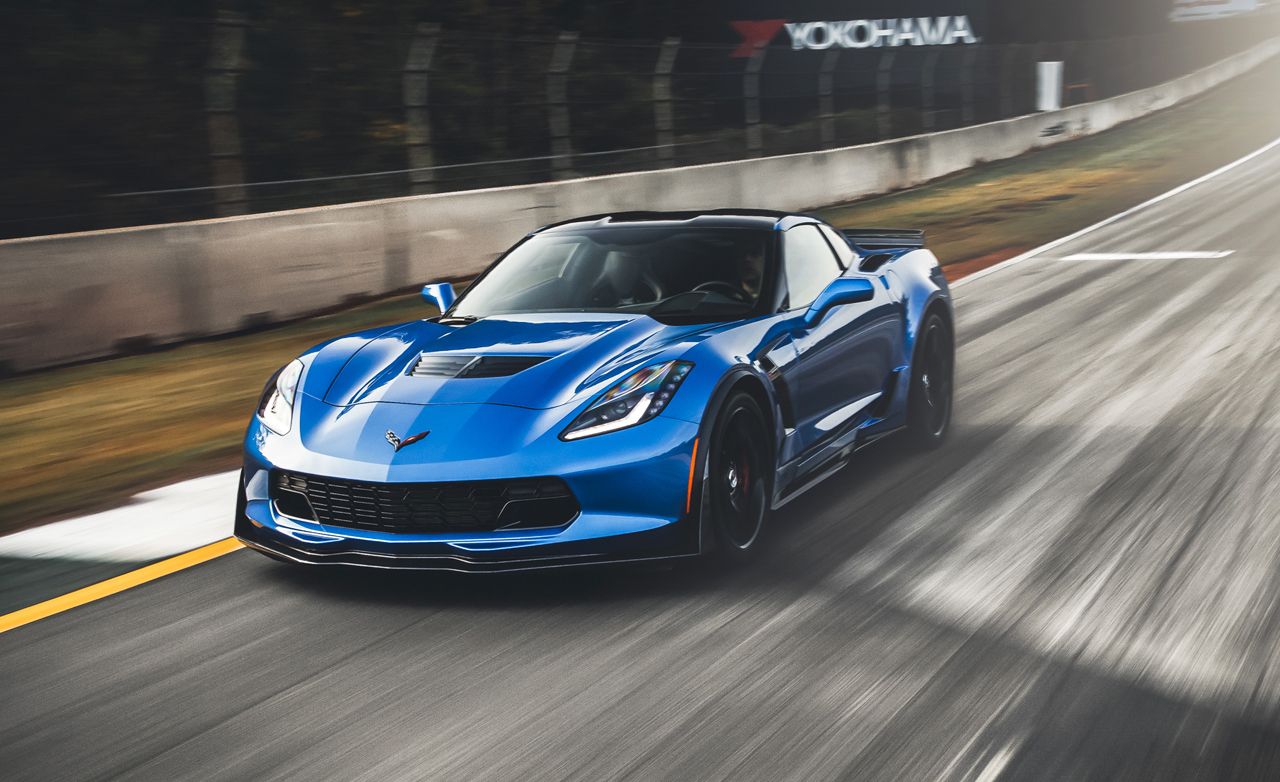
This pricing represents less than half of what the car commanded when new, making it an absolute bargain in the performance-per-dollar equation.
You’re getting a car capable of lapping professional racetracks faster than many six-figure exotics, with the added benefit of American reliability and relatively affordable maintenance costs.
The C7 Z06’s practicality deserves special mention. Unlike many supercars that demand constant attention and delicate handling, the Z06 can serve as a daily driver.
The interior, while not Italian leather luxury, offers modern amenities including an excellent infotainment system, comfortable sport seats, and even a usable trunk.
Parts availability is excellent thanks to GM’s extensive dealer network, and the robust Corvette aftermarket means modifications and upgrades are readily available if desired. Insurance costs, while higher than a regular Corvette, remain reasonable compared to European exotics.
Potential buyers should be aware of a few considerations. Early 2015 models experienced some overheating issues during extended track sessions, though Chevrolet addressed these concerns in later years with improved cooling systems.
The automatic transmission (eight-speed paddle-shift) is actually faster than the manual, though purists will want the seven-speed manual gearbox for maximum engagement. Convertible models trade slightly less rigidity for open-air thrills, while coupes offer maximum structural stiffness.
With proper maintenance including regular supercharger oil changes the LT4 engine proves remarkably reliable. The C7 Z06 represents the ultimate entry point into genuine supercar performance, delivering exotic-car thrills with American muscle car accessibility and affordability.
2. Audi R8 V8 (2008-2012)
The first-generation Audi R8 with its 4.2-liter V8 engine represents one of the most compelling supercar values in 2025, combining German engineering precision with everyday usability that few competitors can match.
With 430 horsepower from its 4.2-liter engine and a lightweight body, the R8 makes full use of every bit of output, with Audi’s Quattro all-wheel-drive system ensuring exceptional grip and control.
This mid-engine exotic shares its aluminum space frame chassis and many mechanical components with the Lamborghini Gallardo, yet it trades Italian temperament for Germanic reliability and practicality.
What makes the R8 V8 particularly special is its balance of performance and accessibility. The naturally aspirated V8 produces a glorious soundtrack as it climbs toward its 8,250 rpm redline, delivering power in a smooth, linear fashion that inspires confidence.
Zero to 60 mph arrives in 4.4 seconds, with the quarter-mile dispatched in the low 12-second range plenty quick for real-world enjoyment. The car’s mid-engine layout provides near-perfect weight distribution, while the all-wheel-drive system allows you to exploit the performance in all weather conditions, a rarity among supercars.
Current pricing for 2008-2012 R8 V8 models ranges from approximately $54,000 to $90,000, depending on mileage, condition, and whether you choose the manual transmission or the R-Tronic automated manual.
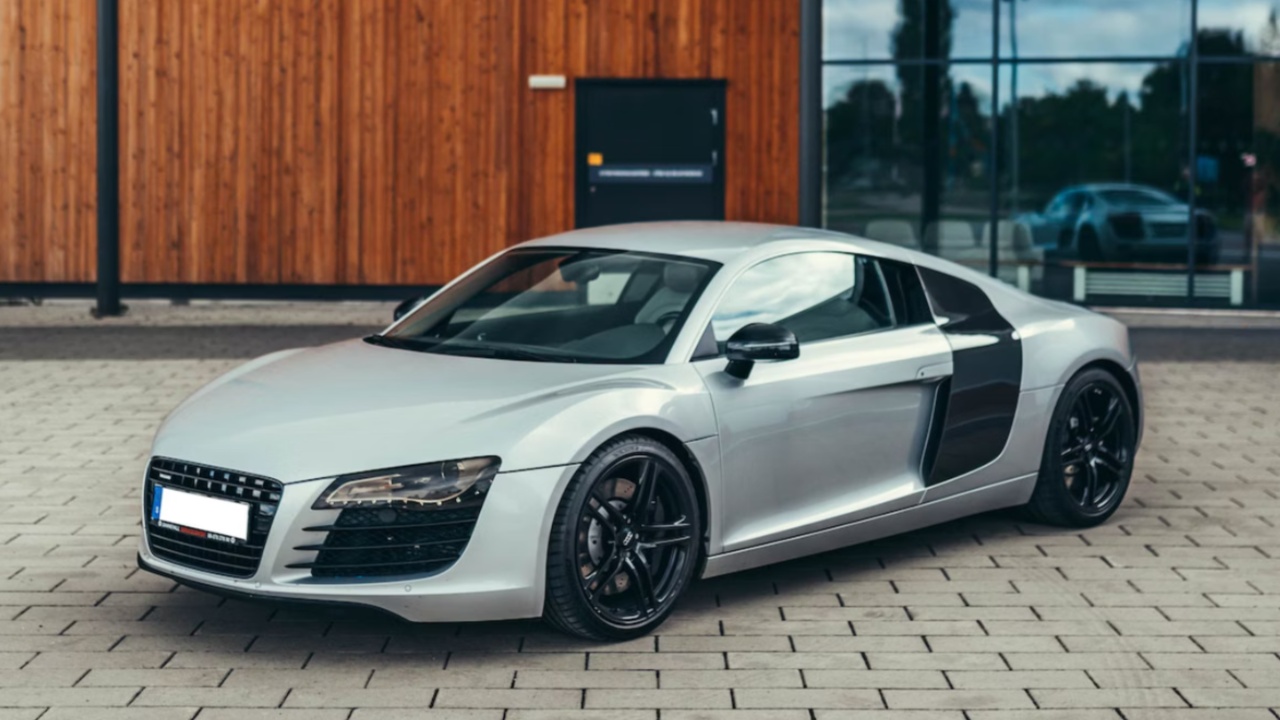
The manual transmission models command a premium but offer the most engaging driving experience, while the R-Tronic works better in traffic despite being slower to shift than modern dual-clutch transmissions. For context, these cars originally strolled out of showrooms with price tags exceeding $120,000, making current values represent significant savings.
The R8’s interior remains impressive even today, featuring premium materials, excellent build quality, and intuitive controls. Audi’s typical attention to detail is evident throughout, from the perfectly placed shift knob to the digital gauge cluster. Visibility is excellent for a mid-engine car, and the cabin feels surprisingly spacious.
The signature “side blades” that flow from the doors to the engine bay aren’t just styling flourishes they direct cooling air to the mid-mounted powerplant. Unlike many exotics, the R8 offers a relatively comfortable ride for daily use, with enough ground clearance to go through the typical parking lot obstacles without scraping.
Maintenance costs, while higher than mainstream vehicles, remain reasonable by supercar standards. The R8 shares many parts with other Audi models, keeping costs down compared to pure exotics. The V8 engine proves reliable when properly maintained, though the R-Tronic transmission can be expensive to repair if issues arise.
Common maintenance items include clutch replacements for manual cars (around $3,000-$4,000), brake jobs, and routine fluid changes. Parts availability is excellent through Audi dealers and specialty shops. The magnetic ride suspension, while fantastic, can be pricey to repair.
Potential buyers should ensure all service records are available and consider a pre-purchase inspection by an Audi specialist. The first-generation R8 V8 offers a rare combination: true supercar performance and prestige with German reliability and year-round usability, all at a price that makes exotic car ownership genuinely accessible.
3. Nissan GT-R R35 (2009-2014)
The Nissan GT-R R35 revolutionized the supercar world when it debuted, offering a stunning combination of performance and style that still endures in 2025.
Nicknamed “Godzilla,” this Japanese supercar killer used technology and engineering brilliance to embarrass cars costing twice as much on both road and track. The 2013 model featured a formidable twin-turbocharged 3.8-liter V6 engine delivering power that rivals some supercars with double the cylinders, producing 545 horsepower and 463 lb-ft of torque in later iterations of this era.
What made the GT-R revolutionary was its approach to performance. Rather than relying solely on horsepower, Nissan employed an advanced all-wheel-drive system, lightning-fast dual-clutch transmission, and sophisticated computer systems to optimize traction and power delivery.
The result was a car that could hit 60 mph in an astonishing 2.9 seconds and lap the Nürburgring Nordschleife faster than contemporary Porsches and Ferraris. The GT-R didn’t just compete with supercars it regularly humiliated them, especially in real-world conditions where its technology could shine.
The R35’s design remains aggressive and purposeful, with its wide stance, muscular proportions, and functional aerodynamics. The quad circular taillights pay homage to GT-R heritage, while the hood vents and rear wing aren’t just for show they’re essential for cooling and downforce.
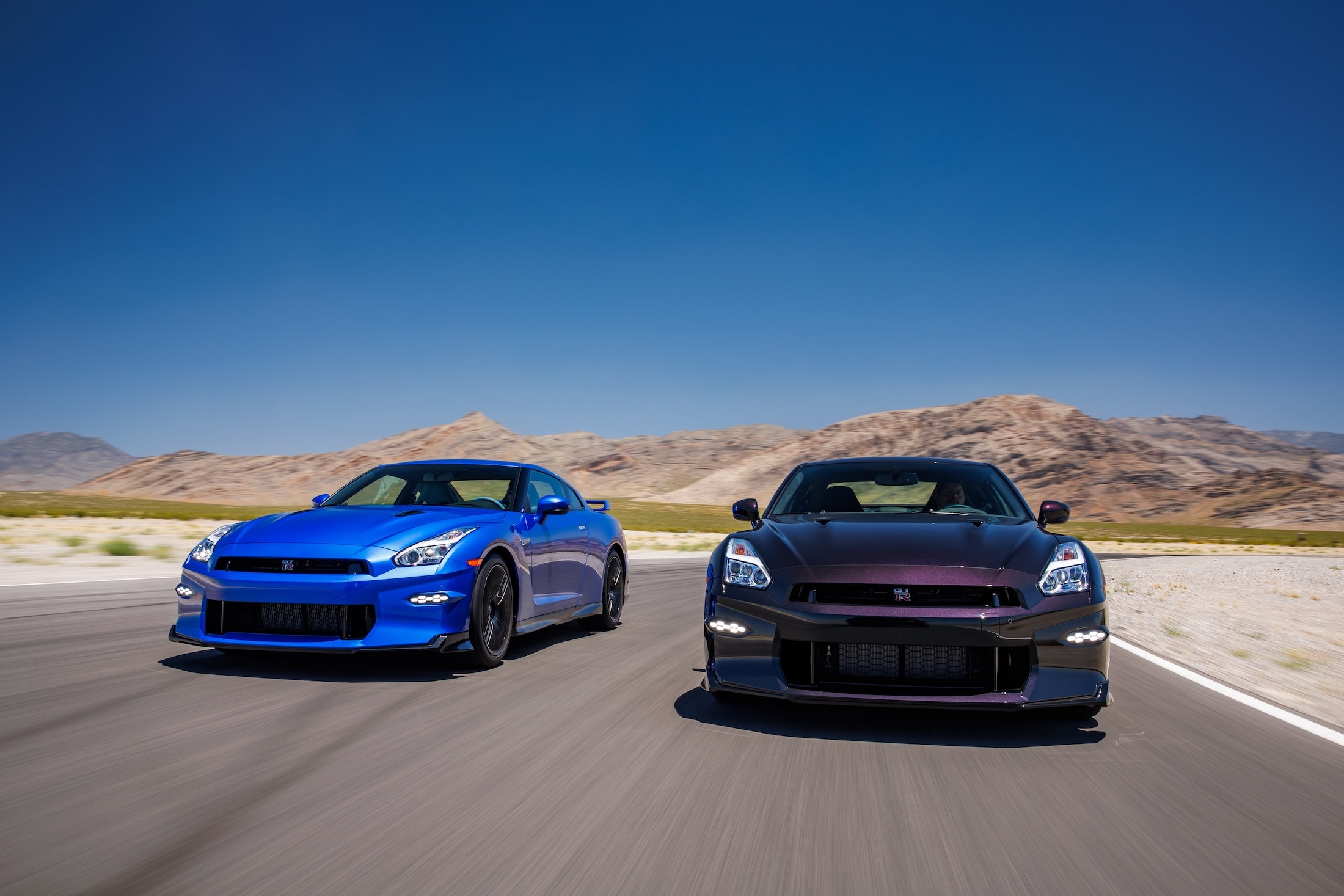
The interior, while not luxurious by traditional supercar standards, focuses on functionality with a multi-function display showing everything from g-forces to transmission temperature. The rear seats are technically usable for children or extra storage, and the trunk is surprisingly practical for a performance car.
While the latest GT-R commands a price around $200,000, the 2013 version debuted at approximately $100,000, and today you can find one for around $74,000. Early 2009-2010 models can be found even cheaper, in the $50,000-$65,000 range, though these earlier cars lack the refinements of later models.
Finding an original, stock R35 GT-R can be challenging, requiring patience in the search, as many have been modified extensively a testament to their popularity in the tuning community but something to consider carefully when purchasing.
Maintenance considerations for the GT-R are significant but manageable. The advanced dual-clutch transmission requires periodic fluid changes and eventual replacement, which can be expensive.
The high-performance Dunlop run-flat tires wear quickly and aren’t cheap to replace. Regular service at a Nissan dealer or GT-R specialist is essential, as the car’s complex systems require proper attention. Oil changes are frequent, and brake components wear faster than normal cars due to the GT-R’s performance capabilities.
However, the VR38DETT engine is fundamentally robust and can handle significant power increases if you’re interested in modifications. Finding unmolested examples is crucial, as improperly tuned cars may have hidden issues.
A pre-purchase inspection by a GT-R specialist is mandatory. The R35 GT-R offers an unbeatable combination of raw performance, advanced technology, and genuine supercar capabilities at a price point that’s become increasingly accessible, making it one of the smartest supercar purchases available today.
4. Porsche 911 Turbo 996.2 (2001-2005)
The Porsche 996 generation 911 Turbo represents one of the most undervalued supercars in today’s market, offering legendary performance and everyday usability at surprisingly modest prices.
The 996 generation is generally disliked by Porsche enthusiasts due to its styling, which has driven values remarkably low. This enthusiast prejudice primarily centered around the “fried egg” headlights has created an opportunity for savvy buyers to acquire genuine supercar performance at bargain prices.
The 996 Turbo’s performance credentials remain impressive even by modern standards. The twin-turbocharged 3.6-liter flat-six engine produces 415 horsepower in base form, with the X50 package bumping output to 450 hp.
This power, combined with Porsche’s advanced all-wheel-drive system and six-speed manual or Tiptronic transmission, propels the Turbo from zero to 60 mph in just 3.7 seconds.
Top speed exceeds 190 mph, and the car’s handling precision represents everything Porsche has learned about rear-engine dynamics over decades. The 996 Turbo is capable of lapping racetracks with surgical precision while remaining docile enough for daily commuting.
Build quality is exceptional, as expected from Porsche. The interior, while dated by current standards, features high-quality materials and excellent ergonomics.

The classic five-gauge instrument cluster provides all necessary information at a glance, and the seats offer excellent support for spirited driving. Practicality is a highlight the 996 Turbo includes usable rear seats (for children or storage), a front trunk with reasonable cargo capacity, and visibility that’s excellent for a sports car.
The all-wheel-drive system makes the Turbo genuinely usable year-round, even in inclement weather, which few supercars can claim. A 2003 996.2 Turbo can be purchased for around $66,069, with numerous examples selling for under $40,000.
This represents extraordinary value considering these cars originally cost $118,265 when new. The market has recognized that the 996’s mechanicals are sound it’s primarily the controversial styling that depressed values. Smart buyers willing to look past the aesthetics can acquire one of the most capable and reliable supercars ever built at a fraction of its original cost.
Maintenance costs for the 996 Turbo are reasonable by Porsche standards, though they’re certainly higher than mainstream vehicles. The turbocharged Mezger engine is one of the most robust powerplants Porsche ever built, far more durable than the naturally aspirated 996 engines that suffered from infamous intermediate shaft bearing failures.
The turbo motor doesn’t have this issue, making it more reliable ironically. Clutches on manual cars require replacement every 50,000-70,000 miles depending on driving style and cost around $3,000-$4,000 for parts and labor. Brake jobs, while not cheap, are straightforward.
The all-wheel-drive system is proven and durable, though components can be expensive if major repairs are needed. The Tiptronic transmission is less desirable than the manual but generally reliable. Regular maintenance including oil changes, fluid flushes, and inspections will keep the 996 Turbo running strong for hundreds of thousands of miles.
Finding well-maintained examples with service records is crucial, as deferred maintenance can be expensive to catch up on. Those cheap prices might not stay around forever, as the market is beginning to appreciate the 996 Turbo’s performance value and the Mezger engine’s legendary status.
The 911 Turbo 996.2 offers genuine everyday supercar capability with Porsche reliability and practicality at prices that won’t appreciate significantly for years, making it one of the smartest exotic car purchases available.
Also Read: 10 Most Reliable American SUVs Released Within the Last Five Years
5. Maserati GranSport (2004-2007)
The Maserati GranSport, revealed at the 2004 Geneva show as a more hardcore and performance-focused take on the Maserati Coupe, now proves a high-revving Italian V8 supercar can be dirt-cheap.
This underappreciated Italian exotic offers something increasingly rare in today’s automotive world: a naturally aspirated Ferrari-derived V8 engine screaming to a 7,600 rpm redline, wrapped in distinctive Italian styling, all for less than the cost of a new mainstream sedan.
The GranSport represents old-school exotic car thrills without modern electrification or turbocharging diluting the experience. The GranSport uses a glorious naturally aspirated 4.2-liter V8 developed by Ferrari for the F430, producing 396 horsepower and 333 lb-ft of torque.
Upgraded suspension and aerodynamics make it sharp and stable, while the exhaust note ranks among the finest ever fitted to a production car a spine-tingling wail that justifies ownership on aural appeal alone. Performance is brisk, with zero to 60 mph arriving in 4.8 seconds and a top speed of 180 mph.
More importantly, the driving experience evokes classic Italian GT character: responsive steering, communicative chassis dynamics, and that intoxicating soundtrack.
The exterior design has aged remarkably well, with Pininfarina’s elegant proportions and aggressive front fascia creating a timeless aesthetic. The GranSport’s wider stance, unique grille, and side skirts distinguish it from the standard Coupe, giving it a more aggressive presence.
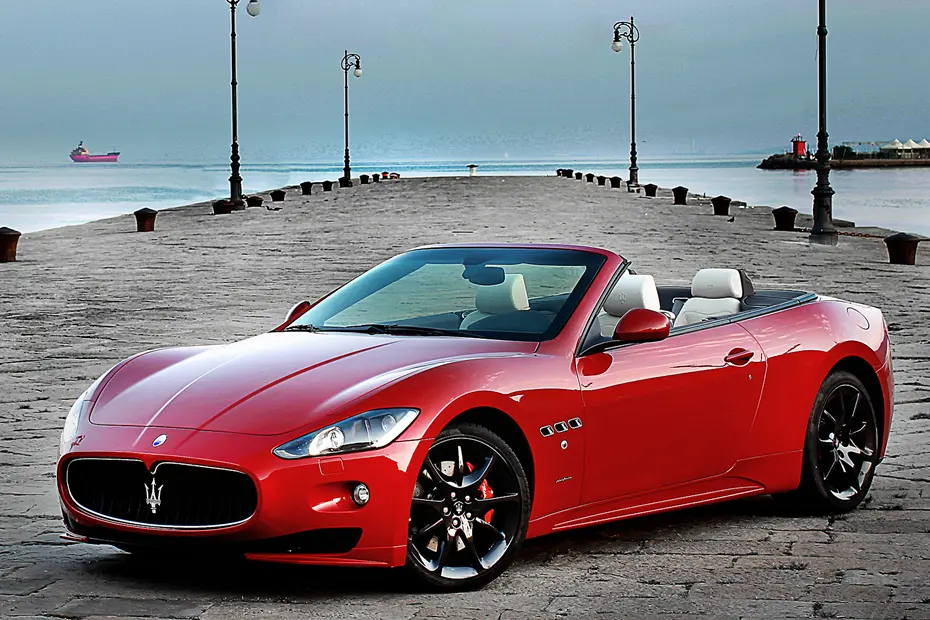
The interior combines Italian flair with premium materials, featuring leather-wrapped surfaces, carbon fiber accents, and supportive sport seats.
The GranSport integrates luxury and sportiness with leather, carbon fiber, and supportive seats. Build quality, while not German-level perfection, is solid for an Italian exotic of this era.
The GranSport debuted with a starting price of $98,172; today, you can expect to pay around $23,500 for a nice example. Individual model years show even better values, with 2004 examples averaging around $19,088 and 2006 models around $22,088.
This pricing makes the GranSport one of the cheapest ways to experience Ferrari-derived V8 performance, exotic Italian styling, and genuine supercar credentials. The depreciation has been brutal, but that’s excellent news for today’s buyers seeking maximum exotic-car experience per dollar invested. Insurance can be surprisingly reasonable as the GranSport’s modest values mean lower replacement costs.
For buyers willing to budget appropriately for maintenance and accept that this is a weekend toy rather than a daily driver, the GranSport offers an unbeatable combination of Ferrari-derived performance, Italian exotic character, distinctive styling, and that magnificent V8 soundtrack all for Mazda Miata money. It’s impractical, potentially expensive, and absolutely worth it for the right enthusiast.
6. Jaguar F-Type SVR (2017-2020)
The first Jaguar to wear the SVR badge was an upgraded version of the F-Type R, representing British automotive performance at its finest. The F-Type SVR takes Jaguar’s beautiful sports car and amplifies everything power, handling, sound, and presence creating a legitimate supercar that now trades at remarkably accessible prices.
This is a car that challenged Porsche 911 Turbos and Audi R8s when new, offering distinctively British character in a segment dominated by German engineering.
Under the sculpted aluminum hood sits a supercharged 5.0-liter V8 producing 575 horsepower and 516 lb-ft of torque, making the SVR the most powerful production Jaguar ever built at its introduction.
Jaguar placed the F-Type R on a diet, shaving off 55 to 110 pounds depending on optional carbon fiber equipment selected, and remodeled the exterior to improve airflow, installing a larger rear wing and underfloor aerodynamic elements. The result is a car that hits 60 mph in just 3.5 seconds and achieves a top speed of 200 mph, putting it squarely in supercar territory.
More impressive than the numbers is how the SVR delivers its performance with theatrical flair and an exhaust note that ranks among the automotive world’s greatest hits.
The F-Type SVR’s design remains stunning, with aggressive proportions, wide haunches, and purposeful aerodynamic addenda. The coupe version offers maximum rigidity and slightly better performance, while the convertible provides open-air thrills without sacrificing too much structural stiffness.
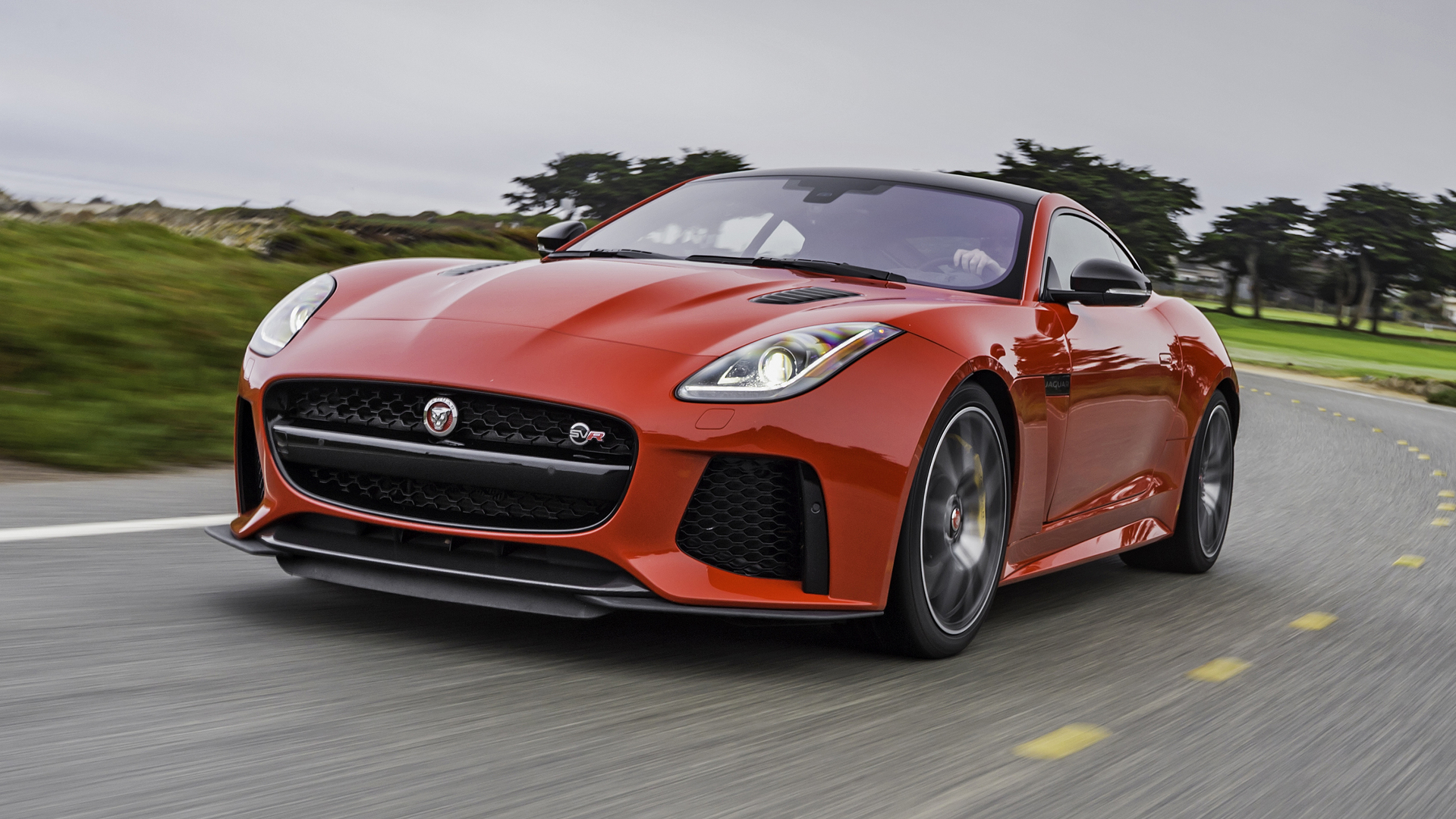
The active exhaust system can switch from refined cruiser to racecar fury at the touch of a button, and even in normal mode, the supercharged V8’s soundtrack is intoxicating. The interior features premium leather, carbon fiber trim, excellent sport seats, and Jaguar’s Touch Pro infotainment system. Build quality is exceptional, reflecting Jaguar’s commitment to competing with established supercar manufacturers.
The Jaguar F-Type SVR had a list price of $125,950 for the coupe and $128,800 for the convertible back in 2017; these days, you can get one used for around $63,304.
This represents significant depreciation from original MSRP, creating an opportunity for buyers to acquire British supercar performance at approximately half the original cost. Examples with higher mileage or less desirable specifications can be found even cheaper, sometimes dipping below $60,000 for older SVR models.
Insurance can be costly due to the car’s high-performance nature and repair costs. Potential buyers should budget appropriately for maintenance and avoid examples with sketchy service histories.
Despite these considerations, the F-Type SVR offers something unique in today’s used supercar market: genuine 200-mph performance wrapped in gorgeous styling with one of the best exhaust notes ever created, all for prices that make exotic ownership accessible to enthusiasts willing to embrace British character and accept typical exotic car running costs.
The combination of performance, sound, and that distinctive British personality makes the SVR worth every penny of its depreciated value.
7. BMW i8 (2014-2020)
The BMW i8 is truly one of a kind, designed for European Union countries that began restricting fully gas-powered vehicles in city centers as a plug-in hybrid supercar that blends performance with eco-consciousness.
When BMW revealed the i8, it looked like it had driven straight out of a science fiction movie, with butterfly doors, futuristic styling, and a hybrid powertrain that seemed impossibly advanced.
While not a traditional supercar in terms of raw power, the i8 offers a unique ownership experience that combines exotic looks, innovative technology, and surprisingly engaging dynamics at prices that have fallen dramatically from the car’s original six-figure MSRP.
What really sets the i8 apart is its turbocharged three-cylinder engine, a rarity among supercars, combined with an electric motor for impressive performance while remaining efficient. The 1.5-liter three-cylinder produces 228 horsepower, while the electric motor adds 129 hp, for a combined output of 357 horsepower.
Zero to 60 mph arrives in 4.2 seconds for early models, with later versions slightly quicker. More interesting than straight-line speed is how the i8 delivers its performance electric motor torque fills in low-end gaps, while the turbocharged engine provides high-rpm excitement.
The all-wheel-drive system (electric motor powers front wheels, gas engine powers rear wheels) creates unique dynamics and allows for all-electric driving for up to 23 miles on early models.
The i8’s design remains breathtaking even years after introduction. The striking exterior design has aged gracefully and still stands out as one of the most futuristic-looking cars on the road today.
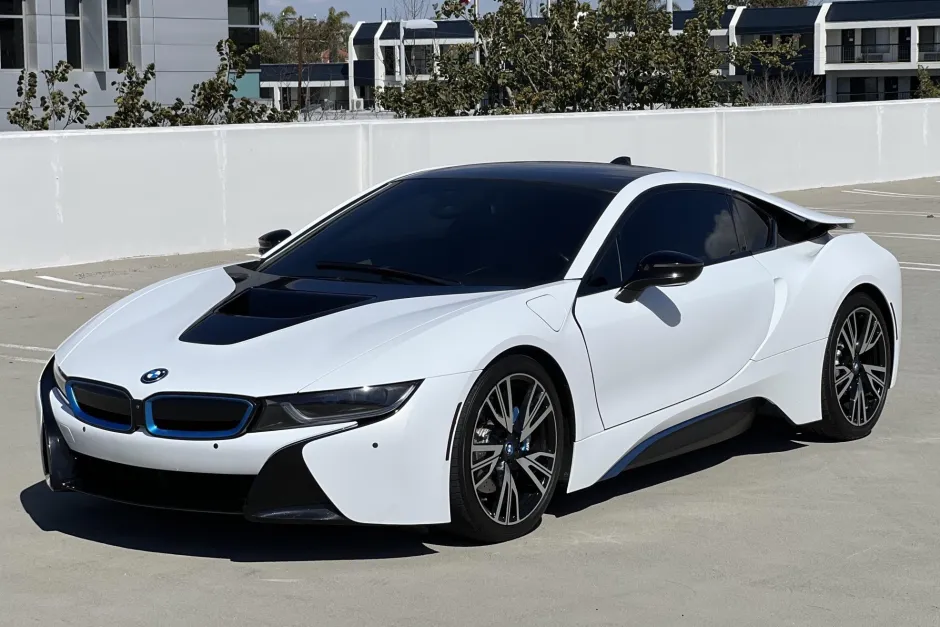
The low-slung profile, distinctive LED light signature, aerodynamic body work, and those dramatic butterfly doors make the i8 look more expensive than it is.
BMW even equipped it with laser headlights, one of the first vehicles to feature this technology. The carbon fiber passenger cell keeps weight in check while providing structural rigidity.
Inside, the i8 feels like a proper BMW with high-quality materials, excellent build quality, and an intuitive infotainment system. The rear seats are technically present but really only suitable for small children or storage.
Parts availability is good through BMW dealers. The i8 won’t be the fastest or most engaging supercar, but it offers a unique combination of stunning looks, advanced technology, respectable performance, and eco-credentials that no other depreciated exotic can match.
For buyers who want to make a statement while embracing alternative powertrains, the i8 represents a compelling choice at current pricing levels. It’s the most futuristic-looking used supercar under $70,000, and that alone might justify ownership for the right buyer.
8. Dodge Viper SRT-10 (2003-2010)
The Dodge Viper is perhaps one of the most unusual supercars ever created in fact, it might have more in common with a muscle car than a supercar, being an all-American brute with a long hood powered by a huge V10 engine.
The Viper represents automotive excess in its purest form: a massive naturally aspirated V10, rear-wheel drive, minimal electronic nannies, and a design philosophy that prioritizes raw power over refinement.
This is not a car for the faint of heart, but for enthusiasts seeking unfiltered performance and old-school supercar thrills, the SRT-10 generation Viper offers incredible value.
The original Viper’s V10 was 8 liters in size and was developed from what was originally a truck engine, growing to 8.3 liters with the second generation SRT-10 version. This massive powerplant produces 500 horsepower and 525 lb-ft of torque, with later versions bumping output to 510 hp.
The sound is intoxicating a deep, rumbling V10 roar that announces the Viper’s presence from blocks away. Performance is ferocious: zero to 60 mph in around 3.9 seconds, quarter-mile times in the low 12-second range, and a top speed exceeding 190 mph.
More impressive than the numbers is how the Viper delivers power with immediacy, violence, and an analog connection between driver and machine that’s rare in modern supercars.
The Viper’s styling is unmistakable with its long hood, side exhausts, and aggressive proportions. The convertible soft-top was standard, though coupe versions exist and are particularly desirable. The interior is spartan by modern standards, focusing on functionality rather than luxury.
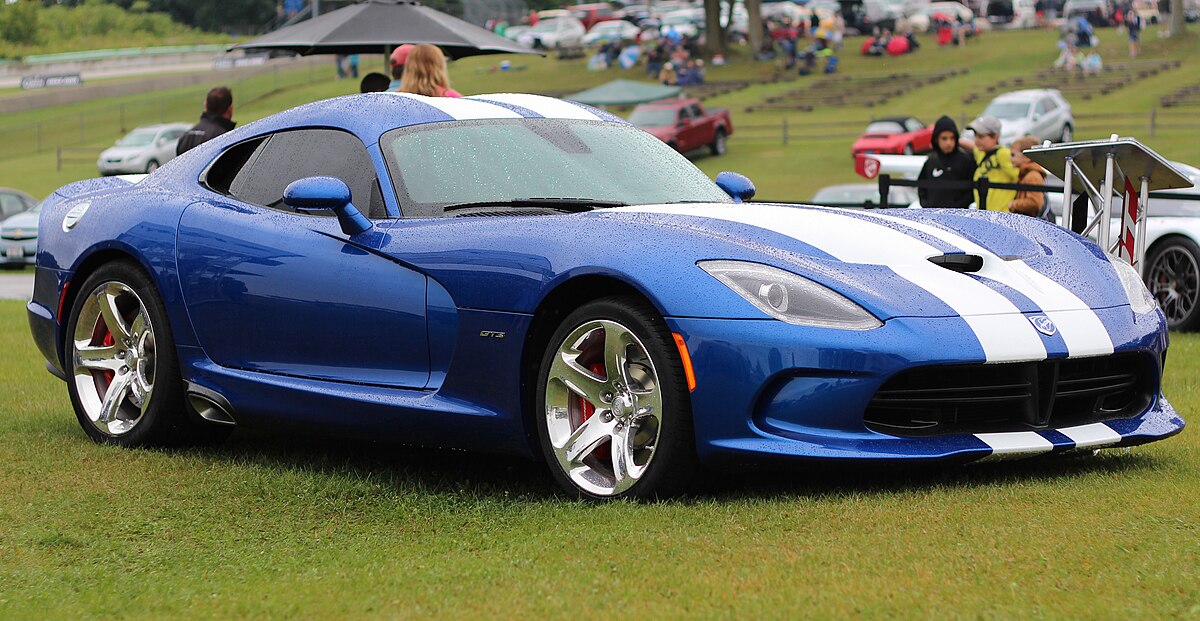
There’s no sophisticated infotainment system, limited electronic assists, and a general lack of creature comforts that define the Viper’s mission: this is a driver’s car, not a cruiser.
The manual transmission is the only option, and it’s a heavy, mechanical six-speed that demands respect. The clutch is stiff, the steering is unassisted, and everything about the Viper requires physical effort exactly as intended.
A 2003 Dodge Viper SRT-10 can be purchased for an average of $54,694, with the cheapest examples selling for just over $43,000. This represents extraordinary value for a car with genuine supercar performance and collectible American muscle heritage.
Later SRT-10 models from 2008-2010 with the 8.4-liter engine command slightly higher prices, typically in the $60,000-$75,000 range, but still represent significant value compared to original MSRPs that approached $90,000.
The Dodge Viper SRT-10 represents American supercar culture at its finest: massive displacement, brutal power, minimal refinement, and prices that make V10 ownership accessible to enthusiasts willing to embrace the car’s demanding nature.
It’s not for everyone, but that’s precisely the point the Viper remains one of the last true analog supercars, and its depreciated pricing makes it an accessible gateway to raw, unfiltered American performance.
Also Read: 8 Most Expensive American Muscle Cars Ever Sold, Ranked by Auction Records
