
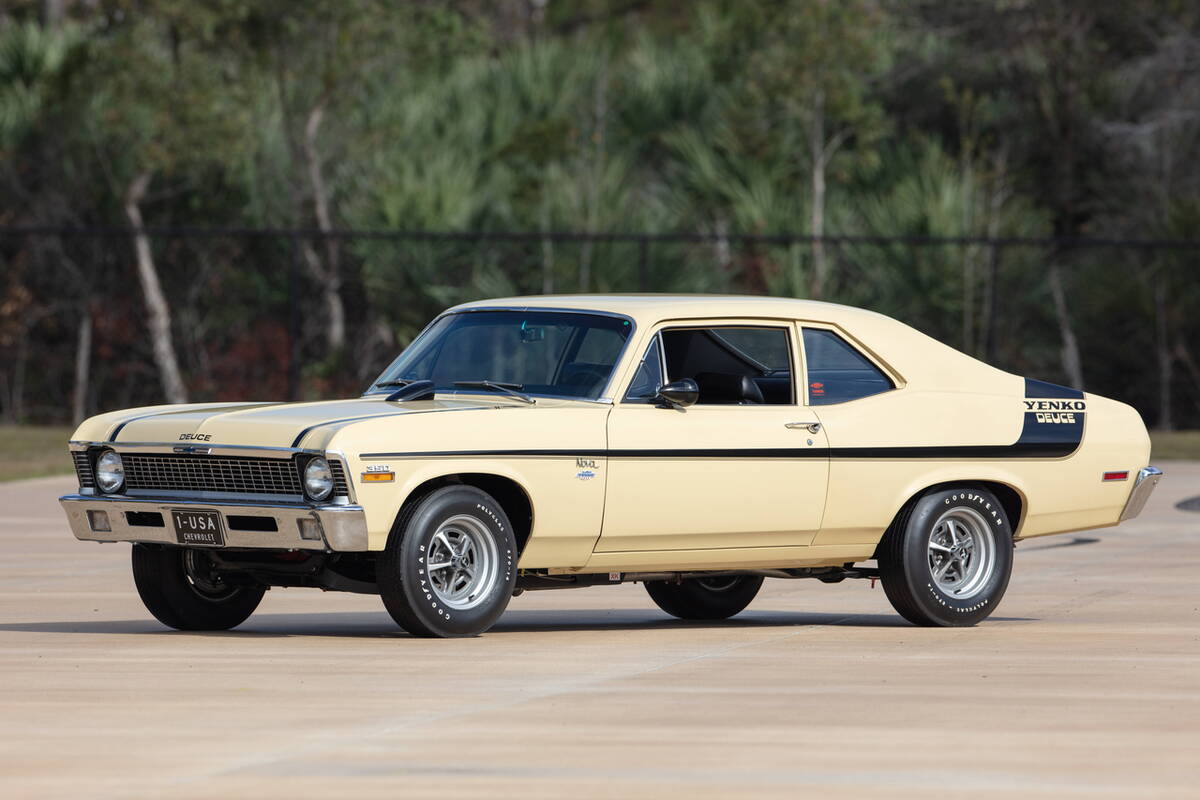
The 1970s are widely regarded as the golden era of American muscle cars, a time when manufacturers pushed the limits of horsepower, torque, and style. Among these legendary machines, a rare handful stand out as true unicorns, factory-built, street-legal muscle cars that were produced in extremely limited numbers while delivering uncompromising performance.
From powerful big-block engines to open-top thrillers, these cars were designed for enthusiasts who demanded both speed and presence on the street. This list of “10 Ultra-Rare Street-Legal Muscle Machines From the ’70s” highlights vehicles that not only embodied the raw power and aggressive styling of the era but also have become the ultimate collector’s trophies today.
Each model on this list tells a story of engineering daring, performance innovation, and exclusivity, representing a period when muscle cars were not just transportation but symbols of American automotive creativity and freedom.
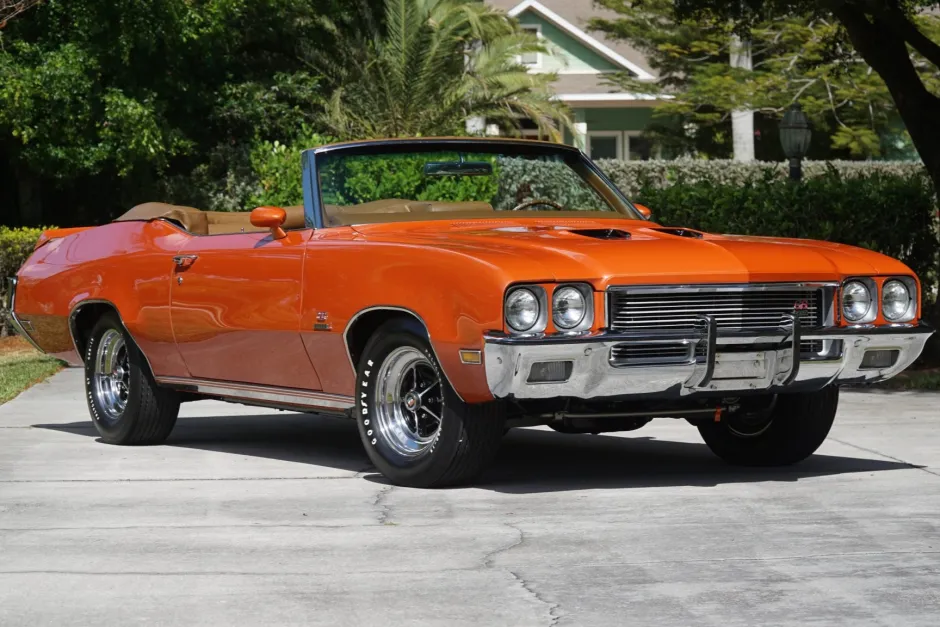
1. 1972 Buick GSX: The Rarest of Buick’s Muscle Car Legends
The 1972 Buick GSX stands as one of the rarest and most underrated American muscle cars of its era, with just 44 units produced, making it an exceptional collector’s item today. As the high-performance, image-leading version of the Buick Gran Sport, the GSX combined luxury, aggressive styling, and immense torque, qualities that helped it earn lasting respect despite declining horsepower numbers in the early 1970s.
Buick introduced the GSX in 1970, producing 678 units, followed by 128 in 1971. By 1972, tightening emissions regulations, rising insurance costs, and a shift from gross to net horsepower ratings dramatically reduced demand for traditional muscle cars.
As a result, the GSX reached its final and rarest model year, with only 44 buyers willing to invest in Buick’s flagship performance coupe. This scarcity alone places the 1972 GSX among the rarest factory muscle cars of the decade.
Under the hood, the GSX was powered by Buick’s legendary 455 cubic inch V8, one of the largest engines ever installed in a production muscle car. In 1972 trim, the engine produced 270 horsepower and a massive 490 lb-ft of torque on the SAE net scale, ensuring strong real-world performance despite the era’s reduced power ratings.
Many examples featured the coveted Stage 1 package, which further enhanced performance through improved airflow and tuning. Heavy-duty suspension components, performance gearing, and upgraded cooling systems complemented the drivetrain.
Visually, the GSX remained unmistakable. Bold striping, front and rear spoilers, hood-mounted tachometers, and muscular proportions set it apart from standard Gran Sports. While earlier GSX models were limited to specific colors such as Saturn Yellow or Apollo White, 1972 examples offered greater color variety, adding individuality to each car.
Today, the 1972 Buick GSX represents the end of Buick’s true muscle car era. Its combination of luxury, torque-rich performance, distinctive styling, and extreme rarity has made it highly desirable among collectors. Verified, well-preserved examples command premium prices, solidifying the 1972 GSX as not just a rare car but a lasting symbol of American muscle’s final golden moments.
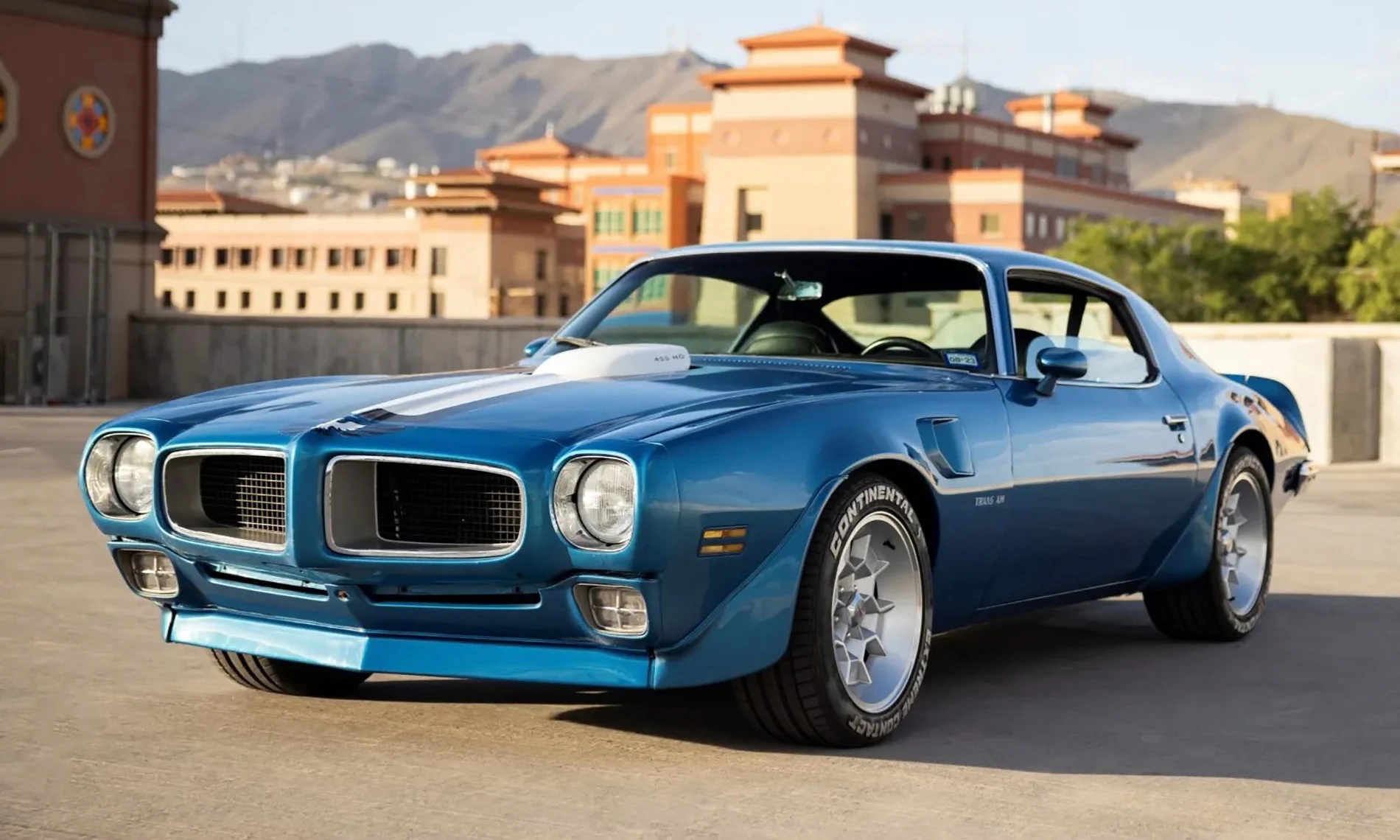
2. 1973 Pontiac Firebird Formula SD-455: Pontiac’s Final Big-Block Masterpiece
The 1973 Pontiac Firebird Formula SD-455 stands as one of the most significant and elusive muscle cars of the emissions era, with only 43 examples produced. At a time when most manufacturers were retreating from high-performance engines, Pontiac engineers delivered one final, uncompromising big-block performance car that preserved the brand’s muscle car reputation.
As emissions regulations and lower compression ratios reshaped the American auto industry in the early 1970s, horsepower figures across the market dropped sharply. Pontiac, however, responded with the formidable 455 cubic inch Super Duty V8.
Despite restrictive early emissions equipment, the SD-455 produced a stout 290 horsepower and 390 lb-ft of torque on the SAE net scale. More importantly, the engine was engineered for durability and strength, featuring a reinforced block, four-bolt main bearings, forged internal components, and a nodular iron crankshaft. These upgrades made the SD-455 one of the strongest factory-built V8 engines of its time.
While Pontiac built approximately 1,296 Super Duty-powered vehicles across the 1973 and 1974 model years, the Firebird Formula version was exceptionally rare. Just 43 buyers opted for the SD-455 paired with the Formula trim in 1973, making it rarer than many more widely known muscle cars.
Buyers could choose either a Turbo Hydra-Matic 400 automatic transmission or a manual gearbox, and when properly equipped, the Formula SD-455 delivered impressive straight-line performance, with quarter-mile times reported in the high 13-second range.
The Formula trim emphasized function over flash. Unlike the bold graphics, fender flares, and spoilers of the Trans Am, the Formula featured a cleaner, more restrained appearance. Dual functional hood scoops, unique exhaust components, and a purposeful stance highlighted its performance intent. Authentic Super Duty cars were marked by a critical identifier, an “X” in the vehicle identification number, which remains essential for verifying genuine examples today.
Now considered one of the last true big-block muscle cars, the 1973 Pontiac Firebird Formula SD-455 holds a special place in performance history. Its blend of raw torque, advanced engineering, understated styling, and extreme rarity has made it a highly prized collector car and a lasting symbol of Pontiac’s muscle car legacy.
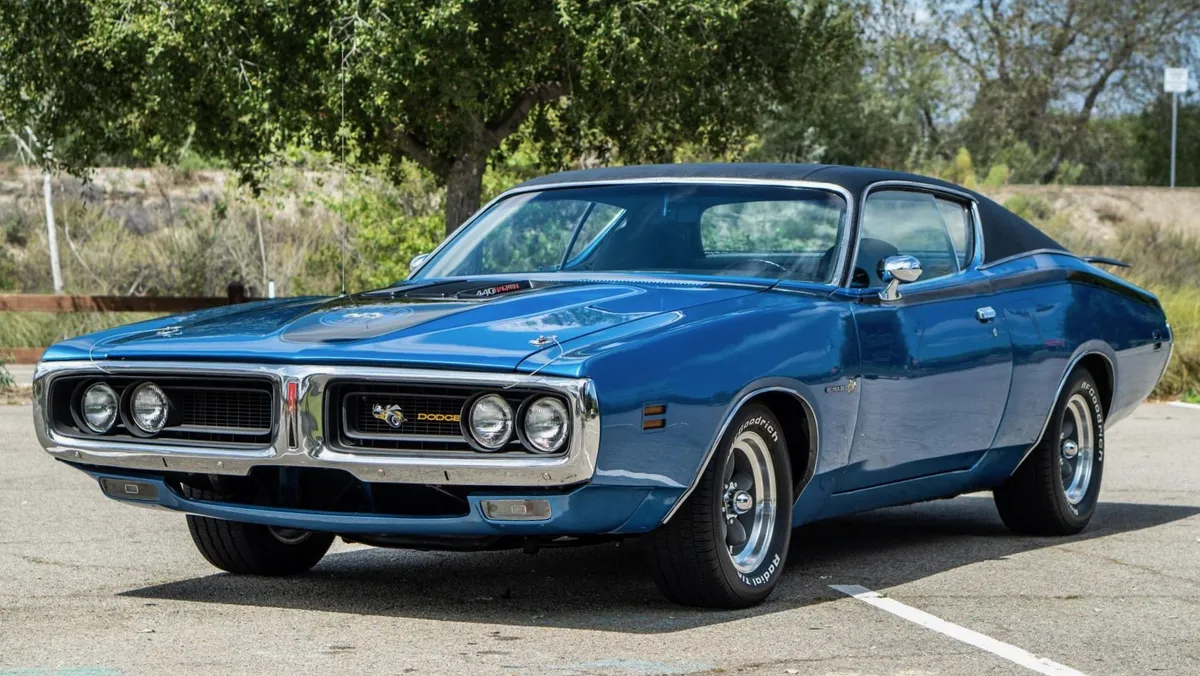
3. 1971 Dodge Charger Super Bee Hemi: A One-Year Mopar Rarity
The 1971 Dodge Charger Super Bee Hemi represents one of the rarest and most extreme factory muscle cars ever produced by Dodge, with only 22 examples built. As a one-year-only model and the final chapter of the Super Bee nameplate in the classic muscle car era, it occupies a special place in Mopar history.
The Super Bee name debuted on the Dodge Coronet in the late 1960s as a response to Plymouth’s Road Runner, offering stripped-down performance at a relatively affordable price. By 1971, however, Dodge shifted its B-body strategy. The Coronet moved primarily to four-door duty, and the Charger became Dodge’s main performance platform.
The redesigned 1971 Charger featured the new “fuselage” body style, which was wider, longer, and heavier than previous generations. Curb weight approached 4,000 pounds, and this added mass, combined with rising insurance costs and tightening emissions standards, sharply reduced demand for high-output engines.
Despite these challenges, Dodge continued to offer serious power. The standard engine was the 383 cubic inch V8, but buyers could upgrade to the legendary 426 cubic inch Hemi V8, rated at 425 horsepower and 490 lb-ft of torque. Only 22 customers chose this option, making the Hemi-powered Super Bee one of the rarest production muscle cars of the era. A 440 Six-Pack was also available, but the Hemi remained the ultimate expression of Mopar performance.
Performance was formidable. With massive torque and brutal acceleration, the Hemi Super Bee was capable of dominating street and strip alike, though fuel economy often dipped into single digits. This was a car built purely for speed and attitude, not practicality.
Styling played a major role in its appeal. The 1971 Charger Super Bee featured a distinctive blacked-out grille, aggressive hood scoops, unique side markers, and the iconic “bumblebee” rear stripe. Inside, the cabin focused on the driver, with performance gauges and simple trim, often paired with bench seating, though bucket seats and consoles were optional.
The 1971 model year marked the end of both the Hemi engine and the Super Bee name until its revival decades later. Today, the Charger Super Bee Hemi is among the most coveted Mopar collectibles, valued for its raw power, bold design, and extreme rarity.
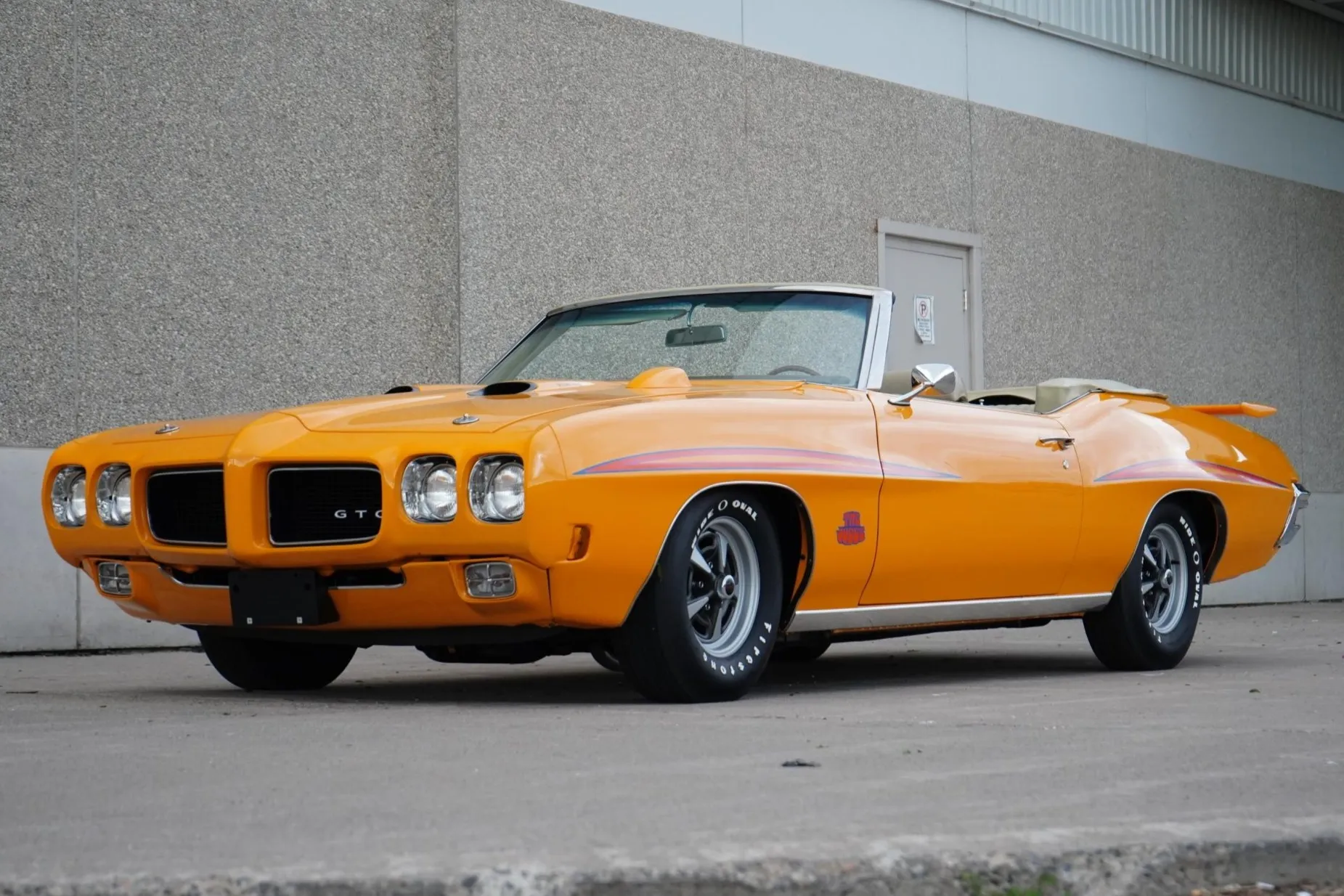
4. 1970–1971 Pontiac GTO Judge Convertible: The Ultimate Open-Top Muscle Icon
The 1970 and 1971 Pontiac GTO Judge Convertibles rank among the rarest and most desirable muscle cars ever produced, with just 17 examples built in each model year. While hardtop GTO Judges are already uncommon, the convertible versions represent an entirely different level of exclusivity, combining open-air driving with Pontiac’s most aggressive performance package.
In 1970, Pontiac offered the GTO Judge convertible with the formidable Ram Air IV engine, widely regarded as one of the most potent factory V8s of the era. This high-revving 400-based engine produced 370 horsepower and 445 lb-ft of torque, delivering strong acceleration and a raw, mechanical character that appealed to serious performance enthusiasts. Only 17 buyers selected this configuration, making it one of the rarest factory muscle car combinations ever offered.
For 1971, tightening emissions standards forced Pontiac to retire the Ram Air IV. In its place came the 455 High Output V8, which produced 335 horsepower and an impressive 480 lb-ft of torque. While down on peak horsepower compared to the 1970 engine, the 455 H.O. delivered massive low-end torque and effortless cruising power. Once again, production was limited to just 17 Judge convertibles, ensuring the 1971 models remained just as exclusive.
Styling was a major part of the Judge’s appeal. The 1970 redesign introduced a bold Endura front bumper with quad exposed headlights, a distinctive full-width rear spoiler, and aggressive body lines. The Judge package added colorful fender stripes, unique emblems, Rally II wheels, and a commanding stance that made the car instantly recognizable. With the top down, the convertible amplified the Judge’s visual drama and road presence.
Both model years offered a choice of automatic or four-speed manual transmissions, with manual cars being especially prized by collectors today. Inside, the cabin was functional and driver-focused, typical of early 1970s performance cars, prioritizing engagement over luxury.
Today, the 1970–1971 Pontiac GTO Judge Convertible is considered the pinnacle of classic GTO collectibility. Its combination of extreme rarity, legendary performance engines, bold styling, and open-top configuration has made it a blue-chip muscle car. For collectors, few vehicles better capture the spirit and excess of the golden muscle car era.
5. 1971 Pontiac GT-37 L75: The Ultimate Budget Muscle Sleeper
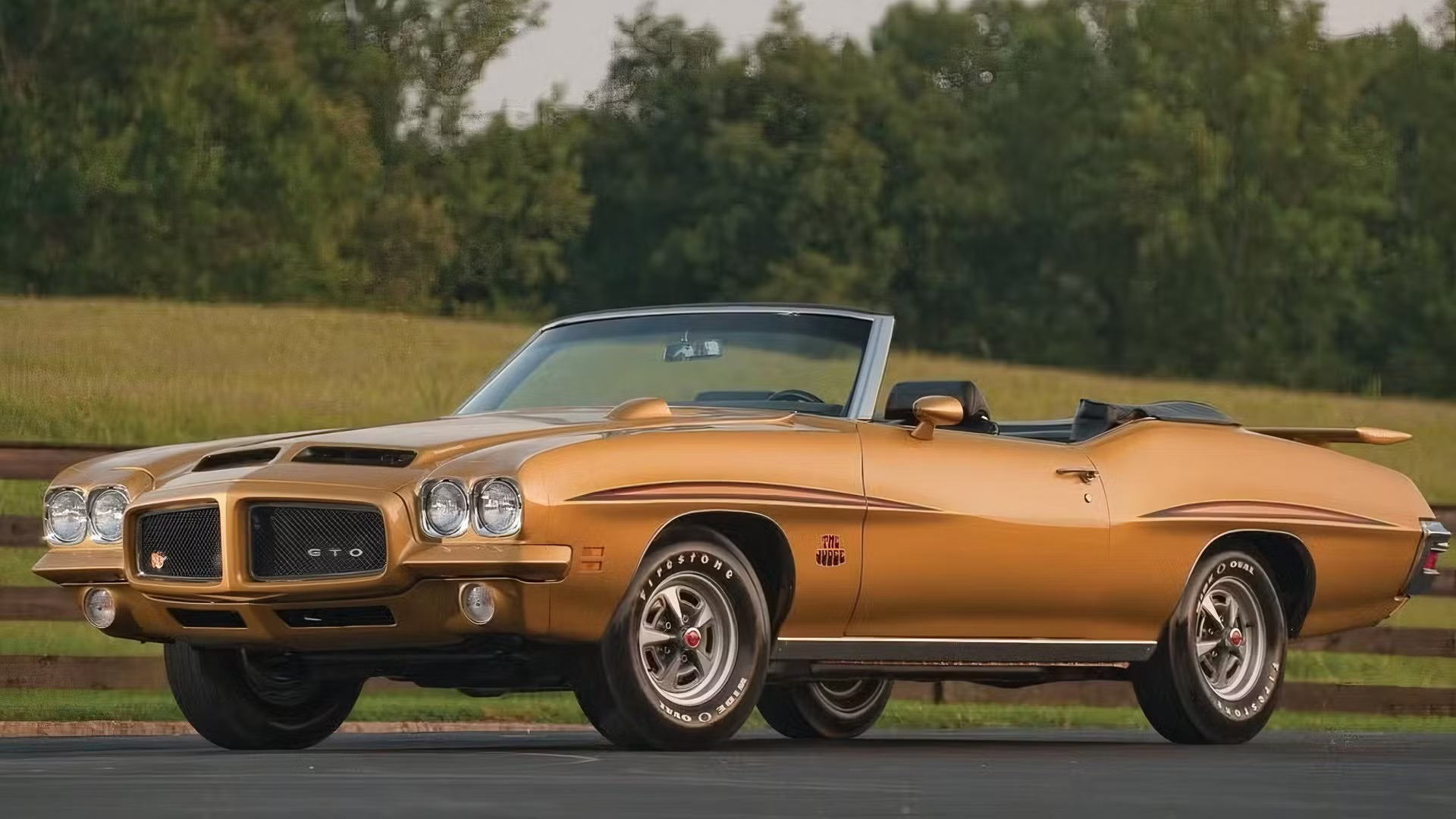
The 1971 Pontiac GT-37 L75 is one of the rarest and most overlooked muscle cars of the classic era, with only 15 examples produced. Created as a lower-cost alternative to the GTO, the GT-37 delivered serious performance in a lighter, more stripped-down package, making it a true sleeper among early 1970s muscle cars.
Pontiac introduced the GT-37 in 1970 as the performance version of the economical T-37, aiming to attract buyers who wanted GTO-style performance without the higher price tag or insurance costs.
By 1971, the GT-37 offered three engine choices, including 350, 400, and the range-topping L75 455 cubic inch V8. While total GT-37 production reached 5,802 units for 1971, just 15 buyers selected the L75 engine, instantly making it one of the most exclusive Pontiacs ever built.
The L75 455 V8 produced 325 horsepower and a massive 455 lb-ft of torque, delivering strong straight-line performance that rivaled many GTOs of the same period. With the right setup, the GT-37 could accelerate from 0 to 60 mph in around six seconds and run the quarter-mile in the low 14-second range. Buyers could choose from several transmissions, including a standard three-speed manual, an optional Muncie four-speed, or Turbo-Hydramatic automatic gearboxes.
Part of the GT-37’s appeal was its simplicity. Built on the lighter T-37 body, it featured fewer luxury options, which reduced both weight and cost. Performance upgrades included the GTO-style dual exhaust system, hood pins, Rally II wheels, and sport stripes that hinted at its capabilities without drawing excessive attention. This understated appearance helped cement its reputation as a sleeper.
Behind the wheel, the GT-37 delivered a raw, engaging driving experience. The lighter chassis and minimal insulation created a more direct connection between driver and machine, emphasizing torque and responsiveness over refinement.
Today, the 1971 Pontiac GT-37 L75 is a highly sought-after collector car due to its extreme rarity and authentic high-performance credentials. Well-documented examples command significant value, standing as proof that Pontiac could deliver big-block muscle in an affordable, no-frills package.
Also Read: 5 Cars for Mesa Daily Commuters vs 5 That Require Dealer-Only Service
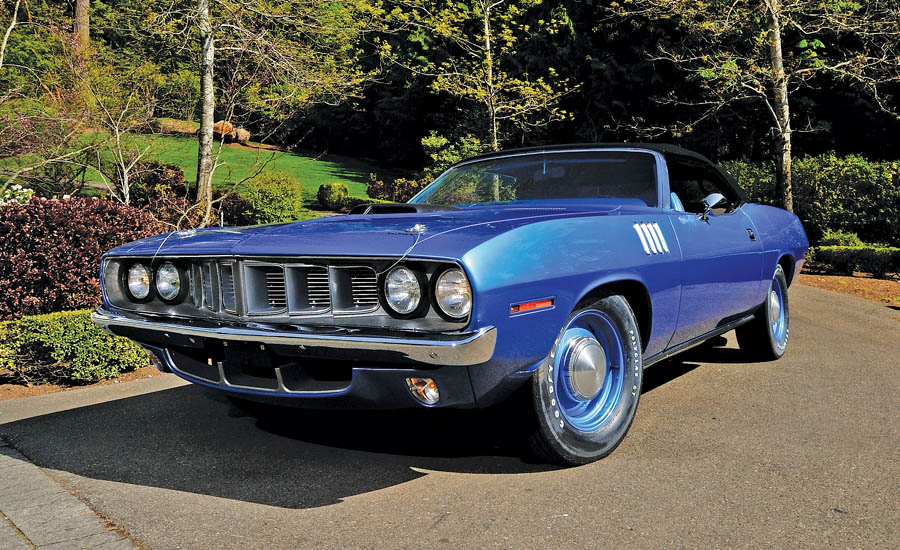
6. 1971 Plymouth Hemi ’Cuda Convertible: The Pinnacle of Mopar Muscle
The 1971 Plymouth Hemi ’Cuda Convertible stands as one of the most legendary and valuable muscle cars ever built. With only 12 examples produced, it represents the ultimate expression of Mopar performance at the height of the muscle car era and remains a near-mythical prize among collectors.
For 1971, Plymouth offered the fearsome 426 cubic inch Hemi V8 in the Barracuda-based ’Cuda, rating it at 425 horsepower and 490 lb-ft of torque under the SAE gross system. Although the industry transition to net horsepower ratings reduced the official figure to approximately 350 net horsepower, real-world performance remained ferocious. Of the 118 Hemi ’Cudas built that year, just 12 were convertibles, instantly elevating them to the highest tier of rarity.
The 1971 model year also introduced a dramatic styling refresh that many enthusiasts consider the best-looking ’Cuda ever made. Quad headlights, functional fender gills, and bold billboard-style quarter-panel graphics gave the car a more aggressive and modern appearance.
Optional features such as the Shaker hood scoop and performance stripes further emphasized its street-racing intent. After 1971, Plymouth dropped all big-block engine options from the ’Cuda lineup, making this model year the final chance to own a factory Hemi-powered convertible.
Driving a Hemi ’Cuda Convertible was a demanding experience. The massive engine delivered explosive acceleration but could overwhelm the chassis, particularly in open-top form.
Steering was heavy and imprecise, braking relied on drums rather than discs, and visibility was compromised by the long hood and wide body. In stock form, quarter-mile times typically fell in the low-to-mid 13-second range, but extracting that performance required skill and respect for the car’s raw nature.
When new, the Hemi ’Cuda Convertible was expensive, thirsty, and challenging to live with, limiting its appeal to hardcore enthusiasts. Today, those same traits contribute to its mystique. Its combination of extreme scarcity, iconic design, and legendary engine has pushed values into the multi-million-dollar range.
Now preserved rather than driven, the 1971 Plymouth Hemi ’Cuda Convertible remains a symbol of unrestrained American muscle and the definitive high-water mark of the Mopar performance era.
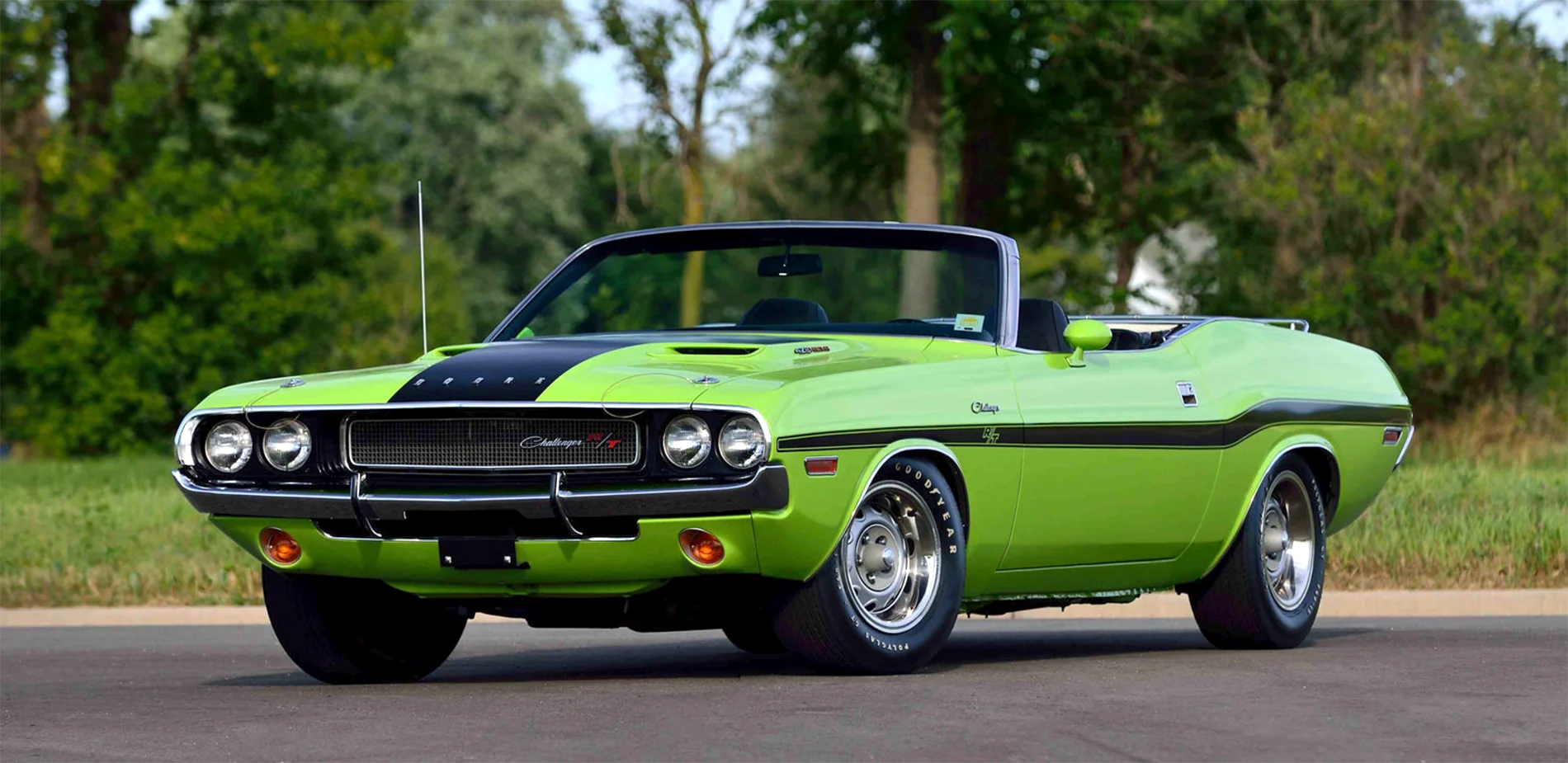
7. 1970 Dodge Challenger R/T Hemi Convertible: Mopar’s Ultimate Open-Top Rarity
The 1970 Dodge Challenger R/T Hemi Convertible stands as one of the most elusive and desirable muscle cars ever produced. While the Hemi ’Cuda convertible often dominates headlines, the Challenger R/T in the same configuration is even rarer.
For the 1970 model year, Dodge built more than 200 Hemi-powered Challenger coupes, yet only nine convertibles were equipped with the legendary 426 cubic inch Hemi V8, placing this car among the rarest factory muscle machines of all time.
Under the hood sat Chrysler’s iconic 426 Hemi, rated at 425 horsepower and 490 lb-ft of torque. This engine delivered explosive straight-line performance, with 0 to 60 mph times in the low six-second range and quarter-mile passes in the low 13s. The sound and fury of the Hemi defined the driving experience, producing immense power that demanded respect from the driver.
Paired with either a Torqueflite automatic or a four-speed manual transmission, the convertible offered both comfort and raw performance. Of the nine built, five were equipped with manual gearboxes and just four with automatics, making automatic examples even more scarce.
The Challenger R/T package included heavy-duty suspension components, performance brakes, and bold styling cues. Although handling was competent by the standards of the era, skinny factory tires meant the car excelled more in straight-line acceleration than in cornering finesse. Steering was heavy, the clutch required a firm leg in manual cars, and the driving experience was loud, physical, and immersive.
Visually, the 1970 Challenger remains one of the most admired muscle car designs. The long hood, short deck proportions, and wide stance gave it an undeniable presence. Convertible models amplified that appeal, especially when equipped with iconic options such as the N96 Shaker hood, Hurst Pistol Grip shifter, Rallye gauges, and vibrant High Impact colors like Hemi Orange or Plum Crazy. The signature rear stripe and aggressive badging completed the look.
Today, the 1970 Dodge Challenger R/T Hemi Convertible represents the absolute peak of Dodge’s muscle car era. Its combination of breathtaking performance, iconic design, and near-unmatched rarity has made it a blue-chip collectible and a lasting symbol of American muscle at its most extreme.
8. 1970 Plymouth Road Runner Hemi Convertible: The Ultimate Mopar Unicorn
The 1970 Plymouth Road Runner Hemi Convertible stands among the rarest and most mythical muscle cars ever built. While the Road Runner name was created as a budget-friendly performance car, this particular configuration represents the absolute opposite of mass production.
Out of 43,404 Road Runners built for 1970, 824 were convertibles, and only three of those were equipped with the legendary 426 cubic inch Hemi V8. That production figure alone places the Hemi Road Runner Convertible in a class of its own.
Under the hood was Chrysler’s famed Street Hemi, rated at 425 horsepower and 490 lb-ft of torque. Featuring hemispherical combustion chambers and dual four-barrel carburetors, the Hemi delivered explosive performance.
Period testing showed Hemi-powered Road Runners capable of sprinting from 0 to 60 mph in the mid-five-second range and completing the quarter-mile in the low 13s. Optional performance features, such as the Air Grabber hood scoop, enhanced both power delivery and visual drama by feeding cold air directly to the engine.
Despite its extraordinary performance, the Hemi Road Runner was never intended to be subtle. Styling emphasized boldness and fun, with aggressive graphics, a wide stance, and the iconic Road Runner decals. Many were finished in eye-catching High Impact colors such as Vitamin C, Lime Green, or Hemi Orange, often paired with a black convertible top. The result was a car that delivered instant presence whether parked or in motion.
Driving a 1970 Road Runner Hemi Convertible was an intense experience. Massive torque, tire-spinning acceleration, and a thunderous exhaust note defined its character. Handling and braking reflected the era, favoring straight-line performance over finesse, and fuel economy was predictably poor. Modern restorations often include upgrades such as disc brakes and improved steering to make these rare cars more usable while preserving their original character.
Today, the 1970 Plymouth Road Runner Hemi Convertible is regarded as a true Mopar unicorn. Its blend of extreme rarity, legendary engine, and iconic muscle car styling has made it one of the most valuable and sought-after American performance cars ever built. More artifact than automobile, it represents the peak of unrestrained muscle car excess.
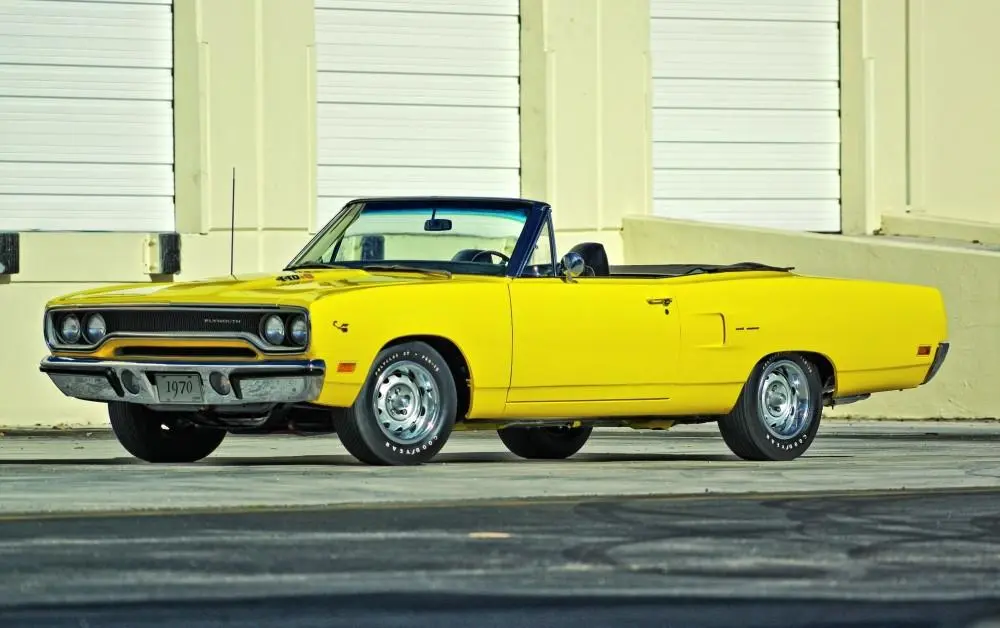
9. 1970 Dodge Coronet R/T Convertible: Mopar’s Ultra-Rare Muscle Cruiser
The 1970 Dodge Coronet R/T Convertible is one of the rarest American muscle cars ever produced, with only two units built equipped with the legendary 426 cubic inch Hemi V8. While other Mopar convertibles, such as the Road Runner or ’Cuda are highly prized, the Coronet R/T in Hemi form occupies a near-mythical status due to its extreme rarity, combining big-car comfort with raw, unbridled power.
The Coronet R/T was Dodge’s performance trim, offering a blend of luxury and speed. Most 1970 R/T convertibles were fitted with the 440 Magnum engine, rated at 375 horsepower and 480 lb-ft of torque, delivering strong straight-line performance with 0-60 mph times around six seconds and quarter-mile runs near 13.8 seconds.
Only the rare Hemi-equipped units pushed performance to the top tier, producing 425 horsepower and 490 lb-ft of torque, making them exceptional examples of Mopar engineering. Transmissions included the standard Torqueflite automatic or an optional four-speed manual, while heavy-duty suspension components provided the necessary support for the massive V8s, though handling favored straight-line muscle over cornering finesse.
Visually, the 1970 Coronet R/T Convertible made a strong statement. The redesign introduced a split grille, faux fender scoops, and full-width taillights that distinguished the R/T from other Dodge models. Inside, bucket seats were standard, emphasizing a driver-focused experience, and the cabin offered comfort uncommon for many muscle cars of the era, making it suitable for both spirited runs and cruising.
Driving a Coronet R/T Hemi Convertible is an intense experience. The V8 produces a deep, commanding exhaust note, and acceleration is forceful and direct. Its size and weight give it a commanding road presence, while the convertible top adds visual drama, amplifying the car’s street appeal.
Today, the 1970 Dodge Coronet R/T Convertible is highly coveted by collectors. Its combination of extreme scarcity, legendary engine, distinctive styling, and authentic muscle car character makes it a museum-quality collectible. With only two Hemi examples known to exist, it is regarded as one of the rarest and most desirable Mopar convertibles of the classic muscle era, embodying the ultimate fusion of power, style, and exclusivity.
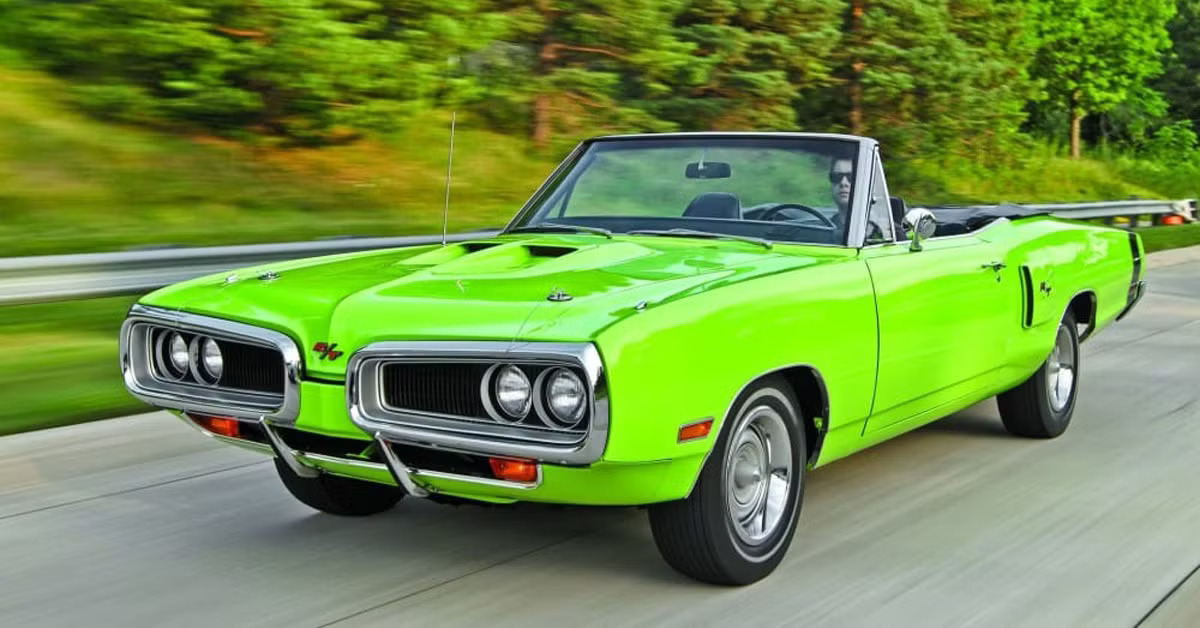
10. 1970 Chevrolet Nova LT-1 COPO: The Ultimate Canadian Muscle Mini
The 1970 Chevrolet Nova LT-1 COPO, often called the Yenko Deuce, is one of the rarest and most sought-after compact muscle cars ever produced. While Don Yenko’s famous Nova LT-1s are well known, a lesser-known variant was built for Canada’s premier performance dealer, Central Chevrolet-Oldsmobile in London, Ontario.
Of the ten LT-1 Novas ordered by Central Chevy, only two were delivered, one green and one silver. The green model was reportedly lost over the years, leaving a single surviving silver example that received Yenko modifications. This extreme scarcity immediately places the Nova LT-1 COPO among the most collectible small muscle cars.
Under the hood, the Nova LT-1 featured a high-compression 350 cubic inch LT-1 V8 producing 360 horsepower and 370 lb-ft of torque. The engine used solid lifters and an aluminum intake, delivering near big-block performance in a compact, lightweight package. Buyers could choose between a Muncie M21 four-speed manual or a TH400 automatic transmission.
A 12-bolt rear end with 4.10 gears and posi-traction provided impressive traction. The F41 sport suspension enhanced handling, giving the car agility and balance uncommon for small muscle cars of the era. With slick tires, the Nova LT-1 could achieve low 13-second quarter-mile times, rivaling larger and heavier cars.
Driving the Nova LT-1 COPO was a raw and demanding experience. Steering was unassisted, throttle response was aggressive, and drum brakes required careful modulation, rewarding skilled drivers with a very mechanical connection to the car. The minimalist interior with rubber mats and a bench seat reduced weight and reinforced the car’s performance-focused character.
The Nova LT-1 COPO also solved an early 1970s insurance challenge. By placing near big-block power into a small chassis, it delivered thrilling performance while avoiding the high insurance costs that accompanied larger muscle cars.
Today, this single surviving example of the Canadian COPO Nova is a highly prized collector’s car. Its rarity, lightweight construction, and potent LT-1 engine make it a blue-chip muscle car. Well-documented examples often command prices well over six figures. The 1970 Nova LT-1 COPO represents the peak of the “mini musclecar” concept, offering intense performance in a small and agile package.
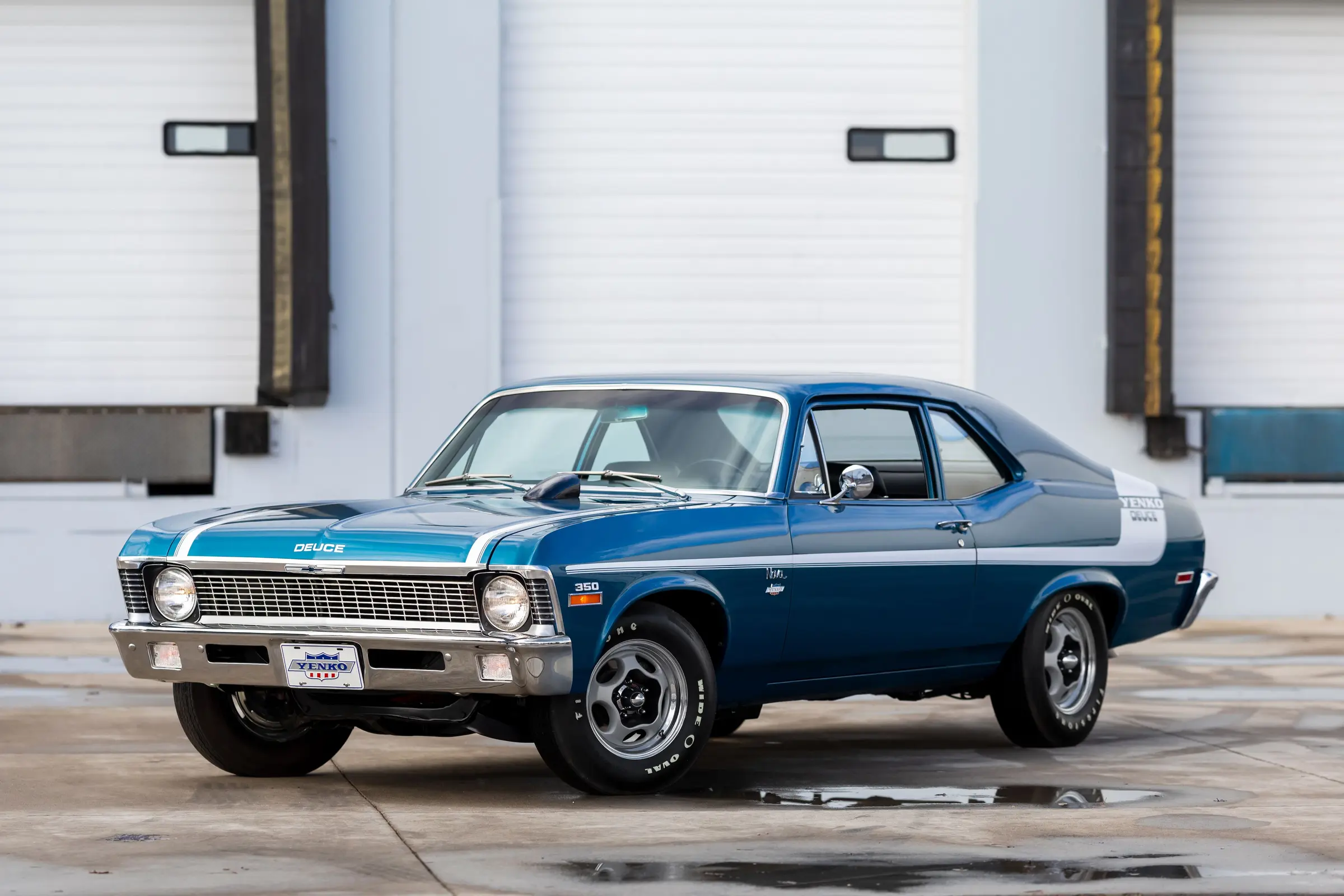
These 10 ultra-rare muscle cars represent the pinnacle of 1970s performance and exclusivity. From the torque-rich Buick GSX to the Canadian Yenko Nova LT-1 COPO, each car captures a unique facet of the muscle car era, from raw power and aggressive styling to open-top thrills and sleeper performance machines.
Their extreme rarity, combined with historically significant engines and performance packages, makes them highly prized among collectors and enthusiasts alike. Beyond their specifications, these vehicles serve as symbols of a time when American automakers boldly redefined performance, style, and excitement on the streets.
Owning or even seeing one of these machines today is a direct connection to the peak of muscle car culture, preserving the spirit of innovation, power, and individuality that defined the 1970s.
Also Read: 5 Cars for Oakland Urban Commuters vs 5 That Are High-Maintenance
