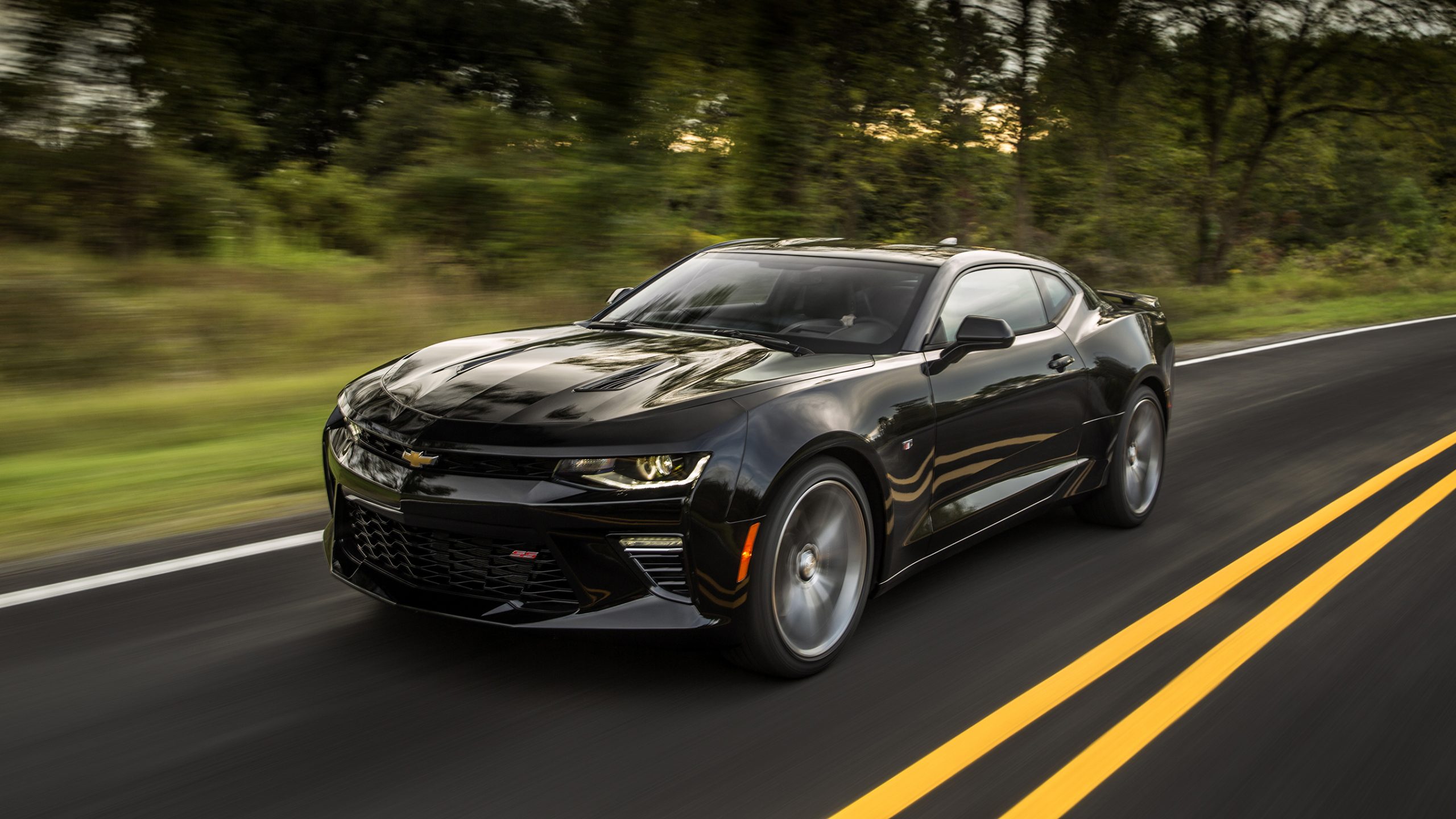
Driving around Knoxville means dealing with steady climbs, rolling hills, and winding backroads. Not every car handles these conditions well. Some vehicles pull strongly uphill with good engines, strong cooling systems, and stable handling. Others slow down, overheat easily, or feel unsteady when climbing. Below is a simple comparison of five cars that handle Knoxville’s hilly roads with confidence and five that often struggle on steep routes.
5 Cars That Perform Well on Knoxville’s Hills
1)Toyota 4Runner
The Toyota 4Runner is a strong and dependable SUV made for tough roads and steep hills. Many drivers choose it because it feels powerful, steady, and confident even when the terrain becomes rough. Its design focuses on durability, making it a trusted option for uphill driving.
At the heart of the 4Runner is its strong V6 engine, which gives smooth but firm power on long climbs. This engine does not struggle easily, and it keeps pushing forward even when the road gets steep. Drivers appreciate how the SUV maintains speed without extra effort.
The 4Runner uses a body-on-frame design, which is the same structure used in many trucks. This design helps the SUV stay firm when driving over rocks, uneven surfaces, or twisting mountain paths. It also reduces shaking, giving passengers a safer and more stable ride.
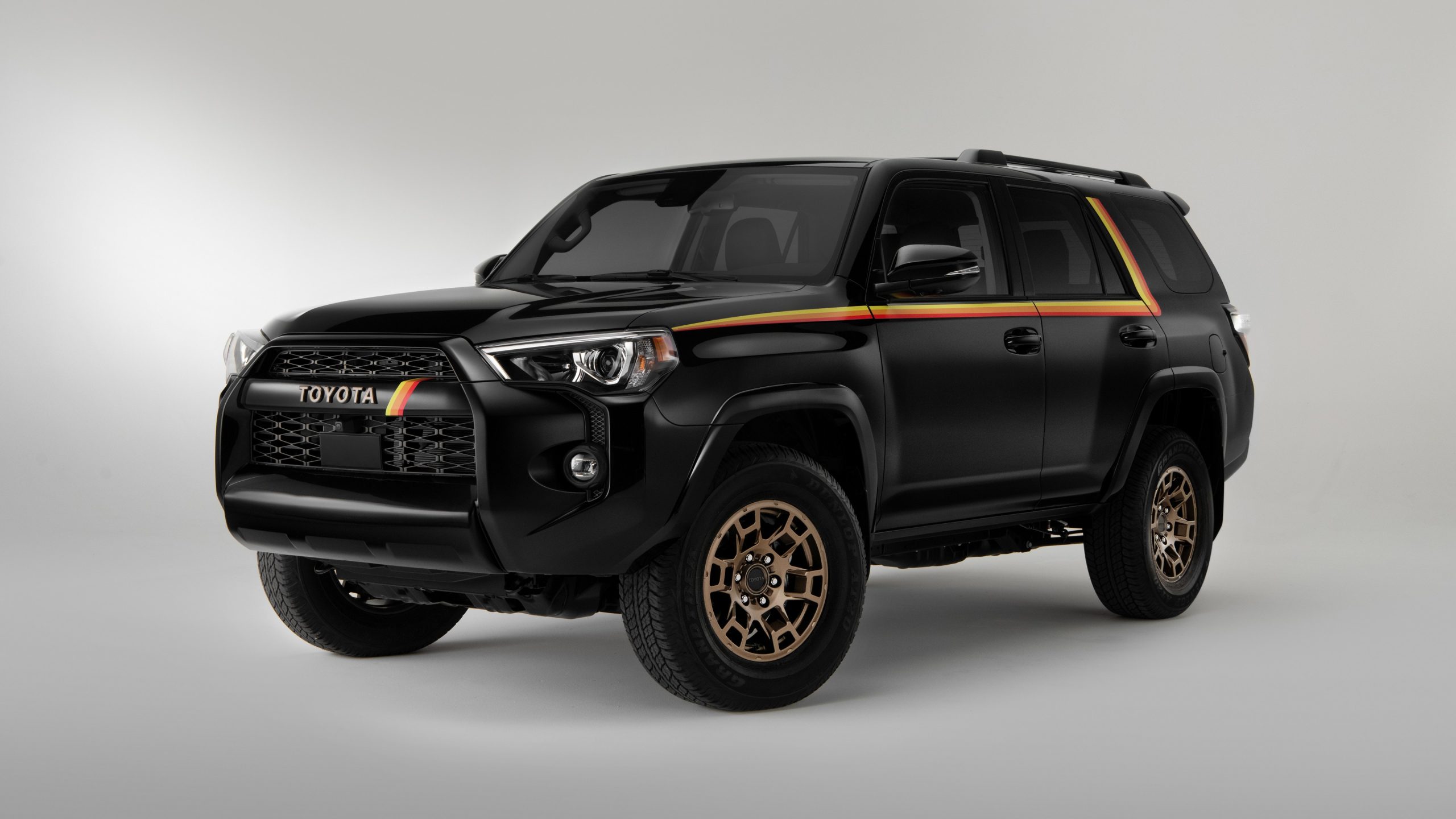
One of the strongest points of the 4Runner is its excellent cooling system. When driving uphill, engines often get hot because they work harder. The 4Runner manages heat well and stays cool even during long uphill drives, making it very reliable for drivers in hilly areas.
The suspension system in the 4Runner is built to handle bumps and dips without losing control. This makes the SUV comfortable on mountain roads, where sudden changes in height are common. The smooth suspension also helps keep the wheels in contact with the ground.
Traction is another important part of uphill driving, and the 4Runner does well with its available four-wheel-drive system. This system helps the tires grip the road better, especially on wet, loose, or slippery hills. It gives drivers confidence in changing weather and terrain.
Inside, the 4Runner offers a simple but practical interior that supports long trips into the hills. The seats are comfortable, visibility is clear, and the controls are easy to reach. Drivers appreciate how the cabin feels safe and stable during challenging climbs.
2)Subaru Outback
The Subaru Outback is known for its smooth performance on hilly roads and uneven ground. Many drivers choose it because it feels stable, balanced, and easy to control. Its smart design and strong all-wheel-drive system make it a dependable choice for uphill driving.
One of the Outback’s biggest strengths is its standard all-wheel-drive system, which gives great traction on steep or slippery hills. The system automatically adjusts power between the wheels, helping the SUV stay steady even during rain, snow, or loose gravel climbs.
The Outback comes with either a four-cylinder or a stronger six-cylinder engine, both designed to deliver consistent power on long inclines. These engines do not lose strength easily, and they help the vehicle maintain speed without putting too much stress on the system.
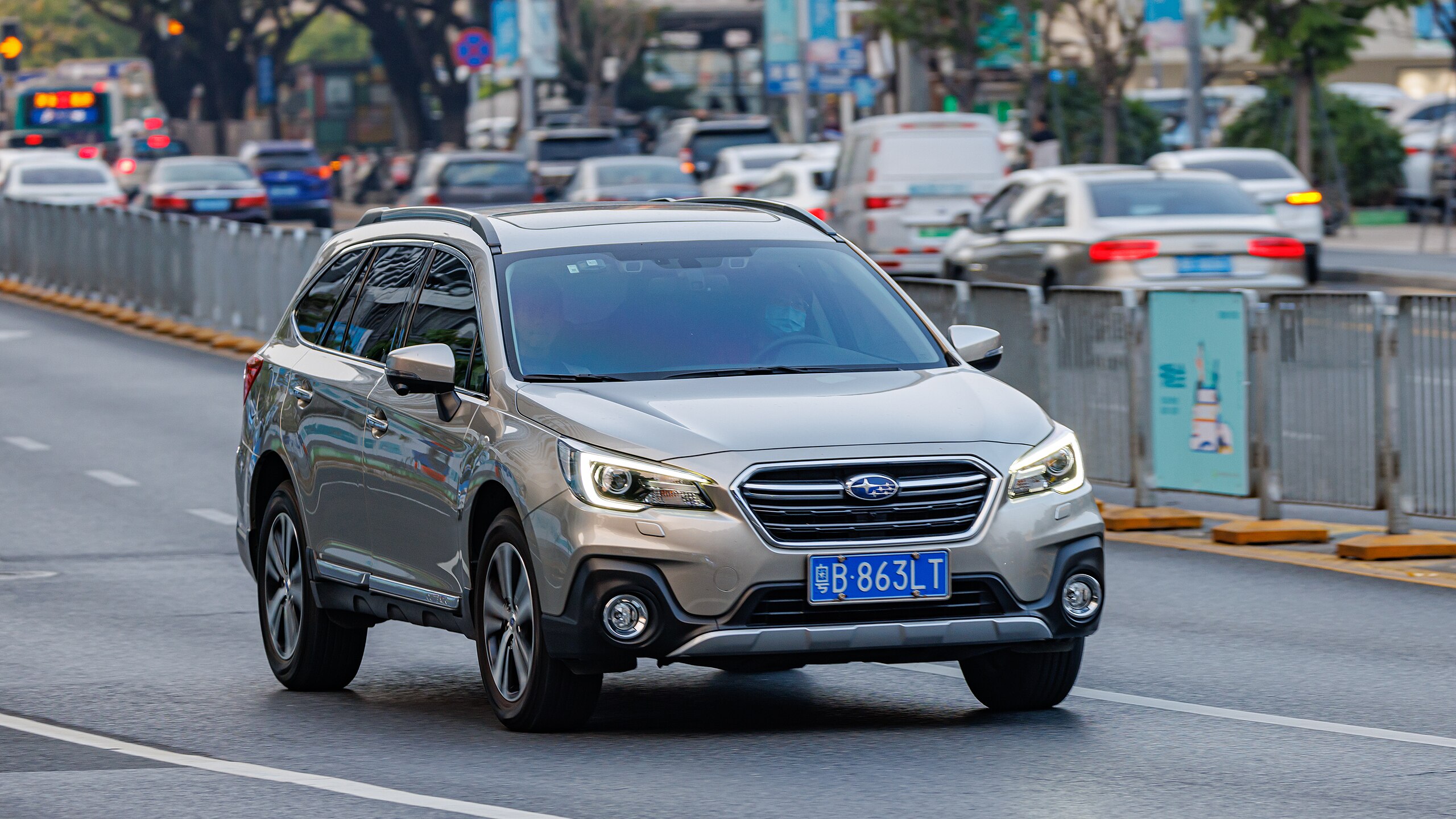
Its suspension system is soft enough to absorb bumps but firm enough to keep the SUV stable on twisting mountain roads. This balance makes the Outback comfortable during long uphill drives, especially on roads with sudden turns, dips, and uneven surfaces.
The Outback also has a low center of gravity because of its flat “boxer” engine design. This helps the SUV stay planted on sharp turns and reduces body roll. Drivers feel more confident when climbing hills that have tight curves and narrow paths.
Fuel efficiency is another useful advantage. Even while climbing, the Outback uses fuel wisely compared to many larger SUVs. This makes long trips through mountain areas easier on both the driver and the budget, especially when the road constantly goes up and down.
Safety features like hill descent control, hill start assist, and advanced stability systems help the Outback stay secure on uneven ground. These features support the driver when starting on steep slopes or handling sharp downhill sections after long climbs.
3)Honda CR-V
The Honda CR-V is a popular compact SUV known for its smooth driving and dependable performance on hilly roads. Many drivers choose it because it feels light, responsive, and comfortable while still offering enough power to handle long or steep climbs with ease.
The CR-V comes with a turbocharged engine that provides strong acceleration without needing too much effort. This engine helps the SUV maintain steady speed during uphill drives. Even when the road becomes steep, the CR-V does not feel strained or slow to respond.
One of the biggest advantages of the CR-V is its continuously variable transmission, which adjusts smoothly to different driving conditions. This helps the engine stay in the right power range, making uphill climbs easier and preventing unnecessary stress on the vehicle.
The CR-V also has a well-balanced suspension system that absorbs bumps while keeping the SUV stable. On winding or uneven hill roads, the suspension helps maintain control and comfort. Drivers appreciate how the vehicle handles curves without feeling too soft or too stiff.
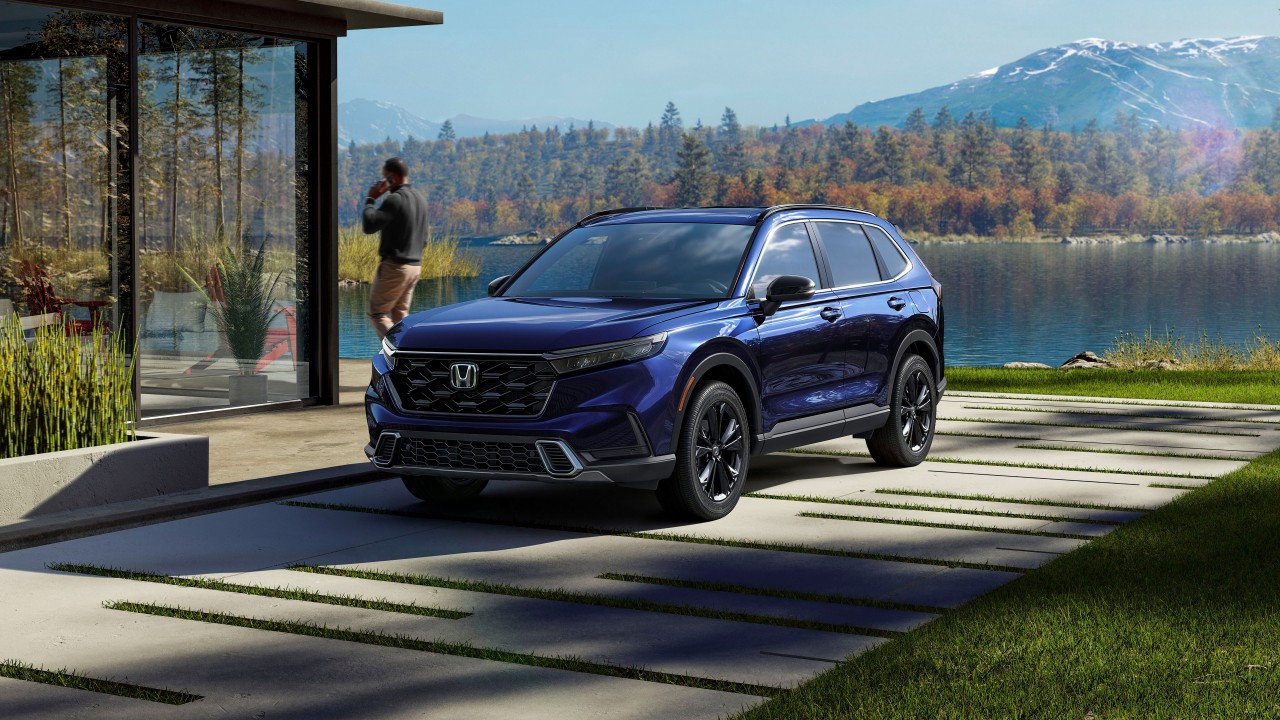
Many models come with all-wheel drive, which improves traction on wet, slippery, or loose uphill surfaces. This is useful during rainy weather or when driving on rural roads with gravel or mud. The system gives the CR-V extra grip and reduces wheel slip.
The cooling system in the CR-V is designed to handle extended climbing without overheating. Even when driving slowly uphill in traffic, the engine stays calm and efficient. This makes the SUV reliable for people who regularly travel through steep routes or mountain areas.
Inside, the CR-V offers a spacious and comfortable cabin with good visibility. Drivers can see the road clearly, which is helpful on sharp inclines or tight curves. The seats provide good support, making long uphill journeys more relaxing for both the driver and passengers.
Fuel efficiency is another advantage of the CR-V. Even with a turbo engine and all-wheel drive, it uses fuel smartly during climbs. This makes it a good choice for people who want a strong hill performer without losing too much mileage.
4)Jeep Grand Cherokee
The Jeep Grand Cherokee is a powerful SUV known for its strong performance on hills, mountains, and rough terrain. Many drivers choose it because it offers a mix of comfort, stability, and strength, making it a great choice for long or steep uphill drives.
The Grand Cherokee comes with engines that produce high torque, which is very helpful on steep climbs. Whether using the V6 or a stronger V8, the SUV pulls smoothly uphill without losing power. This strong torque makes climbing feel easy and controlled.
Its advanced four-wheel-drive systems give excellent traction on slippery or uneven hills. These systems distribute power to the wheels that need it most, helping the SUV stay steady on loose gravel, wet pavement, or steep dirt paths. This improves safety and confidence on climbs.
The SUV’s suspension is designed to handle both comfort and tough terrain. It absorbs bumps while keeping the vehicle stable during sudden changes in incline. Drivers feel secure because the Grand Cherokee does not bounce or tilt too much on hilly roads.
Another useful feature is the selectable driving modes, which adjust performance for snow, sand, mud, or rocky hills. These modes help the SUV adapt to different uphill conditions. They also allow the driver to use the right settings for every slope or surface.
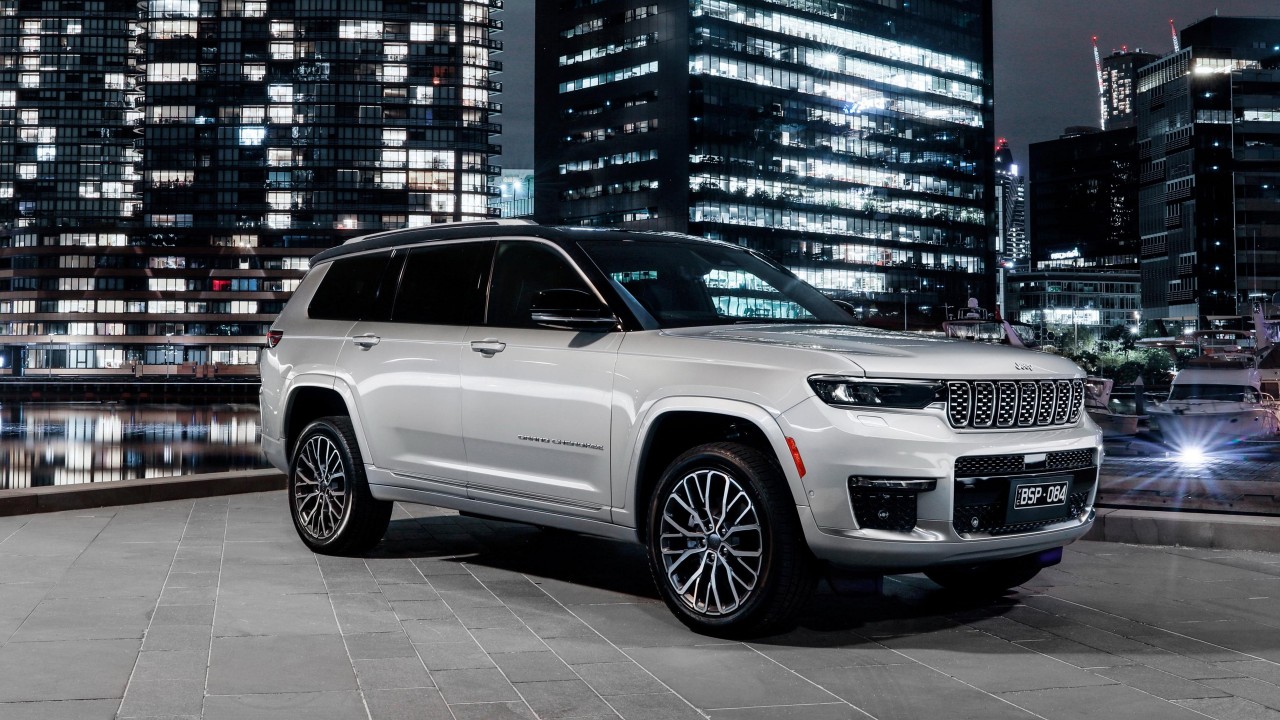
The cooling system in the Grand Cherokee is strong enough to support long hill climbs without overheating. Even when towing or carrying heavy loads, the engine stays steady. This makes it reliable for people who travel through areas with long or frequent inclines.
Inside, the Grand Cherokee offers a comfortable and quiet cabin with good visibility. Drivers can clearly see the road ahead, which is important on sharp turns or narrow hillside paths. The seats provide strong support, reducing fatigue during long uphill trips.
The SUV also includes safety features like hill start assist and hill descent control. Hill start assist prevents rolling backward on steep slopes, while hill descent control helps manage speed on the way down. These features make hilly travel safer and easier.
5)Ford F-150
The Ford F-150 is one of the most trusted trucks for uphill and rough-terrain driving. It offers strong power, dependable cooling, and a stable ride, making it an excellent choice for people who often drive through hilly areas or tow heavy loads uphill.
The F-150 comes with powerful V6 and V8 engine options, both designed to handle steep climbs with ease. These engines produce a lot of torque at low speeds, which helps the truck move uphill smoothly without slowing down or struggling, even when fully loaded.
Its strong transmission works closely with the engine to deliver steady power during climbs. The truck shifts smoothly and stays in the right gear, preventing unwanted jerks or loss of speed. This makes long uphill routes feel easier and more controlled for the driver.
The F-150’s body and suspension are built to stay stable on uneven ground. The suspension absorbs bumps while keeping the truck balanced on twisting hill roads. Drivers feel confident because the truck does not sway too much, even on sharp or steep turns.
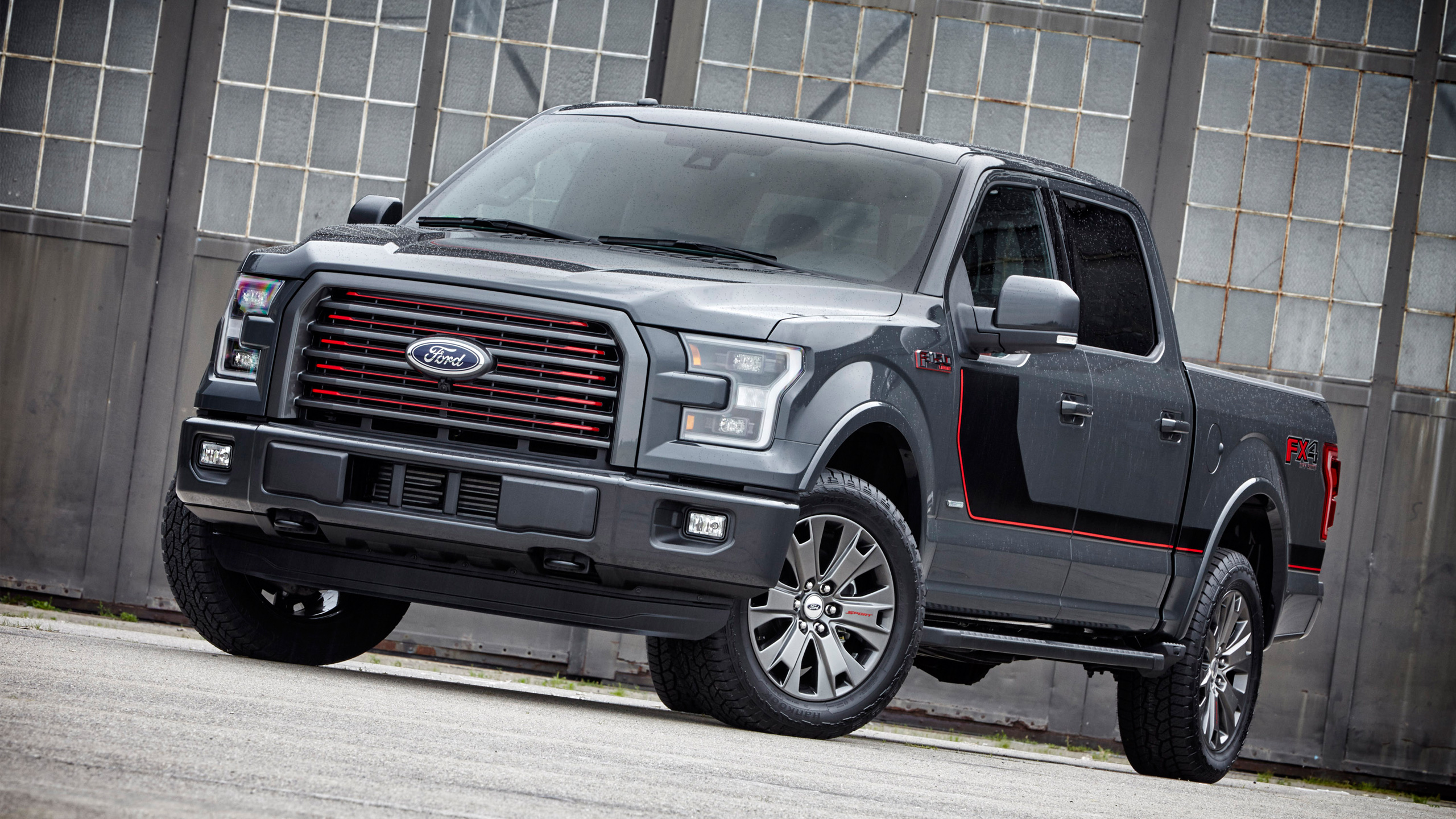
Many F-150 models offer four-wheel drive, which improves traction on loose, muddy, or slippery hills. This system ensures the truck keeps moving forward even when the ground becomes difficult. It is especially helpful on rural or mountain roads with unpredictable surfaces.
The truck also has an excellent cooling system that protects the engine during long climbs. Even when towing trailers or carrying heavy cargo, the F-150 stays cool and steady. This reliability makes it a top choice for work, travel, and mountain driving.
Inside the cabin, the F-150 provides a comfortable and spacious interior. The seats offer strong support during long trips, and the high driving position gives a clear view of the road. Good visibility helps drivers react quickly on steep or narrow hill paths.
Modern safety features like hill start assist and trailer control help the driver stay steady during uphill movement. Hill start assist prevents the truck from rolling backward, while trailer control keeps loads stable, making steep climbs safer and easier to manage.
6)Nissan Versa
The Nissan Versa is a small and fuel-efficient car made mainly for city driving. While it works well on flat roads and daily commutes, it often struggles on long or steep hills. Its small engine and light design make uphill driving more difficult than in larger cars.
The Versa’s engine produces limited power, which becomes clear during uphill climbs. When the road gets steep, the engine must work much harder to maintain speed. This can make the car feel slow, especially when carrying passengers or luggage. Drivers often notice delayed acceleration.
Its continuously variable transmission tries to adjust to the incline, but it sometimes creates a loud and strained sound. The transmission keeps the engine at high RPM during climbs, which can feel uncomfortable. This also makes the car less responsive on sharp uphill turns.
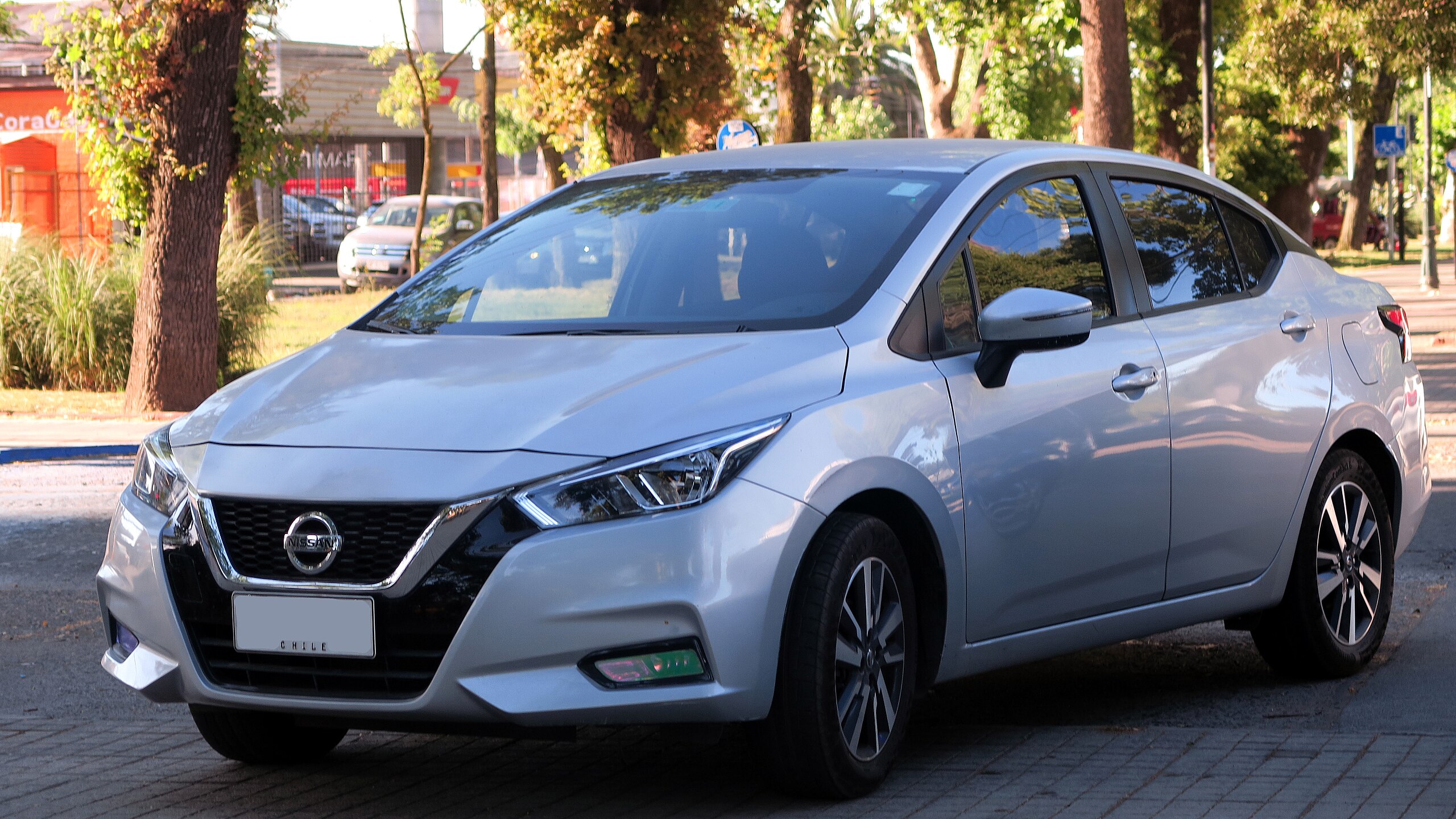
Because the Versa is a lightweight car, it loses momentum quickly when the road angle increases. On long highway climbs, the car may slow down even when the driver presses the accelerator harder. This can be frustrating, especially when merging uphill with faster traffic.
The cooling system in the Versa is designed for normal driving, not heavy uphill strain. During long climbs, the engine may heat up faster, which could affect performance. While not dangerous, it reduces confidence for drivers who frequently travel through hilly or mountain areas.
Traction is another challenge. The Versa usually comes with front-wheel drive, which is fine for flat roads but not ideal for steep or slippery hills. When the road is wet or uneven, the front wheels may slip, causing the car to struggle and lose stability.
7)Toyota Yaris
The Toyota Yaris is a small and reliable car mainly designed for city driving and short daily trips. While it offers good fuel economy and easy handling on flat roads, it often struggles on steep hills because of its limited engine power and lightweight structure.
The Yaris usually comes with a small four-cylinder engine that works well in traffic but lacks strong torque for uphill climbs. When the road gets steep, the engine must work harder, causing slower acceleration and making the car feel strained during long uphill drives.
Its transmission system also faces challenges on inclines. The Yaris needs frequent downshifting to maintain speed, which can make the ride feel jerky. On sharp or long hills, the transmission may hold high RPMs, creating noise and reducing comfort for both driver and passengers.
Because the Yaris is a very lightweight car, it loses momentum quickly when climbing. Even a mild incline can slow the vehicle down, especially when carrying passengers or cargo. This lack of pulling strength becomes more noticeable on highways with long, uphill sections.
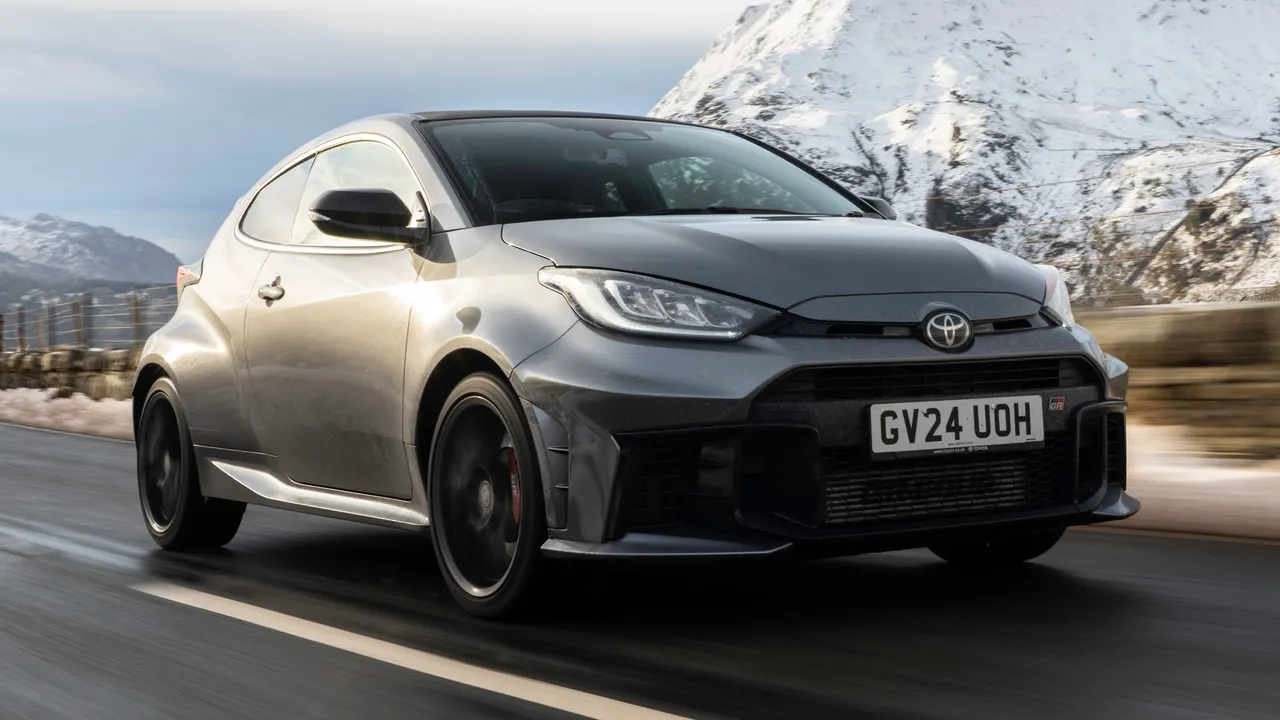
The cooling system in the Yaris is designed for light driving conditions. On steep hills, the engine works harder and heats up faster. While the car does not usually overheat, the extra heat can reduce performance and make the vehicle feel less capable on long climbs.
Traction is another limitation. Since the Yaris uses front-wheel drive, the wheels may slip on wet, dusty, or uneven uphill roads. This wheel spin can make starting on a slope difficult, especially when the surface is slippery or the incline is steep.
Inside the cabin, the Yaris remains quiet on flat roads, but uphill driving increases noise as the engine and transmission work harder. Passengers may feel the vehicle vibrate slightly during steep climbs, making the ride less comfortable on mountain routes.
Fuel efficiency is one of the Yaris’s strongest features, but it drops when driving uphill. The engine must burn more fuel to overcome gravity, which reduces mileage. For drivers in hilly areas, this means the Yaris may not stay as economical as expected.
8)Chevrolet Spark
The Chevrolet Spark is a small, budget-friendly car designed mainly for city driving and short daily routes. While it is easy to park and very fuel-efficient, it often struggles on steep hills because of its small engine and light build.
The Spark uses a compact engine that provides enough power for flat roads but lacks the strength needed for climbing. When the road becomes steep, the engine must work extremely hard to maintain speed, making acceleration slow and causing the car to feel weak.
Its transmission also faces difficulty on hills. The Spark often shifts repeatedly while climbing, creating a jumpy or uneven driving feeling. This constant shifting happens because the transmission tries to find enough power, but the engine does not deliver strong torque for inclines.
Because the Spark is one of the lightest cars on the road, it loses momentum very quickly on hills. Even small inclines can slow it down, especially when carrying passengers. On long uphill highways, the car may struggle to keep up with faster traffic.
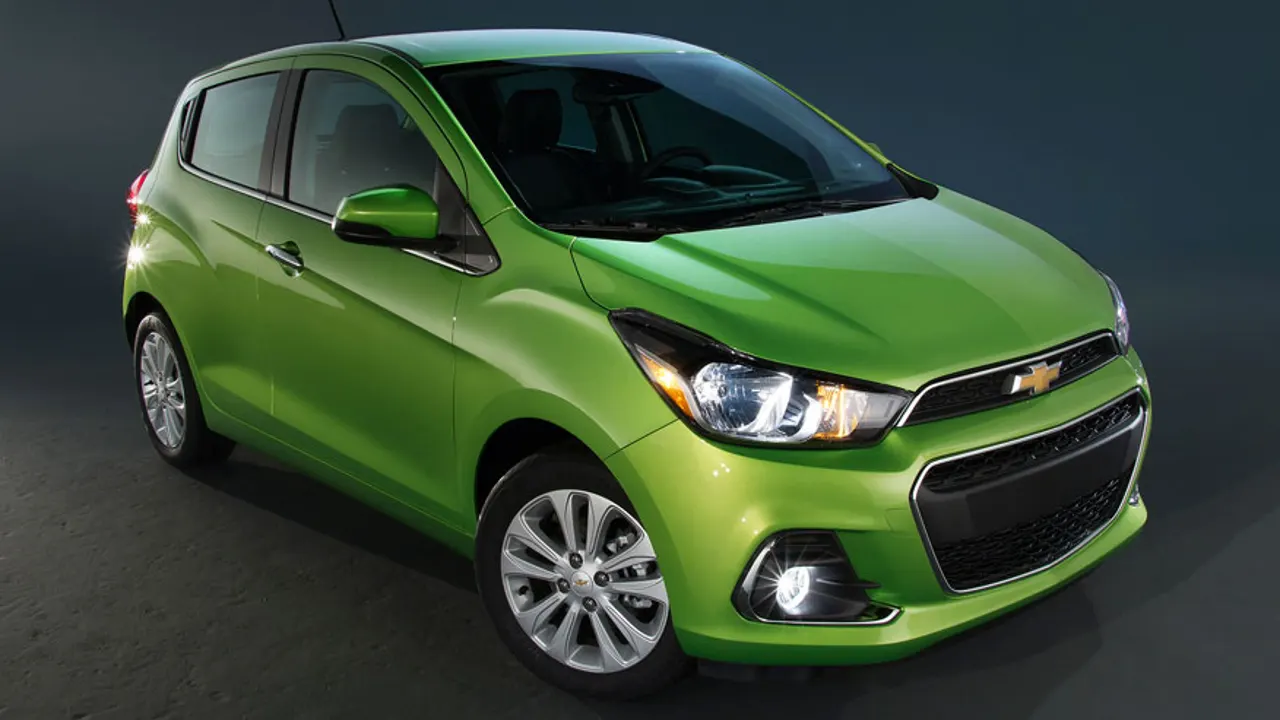
The cooling system works well for normal city speeds, but long uphill drives push the engine harder. This added strain can lead to higher temperatures and reduced performance. While serious overheating is rare, the engine does feel stressed during extended climbs.
Fuel economy, one of the Spark’s best features, drops noticeably during uphill travel. The engine burns more fuel to fight gravity, which reduces the efficiency that the car is known for. This makes it less ideal for people who drive through hills daily.
9)Hyundai Accent
The Hyundai Accent is a small and dependable car made mainly for daily city driving. It offers good fuel economy and simple handling, but it often struggles on steep hills. Its engine power and lightweight design make uphill driving harder compared to larger or stronger vehicles.
The Accent usually comes with a modest four-cylinder engine that performs well on flat roads but lacks strong torque for climbing. When the road becomes steep, the engine must push harder, causing slower acceleration. Drivers often notice the car losing speed during long uphill stretches.
The transmission also works harder on inclines. It needs frequent downshifting to maintain momentum, which can make the ride feel uneven. On very steep hills, the transmission may stay in high RPMs for long periods, creating noise and reducing driving comfort.
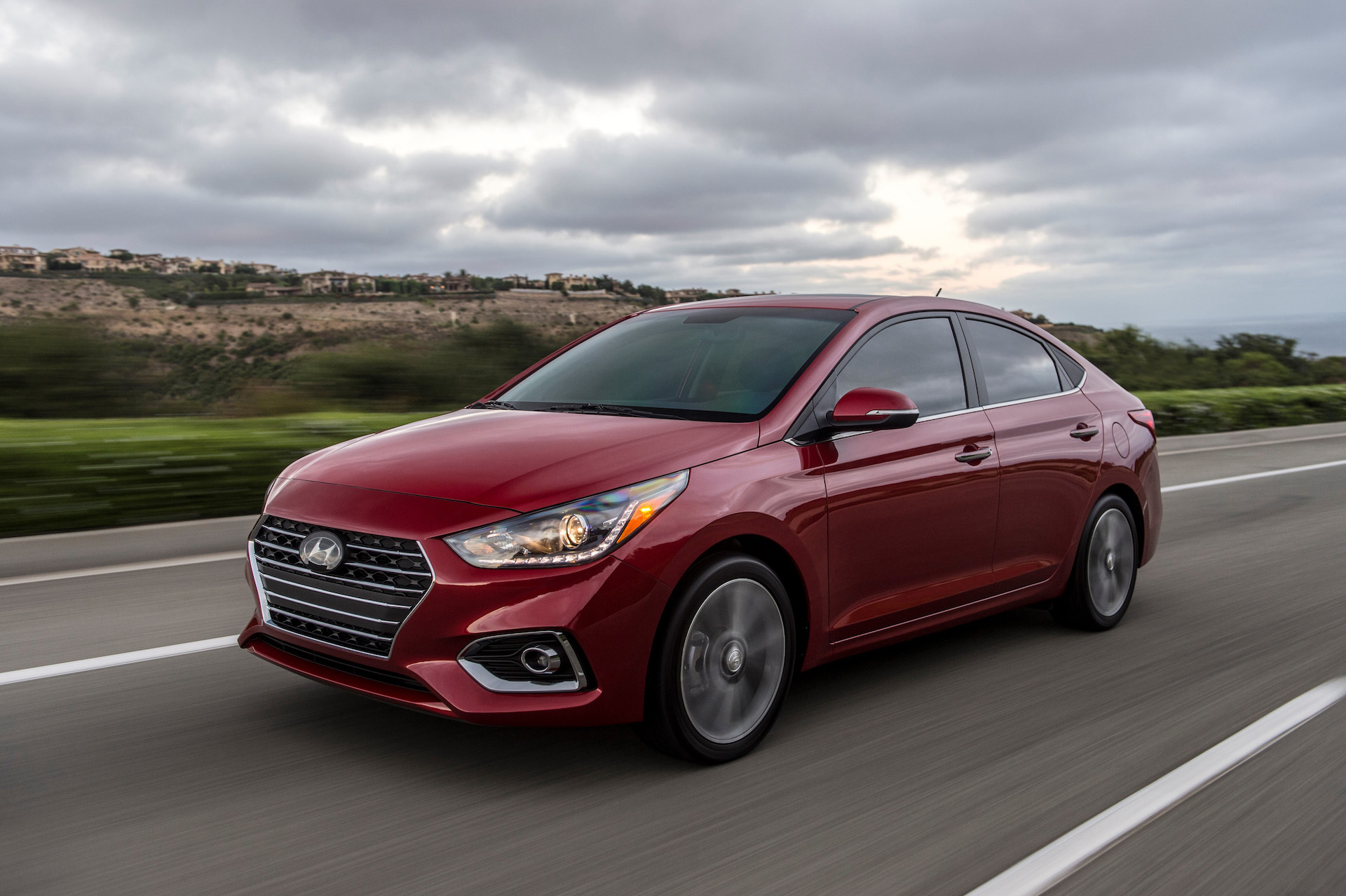
Because the Accent is a lightweight car, it does not carry momentum well while climbing. Even gentle hills can slow it down, especially when the car is full of passengers or luggage. This makes merging onto uphill highways or passing other vehicles more difficult.
Traction is also limited. With front-wheel drive and small tires, the Accent may slip on wet or sandy slopes. Starting from a complete stop on a steep incline can feel challenging, especially during rain, because the tires do not grip the road strongly enough.
10)Kia Rio
The Kia Rio is a small, fuel-efficient car that performs well in city traffic and on flat roads. However, it often struggles on steep or long hills because it has a modest engine, limited torque, and a lightweight body that reduces its uphill strength.
Its transmission also faces challenges on climbs. The Rio often needs to downshift to keep moving uphill, which can make the ride feel jumpy. At high RPMs, the engine becomes loud, and the car loses smoothness, especially on sharp or continuous inclines.
Because it is a very lightweight car, the Rio loses momentum quickly on uphill roads. Even mild slopes can cause a noticeable drop in speed, particularly when carrying passengers or cargo. This makes highway merging or passing on uphill sections more difficult for drivers.
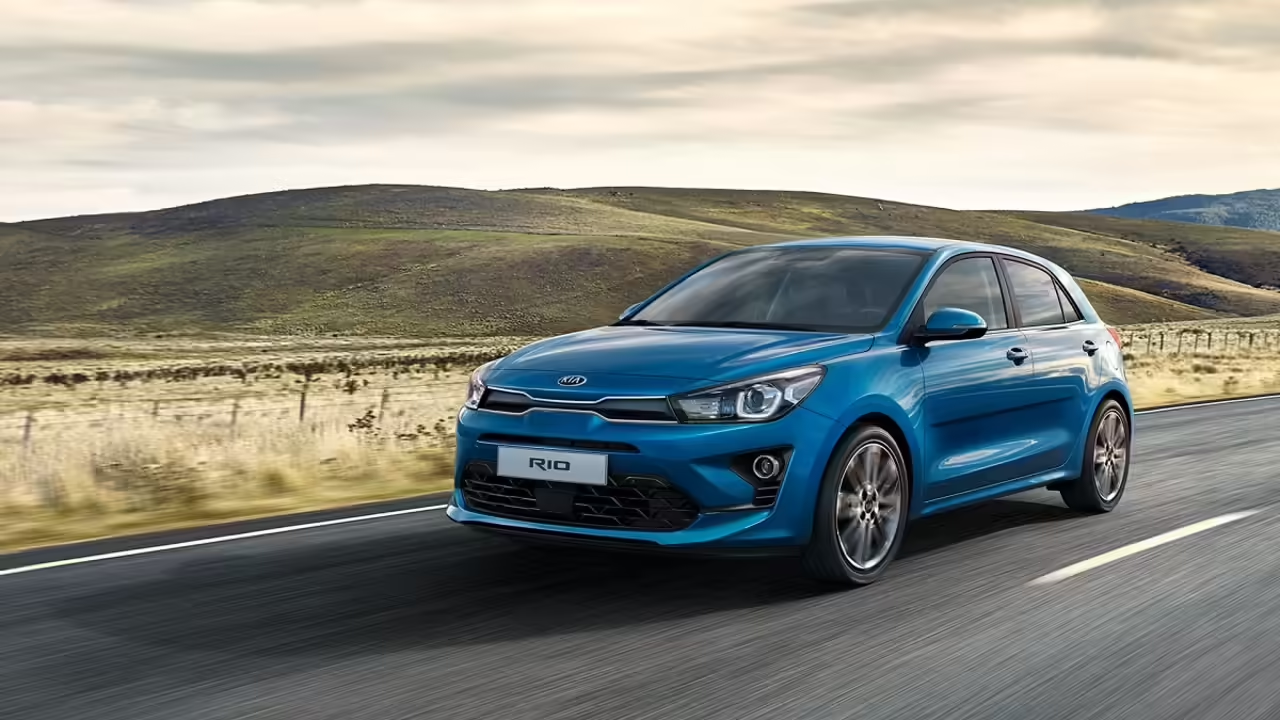
The cooling system works well under normal driving conditions, but long climbs can make the engine heat up faster. While overheating is rare, the car may feel weak or noisy when pushed hard on steep hills, reducing confidence for drivers in mountainous regions.
Inside the cabin, the Rio stays quiet on flat roads, but the engine becomes much louder when climbing hills. Passengers may feel slight vibrations as the car struggles for power. This makes long uphill journeys less comfortable for everyone in the vehicle.
Fuel efficiency is one of the Rio’s best features, but it drops during uphill travel. The engine burns more fuel to overcome the incline, lowering the mileage that many buyers expect. This can make hill driving more costly over time.