
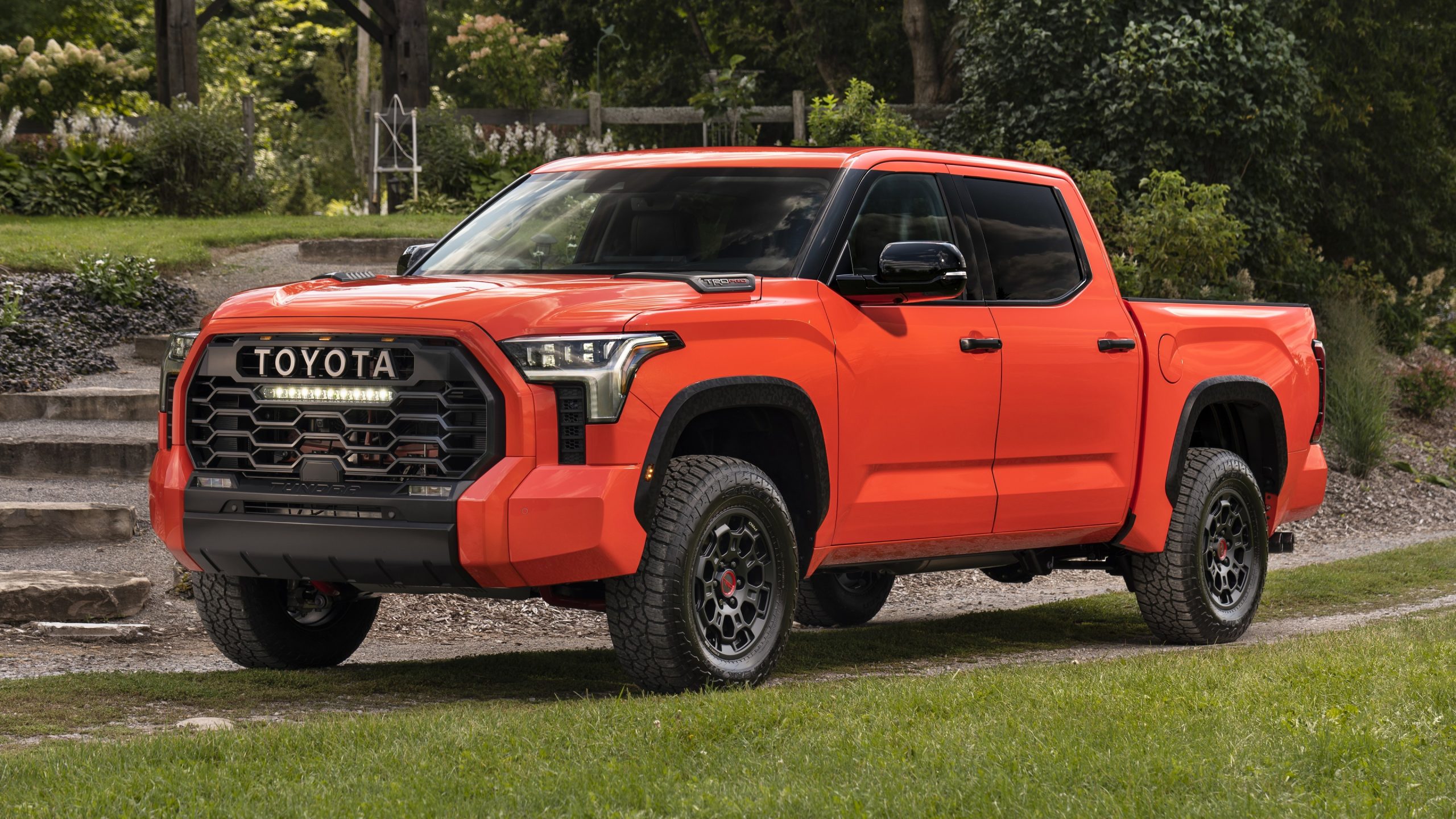
In an era where new pickup trucks routinely exceed $50,000 and can easily climb into six-figure territory with all the bells and whistles, finding an affordable, reliable workhorse seems like an impossible dream.
Yet scattered across used car lots, online marketplaces, and rural driveways across America, there exists a special breed of pickup trucks that defy the odds. These are the survivors the models that refuse to quit no matter how many miles they’ve accumulated or how many years have passed since they rolled off the assembly line.
What makes these trucks legendary isn’t just their low purchase price, though that’s certainly part of their appeal. It’s their almost supernatural ability to keep running despite minimal maintenance, harsh working conditions, and the kind of neglect that would send most modern vehicles to the scrapyard.
These are the trucks you see still hauling loads at construction sites, serving as farm workhorses, and reliably starting up every morning in driveways across the country.
From Japanese imports known for their bulletproof reliability to American classics built in an era when trucks were designed to be repaired rather than replaced, these ten models represent the best of budget-friendly durability.
Whether you’re a contractor looking for an affordable work vehicle, a homeowner needing occasional hauling capacity, or simply someone who appreciates vehicles that deliver honest value, these trucks offer something increasingly rare in today’s automotive market: dependable transportation that won’t break the bank.
1. Toyota Tacoma (1995-2004, First Generation)
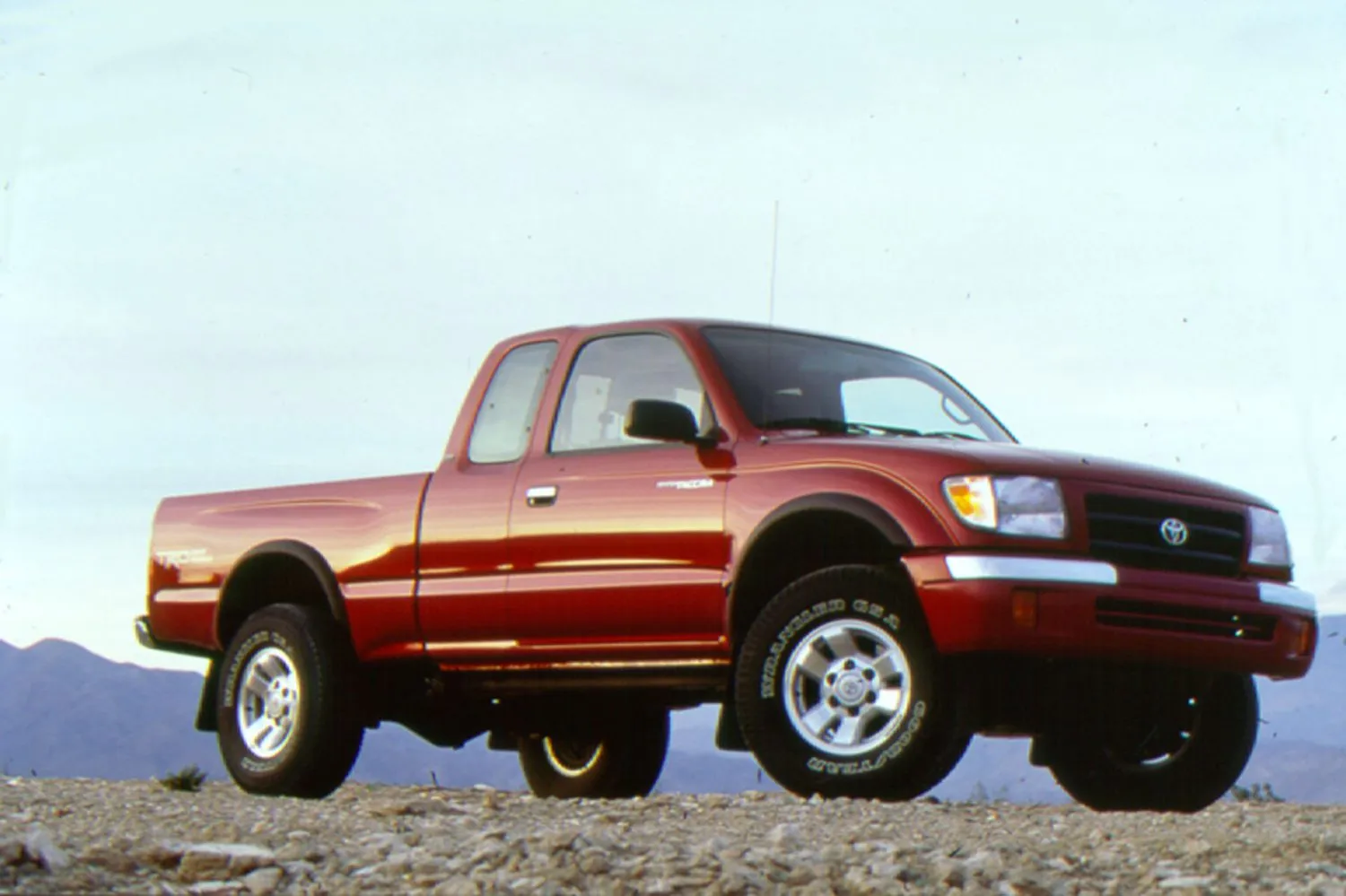
The first-generation Toyota Tacoma has achieved almost mythical status in the used truck market, and for good reason. These compact pickups have demonstrated a level of reliability that borders on the absurd, with examples regularly surpassing 300,000 miles with nothing more than routine maintenance.
Built during an era when Toyota’s reputation for bulletproof engineering was at its peak, the Tacoma inherited the legendary dependability of its predecessor, the Toyota Pickup, and somehow managed to improve upon it.
What makes these Tacomas particularly attractive in 2025 is their combination of affordability and longevity. While clean examples with lower mileage can still command respectable prices, high-mileage work trucks are available for surprisingly reasonable sums often between $3,000 and $8,000 depending on condition and location.
The 2.4-liter four-cylinder and 2.7-liter four-cylinder engines are nearly indestructible, while the optional 3.4-liter V6 provides more power without sacrificing much reliability.
The mechanical simplicity of these trucks is a significant advantage. Without the complex electronic systems found in modern vehicles, there’s simply less that can go wrong.
When something does break, parts are abundant and affordable, and repairs are straightforward enough that even moderately skilled DIY mechanics can handle most issues. The rust resistance of the frames (post-recall models) is exceptional, particularly compared to domestic competitors from the same era.
Perhaps most impressive is the passionate community surrounding these trucks. Online forums are filled with owners sharing maintenance tips, modification advice, and testimonials about trucks that simply won’t quit.
This community support makes ownership even more attractive, as solutions to any problem are usually just a quick internet search away. In 2025, the first-generation Tacoma remains the gold standard for budget-conscious buyers seeking a truck that will reliably serve for years to come.
2. Ford Ranger (1993-2011)
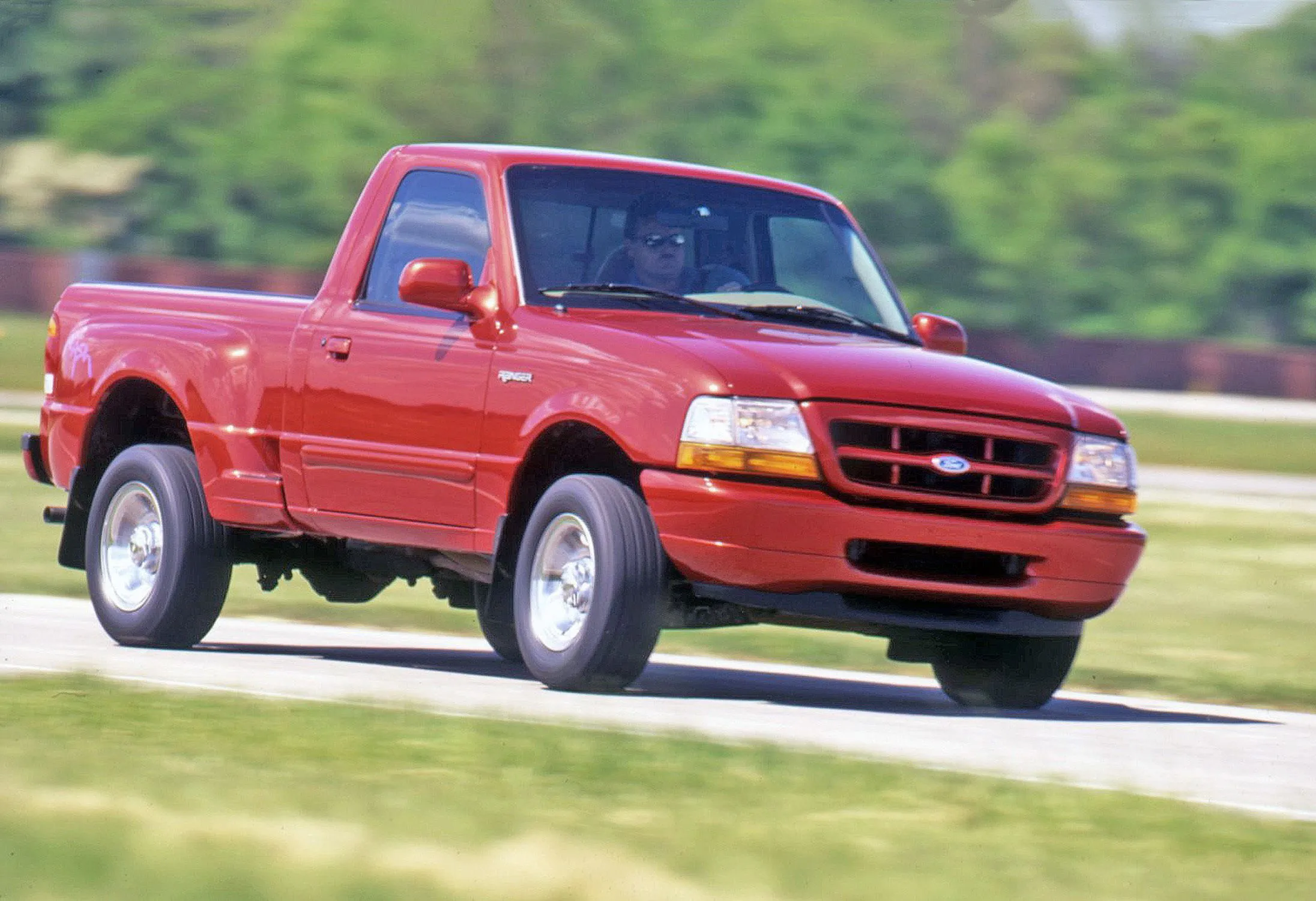
The Ford Ranger holds the distinction of being America’s best-selling compact pickup for much of its production run, and examining the used market quickly reveals why.
These trucks combined traditional American truck toughness with surprising fuel efficiency and affordability, creating a package that appealed to everyone from small business owners to weekend warriors. In 2025, the Ranger remains one of the most common sights at work sites and in rural areas, a testament to their durability and utility.
The Ranger’s longevity stems from its relatively simple mechanical design and the use of proven powertrains. The 2.3-liter four-cylinder engine, while not particularly powerful, is remarkably durable and can easily exceed 250,000 miles with basic maintenance.
The 3.0-liter V6 offers more capability without sacrificing much reliability, though the 4.0-liter V6 introduced in 1990 and refined throughout the 1990s and 2000s is perhaps the sweet spot providing genuine truck capability while maintaining reasonable fuel economy.
Purchase prices for these Rangers vary widely based on condition, mileage, and configuration. Basic two-wheel-drive models with high mileage can be found for as little as $2,500 to $5,000, while cleaner four-wheel-drive examples might range from $5,000 to $10,000.
This accessibility makes them particularly attractive to first-time truck buyers, young people needing affordable transportation, or anyone requiring a dedicated work vehicle without the financial burden of a newer truck.
The Ranger’s compact size is both a strength and a limitation. The bed is smaller than full-size trucks, but adequate for most homeowner and light commercial needs.
The interior is cramped by modern standards, but functional. The ride quality is truck-like meaning harsh by car standards but honest and predictable. These aren’t luxury vehicles, but they never pretended to be.
Common problems are generally minor: the manual transmission’s clutch slave cylinder can fail, some models experience issues with the timing chain tensioners, and rust can be a concern in salt-belt states.
However, these issues are well-known and relatively inexpensive to address. Parts availability is excellent due to the long production run and high sales numbers, and the aftermarket support is robust.
The Ranger’s four-wheel-drive system, when properly maintained, is reliable and capable. While not as sophisticated as modern systems, it’s effective for most off-road situations and winter driving. The manual locking hubs on some models add another layer of simplicity and reliability, eliminating electronic components that could fail.
3. Chevrolet Silverado 1500 (1999-2007, GMT800)
The GMT800-generation Silverado represents General Motors at its best, delivering a full-size truck that balances capability, comfort, and durability in a package that remains affordable on the used market.
These trucks were built during a golden era for GM’s truck division, before the brand’s bankruptcy and subsequent restructuring. The result is a vehicle that can still be found working hard on job sites and farms across America, often with odometers showing numbers that would have retired lesser vehicles.
What sets the GMT800 Silverado apart is the variety of configurations available and the robustness of its construction. From basic work truck models to well-equipped LT and LTZ versions, buyers can find examples to suit nearly any need and budget.
The Vortec engines particularly the 4.8-liter V8, 5.3-liter V8, and 6.0-liter V8 have proven to be remarkably durable powerplants. The 5.3-liter strikes an excellent balance between power and fuel economy, and examples with over 300,000 miles are not uncommon.
Pricing on these trucks remains surprisingly accessible considering their capability. Basic work truck models with higher mileage can be found in the $4,000 to $8,000 range, while nicer examples with more features might command $8,000 to $15,000.
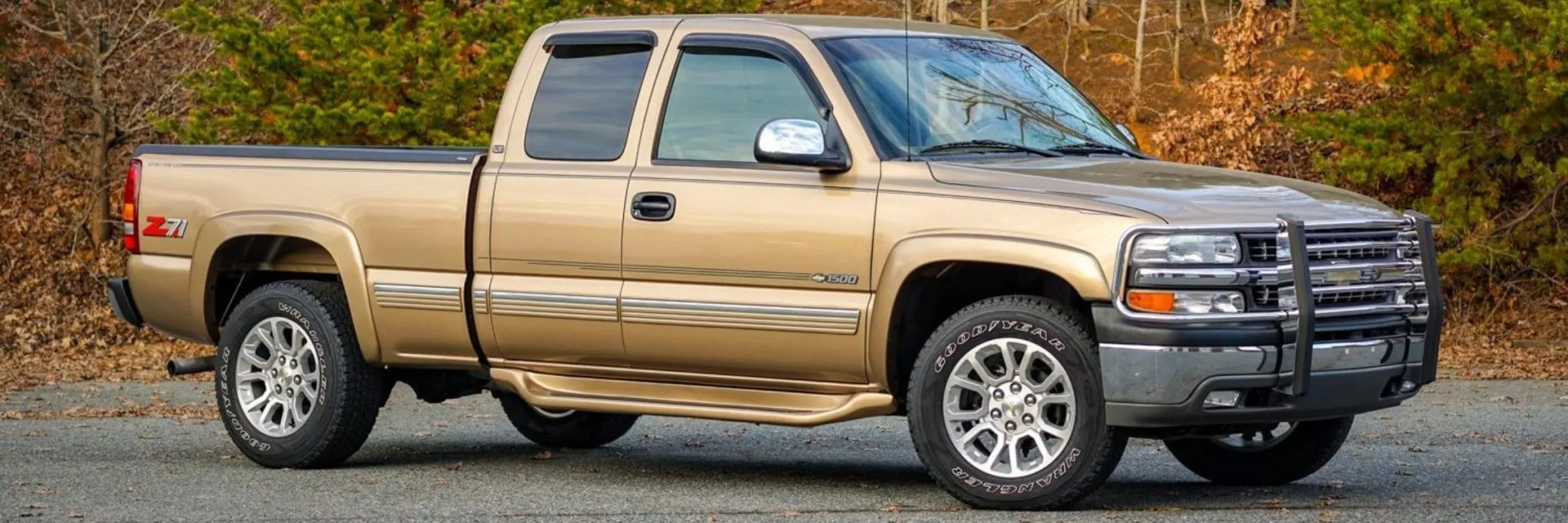
This represents exceptional value for a full-size truck with genuine towing capacity (often 8,000+ pounds when properly equipped) and a spacious interior. The GMT800’s interior, while dated by 2025 standards, was well-designed for its era.
The controls are intuitive, the seating position is commanding, and the extended cab and crew cab models offer surprisingly good rear-seat space.
The build quality, while not luxury-grade, has held up reasonably well, and most examples show wear consistent with their age rather than premature failure.
The truck’s towing and hauling capabilities remain impressive. The strong frame, capable suspension, and powerful engines mean these trucks can handle serious work.
The available four-wheel-drive system is reliable and effective, utilizing a traditional two-speed transfer case that’s simple to use and maintain.
For anyone needing a full-size truck’s capability without the staggering cost of a newer model, the GMT800 Silverado represents one of the best values in the used market.
4. Nissan Frontier (1998-2004, First Generation)
The first-generation Nissan Frontier often flies under the radar in discussions of reliable used trucks, overshadowed by its Toyota competitor. However, this relative obscurity actually works in buyers’ favor, as Frontiers typically sell for less than equivalent Tacomas despite offering comparable reliability and capability.
Built during an era when Nissan’s truck division was producing exceptionally durable vehicles, the Frontier has proven itself as a legitimate long-term ownership proposition.
The heart of the Frontier’s reliability is its powertrain. The 2.4-liter four-cylinder engine, while not particularly exciting, is virtually bulletproof.
The 3.3-liter V6 option provides significantly more power and maintains excellent reliability, making it the preferred choice for buyers who need genuine capability. Both engines are known for running well past 200,000 miles with nothing more than routine maintenance oil changes, spark plugs, and timing belt replacement at appropriate intervals.
In the current used market, Frontiers represent exceptional value. Examples can often be found $1,000 to $3,000 cheaper than equivalent Tacomas with similar mileage and condition.
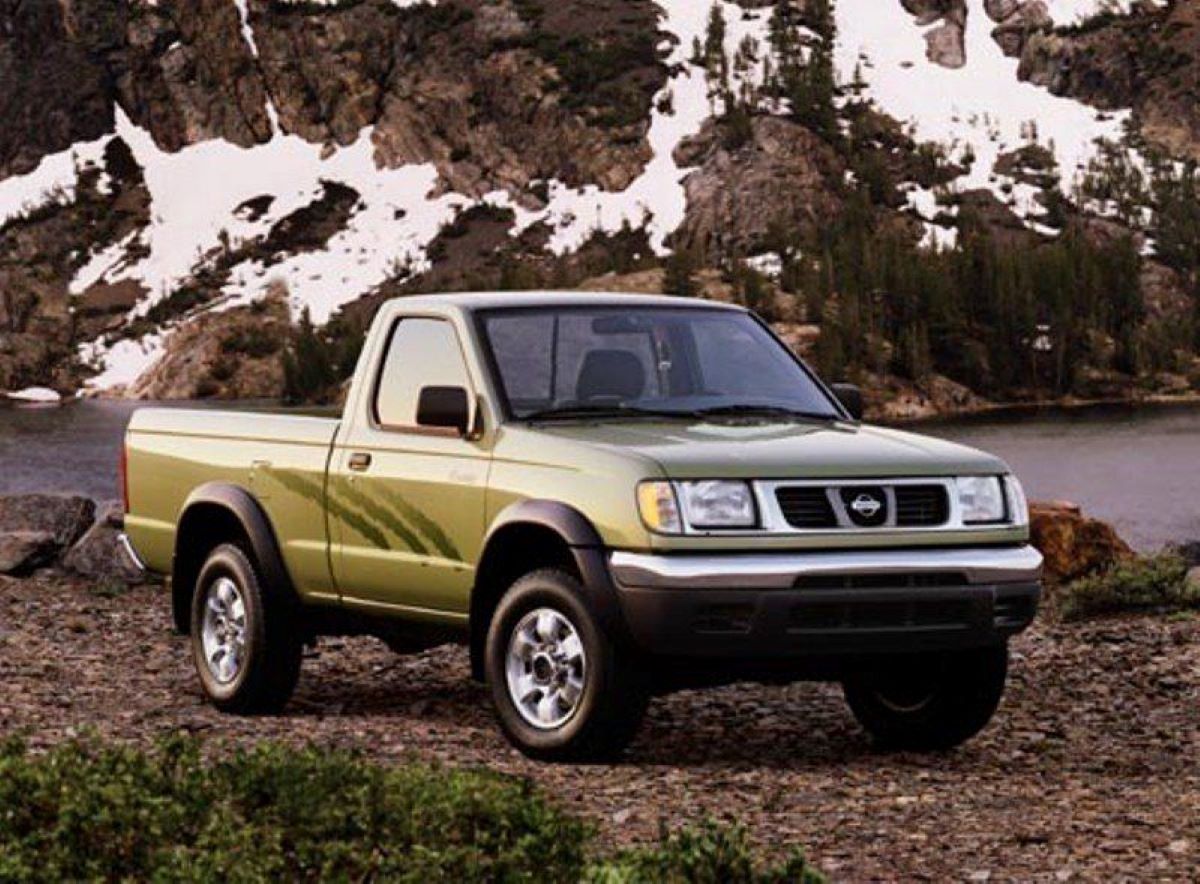
This price advantage, combined with the truck’s proven durability, makes it an intelligent choice for budget-conscious buyers. Prices typically range from $3,000 for high-mileage two-wheel-drive models to $8,000 for cleaner four-wheel-drive versions with the V6 engine.
The Frontier’s styling has aged reasonably well, avoiding the overly dated appearance of some competitors. The interior is functional if not particularly inspiring, with straightforward controls and durable materials that have held up well.
The compact dimensions make the Frontier easy to maneuver in urban environments while still providing useful bed space and adequate interior room.
The off-road capability of four-wheel-drive Frontiers is solid if not exceptional. The truck’s suspension provides decent ground clearance, and the four-wheel-drive system is reliable and straightforward.
While not as refined as some competitors, the Frontier handles rough terrain competently and has developed a following among budget-conscious off-road enthusiasts who appreciate its combination of capability and affordability.
Also Read: 6 Most Powerful AWD Car You Can Buy Under $50K in 2025
5. Toyota Tundra (2000-2006, First Generation)
The first-generation Toyota Tundra represented Toyota’s initial serious attempt at building a full-size truck for the American market, and while it was somewhat smaller than its Detroit competitors, it delivered the legendary Toyota reliability in a package capable of real truck work.
In 2025, these trucks continue to demonstrate why Toyota’s reputation for durability remains unmatched, with examples regularly exceeding 300,000 miles while still providing reliable service.
The Tundra’s most significant strength is its exceptional build quality and mechanical reliability. The available engines particularly the 4.7-liter V8 are among the most durable powerplants ever installed in a truck. This engine, known internally as the 2UZ-FE, can routinely run for 400,000 miles or more with proper maintenance.
The automatic transmission is equally robust, and the truck’s frame and body construction exhibit Toyota’s renowned attention to detail and quality control.
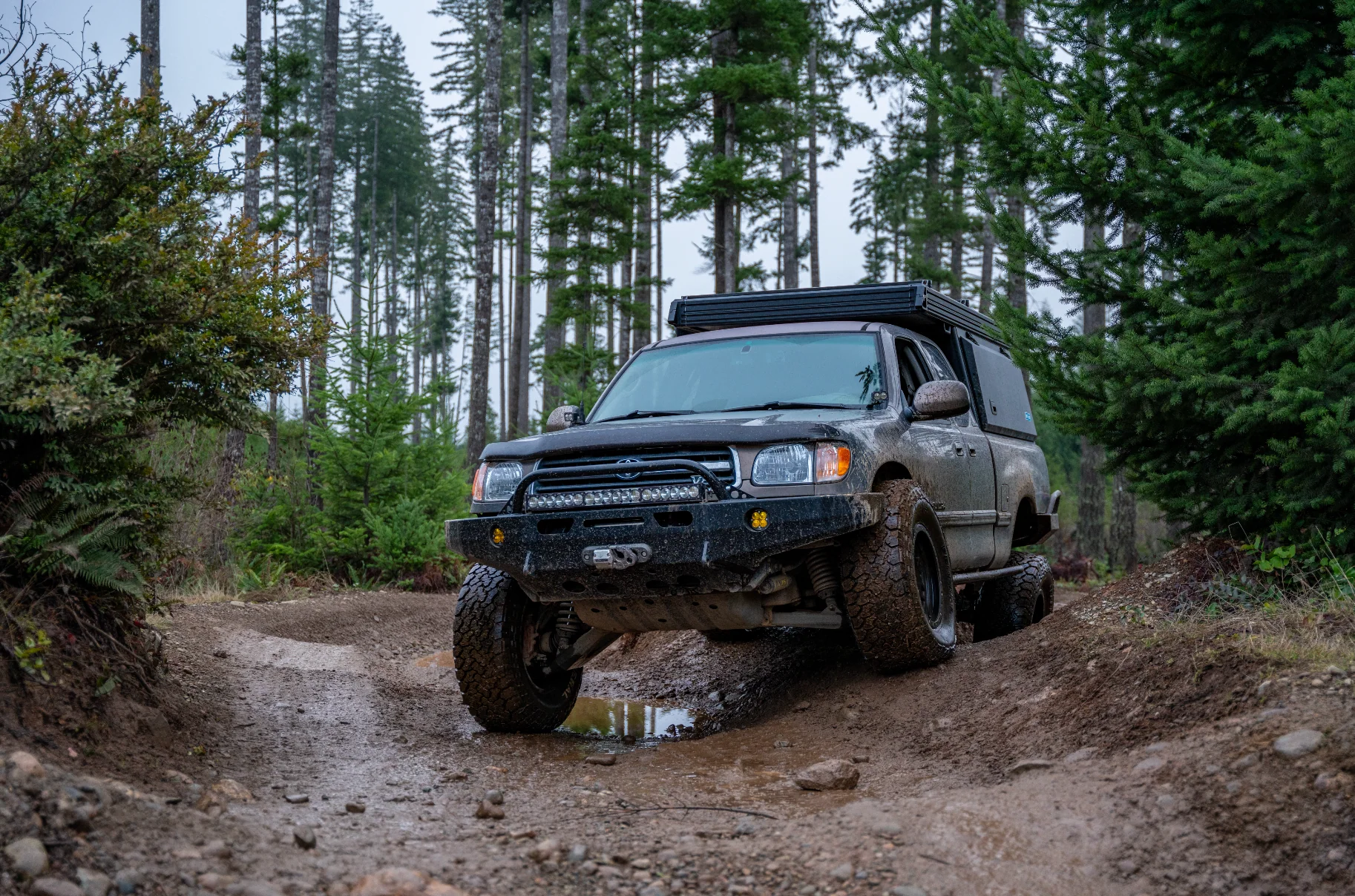
Pricing for first-generation Tundras reflects their reputation for reliability. High-mileage examples typically range from $5,000 to $10,000, while cleaner, lower-mileage trucks can command $10,000 to $18,000.
While these prices are higher than some domestic competitors, the Tundra’s reliability and longevity often justify the premium. The total cost of ownership, considering reduced repair expenses and exceptional longevity, frequently makes the Tundra the more economical choice.
The Tundra’s towing capacity, while not matching the largest domestic trucks, is adequate for most users’ needs. The powerful V8 engine provides plenty of pulling power, and the truck’s chassis handles loads confidently.
The ride quality is notably better than most domestic trucks from the same era, offering a smoother, more controlled driving experience while maintaining genuine truck capability.
6. Dodge Dakota (1997-2004)
The Dodge Dakota occupies a unique position in the truck market as one of the few genuine mid-size pickups ever produced. Larger than compact trucks like the Ranger and Tacoma but smaller than full-size trucks, the Dakota offered a compelling compromise: near-full-size capability in a more manageable package.
While not as legendary for reliability as some Japanese competitors, well-maintained Dakotas have proven surprisingly durable and remain excellent values in the used market.
The Dakota’s greatest strength is its powertrain flexibility. The base 3.9-liter V6 provides adequate power for light-duty use and delivers decent fuel economy.
The optional 4.7-liter V8 transforms the truck into a genuinely capable hauler with impressive towing capacity—up to 6,500 pounds when properly equipped. This V8 option, shared with Dodge’s full-size trucks, is generally reliable and provides the kind of effortless power that makes truck ownership enjoyable.
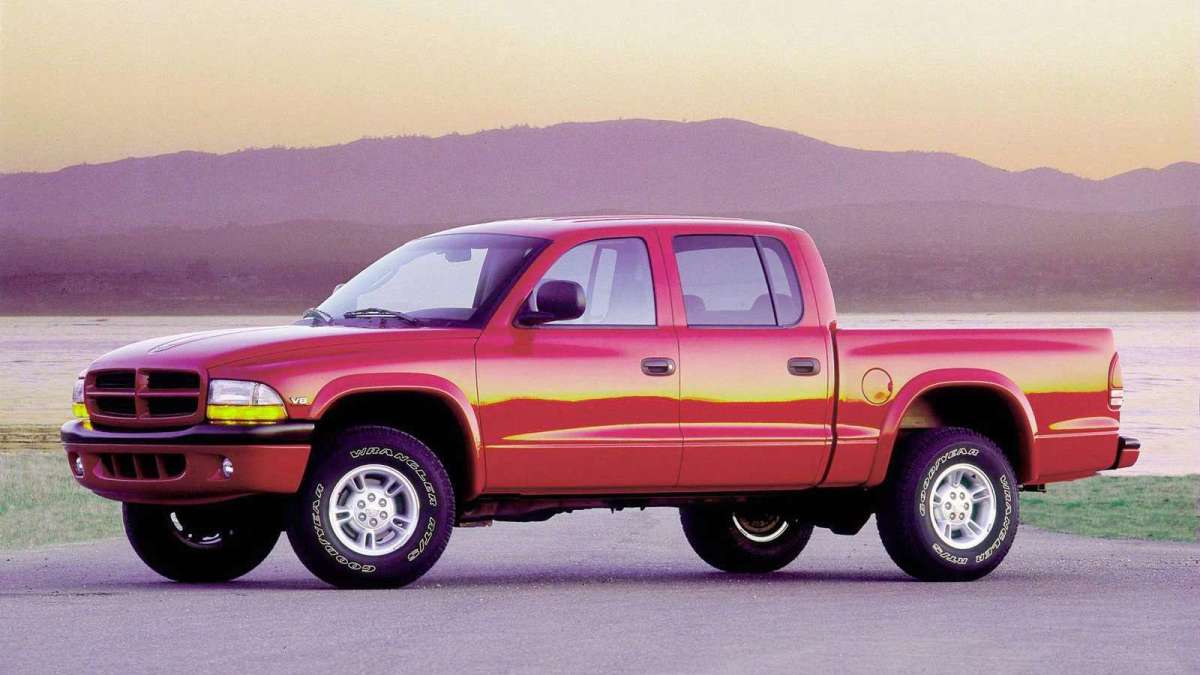
Current market prices for these Dakotas are quite attractive. Basic models with higher mileage can be found for $2,500 to $5,000, while cleaner, V8-powered examples typically range from $5,000 to $9,000.
This pricing makes the Dakota an appealing option for buyers who need more truck than a compact offers but don’t want to pay full-size truck prices either at purchase or at the fuel pump.
The Dakota’s driving dynamics are surprisingly car-like for a truck of its era. The independent front suspension provides a smoother ride and better handling than many competitors’ solid front axles.
The four-wheel-drive system is straightforward and reliable, and off-road capability is adequate for most recreational users. While not as refined as modern trucks, the Dakota delivers a pleasant driving experience that makes it suitable for daily use beyond just hauling and towing duties.
7. Ford F-150 (1997-2003, Tenth Generation)
The tenth-generation Ford F-150 represents the last of the truly simple, straightforward full-size trucks before the industry’s wholesale shift toward luxury and complexity.
These trucks were built during an era when durability and functionality took precedence over amenities, resulting in vehicles that continue working long after fancier competitors have been retired.
The combination of proven powertrains, robust construction, and now-affordable pricing makes these F-150s compelling choices for budget-conscious truck buyers.
The powertrain options in these F-150s range from adequate to excellent. The 4.6-liter V8, while not particularly powerful, is legendarily reliable.
The 5.4-liter V8 provides significantly more capability and has proven durable despite some early issues with spark plug design in certain model years.
The base 4.2-liter V6 is best avoided unless budget is the absolute priority. The manual transmissions are robust, while the automatic transmissions are generally reliable when properly maintained.
Market pricing varies considerably based on condition, mileage, and configuration. Basic two-wheel-drive work trucks with high mileage start around $3,000 to $5,000, while cleaner four-wheel-drive models with the 5.4-liter V8 might range from $6,000 to $12,000.
Extended cab and crew cab models command premiums over regular cabs, reflecting their greater practicality for family use. Despite the age, clean examples remain desirable due to their capability and reliability.
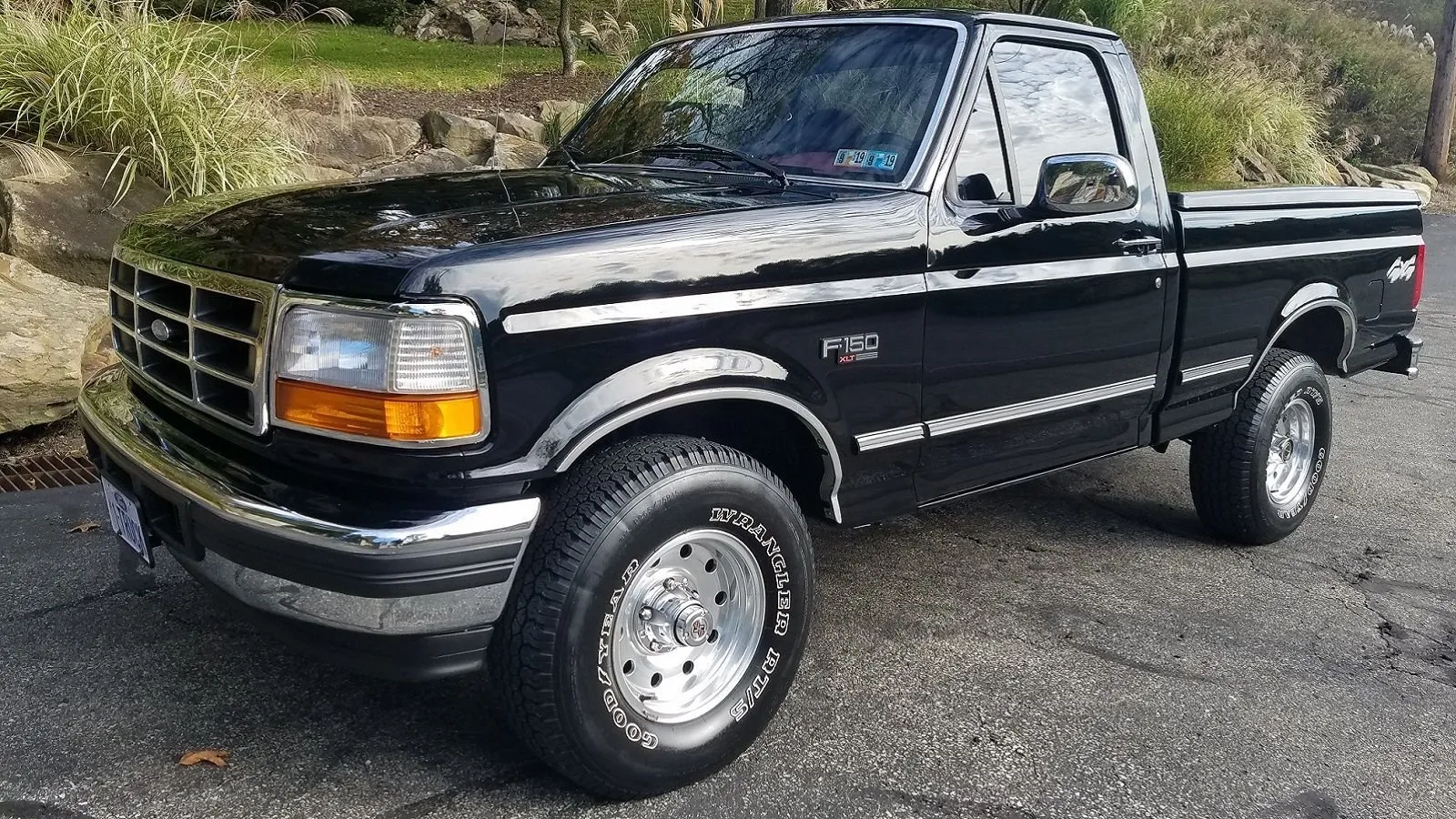
The F-150’s interior shows its age but was well-designed for its era. The dash layout is functional, controls are straightforward, and the seating position provides excellent visibility.
The SuperCab and SuperCrew models offer significantly more interior space than the regular cab, with the SuperCrew providing genuinely usable rear seating. Build quality is solid if unspectacular, with materials chosen for durability rather than visual appeal.
Common issues include the notorious spark plug problems on 5.4-liter engines (2004-2008, slightly outside our focus but worth noting for late model years), potential intake manifold gasket leaks on 4.6-liter engines, and rust concerns in areas where road salt is used.
The 4R70W and 4R100 automatic transmissions are generally reliable but benefit from regular fluid changes. The front suspension can develop clunks from worn ball joints or track bar bushings, though these repairs are straightforward and relatively inexpensive.
The F-150’s towing and hauling capabilities remain impressive by any standard. Properly equipped trucks can tow 8,000 pounds or more, and the payload capacity is generous.
The frame and suspension are built to handle serious work, and the available four-wheel-drive system is effective and reliable. For buyers needing genuine full-size truck capability without the crushing depreciation and complexity of newer models, these tenth-generation F-150s represent some of the best values available.
8. GMC Sierra 1500 (1999-2007, GMT800)
The GMC Sierra 1500 shares its fundamental architecture with the Chevrolet Silverado discussed earlier, but the GMC variant offers distinct styling and typically more upscale trim levels.
This relationship provides buyers with an interesting opportunity: the Sierra often sells for slightly less than equivalent Silverados despite being mechanically identical, making it a smart choice for buyers who appreciate the slightly more refined presentation without paying a premium.
The Sierra benefits from the same excellent Vortec engine lineup as its Silverado sibling. The 4.8-liter, 5.3-liter, and 6.0-liter V8 engines are shared between the two trucks, providing the same exceptional reliability and longevity.
The 5.3-liter remains the sweet spot, offering an ideal balance of power, capability, and fuel economy. These engines regularly exceed 250,000 miles with proper maintenance, and examples pushing 400,000 miles are documented in enthusiast communities.
Pricing for GMT800 Sierras closely tracks Silverado pricing, with work truck models starting around $4,000 for high-mileage examples and going up to $15,000 or more for clean, well-equipped models with reasonable mileage.
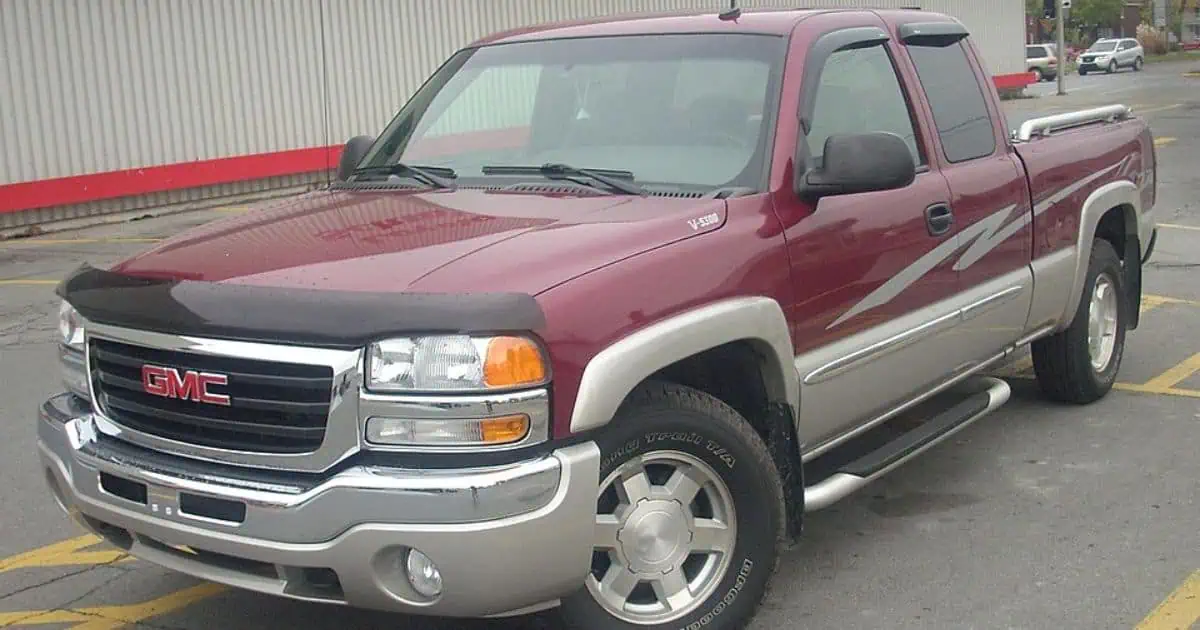
The SLE and SLT trim levels provide noticeably nicer interiors than base models, with more features and better materials, making them worth seeking out if budget allows.
The Sierra’s interior presentation is where it distinguishes itself from the Silverado. GMC positioned itself as the more upscale brand, and the Sierra’s cabin reflects this with slightly nicer materials, more standard features in equivalent trim levels, and design touches that feel more refined.
The seats are comfortable, the ergonomics are good, and the ambiance is pleasant for a truck of this era and price point. Common problems mirror the Silverado’s issues: watch for transmission cooler line failures, fuel pump problems, and rust in the cab corners and wheel wells.
The 4L60E transmission requires proper maintenance to ensure longevity, and the AFM (Active Fuel Management) system in some later 5.3-liter engines can develop issues, though this is more common in the subsequent generation. The electrical systems are generally reliable, though window regulators and door lock actuators may eventually need replacement.
The Sierra’s professional grade marketing wasn’t just advertising spin these trucks genuinely deliver in work environments. The towing capacity, robust frame, and capable suspension make them suitable for serious commercial use.
The available four-wheel-drive system is effective and reliable, and the truck’s durability means it can handle years of hard use. For buyers wanting a full-size truck with a touch more refinement than a base Silverado, the GMT800 Sierra represents excellent value.
9. Mazda B-Series (1994-2009)
The Mazda B-Series trucks are essentially rebadged Ford Rangers, the result of a joint venture between Mazda and Ford. This relationship provides buyers with an interesting opportunity: the mechanical reliability of the Ranger platform, combined with typically lower prices due to reduced brand recognition.
Many buyers simply don’t realize these are fundamentally the same truck as the popular Ranger, creating a value gap that smart shoppers can exploit.
The powertrain options in the B-Series mirror the Ranger’s: the 2.3-liter four-cylinder, 3.0-liter V6, and later the 4.0-liter V6. These engines benefit from the same proven reliability as their Ranger counterparts, with the 2.3-liter being particularly durable if somewhat underpowered.
The 4.0-liter V6, when properly maintained, can easily surpass 200,000 miles while still providing adequate power for truck duties. Market prices for B-Series trucks are generally 10-20% lower than equivalent Rangers, despite being mechanically identical.
This means buyers can find basic two-wheel-drive models starting around $2,000 to $4,000, with cleaner four-wheel-drive examples ranging from $4,000 to $8,000.
This pricing anomaly makes the B-Series one of the best values in the compact truck market, offering proven reliability and capability at bargain prices.
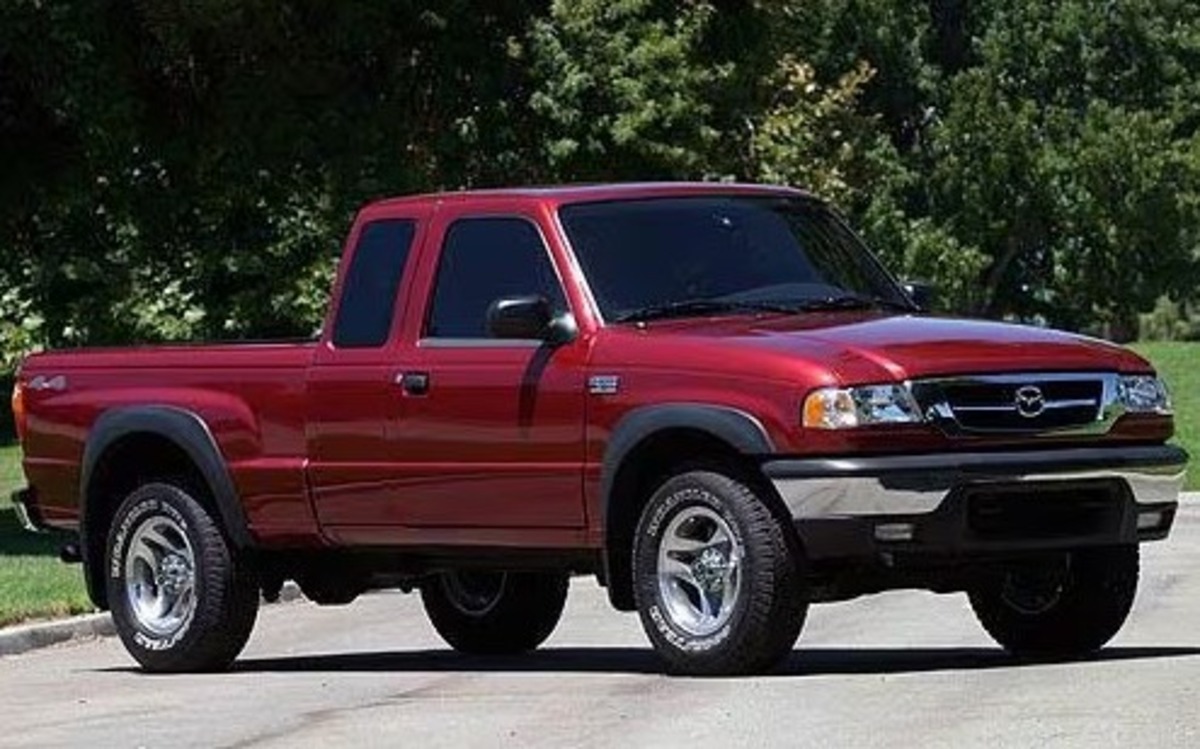
The interior and exterior styling differ from the Ranger, with Mazda applying its own design language to create a distinct appearance.
Some buyers prefer the Mazda’s cleaner, slightly more modern look, while others favor the Ranger’s more traditional truck styling. Functionally, the cabins are nearly identical, with the same control layouts, seating positions, and storage solutions. Build quality is solid, reflecting the shared manufacturing processes.
Common problems are identical to the Ranger’s issues: manual transmission clutch slave cylinders can fail, timing chain components may need attention in higher-mileage examples, and rust is a concern in salt-belt states.
The advantage of the platform’s long production run and high volume is excellent parts availability and comprehensive documentation of common issues and solutions. Any repair information or advice that applies to a Ranger applies equally to the B-Series.
The B-Series’s compact dimensions make it particularly practical for urban use while still providing useful truck capability. The bed is adequate for most homeowners and light commercial needs, and the available four-wheel-drive system enhances utility in winter climates or for recreational off-roading.
The fuel economy is reasonable by truck standards, making the B-Series an economical choice for buyers who need occasional truck capability but don’t want to daily drive a full-size vehicle.
10. Chevrolet S-10 (1994-2004)
The second-generation Chevrolet S-10 represents GM’s entry in the compact truck market during an era when these smaller trucks were genuinely popular and well-engineered.
While not as celebrated for reliability as some Japanese competitors, the S-10 has proven surprisingly durable in the real world, with many examples still providing faithful service after 200,000 miles or more.
The combination of simple engineering, affordable parts, and now-bargain pricing makes the S-10 an intelligent choice for budget-focused buyers.
The S-10’s powertrain options include the 2.2-liter four-cylinder and the 4.3-liter V6. The four-cylinder is adequate for basic transportation and light-duty work, delivering decent fuel economy in the process.
The 4.3-liter V6, essentially a small-block V8 with two cylinders removed, is the more desirable option. This engine provides genuine capability and has proven quite durable, with proper maintenance being the key to longevity.
Current market prices for S-10s are among the lowest in the compact truck segment. High-mileage examples can be found for as little as $1,500 to $3,500, while cleaner trucks with the V6 and four-wheel drive might range from $4,000 to $7,000.
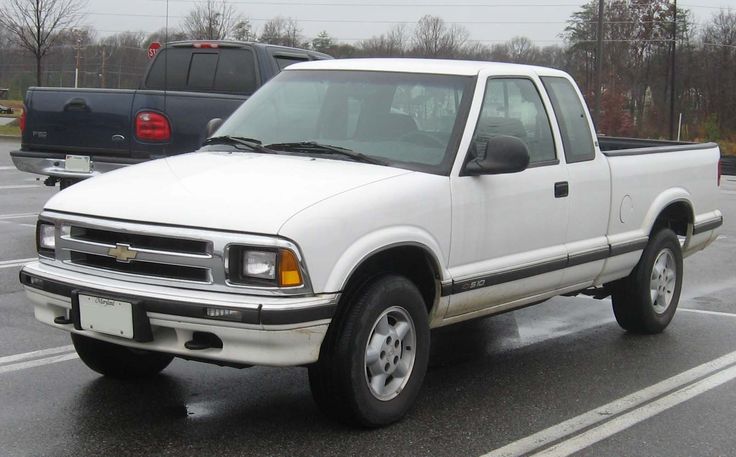
This exceptional affordability makes the S-10 accessible to buyers with limited budgets who still need genuine truck capability. The low purchase price also makes these trucks popular as dedicated work vehicles where cosmetics aren’t a concern.
The interior is basic but functional, reflecting the S-10’s positioning as an economical workhorse rather than a lifestyle vehicle. The regular cab is cramped, making the extended cab model a much better choice for anyone taller than average or who occasionally carries passengers.
The materials are durable if unspectacular, and the controls are straightforward. Don’t expect luxury, but do expect everything to work as intended.
The S-10’s capabilities are modest by modern standards but adequate for most users’ actual needs. The towing capacity maxes out around 6,000 pounds with the V6 and proper equipment, and the payload is sufficient for most homeowner and light commercial applications.
The available four-wheel-drive system is straightforward and reliable, using a traditional two-speed transfer case. For buyers who need basic truck capability without the size, complexity, and cost of modern trucks, the S-10 delivers honest value and surprising durability.
Also Read: 10 Affordable Cars That Can Go Toe-to-Toe With a BMW M3
