
Arizona summer heat isn’t just uncomfortable. It’s genuinely dangerous for vehicles that weren’t engineered to handle sustained extreme temperatures. Peoria residents know this reality all too well, having watched temperature gauges climb into warning zones during routine errands or seen steam billowing from under hoods in parking lots.
When outside temperatures regularly reach 115°F during the summer months, your car’s cooling system works harder than engineers ever anticipated during testing in temperate climates. What functions perfectly in Michigan or Germany can fail catastrophically in Arizona’s sunbelt conditions.
Choosing the right vehicle for Peoria means understanding which brands and models actually engineered their cooling systems for extreme heat. It’s not about luxury versus economy or new versus old. Some expensive vehicles fail miserably in the Arizona heat, while certain affordable models handle it without complaint.
You’ll see specific cars repeatedly in Peoria driveways because locals learned through experience which ones survive summers without constant repairs. You’ll also notice certain models conspicuously absent because residents avoid them after one brutal summer of overheating problems.
Smart vehicle selection prevents the misery of being stranded with an overheated engine, the expense of replacing failed cooling components repeatedly, and the danger of engine damage that turns minor cooling issues into catastrophic failures requiring complete rebuilds.
Your air conditioning performance matters too, because inadequate cooling capacity makes summer driving unbearable. You need systems engineered to maintain comfortable cabin temperatures when parked cars reach 160°F inside and outside air feels like a blast furnace.
This guide examines ten vehicles specifically through the lens of Peoria’s extreme heat. Five models handle Arizona summers confidently, delivering reliable performance and cooling that actually works when you need it most.
Then we’ll expose five that struggle or fail outright, creating expensive problems and dangerous situations. Whether you’re relocating to Peoria or replacing a vehicle that couldn’t handle the heat, this information could save you from a costly mistake.
Cars That Handle Peoria Heat
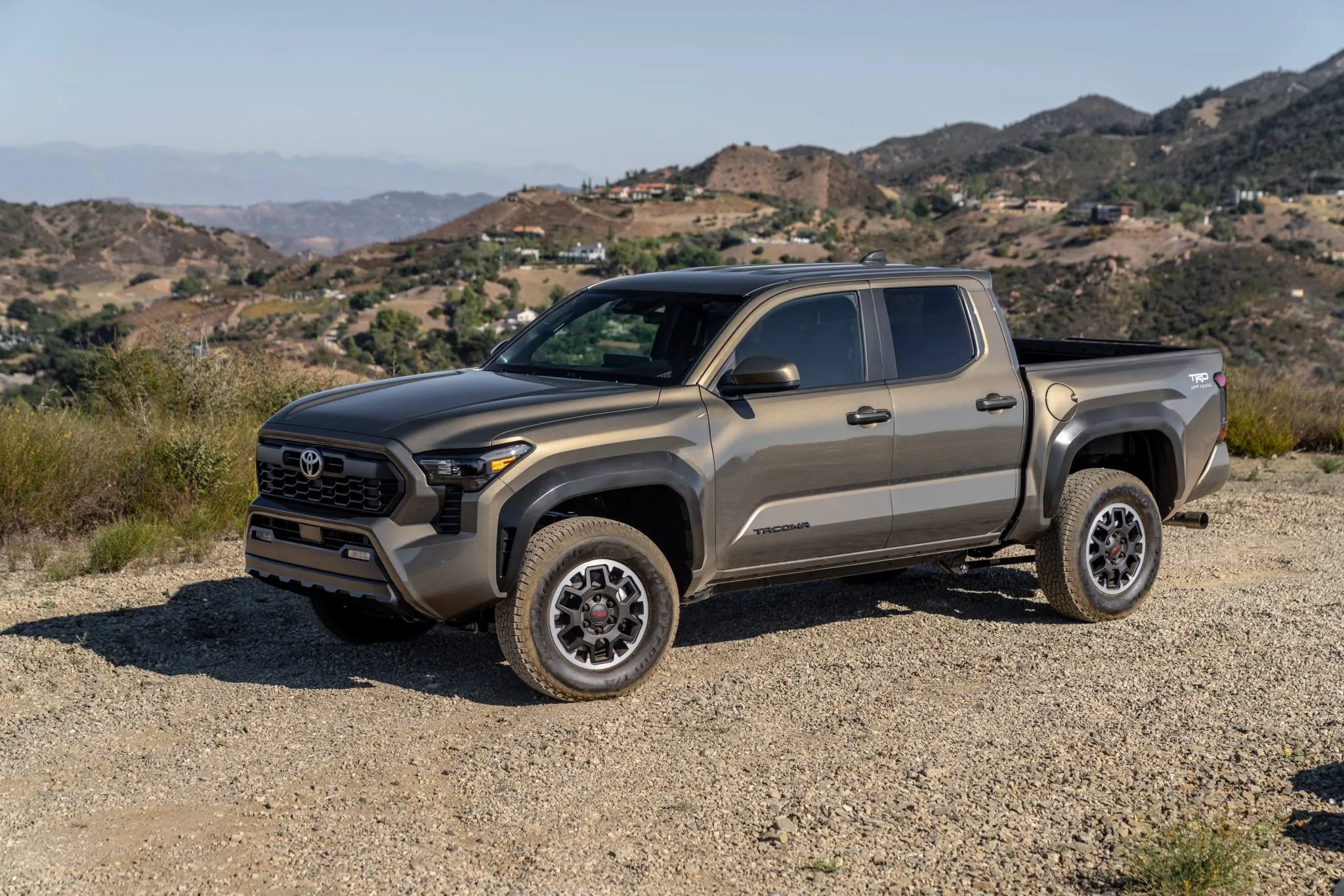
1. Toyota Tacoma TRD Off-Road 2024
Desert-tested engineering defines the Toyota Tacoma TRD Off-Road 2024, built to handle extreme conditions that destroy lesser trucks. That 3.5-liter V6 produces 278 horsepower while maintaining excellent cooling even during sustained high-load operation.
You can tow trailers in 115°F heat without watching your temperature gauge climb dangerously. Engine oil cooler and transmission cooler come standard, protecting vital fluids from heat-related breakdown that causes premature wear and failures.
Radiator capacity exceeds what you’d find in comparable trucks, with a larger core providing extra cooling margin during extreme heat. Electric fans run at multiple speeds, ramping up when needed during slow-speed driving or extended idling. You won’t overheat sitting in drive-through lines or waiting at long traffic lights when temperatures peak. That reliability eliminates the anxiety that plagues drivers of vehicles with marginal cooling systems.
The air conditioning system uses a larger compressor and condenser than previous Tacoma generations, delivering cold air that actually works during Arizona summers. You’ll achieve comfortable cabin temperatures within minutes of starting the truck, even after it’s been parked in direct sun all day.
Dual-zone climate control allows the driver and passenger to select different temperatures, ensuring everyone stays comfortable. Rear vents keep back-seat passengers from suffering while front occupants enjoy cold air. Interior materials resist sun damage better than many competitors, with UV-resistant fabrics and plastics that don’t crack or fade quickly.
Dashboard materials withstand sustained heat without warping or developing the sticky feel that plagues some vehicles after Arizona summers. That durability maintains resale value since interiors don’t show heat damage that screams “desert truck” to potential buyers.
Routine cooling system maintenance stays simple, with easy-access coolant reservoir and straightforward radiator design. Independent shops can service this Tacoma without special tools or dealer-only procedures. Parts availability remains excellent throughout Arizona, with every auto parts store stocking Tacoma components.
You won’t wait days for special-order parts when cooling system service becomes necessary. Budget $150-$200 annually for coolant flush and inspection, preventive maintenance that keeps this truck running cool through countless Arizona summers.
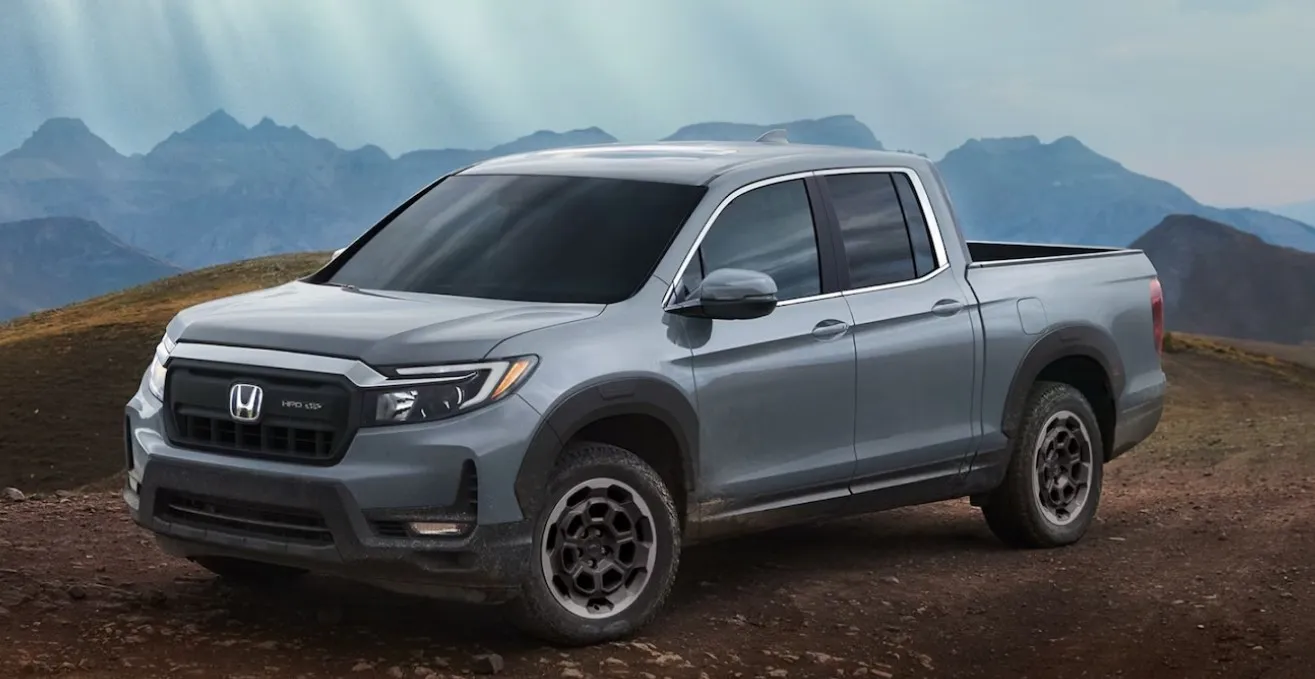
2. Honda Ridgeline RTL-E 2024
Sophisticated cooling engineering gives the Honda Ridgeline RTL-E 2024 dependable performance in Peoria’s intense heat. Its 3.5-liter V6 delivers 280 horsepower while maintaining stable temperatures during demanding use.
Even when towing within rated limits under extreme conditions, overheating worries remain minimal. Engine and transmission cooling systems work in unison to regulate heat, protecting components from early wear and extending long-term reliability.
Radiator design focuses on strong heat control. A large core and efficient electric fans move air effectively, adjusting fan speed based on real-time demand. During slow traffic or extended idling in temperatures above 110 degrees, operating temperatures stay steady. That consistency removes the anxiety of constantly checking gauges during summer errands or long waits.
Air conditioning performance stands out as well. Honda tuned the system for hot climate use, delivering cold air quickly throughout the cabin. Interior temperatures drop fast, even after hours of sun exposure. Rear vents help passengers stay comfortable instead of relying only on front airflow, which makes a real difference during peak summer days.
Practical storage adds another benefit. The in-bed trunk and dual-action tailgate provide an enclosed, weather-protected space that stays cooler than an open bed. Sensitive items avoid direct sun exposure, and lockable storage keeps electronics or groceries safer from heat damage and theft.
Interior materials hold up impressively against constant sun. Surfaces resist fading, cracking, and warping thanks to UV-resistant selections. Appearance stays fresh longer, helping resale value. Service needs remain reasonable, with cooling system care required at predictable intervals using common parts.
Local shops can handle routine upkeep easily, keeping ownership stress low during harsh desert summers. Owners also benefit from straightforward ownership, since replacement components are widely available, labor times remain reasonable, and dependable thermal management supports confidence during daily driving, year-round reliability.
Also Read: 5 Cars for Mobile Gulf Coast Life vs 5 cars That Corrode & Fail
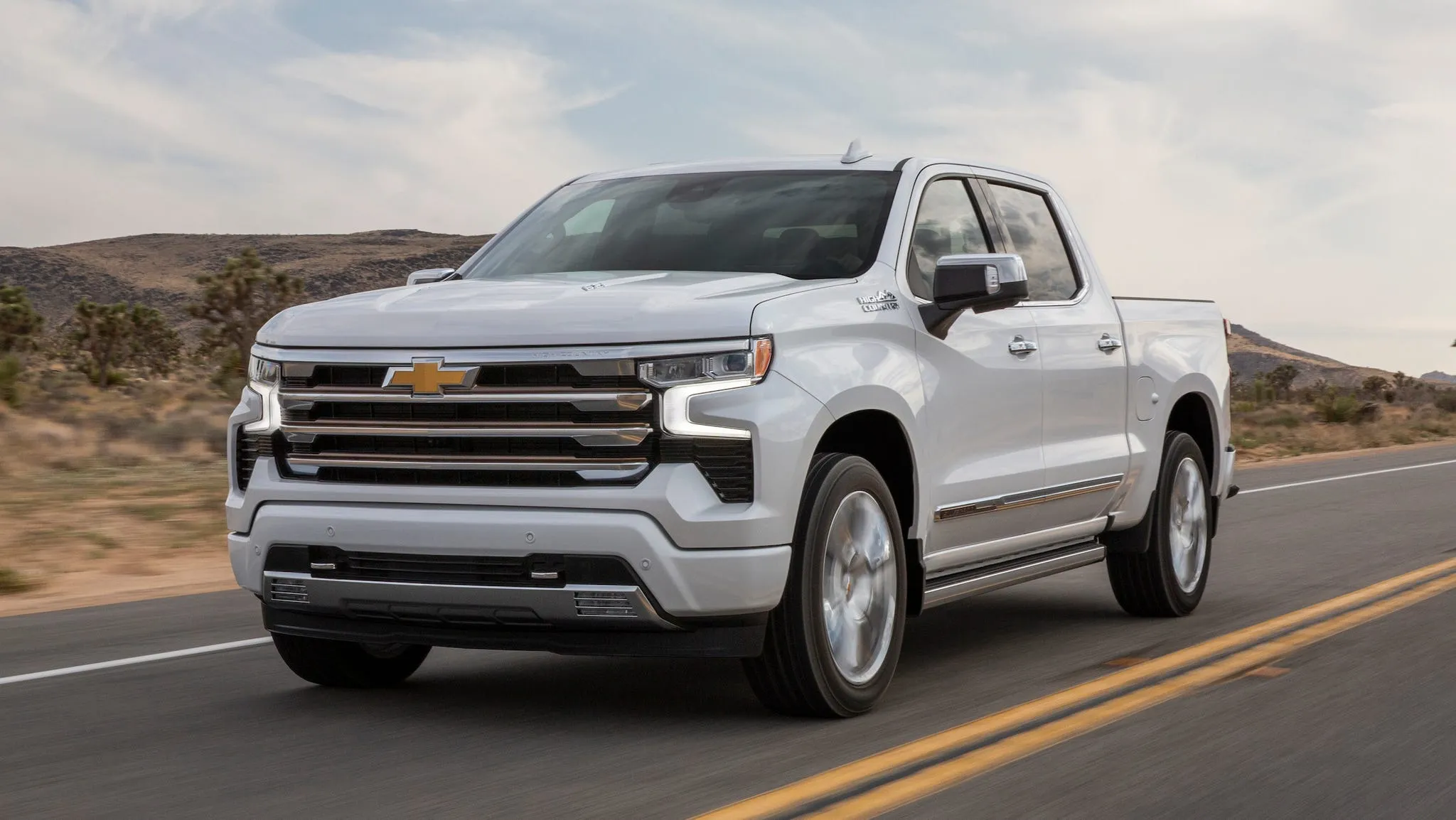
3. Chevrolet Silverado 1500 RST 2024
American truck engineering delivers reliable Arizona performance in the Chevrolet Silverado 1500 RST 2024. That 5.3-liter V8 produces 355 horsepower while maintaining excellent cooling capacity during sustained operation. You can tow substantial loads in extreme heat without overheating concerns when staying within ratings.
Heavy-duty cooling package includes a larger radiator, engine oil cooler, and transmission cooler that work together to maintain safe temperatures. Electric fans provide excellent airflow at multiple speeds, ramping up when conditions demand maximum cooling.
You’ll maintain normal operating temperatures during slow traffic or extended idling regardless of outside conditions. That reliability means summer driving doesn’t require constant temperature gauge monitoring or anxiety about finding safe places to pull over if overheating develops.
Air conditioning system delivers impressive performance with a large compressor and condenser providing substantial cooling capacity. Cabin temperatures drop quickly even after the truck has been parked in direct sunlight.
Dual-zone climate control allows customized comfort for the driver and passenger. Rear seat vents ensure back-seat passengers stay comfortable rather than suffering inadequate cooling while front occupants enjoy cold air.
Crew cab configuration provides generous interior space that air conditioning can cool effectively. Larger cabins sometimes struggle reaching comfortable temperatures, but Silverado’s system handles the volume easily.
Tinted windows reduce solar heat gain, helping air conditioning maintain comfortable temperatures without working at maximum capacity constantly. That reduced workload extends compressor life while improving fuel economy.
Interior materials resist heat damage with UV-resistant fabrics and plastics throughout. Dashboard construction withstands sustained extreme heat without warping or developing sticky surfaces. You’ll maintain an attractive appearance years after purchase despite harsh Arizona conditions.
Routine maintenance stays accessible with any Chevrolet dealer or independent shop capable of servicing cooling systems. Parts availability remains excellent throughout Arizona. Budget $200-$300 annually for cooling system maintenance that prevents problems before they strand you.
This Silverado delivers reliable performance through countless Arizona summers without the overheating drama that plagues lesser trucks.
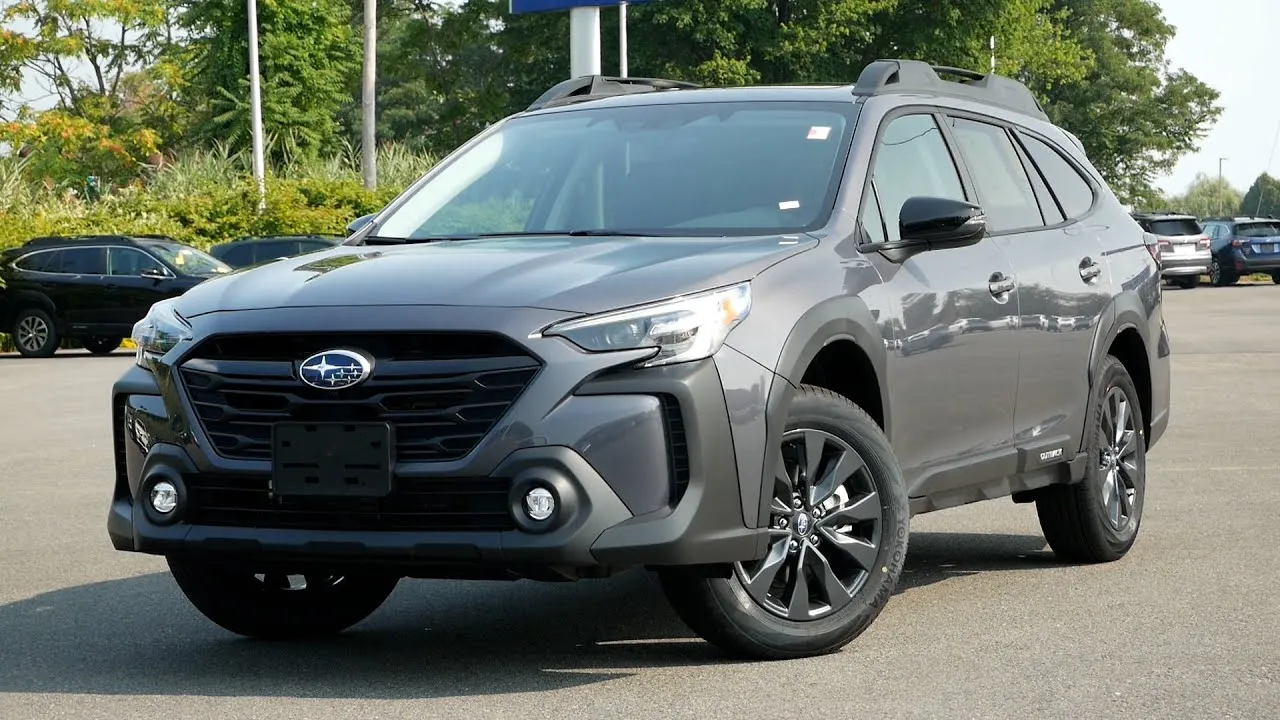
4. Subaru Outback Onyx Edition XT 2024
All Wheel Drive confidence pairs with dependable thermal management in the Subaru Outback Onyx Edition XT 2024. Its turbocharged 2.4-liter boxer engine delivers 260 horsepower while staying well-regulated during extended driving.
An efficient intercooler keeps intake temperatures under control during intense summer heat, helping the engine maintain consistent performance. Engine oil and transmission cooling systems work together to keep vital fluids within safe ranges, reducing long-term wear.
Cooling capacity stands out. A generously sized radiator provides a wide safety margin when temperatures soar. Electric cooling fans adjust automatically, increasing airflow during heavy traffic or long idle periods. Even when outside temperatures climb past 110 degrees, operating temperatures remain stable. That consistency removes the worry often associated with hot-weather driving.
Air conditioning performance also deserves praise. The system cools the cabin quickly, even after the vehicle has been parked in direct sunlight for hours. Dual zone climate control allows both front occupants to stay comfortable, while rear vents ensure passengers in the back receive steady airflow. Comfort remains consistent during long summer drives.
The boxer engine layout contributes to efficient heat control. Its low-mounted design improves airflow around cooling components, supporting better heat dissipation. Turbo models also benefit from a hood scoop that directs cooler air to the intercooler, helping regulate intake temperatures under load.
Interior materials are well-suited for harsh sun exposure. Surfaces resist fading, cracking, and sticky textures that often appear after years of heat. The dashboard holds its shape and finish, preserving cabin quality.
Routine cooling system service remains simple, with most Subaru dealers and independent shops able to handle inspections and fluid changes. Annual costs stay reasonable, making this Outback a strong choice for drivers facing extreme summer conditions.
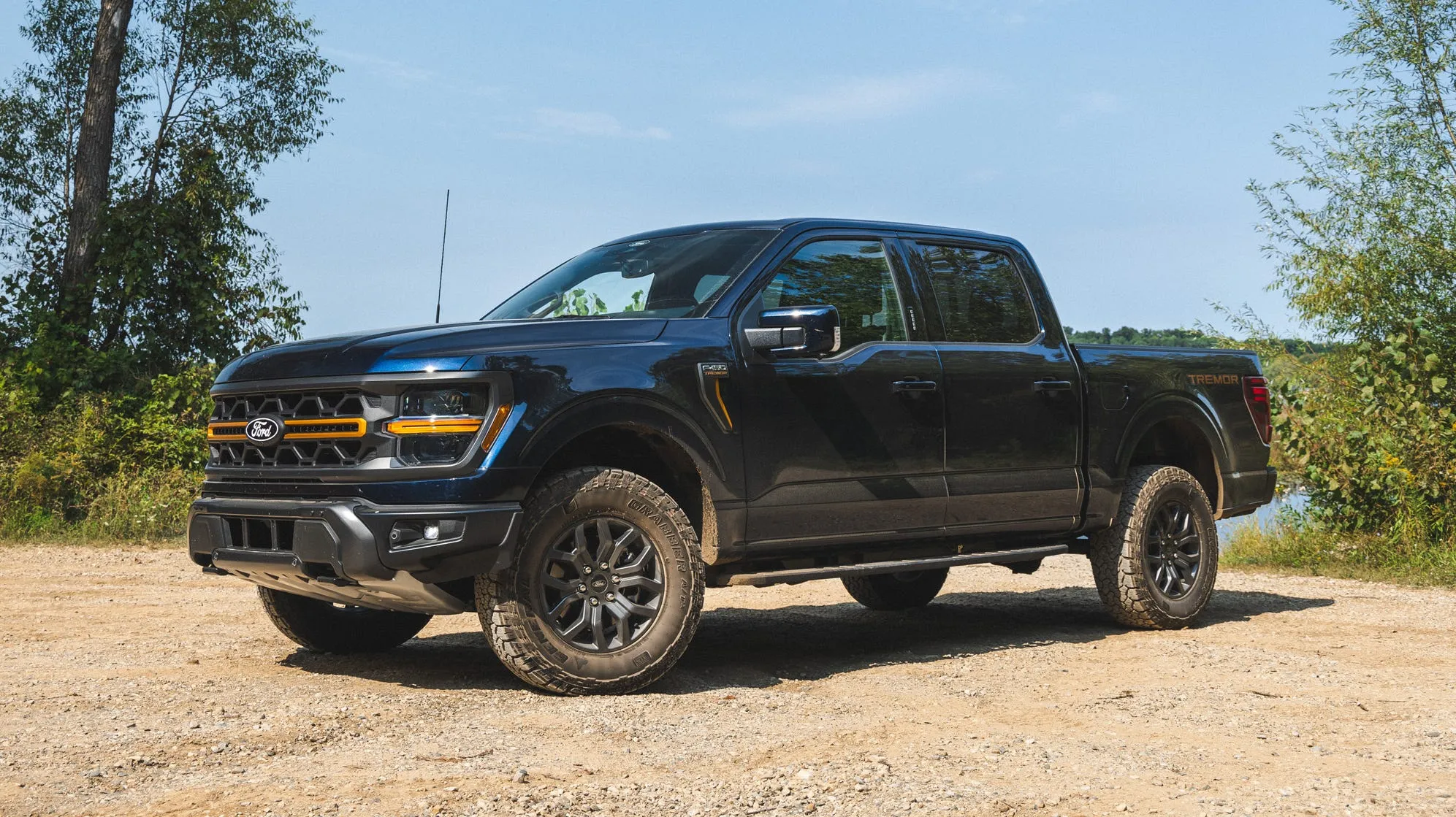
5. Ford F-150 XLT 5.0L V8 2024
Proven V8 reliability meets robust cooling in the Ford F-150 XLT with a 5.0L V8 engine. That naturally aspirated engine produces 400 horsepower while maintaining excellent temperature control during sustained high-load operation.
You can tow heavy trailers in extreme heat without overheating concerns when staying within ratings. Heavy-duty trailer tow package includes upgraded radiator, engine oil cooler, and transmission cooler, maintaining safe operating temperatures.
Electric cooling fans provide substantial airflow at multiple speeds, ramping up when sensors detect rising temperatures. You’ll maintain normal operating temperatures during slow traffic or extended idling regardless of outside conditions. That reliability means summer driving doesn’t create constant worry about temperature gauges or finding places to pull over if problems develop.
Air conditioning system delivers impressive cooling capacity with a large compressor and condenser handling substantial heat loads. Cabin temperatures drop quickly even after the truck has been parked in direct sunlight all day.
Dual-zone climate control provides customized comfort. Rear seat vents ensure back-seat passengers stay comfortable with adequate airflow rather than suffering while front occupants enjoy all the cold air. SuperCrew cab provides generous interior space that air conditioning cools effectively.
Large cabins can challenge cooling systems, but the F-150’s system handles the volume easily. Privacy glass reduces solar heat gain, helping air conditioning maintain comfortable temperatures without constant maximum operation. That reduced workload extends component life while improving fuel economy.
Interior materials resist heat damage with UV-resistant fabrics and plastics selected specifically for durability. Dashboard construction withstands extreme heat without warping or developing surfaces that become sticky during hot weather. You’ll maintain an attractive interior appearance years after purchase despite harsh conditions.
Cooling system maintenance stays accessible with any Ford dealer or independent shop capable of servicing trucks. Parts availability remains excellent. Budget $200-$300 annually for preventive cooling system maintenance. This F-150 delivers reliable performance through countless Arizona summers without overheating drama.
Cars That Overheat in Peoria Heat
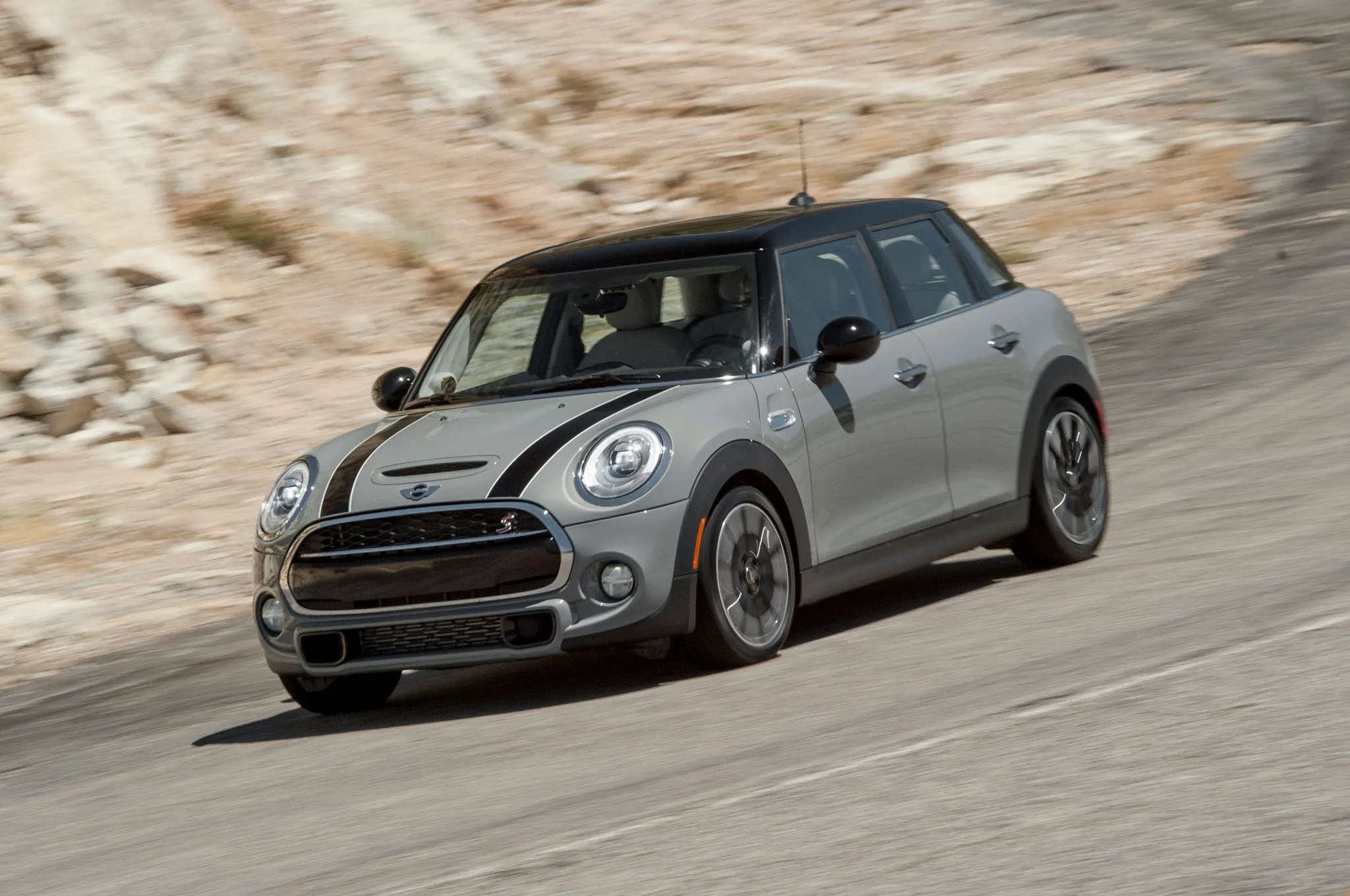
1. Mini Cooper S Hardtop 2015-2018
British engineering meets Arizona reality in the Mini Cooper S Hardtop from 2015-2018, creating overheating nightmares for Peoria owners. That turbocharged 2.0-liter engine produces 189 horsepower but struggles to maintain safe temperatures during sustained high-load operation in extreme heat.
Turbocharger generates additional heat that cooling systems can barely manage, even in moderate climates. Add 115°F ambient temperatures, and you’ve got a recipe for overheating disasters that strand drivers regularly.
Radiator capacity proves inadequate for Arizona conditions, with an undersized core struggling to dissipate heat effectively when temperatures peak. The electric cooling fan operates at a single speed rather than variable operation, providing either full cooling or nothing.
That binary operation means inadequate cooling during moderate demands and excessive energy consumption when full cooling engages. You’ll watch temperature gauges climb during slow traffic or extended idling, creating anxiety about whether you’ll reach your destination before overheating occurs.
The air conditioning system struggles to maintain comfortable cabin temperatures during extreme heat. Small compressors and condensers lack the capacity needed for Arizona summers. Cabin temperatures remain uncomfortably warm even with air conditioning running at maximum.
You’ll arrive at destinations sweating and uncomfortable, questioning why you bought a car with inadequate cooling. Rear passengers suffer particularly since single-zone climate control prioritizes front seats, leaving back areas sweltering.
The intercooler for the turbocharger becomes heat-soaked during sustained operation, reducing performance and increasing engine stress. Heat-soaked intercooler allows intake temperatures to climb, causing the engine computer to reduce boost pressure and timing, protecting the engine from damage.
You lose power exactly when you need it most, creating dangerous situations during highway merging or passing attempts. That power loss also forces the engine to work harder to maintain speed, generating even more heat in a vicious cycle.
Common problems include water pump failures around 60,000-80,000 miles, occurring more frequently in Arizona than in moderate climates. Replacement costs $800-$1,200, including labor. Coolant expansion tanks crack from sustained heat exposure, requiring $300-$500 for replacement.
Radiator hoses deteriorate rapidly, developing leaks that cause overheating. Turbocharger failures occur prematurely from excessive heat exposure, requiring $2,500-$4,000 for replacement. Budget $1,500-$2,500 annually for cooling system repairs when operating the Mini Cooper S in Arizona heat. These aren’t optional maintenance items.
They’re failures that will occur, stranding you until expensive repairs are completed. This Mini simply wasn’t engineered for the sustained extreme heat that Peoria delivers six months annually.
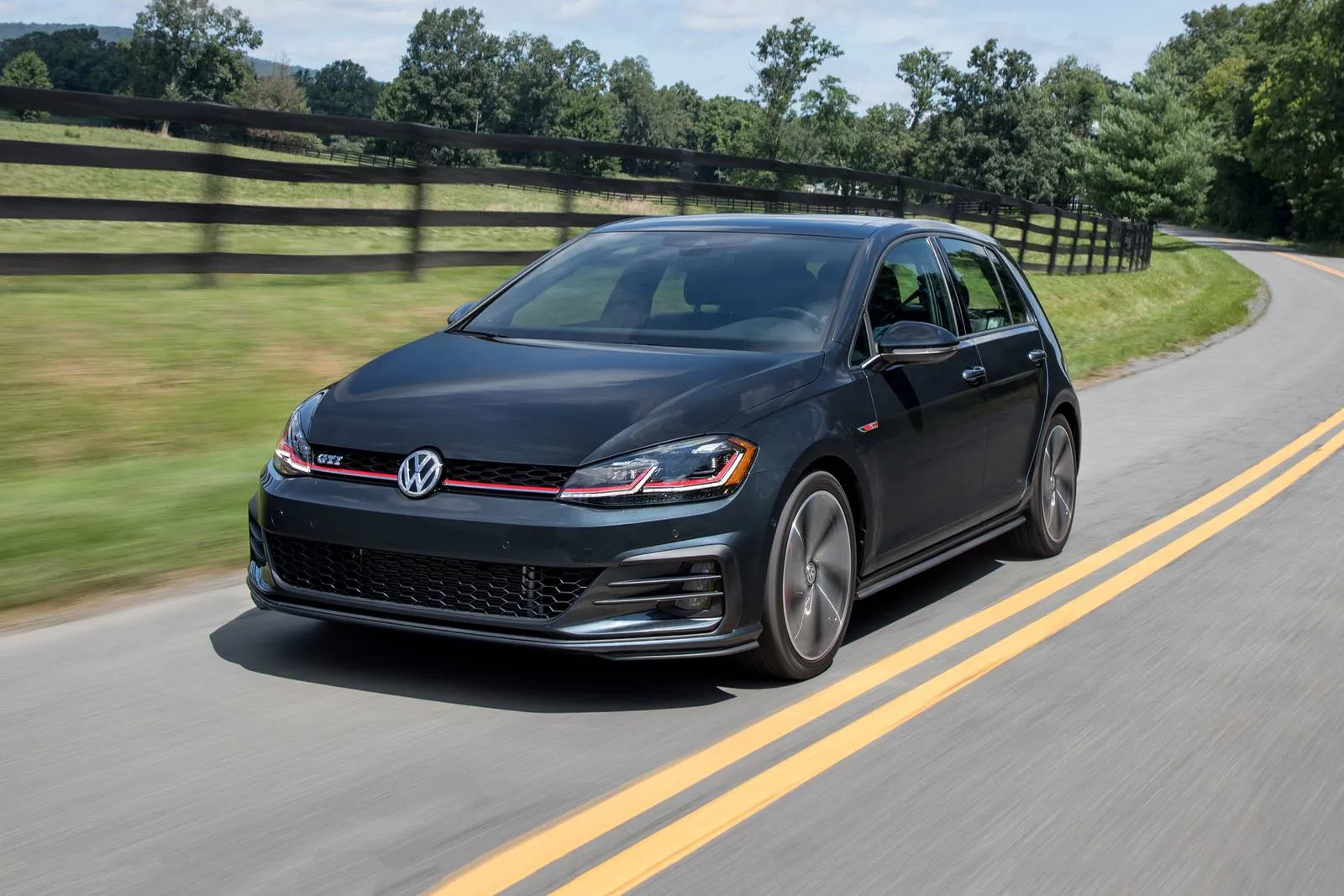
2. Volkswagen GTI Autobahn 2015-2019
The 2015 to 2019 Volkswagen GTI Autobahn blends sharp handling with turbocharged power, yet extreme heat exposes its limits. Its 2.0-liter turbo engine delivers 220 horsepower, but high temperatures push the cooling system close to its threshold. The turbocharger produces intense heat, and in Arizona summer conditions, that heat becomes difficult to control.
Long drives in triple-digit weather place constant strain on components that were never built for that environment. Cooling hardware feels undersized for severe heat. The radiator struggles to release heat once temperatures peak, and the single-speed electric fan cannot move enough air during slow traffic or long idle periods.
Drivers often notice the temperature gauge creeping upward, especially with the air conditioning running. That creates an uncomfortable choice between staying cool inside the cabin and protecting the engine from overheating.
Cabin cooling also falls short. During extreme heat, the air conditioning system has trouble lowering interior temperatures. Even at maximum output, the cabin can remain warm, leaving occupants uncomfortable on routine drives. After short stops in direct sun, cooling recovery takes longer than expected, adding frustration to daily use.
Performance consistency also suffers. The intercooler absorbs heat quickly during spirited driving or highway cruising. Once heat-soaked, intake temperatures rise, and the engine computer pulls power to protect itself. Acceleration weakens during passing or merging, which can feel unsafe in fast traffic.
Reliability concerns compound the issue. Water pump failures are common around 60,000 to 80,000 miles, with repairs often exceeding one thousand dollars. Coolant leaks, fan failures, and cracked thermostat housings appear more frequently in hot climates.
Annual cooling-related repairs can reach two thousand dollars or more. This GTI delivers driving excitement, but sustained desert heat turns ownership into a costly and stressful experience.

3. BMW 328i xDrive 2014-2018
German luxury engineering struggles against Arizona heat in the 2014-2018 BMW 328i xDrive. That turbocharged 2.0-liter engine produces 240 horsepower, but cooling systems prove inadequate for sustained extreme heat operation.
Turbocharger generates substantial heat that marginal cooling systems struggle to manage. Add an all-wheel-drive system generating additional heat, and you’ve got a vehicle working beyond its cooling capacity during Arizona summers.
Radiator capacity proves insufficient for extreme conditions, with the core struggling during sustained high-temperature operation. Electric cooling fans provide adequate airflow when functioning properly, but they fail frequently in Arizona’s heat.
Fan module failures occur regularly, requiring $800-$1,500 for replacement. Until replaced, you’ll experience overheating during slow traffic or extended idling when mechanical airflow from driving isn’t available.
Air conditioning performance starts strong but degrades quickly as components fail from sustained extreme heat exposure. Compressor failures occur prematurely in Arizona, requiring $1,500-$2,500 for replacement. Even when functioning, the system struggles to maintain comfortable cabin temperatures during peak heat.
You’ll run the air conditioning at maximum constantly, stressing components that weren’t designed for such sustained operation. That constant maximum operation accelerates wear, creating premature failures that destroy budgets.
The coolant system uses plastic components throughout, deteriorating rapidly from sustained heat exposure. Expansion tanks crack, requiring $300-$600 for replacement. Coolant hoses become brittle and develop leaks.
Water pump failures occur around 60,000-80,000 miles, more frequently in hot climates. Replacement costs $1,200-$1,800, including labor. These aren’t isolated failures. There are systemic problems affecting most 328i models operated in extreme heat.
Another major concern is overheating during prolonged periods of driving in extremely hot conditions. The eight-speed automatic already produces a lot of heat during everyday use, and when outside temperatures climb to around 115°F, transmission fluid temperatures can rise beyond safe operating levels.
When this happens, drivers may notice rough gear changes or the vehicle dropping into limp mode as the transmission control system tries to prevent internal damage. Upgrading the transmission cooler can reduce the risk, but that solution typically adds between $600 and $1,000 in extra expense.
If you plan to run a 328i in Arizona’s climate, it is realistic to set aside roughly $2,000 to $3,500 each year just for cooling-related repairs. These costs are not optional maintenance items; they are recurring problems that can leave the car undrivable until costly fixes are completed.
In short, this BMW is poorly suited for the prolonged, intense heat that places like Peoria experience all summer, unless the owner is prepared for frequent and expensive repair work.
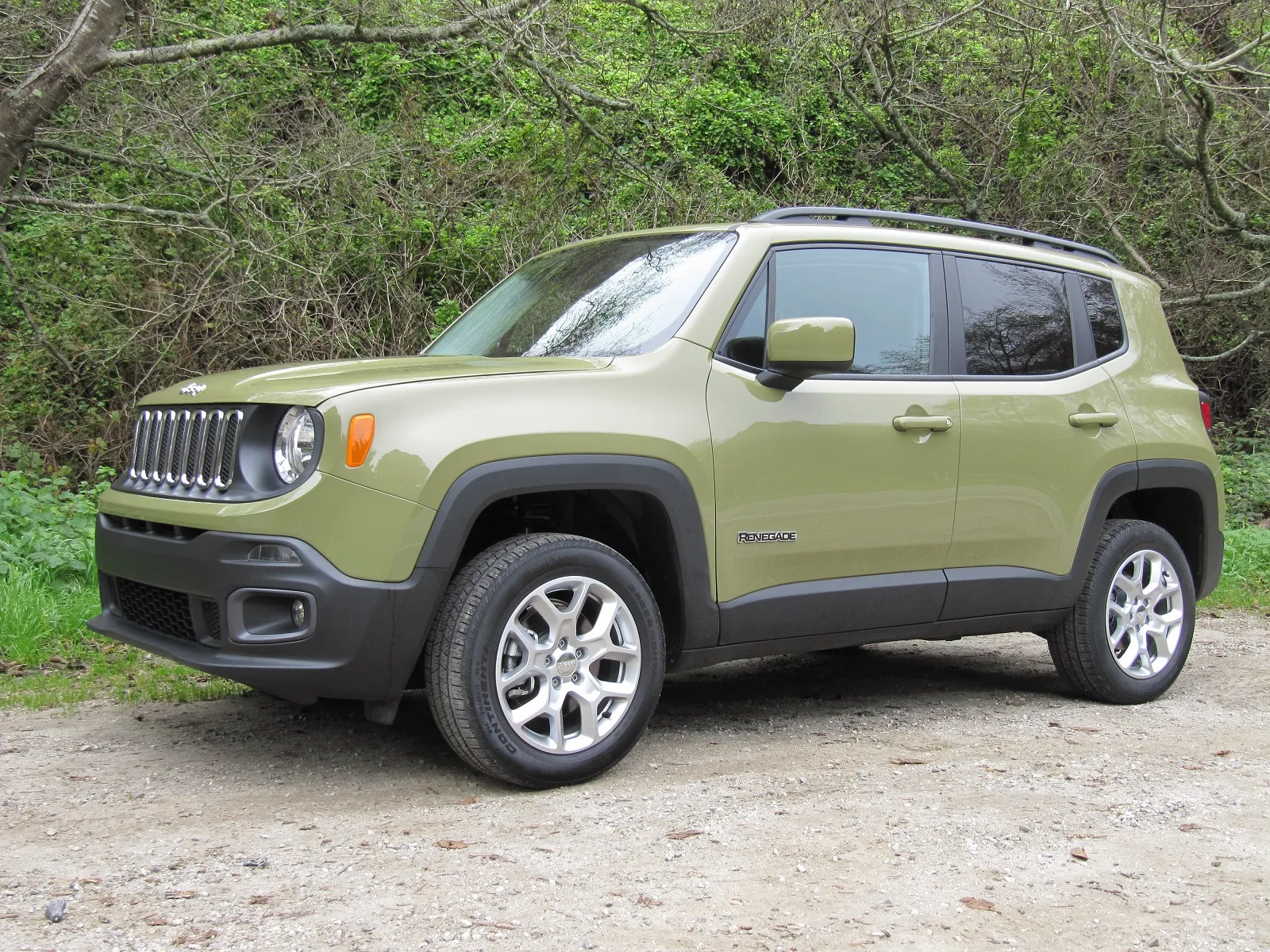
4. Jeep Renegade Latitude 2015-2019
The 2015 to 2019 Jeep Renegade Latitude reflects an Italian-American design partnership, yet high heat reveals serious weaknesses. Its 2.4-liter four-cylinder engine produces 180 horsepower, but it works hard to move the vehicle’s weight.
That effort creates more heat than the cooling system can comfortably manage. In desert conditions where temperatures regularly exceed 110 degrees, overheating becomes a common concern rather than a rare event.
Cooling capacity feels limited for sustained summer driving. The radiator struggles to shed heat during long trips or stop-and-go traffic, especially when airflow is reduced. Cooling fan assemblies often fail and require replacement, typically costing between six hundred and twelve hundred dollars. Until repaired, drivers may notice rising temperature gauges during idle time or slow commutes.
Cabin cooling performance also disappoints. The air conditioning system lacks the output needed to cool the interior during extreme heat. Even at full power, interior temperatures stay higher than expected. Rear seat passengers feel this most, since airflow to the back is weak. Daily errands turn uncomfortable, and long drives can feel exhausting rather than routine.
Transmission heat adds another layer of stress. The nine-speed automatic generates high temperatures during regular use. In hot climates, transmission fluid can overheat, leading to rough shifting or delayed response. The factory transmission cooler struggles in these conditions, pushing many owners toward aftermarket solutions that cost several hundred dollars.
Long-term reliability suffers as well. Coolant reservoir tanks crack from heat exposure, water pumps fail earlier than expected, and hoses degrade quickly. Air conditioning compressor failures are also common and expensive. For drivers facing relentless summer heat, the Renegade Latitude often demands more repairs and attention than its compact size suggests.
Also Read: 5 Cars for Anchorage Cold Weather vs 5 Cars That Fail in Extreme Cold
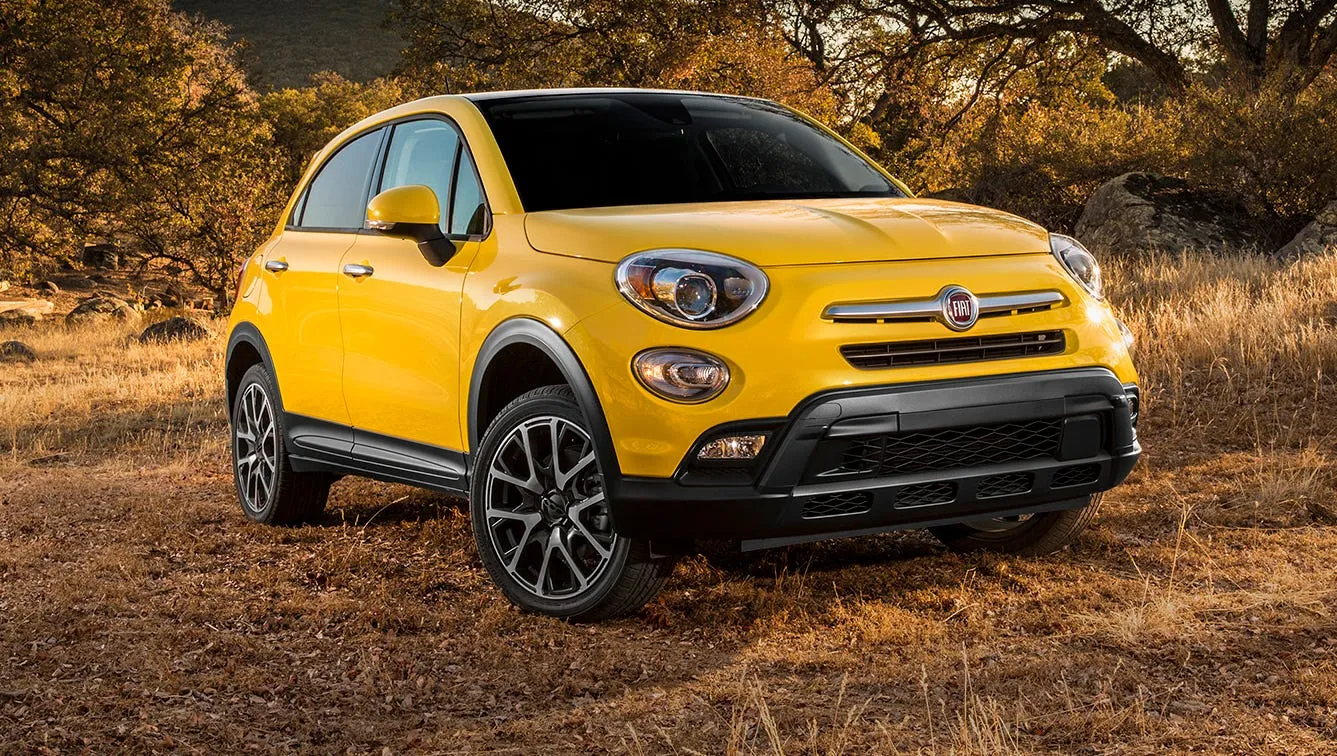
5. Fiat 500X Trekking 2016-2019
Italian engineering meets Arizona heat, with predictable overheating results in the 2016-2019 Fiat 500X Trekking. That 2.4-liter four-cylinder produces 180 horsepower, sharing the powertrain with the Jeep Renegade, along with all its cooling inadequacies.
The engine works hard, moving the vehicle, generating substantial heat that marginal cooling systems struggle to manage during extreme conditions. Radiator capacity proves insufficient for Arizona summers, with the undersized core struggling during sustained high-temperature operation.
Fan assembly failures require $600-$1,200 for replacement, a common repair that 500X owners face. Until replaced, you’ll experience overheating during traffic or extended idling, creating anxiety about reaching destinations before the temperature climbs into dangerous territory.
Air conditioning performance disappoints during extreme heat, with the system struggling to maintain comfortable cabin temperatures. The small compressor and condenser lack the capacity needed for sustained 115°F operation.
Cabin temperatures remain uncomfortably warm even with air conditioning running at maximum. You’ll question why you’re sweating in a modern vehicle with air conditioning running full blast. Rear passengers suffer particularly from inadequate airflow, arriving at destinations uncomfortable and irritated.
Nine-speed automatic transmission shares the same heat-related problems as the Renegade, with inadequate cooling causing premature wear and failures. You’ll experience harsh shifting or delayed engagement as transmission fluid overheats and loses viscosity.
The transmission cooler proves inadequate for extreme conditions. Aftermarket upgrades help but add $500-$800 to ownership costs, expenses that shouldn’t be necessary on properly engineered vehicles. Common problems mirror Renegade failures since they share platforms and powertrains.
Coolant reservoir tanks crack, requiring $200-$400 for replacement. Water pumps fail around 70,000-90,000 miles, requiring $700-$1,200 for replacement. Radiator hoses deteriorate rapidly, developing leaks. Air conditioning compressors fail prematurely, requiring $1,200-$2,000 for replacement.
