The price of a new Porsche Boxster now places it firmly in luxury territory, but that does not mean the dream of owning a Porsche is out of reach. In fact, the used market tells a far more interesting story.
For roughly half the cost of a new Boxster, enthusiasts can access some of the most diverse, characterful, and rewarding cars Porsche has ever built. From front engine transaxle classics and mid engine purist machines to V8 grand tourers and milestone 911 generations, these cars deliver genuine Porsche engineering without the new car price tag.
Each model on this list offers a distinct take on performance, design, and driving feel, proving there is no single definition of what makes a Porsche special. Whether your priorities lean toward heritage, practicality, handling balance, or emotional connection, these ten used Porsches demonstrate that smart buying can unlock experiences that are just as memorable as driving a brand new Boxster.
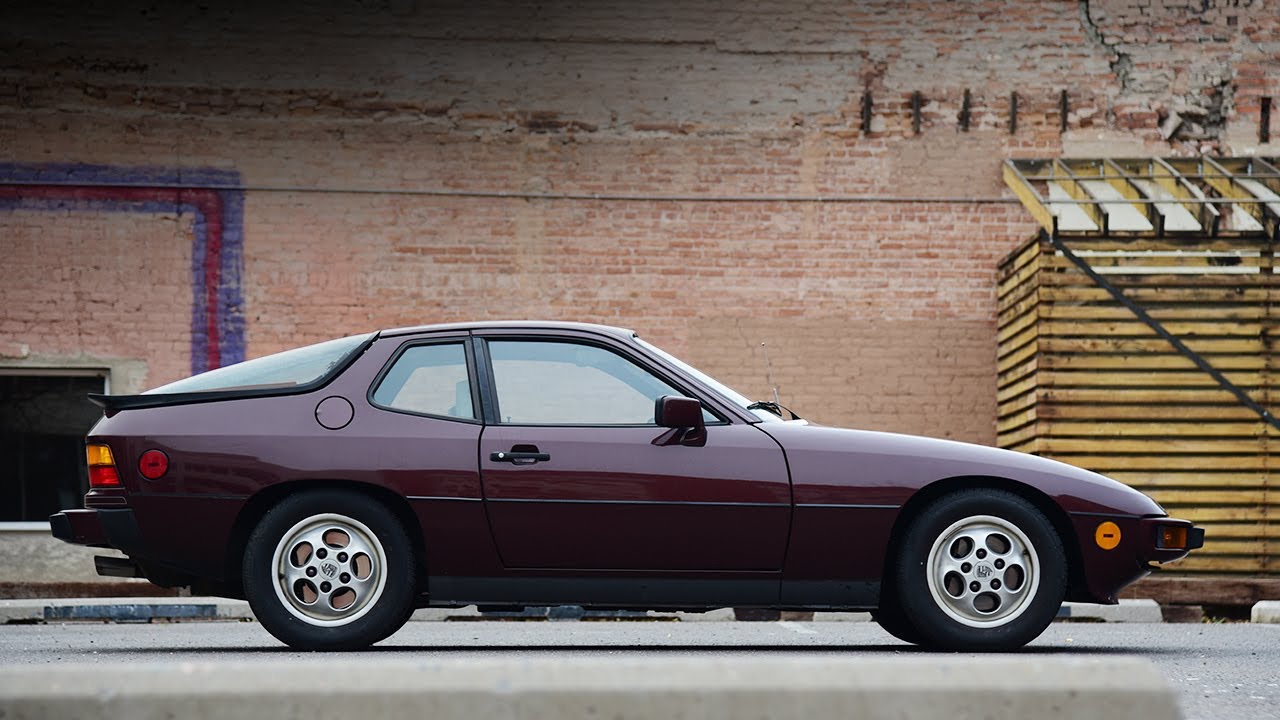
1. 1988 Porsche 924 S – Classic Sports Car with Proven Heritage
The 1988 Porsche 924 S is a well-regarded front-engine, rear-wheel-drive sports car, offered at $13,000. Often overshadowed by its successors, the 924 has gained renewed appreciation for its balanced weight distribution and engaging driving experience.
The 924S, introduced in 1986, replaced the original 2.0-liter engine with a 2.5-liter Porsche-designed inline-four from the 944, producing around 147–160 hp and 155 lb-ft of torque, paired with a 5-speed manual gearbox. This combination allows a top speed of 134 mph and a 0–60 mph time under eight seconds.
Originally launched in 1976, the 924 marked Porsche’s first water-cooled, front-engined sports car, emphasizing aerodynamics with a flat bonnet, pop-up headlights, and a rear spoiler. The S variant further enhanced performance with upgraded suspension and brakes from the 944.
This example has a storied history with just two owners. Kenneth acquired the car in 1989 and has maintained it meticulously for 33 years. During his ownership, he performed essential maintenance, including the replacement of drive shaft boots, brake components, suspension parts, steering column bushes, and bonnet struts, along with a refreshed underseal.
The vehicle has been garaged since purchase, preserving the Guards Red exterior, which remains in excellent condition with minor stone chips, and the half-leather, half-flannel interior, featuring a 2+2 seating layout. The Teledial wheels, fitted with Pirelli P6000 tires, complement the car’s classic look.
Mechanically, the car remains in top condition, with the 2.5L engine and performance-oriented components delivering a lively, practical driving experience. The electrics and all other systems are reported to be fully functional.
The Porsche has been documented extensively with service records, high-resolution photos, and videos to verify its condition, while the auction platform ensures secure, transparent transactions and can facilitate delivery.
This 924S offers a rare opportunity to own a practical, iconic Porsche with a strong provenance, appealing aesthetics, and the hallmark handling that enthusiasts seek. With its combination of history, condition, and driving enjoyment, it represents a compelling classic sports car investment.
2. 2010 Porsche Panamera Turbo – Powerful Luxury Meets Practicality
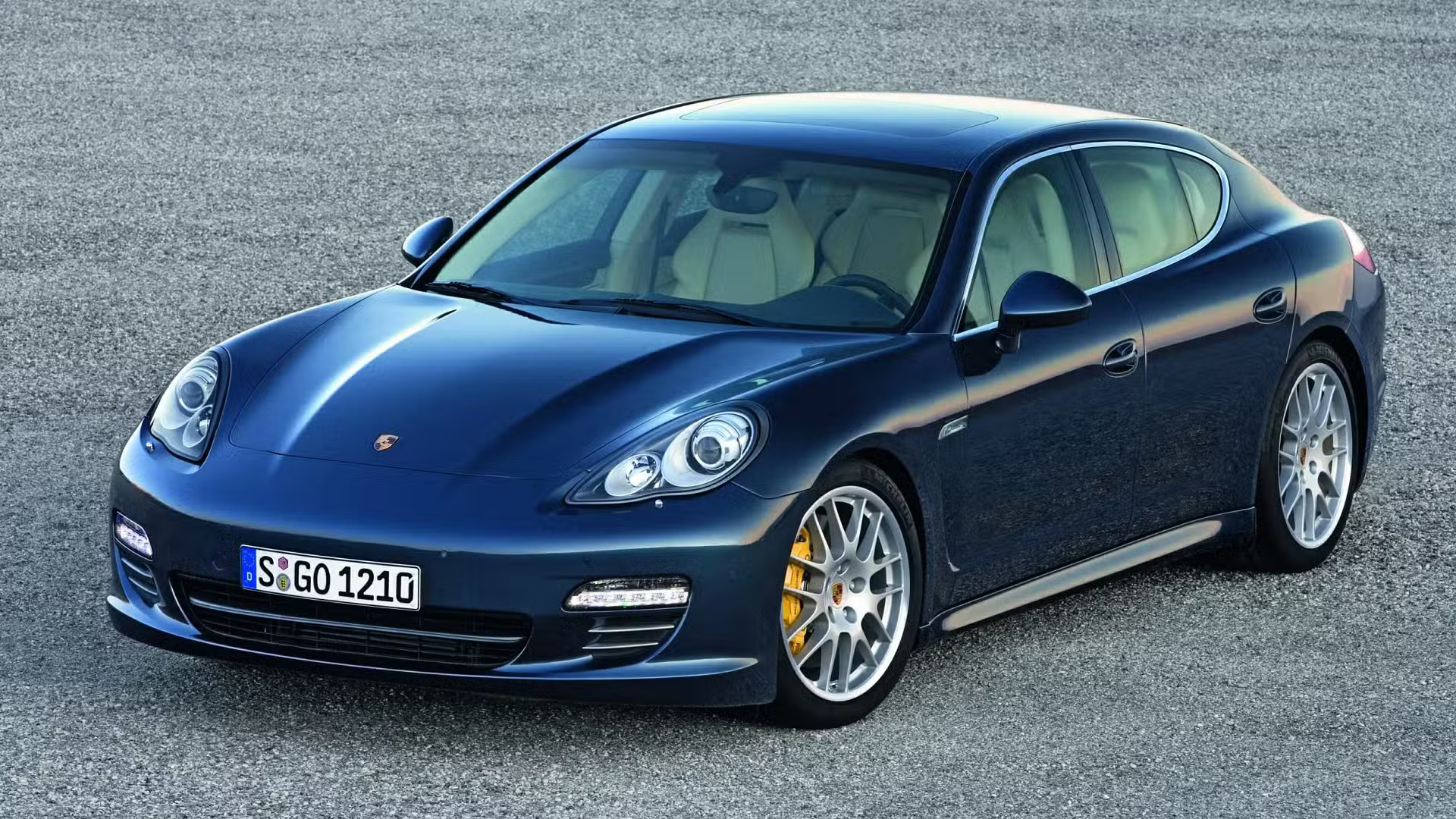
The 2010 Porsche Panamera Turbo is a high-performance four-door sports car listed at $14,842, a remarkable value compared to its original $132,600 price. It is powered by a 4.8-liter twin-turbo V8 engine producing 500 hp and 516 lb-ft of torque.
The Panamera Turbo accelerates from 0 to 60 mph in just 4.0 seconds and can reach a top speed of 188 mph. Despite its size, it outperforms many competitors, including some 911 Turbo models, thanks to its seven-speed dual-clutch PDK transmission and advanced launch control system.
The Panamera Turbo combines sports car dynamics with the practicality of a luxury sedan. Its all-wheel-drive system, rear-biased for performance, keeps the car agile through corners while its suspension and chassis provide precise steering and stability. High-speed driving is both thrilling and confidence-inspiring.
Inside, the cabin is luxurious and driver-focused. The tall center console contains numerous controls that are easy to learn after some familiarization.
The seats are firm but supportive, and the interior materials, including premium leather and soft-touch surfaces, highlight quality. Rear seating accommodates passengers comfortably, although storage space is limited due to the performance-oriented design.
Test drives conducted over a simulated 24-hour endurance event demonstrated the car’s versatility. Drivers praised cabin comfort, responsiveness, seating support, stability, and launch capability. Even during extended drives, the Panamera remained composed, delivering both comfort and sports car excitement.
The Panamera Turbo occupies a distinctive position within Porsche’s lineup. It is a luxurious four-door vehicle capable of delivering performance comparable to many two-seater models. It offers exhilarating acceleration, agile handling, and a refined interior. Its styling may divide opinions, but the front three-quarter view is particularly striking.
This 2010 Panamera Turbo blends speed, handling, and comfort, giving enthusiasts the chance to experience Porsche engineering in a practical four-door package that delivers excitement and refinement together.
3. 1975 Porsche 914 2.0 – Mid-Engine Classic with Character
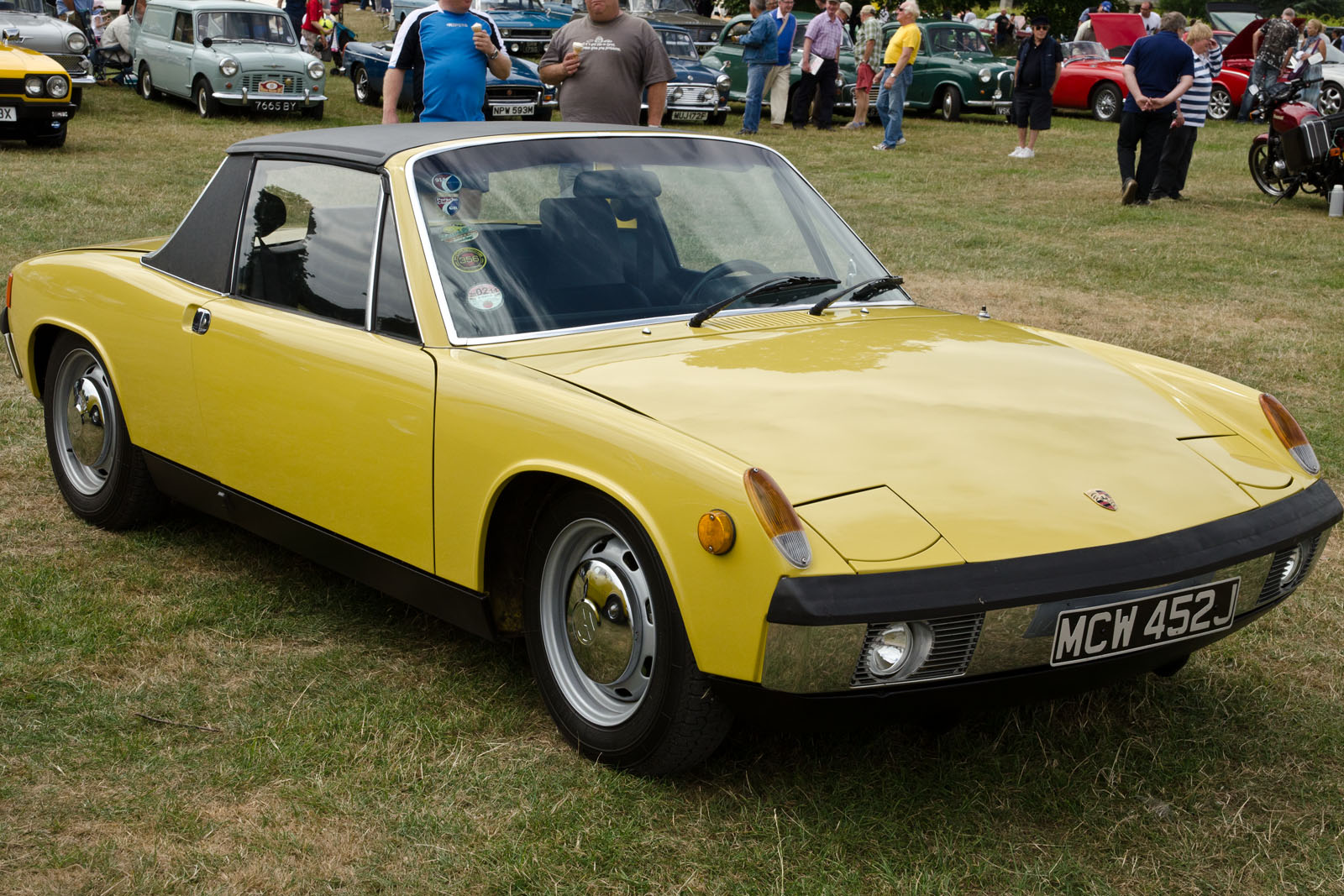
The 1975 Porsche 914 2.0 is an iconic entry-level classic priced at $17,500 in 2025, offering an accessible way into Porsche ownership. Designed during a period when the 911 had become too expensive for many buyers, the 914 was Porsche’s solution: a lightweight, four-cylinder sports car with VW roots.
Early models came with 1.7 and 1.8-liter engines, but the 2.0-liter variant introduced in 1975 brought a noticeable boost in performance, producing around 100 hp and 116 lb-ft of torque. The car accelerates from 0 to 60 mph in roughly 10.3 seconds, providing adequate straight-line performance while delivering excellent handling thanks to its mid-engine layout.
One of the defining features of the 914 2.0 is its mid-engine balance, which offers neutral handling and sharp turn-in, making it highly responsive through corners. The five-speed manual transmission features a long shift linkage, often described as quirky but rewarding once mastered.
Performance is modest compared to modern cars, but the combination of engine and chassis creates an engaging driving experience that feels connected and precise.
The 914’s design is functional and distinctive. Its removable fiberglass targa top stores conveniently in the front trunk, while the dual-trunk layout provides surprising practicality for a small sports car.
Pop-up headlights and low, angular styling give it a unique presence on the road, though opinions on its aesthetics can be polarizing. Its lightweight construction and relatively good fuel economy add to the appeal for weekend drives.
Potential buyers should pay close attention to rust, especially under the battery tray, which is prone to corrosion. Originality and minimal bodywork are important for long-term satisfaction. Some models have received engine swaps for more power, such as 914/6 conversions or other engines, which require careful inspection.
The 1975 Porsche 914 2.0 remains an underrated classic that delivers a pure, analog driving experience. It is not built for speed but excels as a nimble, engaging, and affordable sports car. With its mid-engine balance, quirky character, and removable targa roof, the 914 2.0 offers an authentic slice of Porsche history that is both fun and practical for those willing to embrace its vintage nature.
4. 1987 Porsche 944 Turbo – Iconic ‘80s Performance at an Accessible Price
The 1987 Porsche 944 Turbo offers a unique opportunity to own a turbocharged classic for around $20,000. While not a 911, the 944 Turbo embodies the best of Porsche’s 1980s engineering, combining balanced handling, distinctive styling, and engaging performance.
Originally priced at approximately $29,000, the 944 Turbo represented a significant step up from the standard 944, offering both enhanced power and refined driving dynamics.
Under the hood, the 944 Turbo (Type 951) features a 2.5-liter turbocharged inline-four engine producing around 220 horsepower and 243 lb-ft of torque. Paired with a five-speed manual transmission and rear-wheel drive, it accelerates from 0 to 60 mph in about 5.8 seconds and can exceed 150 mph.
Porsche also upgraded the brakes, suspension, and aerodynamics compared to the standard 944, giving the Turbo variant sharper handling, greater stability, and a more aggressive presence on the road. The combination of a front-engine layout and transaxle design ensures balanced weight distribution, contributing to precise cornering and a rewarding driving experience.
The 944 Turbo is recognized for its tunability and performance potential, making it a favorite among enthusiasts. Publications such as Hagerty and MotorTrend highlight the model’s strong reputation from Porsche’s transaxle era and note that values vary based on condition, originality, and maintenance history.
While fuel economy is modest at around 15 mpg city and 24 mpg highway, the car’s focus on driving dynamics outweighs efficiency concerns.
Buyers should consider the car’s condition and documented maintenance history when evaluating potential examples. Well-kept cars offer reliable performance and retain collectible appeal, while modifications or poor upkeep can affect both value and enjoyment.
Despite being overshadowed by Porsche’s more famous models, the 944 Turbo has earned respect as an accessible, high-performance classic that remains fun to drive today.
The 1987 Porsche 944 Turbo combines vintage ’80s style, balanced handling, and spirited performance, offering enthusiasts an affordable entry point into classic Porsche ownership. Its mix of turbocharged power, refined chassis, and enduring character makes it a compelling choice for anyone seeking a practical yet exciting sports car from Porsche’s iconic transaxle period.
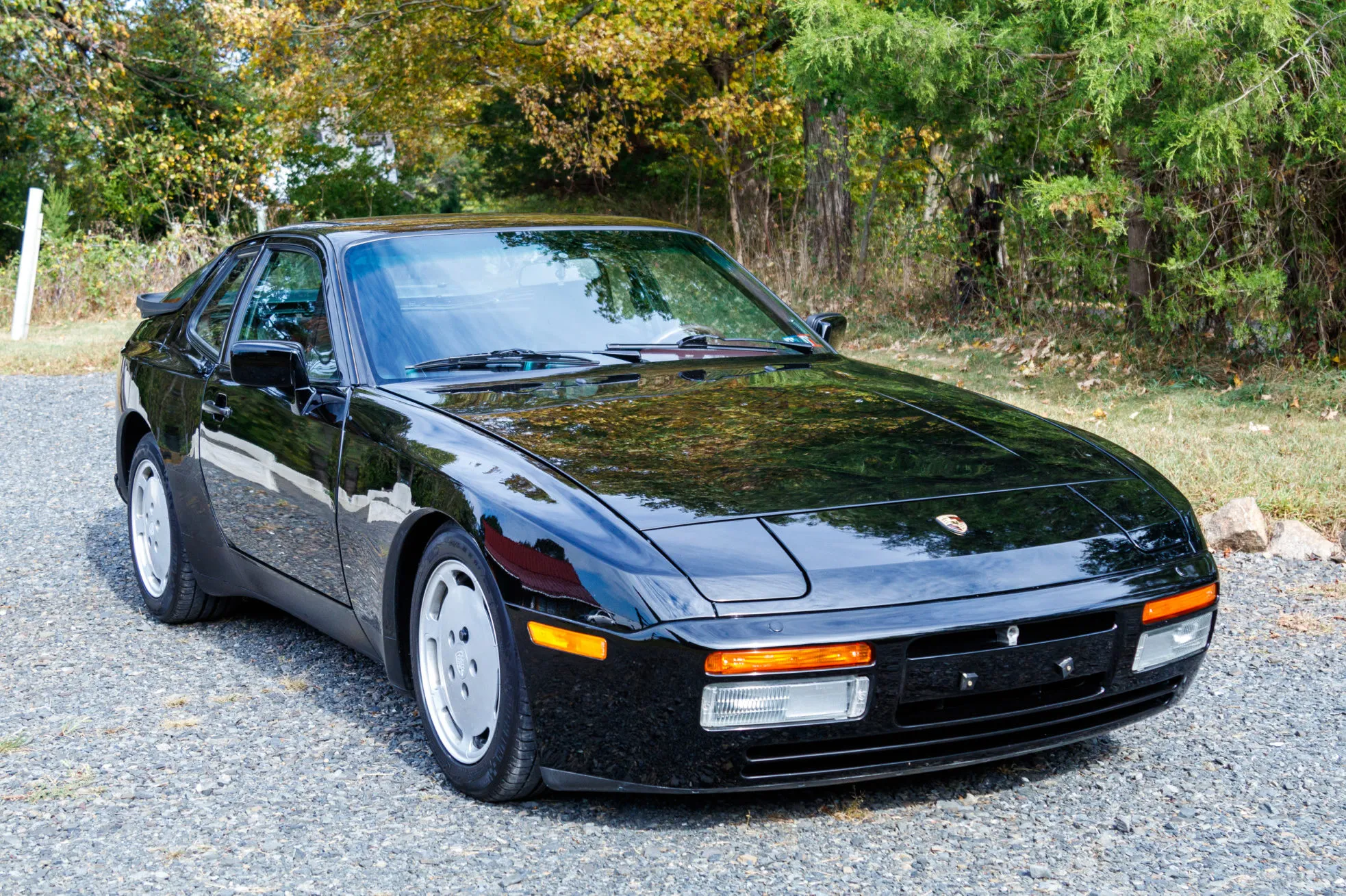
5. 1986 Porsche 928 S – Underrated V8 Grand Tourer
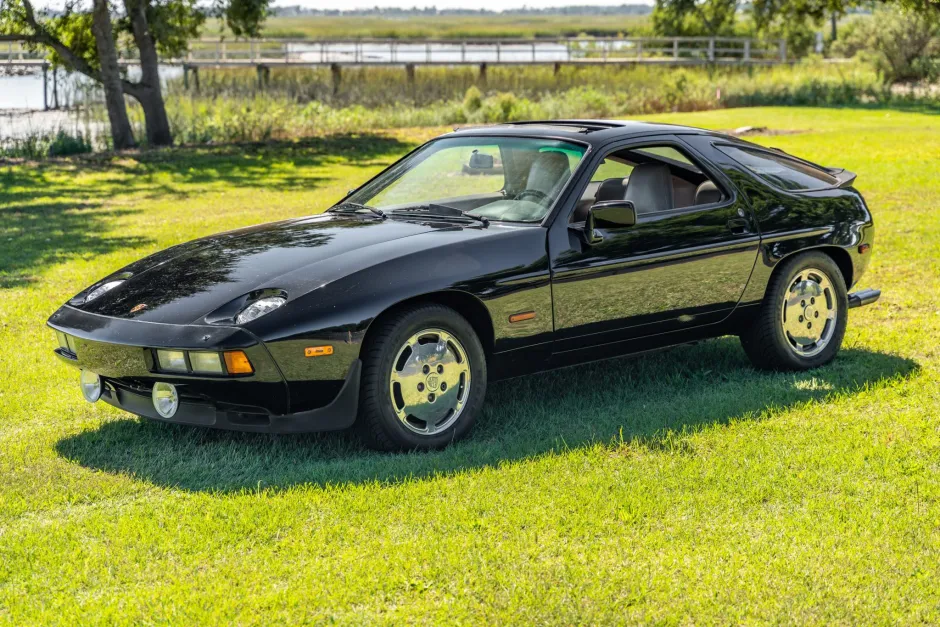
The 1986 Porsche 928 S is a striking example of Porsche’s bold departure from its rear-engine heritage, offering a front-engine, V8-powered alternative to the 911. Priced at $23,000 in 2025, this model combines sleek styling, robust performance, and low mileage, making it a compelling option for enthusiasts seeking a classic grand tourer with both character and practicality.
Originally intended as a replacement for the 911, the 928 was conceived in the late 1970s as a front-engine, water-cooled sports car designed to modernize Porsche’s lineup. The company ultimately retained the 911 due to strong customer demand, but the 928 remained in production as a second model line, showcasing Porsche’s engineering versatility.
The 1986 928 S features a 5.0-liter V8 with 288 horsepower and 302 lb-ft of torque, paired with a four-speed automatic transmission. It accelerates from 0 to 60 mph in approximately 5.5 seconds and can reach a top speed of around 155 mph (250 km/h), offering smooth and confident performance for long-distance cruising or spirited driving.
The 928 S underwent several updates during the mid-1980s, including subtle styling tweaks and an upgrade from a 16-valve to a 32-valve V8. Some markets, like Australia, received an interim version between the S2 and S4, blending the best elements of both. This example is described as an “S4 in S2 clothing,” combining advanced mechanical features with a refined aesthetic.
Well-maintained and locally delivered, this 928 S comes with full documentation, tools, and a recorded service history. Its mileage is exceptionally low at just 68,000 km, adding to its appeal as either a reliable daily driver or a lightly used collector car.
The 928 S has long been underrated but is gaining recognition among collectors seeking a distinctive Porsche that offers both style and substance. Its front-engine V8 layout, comfortable grand touring characteristics, and relatively accessible price make it an attractive alternative to more expensive air-cooled 911s.
With its combination of performance, design, and low mileage, the 1986 Porsche 928 S remains a highly desirable classic for those looking to experience a unique chapter in Porsche’s history.
Also Read: 5 Cars for Anchorage Cold Weather vs 5 Cars That Fail in Extreme Cold
6. 1999 Porsche 911 Carrera – The First of a New Generation
The 1999 Porsche 911 Carrera, commonly known as the 996, represents one of the most important turning points in the model’s history.
Priced around $27,000 today, it remains one of the most attainable modern-era 911s, offering strong performance and everyday usability while preserving the core character that defines the nameplate. Once dismissed as the “cheap” 911, the 996 has gained recognition as values rise and buyers rediscover its strengths.
As the first all-new 911 since the model’s 1963 debut, the 996 was developed to ensure Porsche’s survival into the 21st century. It introduced a larger, lighter chassis that was wider, longer, and more rigid than its predecessor, yet about 110 pounds lighter.
The car offered improved ergonomics, increased cabin space, better ride quality, and more predictable handling, making it more accessible to a broader range of drivers.
Power comes from a 3.4-liter liquid-cooled flat-six producing 296 horsepower and 258 lb-ft of torque. This marked the end of air cooling for the 911, a controversial change at the time but one that allowed Porsche to meet tightening emissions and safety standards.
The engine retained the traditional rear-mounted layout and horizontally opposed design, while introducing modern features such as four valves per cylinder, variable valve timing, and individual ignition coils. With a six-speed manual transmission, the 1999 Carrera reaches 60 mph in about 5.2 seconds and delivers strong performance throughout the rev range.
The chassis balances comfort and control, using MacPherson struts up front and a multi-link rear suspension. Compared to earlier 911s, the 996 trades edgy handling traits for stability and predictability, making it confidence-inspiring on both road and track. Steering is lighter but precise, while braking performance benefits from large ventilated rotors and four-piston calipers.
Inside, the cabin is quieter and more refined, with a proper center console, improved seating position, and better control layout. While sharing some components with the Boxster, the 996 remains a clean-sheet 911 design that preserves the spirit of earlier models.
As a road car, track-day platform, or modification base, the 1999 Porsche 911 Carrera stands as a performance bargain and a milestone in Porsche history.

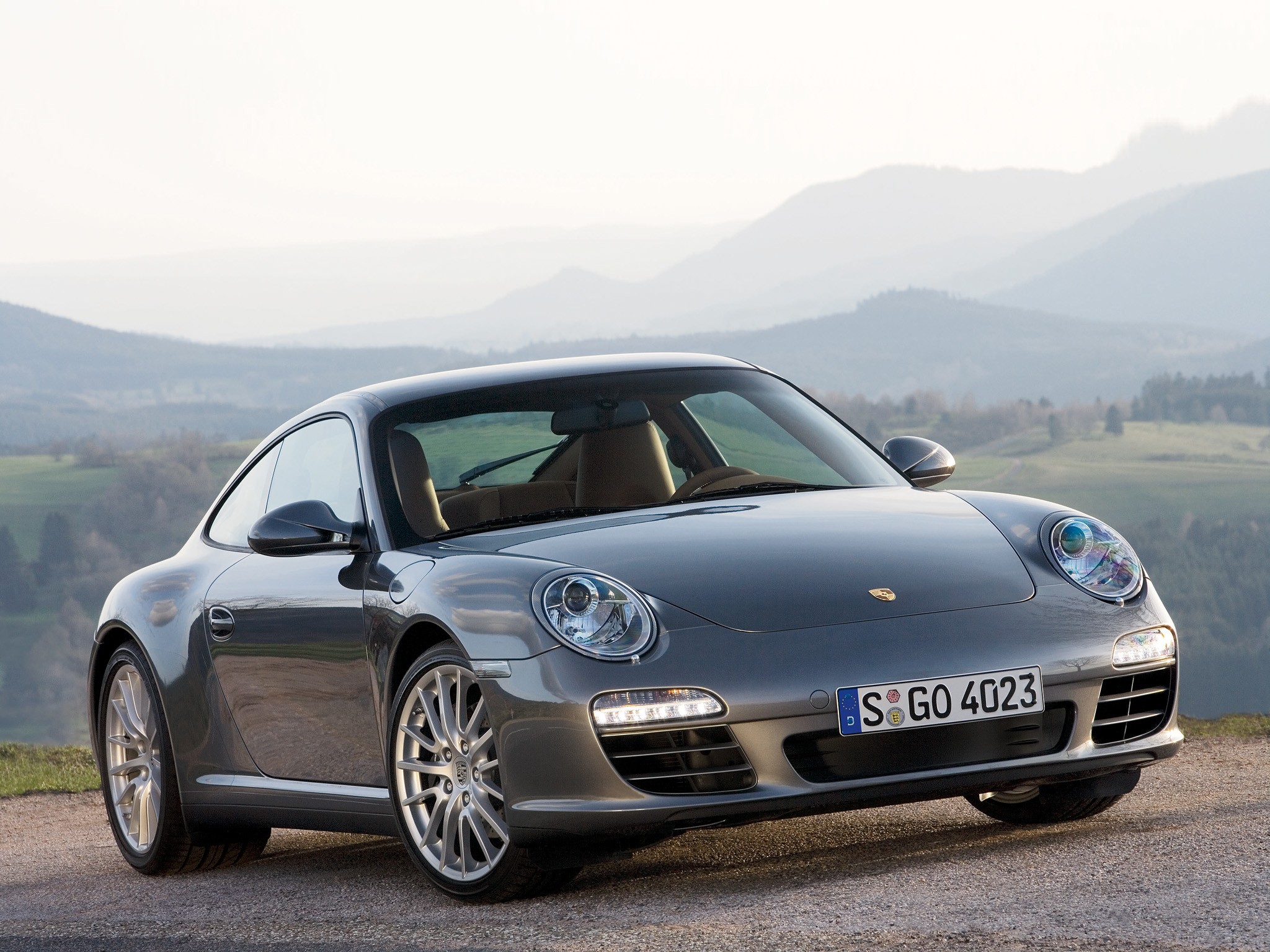
7. 2008 Porsche 911 Carrera 4 – Modern Classic with All-Weather Confidence
The 2008 Porsche 911 Carrera 4 represents a sweet spot in the modern 911 lineup, combining timeless design, strong performance, and everyday usability. Priced around $32,000, it offers an appealing alternative to a brand-new sports coupe, delivering the depth of engineering and heritage that only a 911 can provide.
As part of the 997 generation, it built on the controversial 996 by refining the styling and returning to more classic proportions, a change that has helped the model age exceptionally well.
Powered by a 3.6-liter horizontally opposed six-cylinder engine, the Carrera 4 produces 325 horsepower and 273 lb-ft of torque. With a six-speed manual transmission, it accelerates from 0 to 60 mph in approximately 4.9 seconds.
The defining feature of the Carrera 4 is its all-wheel-drive system, which enhances traction and stability in poor weather while maintaining the rear-engine character that defines the 911. Despite defying conventional engineering wisdom, decades of refinement have turned this layout into one of the most effective and confidence-inspiring setups in the sports car world.
The 997-generation 911 strikes a rare balance between performance and daily drivability. The ride is firm but comfortable enough for commuting, while the flat-six engine delivers smooth, linear power accompanied by a distinctive soundtrack.
Steering is precise and stable, the brakes are strong and easy to modulate, and the chassis remains composed even when pushed hard on winding roads. Stability and traction control systems provide a safety net without overly dulling the driving experience.
Inside, the Carrera 4 features a driver-focused cabin with supportive bucket seats, clear instrumentation, and high-quality materials. A tilt and telescoping steering wheel and generous footwells make it comfortable for a wide range of drivers. Rear seats are small but usable for short trips or folded flat to provide additional storage, complemented by a front trunk for everyday practicality.
The 2008 Porsche 911 Carrera 4 stands out as a refined, capable sports car that blends performance, comfort, and heritage. It delivers the unmistakable 911 experience in a package that remains rewarding to drive and easy to live with, making it a compelling modern classic.
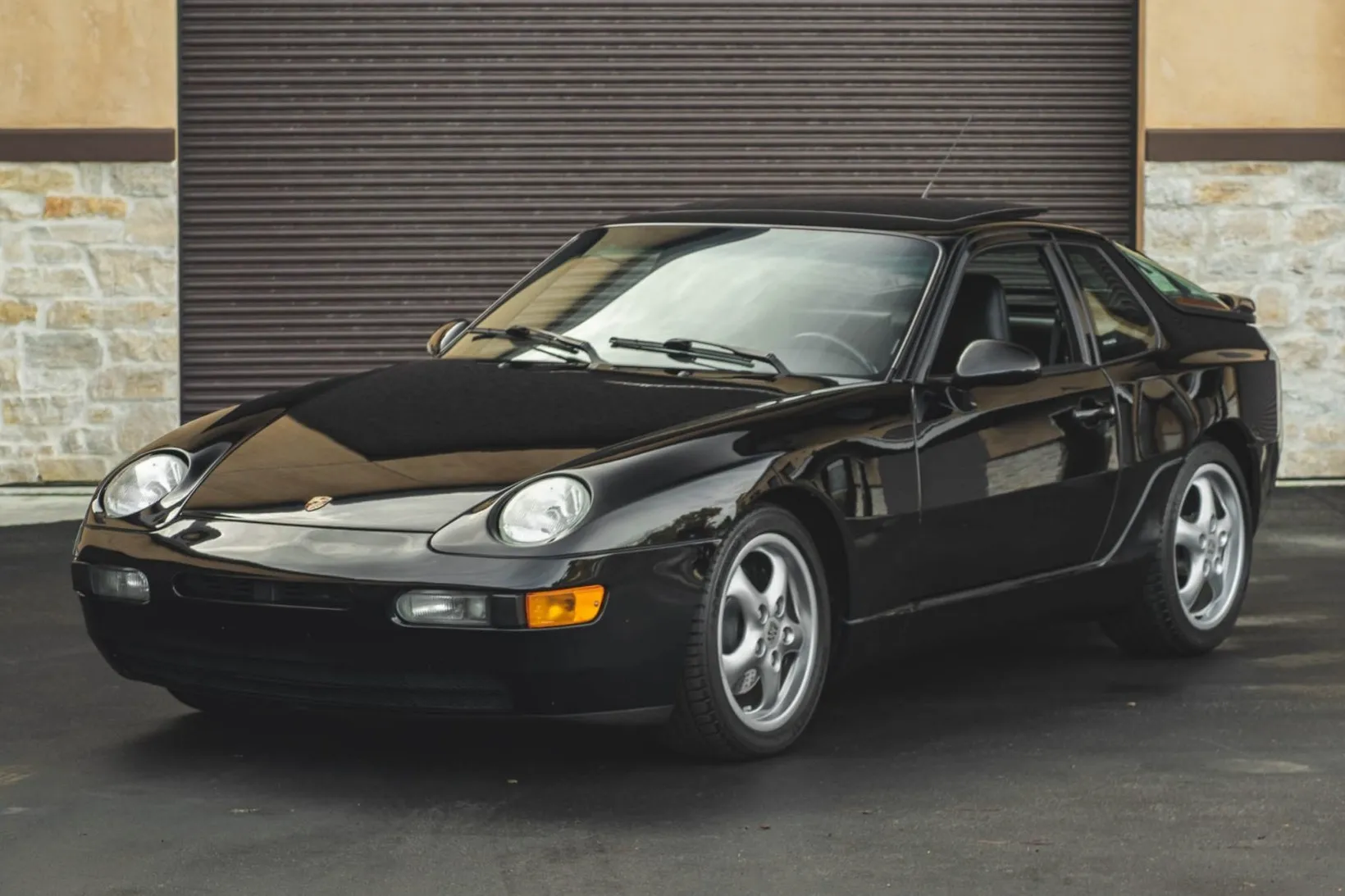
8. 1995 Porsche 968 – The Final and Finest Transaxle Evolution
The 1995 Porsche 968 represents the ultimate development of Porsche’s front-engine, transaxle sports cars, closing the chapter that began with the 924 in the mid-1970s.
Priced around $35,000, the 968 coupe now commands serious money, particularly compared with contemporary 911s, though cabriolet versions remain significantly cheaper. Demand is strongest for coupes, as many buyers view the 968 as an ideal platform for spirited driving and light track use.
Originally intended to be called the 944 S3, the 968 received its own name during a difficult period for Porsche, when the company was grappling with slow sales and economic pressure. Despite this, the 968 emerged as a highly refined and capable sports car.
It was powered by a 3.0-liter naturally aspirated four-cylinder engine derived from the 944 S2, producing 236 horsepower and 225 lb-ft of torque.
The addition of Porsche’s Variocam variable valve timing improved drivability, flexibility, and efficiency, making the engine one of the most advanced four-cylinders of its era. With a six-speed manual transmission, the 968 accelerates from 0 to 60 mph in approximately 6.3 seconds.
Visually, the 968 marked the most significant styling update since the original 944. While the doors, roof, and tailgate carried over, the rest of the bodywork was redesigned. The new front end, inspired by the Porsche 928, gave the car a more modern and cohesive appearance, helping it stand apart from its predecessors.
Inside, the 968 benefited from an upgraded interior that shared components with the 911 and 928, lending a more premium feel and justifying its higher price when new. Even so, sales remained slow until the introduction of the lighter, stripped-down Clubsport model in 1993, which highlighted the underlying brilliance of the chassis and driving dynamics.
The standard 968 delivers excellent balance thanks to its front-engine, rear-transaxle layout, providing near-perfect weight distribution and precise handling. It is widely regarded as one of the best-driving Porsches of the era.
As the final evolution of the transaxle line, the 1995 Porsche 968 stands as a refined, engaging, and increasingly collectible classic that rewards drivers who value balance and mechanical purity over outright speed.
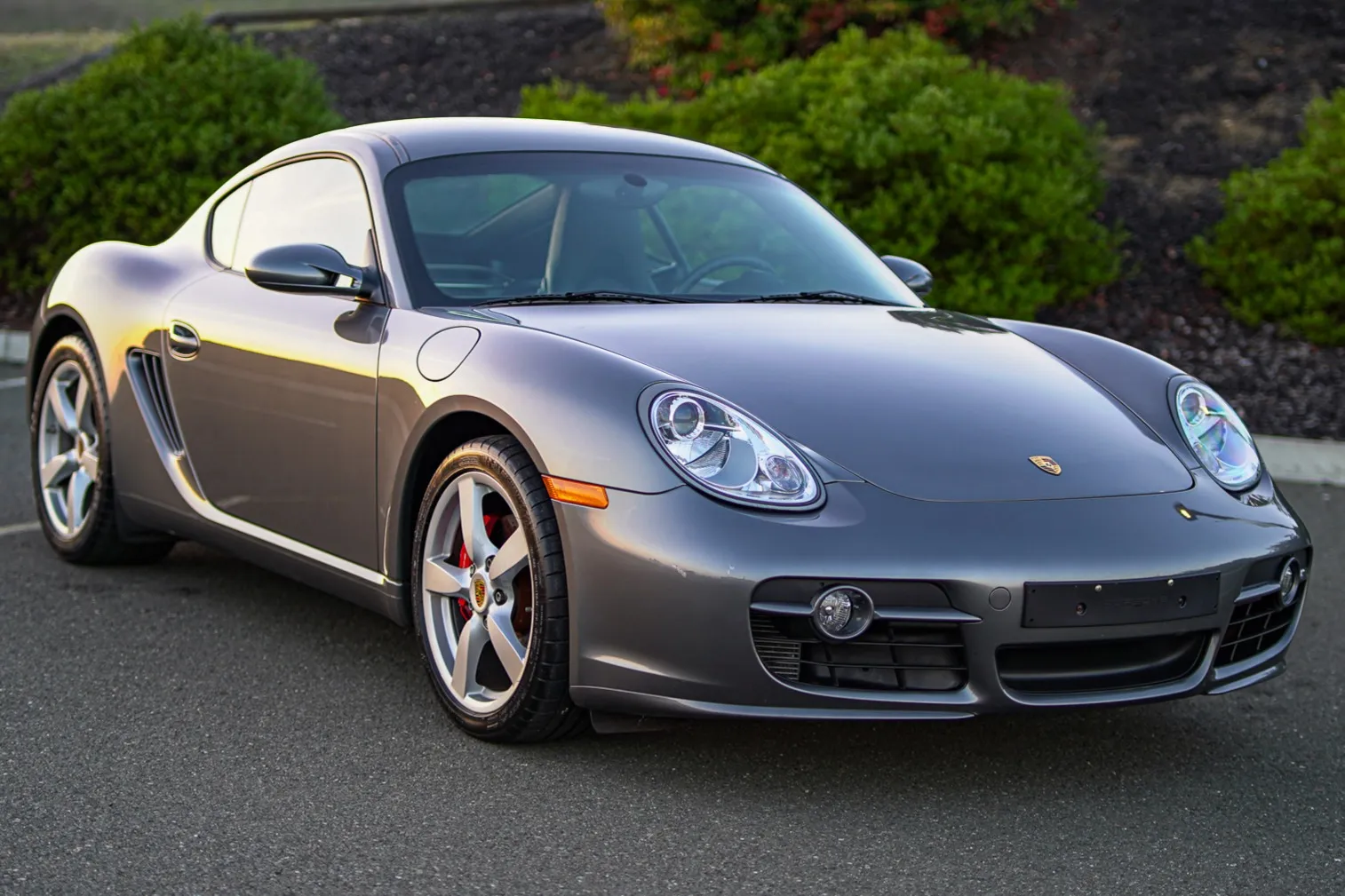
9. 2008 Porsche Cayman S – The Mid-Engine Benchmark for Driving Purists
The 2008 Porsche Cayman S stands as one of the most complete and rewarding sports cars of its era, offering a blend of precision, balance, and everyday usability that few rivals can match.
Priced around $35,000, it often costs more than a comparable 911 Carrera from the same year, reflecting strong demand from enthusiasts who value the Cayman’s mid-engine layout and focused driving experience. Far from being a lesser alternative to the 911, the Cayman S represents a different philosophy, prioritizing balance and feedback over tradition.
Power comes from a 3.4-liter flat-six mounted just behind the seats, producing 294 horsepower and 251 lb-ft of torque. With a redline over 7,000 rpm, the engine delivers strong midrange response and a thrilling top-end surge, while remaining flexible enough for relaxed daily driving.
Porsche’s Variocam Plus system improves throttle response and drivability, allowing the Cayman S to feel tractable in traffic and ferocious when pushed. Officially, it reaches 60 mph in 5.1 seconds, with real-world testing often showing quicker times.
What truly defines the Cayman S is its handling. The mid-engine layout provides exceptional weight distribution, allowing the car to rotate naturally through corners with remarkable composure. Steering feel is widely regarded as among the best of any modern sports car, transmitting road information with clarity and confidence.
The chassis offers immense grip and stability, encouraging drivers to push harder while remaining approachable and predictable. Strong, linear brakes further enhance confidence, whether on back roads or during track use.
Despite its performance focus, the Cayman S excels as a real-world car. It features two sizable trunks, one in the front and one behind the engine, making it far more practical than most mid-engine competitors. The interior is well-built, comfortable, and thoughtfully designed, with supportive sport seats, excellent driving position, and enough headroom for taller drivers, even with helmets on.
The Cayman S delivers an engaging, analog driving experience without sacrificing comfort or usability. It may not chase outright speed records, but it rewards drivers with balance, sound, and connection. As a sports car that excels on both road and track, the 2008 Porsche Cayman S remains a benchmark for driver-focused design.
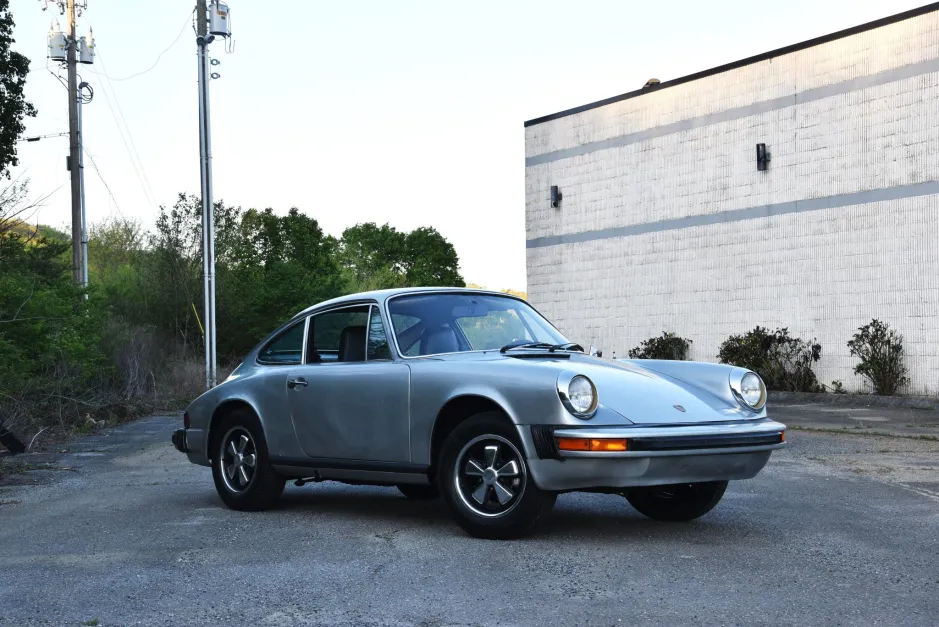
10. 1975 Porsche 911 S Silver Anniversary – A Personal Take on a Milestone 911
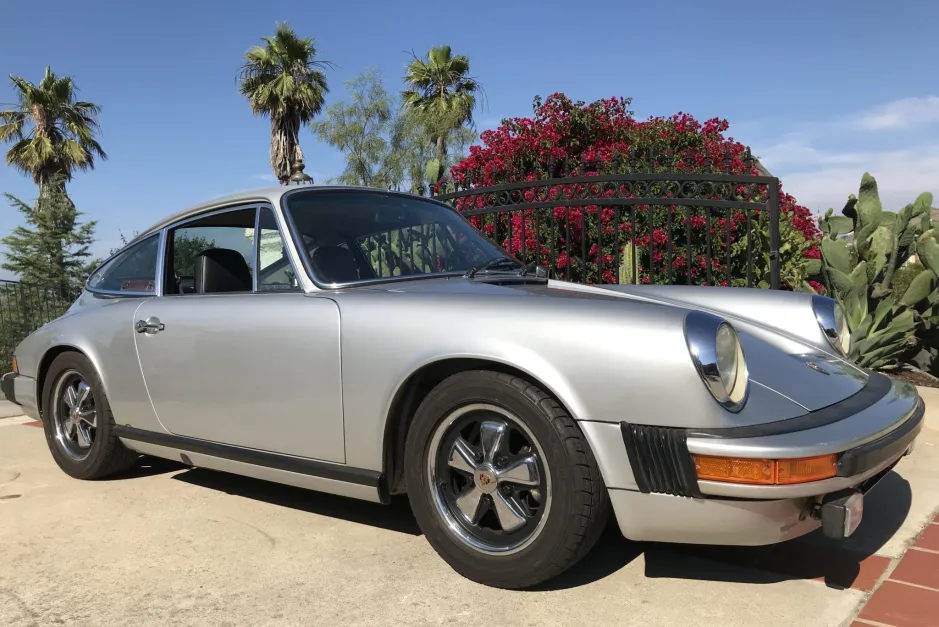
The 1975 Porsche 911 S Silver Anniversary marks an important chapter in Porsche history, celebrating 25 years of sports car production with a limited-edition model offered for that year alone.
Finished exclusively in Diamond Silver Metallic and paired with a distinctive plaid interior, the Anniversary edition blended commemorative details with the classic lines of the mid-1970s G-series 911.
Powered by a 2.7-liter air-cooled flat-six producing around 165 horsepower, it was not about outright speed, but character, balance, and heritage. With values hovering around $37,000 for a well-kept Targa, it represents a relatively accessible entry into limited-edition air-cooled ownership.
The 1974 to 1975 cars occupy a unique visual space in the 911 lineage. They retain much of the elegance of earlier long-hood models, with brightwork and classic proportions, while introducing the impact bumpers that would define the era.
For many owners, this blend of old and new makes the Silver Anniversary cars especially appealing. Subtle updates modernized the design without losing the visual DNA that made the original 911 iconic.
Ownership, as described here, is rooted firmly in use rather than preservation. High mileage is embraced as proof of enjoyment rather than something to hide, with the belief that these cars drive better when exercised regularly.
Maintenance is viewed as a natural part of stewardship, whether replacing aging fuel pumps, hoses, or drivetrain components. Running costs are accepted as the price of keeping a 40-year-old sports car healthy and engaging.
Personal connection plays a central role in the appeal. The model year aligning with the owner’s birth year, combined with a background shaped by architecture and art, deepens the appreciation for the 911’s design integrity. The choice of less common details, such as Minilite-style wheels instead of traditional Fuchs, reflects a philosophy of enjoyment over conformity.
Beyond enthusiast circles, the Silver Anniversary 911 draws attention from casual admirers, thanks to its color, shape, and timeless presence. As a car meant to be driven, shared with family, and enjoyed without anxiety over perfection, the 1975 911 S Anniversary embodies what makes classic Porsche ownership so rewarding.
What makes these ten cars compelling is not just their price, but the breadth of Porsche history and philosophy they represent. From the lightweight simplicity of the 914 and the balanced precision of the Cayman S to the engineering ambition of the Panamera Turbo and the timeless appeal of multiple 911 generations, each model delivers a different interpretation of the Porsche identity.
Buying used opens the door to cars with deeper stories, proven engineering, and driving experiences that have already stood the test of time. For many enthusiasts, that connection matters more than showroom freshness or the latest technology.
At half the price of a new Boxster, these Porsches prove that passion, performance, and prestige do not have to come with a new car warranty. Choose wisely, maintain them well, and these cars will reward you with something increasingly rare in the modern era: an authentic and deeply engaging Porsche driving experience.
Also Read: 10 Cars With Best Factory Sound Systems Under $25,000