

Lansing’s brutal winters and unpredictable weather patterns demand vehicles built to withstand harsh conditions. Your morning commute might start with scraping ice off windshields in January, dodging potholes that appear overnight after spring thaws, or pushing through surprise snowstorms that transform I-496 into a white-knuckle adventure.
Michigan roads test vehicle durability like few other places, with salt-covered highways corroding undercarriages and temperature swings stressing mechanical components. You need transportation that laughs at single-digit temperatures, fires up reliably when neighbors’ cars refuse to start, and handles slippery roads without sending you into ditches.
Choosing poorly means watching your investment deteriorate faster than you imagined possible. Some vehicles crumble under Midwestern conditions, developing rust within years, suffering electrical failures during cold snaps, or experiencing mechanical breakdowns that leave you stranded.
Repair bills stack up quickly when components fail prematurely, transforming affordable transportation into financial nightmares. Your reliable commute becomes a source of constant stress as warning lights illuminate dashboards and strange noises emerge from engines.
Smart vehicle selection requires understanding which models actually survive Michigan’s punishing environment. Some manufacturers engineer vehicles specifically for cold climates, using rust-resistant materials, robust electrical systems, and mechanical components that function reliably regardless of temperature.
Others cut corners, producing vehicles that look attractive on showroom floors but deteriorate rapidly under real-world Lansing conditions. That difference becomes painfully apparent after your first Michigan winter. This guide looks at ten vehicles through the lens of Lansing commuting and long-term durability.
Five models deliver reliable transportation that withstands harsh Midwestern conditions, maintaining value and performance for years. Then we’ll expose five that fail early, developing expensive problems that transform daily commuting into ongoing stress.
Whether you’re new to Michigan or replacing a vehicle that couldn’t handle another winter, this information could save you thousands in repair bills and countless hours of frustration.
Cars Built for Lansing’s Brutal Conditions
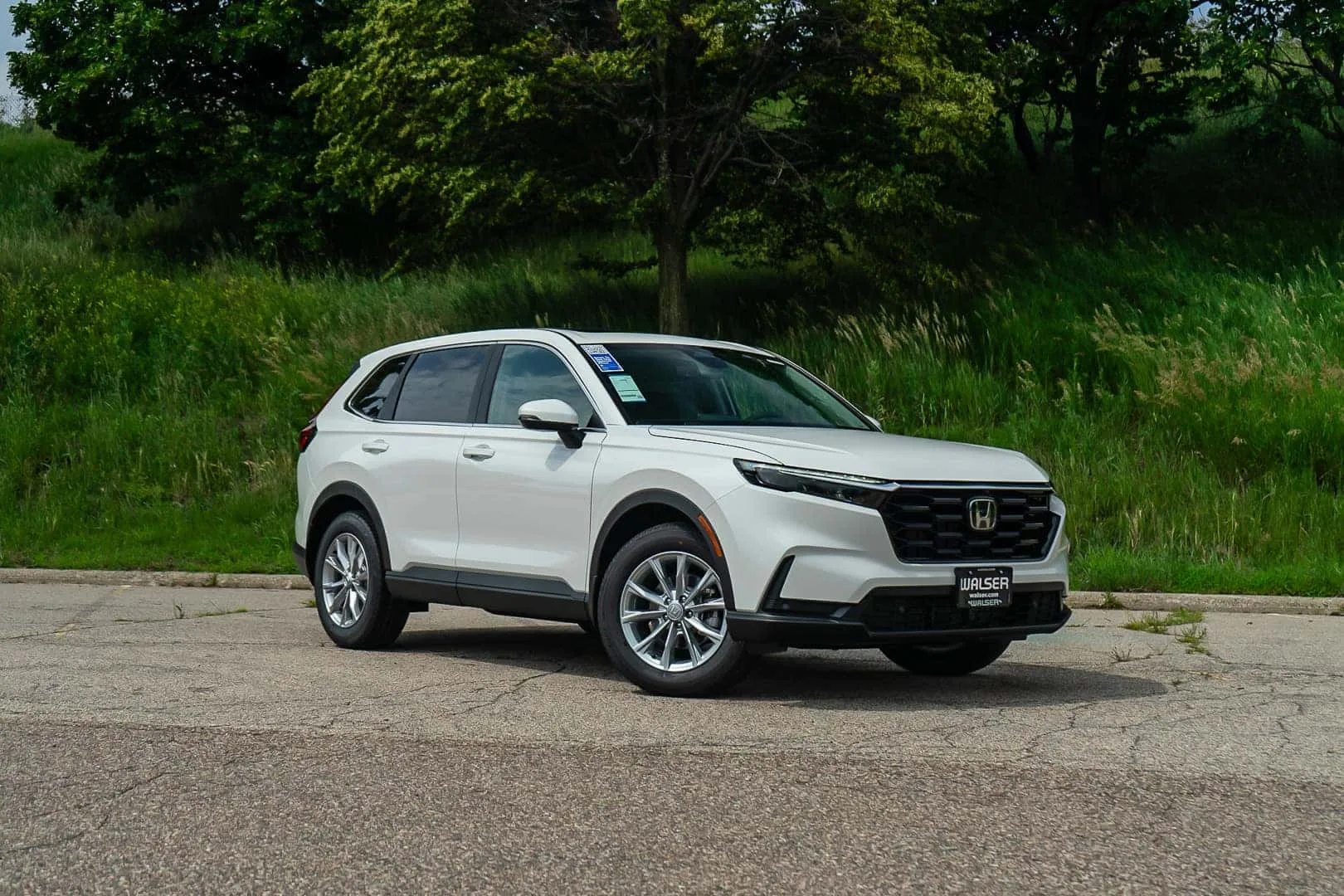
1. Honda CR-V EX 2024
Winter mornings don’t intimidate the Honda CR-V EX 2024. That 1.5-liter turbocharged engine cranks over eagerly when temperatures plunge below zero, demonstrating reliability that leaves neighbors enviously watching through frosted windows.
You’ll drive away confidently while others struggle with stubborn starters that click pathetically in frigid air. Real-time all-wheel drive distributes power intelligently to wheels with traction, preventing the sliding and fishtailing that plague two-wheel-drive vehicles on snow-covered roads.
Heated seats warm quickly, transforming icy interiors into comfortable spaces within minutes. Dual-zone climate control allows the driver and passenger to customize their comfort zones. Remote start capability means you can warm the vehicle from your kitchen, eliminating the miserable experience of sitting in freezing seats while waiting for heat. These comfort features aren’t luxuries in Michigan winters but necessities that make daily commuting bearable during brutal cold snaps.
Fuel economy remains respectable despite all-wheel drive, averaging 28-30 mpg during mixed driving. You’ll spend reasonable amounts at gas pumps rather than watching fuel gauges drop alarmingly fast as thirsty competitors demand.
The turbocharged engine provides adequate power for highway merging and passing despite modest displacement. CVT transmission operates smoothly, keeping the engine in the optimal power band during acceleration. Routine maintenance stays straightforward with any competent shop capable of servicing this CR-V.
Parts availability throughout Michigan remains excellent since these vehicles sell in huge numbers. Mechanics understand these systems completely, having serviced countless examples. Oil changes, brake work, and routine services cost reasonable amounts at independent shops. You’re not trapped into expensive dealer visits for basic maintenance.
Expect minimal problems during the first 100,000 miles beyond routine maintenance. Brake wear normally requires replacement every 50,000-70,000 miles. Tires need replacement based on tread wear patterns. Budget $700-$1,000 annually for routine maintenance and minor repairs.
This CR-V delivers dependable transportation that handles Michigan winters confidently while maintaining reasonable operating costs, perfect for Lansing commuters.

2. Subaru Crosstrek Limited 2024
Snow and ice become minor inconveniences rather than commuting obstacles with the Subaru Crosstrek Limited 2024. Symmetrical all-wheel drive sends power continuously to all four wheels, providing confident traction that transforms winter driving from stressful to manageable.
You’ll climb snowy hills that stop other vehicles, accelerate smoothly from intersections without wheelspin, and maintain composure on slippery highways. Michigan winters demand this capability, making all-wheel drive essential rather than optional.
Cold-weather engineering ensures reliable starts when temperatures drop dangerously low. Battery, starter, and electrical systems work harmoniously even during brutal cold snaps that defeat lesser vehicles. You’ll drive confidently knowing your Crosstrek fires up reliably regardless of weather conditions.
Remote start allows warming the interior before entering, creating a comfortable environment immediately, rather than suffering through freezing seats and icy steering wheels. Ground clearance exceeds typical sedans, helping when plowing hasn’t cleared roads completely. You’ll drive over packed snow accumulations without scraping vulnerable undercarriage components.
That extra height provides psychological comfort during winter commuting, knowing you can handle deeper snow than lower vehicles. Roof rails accept cargo boxes or ski racks, expanding utility for winter recreation that makes Michigan winters enjoyable rather than merely survivable.
Interior materials withstand temperature extremes without cracking or deteriorating. Subaru selected components specifically for durability in harsh climates.
Dashboard maintains appearance rather than developing cracks that plague heat-cycled plastics. Seats resist wear from constant use and temperature cycling. You’ll maintain an attractive interior appearance years after purchase, preserving resale value.
Routine maintenance accessibility proves excellent with independent shops throughout Lansing capable of servicing Subarus. Parts availability remains good since these vehicles sell well in snow-belt states. Mechanics familiar with Subaru systems keep labor costs competitive.
Budget $800-$1,100 annually for routine maintenance. This Crosstrek delivers all-weather capability and reliable operation, perfect for Michigan commuters needing confident winter transportation.
Also Read: 5 Cars for Buffalo Snowy Roads vs 5 Cars That Slip Often
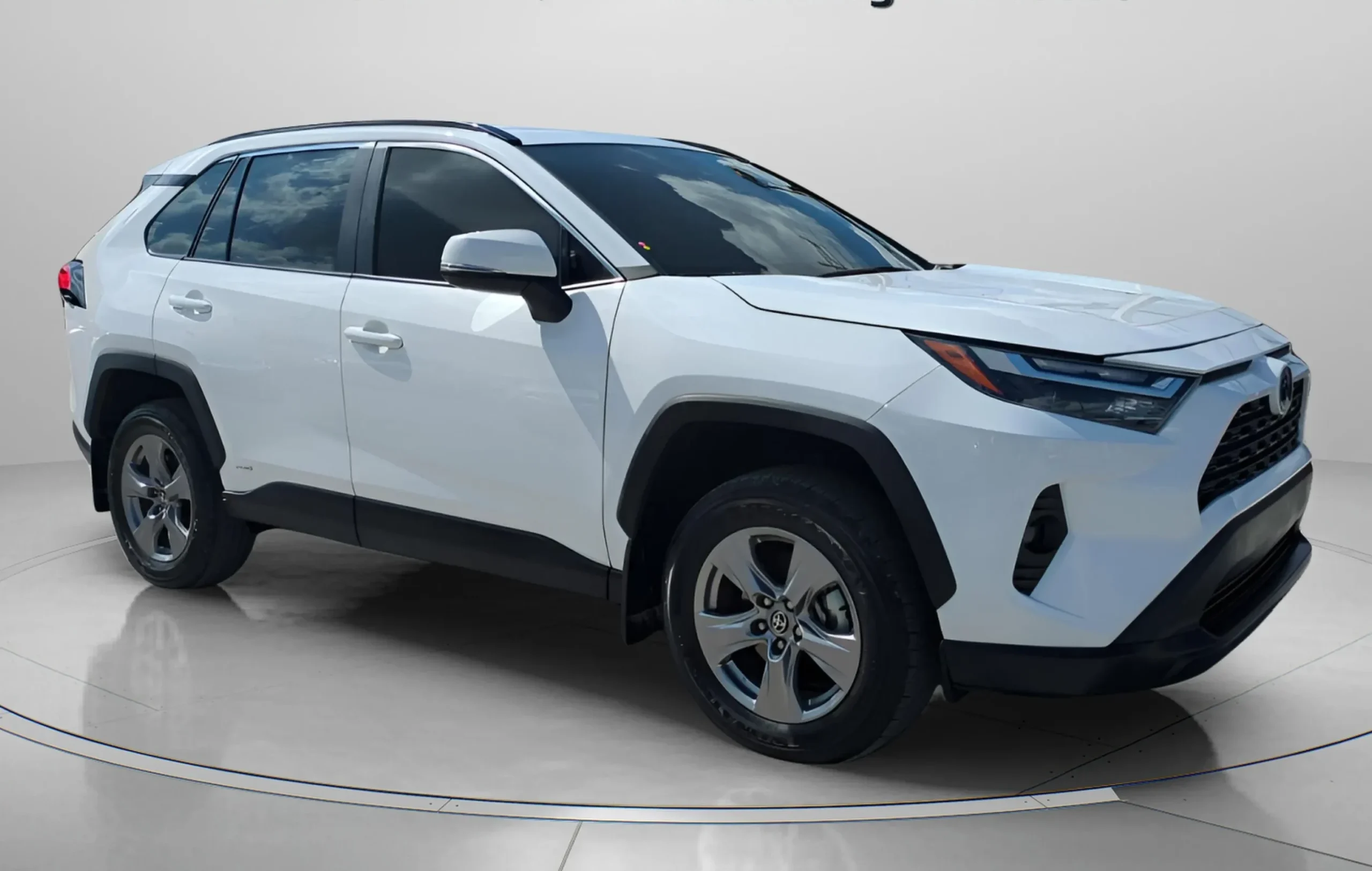
3. Toyota RAV4 XLE AWD 2024
Dependability defines the Toyota RAV4 XLE AWD 2024. That 2.5-liter four-cylinder produces 203 horsepower, providing adequate acceleration for highway driving and merging.
All-wheel drive engages automatically when slippage is detected, providing confident traction during winter conditions. You’ll handle snow-covered roads competently without the drama that accompanies less capable vehicles.
Cold-weather reliability impresses with systems engineered to function regardless of temperature. Battery capacity remains sufficient even during extreme cold that saps charge from lesser batteries. Starter motor cranks powerfully when temperatures plunge.
Electrical systems maintain functionality during brutal conditions. You’ll drive confidently knowing your RAV4 starts reliably every morning, regardless of weather forecasts predicting single-digit temperatures or worse. Interior space accommodates families comfortably with genuine rear seat legroom.
You won’t cram passengers uncomfortably into tight quarters. Cargo space proves generous with the rear hatch providing substantial capacity for groceries, sports equipment, or winter gear. Rear seats fold, creating even more room when hauling larger items. That versatility makes this RAV4 practical for families needing occasional hauling capability beyond typical commuting demands.
Heated seats and the steering wheel warm quickly, creating a comfortable environment within minutes of starting. Remote start capability allows warming the vehicle before entering, eliminating the miserable experience of sitting in freezing seats.
Dual-zone climate control customizes comfort for the driver and passenger. These features transform winter commuting from miserable to manageable, making daily drives more pleasant during Michigan’s extended cold seasons.
Routine maintenance stays accessible with any shop capable of servicing this RAV4. Parts availability throughout Michigan remains excellent since these vehicles dominate sales charts. Mechanics understand these systems completely.
Oil changes, brake work, and routine services cost reasonable amounts at independent shops. You’re not forced into expensive dealer visits for basic maintenance that any competent mechanic can perform. Expect minimal problems beyond routine maintenance during the first 100,000 miles. Brake wear is normal.
Tires need replacement based on tread wear. Budget $700-$1,000 annually for routine maintenance. This RAV4 delivers dependable transportation that handles Michigan winters confidently while maintaining reasonable operating costs, making it a smart choice for Lansing families needing reliable daily commuting.
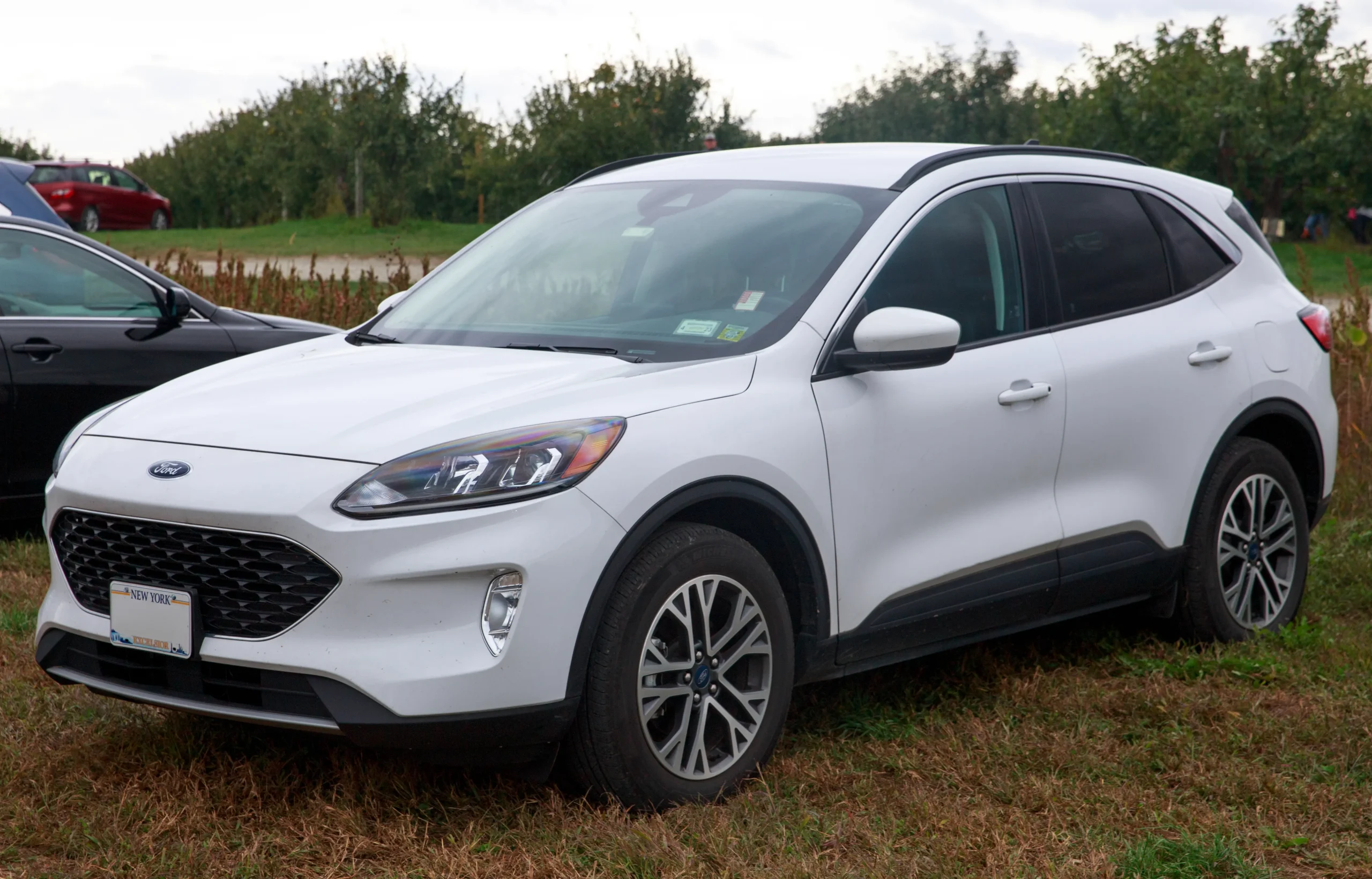
4. Ford Escape SEL AWD 2024
American engineering meets practical capability in the Ford Escape SEL AWD 2024. That 1.5-liter turbocharged three-cylinder produces 180 horsepower, providing adequate acceleration for daily driving. Intelligent all-wheel drive distributes power appropriately, providing confident traction during winter conditions.
You’ll handle snow-covered Lansing roads competently without constant worry about losing control. Interior quality improved substantially in the recent redesign, with materials feeling more premium than previous generations. Seats provide adequate comfort during typical commutes without creating back pain.
Controls fall easily to hand with logical layouts that don’t require consulting the owner’s manual for basic functions. The infotainment system operates intuitively with Apple CarPlay and Android Auto integration working seamlessly.
Cargo space proves adequate for typical family needs, with the rear hatch providing reasonable capacity. You can haul groceries, sports equipment, or occasional larger items without struggle. Rear seats fold when more capacity is needed. While not class-leading for cargo volume, you’ll find sufficient space for normal usage patterns that characterize suburban family life.
Fuel economy averages 27-30 mpg during mixed driving, respectable efficiency for an all-wheel-drive crossover. You’ll keep fuel costs reasonable during daily commuting. Three-cylinder engine sounds unusual, but it operates smoothly after initial startup.
The turbocharger provides adequate power for highway driving despite modest displacement. You won’t win stoplight drag races but acceleration proves adequate for safe merging and passing. Routine maintenance accessibility proves excellent with Ford dealers and independent shops throughout Lansing.
Parts availability remains excellent since Ford sells huge numbers of vehicles. Mechanics understand these systems well. Oil changes, brake work, and routine services cost reasonable amounts. You’re not trapped into expensive dealer-only service for basic maintenance that any competent shop can handle.
Ford warranty coverage provides peace of mind during initial ownership years. Three-year/36,000-mile bumper-to-bumper and five-year/60,000-mile powertrain protection covers major components. You’ll drive confidently knowing unexpected failures get covered during the warranty period. That protection proves valuable given Ford’s historical reliability, varying between excellent and problematic depending on specific models.
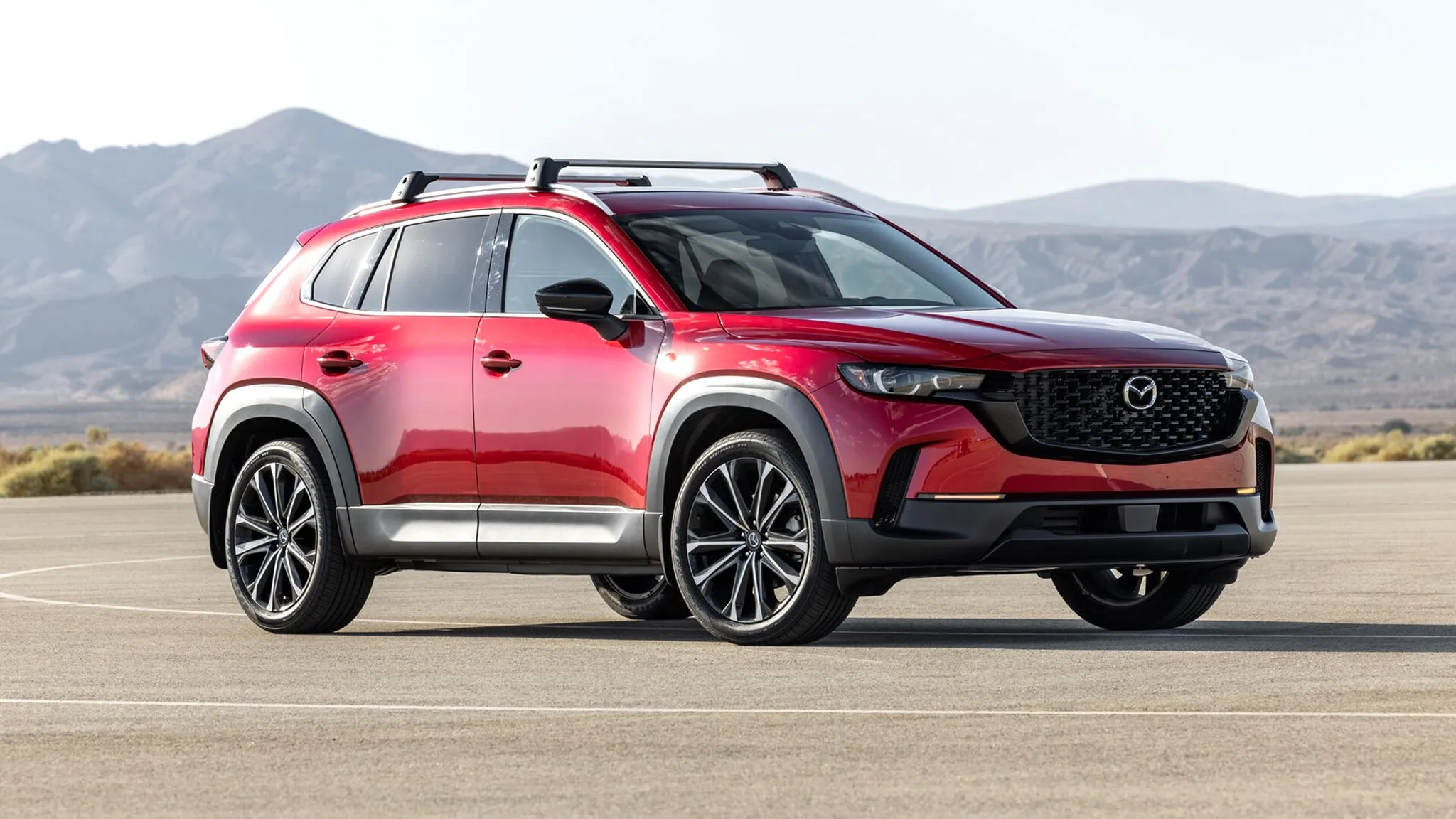
5. Mazda CX-50 Preferred AWD 2024
Driving enthusiasm meets practical capability in the Mazda CX-50 Preferred AWD 2024. That 2.5-liter four-cylinder produces 187 horsepower, providing adequate acceleration. All-wheel drive provides confident traction during winter conditions while maintaining engaging handling characteristics that make commuting more enjoyable than typical crossovers deliver.
Cold-weather engineering ensures reliable operation during Michigan winters. Remote start allows warming the vehicle before entering. Heated seats and a steering wheel create a comfortable environment quickly. Defrosters work efficiently, clearing windshields rapidly.
You’ll spend less time scraping ice and more time actually driving. Battery capacity remains adequate even during extreme cold, which defeats vehicles using undersized batteries. Handling dynamics make daily commuting more engaging than typical crossovers deliver.
Mazda tuned suspension to minimize body roll while maintaining a comfortable ride quality. You’ll actually enjoy driving rather than just tolerating it as necessary transportation. Steering provides good feedback, connecting the driver to the road in ways competitors don’t match. That engagement reduces commuting stress and fatigue.
Fuel economy averages 25-28 mpg during mixed driving, slightly lower than more efficient competitors but acceptable given engaging driving dynamics. You’ll spend reasonable amounts at gas pumps without watching the fuel gauge drop alarmingly fast.
The engine provides adequate power, though it won’t thrill performance enthusiasts. Transmission operates smoothly without the problematic CVT behaviors some competitors exhibit. Routine maintenance stays accessible with independent shops capable of servicing this CX-50.
Parts availability remains good throughout Michigan. Mechanics familiar with Mazda systems keep labor costs competitive. Oil changes, brake work, and routine services cost reasonable amounts. You’re not forced into expensive dealer visits for basic maintenance that any competent shop can perform.
Budget $800-$1,100 annually for routine maintenance and minor repairs. This CX-50 delivers engaging driving dynamics combined with practical capability that handles Michigan winters confidently. You’ll get dependable transportation that makes commuting more enjoyable rather than merely tolerable, perfect for Lansing drivers appreciating vehicles that prioritize driving experience alongside reliability.
Cars That Crumble Under Michigan Conditions
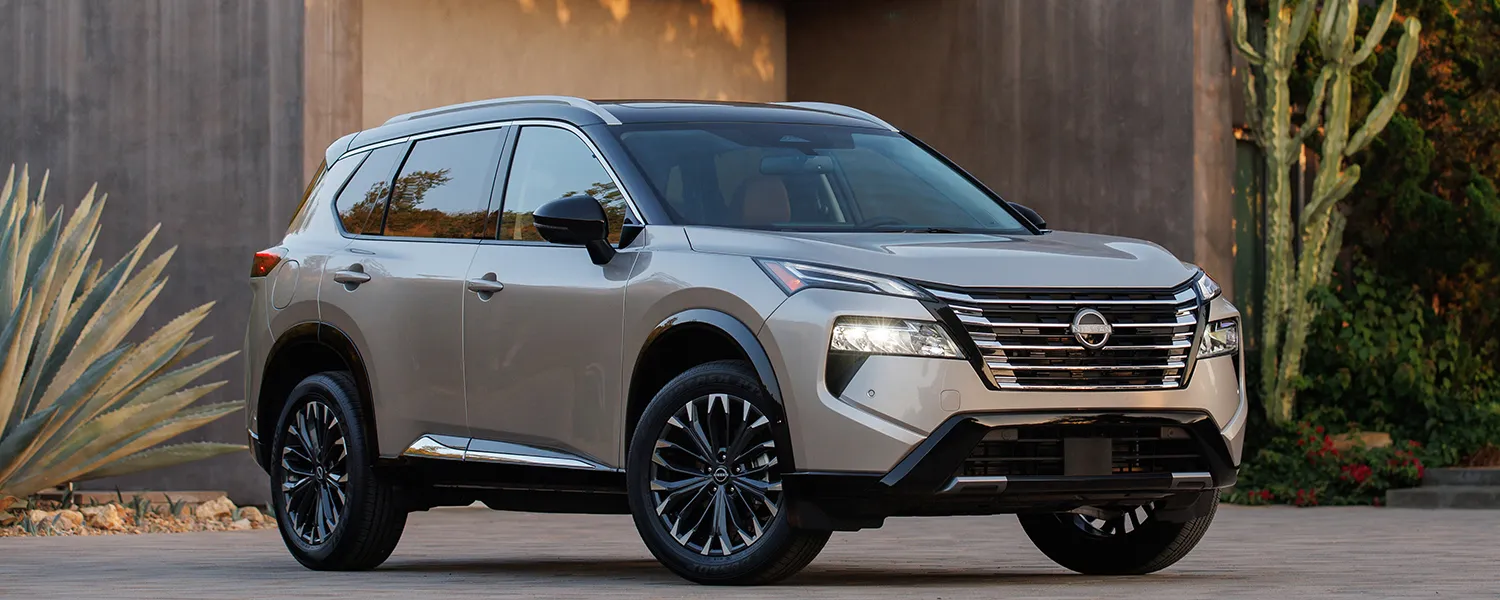
1. Nissan Rogue SV AWD 2024
Japanese engineering stumbles badly in the Nissan Rogue SV AWD 2024. That 1.5-liter turbocharged three-cylinder produces 201 horsepower, sounding impressive on paper but delivering problematic real-world performance.
CVT transmission exhibits annoying behaviors, including hesitation during acceleration, a rubber-band feel when accelerating hard, and questionable long-term durability that concerns mechanics seeing these vehicles regularly. All-wheel drive engages when needed, but doesn’t inspire confidence like proven competitors deliver.
Cold-weather performance disappoints with electrical problems emerging during harsh winters. Batteries drain faster than expected, leaving owners with dead vehicles on frigid mornings. Starter motors struggle when temperatures drop severely.
Electrical gremlins create mysterious problems that frustrate mechanics trying to diagnose intermittent failures. You’ll experience warning lights, system malfunctions, and unreliable operation that transforms confident commuting into constant worry about whether your vehicle starts.
Rust protection falls below competitors, with corrosion appearing quickly on Michigan vehicles. You’ll notice bubbling paint, corroded brake lines, and deteriorating undercarriage components within just a few winters. Nissan’s protective coatings prove inadequate against Michigan salt and harsh conditions.
That accelerated degradation destroys resale value since used buyers recognize rust damage and negotiate prices downward or walk away completely. Interior materials feel cheaper than competitors, with hard plastics dominating the cabin. Seats provide adequate initial comfort but wear quickly, showing deterioration after moderate use.
Dashboard rattles develop as vehicles age, creating annoying noises during driving. Climate control struggles to maintain comfortable temperatures during extreme weather, working too hard during summer heat and failing to warm adequately during winter cold.
Annual costs easily reach $1,500-$2,500, including routine maintenance and repairs that emerge as these vehicles age. That’s double what reliable competitors cost annually. After five years, you’ve spent $3,000-$7,000 more maintaining this Rogue compared to Honda or Toyota alternatives.
This Rogue delivers mediocre transportation that fails prematurely, making it a terrible choice for Lansing commuters needing reliable vehicles that survive Michigan conditions.
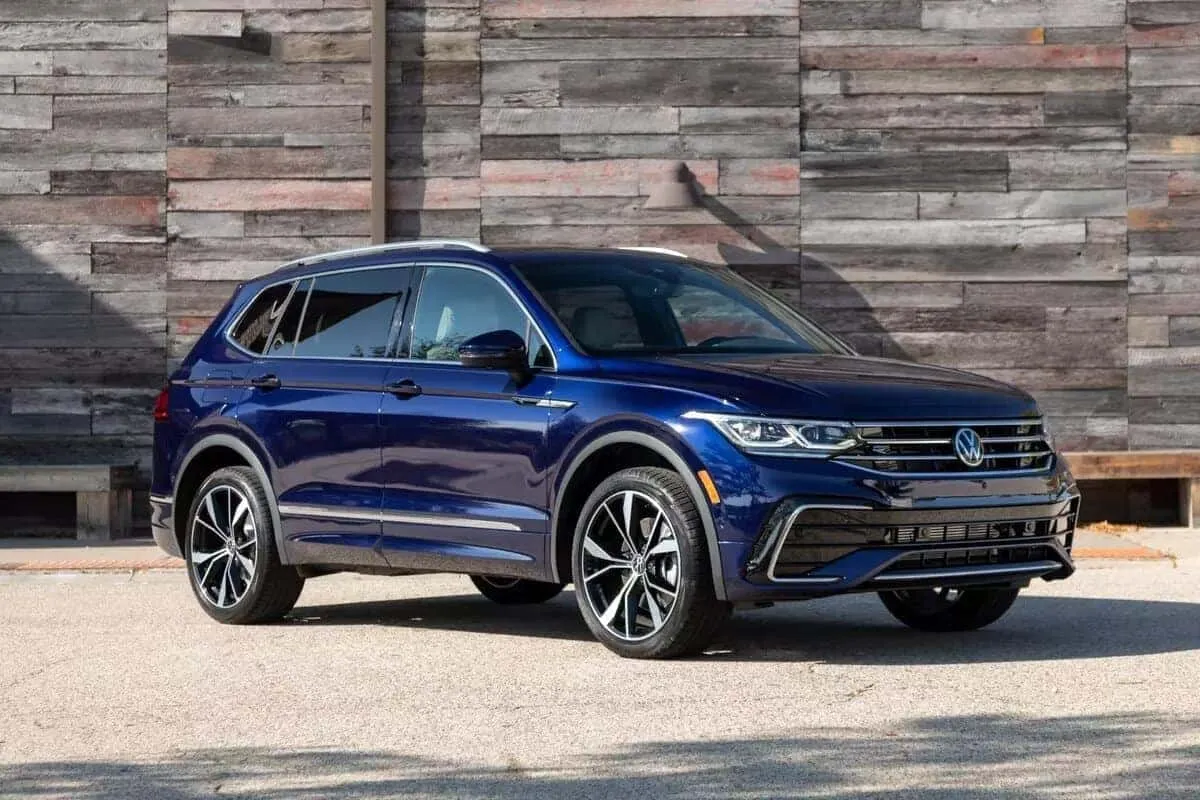
2. Volkswagen Tiguan SE 4Motion 2024
German engineering creates maintenance nightmares in the Volkswagen Tiguan SE 4Motion 2024. That 2.0-liter turbocharged four-cylinder produces 184 horsepower, providing adequate acceleration when working properly.
4Motion all-wheel drive provides decent traction during winter conditions. Unfortunately, that engineering sophistication demands expensive maintenance and suffers reliability problems that destroy ownership satisfaction.
Cold-weather functionality disappoints with batteries struggling during extreme cold. You’ll experience starting problems when temperatures plunge. Heated seats fail more frequently than reliable competitors. Climate control systems develop problems requiring expensive repairs.
Defrosters work adequately when functioning, but components fail prematurely compared to Japanese competitors that engineer systems to last. Rust protection proves inadequate for Michigan conditions, with corrosion appearing quickly.
You’ll notice bubbling paint and corroded components within just a few winters. Volkswagen’s protective coatings don’t match Japanese competitors’ engineering vehicles specifically for harsh climates. That accelerated degradation destroys resale value since used buyers recognize rust damage and negotiate prices downward dramatically.
Maintenance costs shock owners accustomed to reasonable expenses. Oil changes require expensive synthetic oil and Volkswagen-specific procedures costing $100-$150 at dealers. Independent shops charge less, but many lack the specialized diagnostic equipment Volkswagen requires. You’ll pay $120-$150 per hour for labor at dealers. Brake jobs cost $1,000-$1,500. Routine services cost substantially more than Japanese competitors.
Fuel economy averages 23-26 mpg during mixed driving, disappointing efficiency that compounds operating costs. A turbocharged engine requires premium fuel, adding 30-40 cents per gallon compared to regular. That difference costs $300-$500 annually with typical driving. You’ll spend more for fuel while facing expensive maintenance and repairs.
Annual costs easily reach $2,000-$3,500, including maintenance and repairs that emerge as these vehicles age. After five years, you’ve spent $5,000-$12,000 more maintaining this Tiguan compared to reliable alternatives.
This Tiguan delivers mediocre transportation that fails prematurely and costs excessively, making it a poor choice for budget-conscious Lansing families needing dependable vehicles to survive Michigan winters.
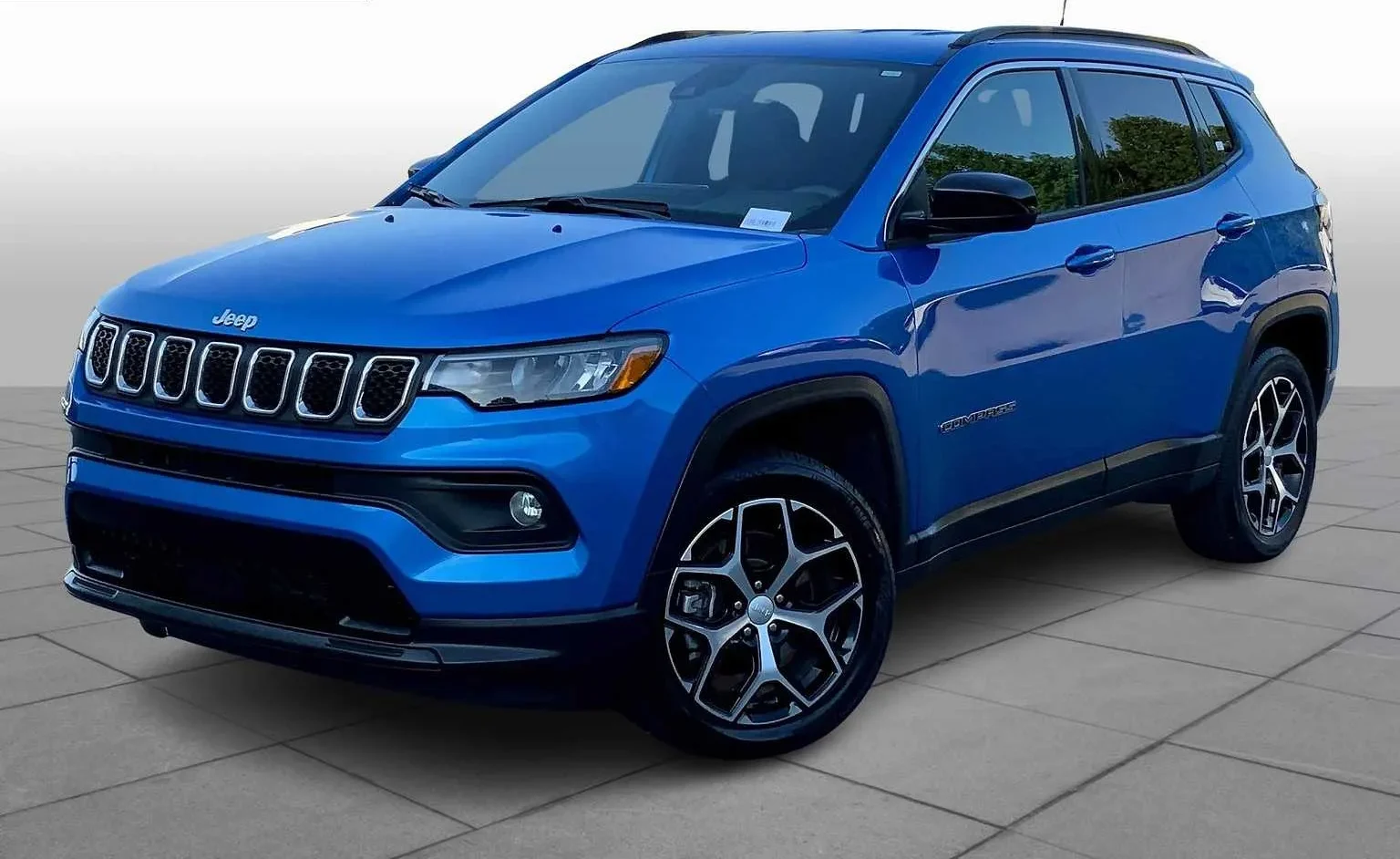
3. Jeep Compass Latitude 4×4 2024
American ambition meets disappointing execution in the Jeep Compass Latitude 4×4 2024. That 2.4-liter four-cylinder produces 180 horsepower, providing barely adequate acceleration. Nine-speed automatic transmission exhibits problematic behavior, including harsh shifting, hesitation, and questionable reliability, which concerns mechanics.
Four-wheel drive provides decent traction during winter conditions when working properly. Unfortunately, reliability problems and expensive repairs transform an affordable purchase price into an expensive ownership experience.
Electrical problems emerge frequently with various systems failing unpredictably. Infotainment system freezes, reboots randomly, or stops functioning completely. Dashboard warning lights illuminate for mysterious reasons that frustrate mechanics trying to diagnose problems.
Sensors fail, requiring expensive replacement. You’ll experience constant electrical gremlins that make ownership frustrating and expensive through repeated dealer visits. Cold-weather reliability disappoints with starting problems during harsh winters. Batteries drain faster than expected.
Electrical systems malfunction when temperatures drop severely. Remote start fails unpredictably. Heated seats stop working. Climate control struggles to maintain comfortable temperatures. You’ll suffer through unreliable operation during brutal Michigan winters when vehicle reliability becomes absolutely critical.
Rust protection falls below competitors, with corrosion appearing quickly. You’ll notice bubbling paint, corroded brake lines, and deteriorating undercarriage components within just a few winters. Stellantis’ protective coatings prove inadequate against Michigan salt.
That accelerated degradation destroys resale value since used buyers recognize Jeep reliability problems and rust damage, negotiating prices downward dramatically or avoiding these vehicles completely. Interior quality disappoints with cheap-feeling materials throughout the cabin. Hard plastics dominate surfaces.
Seats provide minimal comfort during longer commutes. Dashboard rattles develop quickly as vehicles age. Climate control works adequately when functioning, but components fail prematurely. You’ll tolerate substandard interior quality while facing expensive repairs that make the ownership experience thoroughly unsatisfying.
After five years, you’ve spent $4,000-$10,000 more maintaining this Compass compared to reliable alternatives. This Compass delivers substandard transportation that fails prematurely, making it a terrible choice for Lansing commuters needing reliable vehicles that survive Michigan conditions without constant, expensive repairs.
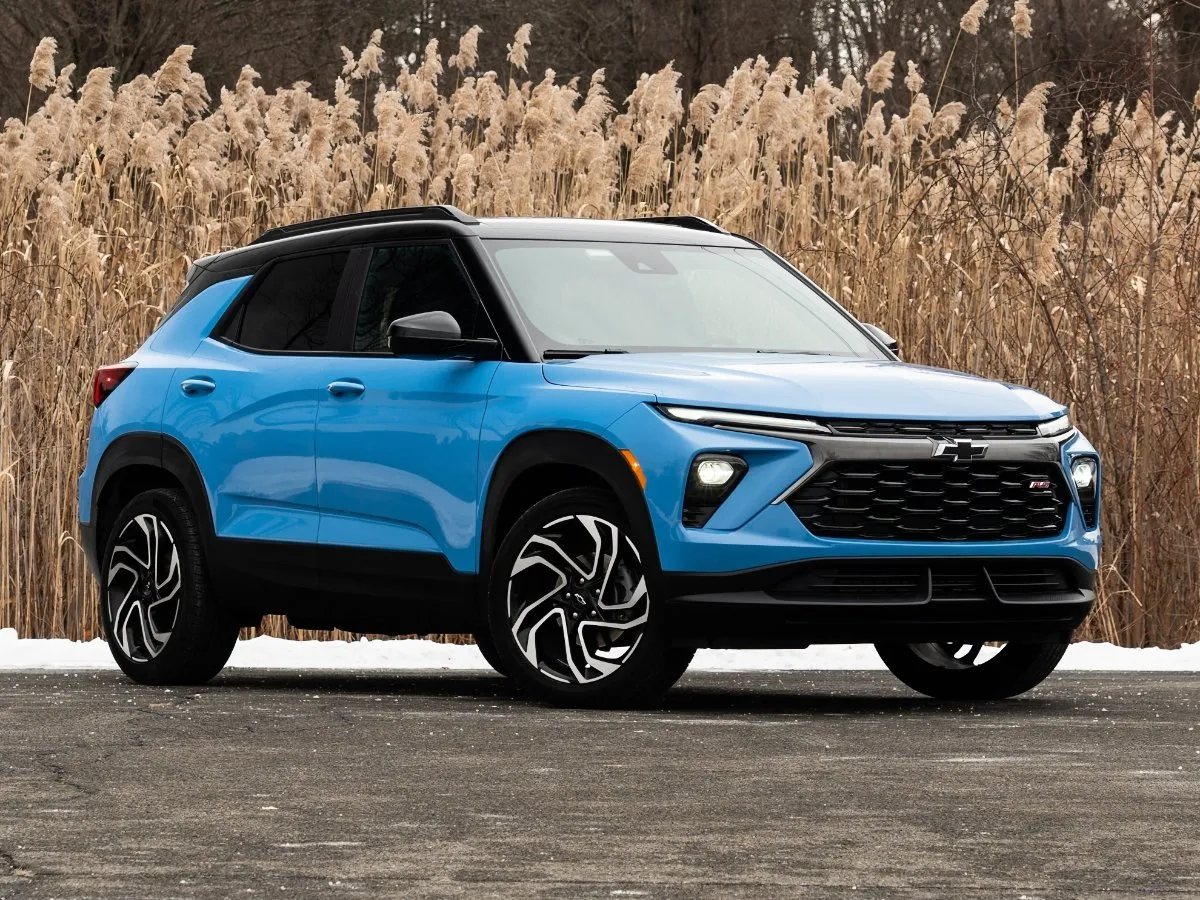
4. Chevrolet Trailblazer LT AWD 2024
Disappointing execution defines the Chevrolet Trailblazer LT AWD 2024. That 1.3-liter turbocharged three-cylinder produces 155 horsepower, providing barely adequate acceleration. CVT transmission exhibits problematic behaviors, including hesitation, jerky operation, and questionable long-term durability.
All-wheel drive engages when needed, but doesn’t inspire confidence. Unfortunately, reliability problems emerge quickly, transforming an affordable purchase price into an expensive ownership nightmare. Engine problems plague these vehicles, with the three-cylinder design proving problematic.
Excessive oil consumption requires frequent monitoring and top-ups between changes. Turbocharger failures occur prematurely, costing $1,800-$2,800 for replacement. Timing belt problems emerge before expected replacement intervals.
Engine mounts fail, causing excessive vibration and annoying noises. You’ll face multiple engine-related problems that require expensive repairs. CVT transmission develops problems early with jerky operation, hesitation during acceleration, shuddering, and premature failure.
Replacement costs $3,500-$5,000, a catastrophic expense that destroys household budgets. GM issued technical service bulletins addressing CVT problems, but issues continue affecting these vehicles. You’ll worry constantly about transmission failure that leaves you stranded and facing massive repair bills.
Rust protection proves inadequate, with corrosion appearing quickly on Michigan vehicles. You’ll notice bubbling paint and corroded components within just a few winters. GM’s protective coatings don’t match Japanese competitors’ engineering specifically for harsh climates.
That accelerated degradation destroys resale value since used buyers recognize reliability problems and rust damage, avoiding these vehicles or negotiating prices downward dramatically. Interior quality disappoints with cheap materials throughout the cabin. Hard plastics dominate surfaces.
Seats provide minimal comfort. Dashboard rattles develop as vehicles age. Climate control works adequately when functioning but components fail prematurely. You’ll tolerate a substandard interior while facing expensive repairs that make ownership thoroughly unsatisfying.
Fuel economy averages 26-29 mpg during mixed driving, respectable numbers providing minimal consolation when facing expensive repairs. Three-cylinder engine sounds coarse and unrefined. You’ll tolerate unpleasant noises and vibrations that make commuting less pleasant than alternatives deliver.
Annual costs easily reach $1,800-$3,200, including maintenance and repairs. After five years, you’ve spent $4,000-$11,000 more maintaining this Trailblazer compared to reliable alternatives. This Trailblazer delivers substandard transportation that fails prematurely, making it a terrible choice for Lansing families needing dependable vehicles to survive Michigan conditions.
Also Read: 5 Cars for Chesapeake Coastal Commutes vs 5 That Rust Quickly
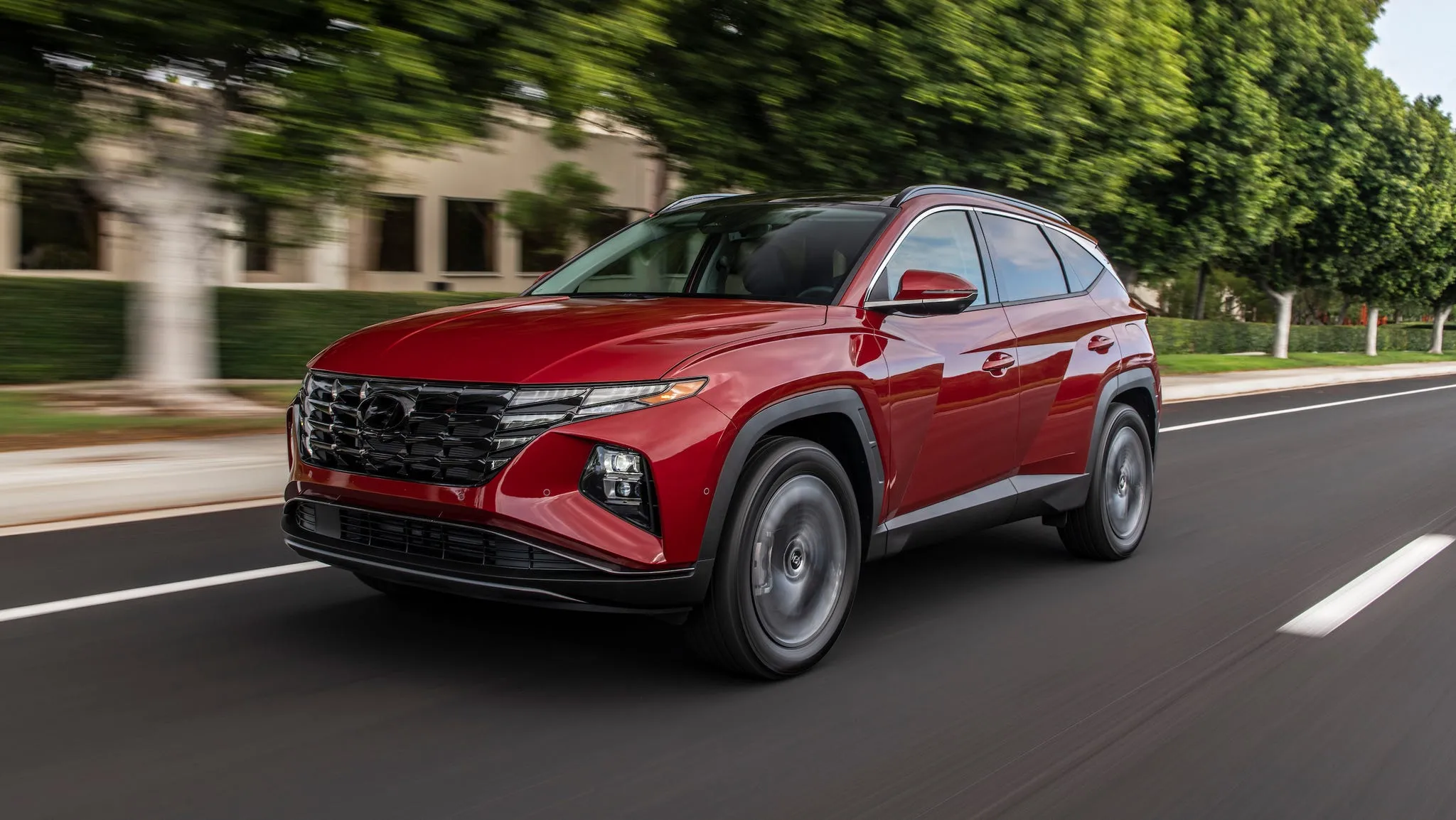
5. Hyundai Tucson SEL AWD 2024
Korean engineering stumbles in the Hyundai Tucson SEL AWD 2024. That 2.5-liter four-cylinder produces 187 horsepower, providing adequate acceleration when working properly. All-wheel drive provides decent traction during winter conditions. Unfortunately, reliability problems emerge as these vehicles age, creating an expensive ownership experience that destroys satisfaction with the initially attractive purchase price.
Engine problems plague Tucson ownership, with failures occurring prematurely. Some engines experience catastrophic failures before 100,000 miles, requiring complete replacement costing $8,000-$12,000. Hyundai issued recalls addressing engine problems, but issues continue affecting vehicles.
Excessive oil consumption requires monitoring and frequent top-ups. Engine fires occurred in some models, creating safety concerns that make ownership genuinely frightening. Transmission problems develop as mileage accumulates with harsh shifting, hesitation, and premature failure.
Repairs cost $3,000-$5,000 for replacement. Hyundai transmission reliability varies between acceptable and problematic, depending on specific models. You’ll worry about an expensive transmission failure that leaves you stranded and facing massive repair bills that destroy household budgets.
Electrical problems increase as these vehicles age, with various systems failing. The infotainment system develops glitches requiring software updates or complete replacement. Dashboard warning lights illuminate for mysterious reasons, creating expensive diagnostic sessions. Sensors fail, requiring replacement. You’ll experience electrical gremlins that frustrate mechanics and create ongoing expenses through repeated dealer visits.
Rust protection falls below Japanese competitors, with corrosion appearing on Michigan vehicles. You’ll notice rust developing within a few winters. Hyundai’s protective coatings don’t match competitors’ engineering specifically for harsh climates.
That degradation destroys resale value since used buyers recognize reliability problems and rust damage, negotiating prices downward or avoiding these vehicles completely.
Interior quality improved substantially in the recent redesign, with materials feeling more premium than previous generations. Seats provide adequate comfort. Dashboard layout works logically. Climate control operates adequately when functioning. Unfortunately, interior quality improvements don’t compensate for mechanical reliability problems that make ownership expensive and frustrating.
