
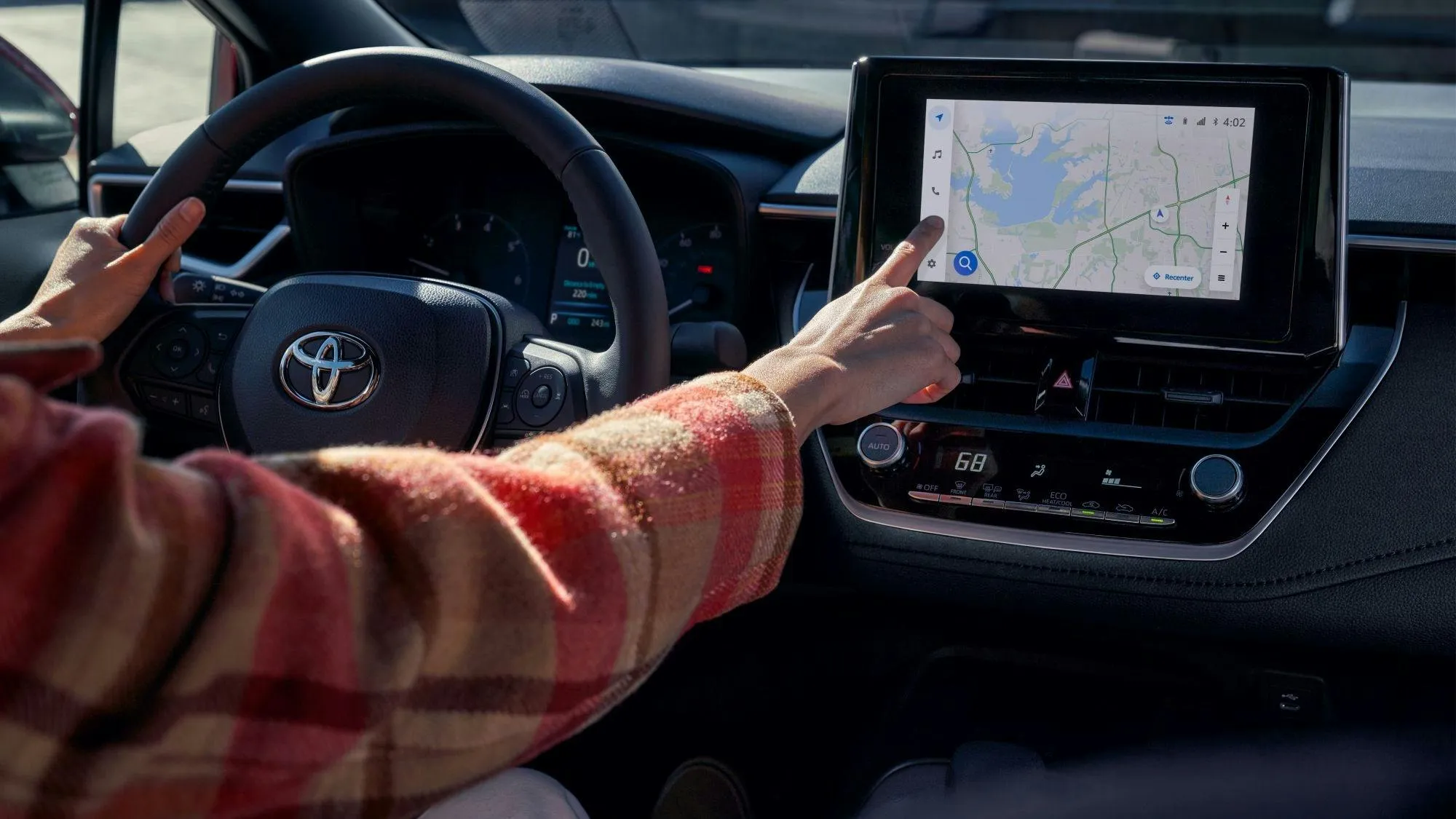
Daily driving in a suburban setting places quiet demands on a vehicle. Commutes may be short, errands repeat themselves weekly, and seasonal weather changes can test build quality without warning. For practical owners, a car should feel dependable long after the excitement of purchase fades.
Comfort matters, yet durability, predictable upkeep, and solid construction often matter more when ownership stretches across several years. Practical buyers tend to look beyond surface appeal. They pay attention to how doors close, how panels hold up after winter, and how interiors age with constant use.
A vehicle that starts strong but shows early signs of corrosion or wear can quickly become frustrating. That reality makes smart selection essential, especially for drivers who plan to keep a car well past its warranty period.
This page focuses on two clear groups. The first section highlights five vehicles that align well with practical ownership expectations. These models emphasize reliability, thoughtful engineering, and body construction that stands up well against everyday exposure.
The next section will focus on a different category, featuring vehicles that have gained a reputation for developing rust problems sooner than expected. For now, attention stays on smart choices that reward patience, care, and long-term use.
5 Cars for Sterling Heights Practical Owners
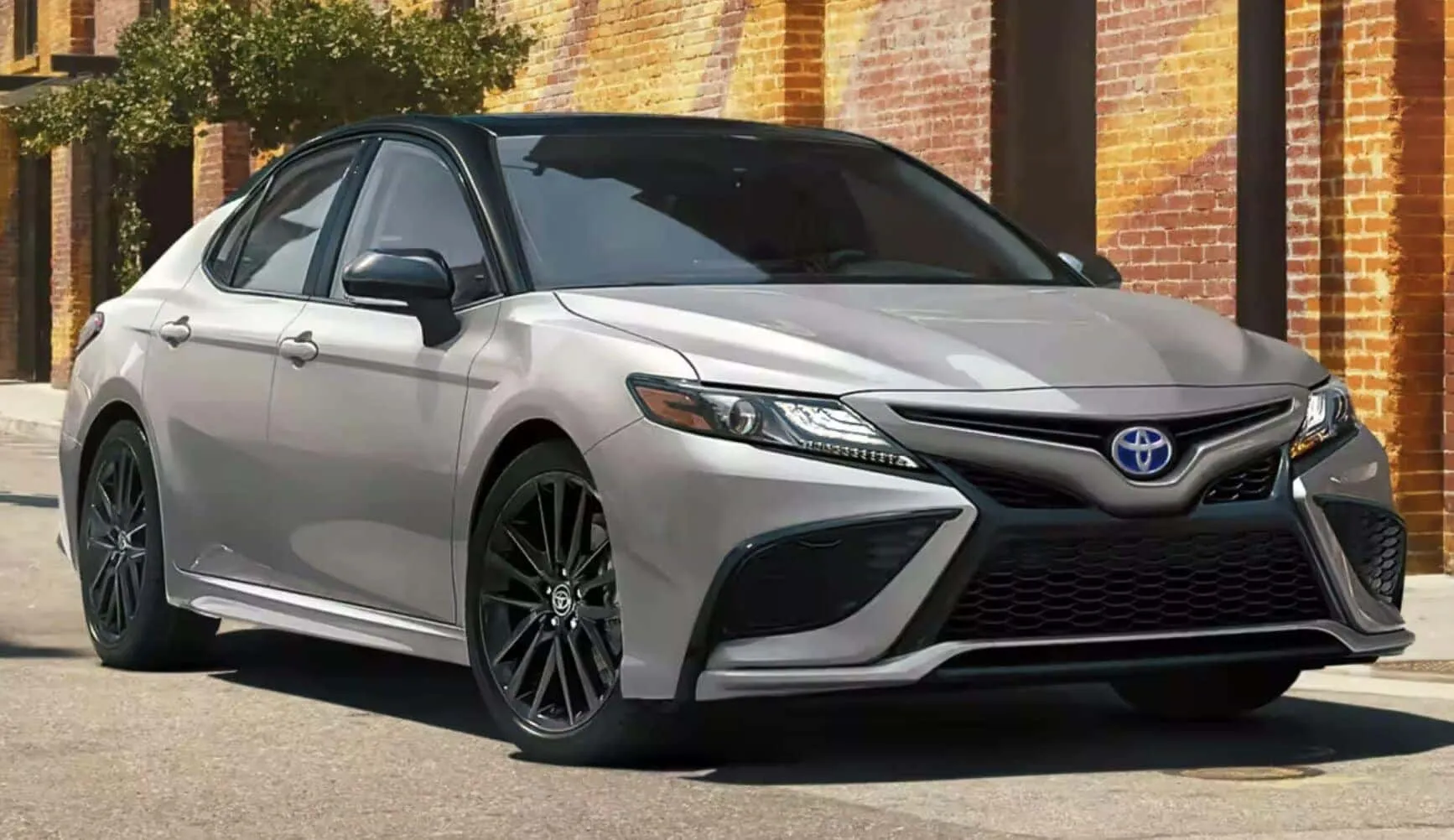
1. Toyota Corolla 2024
Reliability takes center stage when the Toyota Corolla 2024 enters the conversation. Practical owners often gravitate toward vehicles that do not demand attention beyond routine care, and this sedan fits that mindset comfortably.
Its compact size suits daily commuting, parking, and errands without feeling cramped inside. Thoughtful design allows passengers to ride comfortably while maintaining a manageable footprint on busy streets. Driving experience leans toward smooth consistency rather than excitement.
Steering remains light, making low-speed maneuvering simple. Acceleration responds calmly, which helps during traffic-heavy routes without encouraging aggressive driving habits. Suspension tuning absorbs everyday road imperfections, creating a relaxed ride during short trips and longer drives alike.
Construction quality supports long-term ownership. Body panels and undercarriage components receive protective treatments designed to resist corrosion. That attention matters in regions where moisture, road salt, and temperature changes challenge vehicle longevity. Owners often notice that exterior finishes hold their appearance well, even after several winters of exposure.
Interior materials focus on durability rather than luxury flash. Seating fabrics resist wear, controls remain sturdy, and dashboard components age gracefully. Layout choices emphasize simplicity, allowing drivers to focus on driving rather than adjusting settings. Infotainment systems respond reliably without unnecessary complication.
Ownership costs stay friendly. Fuel efficiency supports daily use without stressing household budgets. Service intervals remain predictable, and parts availability stays strong due to the model’s popularity. Insurance premiums often remain reasonable, adding another layer of financial comfort.
Resale appeal remains steady for Corolla models. Buyers seeking used vehicles often prioritize dependability, which helps preserve value. Toyota Corolla 2024 rewards practical owners who prefer calm, consistent performance and a car that quietly supports daily life without demanding attention.
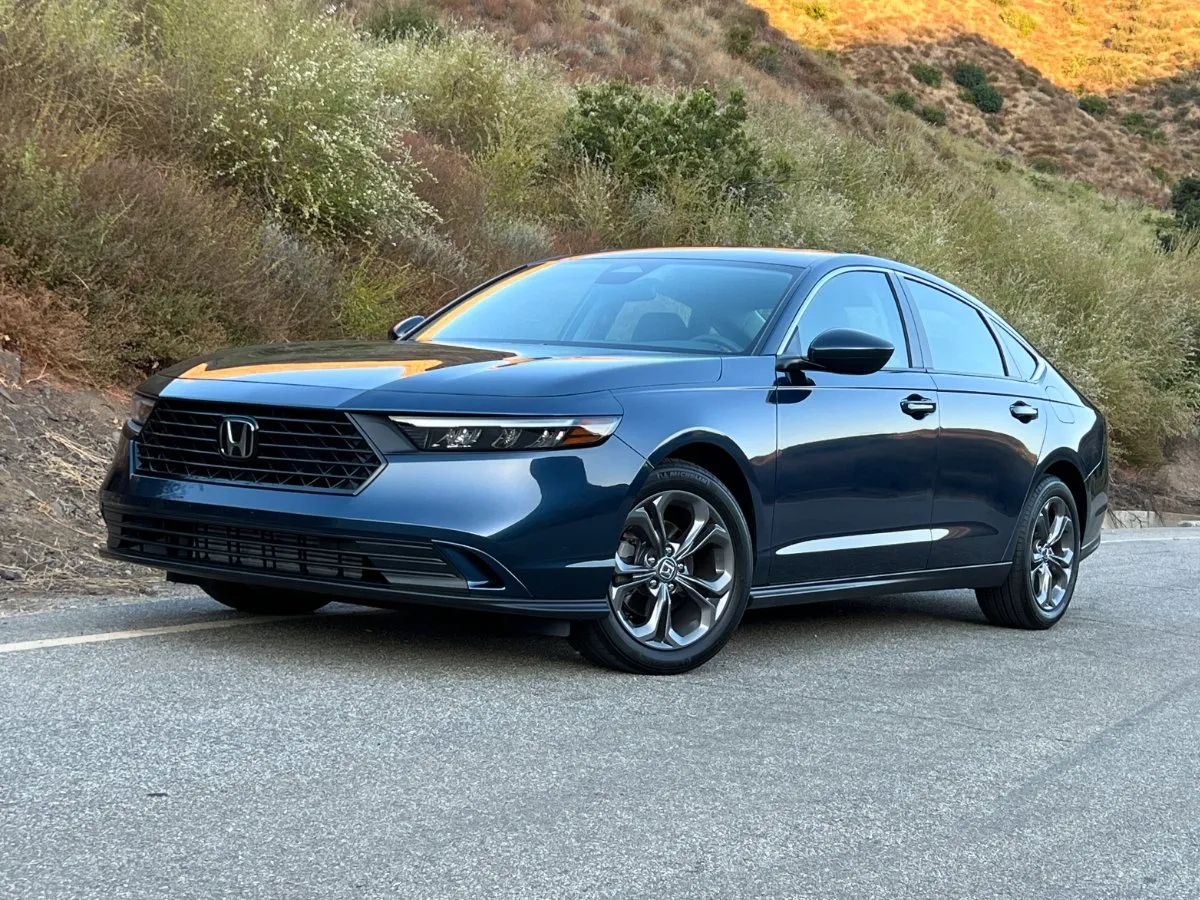
2. Honda Accord 2024
Confidence follows the Honda Accord 2024 through years of steady refinement. This midsize sedan appeals to practical owners who want a balance of space, comfort, and long-term dependability. The cabin room allows adults to stretch comfortably, while the trunk capacity handles shopping trips and travel needs with ease.
Driving dynamics deliver reassurance. Steering feels precise without becoming heavy, and braking remains predictable. Power delivery stays smooth, supporting relaxed highway cruising and confident merging. Ride quality favors comfort, making extended drives less tiring for drivers and passengers alike.
Build quality plays a large role in Accord’s reputation. Body construction emphasizes tight panel fit and protective coatings that help resist corrosion. Owners often report that paint quality holds up well through changing seasons. Undercarriage protection also supports longevity, especially for drivers who keep vehicles for many years.
Interior design reflects thoughtful engineering. Materials feel solid, buttons respond consistently, and seating remains supportive across long ownership periods. Controls follow intuitive patterns, reducing distraction. Technology features feel modern while remaining reliable, avoiding unnecessary complications.
Ownership experience remains manageable. Fuel economy supports frequent driving, while routine service costs stay within reach. Honda’s widespread service network helps reduce wait times for repairs or maintenance. Insurance costs often reflect the vehicle’s strong safety reputation.
Resale demand remains strong due to buyer trust in the model’s durability. Used Accord vehicles often attract interest quickly, which helps protect long-term value. Honda Accord 2024 suits practical owners who value interior space, steady performance, and a reputation built on years of dependable use.
Also Read: 10 Hypercars With Less Power Than the 2025 Corvette ZR1
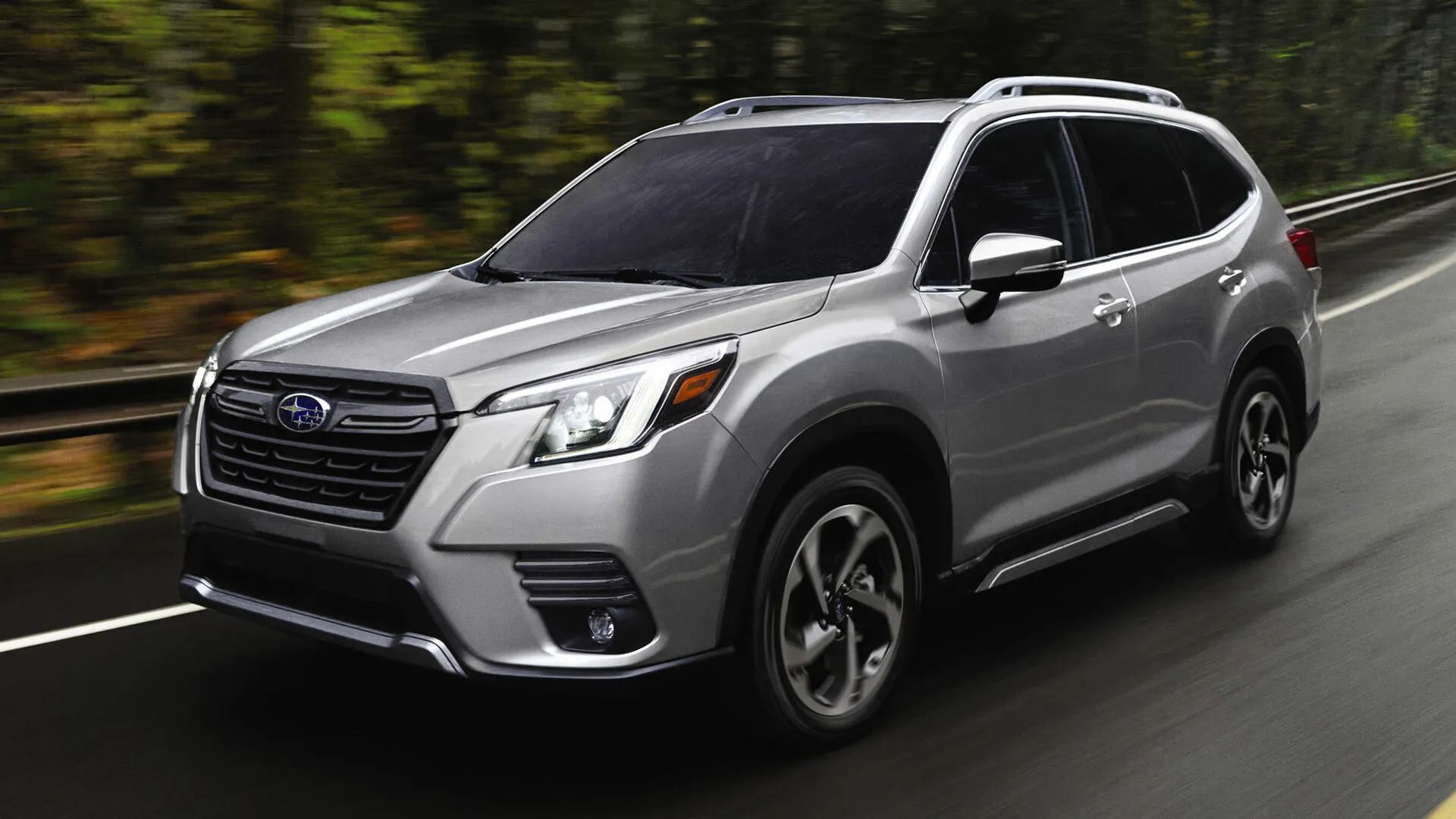
3. Subaru Forester 2024
Versatility shapes the Subaru Forester 2024, appealing to owners who want adaptability without sacrificing practicality. Its upright design allows for excellent visibility, which many drivers appreciate during daily commutes and neighborhood driving. Interior space supports passengers comfortably while providing flexible cargo options.
Driving feels emphasizes control and stability. Standard All Wheel Drive offers added reassurance during wet or slippery conditions. Steering remains responsive, and suspension tuning balances comfort with composure. Longer drives feel relaxed thanks to supportive seating and clear sightlines.
Durability stands as a defining strength. Subaru applies corrosion-resistant materials and protective coatings designed to handle challenging weather conditions. That approach helps body panels and structural components maintain integrity through years of exposure. Owners often notice that Forester models age gracefully with proper care.
Interior materials prioritize function. Surfaces resist scuffs, seat fabrics hold shape, and controls remain dependable. Layout favors simplicity, which supports ease of use across different drivers. Technology integrates smoothly without overwhelming the cabin.
Cost of ownership remains predictable. Fuel efficiency stays reasonable for a vehicle with standard All Wheel Drive. Routine service needs remain straightforward, and parts availability supports timely repairs. Insurance costs often stay moderate due to strong safety ratings.
Resale value benefits from loyal buyer interest. Forester models often attract drivers seeking dependable utility without excess size. Subaru Forester 2024 fits practical ownership needs by combining durability, safety, and everyday comfort into a balanced package.
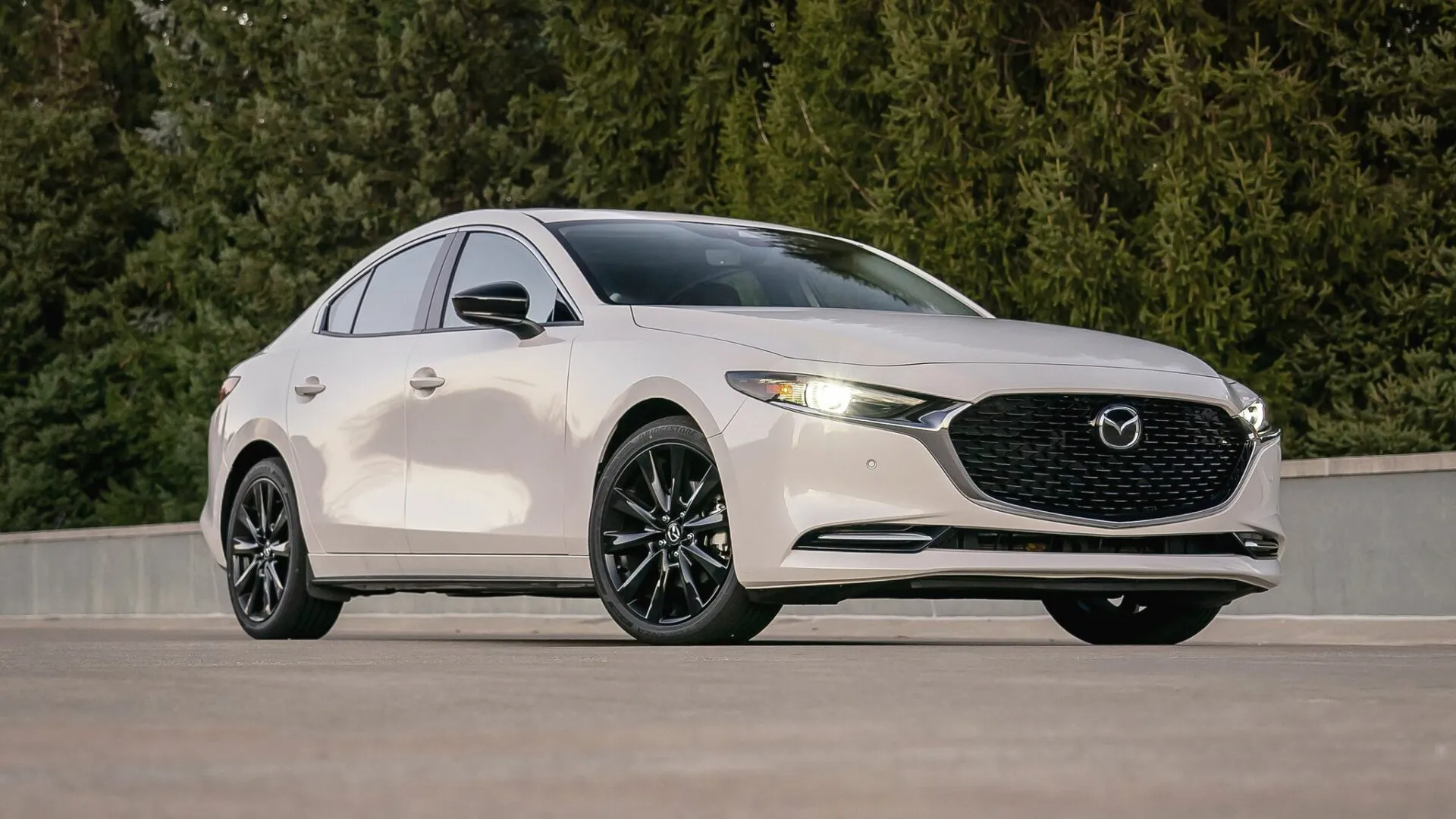
4. Mazda3 Sedan 2024
Clean design and solid engineering define the Mazda3 Sedan 2024. Practical owners often appreciate vehicles that feel refined without introducing unnecessary ownership challenges. This compact sedan delivers that balance through thoughtful construction and engaging yet calm driving manners.
Road behavior feels composed. Steering provides a connected feel, making everyday driving enjoyable without demanding effort. Suspension absorbs bumps effectively, while acceleration remains smooth and controlled. Noise insulation contributes to a quiet cabin, which enhances comfort during commutes.
Attention to build quality sets this model apart. Mazda applies corrosion-resistant treatments that help protect body panels and underbody components. Paint finishes maintain their appearance well, even after extended exposure to seasonal elements. Doors and trim pieces continue to feel solid through years of use.
Interior design focuses on simplicity and durability. Materials feel well chosen, and controls operate with consistency. Seating supports comfort without sacrificing firmness. Infotainment systems integrate smoothly while avoiding unnecessary distractions.
Ownership costs align well with practical expectations. Fuel efficiency helps manage daily driving expenses. Service requirements remain reasonable, and parts availability supports affordable maintenance. Insurance premiums often stay competitive for this segment.
Resale interest continues to grow as Mazda’s reputation strengthens. Mazda3 Sedan 2024 appeals to practical owners who want reliability, thoughtful design, and a vehicle that holds up well without demanding excessive care.
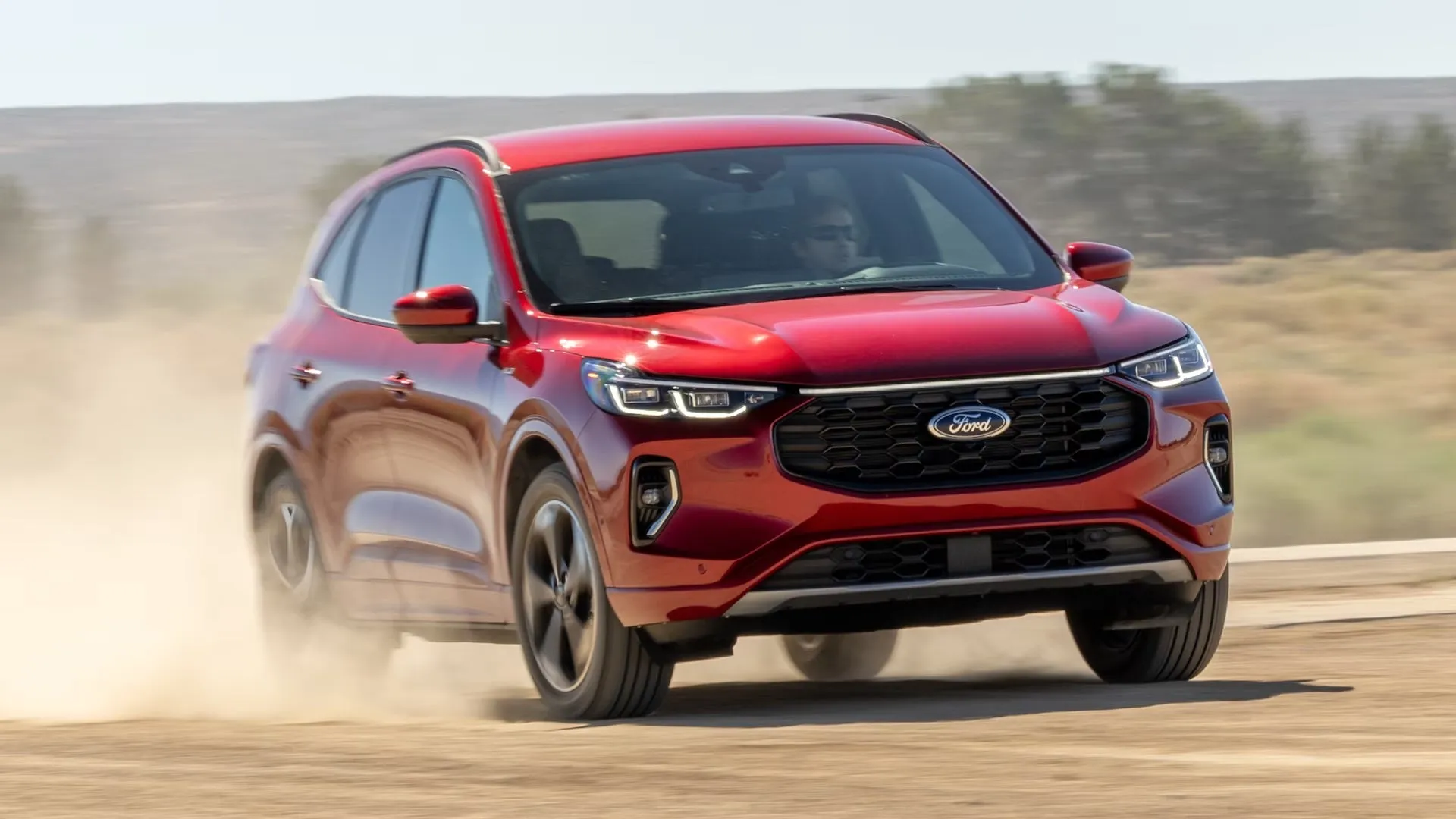
5. Ford Escape 2024
Flexibility and familiarity define the Ford Escape 2024, making it appealing for owners who value straightforward ownership without unnecessary complications. Its compact sport utility shape offers a smart balance between interior room and exterior manageability.
Cargo space handles groceries, strollers, luggage, and home improvement supplies with ease, while the vehicle remains easy to maneuver in parking lots and residential streets. Seating comfort supports families, commuters, and weekend errands, creating a layout that feels practical rather than oversized.
Driving characteristics focus on effortlessness. Steering feels light and predictable, which reduces fatigue during daily use. Braking responds smoothly, inspiring confidence in stop-and-go traffic. Ride quality absorbs uneven pavement, speed bumps, and rough patches without transmitting harshness into the cabin.
Acceleration remains adequate for merging and city driving, delivering responsiveness without encouraging aggressive fuel consumption. Construction quality supports long-term ownership expectations. Ford applies corrosion protection to body structures and undercarriage sections most exposed to moisture and debris.
This attention helps preserve exterior integrity through changing seasons. Owners often observe that paint finishes hold up well when paired with routine washing and care. Panel alignment stays consistent, and exterior trim components resist loosening or premature wear.
Interior materials emphasize durability and usability. Seat fabrics withstand frequent entry and exit, making them suitable for families and shared vehicles. Controls remain responsive after extended use, and layout choices feel intuitive rather than distracting.
Storage compartments provide practical solutions for daily items such as phones, bags, and drinks. Technology features feel approachable, offering convenience without overwhelming drivers with unnecessary layers. Cost considerations remain friendly for budget-conscious households.
Fuel economy supports daily routines without strain, and scheduled service visits tend to stay manageable. Parts availability through a wide dealership network helps limit downtime and repair delays. Insurance costs often remain reasonable, reflecting the vehicle’s safety reputation and market position.
Resale prospects stay steady due to consistent demand in the compact sport utility segment. Buyers often seek familiar, dependable models with balanced ownership histories. Ford Escape 2024 aligns well with practical ownership goals by offering space, reliability, and construction that support long-term use without demanding excessive attention or expense.
5 Cars That Rust Quickly
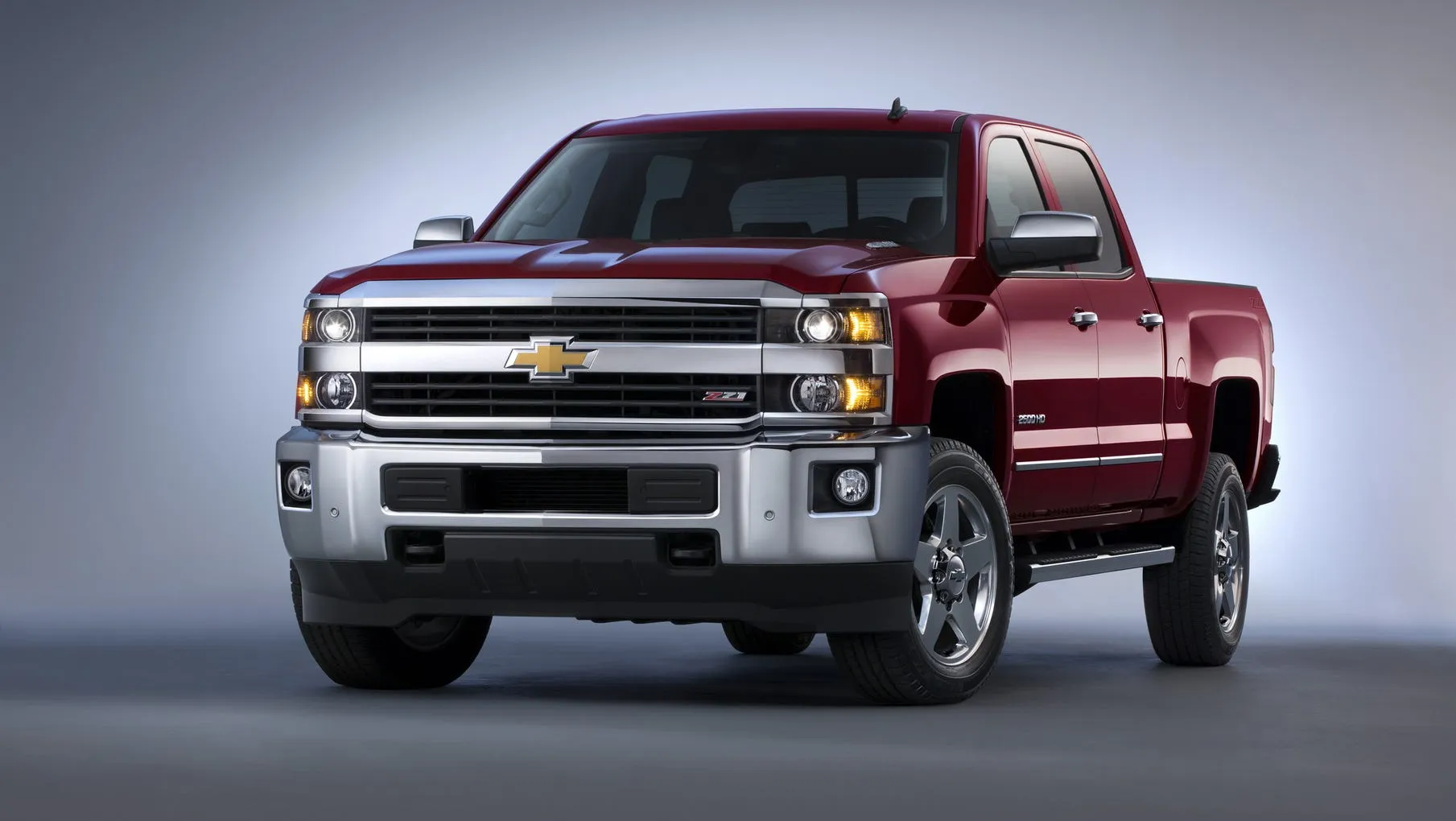
1. Chevrolet Silverado 2015
Reputation alone does not always guarantee long-lasting body durability, and the Chevrolet Silverado 2015 serves as a clear example for practical owners who place a high value on structural longevity. This full-size pickup earned attention for towing strength, cabin space, and everyday usability, making it a common sight in driveways and work sites alike.
As years passed, however, a growing number of owners began reporting corrosion issues earlier than expected. Rust frequently appears around wheel arches, rocker panels, cab corners, and lower door edges, all areas regularly exposed to moisture, road debris, and seasonal road treatments.
Design choices contribute heavily to this outcome. Body seams on this generation tend to retain moisture, especially when trucks are driven daily in wet or snowy conditions. Drainage in certain panel joints does not always clear water efficiently, allowing corrosion to start beneath protective layers.
Once rust forms under paint, it often spreads quietly before becoming visible. Owners who wash their vehicles regularly may still miss early signs, discovering damage only after bubbling paint or surface flaking appears. Repairing rust-affected sections rarely proves simple or inexpensive. Addressing corrosion often requires cutting damaged metal, welding replacement sections, or swapping full panels entirely.
Each step raises labor costs, and paint matching adds another layer of expense, particularly when visible areas are involved. While drivetrains on this model often remain dependable for many miles, body deterioration can quickly overshadow mechanical strengths.
Cabin durability does little to counterbalance exterior problems. Interior materials generally age well, with seats, dashboards, and controls holding up under regular use. Yet visible rust on doors, bed sides, or underbody sections draws attention away from interior comfort. Practical owners focused on long-term value often begin reconsidering ownership once corrosion progresses beyond the surface level.
Resale prospects decline sharply once rust becomes evident. Buyers tend to inspect body condition closely, and structural corrosion raises concerns about future repairs. Even well-maintained engines and transmissions struggle to protect market value when body integrity comes into question.
Chevrolet Silverado 2015 delivers power and utility, yet its susceptibility to rust makes it a risky choice for owners who prioritize long-lasting exterior durability.
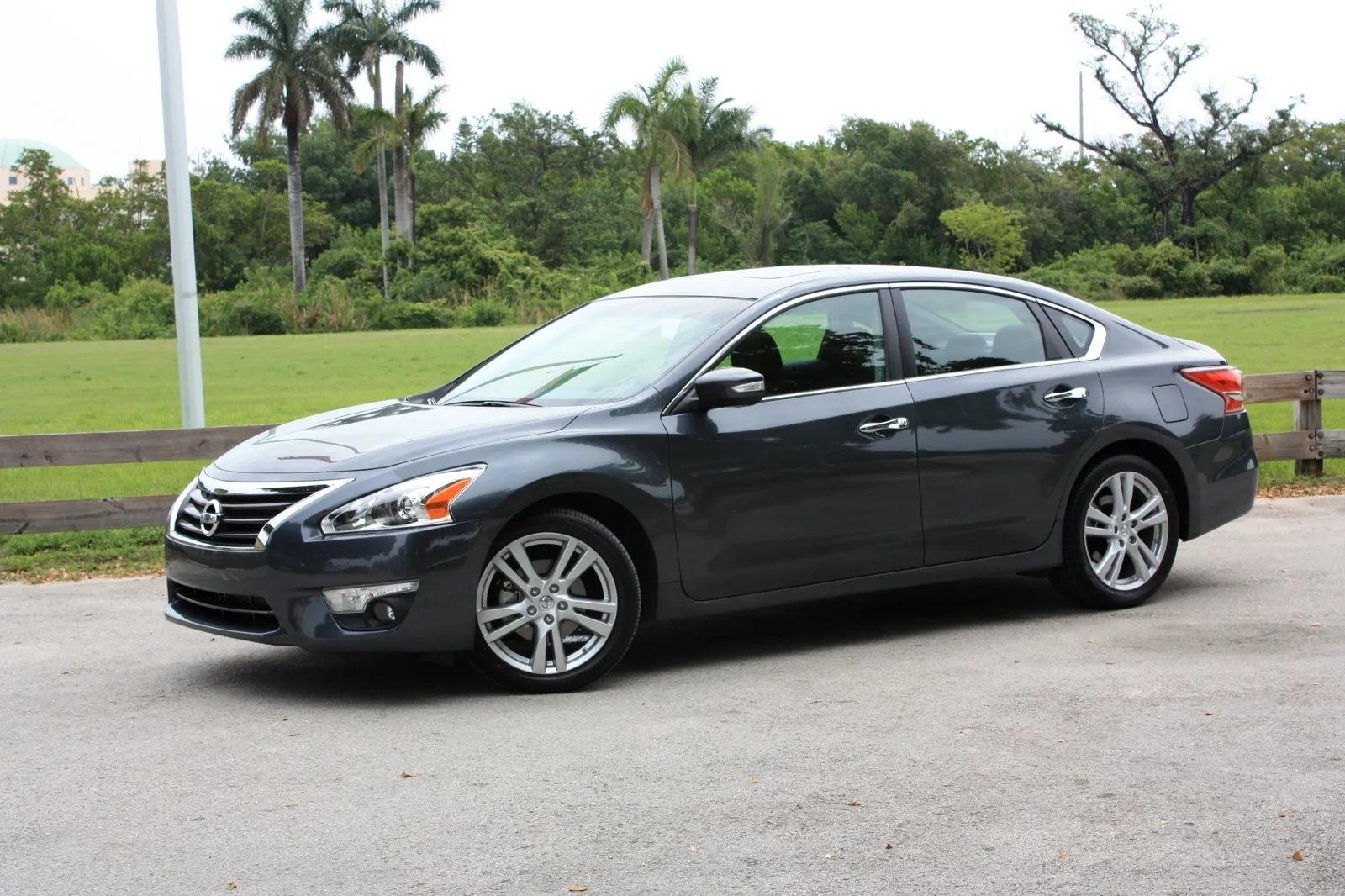
2. Nissan Altima 2013
Sleek styling initially made the Nissan Altima 2013 appealing to a wide range of drivers seeking comfort, fuel efficiency, and a smooth daily driving experience. Early ownership often feels rewarding, with responsive steering and a quiet cabin adding to satisfaction.
As years accumulate, rust concerns emerge, particularly around the undercarriage, rear subframe, and suspension mounting points. Practical owners frequently discover corrosion during inspections rather than through obvious exterior damage.
Construction methods play a meaningful role in these issues. Protective coatings applied to certain structural components proved less resilient than many expected.
Continuous exposure to moisture, road salt, and temperature changes accelerates deterioration underneath the vehicle. Once corrosion begins in these hidden areas, it can weaken mounting points and suspension components long before any visual warning appears on exterior panels.
Addressing underbody rust presents huge challenges. Repairs often involve extensive labor, requiring the removal of suspension parts or the reinforcement of affected sections. Costs rise quickly, sometimes exceeding what owners anticipate for a midsize sedan.
Delaying repairs may seem tempting, yet ignoring corrosion risks further structural weakening, which can affect ride quality, alignment, and long-term safety. Exterior panels often remain visually intact longer than underbody components, creating a misleading sense of security. Paint and body surfaces may look clean while corrosion advances underneath.
By the time rust becomes visible near wheel wells, door seams, or trunk edges, internal damage may already be advanced. That delay complicates repair decisions and often leads to frustration for owners who believed the vehicle was aging well.
Resale value suffers once corrosion concerns surface. Informed buyers increasingly pay attention to underbody condition, especially for vehicles known to have rust tendencies. Inspection findings often influence offers and negotiation strength.
Nissan Altima 2013 delivers comfort and efficiency during daily use, yet its vulnerability to hidden rust makes it a less attractive option for owners planning long-term, worry-free ownership.
3. Jeep Wrangler 2014
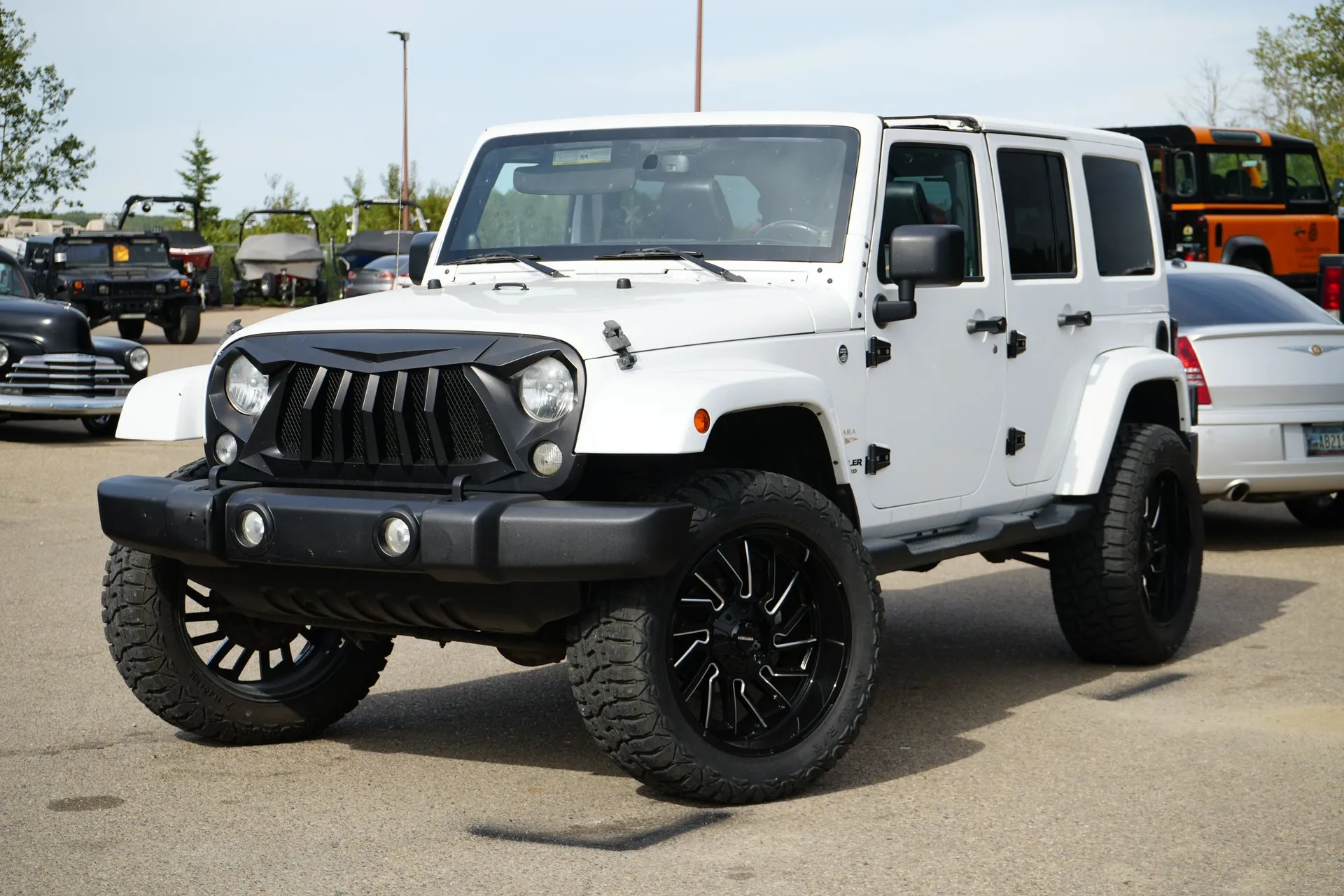
Adventure-focused styling gives the Jeep Wrangler 2014 undeniable appeal, drawing buyers who value character, heritage, and a sense of freedom behind the wheel. Upright proportions, removable panels, and exposed hardware give it a distinctive look that few vehicles can match.
For daily use, however, practicality begins to suffer once corrosion becomes part of the ownership story. Rust issues frequently appear on frames, door hinges, tailgate sections, and underbody components. Constant exposure to moisture, road debris, and seasonal elements accelerates these problems, especially for vehicles driven year-round.
Frame corrosion raises serious ownership concerns because it affects more than appearance. Structural rust weakens load-bearing components, leading to safety worries and expensive repair paths. Treatments such as coatings or surface grinding may slow deterioration, yet reversing deep frame damage often proves unrealistic.
Welding or frame replacement carries high costs and extended downtime. Owners who expected durability often feel disappointed once these realities surface. Design choices contribute directly to vulnerability. Removable doors, exposed hinges, and open joints allow water and debris to enter areas that remain difficult to dry.
Paint chips from gravel roads or daily driving expose bare metal, creating ideal conditions for rust to take hold. Drainage in certain sections fails to clear moisture efficiently, allowing corrosion to spread quietly beneath visible surfaces.
Cabin features usually remain functional, and many interior materials hold up reasonably well. Still, visible rust on hinges, tailgates, or underbody areas undermines the rugged image buyers expect. That mismatch between appearance and reality often becomes frustrating for long-term owners.
Resale interest depends heavily on frame condition. Buyers routinely inspect undercarriage components, and documented corrosion sharply reduces demand and pricing. The Jeep Wrangler 2014 delivers personality and off-road capability, yet its susceptibility to rust challenges its suitability for owners who prioritize longevity and dependable body integrity.
4. Ford Focus 2012
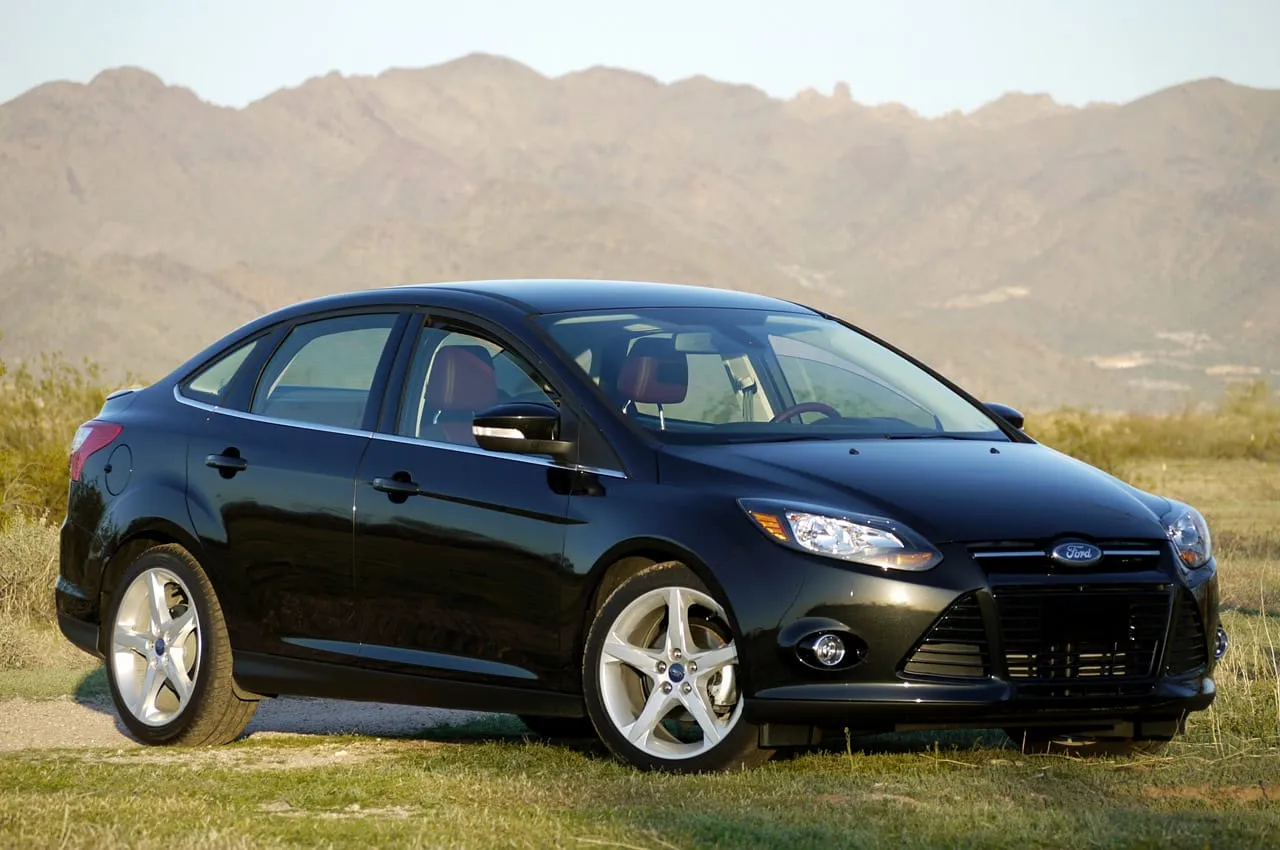
Compact convenience defines the Ford Focus 2012, offering efficient transportation and easy maneuverability for daily driving. Early ownership experiences often feel positive, thanks to responsive handling and manageable fuel usage.
As years pass, body durability concerns become harder to ignore. Rust commonly develops along lower door seams, wheel arches, rocker panels, and trunk edges. Moisture accumulation in these areas accelerates corrosion, especially when vehicles face repeated exposure to rain, snow, or road treatment chemicals.
Manufacturing decisions play a central role in these outcomes. Drainage design in certain sections allows water retention rather than quick runoff. Trapped moisture gradually breaks down protective coatings, allowing rust to form beneath paint layers. Because corrosion often begins internally, owners may remain unaware until bubbling paint or discoloration becomes visible.
Repair challenges follow quickly once deterioration advances. Panel replacement and repainting often cost more than the vehicle’s remaining market value. Many owners choose to live with cosmetic decline rather than invest in repairs that offer little financial return. While mechanical reliability may remain acceptable, visual damage lowers pride of ownership and long-term satisfaction.
Cabin quality provides limited reassurance when exterior condition worsens. Interior materials generally age better than body panels, yet buyers and inspectors often judge vehicle health based on structural and exterior integrity. Visible rust raises concerns about hidden damage, even when performance remains unaffected.
Resale appeal declines sharply as corrosion spreads. Informed buyers frequently inspect known problem areas and adjust offers accordingly. Ford Focus 2012 delivers economical transportation, though its rust tendencies make it less suitable for owners seeking a vehicle that maintains body strength and appearance across extended ownership periods.
Also Read: 10 High-Horsepower, Manual-Transmission Sports Cars Still Offered in 2025
5. Dodge Journey 2014
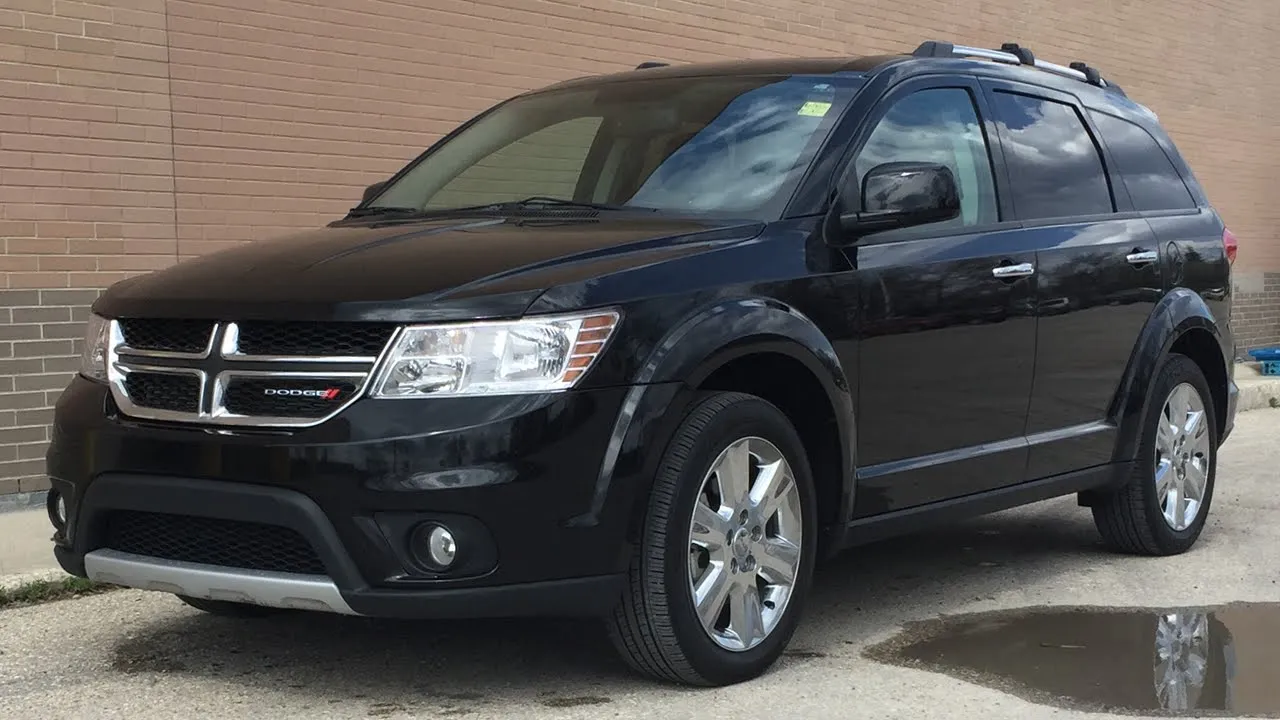
Family-oriented design made the Dodge Journey 2014 attractive to buyers seeking interior space at an approachable price. Flexible seating, generous cargo capacity, and simple controls support daily routines effectively. Long-term ownership experiences, however, reveal body durability challenges that reduce confidence.
Rust problems commonly appear around rear wheel wells, suspension mounting points, rocker panels, and underbody sections. Persistent moisture exposure accelerates deterioration, especially when undercarriage cleaning remains infrequent.
Structural corrosion introduces serious concerns. Once rust affects suspension mounts or frame-related areas, safety and repair costs become pressing issues. Repairs often require extensive labor, component replacement, or reinforcement work. Expenses rise quickly, leaving owners with difficult decisions when repair estimates exceed vehicle value.
Exterior appearance suffers as corrosion spreads. Bubbling paint, flaking metal, and visible rust patches reduce visual appeal and signal deeper issues beneath the surface. Even when interior comfort remains intact, exterior condition tends to dominate buyer perception and ownership satisfaction.
Design choices contribute to vulnerability. Certain seams and joints trap moisture, while protective coatings show limited resilience over extended exposure. Winter road treatments and humidity worsen deterioration, allowing rust to progress faster than expected for a family-focused vehicle.
Resale demand drops sharply once corrosion becomes apparent. Buyers often avoid models with visible rust due to uncertainty about hidden structural damage. Dodge Journey 2014 offers space and practicality early in ownership, yet rust susceptibility limits its appeal for practical owners planning to keep a vehicle dependable and presentable across many years.
