St. Petersburg, Florida, is famous for its sun-soaked beaches, ocean breezes, and picturesque coastal drives. Cruising along Gulf Boulevard or enjoying the sunset over Fort De Soto Park is a quintessential Florida experience.
However, coastal living presents a unique challenge for vehicles: salt air. While it makes the water glisten, it can wreak havoc on cars’ exteriors and underbodies, leading to corrosion if a vehicle isn’t properly designed to withstand it.
With that in mind, we’ve put together a guide for cars that are ideal for scenic beach drives in St. Petersburg and those that are more likely to fall victim to Florida’s corrosive coastal environment.
Cars Perfect for St. Petersburg Beach Drives
When the sun is shining and the Gulf breezes are calling, the right car can turn an ordinary drive in St. Petersburg Beach into a memorable escape.
From coastal roads to scenic waterfront routes, you want a vehicle that combines style, comfort, and a bit of fun behind the wheel. In this guide, we’ve highlighted the cars that make the most of beachside cruising, offering smooth rides, open-air enjoyment, and that perfect mix of performance and relaxation for your Florida drives.
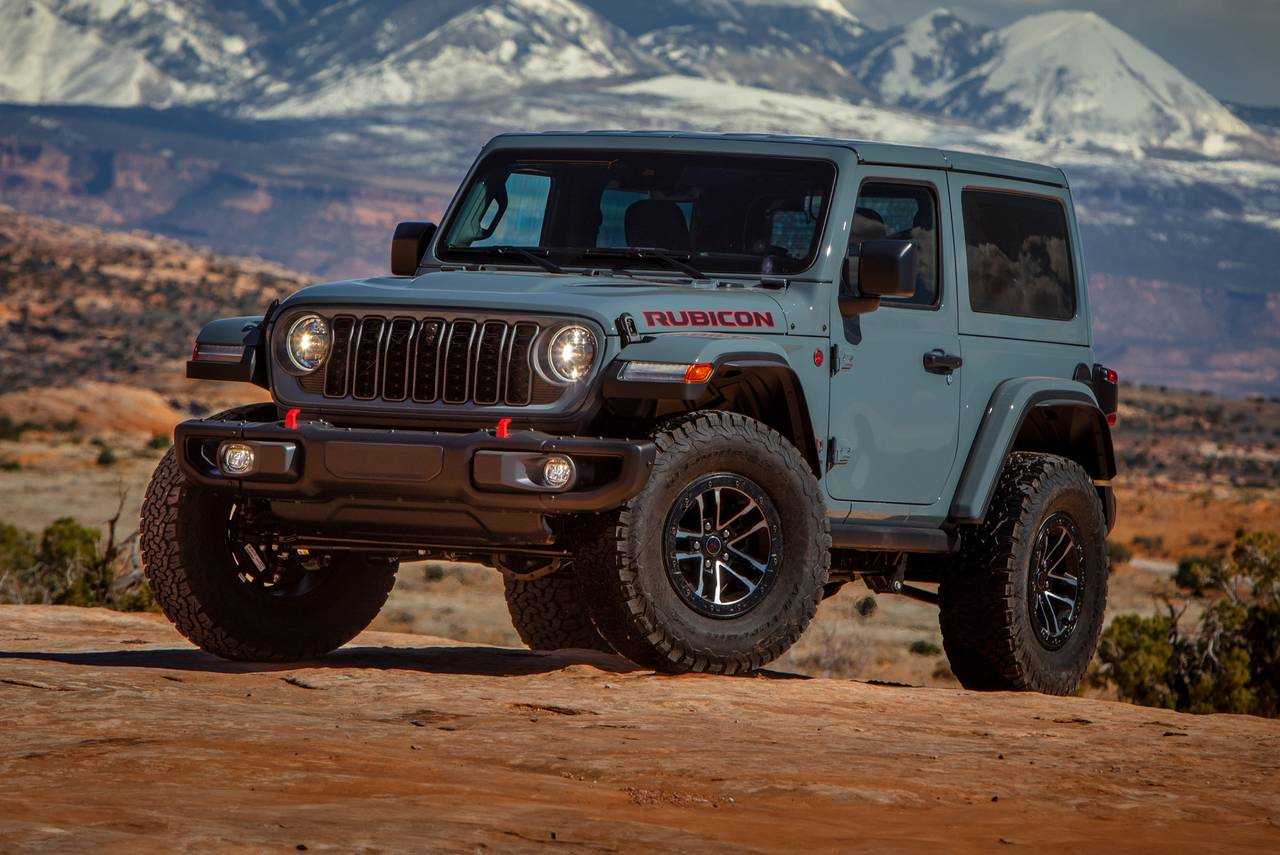
1. Jeep Wrangler
Few vehicles embody the beach lifestyle like the Jeep Wrangler. Its open-air design, off-road capability, and high ground clearance make it perfect for coastal adventures.
Wranglers are equipped with durable body-on-frame construction, which handles sandy terrain without stressing the chassis.
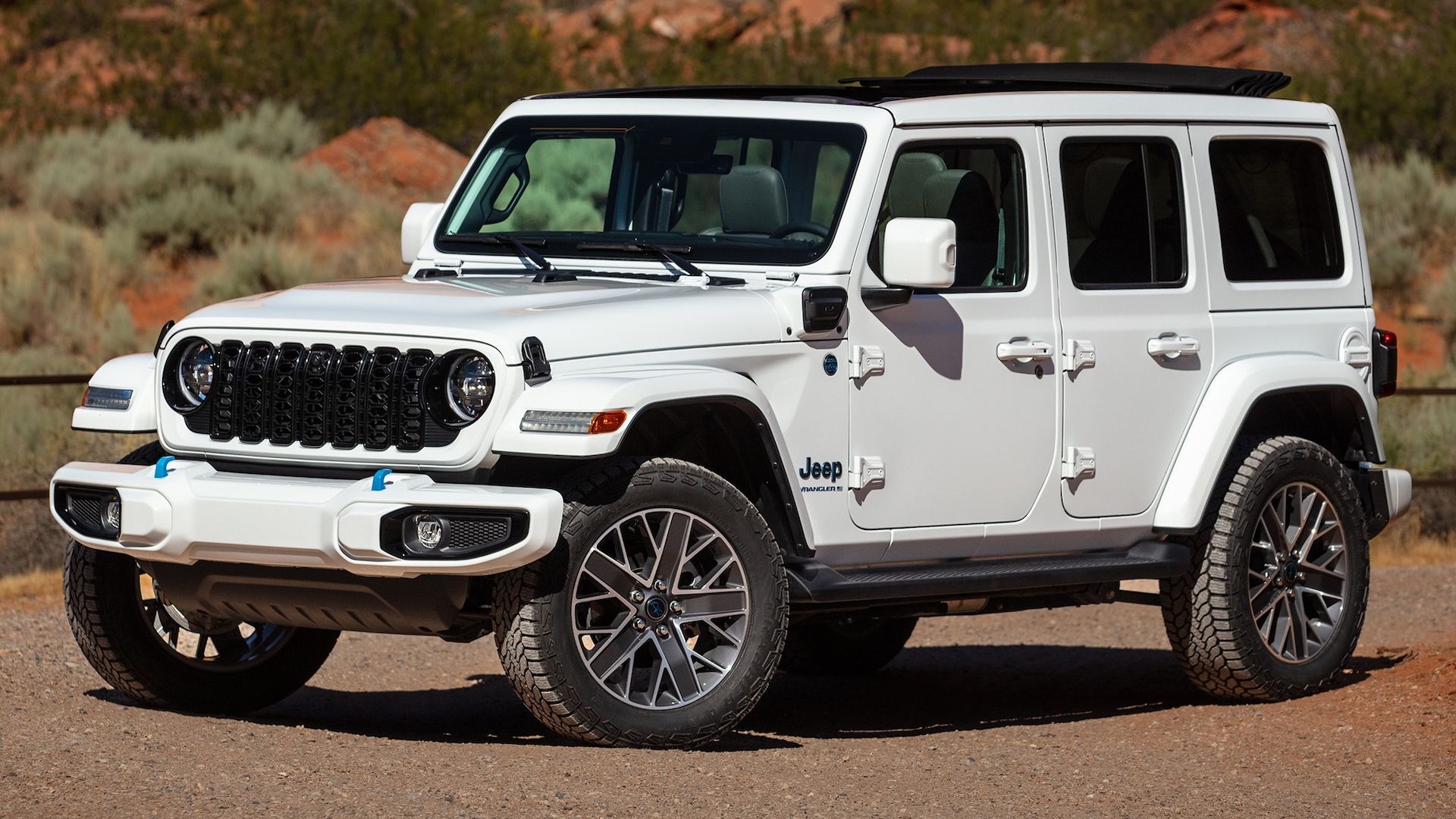
Many models also have rust-resistant coatings, and the ease of hosing down the undercarriage after a day at the beach reduces corrosion risk.
Whether you’re navigating Gulf Boulevard traffic or hitting nearby sand trails, the Wrangler balances practicality and fun effortlessly.
There’s no denying that the Jeep Wrangler is a powerhouse when it comes to off-road capability. Among stock vehicles, few match its prowess, particularly the Rubicon trim with its 33-inch tires and locking differentials.
However, this off-road focus comes at a cost for everyday driving: steering and handling feel compromised due to the traditional body-on-frame design, solid-axle suspension, and classic steering setup. The brake pedal travel is long, which is ideal for precise modulation on rough terrain but less convenient for regular road use.
Under the hood, the 3.6-liter V6 delivers solid performance, providing ample power. In our four-door Sahara test model, the Wrangler accelerated to 60 mph in a respectable 7.6 seconds.
The eight-speed automatic transmission shifts smoothly and consistently finds the right gear, making highway and city driving easier than one might expect from such a rugged vehicle.
Also Read: 10 Best Diesel Trucks Still Available to Buy Today
2. Mazda MX-5 Miata
For drivers who prioritize fun on smooth, scenic roads, the Mazda MX-5 Miata is hard to beat. Lightweight, agile, and equipped with a manual transmission option, it delivers a connected driving experience perfect for St.
Petersburg’s winding coastal roads. Its aluminum-heavy construction helps resist corrosion, and the soft-top or retractable hardtop lets you enjoy the warm Florida sun.
While it’s not ideal for deep sand, for paved beachside drives, the Miata is an unbeatable combination of style and performance.
The Miata’s lightweight build and rear-wheel-drive layout make it incredibly engaging to drive, even without an exceptionally powerful engine.

That said, the latest Miata delivers impressive speed. In our testing, the manual-equipped Club model accelerated from 0 to 60 mph in just 6 seconds. Its brakes are equally impressive, offering both easy modulation and short stopping distances.
Handling is where the Miata truly shines. It responds best to smooth, deliberate inputs, yet remains thrilling to fling into corners with abandon.
The car is precise and predictable, and it’s simple to control the rear end if you get a little too enthusiastic. While body roll is noticeable, even with the Club suspension, it only becomes a concern during very aggressive, high-speed driving.
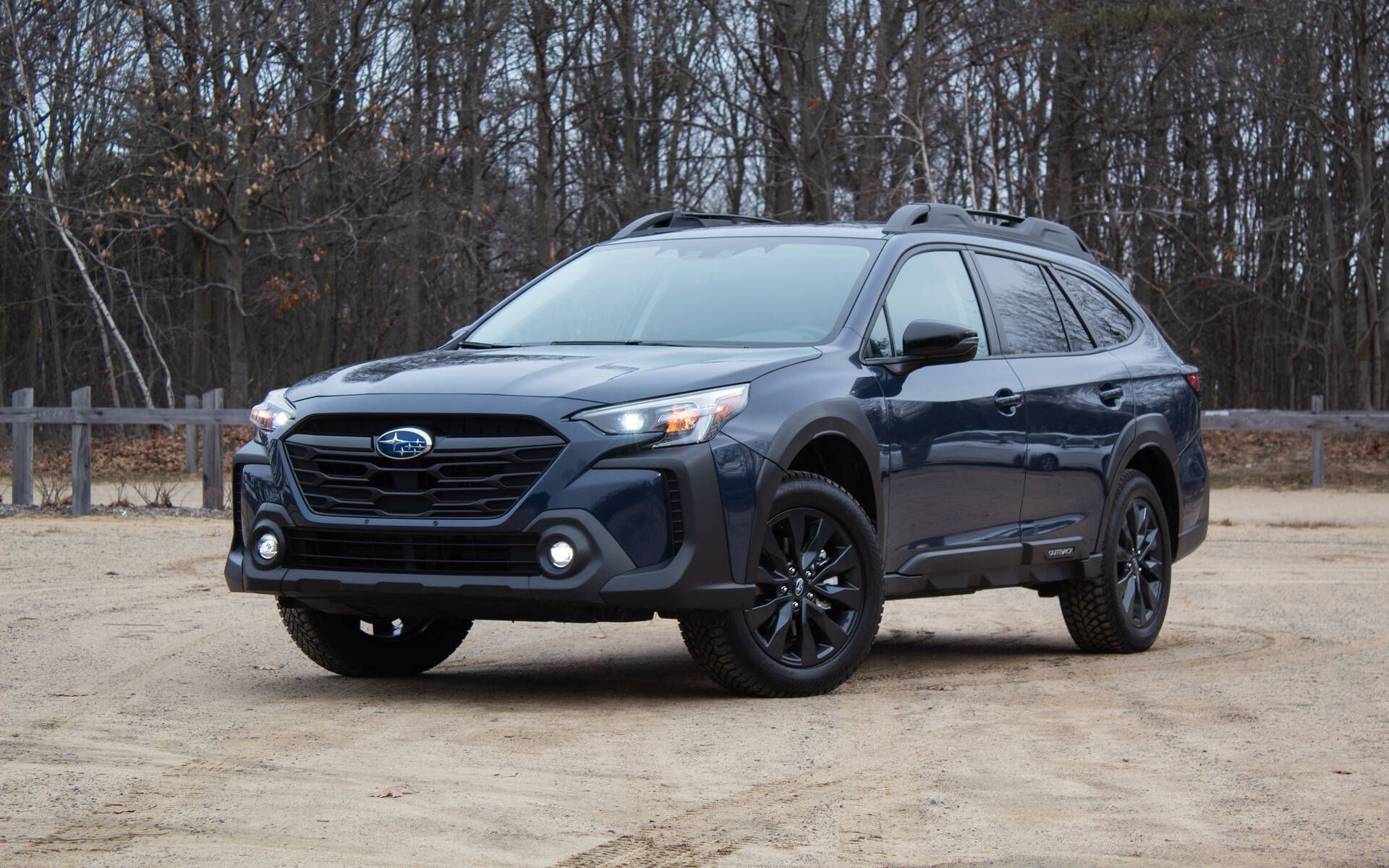
3. Subaru Outback
If practicality and versatility are priorities, the Subaru Outback stands out. Its all-wheel-drive system ensures traction on both wet roads and sandy stretches, while its higher ride height protects the underbody.
Subaru’s modern models use extensive rust-proofing, including galvanization of critical panels, making them reliable in coastal environments.
With ample cargo space for beach gear, paddleboards, and picnic supplies, the Outback is a functional, corrosion-resistant choice for Florida’s coastal lifestyle.
The Outback may lag in straight-line speed, but that’s about its only drawback in this category. Our test unit, an Outback Limited with the standard four-cylinder engine, reached 60 mph in 8.8 seconds.
If you want more power on par with rivals like the Honda Passport or Ford Edge, the turbocharged engine is the way to go. At least the transmission is quick and responsive, helping you keep up with traffic.
While there’s some noticeable body roll when cornering, the Outback generally handles well. The steering delivers solid on-center feel and good road feedback.
The real standout, though, is its versatility: with 8.7 inches of ground clearance and standard all-wheel drive, the Outback can tackle nearly any terrain its SUV competitors can, and even reach some places they can’t.
Also Read: 10 True Supercars That Still Offer a Manual Transmission
4. Ford Bronco
Reviving the iconic off-roader, the Ford Bronco is tailored for adventure. Like the Wrangler, it features body-on-frame construction, off-road capability, and durable paint coatings.
Bronco’s removable tops and doors make beach cruises an immersive experience. Modern Broncos are also designed with corrosion-resistant materials in mind, especially around wheel wells and undercarriages.
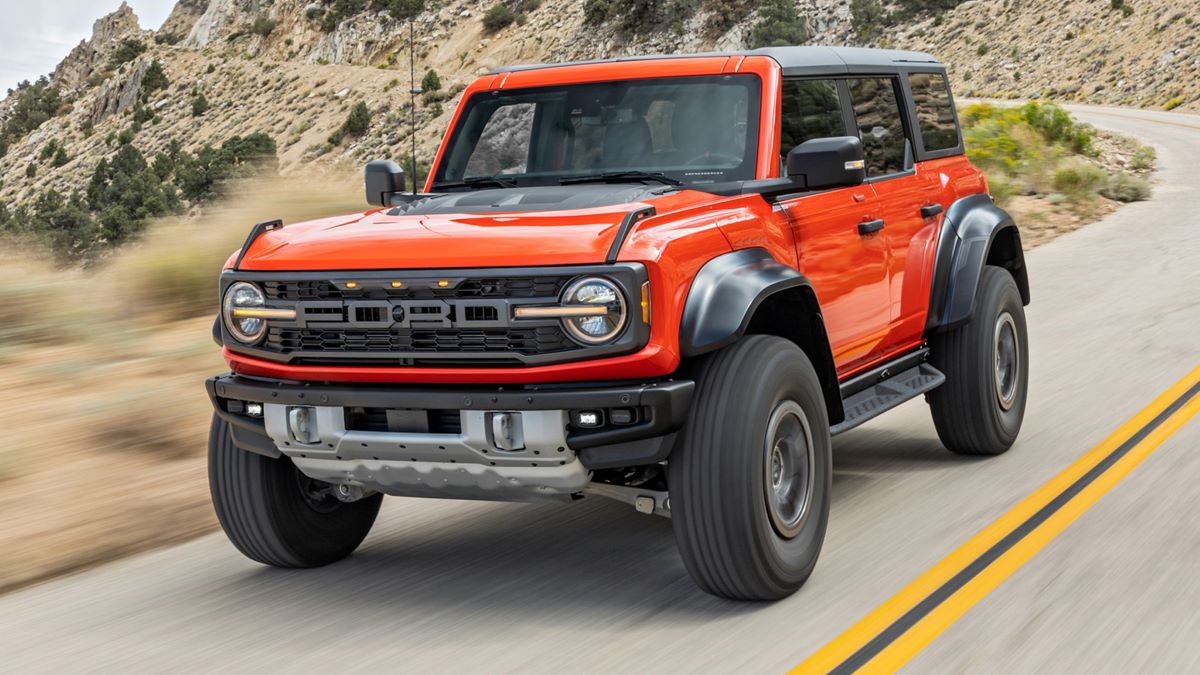
Its combination of rugged style and practical engineering makes it ideal for both sightseeing along St. Pete’s coast and weekend camping trips along Florida’s beaches.
Whether you choose the turbocharged four-cylinder or the turbo V6, the Bronco delivers ample and smooth power for everyday driving, paired with a quick-shifting 10-speed automatic transmission.
The added punch of the V6 makes merging onto highways and accelerating out of ramps more effortless and enjoyable. In testing, the four-door V6 Bronco hit 60 mph from a standstill in 7.3 seconds, about average, considering its hefty tires and larger body.
Hard braking produces noticeable nosedive, which is typical for off-road SUVs, and emergency stopping distances were longer than we’d prefer. From 60 mph, a panic stop covered 146 feet, comparable to what we see in heavy-duty pickup trucks.
Our test Bronco had the Sasquatch off-road package with rugged tires, but even Broncos with less aggressive rubber stopped only about 10 feet sooner, which still exceeds ideal distances.
The standout feature is the steering. Thanks to its independent front suspension, the Bronco communicates confidence and stability at highway speeds. While it won’t provide hairpin-road thrills, the steering ensures comfort and control during long-distance drives, leaving the driver less fatigued.
5. Tesla Model Y
For a more modern, eco-conscious coastal drive, the Tesla Model Y combines performance, luxury, and surprisingly good resistance to corrosion. Its electric drivetrain eliminates engine oil leaks and other fluid-related corrosion risks.
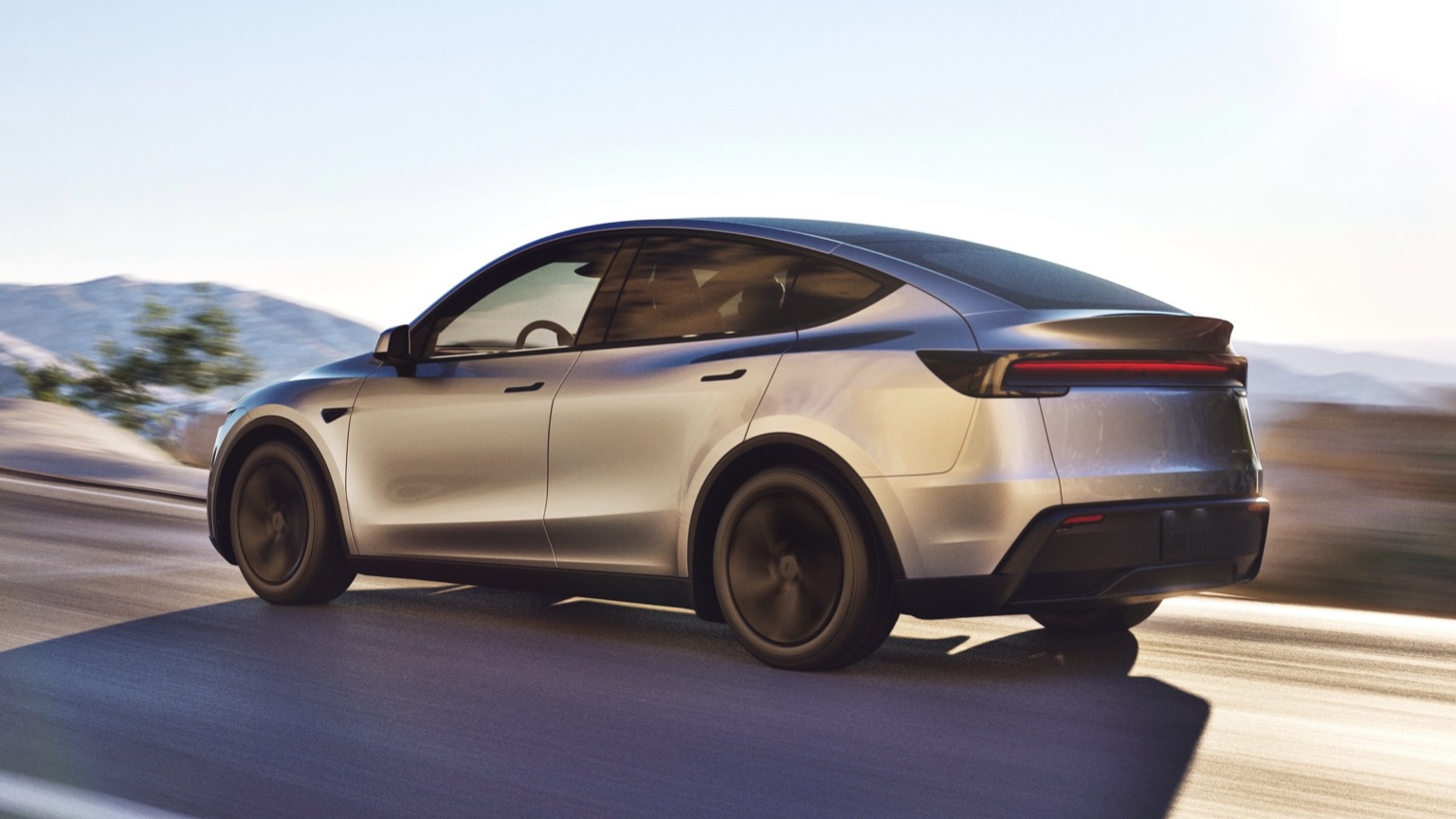
The aluminum-intensive construction of Tesla vehicles naturally resists rust better than traditional steel-heavy cars.
Coastal cruising in a Model Y is quiet, emissions-free, and stylish ideal for those who enjoy open roads and scenic Gulf Coast drives without sacrificing sustainability.
Acceleration is a strong suit for the Model Y Long Range. It sprinted from 0 to 60 mph in just 4.8 seconds. Even with all-season tires, typically designed more for longevity than grip, our test vehicle delivered an impressive stopping distance of 112 feet from 60 mph. Both numbers exceeded expectations and stand out within the EV segment.
Steering and handling are equally impressive, particularly given the Model Y’s substantial weight. The steering feels light yet responsive, providing a connected and controlled experience through corners.
Body roll is minimal for an SUV, making in-town driving especially manageable. Experienced EV drivers will also appreciate the adjustable regenerative braking, which allows for near-exclusive use of the accelerator pedal for smooth, controlled driving.
Cars That Corrode Easily in Coastal Areas
Living near the coast comes with many perks, sun, surf, and salty sea breezes, but it also takes a toll on your vehicle. Certain cars are more susceptible to rust and corrosion when exposed to salty air, sandy roads, and high humidity, turning a simple commute into a maintenance headache.
In this guide, we highlight the vehicles that tend to corrode easily in coastal areas, helping you make smarter choices to protect your investment and keep your car looking and performing its best by the water.
1. Chevrolet Silverado (Older Models Pre-2014)
While modern Silverados are better protected, older models, particularly those built before 2014, have a reputation for rusting, especially on the lower cab corners and underbody.
Exposure to salt air and beach sand accelerates corrosion, which can lead to structural issues if not addressed promptly.
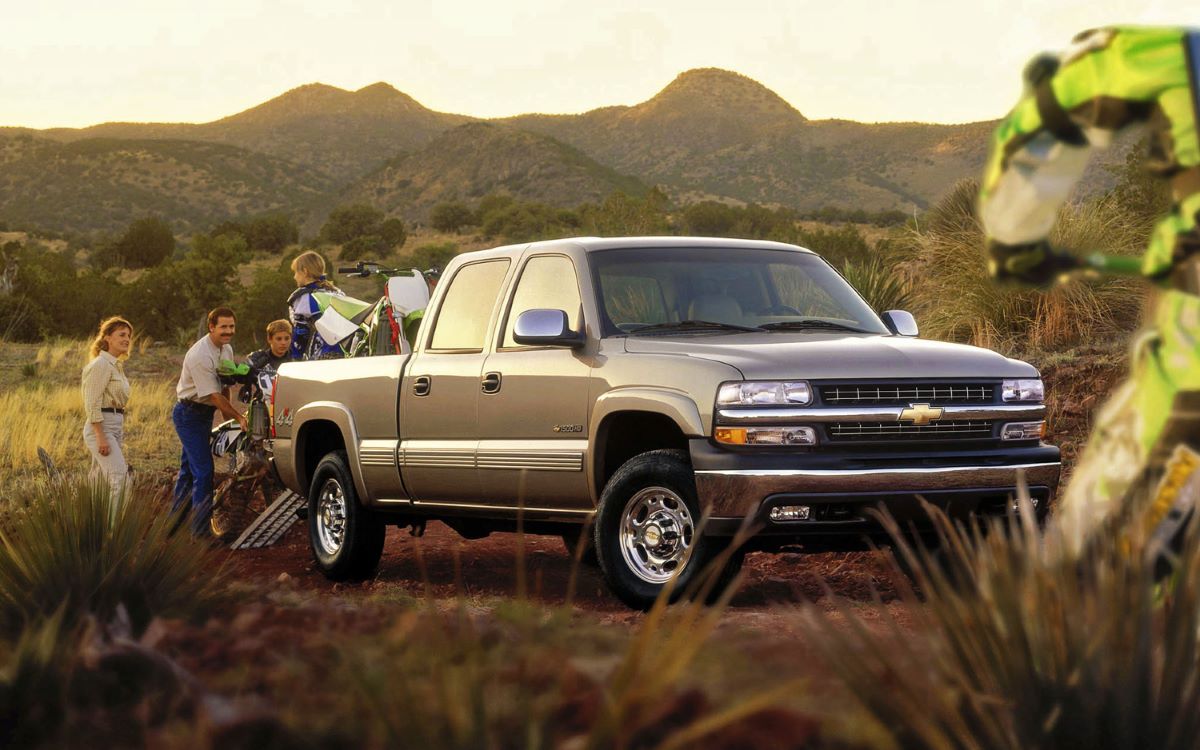
Rust-prone areas include the rocker panels, wheel arches, and frame components. Beach drives in these older pickups require constant maintenance, including underbody washes and protective coatings.
2. Jeep Cherokee XJ (Classic Models)
The Jeep Cherokee XJ was beloved for its rugged reliability, but classic models built in the 1980s and 1990s are extremely prone to rust. Critical areas like the floor pans, tailgate, and fender flares corrode quickly in coastal climates.
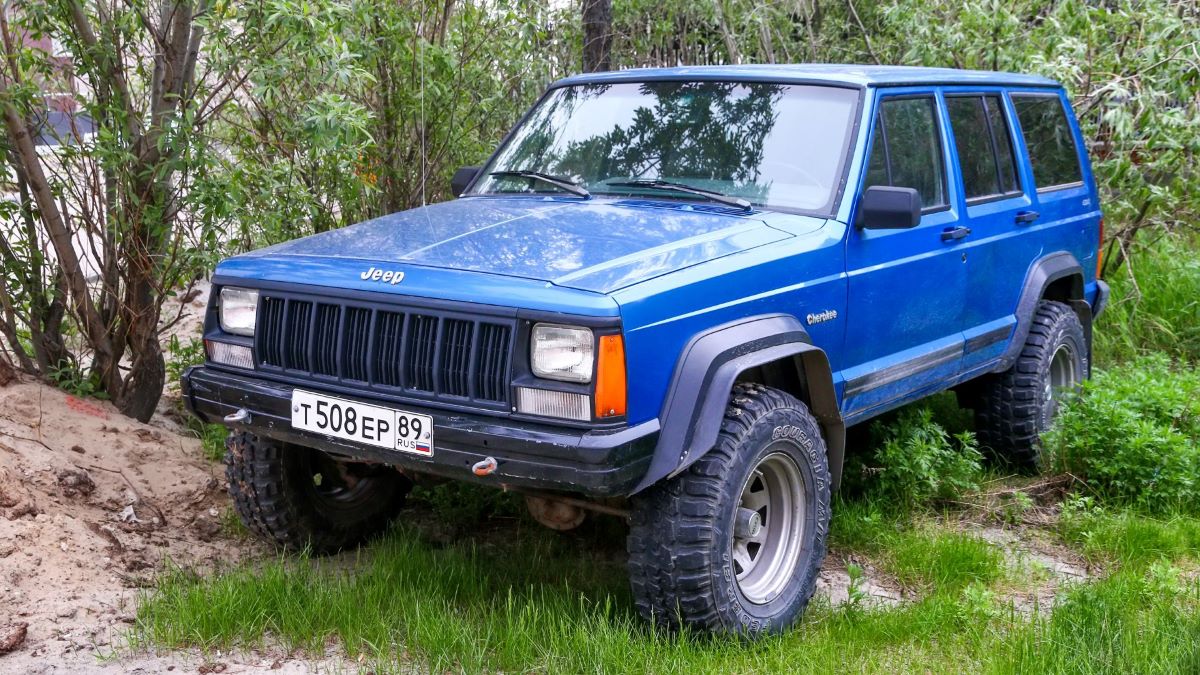
While mechanically durable, these older Cherokees often need extensive restoration to survive regular beach exposure. Modern Cherokees have improved corrosion protection, but the classic XJ is risky for St. Petersburg’s salty air.
When Jeep introduced its first entirely new vehicle in two decades, it offered two engine choices at launch. The base option was an AMC-backed 2.5-liter inline-4 with a single-barrel carburetor, while the more potent choice was a two-barrel carbureted 2.8-liter V6 supplied by General Motors. Both engines delivered similar horsepower, but the V6 provided more torque.
Within a few years, fuel injection arrived, and the GM-backed engine was replaced by a new AMC 4.0-liter inline-6, a motor that has proven durable and powers many surviving XJs today. Power jumped significantly, from 115 hp in the V6 to 173 hp, with torque rising to 220 lb-ft.
The XJ came in both rear- and four-wheel-drive layouts, with two- or four-door bodies, and automatic or manual transmissions ranging from three to five speeds. Jeep offered numerous configurations to tailor the Cherokee, including, somewhat ironically, a Wagoneer edition. Double headlamps and wood-paneling trim made a comeback until 1990.
Eventually, engine options were narrowed to just the 4.0-liter inline-6, and trim levels were simplified, a change accelerated by Daimler-Chrysler after acquiring Jeep in 1998. One of the first moves by new executive Wolfgang Bernhard was to retire the XJ.
After an 18-year production run, the XJ ended production shortly after the turn of the millennium. Parts of the Toledo factory were retooled to build its successor, the Jeep Liberty. Today, that same facility remains active, producing the ever-popular Wrangler and Gladiator models.
3. Honda Civic (Older Models Pre-2006)
Older Civics, particularly those made in the late ’90s and early 2000s, are infamous in coastal regions for rusting along the wheel wells and underbody. Florida’s humid, salty environment accelerates corrosion in these steel-heavy sedans.
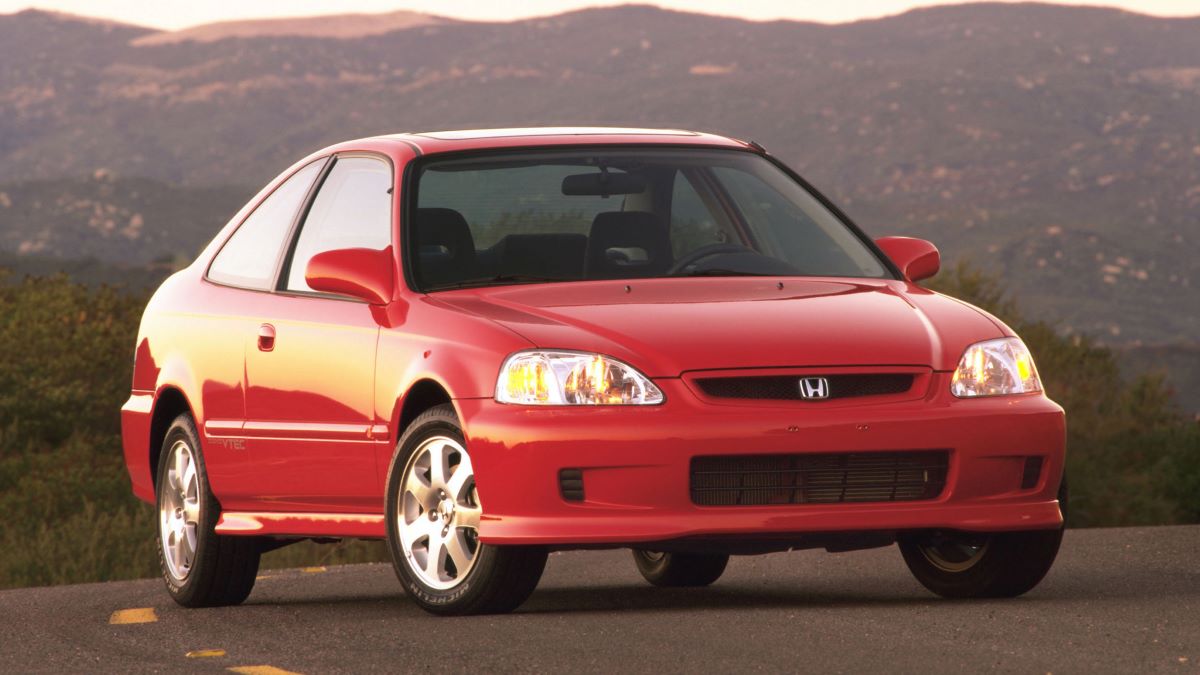
While Civics are mechanically reliable and fuel-efficient, they require diligent maintenance and rust-proofing if regularly exposed to beach conditions. Without preventive care, a classic Civic can quickly develop unsightly and structurally concerning rust.
The optional turbocharged 1.5-liter engine in the Civic delivers impressive performance and strong fuel efficiency. It’s only available starting with the EX trim, but the upgrade is well worth it. This engine propelled the Civic from 0 to 60 mph in just 6.7 seconds, a noteworthy feat for a non-performance car in this segment.
The Civic’s driving abilities are equally commendable. The brake pedal feels firm and responsive, allowing for precise stops when needed. Steering and handling are sharp and predictable, making the Civic enjoyable to maneuver through corners.
When it comes to comfort, the Civic borrows many of the midsize Accord’s strengths while maintaining a smaller, more manageable footprint.
Rough-road impacts are absorbed well, and the ride remains smooth and controlled without ever feeling overly soft or floaty. The seats are supportive and comfortable, including the rear bench, which is well-cushioned for passengers.
Another feature that enhances comfort is the dual-zone automatic climate control, which effectively maintains the desired cabin temperature and distributes airflow evenly through the vents. The Civic sedan also offers a generally quiet cabin, though some road noise can filter in when driving on rough or coarse pavement.
4. Volkswagen Golf and Jetta (Older Models)
German engineering delivers precise handling, but older Volkswagens often struggle in salty, humid climates. Rust can appear around the wheel arches, rear hatch, and underbody.
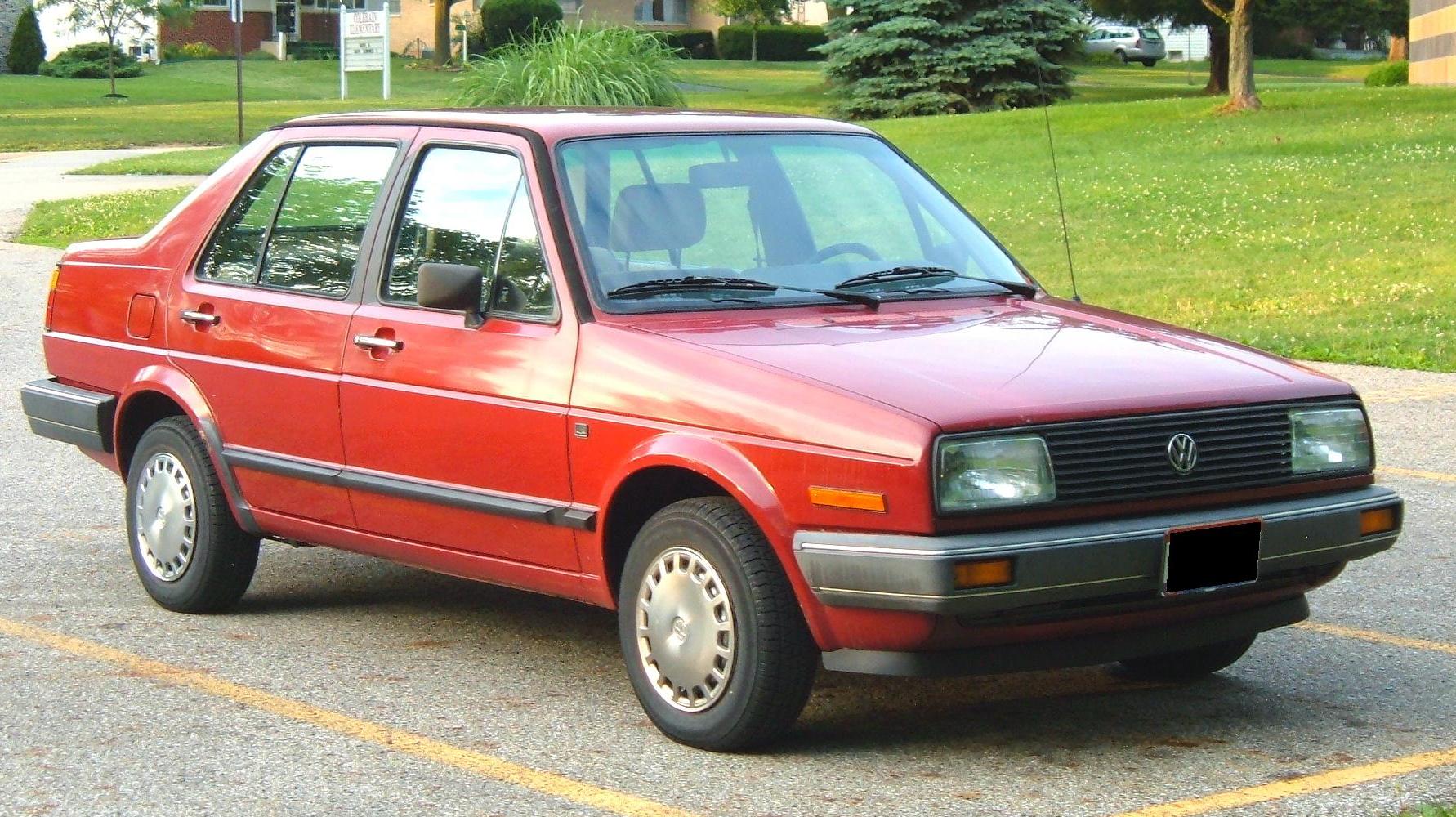
Early 2000s models, in particular, are vulnerable to corrosion if driven near the coast without regular cleaning and protective treatments.
Enthusiasts appreciate the driving dynamics, but for casual St. Petersburg beach cruisers, these cars can become maintenance-heavy liabilities.
The Volkswagen Jetta stands out as one of the more refined compact sedans, though it doesn’t deliver the same thrill behind the wheel that some of its rivals offer.
Its hatchback sibling, the VW Golf, highlights this contrast perfectly. That said, the Jetta excels in efficiency and practicality, offering a spacious interior, ample cargo capacity, and upscale options.
On the downside, the cabin design is fairly uninspired, and the higher-end features are mostly reserved for the top trims. Equipped with a polished infotainment system and plenty of driver-assistance technology, the 2020 Jetta will meet the needs of most buyers, except those who prioritize engaging driving dynamics.
For 2020, Volkswagen made several small updates to the Jetta lineup. Every model now comes with the latest Car-Net infotainment system, which includes a subscription-based Wi-Fi hotspot.
SE and R-Line trims add a Cold Weather package that equips the steering wheel, rear seats, washer nozzles, and windshield wipers with heating elements, plus remote start. The top-tier SEL and SEL Premium trims include all of this standard, along with new 17-inch wheels and wireless smartphone charging.
For most buyers, the mid-level R-Line is the sweet spot. It adds more appealing exterior styling, a blind-spot monitor, passive entry, and two-tone faux-leather upholstery that livens up the otherwise plain interior. The optional Cold Weather kit is a smart choice for those in colder climates, bringing heated rear seats, a heated steering wheel, remote start, and more.
All 2020 Jettas come with a turbocharged four-cylinder engine producing 147 horsepower, powering the front wheels. The base S model comes with a six-speed manual transmission, while an eight-speed automatic is standard on every other trim. Testing showed both transmissions deliver virtually the same acceleration times, which are solid but unremarkable compared with quicker competitors.
The Jetta responds well when pulling away from stoplights, but it can feel underpowered for passing on the highway. While it shares its platform and powertrains with the VW Golf, the sedan is less engaging to drive. The ride is comfortable and quiet, and the steering is light and effortless, but lacks precision.
5. Nissan Pathfinder (Pre-2010)
Older Nissan Pathfinders, especially those built in the 2000s, have a tendency to develop rust on the frame and suspension components.
While they offer ample interior space and off-road capability, constant exposure to Florida’s salt air accelerates corrosion on critical underbody parts.
This can compromise the longevity of the vehicle and increase repair costs. Newer Pathfinders are better protected, but pre-2010 models are a gamble if you plan frequent coastal drives.
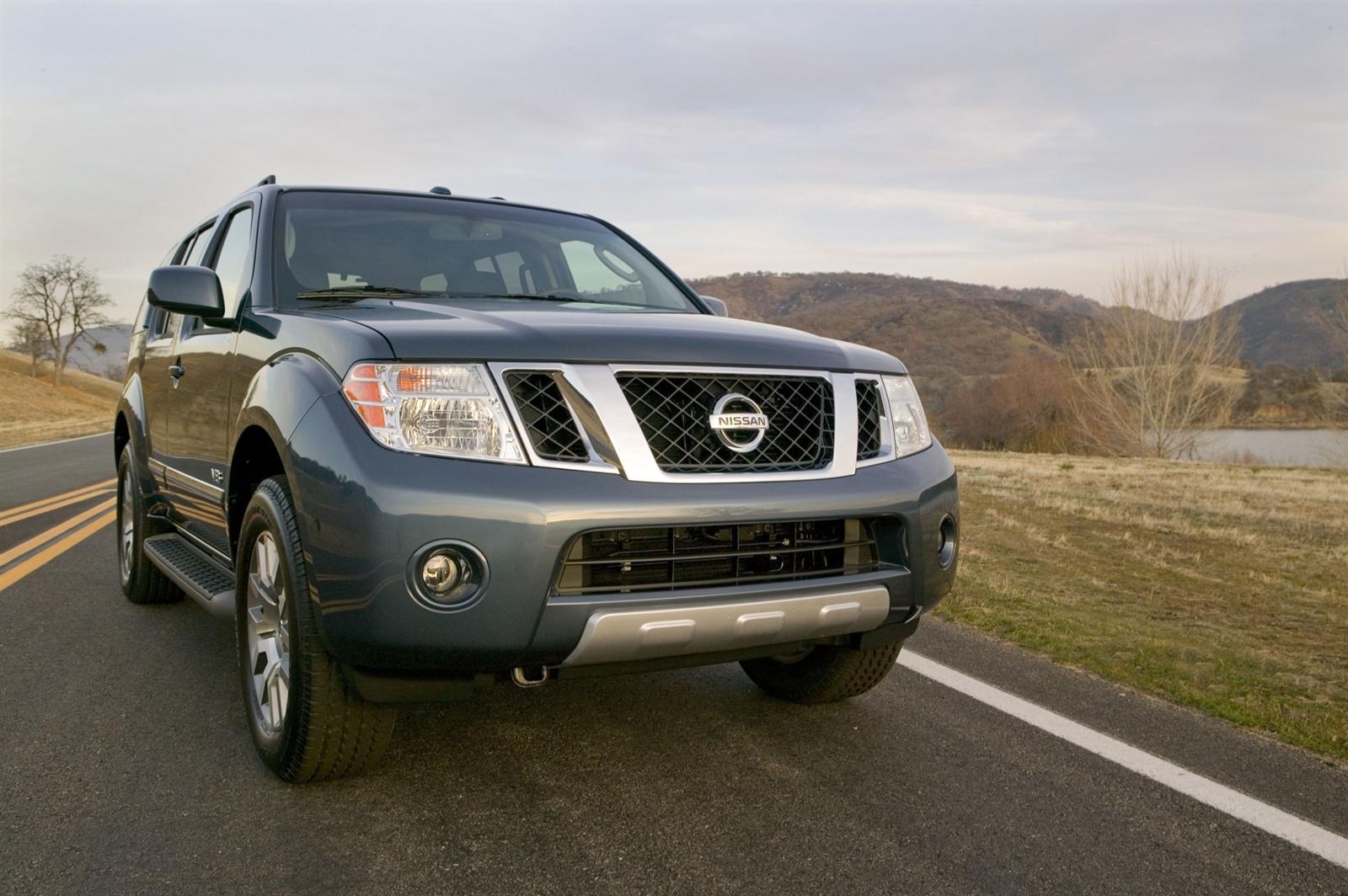
Living near St. Petersburg’s beautiful beaches is a lifestyle many envy, but it requires smart choices when it comes to vehicles.
The Nissan Pathfinder has undergone a remarkable evolution since its debut in the late 1980s. Originally introduced as a rugged, body-on-frame two-door SUV built for serious trail work, the Pathfinder shifted over the years into a unibody four-door with a smooth, comfortable suspension by the late 1990s.
When the current generation arrived three years ago, it clearly reflected Nissan’s ambition to create a vehicle that could cater to a wide array of buyers.
To appeal to off-road enthusiasts, the Pathfinder returned to a robust, body-on-frame architecture derived from the full-size Titan pickup and Armada SUV. Nissan incorporated up to 9.1 inches of ground clearance, offered a dedicated Off-Road trim, and provided both part-time and full-time four-wheel-drive systems.
At the same time, Nissan sought to make the Pathfinder practical for everyday family use. The vehicle’s larger body accommodates seven passengers across three rows, with the second- and third-row seats folding flat into the floor thanks to an independent rear suspension design.
However, merging these two design philosophies hasn’t been seamless. The body-on-frame construction clashes somewhat with the sportier tuning of the steering and suspension, resulting in a ride that can feel stiff and handling that is occasionally heavy-handed. Additionally, the second- and third-row seats can feel a bit cramped for adult passengers.
For the 2008 model year, Nissan implemented a series of updates to broaden the Pathfinder’s appeal. The interior received a redesigned dash and center console for easier usability, and new convenience features were added, including Bluetooth connectivity and a hard-drive-based navigation system capable of storing music files. Nissan also introduced a stronger V8 engine to make towing heavy loads easier than ever.
While not flawless, the 2008 Nissan Pathfinder delivers a lot. When compared to other body-on-frame midsize SUVs like the Toyota 4Runner, Ford Explorer, Jeep Grand Cherokee, and Chevrolet TrailBlazer, the Pathfinder ranks near the top for performance, driving enjoyment, interior design, and overall value.
That said, buyers seeking a comfortable, city-oriented SUV with third-row seating might prefer car-based models such as the Honda Pilot, Hyundai Veracruz, Mazda CX-9, Saturn Outlook, or Toyota Highlander.
The Pathfinder offers a choice of two potent engines. The base 4.0-liter V6 generates 266 horsepower and 288 lb-ft of torque. A new 5.6-liter V8, while not quite matching Jeep’s Hemi, outperforms V8s from Ford, GM, and Toyota, delivering 310 horsepower and 380 lb-ft of torque and boosting towing capacity from 6,000 to 7,000 pounds.
Both engines are paired with a five-speed automatic transmission. Four-wheel-drive versions of the LE V6 and all V8 models feature a full-time mode suitable for all surfaces, while other 4WD Pathfinders rely on a part-time system. In testing, a 4WD Pathfinder accelerated from 0 to 60 mph in a brisk 7.0 seconds.
Cars like the Jeep Wrangler, Subaru Outback, Ford Bronco, Mazda MX-5 Miata, and Tesla Model Y are not only fun to drive along scenic coastal routes but are also built to resist the corrosive effects of salt air and sandy roads.
On the other hand, older trucks and sedans like pre-2014 Chevrolet Silverados, classic Jeep Cherokees, older Honda Civics, Volkswagens, and early Nissan Pathfinders are more prone to rust and require extra care to avoid long-term damage.
Whether you prioritize off-road adventure, sleek coastal cruising, or modern electric performance, choosing the right car for Florida’s unique environment ensures that your St. Petersburg beach drives remain enjoyable and rust-free for years to come.